Nosara

Nature Field Guide
Discover Nosara’s Wild Side
Explore wildlife, plants and trees. Learn what to look for and where to find them.
413 profiles
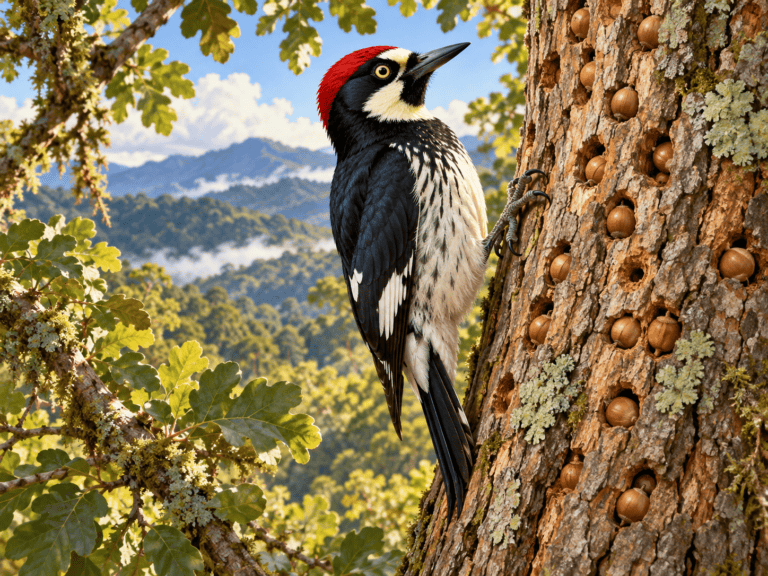
Acorn Woodpecker
A striking woodpecker linked to oak woodland and acorn food stores.
Take a closer look ↗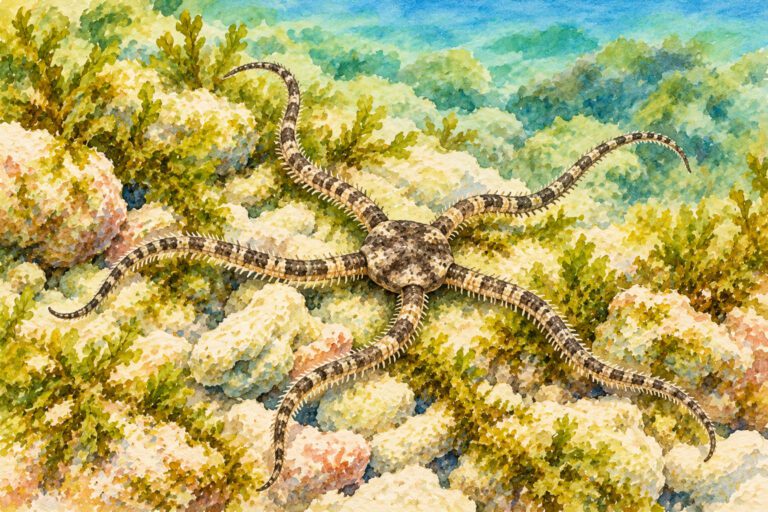
Alexander’s Spiny Brittle Star
Ophiocomella alexandri is a brittle star associated with rocky and reef habitats.
Take a closer look ↗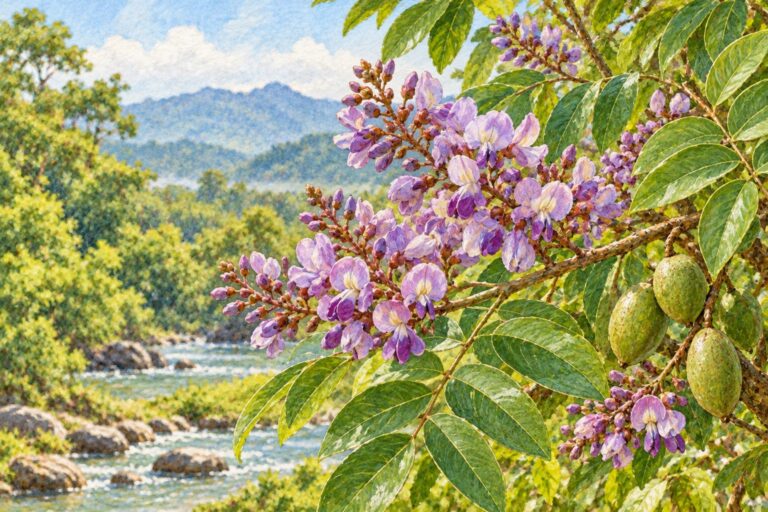
Almendro de Rio
Purple flower clusters stand out against a dense green crown.
Take a closer look ↗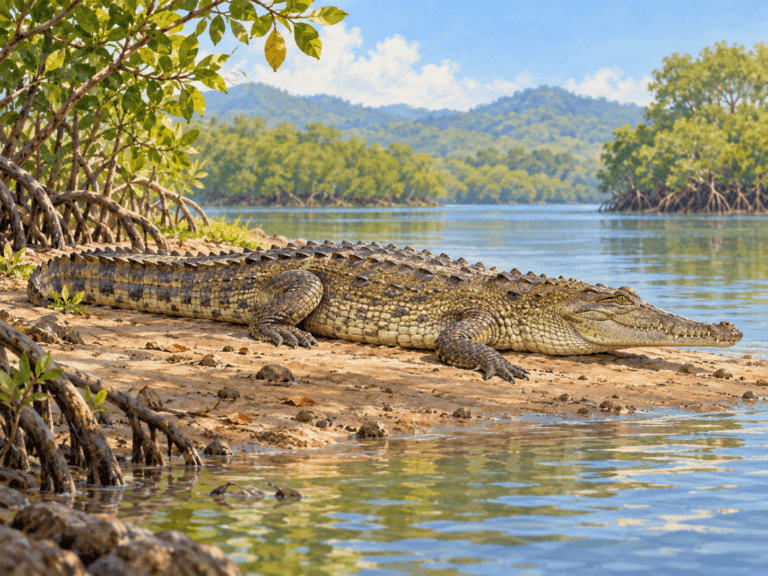
American Crocodile
A long snout and narrow head.
Take a closer look ↗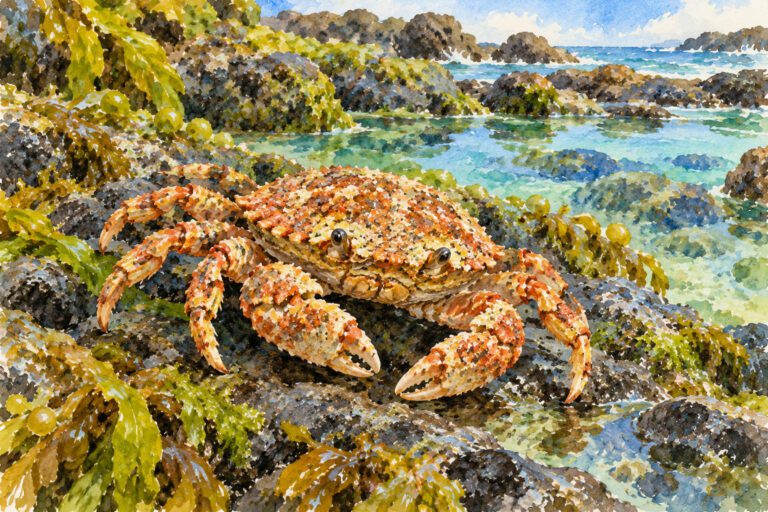
American Pebble Crab
Daira americana is a small shore crab associated with rocky lower tidal habitat.
Take a closer look ↗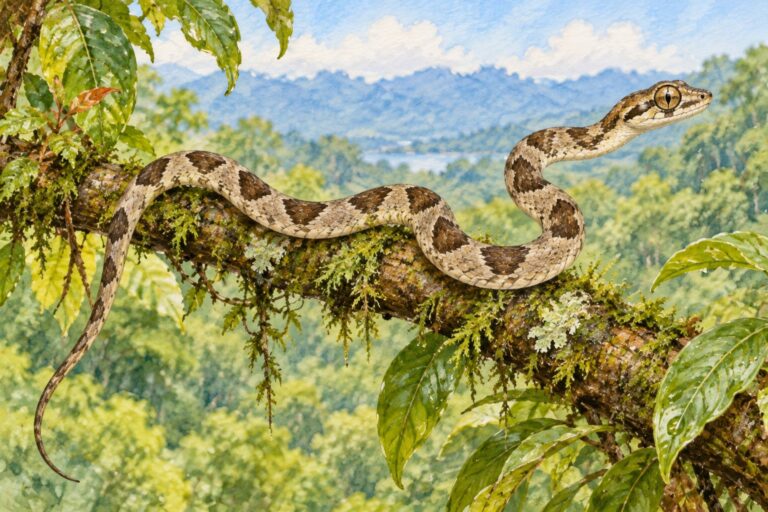
American Snail-eater
A narrow-bodied forest climber searches a world of branches and soft-bodied prey.
Take a closer look ↗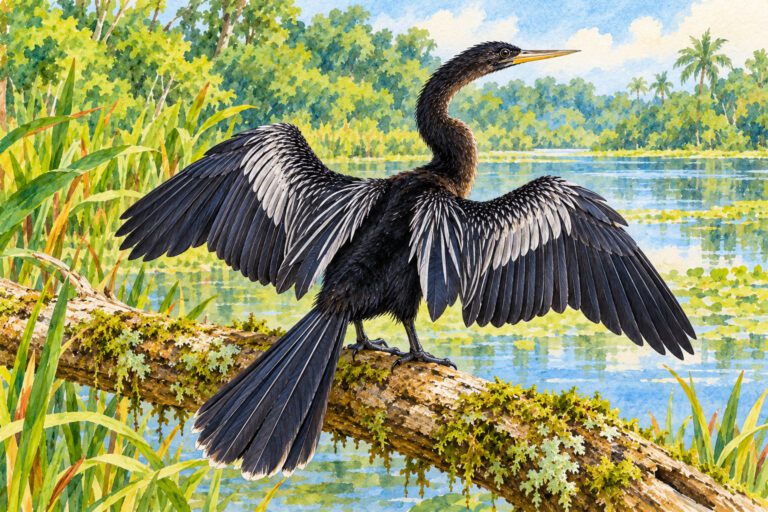
Anhinga
Anhingas swim underwater after fish and use straight pointed bills to seize prey.
Take a closer look ↗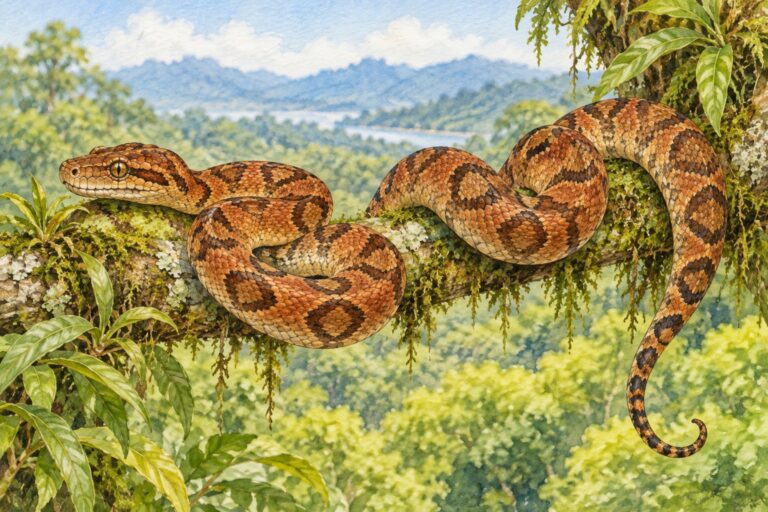
Annulated Tree Boa
Dark ringlike markings break up the outline of a forest-climbing boa.
Take a closer look ↗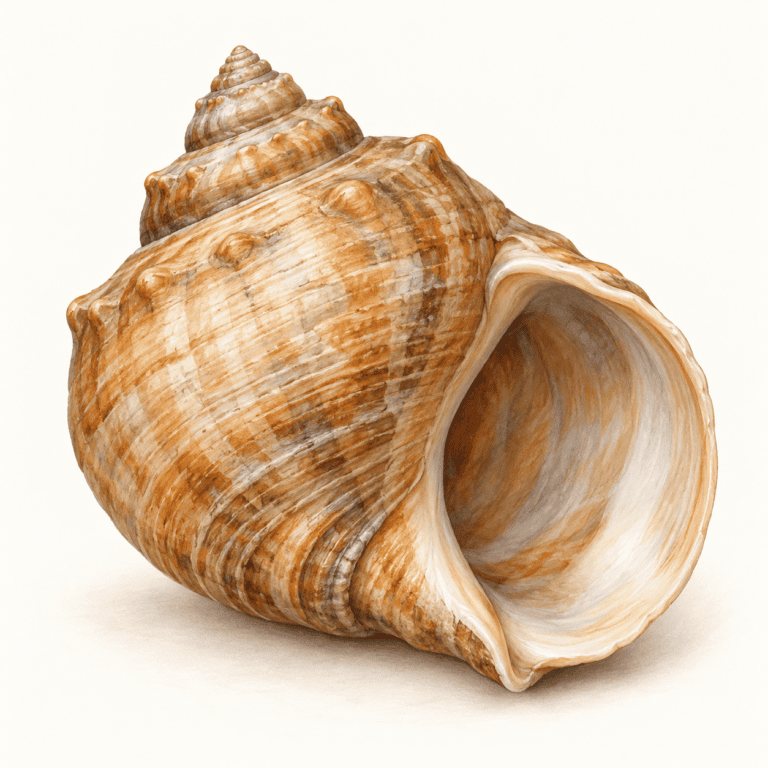
Apple Rocksnail
An apple rocksnail lives among the rocks of the lower shore.
Take a closer look ↗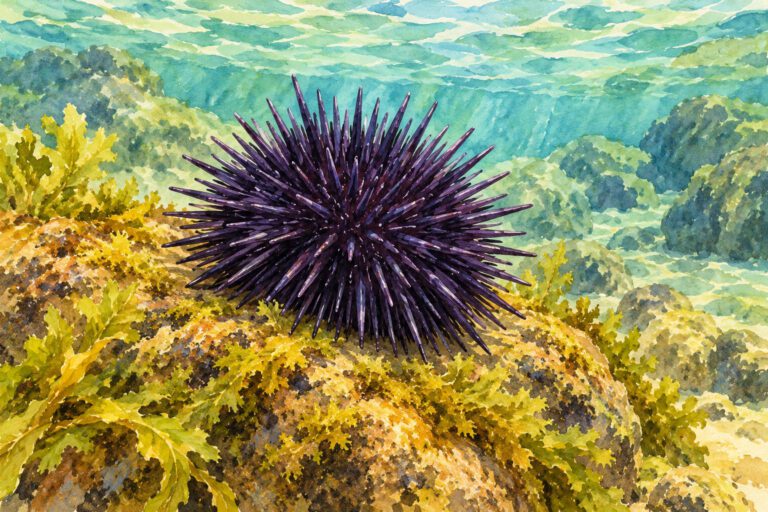
Arbacia Sea Urchin
Arbacia stellata is a sea urchin recorded from the eastern Pacific.
Take a closer look ↗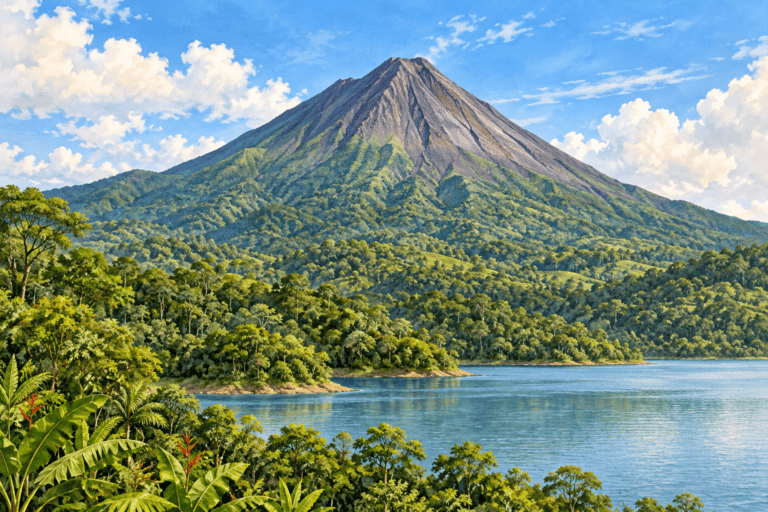
Arenal Volcano
A striking volcanic cone rises above the rainforest near La Fortuna.
Take a closer look ↗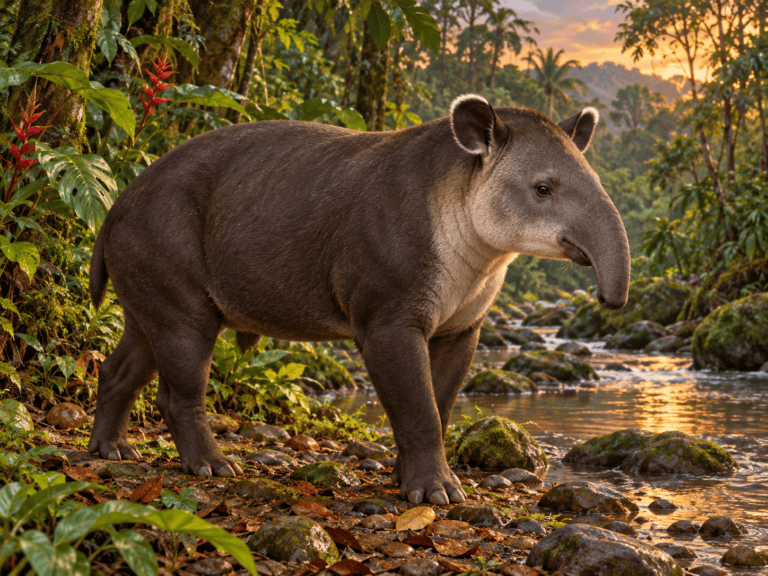
Baird’s Tapir
Costa Rica’s largest land mammal has a flexible snout and an important forest role.
Take a closer look ↗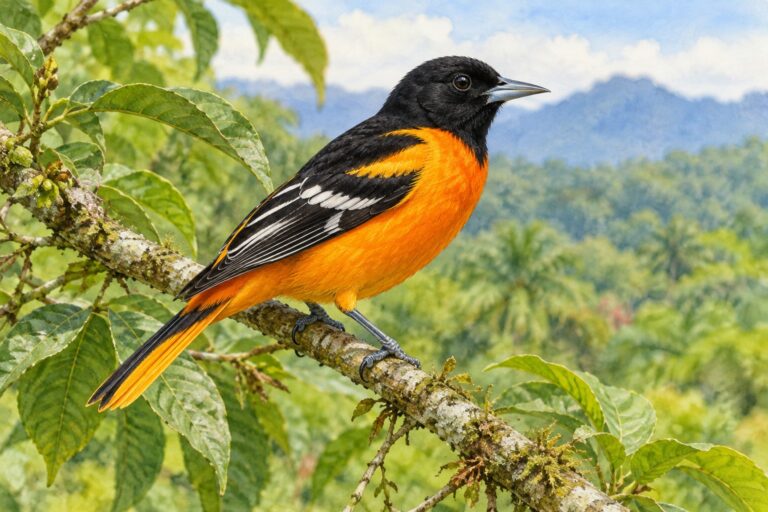
Baltimore Oriole
An orange-and-black seasonal visitor from the north.
Take a closer look ↗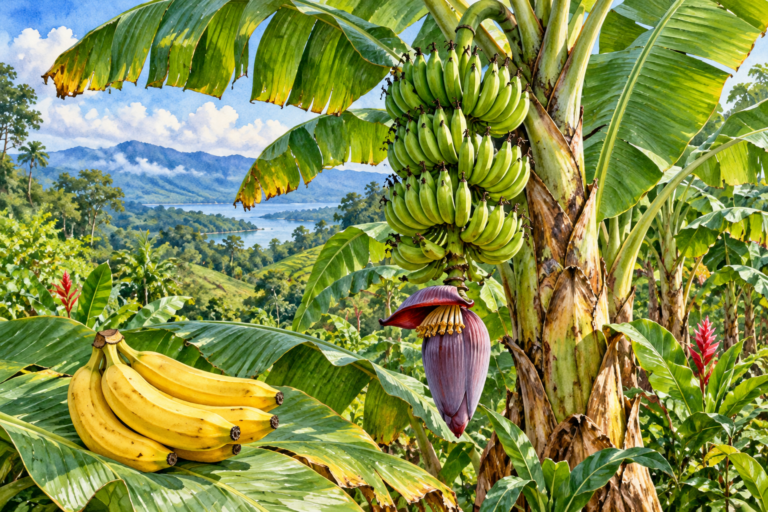
Banana
A banana plant looks like a tree, but it is a giant herb.
Take a closer look ↗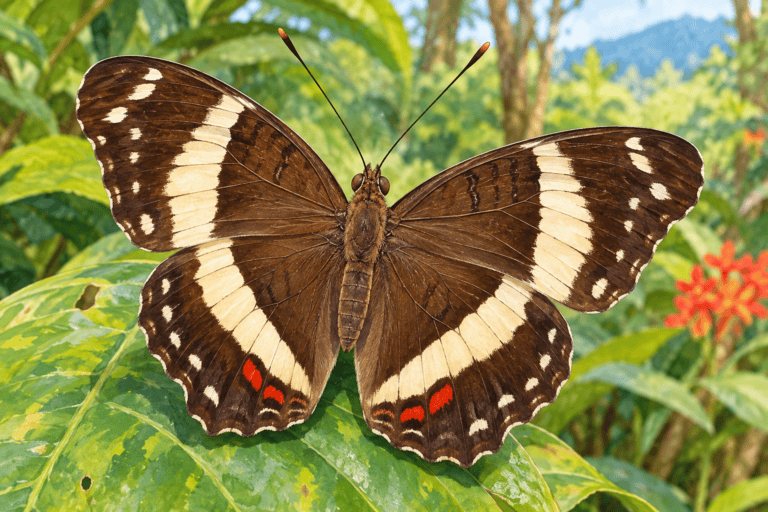
Banded Peacock Butterfly
Brown wings.
Take a closer look ↗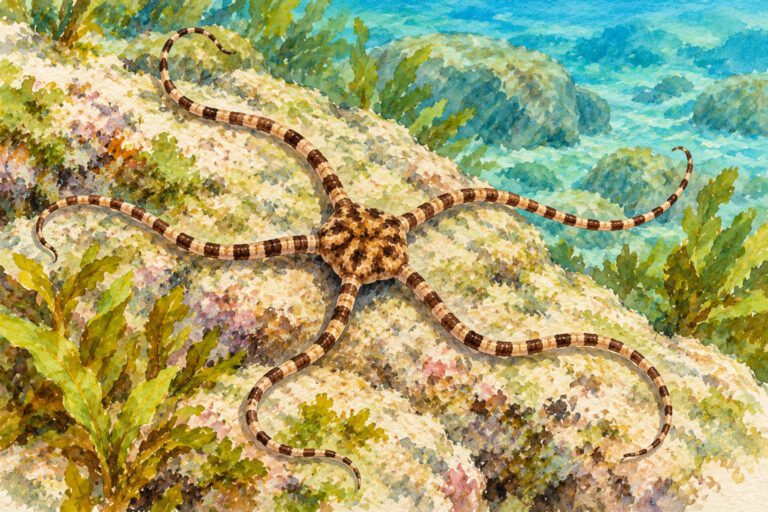
Banded Serpent Brittle Star
Ophionereis annulata is a brittle star with a rounded central disc and slender banded arms.
Take a closer look ↗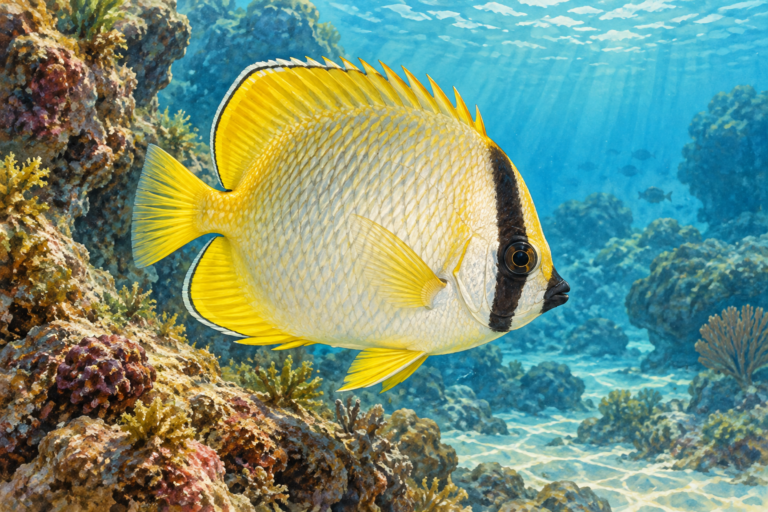
Barberfish
A flattened, oval, disc-like body.
Take a closer look ↗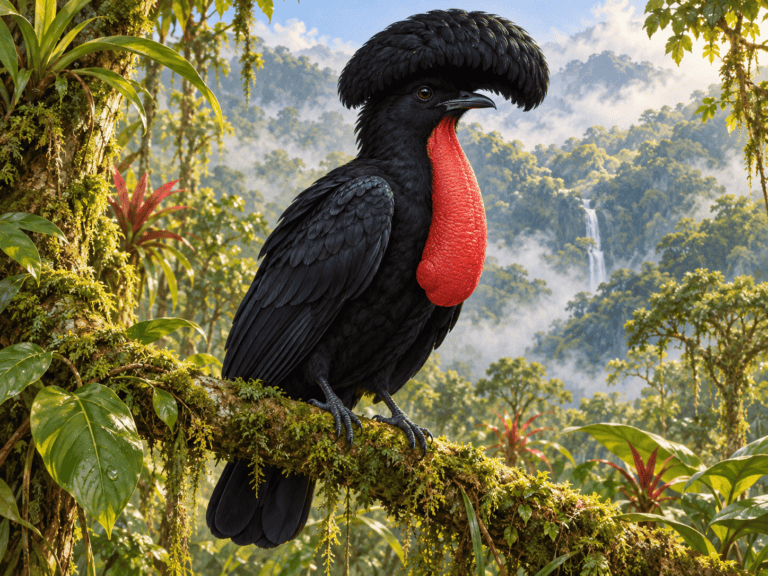
Bare-necked Umbrellabird
An elusive forest bird with a striking crest and important seed-dispersal role.
Take a closer look ↗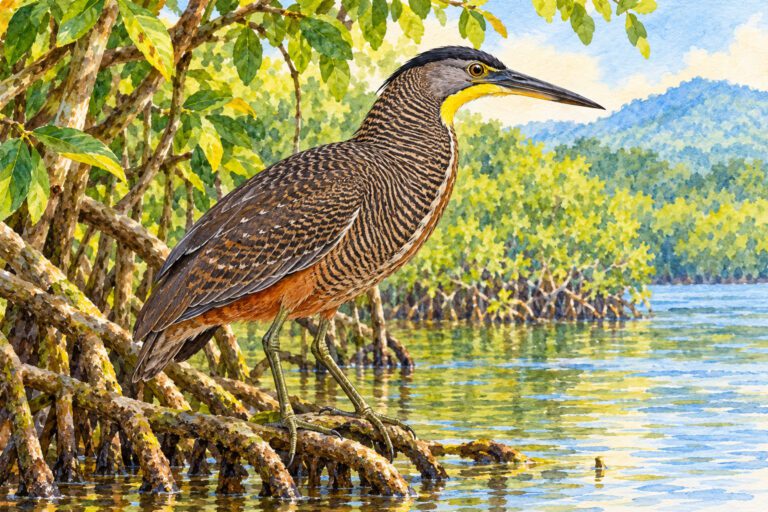
Bare-throated Tiger-Heron
This robust tropical heron uses mangroves and freshwater wetlands.
Take a closer look ↗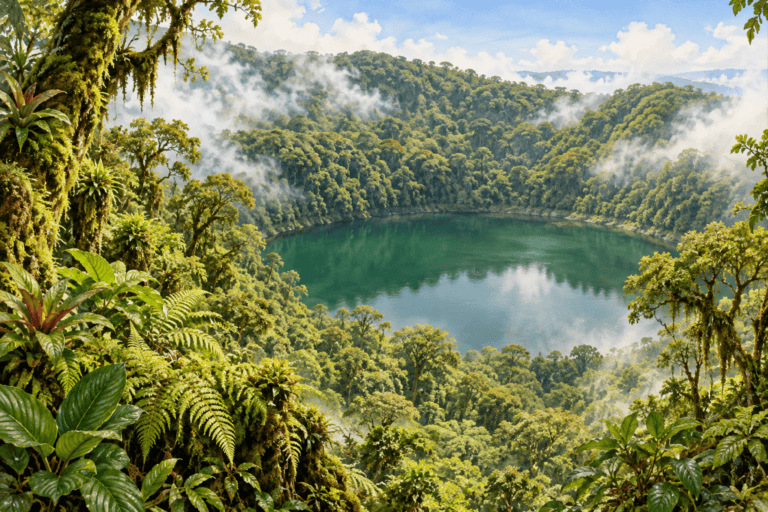
Barva Volcano
A forested volcanic summit hides a peaceful crater lake in the clouds.
Take a closer look ↗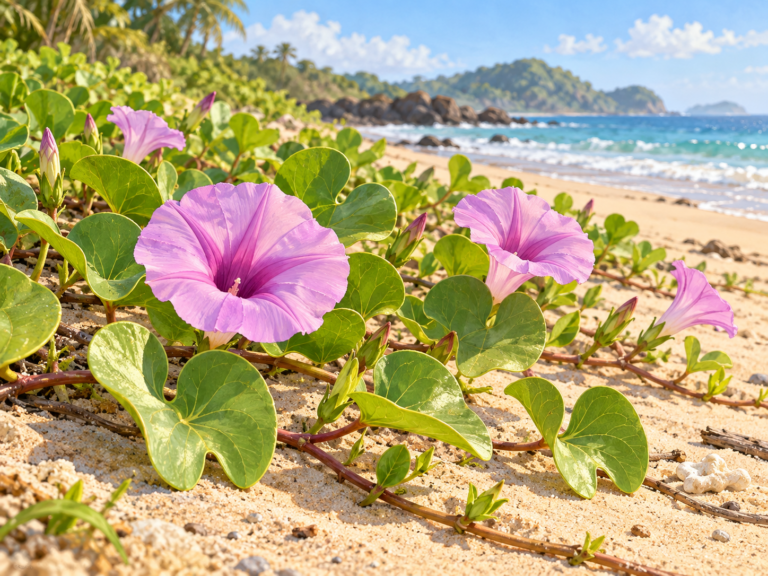
Beach Morning Glory
Creeping stems extending across beach sand.
Take a closer look ↗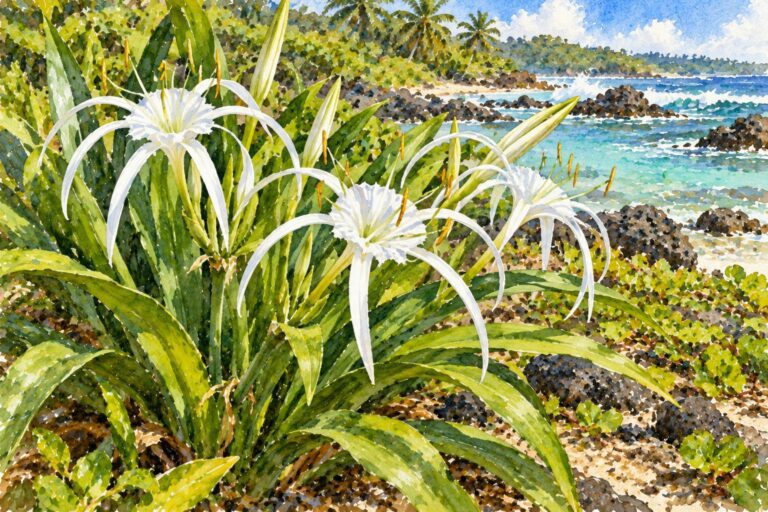
Beach Spider Lily
Beach spider lily has long strap-shaped leaves and striking white flowers.
Take a closer look ↗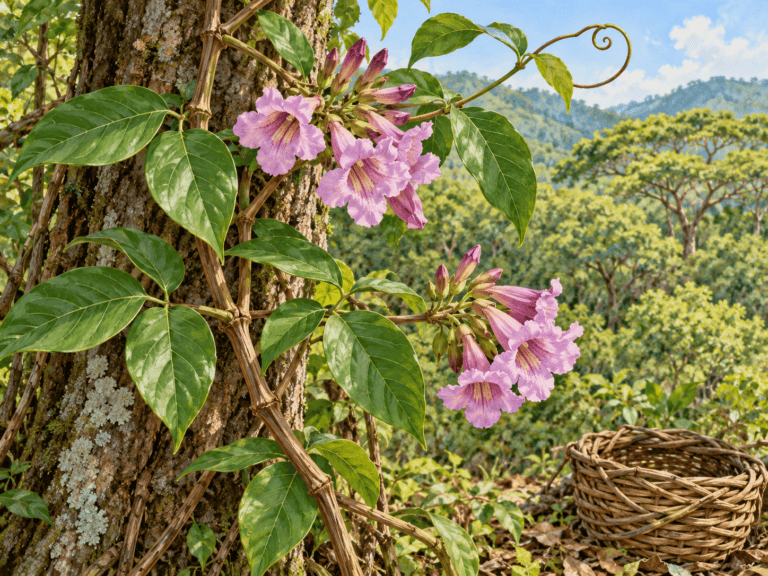
Bejuco Cucharilla
A woody climbing vine that connects Costa Rican forests with the craft of basket weaving.
Take a closer look ↗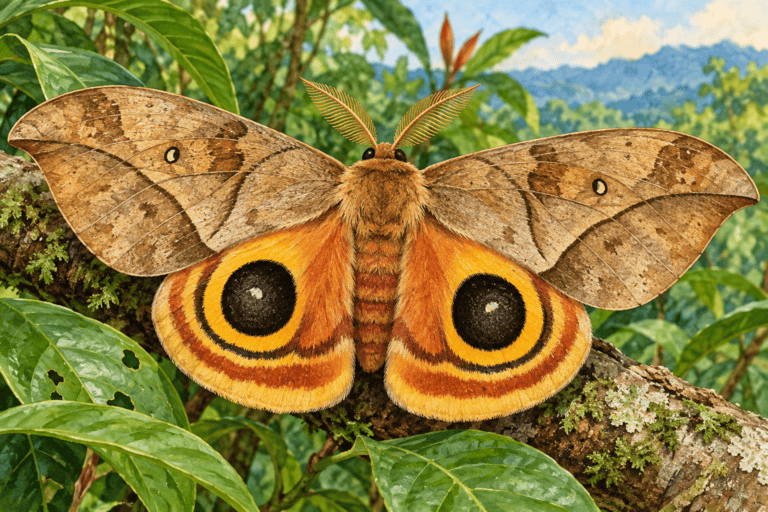
Belt’s Eyed Silk Moth
Leaf-like forewings.
Take a closer look ↗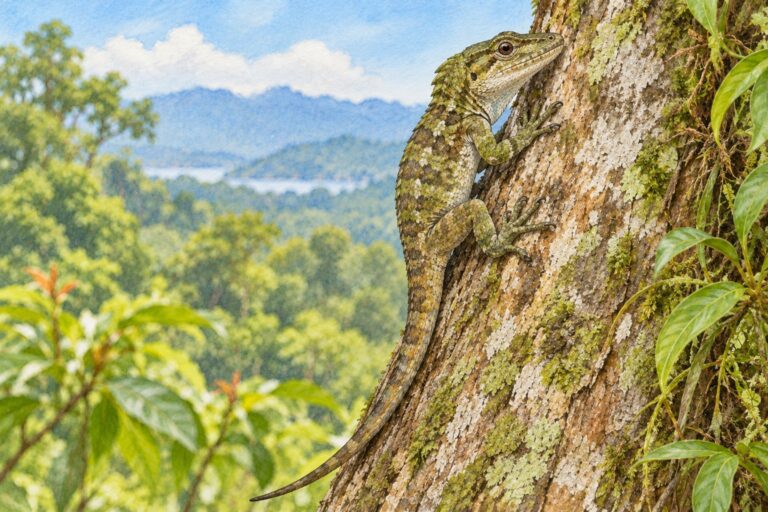
Big-headed Anole
A broad head and mottled colors help this forest anole blend into bark.
Take a closer look ↗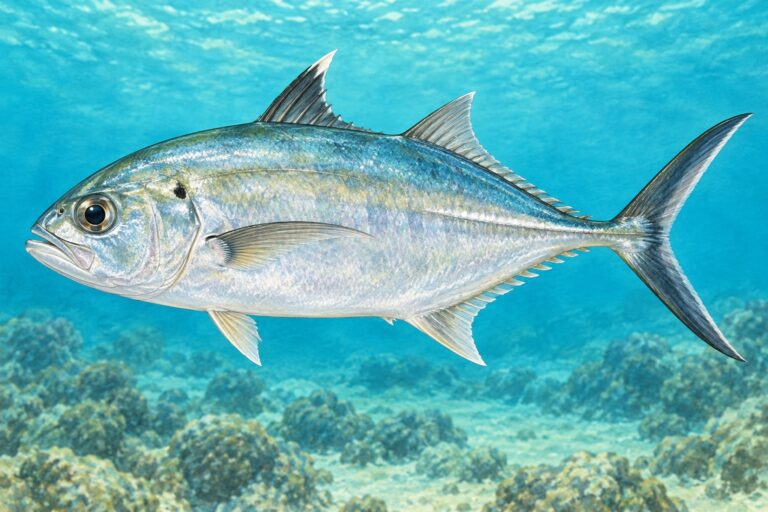
Bigeye Trevally
A silver jack with a noticeably large eye.
Take a closer look ↗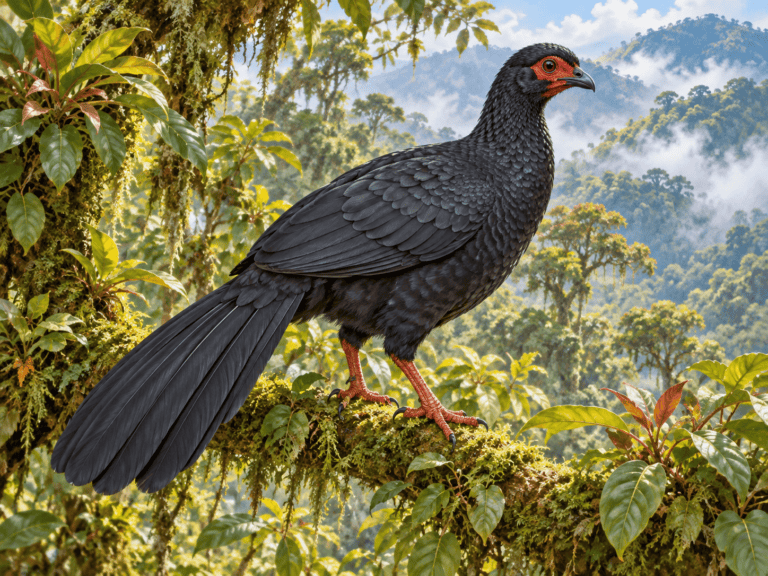
Black Guan
A dark mountain-forest bird with a blue face and red eyes.
Take a closer look ↗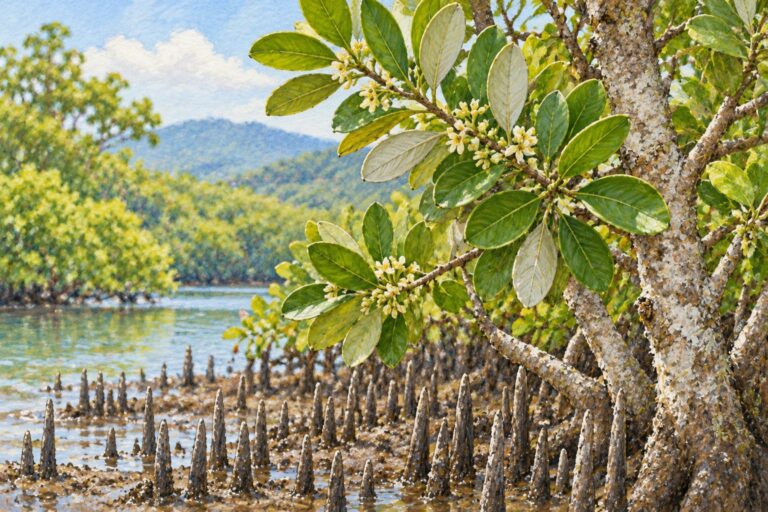
Black Mangrove
Pencil-shaped breathing roots rise from the mud around this mangrove.
Take a closer look ↗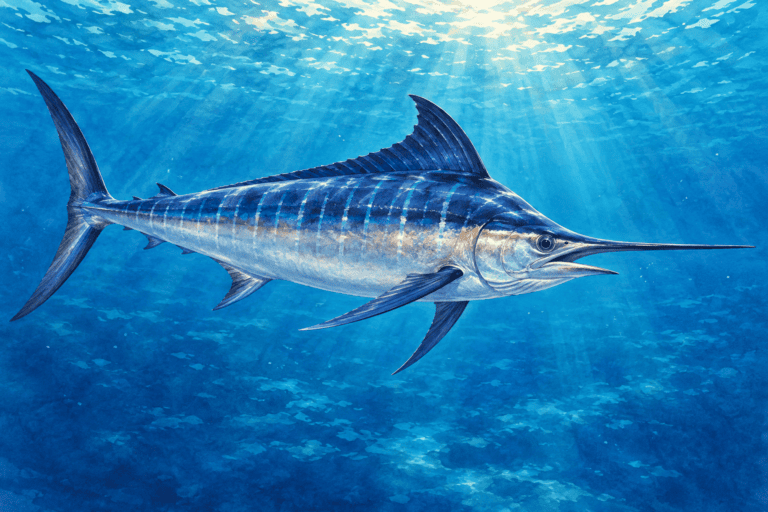
Black Marlin
Rigid pectoral fins that do not fold flat against the body.
Take a closer look ↗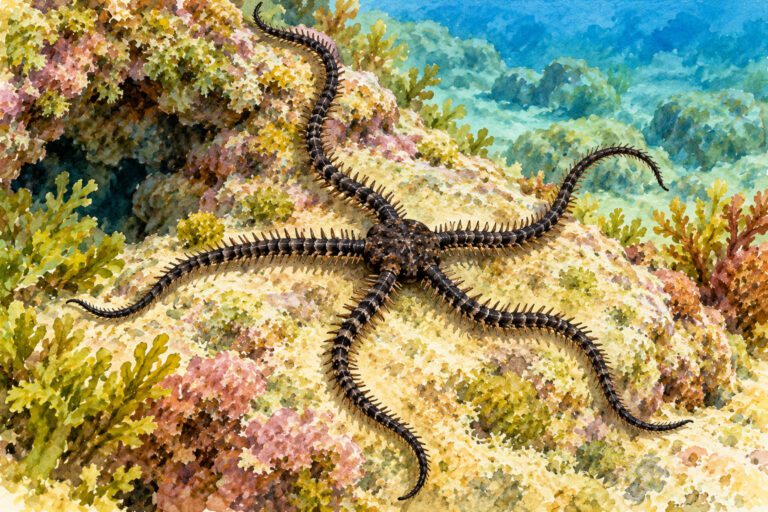
Black Spiny Brittle Star
Ophiocoma aethiops is a brittle star with a distinct central disc and long, flexible, spiny arms.
Take a closer look ↗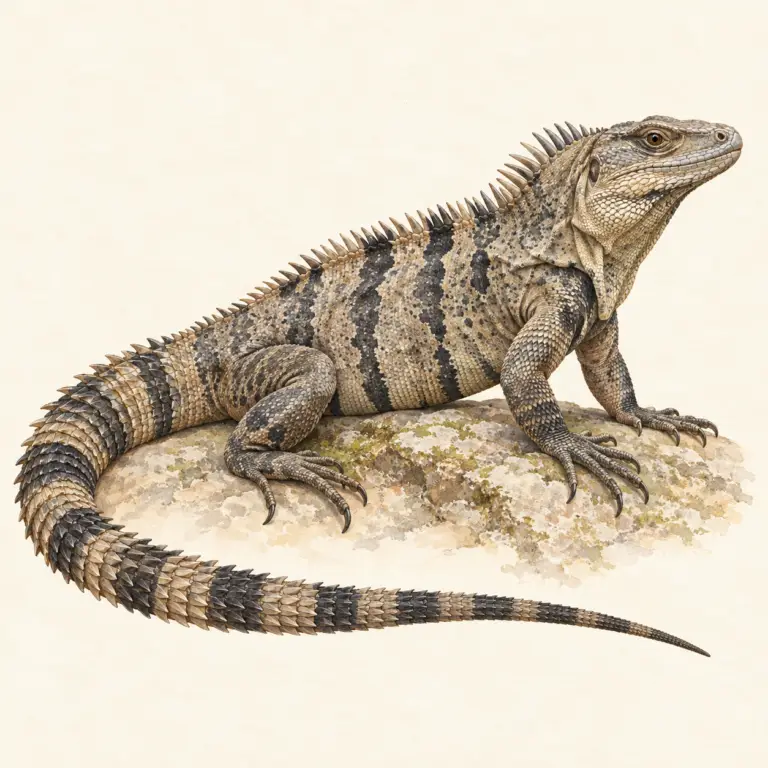
Black Spiny-tailed Iguana
This sturdy lizard has a tail ringed with spiny scales.
Take a closer look ↗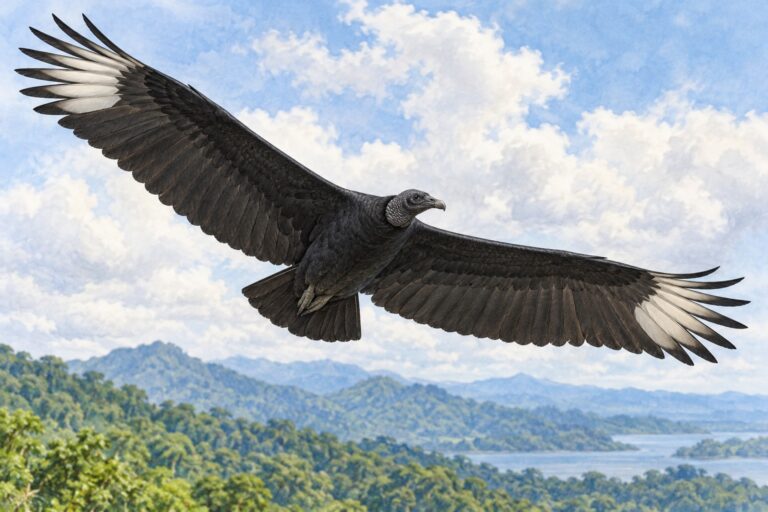
Black Vulture
A dark scavenger with white patches under the wingtips.
Take a closer look ↗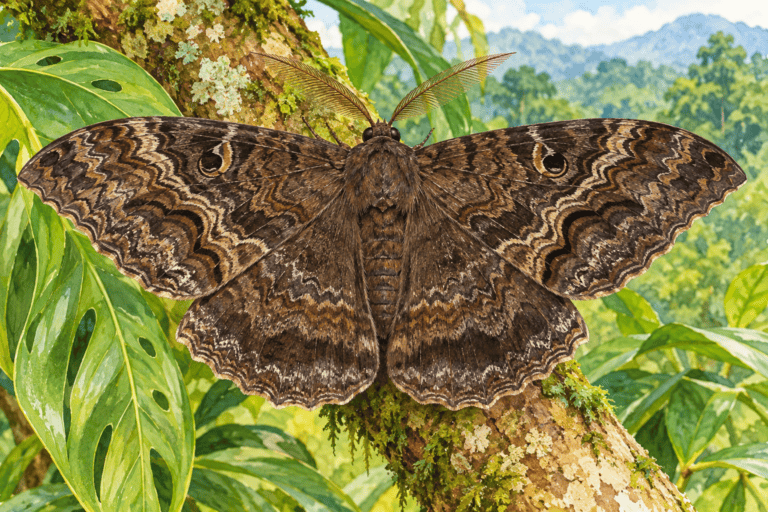
Black Witch Moth
Broad dark brown wings.
Take a closer look ↗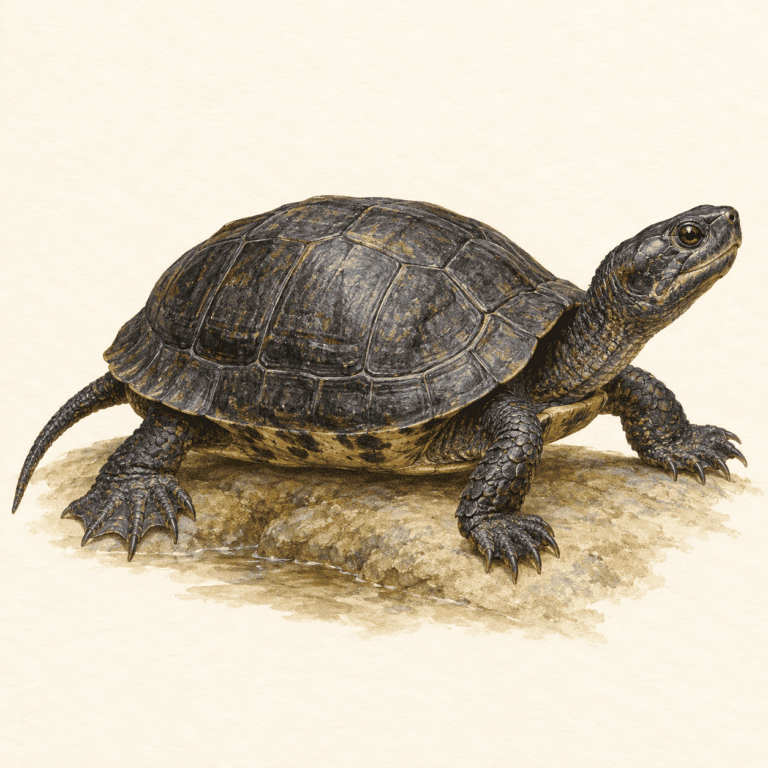
Black Wood Turtle
A dark wood turtle associated with freshwater environments.
Take a closer look ↗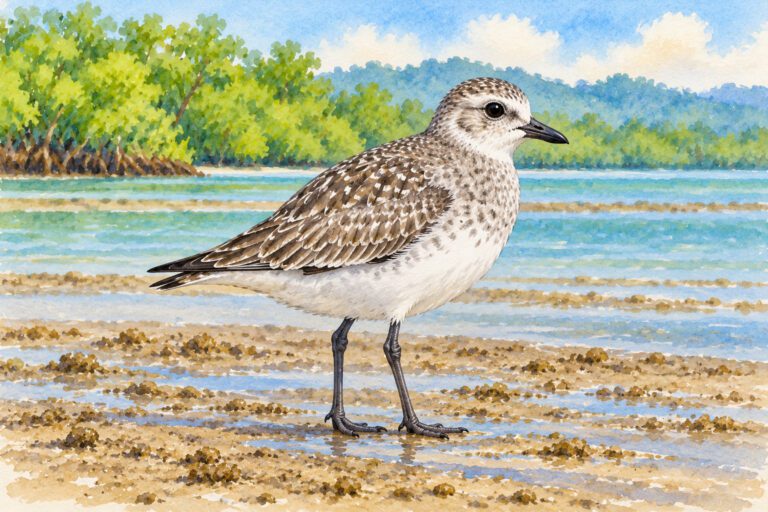
Black-bellied Plover
This large plover breeds in the far north and uses coasts outside breeding.
Take a closer look ↗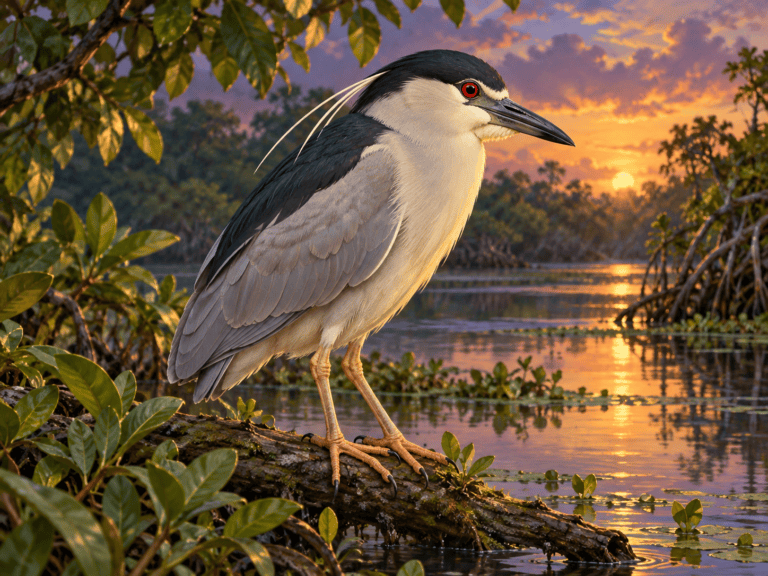
Black-crowned Night-Heron
A compact heron whose feeding day often begins at dusk.
Take a closer look ↗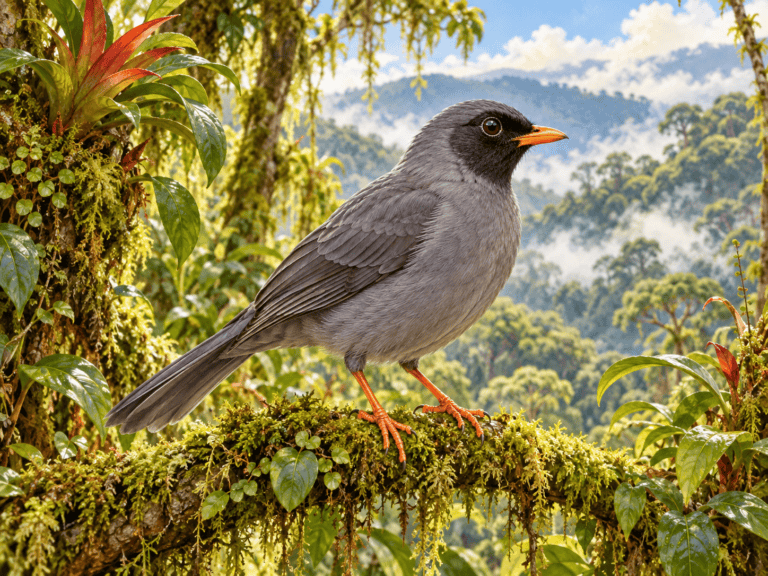
Black-faced Solitaire
A cloud-forest singer often heard before it is seen.
Take a closer look ↗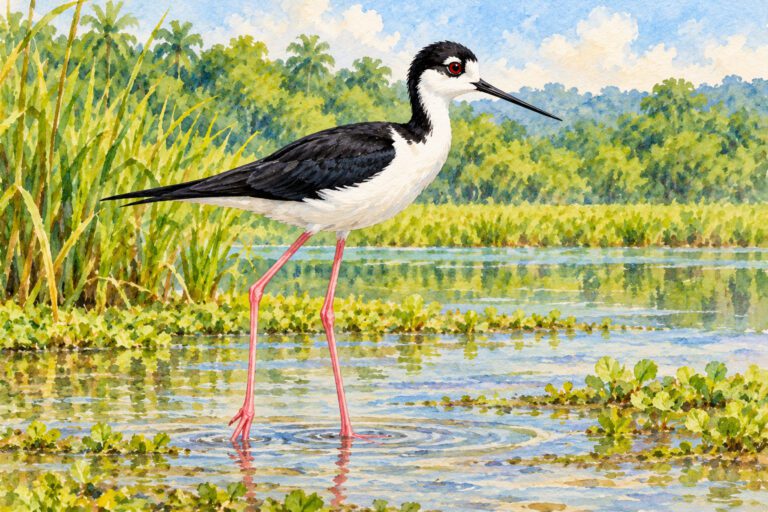
Black-necked Stilt
Black-necked Stilts have exceptionally long pink legs, a thin straight dark bill and contrasting black-and-white plumage.
Take a closer look ↗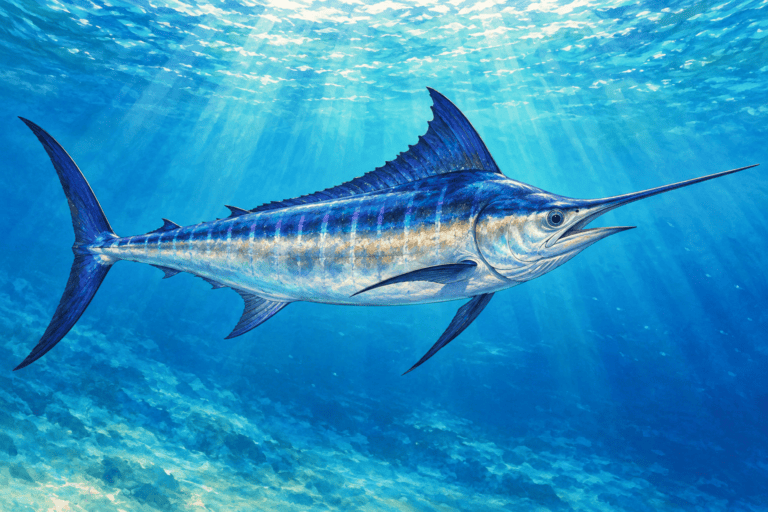
Blue Marlin
A long spear-shaped bill.
Take a closer look ↗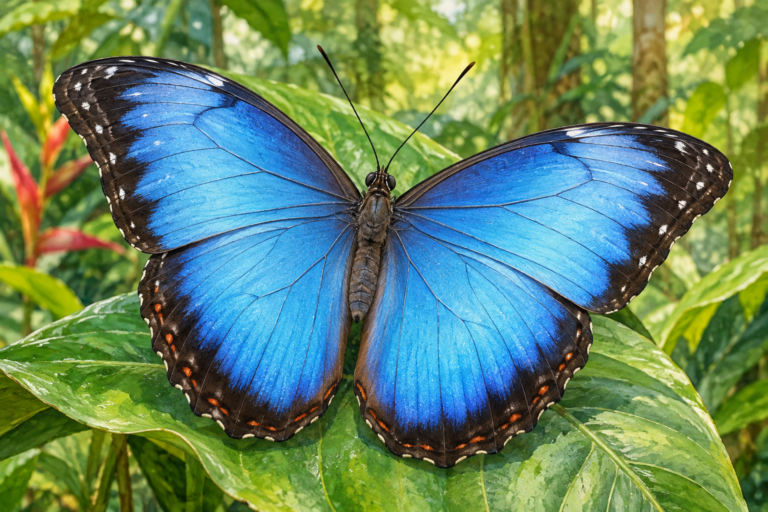
Blue Morpho
Brilliant blue upper wings with broad dark margins.
Take a closer look ↗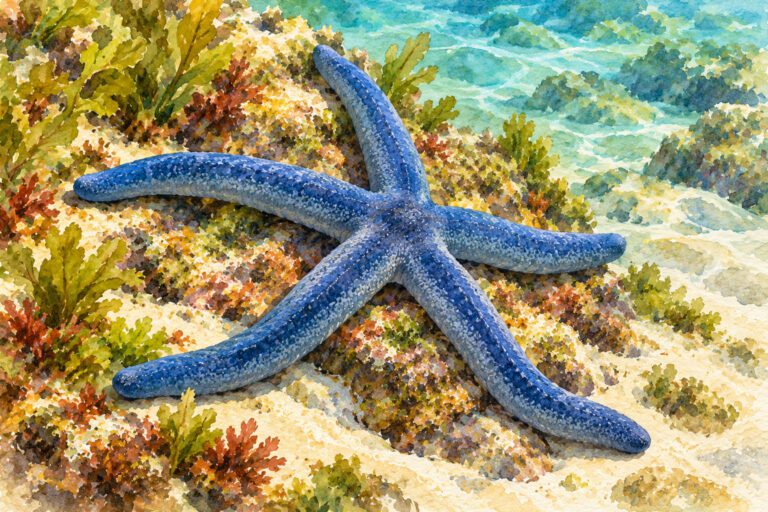
Blue Sea Star
Phataria unifascialis is an eastern Pacific sea star known as the blue sea star.
Take a closer look ↗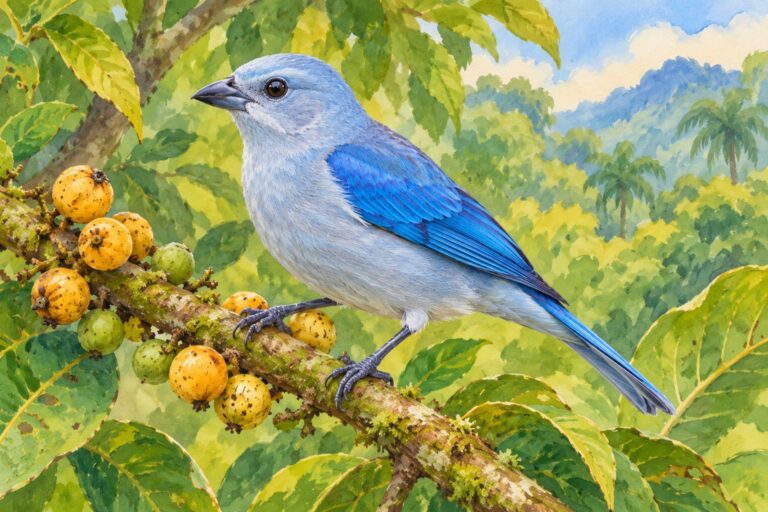
Blue-gray Tanager
A powder-blue bird of gardens and wooded clearings.
Take a closer look ↗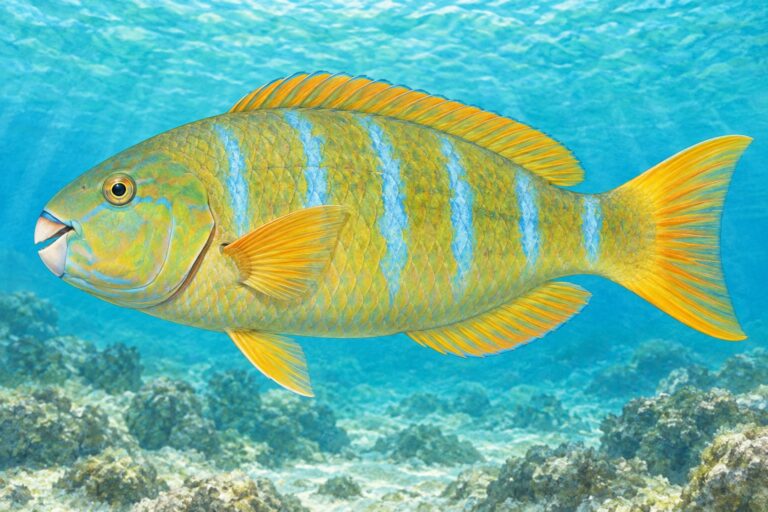
Bluebarred Parrotfish
A reef parrotfish with fused teeth shaped like a beak.
Take a closer look ↗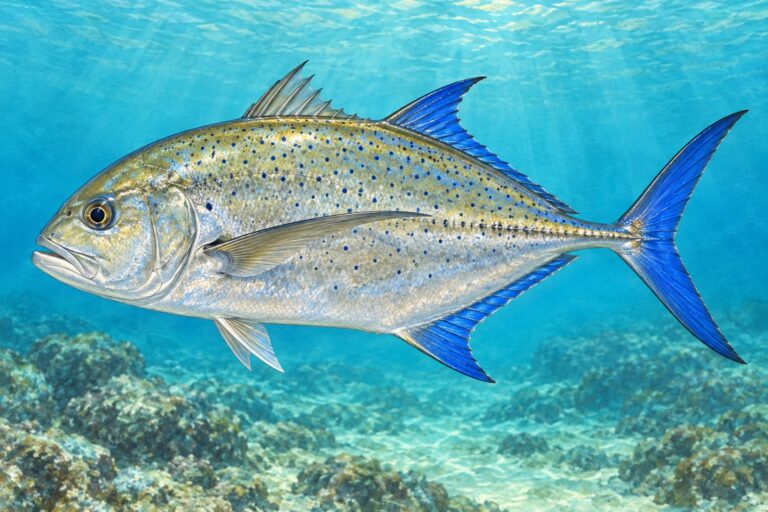
Bluefin Trevally
A reef hunter with electric blue fins.
Take a closer look ↗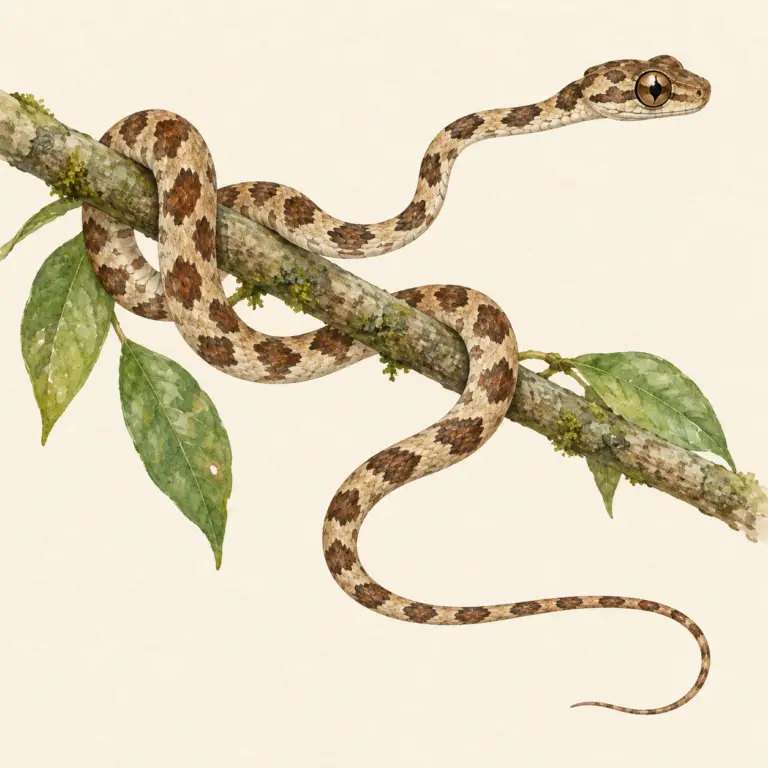
Blunt-headed Tree Snake
An exceptionally slender snake with a broad-looking head and large eyes.
Take a closer look ↗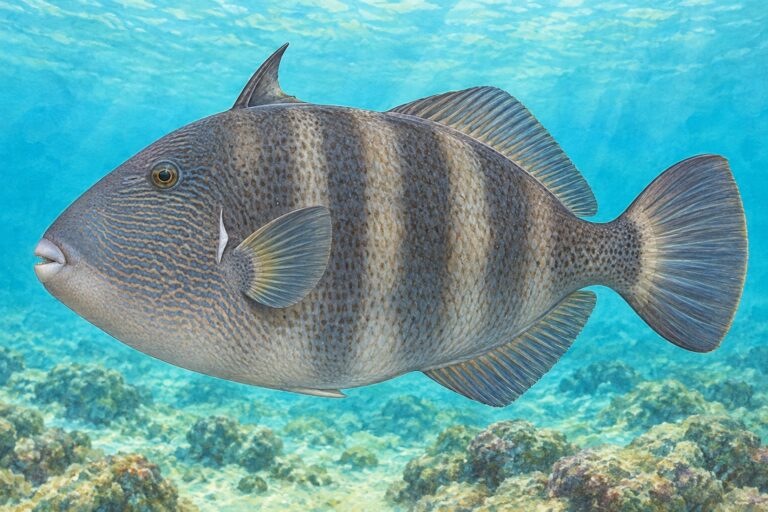
Blunthead Triggerfish
A large gray triggerfish with a pale gill slit.
Take a closer look ↗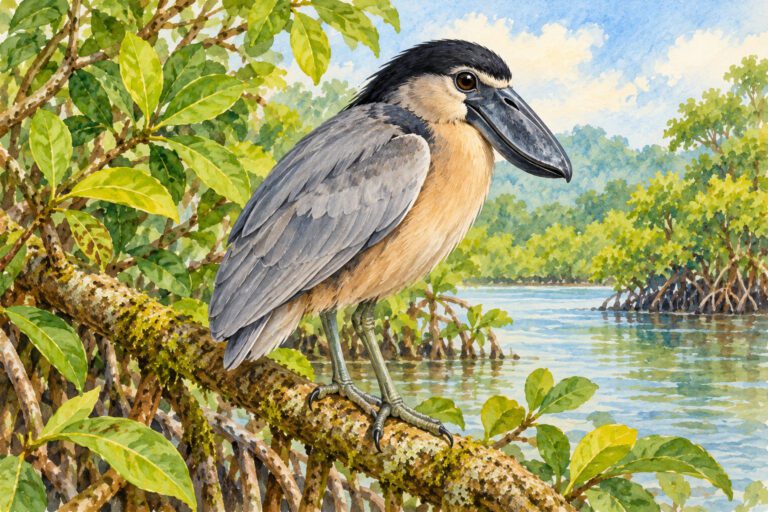
Boat-billed Heron
The Boat-billed Heron has an unusually wide flattened bill and large dark eyes.
Take a closer look ↗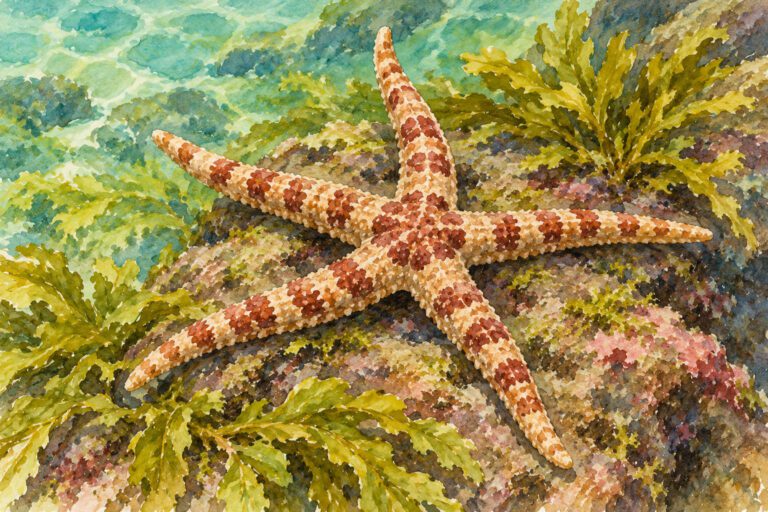
Bradley’s Sea Star
Mithrodia bradleyi is a marine sea star.
Take a closer look ↗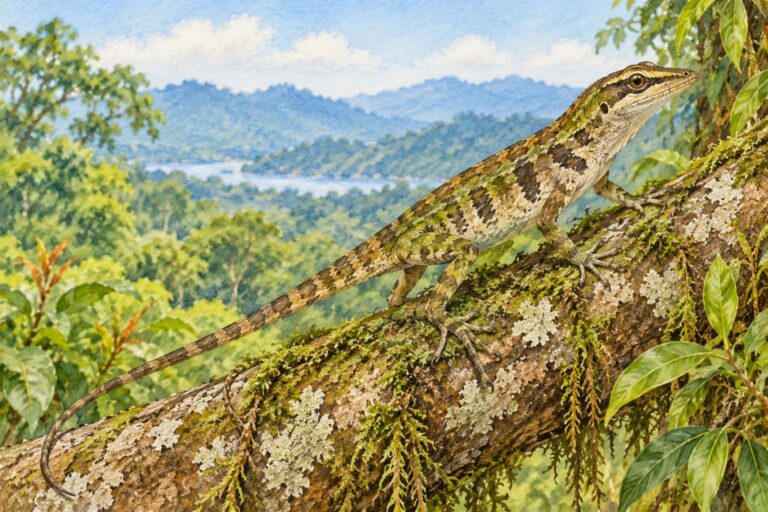
Bridled Anole
A large canopy anole wears dark oblique markings among the leaves and shadows.
Take a closer look ↗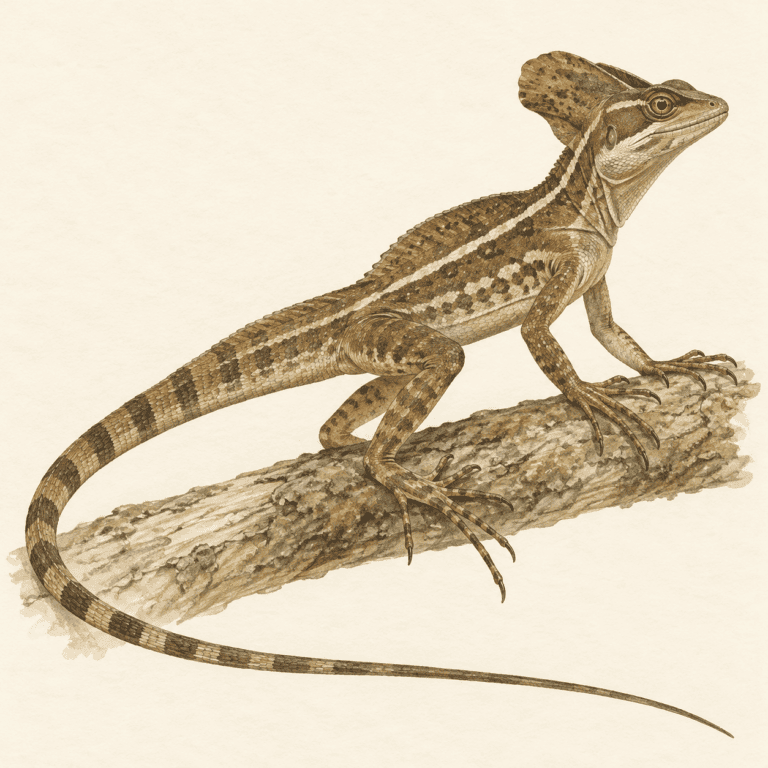
Brown Basilisk
This brown or olive basilisk often has pale stripes along its sides.
Take a closer look ↗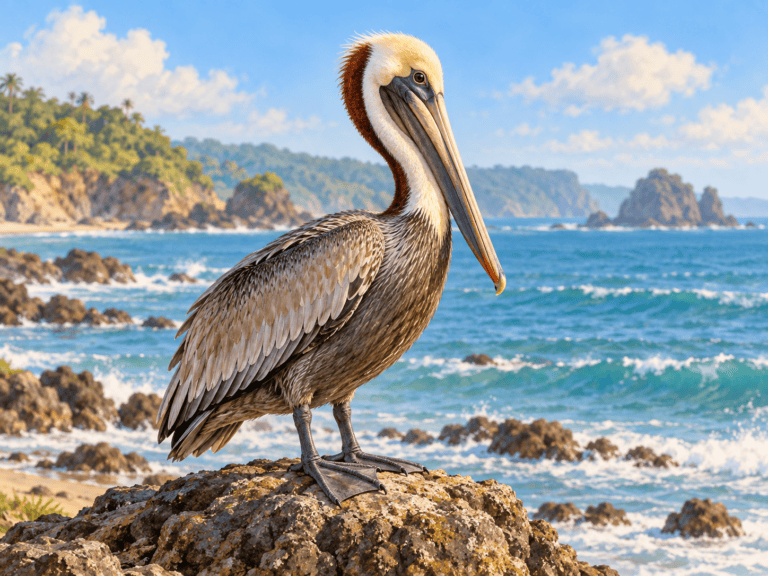
Brown Pelican
A long bill with a pouch beneath the lower jaw.
Take a closer look ↗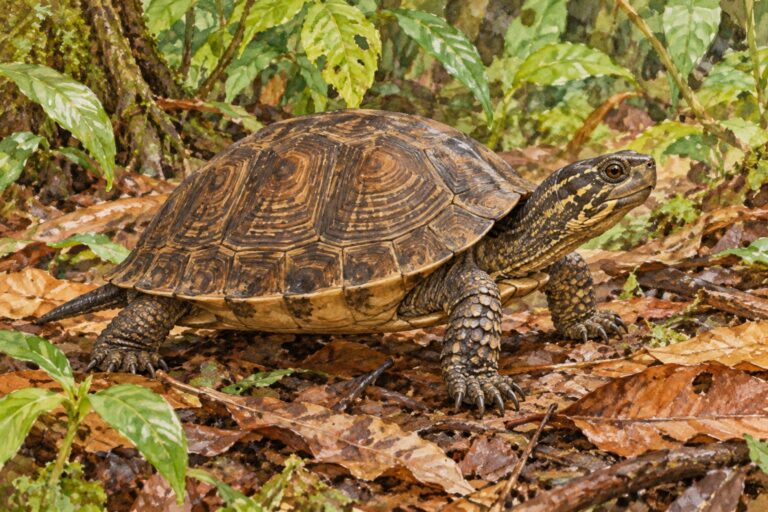
Brown Wood Turtle
A domed brown shell belongs to a turtle that spends much of its time on land.
Take a closer look ↗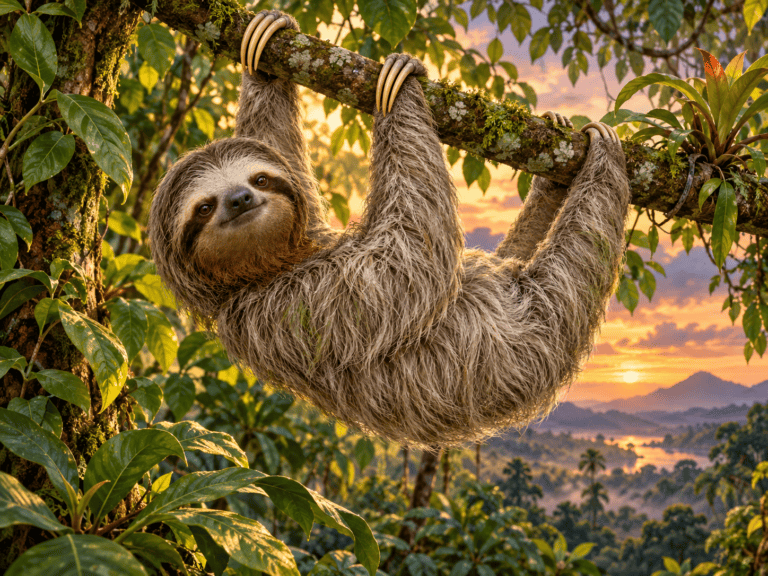
Brown-throated Three-toed Sloth
A slow-moving leaf eater whose fur can blend with the green canopy.
Take a closer look ↗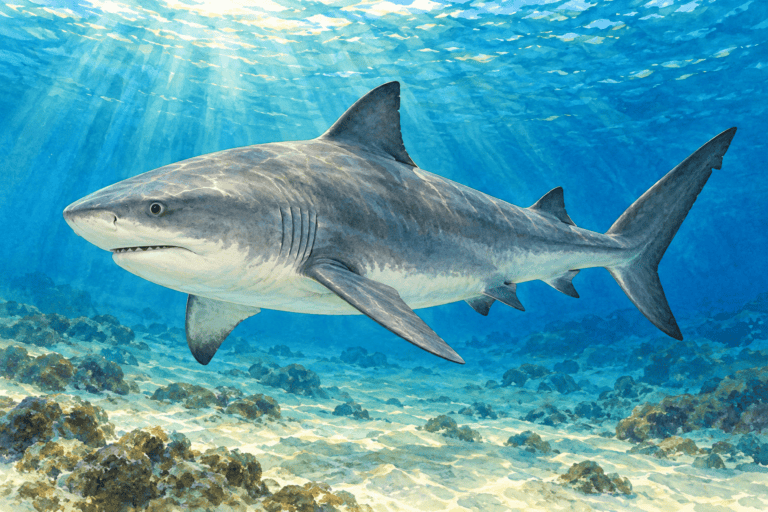
Bull Shark
A stocky gray body with a pale belly.
Take a closer look ↗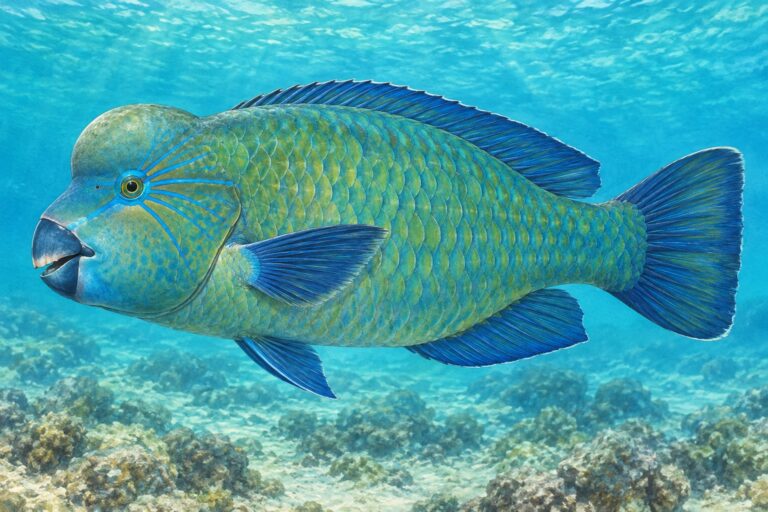
Bumphead Parrotfish
An eastern Pacific parrotfish with a blue beak.
Take a closer look ↗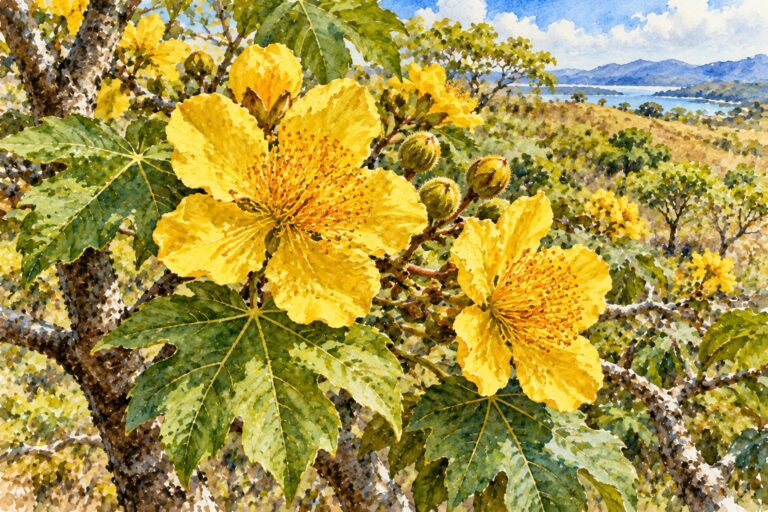
Buttercup Tree
Poro poro bears large open yellow flowers with many stamens.
Take a closer look ↗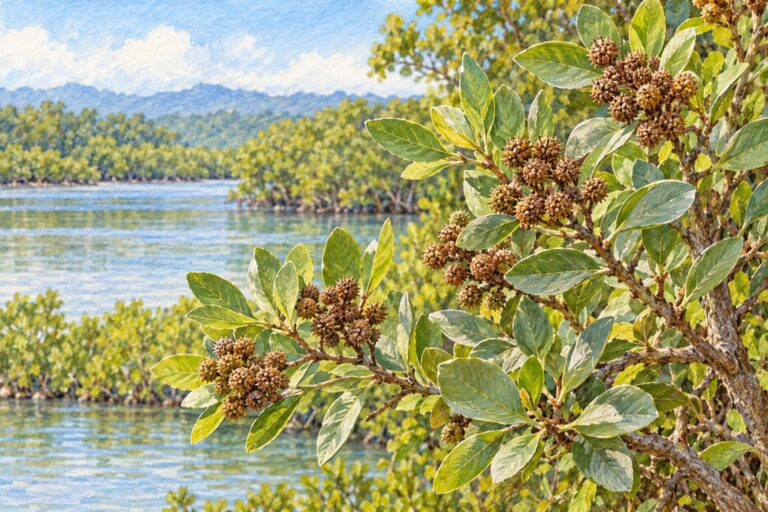
Buttonwood
Small buttonlike fruit heads help identify this coastal tree or shrub.
Take a closer look ↗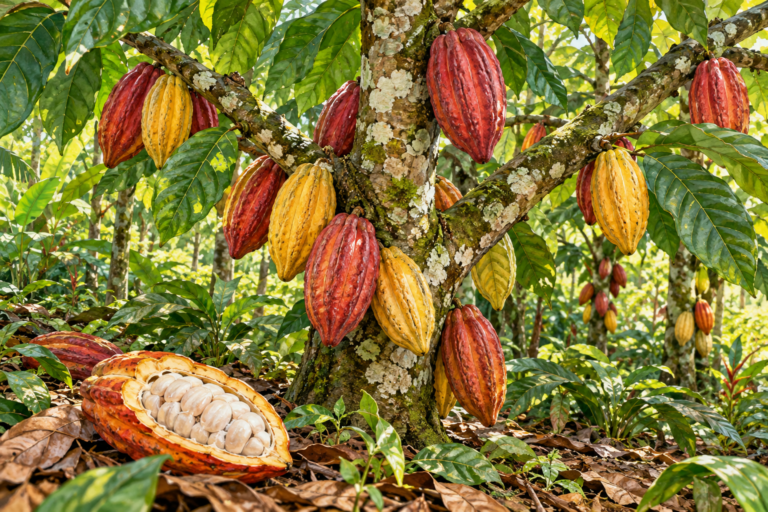
Cacao
Cacao is an evergreen tree whose flowers and pods can grow directly from its trunk and larger branches.
Take a closer look ↗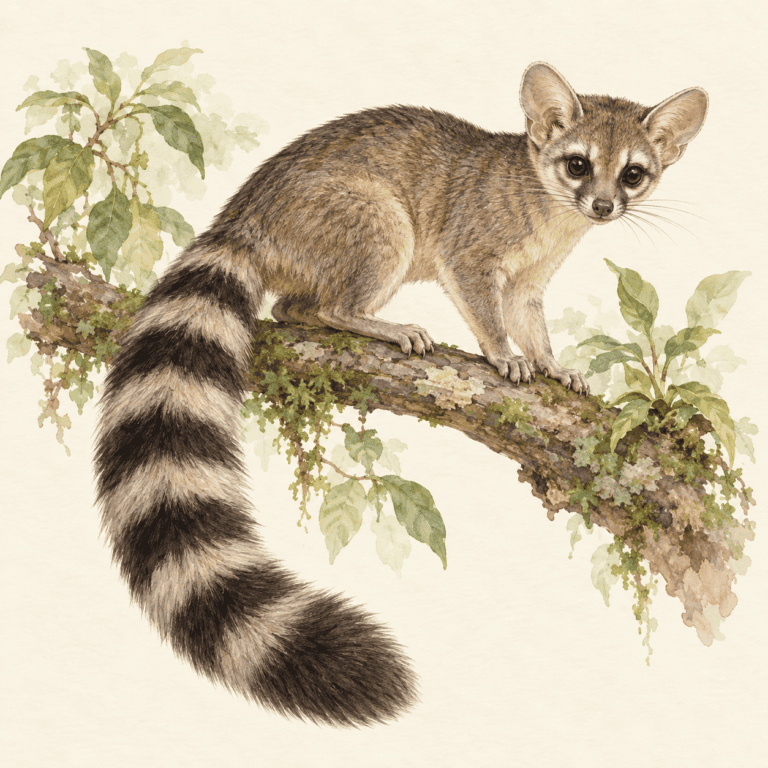
Cacomistle
A cacomistle's long ringed tail is a memorable clue.
Take a closer look ↗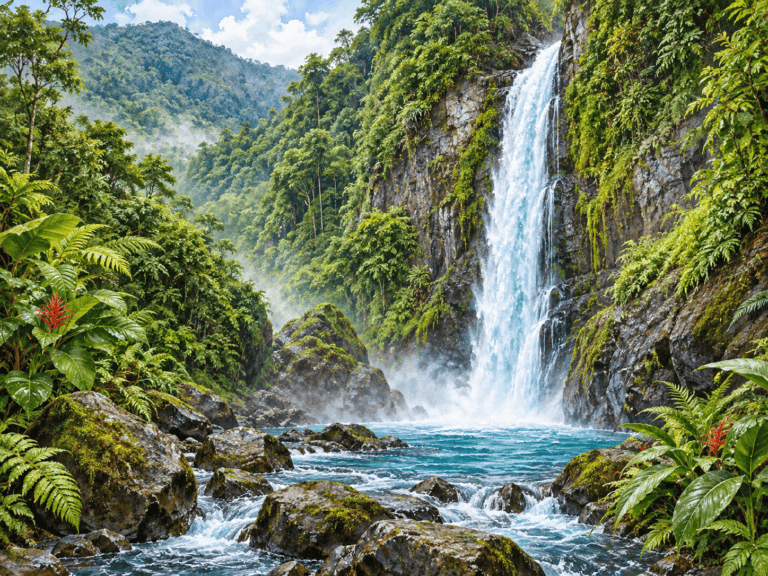
Caída del Cielo Waterfall
Caída del Cielo is a waterfall in the mountainous Toro Amarillo area.
Take a closer look ↗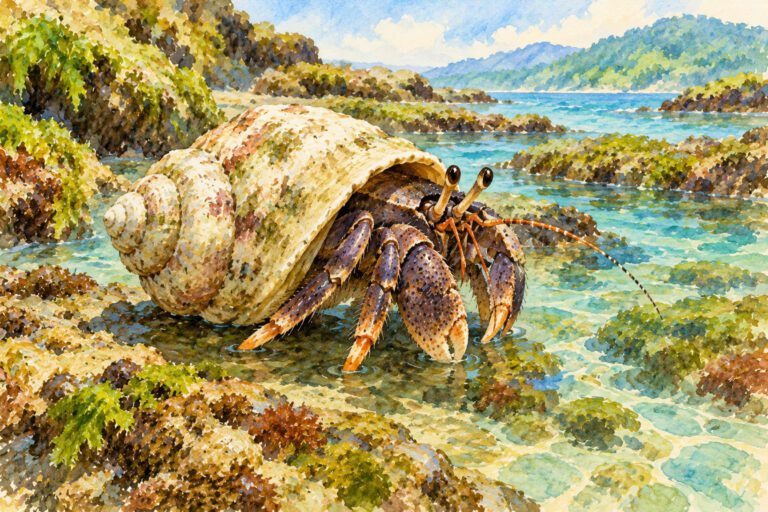
Calcinus Hermit Crab
Calcinus obscurus is a marine hermit crab.
Take a closer look ↗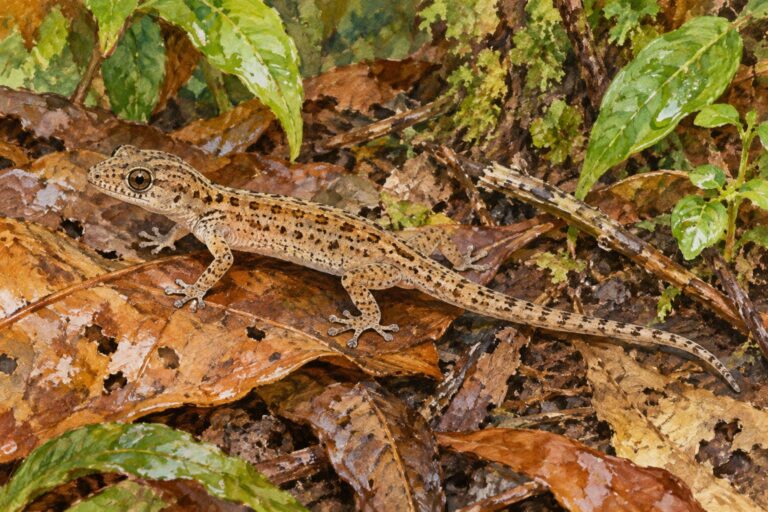
Caribbean Least Gecko
A miniature forest gecko blends into the shaded world close to the ground.
Take a closer look ↗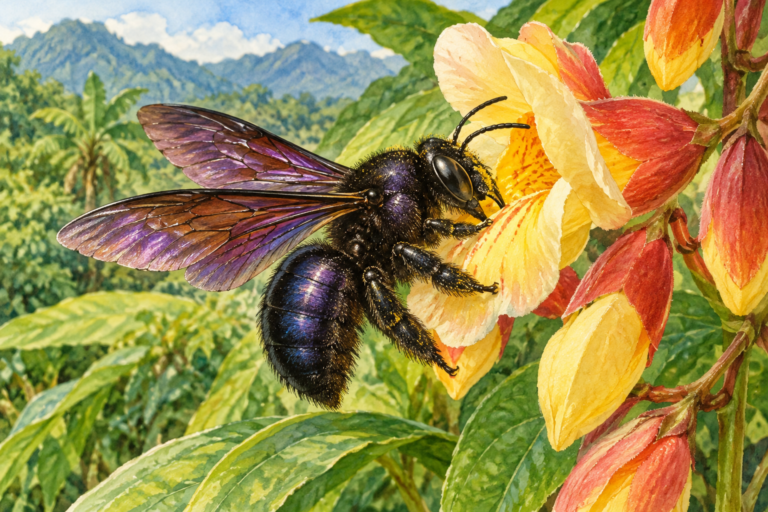
Carpenter Bees
Robust body.
Take a closer look ↗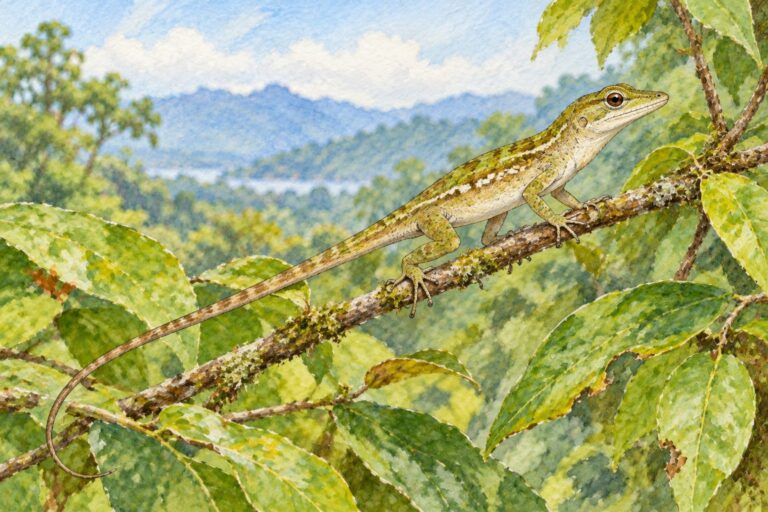
Carpenter's Anole
A small greenish anole hides among the fine branches of humid forest.
Take a closer look ↗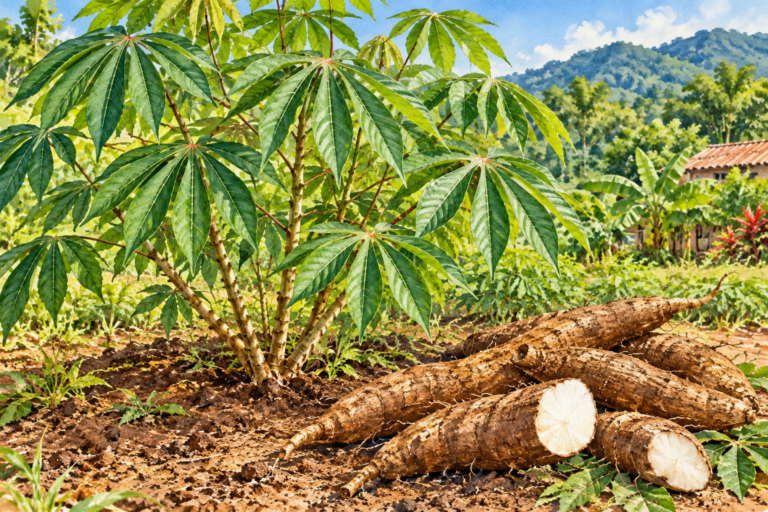
Cassava / Yuca
Cassava, called yuca in Costa Rica, is a shrub with leaves divided into fingerlike lobes.
Take a closer look ↗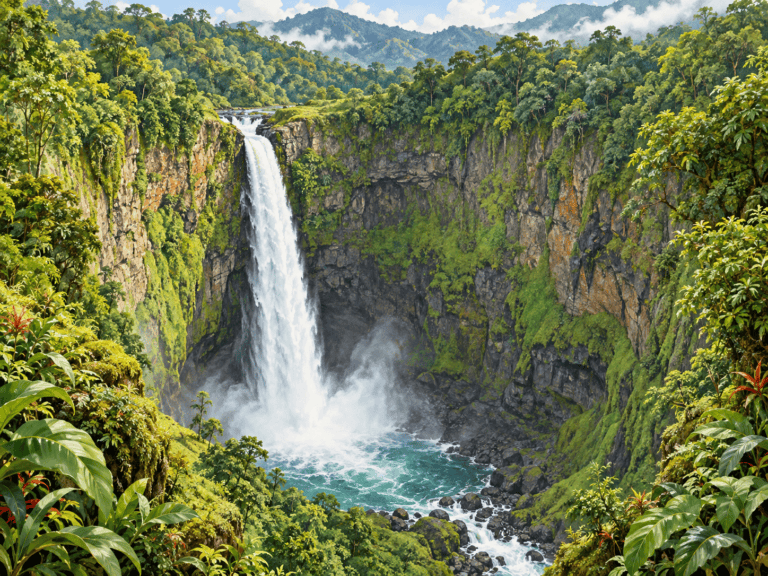
Catarata del Toro
Catarata del Toro descends into an old volcanic crater within a private ecological reserve.
Take a closer look ↗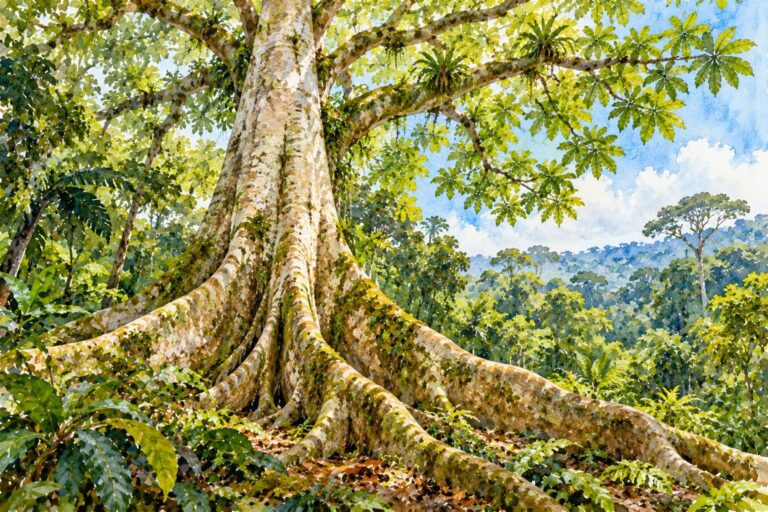
Ceiba Kapok Tree
Huge buttress roots help make a mature ceiba unforgettable.
Take a closer look ↗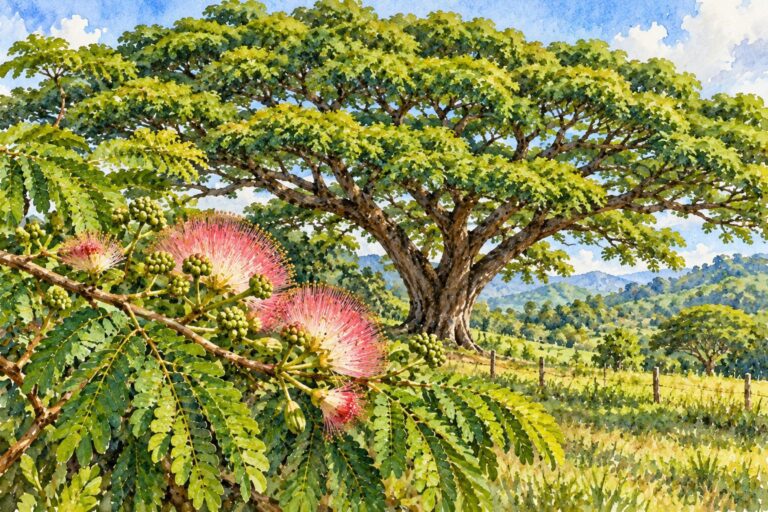
Cenizaro Rain Tree
An umbrella-shaped crown shelters a world beneath its branches.
Take a closer look ↗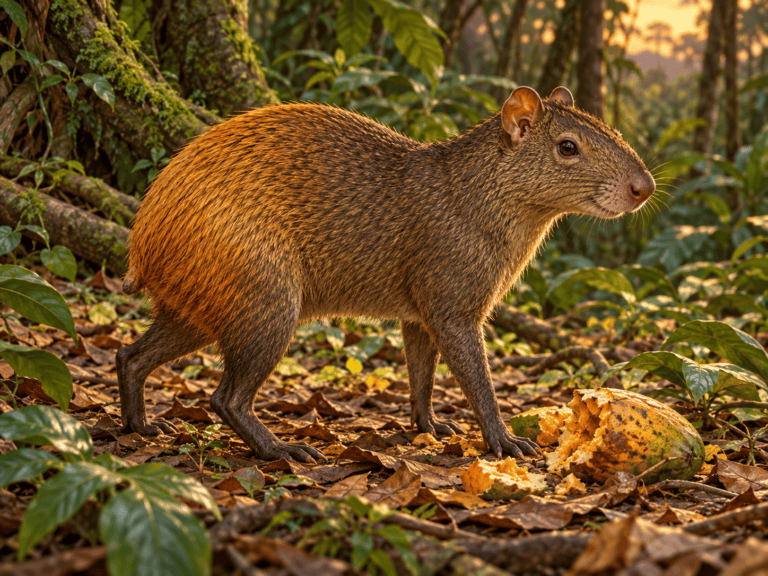
Central American Agouti
A quick forest-floor rodent that stores seeds for later.
Take a closer look ↗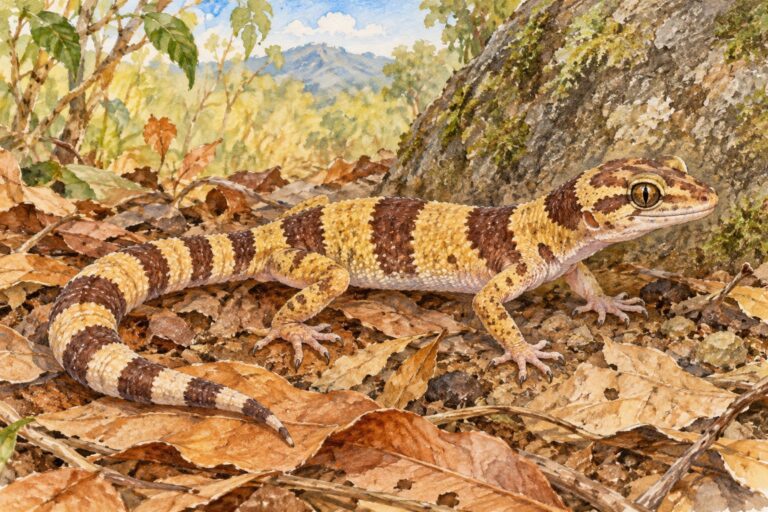
Central American Banded Gecko
A ground-dwelling gecko carries dark bands across a warm yellow-tan body.
Take a closer look ↗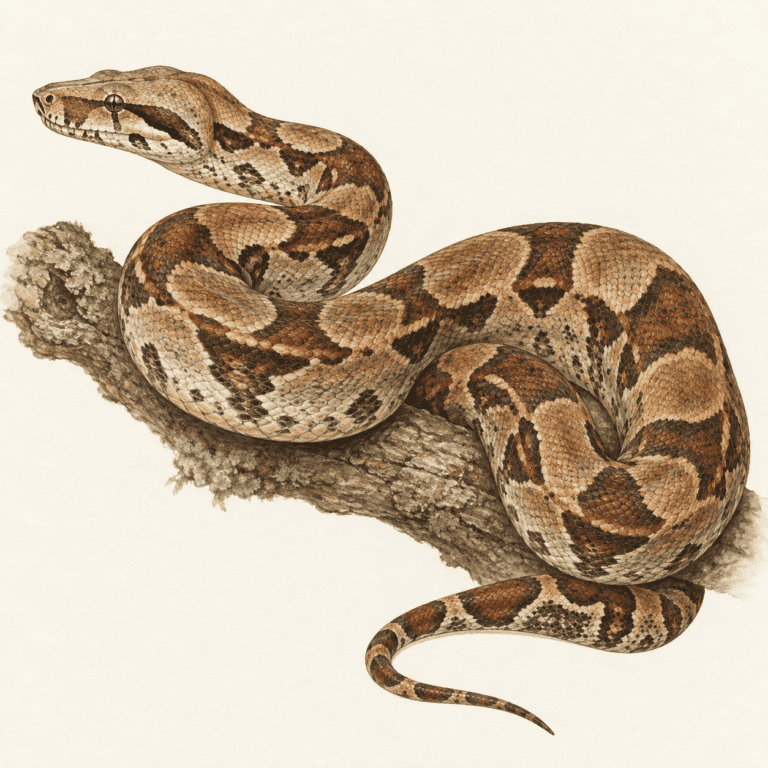
Central American Boa
A muscular snake with broad saddle-like markings.
Take a closer look ↗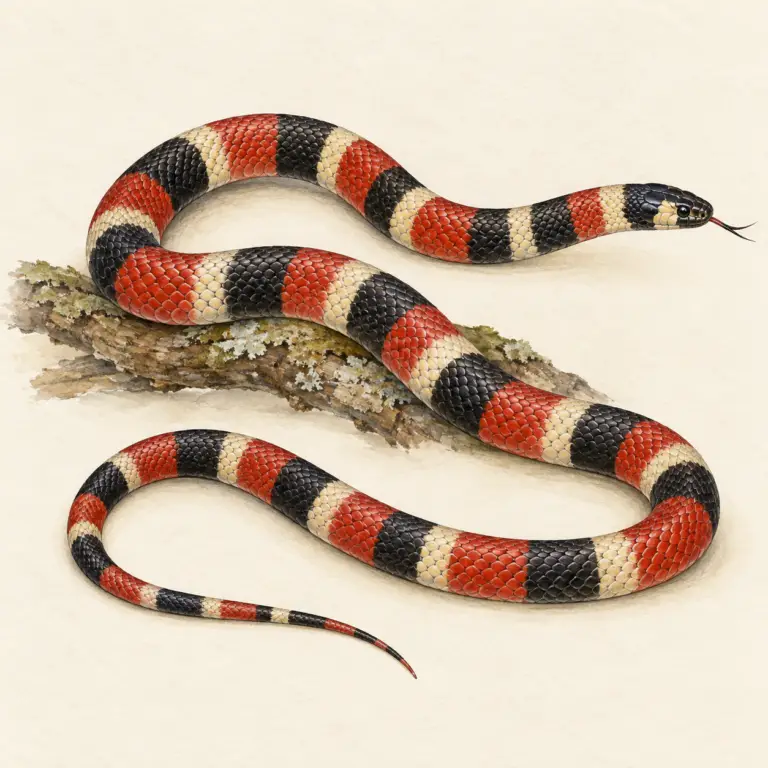
Central American Coral Snake
A venomous coral snake with complete colored rings.
Take a closer look ↗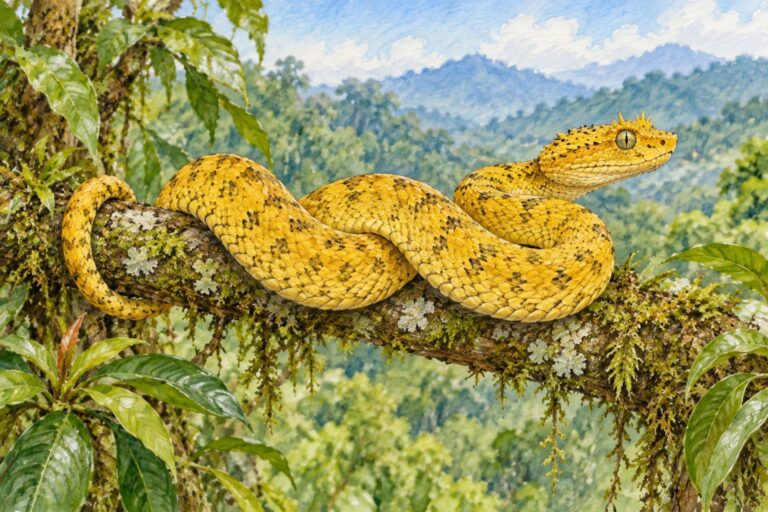
Central American Eyelash Pitviper
Raised scales above the eyes give this venomous branch-dwelling snake its name.
Take a closer look ↗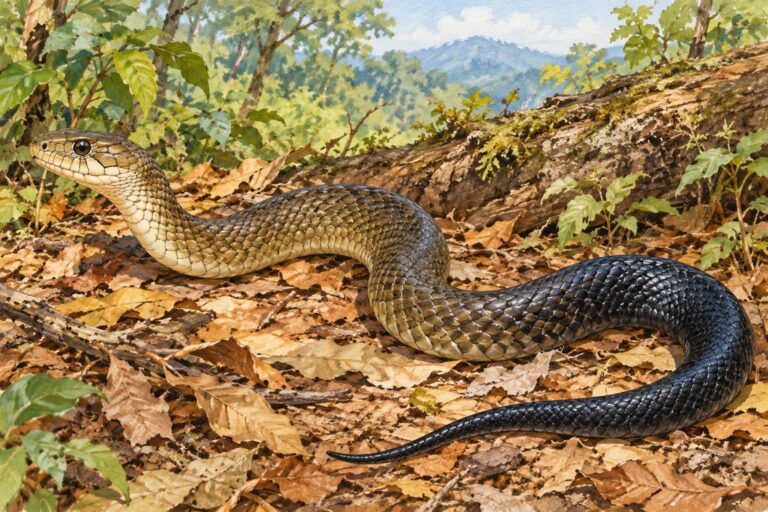
Central American Indigo Snake
A powerful-looking snake may darken from a lighter front to a black tail.
Take a closer look ↗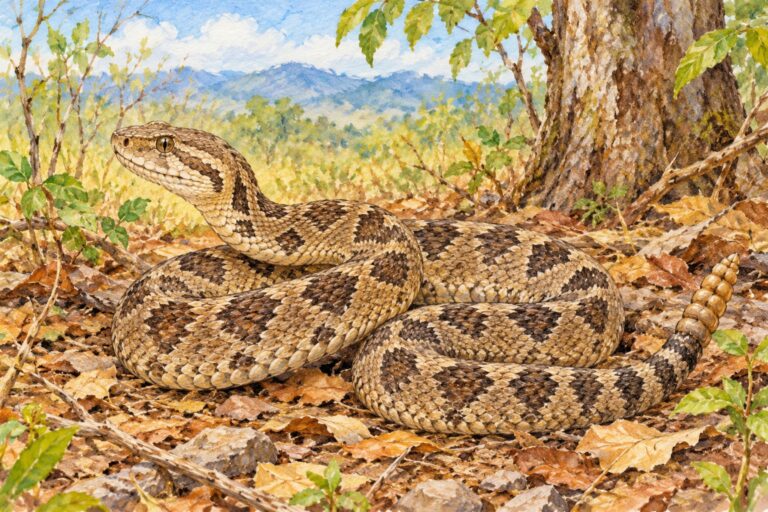
Central American Rattlesnake
A segmented tail rattle is a distinctive feature of this dry-forest snake.
Take a closer look ↗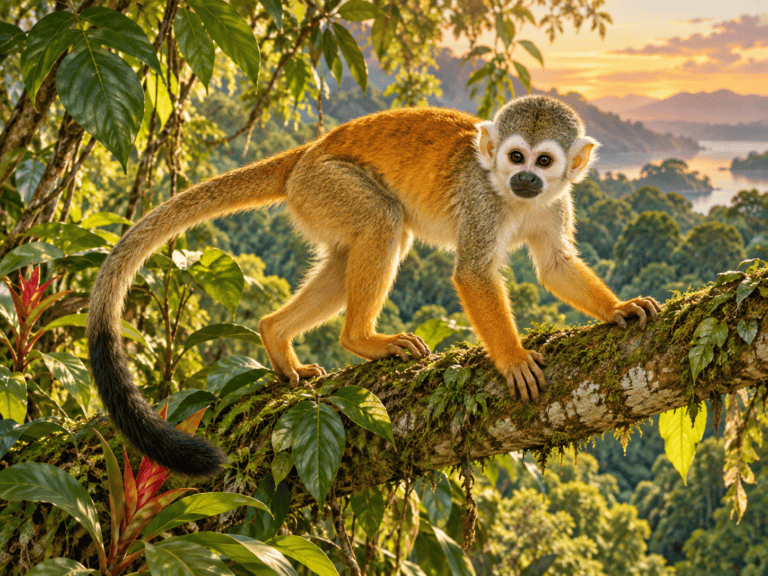
Central American Squirrel Monkey
A small, quick-moving monkey of Costa Rica’s Pacific forests.
Take a closer look ↗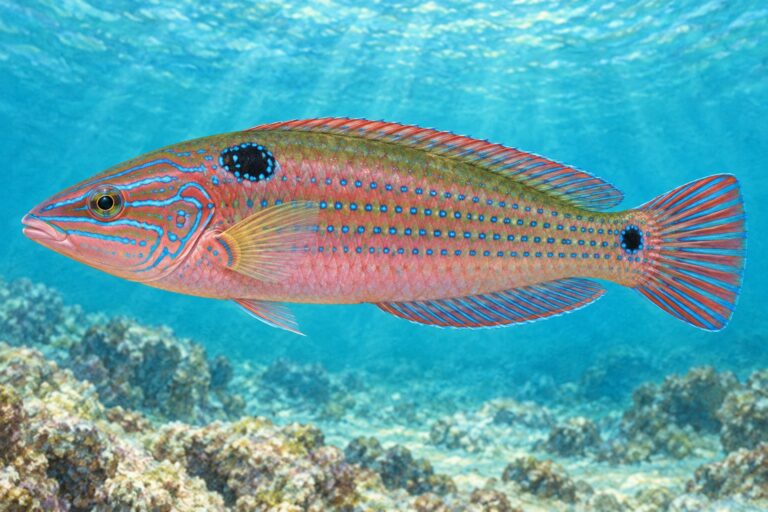
Chameleon Wrasse
A patterned wrasse whose appearance changes with life phase.
Take a closer look ↗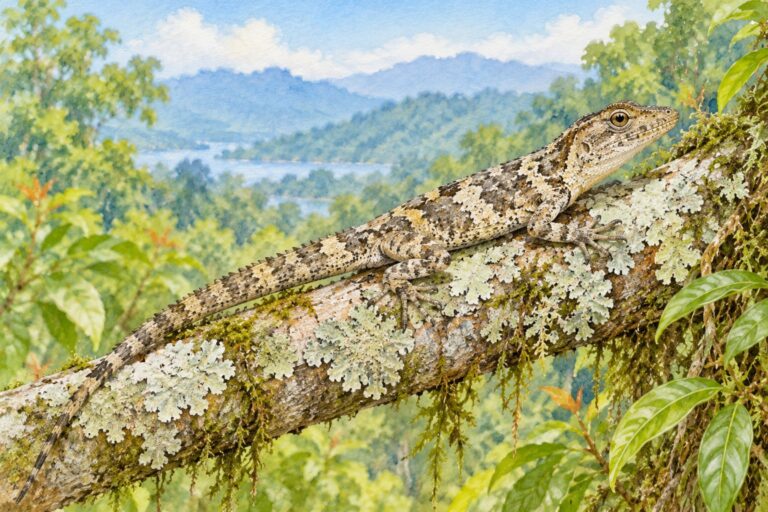
Charles Myers's Anole
Lichenlike markings help a short-legged anole disappear against Pacific forest bark.
Take a closer look ↗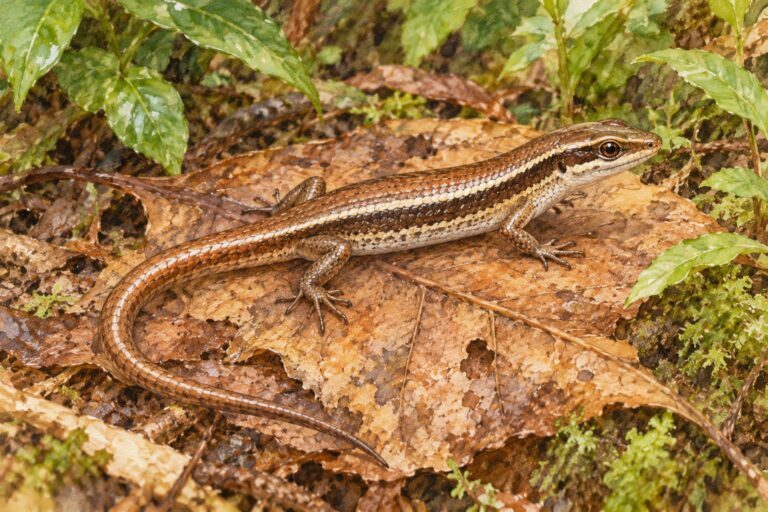
Cherrie's Ground Skink
Smooth scales and short legs help this little skink move through leaf litter.
Take a closer look ↗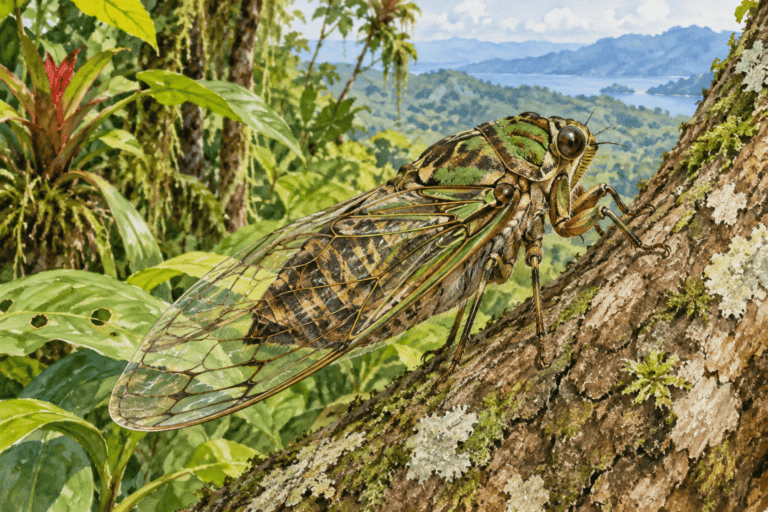
Cicadas
Large transparent wings.
Take a closer look ↗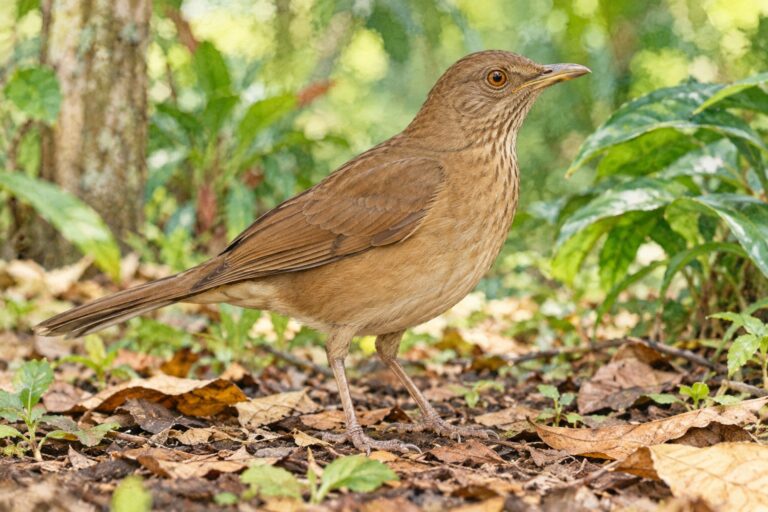
Clay-colored Thrush
A familiar brown songbird and Costa Rica’s national bird.
Take a closer look ↗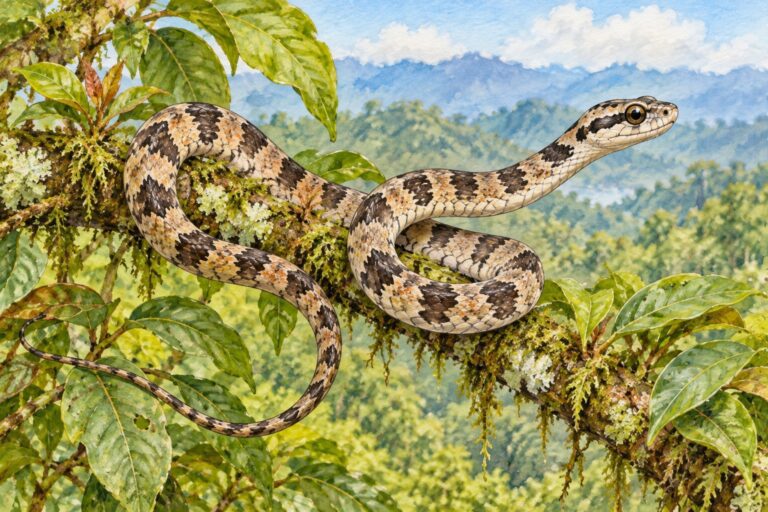
Clouded Snail-eater
Cloudy patches of gray and brown hide a slender snake among forest branches.
Take a closer look ↗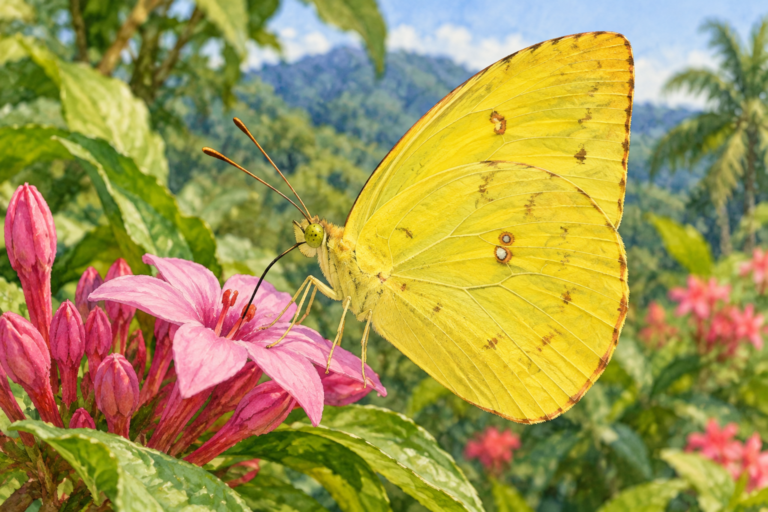
Cloudless Sulphur Butterfly
Bright yellow wings.
Take a closer look ↗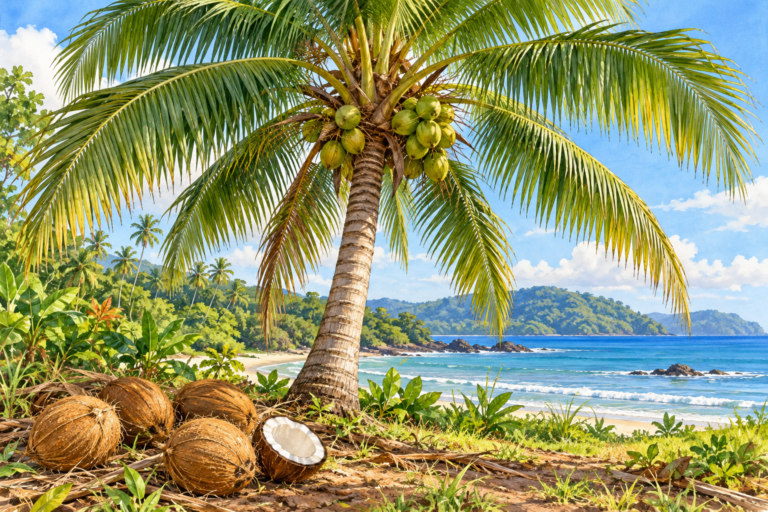
Coconut
The coconut palm has a tall trunk, a crown of featherlike leaves and fruit clustered near the crown.
Take a closer look ↗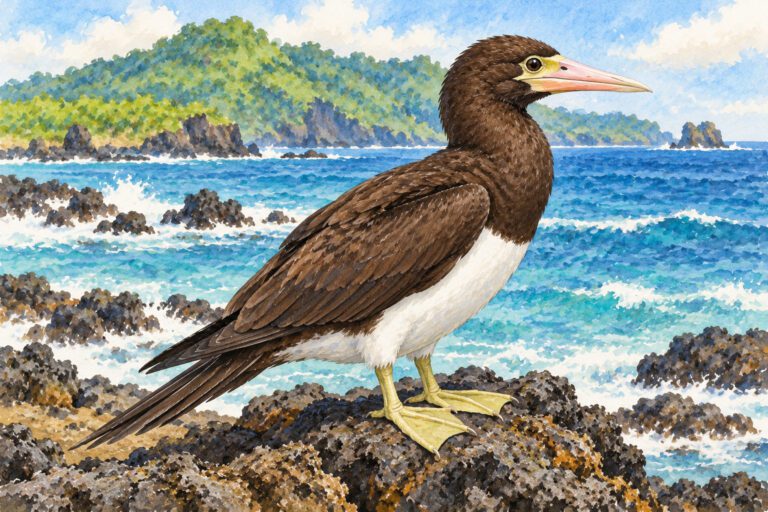
Cocos Booby
Cocos Boobies are eastern Pacific seabirds formerly included with Brown Booby.
Take a closer look ↗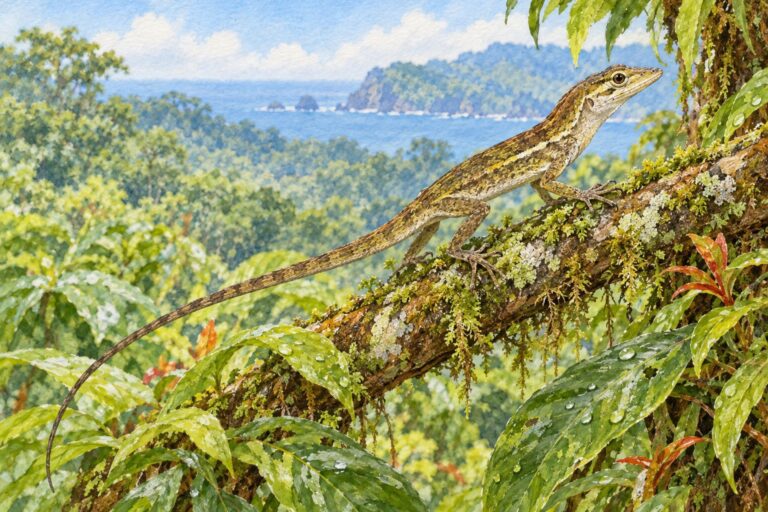
Cocos Island Anole
This island anole tells a story found only on Costa Rica’s remote Isla del Coco.
Take a closer look ↗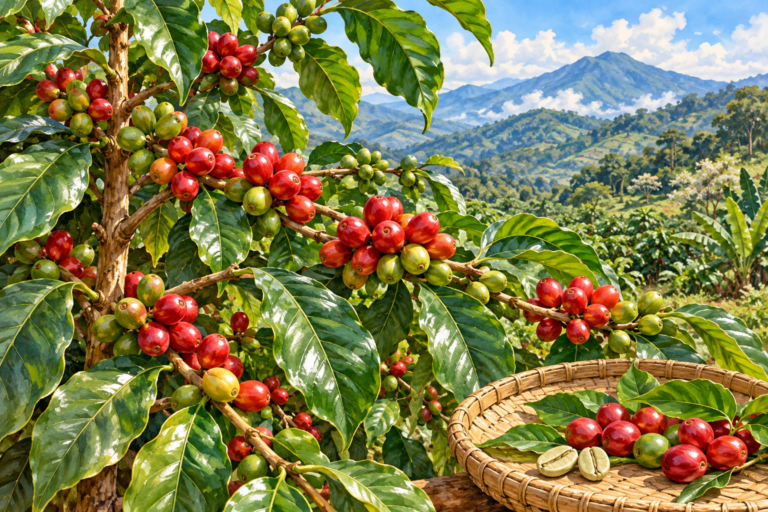
Coffee
Coffee is a shrub or small tree with shiny leaves and small fruits called cherries.
Take a closer look ↗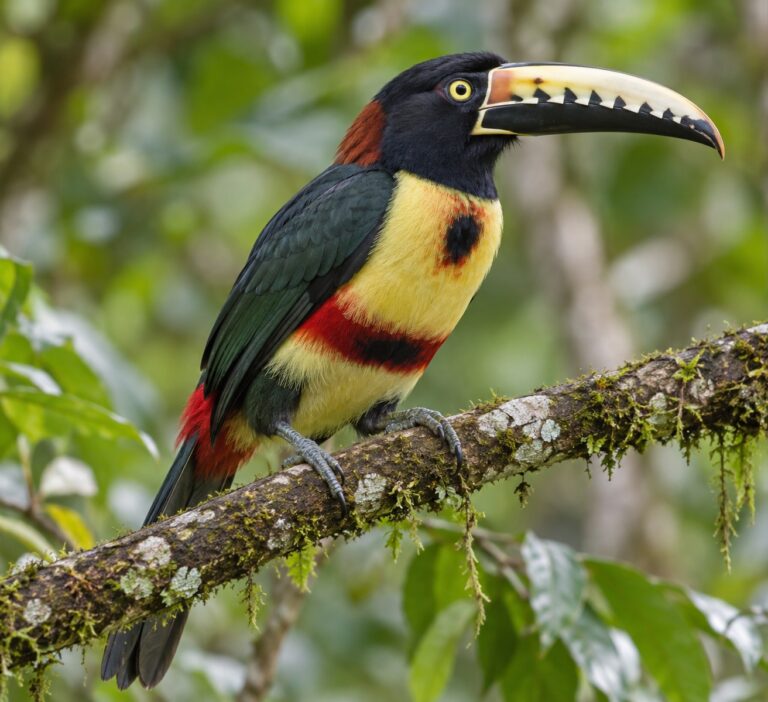
Collared Aracari
A small toucan with a patterned yellow chest.
Take a closer look ↗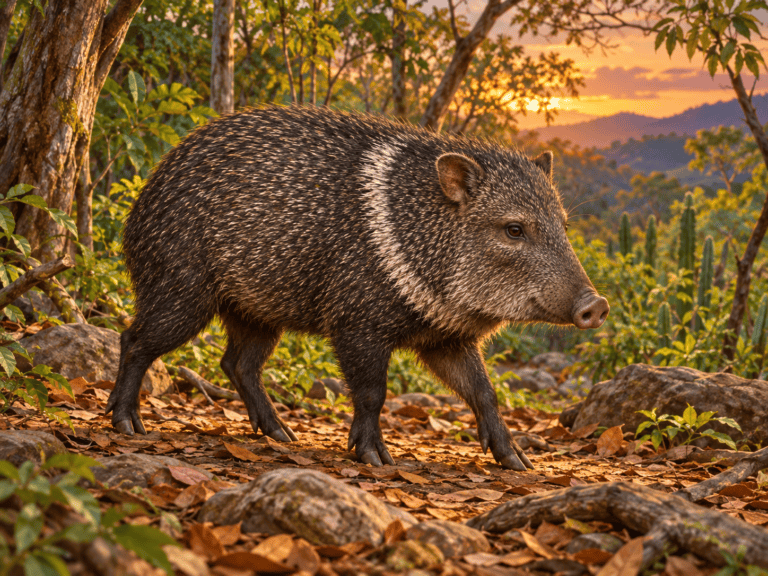
Collared Peccary
A hoofed forest mammal with a pale collar across dark bristly fur.
Take a closer look ↗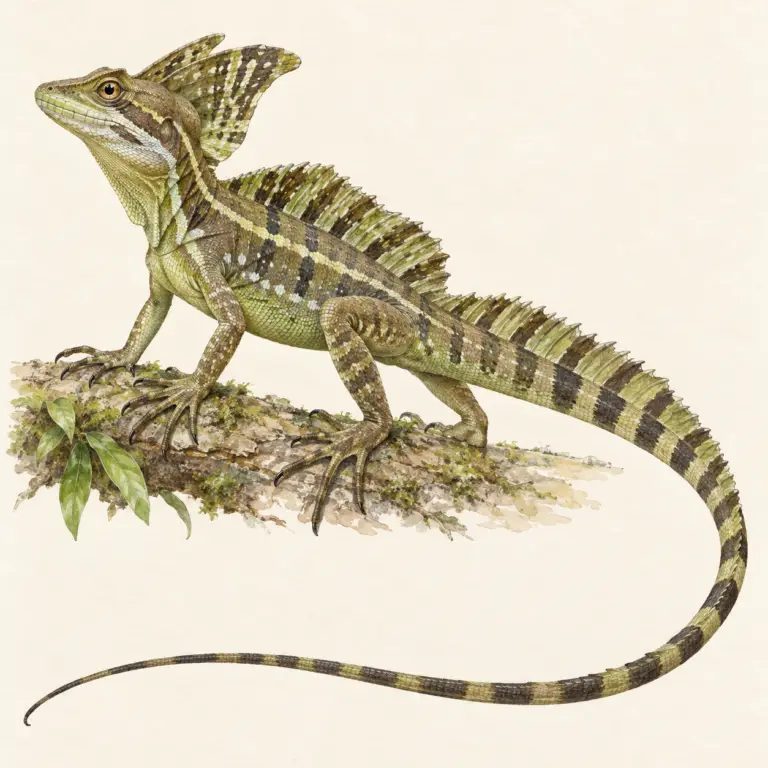
Common Basilisk
A long-tailed lizard associated with Pacific-slope waterways.
Take a closer look ↗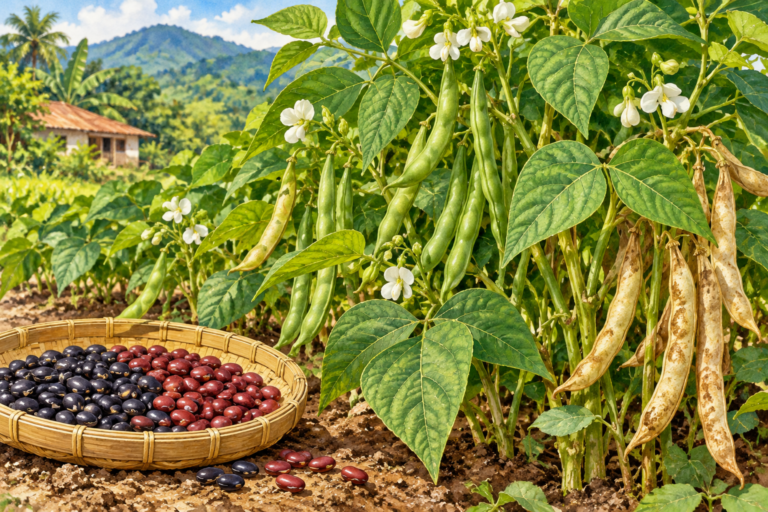
Common Beans
Common bean plants can grow as bushes or climb supports, depending on the variety.
Take a closer look ↗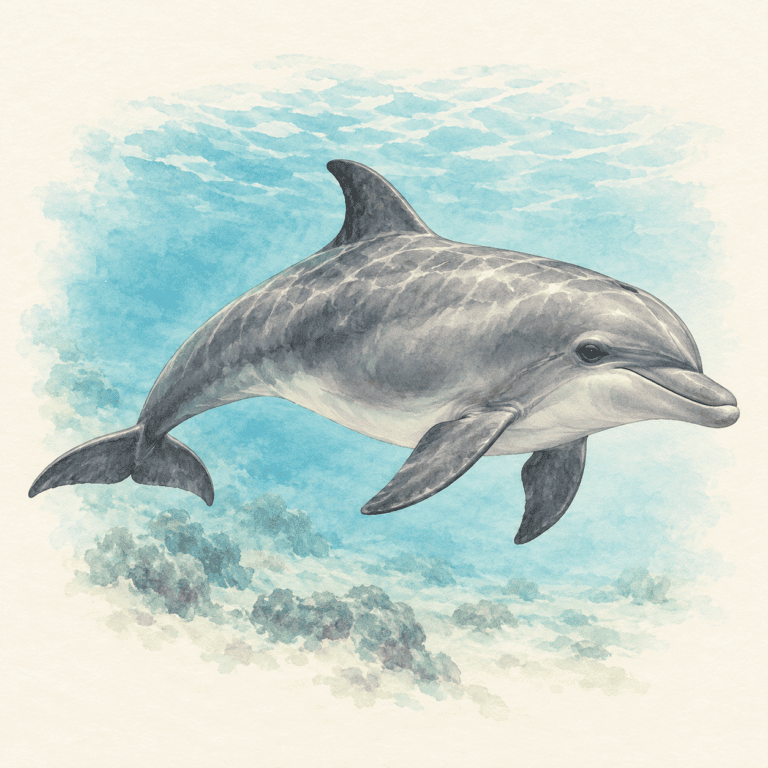
Common Bottlenose Dolphin
The common bottlenose dolphin has a short thick beak and a generally gray body.
Take a closer look ↗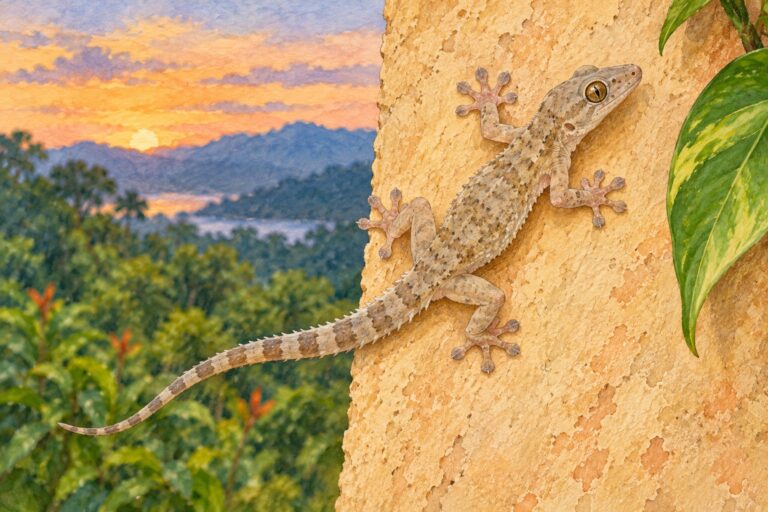
Common House Gecko
An introduced wall-climbing gecko often appears near buildings after dark.
Take a closer look ↗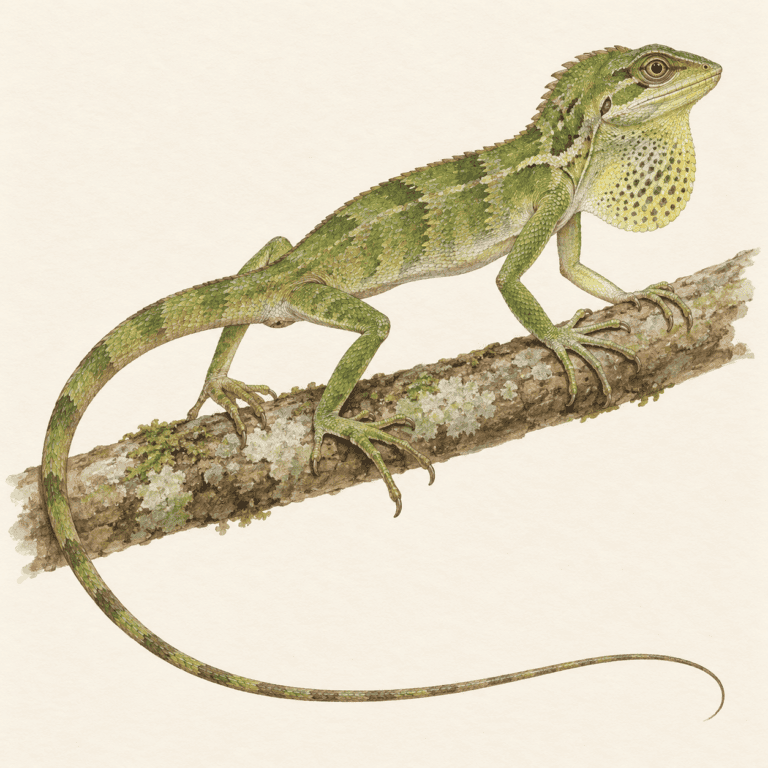
Common Monkey Lizard
A slow-moving tree-dwelling lizard with a very long tail.
Take a closer look ↗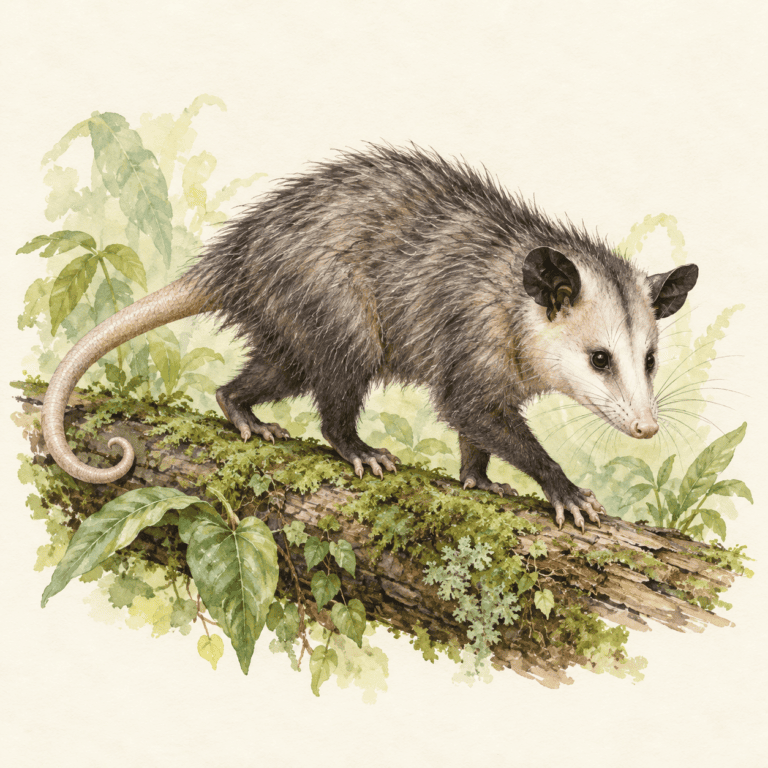
Common Opossum
The common opossum is a marsupial: its young complete an important part of their development attached to their mother's teats, protected in her pouch.
Take a closer look ↗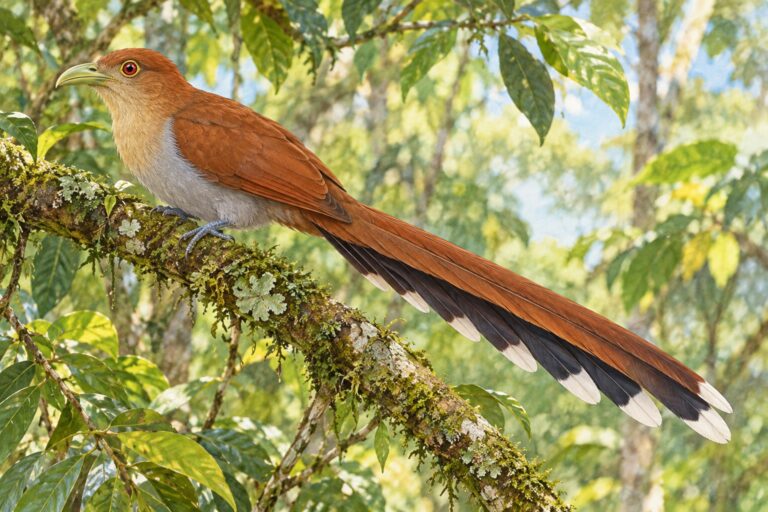
Common Squirrel-Cuckoo
A rusty forest cuckoo with an exceptionally long tail.
Take a closer look ↗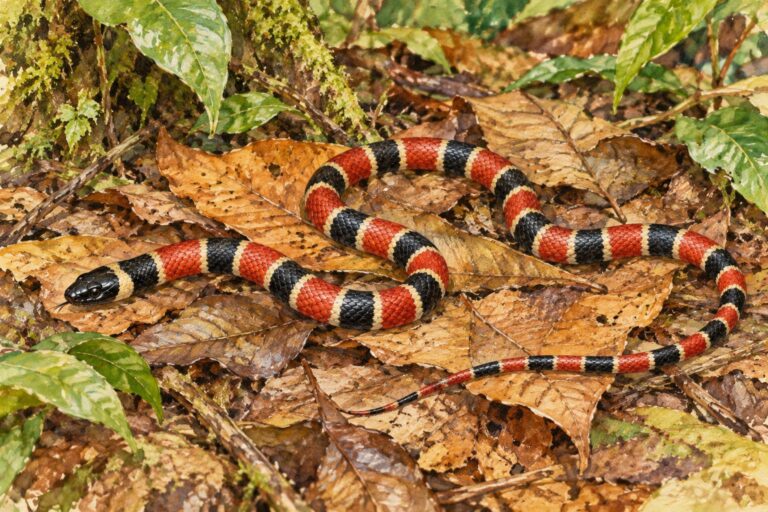
Cope's False Coral Snake
A fine-tailed forest snake wears bold bands without advertising a safe encounter.
Take a closer look ↗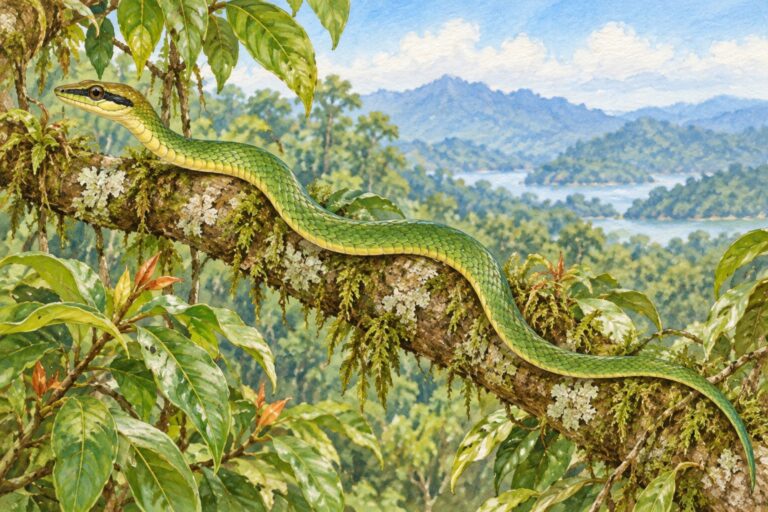
Cope's Parrot Snake
A slender green snake blends with branches and leaves.
Take a closer look ↗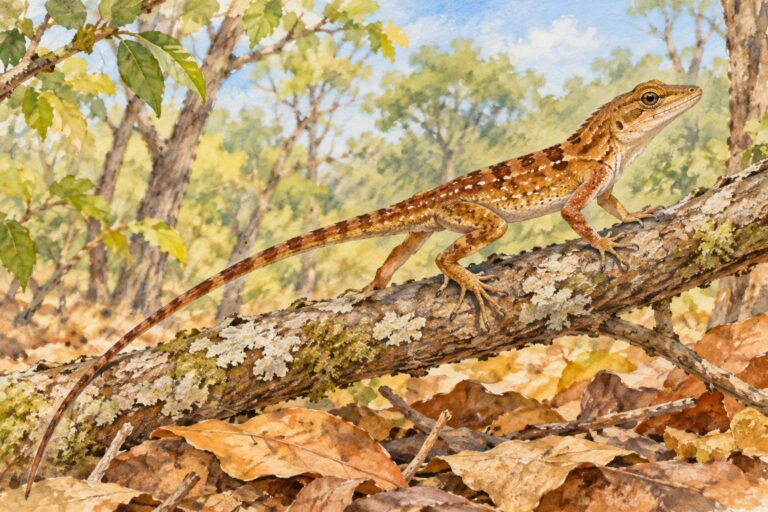
Copper Anole
A familiar brown anole watches from low perches in Pacific-slope landscapes.
Take a closer look ↗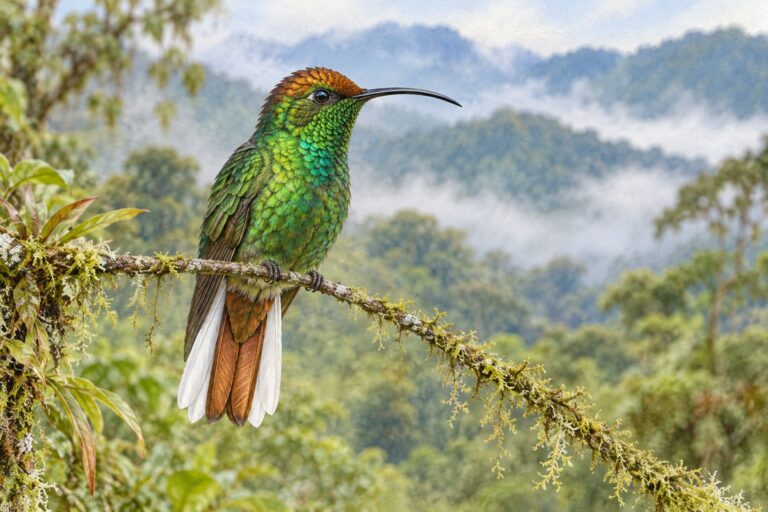
Coppery-headed Emerald
A tiny hummingbird found naturally only in Costa Rica.
Take a closer look ↗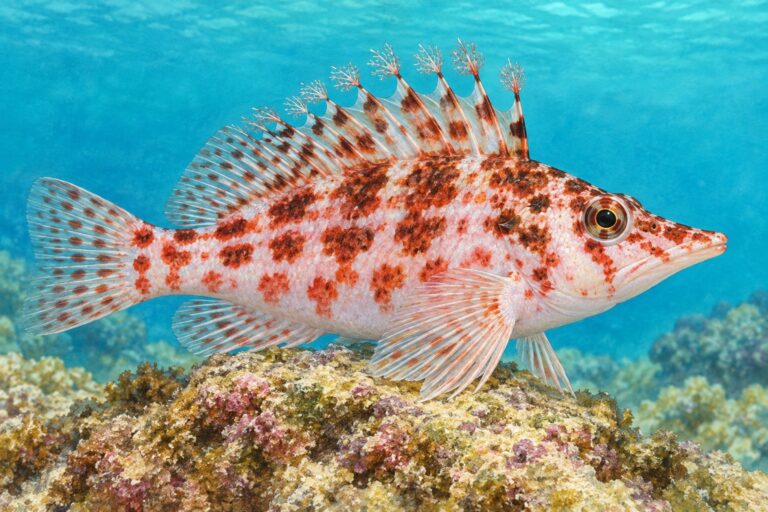
Coral Hawkfish
A small reef fish with reddish-brown blotches.
Take a closer look ↗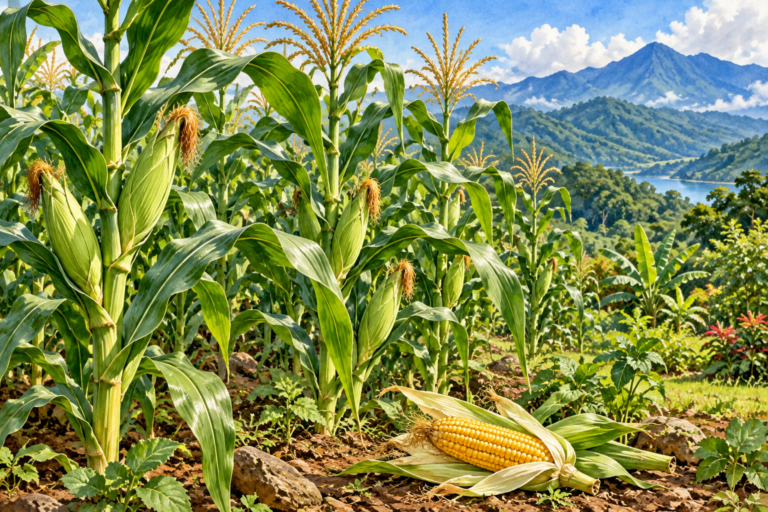
Corn
Corn, also called maize, is a cultivated grass.
Take a closer look ↗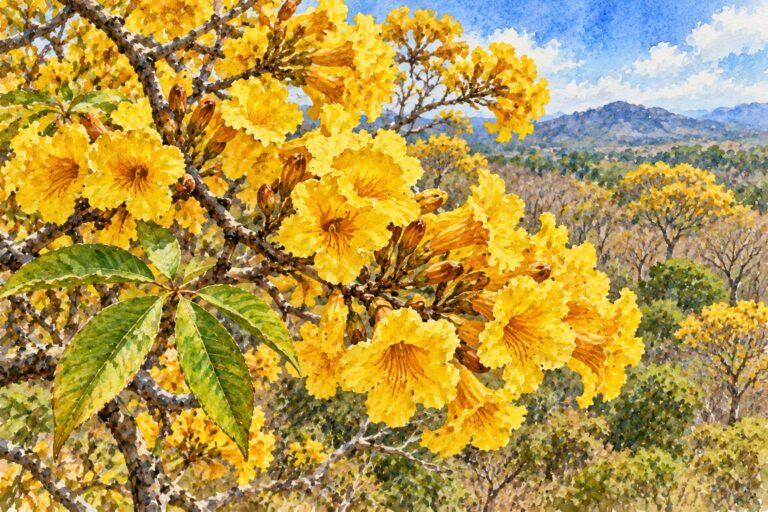
Cortez Amarillo
Golden trumpet flowers can brighten the branches of an almost leafless tree.
Take a closer look ↗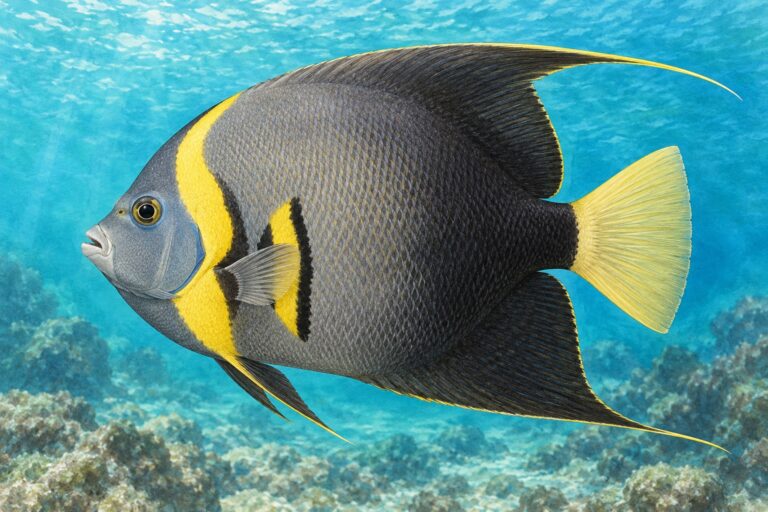
Cortez Angelfish
A tall angelfish with yellow accents and dramatic juvenile stripes.
Take a closer look ↗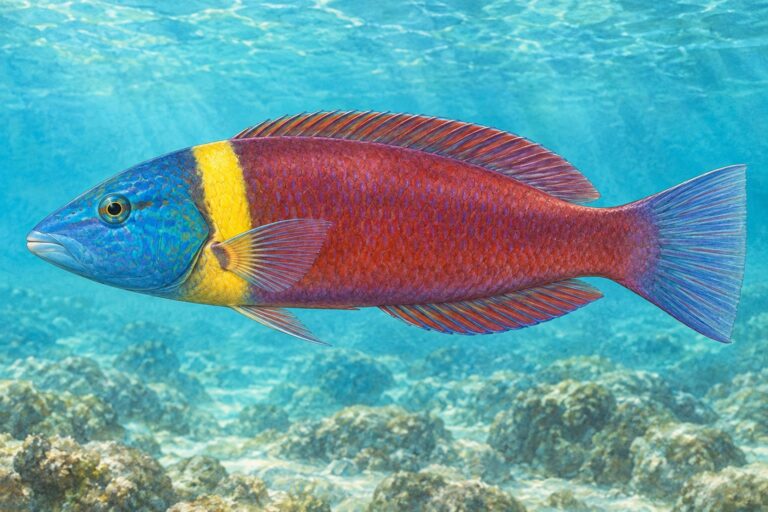
Cortez Rainbow Wrasse
A small wrasse whose colors change as it grows.
Take a closer look ↗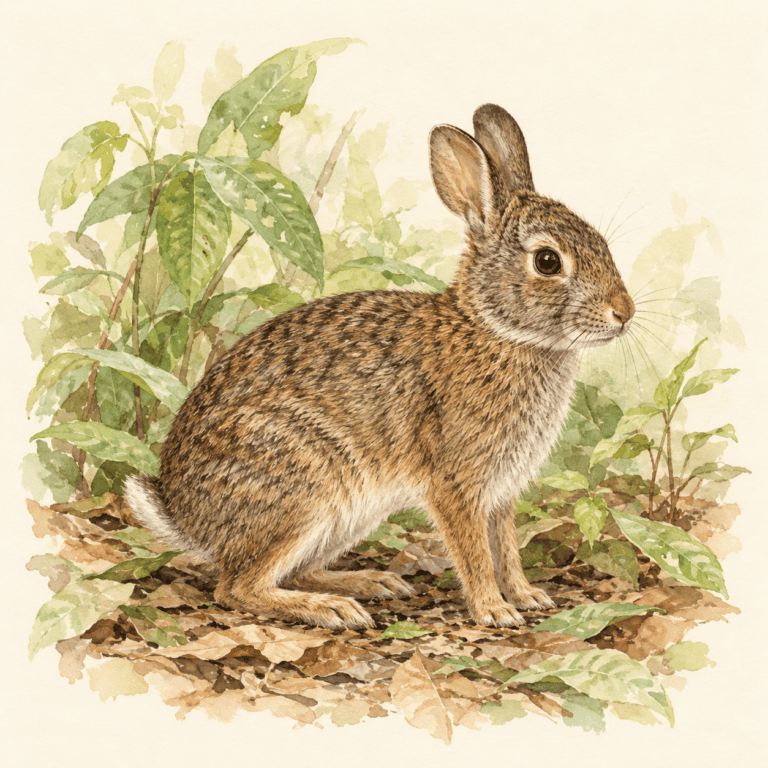
Costa Rica Forest Rabbit
The Costa Rica forest rabbit is a native forest rabbit, not a domestic bunny living outdoors.
Take a closer look ↗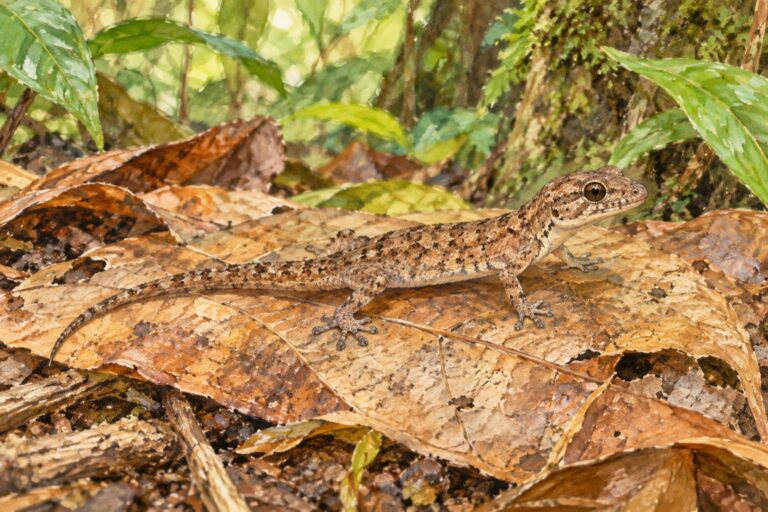
Costa Rica Least Gecko
A tiny gecko reveals a whole miniature world among forest leaves.
Take a closer look ↗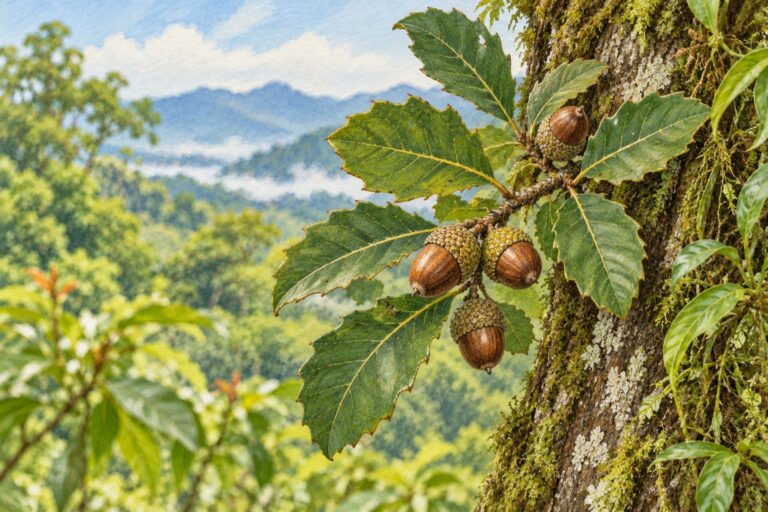
Costa Rican Oak
Acorns and leathery leaves belong to this mountain-forest oak.
Take a closer look ↗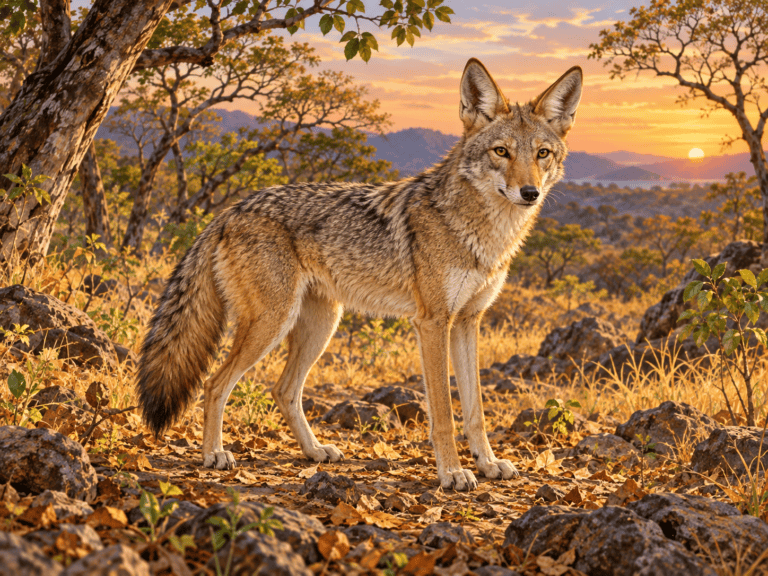
Coyote
An adaptable wild canid that uses woodland edges and open country.
Take a closer look ↗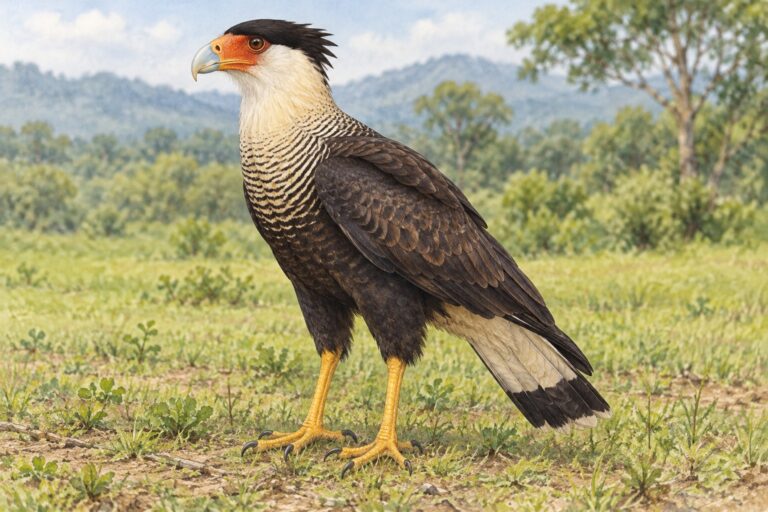
Crested Caracara
A long-legged raptor that often walks on the ground.
Take a closer look ↗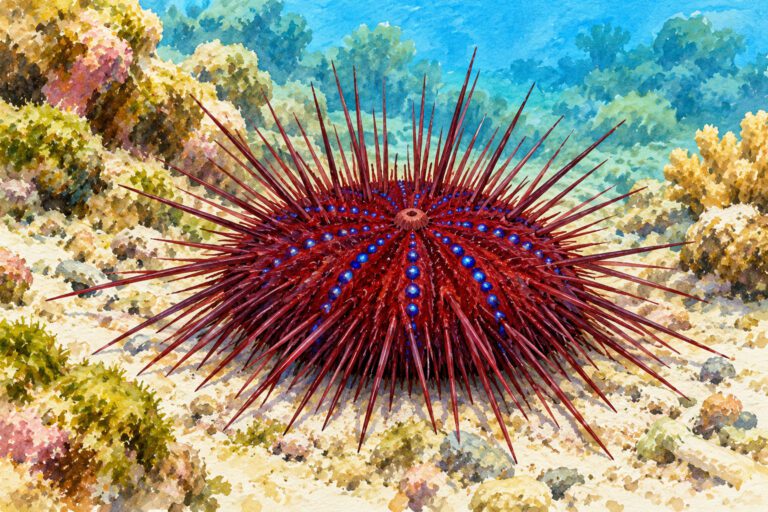
Crown Sea Urchin
Astropyga pulvinata is an urchin with long spines and distinctive bright blue spots on parts of its body.
Take a closer look ↗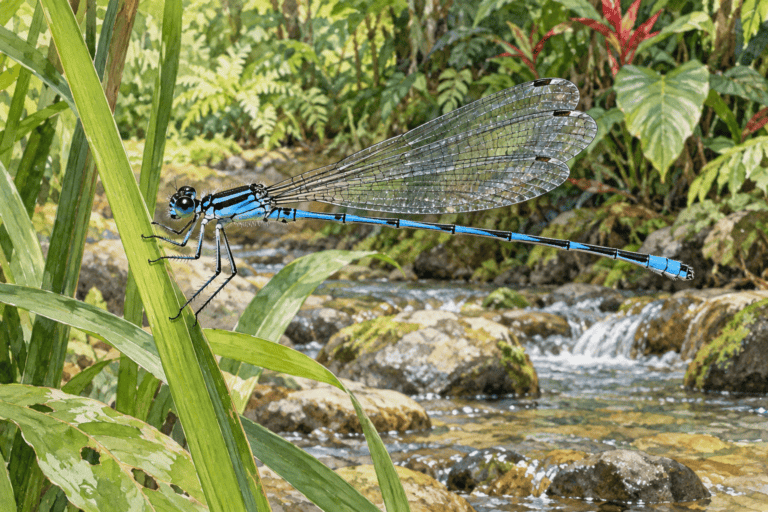
Damselflies
Slender body.
Take a closer look ↗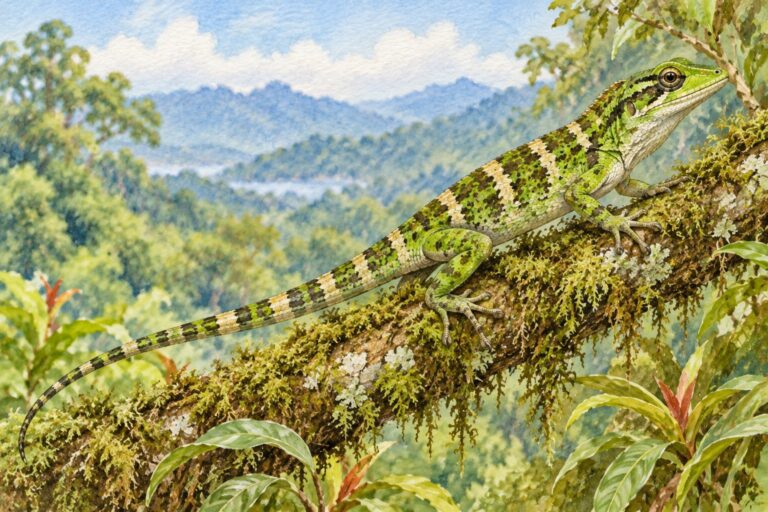
Decorated Anole
A large forest anole blends green and pale markings into a leafy canopy.
Take a closer look ↗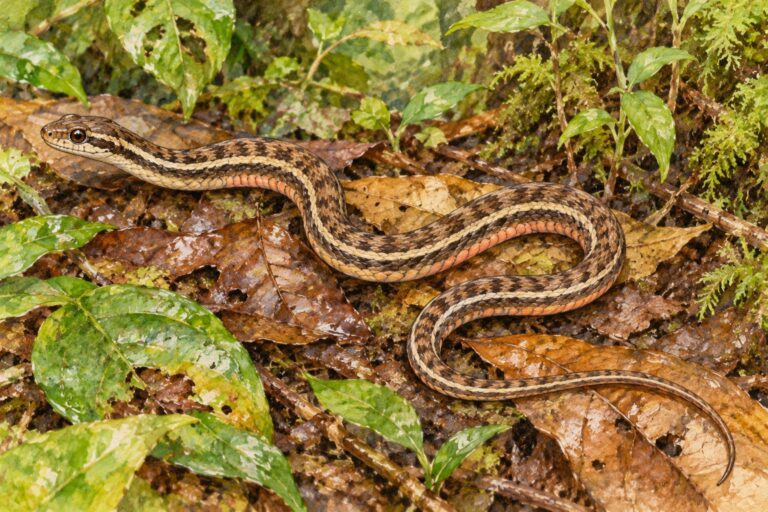
Decorated Forest Snake
Fine lengthwise stripes help a small snake blend into forest-floor lines.
Take a closer look ↗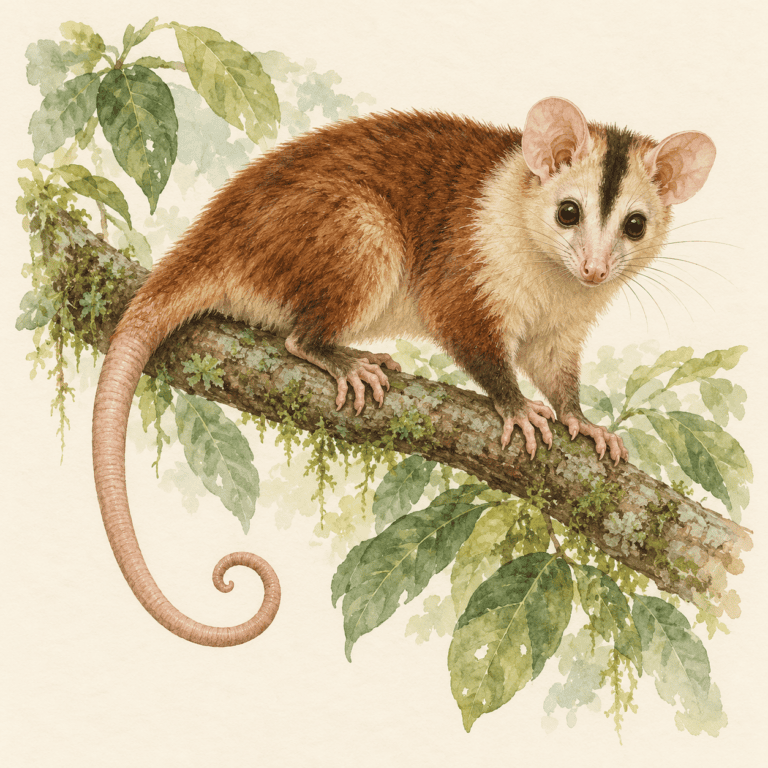
Derby’s Woolly Opossum
Derby's woolly opossum is a tree-climbing marsupial with soft fur, large eyes and a dark stripe down its pale face.
Take a closer look ↗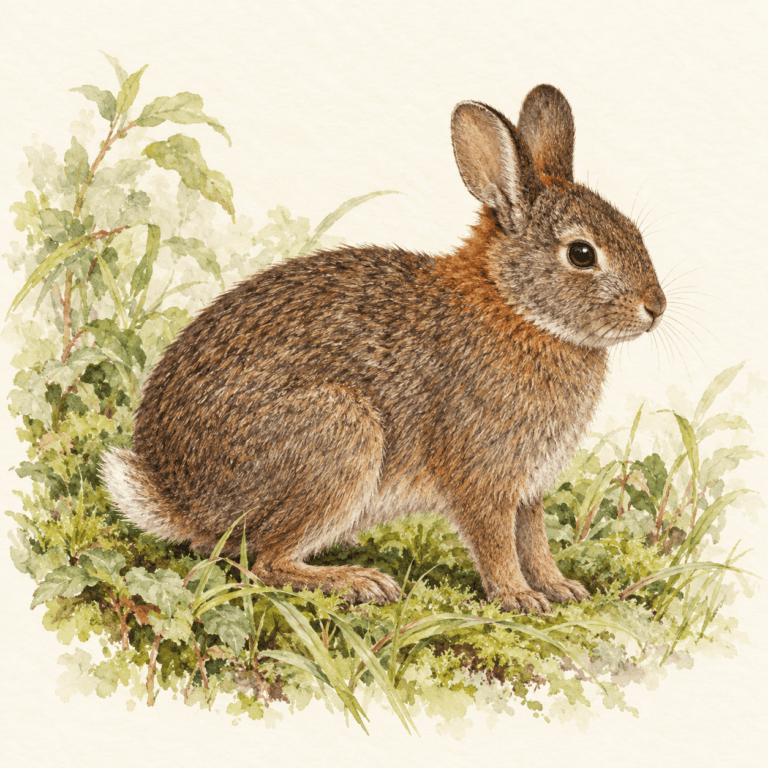
Dice’s Cottontail
Dice's cottontail is a mountain rabbit found in Costa Rica and western Panama.
Take a closer look ↗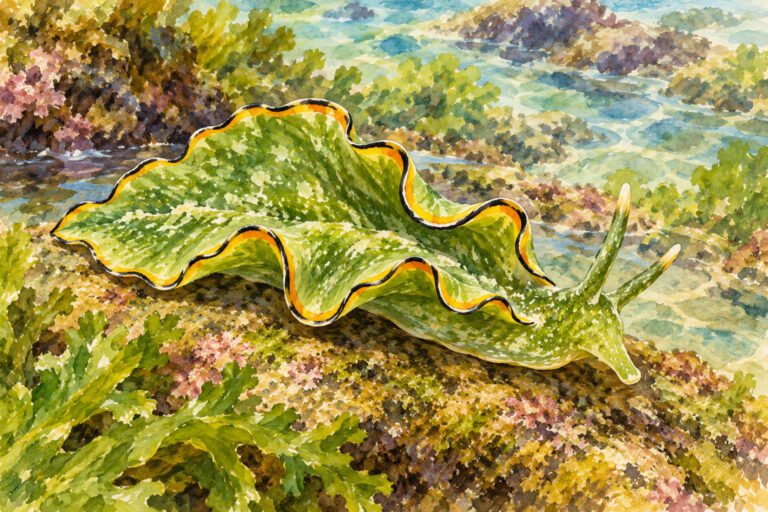
Diomedea Leaf Sea Slug
Elysia diomedea is a small marine gastropod with folded, leaf-like sides and a greenish appearance.
Take a closer look ↗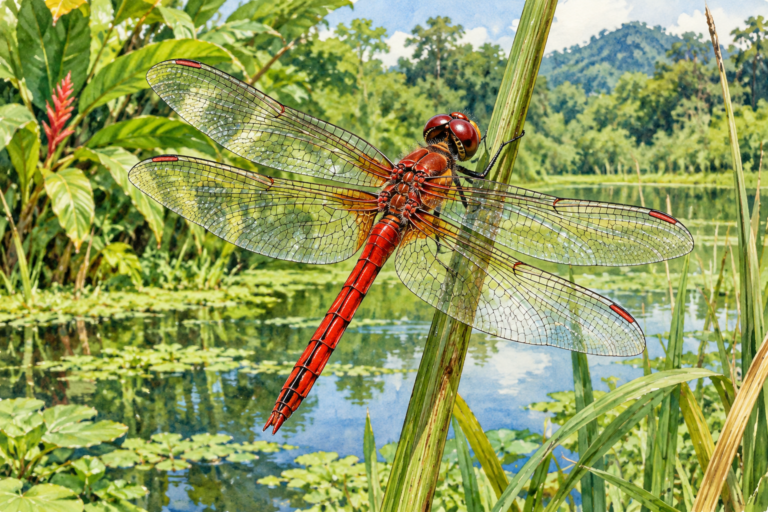
Dragonflies
Large eyes.
Take a closer look ↗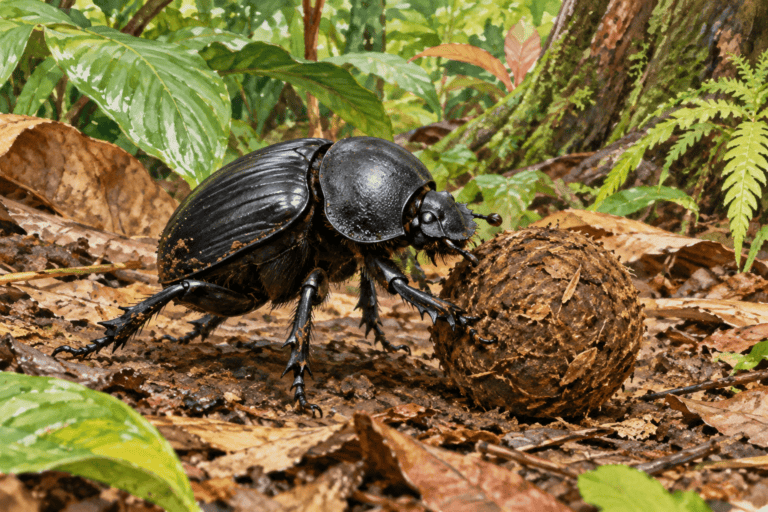
Dung Beetles
Compact beetle body.
Take a closer look ↗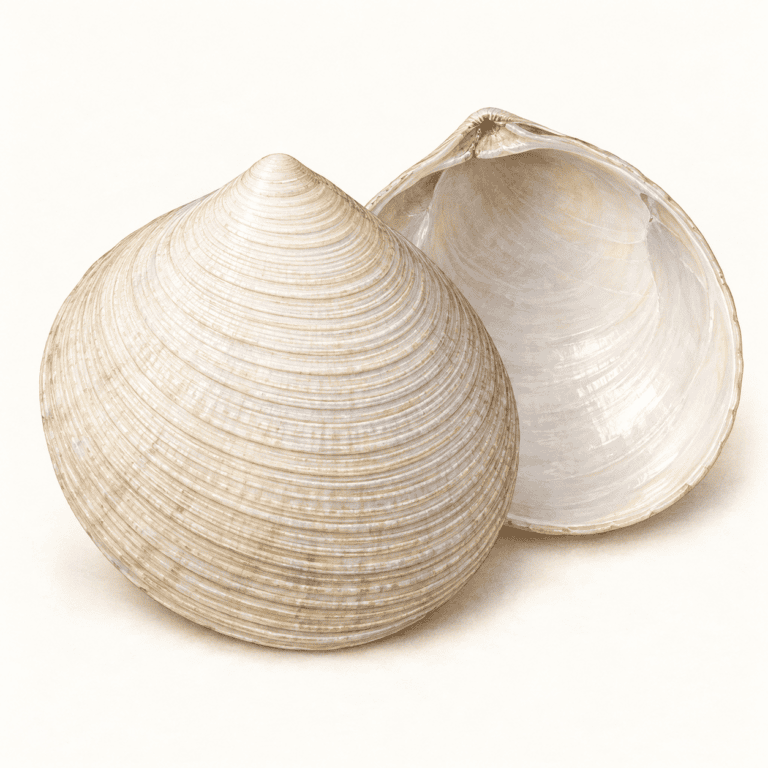
Dunker’s Dosinia
A rounded clam shell rewards a closer look at fine surface lines.
Take a closer look ↗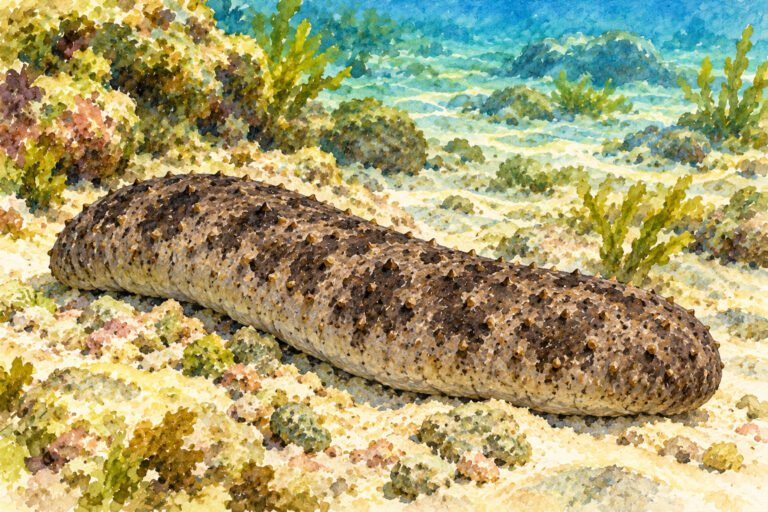
Dusky Sea Cucumber
Holothuria fuscocinerea is a sea cucumber: a marine echinoderm with an elongated body instead of spreading arms.
Take a closer look ↗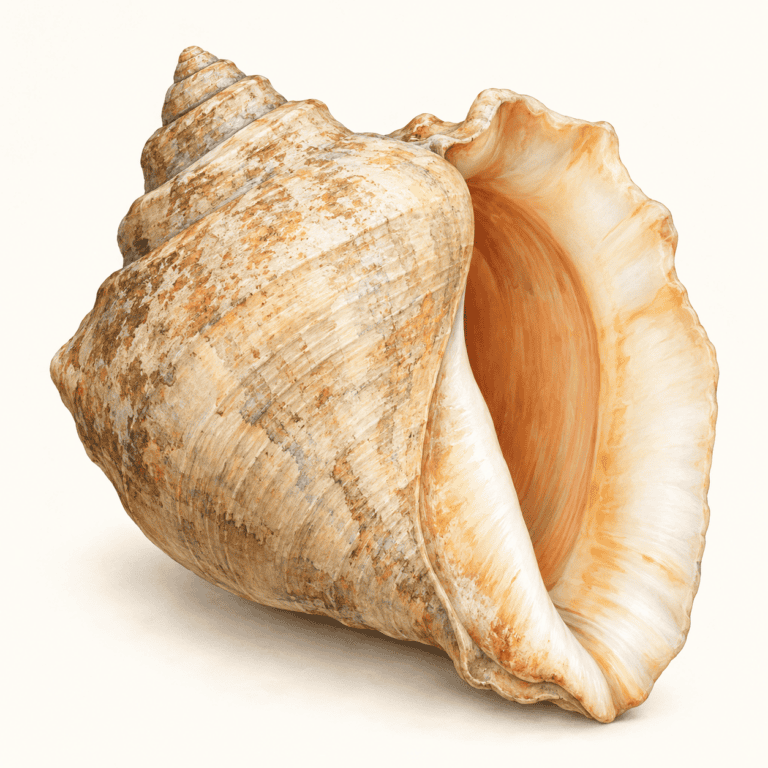
Eastern Pacific Giant Conch
A large conch connects marine nature with Costa Rica’s cultural history.
Take a closer look ↗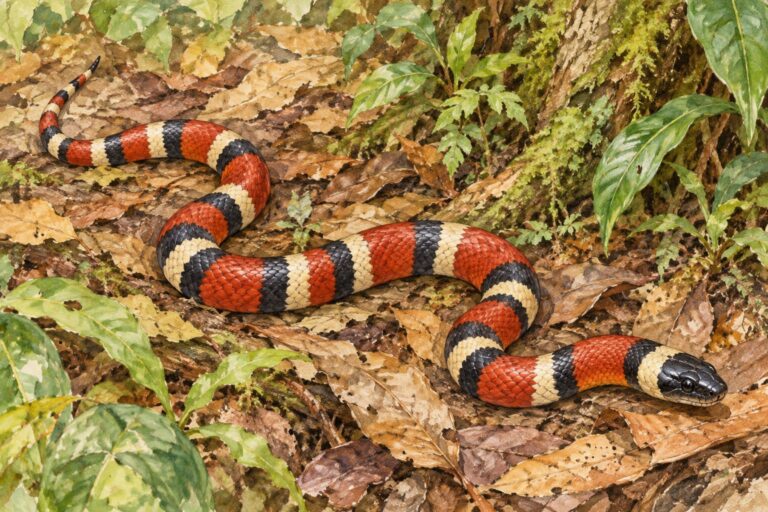
Ecuadorian Milksnake
A banded young milksnake offers a lesson about changing colors and misleading names.
Take a closer look ↗
El Ángel Waterfall
El Ángel Waterfall lies along the Río Ángel near Cariblanco.
Take a closer look ↗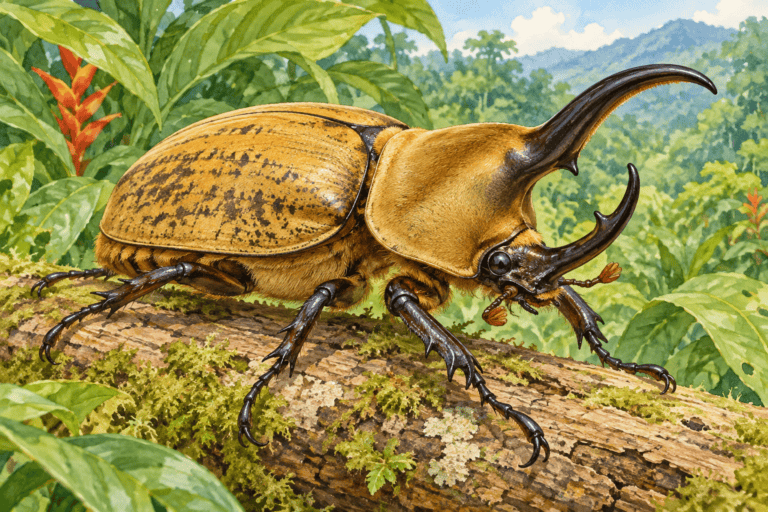
Elephant Beetle
Large rounded beetle.
Take a closer look ↗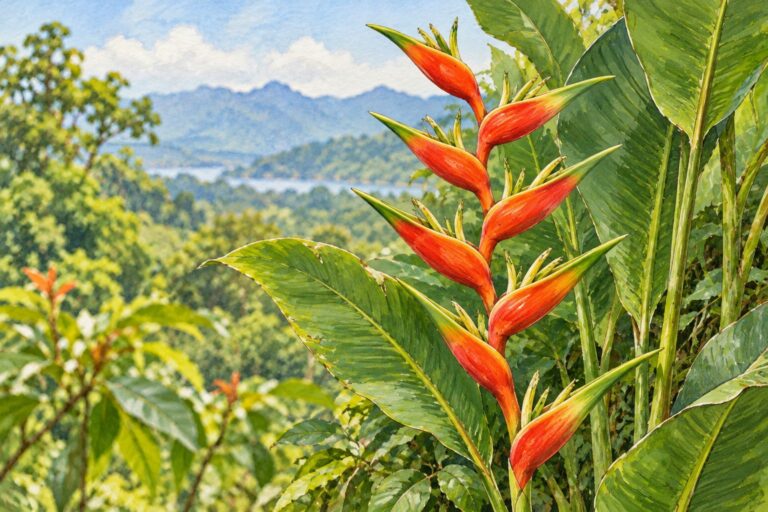
Expanded Lobster Claw
An upright open arrangement of colorful bracts rises among broad green leaves.
Take a closer look ↗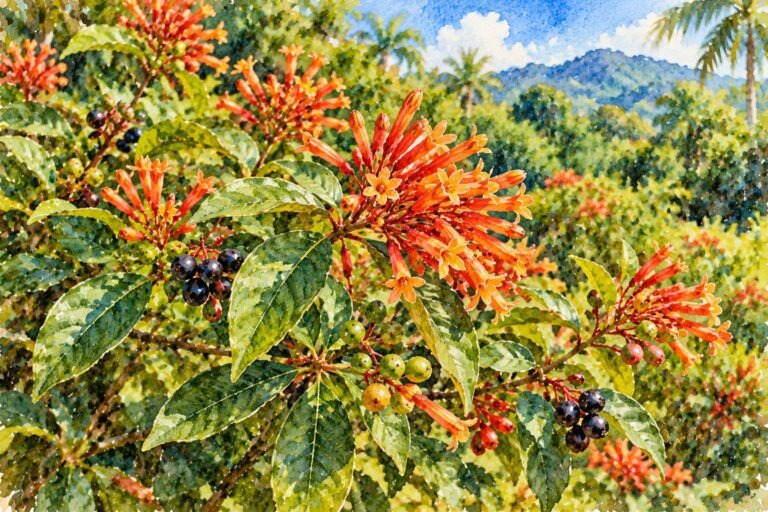
Firebush
Firebush is a shrub with clusters of narrow orange to red tubular flowers.
Take a closer look ↗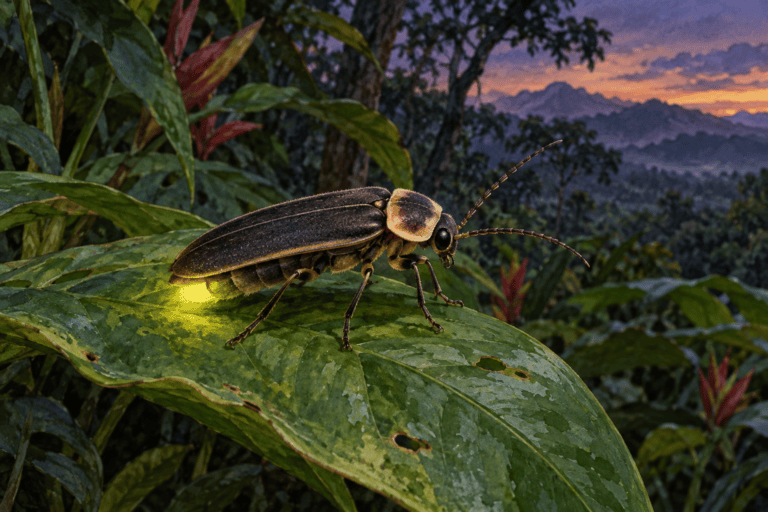
Fireflies
Soft beetle wing covers.
Take a closer look ↗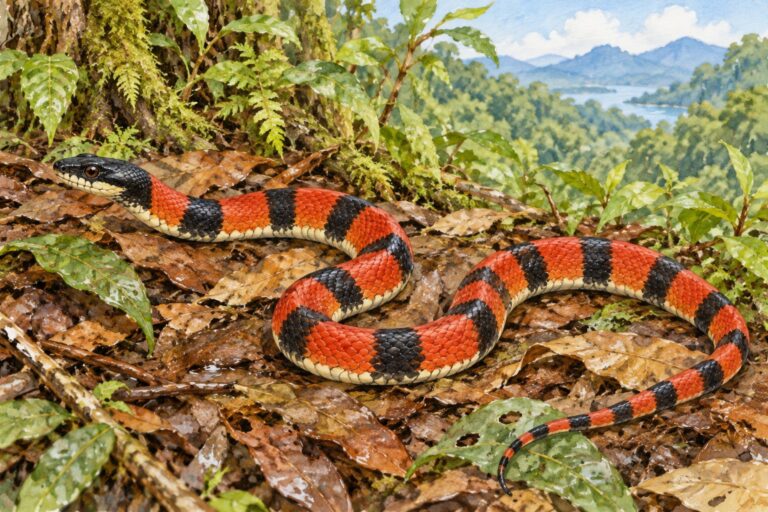
Forest Flame Snake
Bold red and dark markings stand out on this forest-floor snake.
Take a closer look ↗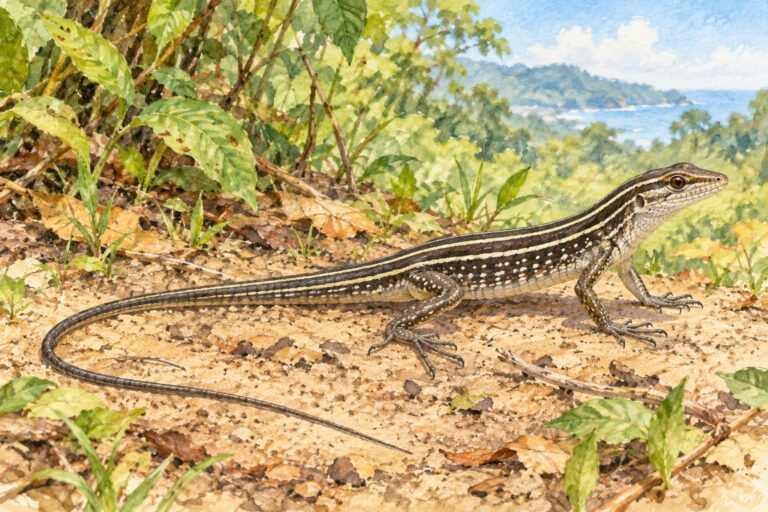
Four-lined Ameiva
Pale lengthwise stripes make this quick ground lizard worth a careful second look.
Take a closer look ↗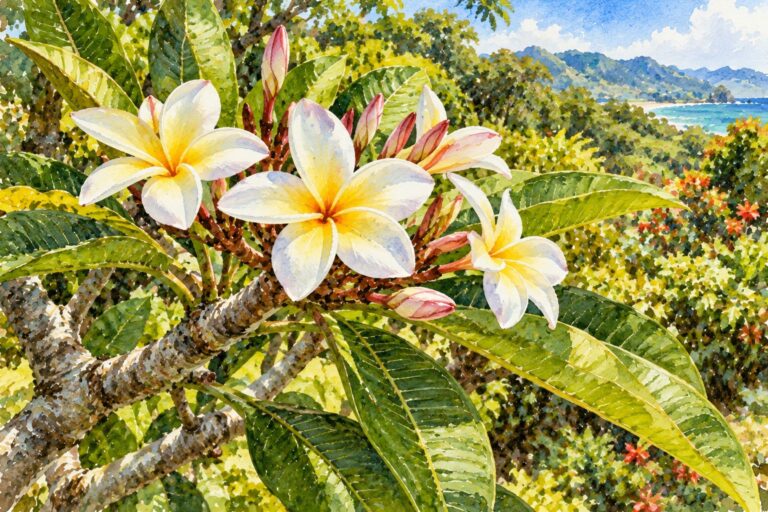
Frangipani
Frangipani is a flowering tree with thick branches and clusters of five-lobed blossoms.
Take a closer look ↗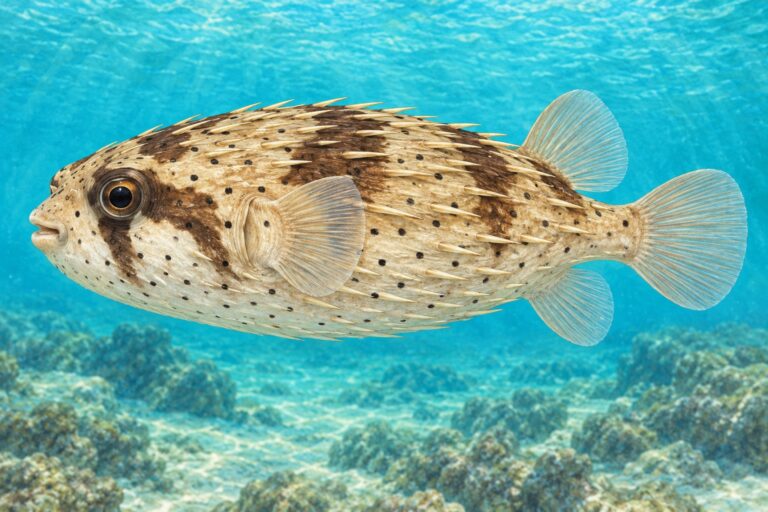
Freckled Porcupinefish
An oval fish with long spines that usually lie against its skin.
Take a closer look ↗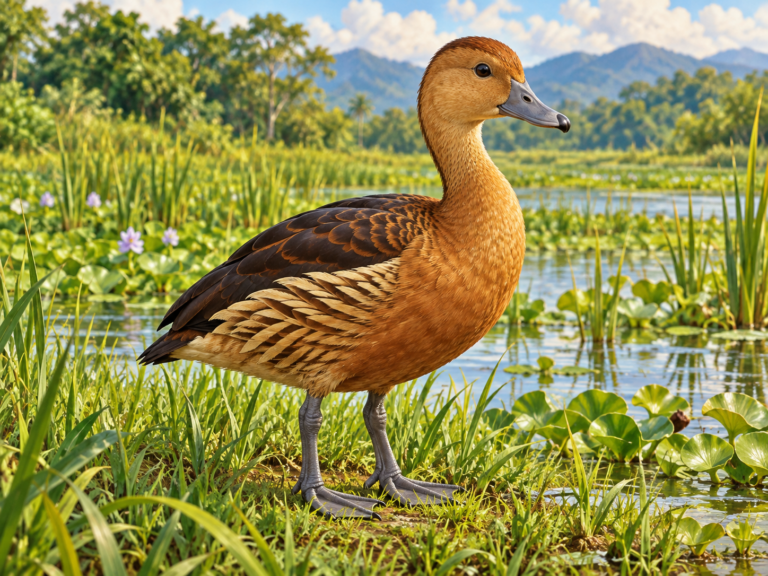
Fulvous Whistling-Duck
A warm-brown duck with a long neck and a whistling voice.
Take a closer look ↗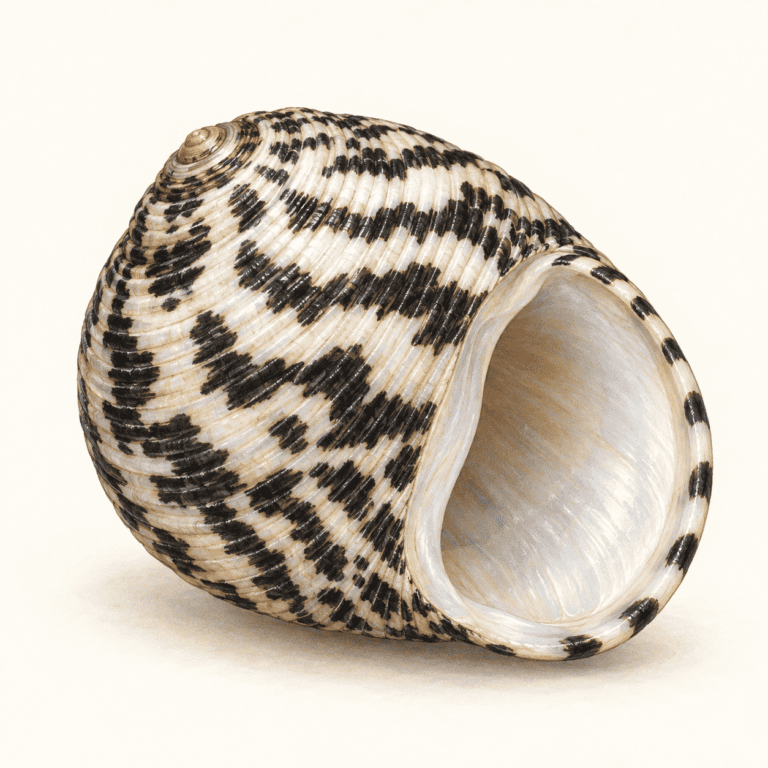
Funiculate Nerite
A small, rounded nerite invites a close look at its shell pattern.
Take a closer look ↗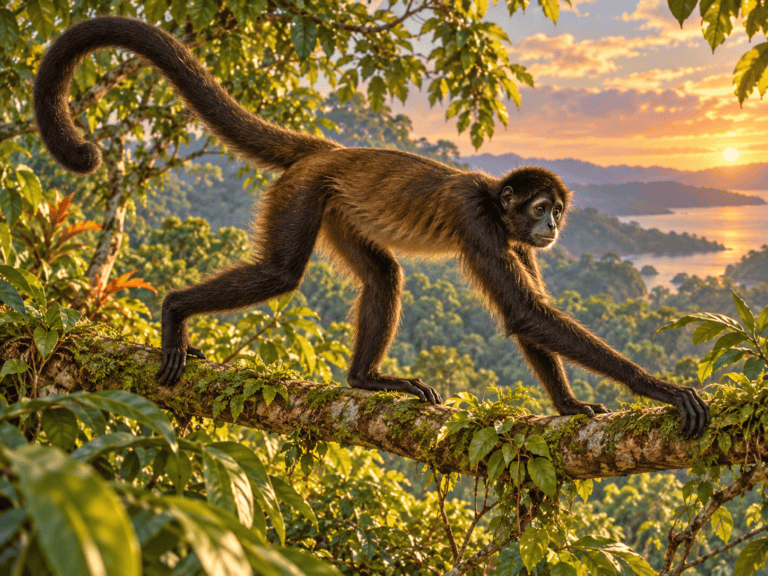
Geoffroy’s Spider Monkey
Long limbs and a grasping tail help this monkey move through the canopy.
Take a closer look ↗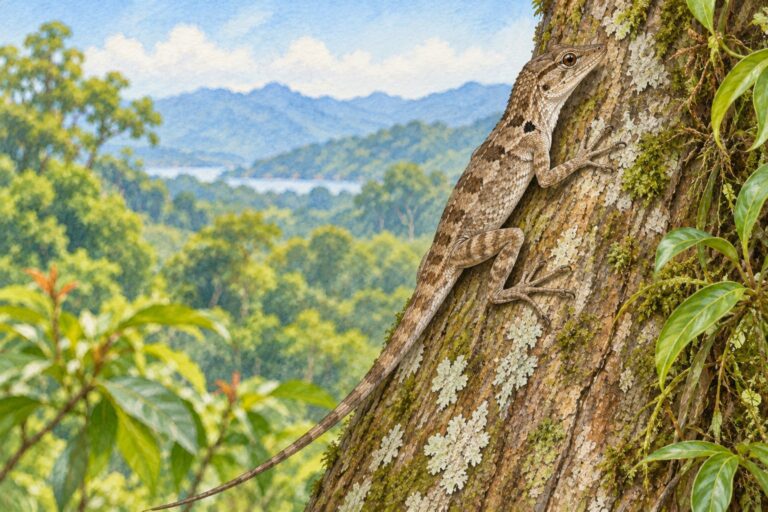
Ghost Anole
A quiet brown anole can disappear against a shaded tree trunk.
Take a closer look ↗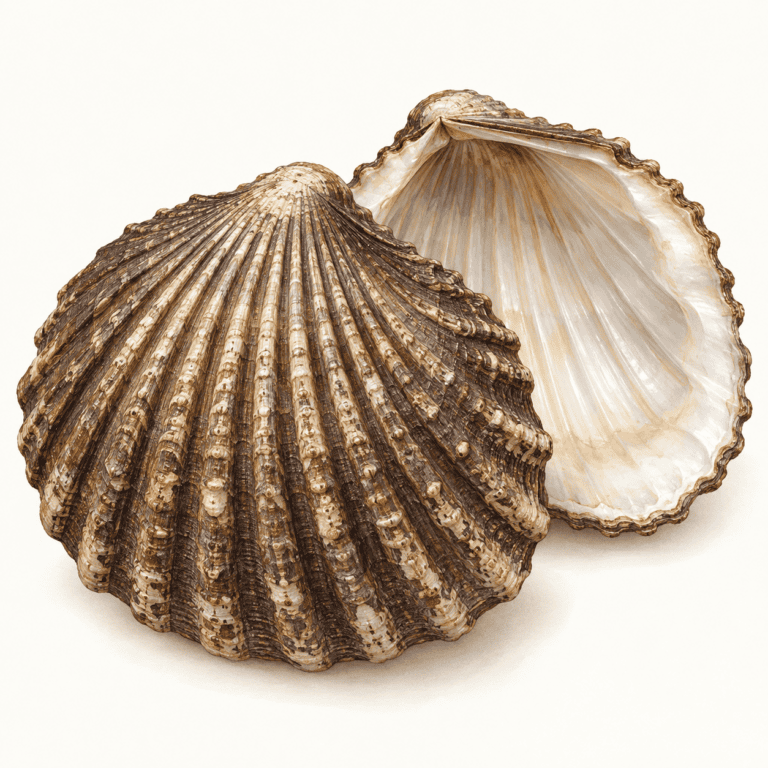
Giant Ark Clam
A large ark shell has deep spaces between its strong ribs.
Take a closer look ↗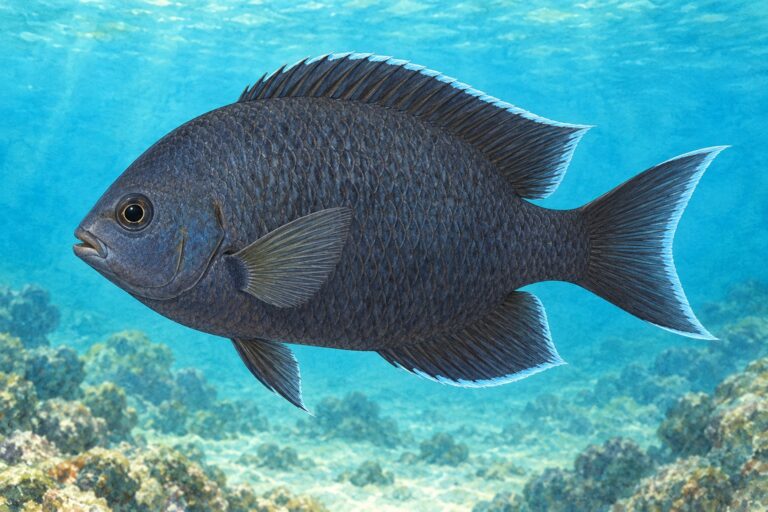
Giant Damselfish
A large damselfish with dark blue-gray adult coloring.
Take a closer look ↗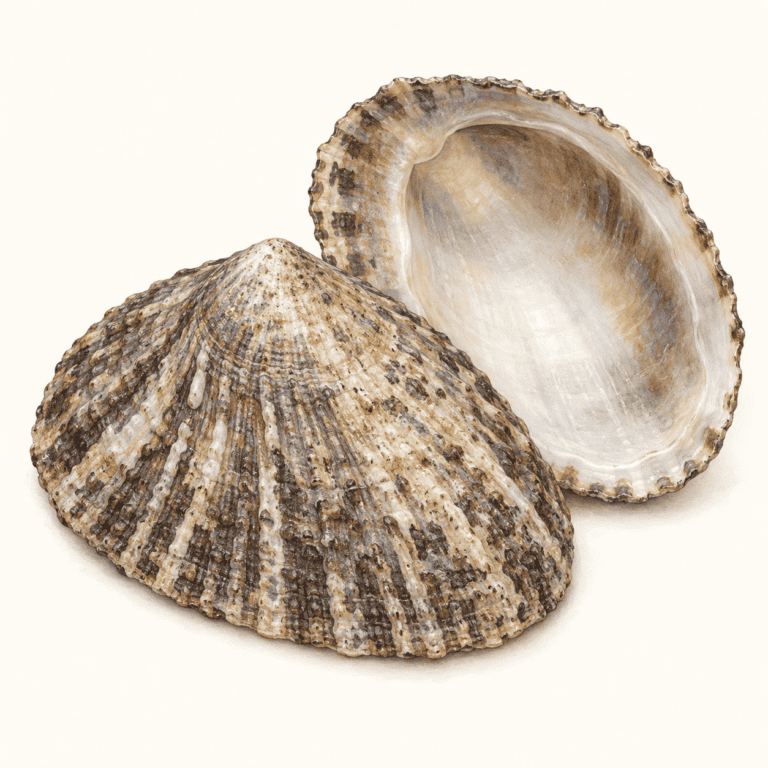
Giant False Limpet
A cap-shaped shell shelters a snail on the rocky shore.
Take a closer look ↗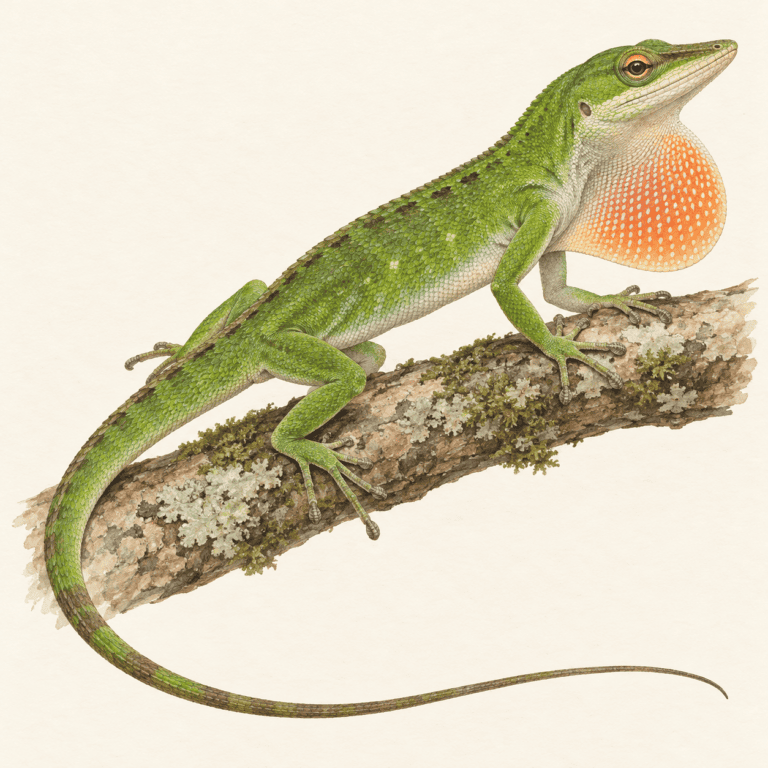
Giant Green Anole
A green anole that spends much of its time in vegetation.
Take a closer look ↗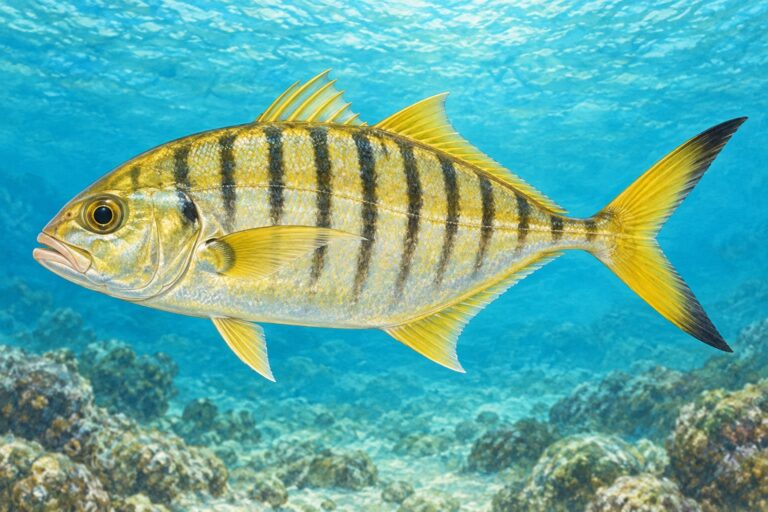
Golden Trevally
A jack whose boldly barred young look different from adults.
Take a closer look ↗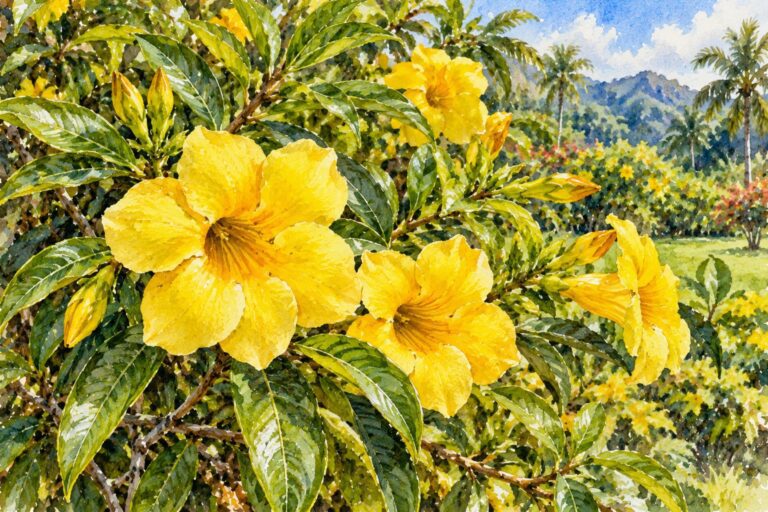
Golden Trumpet
Golden trumpet is a South American ornamental cultivated and naturalized in Costa Rica.
Take a closer look ↗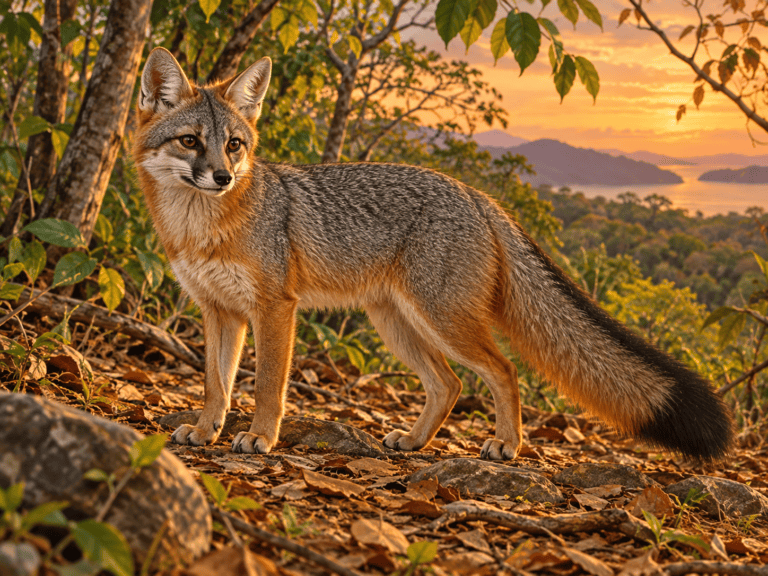
Gray Fox
A small gray-and-russet canid that can climb trees.
Take a closer look ↗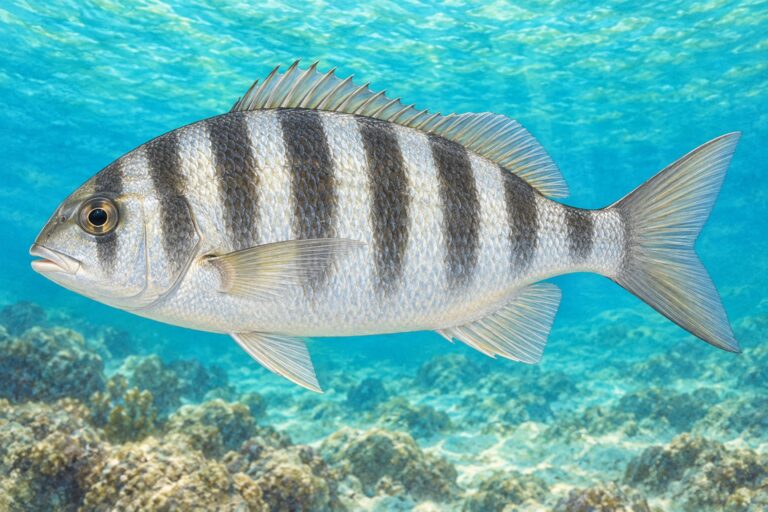
Graybar Grunt
A silver grunt crossed by broad dark bars.
Take a closer look ↗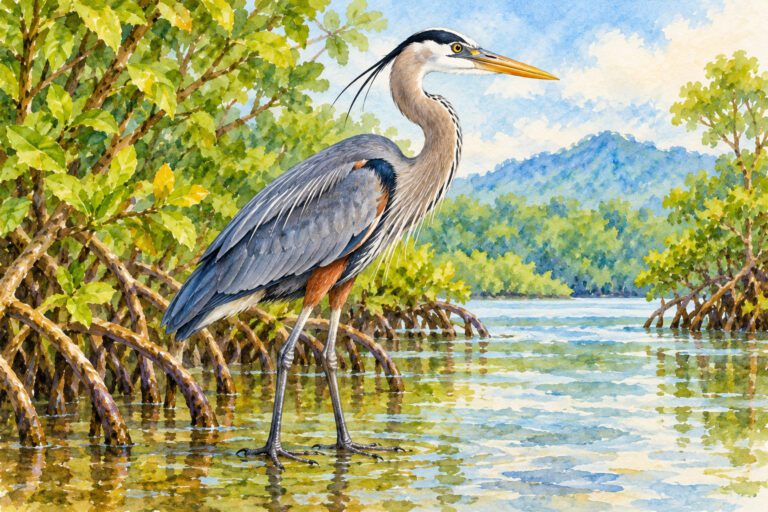
Great Blue Heron
This large heron searches shallow water for fish and other small animals.
Take a closer look ↗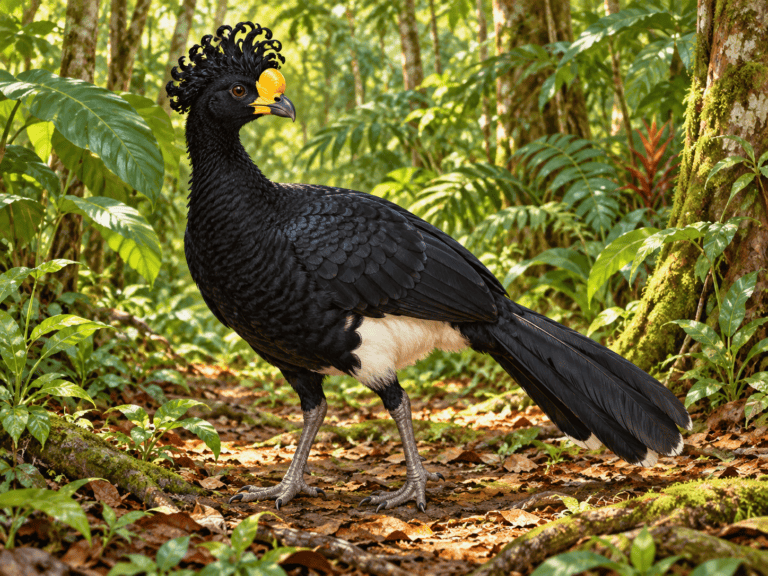
Great Curassow
A large forest bird with a curled crest and contrasting male and female plumage.
Take a closer look ↗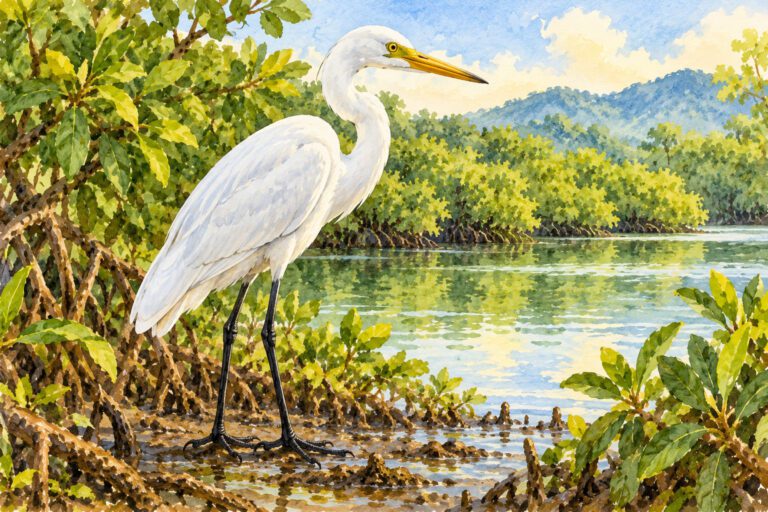
Great Egret
The Great Egret is a large white wading bird that hunts by waiting or walking slowly in shallow water.
Take a closer look ↗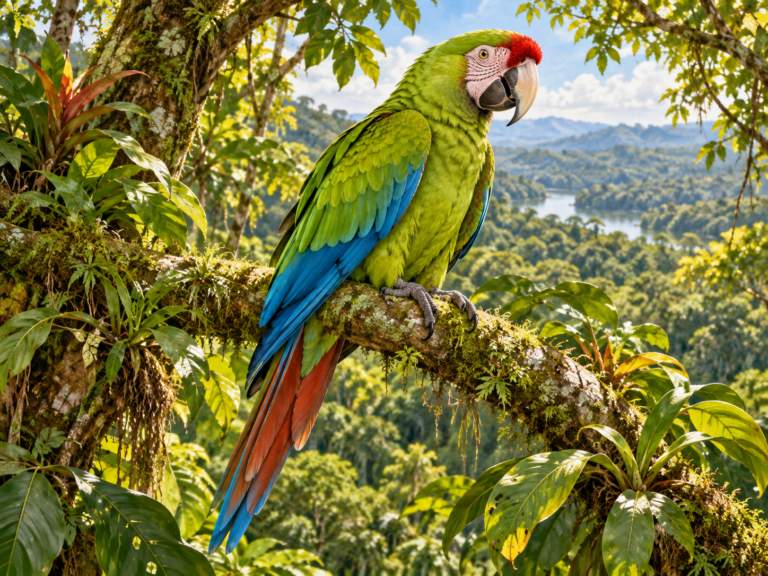
Great Green Macaw
A green forest giant whose future depends on large nesting trees.
Take a closer look ↗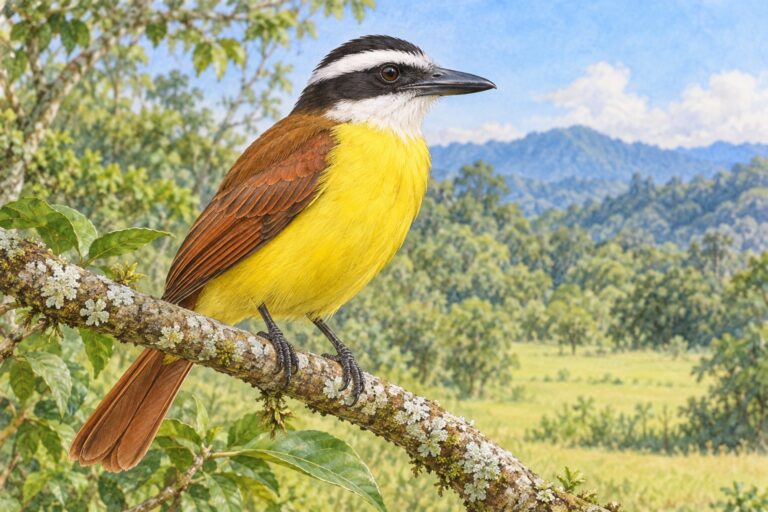
Great Kiskadee
A loud flycatcher with a yellow belly and striped head.
Take a closer look ↗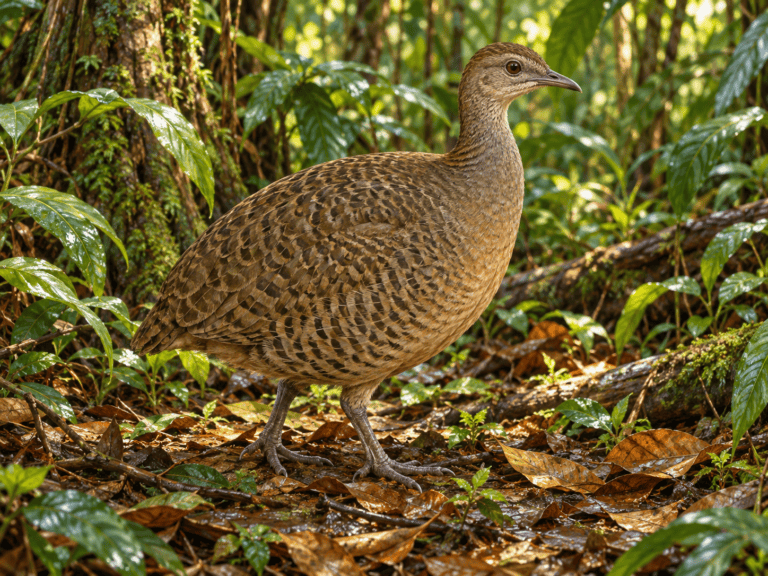
Great Tinamou
A camouflaged forest-floor bird with a far-carrying whistle.
Take a closer look ↗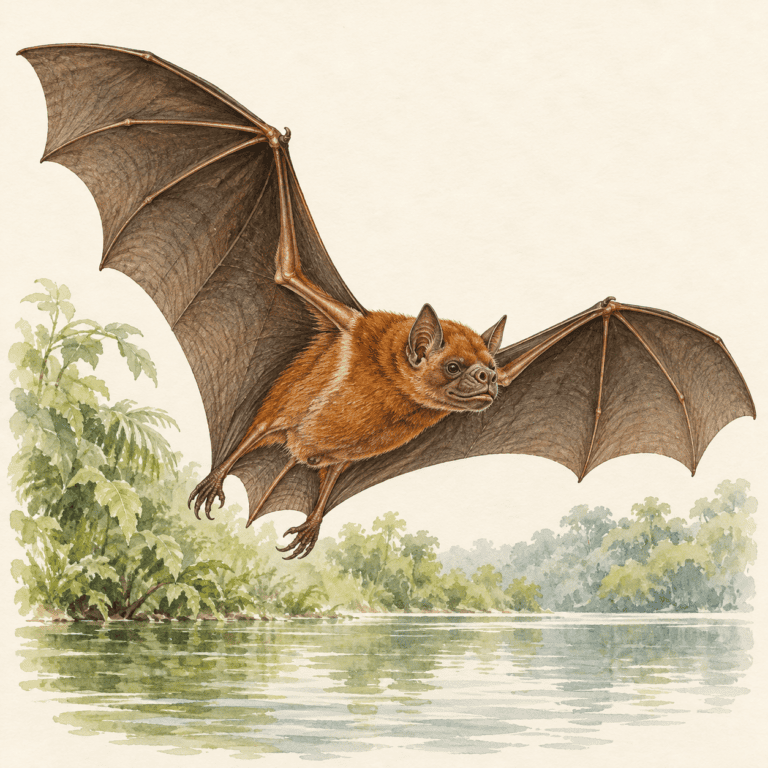
Greater Bulldog Bat
The greater bulldog bat is one of the bats that regularly catches fish.
Take a closer look ↗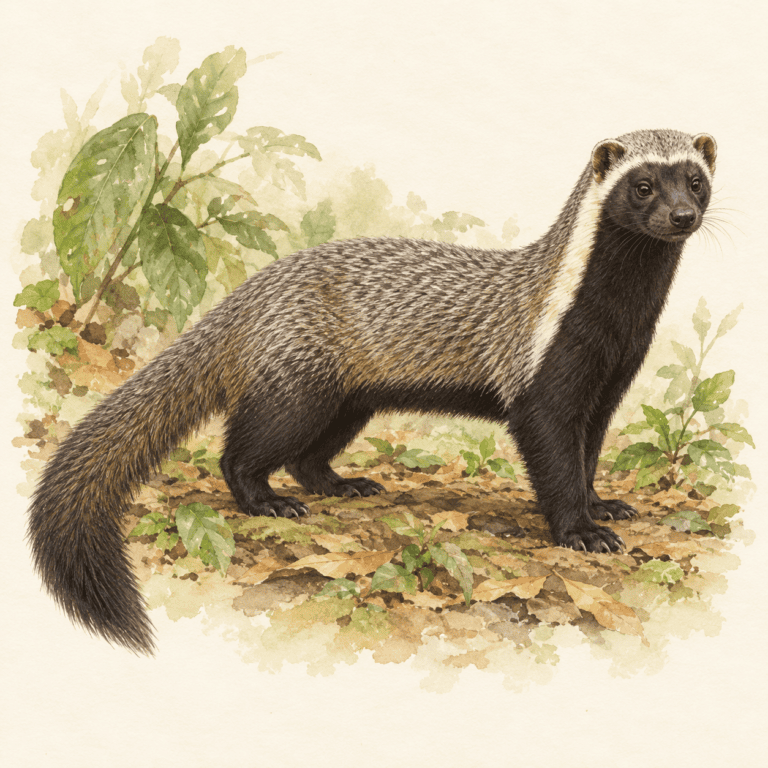
Greater Grison
The greater grison has a long low body, short legs and a striking pale stripe separating its dark face and underside from its grizzled back.
Take a closer look ↗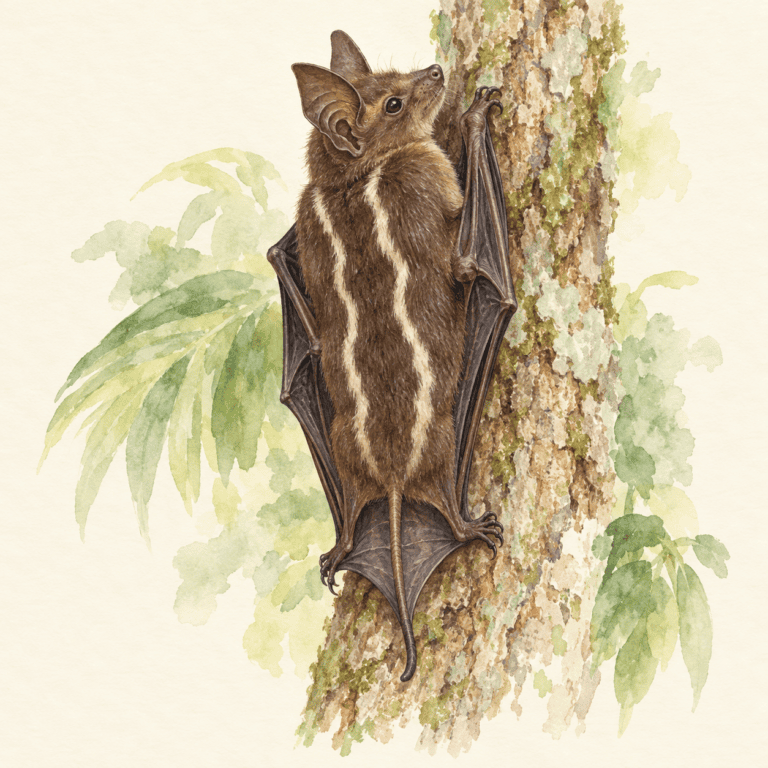
Greater Sac-winged Bat
Two pale wavy stripes down a dark back are a starting clue for the greater sac-winged bat.
Take a closer look ↗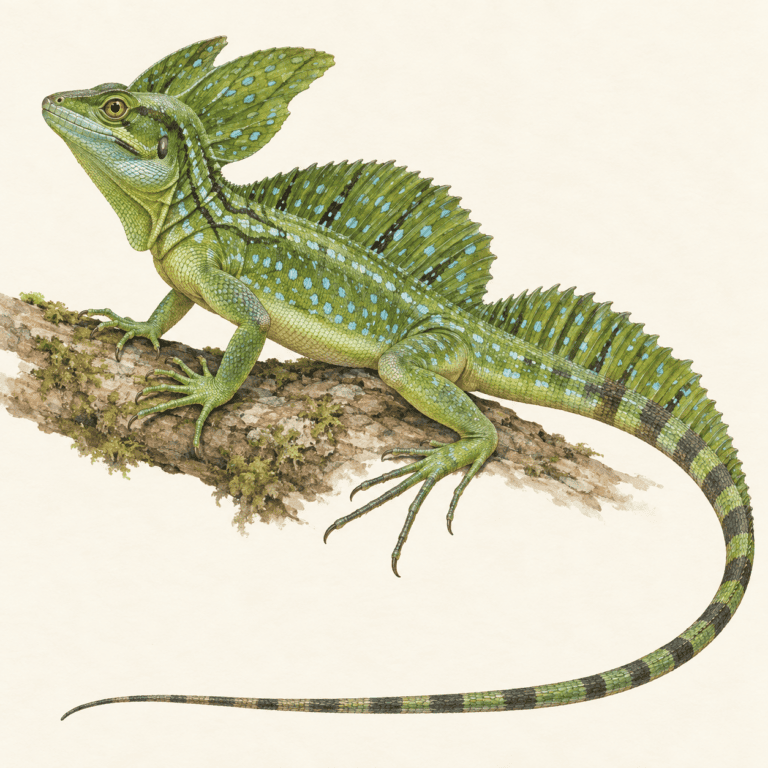
Green Basilisk
A green lizard of humid forests and stream edges.
Take a closer look ↗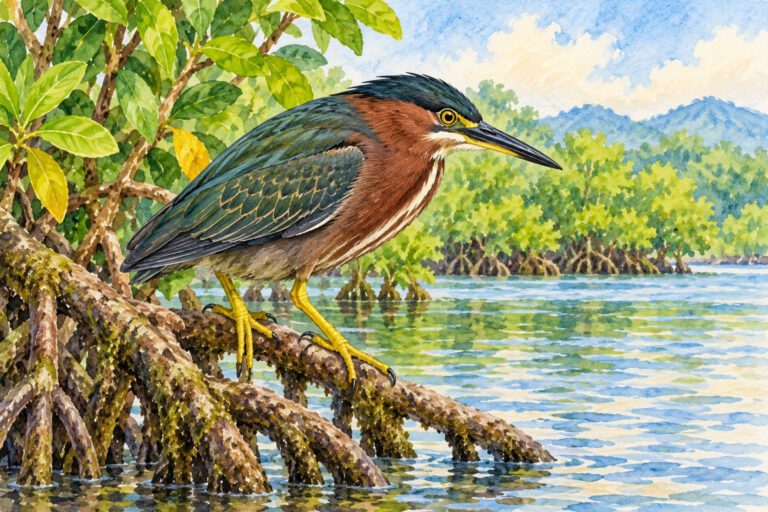
Green Heron
The Green Heron is a compact hunter with a dark greenish back, chestnut neck and a short crest.
Take a closer look ↗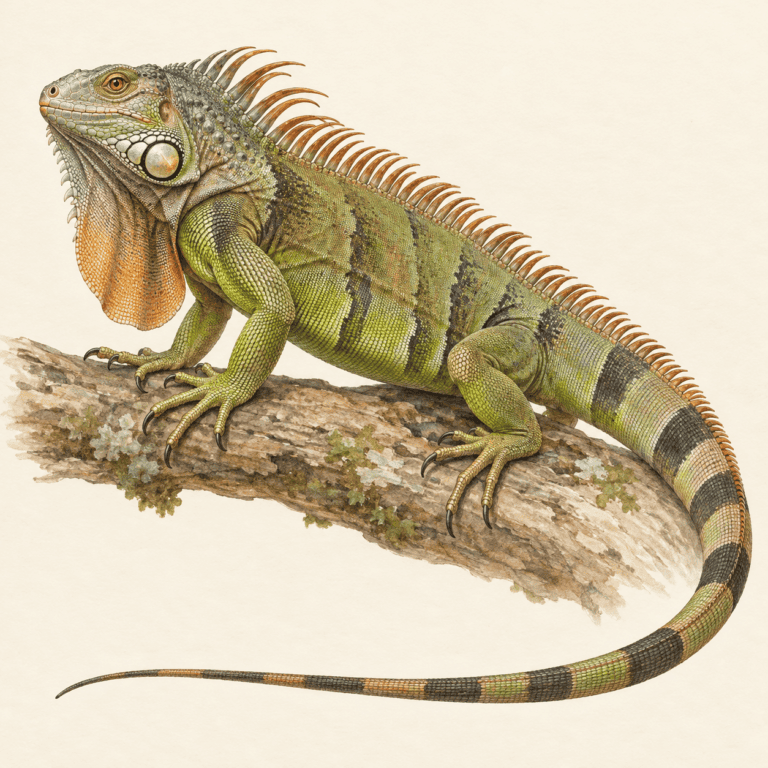
Green Iguana
A large tree-climbing lizard with a throat fan and a row of spines along its back.
Take a closer look ↗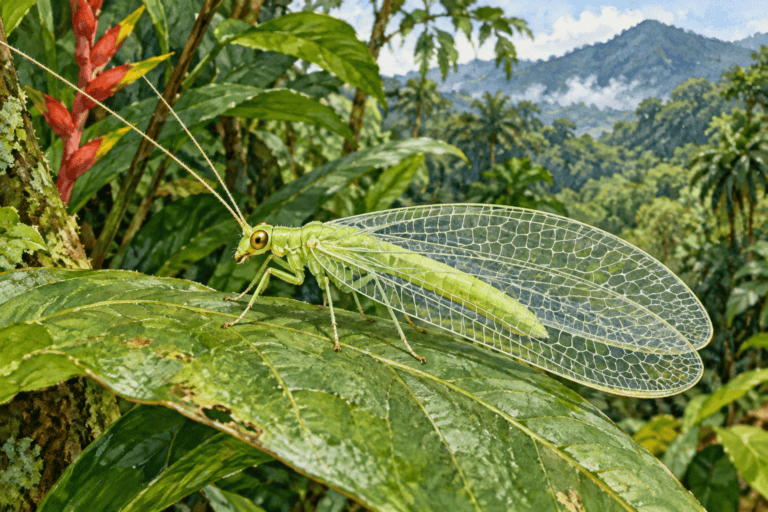
Green Lacewings
Delicate green body.
Take a closer look ↗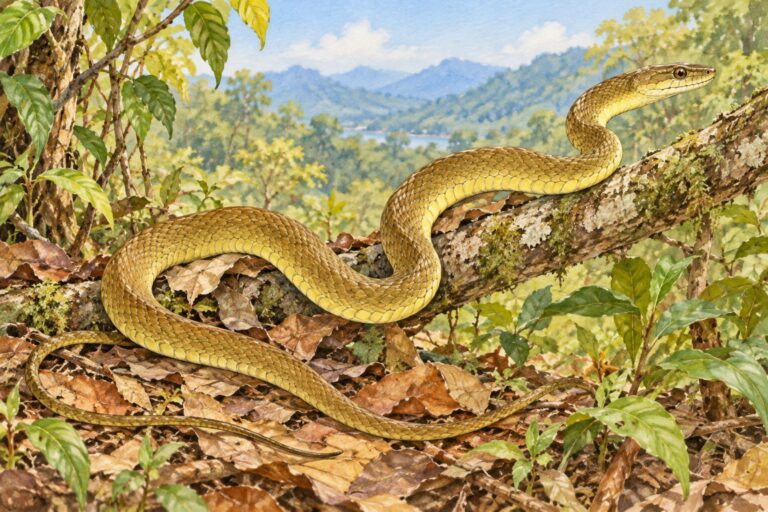
Green Ratsnake
This long forest snake changes its appearance as it grows.
Take a closer look ↗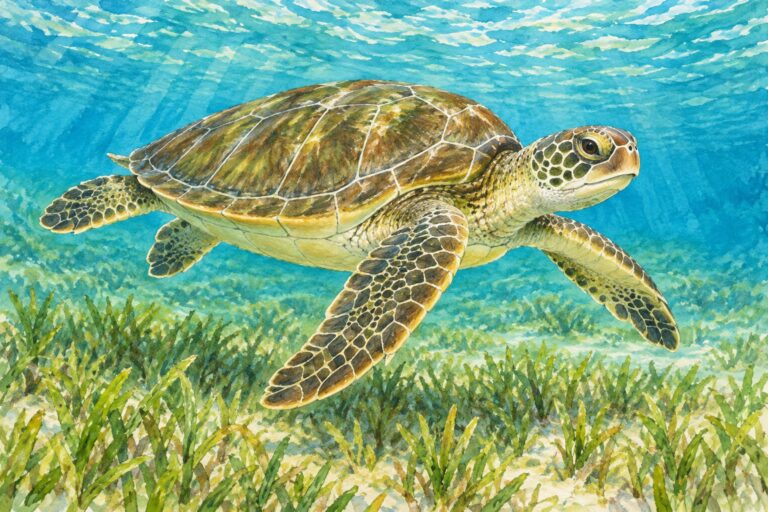
Green Sea Turtle
A smooth oval shell and paddle-shaped flippers belong to this ocean traveler.
Take a closer look ↗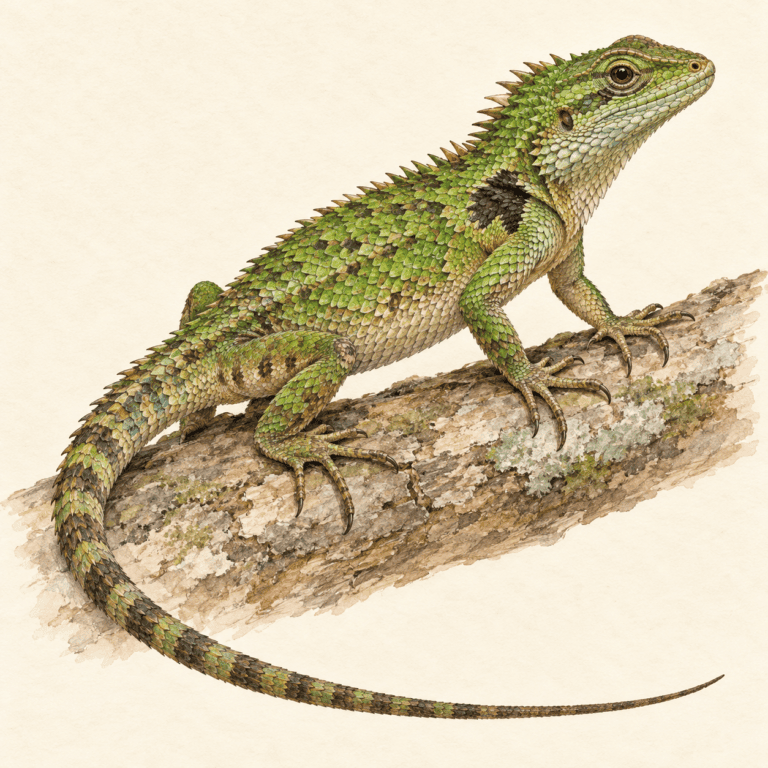
Green Spiny Lizard
A rough-scaled lizard of cooler upland environments.
Take a closer look ↗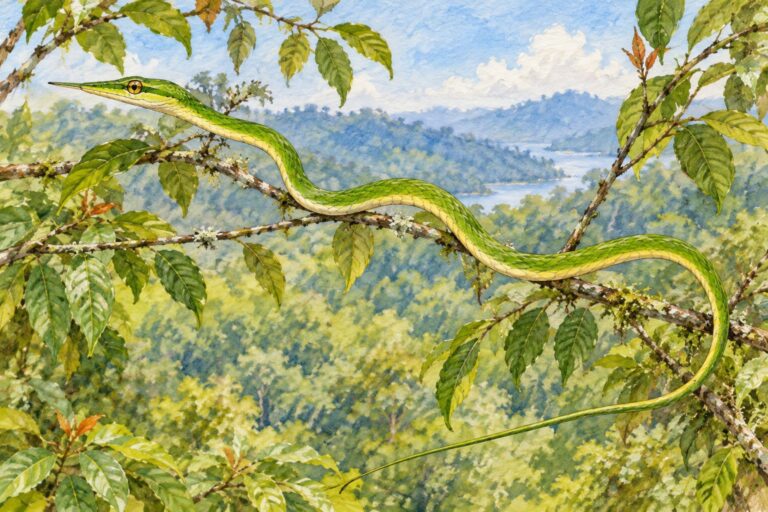
Green Vine Snake
An exceptionally slender snake resembles a living green vine.
Take a closer look ↗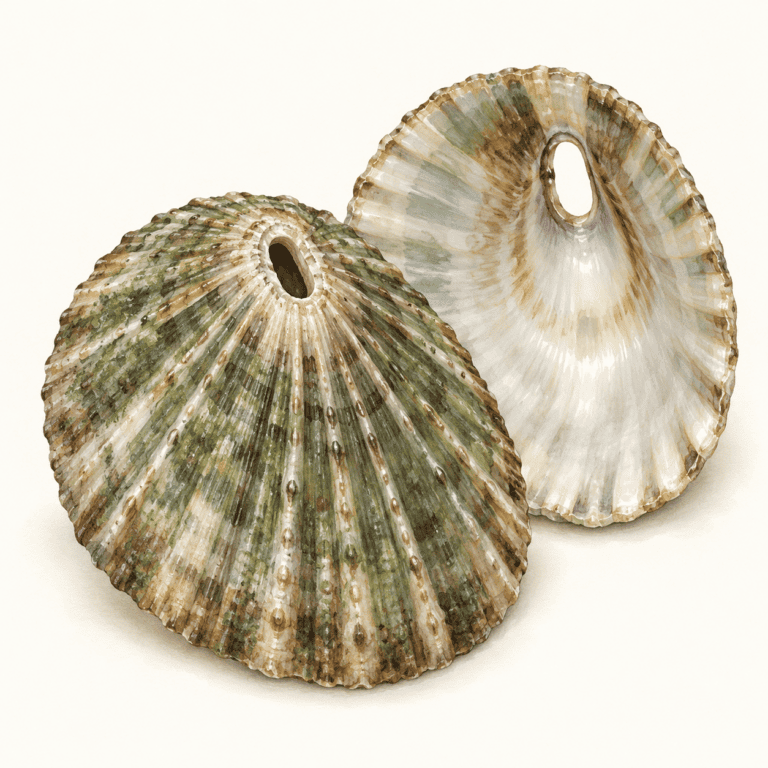
Greenish Keyhole Limpet
Look for the opening near the top of this cap-shaped shell.
Take a closer look ↗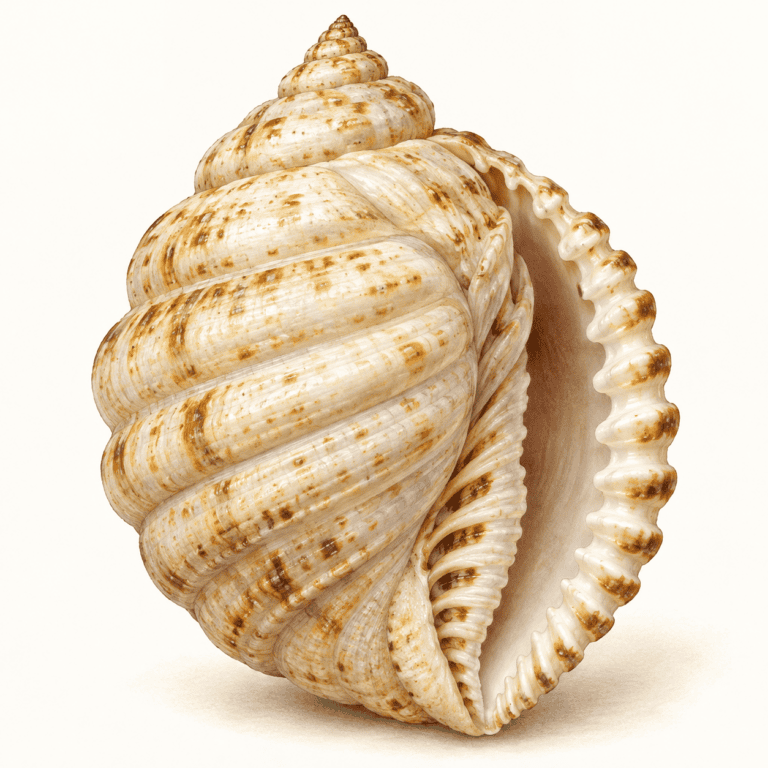
Grinning Tun
A rounded shell with a tooth-lined opening explains its memorable name.
Take a closer look ↗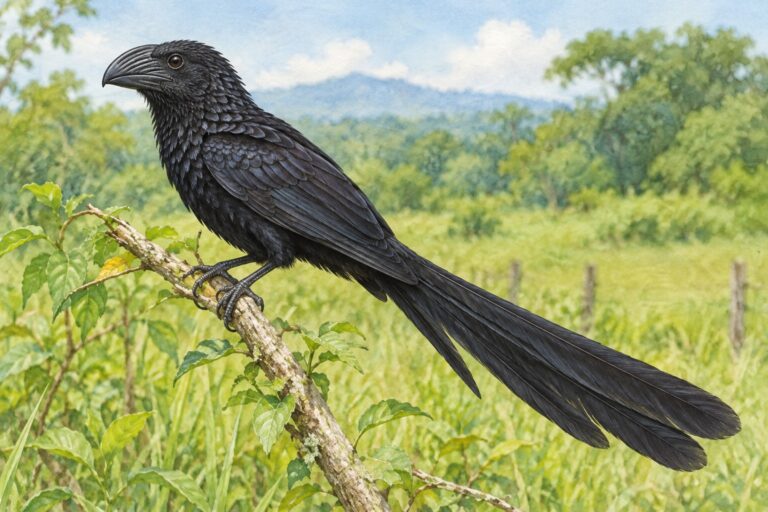
Groove-billed Ani
A social black bird with grooves on its heavy bill.
Take a closer look ↗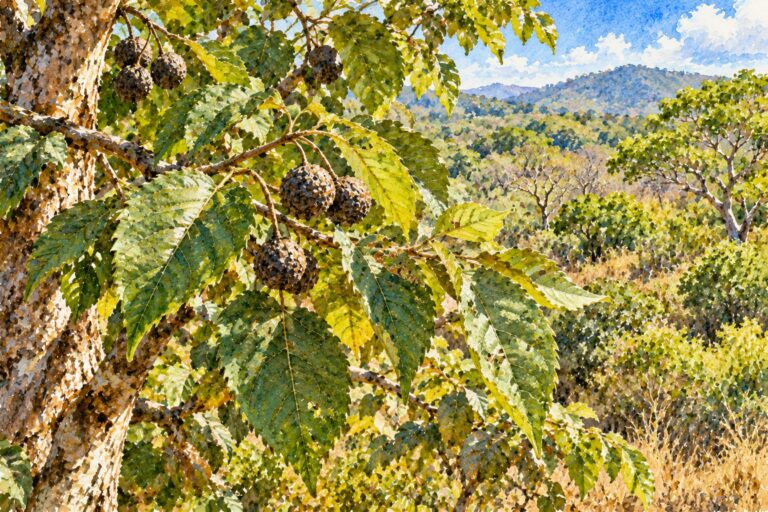
Guacimo
Bumpy dark fruits and toothed leaves offer clues to a familiar Pacific-slope tree.
Take a closer look ↗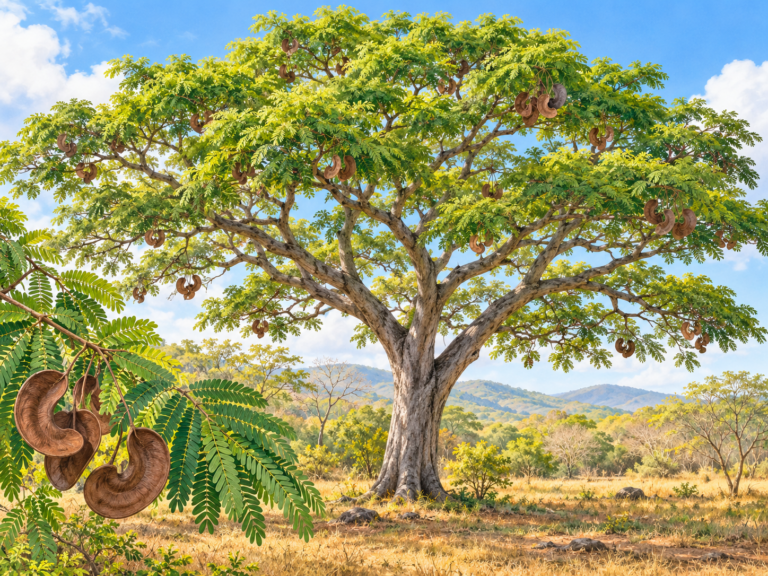
Guanacaste Tree
Look for tiny leaflets and curved pods on this dry-forest tree.
Take a closer look ↗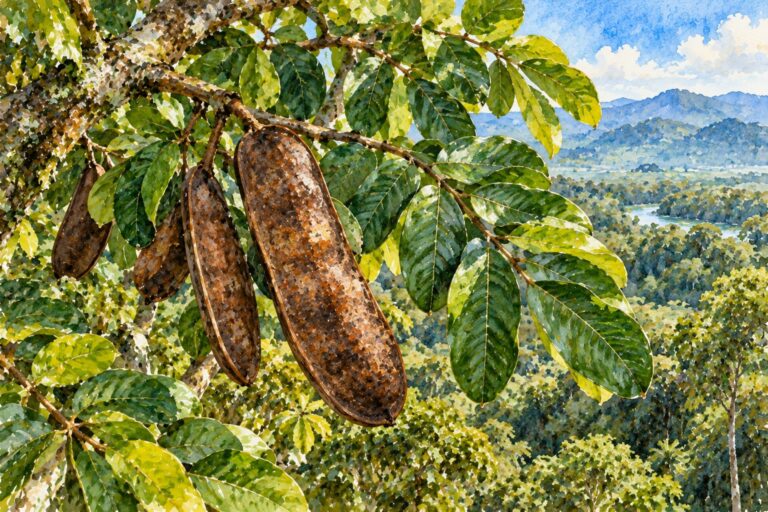
Guapinol
Paired leaflets and hard brown pods identify a forest tree with an important wildlife role.
Take a closer look ↗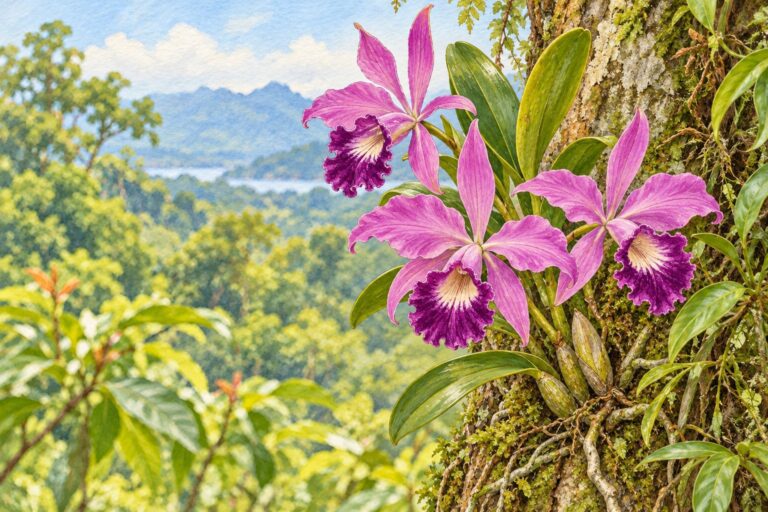
Guaria Morada Orchid
Costa Rica’s national flower carries pink-purple blossoms above fleshy leaves.
Take a closer look ↗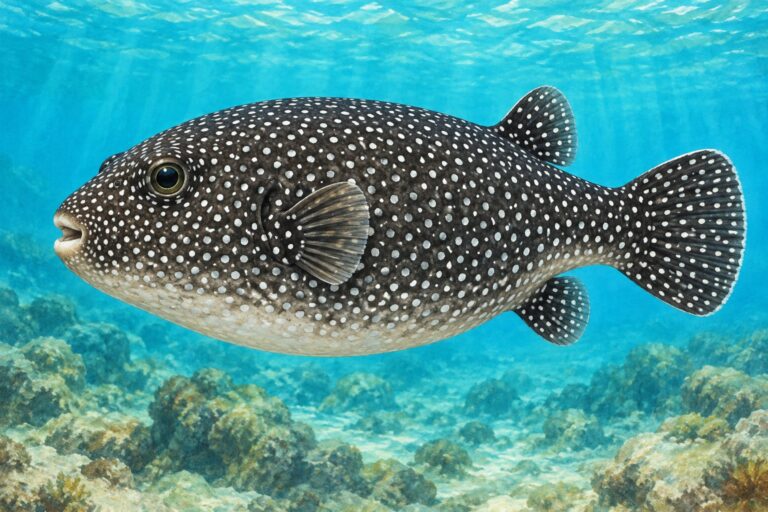
Guineafowl Puffer
A round reef puffer with a dotted dark form and a yellow form.
Take a closer look ↗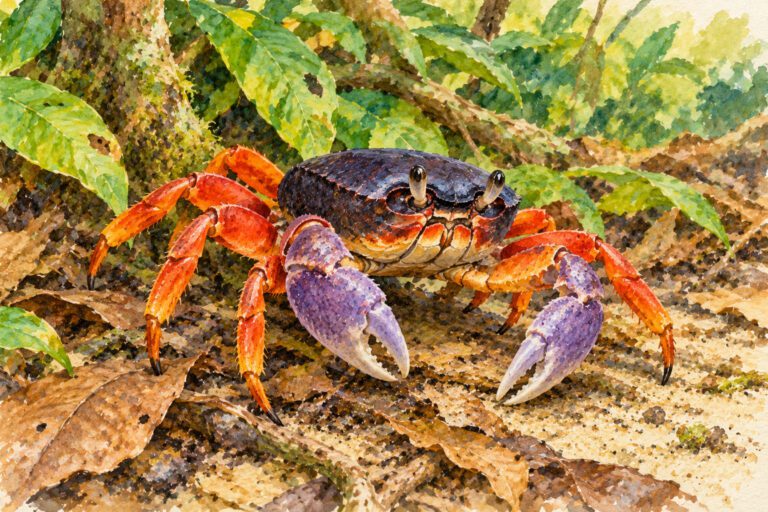
Halloween Land Crab
Gecarcinus quadratus is a land crab associated with coastal habitats.
Take a closer look ↗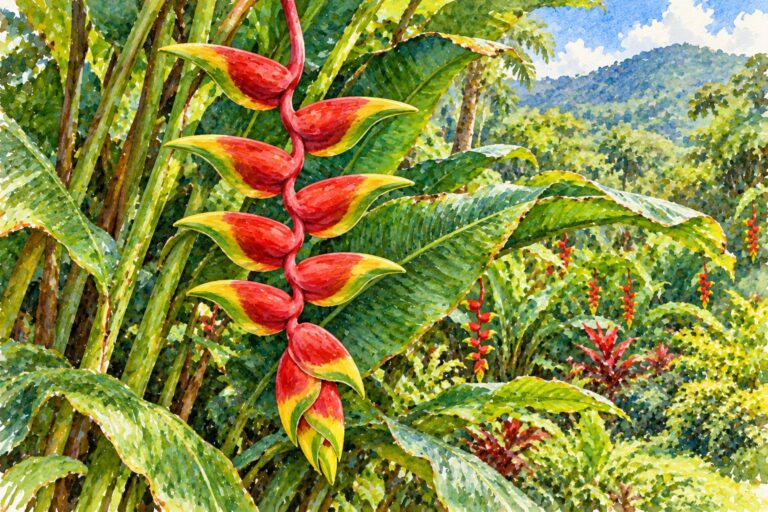
Hanging Lobster Claw
This cultivated heliconia has hanging clusters of colorful bracts.
Take a closer look ↗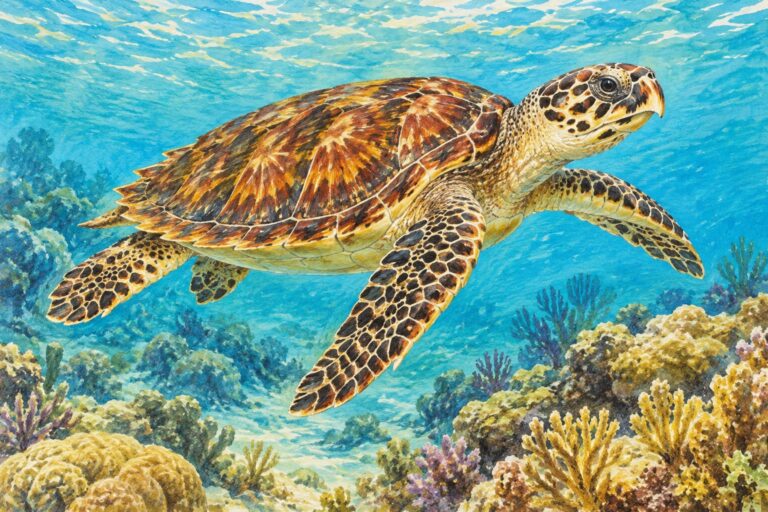
Hawksbill Sea Turtle
A narrow hooked beak and patterned shell help distinguish the hawksbill.
Take a closer look ↗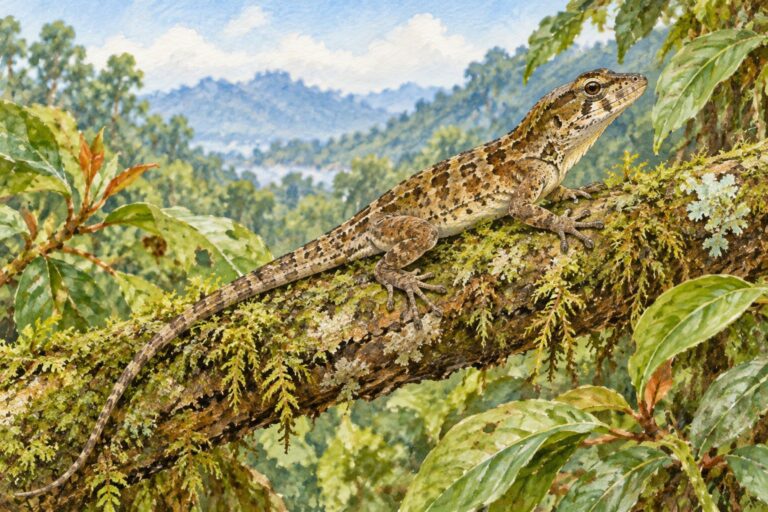
Heavy-footed Anole
A compact brown anole lives among the cool, wet forests of Talamanca.
Take a closer look ↗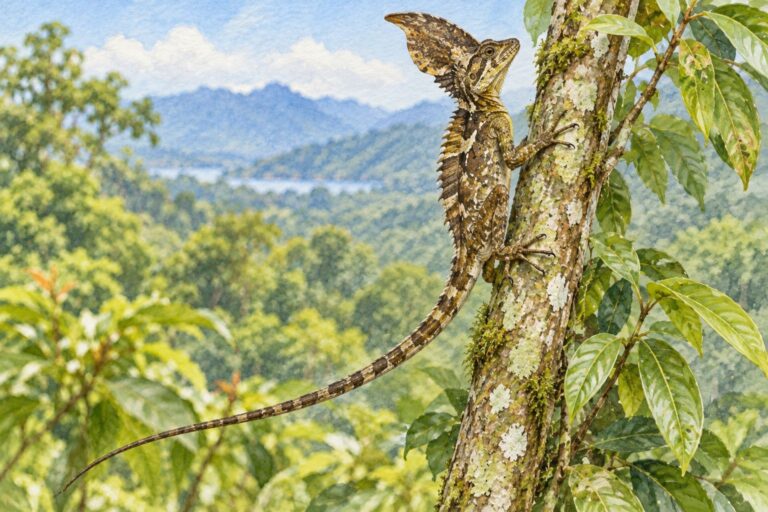
Helmeted Iguana
A dramatic helmet-shaped head rises above a perfectly still forest lizard.
Take a closer look ↗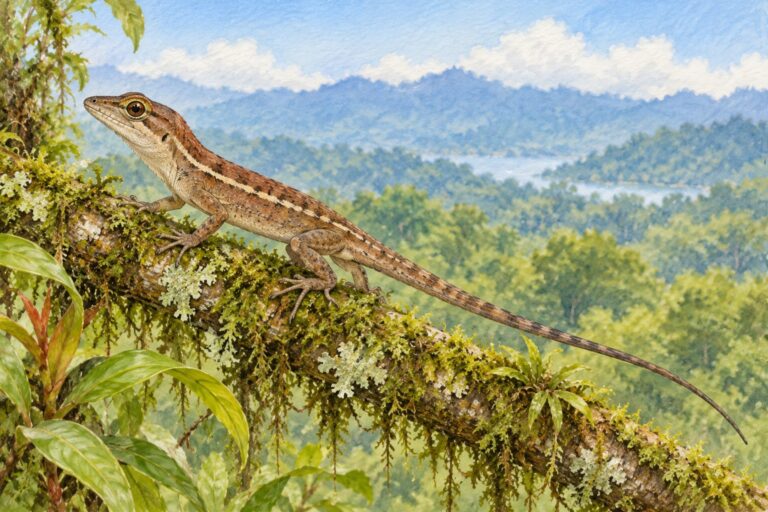
High Anole
A delicate brown anole makes its home in Costa Rica’s cool mountain forests.
Take a closer look ↗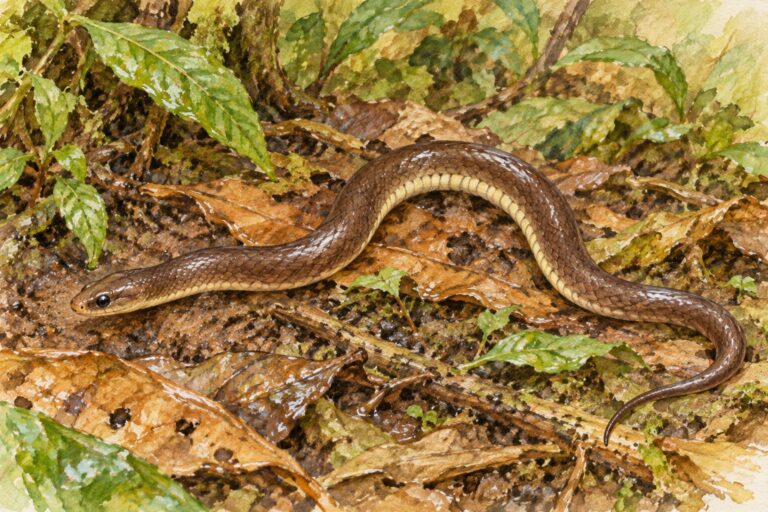
Hoffmann's Earth Snake
A small dark earth snake reminds us that much of forest life stays hidden.
Take a closer look ↗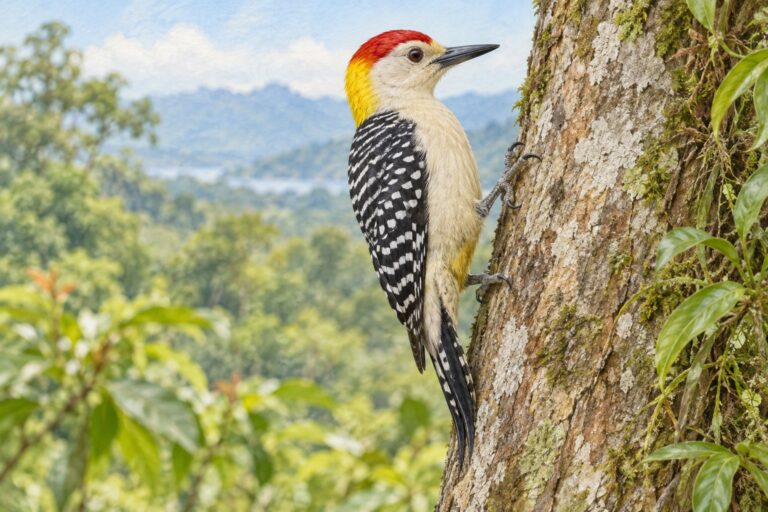
Hoffmann's Woodpecker
A black-and-white woodpecker with a yellow nape.
Take a closer look ↗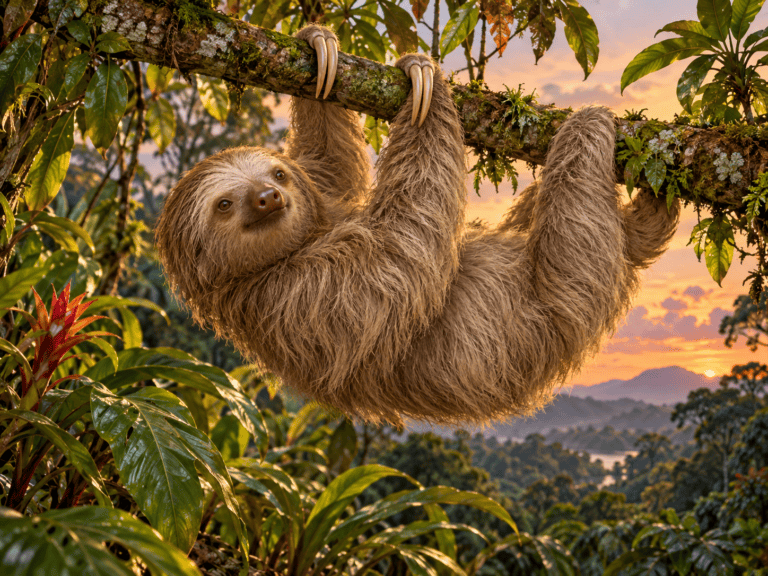
Hoffmann’s Two-toed Sloth
An arboreal mammal with two foreclaws and a slow digestive system.
Take a closer look ↗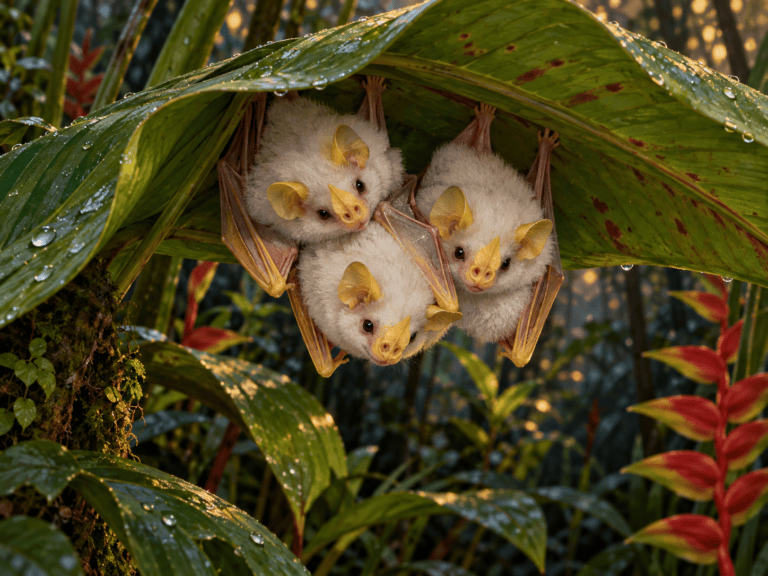
Honduran White Bat
A tiny fruit-eating bat that shelters beneath leaves shaped into tents.
Take a closer look ↗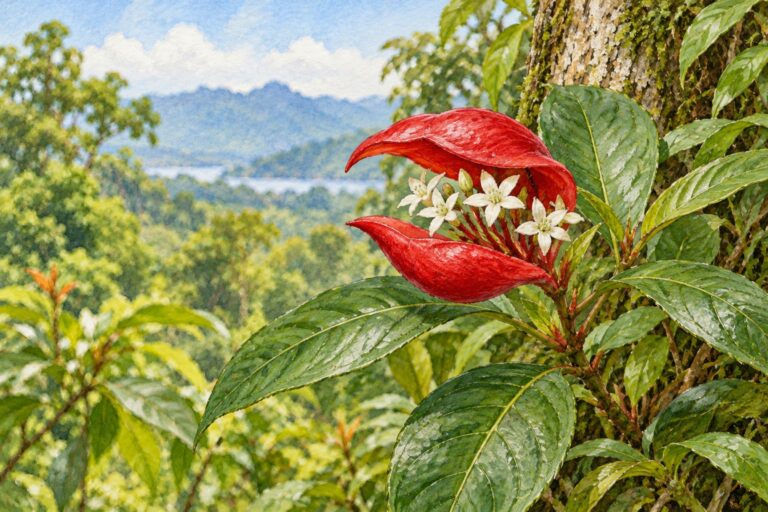
Hot Lips Plant
Two bright red bracts surround tiny pale flowers in the forest understory.
Take a closer look ↗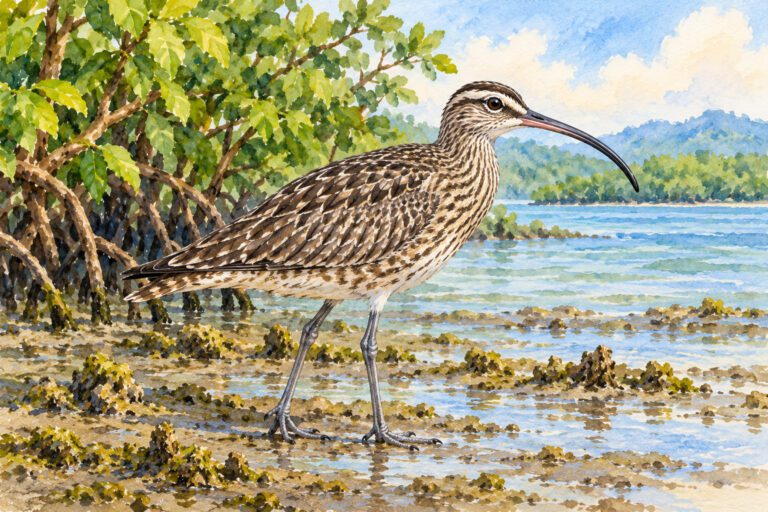
Hudsonian Whimbrel
This large shorebird uses its long downward-curved bill to find crabs and other small animals on coastal flats.
Take a closer look ↗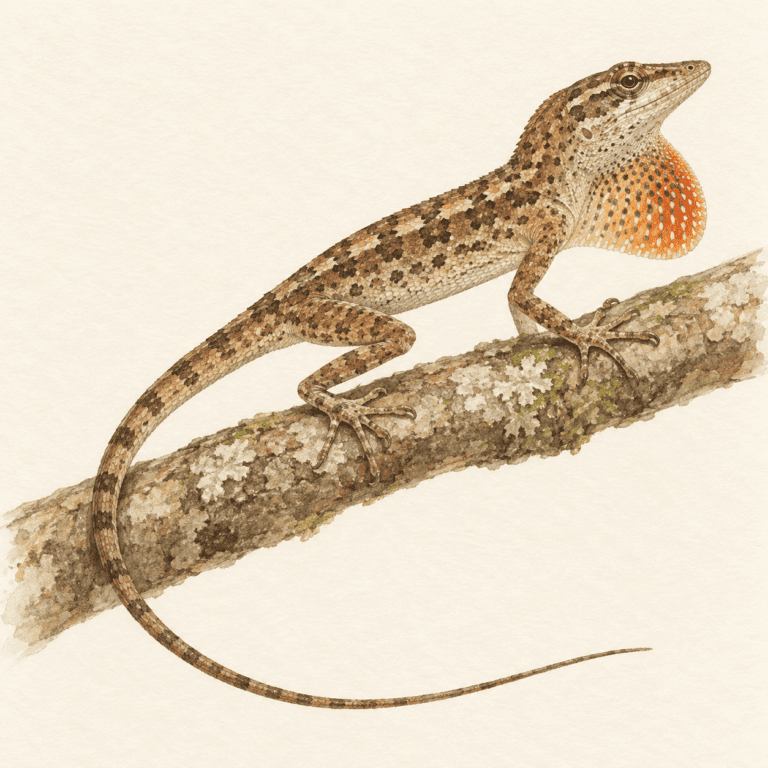
Humble Anole
A small, often brown anole associated with the forest understory.
Take a closer look ↗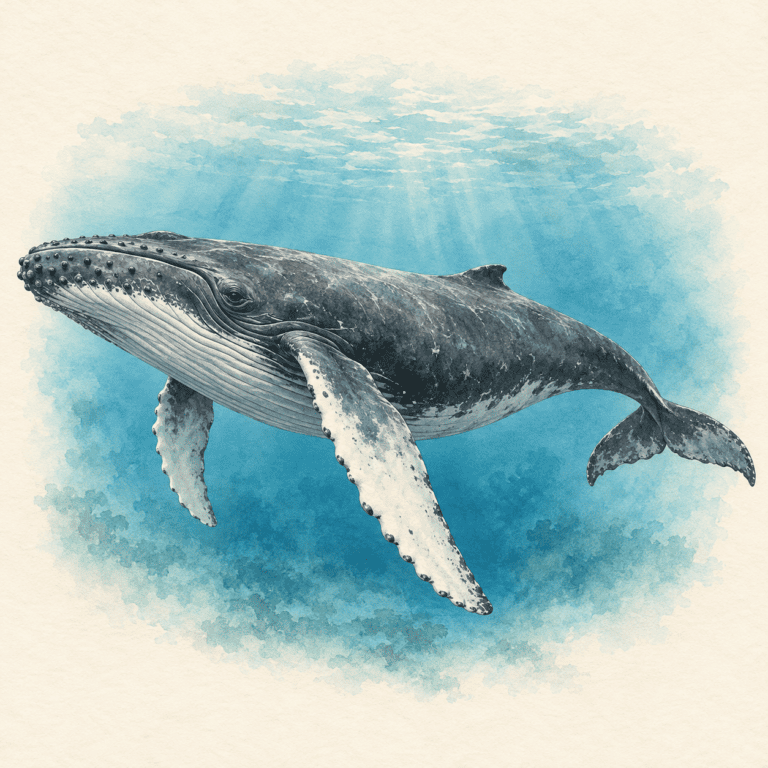
Humpback Whale
A humpback whale is a mammal that breathes air through blowholes and nurses its young with milk.
Take a closer look ↗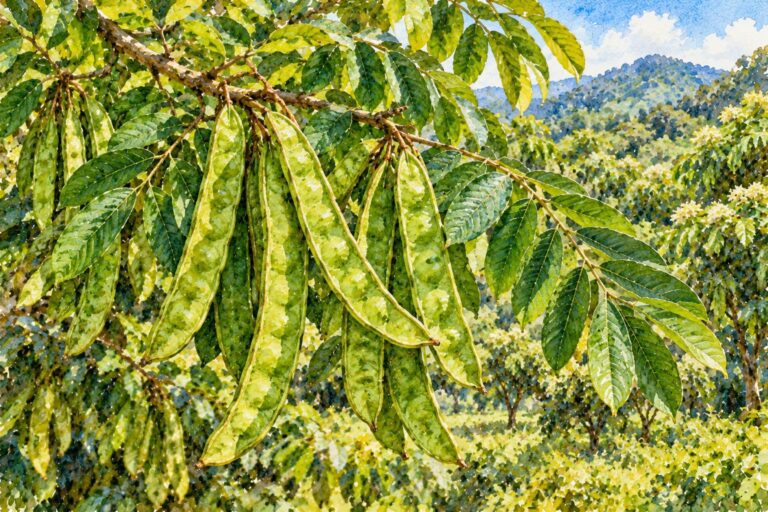
Ice Cream Bean
Guaba is planted for its long ribbed pods and as a shade tree.
Take a closer look ↗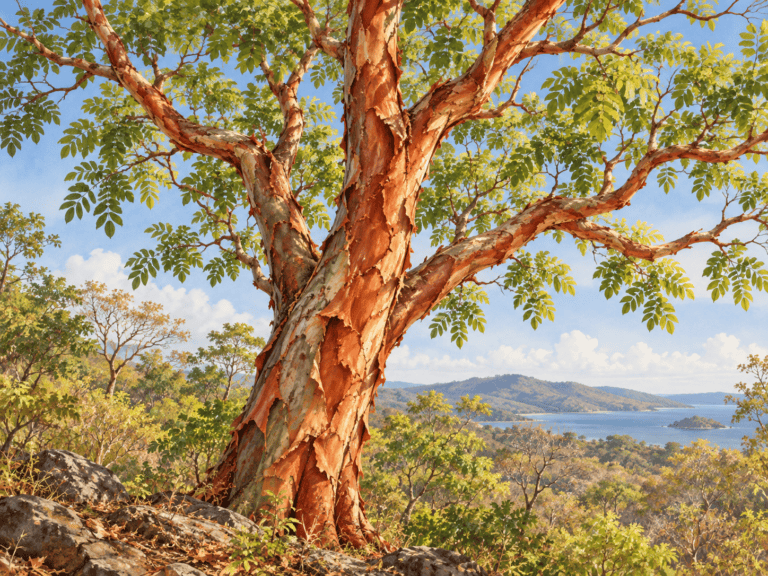
Indio Desnudo
A tree whose warm-colored bark invites a closer look.
Take a closer look ↗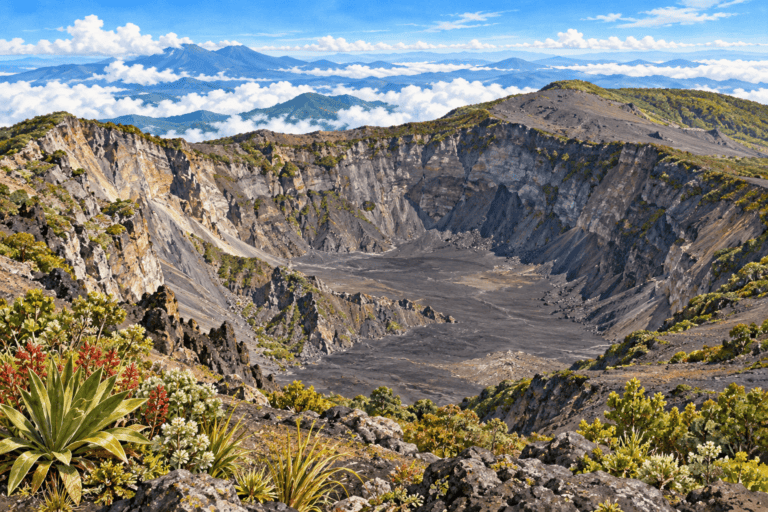
Irazú Volcano
Costa Rica’s tallest volcano has a cool summit landscape with several craters.
Take a closer look ↗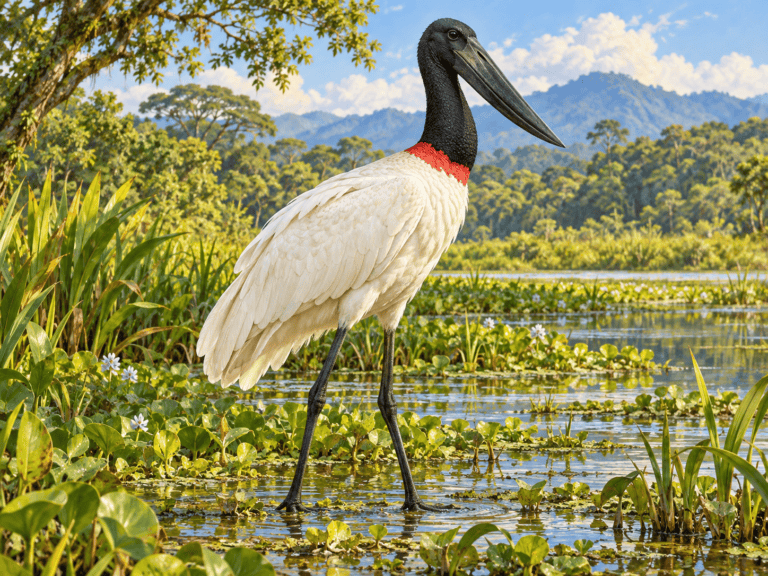
Jabiru
A towering white wetland bird with a dark head and red neck band.
Take a closer look ↗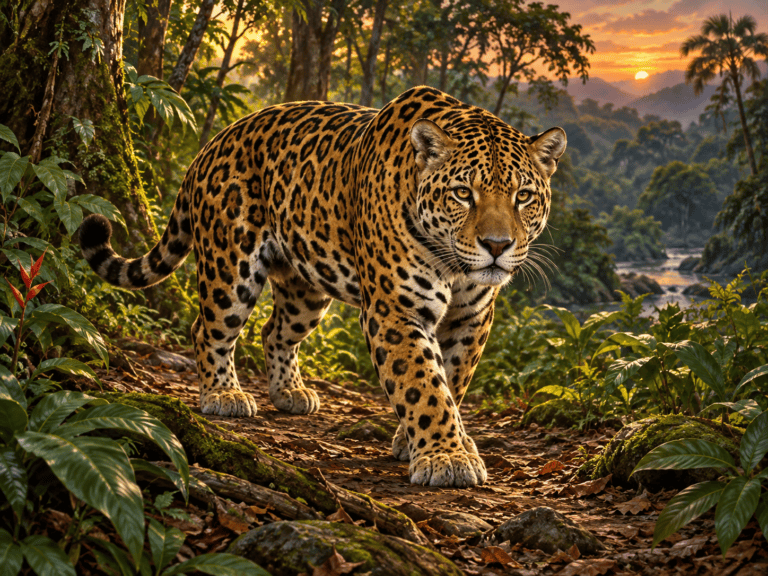
Jaguar
A powerful spotted cat that depends on habitat and healthy prey populations.
Take a closer look ↗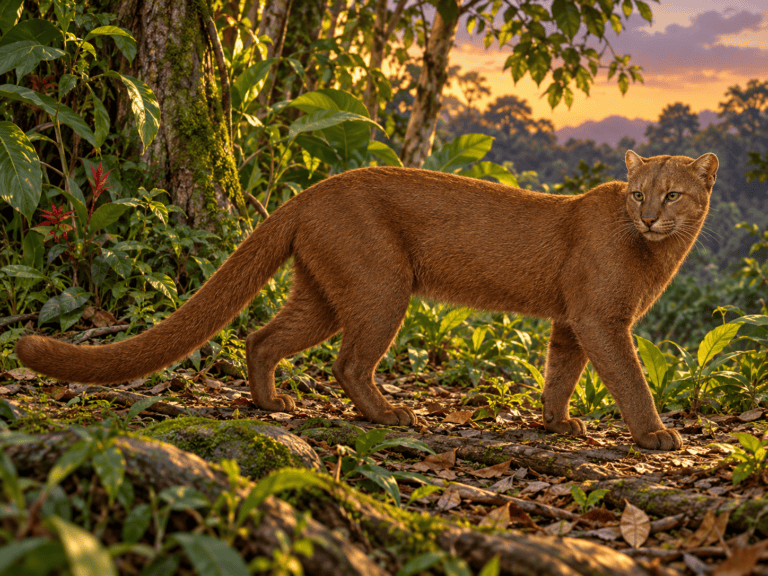
Jaguarundi
A small, long-bodied wild cat with a plain-colored coat.
Take a closer look ↗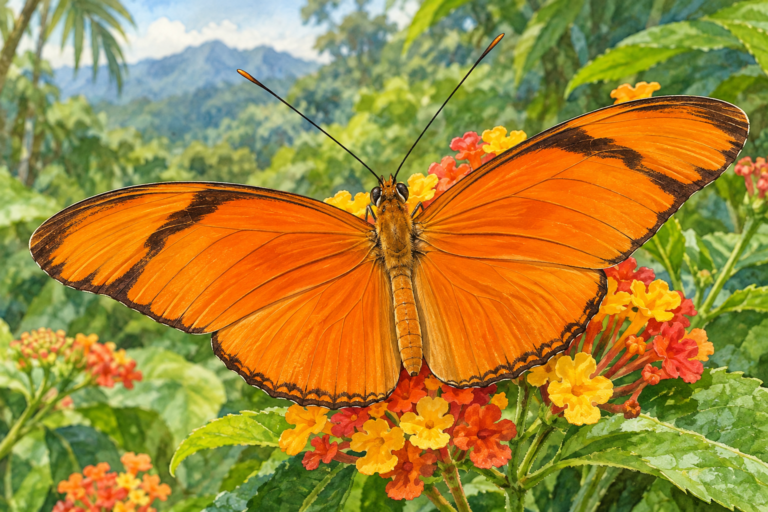
Julia Butterfly
Long orange wings.
Take a closer look ↗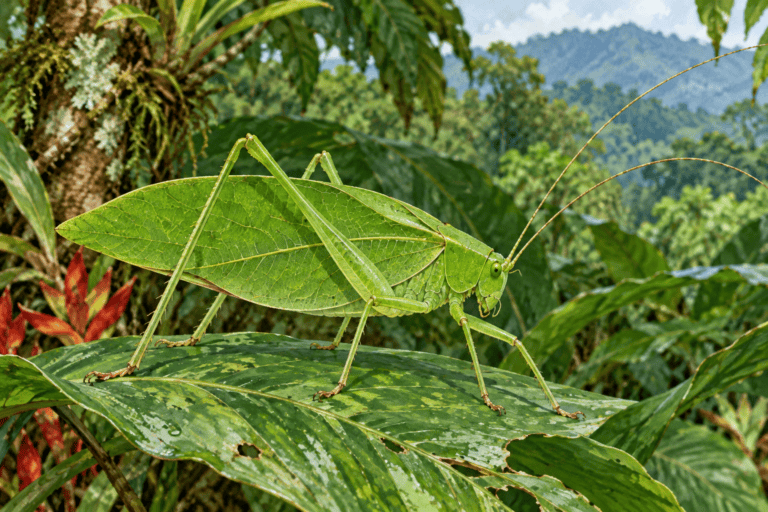
Katydids
Very long antennae.
Take a closer look ↗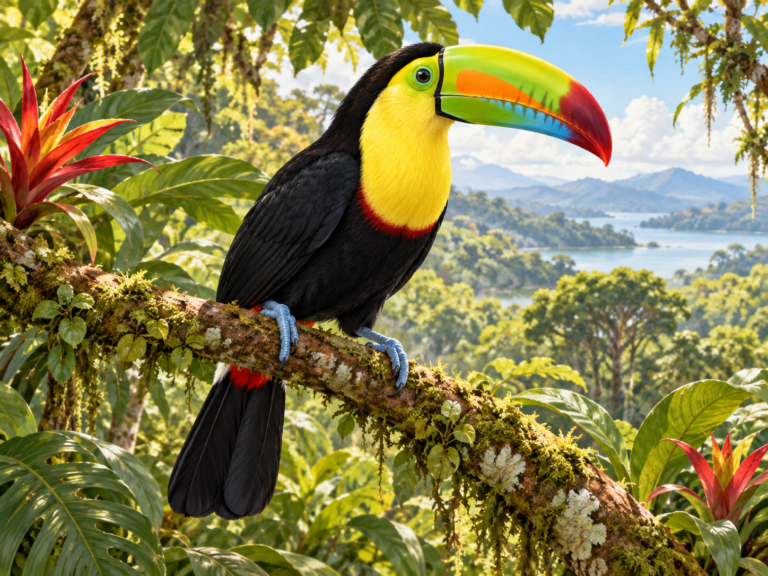
Keel-billed Toucan
A rainbow-colored bill stands out against dark plumage and a yellow throat.
Take a closer look ↗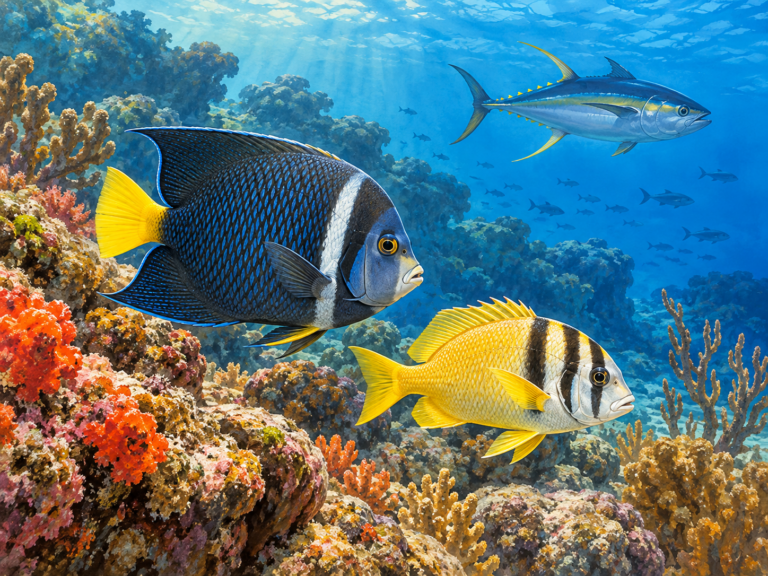
King Angelfish
A deep, flattened body and small mouth.
Take a closer look ↗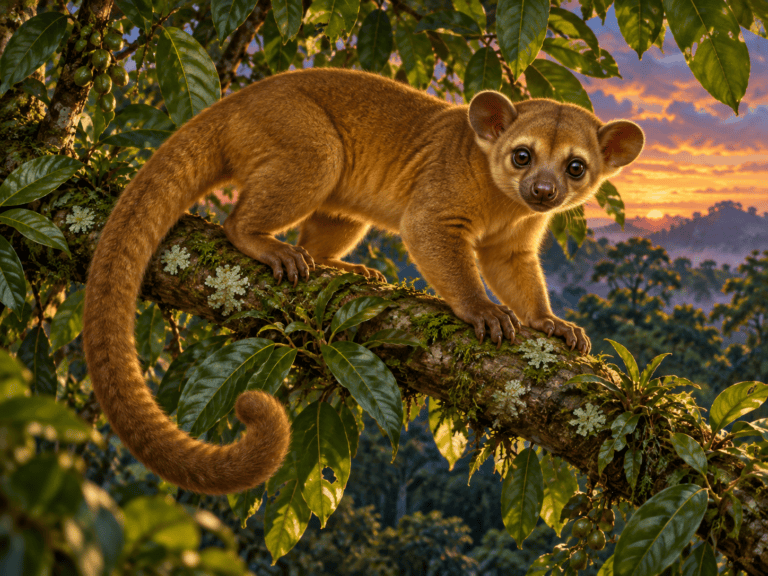
Kinkajou
A nocturnal treetop mammal with a gripping tail and a taste for fruit and nectar.
Take a closer look ↗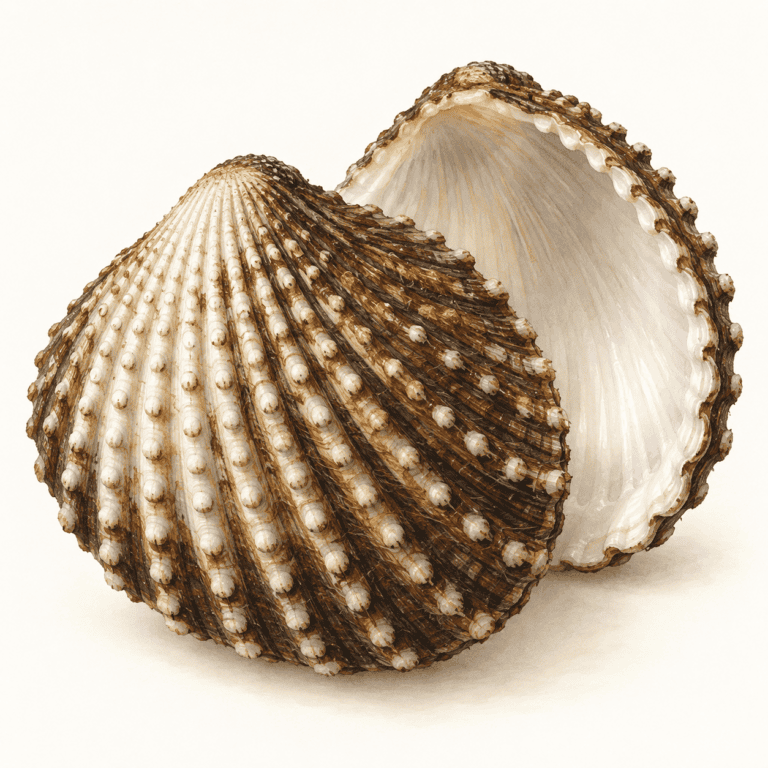
Knobby Mangrove Cockle
A ribbed mangrove shell has small bumps that help explain its name.
Take a closer look ↗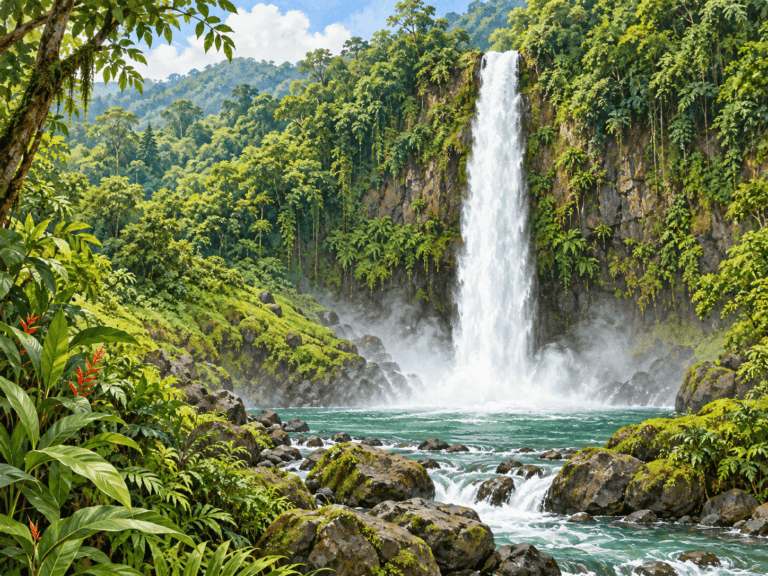
La Fortuna Waterfall
A tall waterfall drops through a lush tropical forest into a rocky river basin.
Take a closer look ↗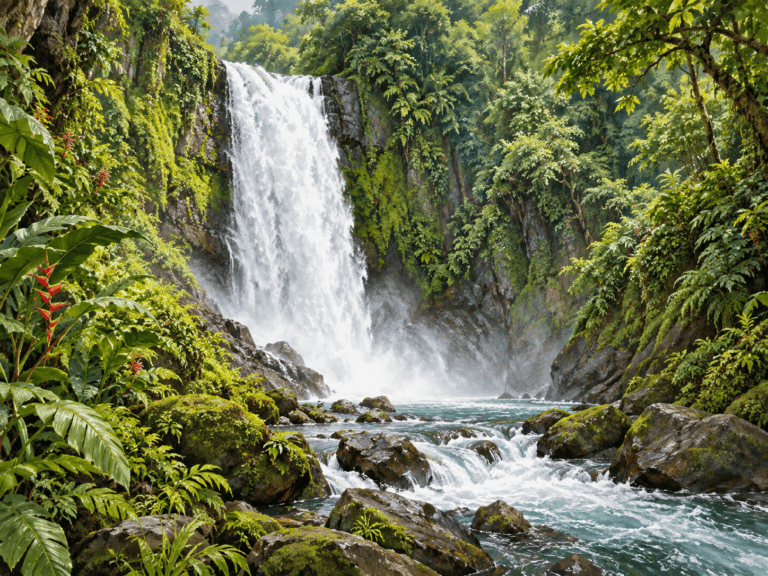
La Paz Waterfall
La Paz belongs to a larger waterfall landscape along the route toward Sarapiquí.
Take a closer look ↗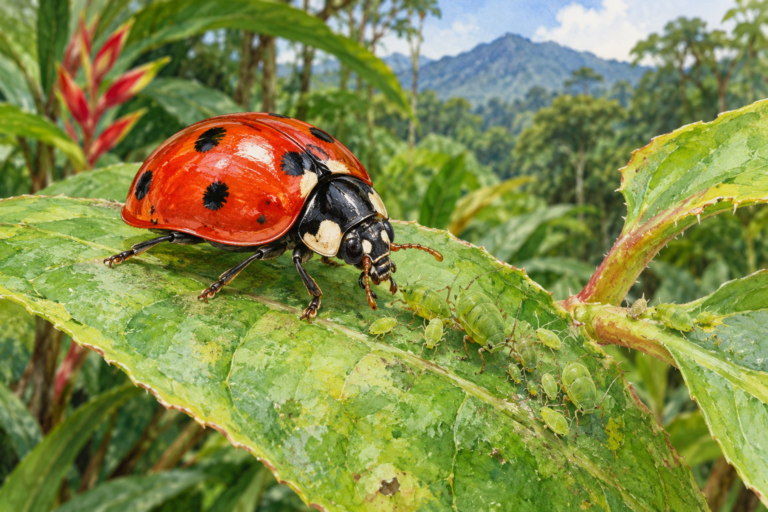
Lady Beetles
Rounded beetle body.
Take a closer look ↗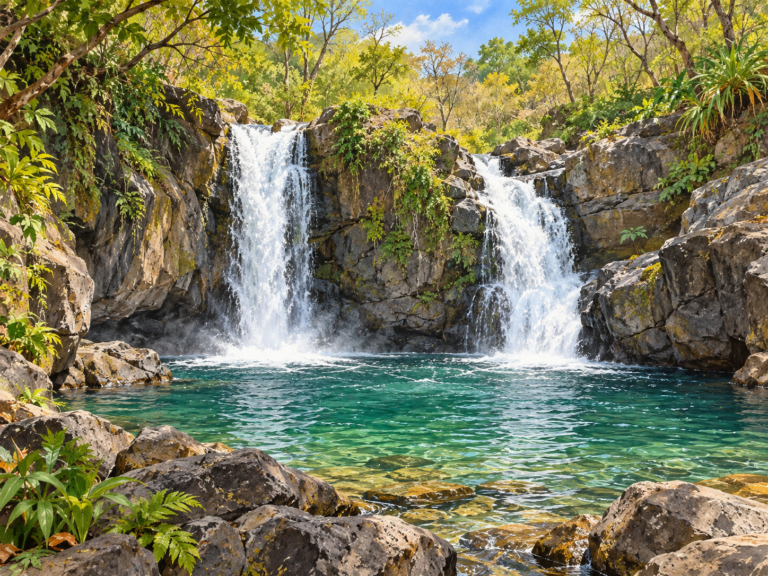
Las Chorreras Waterfalls
Two neighboring falls enter a pool surrounded by volcanic rock.
Take a closer look ↗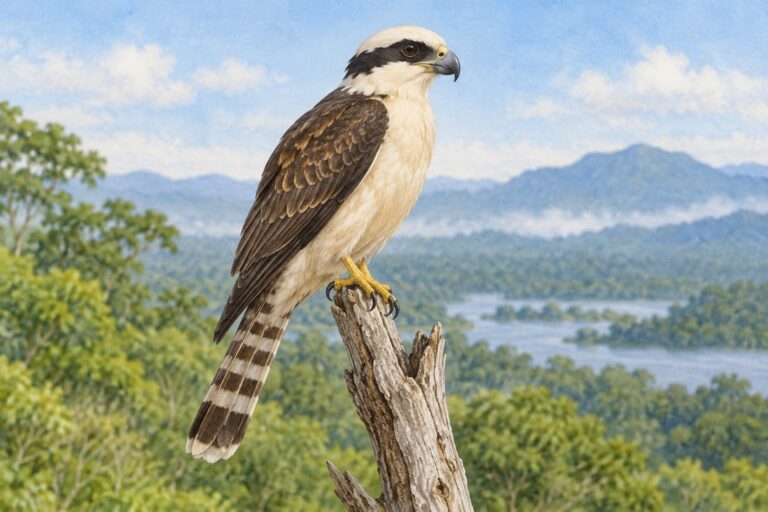
Laughing Falcon
A masked falcon named for its far-carrying call.
Take a closer look ↗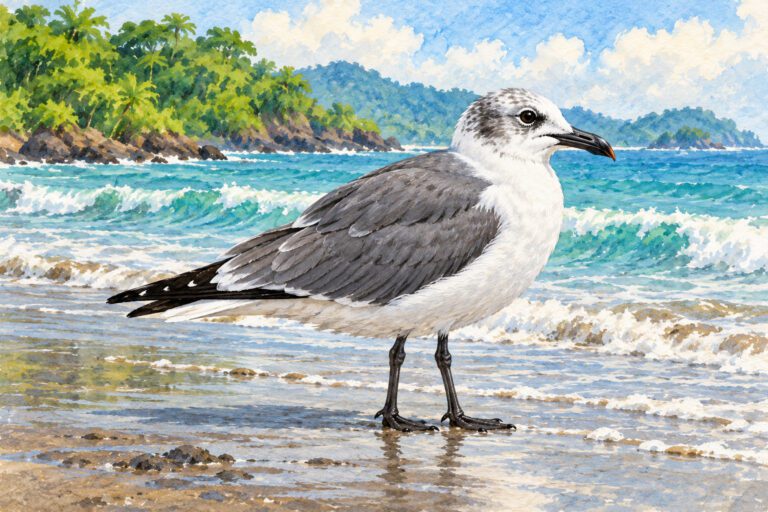
Laughing Gull
Laughing Gulls are coastal gulls with dark gray backs and blackish wingtips.
Take a closer look ↗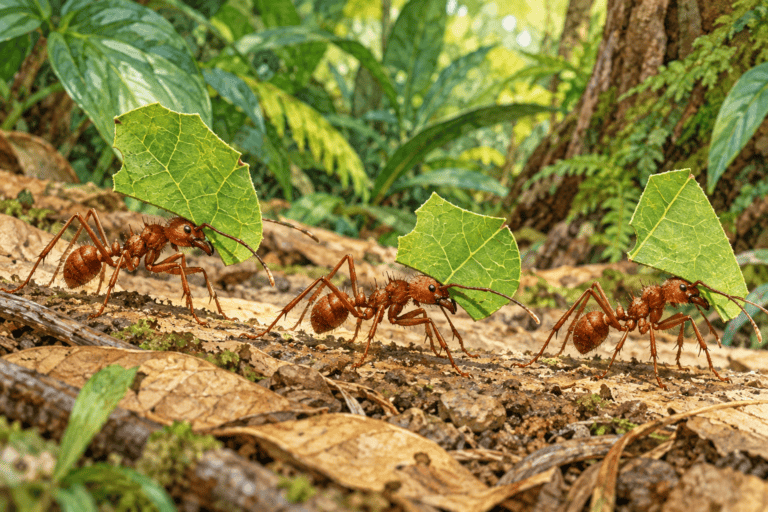
Leafcutter Ant
Leaf fragments carried above body.
Take a closer look ↗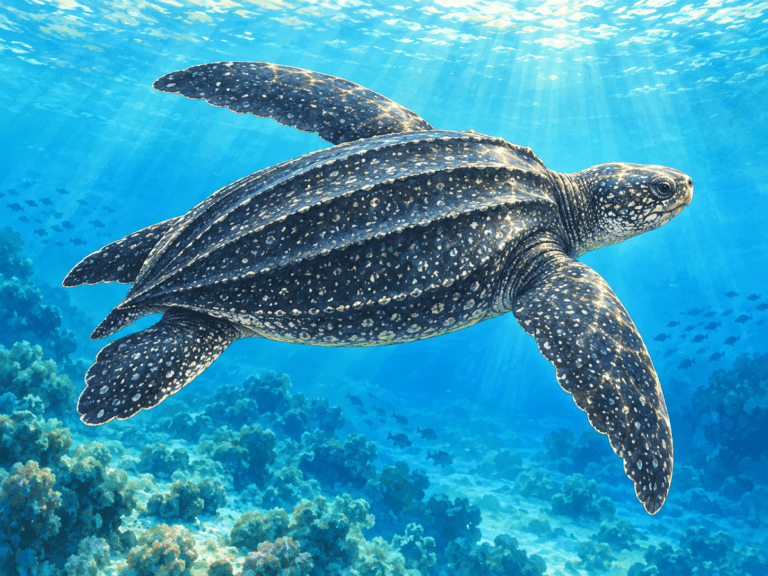
Leatherback Sea Turtle
A dark, leathery back rather than large hard shell plates.
Take a closer look ↗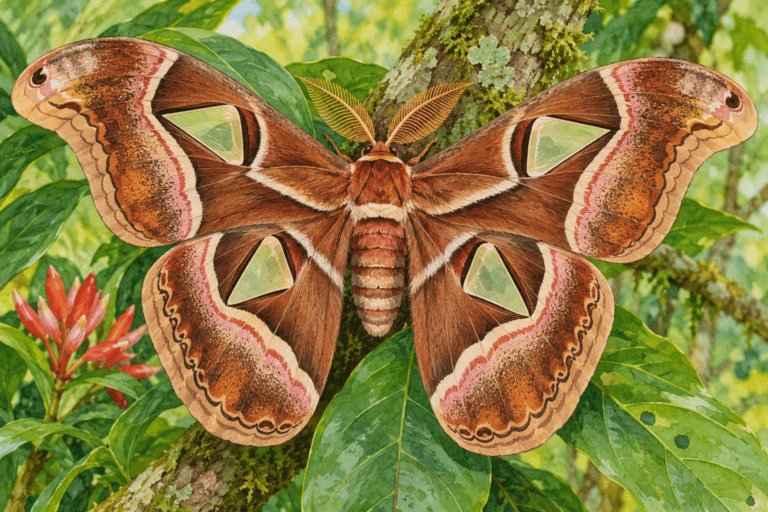
Lebeau Silk Moth
Large patterned wings.
Take a closer look ↗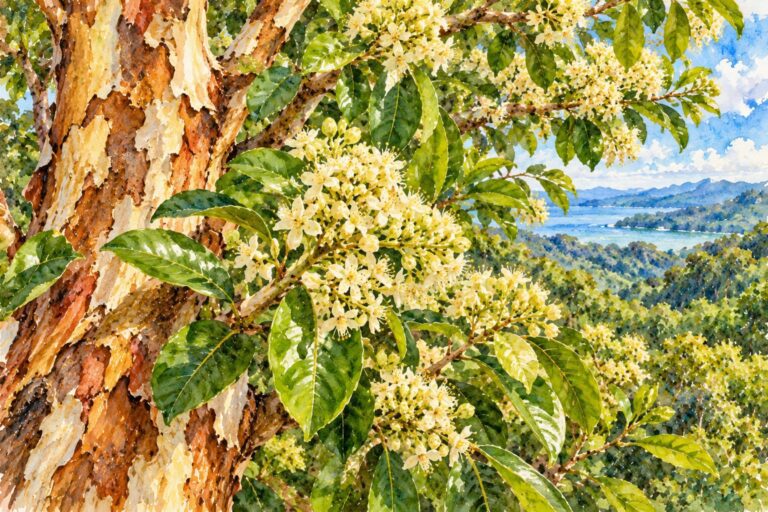
Lemonwood
Madrono has a smooth-looking trunk that sheds thin flakes of reddish bark.
Take a closer look ↗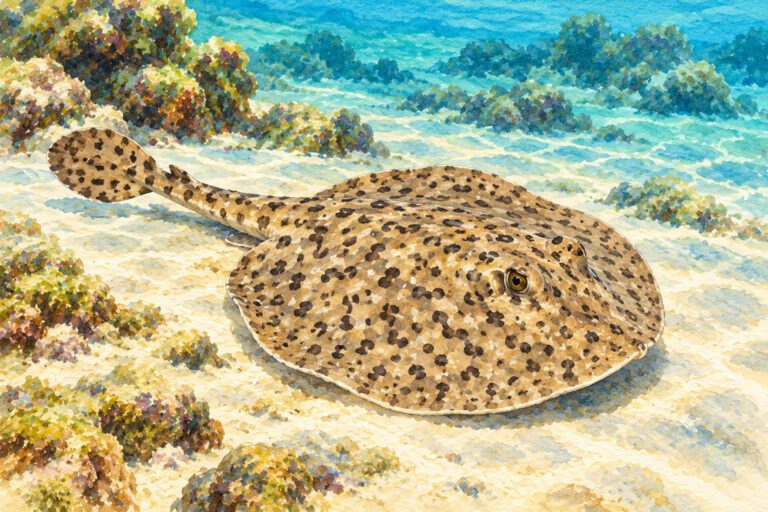
Leopard Roundray
Urobatis pardalis is a round ray described from Costa Rican Pacific specimens.
Take a closer look ↗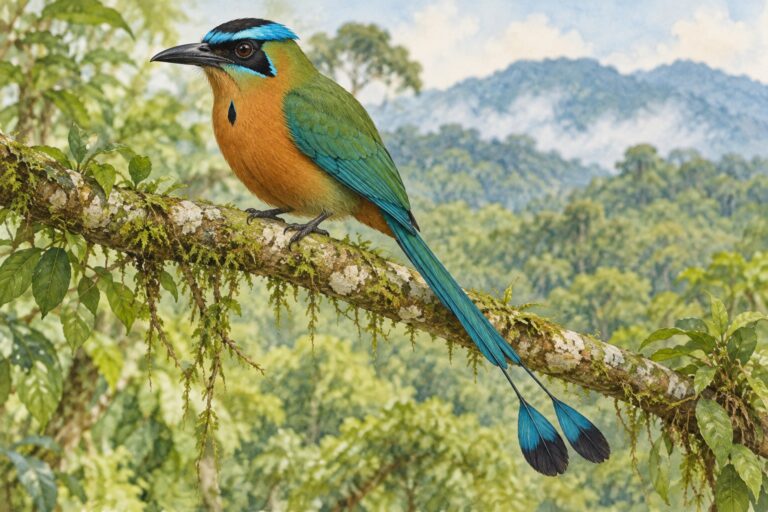
Lesson's Motmot
A colorful forest bird with a blue crown and long tail.
Take a closer look ↗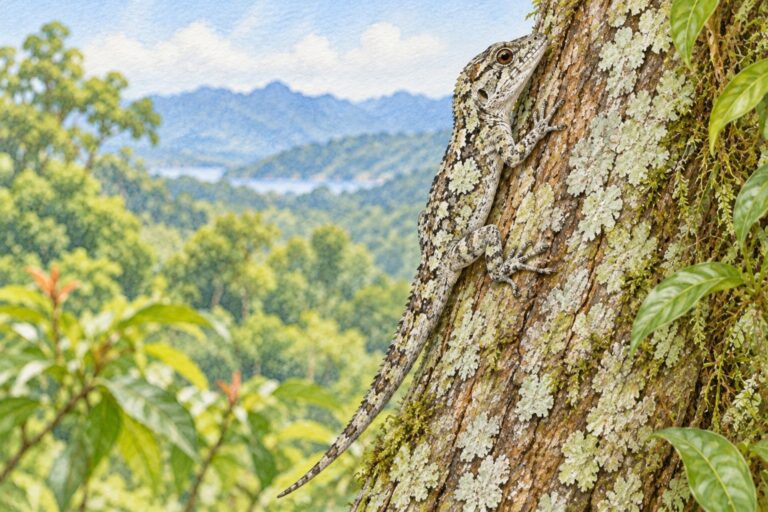
Lichen Anole
Pale patches and short legs turn a quiet anole into part of the bark.
Take a closer look ↗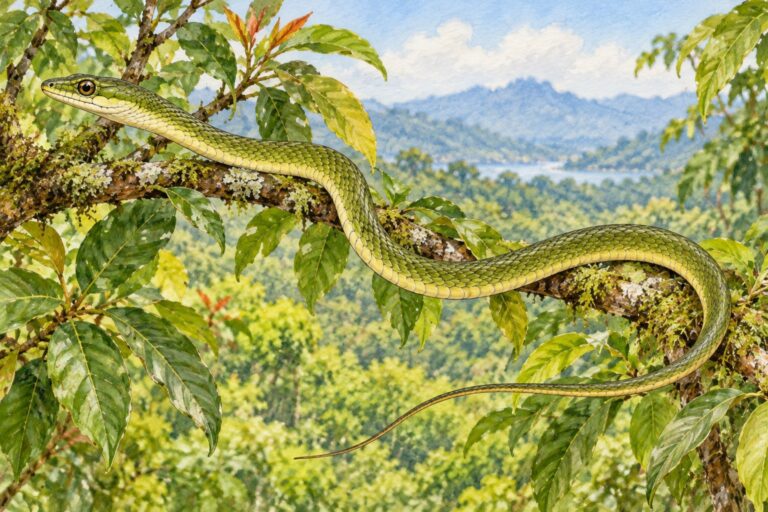
Linnaeus's Sipo
A long green-to-olive snake follows the paths made by forest branches.
Take a closer look ↗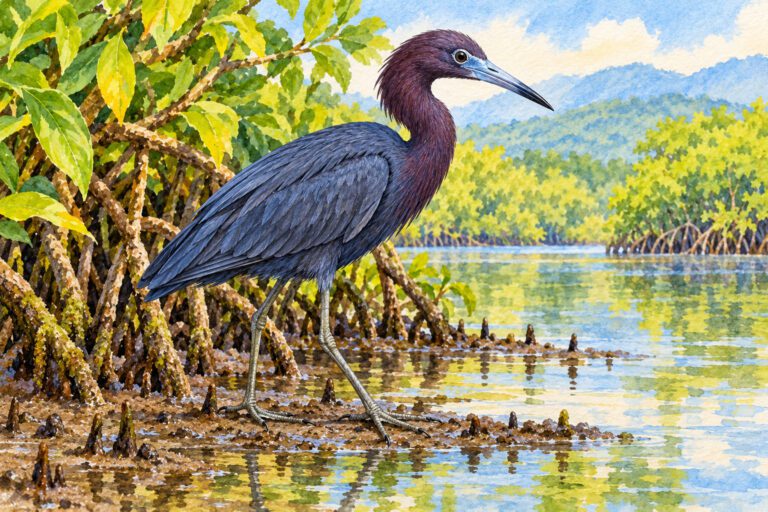
Little Blue Heron
Adults have slate-blue bodies and purplish heads and necks.
Take a closer look ↗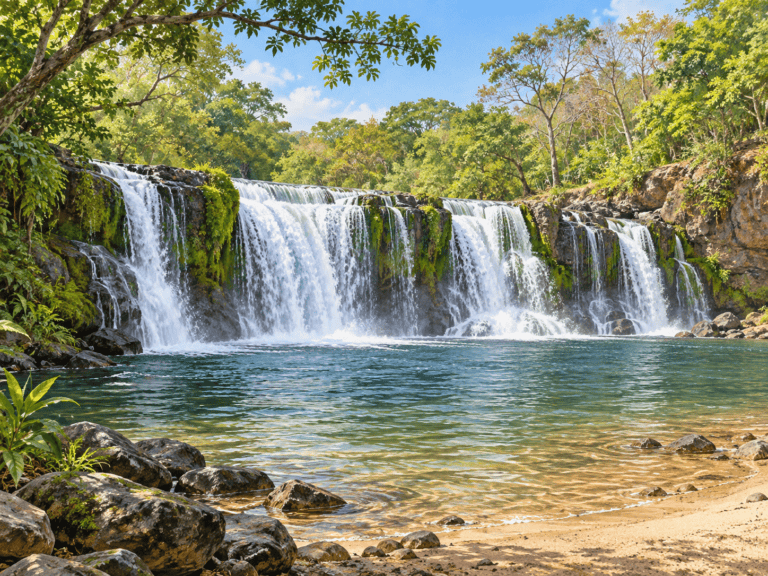
Llanos de Cortés Waterfall
A broad curtain of water spills over a rocky ledge at Llanos de Cortés.
Take a closer look ↗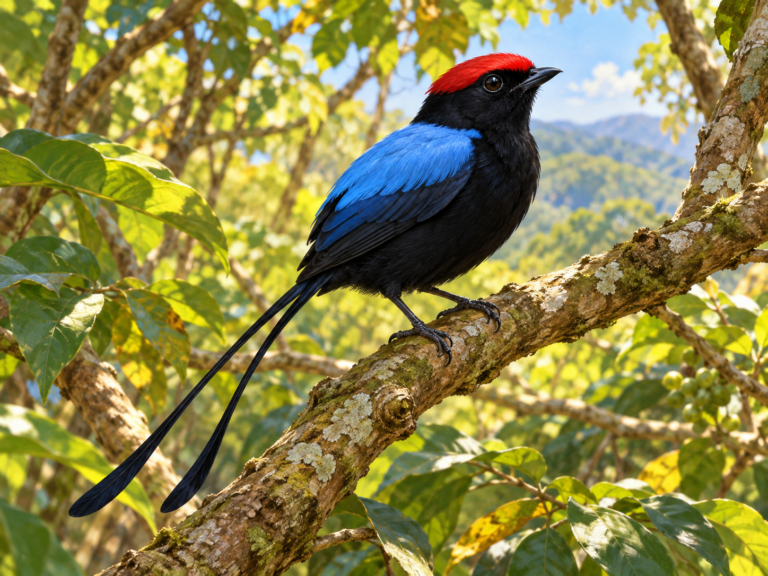
Long-tailed Manakin
A small forest bird famous for coordinated courtship displays.
Take a closer look ↗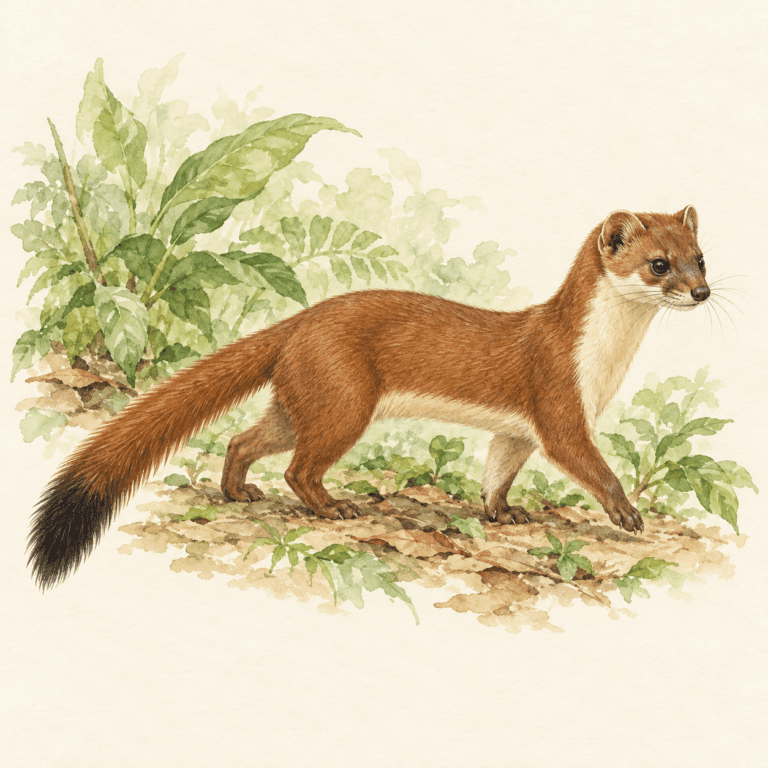
Long-tailed Weasel
A long-tailed weasel has a narrow flexible body that helps it move through cover and investigate small spaces.
Take a closer look ↗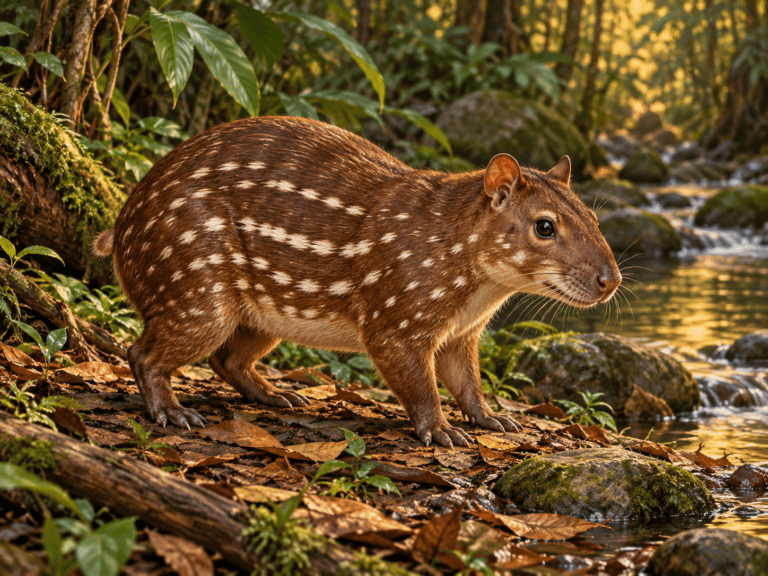
Lowland Paca
A spotted nocturnal rodent that shelters in burrows near wooded watercourses.
Take a closer look ↗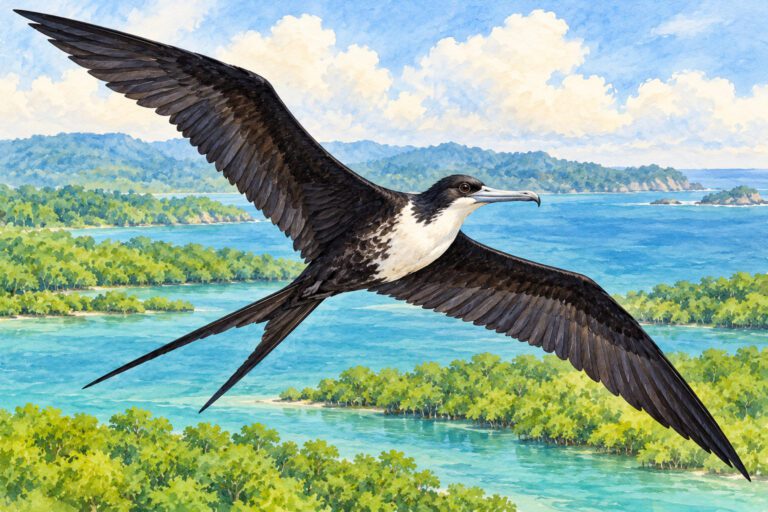
Magnificent Frigatebird
Frigatebirds use very long wings and a deeply forked tail to soar above tropical coasts.
Take a closer look ↗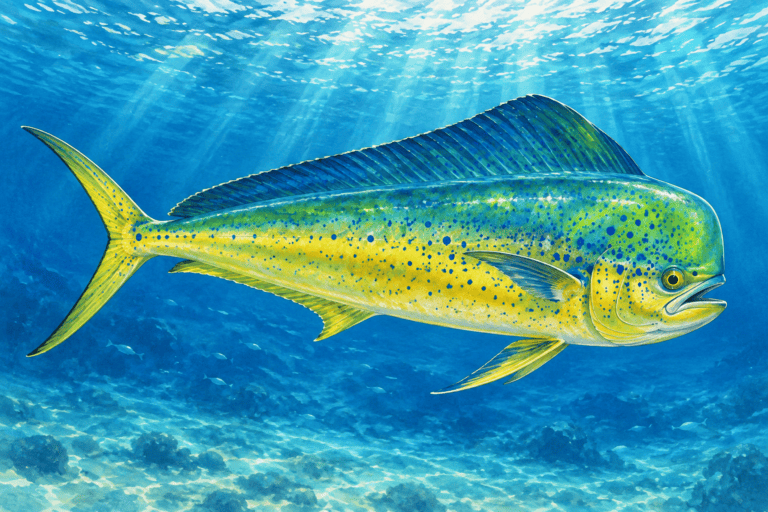
Mahi-mahi (Dorado)
An electric green-blue back with golden sides.
Take a closer look ↗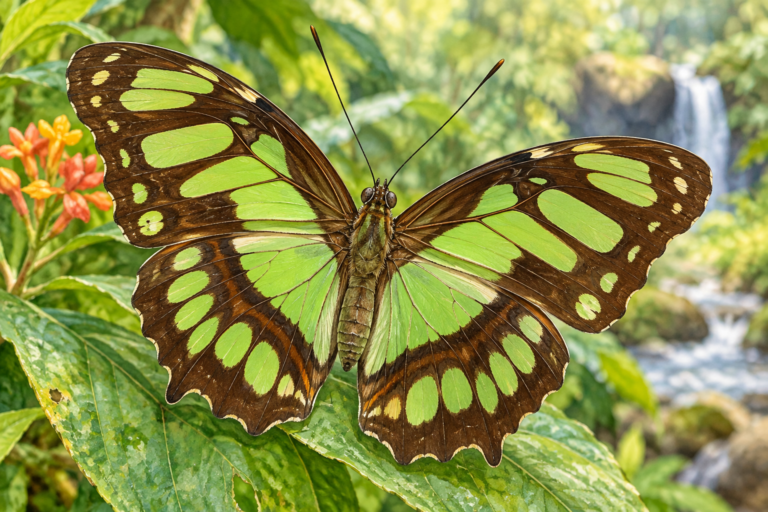
Malachite Butterfly
Green panels.
Take a closer look ↗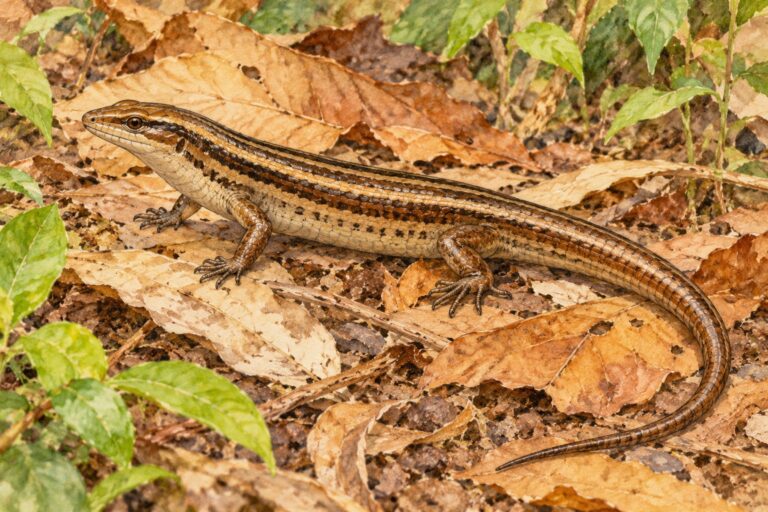
Managua Skink
A smooth-bodied skink slips between fallen leaves in northwestern Costa Rica.
Take a closer look ↗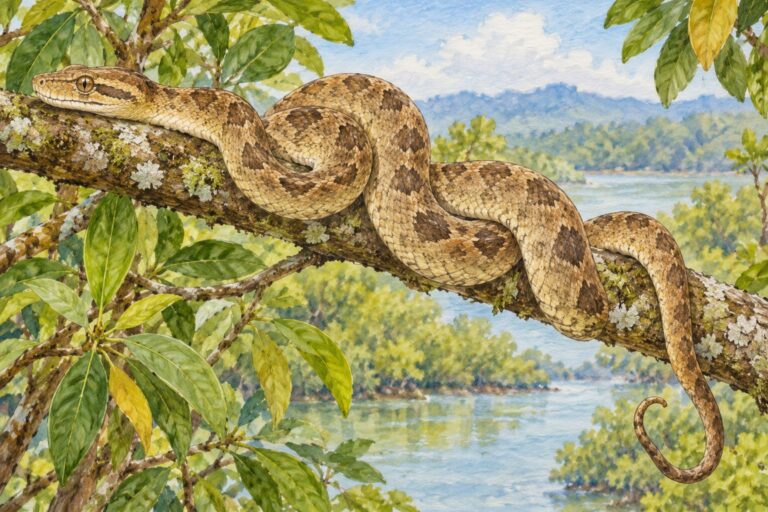
Mangrove Tree Boa
A tree boa balances quiet coils among the branches of the southern Pacific.
Take a closer look ↗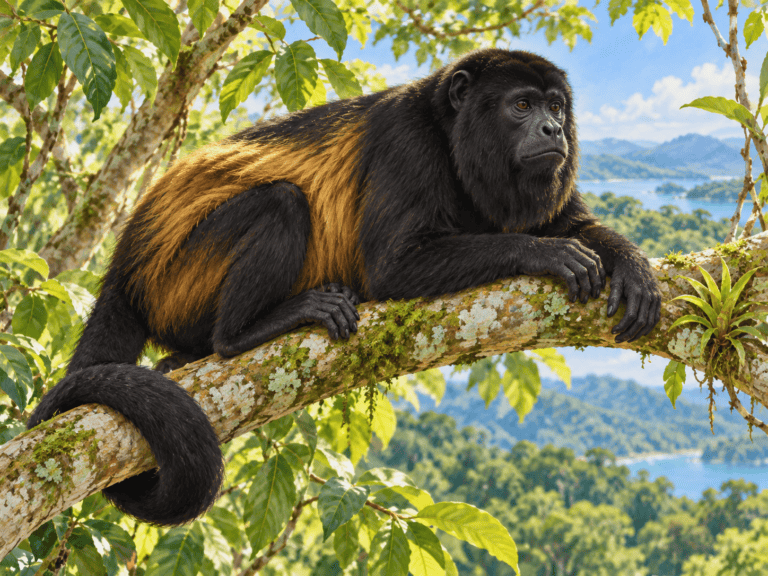
Mantled Howler Monkey
A mostly dark coat with a lighter mantle along the sides.
Take a closer look ↗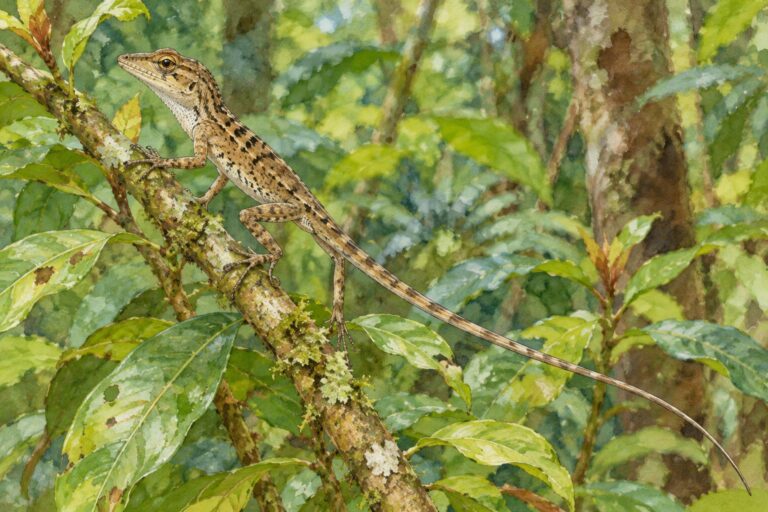
Many-scaled Anole
A slender brown anole explores the low vegetation of southern Pacific forests.
Take a closer look ↗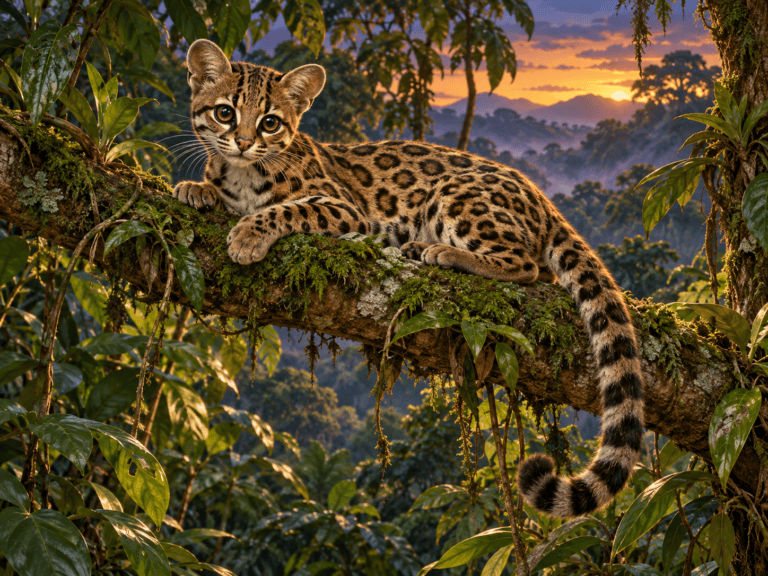
Margay
An agile spotted forest cat with exceptional climbing ability.
Take a closer look ↗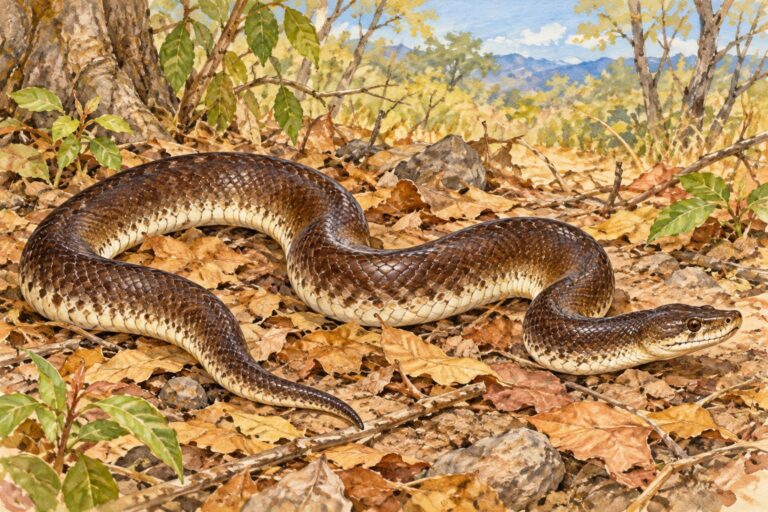
Mexican Burrowing Python
A strong-bodied burrowing snake explores the dry forests of northwestern Costa Rica.
Take a closer look ↗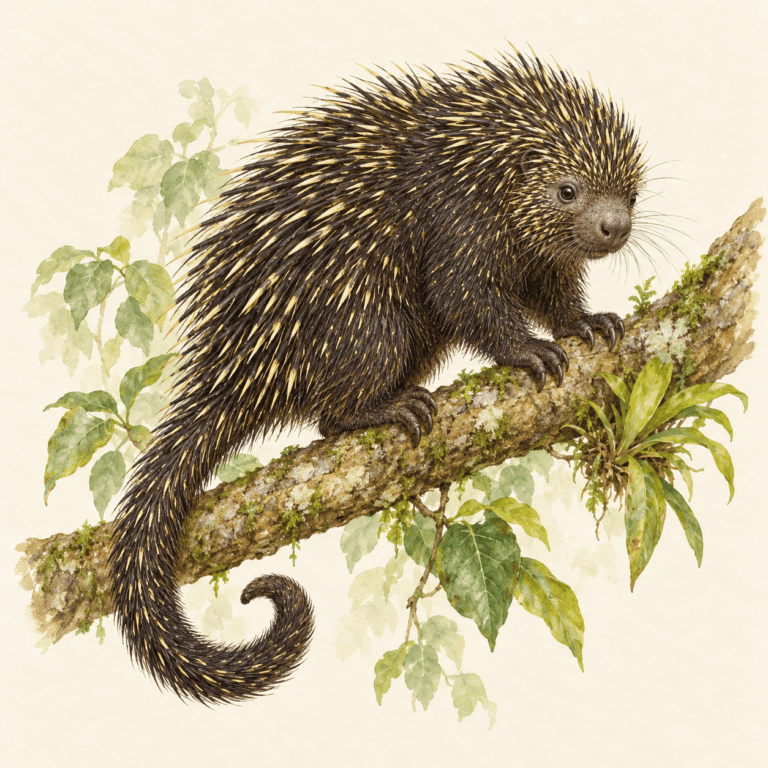
Mexican Hairy Porcupine
This tree-dwelling porcupine has dark coarse hair that can hide many of its protective quills.
Take a closer look ↗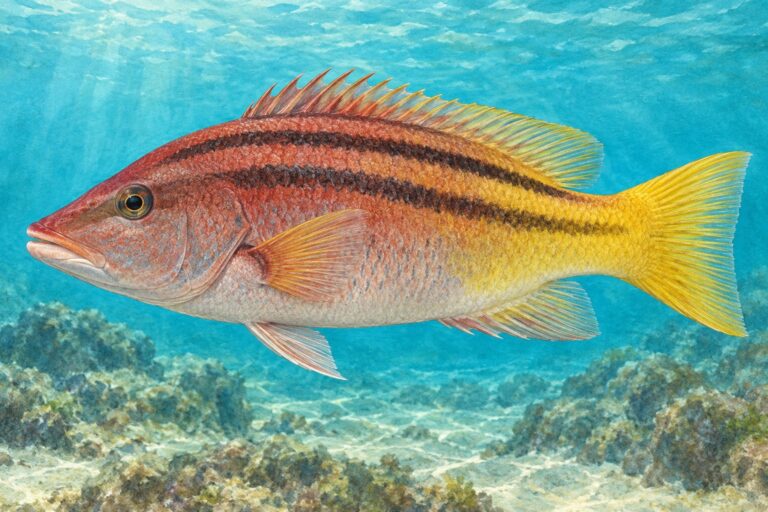
Mexican Hogfish
A sturdy wrasse with strikingly different color phases.
Take a closer look ↗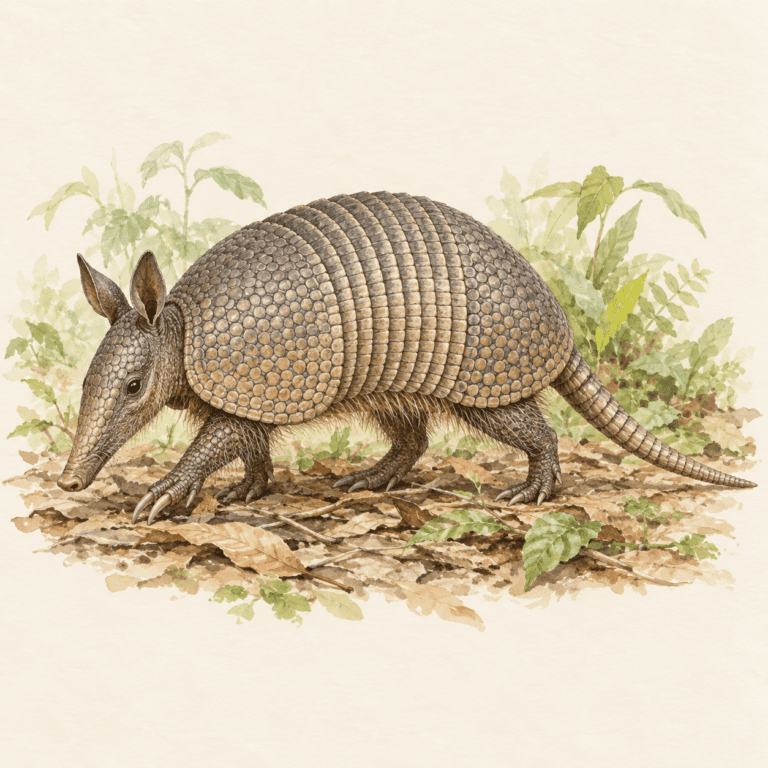
Mexican Long-nosed Armadillo
This armadillo wears a covering of bony plates, with flexible bands across its middle so it can bend while walking.
Take a closer look ↗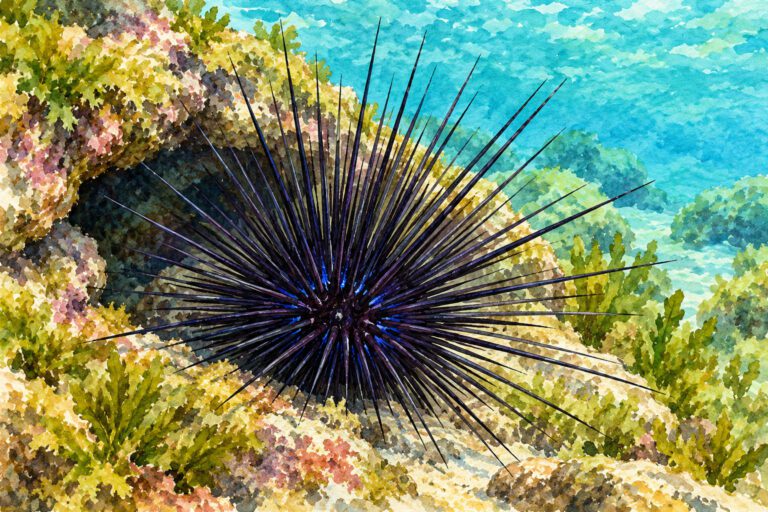
Mexican Long-spined Sea Urchin
Diadema mexicanum is an eastern Pacific urchin associated with rocky lower shores and underwater rocky habitat.
Take a closer look ↗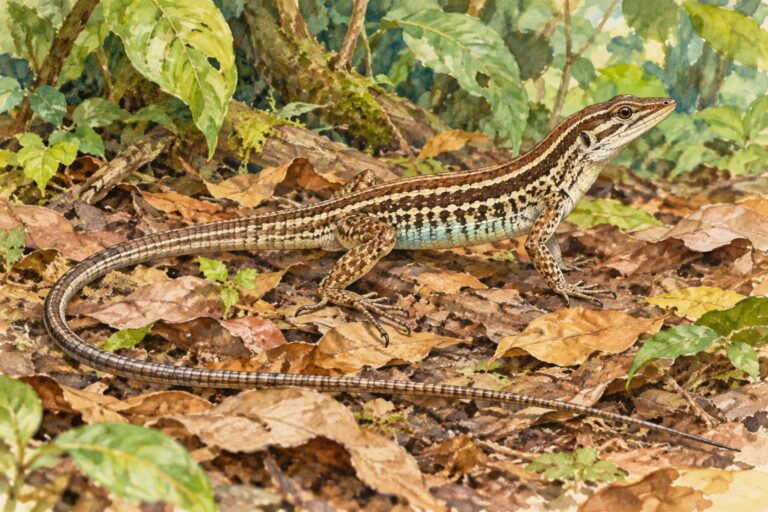
Middle American Ameiva
A long-tailed ground lizard searches among leaves and sunlit openings.
Take a closer look ↗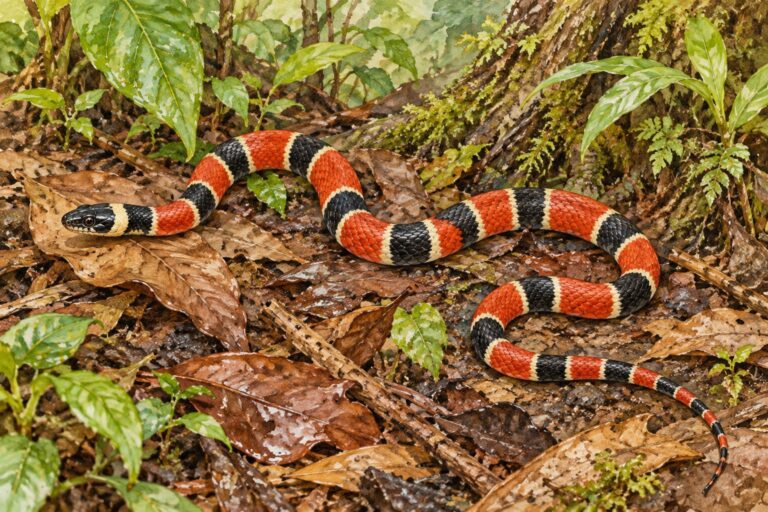
Mimic False Coral Snake
A bright forest snake offers a lesson about resemblance and careful observation.
Take a closer look ↗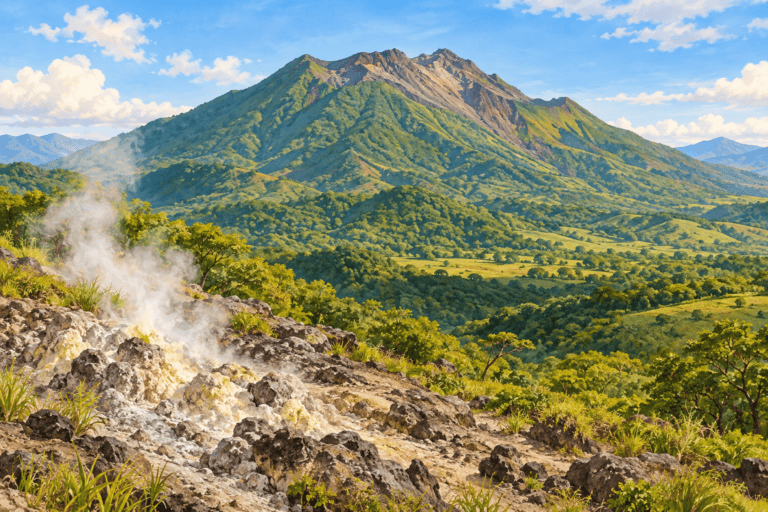
Miravalles Volcano
Guanacaste’s tallest volcanic peak connects forests, water and geothermal energy.
Take a closer look ↗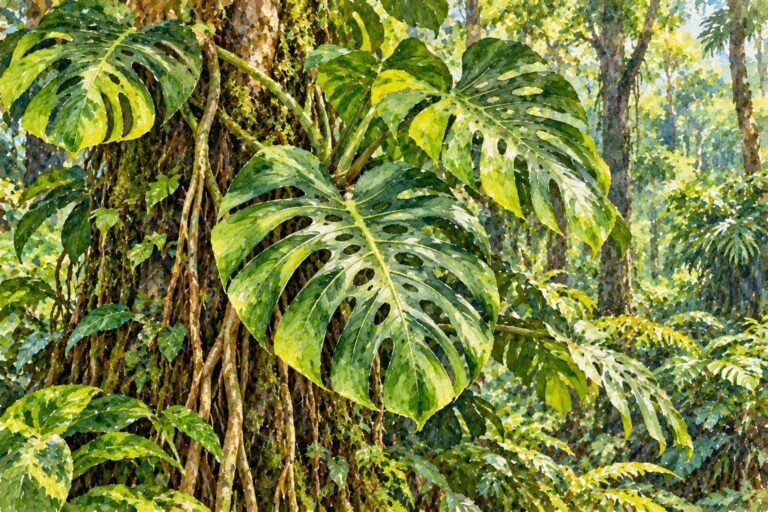
Monstera
Large split leaves with natural holes make this cultivated climber easy to notice.
Take a closer look ↗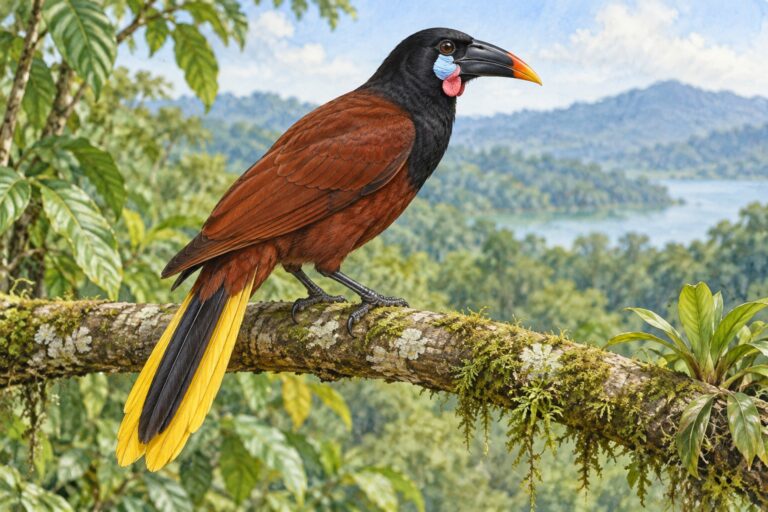
Montezuma Oropendola
A large chestnut bird with a yellow-sided tail.
Take a closer look ↗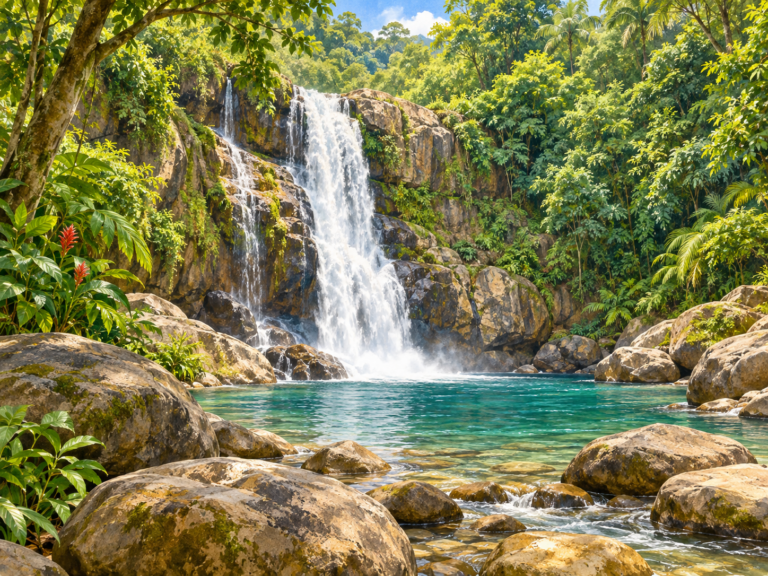
Montezuma Waterfalls
The Montezuma waterfalls are a river attraction near the Pacific coast.
Take a closer look ↗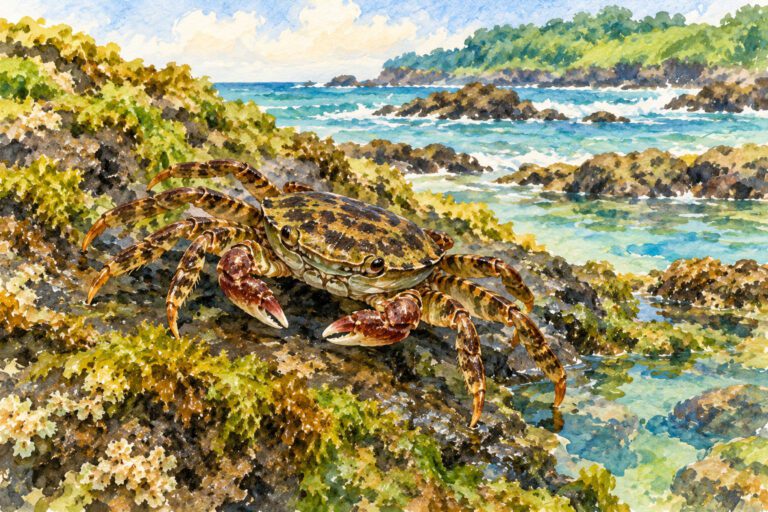
Mottled Shore Crab
Pachygrapsus transversus is a small shore crab that uses rocky intertidal habitat.
Take a closer look ↗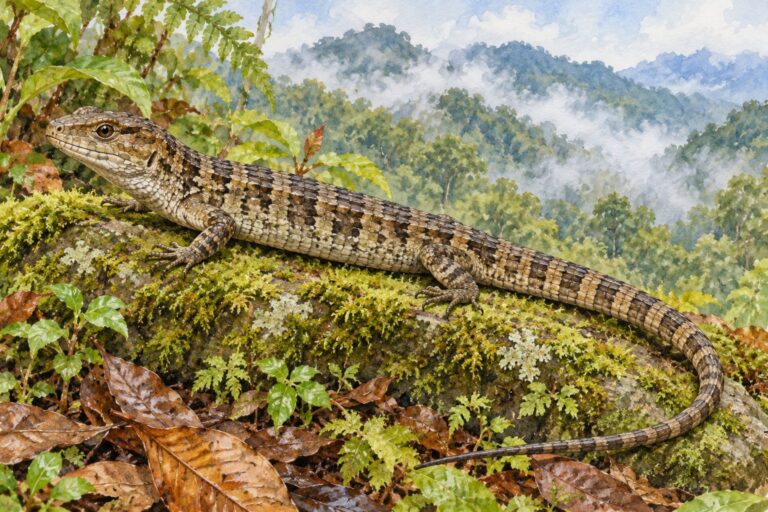
Mountain Alligator Lizard
An armored-looking lizard belongs to Costa Rica’s cool mountain forests.
Take a closer look ↗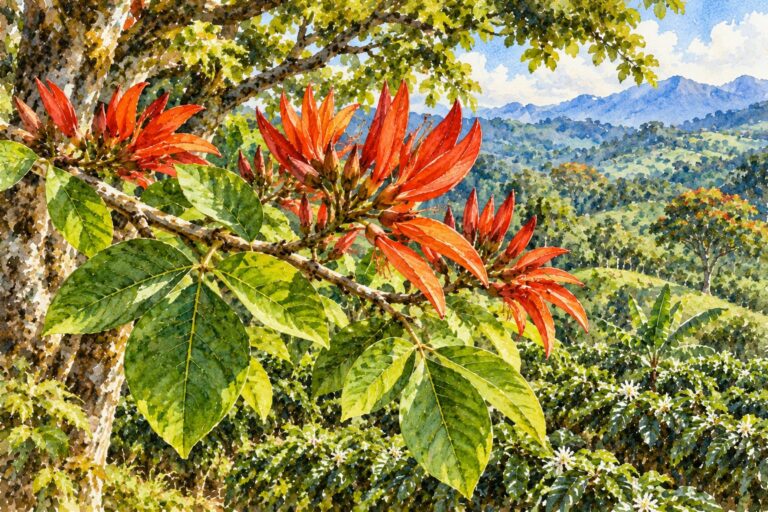
Mountain Immortelle
Poro gigante is a South American tree widely planted and naturalized in Costa Rica.
Take a closer look ↗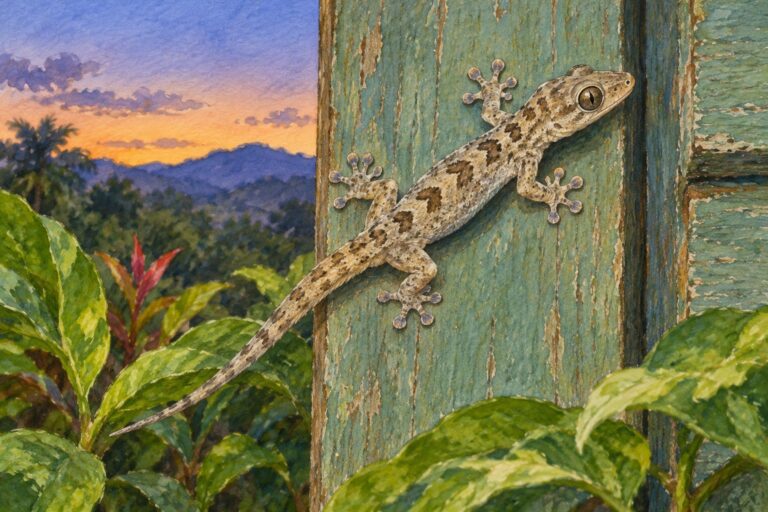
Mourning Gecko
A tiny introduced gecko can live close to buildings and gardens.
Take a closer look ↗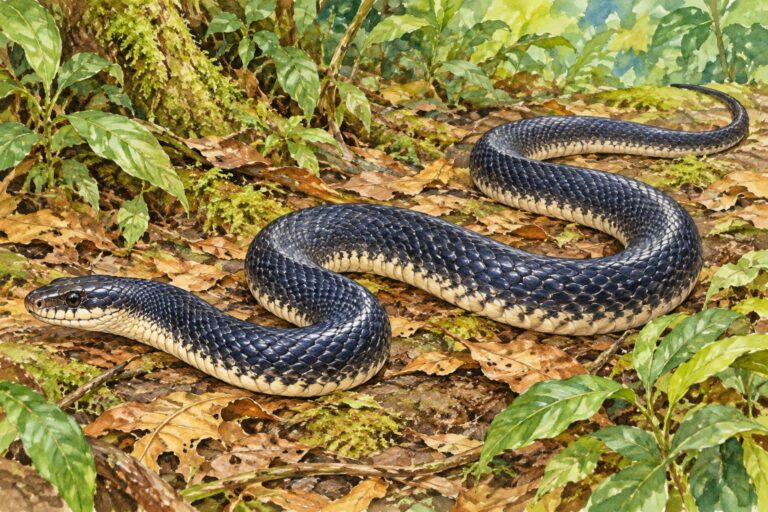
Mussurana
An adult’s dark body looks very different from a brightly colored juvenile.
Take a closer look ↗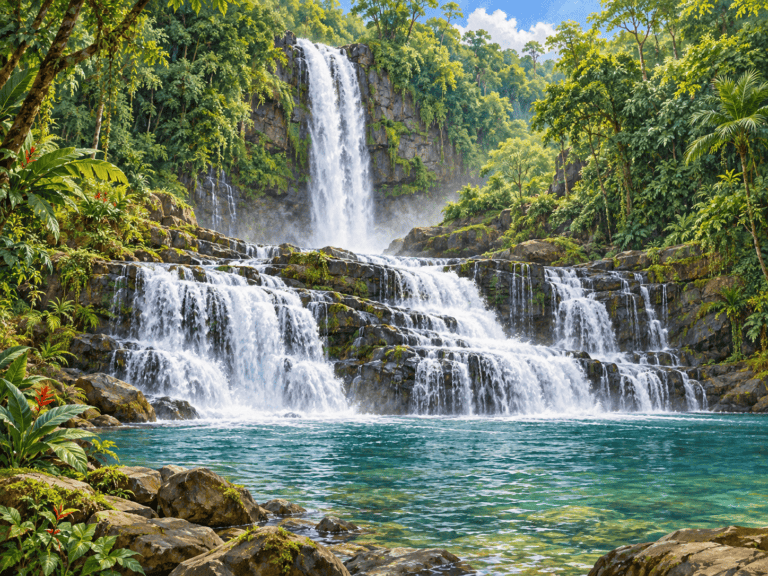
Nauyaca Waterfalls
Nauyaca is a waterfall system on the Barucito River with a high upper fall and a lower stepped fall.
Take a closer look ↗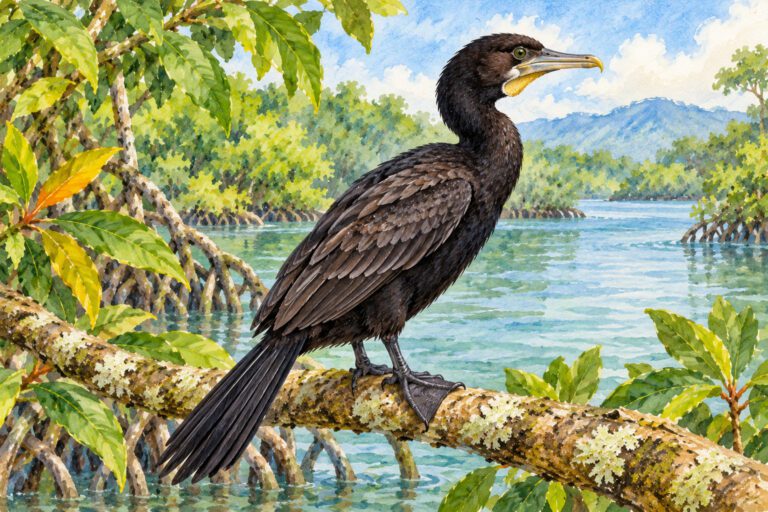
Neotropic Cormorant
This dark waterbird catches fish by diving and swimming underwater.
Take a closer look ↗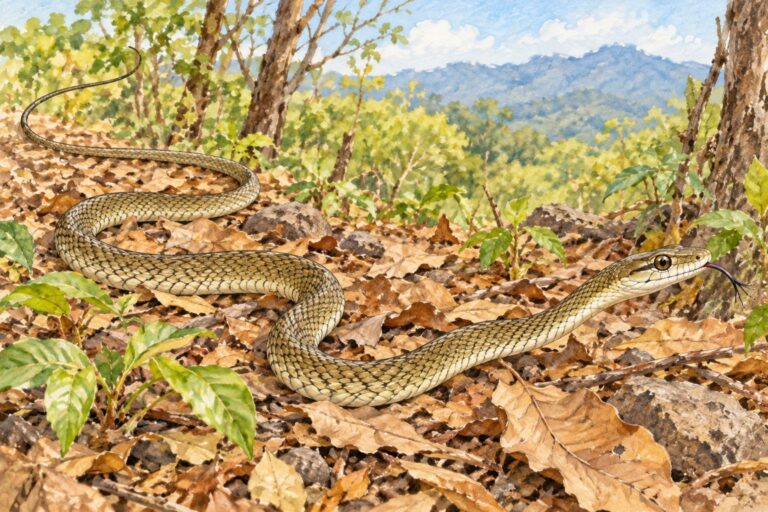
Neotropical Whipsnake
A very long tail follows this slender snake through open woodland.
Take a closer look ↗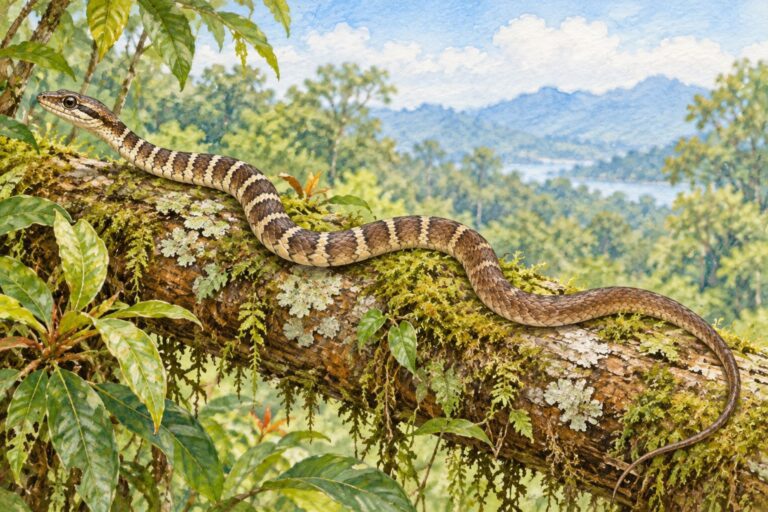
Northern Forest Racer
A fine-tailed forest snake carries narrow crossmarks through the shade.
Take a closer look ↗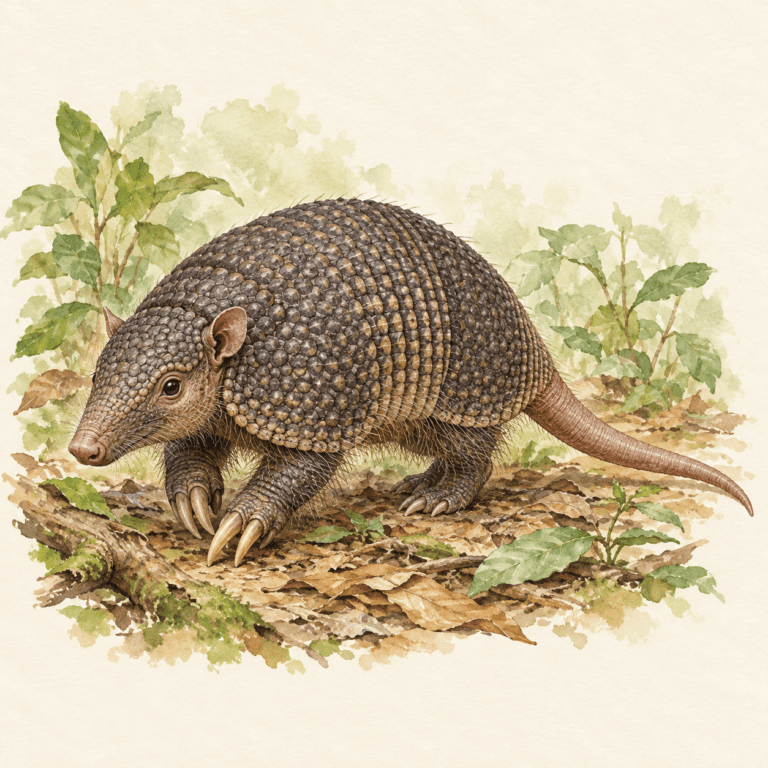
Northern Naked-tailed Armadillo
The northern naked-tailed armadillo is a digging specialist.
Take a closer look ↗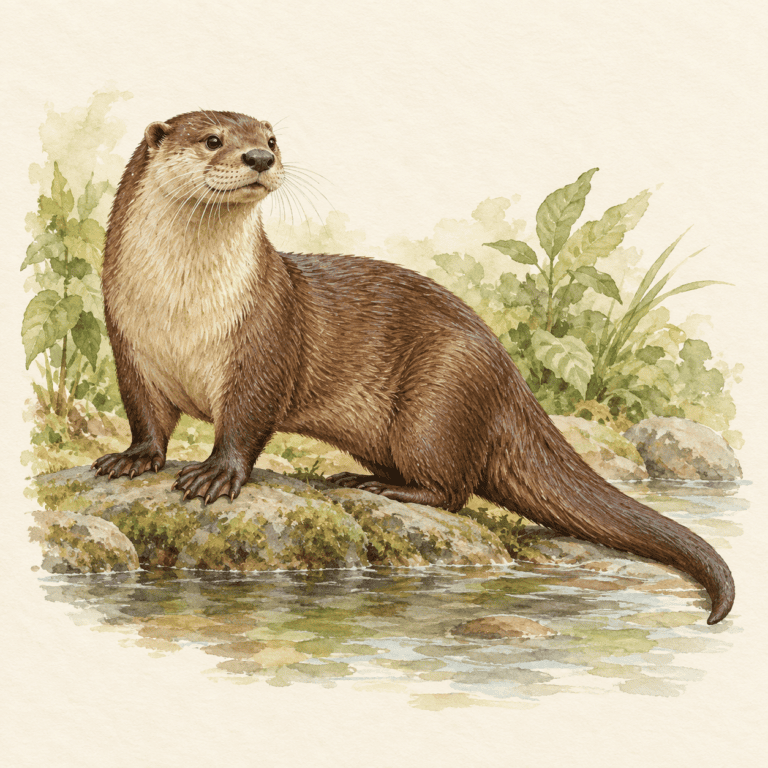
Northern Neotropical River Otter
This river otter is a water-adapted member of the weasel family.
Take a closer look ↗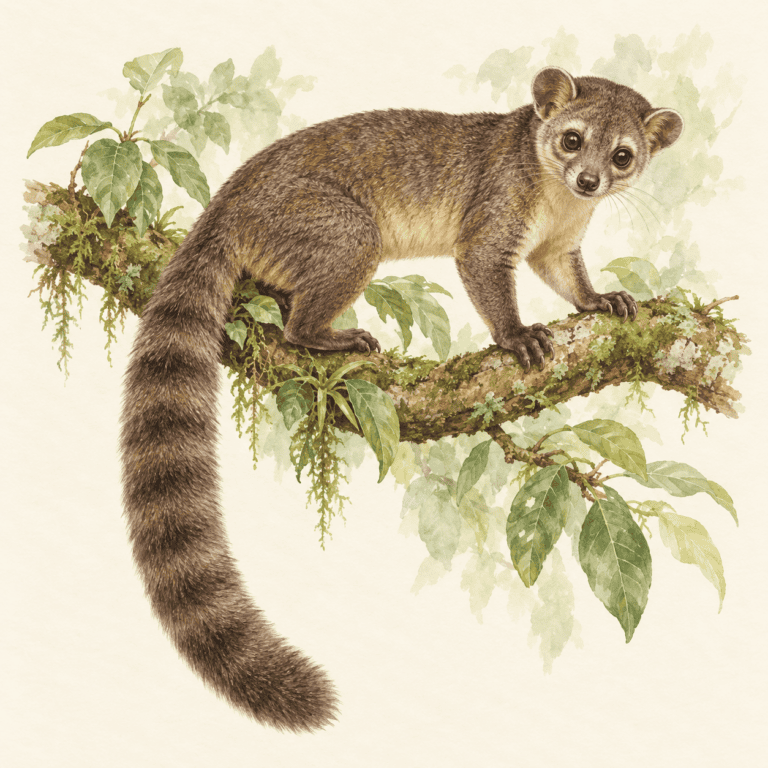
Northern Olingo
The northern olingo is a forest mammal that moves among branches and eats fruit, with nectar also reported in its diet.
Take a closer look ↗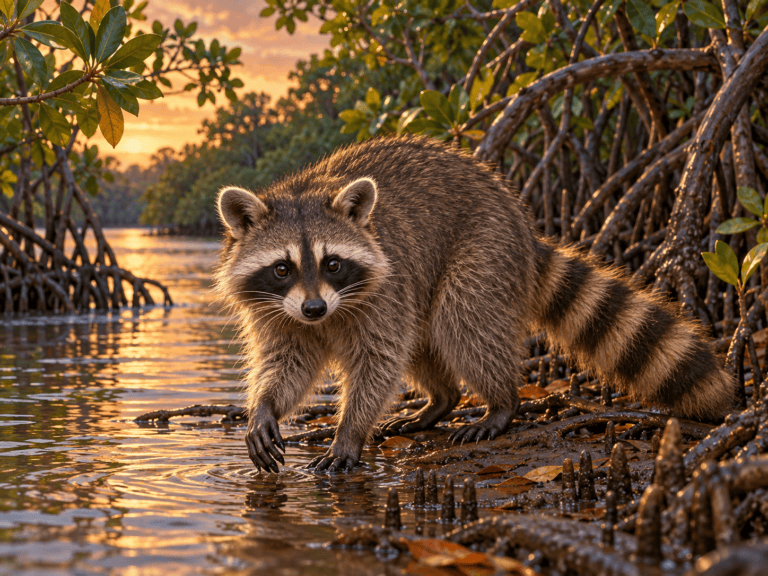
Northern Raccoon
A masked nocturnal forager with a distinctly ringed tail.
Take a closer look ↗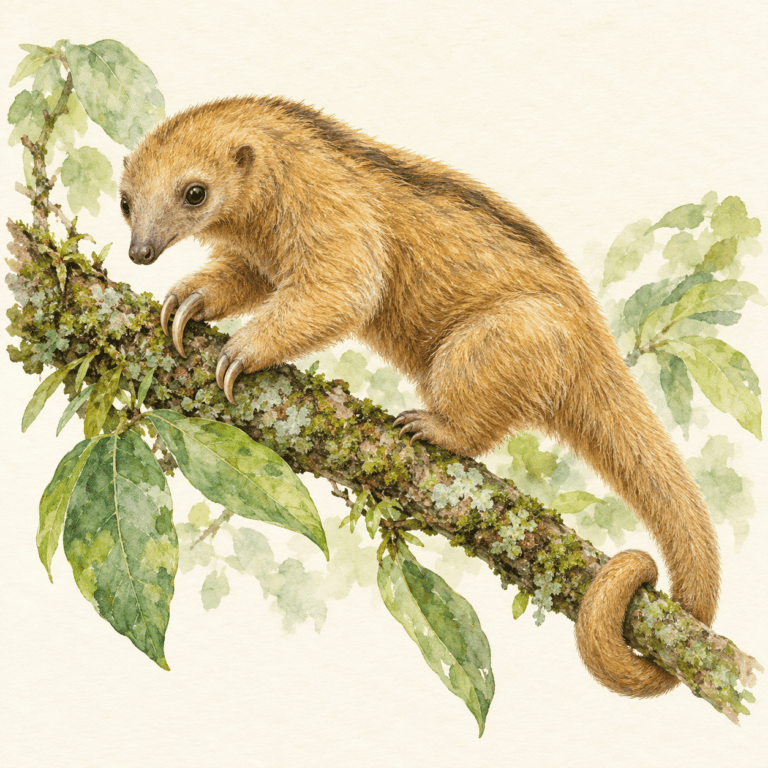
Northern Silky Anteater
The northern silky anteater is tiny compared with the northern tamandua already in your guide.
Take a closer look ↗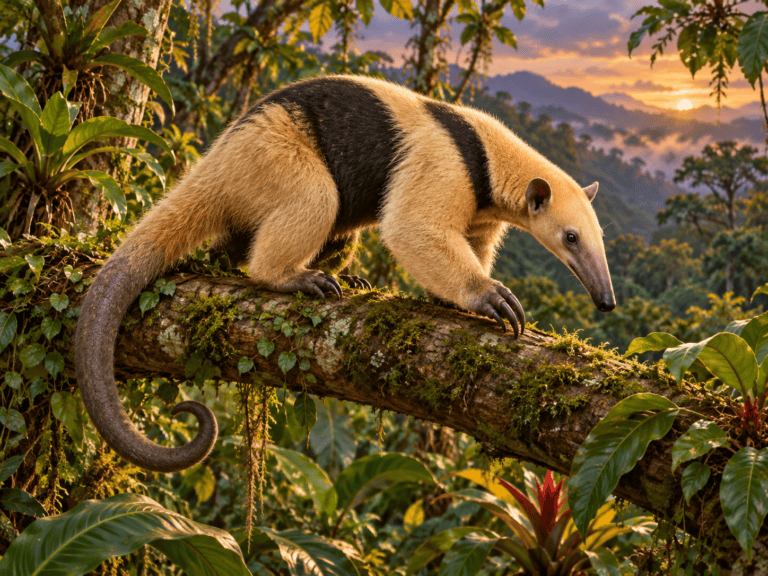
Northern Tamandua
A climbing anteater with a dark vest pattern and a long sticky tongue.
Take a closer look ↗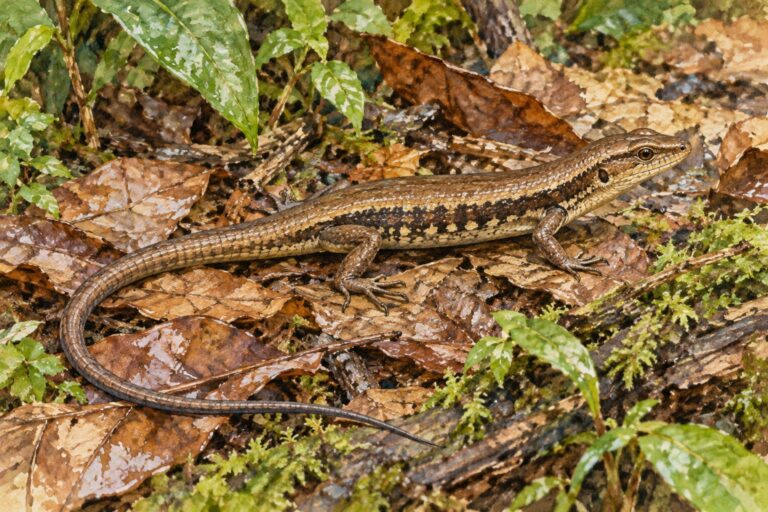
O'Shaughnessy's Galliwasp
Short legs and a long smooth body help this forest lizard move through cover.
Take a closer look ↗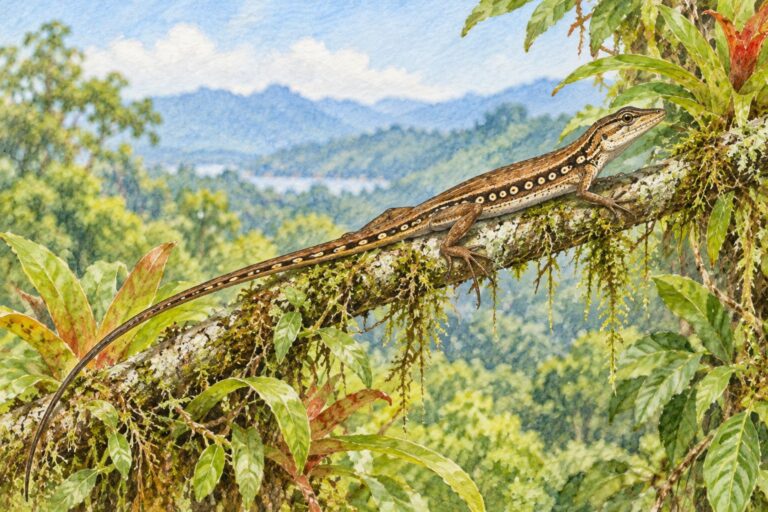
Ocellated Anadia
A slender forest lizard wears small eyelike markings along its sides.
Take a closer look ↗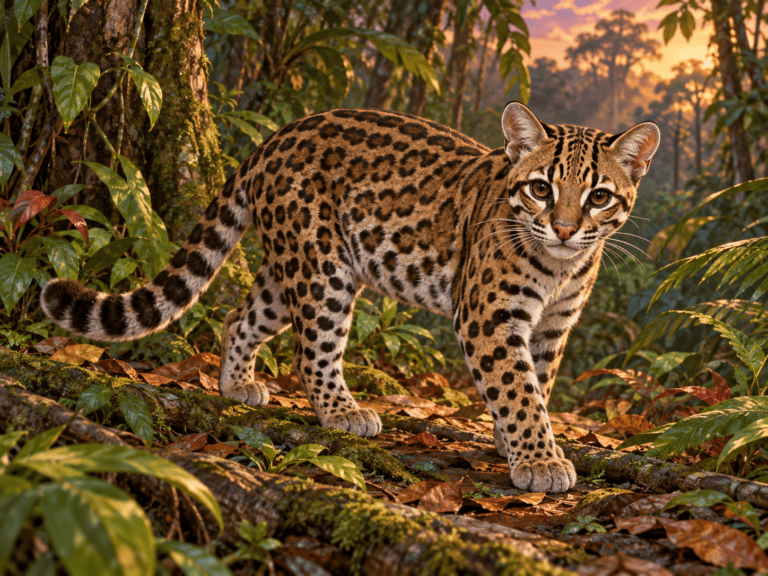
Ocelot
A secretive patterned cat that hunts mostly on the forest floor.
Take a closer look ↗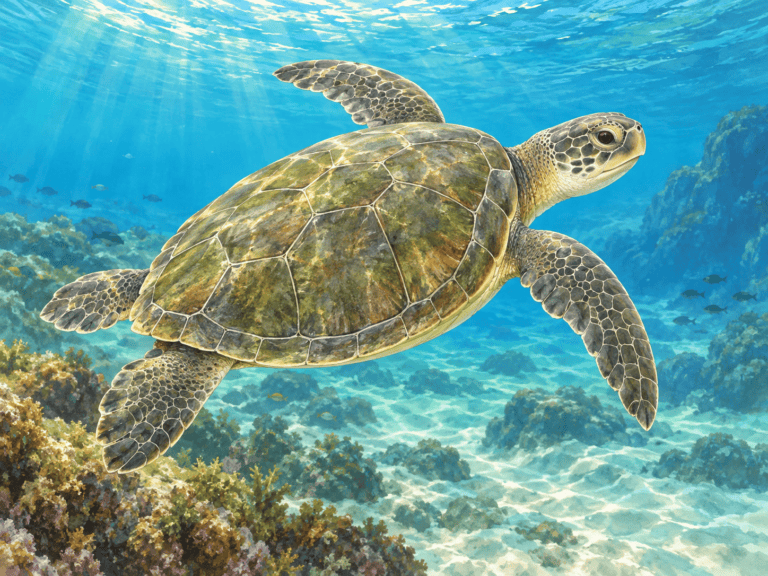
Olive Ridley Sea Turtle
An olive or gray-green hard shell.
Take a closer look ↗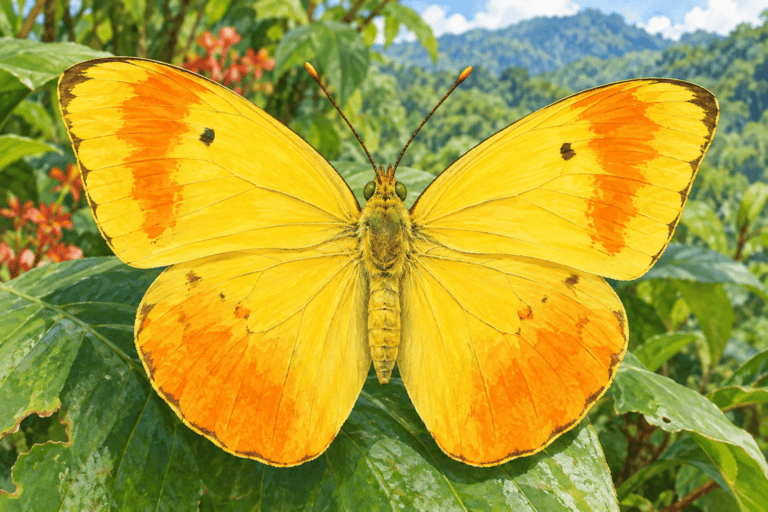
Orange-barred Sulphur Butterfly
Yellow wings.
Take a closer look ↗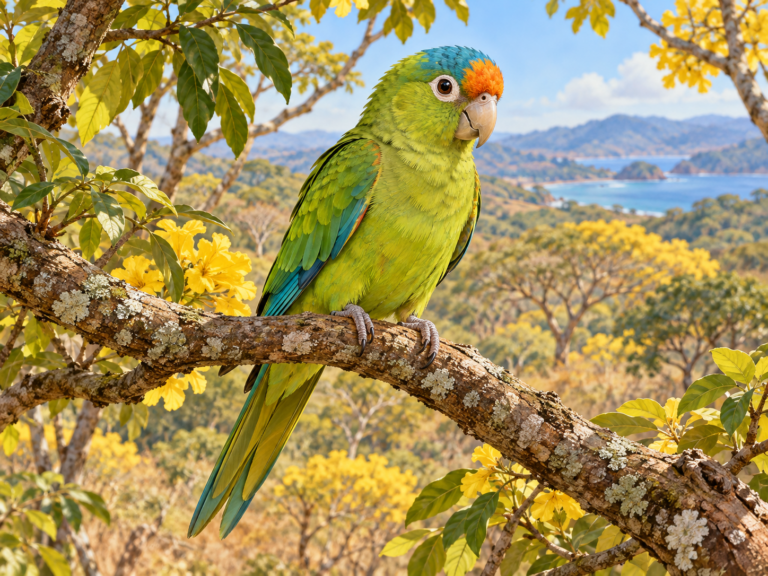
Orange-fronted Parakeet
An agile green parakeet with an orange forehead and long pointed tail.
Take a closer look ↗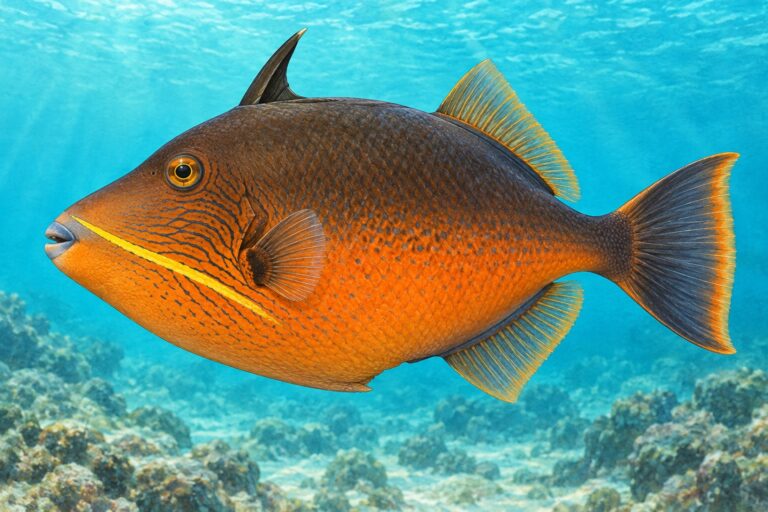
Orangeside Triggerfish
A triggerfish with a dark back and orange lower sides.
Take a closer look ↗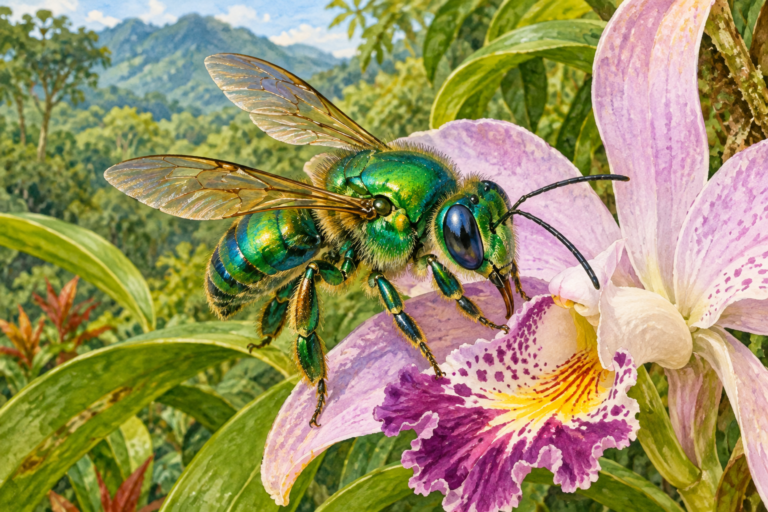
Orchid Bees
Often metallic colors.
Take a closer look ↗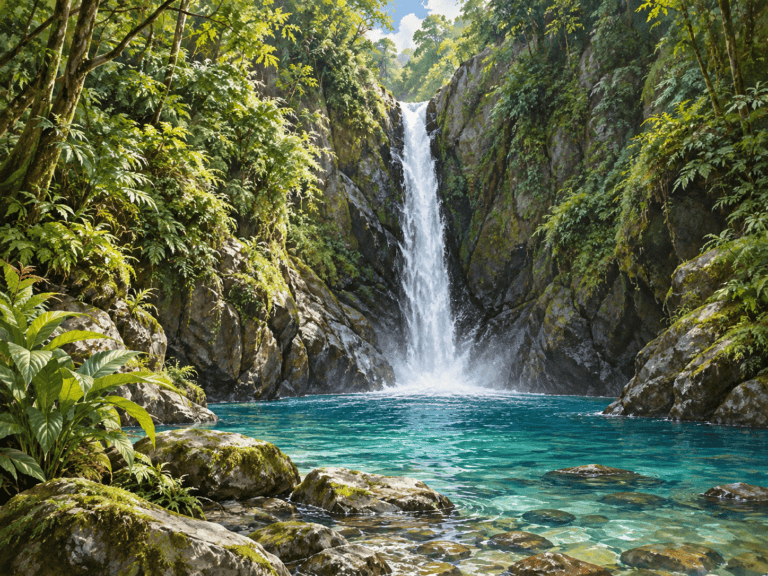
Oropéndola Waterfall
Oropéndola falls into a pool within the Río Blanco canyon.
Take a closer look ↗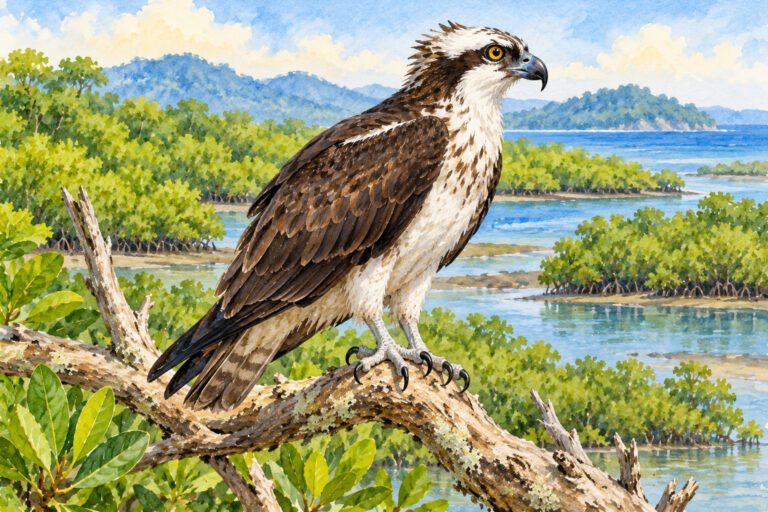
Osprey
The Osprey is a large raptor that catches fish with its feet.
Take a closer look ↗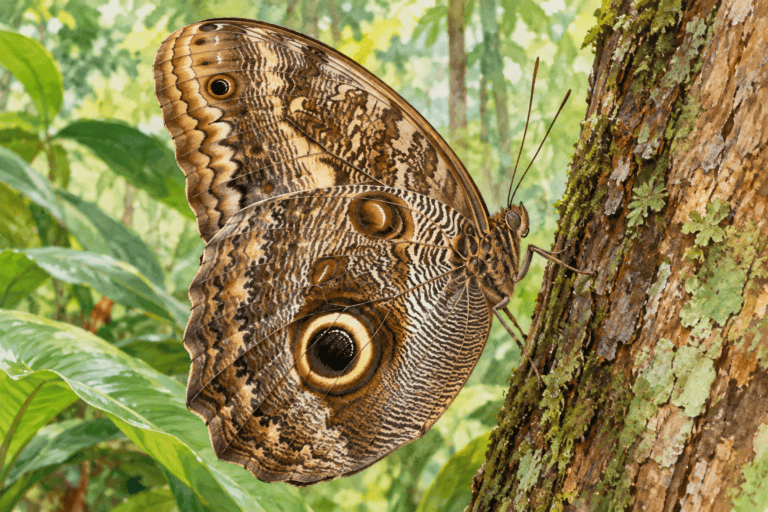
Owl Butterfly
Large brown wings.
Take a closer look ↗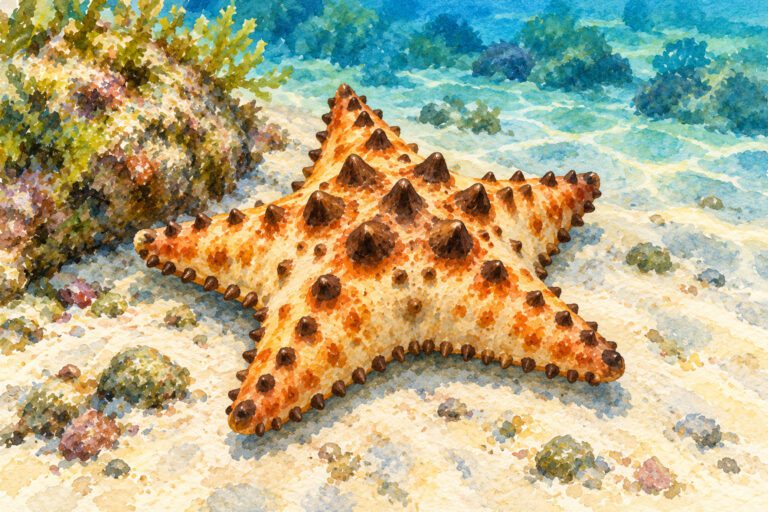
Pacific Chocolate Chip Sea Star
Nidorellia armata is commonly called a chocolate chip sea star.
Take a closer look ↗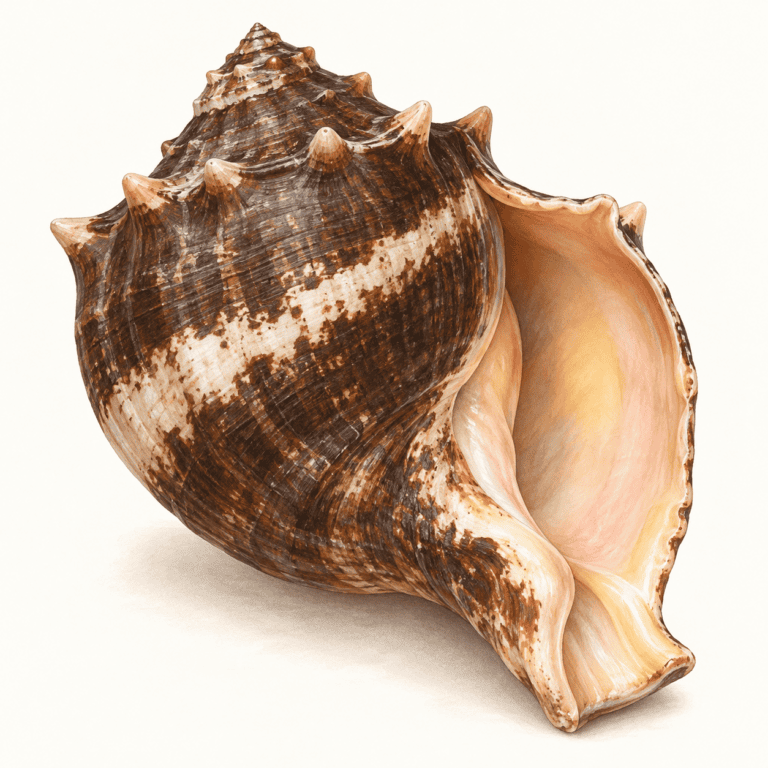
Pacific Crown Conch
A heavy shell may carry a row of short shoulder spines.
Take a closer look ↗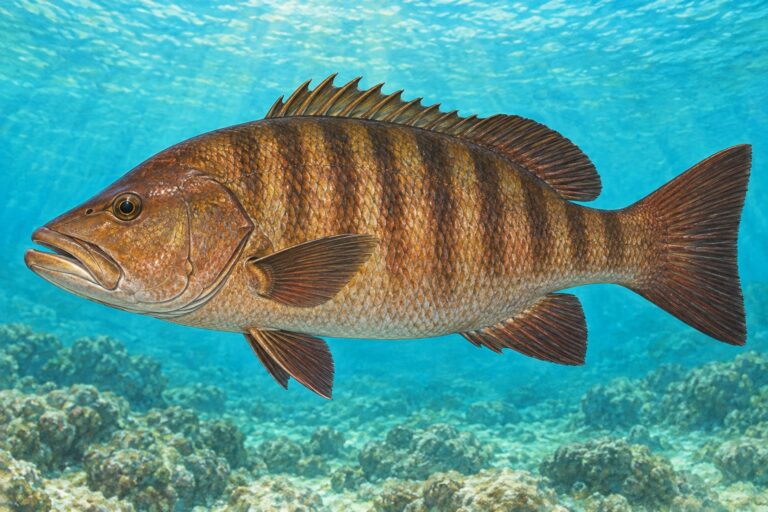
Pacific Cubera Snapper
A powerful coastal snapper also called Pacific dog snapper.
Take a closer look ↗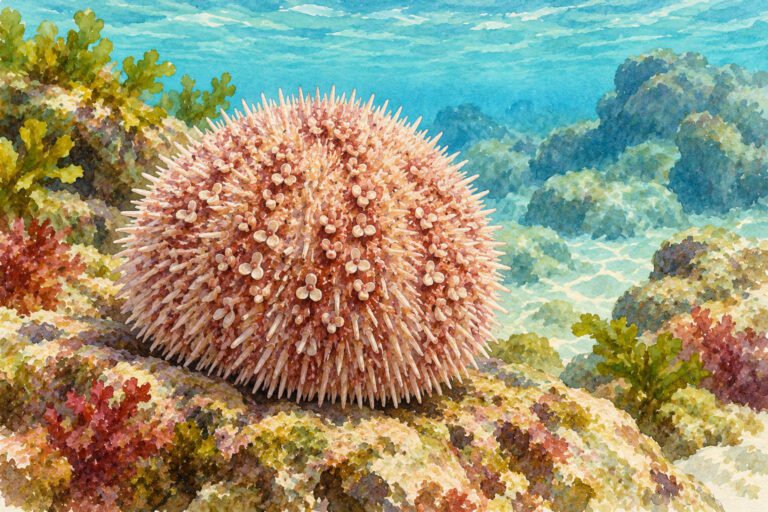
Pacific Flower Sea Urchin
Toxopneustes roseus is an eastern Pacific urchin called the flower sea urchin.
Take a closer look ↗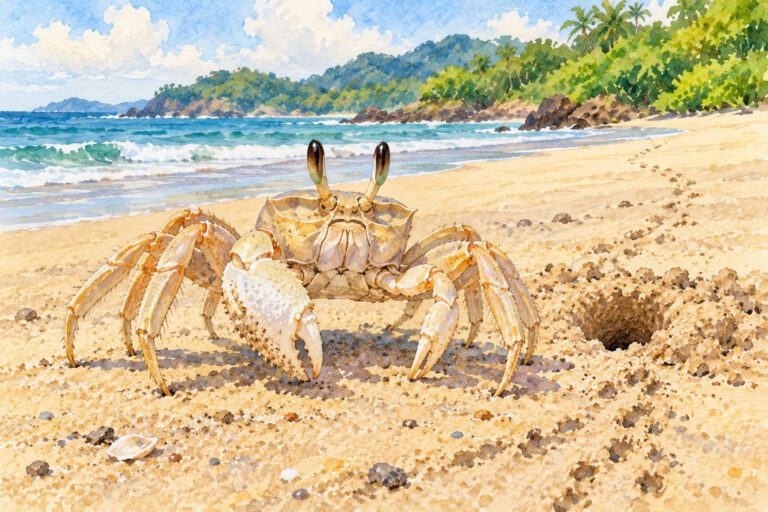
Pacific Ghost Crab
Ocypode gaudichaudii is a Pacific ghost crab associated with sandy beaches.
Take a closer look ↗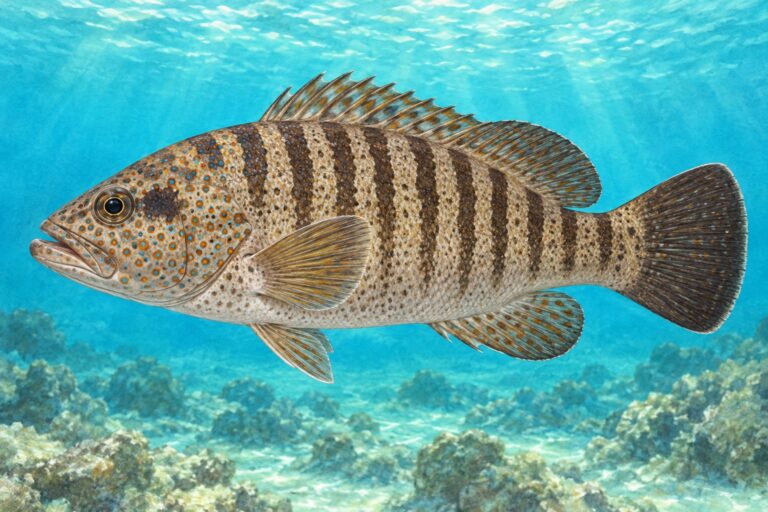
Pacific Graysby
A small grouper with narrow bars and a dark cheek patch.
Take a closer look ↗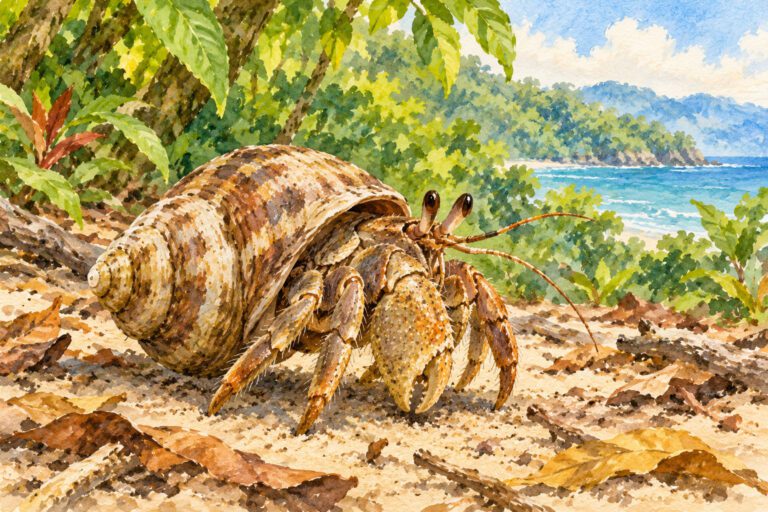
Pacific Land Hermit Crab
Coenobita compressus is a land hermit crab whose adult life is spent on land near the coast.
Take a closer look ↗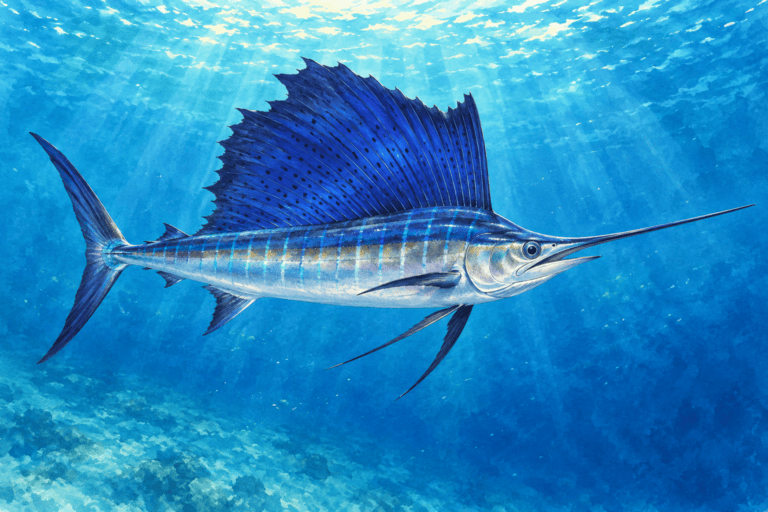
Pacific Sailfish
A very tall sail-like first dorsal fin.
Take a closer look ↗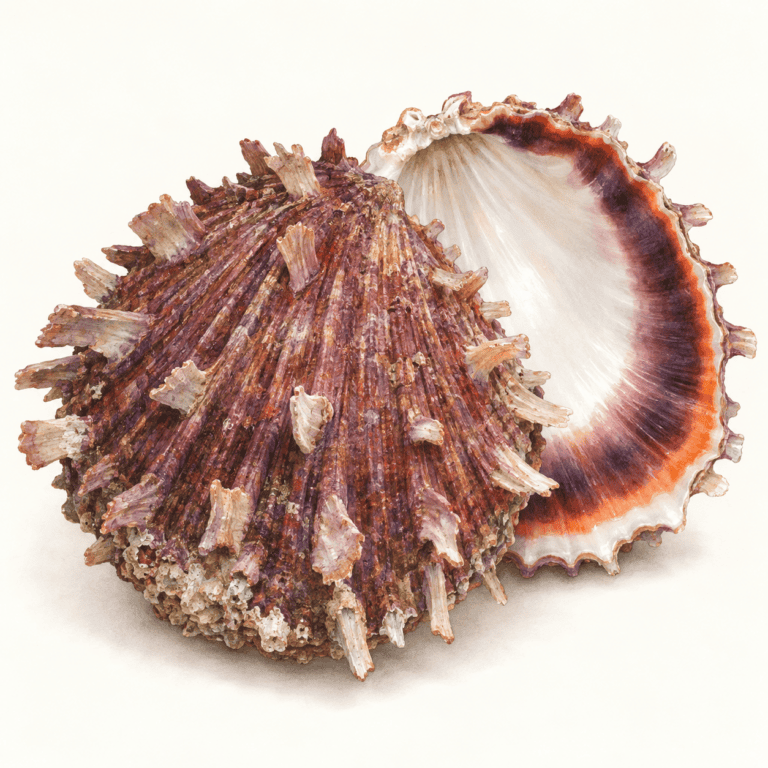
Pacific Spiny Oyster
Ribs, spines and an irregular outline help this shell stand out.
Take a closer look ↗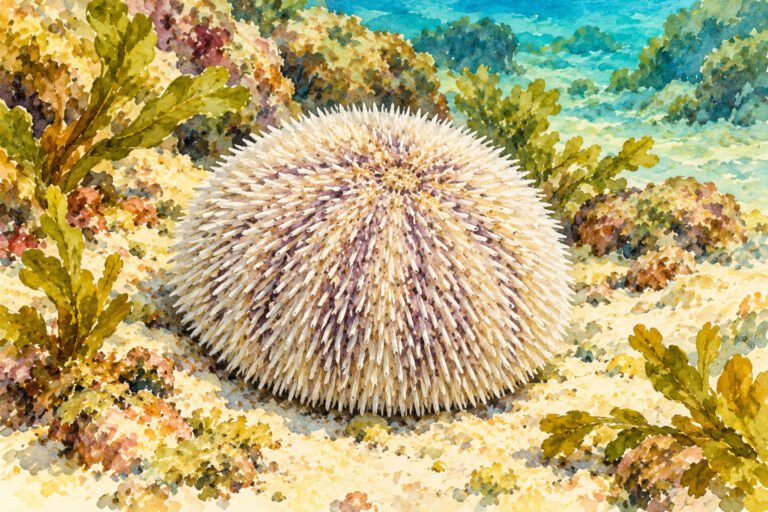
Pacific White Sea Urchin
Tripneustes depressus is an eastern Pacific sea urchin also known as the white sea urchin.
Take a closer look ↗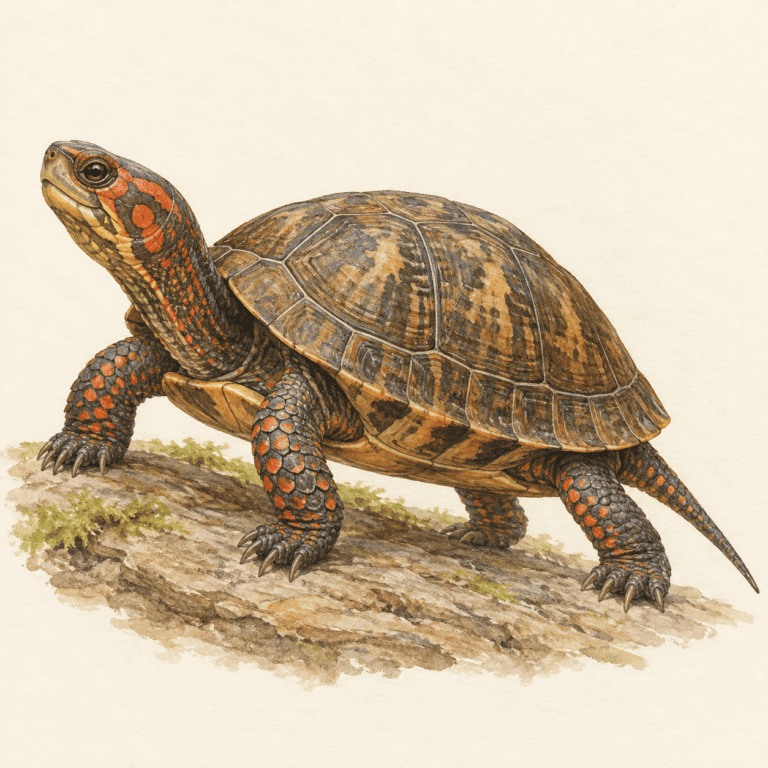
Painted Wood Turtle
A wood turtle with colorful head and limb markings.
Take a closer look ↗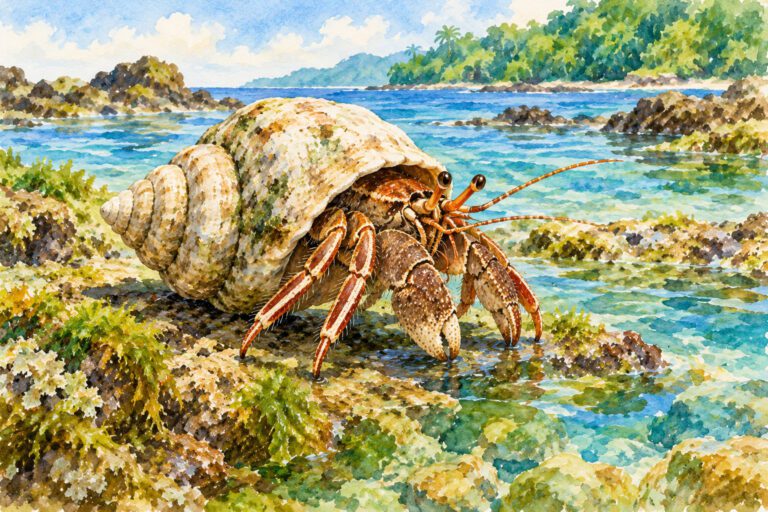
Panama Hermit Crab
Clibanarius panamensis is a marine hermit crab documented in Costa Rican coastal collections.
Take a closer look ↗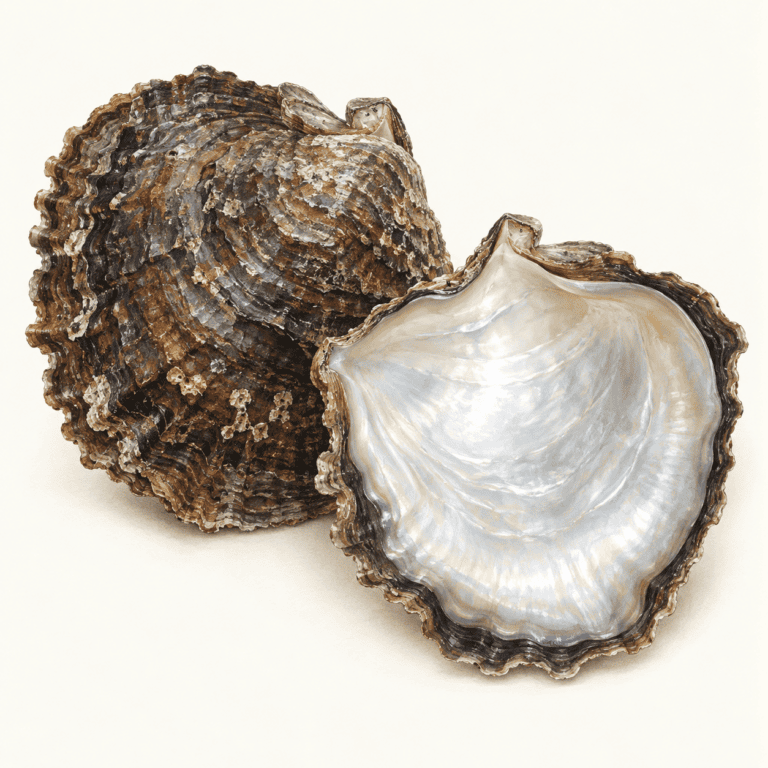
Panamanian Pearl Oyster
A pearl oyster is a two-part shell animal from Pacific coastal waters.
Take a closer look ↗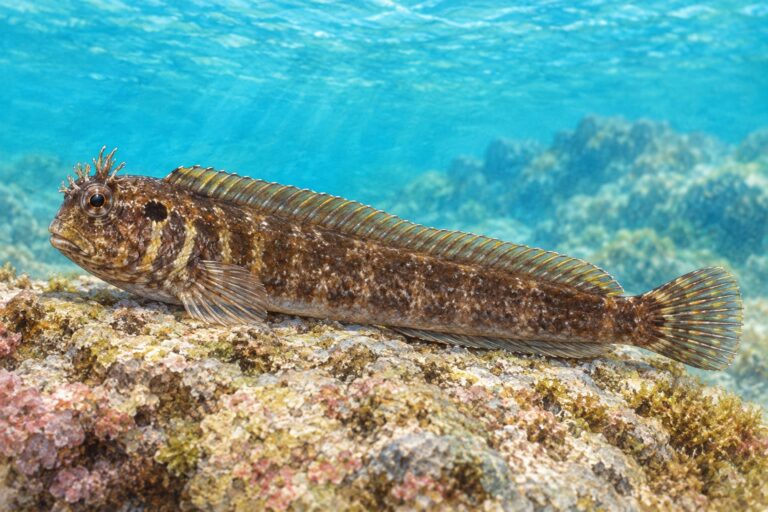
Panamic Fanged Blenny
A small rocky-shore fish with a blunt head.
Take a closer look ↗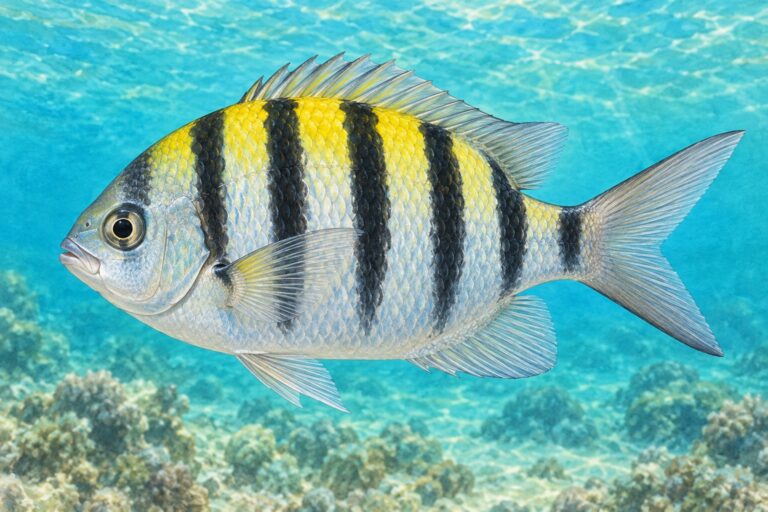
Panamic Sergeant Major
A silver reef fish with a yellow back and five dark bars.
Take a closer look ↗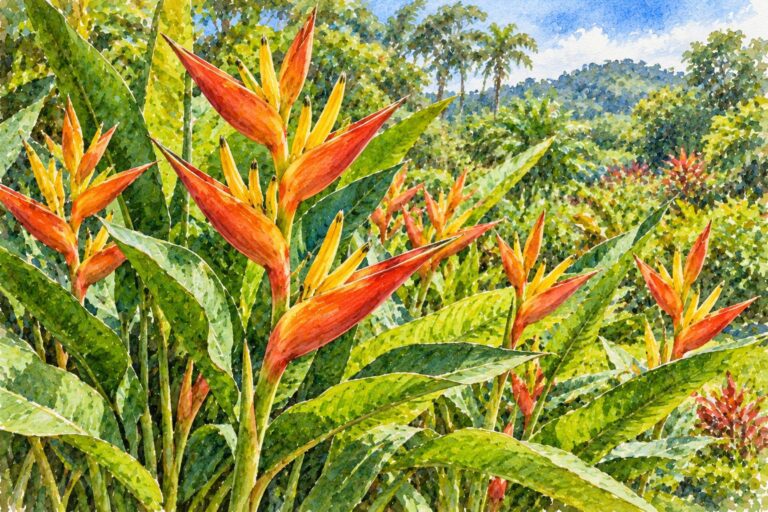
Parrot's Beak Heliconia
Parrot's beak heliconia is a cultivated ornamental with slim upright flower clusters.
Take a closer look ↗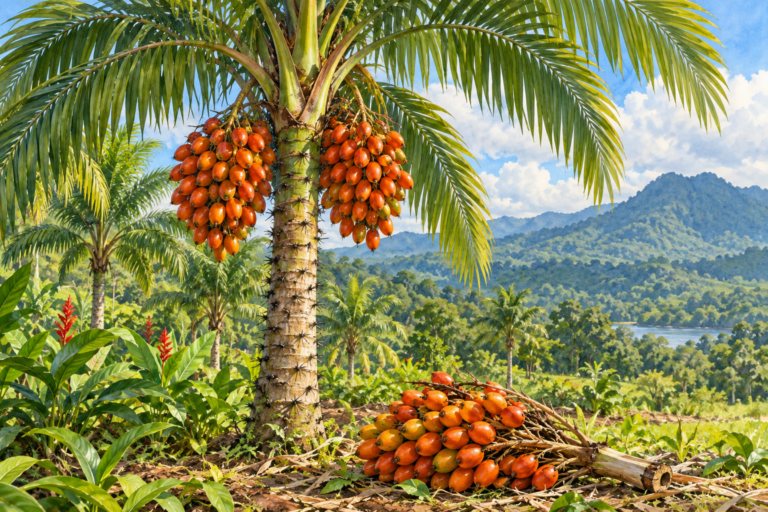
Peach Palm / Pejibaye
Pejibaye is the fruit of the peach palm.
Take a closer look ↗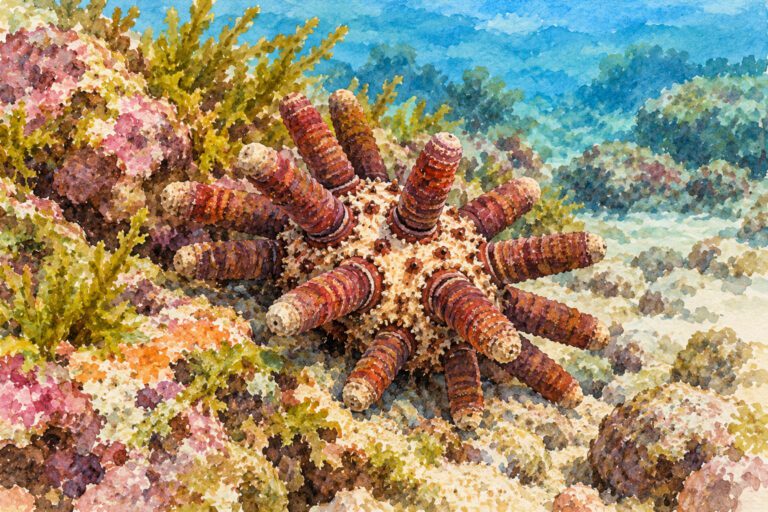
Pencil Sea Urchin
Eucidaris thouarsii is an eastern Pacific pencil urchin.
Take a closer look ↗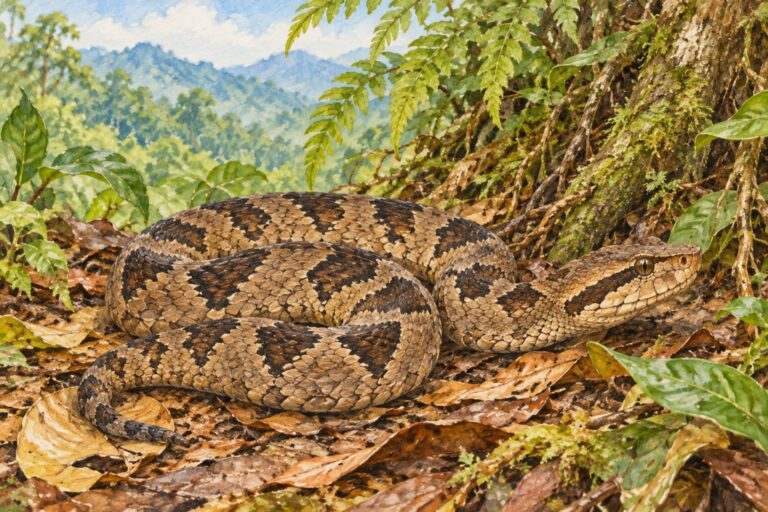
Picado's Pitviper
A powerful, camouflaged pitviper rests on the floor of wet forest.
Take a closer look ↗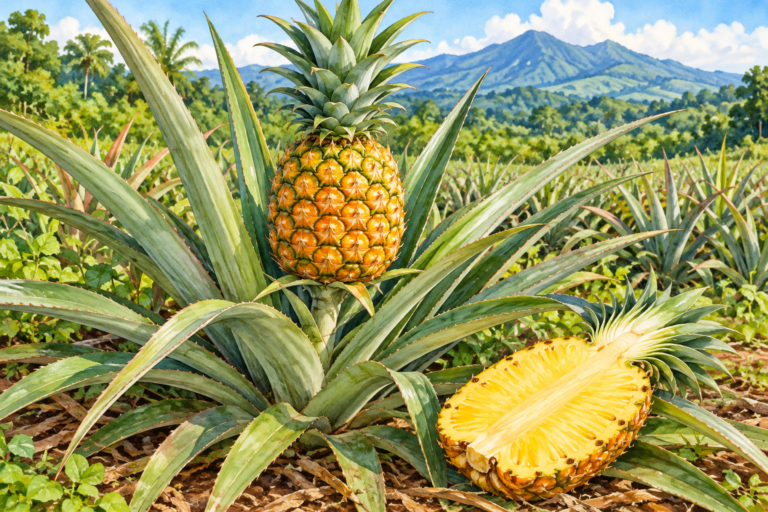
Pineapple
Pineapple grows close to the ground in a rosette of pointed leaves.
Take a closer look ↗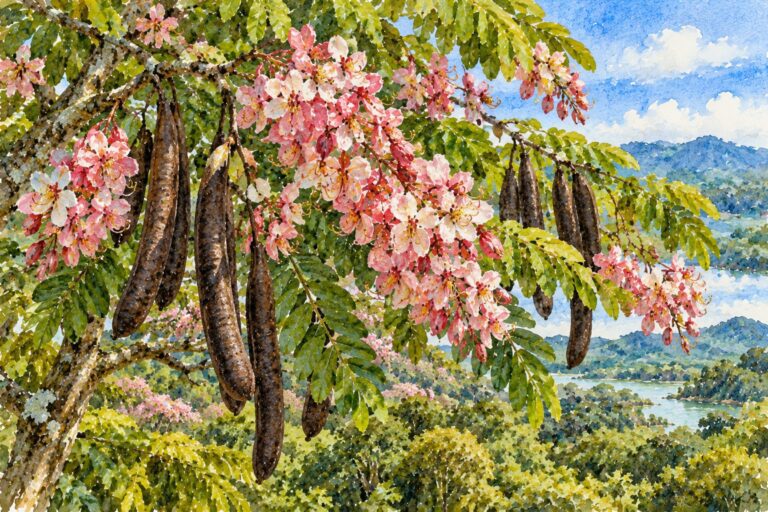
Pink Shower Tree
Carao has pink flower clusters and unusually long, thick brown seed pods.
Take a closer look ↗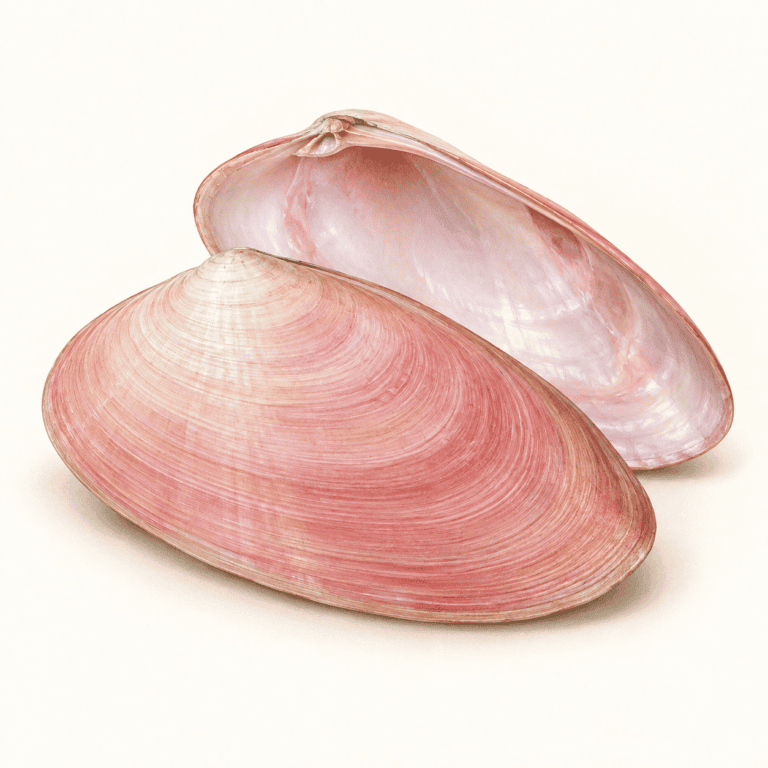
Pink Tellin
A pink bivalve adds color to the story of Costa Rica’s tidal flats.
Take a closer look ↗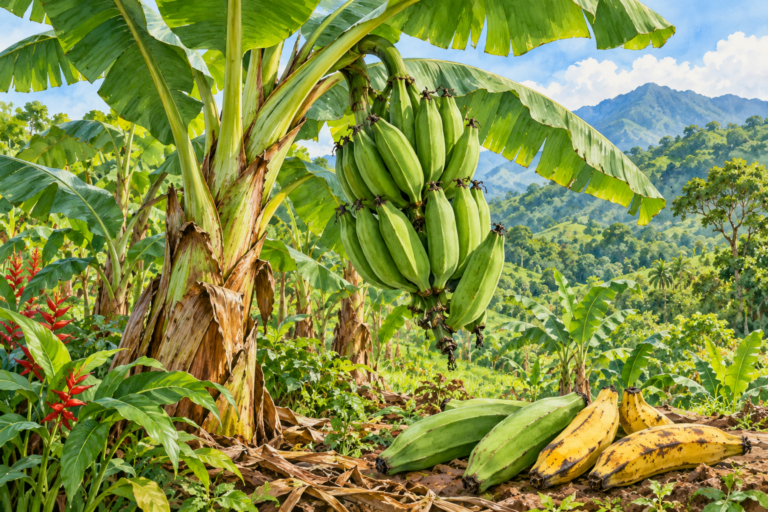
Plantain
Plantains are cultivated Musa plants closely related to dessert bananas.
Take a closer look ↗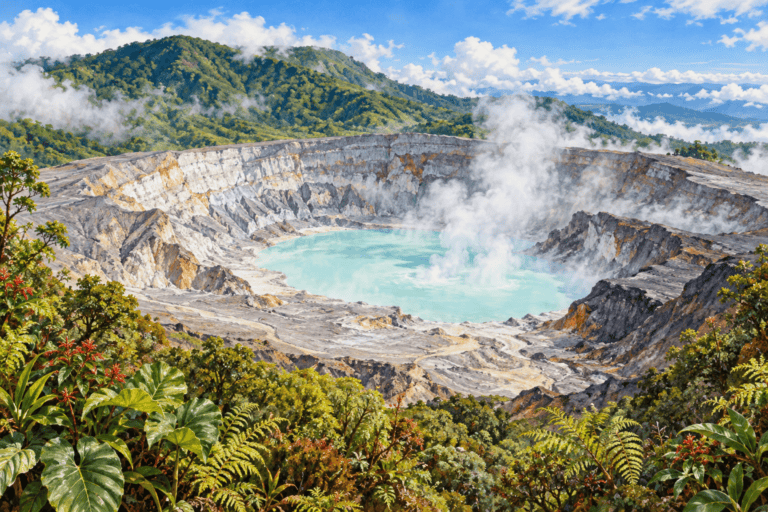
Poás Volcano
A broad volcanic crater reveals the forces that shape Costa Rica’s mountains.
Take a closer look ↗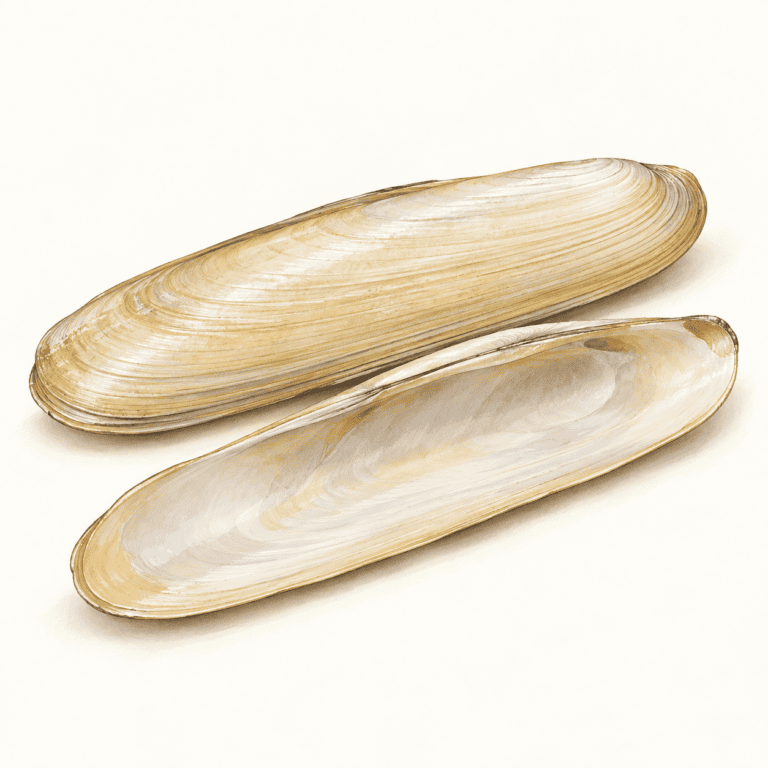
Polished Tagelus Clam
This tidal-flat clam demonstrates how a scientific name can be updated.
Take a closer look ↗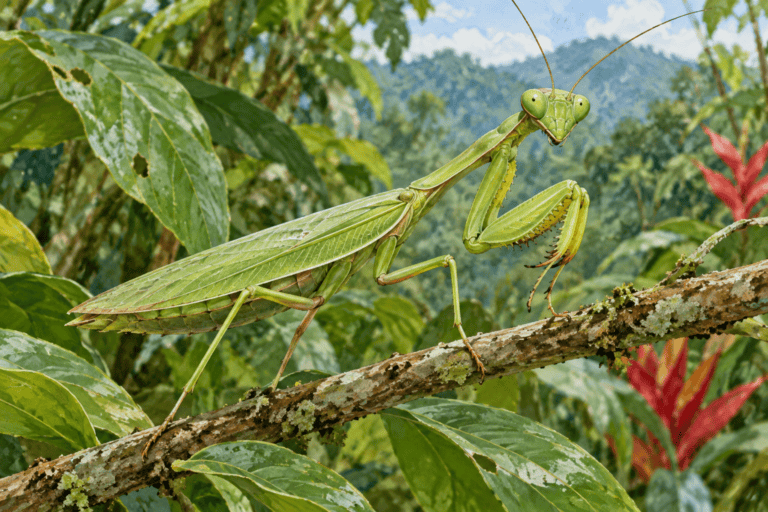
Praying Mantises
Triangular head.
Take a closer look ↗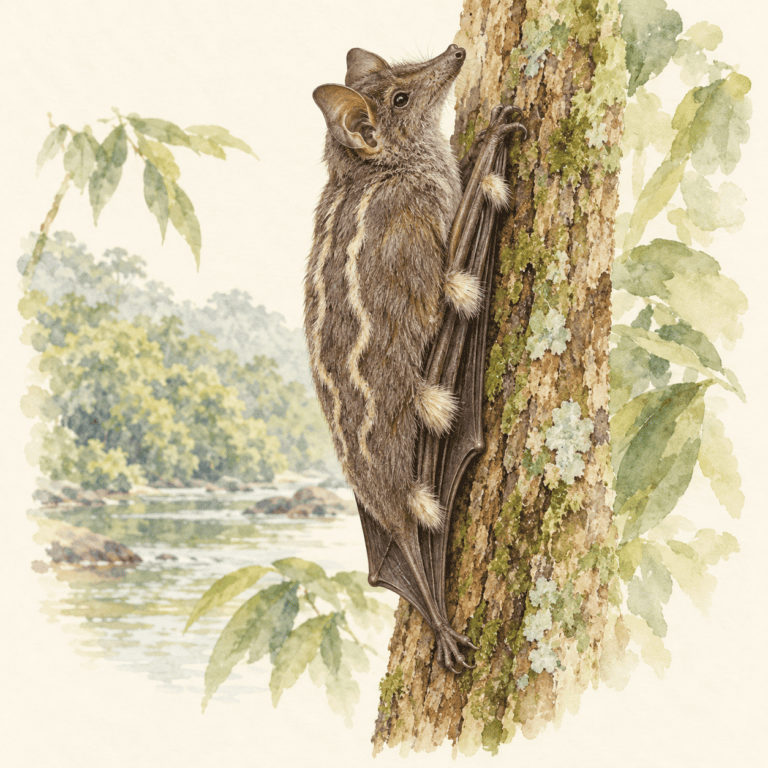
Proboscis Bat
The proboscis bat is a tiny insect-eating bat with an elongated muzzle.
Take a closer look ↗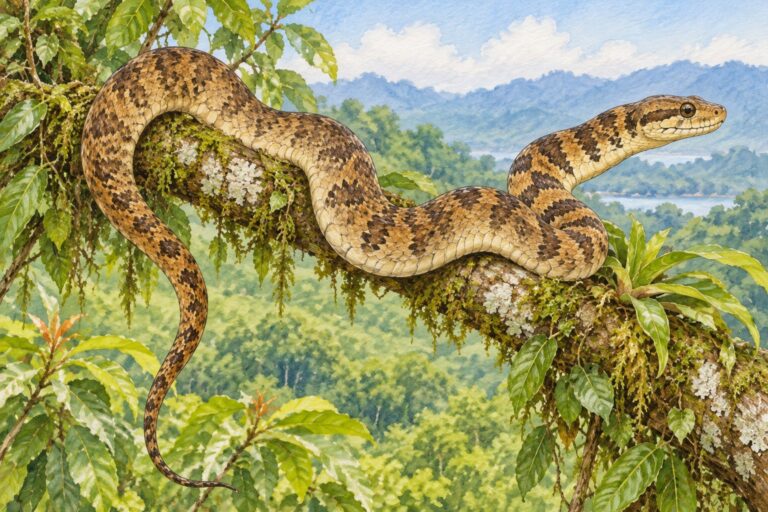
Puffing Snake
A large forest snake shows how much color and pattern can vary within one species.
Take a closer look ↗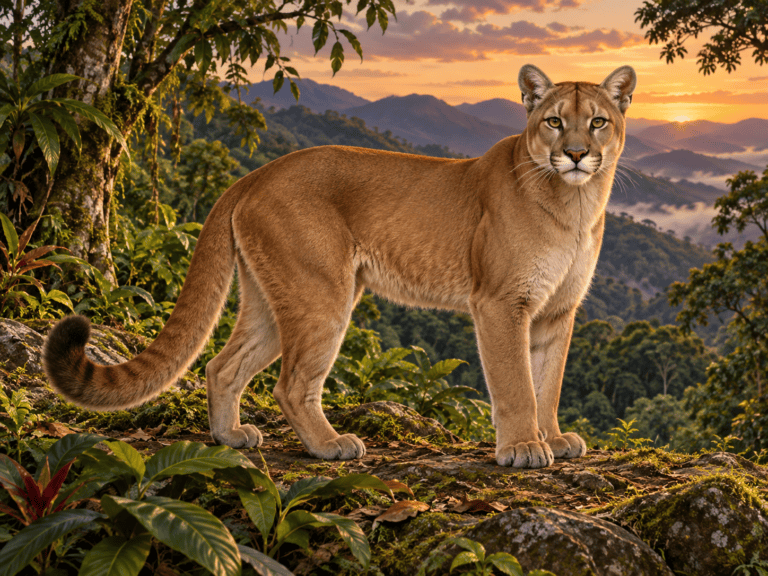
Puma
A long-tailed, unspotted wild cat that uses many forest types.
Take a closer look ↗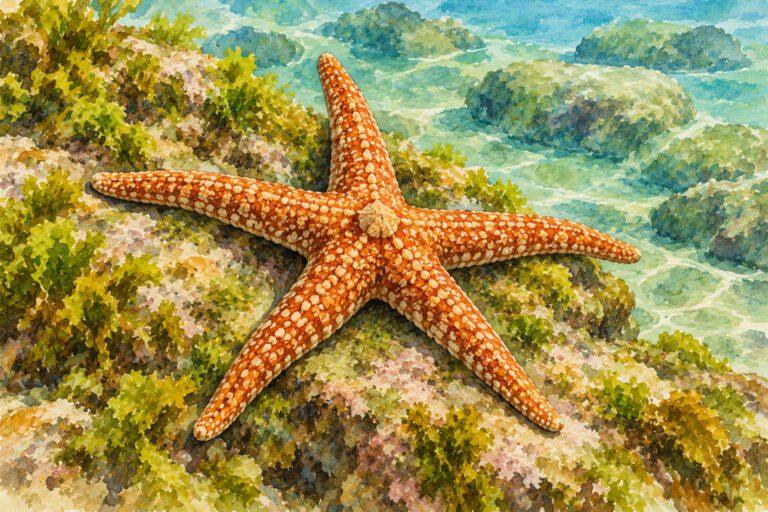
Pyramid Sea Star
Pharia pyramidata is a sea star associated with rocky seabeds.
Take a closer look ↗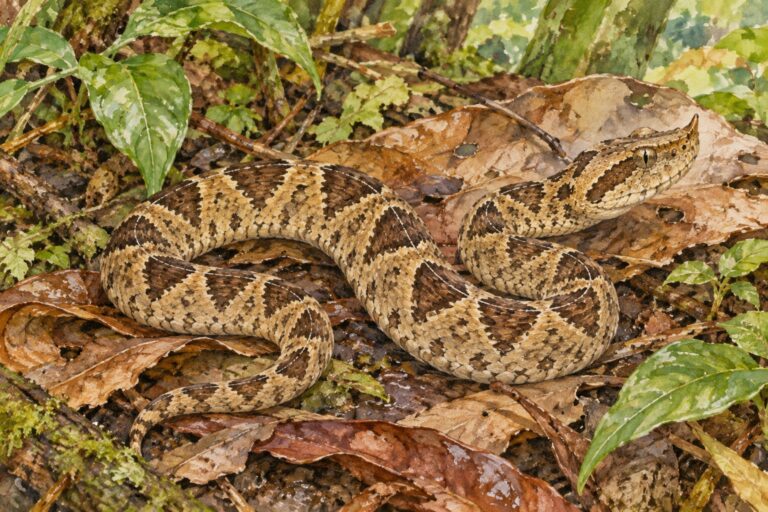
Rainforest Hognosed Pitviper
An upturned snout and leaf-colored markings distinguish this small forest viper.
Take a closer look ↗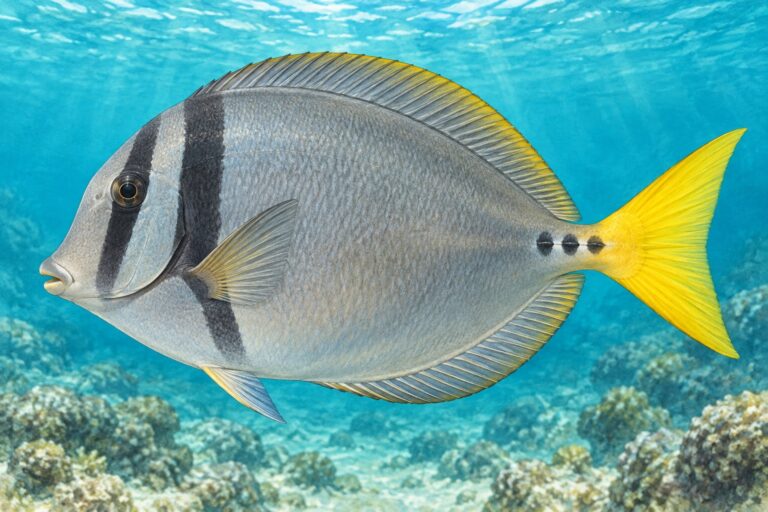
Razor Surgeonfish
A gray reef grazer with a bright yellow tail.
Take a closer look ↗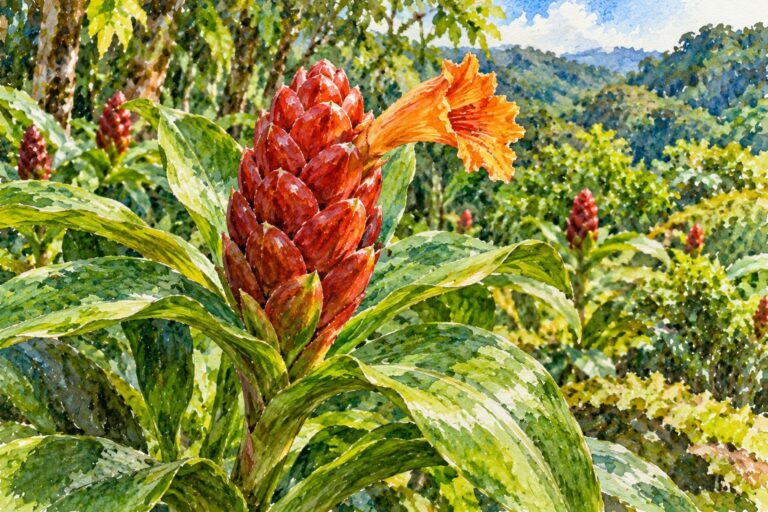
Red Button Ginger
Red button ginger is a native coastal plant especially associated with Costa Rica's Caribbean shore.
Take a closer look ↗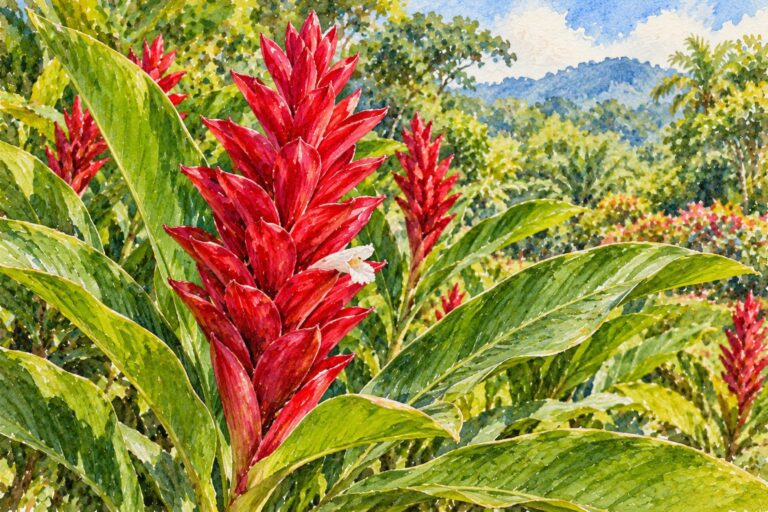
Red Ginger
Red ginger is an introduced ornamental grown in moist tropical gardens.
Take a closer look ↗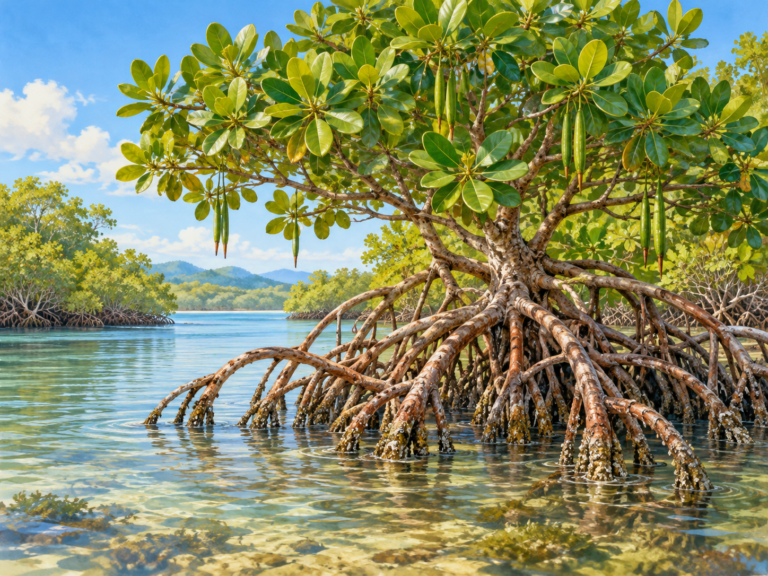
Red Mangrove
Follow the shape of the roots where land meets tidal water.
Take a closer look ↗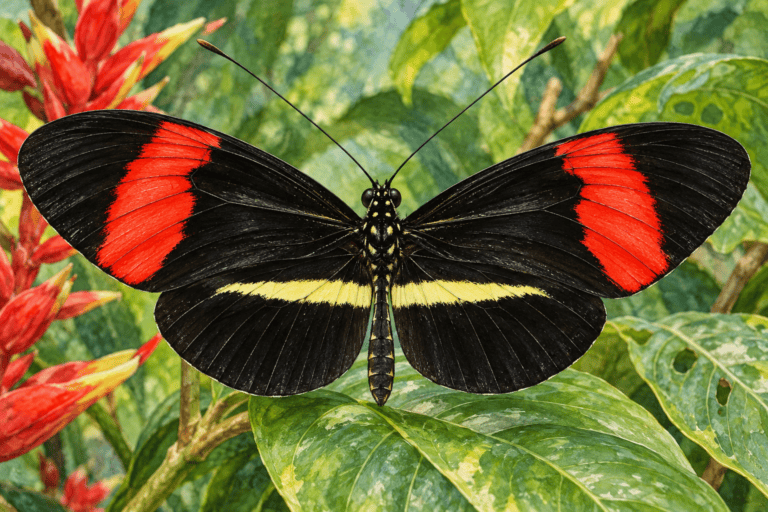
Red Postman Butterfly
Long black wings.
Take a closer look ↗
Red-legged Honeycreeper
A small bird with red feet and a slender curved bill.
Take a closer look ↗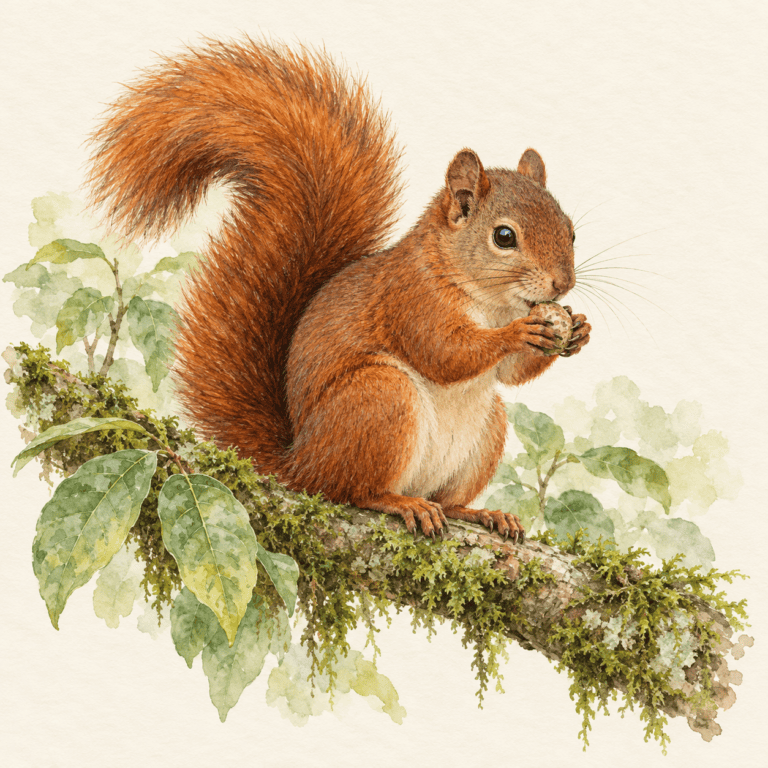
Red-tailed Squirrel
Red-tailed squirrels are active during the day and move readily through trees.
Take a closer look ↗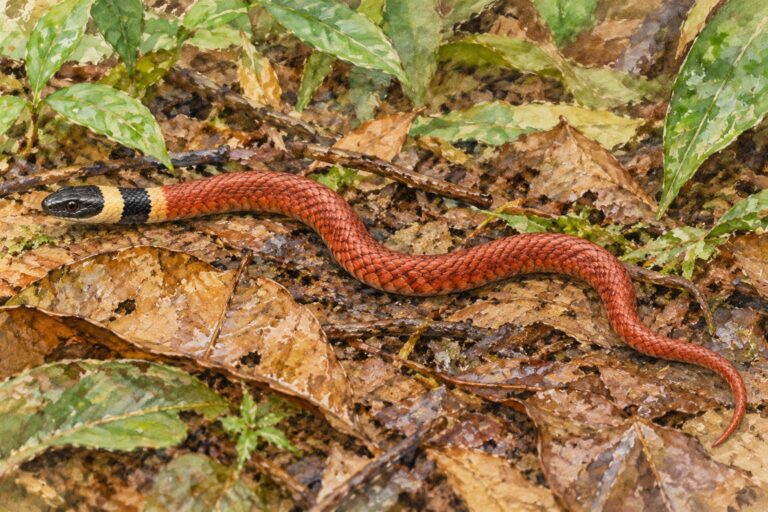
Redback Coffee Snake
A tiny red-backed snake lives close to the forest floor.
Take a closer look ↗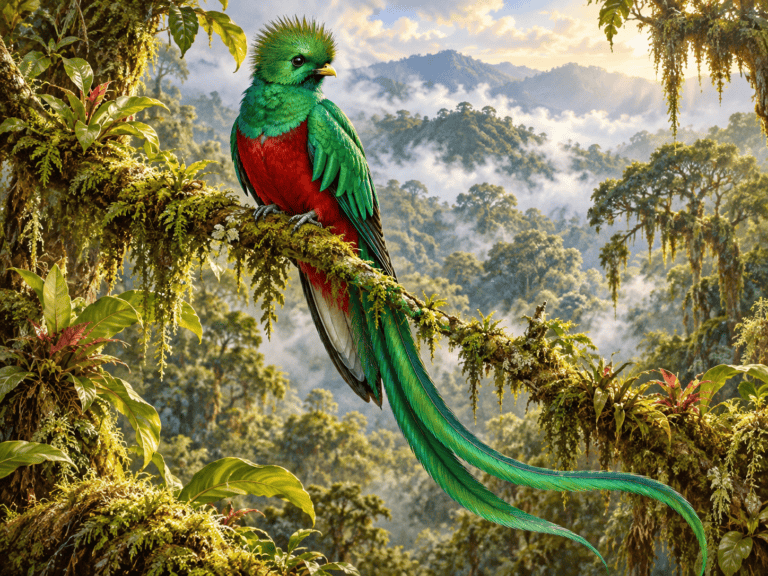
Resplendent Quetzal
A cloud-forest fruit eater with brilliant green plumage.
Take a closer look ↗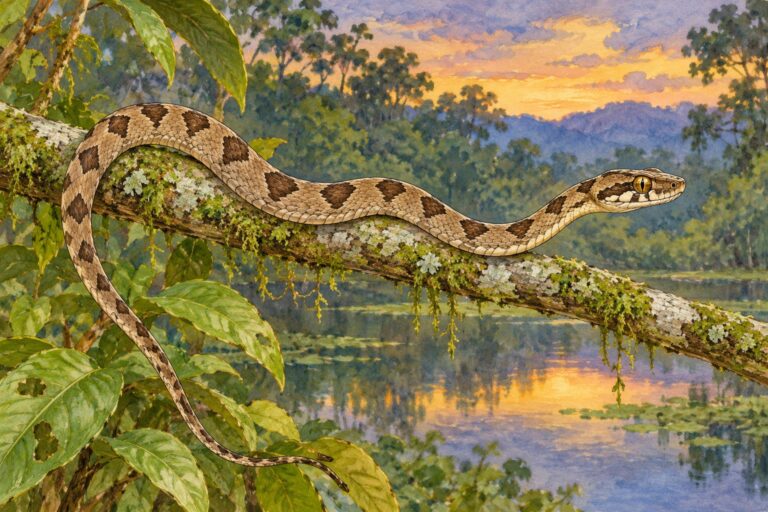
Rhombic Cat-eyed Snake
Dark saddle-shaped blotches cross the back of a large-eyed snake.
Take a closer look ↗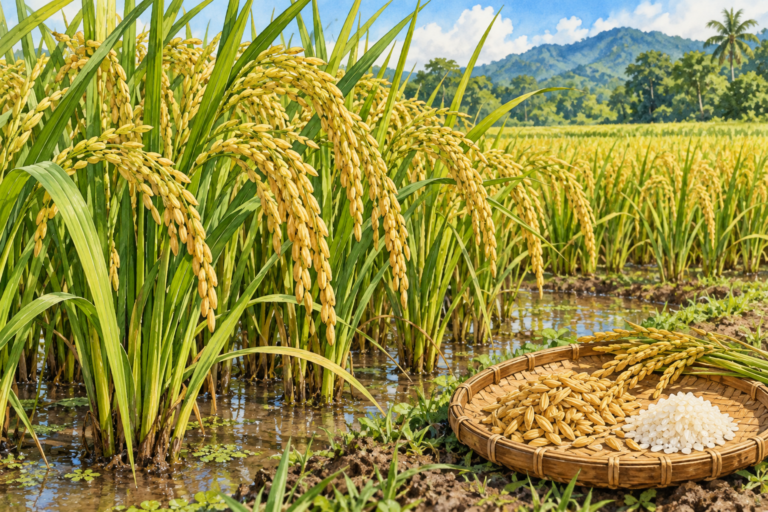
Rice
Rice is a grass with narrow leaves and branched clusters of grain.
Take a closer look ↗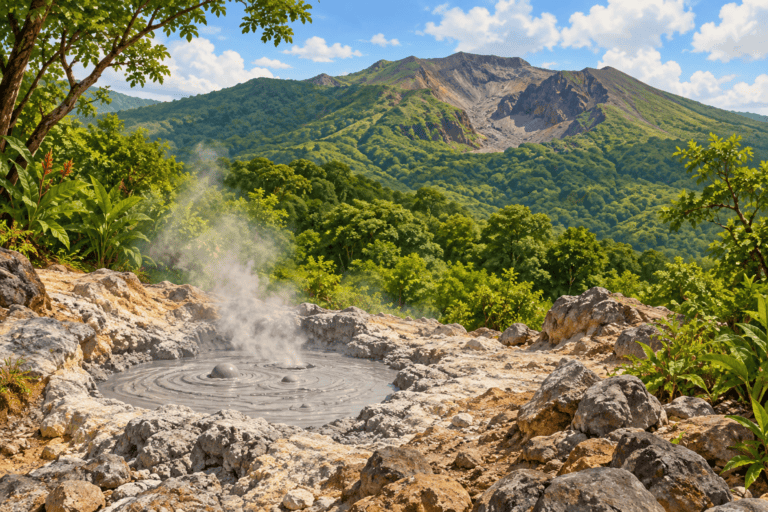
Rincón de la Vieja Volcano
Steam vents and bubbling mud reveal heat beneath a forested volcanic landscape.
Take a closer look ↗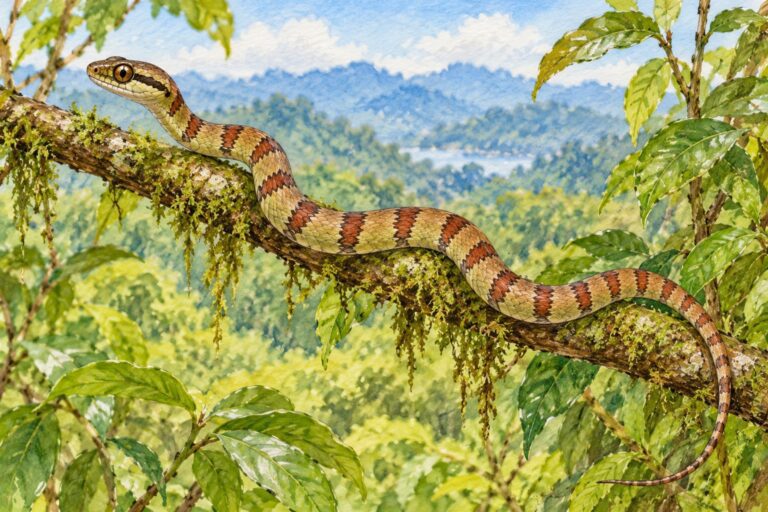
Ringed Snail-eating Snake
A small branch-climbing snake has large eyes and contrasting body rings.
Take a closer look ↗
Río Agrio Waterfall
Río Agrio Waterfall lies in a river landscape influenced by volcanic minerals.
Take a closer look ↗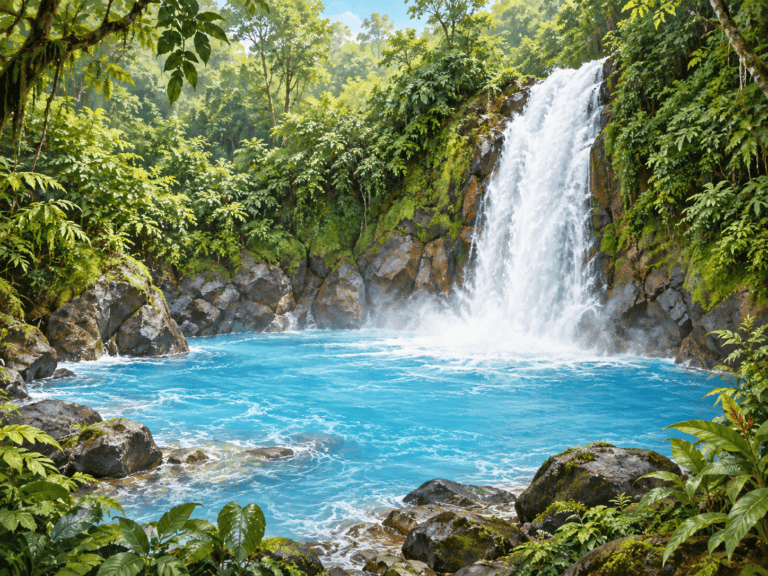
Río Celeste Waterfall
Río Celeste Waterfall is known for its striking blue pool and tropical forest setting.
Take a closer look ↗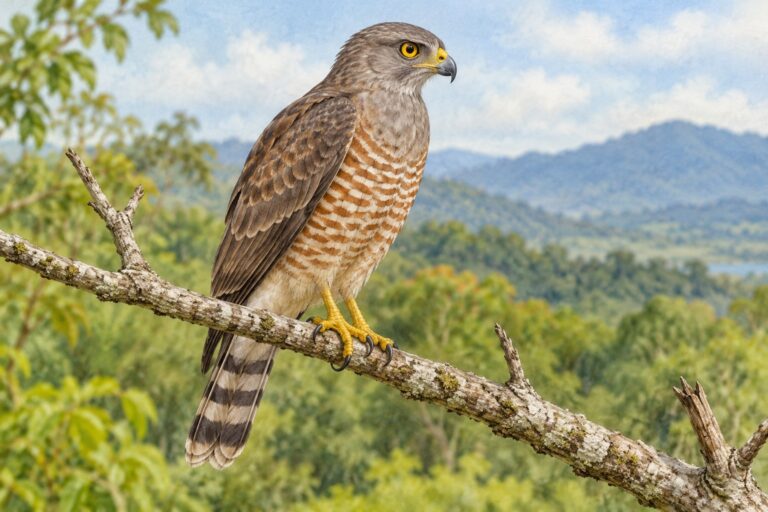
Roadside Hawk
A compact hawk often seen near woodland edges.
Take a closer look ↗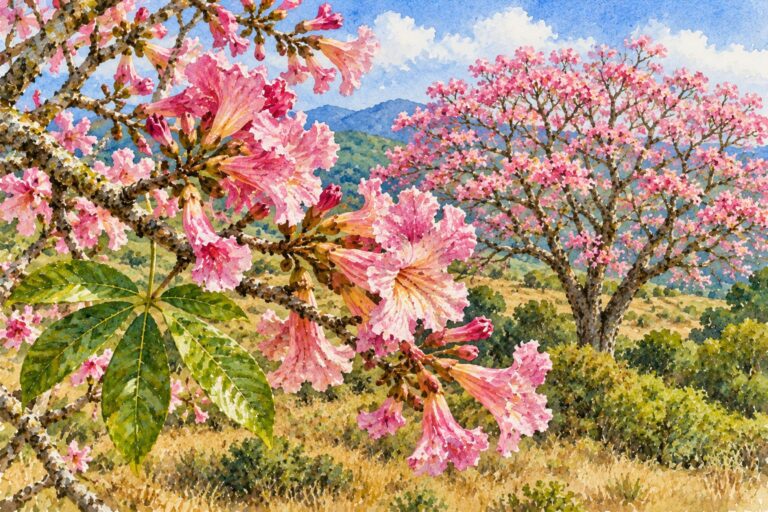
Roble de Sabana
A native tree whose pink trumpet flowers brighten forest edges and open landscapes.
Take a closer look ↗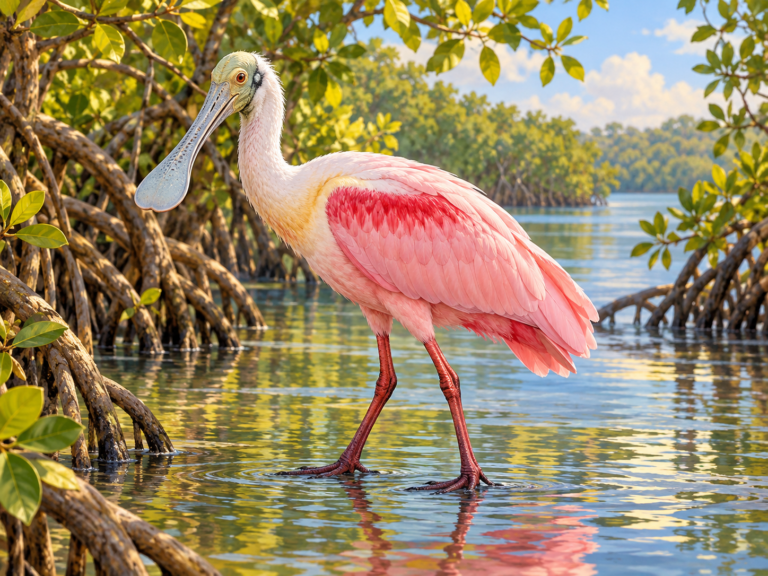
Roseate Spoonbill
A pink wading bird that sweeps a spoon-shaped bill through shallow water.
Take a closer look ↗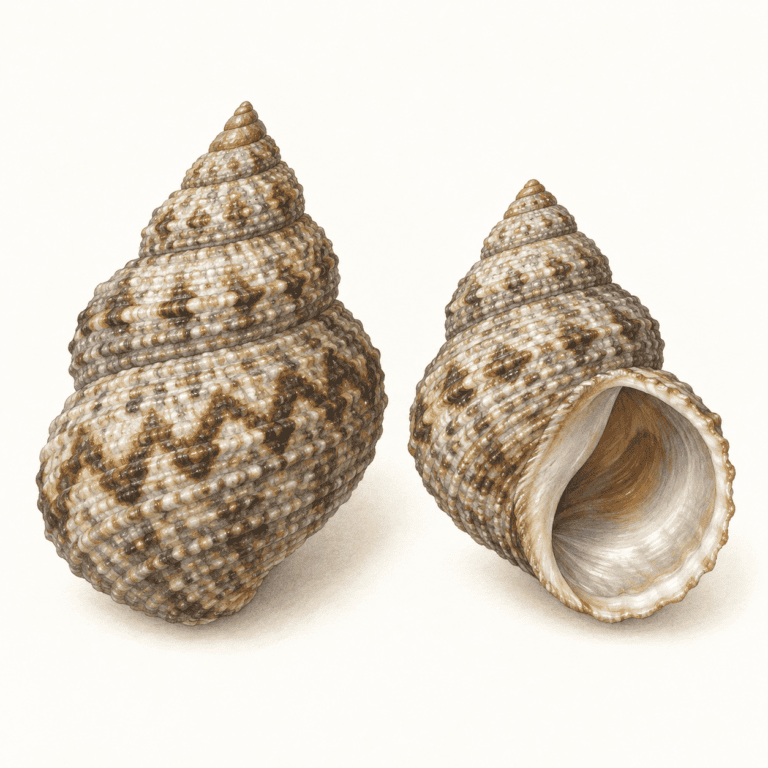
Rough Periwinkle
A tiny pointed shell can be an excellent observation challenge.
Take a closer look ↗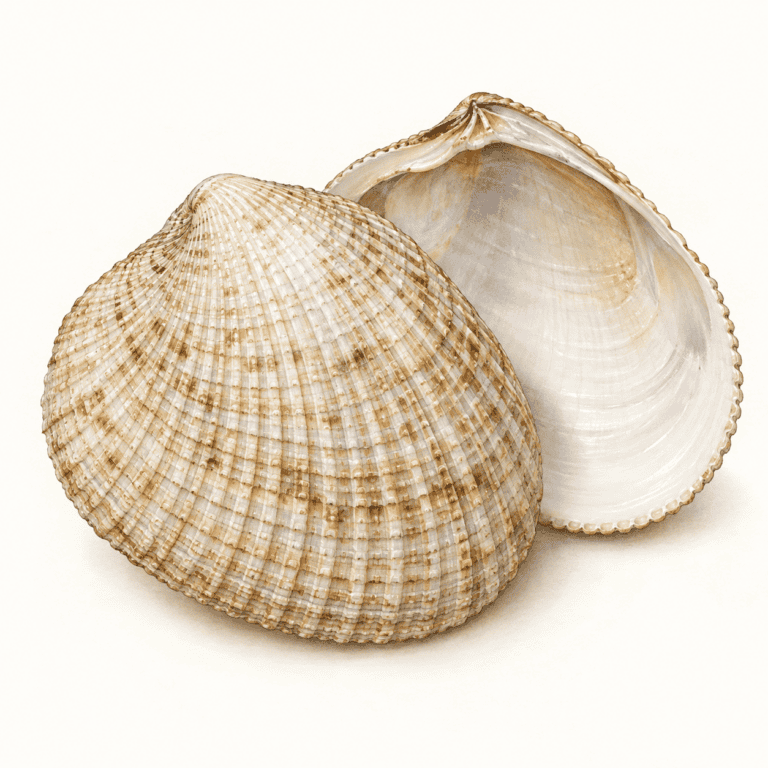
Rough Venus Clam
Fine crossing sculpture gives this small clam a textured surface.
Take a closer look ↗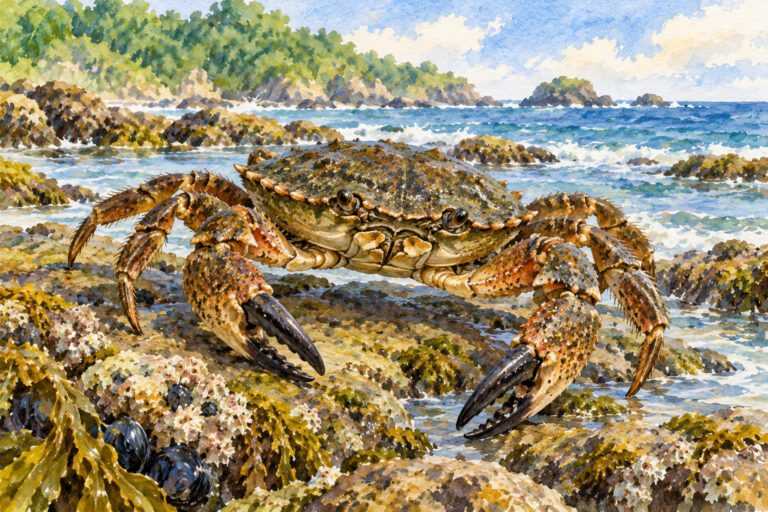
Rough-clawed Rock Crab
Eriphia squamata is a shore crab with a broad, roughly hexagonal carapace and conspicuously textured claws.
Take a closer look ↗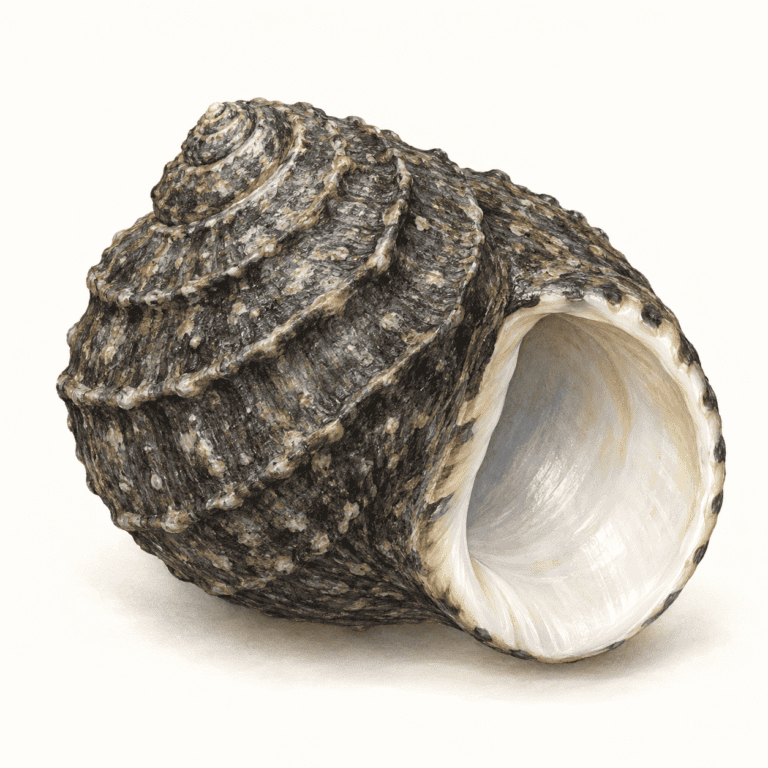
Rough-ribbed Nerite
A sturdy, dark shell with rough ridges belongs to this rocky-shore snail.
Take a closer look ↗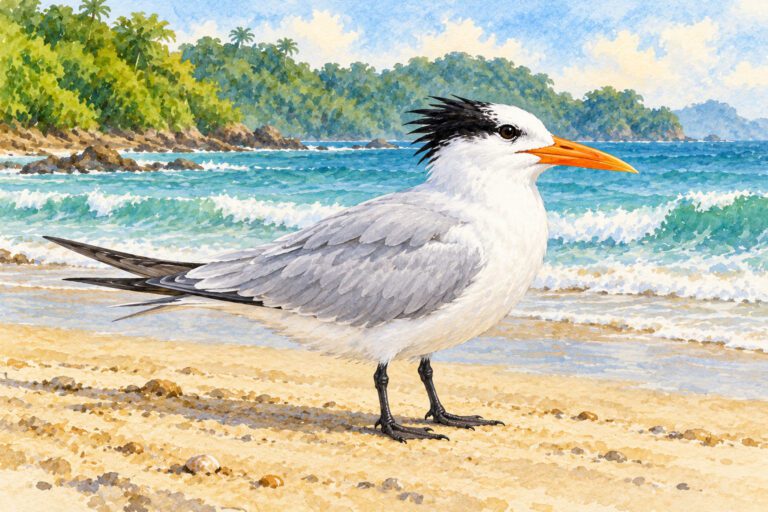
Royal Tern
The Royal Tern is a large pale coastal tern with a substantial orange bill and ragged dark crest.
Take a closer look ↗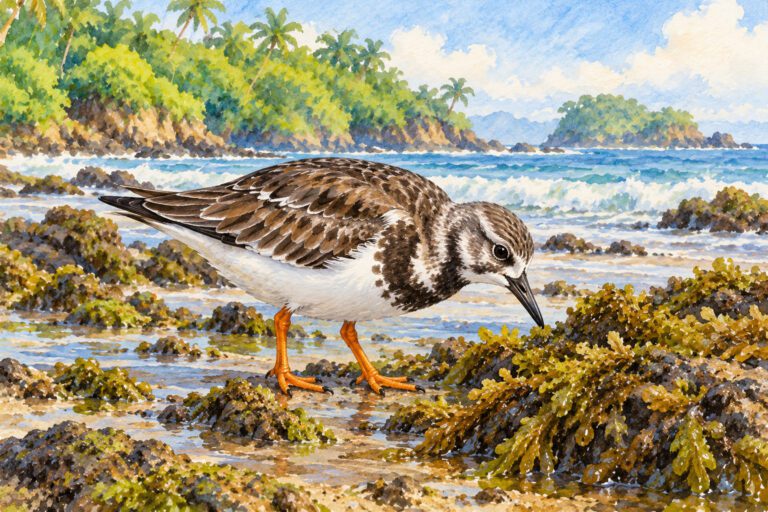
Ruddy Turnstone
A Ruddy Turnstone uses a short sturdy bill to flip small objects and search for hidden invertebrates.
Take a closer look ↗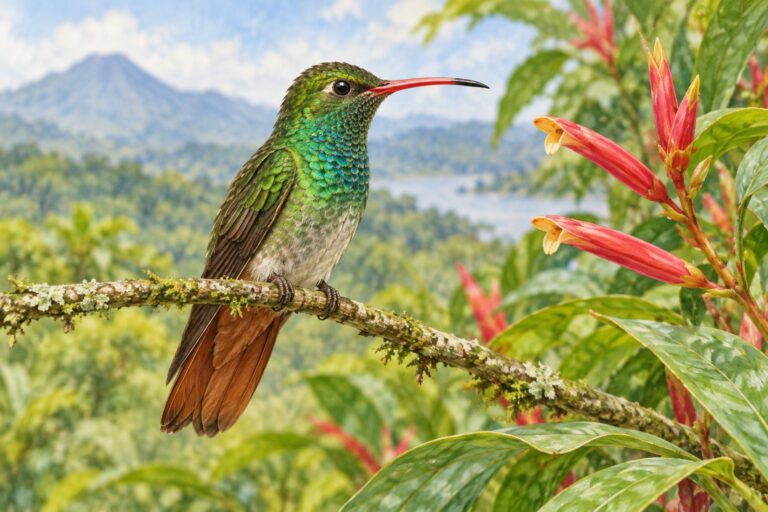
Rufous-tailed Hummingbird
A green hummingbird with a rusty tail.
Take a closer look ↗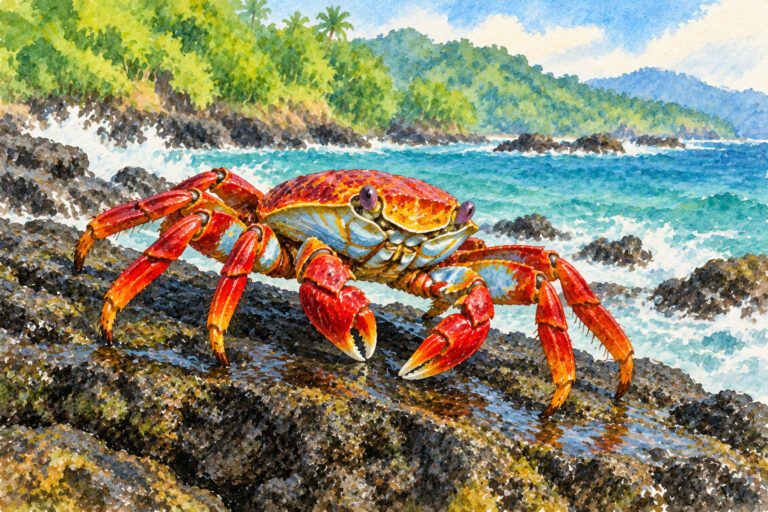
Sally Lightfoot Crab
Grapsus grapsus is a crab associated with rocky shores.
Take a closer look ↗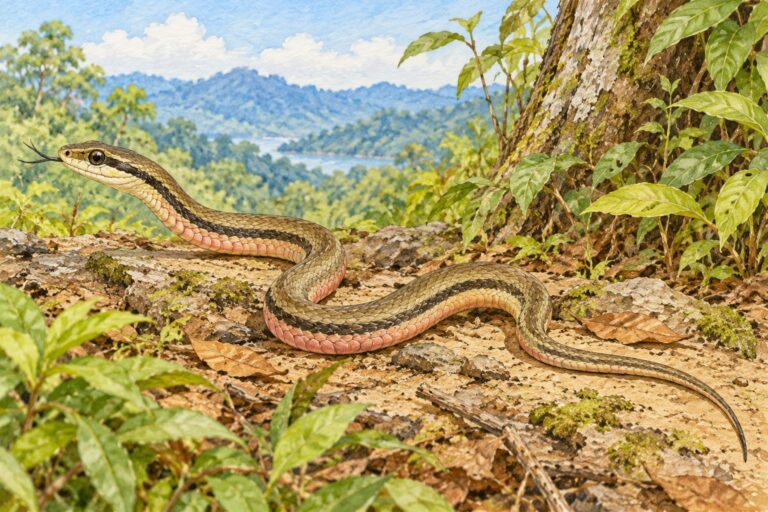
Salmon-bellied Racer
A slender racer carries a hint of pink beneath its brown-and-olive camouflage.
Take a closer look ↗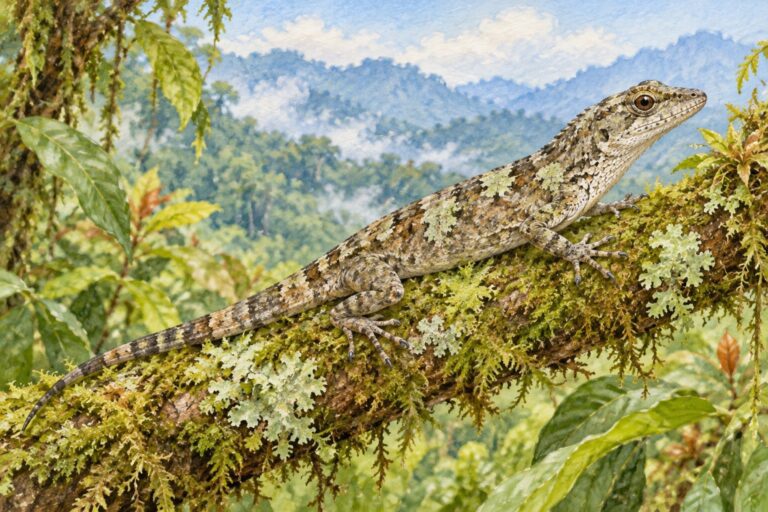
Salvin's Anole
A bark-patterned mountain anole stays hidden along the Pacific slopes of Talamanca.
Take a closer look ↗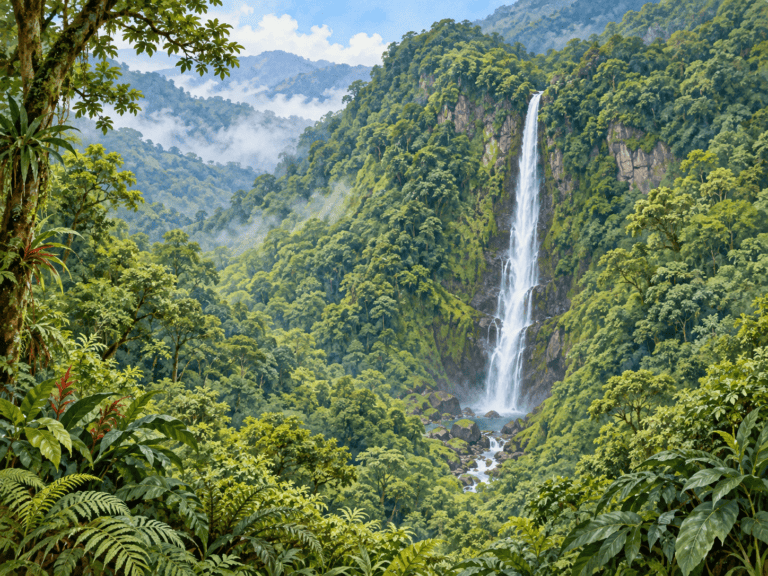
San Fernando Waterfall
San Fernando is a tall waterfall visible within a dense forest landscape near Cinchona.
Take a closer look ↗
Scalloped Hammerhead Shark
A broad hammer-shaped head with a central front notch.
Take a closer look ↗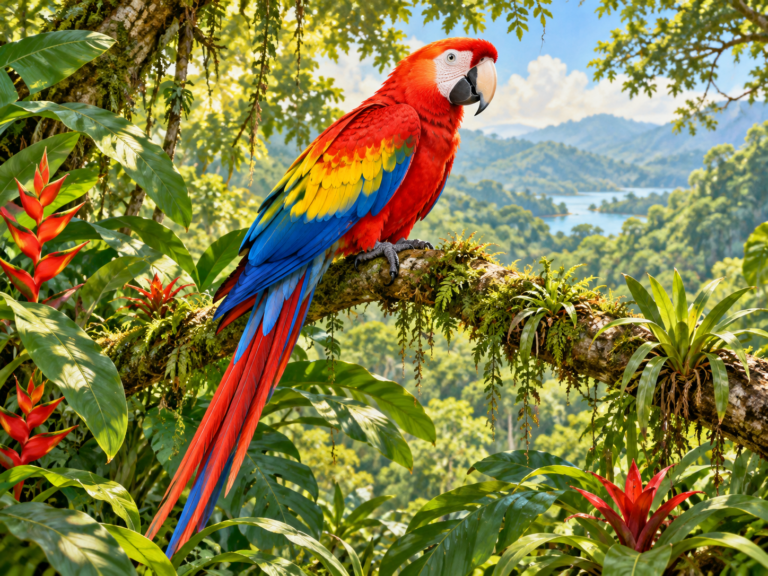
Scarlet Macaw
Red, yellow and blue wings brighten Costa Rica’s Pacific forests.
Take a closer look ↗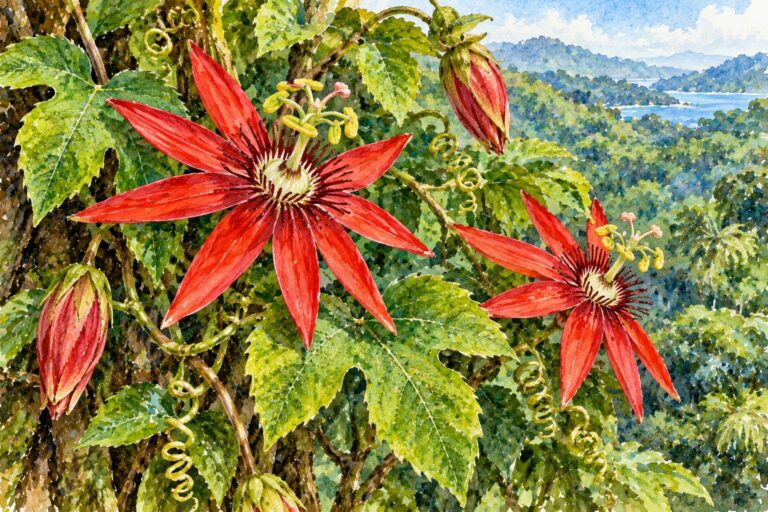
Scarlet Passionflower
Scarlet passionflower is a climbing vine with vivid red flowers and curling tendrils.
Take a closer look ↗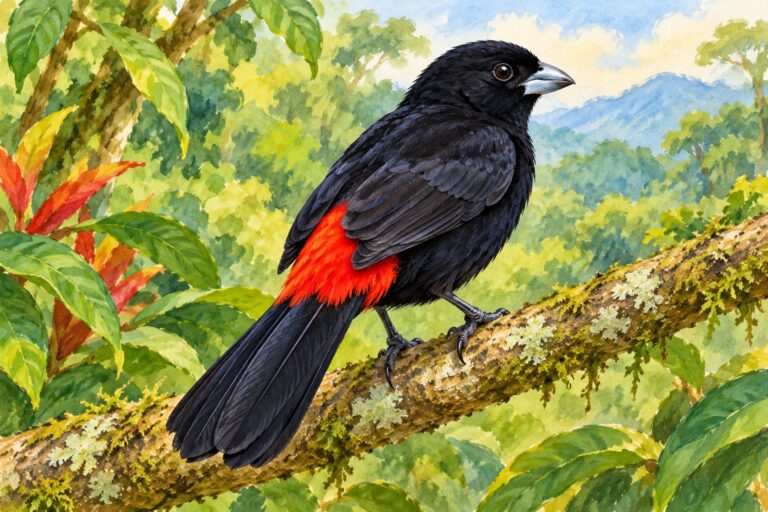
Scarlet-rumped Tanager
A tanager whose male has a brilliant scarlet rump.
Take a closer look ↗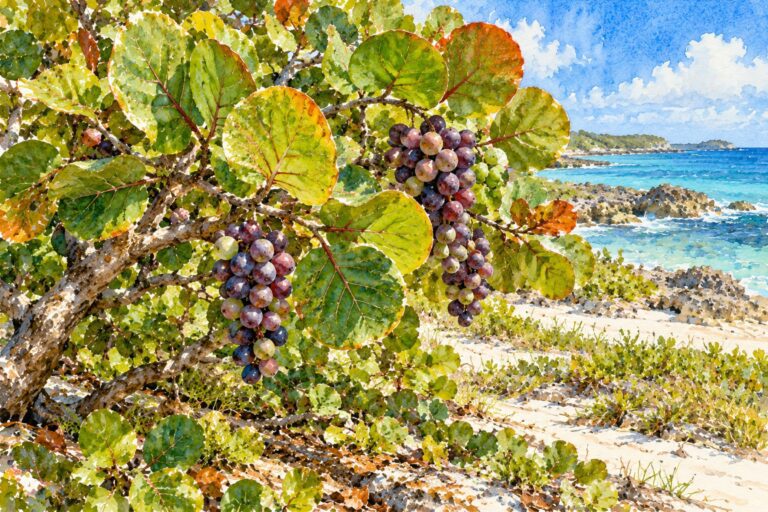
Sea Grape
Sea grape is a coastal shrub or small tree with broad rounded leaves.
Take a closer look ↗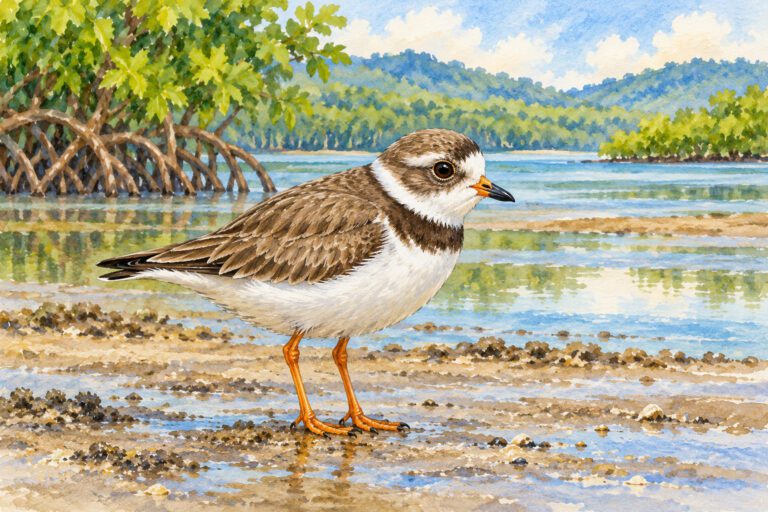
Semipalmated Plover
This small plover usually searches open flats with short runs and pauses.
Take a closer look ↗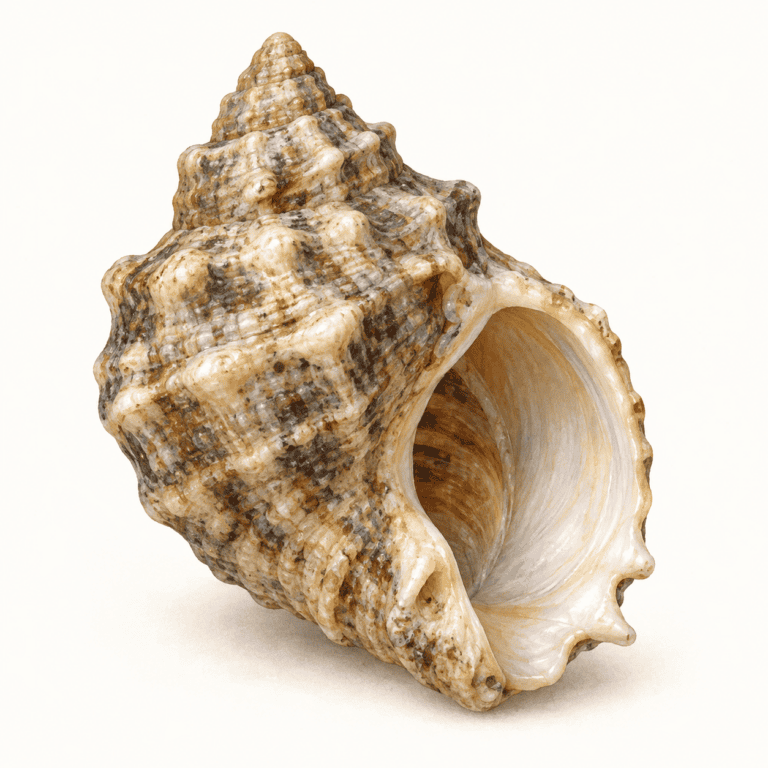
Short-toothed Rocksnail
This rocky-shore snail offers a chance to study the shell opening.
Take a closer look ↗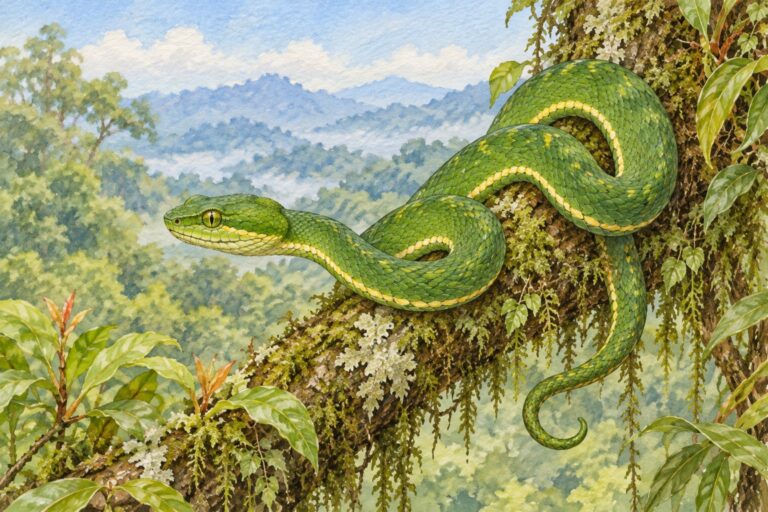
Side-striped Palm Pitviper
A pale side stripe outlines a green snake resting among mountain branches.
Take a closer look ↗
Slender Anole
A delicate brown anole watches the understory from narrow twigs.
Take a closer look ↗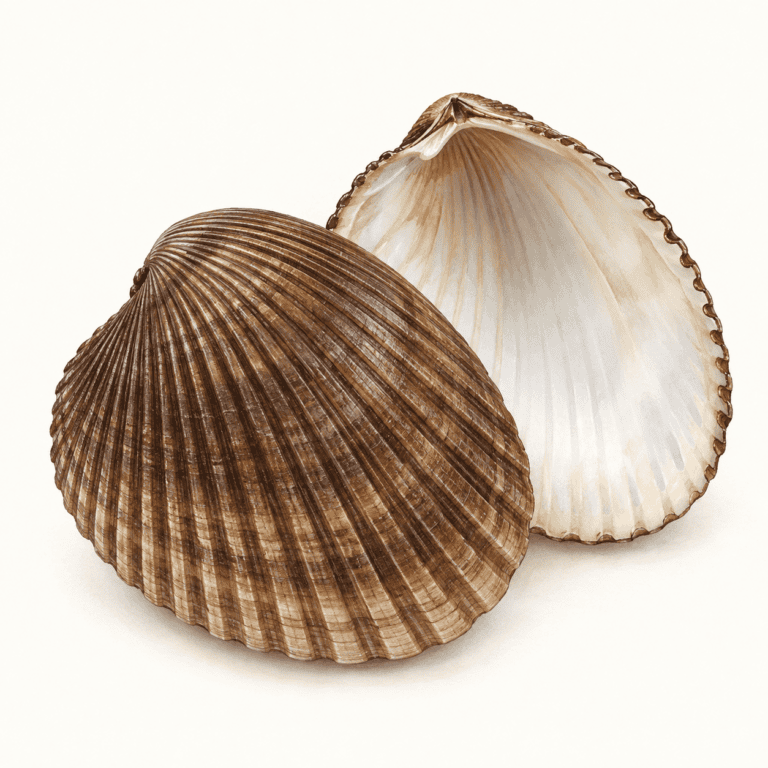
Smooth-ribbed Mangrove Cockle
This mangrove cockle resembles its knobby relative, but details differ.
Take a closer look ↗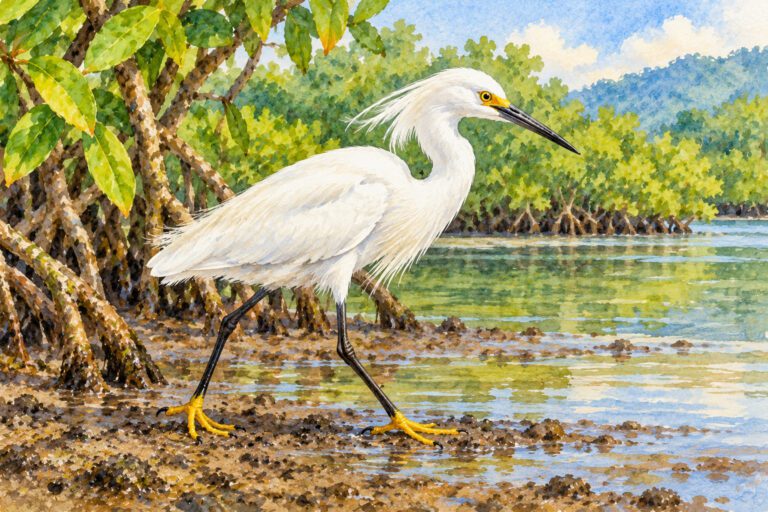
Snowy Egret
This slender white egret often feeds actively in shallow coastal water.
Take a closer look ↗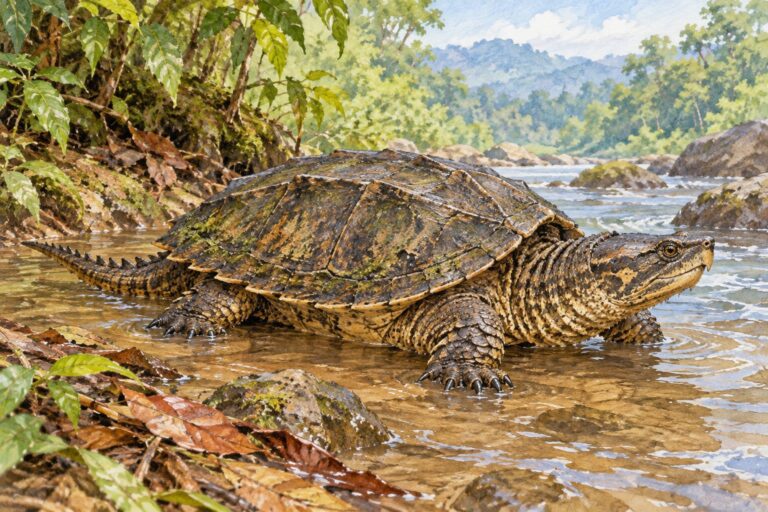
South American Snapping Turtle
A long tail and powerful head distinguish this freshwater turtle.
Take a closer look ↗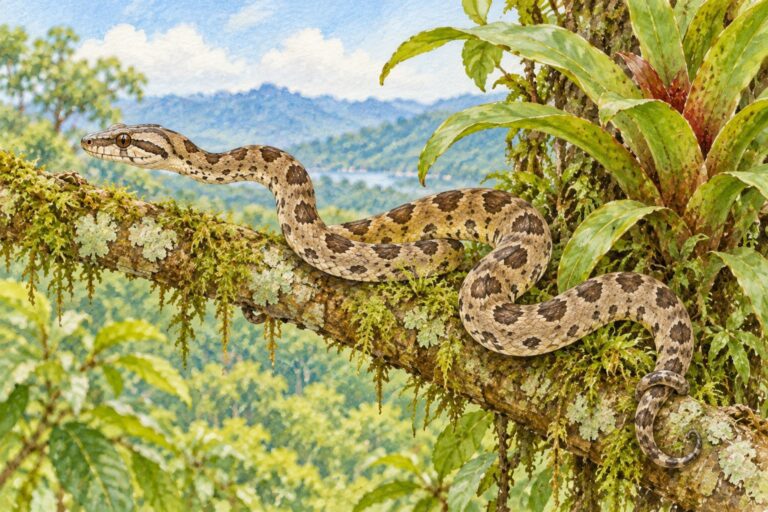
Southern Bromeliad Boa
A small, secretive boa finds shelter among forest plants and tangled growth.
Take a closer look ↗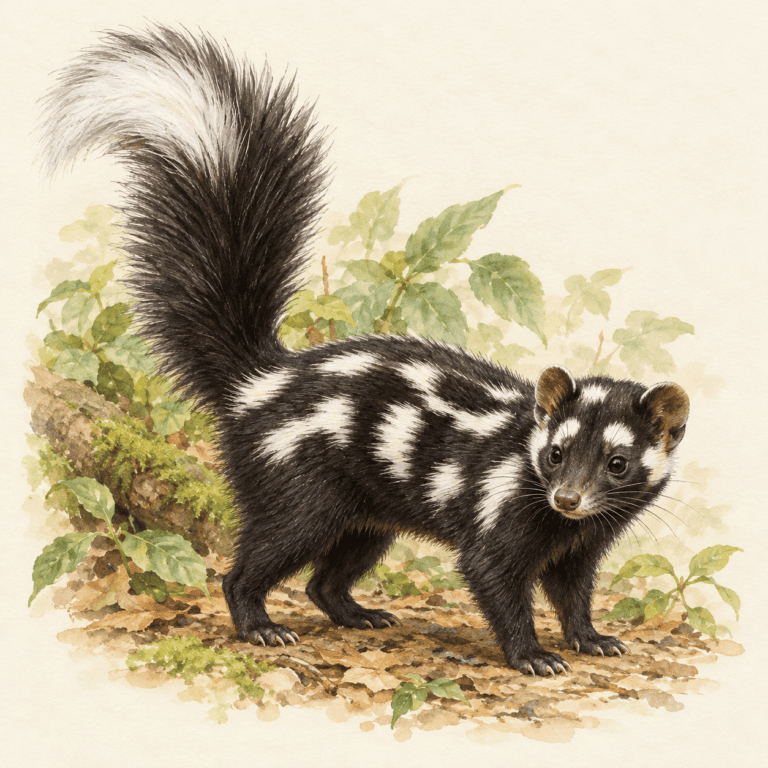
Southern Spotted Skunk
This small skunk has a dark coat patterned with broken pale stripes and patches.
Take a closer look ↗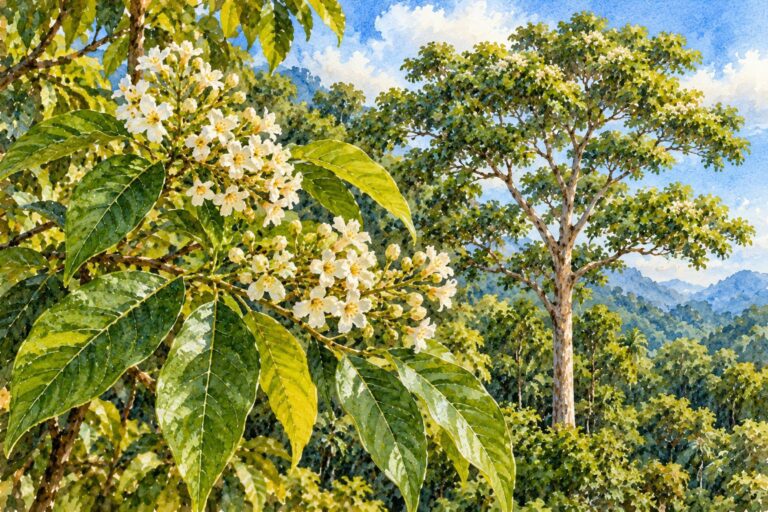
Spanish Elm
Laurel is a native tree that can grow tall with a relatively slender trunk.
Take a closer look ↗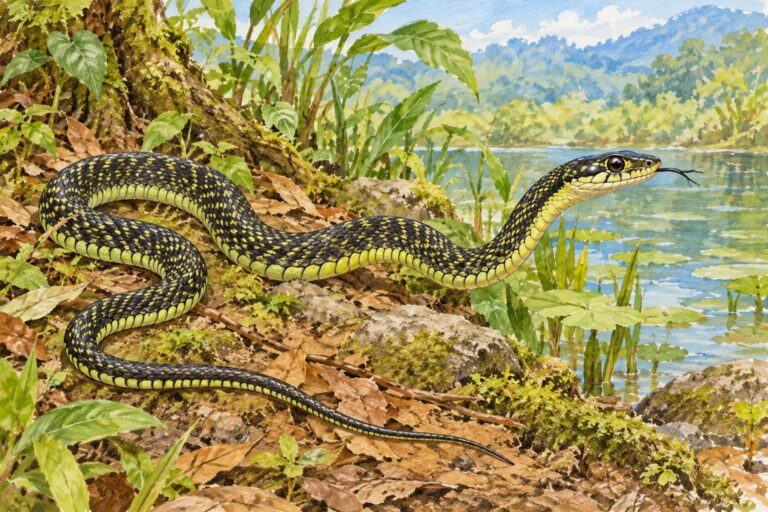
Speckled Racer
Small yellow-green speckles brighten a dark snake moving through low vegetation.
Take a closer look ↗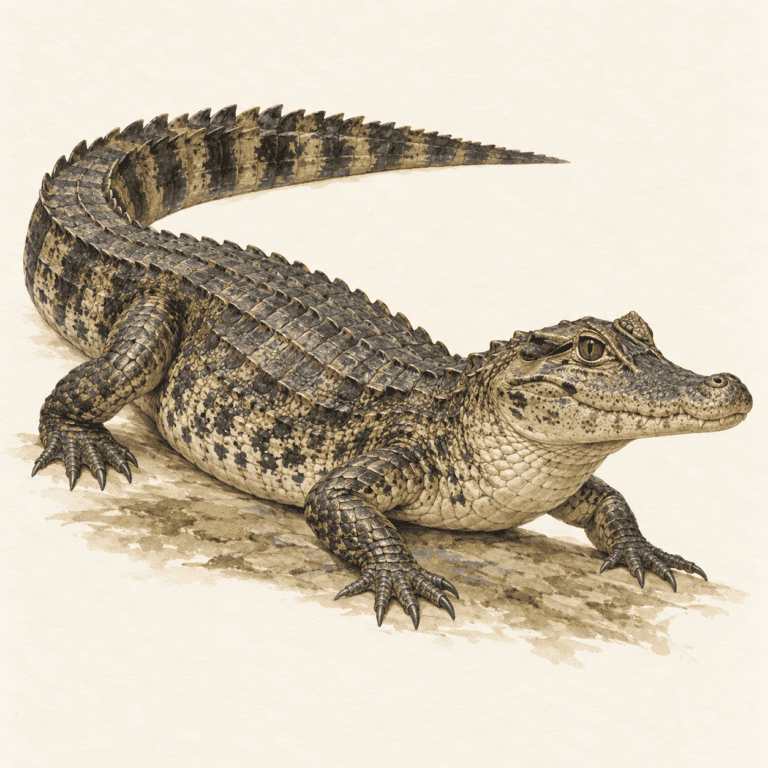
Spectacled Caiman
A crocodilian with a bony ridge between its eyes that suggests a pair of spectacles.
Take a closer look ↗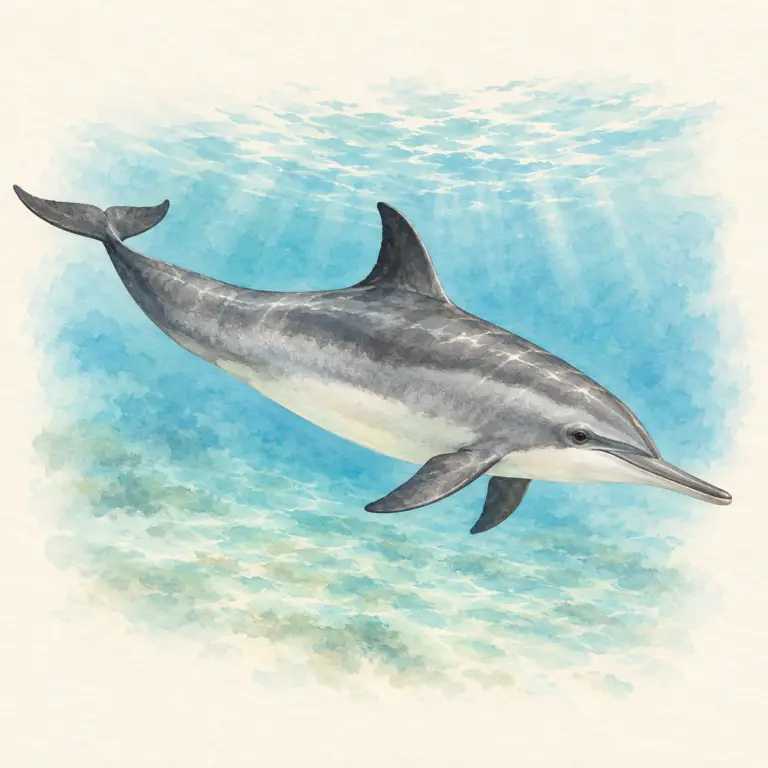
Spinner Dolphin
Spinner dolphins are slender dolphins with long narrow beaks.
Take a closer look ↗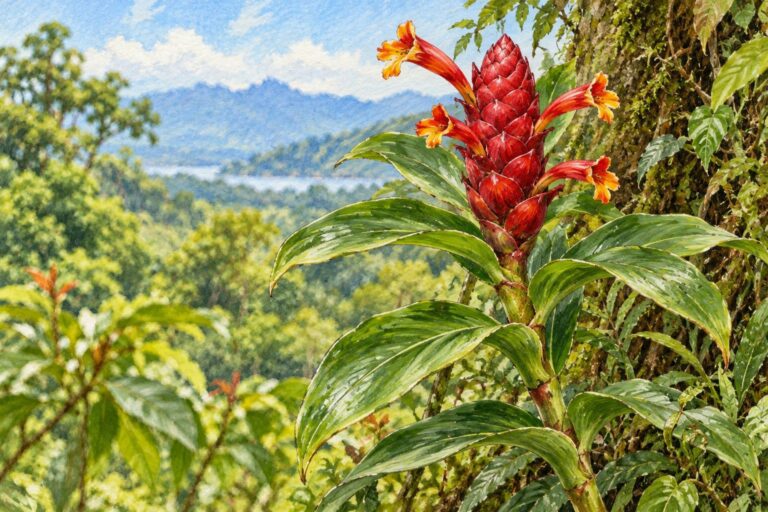
Spiral Ginger
Spiraling leaves lead the eye to a red-orange cone of bracts.
Take a closer look ↗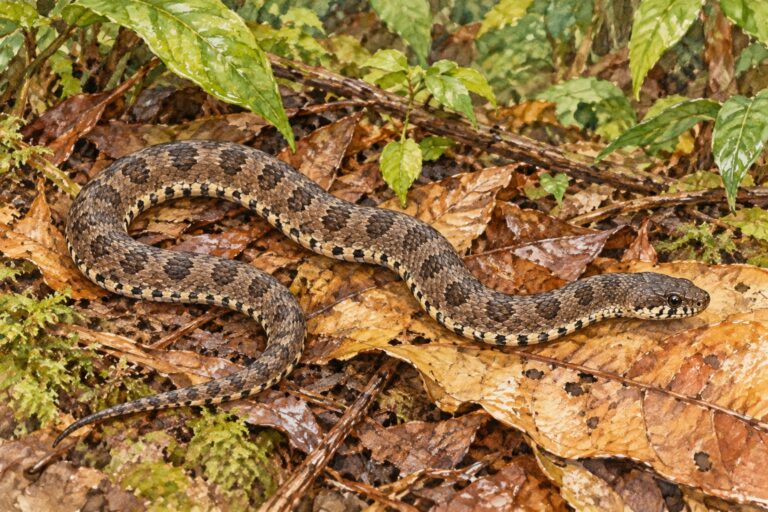
Spotted Coffee Snake
A small dark snake lives within the quiet cover of forest leaves.
Take a closer look ↗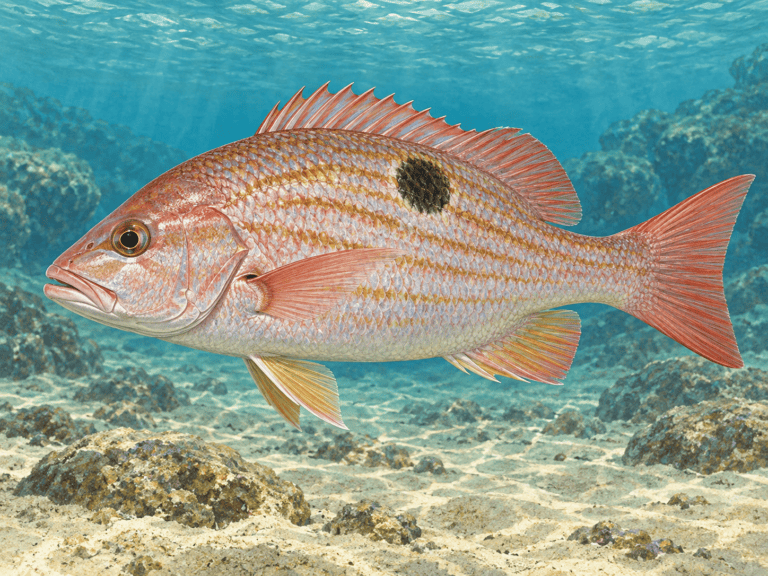
Spotted Rose Snapper
A silvery-pink Pacific fish with a distinctive dark spot high on its side.
Take a closer look ↗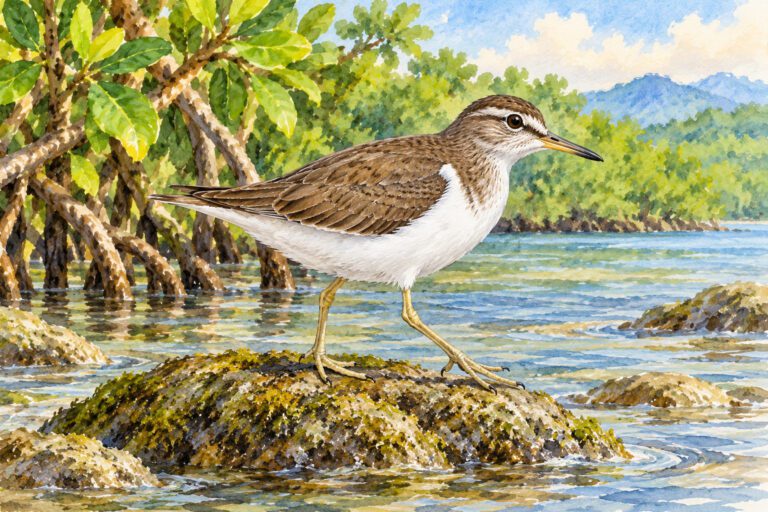
Spotted Sandpiper
Spotted Sandpipers often bob their tails while walking along water edges.
Take a closer look ↗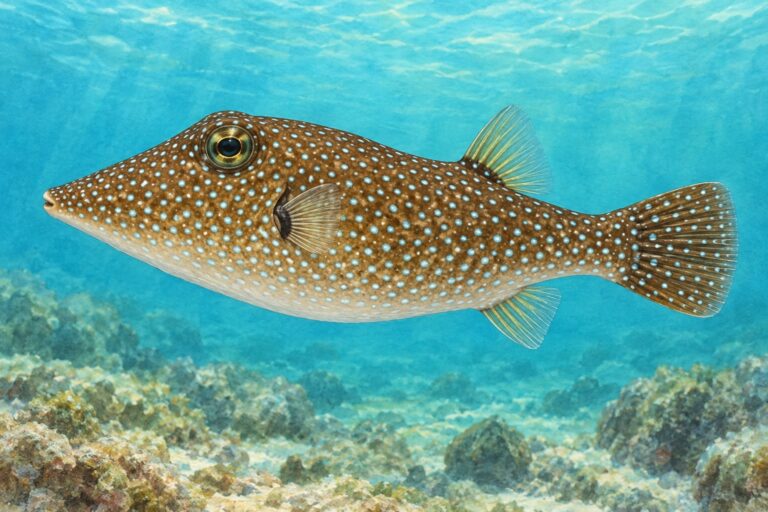
Spotted Sharpnose Puffer
A tiny puffer with a pointed snout and pale speckles.
Take a closer look ↗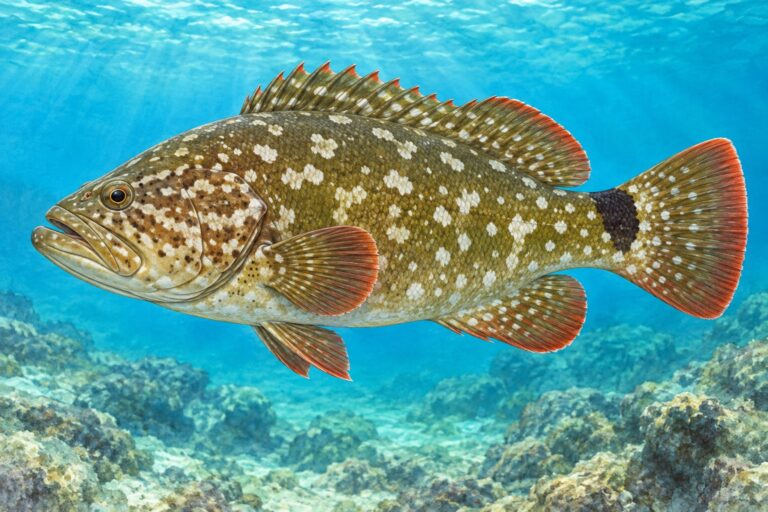
Starry Grouper
An olive grouper patterned with irregular white marks.
Take a closer look ↗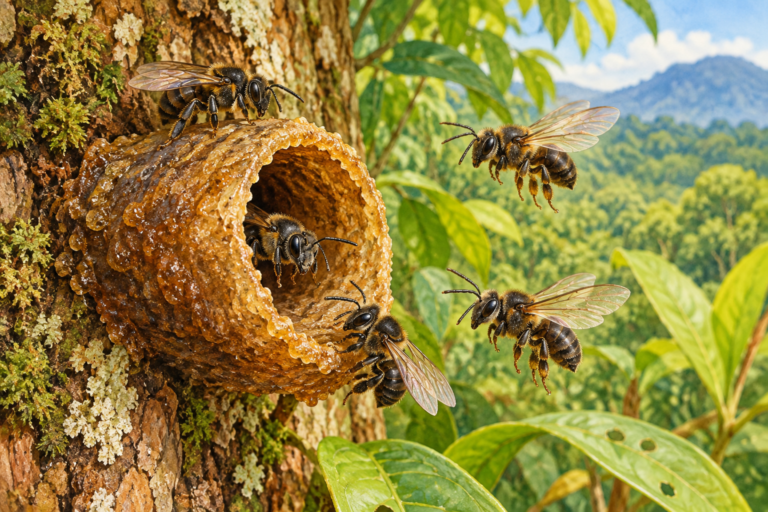
Stingless Bees
Usually small bees.
Take a closer look ↗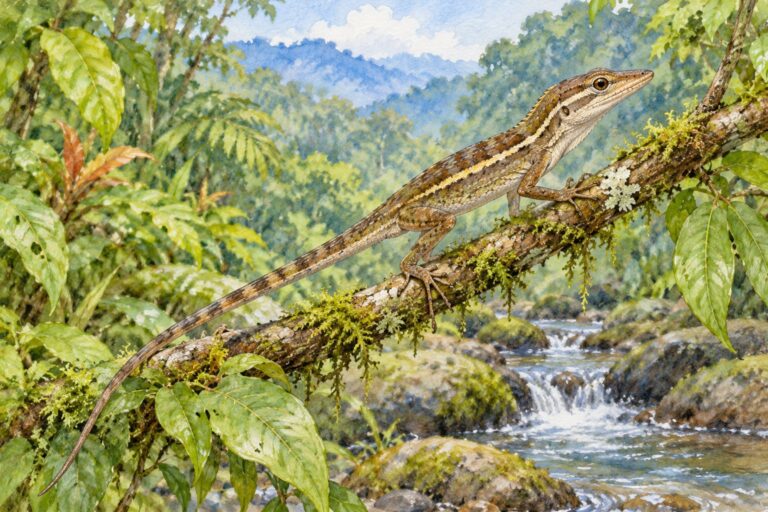
Stream Anole
A slim anole perches beside streams in humid forest.
Take a closer look ↗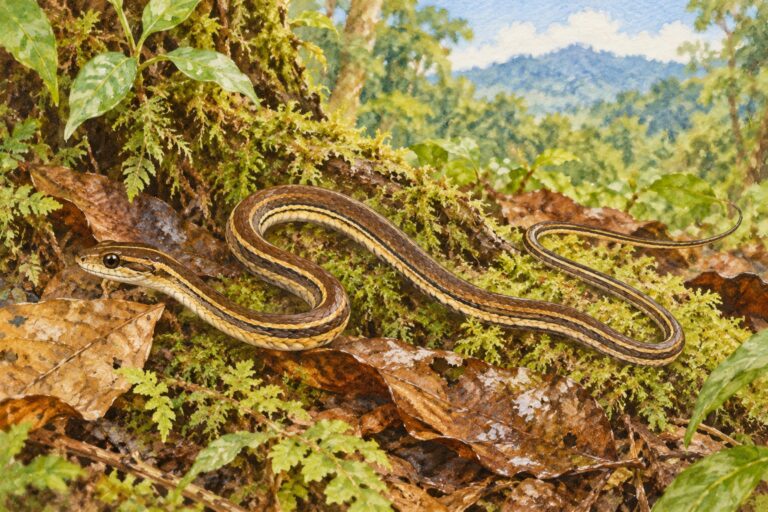
Striped Glasstail
A finely striped ground snake travels through damp foothill and mountain forest.
Take a closer look ↗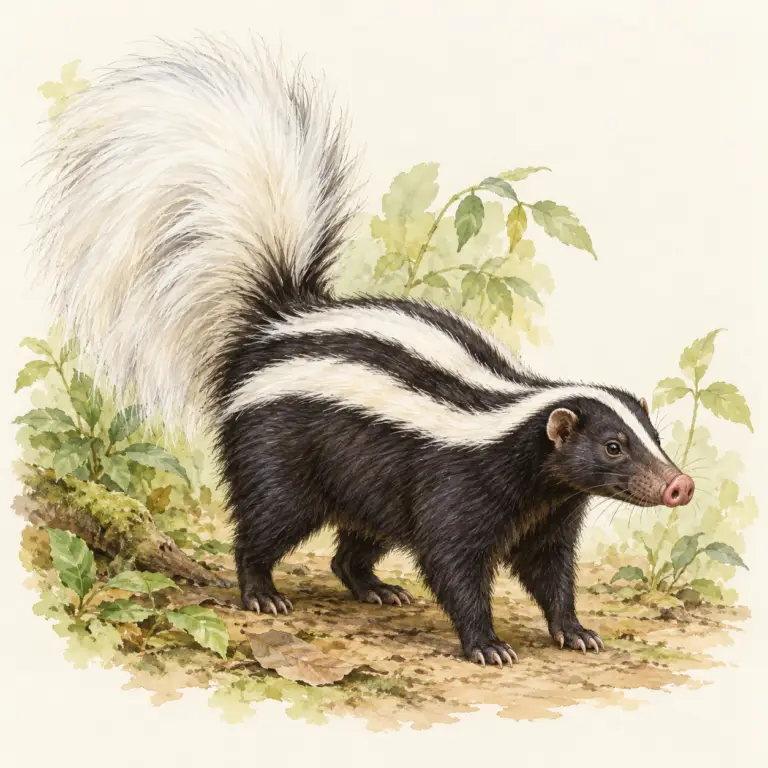
Striped Hog-nosed Skunk
The striped hog-nosed skunk has a broad bare nose that helps distinguish it from other skunks.
Take a closer look ↗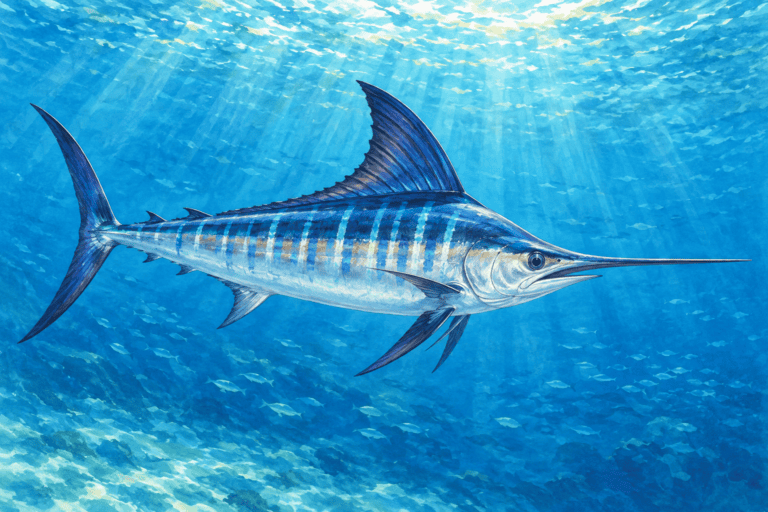
Striped Marlin
A long bill and streamlined body.
Take a closer look ↗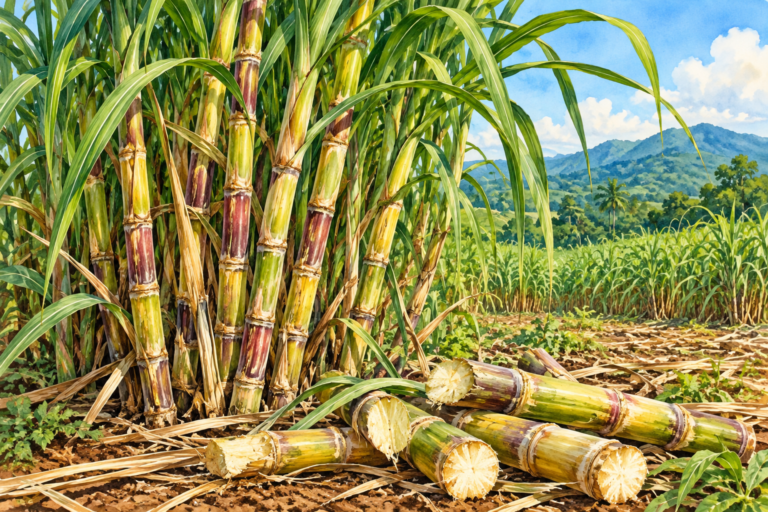
Sugar Cane
Sugar cane is a tall grass with jointed stalks and long leaves.
Take a closer look ↗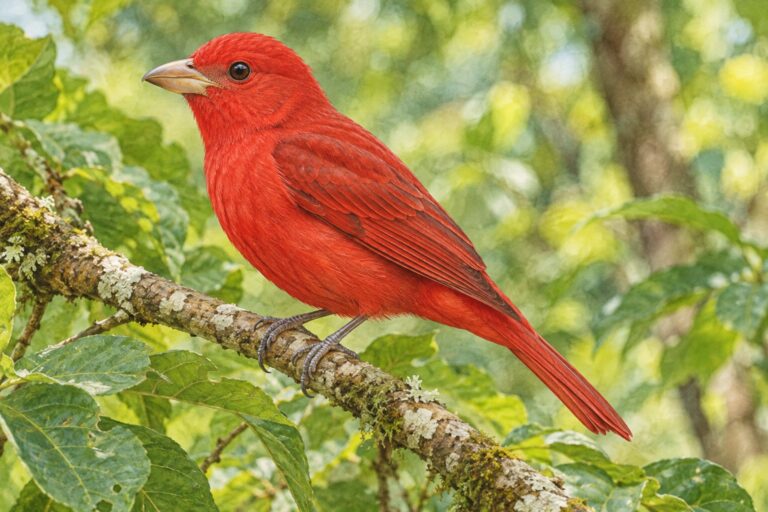
Summer Tanager
A seasonal tanager whose adult male is red all over.
Take a closer look ↗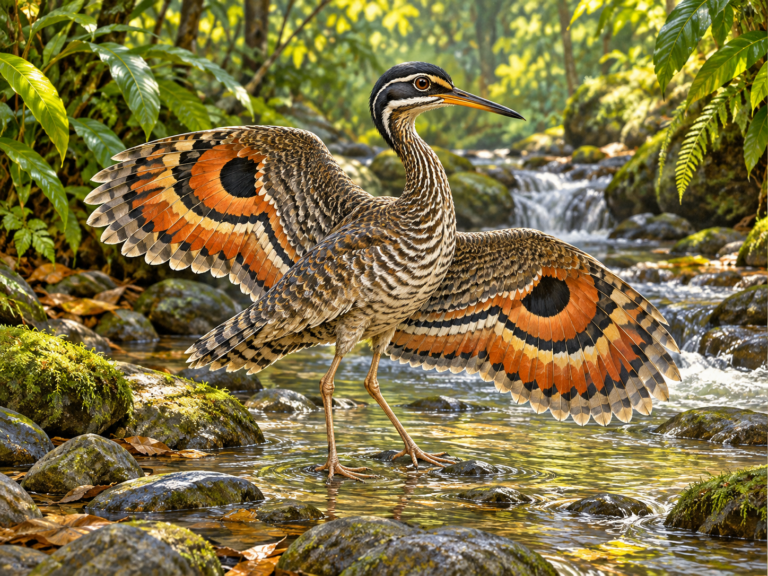
Sunbittern
A streamside bird whose patterned wings reveal a hidden surprise.
Take a closer look ↗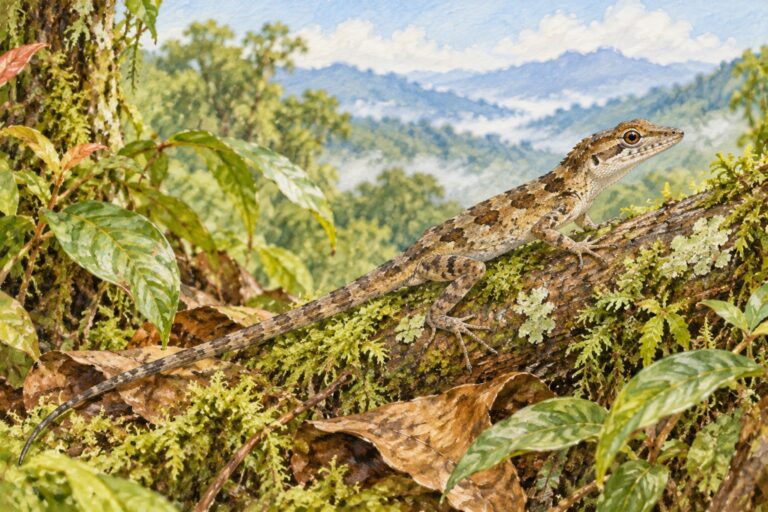
Swift Anole
A small brown anole disappears into the moss and leaves of mountain forest.
Take a closer look ↗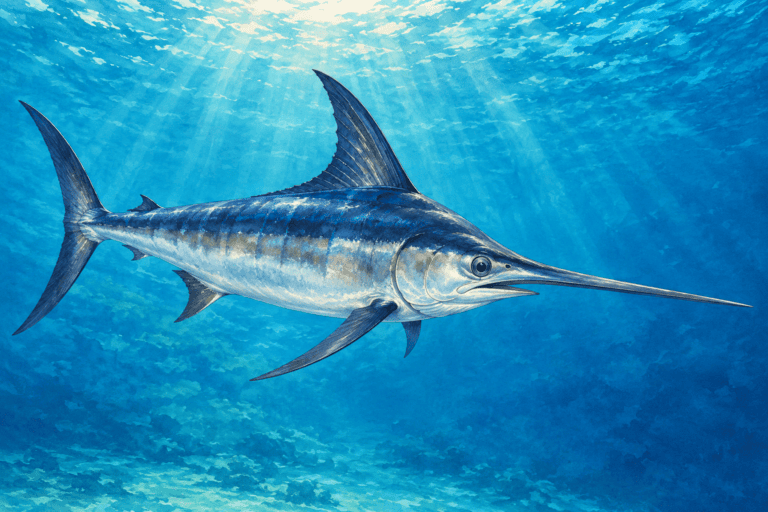
Swordfish
A long broad, flattened sword-like bill.
Take a closer look ↗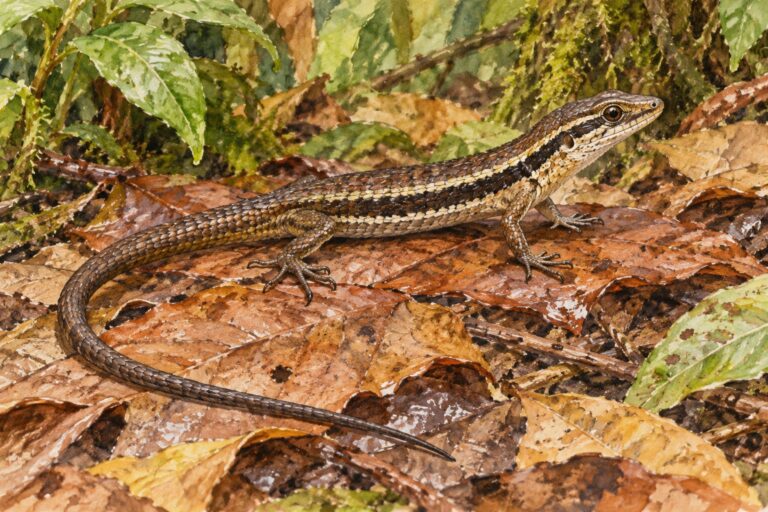
Taylor's Leaf-litter Lizard
An elongated lizard slips through the shaded layers of the forest floor.
Take a closer look ↗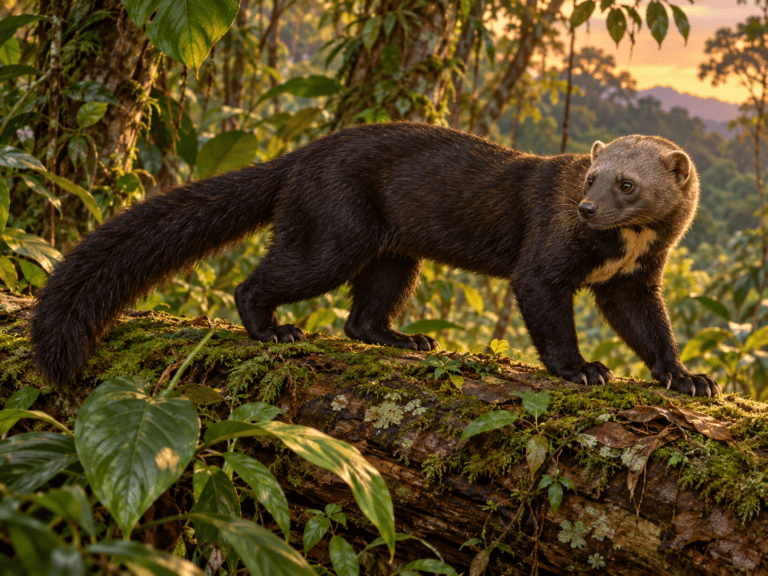
Tayra
An agile forest mammal with a dark body and often paler head.
Take a closer look ↗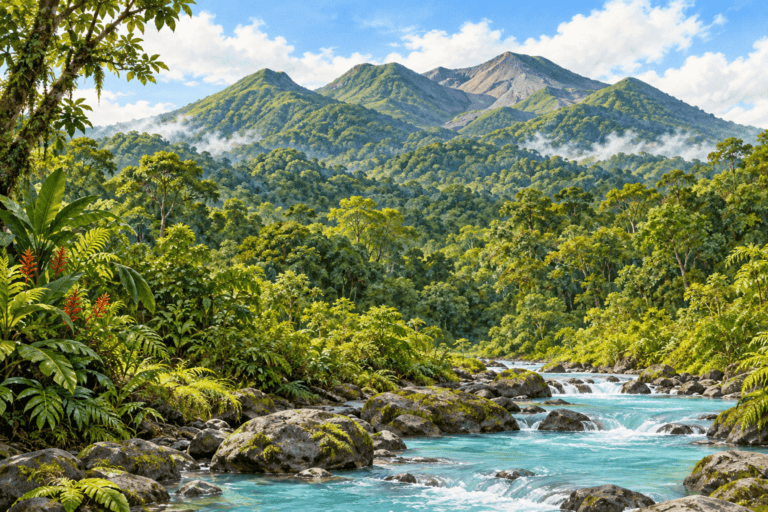
Tenorio Volcano
Forested volcanic peaks rise above the landscape of Río Celeste.
Take a closer look ↗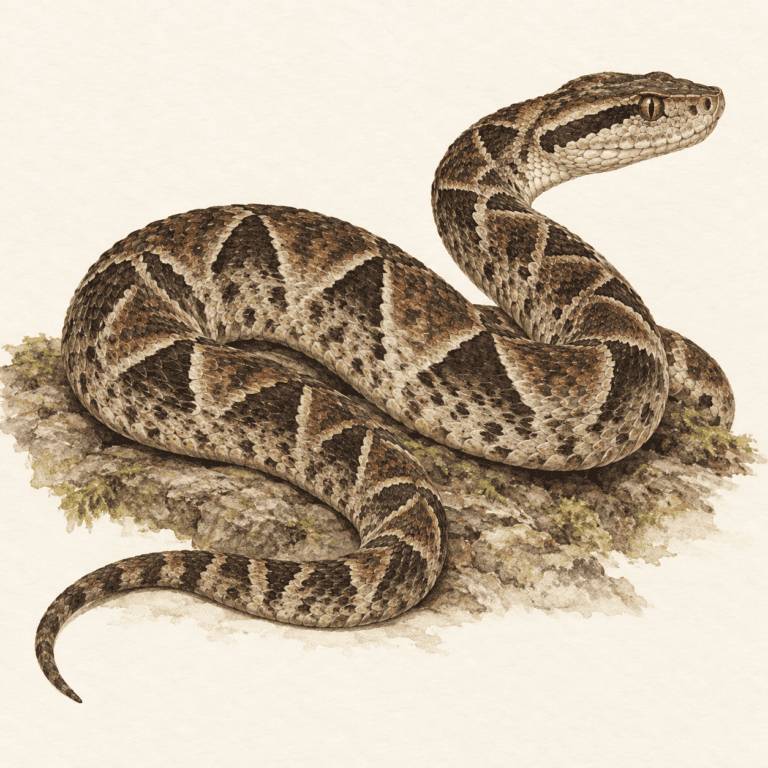
Terciopelo
A venomous pit viper found in Costa Rica.
Take a closer look ↗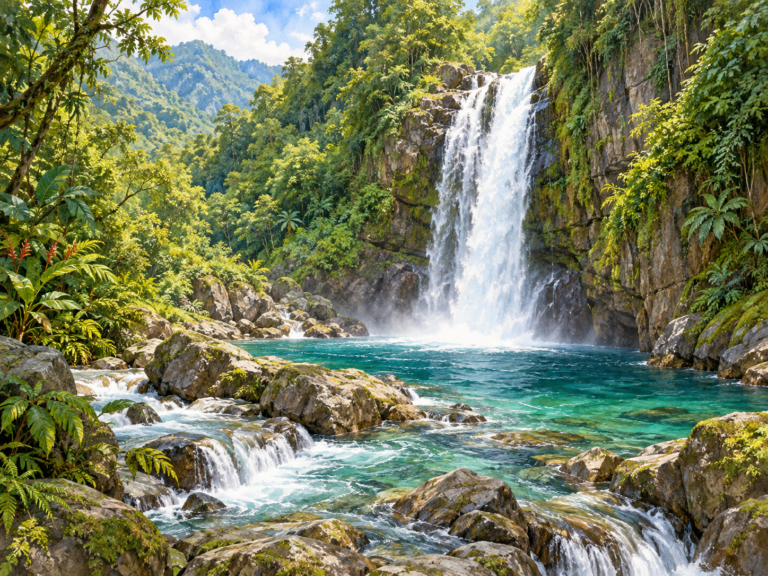
Tesoro Escondido Waterfall
Tesoro Escondido combines a waterfall, neighboring pools and a forested mountain landscape.
Take a closer look ↗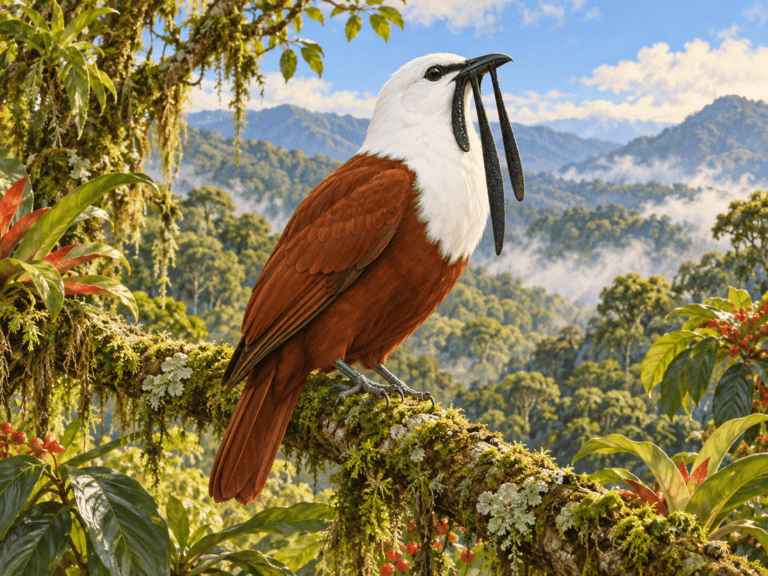
Three-wattled Bellbird
Listen for a remarkable call high above the cloud-forest trail.
Take a closer look ↗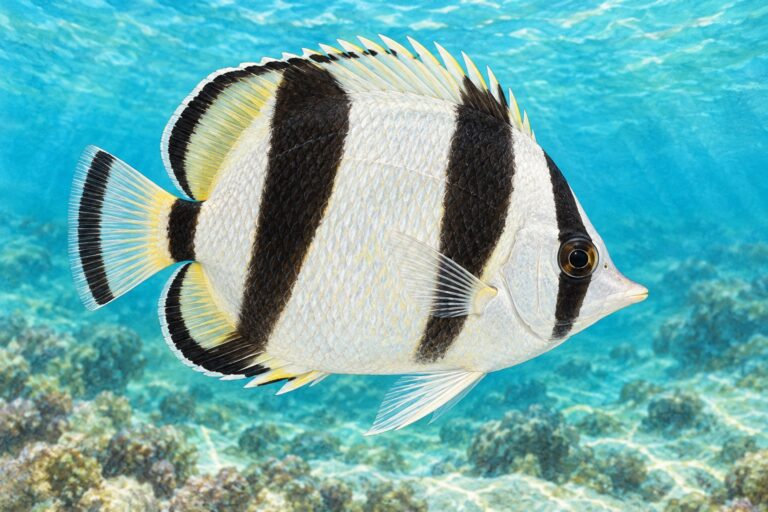
Threebanded Butterflyfish
A silver butterflyfish crossed by bold black bands.
Take a closer look ↗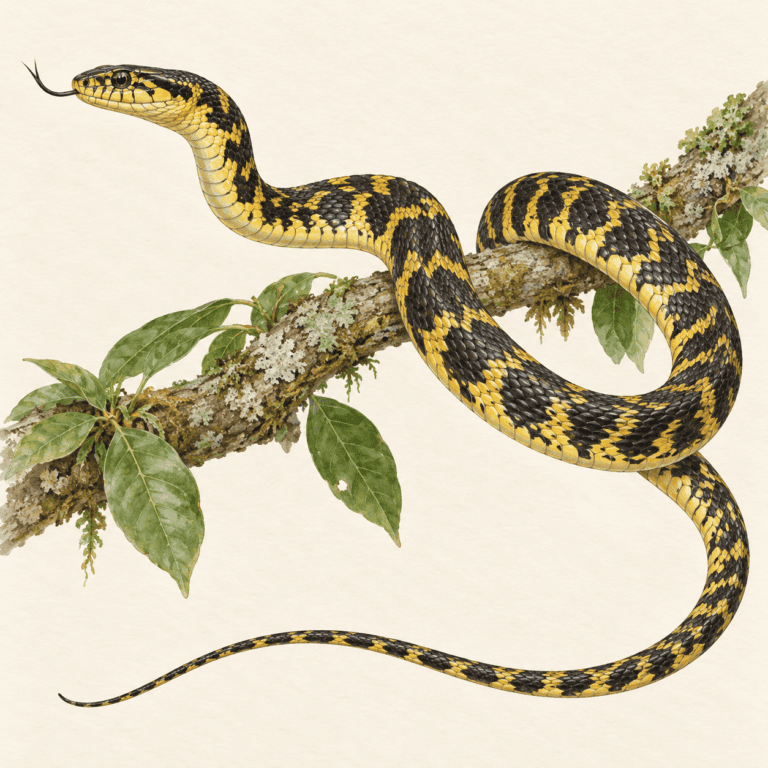
Tiger Rat Snake
A long snake that can climb through vegetation.
Take a closer look ↗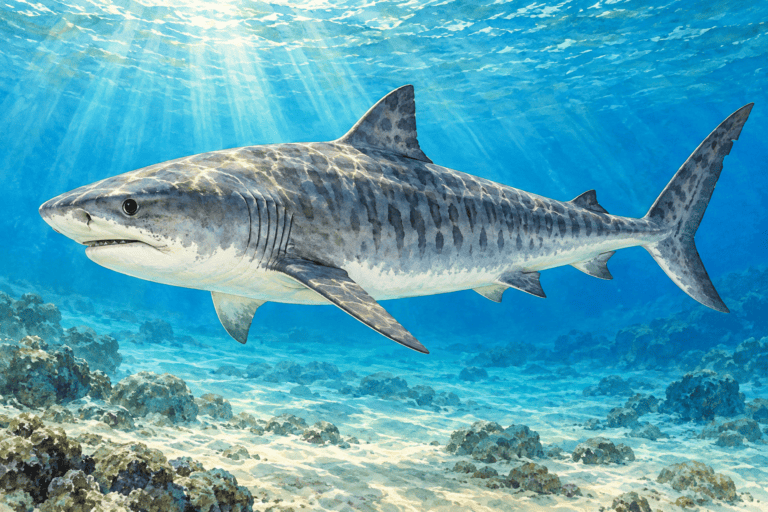
Tiger Shark
Dark bars or spots, clearest in younger sharks.
Take a closer look ↗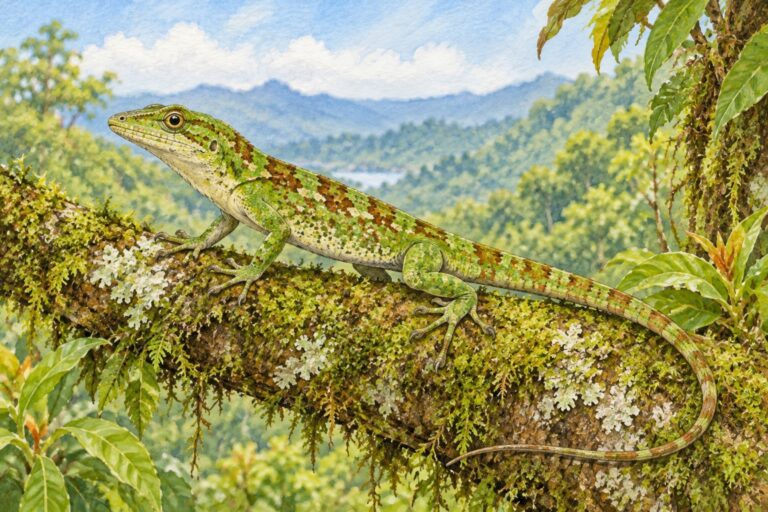
Tiny Anole
Despite its English name, this mountain anole has a large and sturdy body.
Take a closer look ↗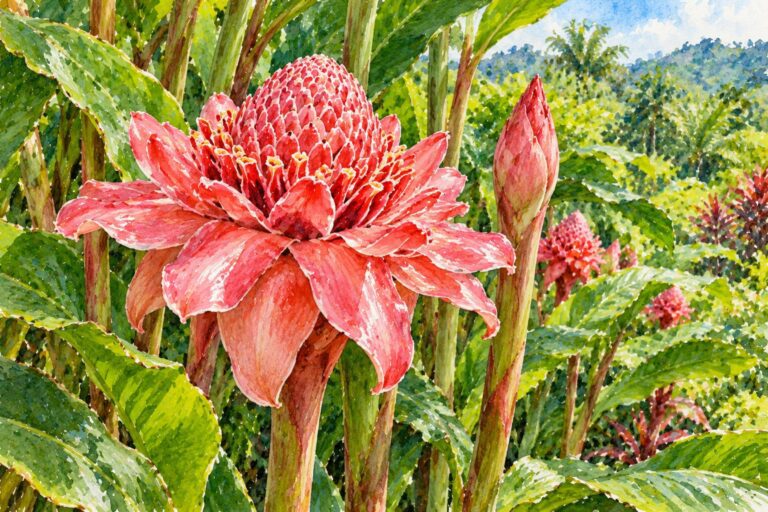
Torch Ginger
A pink torch-shaped display rises on a stalk separate from the leafy canes.
Take a closer look ↗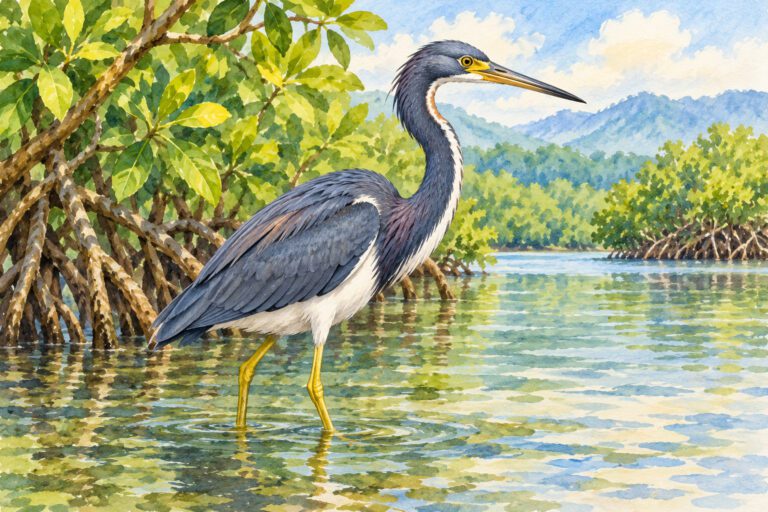
Tricolored Heron
A white belly and pale stripe along the front of the neck distinguish this slender heron from the uniformly dark adult Little Blue Heron.
Take a closer look ↗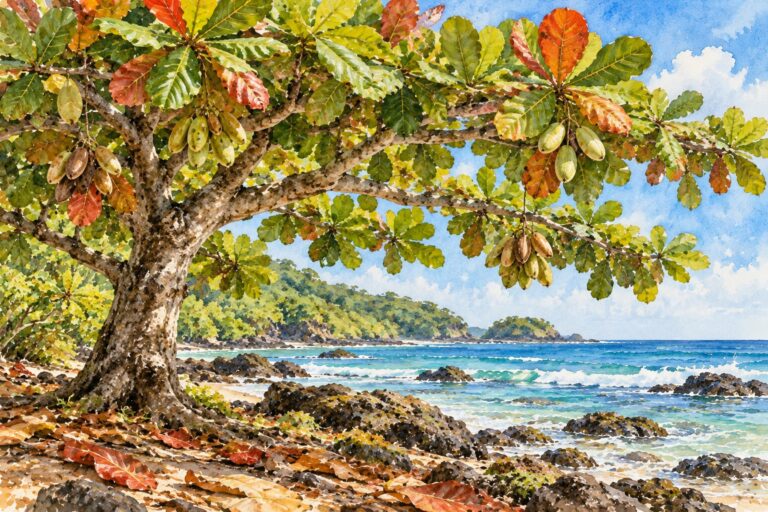
Tropical Almond
Tropical almond is introduced to Costa Rica and is now familiar along many beaches.
Take a closer look ↗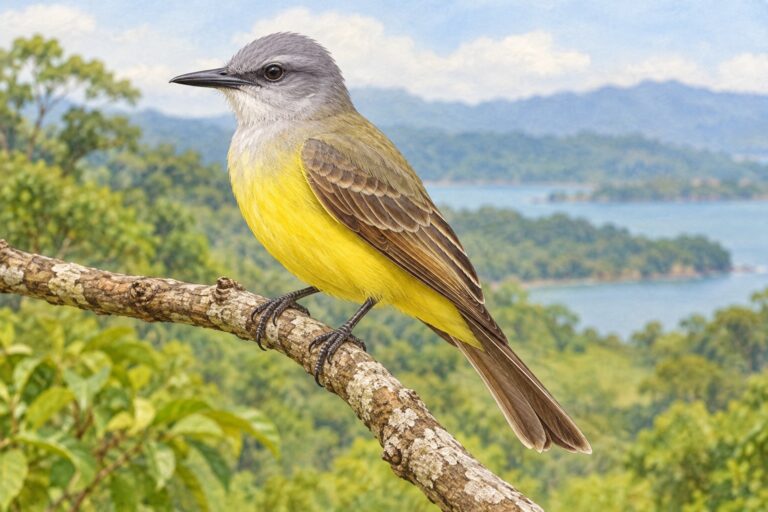
Tropical Kingbird
A yellow-bellied flycatcher often seen on an open perch.
Take a closer look ↗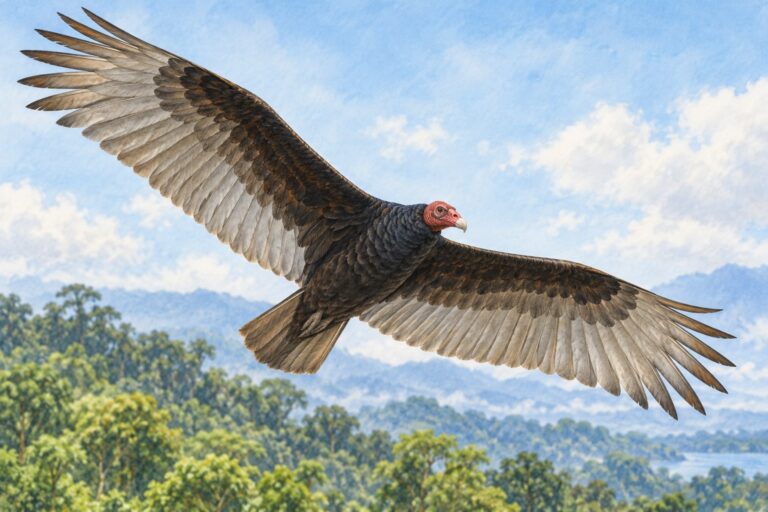
Turkey Vulture
A soaring scavenger with a red adult head.
Take a closer look ↗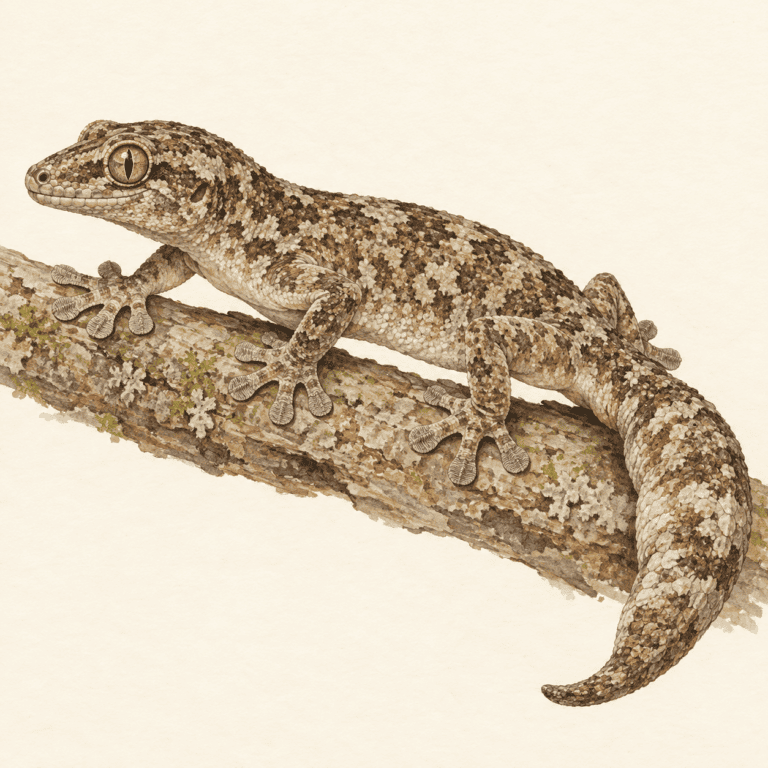
Turnip-tailed Gecko
A large native gecko with broad climbing toes.
Take a closer look ↗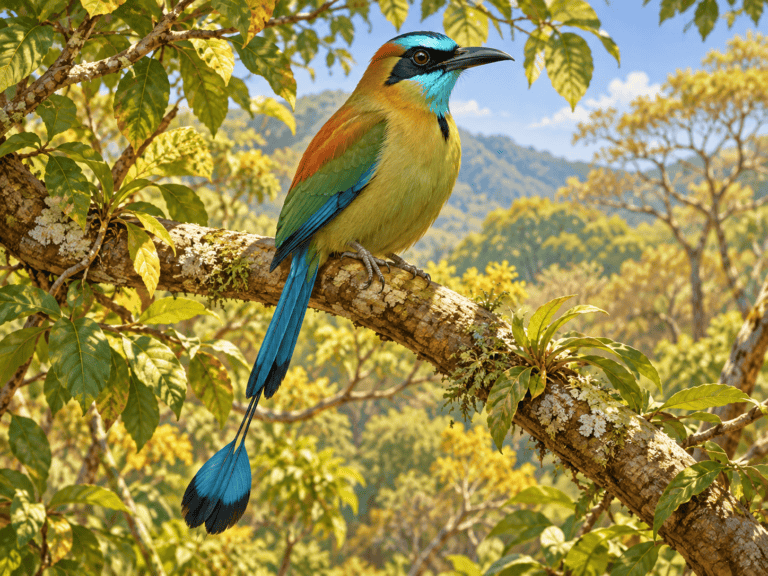
Turquoise-browed Motmot
A turquoise eyebrow and racket-shaped tail make this bird memorable.
Take a closer look ↗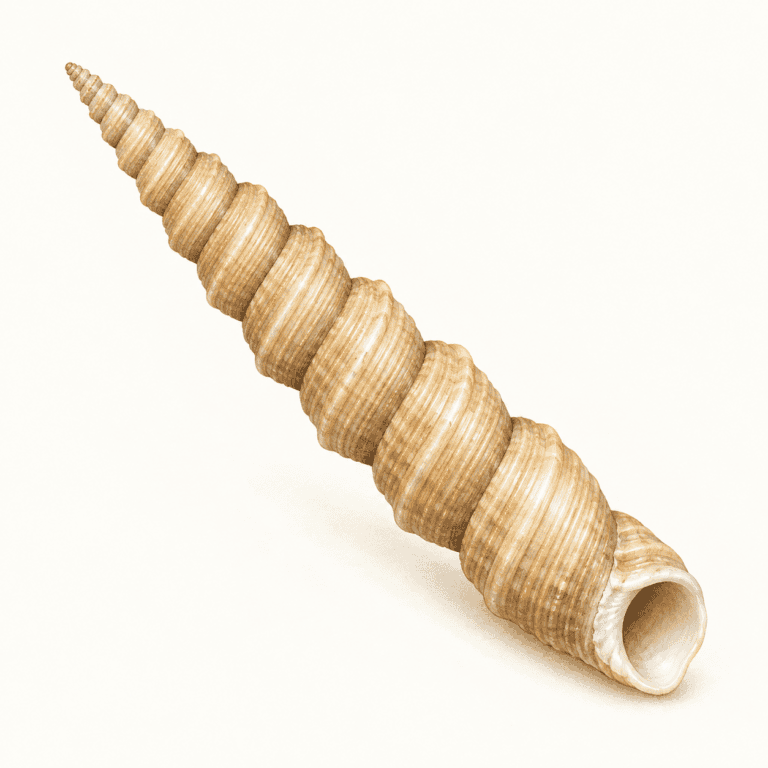
Turret Shell
Take a closer look ↗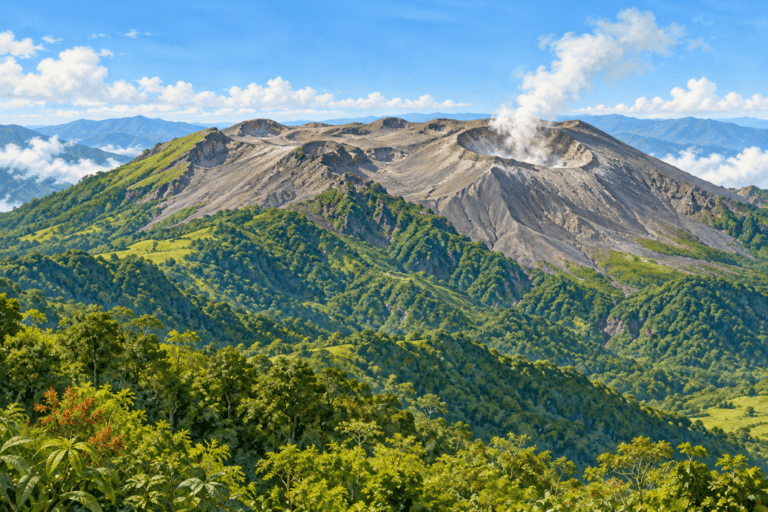
Turrialba Volcano
Three summit craters tell part of Turrialba’s volcanic story.
Take a closer look ↗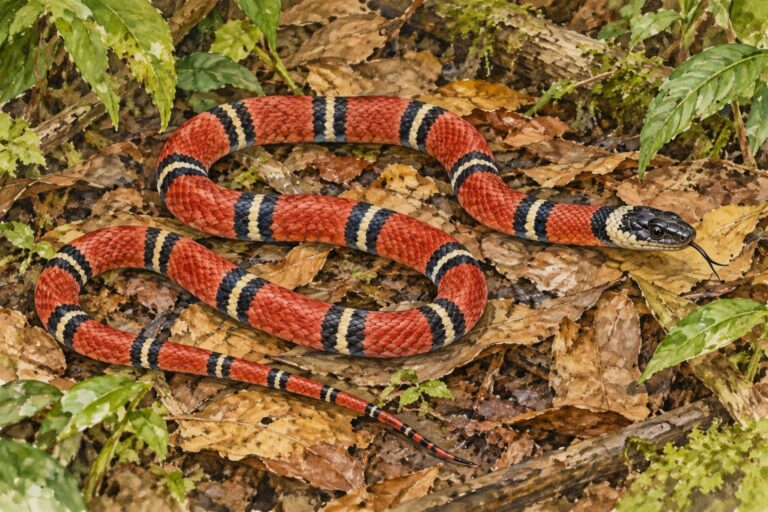
Two-banded False Coral Snake
Paired dark bands make an eye-catching pattern on a slender forest snake.
Take a closer look ↗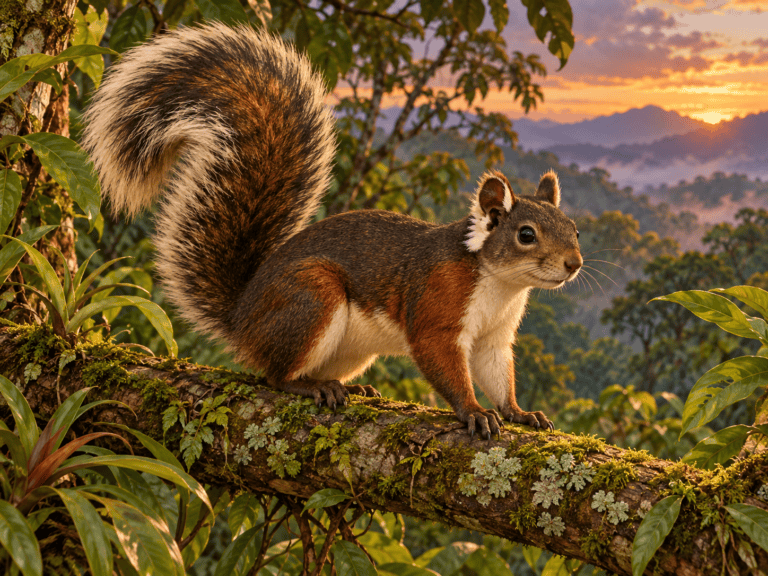
Variegated Squirrel
A daytime tree-dweller whose colors vary across its range.
Take a closer look ↗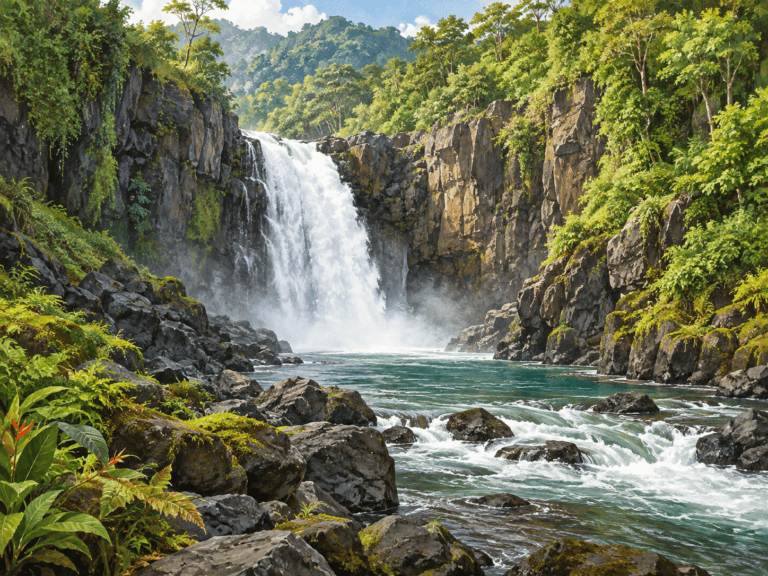
Victoria Waterfall
Victoria Waterfall drops into the Río Negro within a canyon.
Take a closer look ↗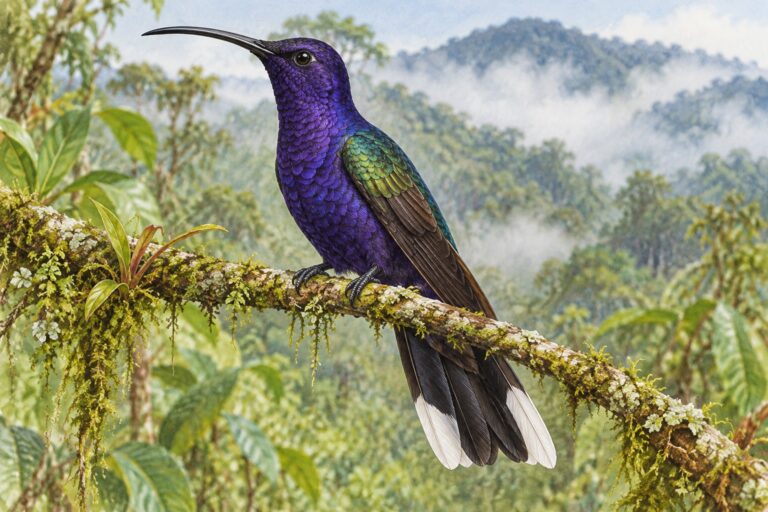
Violet Sabrewing
A large hummingbird with violet plumage and white tail corners.
Take a closer look ↗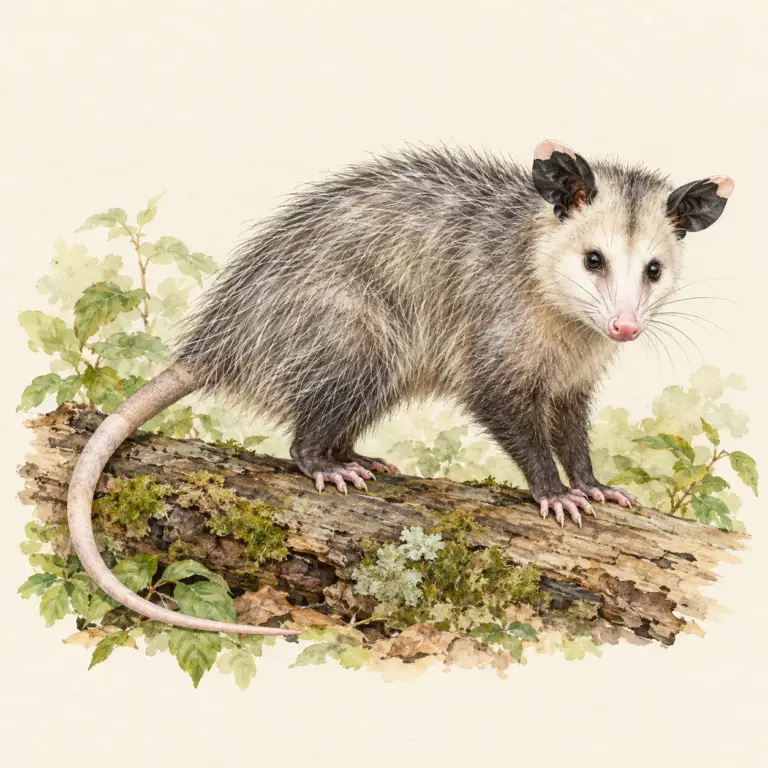
Virginia Opossum
Despite its name, the Virginia opossum's native range reaches Costa Rica.
Take a closer look ↗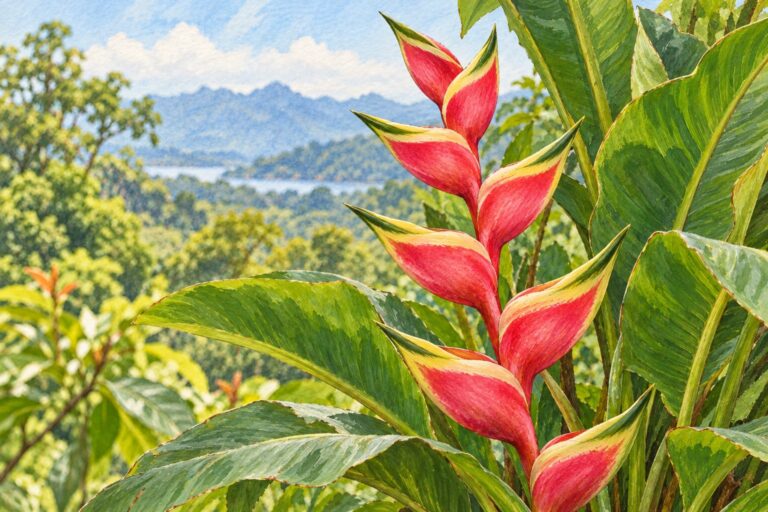
Wagner Heliconia
Broad pink-and-cream bracts form a colorful upright flower display.
Take a closer look ↗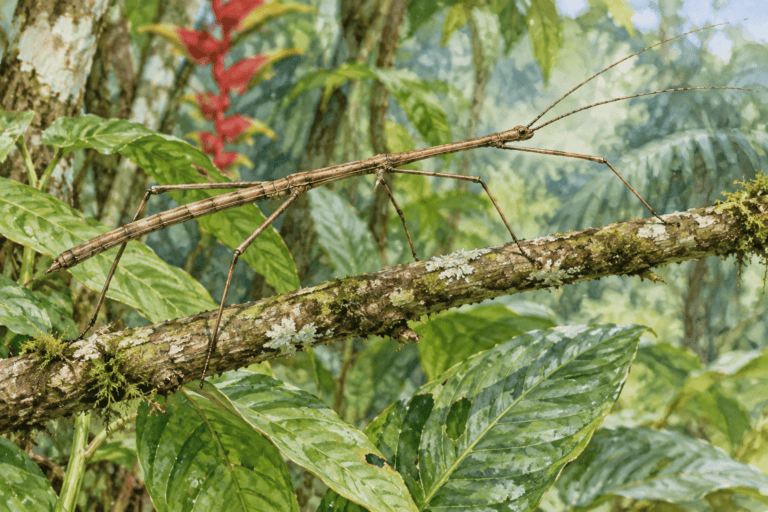
Walking Sticks
Twig-like body.
Take a closer look ↗
Water Anole
This streamside anole links a forest perch with cool running water.
Take a closer look ↗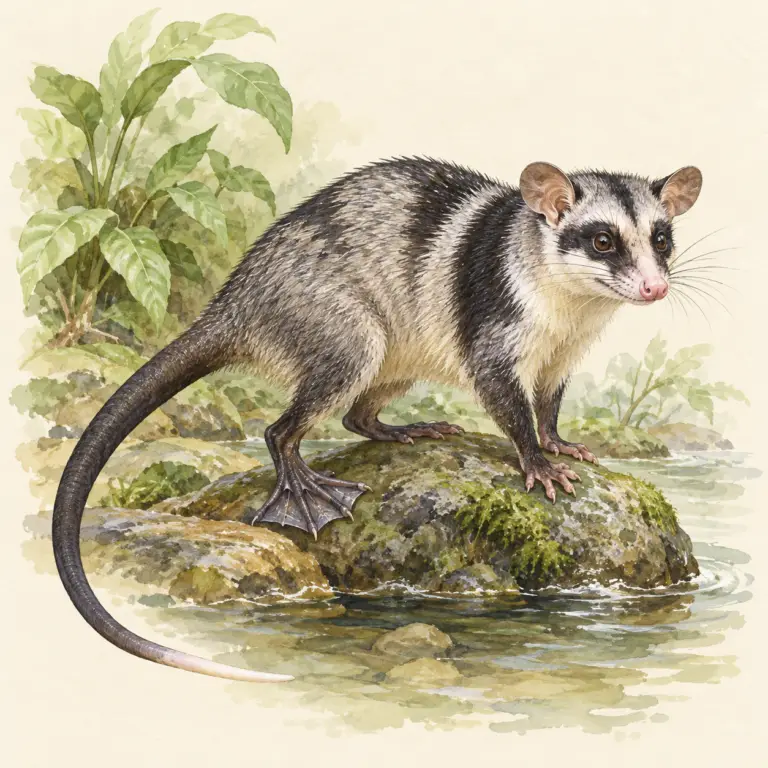
Water Opossum
The water opossum, also called the yapok, is a marsupial adapted to life beside freshwater.
Take a closer look ↗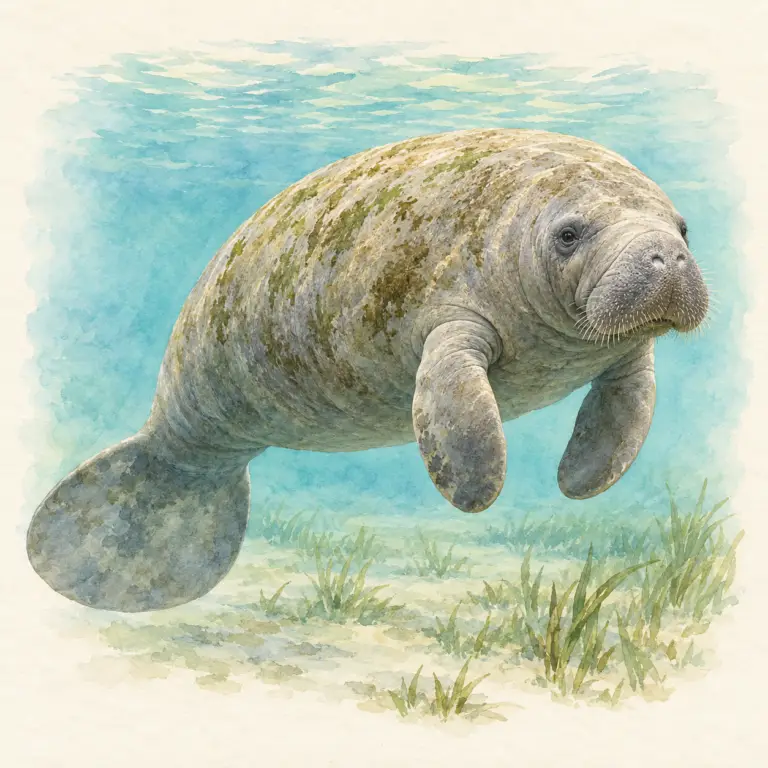
West Indian Manatee
The West Indian manatee is a large aquatic mammal with a rounded paddle-shaped tail and a whiskered muzzle.
Take a closer look ↗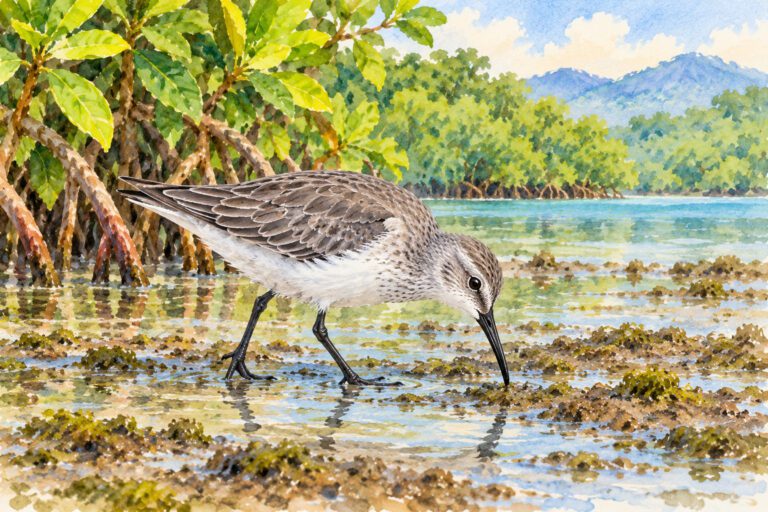
Western Sandpiper
Western Sandpipers are tiny migratory shorebirds that feed on tidal flats.
Take a closer look ↗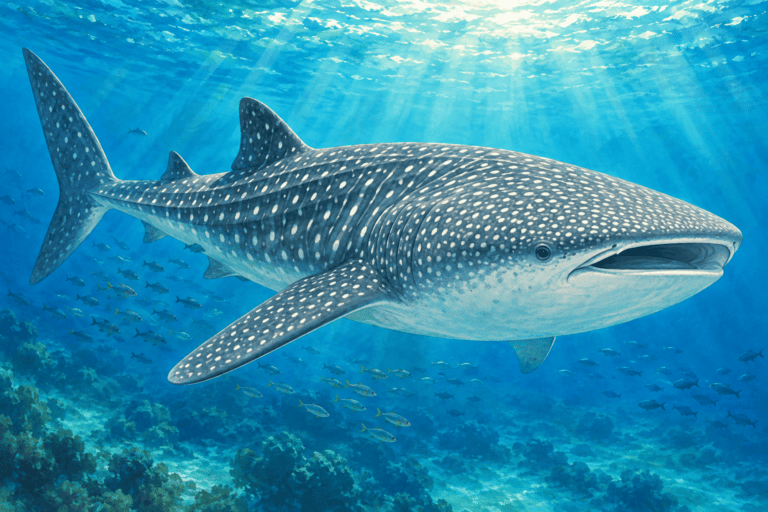
Whale Shark
Pale spots and bars across a darker body.
Take a closer look ↗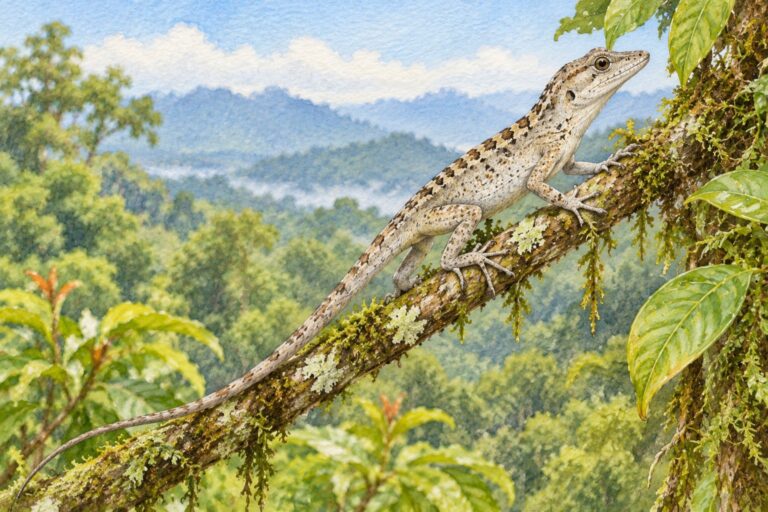
White Anole
A small pale anole blends into the branches of Costa Rica’s upland forests.
Take a closer look ↗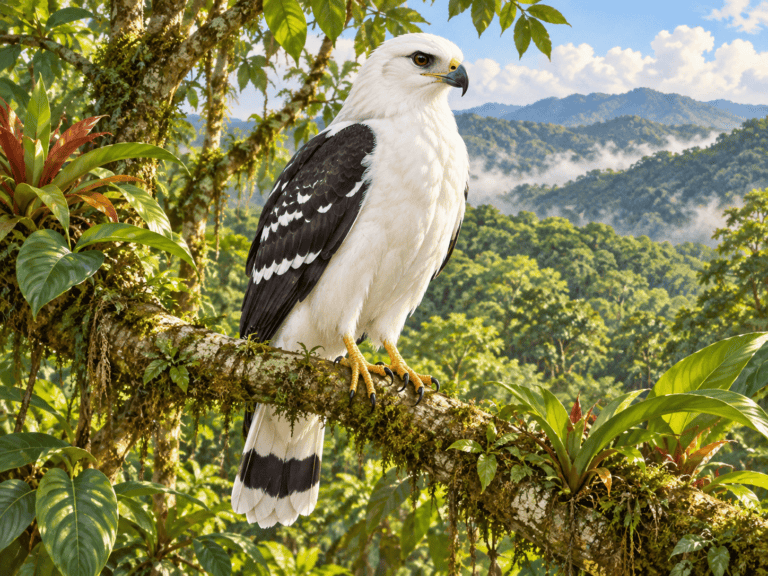
White Hawk
A pale forest raptor that watches patiently for prey.
Take a closer look ↗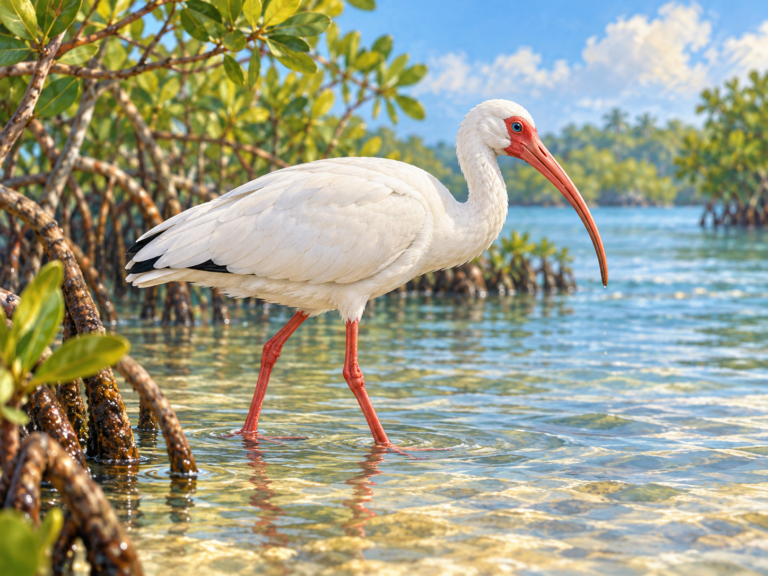
White Ibis
A long, downward-curving bill.
Take a closer look ↗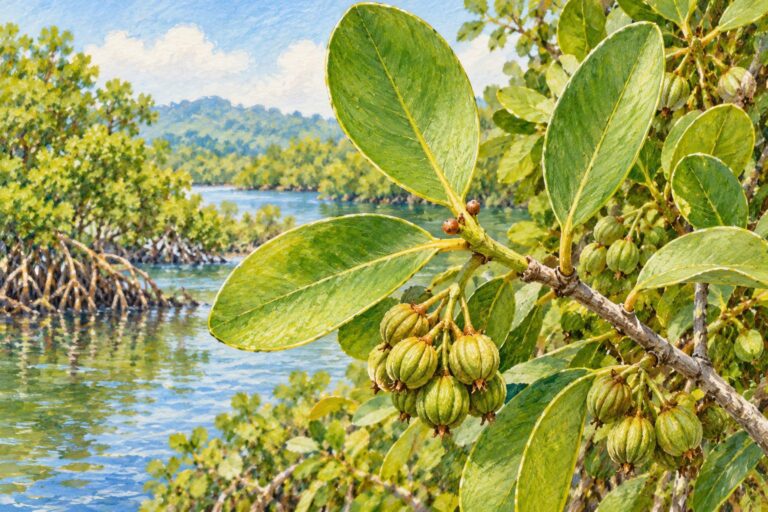
White Mangrove
Rounded leaves and two tiny stalk glands are useful mangrove clues.
Take a closer look ↗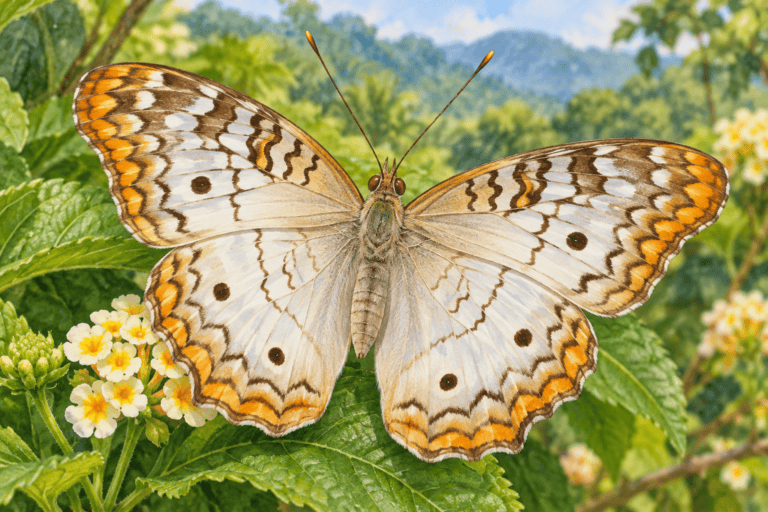
White Peacock Butterfly
Pale wings.
Take a closer look ↗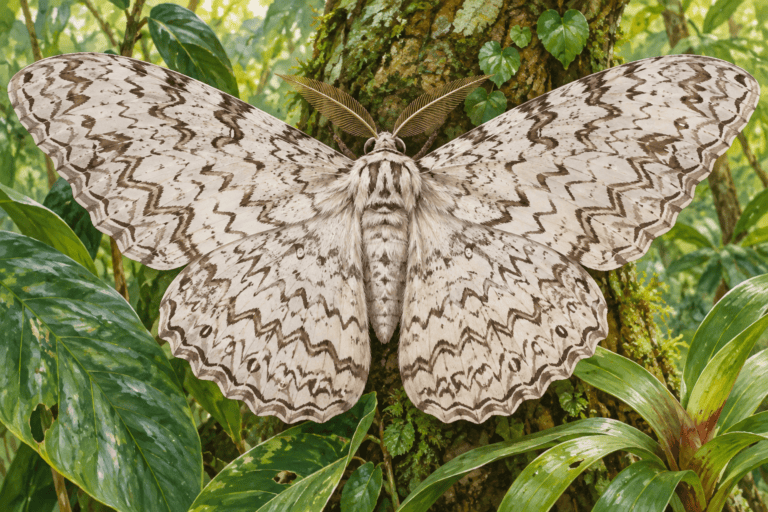
White Witch Moth
Very broad pale wings.
Take a closer look ↗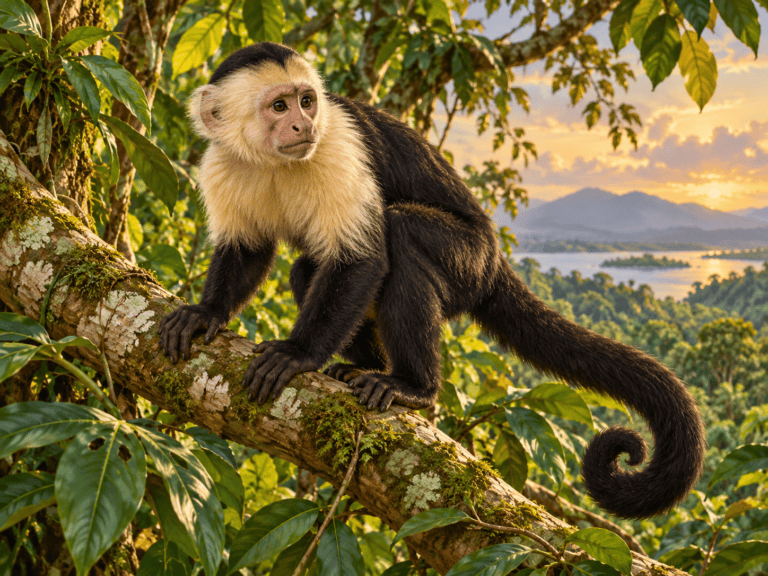
White-faced Capuchin
A social monkey with a pale face, shoulders and chest.
Take a closer look ↗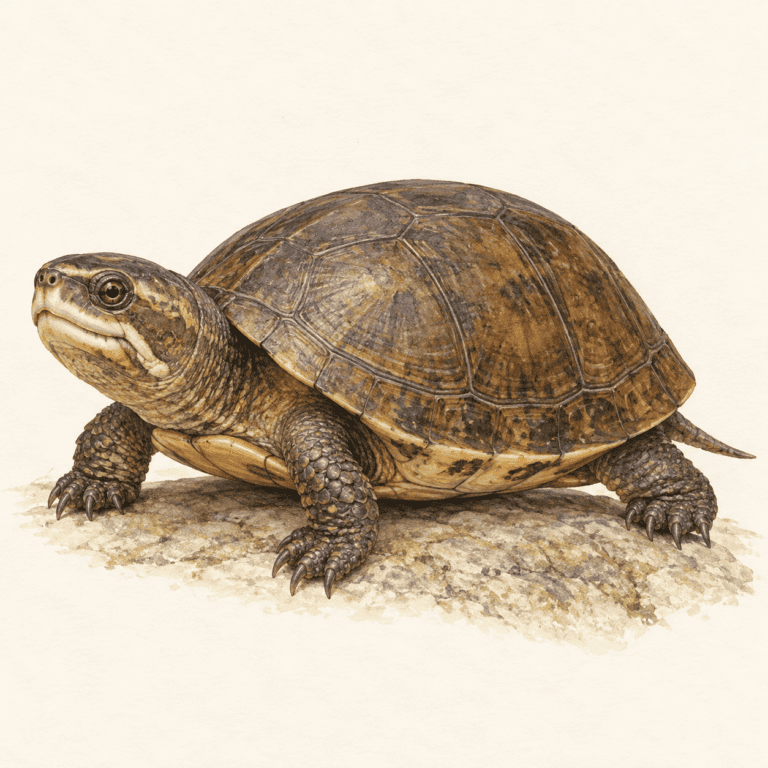
White-lipped Mud Turtle
A small freshwater turtle whose pale mouth margins help explain its name.
Take a closer look ↗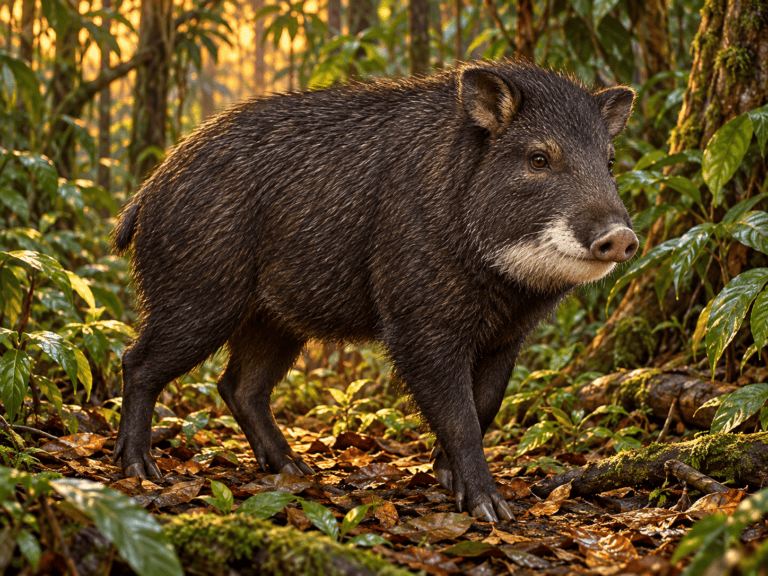
White-lipped Peccary
A social forest mammal whose large herds need connected habitat.
Take a closer look ↗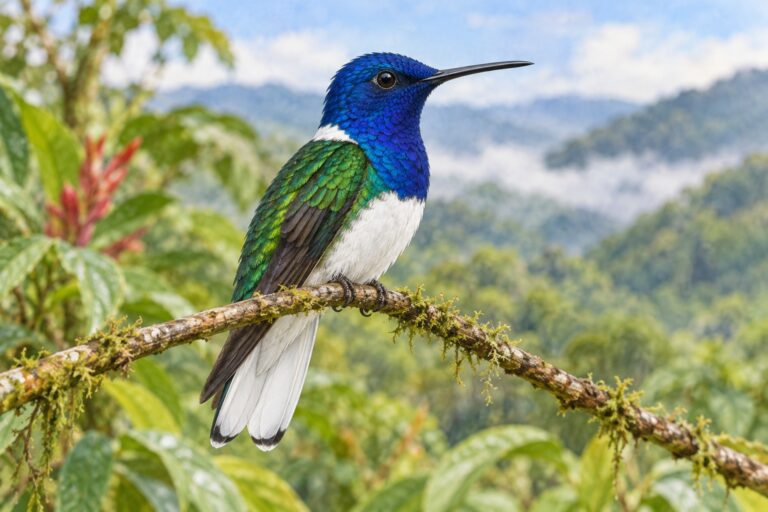
White-necked Jacobin
A hummingbird with a blue hood and a mostly white tail.
Take a closer look ↗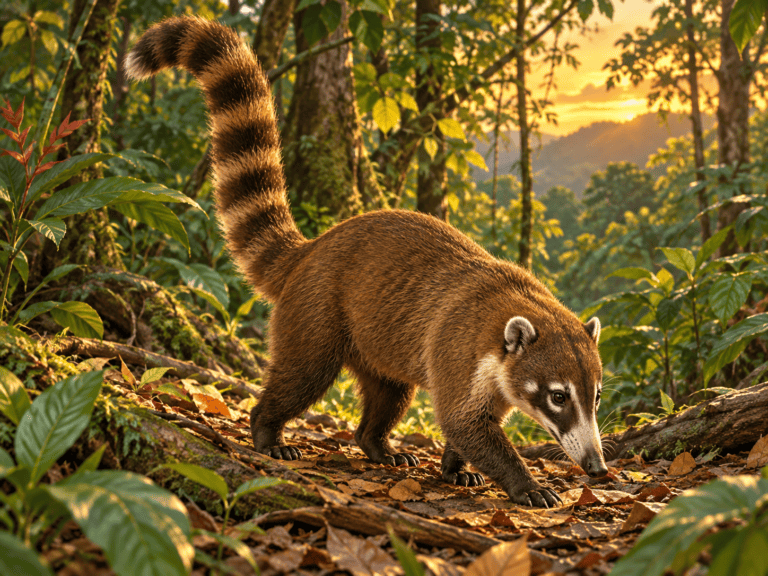
White-nosed Coati
A long-snouted forest forager often seen with its tail held upright.
Take a closer look ↗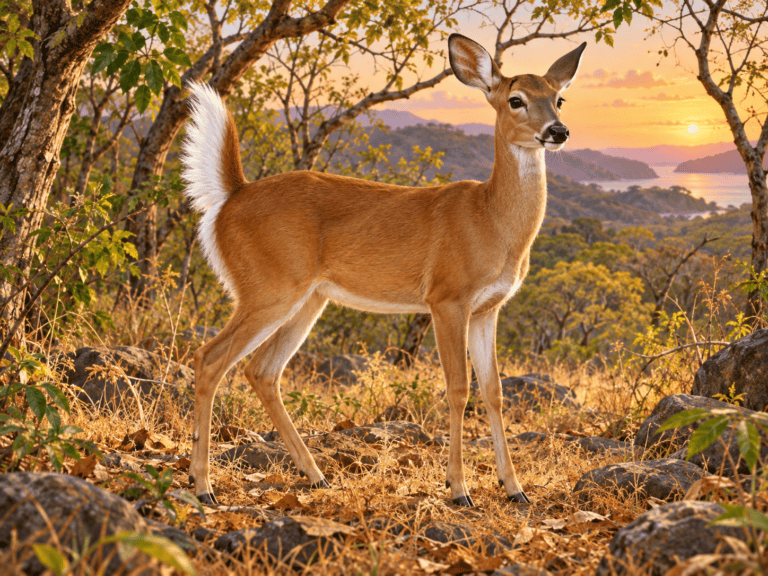
White-tailed Deer
A browsing mammal whose raised tail reveals a white underside.
Take a closer look ↗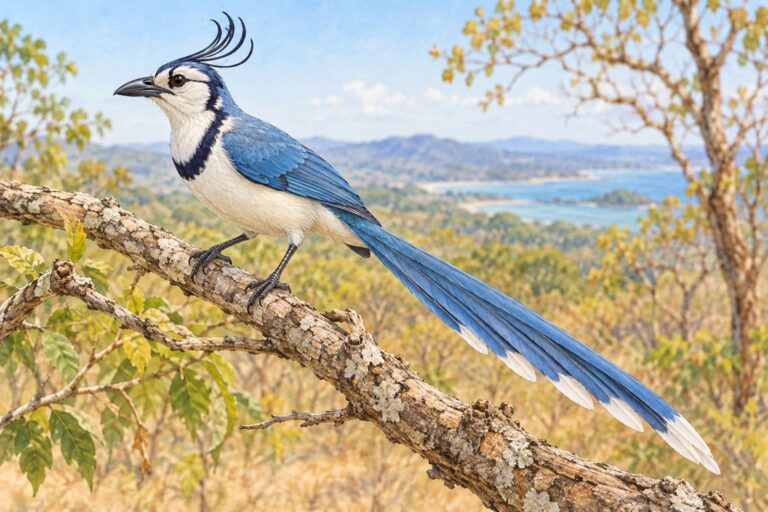
White-throated Magpie-Jay
A sociable jay with a sweeping blue tail and curled crest.
Take a closer look ↗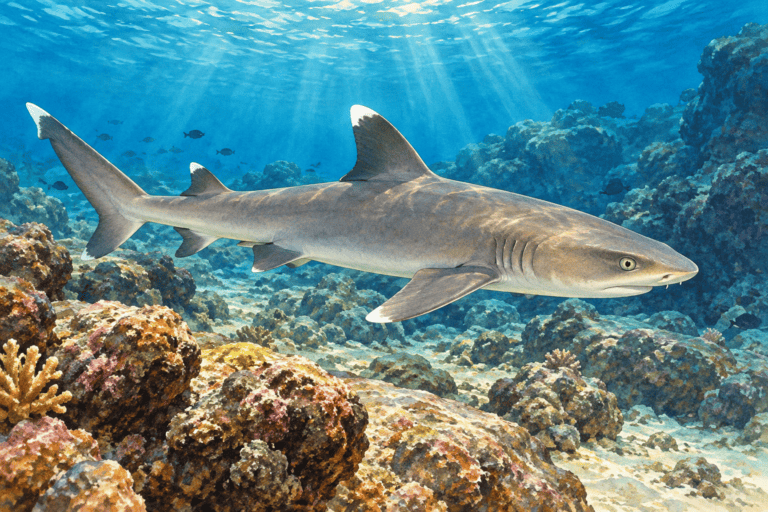
Whitetip Reef Shark
White tips on the first dorsal fin and upper tail fin.
Take a closer look ↗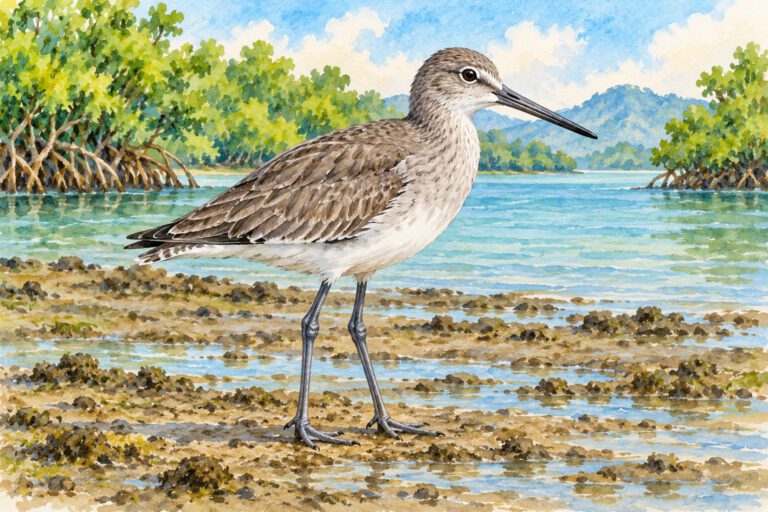
Willet
A Willet has a sturdy straight bill and long grayish legs.
Take a closer look ↗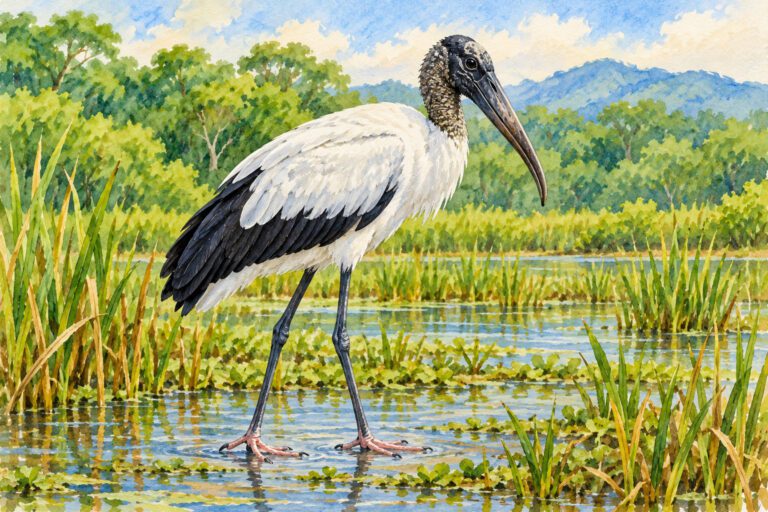
Wood Stork
The Wood Stork is a large white wader with black flight feathers and a mostly bare dark adult head.
Take a closer look ↗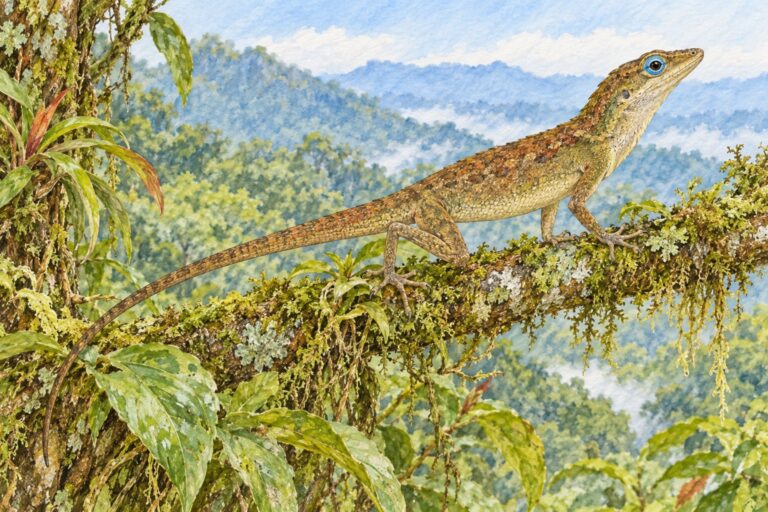
Wood's Anole
A long-legged mountain anole rests among the leaves of cool, humid forest.
Take a closer look ↗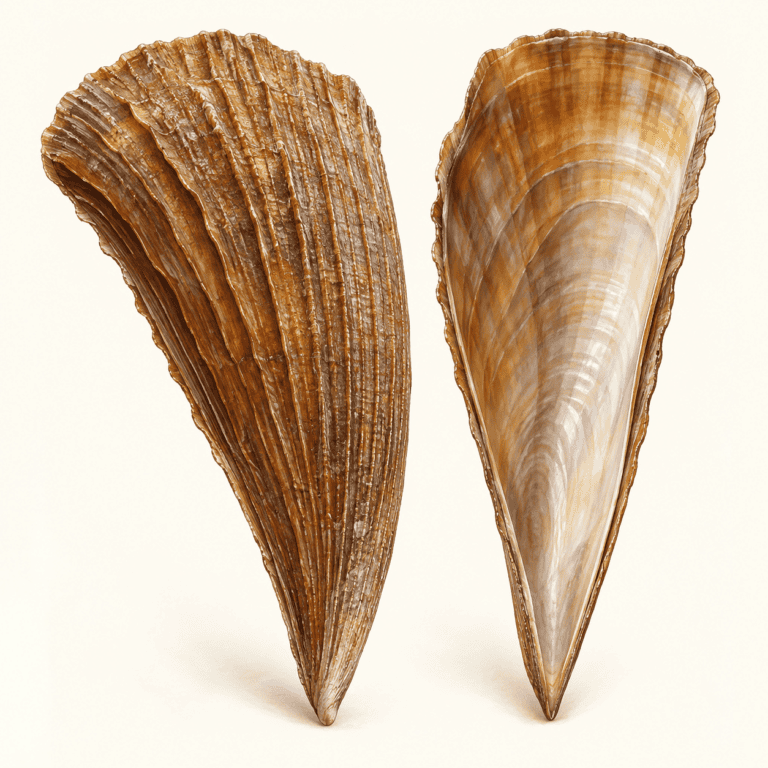
Wrinkled Penshell
A long, fan-like penshell lives partly buried in the bottom.
Take a closer look ↗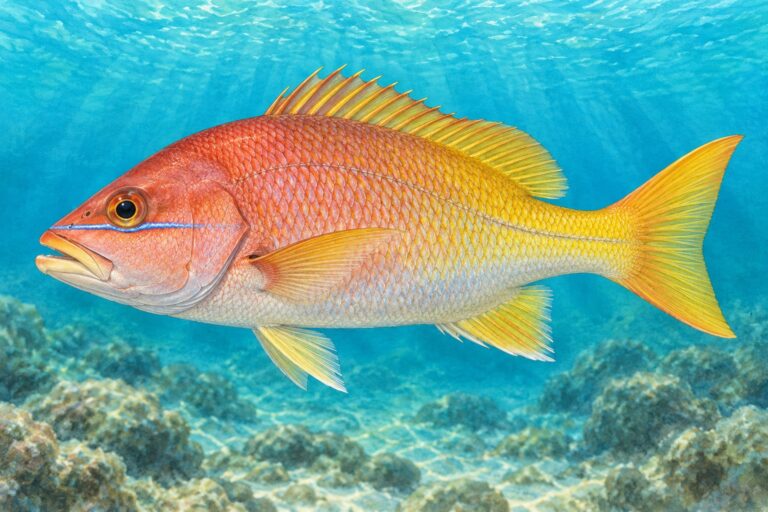
Yellow Snapper
A snapper with warm red and yellow colors.
Take a closer look ↗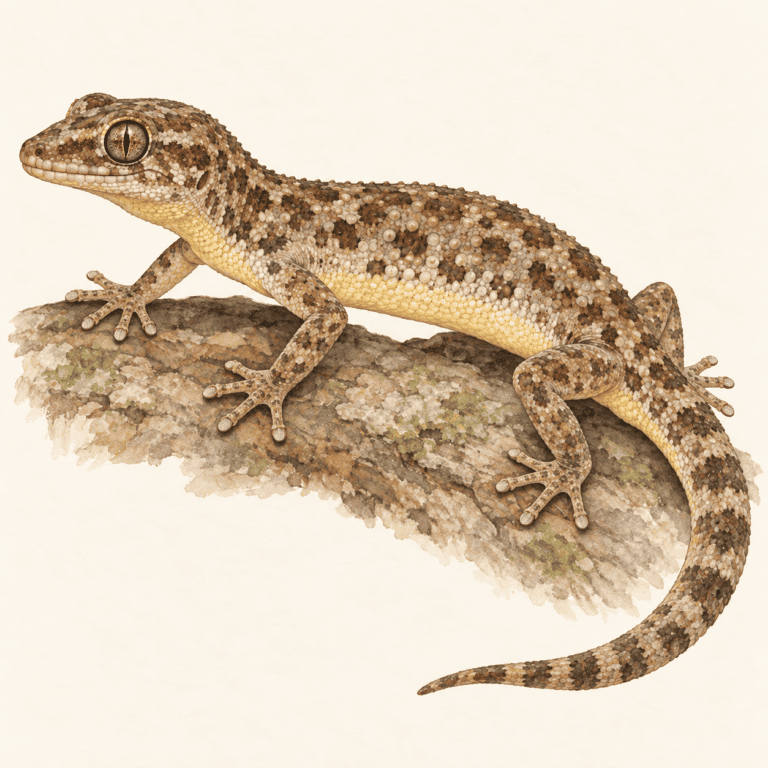
Yellow-bellied Leaf-toed Gecko
A native gecko with expanded toe tips and small raised scales on its back.
Take a closer look ↗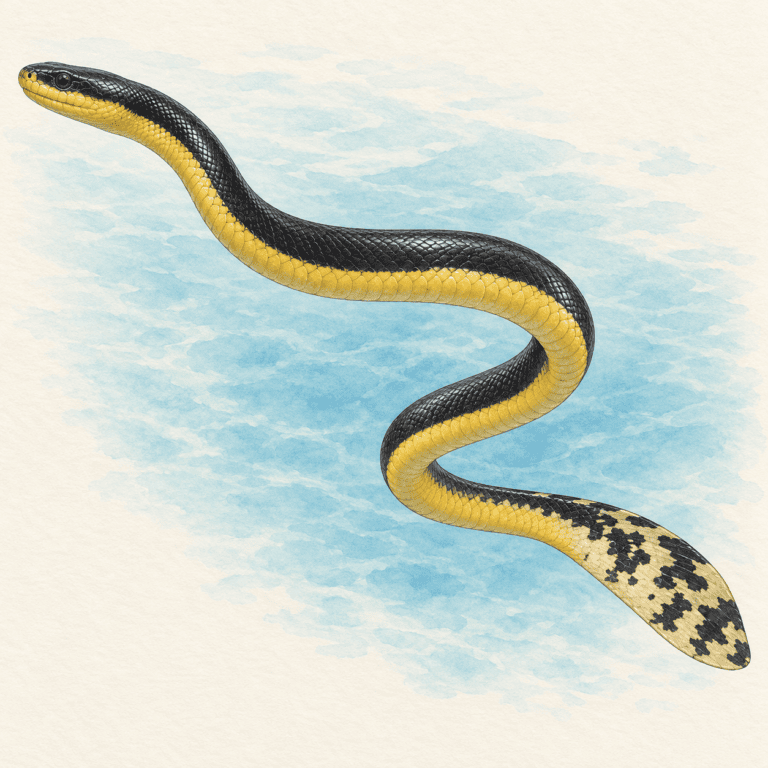
Yellow-bellied Sea Snake
A marine snake with a dark back, yellow underside and a flattened paddle-shaped tail.
Take a closer look ↗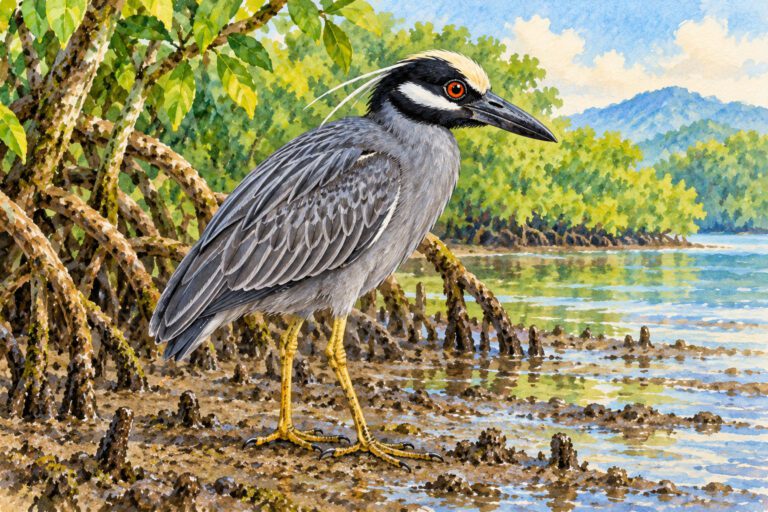
Yellow-crowned Night-Heron
This sturdy heron often hunts crabs and other crustaceans around coastal wetlands.
Take a closer look ↗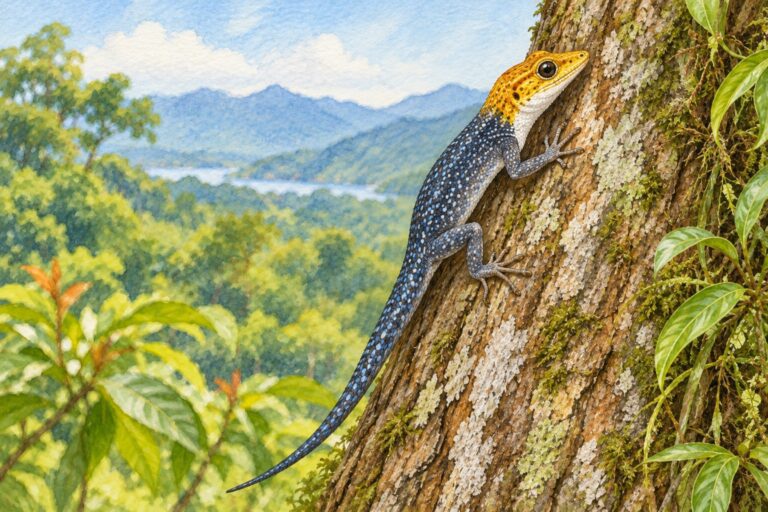
Yellow-headed Gecko
Adult males wear a golden-orange head above a darker body.
Take a closer look ↗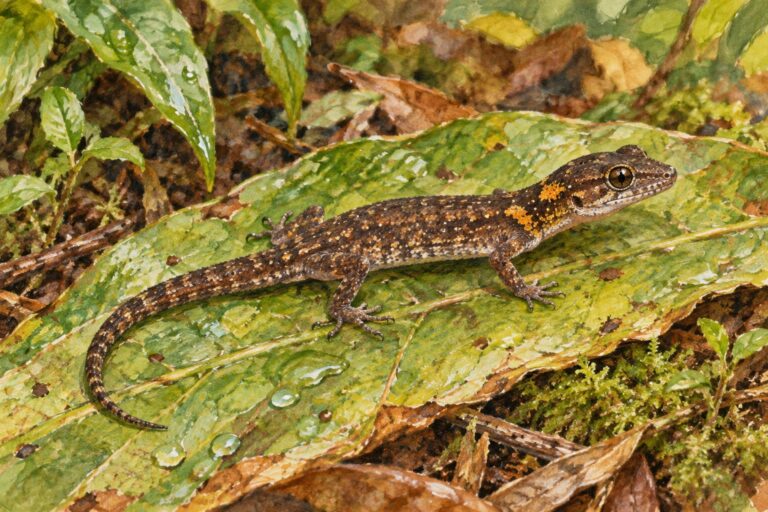
Yellow-marked Dwarf Gecko
A tiny forest-floor gecko shows how much wildlife can fit beneath a single leaf.
Take a closer look ↗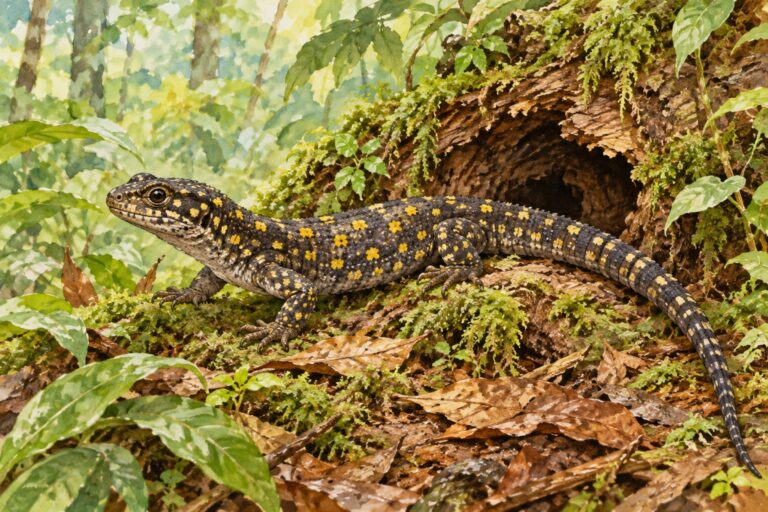
Yellow-spotted Night Lizard
Yellow spots brighten the dark body of a secretive forest lizard.
Take a closer look ↗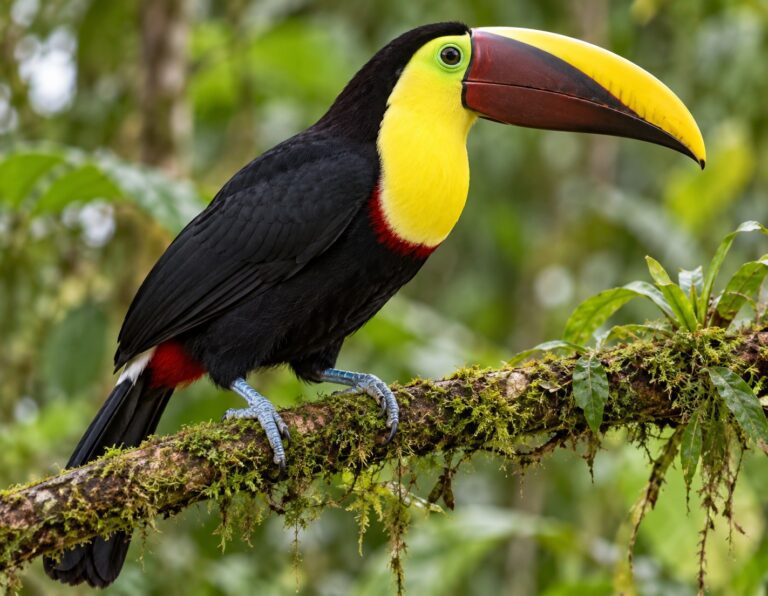
Yellow-throated Toucan
A large toucan with a yellow throat and chestnut-toned bill.
Take a closer look ↗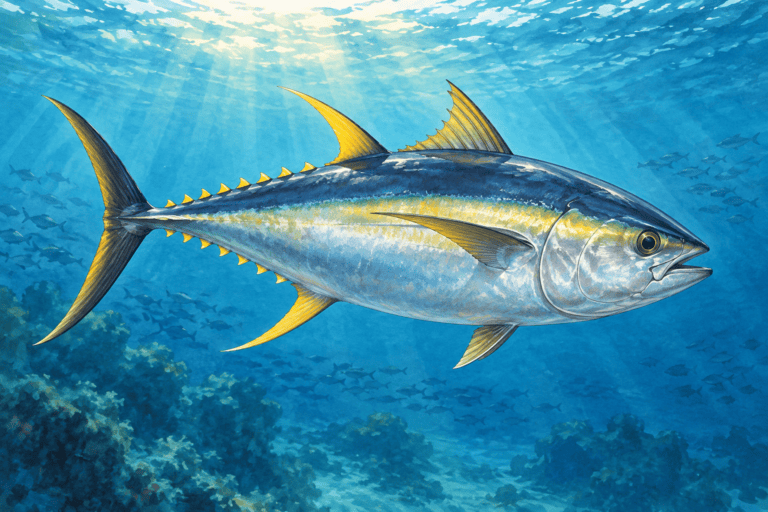
Yellowfin Tuna
A streamlined, torpedo-shaped body.
Take a closer look ↗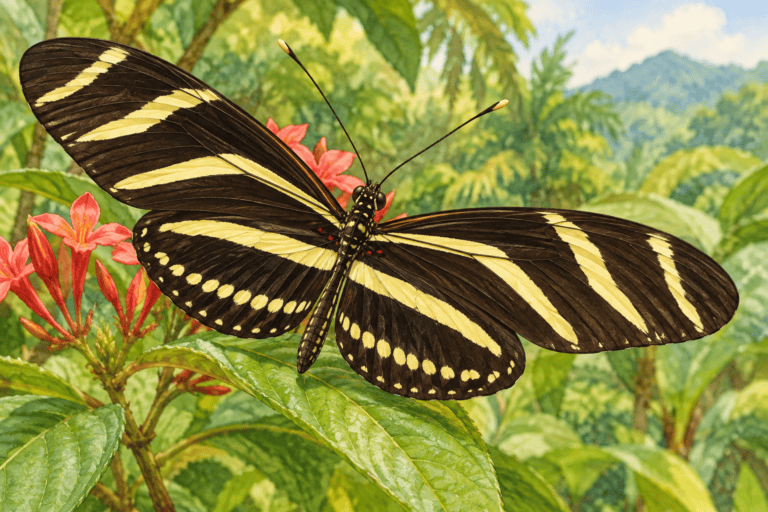
Zebra Longwing Butterfly
Long narrow black wings.
Take a closer look ↗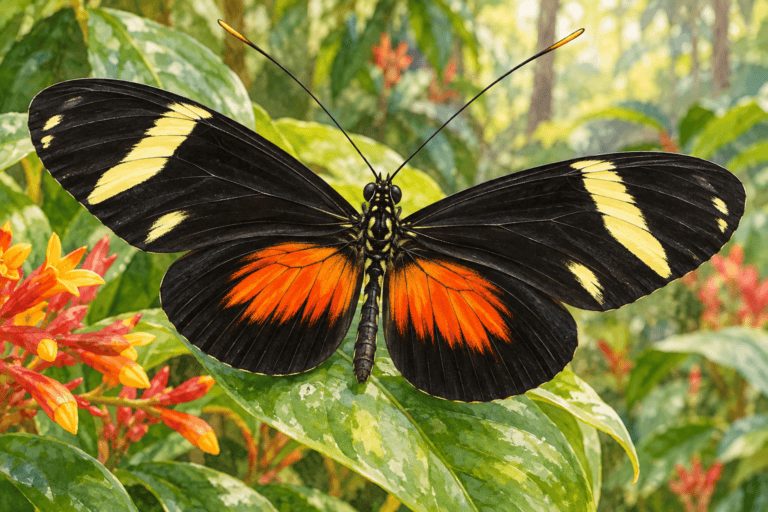
Zuleika Longwing Butterfly
Long dark wings.
Take a closer look ↗