Tico Explorers

Nature Field Guide

Oak Forest

Explore wildlife, plants and trees. Learn what to look for and where to find them.

All Nature

5 profiles

Nature Field Guide

Acorn Woodpecker

Spanish name
Carpintero careto
Scientific name
Melanerpes formicivorus

What Do Pico & Tati Think?

Pico: “That face has bold black, white and red shapes!”

Tati: “Let’s look for clues on the tree without touching them.”

Identification

Key Features of the Acorn Woodpecker

  • Red cap, pale face and black patch around the bill.

  • White wing patches and white rump in flight.

  • Straight bill and stiff supporting tail.

Habitat & range

Mainly middle and high elevations in the Central and Talamanca ranges, especially oak landscapes. South Pacific refers to upland slopes, not the coastal plain.

Conservation & care

Stay on authorized trails or viewing routes. Give birds space, keep voices low and leave nests undisturbed. Observe without bait, feeding or recorded calls.

View full profile →

Nature Field Guide

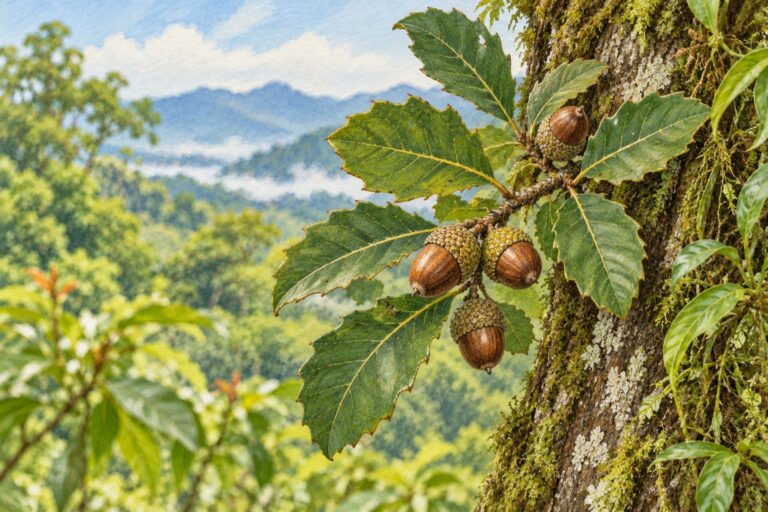
Costa Rican Oak

Spanish name
Roble / Encino
Scientific name
Quercus costaricensis

What Do Pico & Tati Think?

Pico: “Acorns and leathery leaves belong to this mountain-forest oak.”

Tati: “Let’s notice the leaves, flowers and habitat without disturbing the plant.”

Identification

Key Features of the Costa Rican Oak

  • Acorns in scaly cups

  • Simple leathery leaves

  • Mountain-forest habitat

Habitat & range

Highland forests of the Talamanca range, including Dota, Chirripó and adjoining mountain slopes.

Conservation & care

Explore with an adult on permitted paths. Observe and photograph without picking leaves, flowers or fruits. Do not taste plants or let pets chew them. Avoid climbing trees and disturbing roots, seedlings or visiting wildlife.

Threats & pressures

Protect suitable habitat, mature trees and natural regeneration. Avoid trampling, unauthorized clearing and collection.

View full profile →

Nature Field Guide

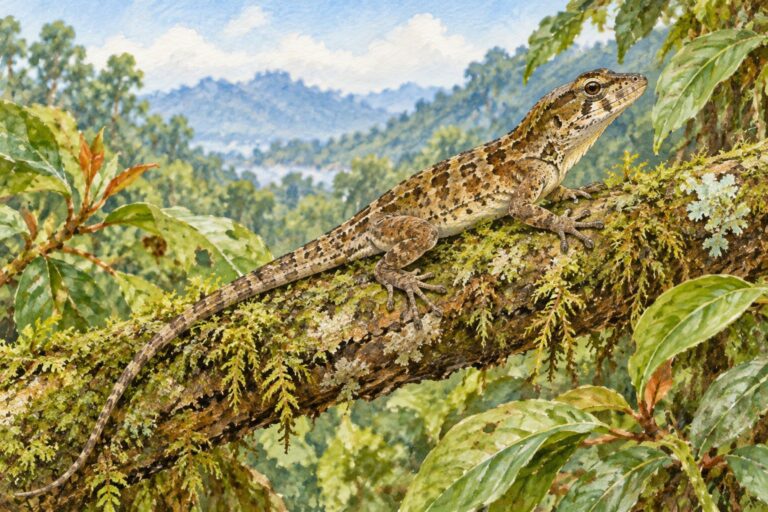
Heavy-footed Anole

Spanish name
Anolis de patas robustas
Scientific name
Anolis pachypus

What Do Pico & Tati Think?

Pico: “What can we learn from this reptile’s shape?”

Tati: “Let’s notice its markings and habitat while leaving it plenty of space.”

Identification

Key Features of the Heavy-footed Anole

  • Compact brown mountain anole

  • Stout-looking feet

  • Camouflaged body and long tapering tail

Habitat & range

Middle and upper elevations of the Talamanca mountain system in southern Costa Rica.

Conservation & care

Observe from permitted paths with an adult. Do not touch, chase, catch or feed reptiles. Leave bark, stones, logs and leaf litter in place. Keep pets away and give animals an open escape route.

Threats & pressures

Protect natural shelters and connected habitat. Avoid collection, unnecessary clearing and deliberate killing. Leave wildlife in its habitat and support responsible observation.

View full profile →

Nature Field Guide

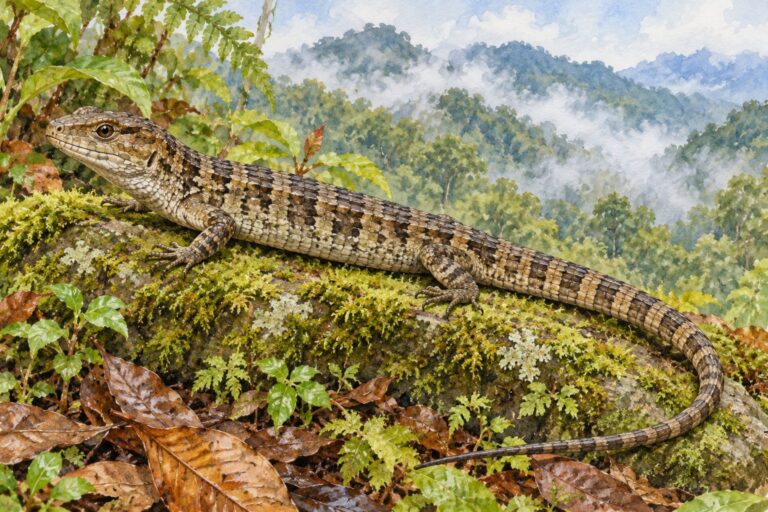
Mountain Alligator Lizard

Spanish name
Dragón de altura
Scientific name
Abronia monticola

What Do Pico & Tati Think?

Pico: “What clues help us recognize this reptile?”

Tati: “Let’s notice its shape, markings and habitat from a respectful distance.”

Identification

Key Features of the Mountain Alligator Lizard

  • Elongated body with short legs

  • Distinct rows of armored-looking scales

  • Brown-gray highland camouflage

Habitat & range

Cool highlands, including the Irazú region and the Talamanca mountain range.

Conservation & care

Observe with an adult from permitted paths. Do not catch, chase, touch or feed reptiles. Leave bark, logs, rocks and leaf litter in place. Keep pets away and allow animals an open escape route.

Threats & pressures

Protect habitat connections and natural shelters. Avoid road mortality, collection and deliberate killing. Leave reptiles in their habitat rather than keeping or relocating them.

View full profile →

Nature Field Guide

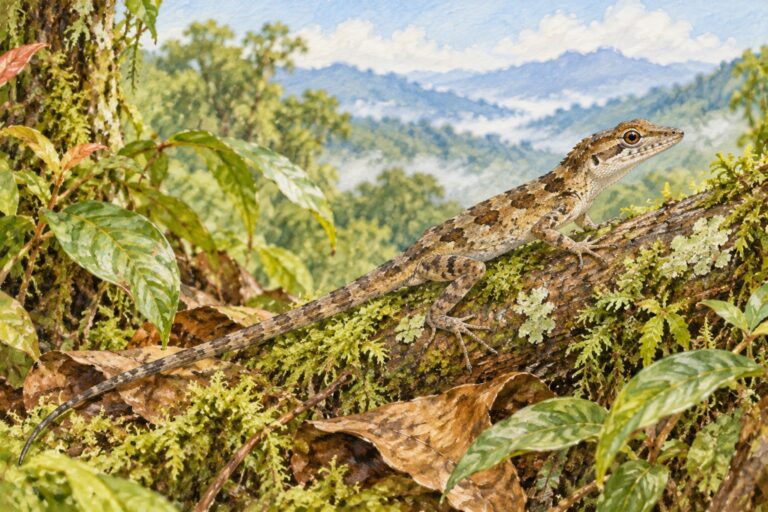
Swift Anole

Spanish name
Anolis de montaña
Scientific name
Anolis tropidolepis

What Do Pico & Tati Think?

Pico: “What helps this reptile fit into its habitat?”

Tati: “Let’s look at its shape, colors and surroundings while giving it plenty of space.”

Identification

Key Features of the Swift Anole

  • Small brown mountain anole

  • Long tail and slender limbs

  • Subtle darker markings on a camouflaged back

Habitat & range

High-elevation forest in the Costa Rican mountains, including Irazú, Monteverde and the Dota highlands.

Conservation & care

Observe with an adult from permitted paths. Do not touch, chase, catch or feed reptiles. Leave bark, logs, stones and leaf litter in place. Keep pets away and allow an open escape route.

Threats & pressures

Protect connected habitat and natural shelters. Avoid collection, unnecessary clearing and deliberate killing. Leave wildlife in place and support responsible observation.

View full profile →

My Tico Explorer Experience

Save nature, towns, discoveries and learning adventures for your next experience.

Your list stays in this browser on this device.