Fishing
Explore patience, observation and responsible fishing with Pico and Tati.
Explore more ↗


Nature Field Guide
Explore wildlife, plants and trees. Learn what to look for and where to find them.
140 profiles
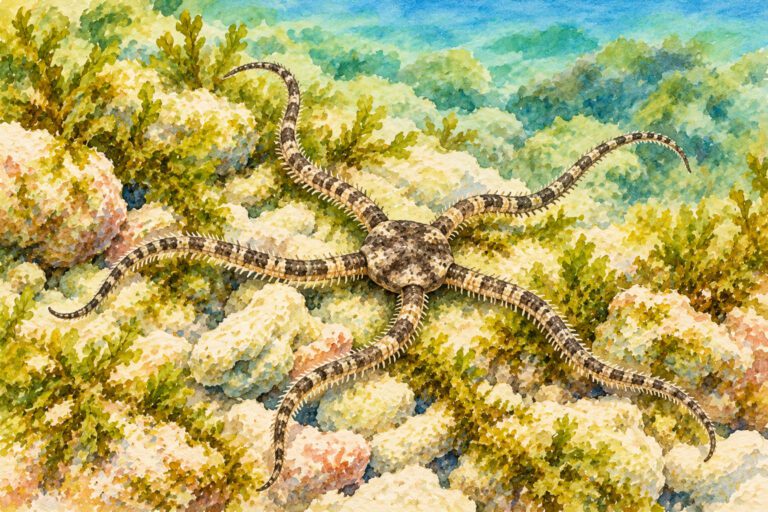
Ophiocomella alexandri is a brittle star associated with rocky and reef habitats.
Take a closer look ↗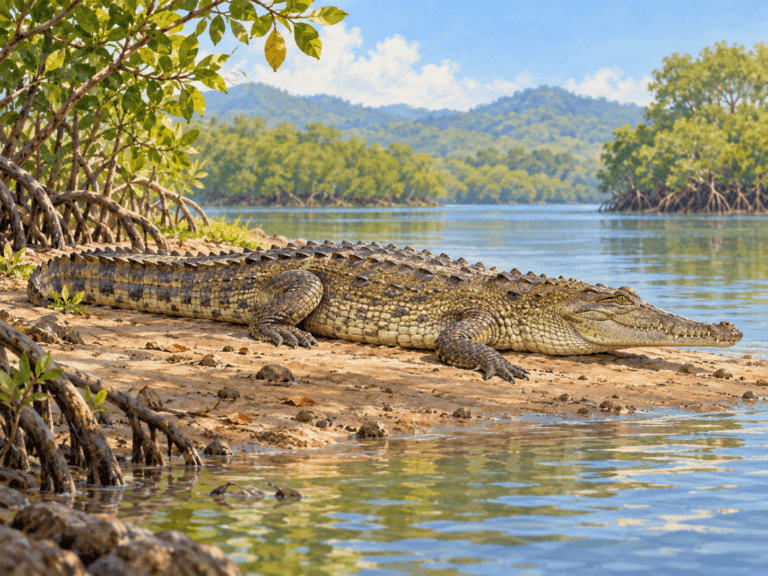
A long snout and narrow head.
Take a closer look ↗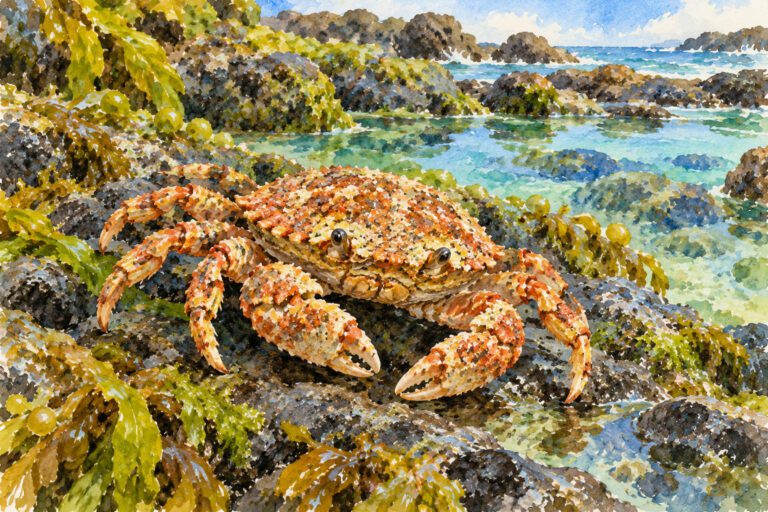
Daira americana is a small shore crab associated with rocky lower tidal habitat.
Take a closer look ↗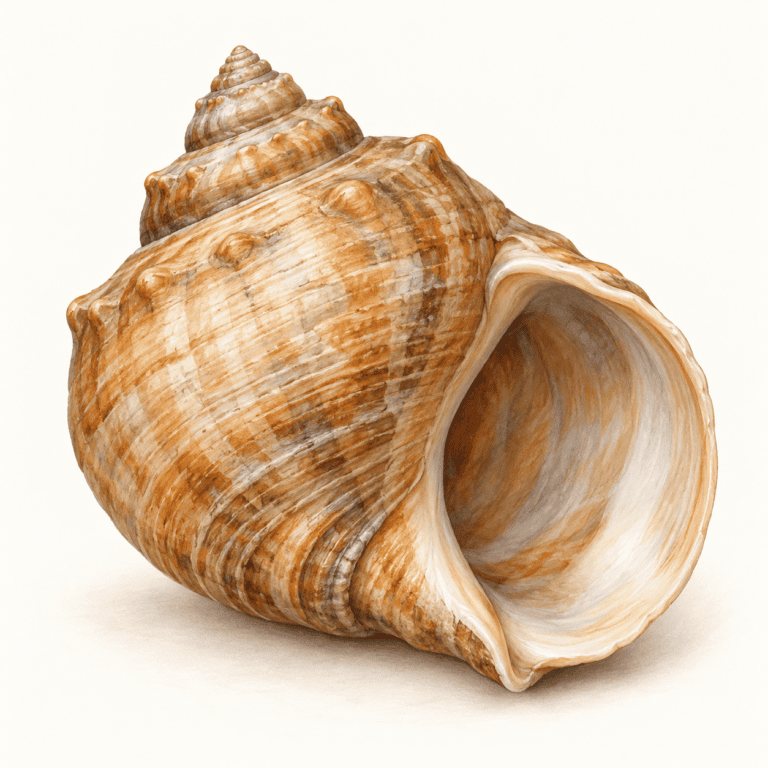
An apple rocksnail lives among the rocks of the lower shore.
Take a closer look ↗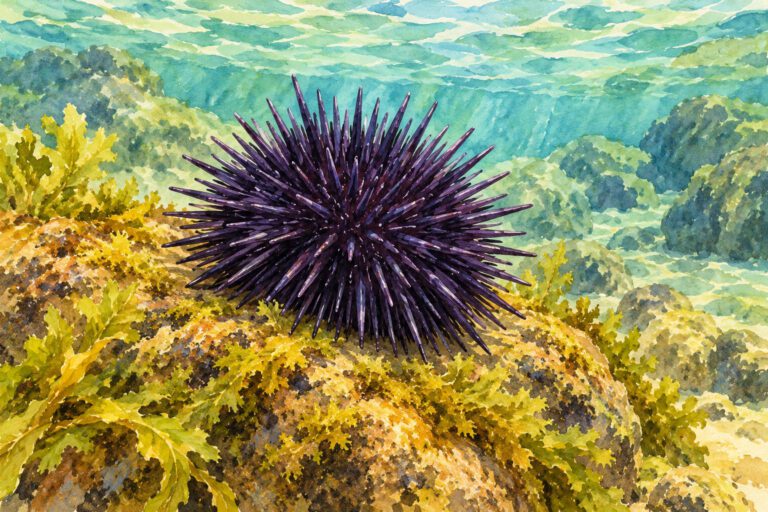
Arbacia stellata is a sea urchin recorded from the eastern Pacific.
Take a closer look ↗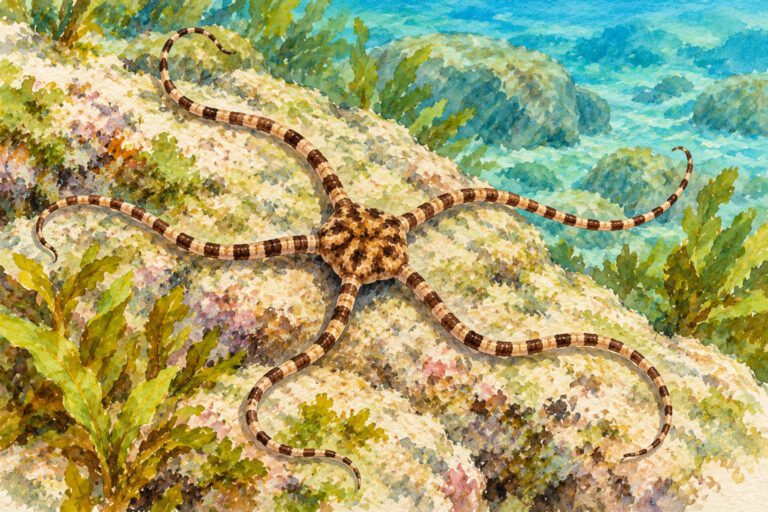
Ophionereis annulata is a brittle star with a rounded central disc and slender banded arms.
Take a closer look ↗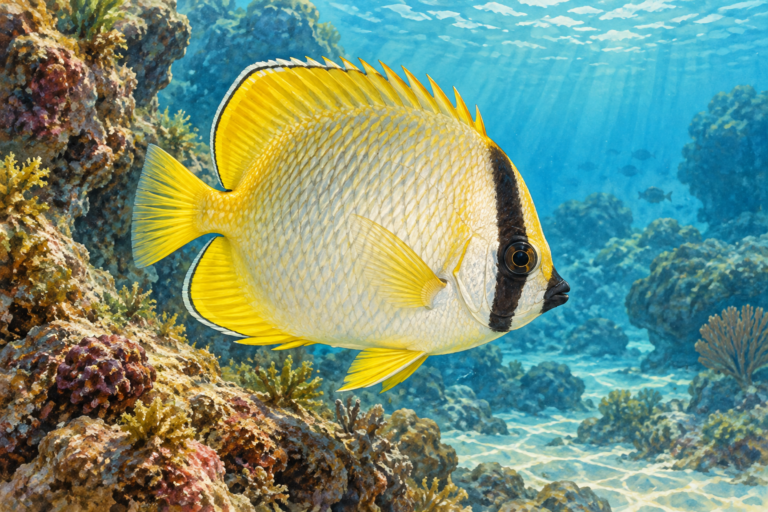
A flattened, oval, disc-like body.
Take a closer look ↗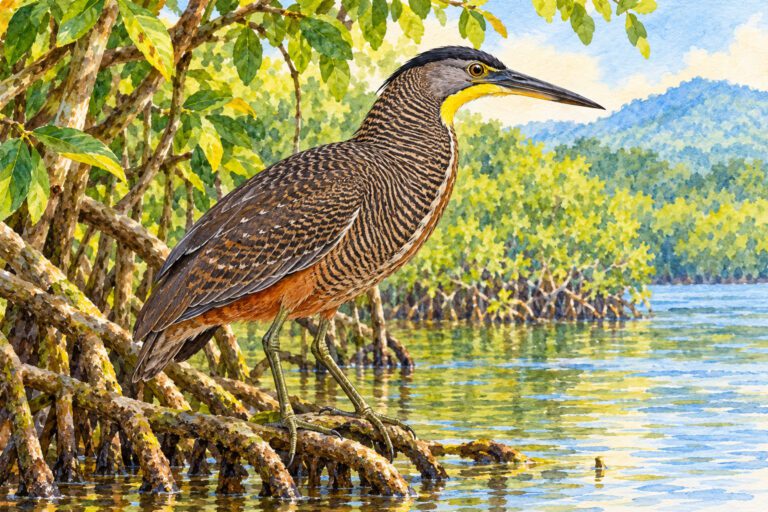
This robust tropical heron uses mangroves and freshwater wetlands.
Take a closer look ↗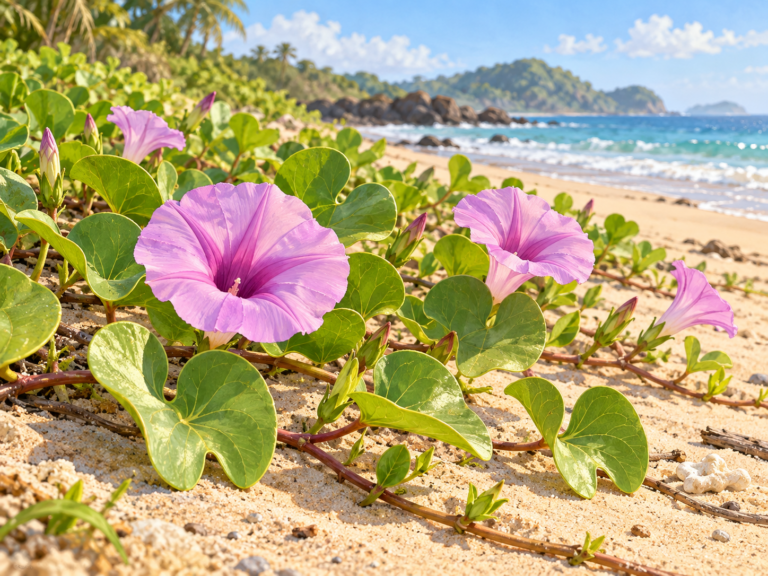
Creeping stems extending across beach sand.
Take a closer look ↗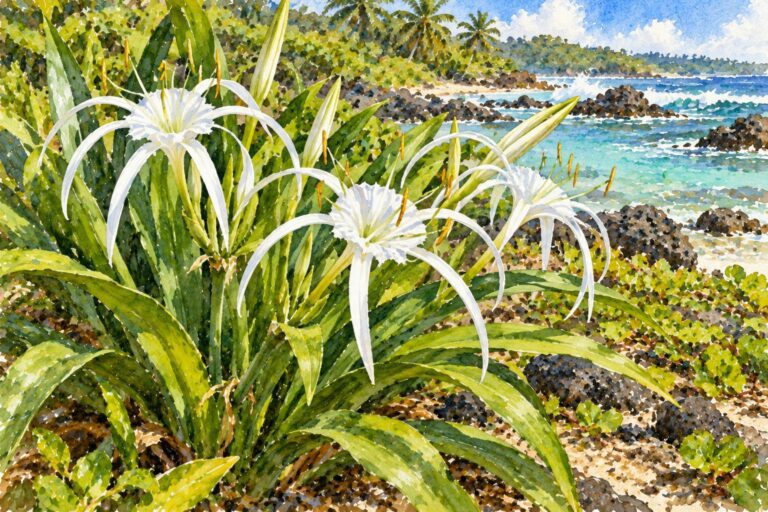
Beach spider lily has long strap-shaped leaves and striking white flowers.
Take a closer look ↗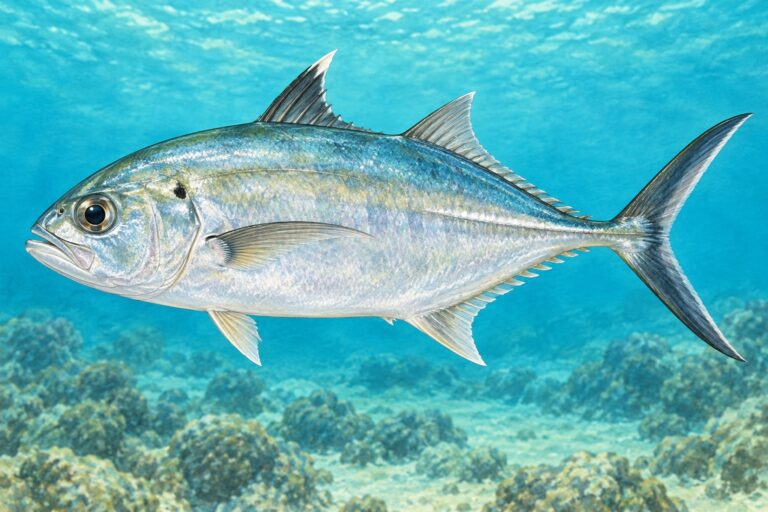
A silver jack with a noticeably large eye.
Take a closer look ↗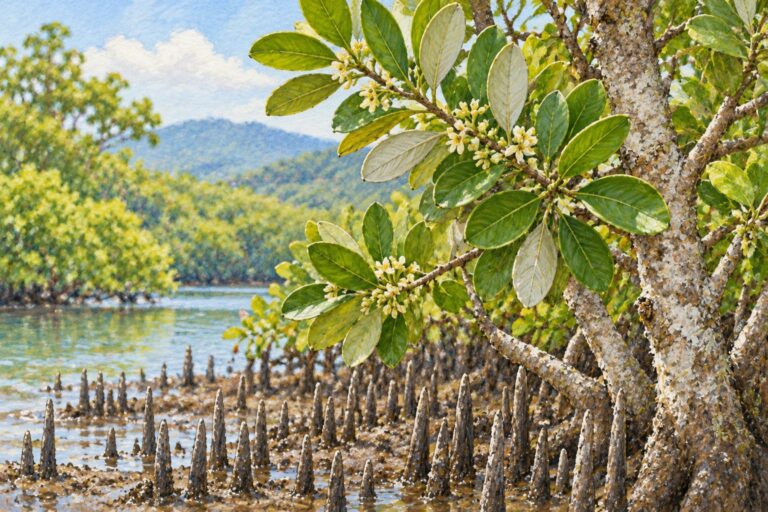
Pencil-shaped breathing roots rise from the mud around this mangrove.
Take a closer look ↗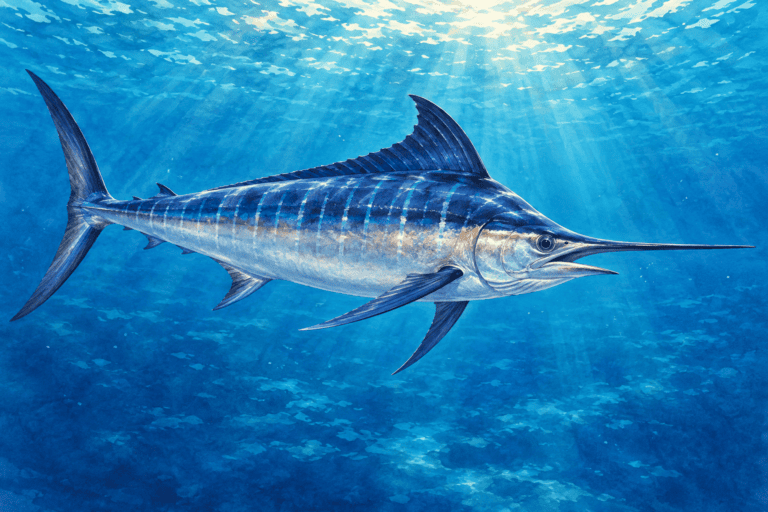
Rigid pectoral fins that do not fold flat against the body.
Take a closer look ↗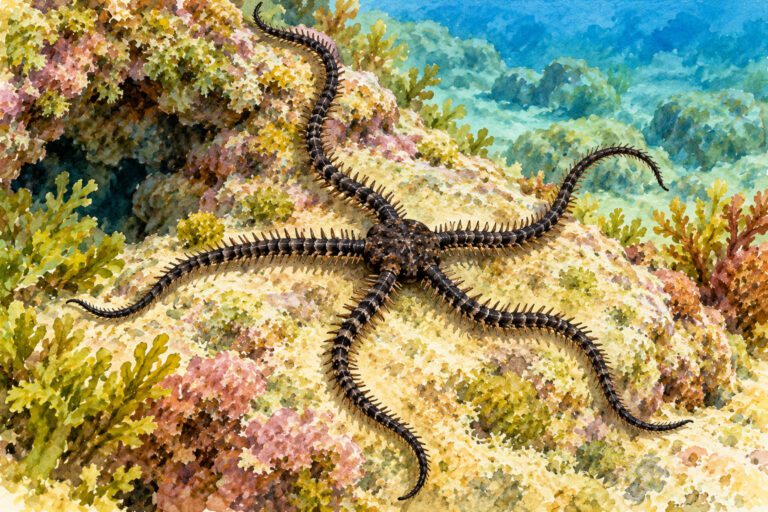
Ophiocoma aethiops is a brittle star with a distinct central disc and long, flexible, spiny arms.
Take a closer look ↗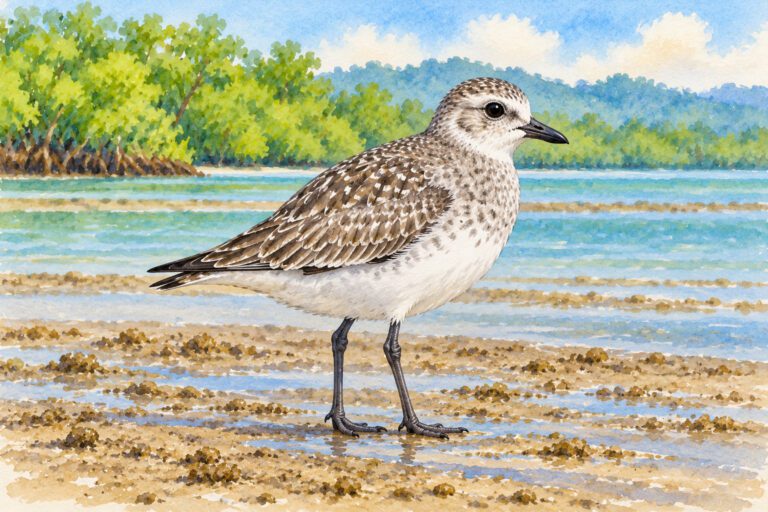
This large plover breeds in the far north and uses coasts outside breeding.
Take a closer look ↗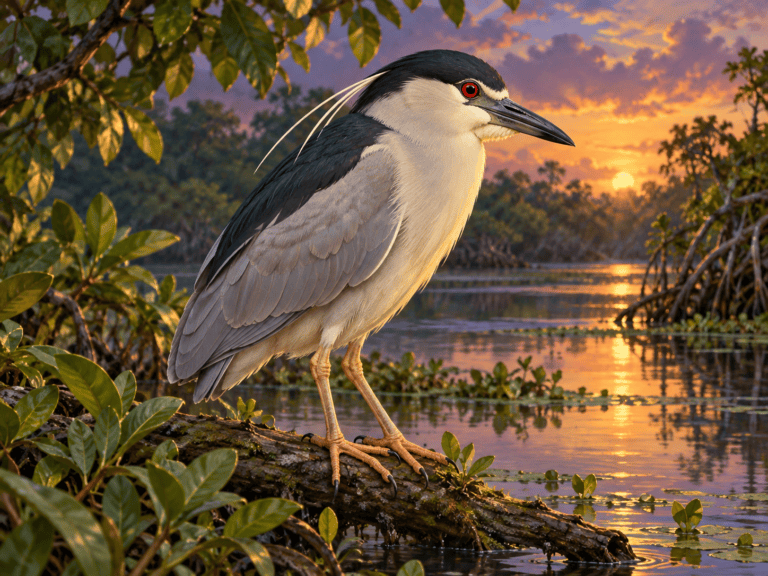
A compact heron whose feeding day often begins at dusk.
Take a closer look ↗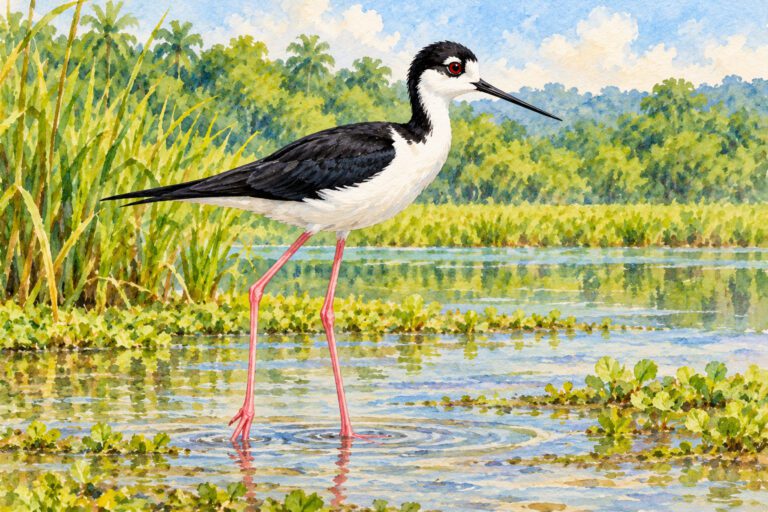
Black-necked Stilts have exceptionally long pink legs, a thin straight dark bill and contrasting black-and-white plumage.
Take a closer look ↗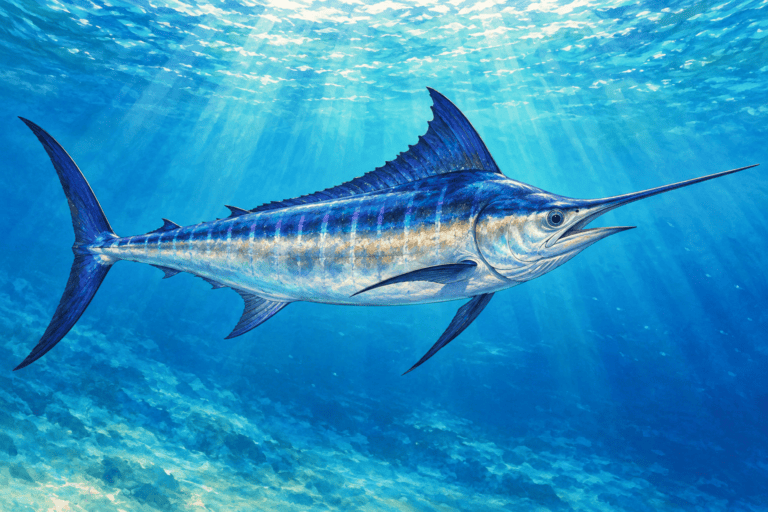
A long spear-shaped bill.
Take a closer look ↗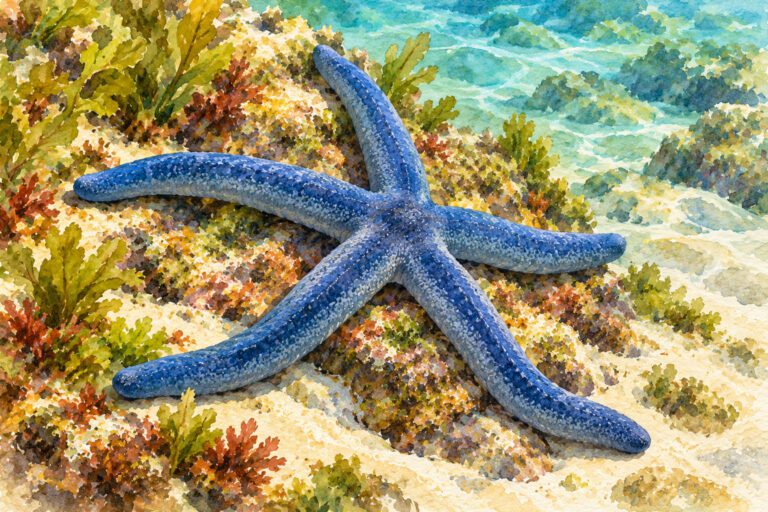
Phataria unifascialis is an eastern Pacific sea star known as the blue sea star.
Take a closer look ↗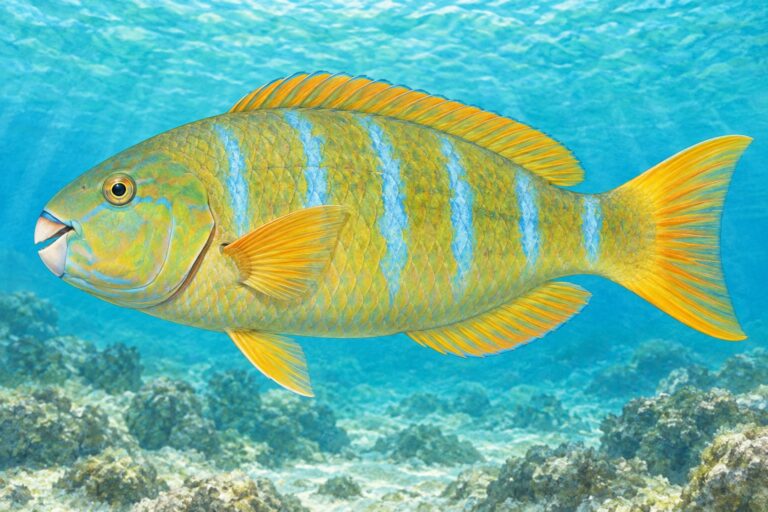
A reef parrotfish with fused teeth shaped like a beak.
Take a closer look ↗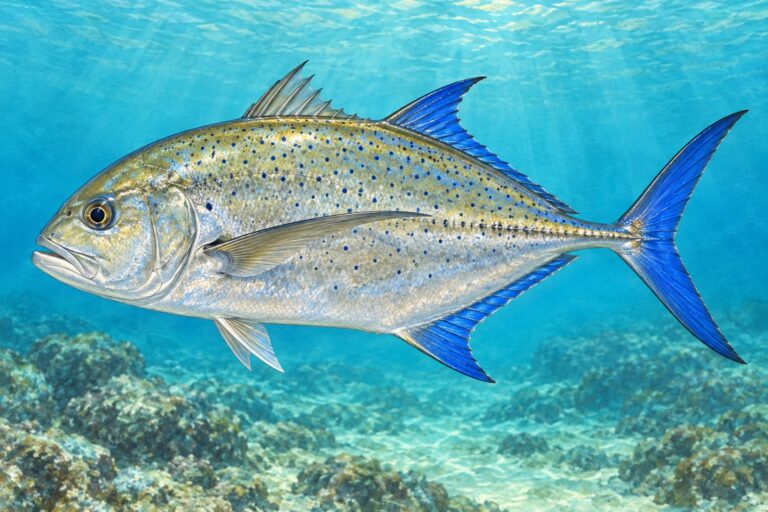
A reef hunter with electric blue fins.
Take a closer look ↗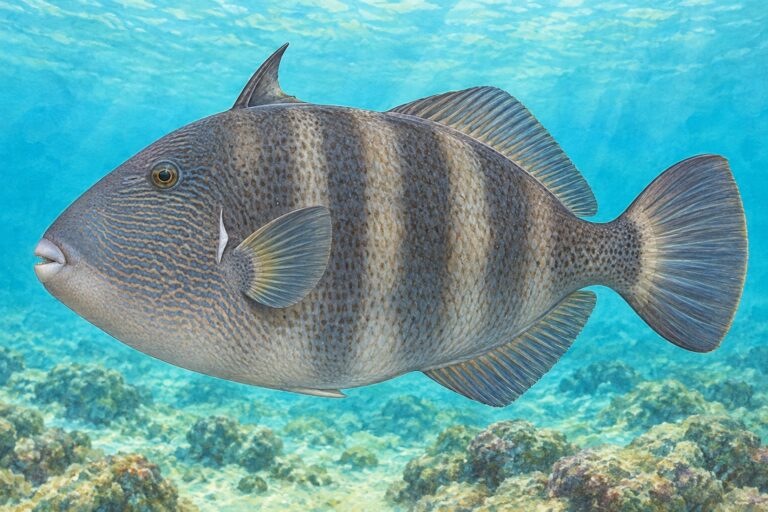
A large gray triggerfish with a pale gill slit.
Take a closer look ↗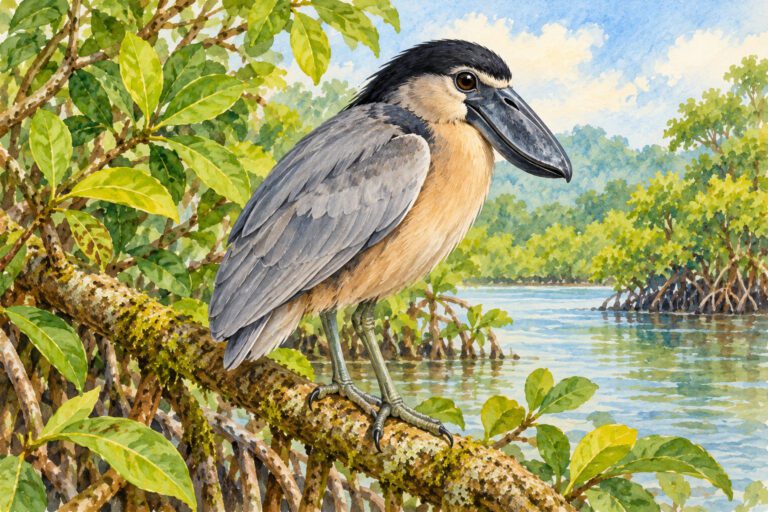
The Boat-billed Heron has an unusually wide flattened bill and large dark eyes.
Take a closer look ↗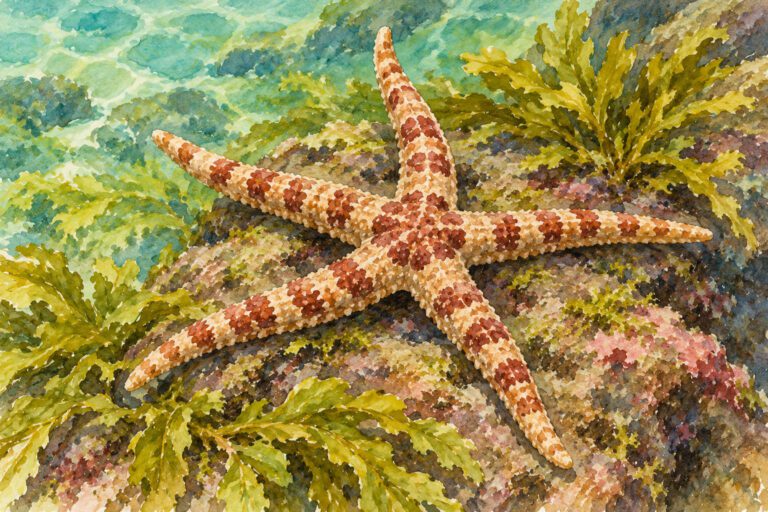
Mithrodia bradleyi is a marine sea star.
Take a closer look ↗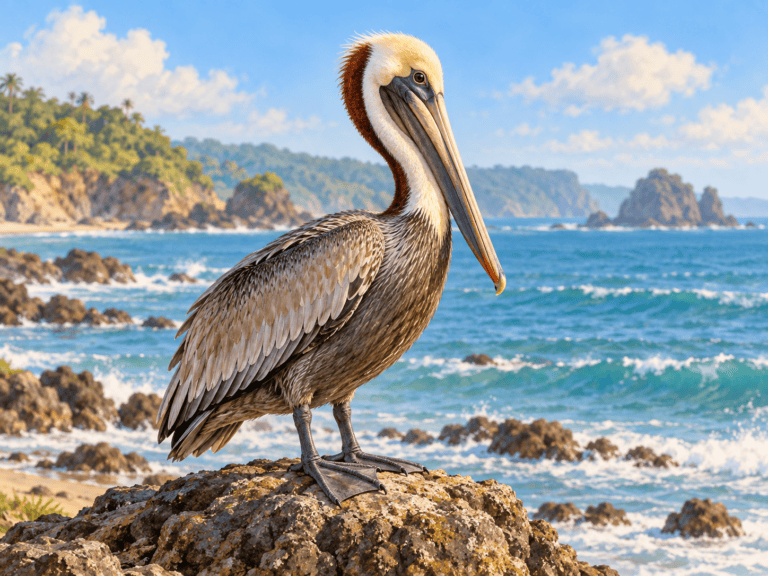
A long bill with a pouch beneath the lower jaw.
Take a closer look ↗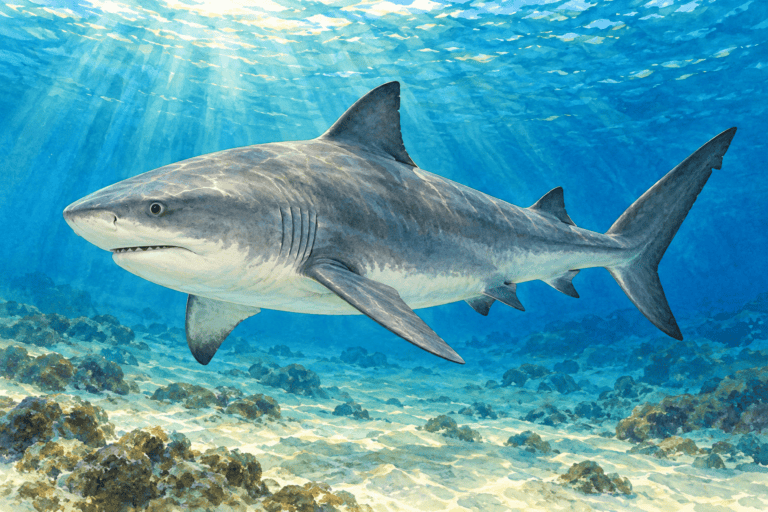
A stocky gray body with a pale belly.
Take a closer look ↗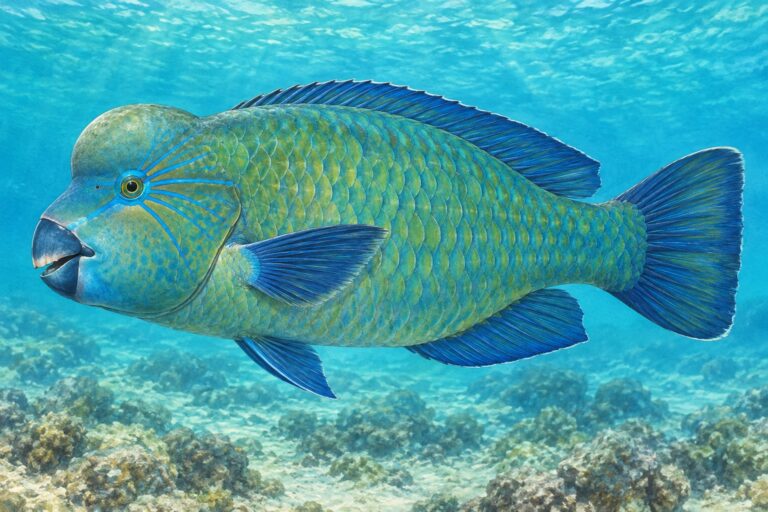
An eastern Pacific parrotfish with a blue beak.
Take a closer look ↗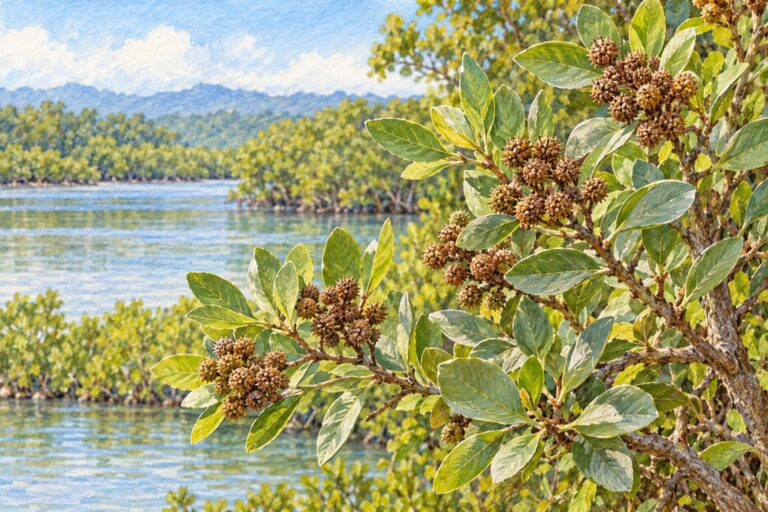
Small buttonlike fruit heads help identify this coastal tree or shrub.
Take a closer look ↗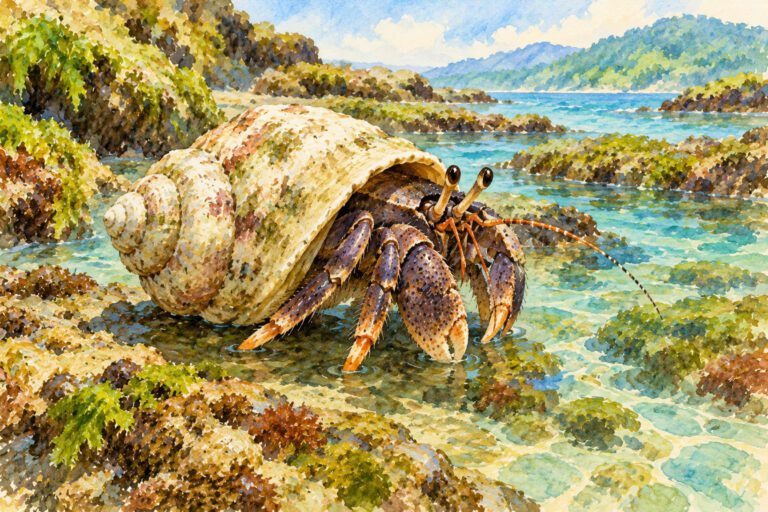
Calcinus obscurus is a marine hermit crab.
Take a closer look ↗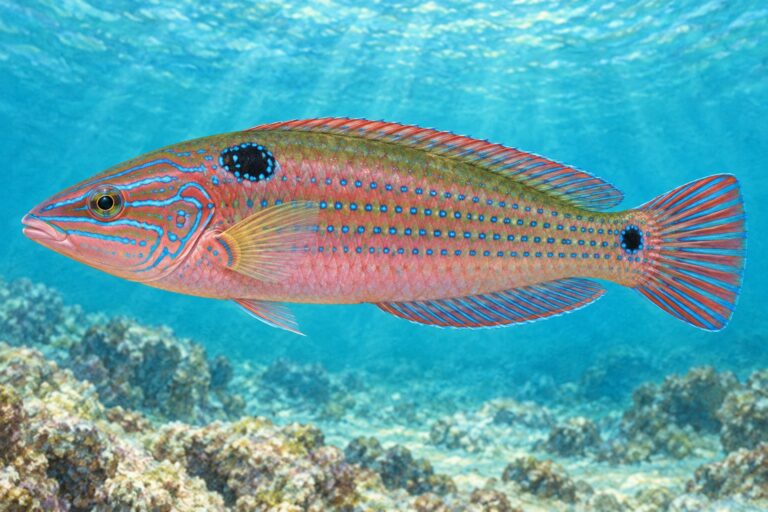
A patterned wrasse whose appearance changes with life phase.
Take a closer look ↗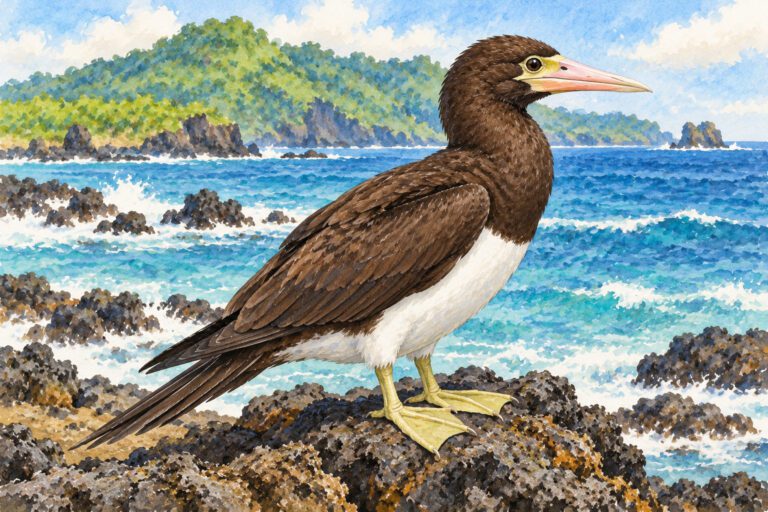
Cocos Boobies are eastern Pacific seabirds formerly included with Brown Booby.
Take a closer look ↗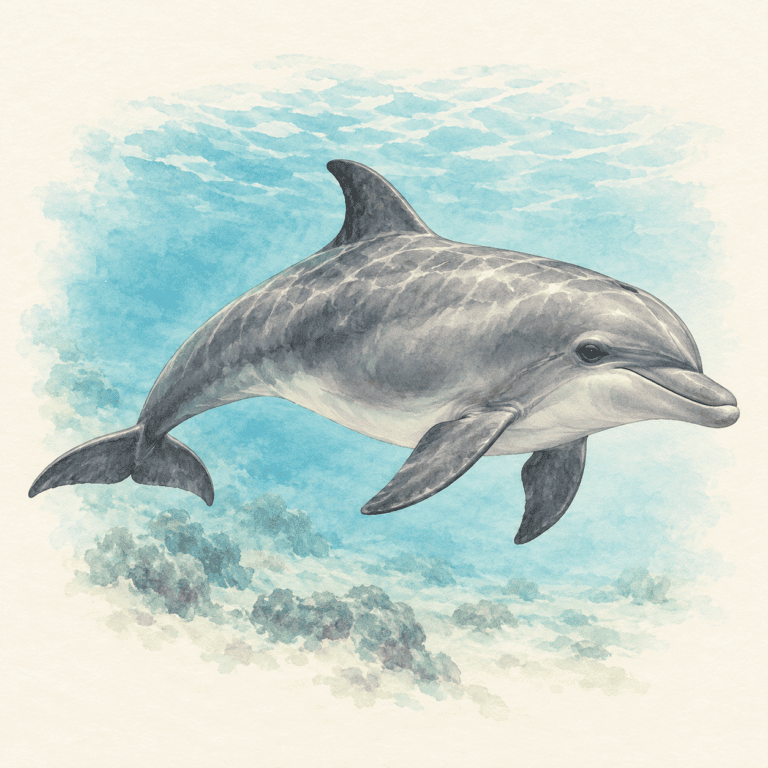
The common bottlenose dolphin has a short thick beak and a generally gray body.
Take a closer look ↗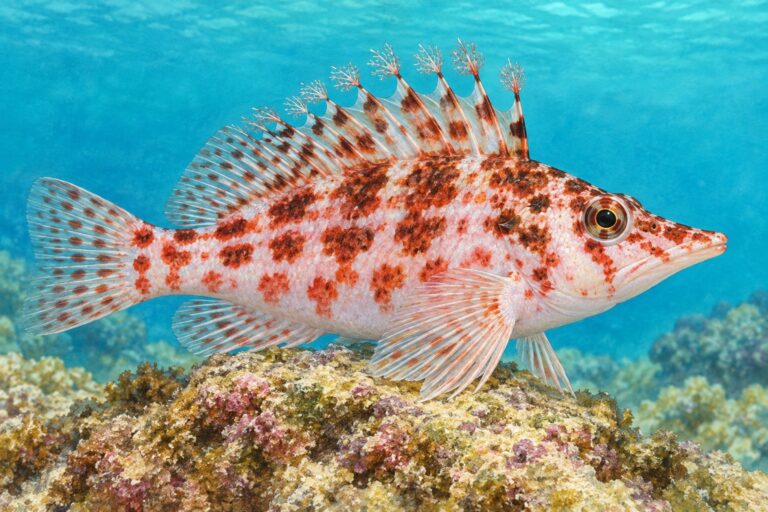
A small reef fish with reddish-brown blotches.
Take a closer look ↗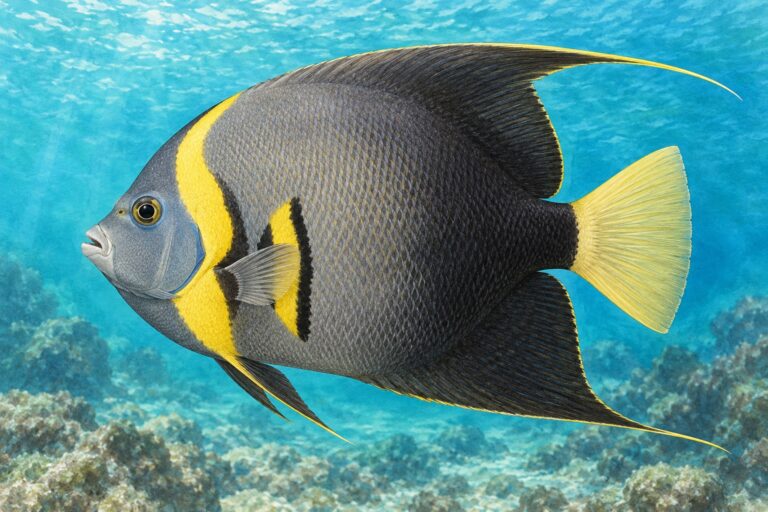
A tall angelfish with yellow accents and dramatic juvenile stripes.
Take a closer look ↗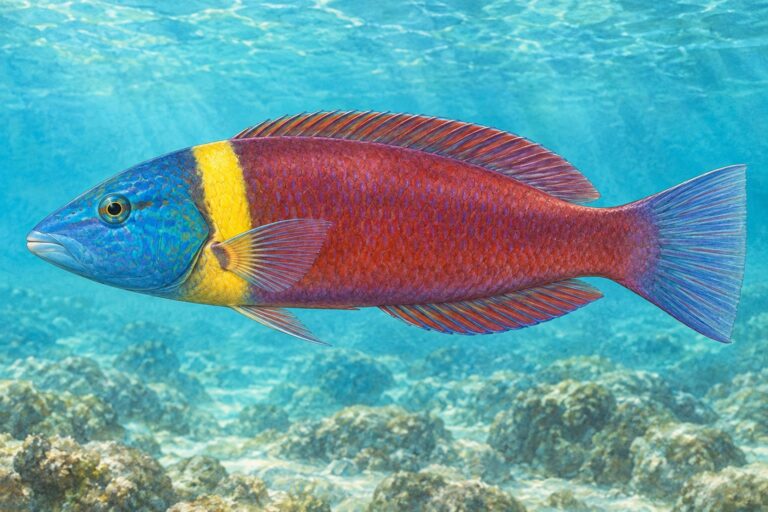
A small wrasse whose colors change as it grows.
Take a closer look ↗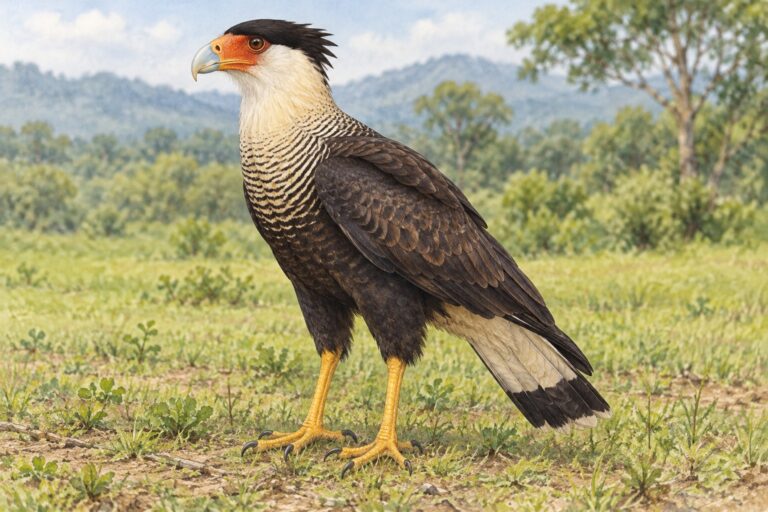
A long-legged raptor that often walks on the ground.
Take a closer look ↗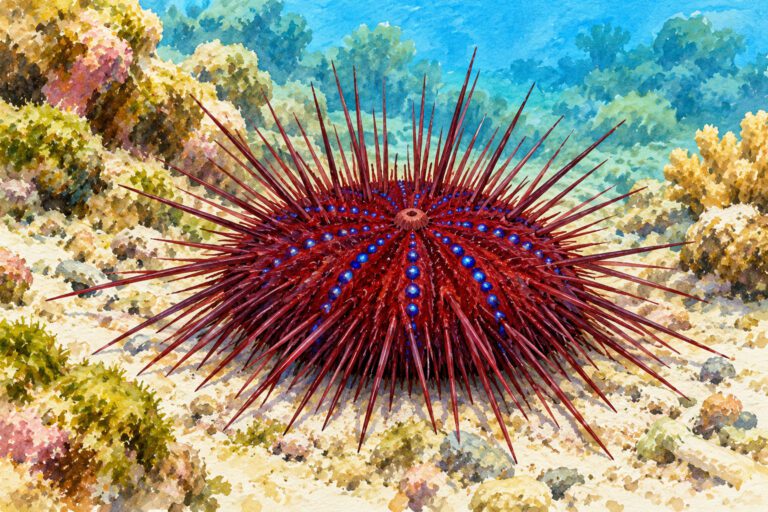
Astropyga pulvinata is an urchin with long spines and distinctive bright blue spots on parts of its body.
Take a closer look ↗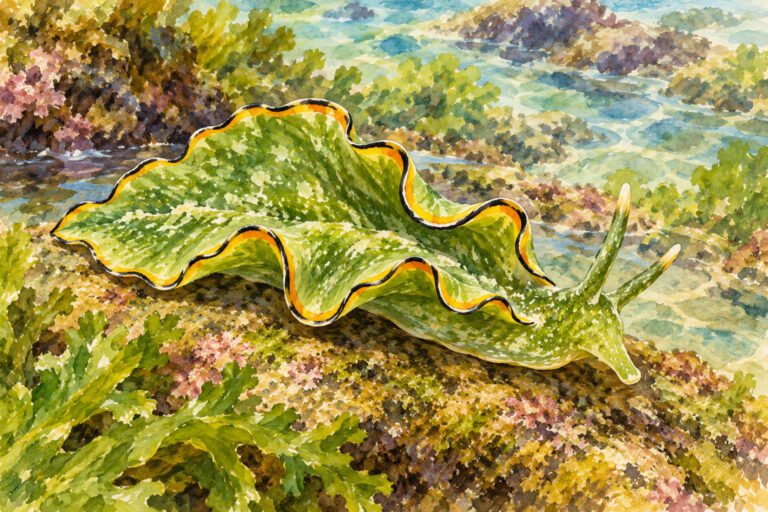
Elysia diomedea is a small marine gastropod with folded, leaf-like sides and a greenish appearance.
Take a closer look ↗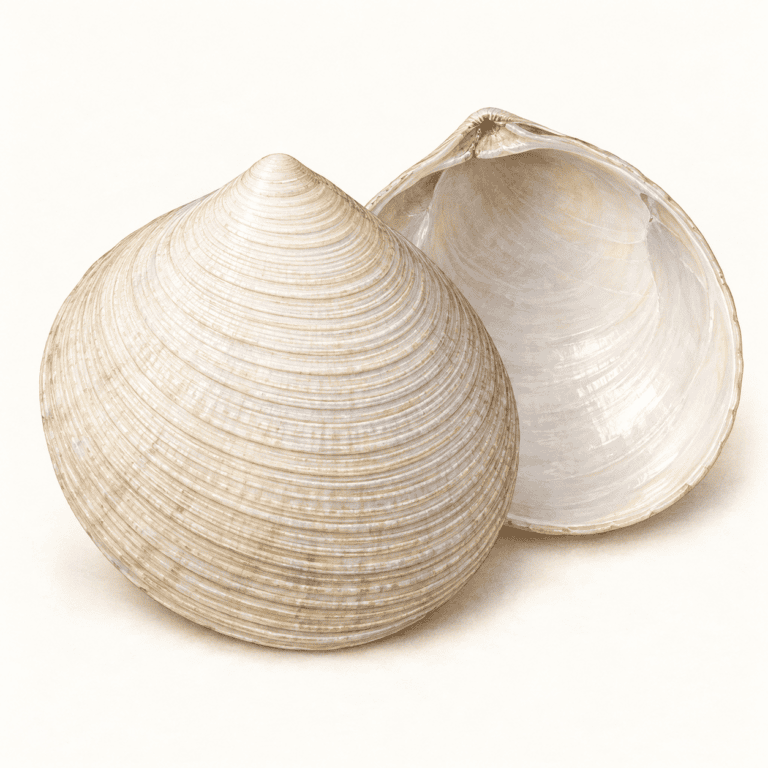
A rounded clam shell rewards a closer look at fine surface lines.
Take a closer look ↗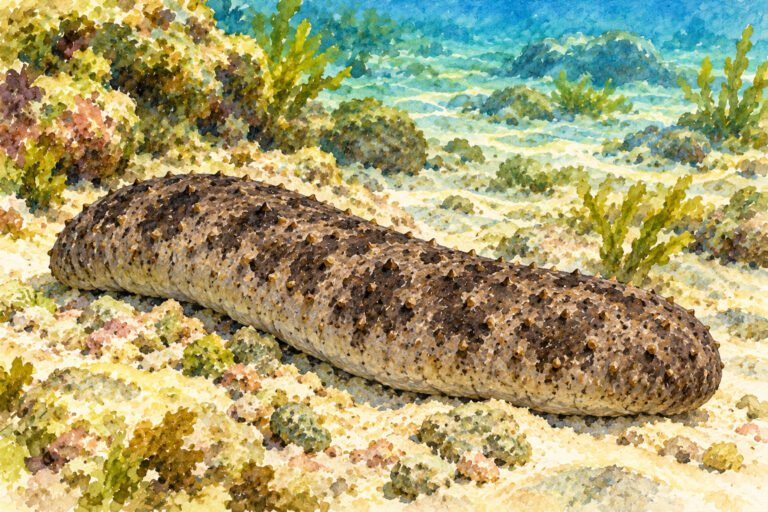
Holothuria fuscocinerea is a sea cucumber: a marine echinoderm with an elongated body instead of spreading arms.
Take a closer look ↗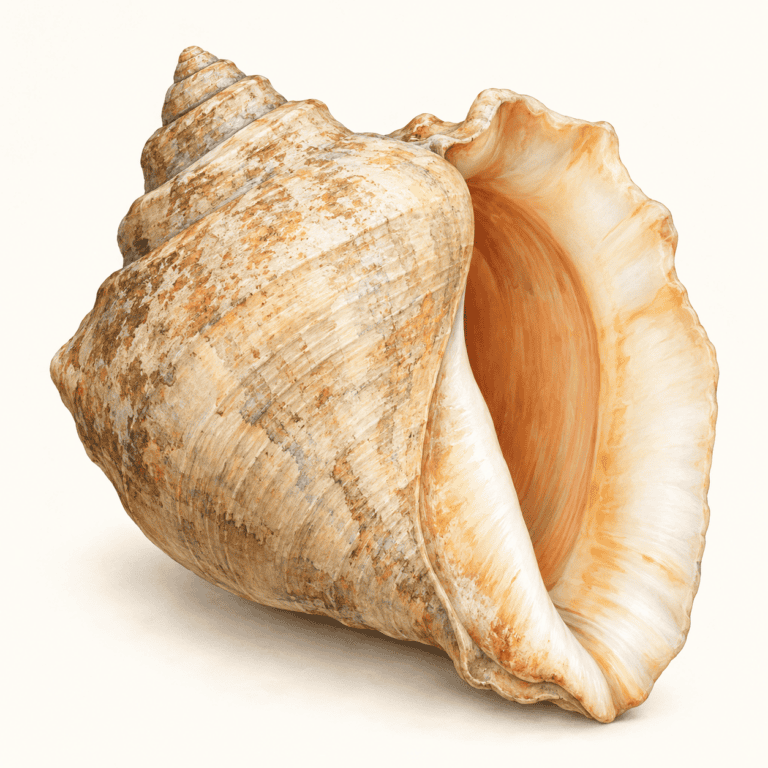
A large conch connects marine nature with Costa Rica’s cultural history.
Take a closer look ↗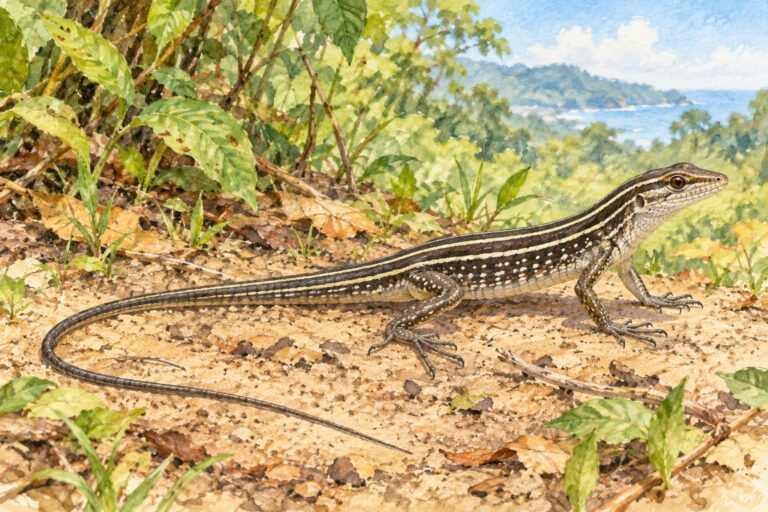
Pale lengthwise stripes make this quick ground lizard worth a careful second look.
Take a closer look ↗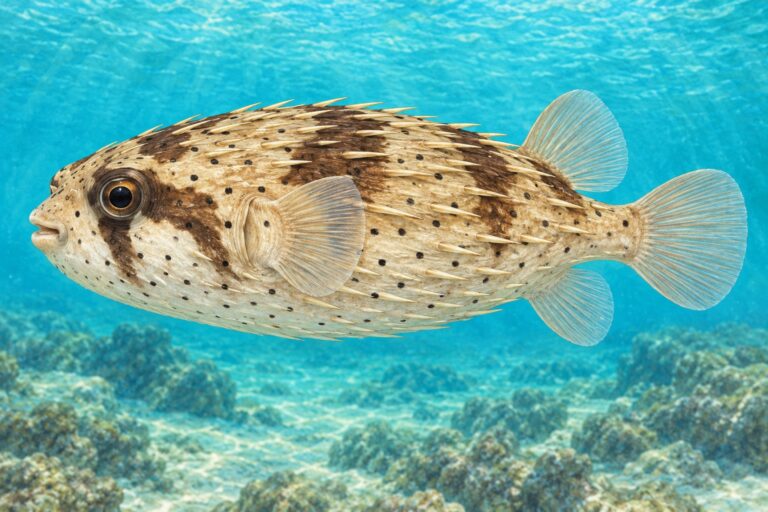
An oval fish with long spines that usually lie against its skin.
Take a closer look ↗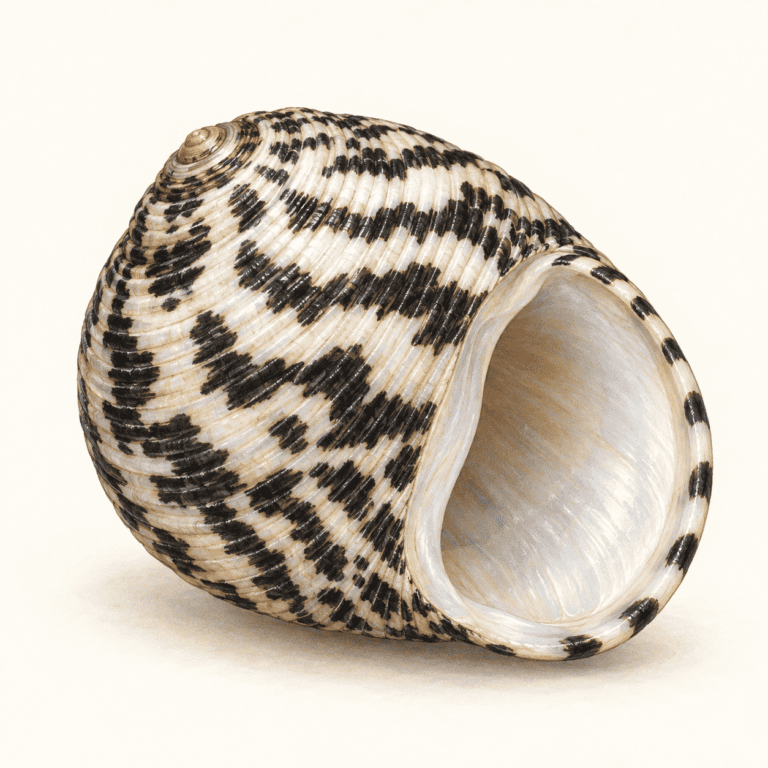
A small, rounded nerite invites a close look at its shell pattern.
Take a closer look ↗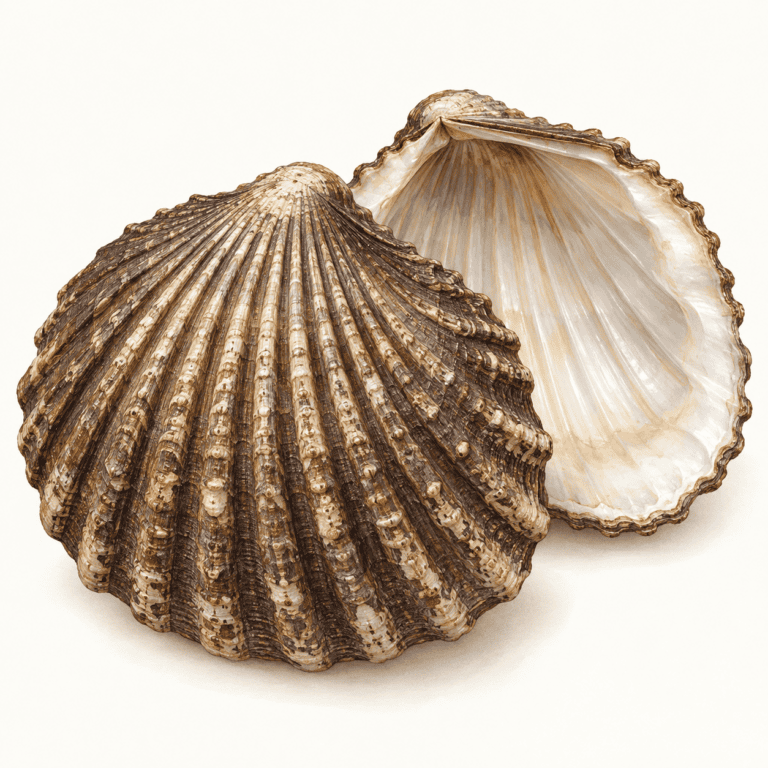
A large ark shell has deep spaces between its strong ribs.
Take a closer look ↗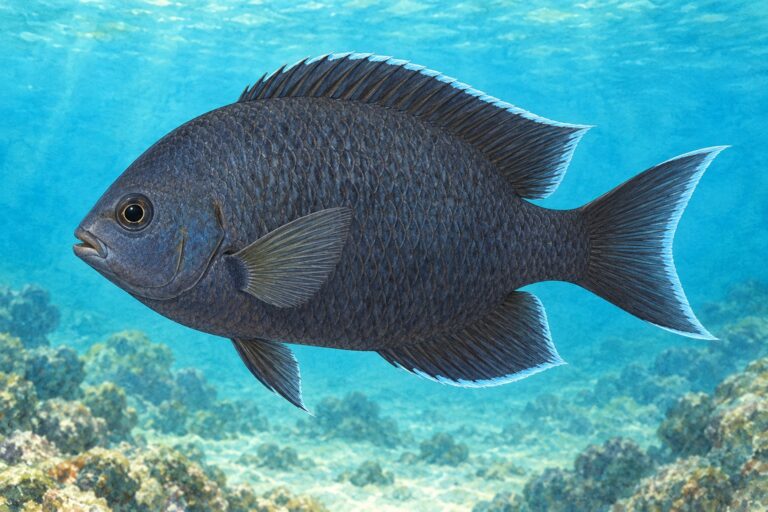
A large damselfish with dark blue-gray adult coloring.
Take a closer look ↗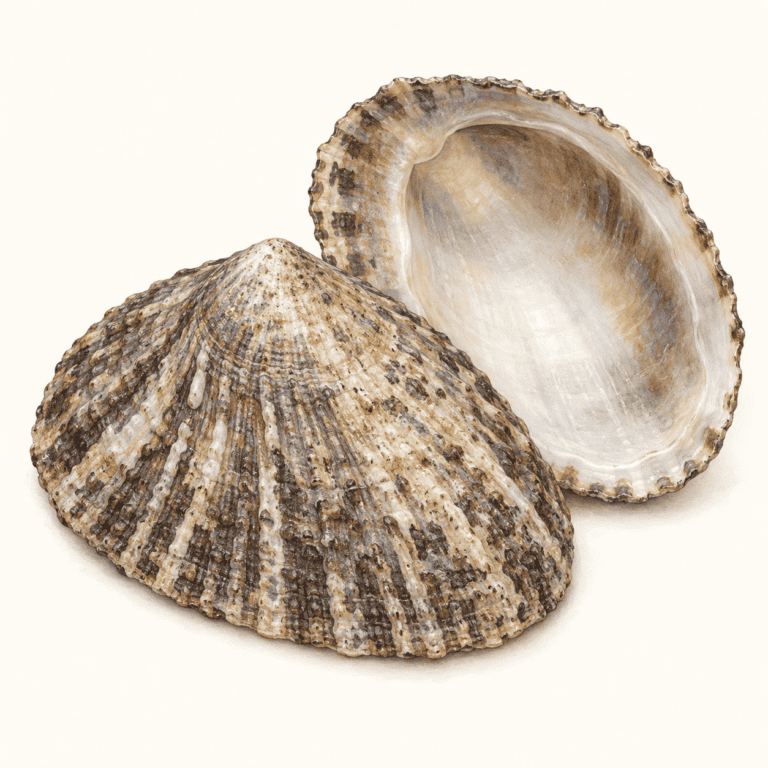
A cap-shaped shell shelters a snail on the rocky shore.
Take a closer look ↗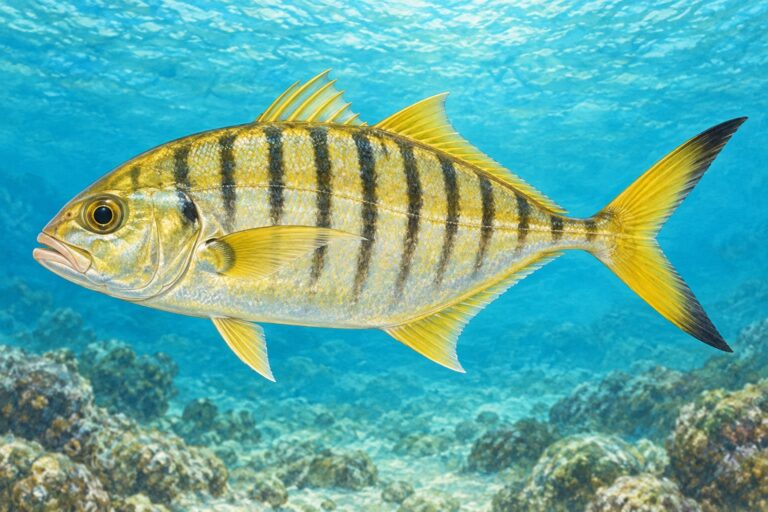
A jack whose boldly barred young look different from adults.
Take a closer look ↗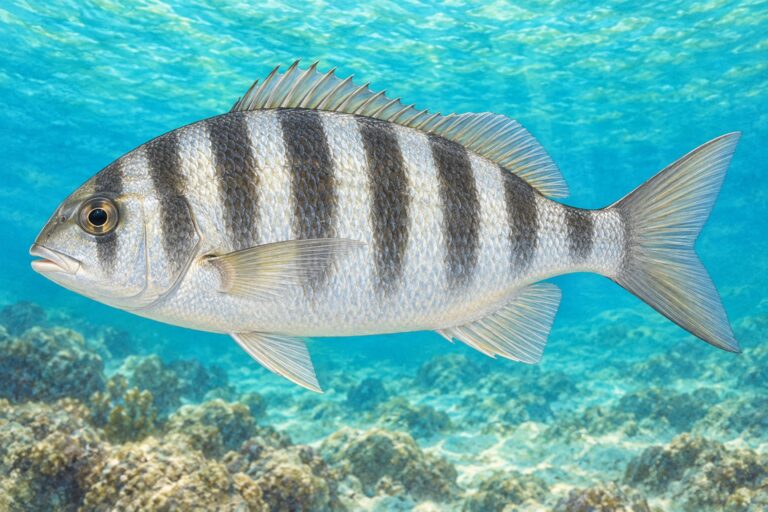
A silver grunt crossed by broad dark bars.
Take a closer look ↗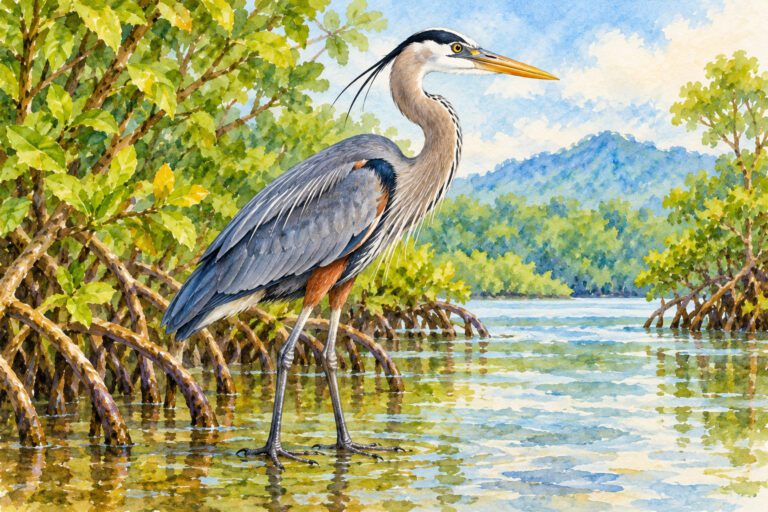
This large heron searches shallow water for fish and other small animals.
Take a closer look ↗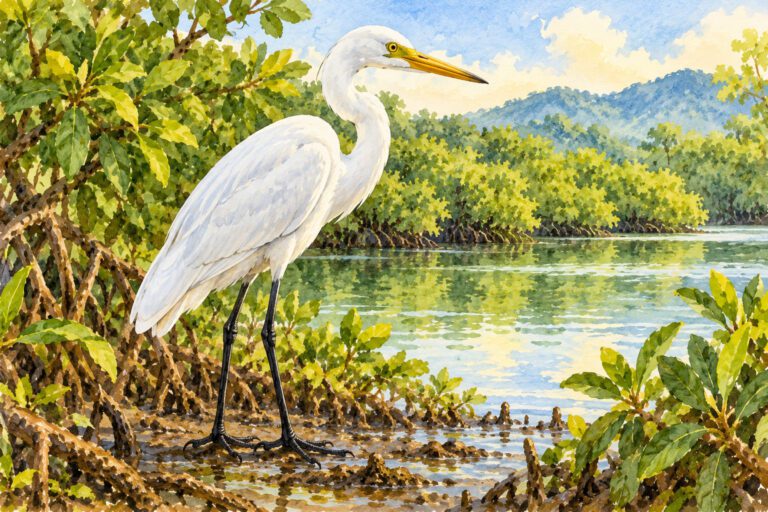
The Great Egret is a large white wading bird that hunts by waiting or walking slowly in shallow water.
Take a closer look ↗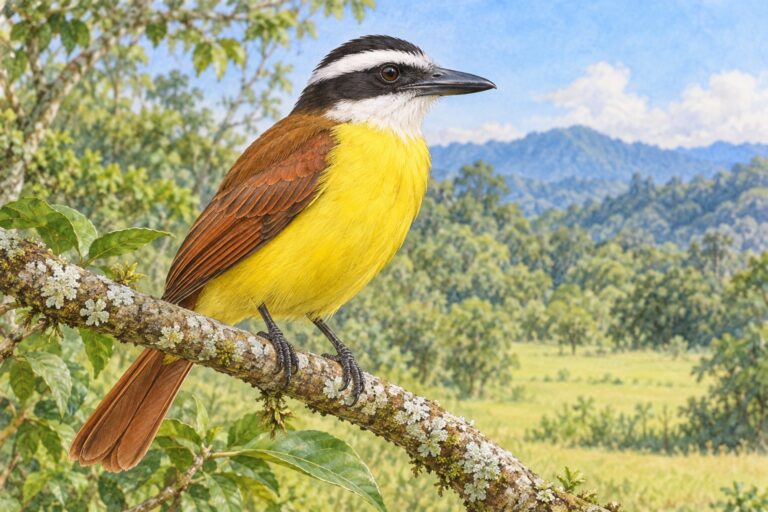
A loud flycatcher with a yellow belly and striped head.
Take a closer look ↗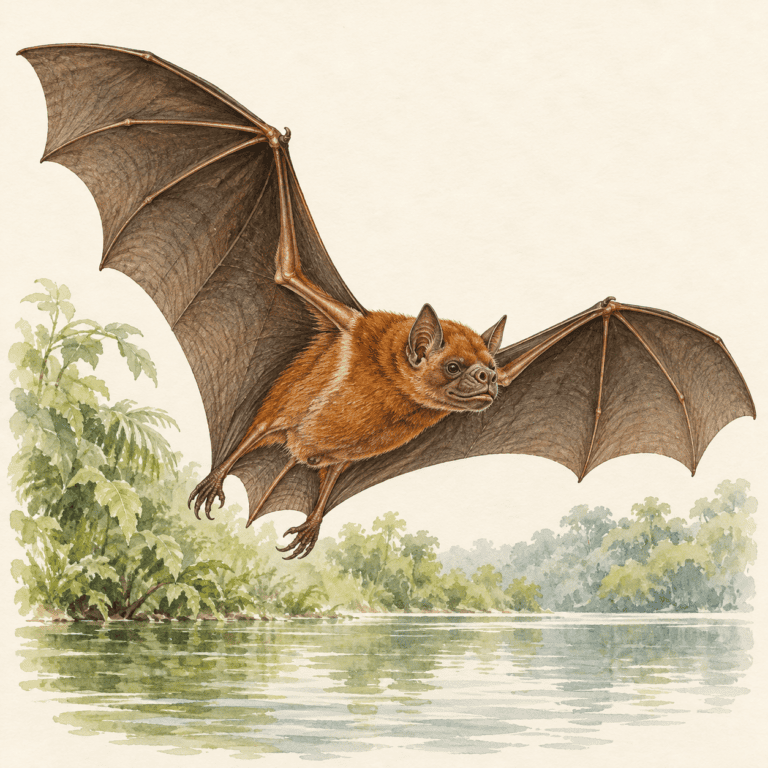
The greater bulldog bat is one of the bats that regularly catches fish.
Take a closer look ↗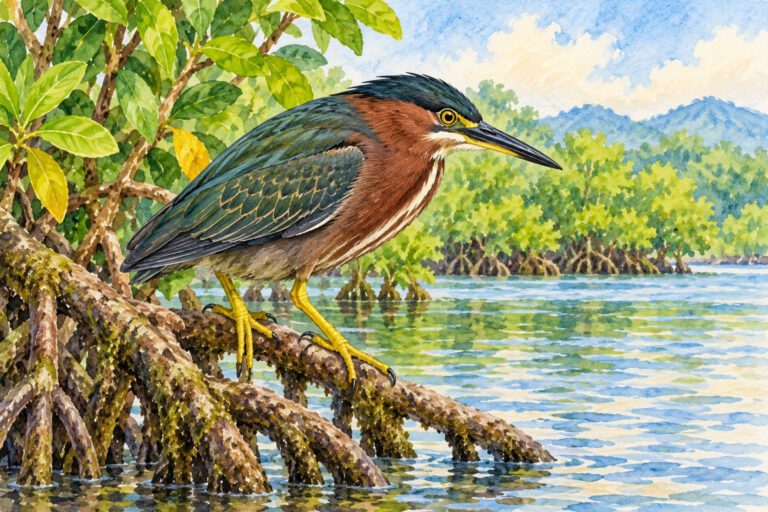
The Green Heron is a compact hunter with a dark greenish back, chestnut neck and a short crest.
Take a closer look ↗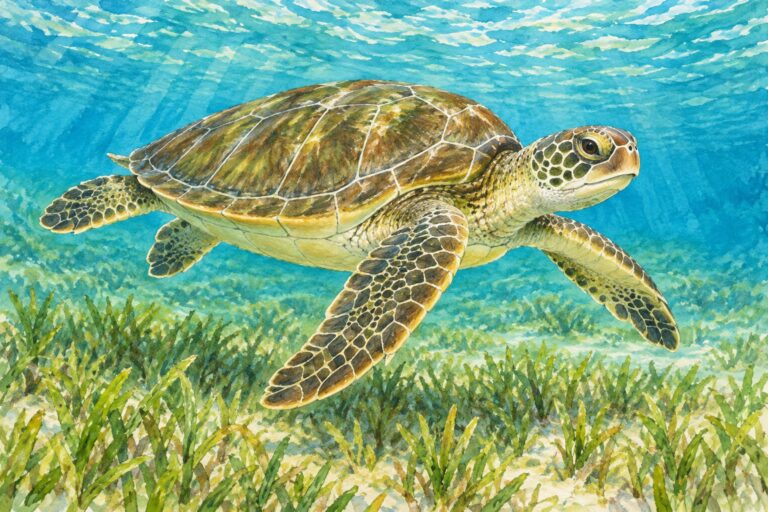
A smooth oval shell and paddle-shaped flippers belong to this ocean traveler.
Take a closer look ↗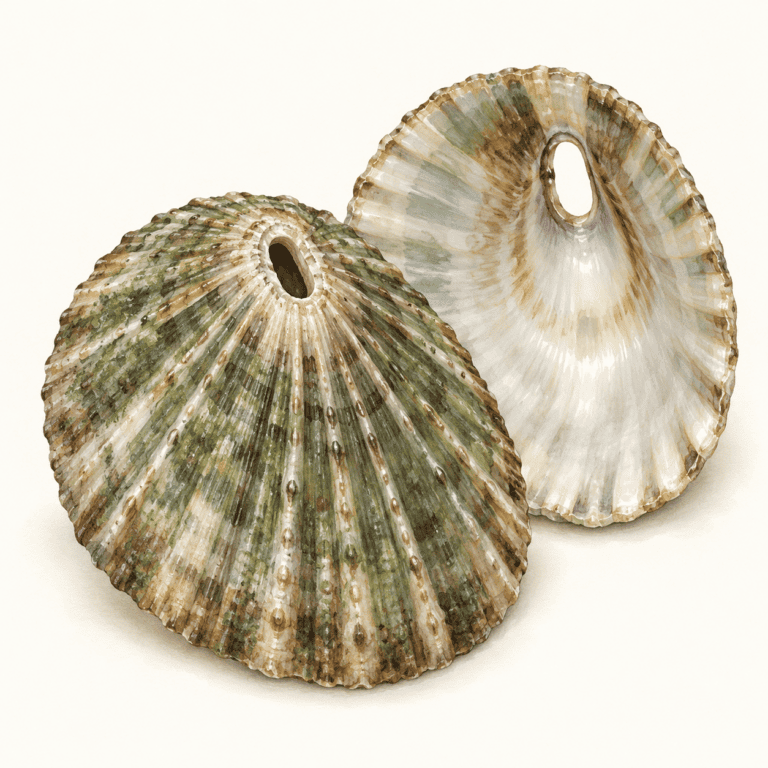
Look for the opening near the top of this cap-shaped shell.
Take a closer look ↗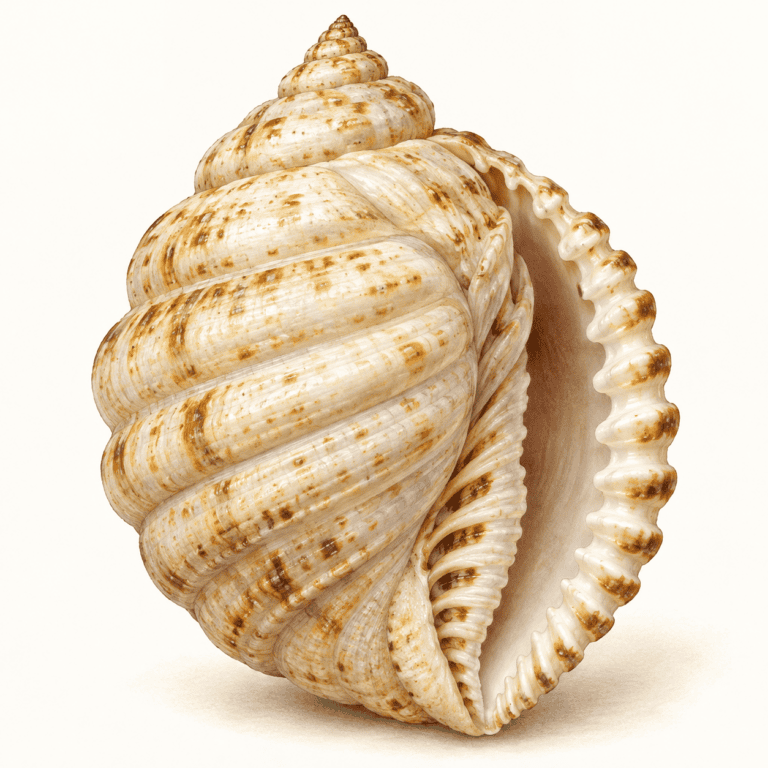
A rounded shell with a tooth-lined opening explains its memorable name.
Take a closer look ↗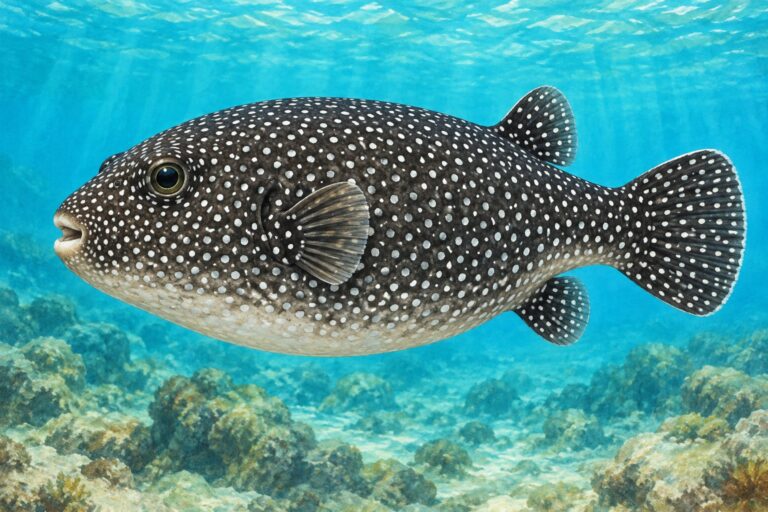
A round reef puffer with a dotted dark form and a yellow form.
Take a closer look ↗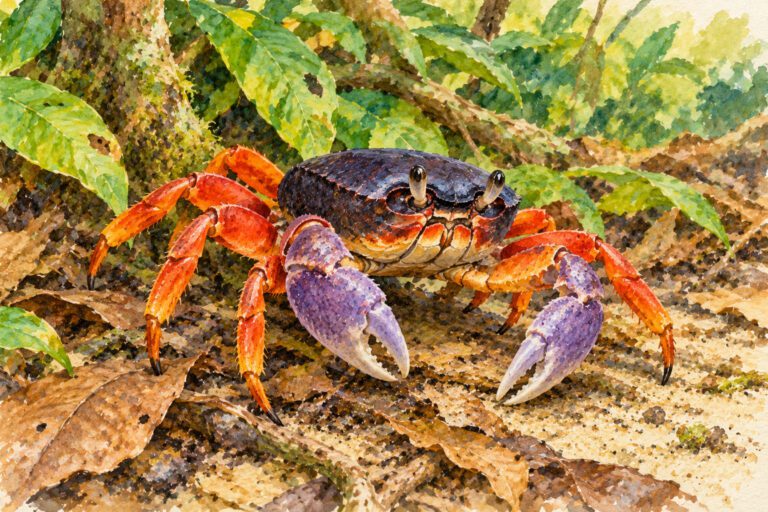
Gecarcinus quadratus is a land crab associated with coastal habitats.
Take a closer look ↗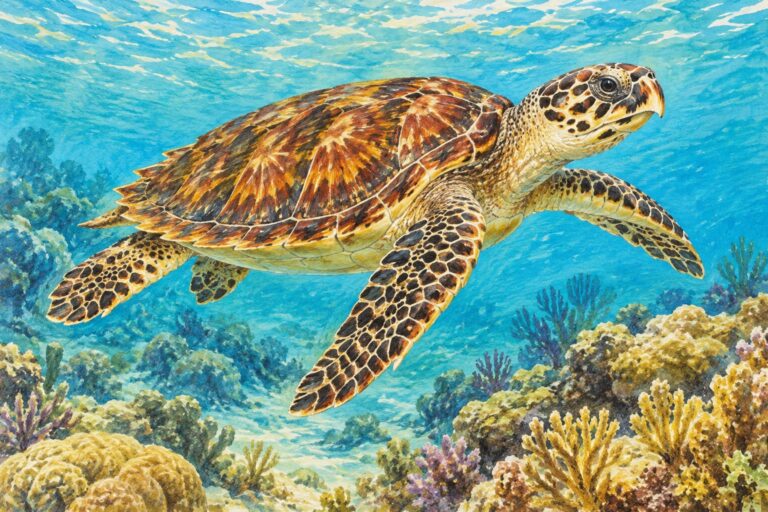
A narrow hooked beak and patterned shell help distinguish the hawksbill.
Take a closer look ↗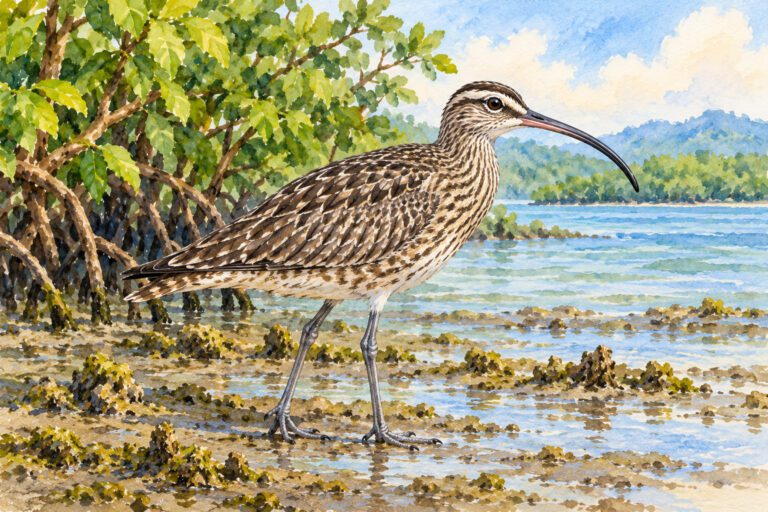
This large shorebird uses its long downward-curved bill to find crabs and other small animals on coastal flats.
Take a closer look ↗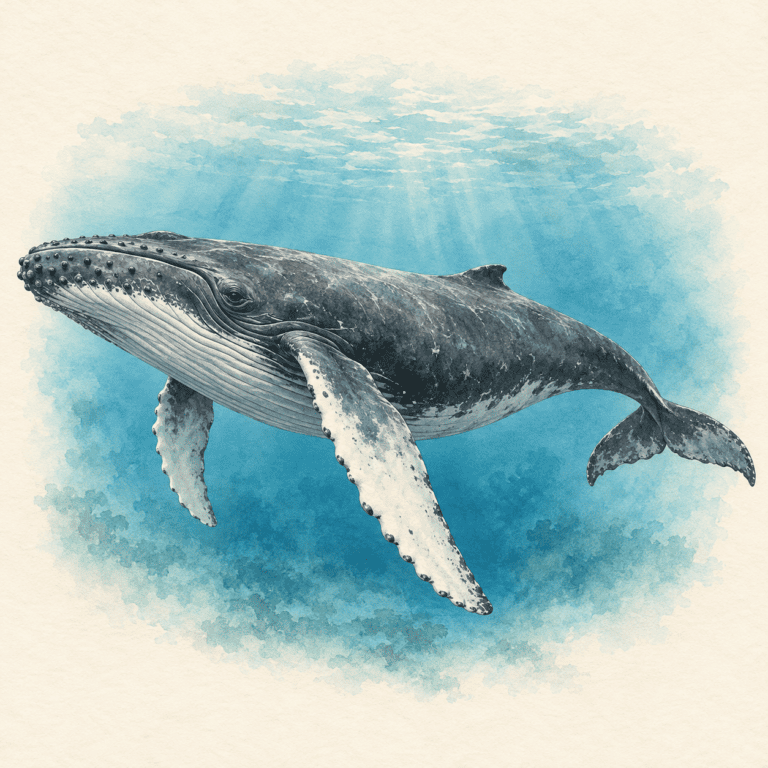
A humpback whale is a mammal that breathes air through blowholes and nurses its young with milk.
Take a closer look ↗
A deep, flattened body and small mouth.
Take a closer look ↗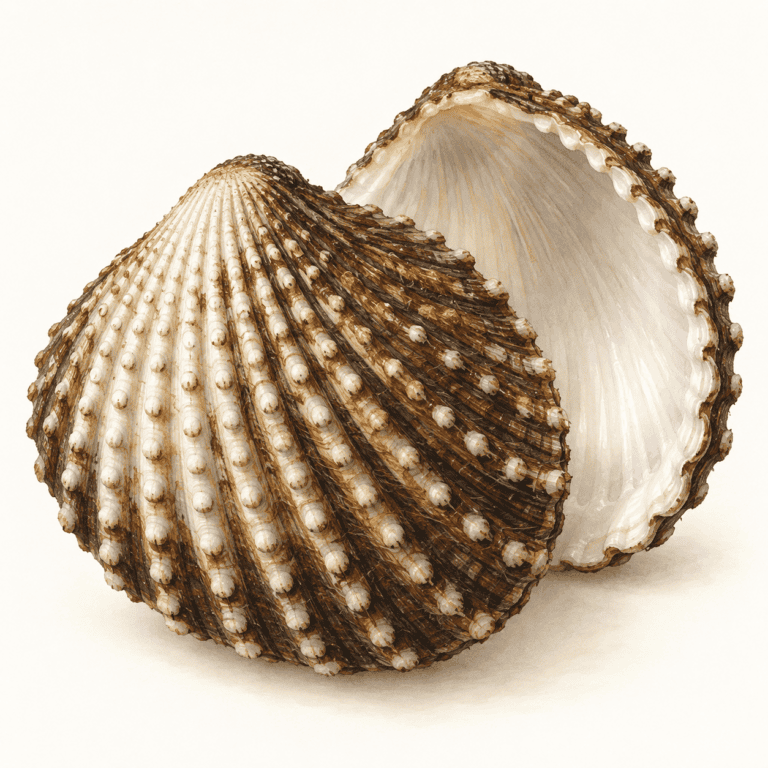
A ribbed mangrove shell has small bumps that help explain its name.
Take a closer look ↗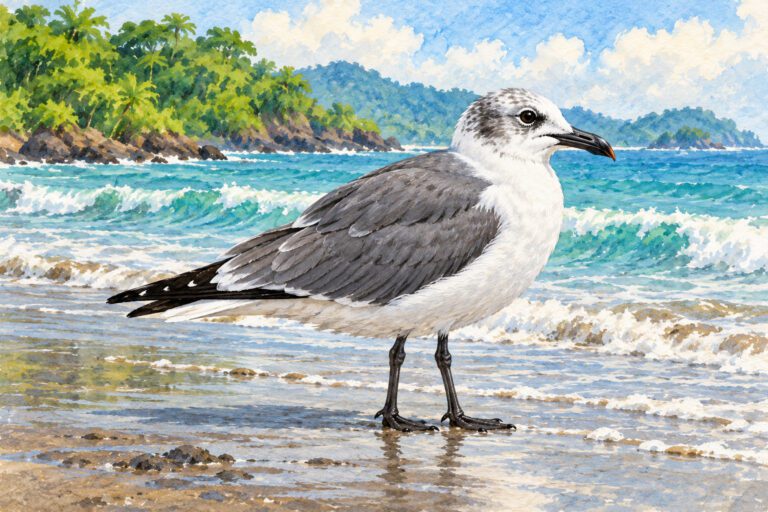
Laughing Gulls are coastal gulls with dark gray backs and blackish wingtips.
Take a closer look ↗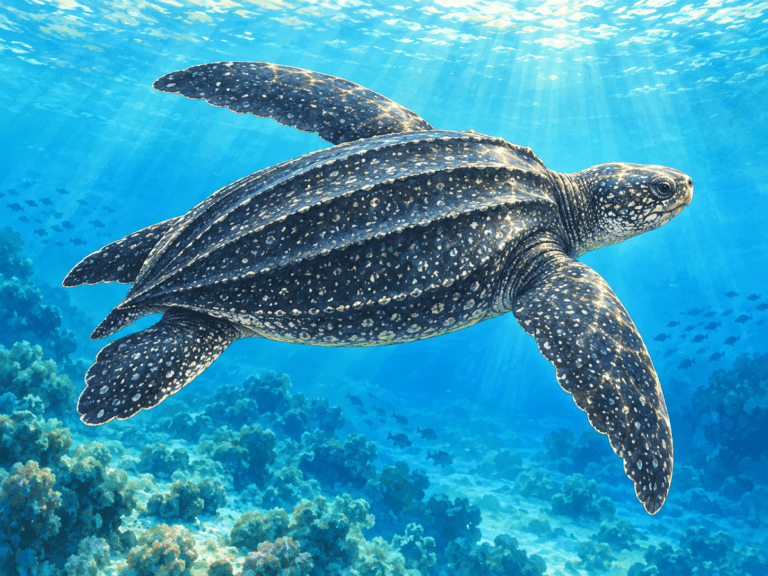
A dark, leathery back rather than large hard shell plates.
Take a closer look ↗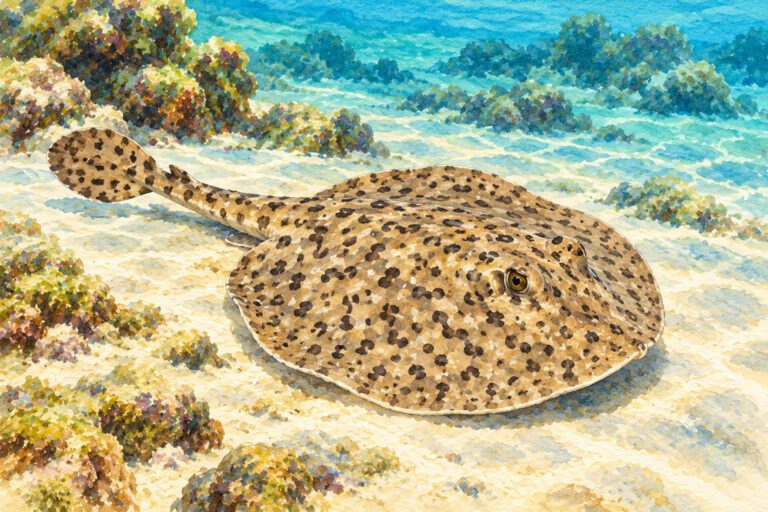
Urobatis pardalis is a round ray described from Costa Rican Pacific specimens.
Take a closer look ↗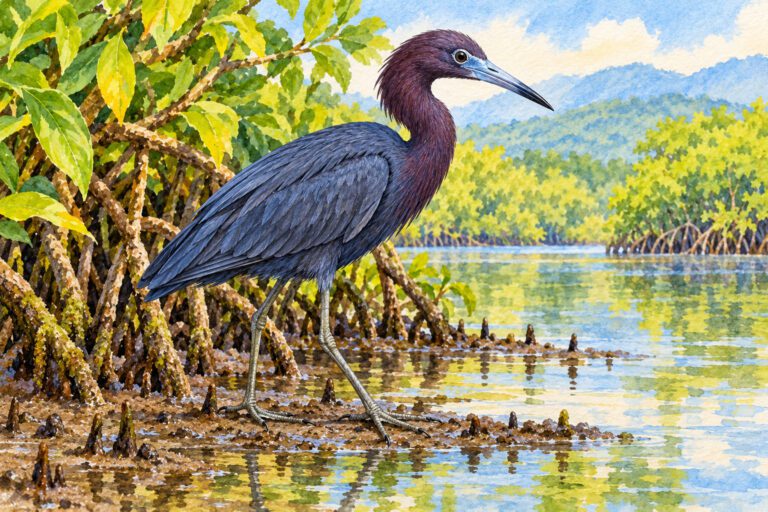
Adults have slate-blue bodies and purplish heads and necks.
Take a closer look ↗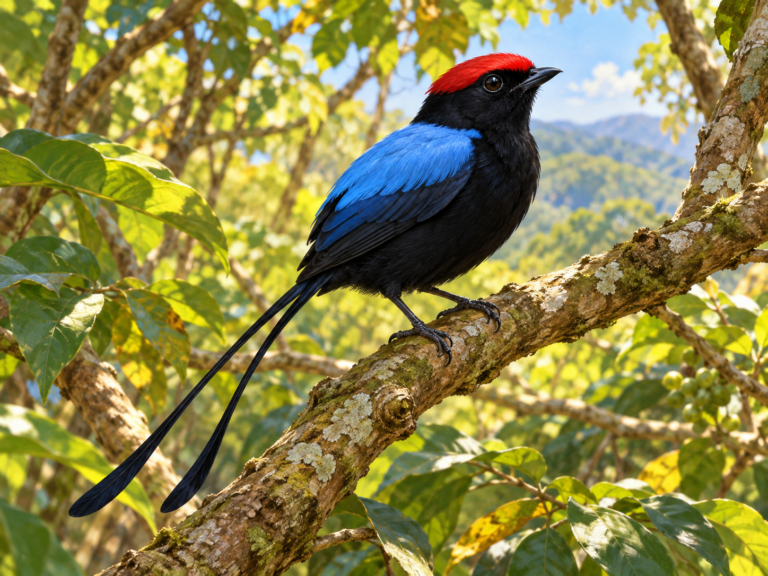
A small forest bird famous for coordinated courtship displays.
Take a closer look ↗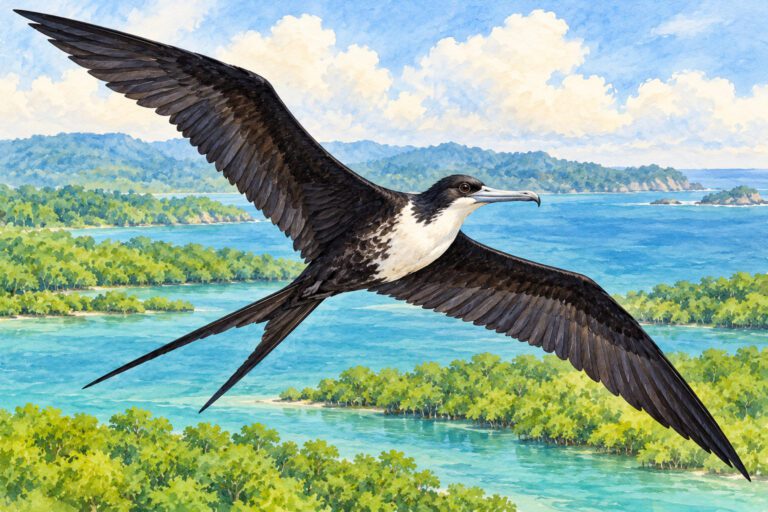
Frigatebirds use very long wings and a deeply forked tail to soar above tropical coasts.
Take a closer look ↗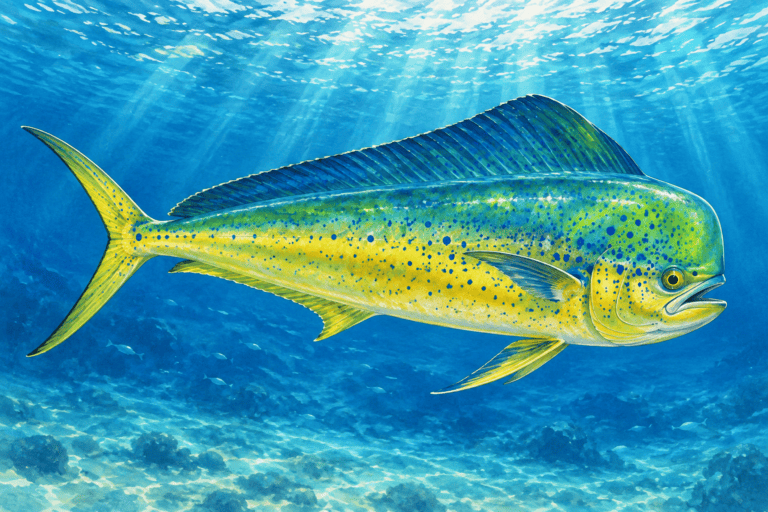
An electric green-blue back with golden sides.
Take a closer look ↗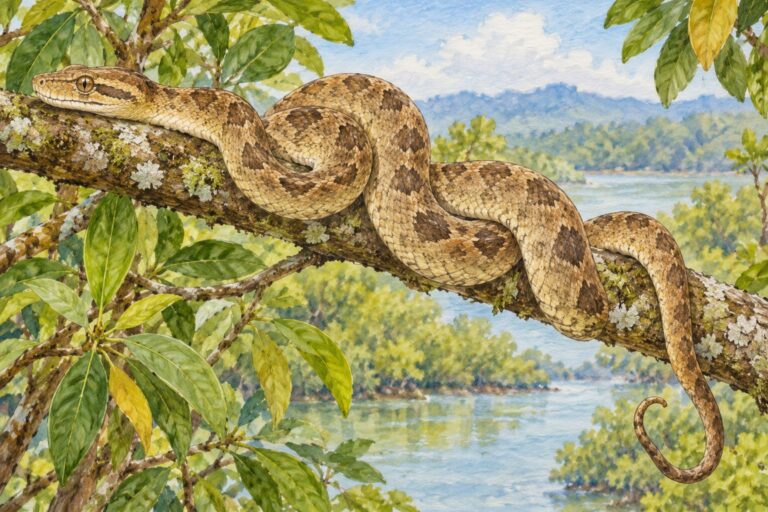
A tree boa balances quiet coils among the branches of the southern Pacific.
Take a closer look ↗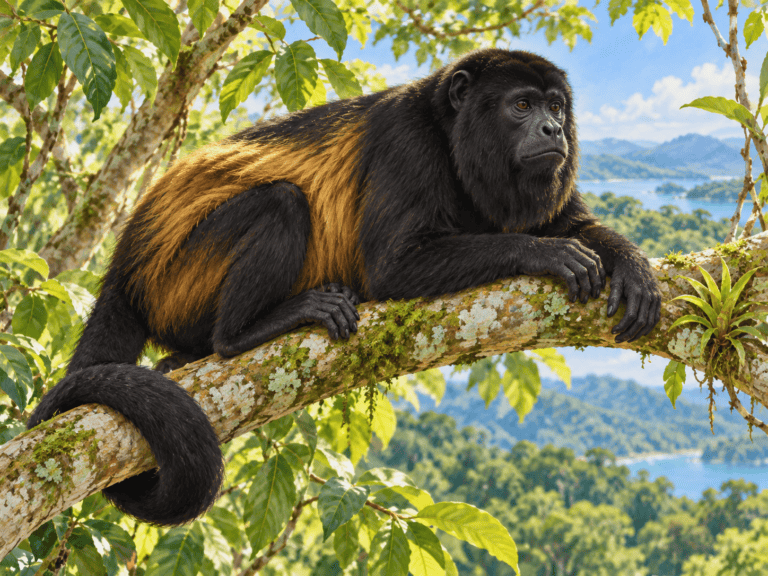
A mostly dark coat with a lighter mantle along the sides.
Take a closer look ↗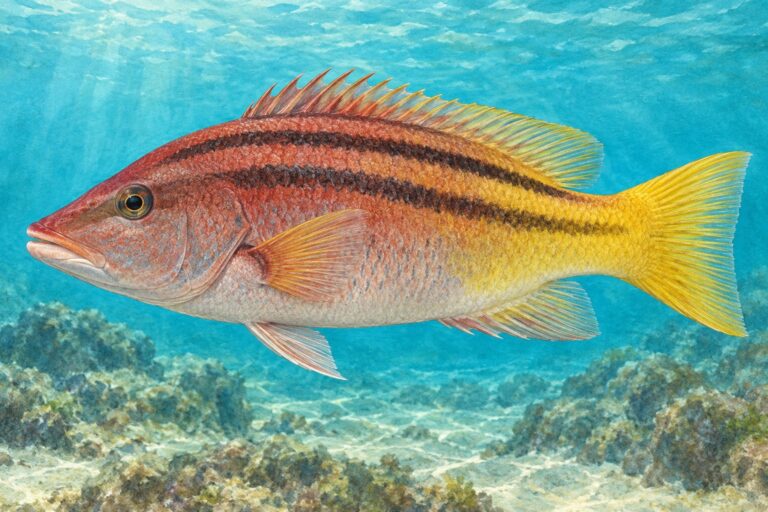
A sturdy wrasse with strikingly different color phases.
Take a closer look ↗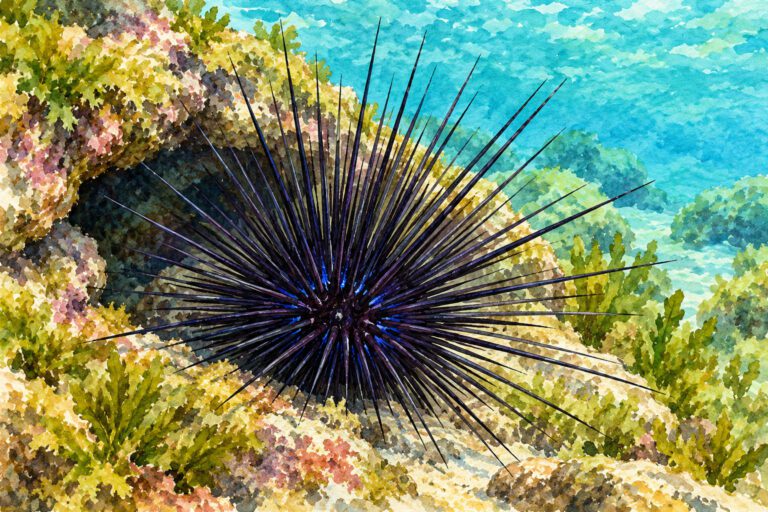
Diadema mexicanum is an eastern Pacific urchin associated with rocky lower shores and underwater rocky habitat.
Take a closer look ↗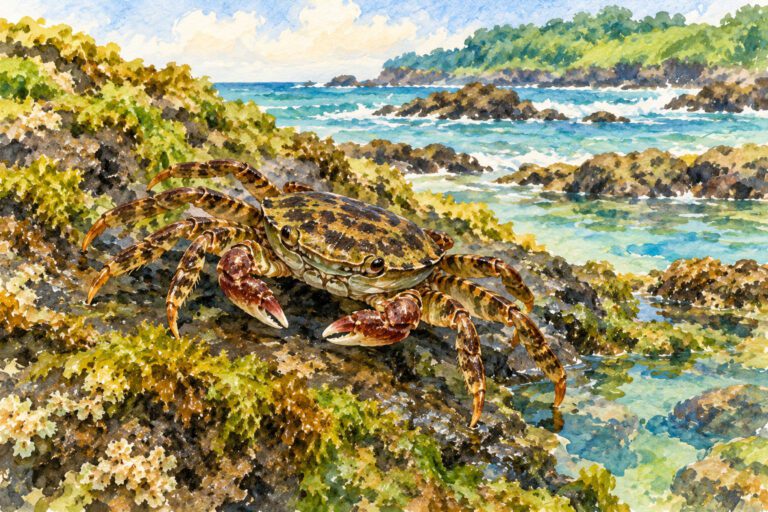
Pachygrapsus transversus is a small shore crab that uses rocky intertidal habitat.
Take a closer look ↗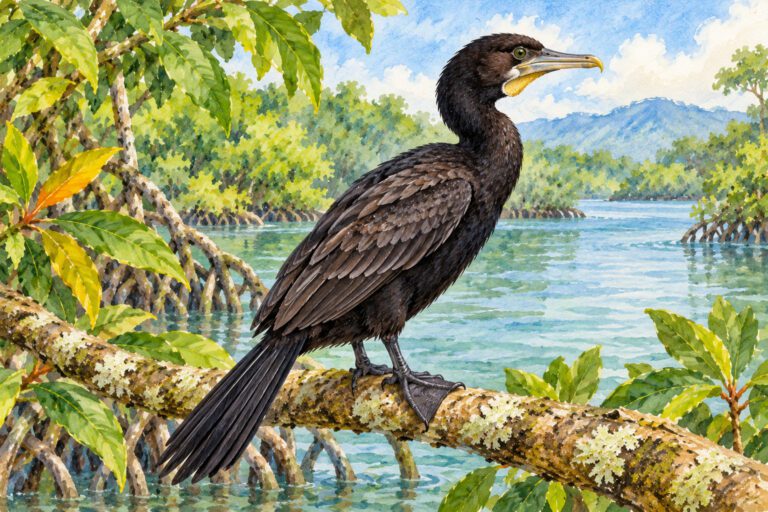
This dark waterbird catches fish by diving and swimming underwater.
Take a closer look ↗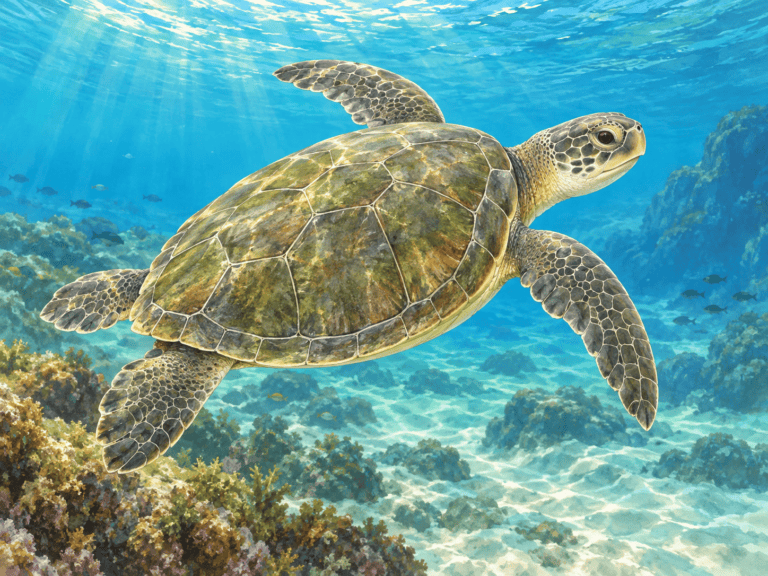
An olive or gray-green hard shell.
Take a closer look ↗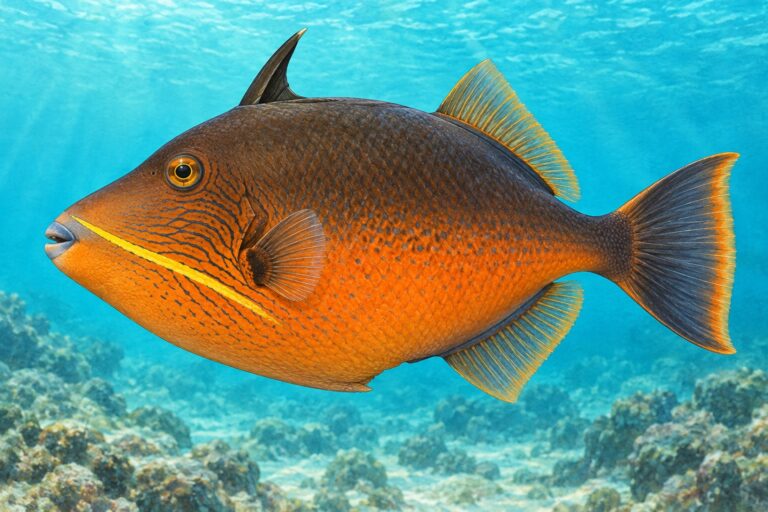
A triggerfish with a dark back and orange lower sides.
Take a closer look ↗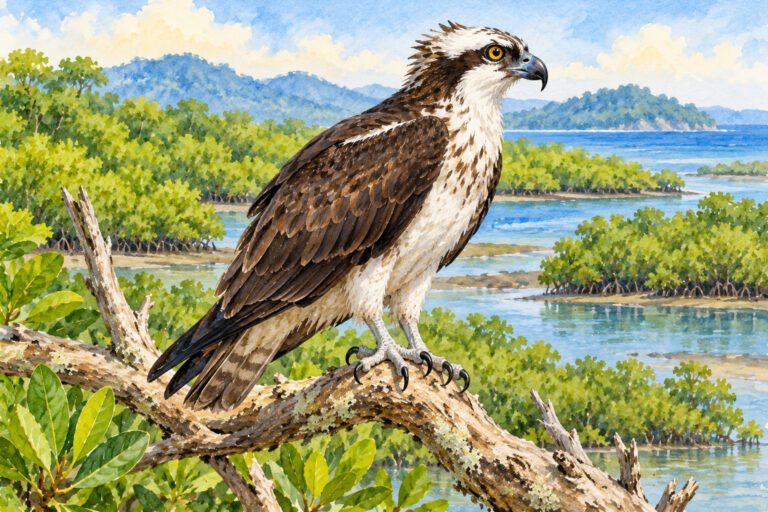
The Osprey is a large raptor that catches fish with its feet.
Take a closer look ↗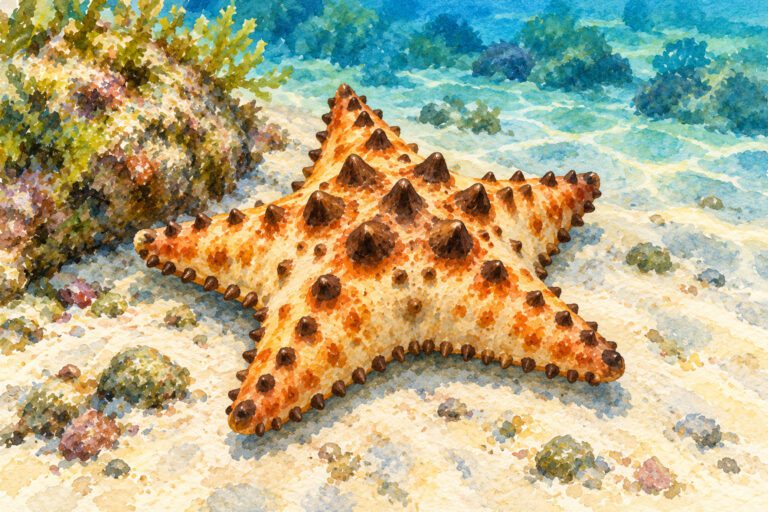
Nidorellia armata is commonly called a chocolate chip sea star.
Take a closer look ↗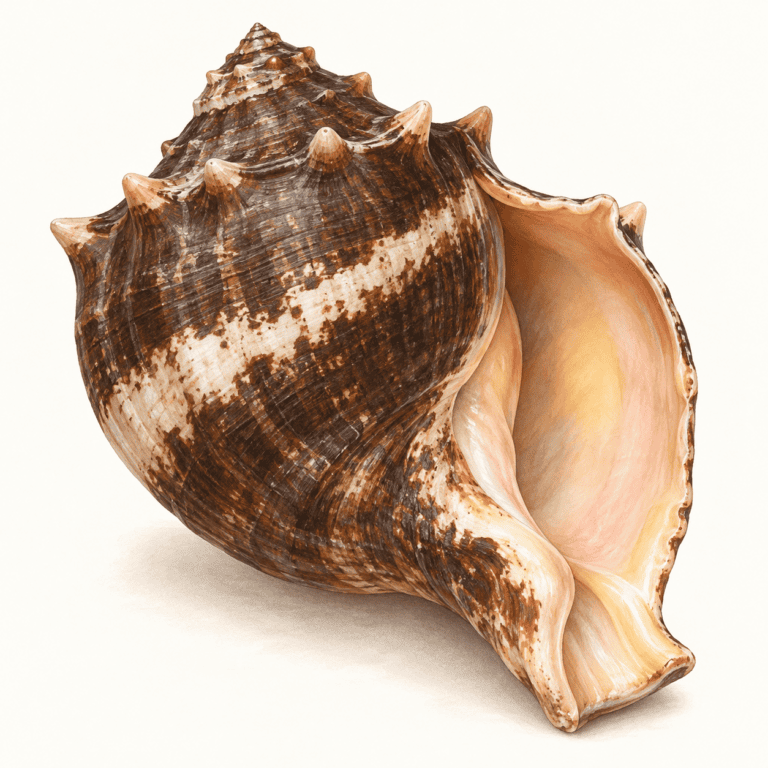
A heavy shell may carry a row of short shoulder spines.
Take a closer look ↗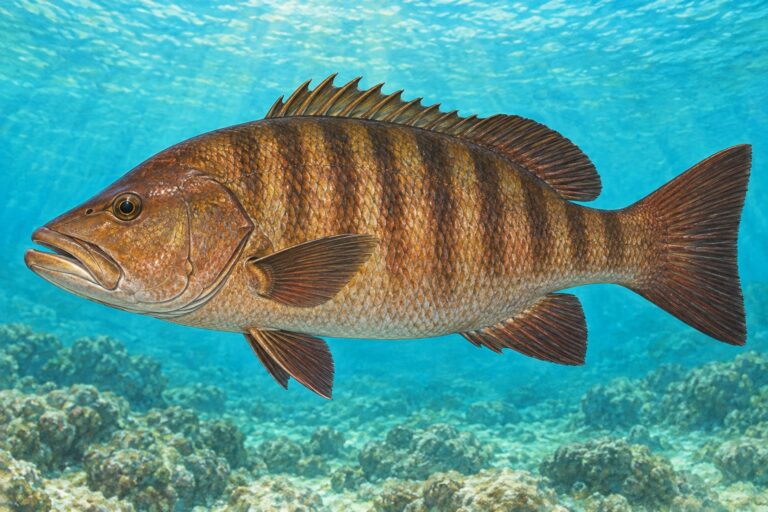
A powerful coastal snapper also called Pacific dog snapper.
Take a closer look ↗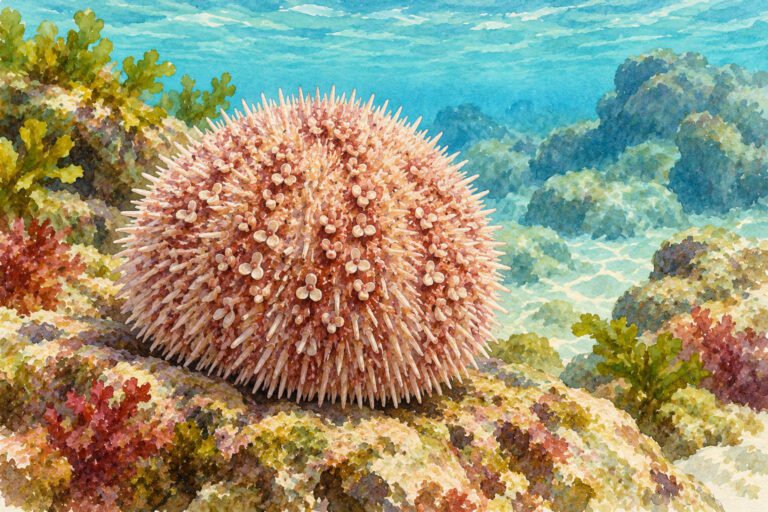
Toxopneustes roseus is an eastern Pacific urchin called the flower sea urchin.
Take a closer look ↗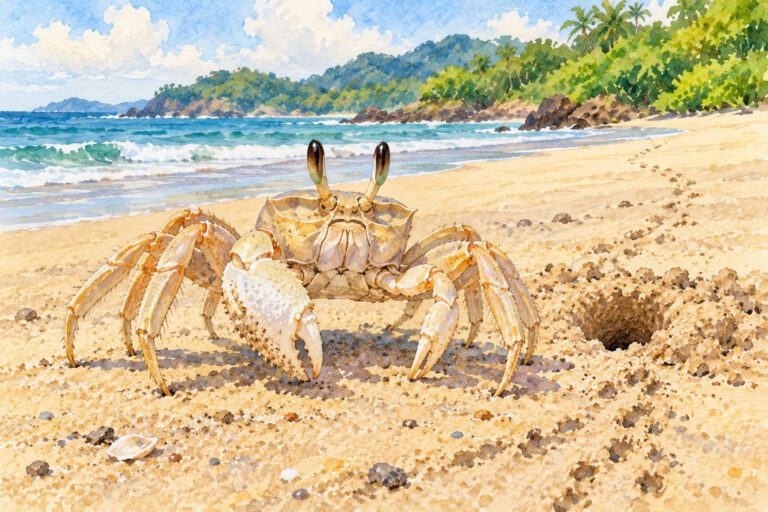
Ocypode gaudichaudii is a Pacific ghost crab associated with sandy beaches.
Take a closer look ↗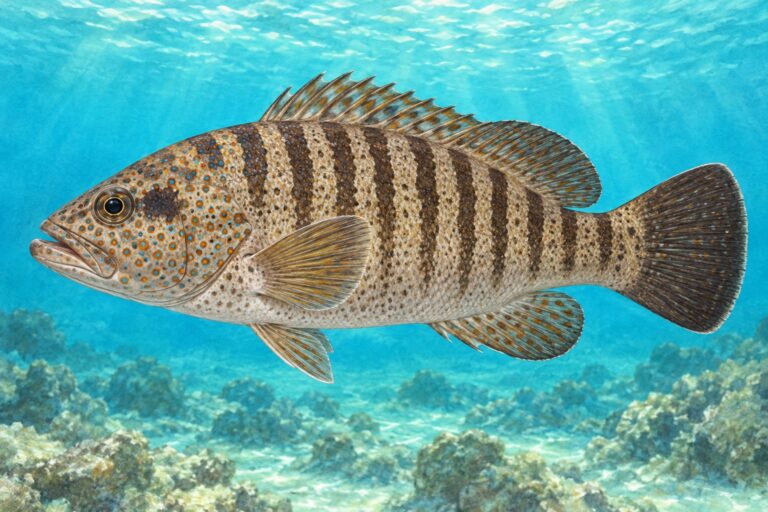
A small grouper with narrow bars and a dark cheek patch.
Take a closer look ↗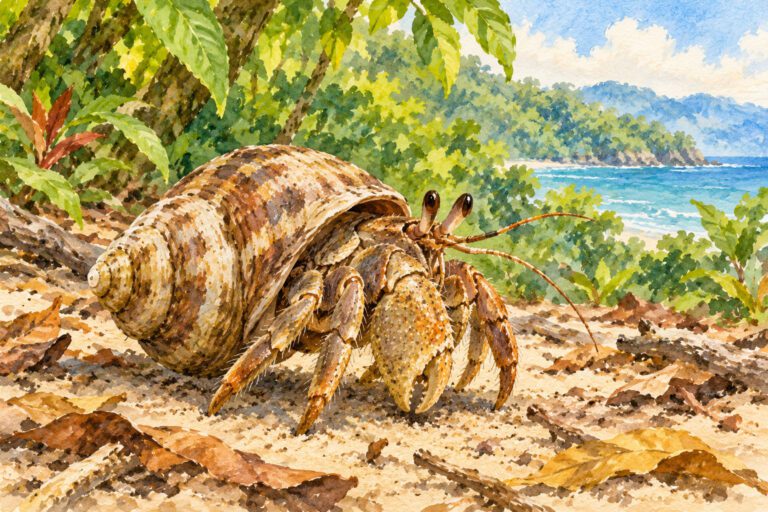
Coenobita compressus is a land hermit crab whose adult life is spent on land near the coast.
Take a closer look ↗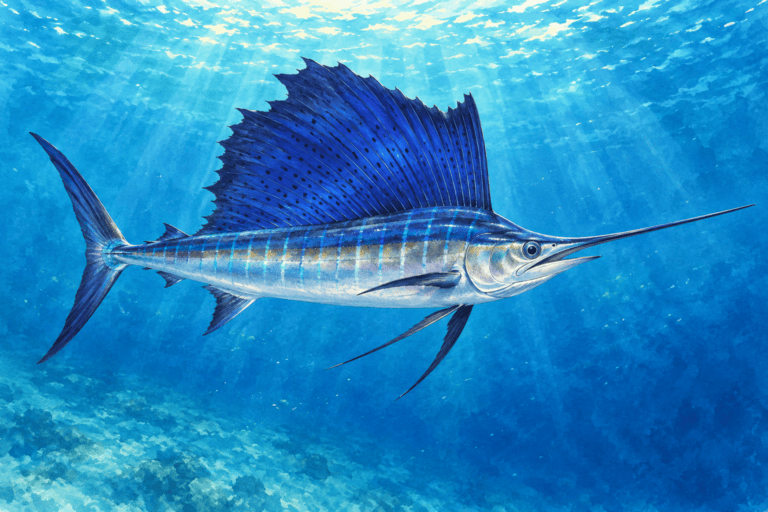
A very tall sail-like first dorsal fin.
Take a closer look ↗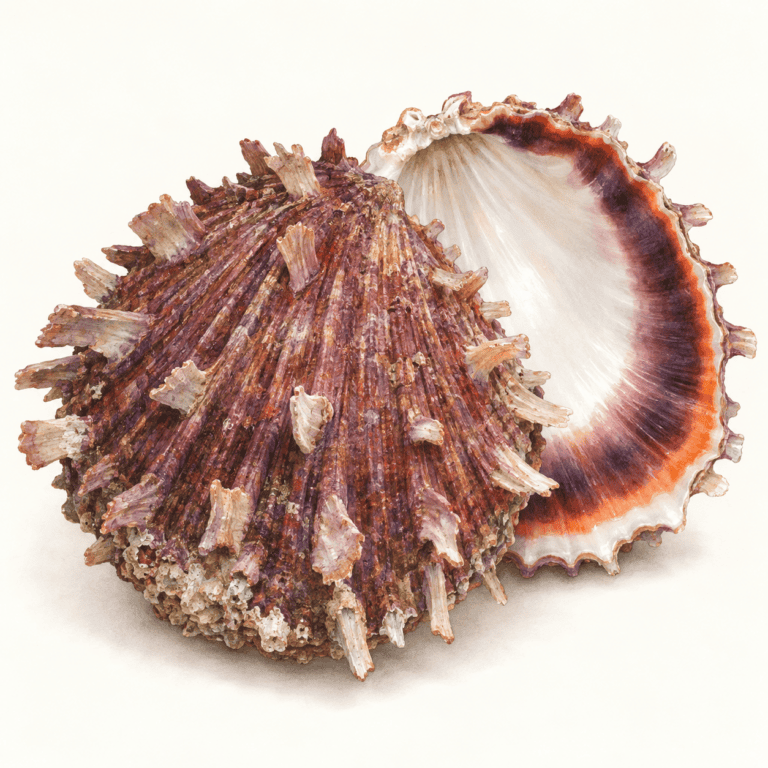
Ribs, spines and an irregular outline help this shell stand out.
Take a closer look ↗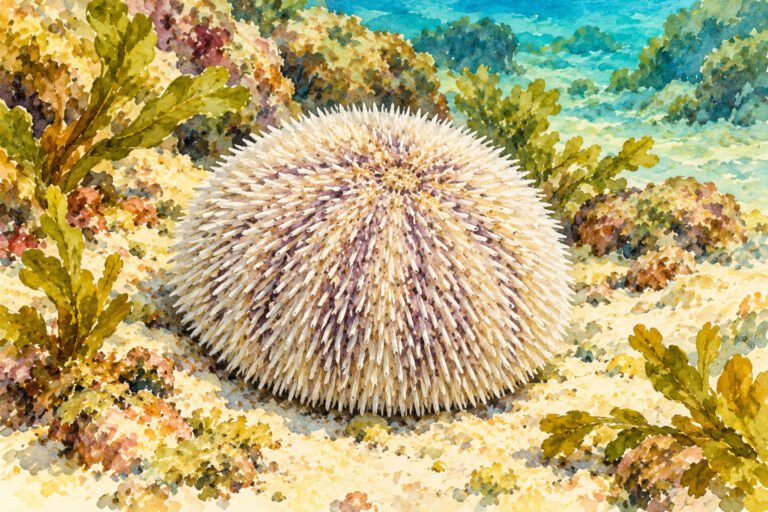
Tripneustes depressus is an eastern Pacific sea urchin also known as the white sea urchin.
Take a closer look ↗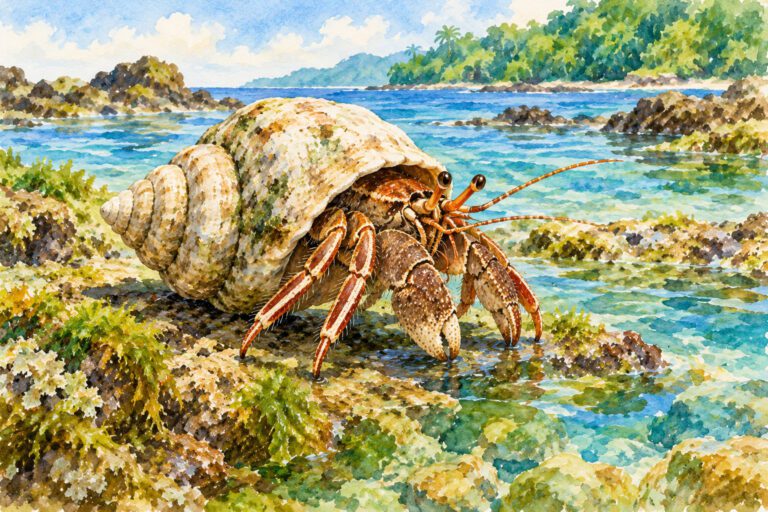
Clibanarius panamensis is a marine hermit crab documented in Costa Rican coastal collections.
Take a closer look ↗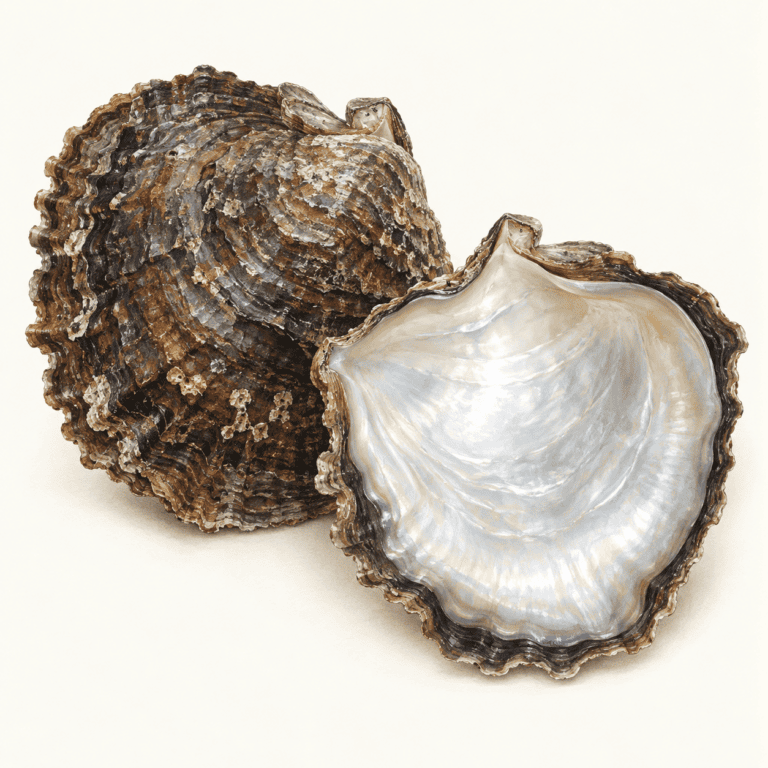
A pearl oyster is a two-part shell animal from Pacific coastal waters.
Take a closer look ↗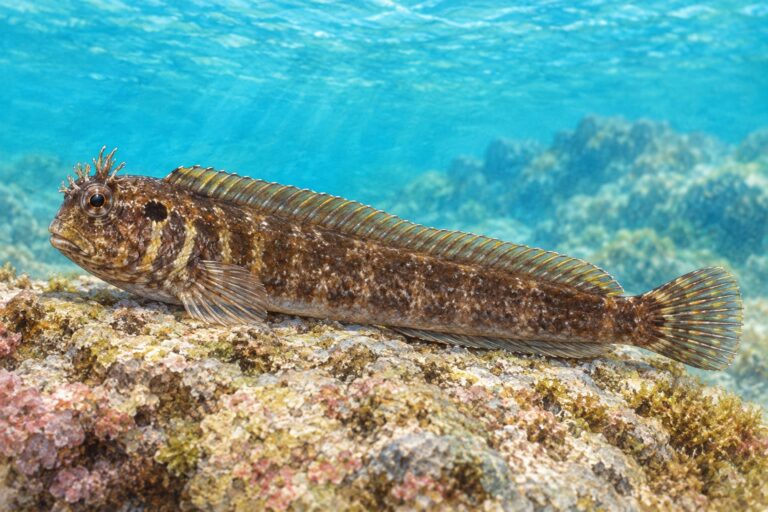
A small rocky-shore fish with a blunt head.
Take a closer look ↗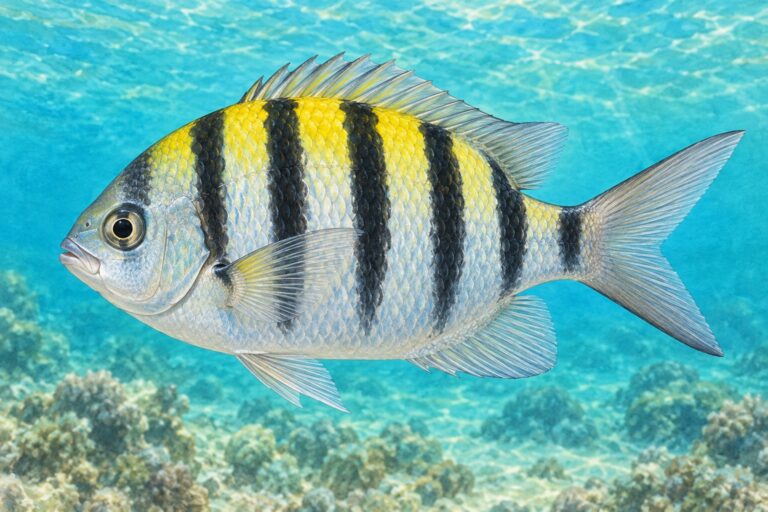
A silver reef fish with a yellow back and five dark bars.
Take a closer look ↗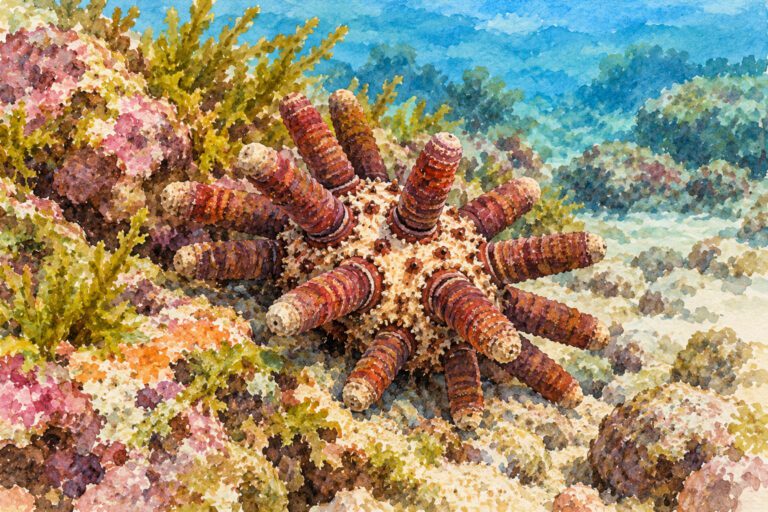
Eucidaris thouarsii is an eastern Pacific pencil urchin.
Take a closer look ↗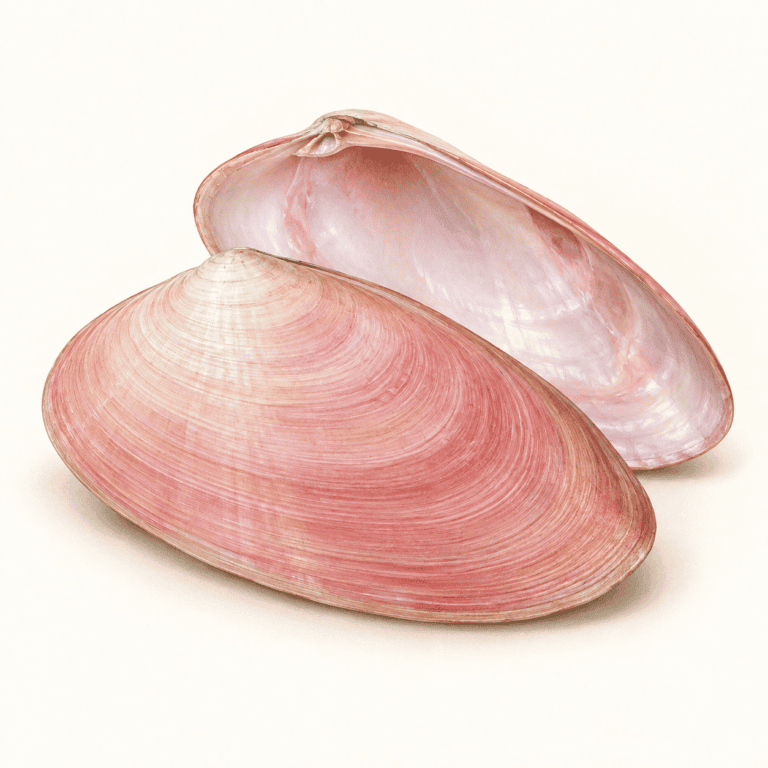
A pink bivalve adds color to the story of Costa Rica’s tidal flats.
Take a closer look ↗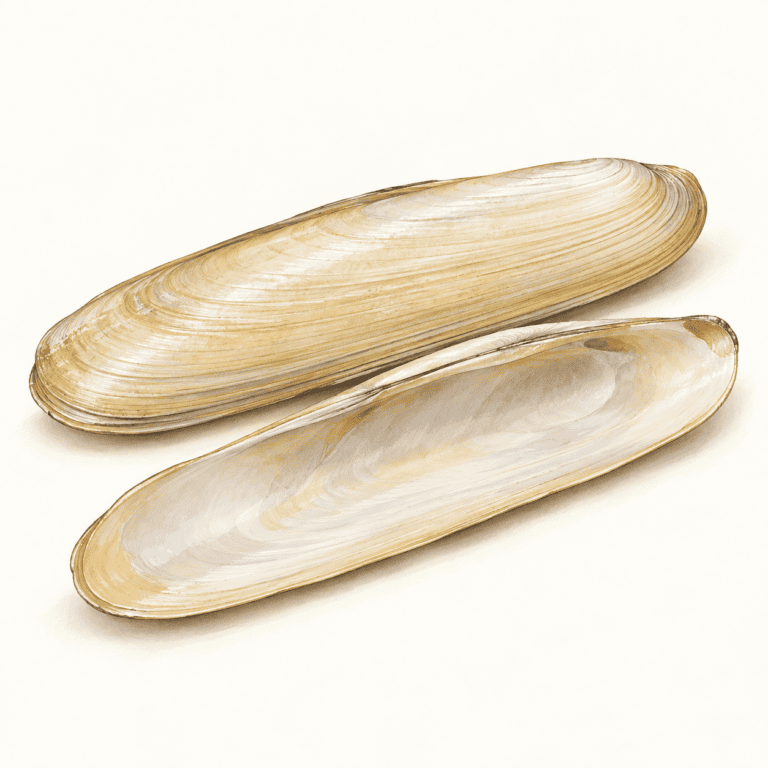
This tidal-flat clam demonstrates how a scientific name can be updated.
Take a closer look ↗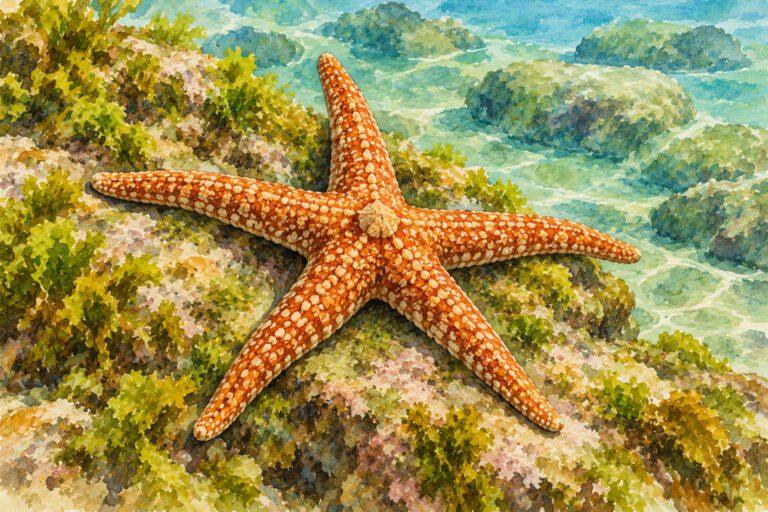
Pharia pyramidata is a sea star associated with rocky seabeds.
Take a closer look ↗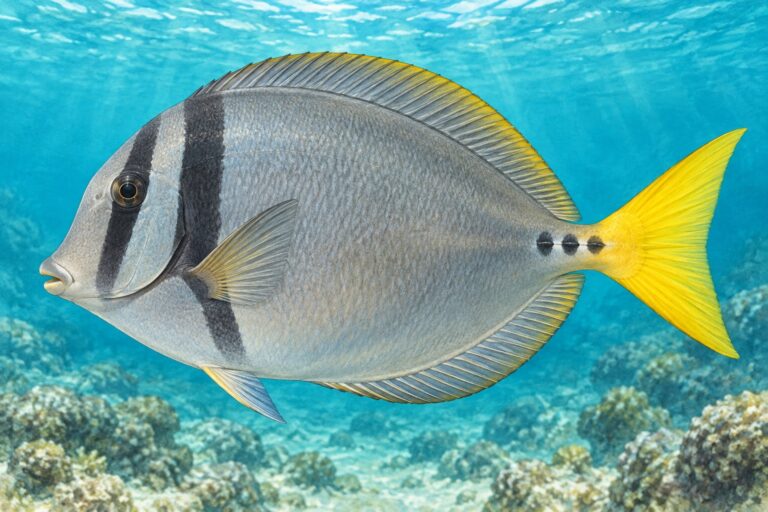
A gray reef grazer with a bright yellow tail.
Take a closer look ↗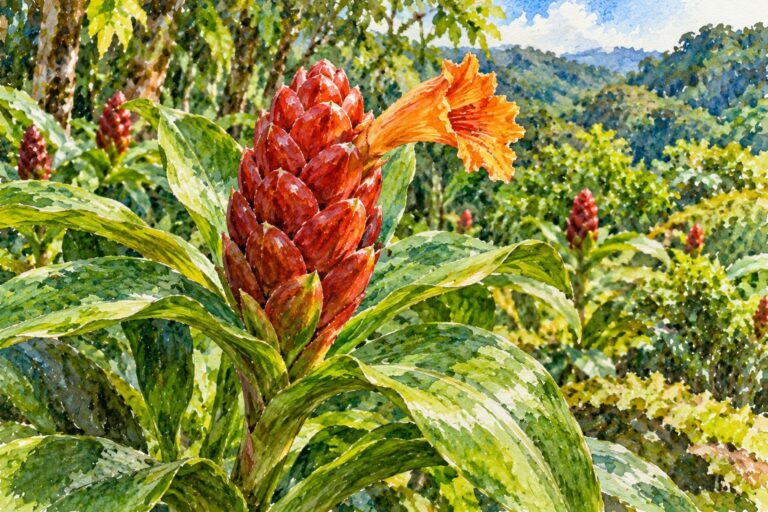
Red button ginger is a native coastal plant especially associated with Costa Rica's Caribbean shore.
Take a closer look ↗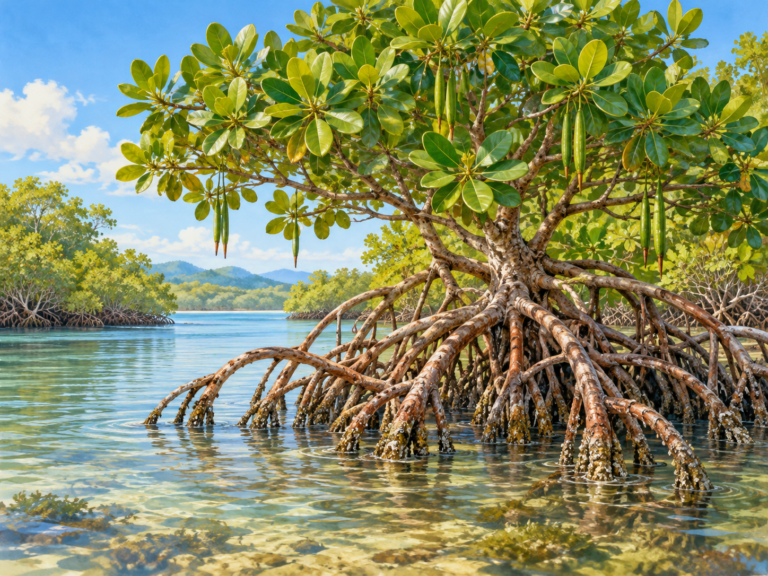
Follow the shape of the roots where land meets tidal water.
Take a closer look ↗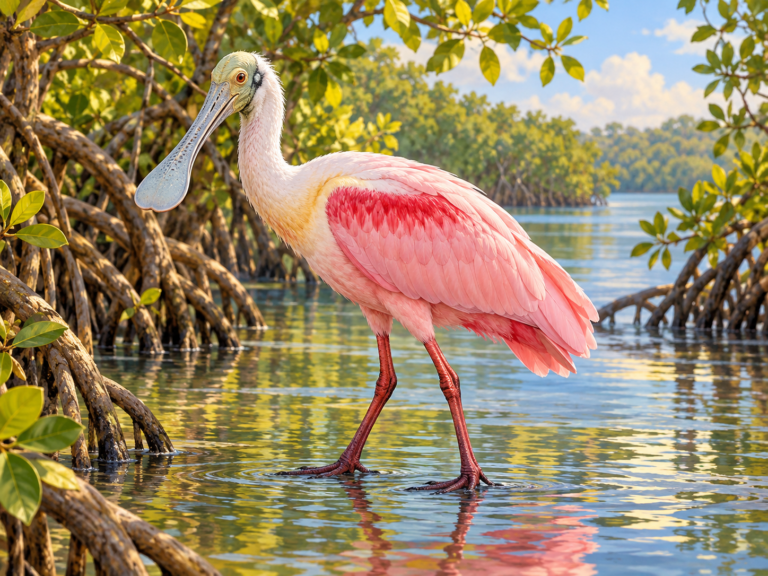
A pink wading bird that sweeps a spoon-shaped bill through shallow water.
Take a closer look ↗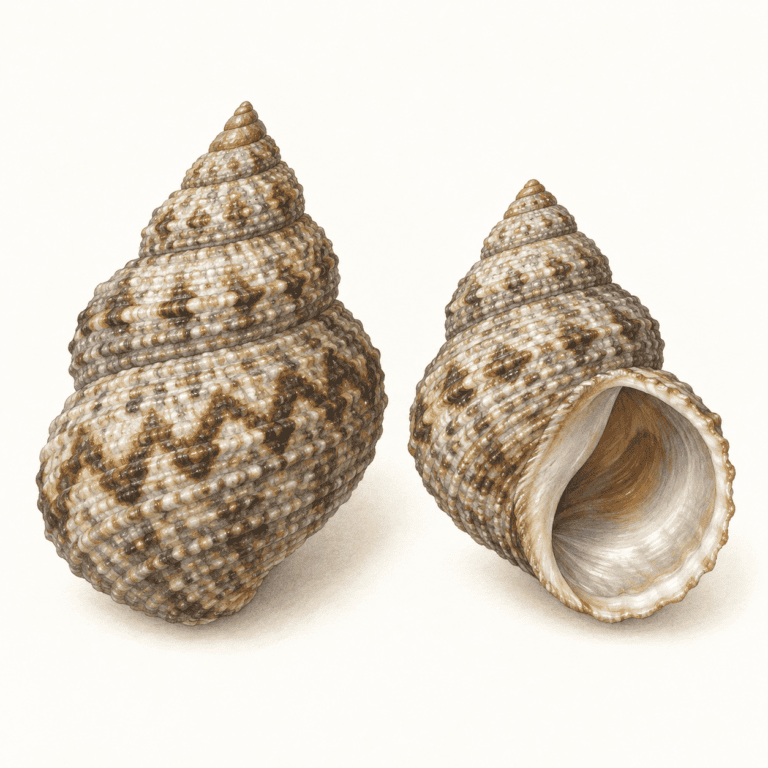
A tiny pointed shell can be an excellent observation challenge.
Take a closer look ↗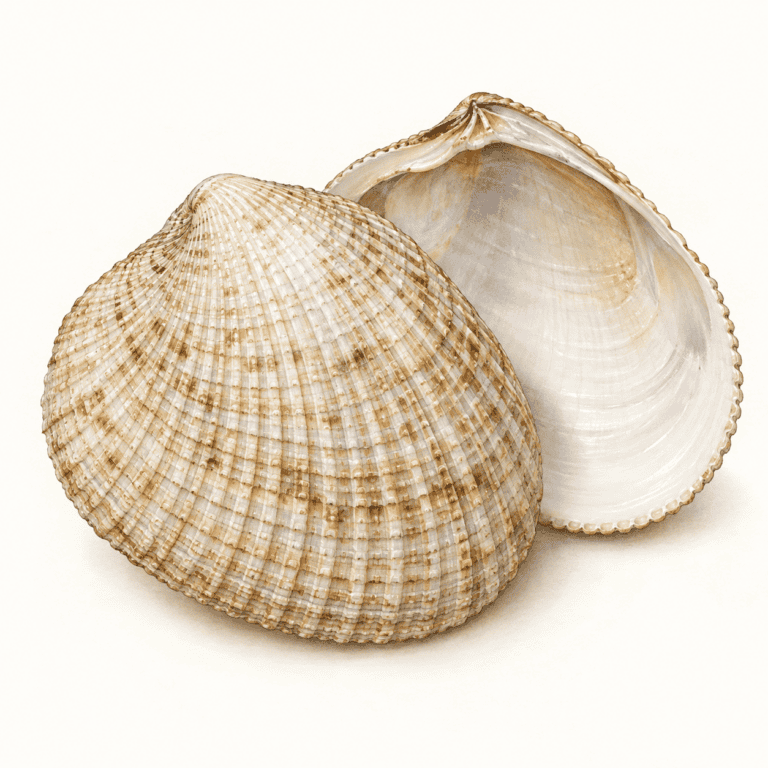
Fine crossing sculpture gives this small clam a textured surface.
Take a closer look ↗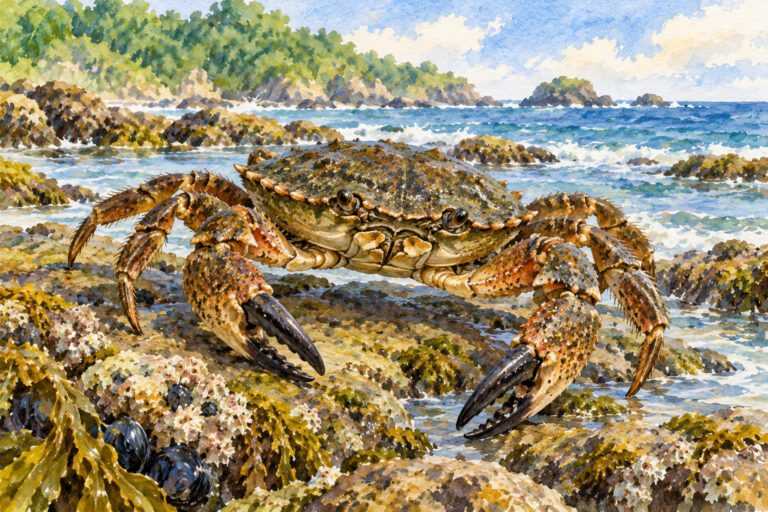
Eriphia squamata is a shore crab with a broad, roughly hexagonal carapace and conspicuously textured claws.
Take a closer look ↗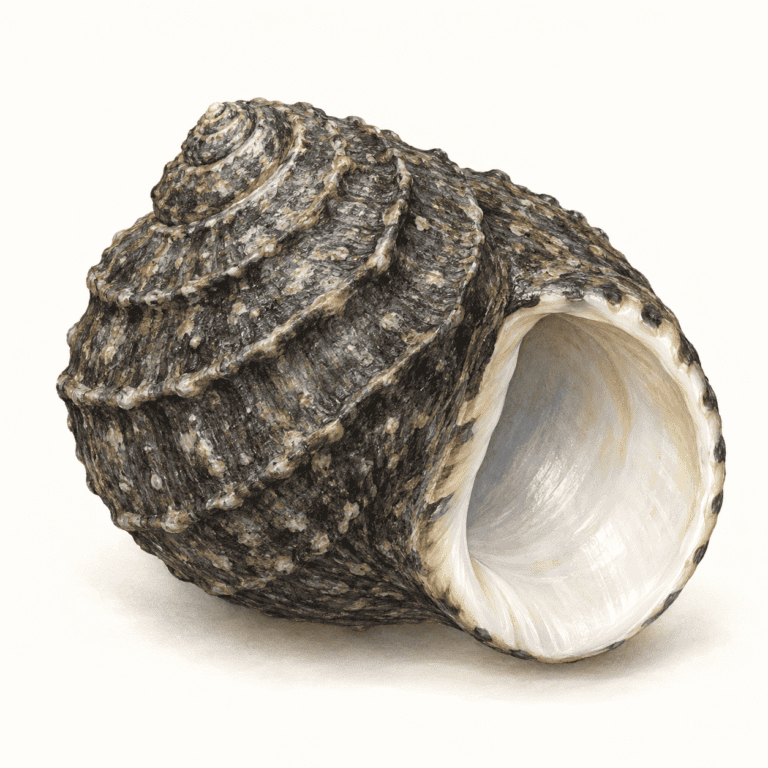
A sturdy, dark shell with rough ridges belongs to this rocky-shore snail.
Take a closer look ↗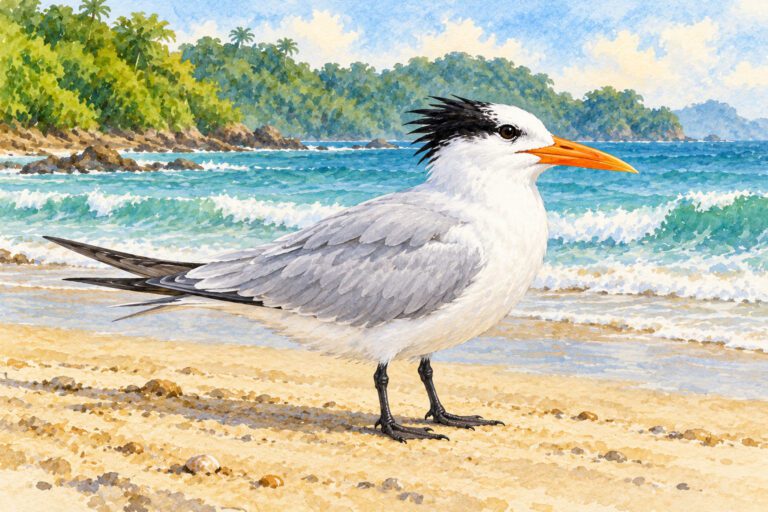
The Royal Tern is a large pale coastal tern with a substantial orange bill and ragged dark crest.
Take a closer look ↗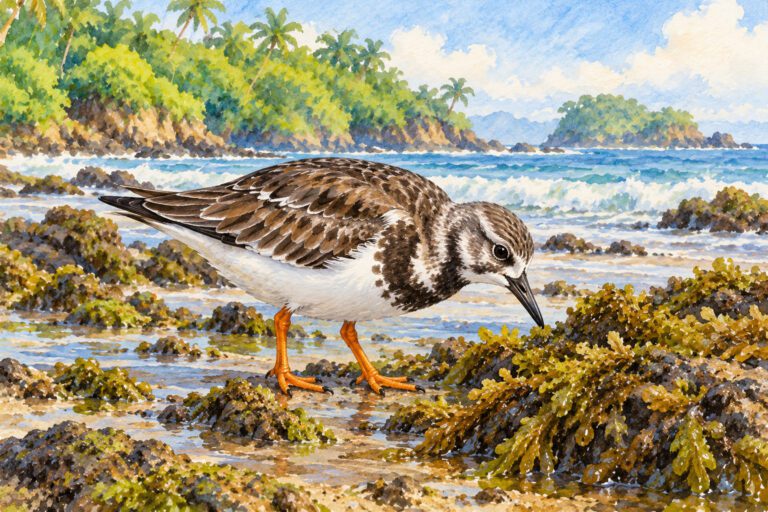
A Ruddy Turnstone uses a short sturdy bill to flip small objects and search for hidden invertebrates.
Take a closer look ↗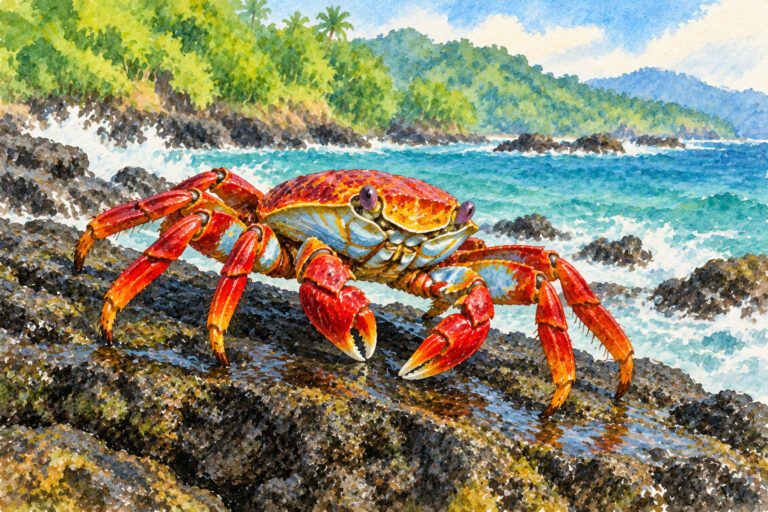
Grapsus grapsus is a crab associated with rocky shores.
Take a closer look ↗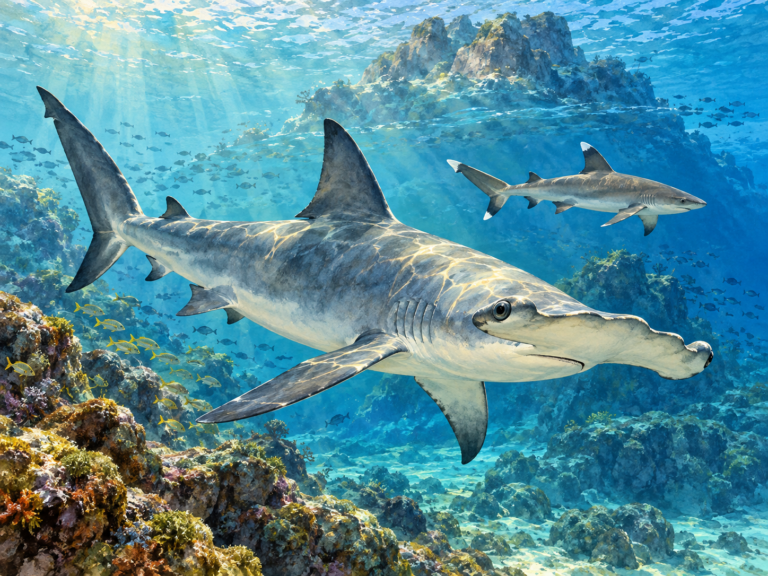
A broad hammer-shaped head with a central front notch.
Take a closer look ↗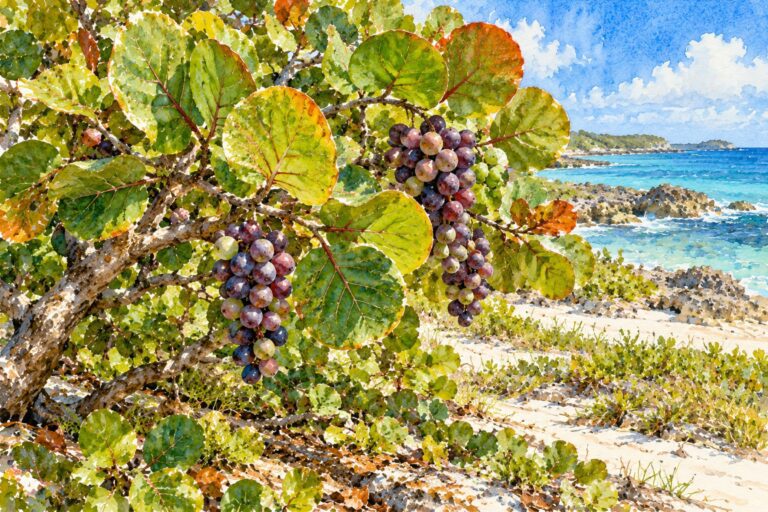
Sea grape is a coastal shrub or small tree with broad rounded leaves.
Take a closer look ↗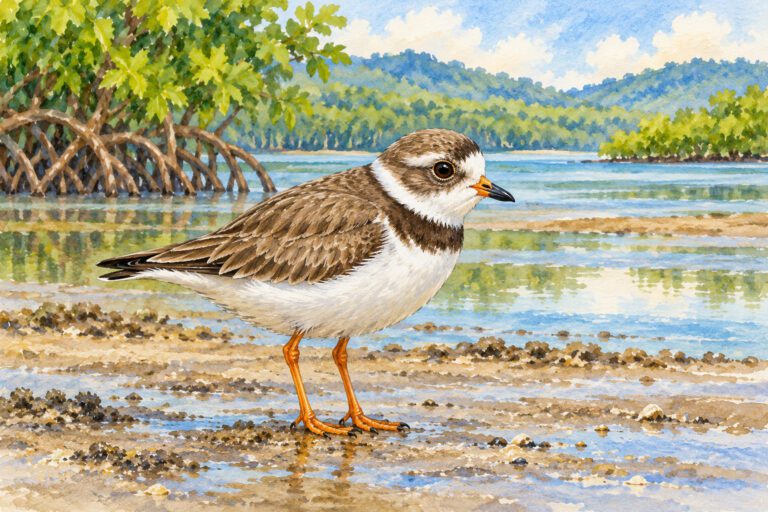
This small plover usually searches open flats with short runs and pauses.
Take a closer look ↗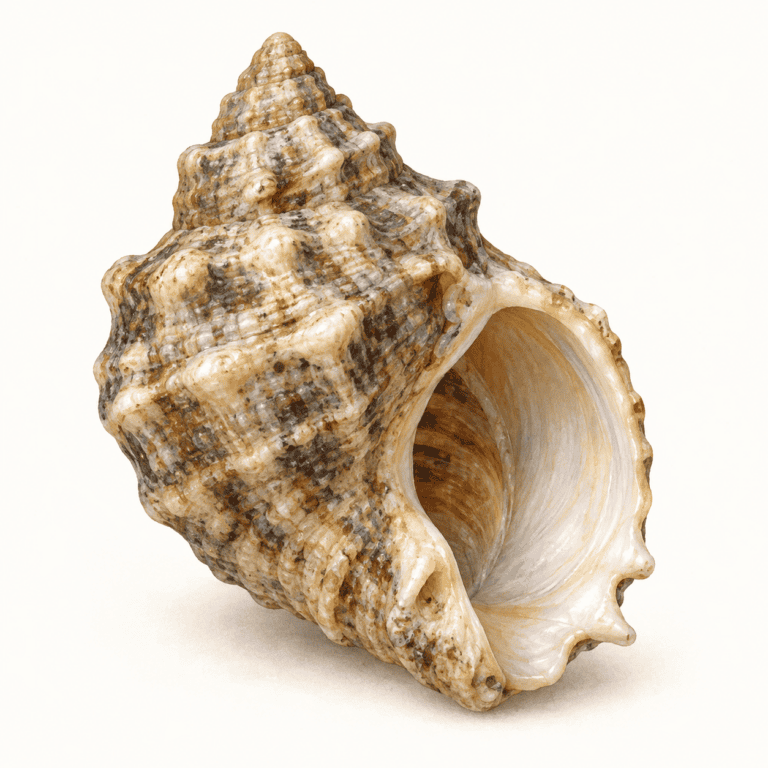
This rocky-shore snail offers a chance to study the shell opening.
Take a closer look ↗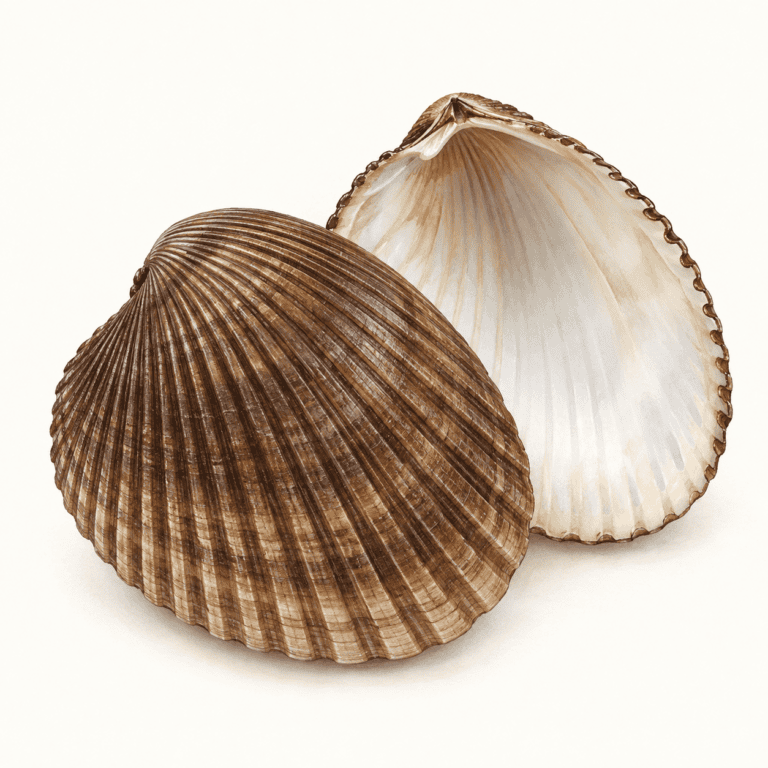
This mangrove cockle resembles its knobby relative, but details differ.
Take a closer look ↗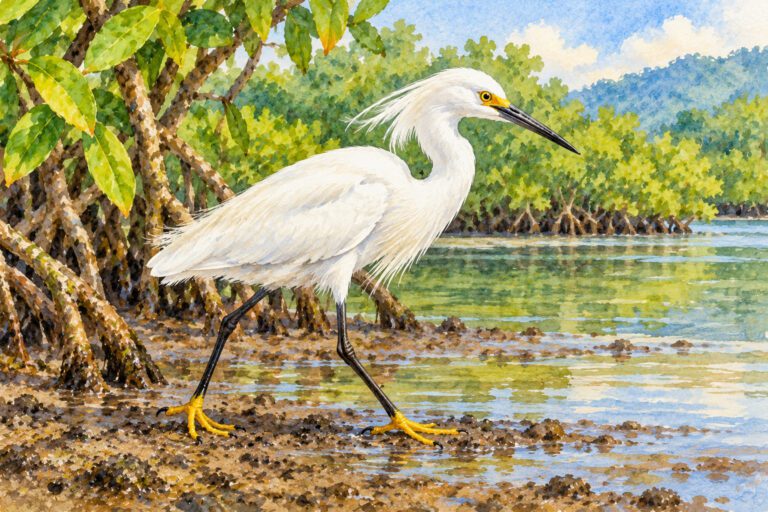
This slender white egret often feeds actively in shallow coastal water.
Take a closer look ↗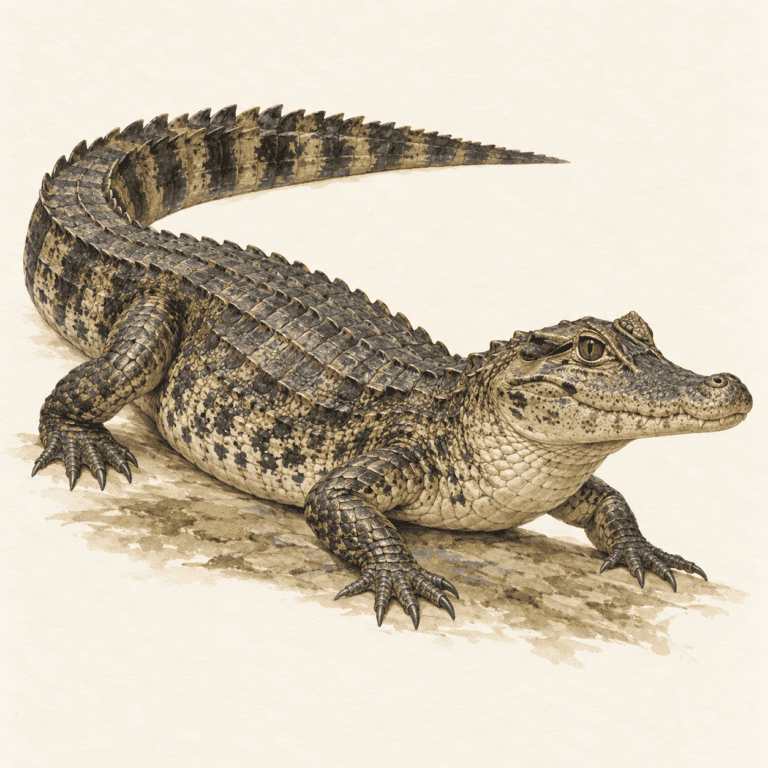
A crocodilian with a bony ridge between its eyes that suggests a pair of spectacles.
Take a closer look ↗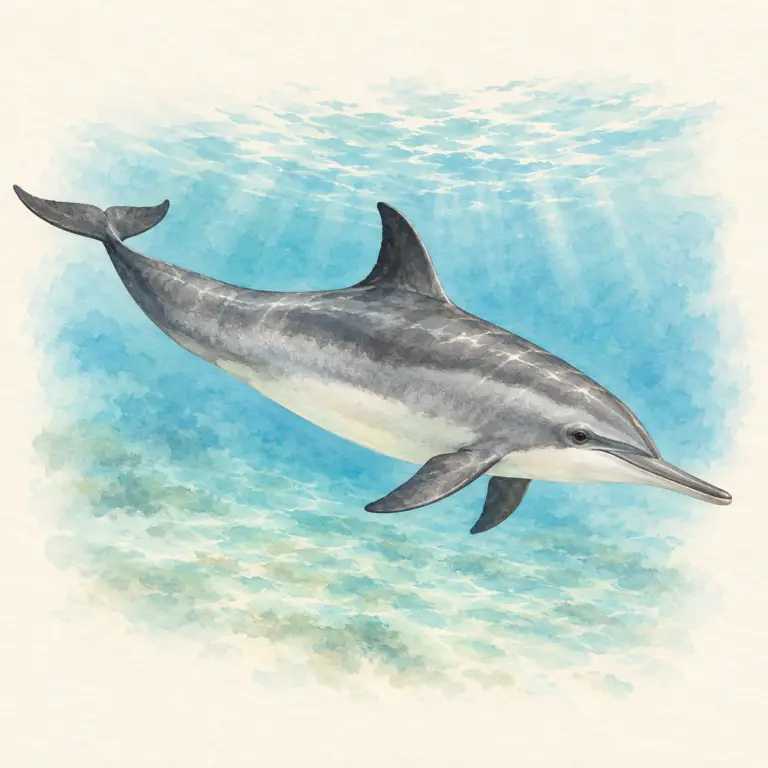
Spinner dolphins are slender dolphins with long narrow beaks.
Take a closer look ↗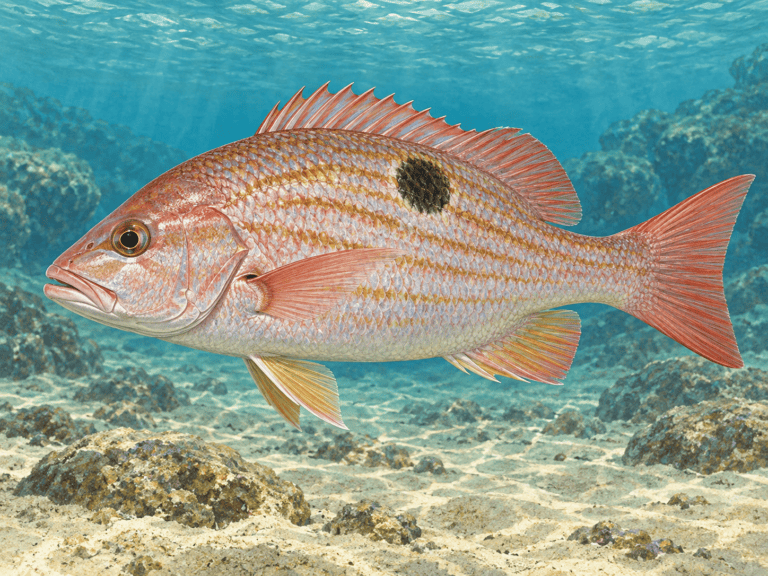
A silvery-pink Pacific fish with a distinctive dark spot high on its side.
Take a closer look ↗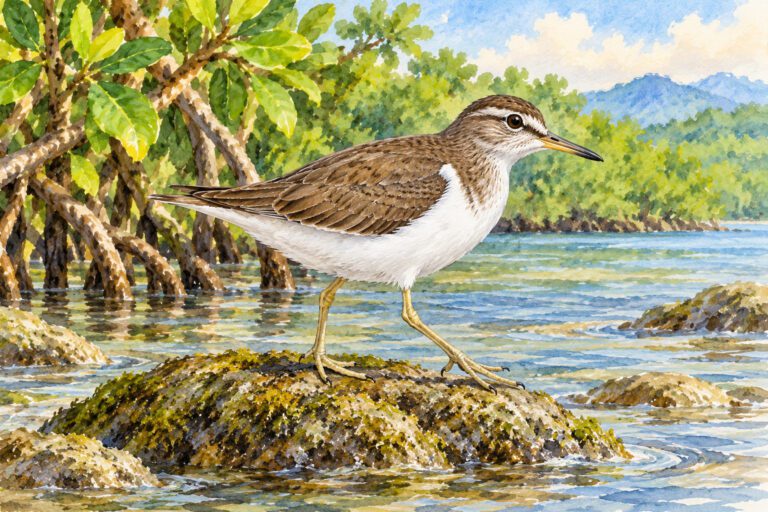
Spotted Sandpipers often bob their tails while walking along water edges.
Take a closer look ↗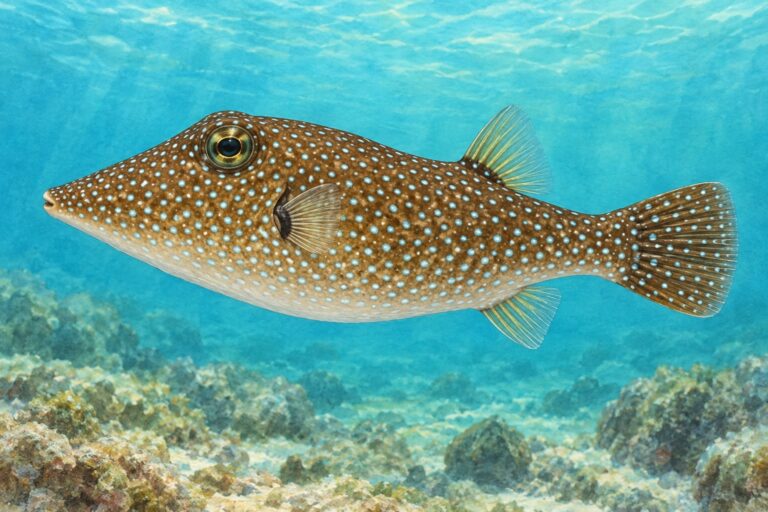
A tiny puffer with a pointed snout and pale speckles.
Take a closer look ↗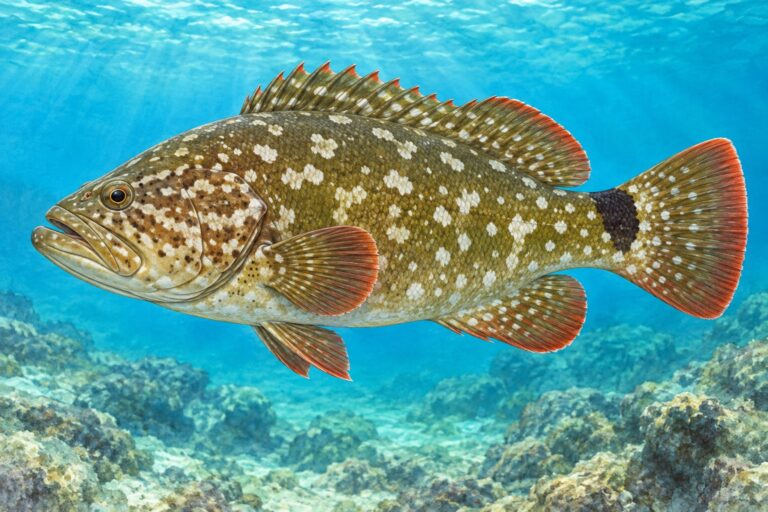
An olive grouper patterned with irregular white marks.
Take a closer look ↗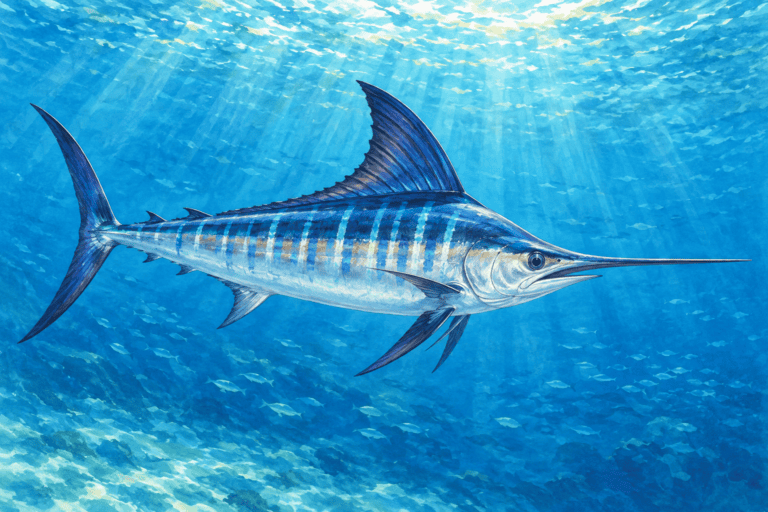
A long bill and streamlined body.
Take a closer look ↗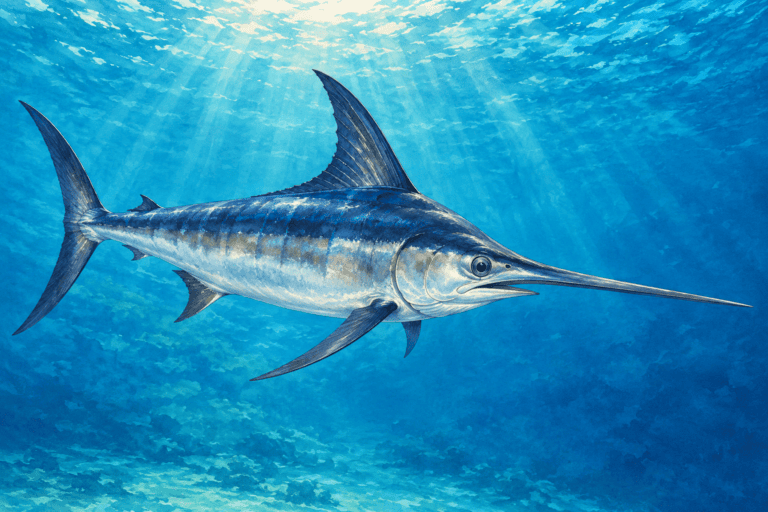
A long broad, flattened sword-like bill.
Take a closer look ↗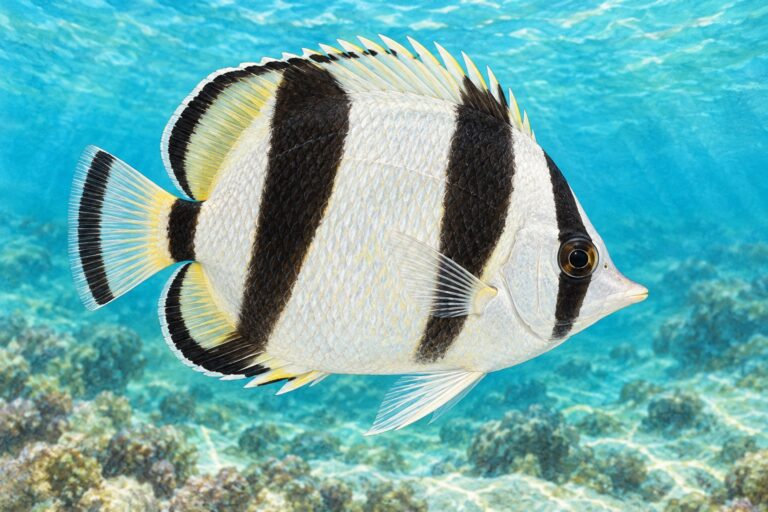
A silver butterflyfish crossed by bold black bands.
Take a closer look ↗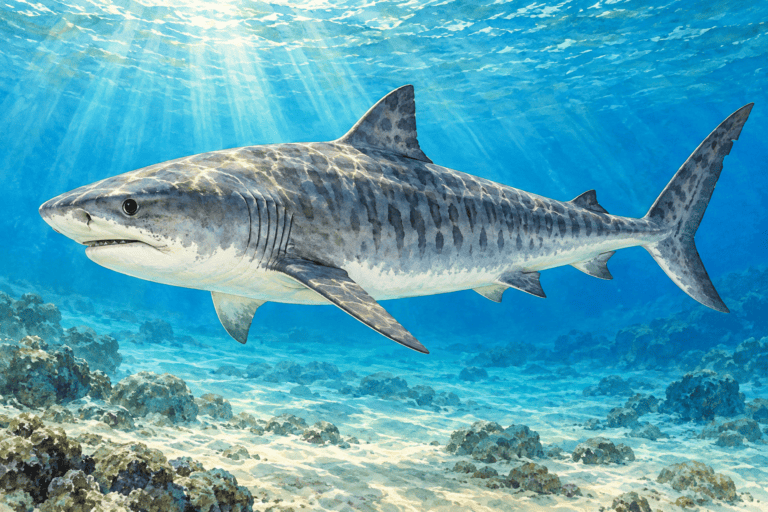
Dark bars or spots, clearest in younger sharks.
Take a closer look ↗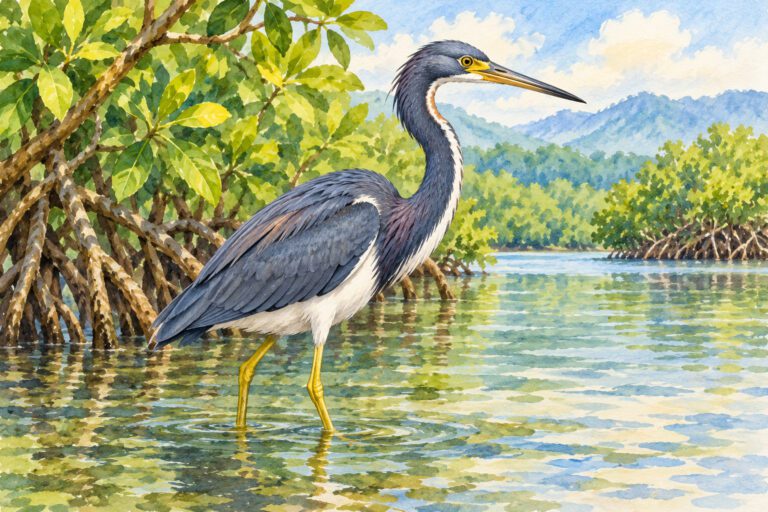
A white belly and pale stripe along the front of the neck distinguish this slender heron from the uniformly dark adult Little Blue Heron.
Take a closer look ↗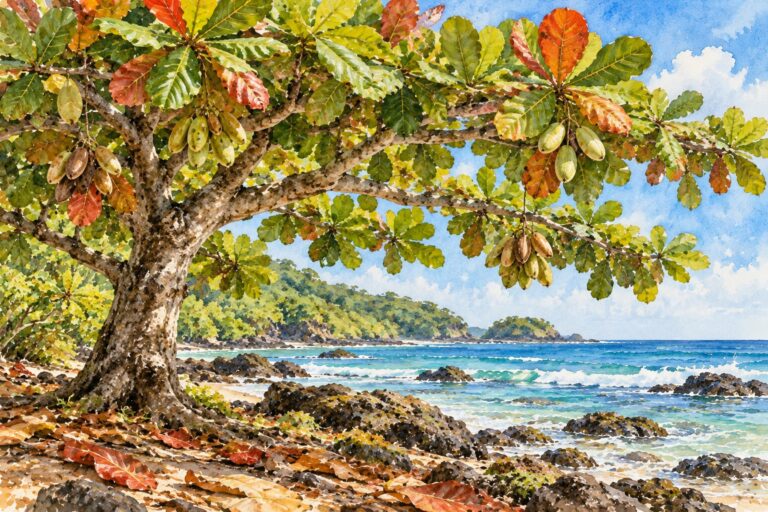
Tropical almond is introduced to Costa Rica and is now familiar along many beaches.
Take a closer look ↗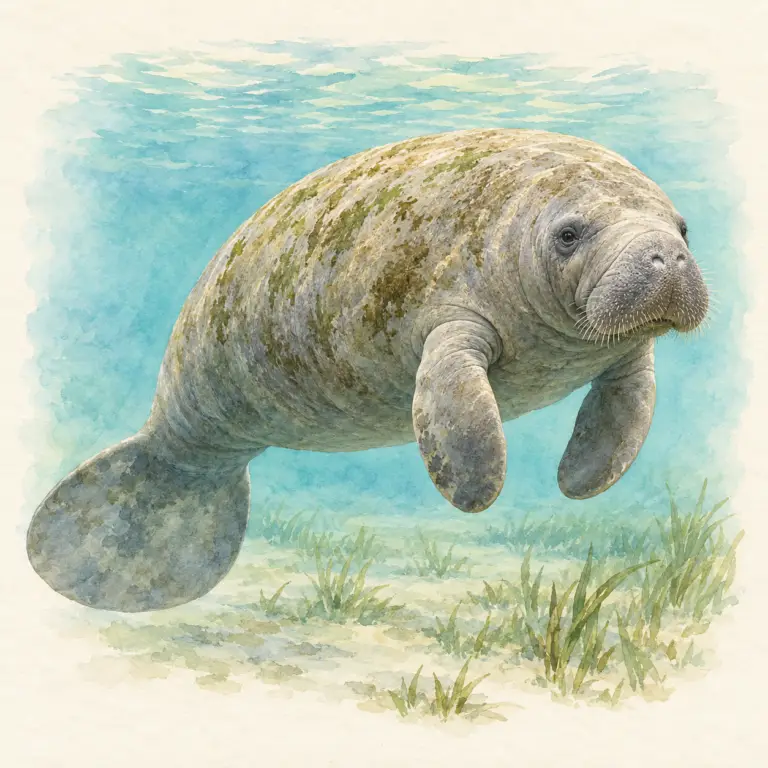
The West Indian manatee is a large aquatic mammal with a rounded paddle-shaped tail and a whiskered muzzle.
Take a closer look ↗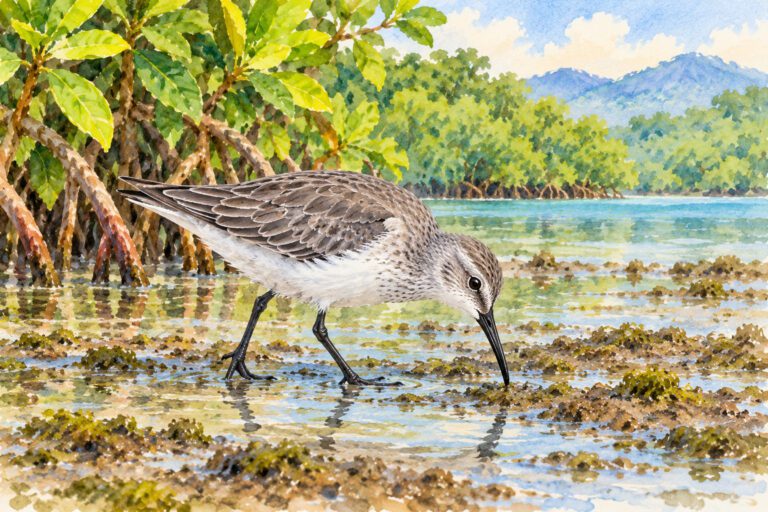
Western Sandpipers are tiny migratory shorebirds that feed on tidal flats.
Take a closer look ↗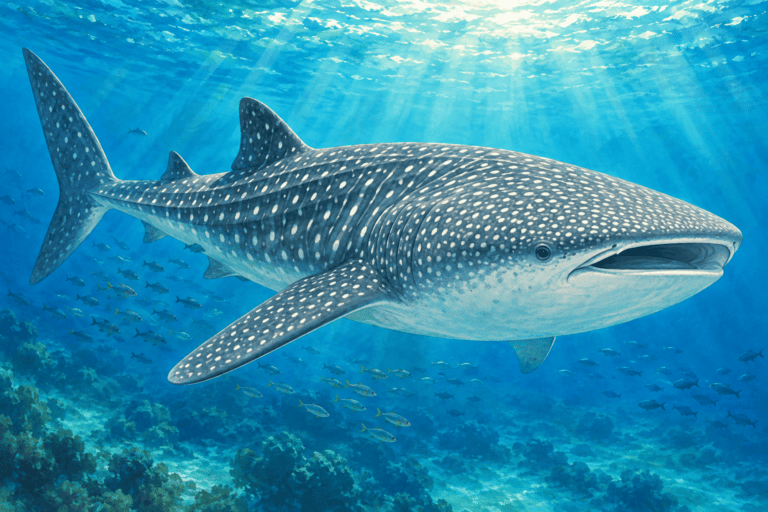
Pale spots and bars across a darker body.
Take a closer look ↗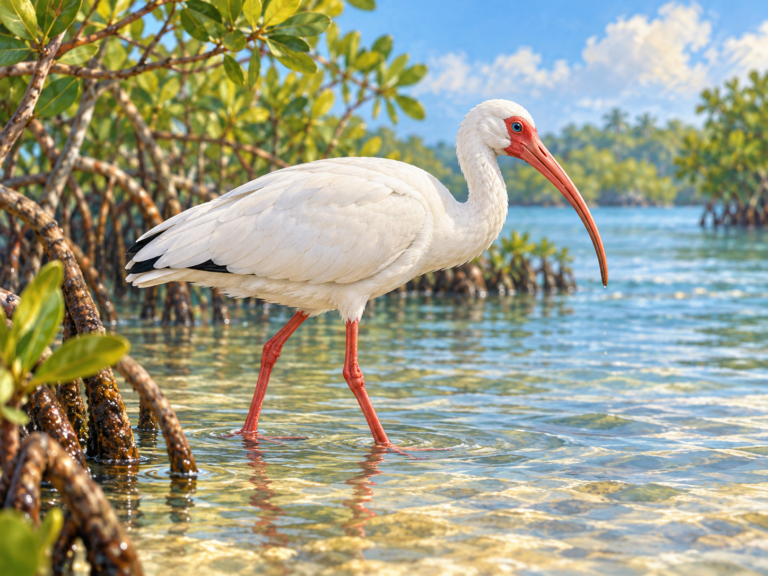
A long, downward-curving bill.
Take a closer look ↗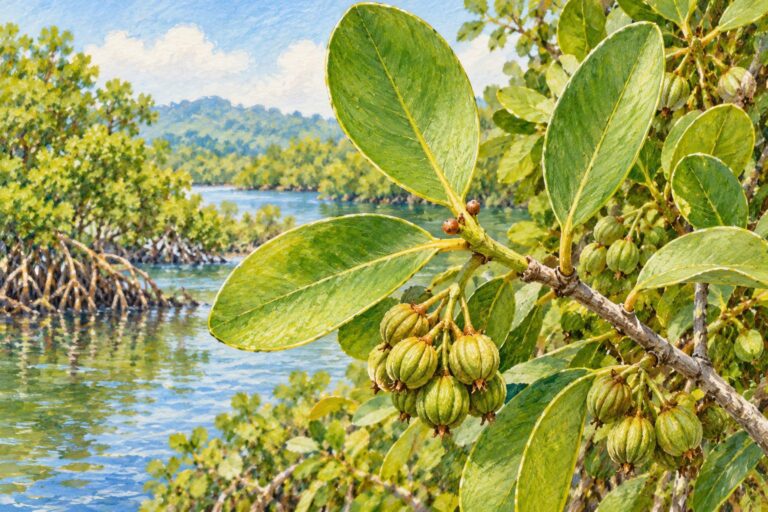
Rounded leaves and two tiny stalk glands are useful mangrove clues.
Take a closer look ↗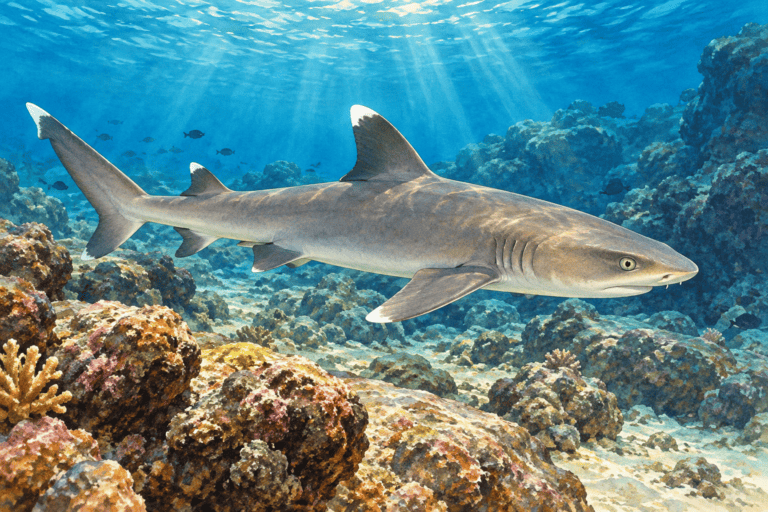
White tips on the first dorsal fin and upper tail fin.
Take a closer look ↗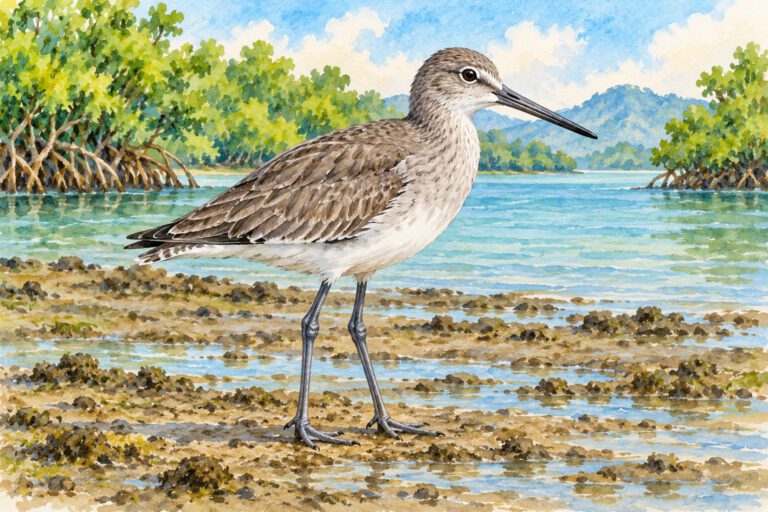
A Willet has a sturdy straight bill and long grayish legs.
Take a closer look ↗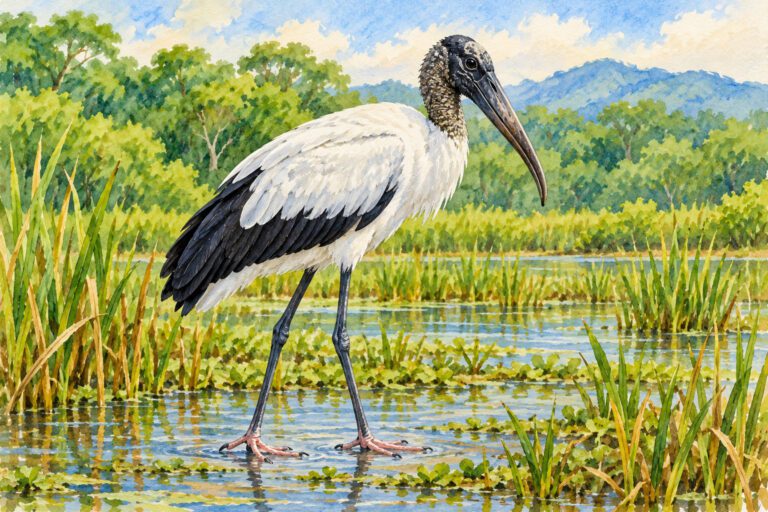
The Wood Stork is a large white wader with black flight feathers and a mostly bare dark adult head.
Take a closer look ↗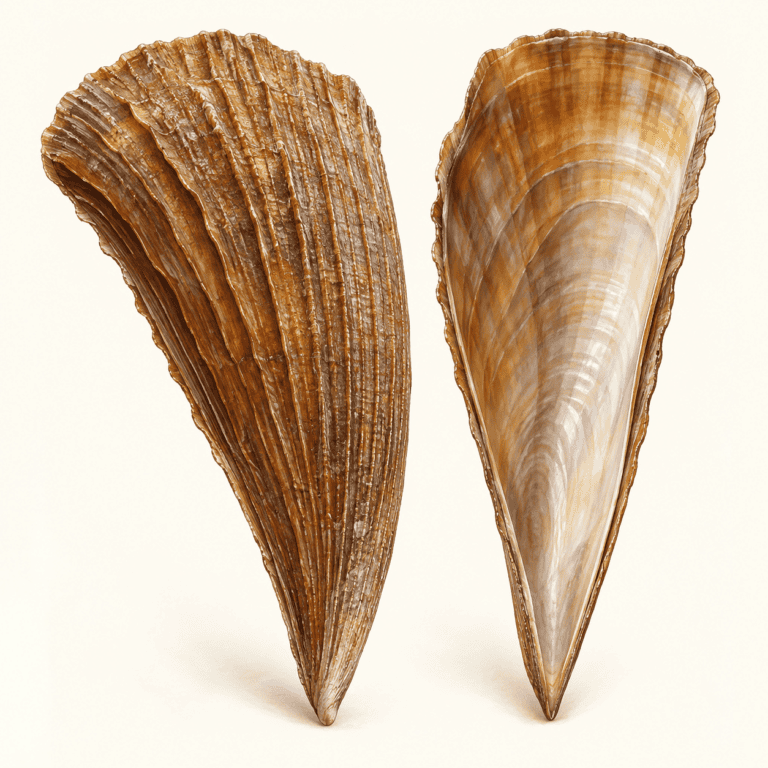
A long, fan-like penshell lives partly buried in the bottom.
Take a closer look ↗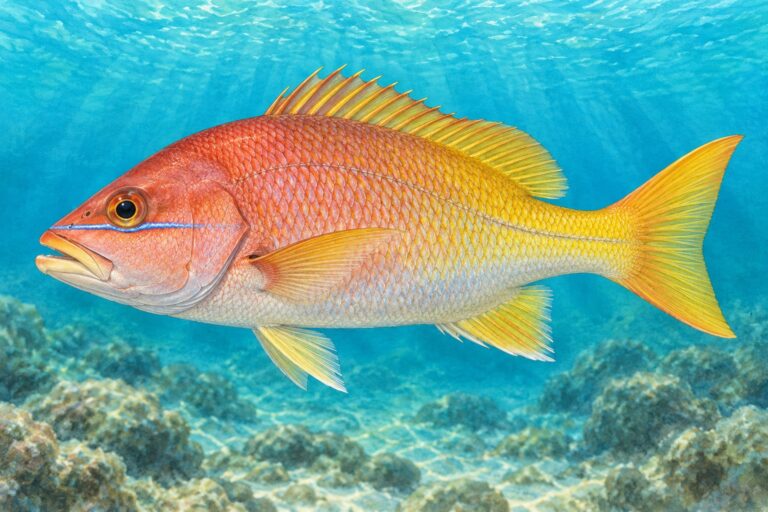
A snapper with warm red and yellow colors.
Take a closer look ↗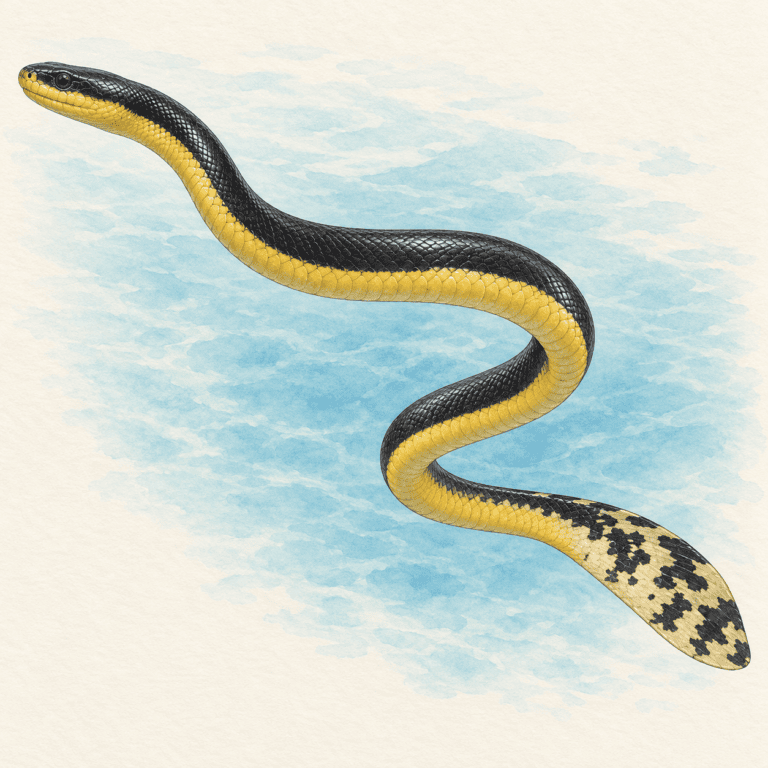
A marine snake with a dark back, yellow underside and a flattened paddle-shaped tail.
Take a closer look ↗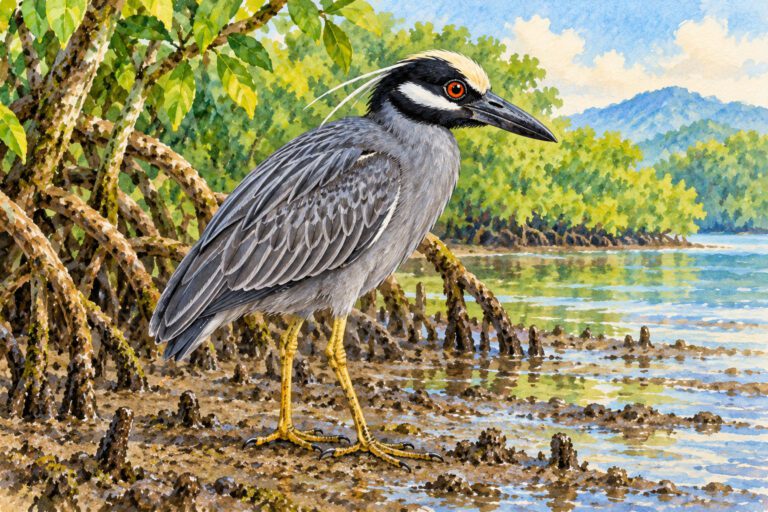
This sturdy heron often hunts crabs and other crustaceans around coastal wetlands.
Take a closer look ↗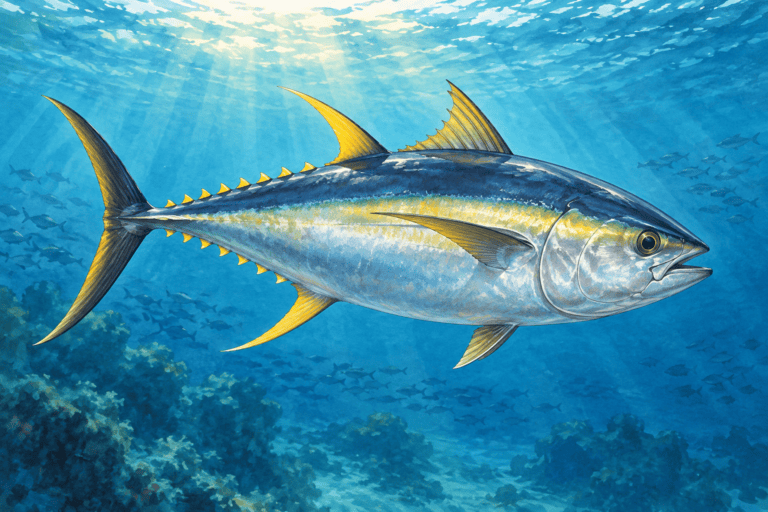
A streamlined, torpedo-shaped body.
Take a closer look ↗