Tico Explorers

Nature Field Guide

Wetland Birds

Explore wildlife, plants and trees. Learn what to look for and where to find them.

All Nature

3 profiles

Nature Field Guide

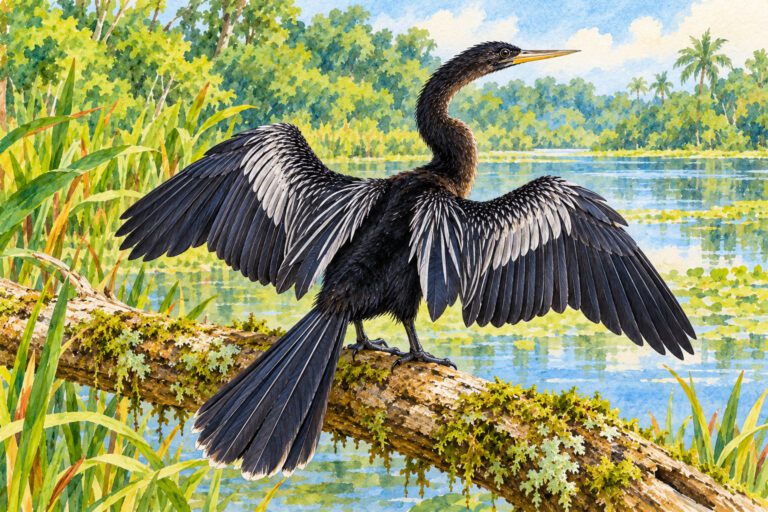
Anhinga

Spanish name
Aninga o pato aguja
Scientific name
Anhinga anhinga

What Do Pico & Tati Think?

A long neck rises above the water like a question mark. Pico waits while Tati looks for the rest of the bird.

Identification

Key Features of the Anhinga

  • Very long slender neck

  • Straight pointed bill

  • Long tail and pale wing markings

  • Often rests with wings spread

Habitat & range

Scan sheltered freshwater wetlands and wooded lagoon margins for swimming birds or a resting bird on a branch. Observe from a permitted viewpoint.

Conservation & care

Give feeding and resting birds space. If a bird stops feeding, repeatedly looks at you or moves away, increase your distance. Keep dogs away from flocks, avoid playback and feeding, and leave nests and natural shoreline debris undisturbed.

View full profile →

Nature Field Guide

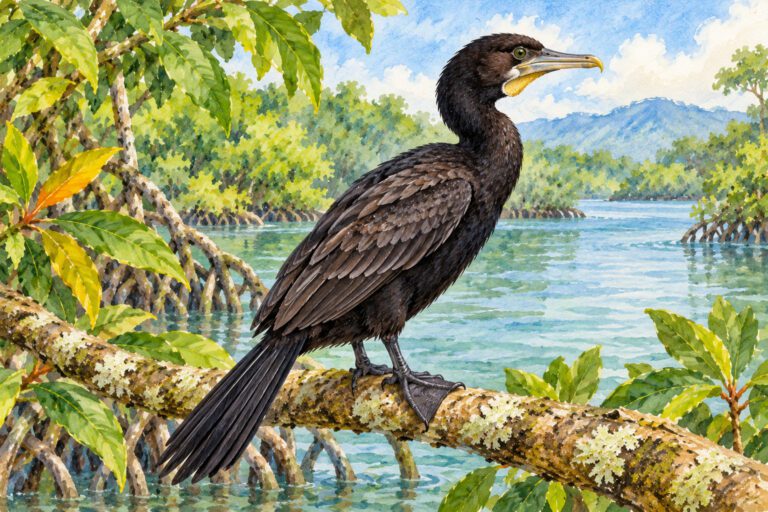
Neotropic Cormorant

Spanish name
Cormorán neotropical
Scientific name
Nannopterum brasilianum

What Do Pico & Tati Think?

Pico watches a dark swimmer vanish below the surface. Tati looks for its hooked bill when it returns.

Identification

Key Features of the Neotropic Cormorant

  • Dark body and long tail

  • Slender neck

  • Bill with a hooked tip

  • Often dives from the water surface

Habitat & range

Look across sheltered wetlands, lagoons and river margins from permitted trails or a responsible guided boat trip.

Conservation & care

Give feeding and resting birds space. If a bird stops feeding, repeatedly looks at you or moves away, increase your distance. Keep dogs away from flocks, avoid playback and feeding, and leave nests and natural shoreline debris undisturbed.

View full profile →

Nature Field Guide

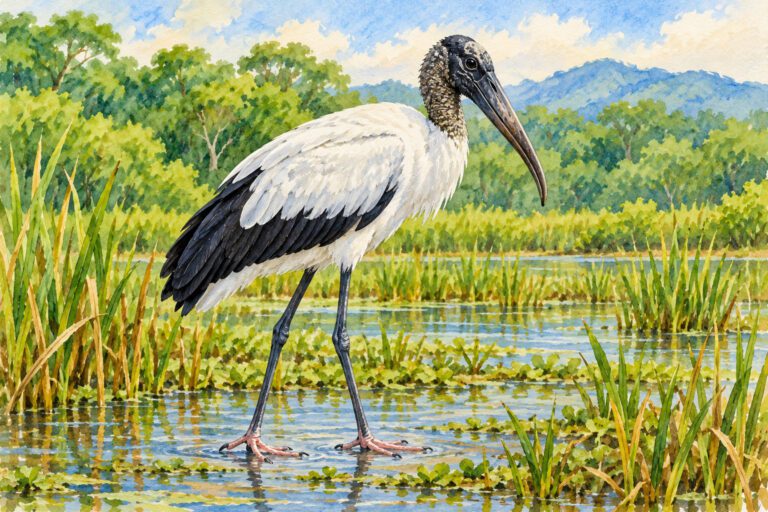
Wood Stork

Spanish name
Cigüeñón
Scientific name
Mycteria americana

What Do Pico & Tati Think?

Pico spots a tall white bird with a very different head. Tati checks its heavy bill before comparing it with the egrets.

Identification

Key Features of the Wood Stork

  • White body with black flight feathers

  • Bare dark adult head

  • Heavy slightly curved bill

  • Long legs

Habitat & range

Look across sheltered wetlands, lagoons and river margins from permitted trails or a responsible guided boat trip.

Conservation & care

Give feeding and resting birds space. If a bird stops feeding, repeatedly looks at you or moves away, increase your distance. Keep dogs away from flocks, avoid playback and feeding, and leave nests and natural shoreline debris undisturbed.

View full profile →

My Tico Explorer Experience

Save nature, towns, discoveries and learning adventures for your next experience.

Your list stays in this browser on this device.