Tico Explorers

Nature Field Guide

Freshwater

Explore wildlife, plants and trees. Learn what to look for and where to find them.

All Nature

34 profiles

Nature Field Guide

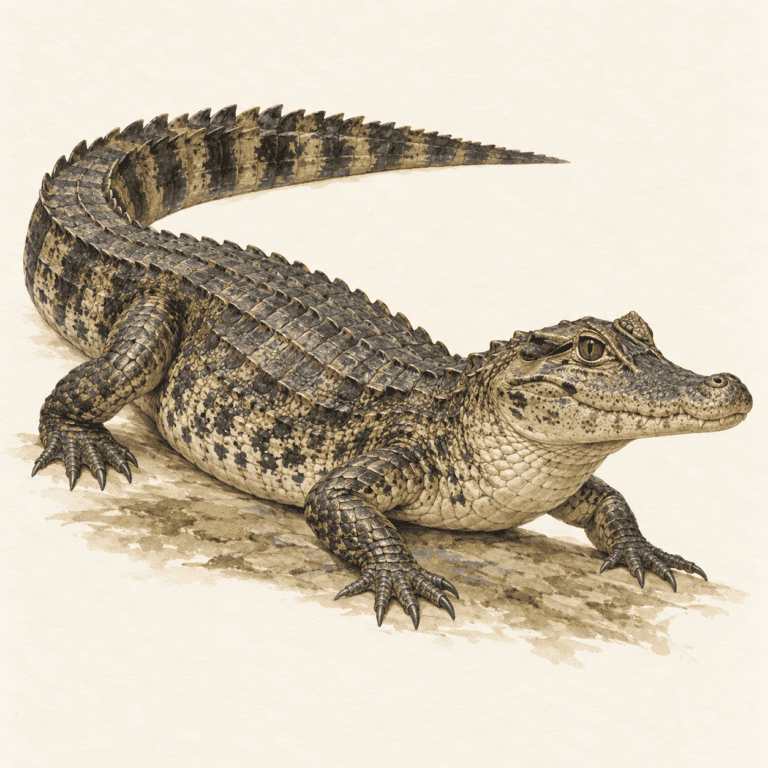
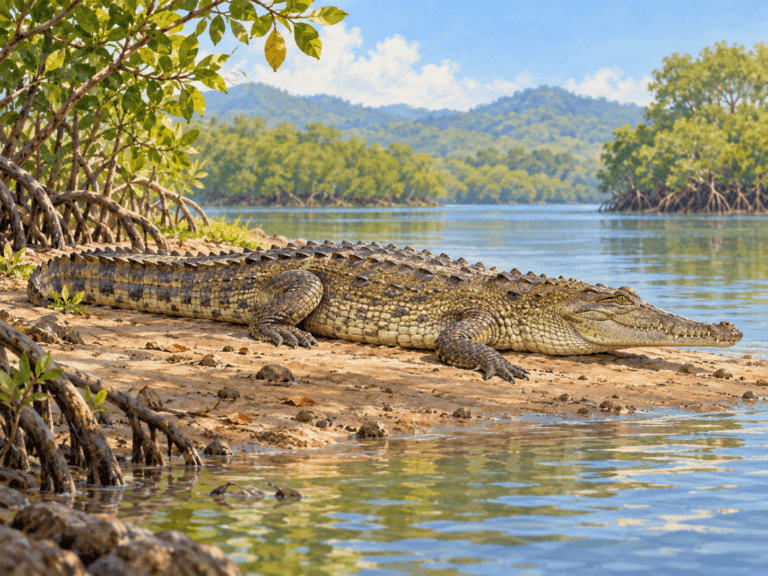
American Crocodile

Spanish name
Cocodrilo americano
Scientific name
Crocodylus acutus

What Do Pico & Tati Think?

Pico: “It blends into the riverbank so well.”

Tati: “We can observe from here with our guide. We don’t need to move closer.”

Identification

Key Features of the American Crocodile

  • A long snout and narrow head.

  • An olive-brown adult body with a long, strong tail.

  • Much of the body may be concealed in water or beside a bank.

Habitat & range

Rivers, estuaries, mangrove channels and other aquatic habitats. Observe only from a guide-approved boat or designated viewing place.

Seasonal Calendar

Egg-laying

General species biology; local schedule unverified

Apr, May

General species reference: April–May egg-laying and about 9–10 weeks of incubation. Tamarindo-specific nesting dates have not been verified. Never approach nests.

Event source ↗

Conservation & care

Never feed, approach or provoke crocodiles. Stay in the boat, keep hands inside, and follow local signs and guide instructions. Keep children and pets away from water edges.

View full profile →

Nature Field Guide

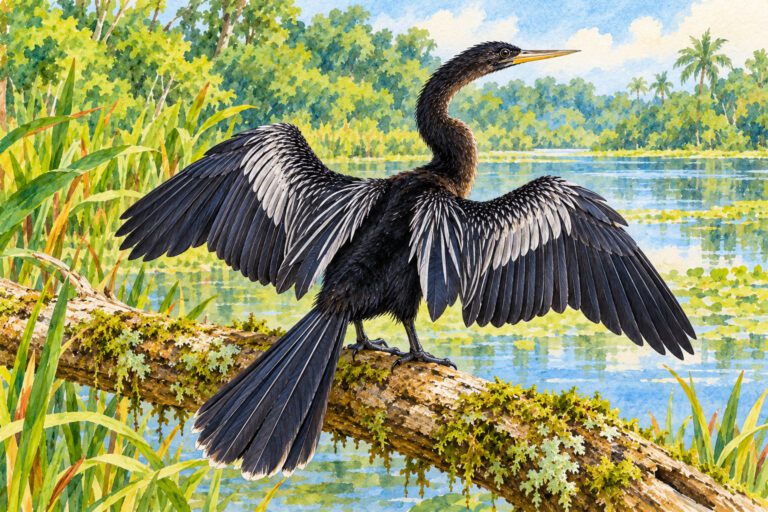
Anhinga

Spanish name
Aninga o pato aguja
Scientific name
Anhinga anhinga

What Do Pico & Tati Think?

A long neck rises above the water like a question mark. Pico waits while Tati looks for the rest of the bird.

Identification

Key Features of the Anhinga

  • Very long slender neck

  • Straight pointed bill

  • Long tail and pale wing markings

  • Often rests with wings spread

Habitat & range

Scan sheltered freshwater wetlands and wooded lagoon margins for swimming birds or a resting bird on a branch. Observe from a permitted viewpoint.

Conservation & care

Give feeding and resting birds space. If a bird stops feeding, repeatedly looks at you or moves away, increase your distance. Keep dogs away from flocks, avoid playback and feeding, and leave nests and natural shoreline debris undisturbed.

View full profile →

Nature Field Guide

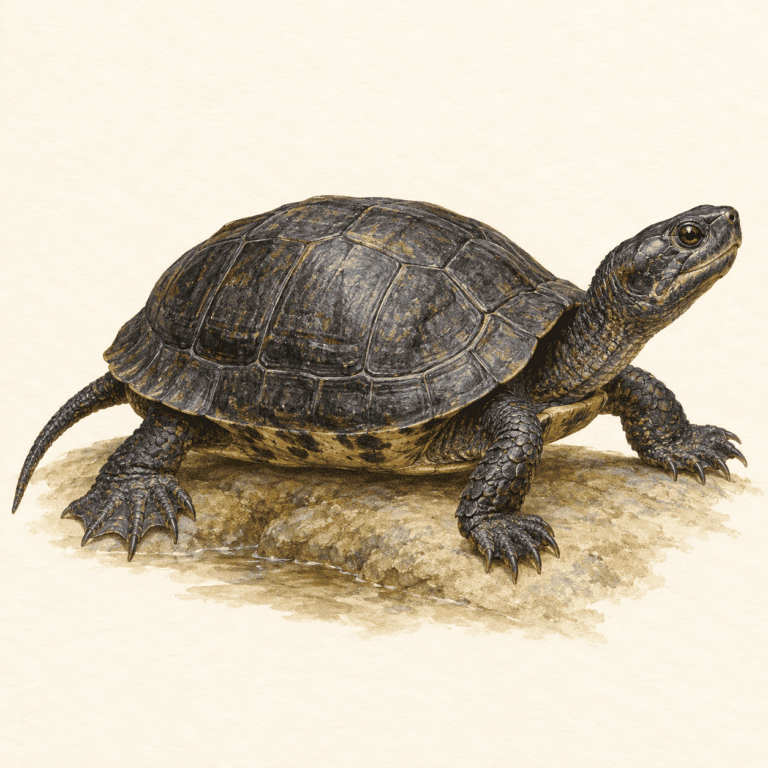
Black Wood Turtle

Spanish name
Tortuga negra
Scientific name
Rhinoclemmys funerea

What Do Pico & Tati Think?

Pico and Tati invite you to learn about the black wood turtle. Draw the major shell scutes from a photograph. Compare the outline with the painted wood turtle.

Identification

Key Features of the Black Wood Turtle

  • Dark shell and dark head.

  • Feet adapted to life around freshwater.

  • A hard shell divided into visible scutes.

Habitat & range

Humid lowland freshwater habitats such as streams, ponds and swamp forest, particularly Caribbean drainage areas.

Conservation & care

Watch wildlife with an adult from a safe path. Do not touch, feed, capture or move reptiles, and keep pets away. Leave eggs, shelters and vegetation undisturbed.

View full profile →

Nature Field Guide

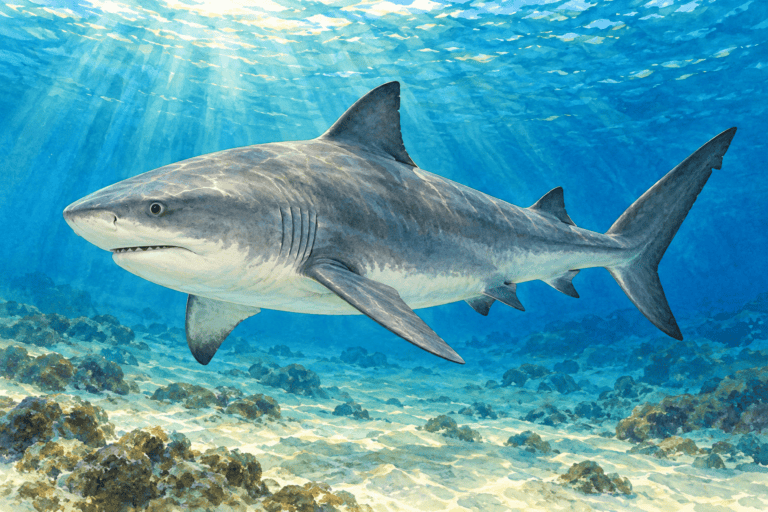
Bull Shark

Spanish name
Tiburón toro
Scientific name
Carcharhinus leucas

What Do Pico & Tati Think?

Pico: “That shark looks strong and stocky!”

Tati: “It can move between salt water and fresh water.”

Identification

Key Features of the Bull Shark

  • A stocky gray body with a pale belly.

  • A short, broad rounded snout and small eyes.

  • A large triangular first dorsal fin.

Habitat & range

Tropical and subtropical coastal waters, estuaries and some freshwater systems.

Conservation & care

Observe marine wildlife without feeding, touching or chasing it. Keep litter and discarded fishing line out of waterways. Follow qualified guides and current local rules.

Threats & pressures

Capture in fisheries affects bull sharks. Coastal development and damage to estuarine nursery habitats can put young animals under additional pressure.

View full profile →

Nature Field Guide

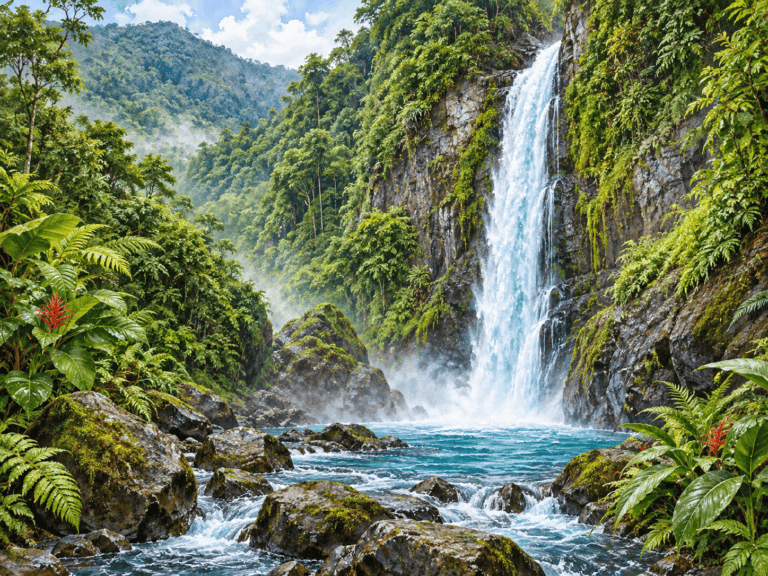
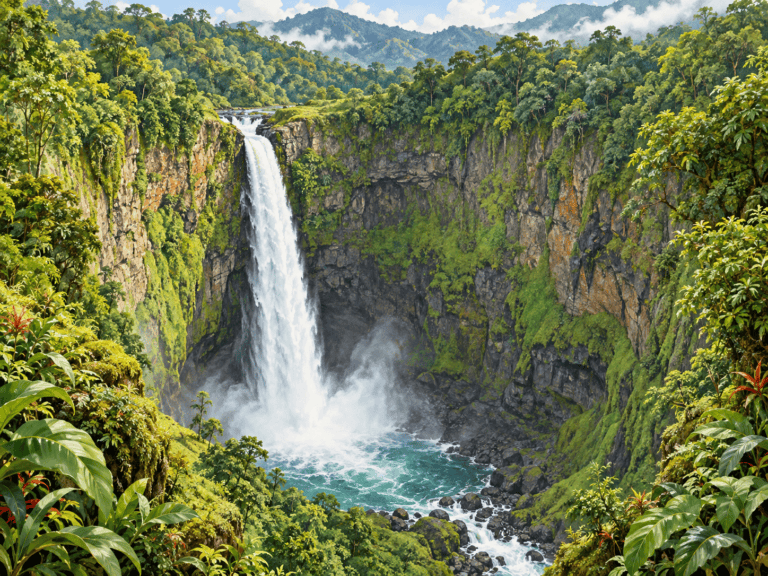
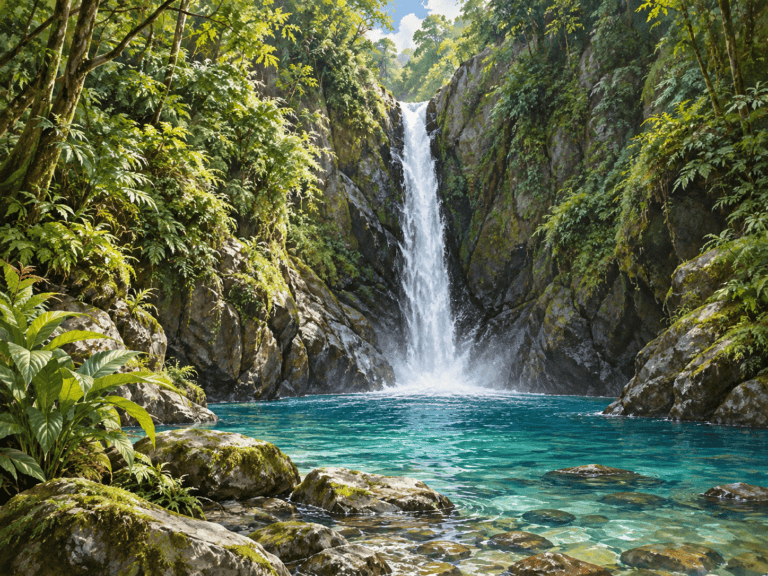
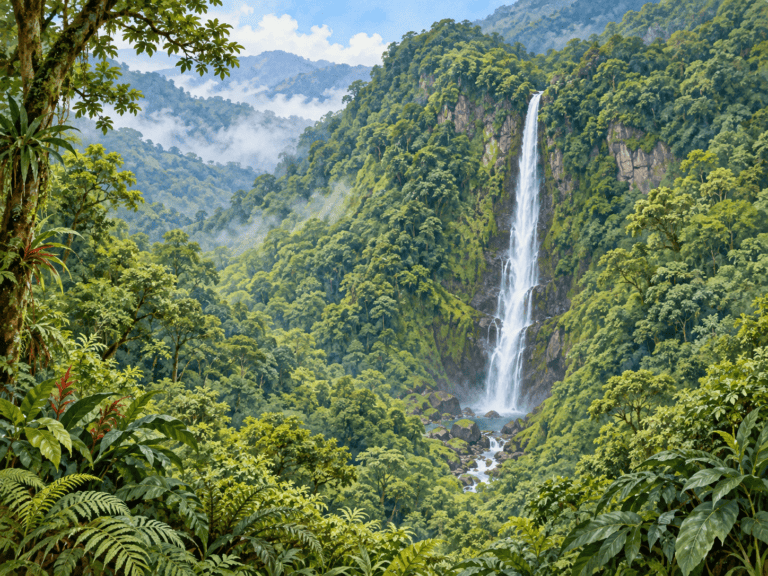
Caída del Cielo Waterfall

Spanish name
Catarata Caída del Cielo
Scientific name

What Do Pico & Tati Think?

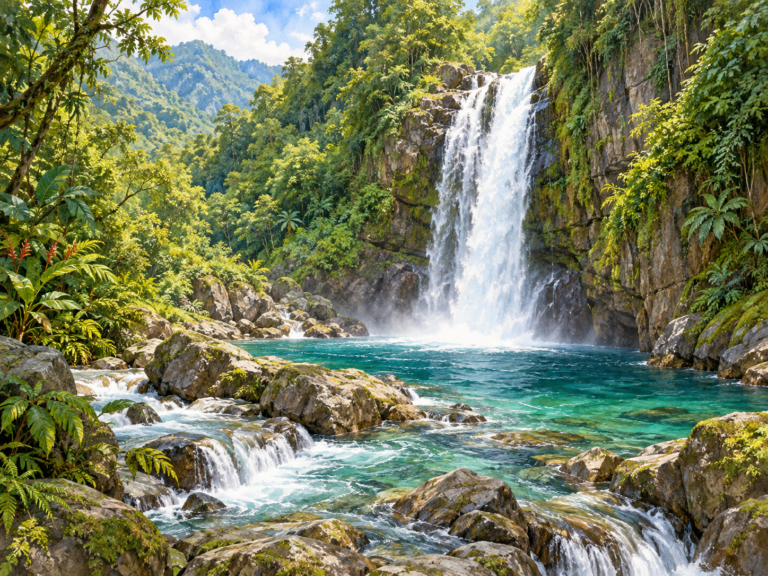
Join Pico and Tati to discover Caída del Cielo Waterfall and learn how water shapes Costa Rica’s landscapes.

Identification

Key Features of the Caída del Cielo Waterfall

  • Water color that varies with viewing conditions.

  • A mountain setting.

  • Vegetation and uneven terrain along the approach.

Habitat & range

Toro Amarillo / Bajos del Toro area, Alajuela. Look for the waterfall’s river, rock formations and surrounding vegetation from approved viewing areas.

Conservation & care

Visit with an adult and follow the site’s current access rules and staff guidance. Stay on authorized trails and behind barriers. Wet rocks, steep drops, strong currents and sudden rises in water can be dangerous. Do not jump from waterfalls or climb wet rock faces. Enter water only where explicitly permitted and conditions are approved by site staff. Leave plants, rocks and wildlife undisturbed and carry out all litter.

Plan Your Visit

Catarata Caída del Cielo — operator-arranged meeting point

Get Directions ↗

Getting There

Arrange the parking and meeting point with the operator before leaving. The tourism board describes access through a farm, with guides connecting visitors from parking to the trail.

Before You Go

The map is an attraction search, not a verified gate pin. Confirm the exact meeting point with the operator. Expect steep sections and ravines; confirm whether a guide is required and whether the route suits your family.
Visit information reviewed October 8, 2026. Confirm current access before travel.

View full profile →

Nature Field Guide

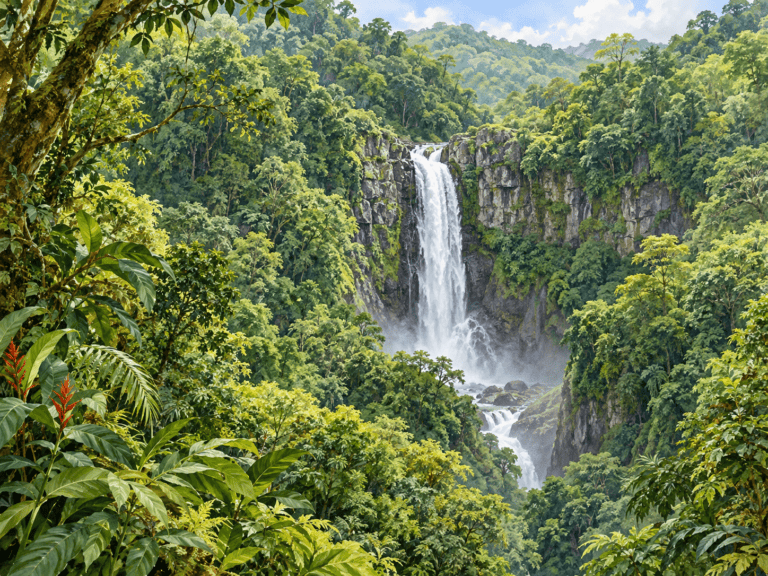
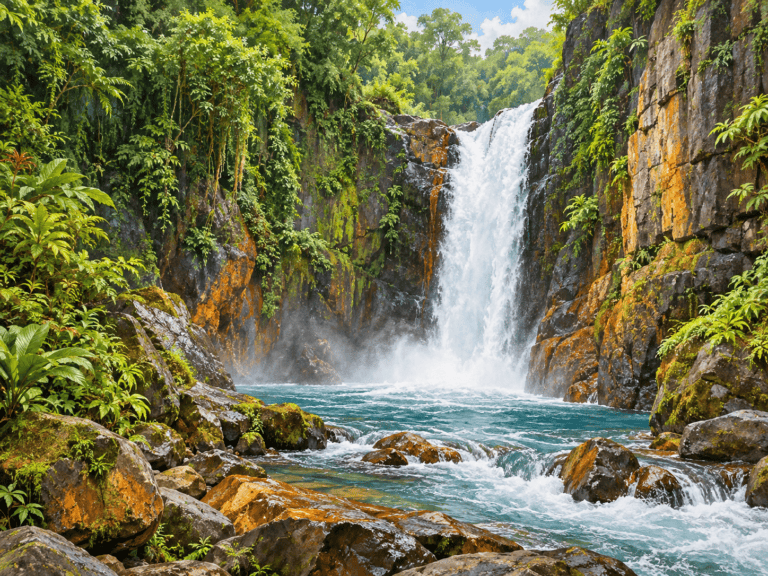
Catarata del Toro

Spanish name
Catarata del Toro
Scientific name

What Do Pico & Tati Think?

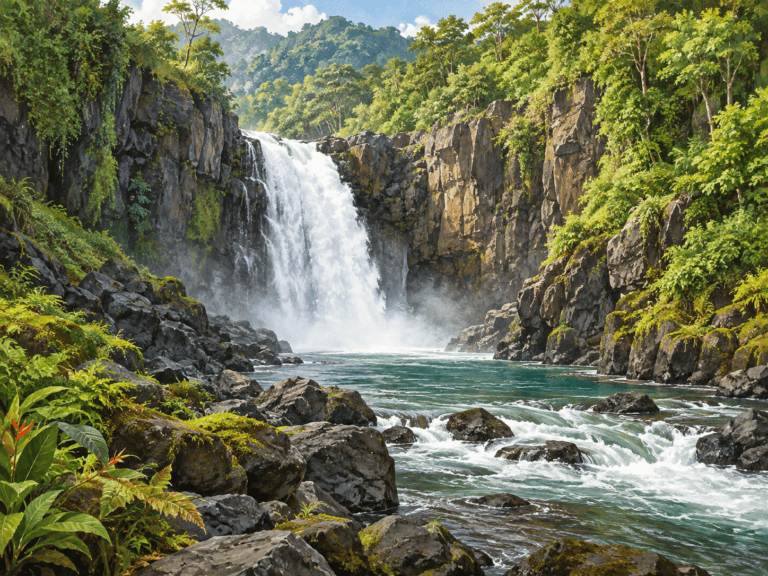
Join Pico and Tati to discover Catarata del Toro and learn how water shapes Costa Rica’s landscapes.

Identification

Key Features of the Catarata del Toro

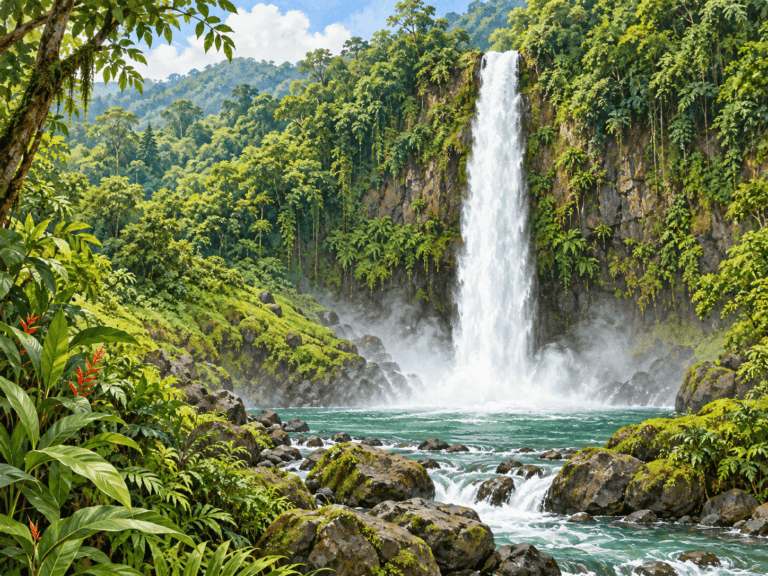
  • A deep rocky basin.

  • A tall waterfall within steep walls.

  • Forest and vegetation around the viewpoints.

Habitat & range

Bajos del Toro, Alajuela. Look for the waterfall’s river, rock formations and surrounding vegetation from approved viewing areas.

Conservation & care

Visit with an adult and follow the site’s current access rules and staff guidance. Stay on authorized trails and behind barriers. Wet rocks, steep drops, strong currents and sudden rises in water can be dangerous. Do not jump from waterfalls or climb wet rock faces. Enter water only where explicitly permitted and conditions are approved by site staff. Leave plants, rocks and wildlife undisturbed and carry out all litter.

Plan Your Visit

Catarata del Toro — private reserve entrance

Get Directions ↗

Getting There

Drive first toward Bajos del Toro, then follow the operator’s signs to Catarata del Toro on the main paved road. The operator states that reaching its entrance does not require a dirt-road detour.

Before You Go

Confirm current opening days and admission with the reserve. Swimming is not permitted at Catarata del Toro.
Visit information reviewed October 8, 2026. Confirm current access before travel.

View full profile →

Nature Field Guide

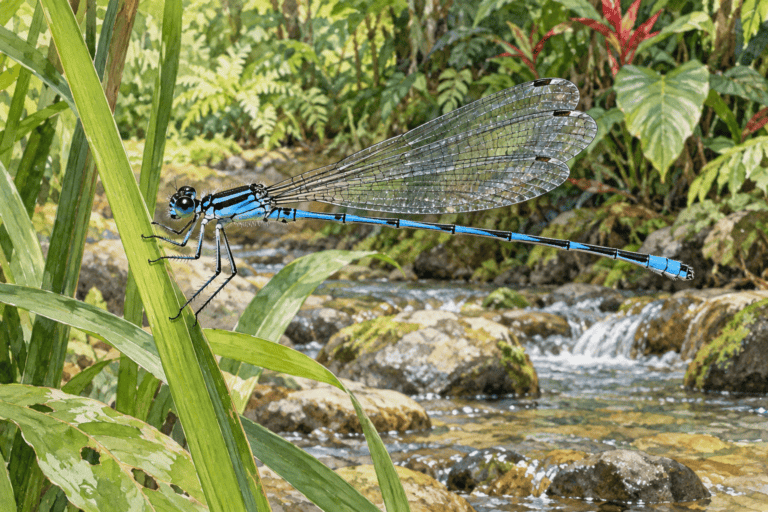
Damselflies

Spanish name
Caballitos del diablo
Scientific name
Odonata: Zygoptera — group card

What Do Pico & Tati Think?

Pico: “Let's look closely at the damselflies!”

Tati: “We can compare its shape and markings without touching it.”

Identification

Key Features of the Damselflies

  • Slender body

  • widely separated eyes

  • many fold wings above abdomen

Habitat & range

Vegetation near ponds, wetlands and streams; individual species use different waters.

Conservation & care

Observe without collecting, handling or disturbing insects or nests. Stay on permitted paths. Leave caterpillars and their food plants in place.

View full profile →

Nature Field Guide

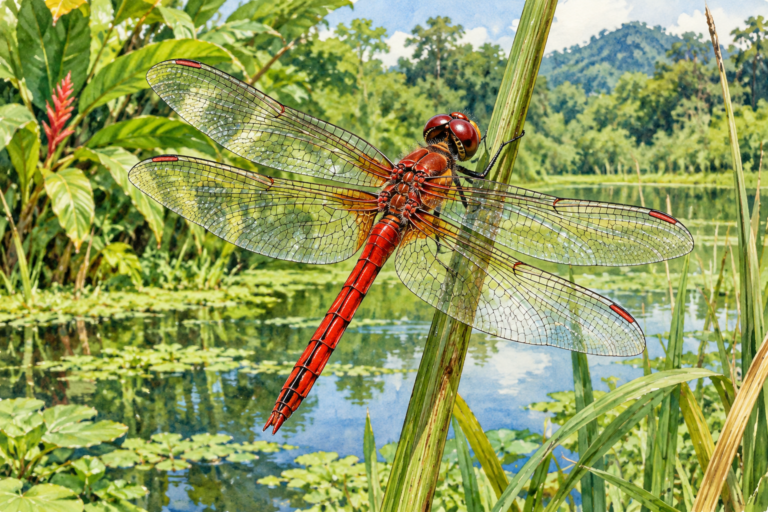
Dragonflies

Spanish name
Libélulas
Scientific name
Odonata: Anisoptera — group card

What Do Pico & Tati Think?

Pico: “Let's look closely at the dragonflies!”

Tati: “We can compare its shape and markings without touching it.”

Identification

Key Features of the Dragonflies

  • Large eyes

  • two pairs of wings

  • wings usually held open at rest

Habitat & range

Vegetation near ponds, wetlands and streams; individual species use different waters.

Conservation & care

Observe without collecting, handling or disturbing insects or nests. Stay on permitted paths. Leave caterpillars and their food plants in place.

View full profile →

Nature Field Guide

El Ángel Waterfall

Spanish name
Catarata del Ángel
Scientific name

What Do Pico & Tati Think?

Join Pico and Tati to discover El Ángel Waterfall and learn how water shapes Costa Rica’s landscapes.

Identification

Key Features of the El Ángel Waterfall

  • A waterfall in the Río Ángel corridor.

  • An upper section visible from certain viewpoints.

  • Vegetation and steep terrain that can hide portions of the falls.

Habitat & range

Near Cariblanco, Río Ángel corridor. Look for the waterfall’s river, rock formations and surrounding vegetation from approved viewing areas.

Conservation & care

Visit with an adult and follow the site’s current access rules and staff guidance. Stay on authorized trails and behind barriers. Wet rocks, steep drops, strong currents and sudden rises in water can be dangerous. Do not jump from waterfalls or climb wet rock faces. Enter water only where explicitly permitted and conditions are approved by site staff. Leave plants, rocks and wildlife undisturbed and carry out all litter.

Plan Your Visit

Cariblanco / La Isla — El Ángel waterfall viewing area

Get Directions ↗

Getting There

Use Cariblanco as the approach area and arrange the exact viewing or trail meeting point with a local guide. The tourism board describes views from parts of the highway around La Isla.

Before You Go

This map is an approach-area search, not a verified public entrance. Confirm land permission and current trail access before walking along the Ángel River. This is El Ángel near Cariblanco, not El Ángel Gabriel in San Ramón.
Visit information reviewed October 8, 2026. Confirm current access before travel.

View full profile →

Nature Field Guide

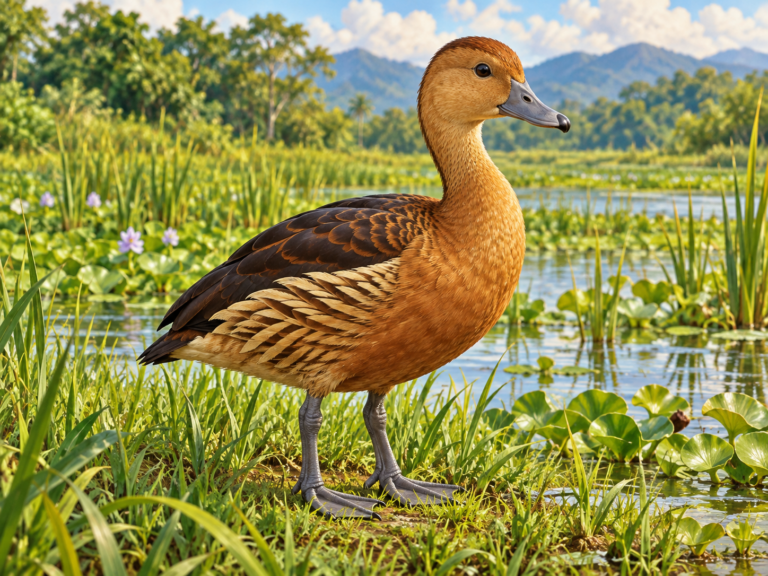
Fulvous Whistling-Duck

Spanish name
Pijije canelo
Scientific name
Dendrocygna bicolor

What Do Pico & Tati Think?

Pico: “That duck has such a long neck!”

Tati: “Let’s compare its colors with the other ducks.”

Identification

Key Features of the Fulvous Whistling-Duck

  • Warm caramel-brown neck and underparts.

  • Dark bill, long neck and long legs.

  • Pale flank markings on a darker body.

Habitat & range

Documented in the Tempisque and Palo Verde wetland landscape. Freshwater marshes, shallow flooded areas and rice-growing wetlands are relevant habitats.

Conservation & care

Stay on authorized trails or viewing routes. Give birds space, keep voices low and leave nests undisturbed. Observe without bait, feeding or recorded calls.

View full profile →

Nature Field Guide

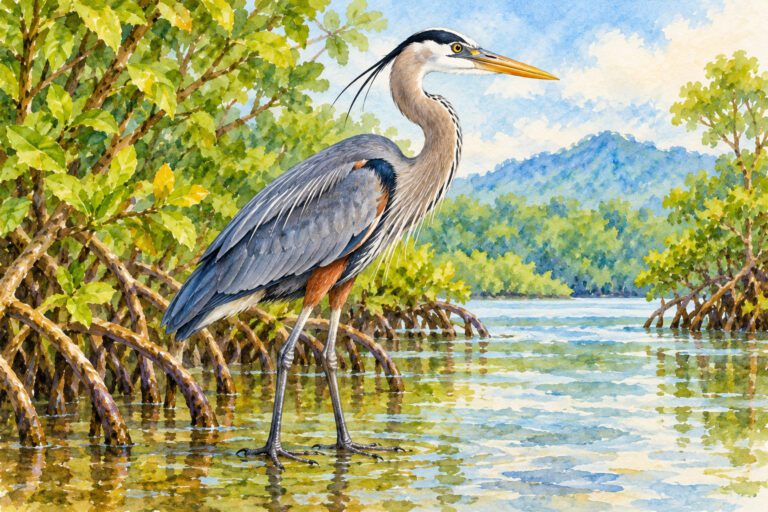
Great Blue Heron

Spanish name
Garzón azulado
Scientific name
Ardea herodias

What Do Pico & Tati Think?

A tall, patient hunter can make the whole shoreline feel still. Pico counts its slow steps while Tati watches its folded neck.

Identification

Key Features of the Great Blue Heron

  • Large blue-gray body

  • Long legs and a heavy yellowish bill

  • Pale head with a dark stripe above the eye

Habitat & range

Scan shallow water, quiet mangrove channels and vegetated wetland margins from an established viewpoint. Follow a local guide’s directions around estuaries.

Conservation & care

Give feeding and resting birds space. If a bird stops feeding, repeatedly looks at you or moves away, increase your distance. Keep dogs away from flocks, avoid playback and feeding, and leave nests and natural shoreline debris undisturbed.

View full profile →

Nature Field Guide

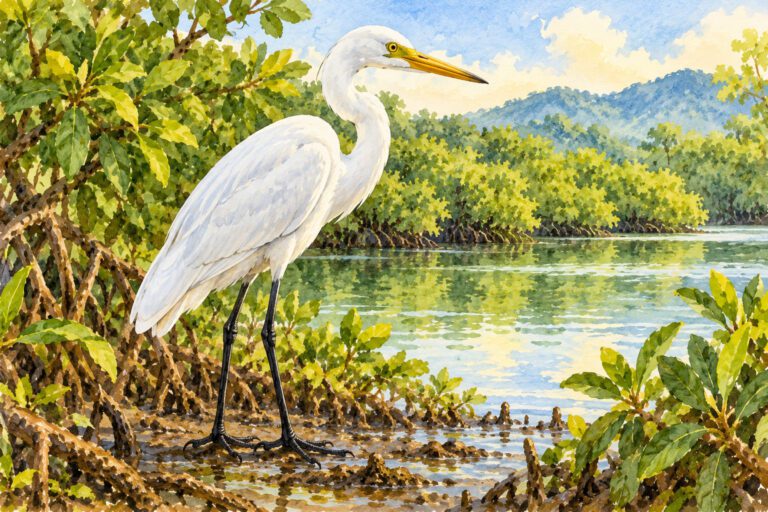
Great Egret

Spanish name
Garceta grande
Scientific name
Ardea alba

What Do Pico & Tati Think?

Pico calls it a bright white shape in the green. Tati checks the bill and feet before giving it a name.

Identification

Key Features of the Great Egret

  • White plumage and long slender neck

  • Yellow bill

  • Black legs and dark feet

Habitat & range

Scan shallow water, quiet mangrove channels and vegetated wetland margins from an established viewpoint. Follow a local guide’s directions around estuaries.

Conservation & care

Give feeding and resting birds space. If a bird stops feeding, repeatedly looks at you or moves away, increase your distance. Keep dogs away from flocks, avoid playback and feeding, and leave nests and natural shoreline debris undisturbed.

View full profile →

Nature Field Guide

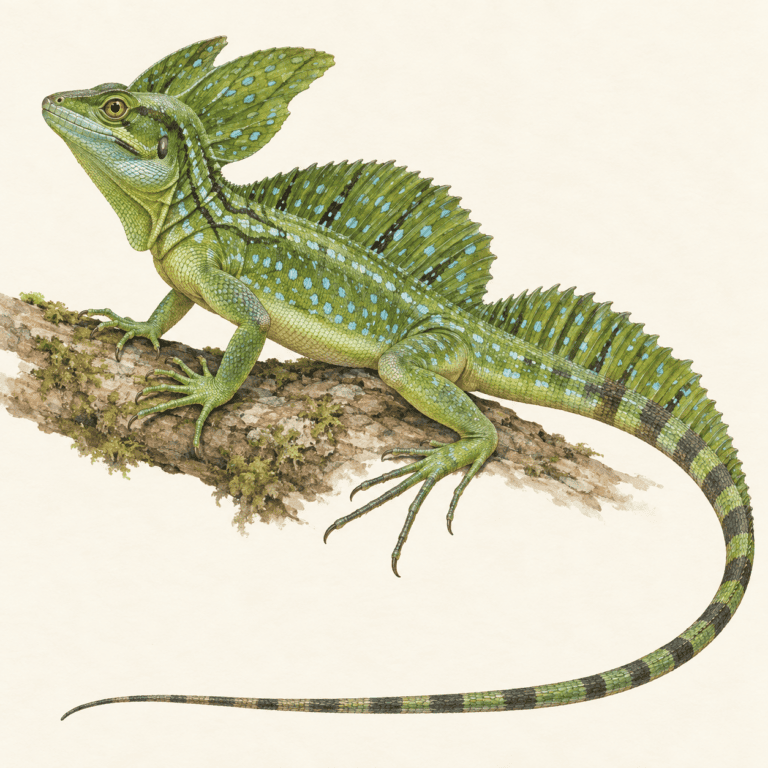
Green Basilisk

Spanish name
Basilisco verde
Scientific name
Basiliscus plumifrons

What Do Pico & Tati Think?

Pico and Tati invite you to learn about the green basilisk. Compare an adult male photograph with a juvenile. Which features change as the animal grows?

Identification

Key Features of the Green Basilisk

  • Green body with pale or bluish spots.

  • Long tail and long hind toes.

  • Large head, back and tail crests in adult males.

Habitat & range

Humid Caribbean lowland forests and suitable wooded stream corridors.

Conservation & care

Watch wildlife with an adult from a safe path. Do not touch, feed, capture or move reptiles, and keep pets away. Leave eggs, shelters and vegetation undisturbed.

View full profile →

Nature Field Guide

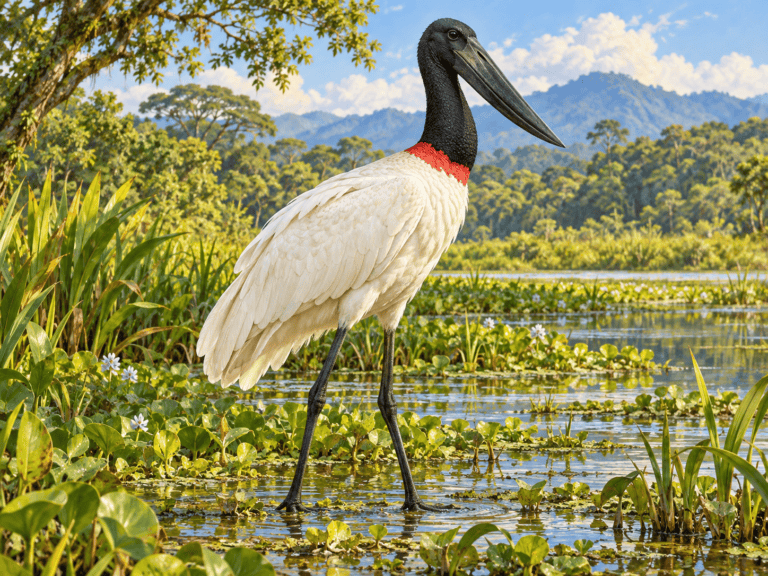
Jabiru

Spanish name
Jabirú / Galán sin ventura
Scientific name
Jabiru mycteria

What Do Pico & Tati Think?

Pico: “That bird is standing so tall in the wetland!”

Tati: “Its shape tells us more than size alone.”

Identification

Key Features of the Jabiru

  • Large white body with black bare head and neck.

  • Red band at the lower neck.

  • Massive dark bill and very long legs.

Habitat & range

The Tempisque basin is the principal nesting landscape. Cano Negro and Rio Frio receive seasonal visitors; not all wetlands in either region support Jabirus.

Conservation & care

Stay on authorized trails or viewing routes. Give birds space, keep voices low and leave nests undisturbed. Observe without bait, feeding or recorded calls.

View full profile →

Nature Field Guide

La Fortuna Waterfall

Spanish name
Catarata La Fortuna
Scientific name

What Do Pico & Tati Think?

Join Pico and Tati to discover La Fortuna Waterfall and learn how water shapes Costa Rica’s landscapes.

Identification

Key Features of the La Fortuna Waterfall

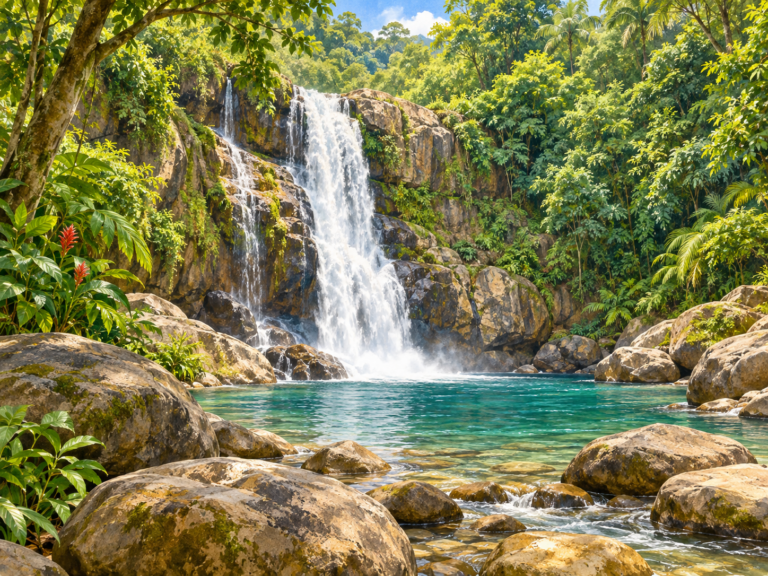
  • A narrow falling column of water.

  • Forested slopes around the river.

  • Mist and wet rocks near the base.

Habitat & range

La Fortuna, Alajuela. Look for the waterfall’s river, rock formations and surrounding vegetation from approved viewing areas.

Conservation & care

Visit with an adult and follow the site’s current access rules and staff guidance. Stay on authorized trails and behind barriers. Wet rocks, steep drops, strong currents and sudden rises in water can be dangerous. Do not jump from waterfalls or climb wet rock faces. Enter water only where explicitly permitted and conditions are approved by site staff. Leave plants, rocks and wildlife undisturbed and carry out all litter.

Plan Your Visit

La Fortuna Waterfall — ADIFORT visitor entrance

Get Directions ↗

Getting There

Navigate to the managed La Fortuna Waterfall entrance outside La Fortuna. After admission, a long stairway descends through the forest to the waterfall; allow energy and time for the climb back.

Before You Go

Admission supports ADIFORT community projects. Ask staff about current water conditions and permitted swimming areas. The stairway may be unsuitable for visitors with limited mobility.
Visit information reviewed October 8, 2026. Confirm current access before travel.

View full profile →

Nature Field Guide

La Paz Waterfall

Spanish name
Catarata La Paz
Scientific name

What Do Pico & Tati Think?

Join Pico and Tati to discover La Paz Waterfall and learn how water shapes Costa Rica’s landscapes.

Identification

Key Features of the La Paz Waterfall

  • A waterfall framed by forest.

  • A river continuing through a cascade landscape.

  • Roadside and managed viewing contexts.

Habitat & range

Vara Blanca–Cinchona road corridor. Look for the waterfall’s river, rock formations and surrounding vegetation from approved viewing areas.

Conservation & care

Visit with an adult and follow the site’s current access rules and staff guidance. Stay on authorized trails and behind barriers. Wet rocks, steep drops, strong currents and sudden rises in water can be dangerous. Do not jump from waterfalls or climb wet rock faces. Enter water only where explicitly permitted and conditions are approved by site staff. Leave plants, rocks and wildlife undisturbed and carry out all litter.

Plan Your Visit

La Paz Waterfall Gardens — managed visitor reception

Get Directions ↗

Getting There

Navigate to La Paz Waterfall Gardens in the Vara Blanca area and check in at the park reception for its maintained waterfall trail network.

Before You Go

This map selects the managed park entrance, not a roadside stopping point. Confirm admission and current trails; the gardens contain several waterfalls and require walking and stairs.
Visit information reviewed October 8, 2026. Confirm current access before travel.

View full profile →

Nature Field Guide

Las Chorreras Waterfalls

Spanish name
Cataratas Las Chorreras
Scientific name

What Do Pico & Tati Think?

Join Pico and Tati to discover Las Chorreras Waterfalls and learn how water shapes Costa Rica’s landscapes.

Identification

Key Features of the Las Chorreras Waterfalls

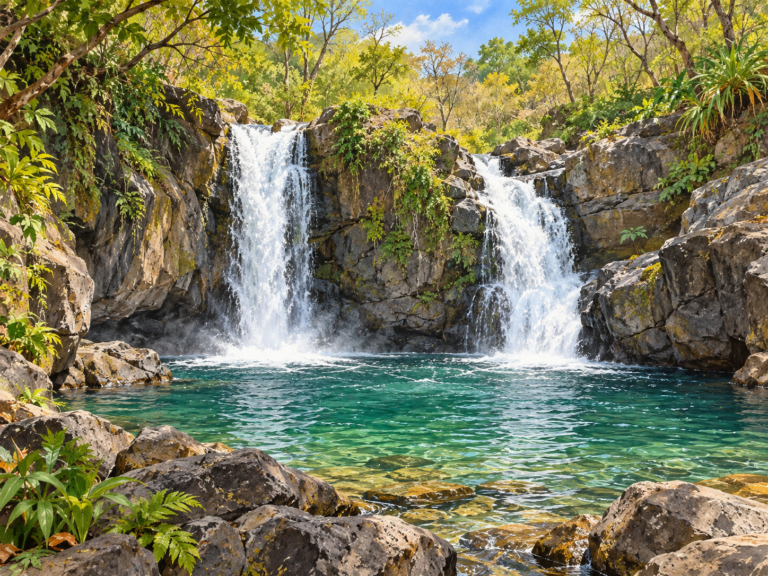
  • Two side-by-side falls.

  • A small volcanic-rock canyon.

  • Surrounding tropical dry forest.

Habitat & range

Hacienda Guachipelín, Rincón de la Vieja area, Guanacaste. Look for the waterfall’s river, rock formations and surrounding vegetation from approved viewing areas.

Conservation & care

Visit with an adult and follow the site’s current access rules and staff guidance. Stay on authorized trails and behind barriers. Wet rocks, steep drops, strong currents and sudden rises in water can be dangerous. Do not jump from waterfalls or climb wet rock faces. Enter water only where explicitly permitted and conditions are approved by site staff. Leave plants, rocks and wildlife undisturbed and carry out all litter.

Plan Your Visit

Hacienda Guachipelín — Las Chorreras visitor check-in

Get Directions ↗

Getting There

Navigate to Hacienda Guachipelín and check in for the Las Chorreras waterfall walk. Use the operator’s authorized trail and directions.

Before You Go

Confirm the entrance package, walking route and current swimming conditions with the operator.
Visit information reviewed October 8, 2026. Confirm current access before travel.

View full profile →

Nature Field Guide

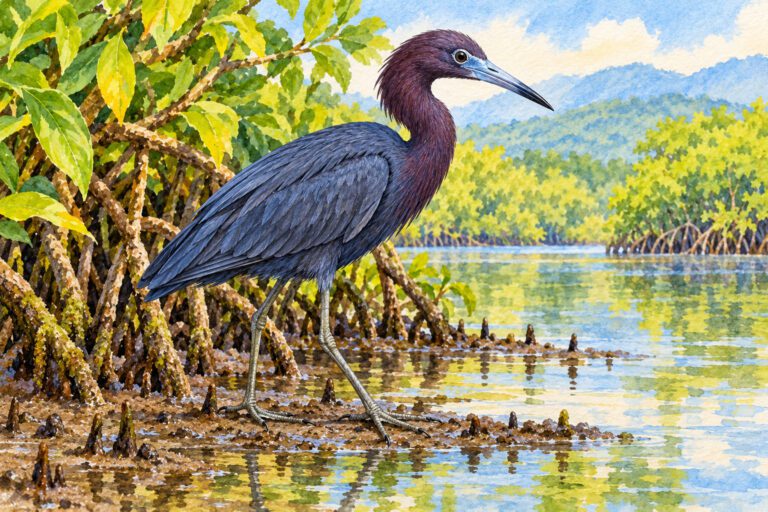
Little Blue Heron

Spanish name
Garceta azul
Scientific name
Egretta caerulea

What Do Pico & Tati Think?

Pico expects every Little Blue Heron to be blue. Tati discovers that young birds tell a different color story.

Identification

Key Features of the Little Blue Heron

  • Adult slate-blue body and purplish neck

  • Two-toned bill with a dark tip

  • Juveniles are white, unlike the illustrated adult

Habitat & range

Scan shallow water, quiet mangrove channels and vegetated wetland margins from an established viewpoint. Follow a local guide’s directions around estuaries.

Conservation & care

Give feeding and resting birds space. If a bird stops feeding, repeatedly looks at you or moves away, increase your distance. Keep dogs away from flocks, avoid playback and feeding, and leave nests and natural shoreline debris undisturbed.

View full profile →

Nature Field Guide

Llanos de Cortés Waterfall

Spanish name
Catarata Llanos de Cortés
Scientific name

What Do Pico & Tati Think?

Join Pico and Tati to discover Llanos de Cortés Waterfall and learn how water shapes Costa Rica’s landscapes.

Identification

Key Features of the Llanos de Cortés Waterfall

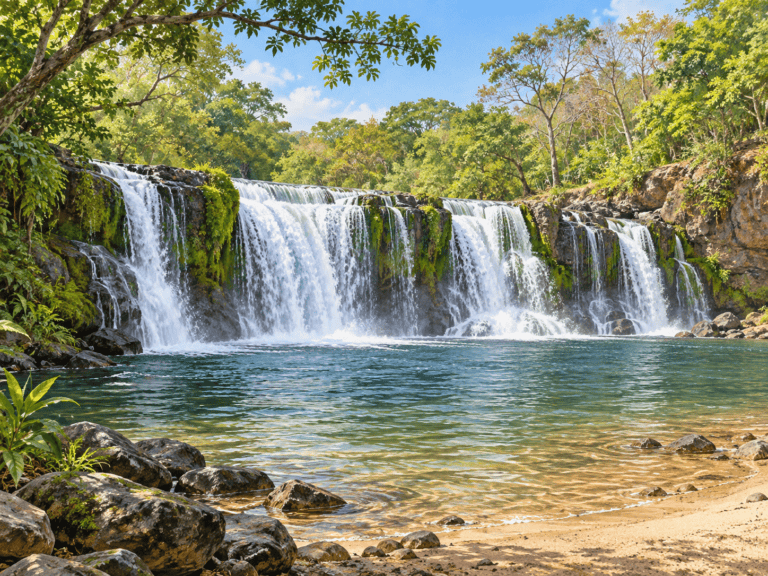
  • A broad waterfall curtain.

  • Rock and moss around the ledge.

  • A pool and sandy area below.

Habitat & range

Bagaces, Guanacaste. Look for the waterfall’s river, rock formations and surrounding vegetation from approved viewing areas.

Conservation & care

Visit with an adult and follow the site’s current access rules and staff guidance. Stay on authorized trails and behind barriers. Wet rocks, steep drops, strong currents and sudden rises in water can be dangerous. Do not jump from waterfalls or climb wet rock faces. Enter water only where explicitly permitted and conditions are approved by site staff. Leave plants, rocks and wildlife undisturbed and carry out all litter.

Plan Your Visit

Llanos de Cortés — visitor entrance near Bagaces

Get Directions ↗

Getting There

Navigate to the visitor entrance near Bagaces, rather than to a pin in the waterfall pool. Confirm the parking area and authorized walking route on arrival.

Before You Go

Confirm current admission and opening arrangements locally. Ask staff about water conditions before entering any designated swimming area.
Visit information reviewed October 8, 2026. Confirm current access before travel.

View full profile →

Nature Field Guide

Montezuma Waterfalls

Spanish name
Cataratas de Montezuma
Scientific name

What Do Pico & Tati Think?

Join Pico and Tati to discover Montezuma Waterfalls and learn how water shapes Costa Rica’s landscapes.

Identification

Key Features of the Montezuma Waterfalls

  • A waterfall and natural pool.

  • Rocky river terrain.

  • Forest close to the coastal community.

Habitat & range

Montezuma, Nicoya Peninsula, Puntarenas. Look for the waterfall’s river, rock formations and surrounding vegetation from approved viewing areas.

Conservation & care

Visit with an adult and follow the site’s current access rules and staff guidance. Stay on authorized trails and behind barriers. Wet rocks, steep drops, strong currents and sudden rises in water can be dangerous. Do not jump from waterfalls or climb wet rock faces. Enter water only where explicitly permitted and conditions are approved by site staff. Leave plants, rocks and wildlife undisturbed and carry out all litter.

Plan Your Visit

Montezuma Waterfalls — lower-trail approach near La Cascada

Get Directions ↗

Getting There

The lower-waterfall trail approach is near La Cascada Restaurant and the bridge on the Cabuya side of Montezuma. Confirm the current public trail access locally before setting out.

Before You Go

The map indicates an approach landmark, not a managed entrance or an upper-waterfall route. Confirm access permission and trail conditions. Use a local guide if unsure; do not jump from the falls.
Visit information reviewed October 8, 2026. Confirm current access before travel.

View full profile →

Nature Field Guide

Nauyaca Waterfalls

Spanish name
Cataratas Nauyaca
Scientific name

What Do Pico & Tati Think?

Join Pico and Tati to discover Nauyaca Waterfalls and learn how water shapes Costa Rica’s landscapes.

Identification

Key Features of the Nauyaca Waterfalls

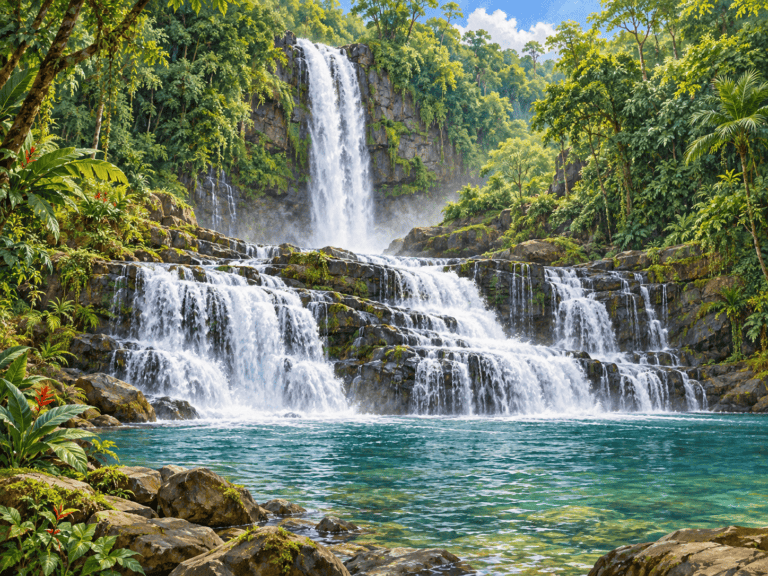
  • A tall upper waterfall.

  • A lower fall spreading over steps of rock.

  • Forest around a broad canyon and pools.

Habitat & range

Barú area near Platanillo and Dominical. Look for the waterfall’s river, rock formations and surrounding vegetation from approved viewing areas.

Conservation & care

Visit with an adult and follow the site’s current access rules and staff guidance. Stay on authorized trails and behind barriers. Wet rocks, steep drops, strong currents and sudden rises in water can be dangerous. Do not jump from waterfalls or climb wet rock faces. Enter water only where explicitly permitted and conditions are approved by site staff. Leave plants, rocks and wildlife undisturbed and carry out all litter.

Plan Your Visit

Nauyaca Waterfall Nature Park — San Salvador office

Get Directions ↗

Getting There

For this entrance, approach via Route 243 to Tinamastes and follow the operator’s signs toward San Salvador and its office. Check in for the hiking or transport option.

Before You Go

Nauyaca has two separately operated entrances. This map selects Nauyaca Waterfall Nature Park, not the other operator. Match your ticket to this office and confirm the recommended vehicle route.
Visit information reviewed October 8, 2026. Confirm current access before travel.

View full profile →

Nature Field Guide

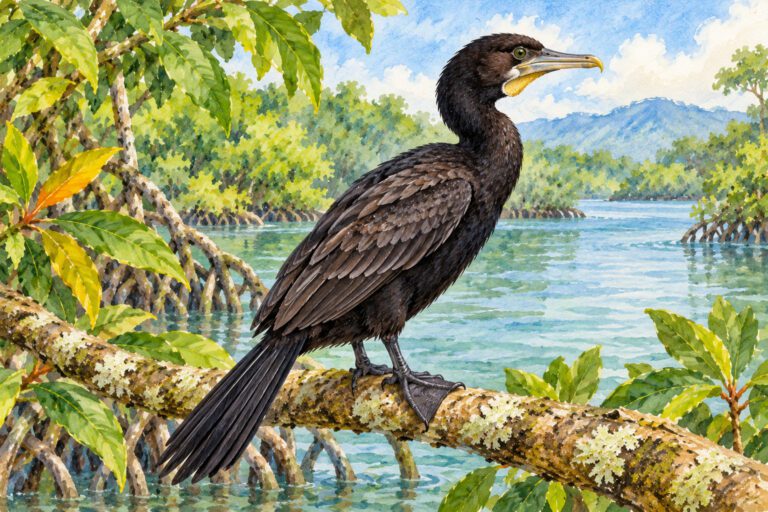
Neotropic Cormorant

Spanish name
Cormorán neotropical
Scientific name
Nannopterum brasilianum

What Do Pico & Tati Think?

Pico watches a dark swimmer vanish below the surface. Tati looks for its hooked bill when it returns.

Identification

Key Features of the Neotropic Cormorant

  • Dark body and long tail

  • Slender neck

  • Bill with a hooked tip

  • Often dives from the water surface

Habitat & range

Look across sheltered wetlands, lagoons and river margins from permitted trails or a responsible guided boat trip.

Conservation & care

Give feeding and resting birds space. If a bird stops feeding, repeatedly looks at you or moves away, increase your distance. Keep dogs away from flocks, avoid playback and feeding, and leave nests and natural shoreline debris undisturbed.

View full profile →

Nature Field Guide

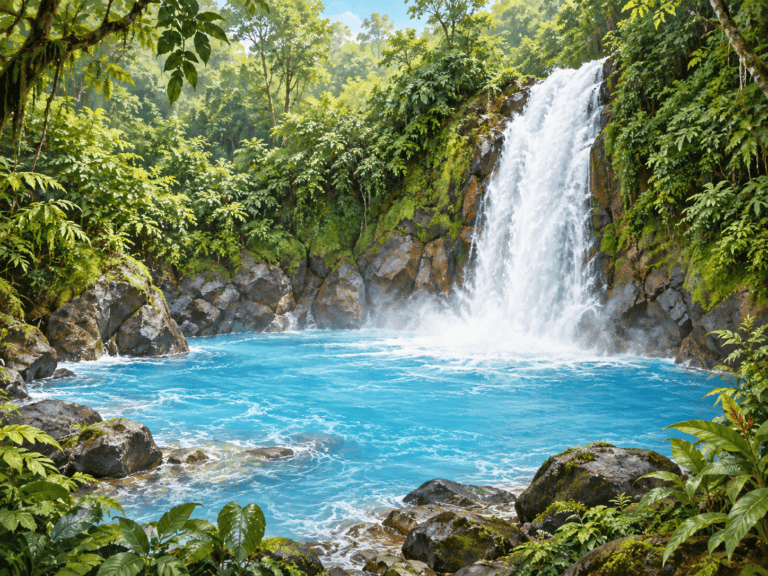
Oropéndola Waterfall

Spanish name
Catarata Oropéndola
Scientific name

What Do Pico & Tati Think?

Join Pico and Tati to discover Oropéndola Waterfall and learn how water shapes Costa Rica’s landscapes.

Identification

Key Features of the Oropéndola Waterfall

  • A waterfall descending between canyon walls.

  • A pool that can appear turquoise.

  • Vegetation along the Río Blanco.

Habitat & range

Rincón de la Vieja area, Guanacaste. Look for the waterfall’s river, rock formations and surrounding vegetation from approved viewing areas.

Conservation & care

Visit with an adult and follow the site’s current access rules and staff guidance. Stay on authorized trails and behind barriers. Wet rocks, steep drops, strong currents and sudden rises in water can be dangerous. Do not jump from waterfalls or climb wet rock faces. Enter water only where explicitly permitted and conditions are approved by site staff. Leave plants, rocks and wildlife undisturbed and carry out all litter.

Plan Your Visit

Hacienda Guachipelín — Oropéndola visitor check-in

Get Directions ↗

Getting There

Navigate to Hacienda Guachipelín near Curubandé and check in for Oropéndola access. Follow the operator’s directions to the correct trailhead.

Before You Go

This map targets the operator check-in, not the waterfall pool. Confirm the current check-in point, ticket, trail access and swimming conditions before visiting.
Visit information reviewed October 8, 2026. Confirm current access before travel.

View full profile →

Nature Field Guide

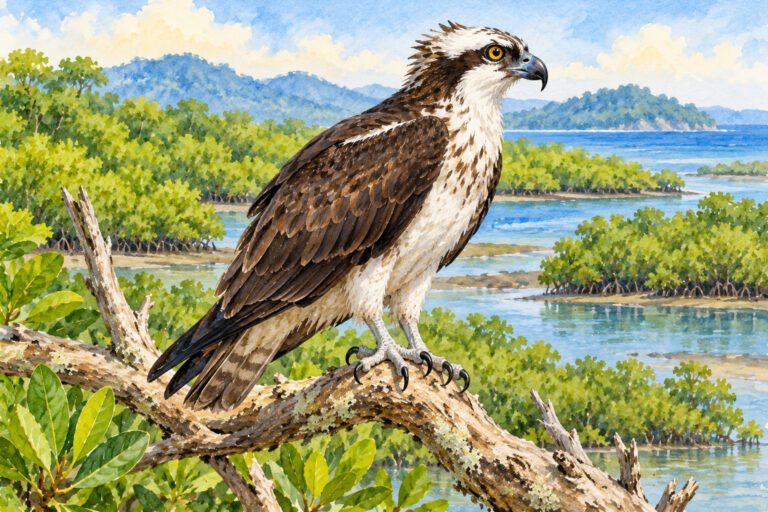
Osprey

Spanish name
Águila pescadora
Scientific name
Pandion haliaetus

What Do Pico & Tati Think?

Pico sees a fish hunter high above the water. Tati follows its shape with binoculars while keeping both feet on the trail.

Identification

Key Features of the Osprey

  • White head with broad dark eye stripe

  • Brown back and pale underparts

  • Hooked bill and powerful feet

  • Long angled wings in flight

Habitat & range

Scan exposed branches and the sky above fish-bearing rivers, estuaries and coastal water. Watch from a safe shore viewpoint.

Conservation & care

Give feeding and resting birds space. If a bird stops feeding, repeatedly looks at you or moves away, increase your distance. Keep dogs away from flocks, avoid playback and feeding, and leave nests and natural shoreline debris undisturbed.

View full profile →

Nature Field Guide

Río Agrio Waterfall

Spanish name
Catarata Río Agrio
Scientific name

What Do Pico & Tati Think?

Join Pico and Tati to discover Río Agrio Waterfall and learn how water shapes Costa Rica’s landscapes.

Identification

Key Features of the Río Agrio Waterfall

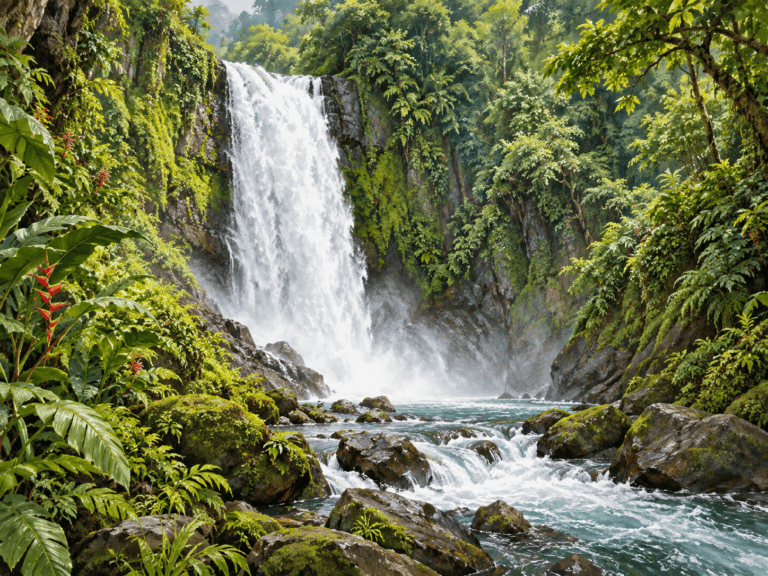
  • A waterfall within a wooded river corridor.

  • Rock walls and wet vegetation.

  • A river influenced by volcanic minerals.

Habitat & range

Toro Amarillo / Bajos del Toro area, Alajuela. Look for the waterfall’s river, rock formations and surrounding vegetation from approved viewing areas.

Conservation & care

Visit with an adult and follow the site’s current access rules and staff guidance. Stay on authorized trails and behind barriers. Wet rocks, steep drops, strong currents and sudden rises in water can be dangerous. Do not jump from waterfalls or climb wet rock faces. Enter water only where explicitly permitted and conditions are approved by site staff. Leave plants, rocks and wildlife undisturbed and carry out all litter.

Plan Your Visit

Catarata Río Agrio–Dino Land — visitor entrance

Get Directions ↗

Getting There

The municipal directory locates the entrance approximately 4 km north of the Bajos del Toro sports field. Navigate to Catarata Río Agrio–Dino Land and use its visitor parking and managed trails.

Before You Go

Confirm current entry options with the operator. Different attractions and pools may have different access rules; ask staff where visitors may enter the water.
Visit information reviewed October 8, 2026. Confirm current access before travel.

View full profile →

Nature Field Guide

Río Celeste Waterfall

Spanish name
Catarata Río Celeste
Scientific name

What Do Pico & Tati Think?

Join Pico and Tati to discover Río Celeste Waterfall and learn how water shapes Costa Rica’s landscapes.

Identification

Key Features of the Río Celeste Waterfall

  • Blue-toned water when conditions allow.

  • A waterfall framed by forest.

  • A viewing area reached by steps.

Habitat & range

Tenorio Volcano National Park, northern Costa Rica. Look for the waterfall’s river, rock formations and surrounding vegetation from approved viewing areas.

Conservation & care

Visit with an adult and follow the site’s current access rules and staff guidance. Stay on authorized trails and behind barriers. Wet rocks, steep drops, strong currents and sudden rises in water can be dangerous. Do not jump from waterfalls or climb wet rock faces. Enter water only where explicitly permitted and conditions are approved by site staff. Leave plants, rocks and wildlife undisturbed and carry out all litter.

Plan Your Visit

Tenorio Volcano National Park — El Pilón entrance

Get Directions ↗

Getting There

Enter through El Pilón and follow the marked Río Celeste trail. The waterfall lookout requires a descent on stairs and the return climb.

Before You Go

Reserve through SINAC. Swimming and entering the river are prohibited inside the national park. Rain may affect trail conditions and visibility.
Visit information reviewed October 8, 2026. Confirm current access before travel.

View full profile →

Nature Field Guide

San Fernando Waterfall

Spanish name
Catarata San Fernando
Scientific name

What Do Pico & Tati Think?

Join Pico and Tati to discover San Fernando Waterfall and learn how water shapes Costa Rica’s landscapes.

Identification

Key Features of the San Fernando Waterfall

  • A tall falling stream.

  • Dense vegetation around the falls.

  • Steep forested terrain.

Habitat & range

Cinchona, Vara Blanca–San Miguel de Sarapiquí corridor. Look for the waterfall’s river, rock formations and surrounding vegetation from approved viewing areas.

Conservation & care

Visit with an adult and follow the site’s current access rules and staff guidance. Stay on authorized trails and behind barriers. Wet rocks, steep drops, strong currents and sudden rises in water can be dangerous. Do not jump from waterfalls or climb wet rock faces. Enter water only where explicitly permitted and conditions are approved by site staff. Leave plants, rocks and wildlife undisturbed and carry out all litter.

Plan Your Visit

Cinchona — San Fernando waterfall viewing area

Get Directions ↗

Getting There

Travel along the Vara Blanca–San Miguel de Sarapiquí corridor to Cinchona. Arrange a permitted viewing stop with a local business or guide and ask where parking is available.

Before You Go

This map shows Cinchona as a viewing area, not a verified waterfall trailhead. The tourism board identifies highway views. Public base access is not verified; obtain permission before entering private land.
Visit information reviewed October 8, 2026. Confirm current access before travel.

View full profile →

Nature Field Guide

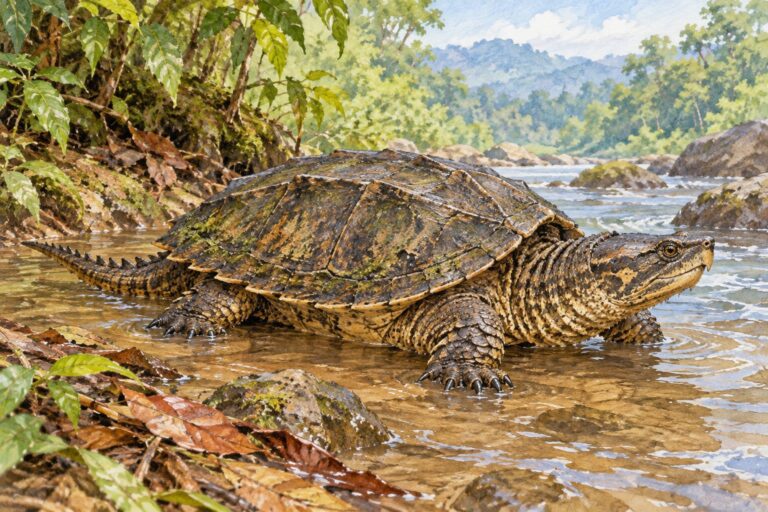
South American Snapping Turtle

Spanish name
Tortuga lagarto / Tortuga mordedora
Scientific name
Chelydra acutirostris

What Do Pico & Tati Think?

Pico: “What clues help us recognize this reptile?”

Tati: “Let’s notice its shape, markings and habitat from a respectful distance.”

Identification

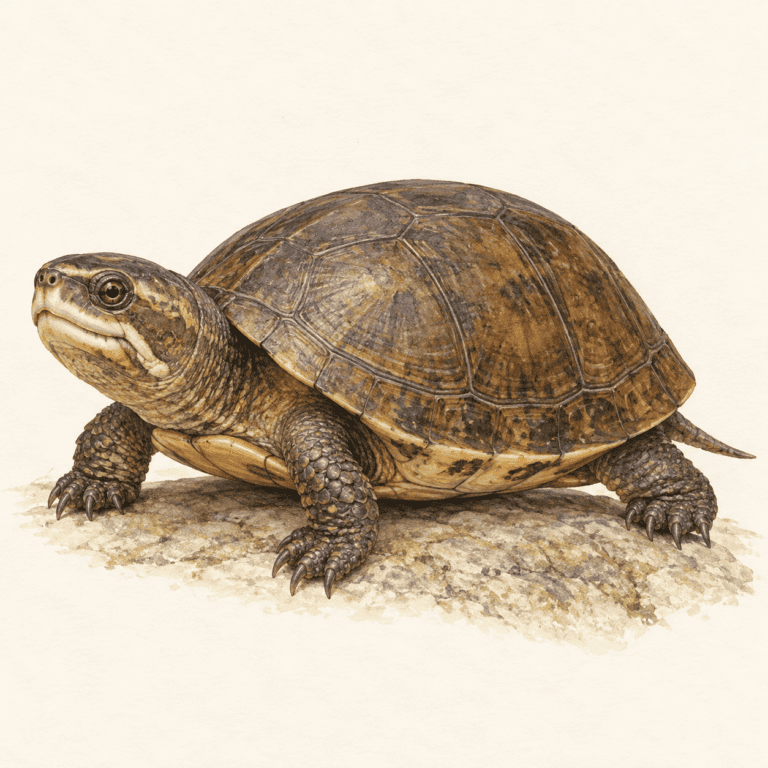
Key Features of the South American Snapping Turtle

  • Large powerful head

  • Long tail with raised scales

  • Rough shell and strong clawed limbs

Habitat & range

Freshwater wetlands and rivers in Costa Rican lowlands, on both slopes where suitable habitat remains.

Conservation & care

Observe from a safe distance with an adult. Keep hands and pets away from the head and water’s edge. Do not lift, move, feed or handle a snapping turtle, and never lift any turtle by its tail.

Threats & pressures

Protect habitat connections and natural shelters. Avoid road mortality, collection and deliberate killing. Leave reptiles in their habitat rather than keeping or relocating them.

View full profile →

Nature Field Guide

Spectacled Caiman

Spanish name
Caimán de anteojos
Scientific name
Caiman crocodilus

What Do Pico & Tati Think?

Pico and Tati invite you to learn about the spectacled caiman. Compare verified caiman and American crocodile photographs. Draw the eye ridge without treating it as a field safety test.

Identification

Key Features of the Spectacled Caiman

  • Bony ridge between the eyes.

  • Armored back and muscular tail.

  • Broad crocodilian head and body.

Habitat & range

Suitable lowland freshwater wetlands, rivers and ponds in Costa Rica.

Conservation & care

Observe only from a guide-approved viewing location. Stay away from water edges, never swim or wade where crocodilians may occur, and never feed or approach one. Keep children and pets well away from banks.

View full profile →

Nature Field Guide

Tesoro Escondido Waterfall

Spanish name
Catarata Tesoro Escondido
Scientific name

What Do Pico & Tati Think?

Join Pico and Tati to discover Tesoro Escondido Waterfall and learn how water shapes Costa Rica’s landscapes.

Identification

Key Features of the Tesoro Escondido Waterfall

  • A waterfall surrounded by vegetation.

  • Rocky river terrain and neighboring pools.

  • Mountain scenery and viewpoints.

Habitat & range

Toro Amarillo / Bajos del Toro area, Alajuela. Look for the waterfall’s river, rock formations and surrounding vegetation from approved viewing areas.

Conservation & care

Visit with an adult and follow the site’s current access rules and staff guidance. Stay on authorized trails and behind barriers. Wet rocks, steep drops, strong currents and sudden rises in water can be dangerous. Do not jump from waterfalls or climb wet rock faces. Enter water only where explicitly permitted and conditions are approved by site staff. Leave plants, rocks and wildlife undisturbed and carry out all litter.

Plan Your Visit

Catarata Tesoro Escondido — visitor reception

Get Directions ↗

Getting There

Navigate to the Tesoro Escondido visitor reception in the Bajos del Toro area. Check in before taking the managed trails to the waterfall and any included viewpoints.

Before You Go

Reserve the package you want with the operator; the waterfall, pools and Mirador La Gota may be included differently. Confirm trail conditions and suitability for children.
Visit information reviewed October 8, 2026. Confirm current access before travel.

View full profile →

Nature Field Guide

Victoria Waterfall

Spanish name
Catarata Victoria
Scientific name

What Do Pico & Tati Think?

Join Pico and Tati to discover Victoria Waterfall and learn how water shapes Costa Rica’s landscapes.

Identification

Key Features of the Victoria Waterfall

  • Water falling into the Río Negro.

  • Canyon rock formations.

  • Plants growing around the river corridor.

Habitat & range

Hacienda Guachipelín, Rincón de la Vieja area, Guanacaste. Look for the waterfall’s river, rock formations and surrounding vegetation from approved viewing areas.

Conservation & care

Visit with an adult and follow the site’s current access rules and staff guidance. Stay on authorized trails and behind barriers. Wet rocks, steep drops, strong currents and sudden rises in water can be dangerous. Do not jump from waterfalls or climb wet rock faces. Enter water only where explicitly permitted and conditions are approved by site staff. Leave plants, rocks and wildlife undisturbed and carry out all litter.

Plan Your Visit

Hacienda Guachipelín — Victoria Waterfall visitor check-in

Get Directions ↗

Getting There

Navigate to Hacienda Guachipelín and arrange Victoria Waterfall access at check-in. Staff will direct you to the authorized access route into the Río Negro canyon.

Before You Go

Confirm tour arrangements and suitability for children. Use the operator’s access instructions rather than navigating directly to a canyon pin.
Visit information reviewed October 8, 2026. Confirm current access before travel.

View full profile →

Nature Field Guide

West Indian Manatee

Spanish name
Manatí del Caribe
Scientific name
Trichechus manatus

What Do Pico & Tati Think?

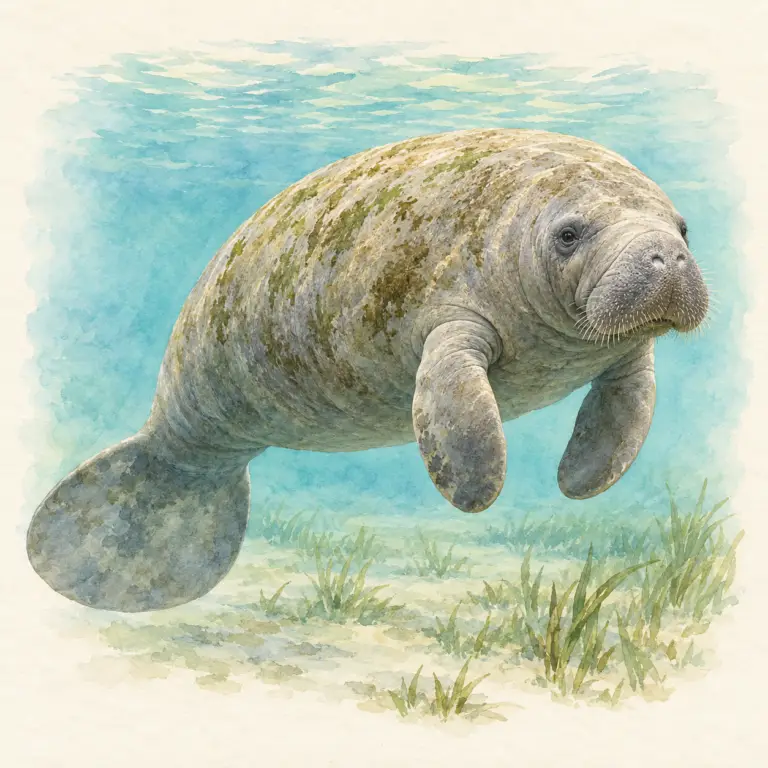
The West Indian manatee is a large aquatic mammal with a rounded paddle-shaped tail and a whiskered muzzle.

Identification

Key Features of the West Indian Manatee

  • Large rounded body with gray skin.

  • Blunt whiskered muzzle and two front flippers.

  • Broad rounded paddle tail, without a dolphin's split flukes or dorsal fin.

Habitat & range

Caribbean waterways and wetlands, including Tortuguero.

Conservation & care

Use a responsible local wildlife operator and follow site rules. Give aquatic mammals room to feed, rest and travel. Do not feed, touch, chase or enter the water to approach them. Keep waste and fishing line out of waterways.

Conservation assessment

Global species-level IUCN category reported by Mammal Diversity Database, checked October 2026. Subspecies and national categories can differ.

View full profile →

Nature Field Guide

White-lipped Mud Turtle

Spanish name
Tortuga de barro de labios blancos
Scientific name
Kinosternon leucostomum

What Do Pico & Tati Think?

Pico and Tati invite you to learn about the white-lipped mud turtle. Study a verified photo and draw the pale mouth edge. Describe how a turtle can remain hidden without disturbing its shelter.

Identification

Key Features of the White-lipped Mud Turtle

  • Pale markings around the mouth.

  • Small, domed brownish shell.

  • Short legs and a relatively large head.

Habitat & range

Suitable ponds, slow freshwater and damp lowland habitats.

Conservation & care

Watch wildlife with an adult from a safe path. Do not touch, feed, capture or move reptiles, and keep pets away. Leave eggs, shelters and vegetation undisturbed.

View full profile →

Nature Field Guide

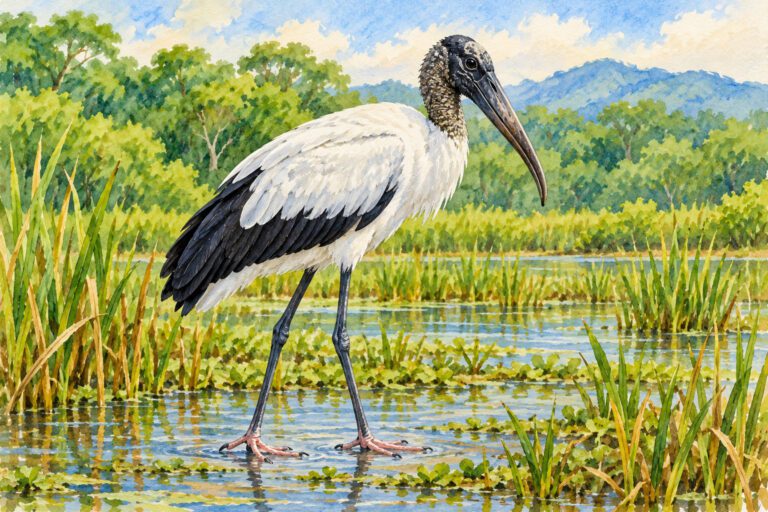
Wood Stork

Spanish name
Cigüeñón
Scientific name
Mycteria americana

What Do Pico & Tati Think?

Pico spots a tall white bird with a very different head. Tati checks its heavy bill before comparing it with the egrets.

Identification

Key Features of the Wood Stork

  • White body with black flight feathers

  • Bare dark adult head

  • Heavy slightly curved bill

  • Long legs

Habitat & range

Look across sheltered wetlands, lagoons and river margins from permitted trails or a responsible guided boat trip.

Conservation & care

Give feeding and resting birds space. If a bird stops feeding, repeatedly looks at you or moves away, increase your distance. Keep dogs away from flocks, avoid playback and feeding, and leave nests and natural shoreline debris undisturbed.

View full profile →

My Tico Explorer Experience

Save nature, towns, discoveries and learning adventures for your next experience.

Your list stays in this browser on this device.