Tico Explorers

what conservation meansDiscover What Conservation Means

Conservation means caring for nature so it can thrive today and for generations to come. It starts with noticing what is around us. A bird building its nest. A tree giving shade. A sea turtle making its way toward the ocean.

As Pico and Tati explore Costa Rica, they learn that every adventure brings an opportunity to care. By understanding how plants, animals, and people depend on one another, we can become thoughtful explorers and responsible neighbors.

six pratical actionsSmall Actions. Lasting Care.

Respect Wildlife

Watch animals quietly and give them plenty of space. Let them find their own food and leave their nests and homes undisturbed.

Keep Beaches and Trails Clean

Take your belongings and rubbish home. With an adult’s help, collect litter that is safe to handle. Leave sharp objects and unfamiliar materials alone.

Use Less Plastic

Bring a reusable water bottle and choose items you can use again. Small changes can help reduce the waste that reaches our rivers and oceans.

Care for Water

Turn off taps when they are not needed. Keep rubbish, soap, and other pollutants out of streams and rivers.

Leave Nature Where It Belongs

Stay on marked trails and leave shells, rocks, flowers, and plants for others to discover. Take home memories, drawings, and photographs.

Learn and Share

Ask questions about the places you visit. Listen to local guides and share what you learn with family and friends. Understanding nature helps us care for it.

Conservation Areas

Barva Volcano Forest Trails

Plan a separate mountain outing to the Barva Volcano sector of Braulio Carrillo National Park. Explore cool forest on an open route suited to your group. Confirm road access, admission and trail conditions before traveling.
Sarapiquí Birdwatching

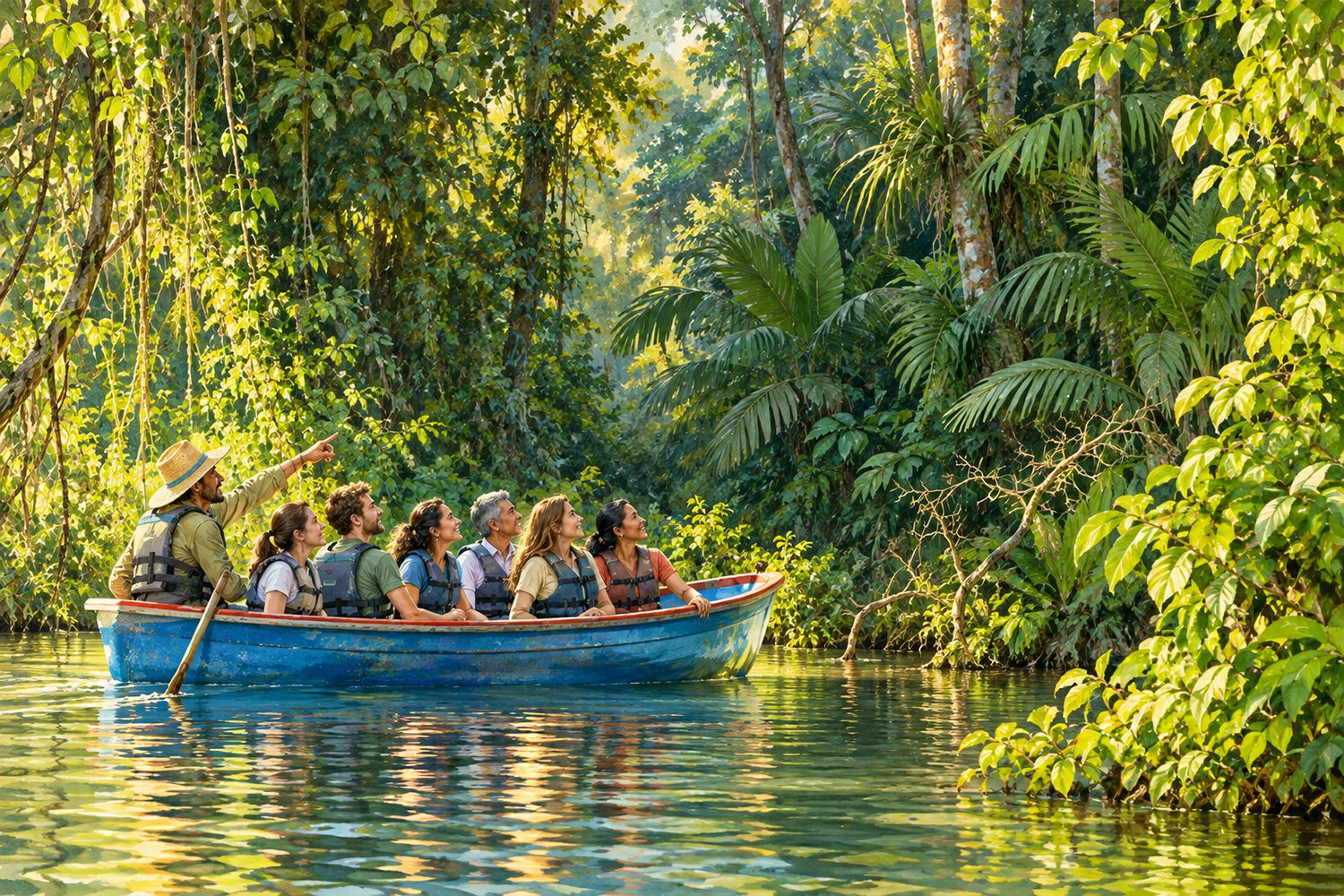
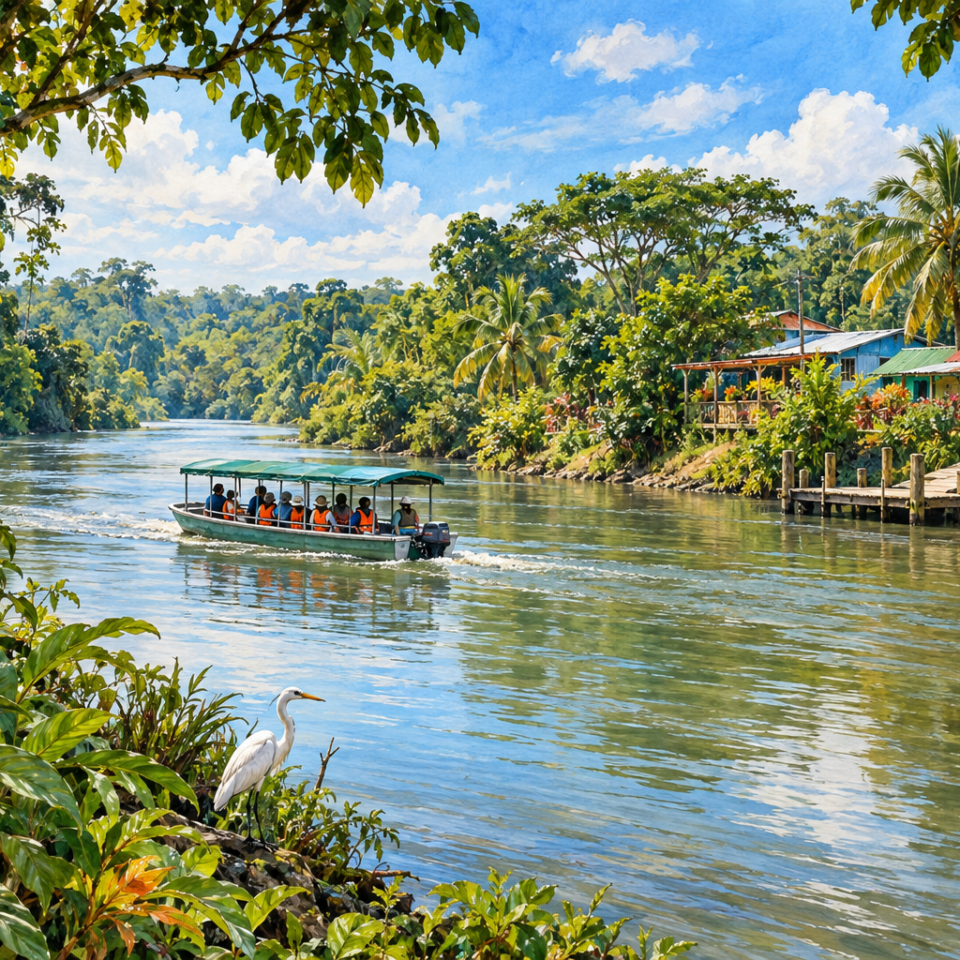
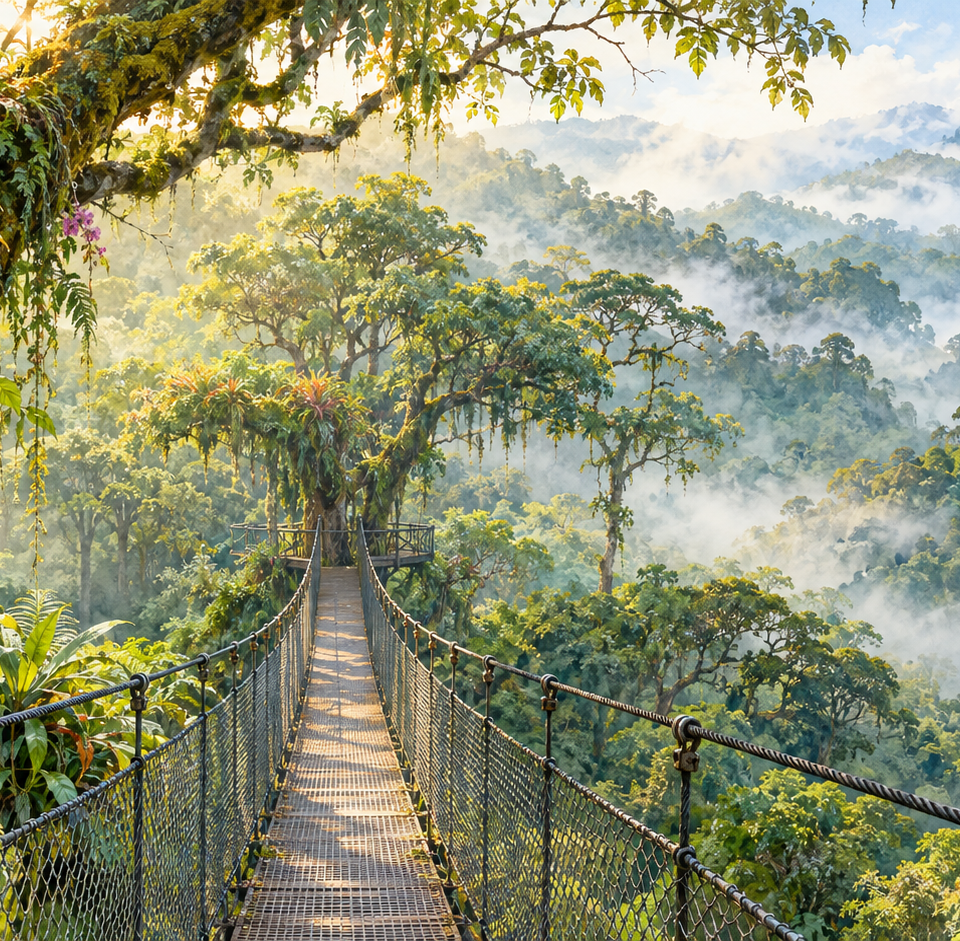
Choose a guided birdwatching visit at La Selva or another local reserve. Bring binoculars and explore rainforest habitats with a naturalist who can identify birds and explain their place in the forest.

View All Discoveries ↗

people who careMeet the People Who Protect Nature

Caring for Costa Rica is a shared effort. Park rangers, scientists, volunteers, and local families all have lessons to share. Some protect habitats. Others study wildlife or help their communities reduce waste.

Explore their work with Pico and Tati and discover how patience, teamwork, and love for nature can inspire us to help.

Nature Field Guide

Nature Worth Protecting

Explore wildlife, plants and trees. Learn what to look for and where to find them.

3 profiles

Nature Field Guide

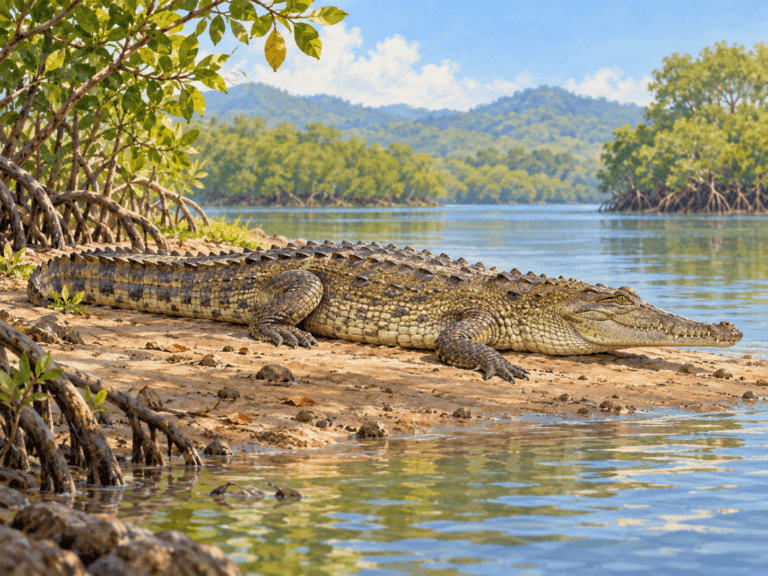
American Crocodile

Spanish name
Cocodrilo americano
Scientific name
Crocodylus acutus

What Do Pico & Tati Think?

Pico: “It blends into the riverbank so well.”

Tati: “We can observe from here with our guide. We don’t need to move closer.”

Identification

Key Features of the American Crocodile

  • A long snout and narrow head.

  • An olive-brown adult body with a long, strong tail.

  • Much of the body may be concealed in water or beside a bank.

Habitat & range

Rivers, estuaries, mangrove channels and other aquatic habitats. Observe only from a guide-approved boat or designated viewing place.

Seasonal Calendar

Egg-laying

General species biology; local schedule unverified

Apr, May

General species reference: April–May egg-laying and about 9–10 weeks of incubation. Tamarindo-specific nesting dates have not been verified. Never approach nests.

Event source ↗

Conservation & care

Never feed, approach or provoke crocodiles. Stay in the boat, keep hands inside, and follow local signs and guide instructions. Keep children and pets away from water edges.

View full profile →

Nature Field Guide

Guanacaste Tree

Spanish name
Guanacaste
Scientific name
Enterolobium cyclocarpum

What Do Pico & Tati Think?

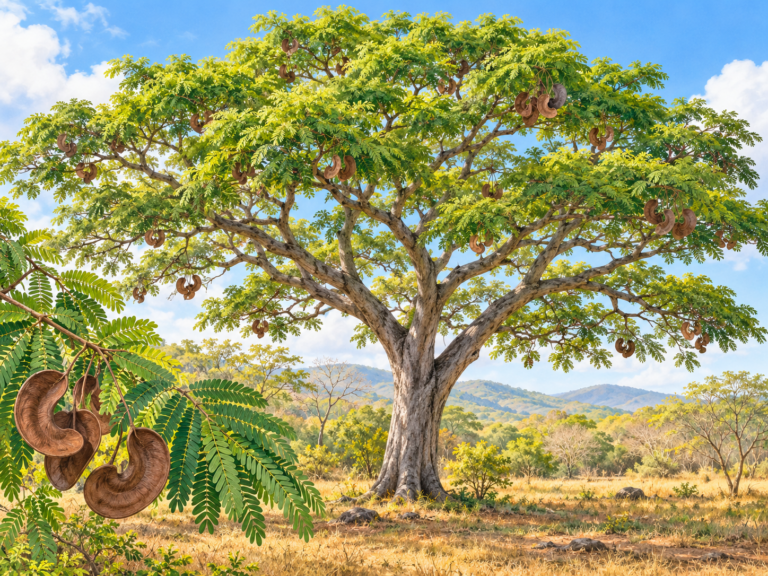
Identify the guanacaste tree by its small leaflets, pale flower clusters and distinctive curved seed pods. Observing several features together helps distinguish it from other trees.

What does Least Concern mean?

In the linked conservation assessment, this species does not qualify as threatened or near threatened with extinction. It still needs care: local populations and habitats can face problems even when the species has a lower extinction risk overall.

This label describes conservation status. It does not tell us whether a plant is safe for children or pets. Select the status button to read the assessment.

Identification

Key Features of the Guanacaste Tree

  • Leaves divided into many small leaflets.

  • Curved, ear-shaped pods that become brown as they mature.

  • Small flowers gathered into pale, rounded clusters.

Habitat & range

Dry and seasonally dry lowland Pacific forests and open areas. Ask a local guide to help identify an individual tree.

Seasonal Calendar

Flowering

Guanacaste dry forest

Feb, Mar, Apr

Guanacaste reference: February–April flowering, with variation among trees and locations. The tree remains present outside these flowering months.

Event source ↗

Conservation & care

Child Safety: Not verified. Observe with an adult. Do not taste leaves, seeds, fruit or other tree parts.

Pet Safety: Not verified. Keep pets from chewing or swallowing tree parts. Check with a veterinarian before treating this species as pet-safe.

Leave pods and branches where they belong. Notice the living things around the tree and give them space.

Conservation assessment

Global species assessment: Least Concern (IUCN Red List). Status checked on 7 October 2026. This category is not a guarantee that every local population or habitat is secure, and it is separate from legal protection in Costa Rica.

View full profile →

Nature Field Guide

Leatherback Sea Turtle

Spanish name
Tortuga baula
Scientific name
Dermochelys coriacea

What Do Pico & Tati Think?

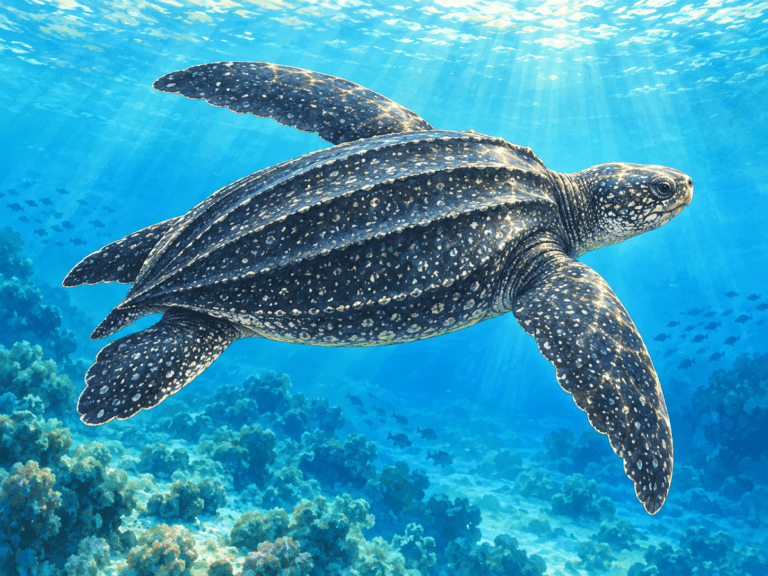
Pico: “Those ridges make its back look so different.”

Tati: “Let’s find out how this turtle’s life connects the ocean with the beach.”

Identification

Key Features of the Leatherback Sea Turtle

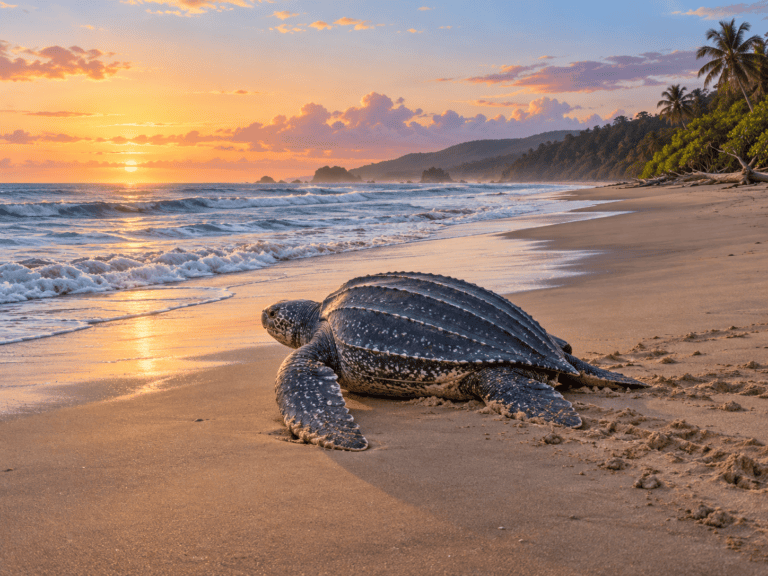
  • A dark, leathery back rather than large hard shell plates.

  • Seven lengthwise ridges along the back.

  • Long front flippers on a very large sea turtle.

Habitat & range

Open ocean feeding habitats and nesting beaches. SINAC identifies Playa Grande, Ventanas and Langosta as nesting areas within Las Baulas.

Seasonal Calendar

Nesting

Las Baulas: Playa Grande, Ventanas and Langosta

Jan, Feb, Oct, Nov, Dec

SINAC lists October–February as the park’s nesting season. Eggs incubate approximately two months; hatching follows individual laying dates. Nesting is distinct from migration. Follow current park access rules; this is not a tour schedule.

Event source ↗

Conservation & care

Never touch a turtle, eggs or hatchlings. Respect beach closures and avoid lights near nesting habitat. Keep plastics and other litter out of the sea.

View full profile →

learning adventuresLet the Story Spark a New Adventure.

Keep exploring with Pico and Tati through activities and discoveries inspired by this story. Ask questions. Try something new. Find little ways to care for God’s creation.

exploreDiscover where nature is protected

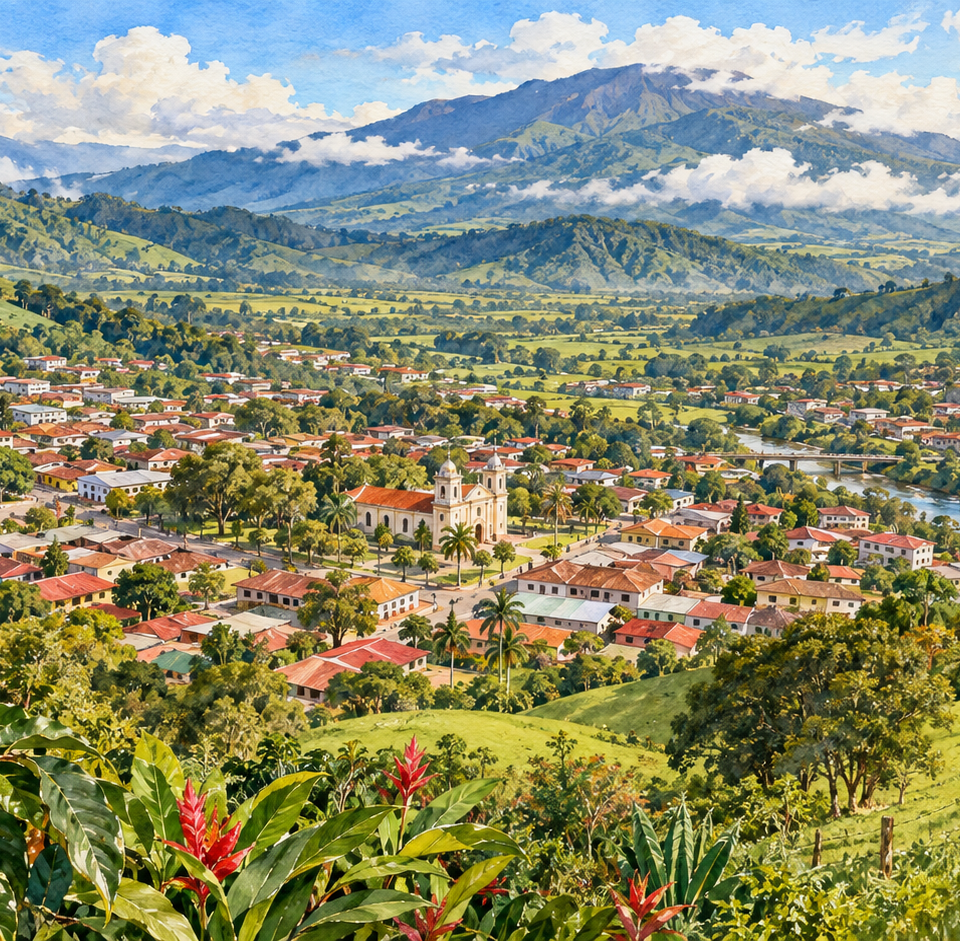
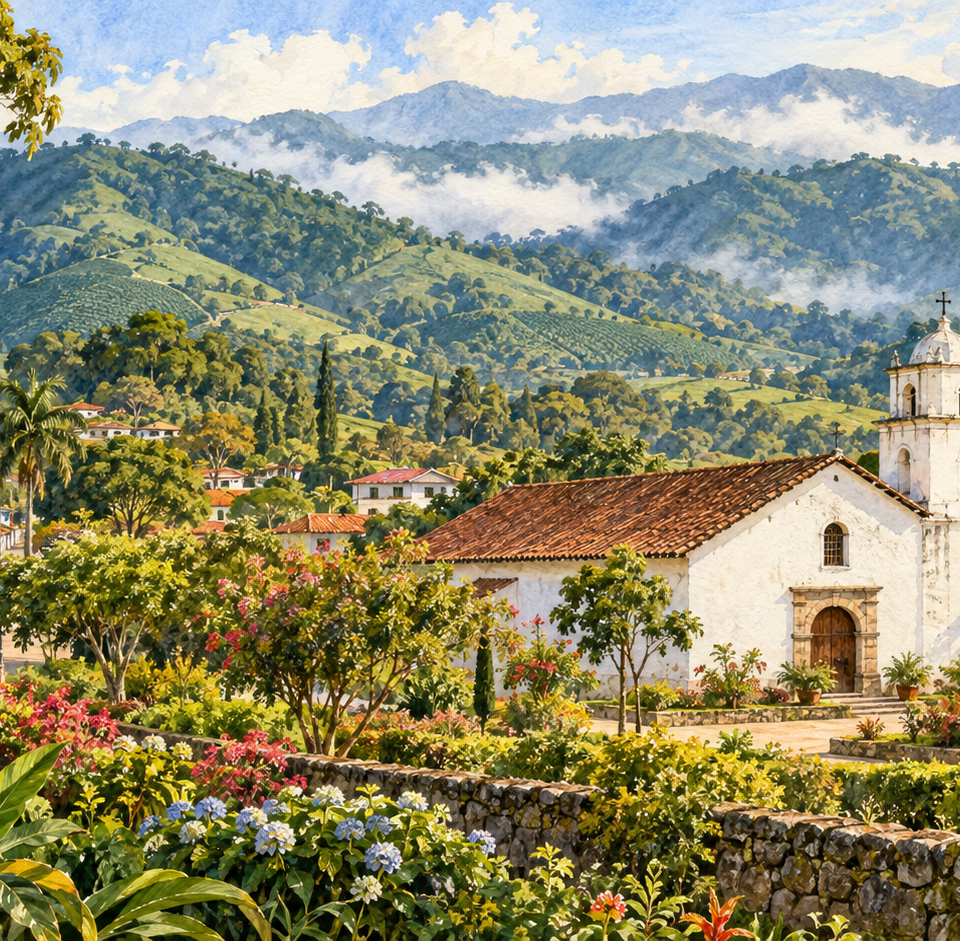
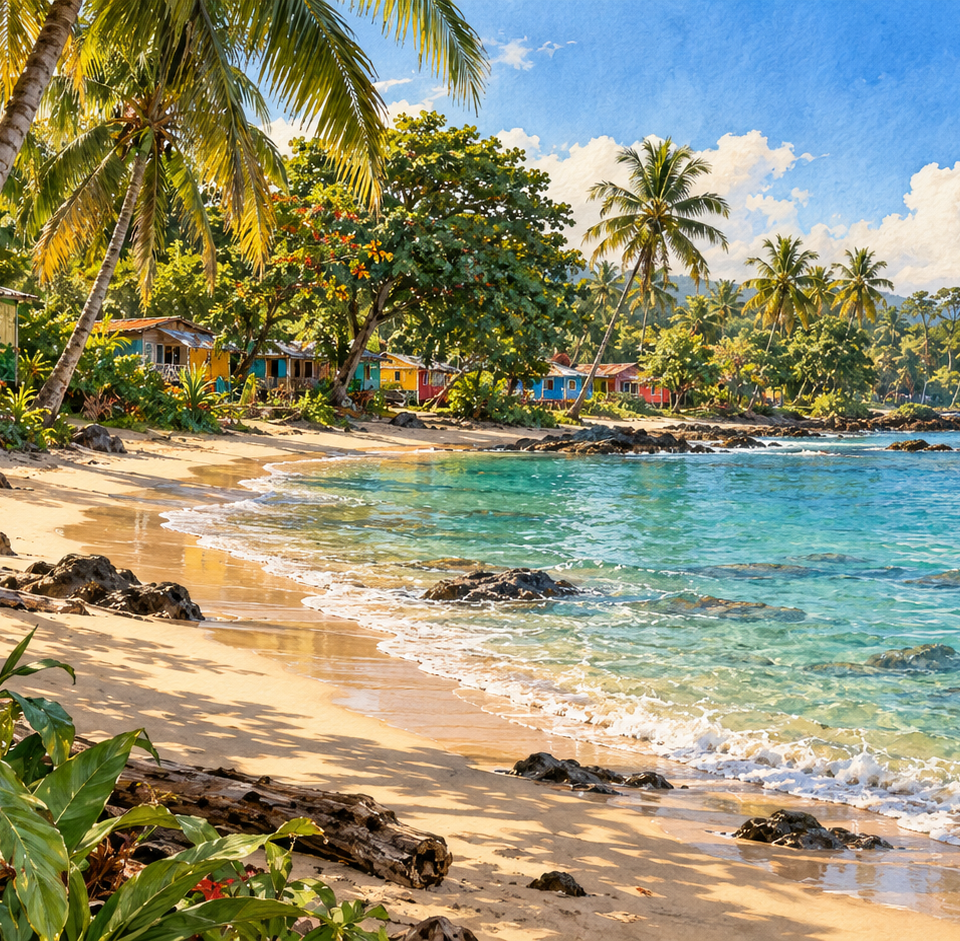
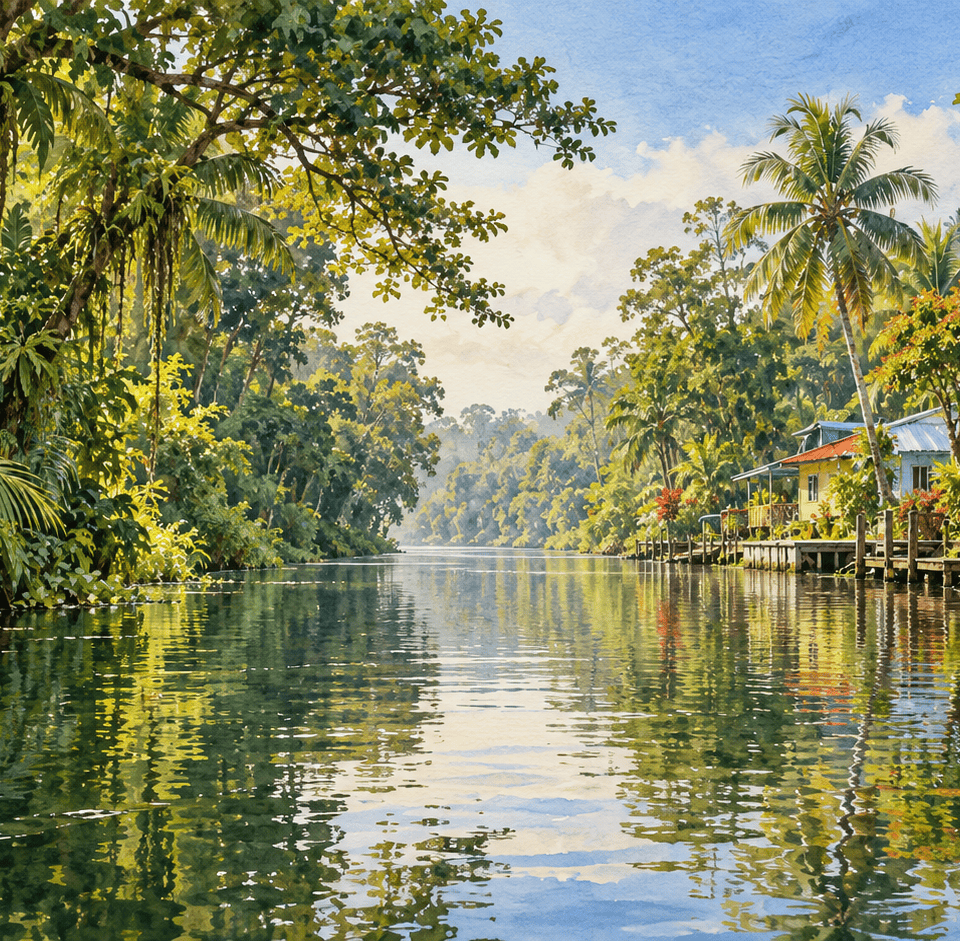
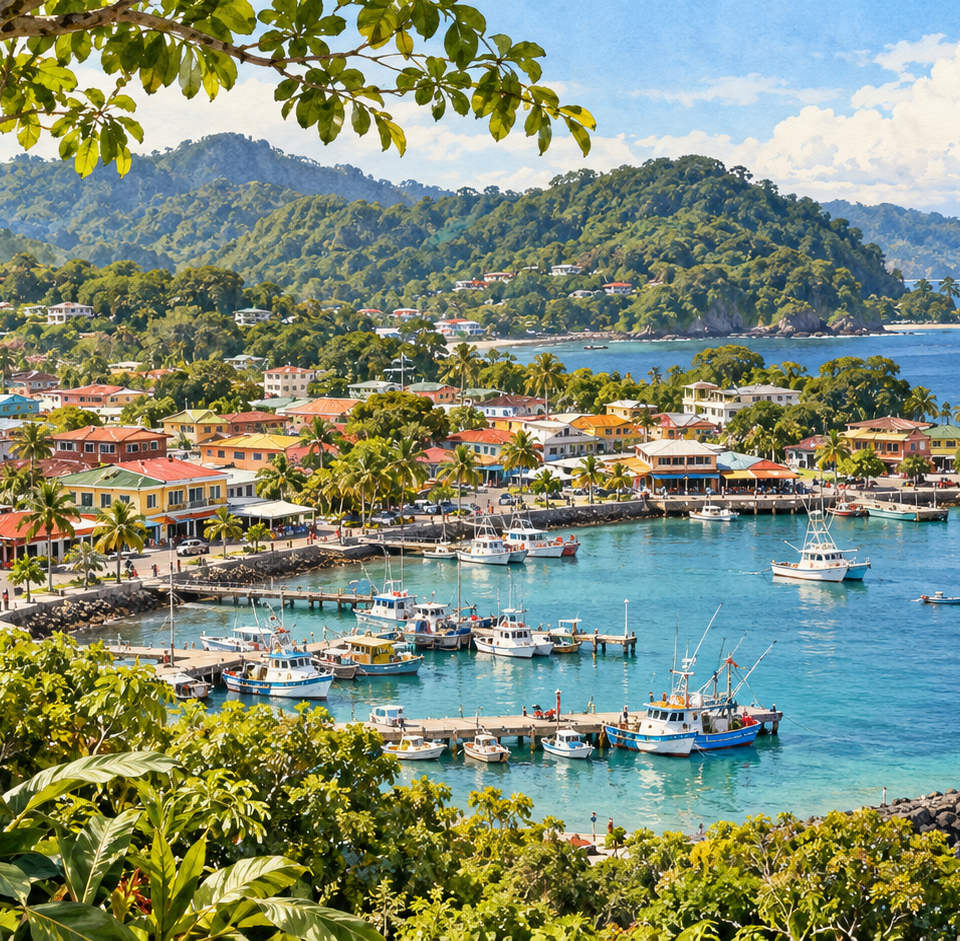
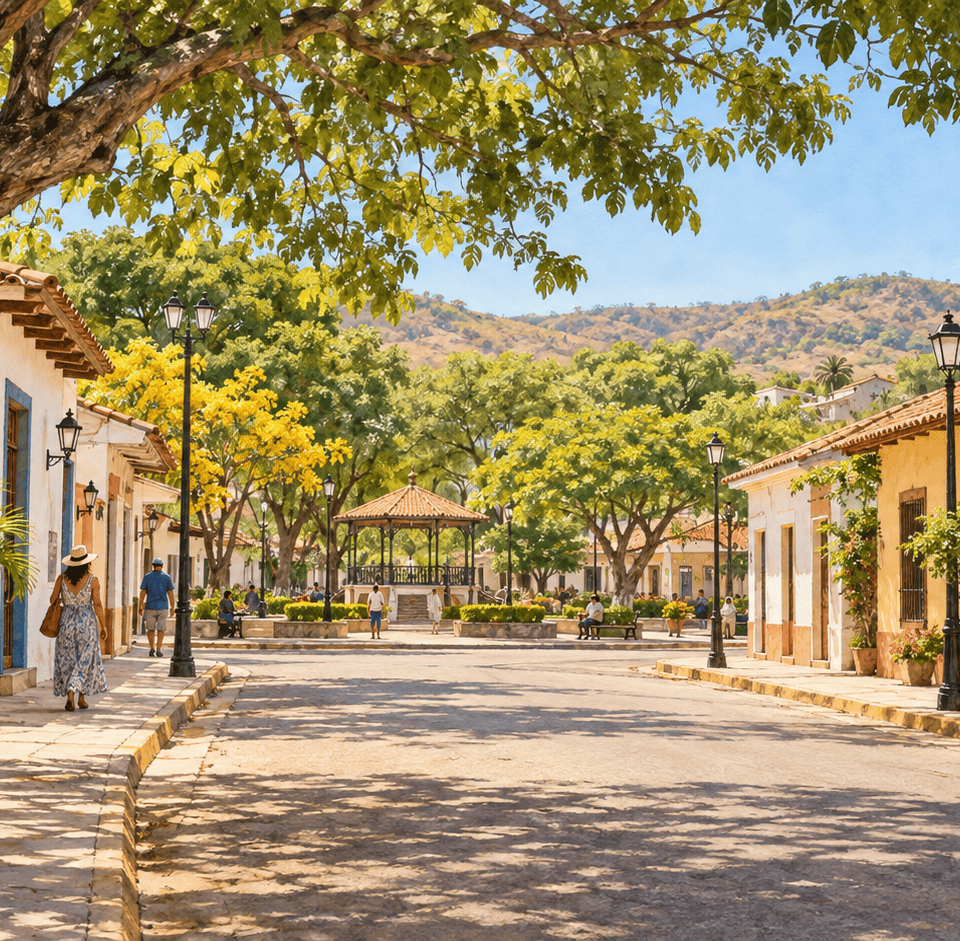
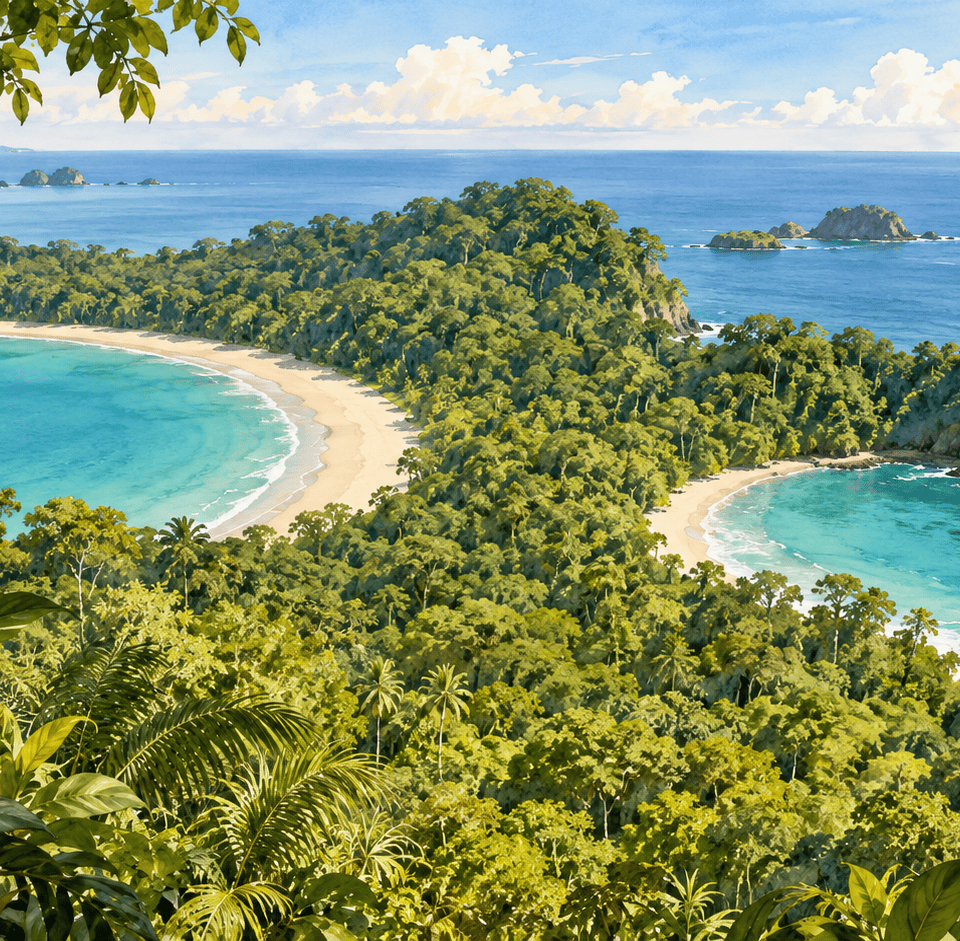
From coastal towns to mountain communities, every destination offers a different window into Costa Rica’s wildlife. Discover places where forests, rivers and ocean shores provide homes for animals large and small.

Explore our town guides to find local wildlife highlights and ideas for learning together. Let Pico and Tati inspire you to look closer, observe with care and help protect the habitats that make each place special.

bring the adventure homeDiscover the Stories of Pico & Tati

From ocean shores to rainforest trails, join Pico and Tati as they discover the beauty of Costa Rica and the lessons found in everyday life. Each adventure begins with something that sparks their curiosity. A turtle making its way toward the sea. A distant volcano rising above the clouds.

An afternoon helping Abuela prepare a family meal. Pico brings an eagerness to explore while Tati notices the details that invite them to look a little closer. Together they ask questions, learn from their grandparents and discover how their choices affect the world around them. Through moments of joy, challenge and discovery, their stories invite children to practice kindness, appreciate family and recognize God’s love in His creation. Every story is an invitation to explore with an open heart and care for the people, places and creatures we encounter along the way.

My Tico Explorer Experience

Save nature, towns, discoveries and learning adventures for your next experience.

Your list stays in this browser on this device.