Tico Explorers

Nature Field Guide

Other Insects

Explore wildlife, plants and trees. Learn what to look for and where to find them.

All Nature

15 profiles

Nature Field Guide

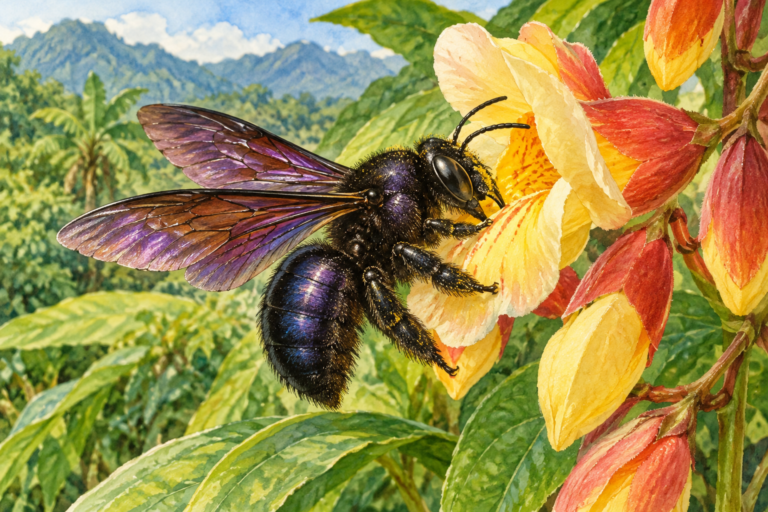
Carpenter Bees

Spanish name
Abejas carpinteras
Scientific name
Xylocopa spp. — genus card

What Do Pico & Tati Think?

Pico: “Let's look closely at the carpenter bees!”

Tati: “We can compare its shape and markings without touching it.”

Identification

Key Features of the Carpenter Bees

  • Robust body

  • often shiny abdomen

  • some nest in wood

Habitat & range

Suitable forest, garden or open habitats; distribution varies with habitat and species.

Conservation & care

Observe without collecting, handling or disturbing insects or nests. Stay on permitted paths. Leave caterpillars and their food plants in place.

View full profile →

Nature Field Guide

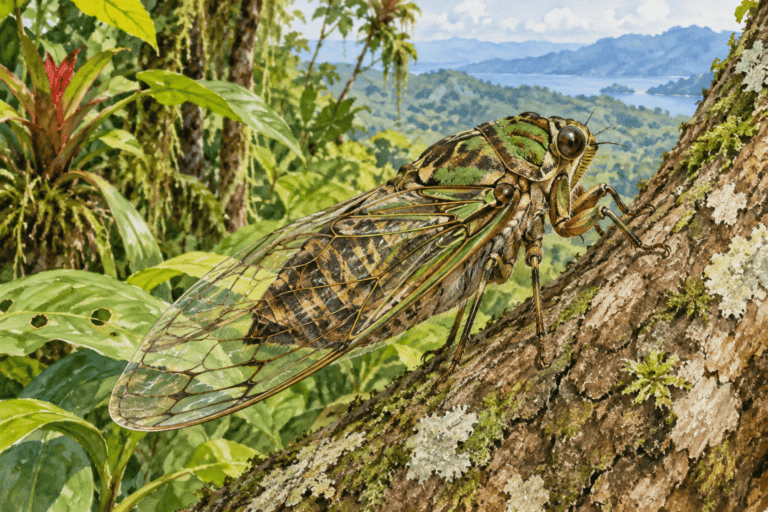
Cicadas

Spanish name
Chicharras
Scientific name
Cicadidae — family card

What Do Pico & Tati Think?

Pico: “Let's look closely at the cicadas!”

Tati: “We can compare its shape and markings without touching it.”

Identification

Key Features of the Cicadas

  • Large transparent wings

  • broad head

  • loud calls from some males

Habitat & range

Suitable forest, garden or open habitats; distribution varies with habitat and species.

Conservation & care

Observe without collecting, handling or disturbing insects or nests. Stay on permitted paths. Leave caterpillars and their food plants in place.

View full profile →

Nature Field Guide

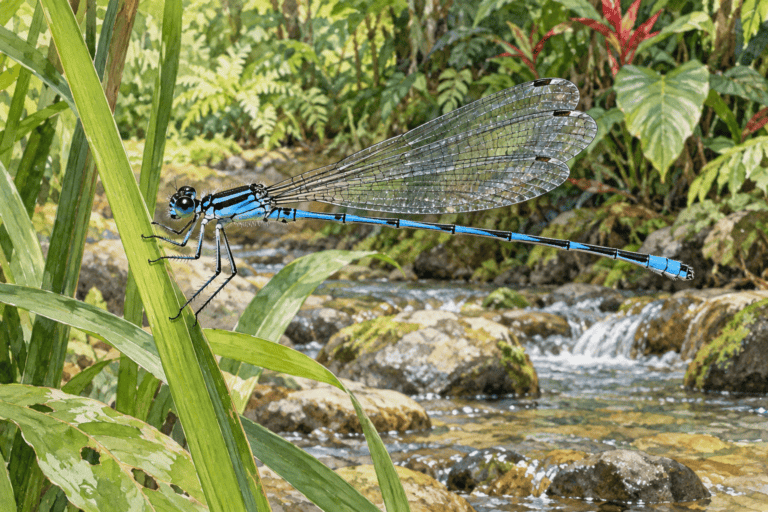
Damselflies

Spanish name
Caballitos del diablo
Scientific name
Odonata: Zygoptera — group card

What Do Pico & Tati Think?

Pico: “Let's look closely at the damselflies!”

Tati: “We can compare its shape and markings without touching it.”

Identification

Key Features of the Damselflies

  • Slender body

  • widely separated eyes

  • many fold wings above abdomen

Habitat & range

Vegetation near ponds, wetlands and streams; individual species use different waters.

Conservation & care

Observe without collecting, handling or disturbing insects or nests. Stay on permitted paths. Leave caterpillars and their food plants in place.

View full profile →

Nature Field Guide

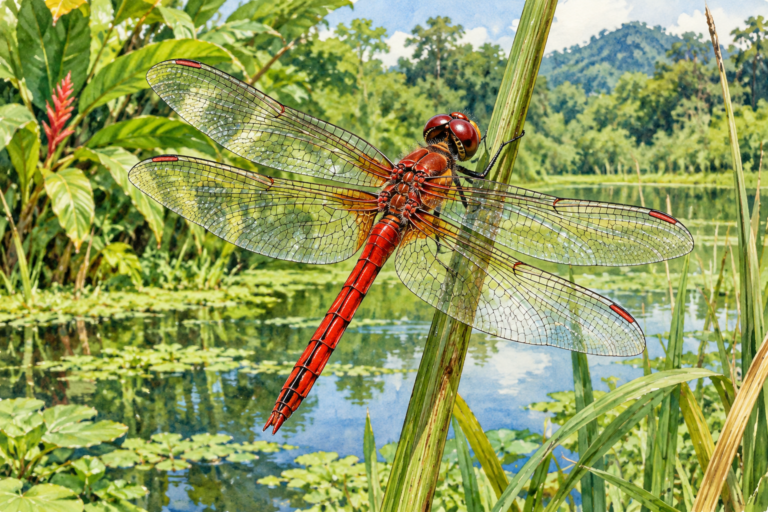
Dragonflies

Spanish name
Libélulas
Scientific name
Odonata: Anisoptera — group card

What Do Pico & Tati Think?

Pico: “Let's look closely at the dragonflies!”

Tati: “We can compare its shape and markings without touching it.”

Identification

Key Features of the Dragonflies

  • Large eyes

  • two pairs of wings

  • wings usually held open at rest

Habitat & range

Vegetation near ponds, wetlands and streams; individual species use different waters.

Conservation & care

Observe without collecting, handling or disturbing insects or nests. Stay on permitted paths. Leave caterpillars and their food plants in place.

View full profile →

Nature Field Guide

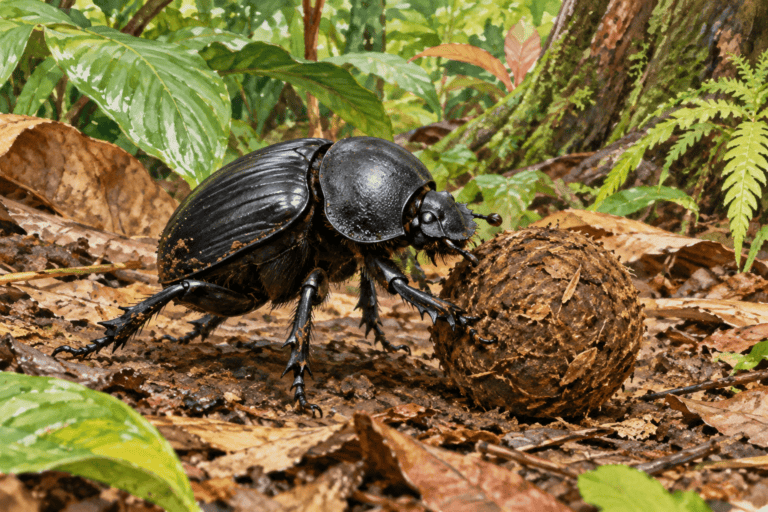
Dung Beetles

Spanish name
Escarabajos estercoleros
Scientific name
Scarabaeinae — subfamily card

What Do Pico & Tati Think?

Pico: “Let's look closely at the dung beetles!”

Tati: “We can compare its shape and markings without touching it.”

Identification

Key Features of the Dung Beetles

  • Compact beetle body

  • digging legs

  • some species roll dung balls

Habitat & range

Suitable forest, garden or open habitats; distribution varies with habitat and species.

Conservation & care

Observe without collecting, handling or disturbing insects or nests. Stay on permitted paths. Leave caterpillars and their food plants in place.

View full profile →

Nature Field Guide

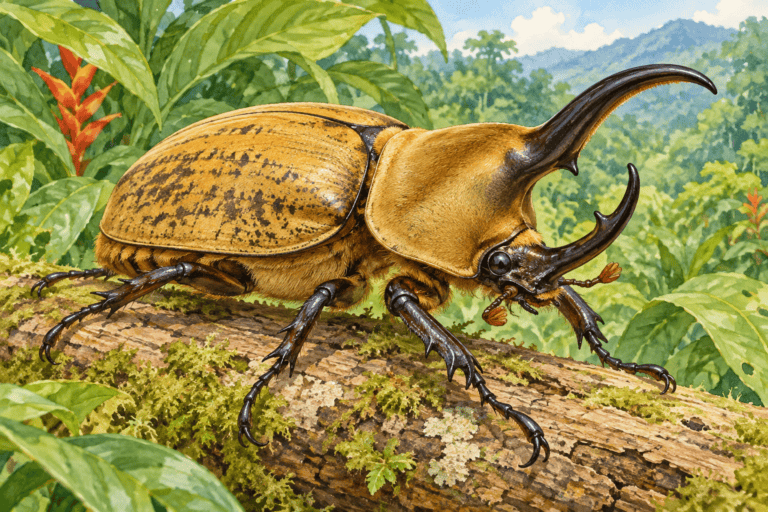
Elephant Beetle

Spanish name
Escarabajo elefante
Scientific name
Megasoma elephas

What Do Pico & Tati Think?

Pico: “Let's look closely at the elephant beetle!”

Tati: “We can compare its shape and markings without touching it.”

Identification

Key Features of the Elephant Beetle

  • Large rounded beetle

  • fine golden body hairs

  • males have a forward horn

Habitat & range

Most often associated with lowland wooded habitats; larvae develop in decaying wood and damp plant material. A documented Tortuguero record supports Caribbean rainforest habitat. A Costa Rican specialist account places most records below 500 m, with some to 1,500 m. Existing broad region tags require further locality checks and should not be read as presence throughout the highlands.

Conservation & care

Observe without collecting, handling or disturbing insects or nests. Stay on permitted paths. Leave caterpillars and their food plants in place.

View full profile →

Nature Field Guide

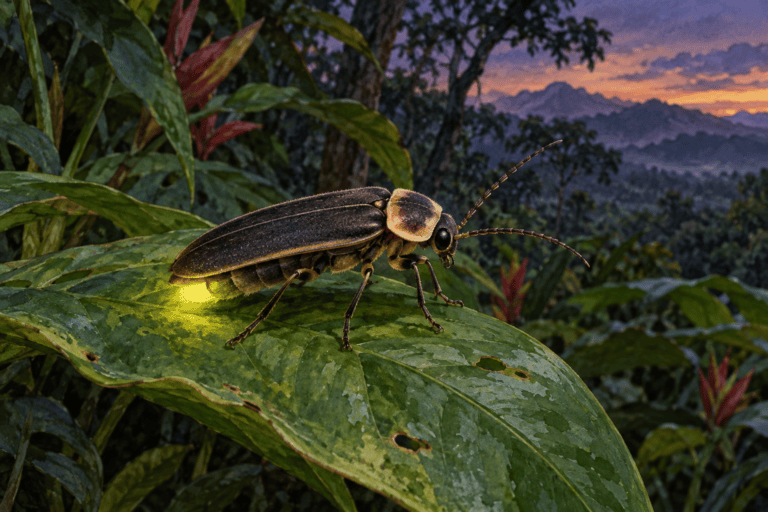
Fireflies

Spanish name
Luciérnagas
Scientific name
Lampyridae — family card

What Do Pico & Tati Think?

Pico: “Let's look closely at the fireflies!”

Tati: “We can compare its shape and markings without touching it.”

Identification

Key Features of the Fireflies

  • Soft beetle wing covers

  • some show glowing abdominal segments

  • light patterns vary

Habitat & range

Suitable forest, garden or open habitats; distribution varies with habitat and species.

Conservation & care

Observe without collecting, handling or disturbing insects or nests. Stay on permitted paths. Leave caterpillars and their food plants in place.

View full profile →

Nature Field Guide

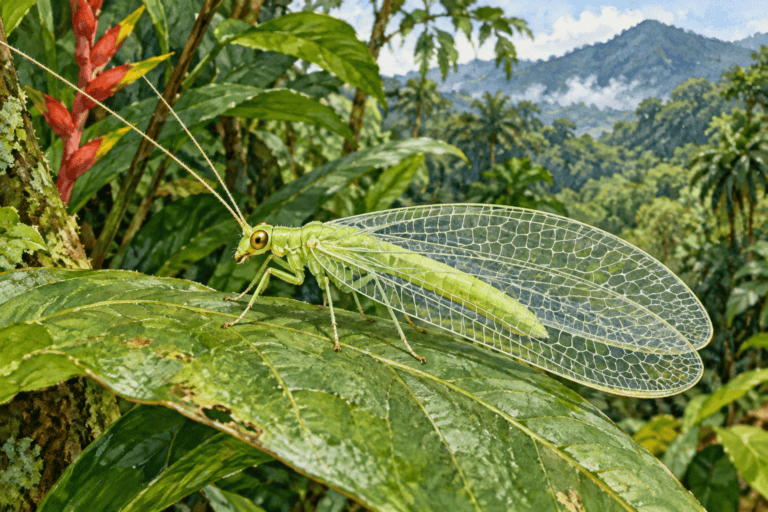
Green Lacewings

Spanish name
Crisopas verdes
Scientific name
Chrysopidae — family card

What Do Pico & Tati Think?

Pico: “Let's look closely at the green lacewings!”

Tati: “We can compare its shape and markings without touching it.”

Identification

Key Features of the Green Lacewings

  • Delicate green body

  • finely veined wings

  • long antennae

Habitat & range

Suitable forest, garden or open habitats; distribution varies with habitat and species.

Conservation & care

Observe without collecting, handling or disturbing insects or nests. Stay on permitted paths. Leave caterpillars and their food plants in place.

View full profile →

Nature Field Guide

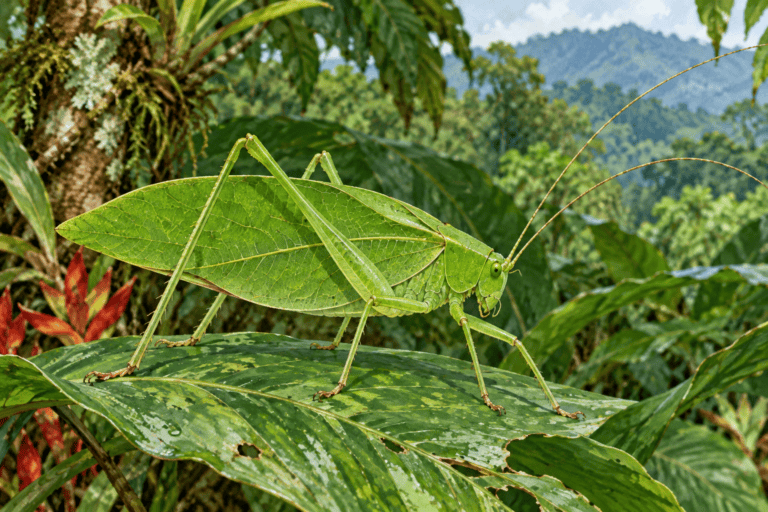
Katydids

Spanish name
Esperanzas
Scientific name
Tettigoniidae — family card

What Do Pico & Tati Think?

Pico: “Let's look closely at the katydids!”

Tati: “We can compare its shape and markings without touching it.”

Identification

Key Features of the Katydids

  • Very long antennae

  • leaf-like wings in many species

  • strong jumping hindlegs

Habitat & range

Suitable forest, garden or open habitats; distribution varies with habitat and species.

Conservation & care

Observe without collecting, handling or disturbing insects or nests. Stay on permitted paths. Leave caterpillars and their food plants in place.

View full profile →

Nature Field Guide

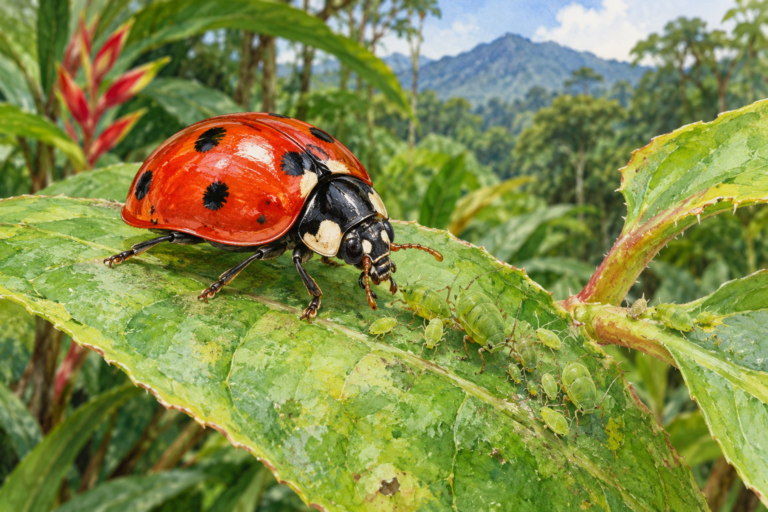
Lady Beetles

Spanish name
Mariquitas
Scientific name
Coccinellidae — family card

What Do Pico & Tati Think?

Pico: “Let's look closely at the lady beetles!”

Tati: “We can compare its shape and markings without touching it.”

Identification

Key Features of the Lady Beetles

  • Rounded beetle body

  • hard wing covers

  • spot patterns vary

Habitat & range

Suitable forest, garden or open habitats; distribution varies with habitat and species.

Conservation & care

Observe without collecting, handling or disturbing insects or nests. Stay on permitted paths. Leave caterpillars and their food plants in place.

View full profile →

Nature Field Guide

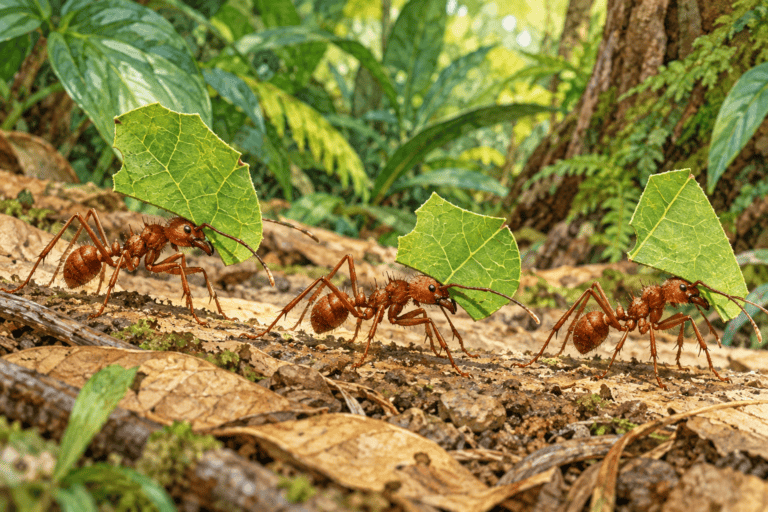
Leafcutter Ant

Spanish name
Hormiga zompopa
Scientific name
Atta cephalotes

What Do Pico & Tati Think?

Pico: “Let's look closely at the leafcutter ant!”

Tati: “We can compare its shape and markings without touching it.”

Identification

Key Features of the Leafcutter Ant

  • Leaf fragments carried above body

  • elbowed antennae

  • workers of different sizes

Habitat & range

Suitable forest, garden or open habitats; distribution varies with habitat and species.

Conservation & care

Observe without collecting, handling or disturbing insects or nests. Stay on permitted paths. Leave caterpillars and their food plants in place.

View full profile →

Nature Field Guide

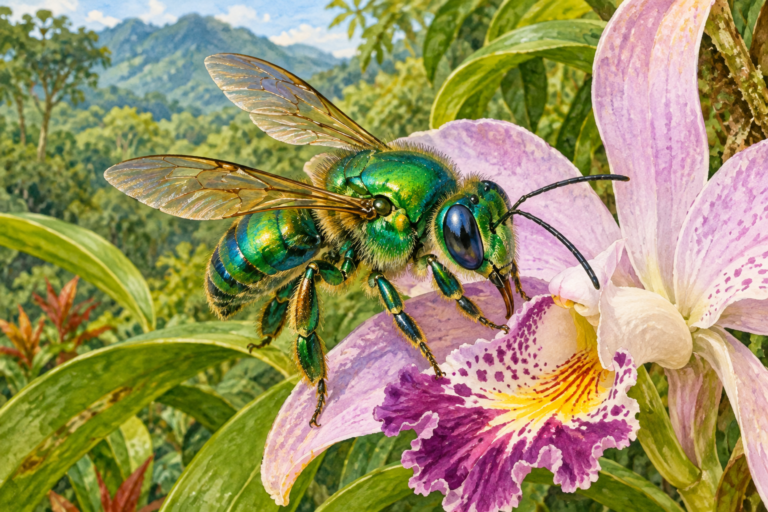
Orchid Bees

Spanish name
Abejas de las orquídeas
Scientific name
Euglossini — group card

What Do Pico & Tati Think?

Pico: “Let's look closely at the orchid bees!”

Tati: “We can compare its shape and markings without touching it.”

Identification

Key Features of the Orchid Bees

  • Often metallic colors

  • two pairs of wings

  • males may visit scented flowers

Habitat & range

Suitable forest, garden or open habitats; distribution varies with habitat and species.

Conservation & care

Observe without collecting, handling or disturbing insects or nests. Stay on permitted paths. Leave caterpillars and their food plants in place.

View full profile →

Nature Field Guide

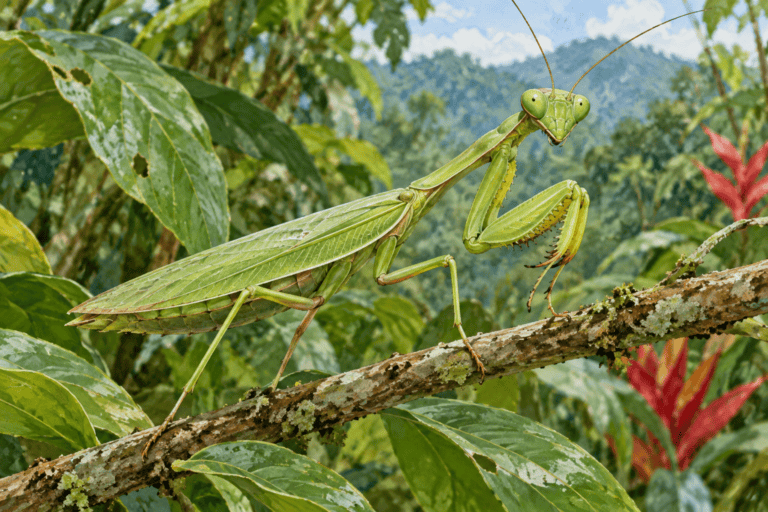
Praying Mantises

Spanish name
Mantis
Scientific name
Mantodea — order card

What Do Pico & Tati Think?

Pico: “Let's look closely at the praying mantises!”

Tati: “We can compare its shape and markings without touching it.”

Identification

Key Features of the Praying Mantises

  • Triangular head

  • grasping front legs

  • alert upright posture

Habitat & range

Suitable forest, garden or open habitats; distribution varies with habitat and species.

Conservation & care

Observe without collecting, handling or disturbing insects or nests. Stay on permitted paths. Leave caterpillars and their food plants in place.

View full profile →

Nature Field Guide

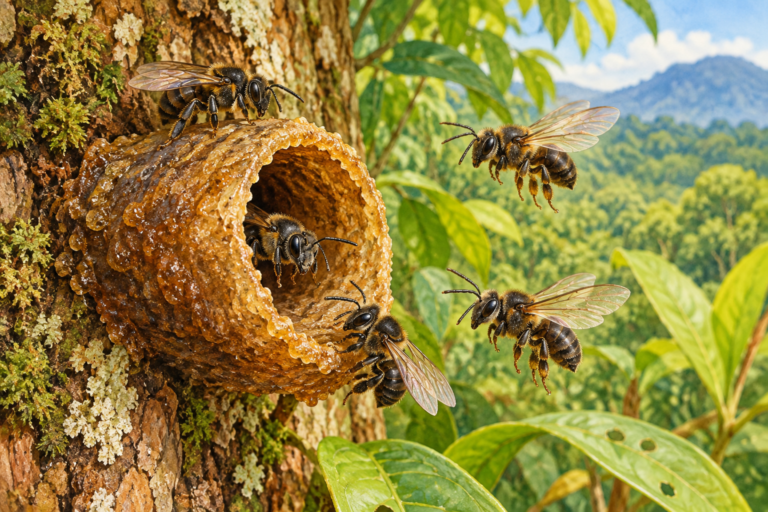
Stingless Bees

Spanish name
Abejas sin aguijón
Scientific name
Meliponini — group card

What Do Pico & Tati Think?

Pico: “Let's look closely at the stingless bees!”

Tati: “We can compare its shape and markings without touching it.”

Identification

Key Features of the Stingless Bees

  • Usually small bees

  • busy nest entrances

  • shape varies among species

Habitat & range

Suitable forest, garden or open habitats; distribution varies with habitat and species.

Conservation & care

Observe without collecting, handling or disturbing insects or nests. Stay on permitted paths. Leave caterpillars and their food plants in place.

View full profile →

Nature Field Guide

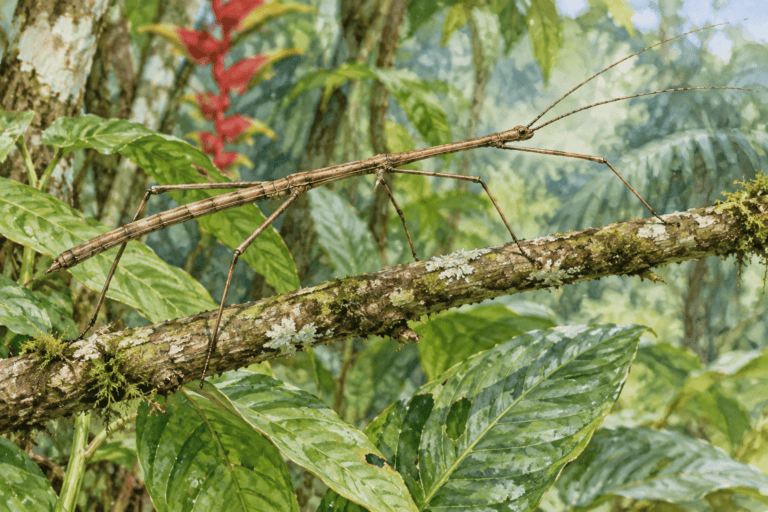
Walking Sticks

Spanish name
Insectos palo
Scientific name
Phasmatodea — order card

What Do Pico & Tati Think?

Pico: “Let's look closely at the walking sticks!”

Tati: “We can compare its shape and markings without touching it.”

Identification

Key Features of the Walking Sticks

  • Twig-like body

  • six long legs

  • camouflage among branches

Habitat & range

Suitable forest, garden or open habitats; distribution varies with habitat and species.

Conservation & care

Observe without collecting, handling or disturbing insects or nests. Stay on permitted paths. Leave caterpillars and their food plants in place.

View full profile →

My Tico Explorer Experience

Save nature, towns, discoveries and learning adventures for your next experience.

Your list stays in this browser on this device.