Tico Explorers

Nature Field Guide

Rocky Shore

Explore wildlife, plants and trees. Learn what to look for and where to find them.

All Nature

23 profiles

Nature Field Guide

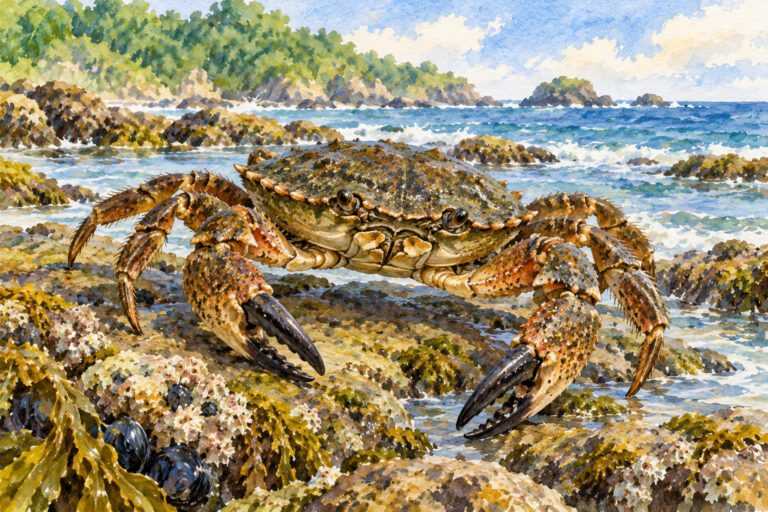
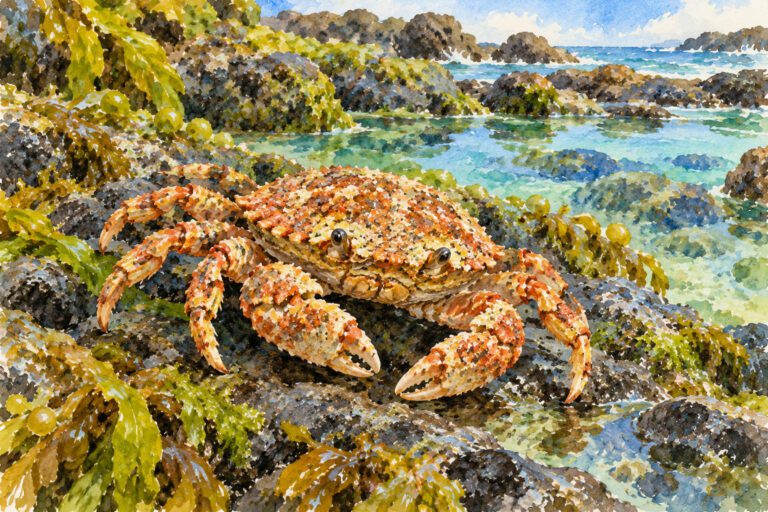
American Pebble Crab

Spanish name
Cangrejo piedra americano
Scientific name
Daira americana

What Do Pico & Tati Think?

A crab can blend into a rocky neighborhood. Pico watches patiently while Tati compares the outline with the stones around it.

Identification

Key Features of the American Pebble Crab

  • A compact crab body

  • A textured carapace

  • Confirm the identification from a detailed photograph

Habitat & range

Rocky shore and naturally visible tidal habitat. Choose a permitted observation point with an adult; do not turn rocks or reach into holes.

Conservation & care

Give claws and burrow entrances space. Do not handle, feed, chase or collect crabs. Leave rocks and shells where they are, and follow your adult’s route and local signs.

View full profile →

Nature Field Guide

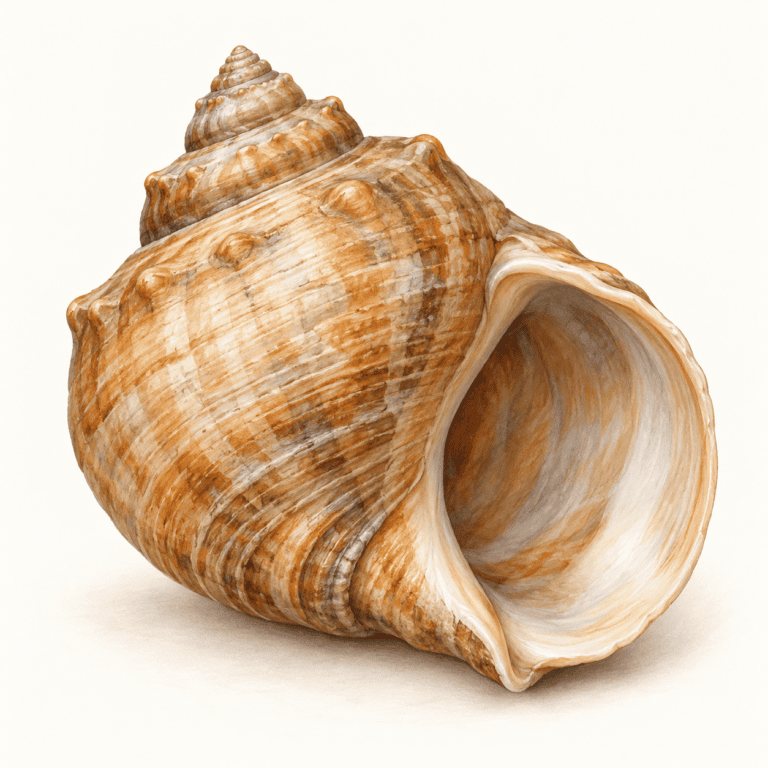
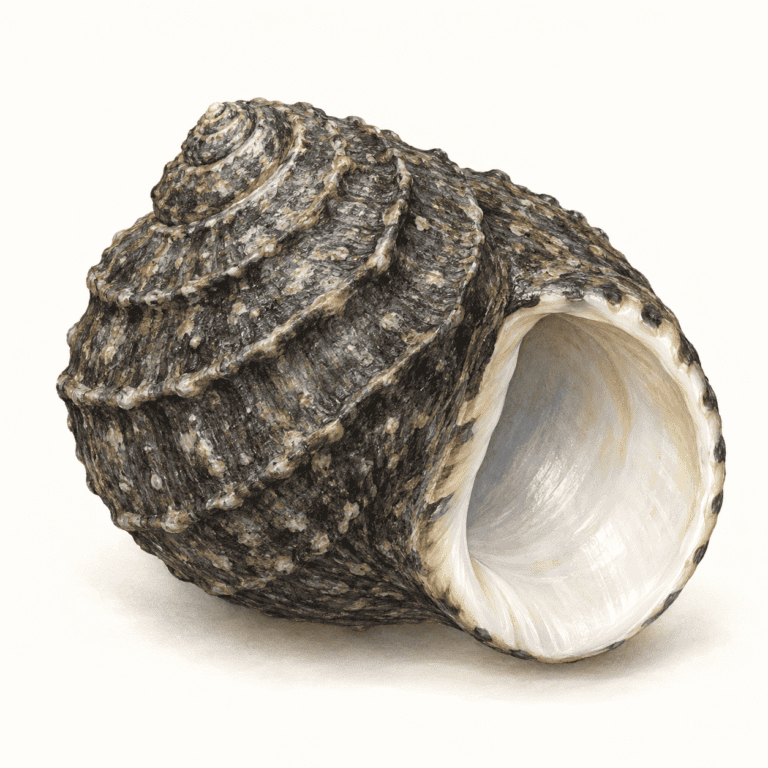
Apple Rocksnail

Spanish name
Caracol de roca
Scientific name
Vasula melones

What Do Pico & Tati Think?

An apple rocksnail lives among the rocks of the lower shore.

Identification

Key Features of the Apple Rocksnail

  • Coiled rocksnail shell.

  • Compare its broad outline, spire and opening with an identified reference.

  • Older labels may use the name Thais melones.

Habitat & range

Lower rocky intertidal zone.

Conservation & care

Observe and photograph shells where they are. Leave living animals, occupied shells and empty shells in place. Do not pry animals from rocks, dig in mangroves or put fingers into shell openings. Explore with an adult or guide, follow site rules and stay clear of surf and slippery rocks.

View full profile →

Nature Field Guide

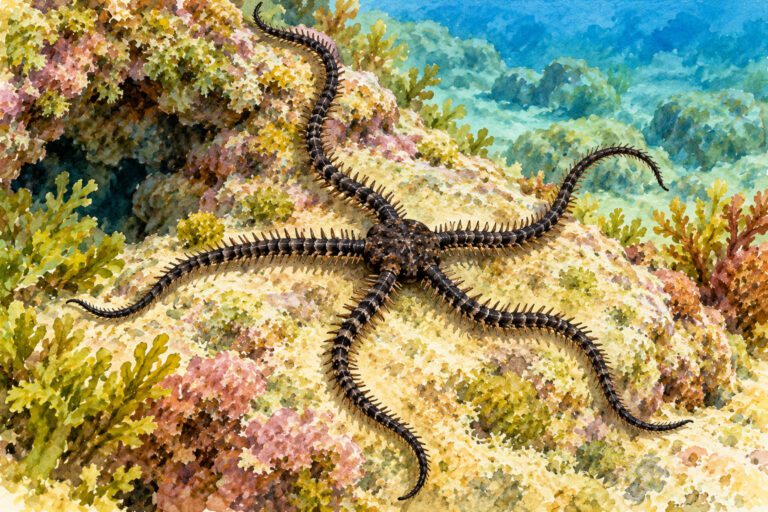
Black Spiny Brittle Star

Spanish name
Ofiura negra espinosa
Scientific name
Ophiocoma aethiops

What Do Pico & Tati Think?

A thin arm at the edge of a shelter can be an entire discovery. Pico waits quietly; Tati draws only what is visible.

Identification

Key Features of the Black Spiny Brittle Star

  • A central disc distinct from the arms

  • Long slender arms with visible spines

  • Only part of the animal may be visible naturally

Habitat & range

Suitable underwater coastal habitat. Use a permitted guided snorkeling or viewing activity appropriate to your family; do not enter the sea just to find this animal.

Conservation & care

Watch without touching, lifting, feeding or collecting. Keep fingers and equipment away from spines and other surface structures. Leave the animal submerged and its habitat undisturbed.

View full profile →

Nature Field Guide

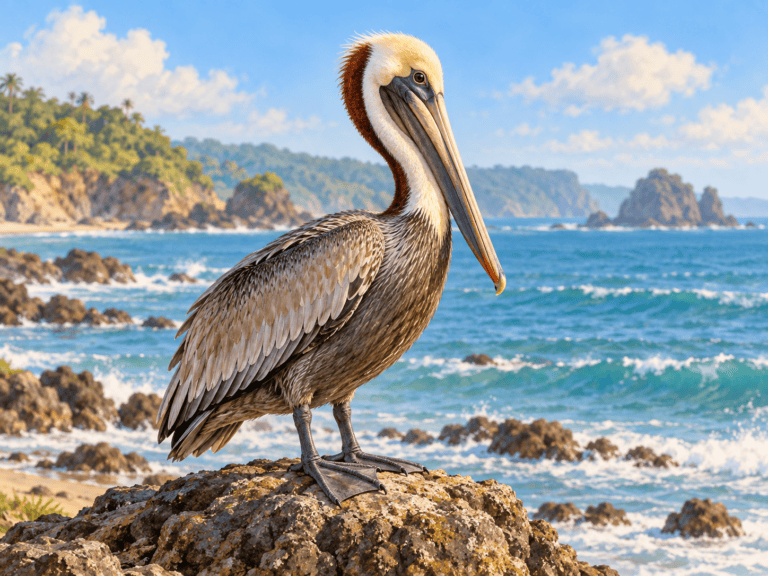
Brown Pelican

Spanish name
Pelícano pardo
Scientific name
Pelecanus occidentalis

What Do Pico & Tati Think?

Pico: “Look at that enormous bill!”

Tati: “Let’s compare its shape with the other birds by the water.”

Identification

Key Features of the Brown Pelican

  • A long bill with a pouch beneath the lower jaw.

  • A large gray-brown body and broad wings.

  • Head and neck colors change with age and breeding condition.

Habitat & range

Coastal waters along the Pacific, with less frequent nonbreeding visitors on the Caribbean coast. Regional tags refer to coastal habitat, not inland towns.

Seasonal Calendar

Resident presence

Isla San Lucas, Costa Rica

Year-round

SINAC lists Brown Pelican as a resident at Isla San Lucas on Costa Rica’s Pacific coast. This regional pattern does not guarantee a Tamarindo sighting or establish a local breeding calendar.

Event source ↗

Conservation & care

Do not feed birds or approach resting groups. Dispose of fishing line responsibly and leave nests undisturbed.

View full profile →

Nature Field Guide

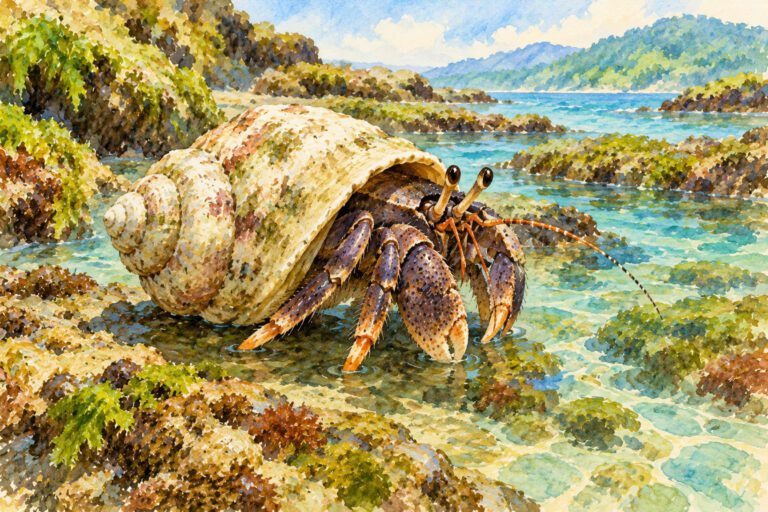
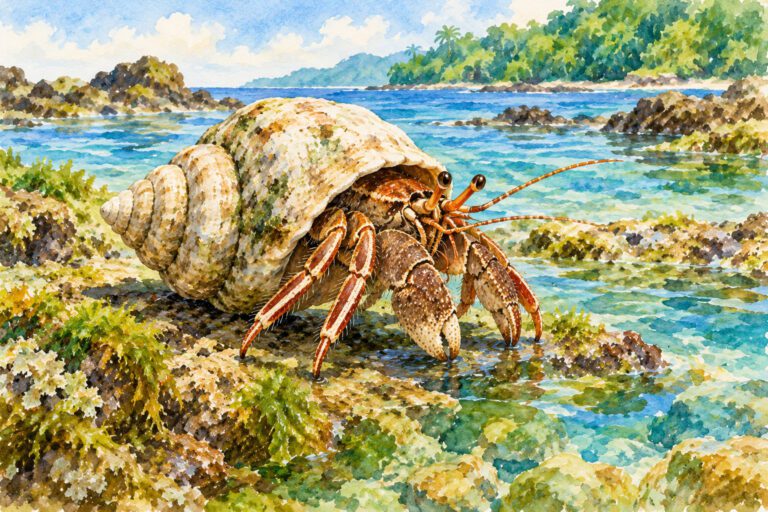
Calcinus Hermit Crab

Spanish name
Cangrejo ermitaño Calcinus
Scientific name
Calcinus obscurus

What Do Pico & Tati Think?

Pico thinks a shell has moved. Tati waits until a small leg appears before writing down what she has seen.

Identification

Key Features of the Calcinus Hermit Crab

  • A marine hermit crab in a borrowed shell

  • Visible legs and claws at the shell opening

  • The shell species and crab species are separate identifications

Habitat & range

Rocky shore and naturally visible tidal habitat. Choose a permitted observation point with an adult; do not turn rocks or reach into holes.

Conservation & care

Give claws and burrow entrances space. Do not handle, feed, chase or collect crabs. Leave rocks and shells where they are, and follow your adult’s route and local signs.

View full profile →

Nature Field Guide

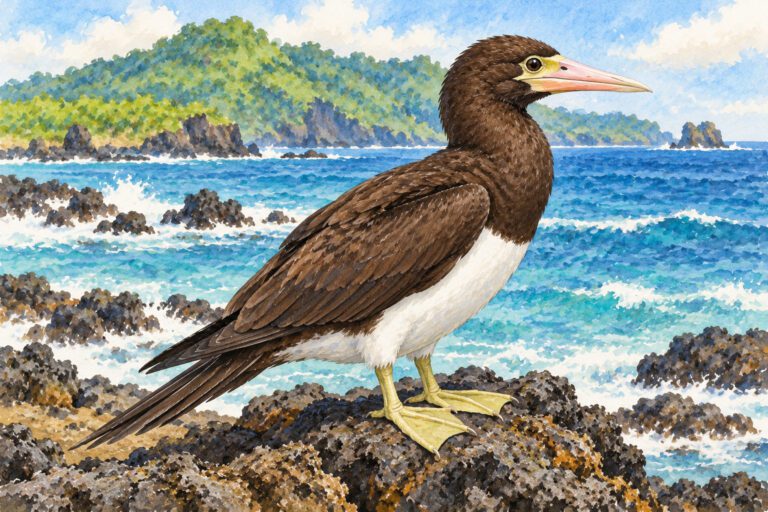
Cocos Booby

Spanish name
Piquero de Cocos
Scientific name
Sula brewsteri

What Do Pico & Tati Think?

Pico meets a familiar-looking seabird with a newer name. Tati keeps the scientific name beside the illustration.

Identification

Key Features of the Cocos Booby

  • Brown adult upperparts and white belly

  • Strong pointed pale bill

  • Short legs and broad webbed feet

  • Identification may require close expert comparison

Habitat & range

Scan Pacific coastal waters and offshore rocks from a safe viewpoint or responsible boat trip. Do not approach seabird colonies or land on nesting islands.

Conservation & care

Give feeding and resting birds space. If a bird stops feeding, repeatedly looks at you or moves away, increase your distance. Keep dogs away from flocks, avoid playback and feeding, and leave nests and natural shoreline debris undisturbed.

View full profile →

Nature Field Guide

Diomedea Leaf Sea Slug

Spanish name
Babosa marina de hoja
Scientific name
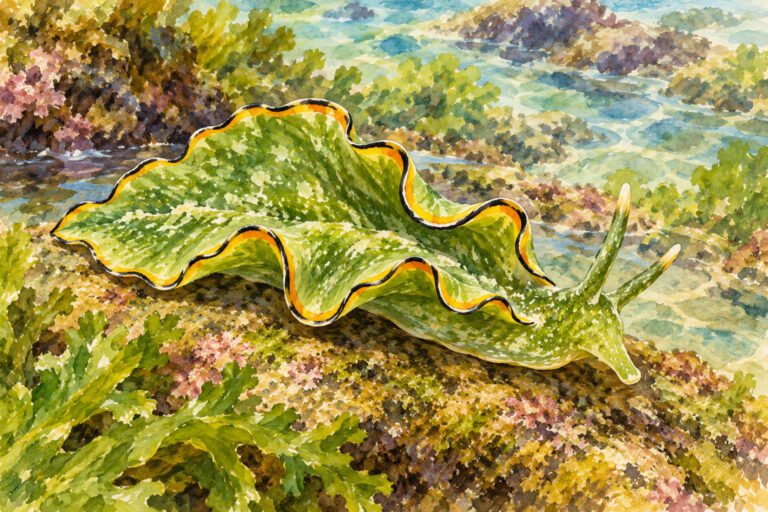
Elysia diomedea

What Do Pico & Tati Think?

Pico spots a leafy-looking shape. Tati asks how an animal can blend into the algae around it.

Identification

Key Features of the Diomedea Leaf Sea Slug

  • A small soft body with folded sides

  • Greenish coloring with contrasting lines

  • Tentacle-like rhinophores on the head

Habitat & range

Suitable underwater coastal habitat. Use a permitted guided snorkeling or viewing activity appropriate to your family; do not enter the sea just to find this animal.

Conservation & care

Watch without touching, lifting, feeding or collecting. Keep fingers and equipment away from spines and other surface structures. Leave the animal submerged and its habitat undisturbed.

View full profile →

Nature Field Guide

Funiculate Nerite

Spanish name
Nerita
Scientific name
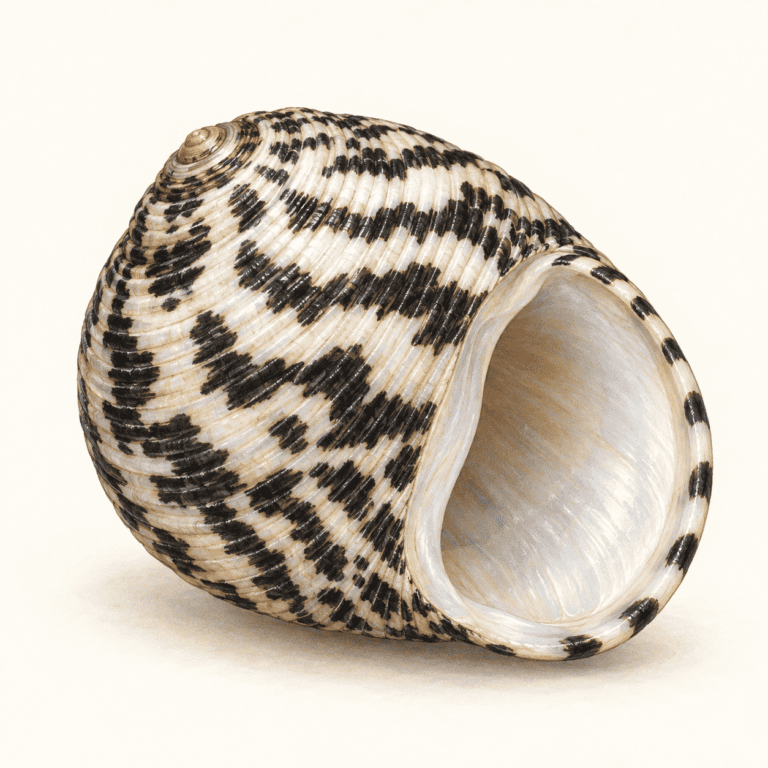
Nerita funiculata

What Do Pico & Tati Think?

A small, rounded nerite invites a close look at its shell pattern.

Identification

Key Features of the Funiculate Nerite

  • Small rounded shell.

  • Very low spire and a broad, D-shaped opening.

  • Fine ridges and dark-and-pale patterns may be visible.

Habitat & range

Rocky intertidal shore.

Conservation & care

Observe and photograph shells where they are. Leave living animals, occupied shells and empty shells in place. Do not pry animals from rocks, dig in mangroves or put fingers into shell openings. Explore with an adult or guide, follow site rules and stay clear of surf and slippery rocks.

View full profile →

Nature Field Guide

Giant False Limpet

Spanish name
Lapa
Scientific name
Siphonaria gigas

What Do Pico & Tati Think?

A cap-shaped shell shelters a snail on the rocky shore.

Identification

Key Features of the Giant False Limpet

  • Single cap-shaped shell rather than two hinged halves.

  • Look at the shell outline and raised top.

  • Compare with a keyhole limpet; a top opening is an important difference.

Habitat & range

Rocky intertidal habitat.

Conservation & care

Observe and photograph shells where they are. Leave living animals, occupied shells and empty shells in place. Do not pry animals from rocks, dig in mangroves or put fingers into shell openings. Explore with an adult or guide, follow site rules and stay clear of surf and slippery rocks.

View full profile →

Nature Field Guide

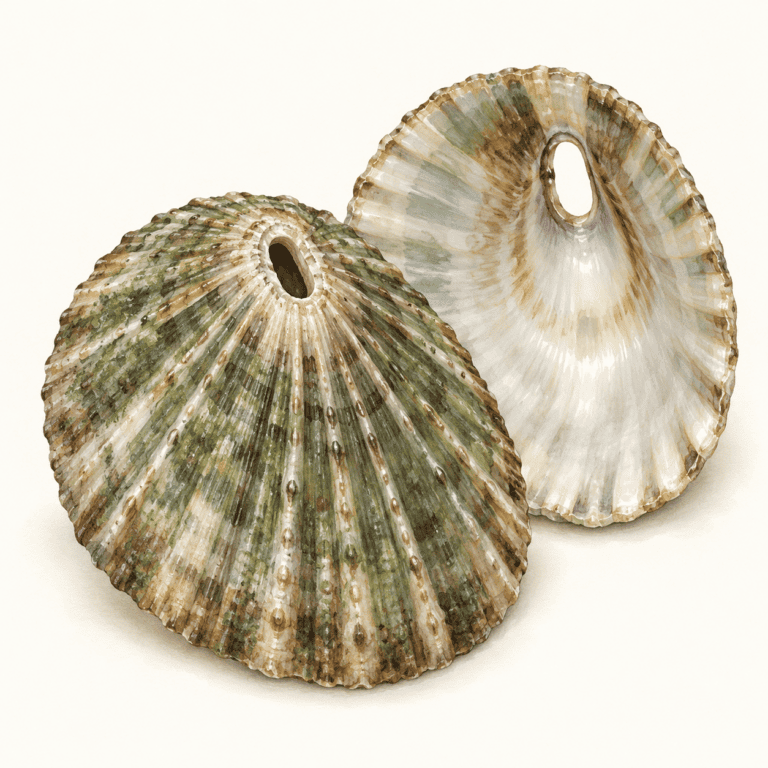
Greenish Keyhole Limpet

Spanish name
Lapa de agujero
Scientific name
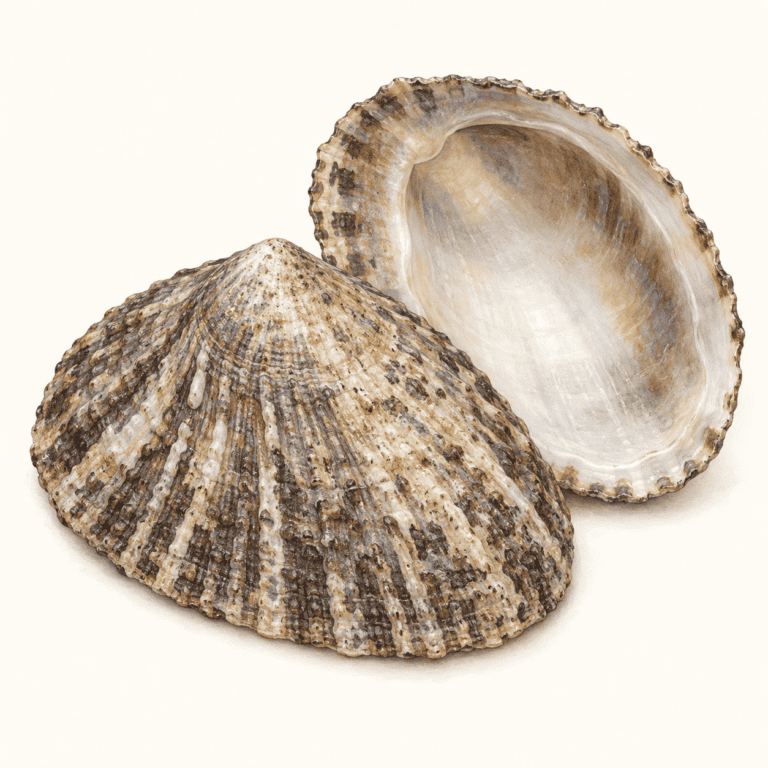
Fissurella virescens

What Do Pico & Tati Think?

Look for the opening near the top of this cap-shaped shell.

Identification

Key Features of the Greenish Keyhole Limpet

  • Cap-shaped shell with an opening near the top.

  • Ribs radiate toward the edge.

  • An intact underside and species reference help with confirmation.

Habitat & range

Rocky coastal habitat.

Conservation & care

Observe and photograph shells where they are. Leave living animals, occupied shells and empty shells in place. Do not pry animals from rocks, dig in mangroves or put fingers into shell openings. Explore with an adult or guide, follow site rules and stay clear of surf and slippery rocks.

View full profile →

Nature Field Guide

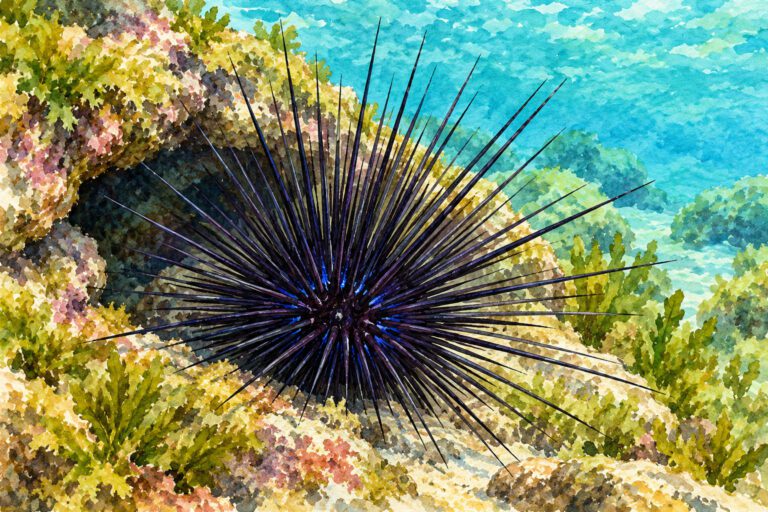
Mexican Long-spined Sea Urchin

Spanish name
Erizo de espinas largas
Scientific name
Diadema mexicanum

What Do Pico & Tati Think?

Long spines make a striking silhouette. Pico draws the shape from a distance while Tati notices the shelter around it.

Identification

Key Features of the Mexican Long-spined Sea Urchin

  • Long thin spines extending beyond the body

  • A shelter or opening among rocks may be nearby

  • A silhouette is a clue, not a complete species identification

Habitat & range

Suitable underwater coastal habitat. Use a permitted guided snorkeling or viewing activity appropriate to your family; do not enter the sea just to find this animal.

Conservation & care

Watch without touching, lifting, feeding or collecting. Keep fingers and equipment away from spines and other surface structures. Leave the animal submerged and its habitat undisturbed.

View full profile →

Nature Field Guide

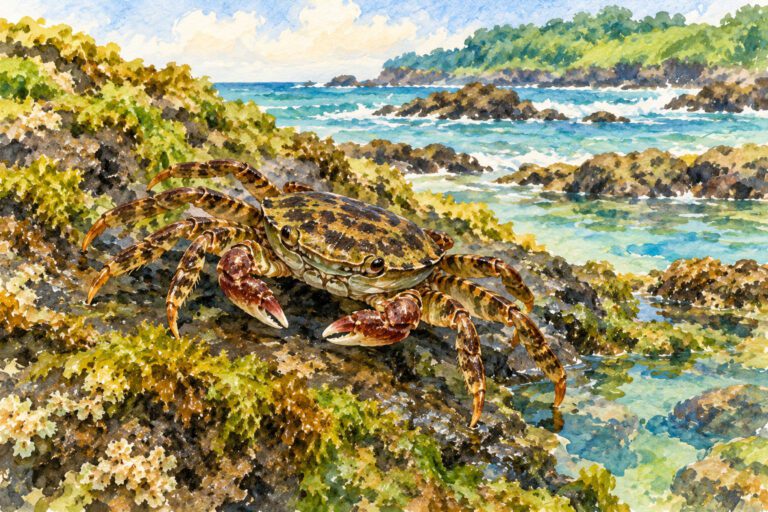
Mottled Shore Crab

Spanish name
Cangrejo costero moteado
Scientific name
Pachygrapsus transversus

What Do Pico & Tati Think?

Pico waits for a small movement between rocks. Tati records the difference between a hiding place and a feeding place.

Identification

Key Features of the Mottled Shore Crab

  • A small crab on rocky shore

  • Look for movement near existing crevices

  • Use a verified photograph to compare markings and body proportions

Habitat & range

Rocky shore and naturally visible tidal habitat. Choose a permitted observation point with an adult; do not turn rocks or reach into holes.

Conservation & care

Give claws and burrow entrances space. Do not handle, feed, chase or collect crabs. Leave rocks and shells where they are, and follow your adult’s route and local signs.

View full profile →

Nature Field Guide

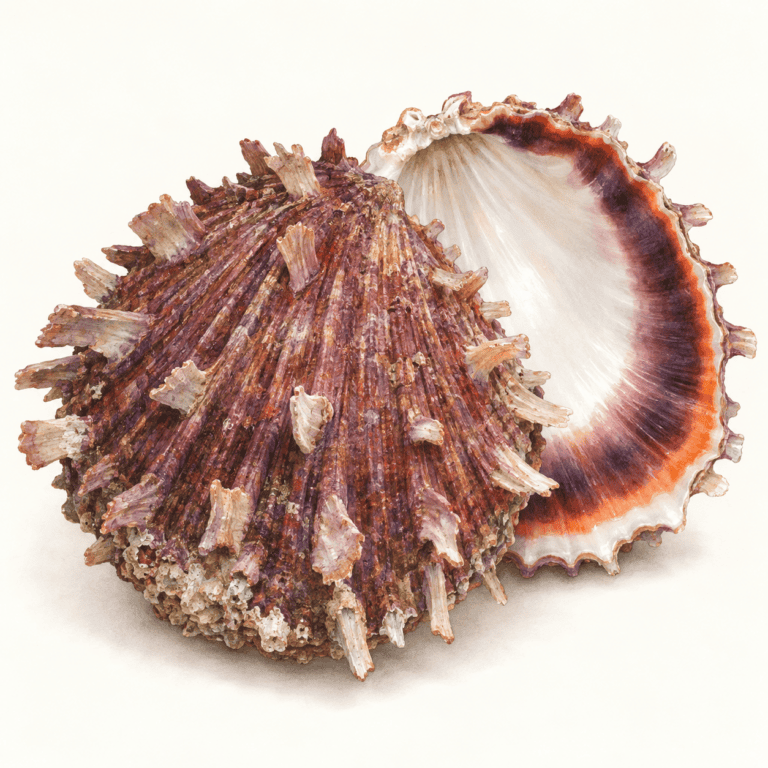
Pacific Spiny Oyster

Spanish name
Ostión vaca
Scientific name
Spondylus limbatus

What Do Pico & Tati Think?

Ribs, spines and an irregular outline help this shell stand out.

Identification

Key Features of the Pacific Spiny Oyster

  • Irregular rounded shell with strong radial ribs.

  • Spines may be short, worn or missing.

  • Compare the hinge, inner margin and attachment area in reference photographs.

Habitat & range

Shallow marine hard substrates, especially rocks.

Conservation & care

Observe and photograph shells where they are. Leave living animals, occupied shells and empty shells in place. Do not pry animals from rocks, dig in mangroves or put fingers into shell openings. Explore with an adult or guide, follow site rules and stay clear of surf and slippery rocks.

View full profile →

Nature Field Guide

Panama Hermit Crab

Spanish name
Cangrejo ermitaño panameño
Scientific name
Clibanarius panamensis

What Do Pico & Tati Think?

A shell can be both a clue and a hiding place. Pico and Tati practice patience while its resident decides whether to appear.

Identification

Key Features of the Panama Hermit Crab

  • Legs or claws extending from a shell

  • An animal carrying the shell as it moves

  • Check the crab’s features with a specialist reference

Habitat & range

Rocky shore and naturally visible tidal habitat. Choose a permitted observation point with an adult; do not turn rocks or reach into holes.

Conservation & care

Give claws and burrow entrances space. Do not handle, feed, chase or collect crabs. Leave rocks and shells where they are, and follow your adult’s route and local signs.

View full profile →

Nature Field Guide

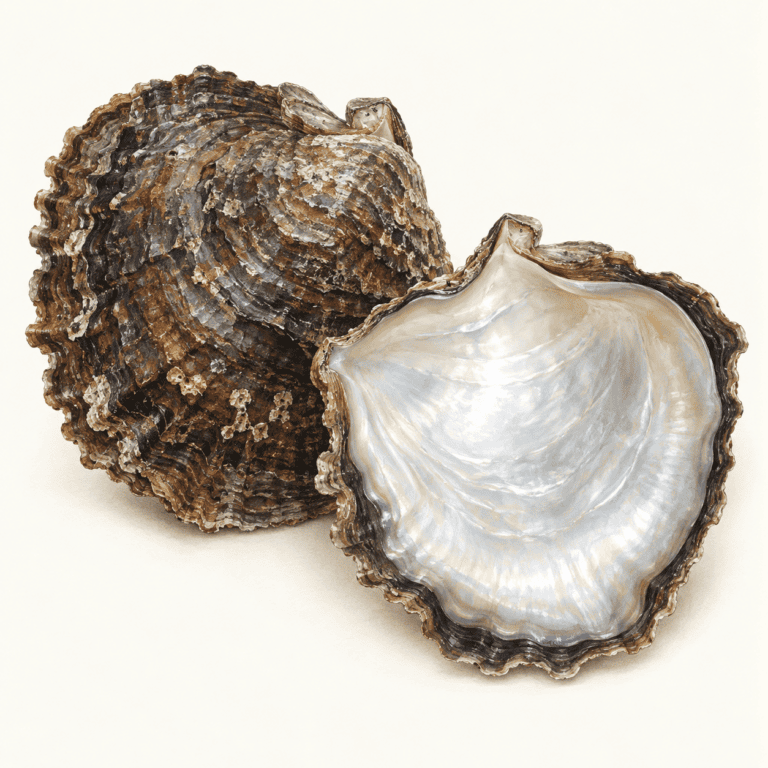
Panamanian Pearl Oyster

Spanish name
Concha perla
Scientific name
Pinctada mazatlanica

What Do Pico & Tati Think?

A pearl oyster is a two-part shell animal from Pacific coastal waters.

Identification

Key Features of the Panamanian Pearl Oyster

  • Two hinged valves in a living animal.

  • Compare the hinge and outline with a pearl-oyster reference.

  • An empty valve may show a pearly interior; do not open a live oyster.

Habitat & range

Shallow coastal waters, including rocky marine habitat.

Conservation & care

Observe and photograph shells where they are. Leave living animals, occupied shells and empty shells in place. Do not pry animals from rocks, dig in mangroves or put fingers into shell openings. Explore with an adult or guide, follow site rules and stay clear of surf and slippery rocks.

View full profile →

Nature Field Guide

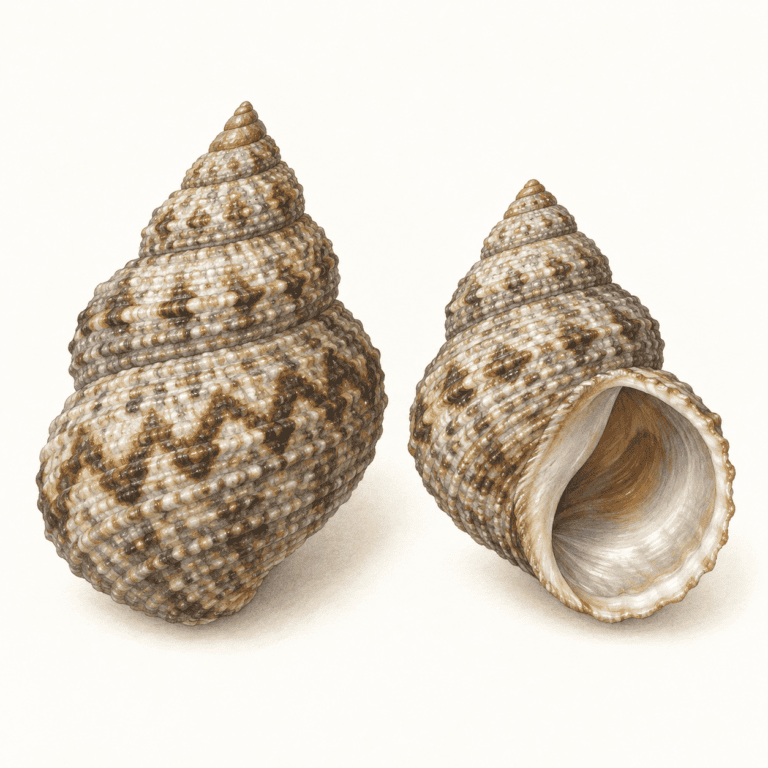
Rough Periwinkle

Spanish name
Caracol litoral
Scientific name
Echinolittorina aspera

What Do Pico & Tati Think?

A tiny pointed shell can be an excellent observation challenge.

Identification

Key Features of the Rough Periwinkle

  • Small coiled shell with a pointed spire.

  • A large final whorl gives a compact outline.

  • Color and surface texture vary; use several features together.

Habitat & range

Rocky intertidal shore.

Conservation & care

Observe and photograph shells where they are. Leave living animals, occupied shells and empty shells in place. Do not pry animals from rocks, dig in mangroves or put fingers into shell openings. Explore with an adult or guide, follow site rules and stay clear of surf and slippery rocks.

View full profile →

Nature Field Guide

Rough-clawed Rock Crab

Spanish name
Cangrejo de roca de pinzas rugosas
Scientific name
Eriphia squamata

What Do Pico & Tati Think?

Pico notices the claws first. Tati checks the rest of the body before deciding what to write in the journal.

Identification

Key Features of the Rough-clawed Rock Crab

  • A broad carapace

  • Bumpy or rough-looking claw surfaces

  • Several features must agree for a confident identification

Habitat & range

Rocky shore and naturally visible tidal habitat. Choose a permitted observation point with an adult; do not turn rocks or reach into holes.

Conservation & care

Give claws and burrow entrances space. Do not handle, feed, chase or collect crabs. Leave rocks and shells where they are, and follow your adult’s route and local signs.

View full profile →

Nature Field Guide

Rough-ribbed Nerite

Spanish name
Burgado
Scientific name
Nerita scabricosta

What Do Pico & Tati Think?

A sturdy, dark shell with rough ridges belongs to this rocky-shore snail.

Identification

Key Features of the Rough-ribbed Nerite

  • Rounded shell with a low spire.

  • Dark gray exterior and rough spiral ribs.

  • Check the opening and overall shape against an identified reference.

Habitat & range

Upper rocky intertidal shore.

Conservation & care

Observe and photograph shells where they are. Leave living animals, occupied shells and empty shells in place. Do not pry animals from rocks, dig in mangroves or put fingers into shell openings. Explore with an adult or guide, follow site rules and stay clear of surf and slippery rocks.

View full profile →

Nature Field Guide

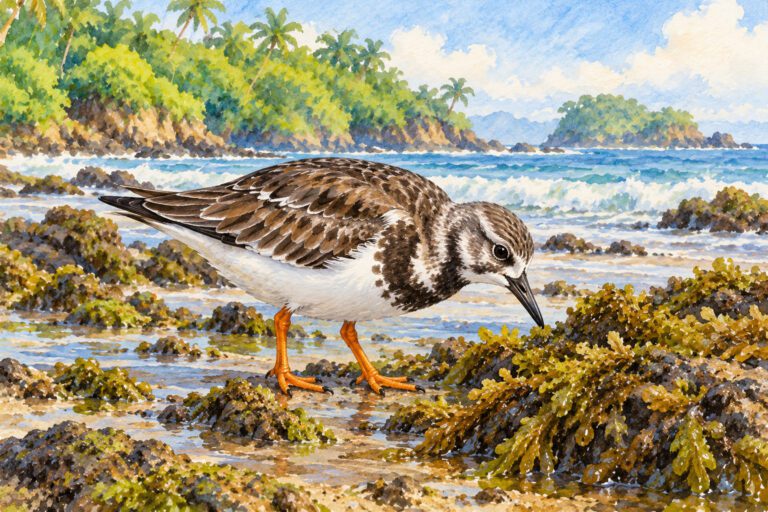
Ruddy Turnstone

Spanish name
Vuelvepiedras rojizo
Scientific name
Arenaria interpres

What Do Pico & Tati Think?

Pico watches a little bird investigate beach debris. Tati leaves the shells exactly where they belong.

Identification

Key Features of the Ruddy Turnstone

  • Short stout slightly upturned bill

  • Orange legs

  • Stocky body and dark breast patches

  • Nonbreeding back is brown rather than bright rusty

Habitat & range

Scan exposed shoreline feeding areas and nearby resting places with binoculars. The tide changes which flats are available; remain on a safe established route.

Conservation & care

Give feeding and resting birds space. If a bird stops feeding, repeatedly looks at you or moves away, increase your distance. Keep dogs away from flocks, avoid playback and feeding, and leave nests and natural shoreline debris undisturbed.

View full profile →

Nature Field Guide

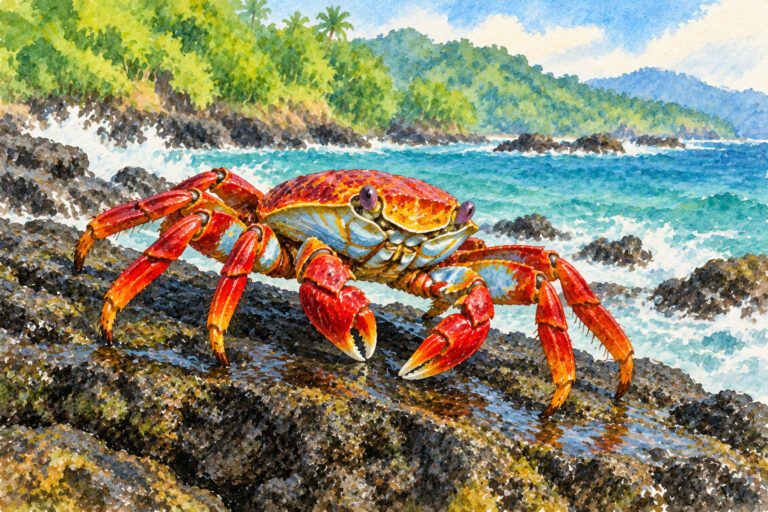
Sally Lightfoot Crab

Spanish name
Cangrejo zayapa
Scientific name
Grapsus grapsus

What Do Pico & Tati Think?

A shore crab’s careful steps can make a rocky coast feel like a busy neighborhood. Pico and Tati watch from stable ground.

Identification

Key Features of the Sally Lightfoot Crab

  • A crab on coastal rocks

  • A broad low body with legs extending sideways

  • Compare color, outline and other details together

Habitat & range

Rocky shore and naturally visible tidal habitat. Choose a permitted observation point with an adult; do not turn rocks or reach into holes.

Conservation & care

Give claws and burrow entrances space. Do not handle, feed, chase or collect crabs. Leave rocks and shells where they are, and follow your adult’s route and local signs.

View full profile →

Nature Field Guide

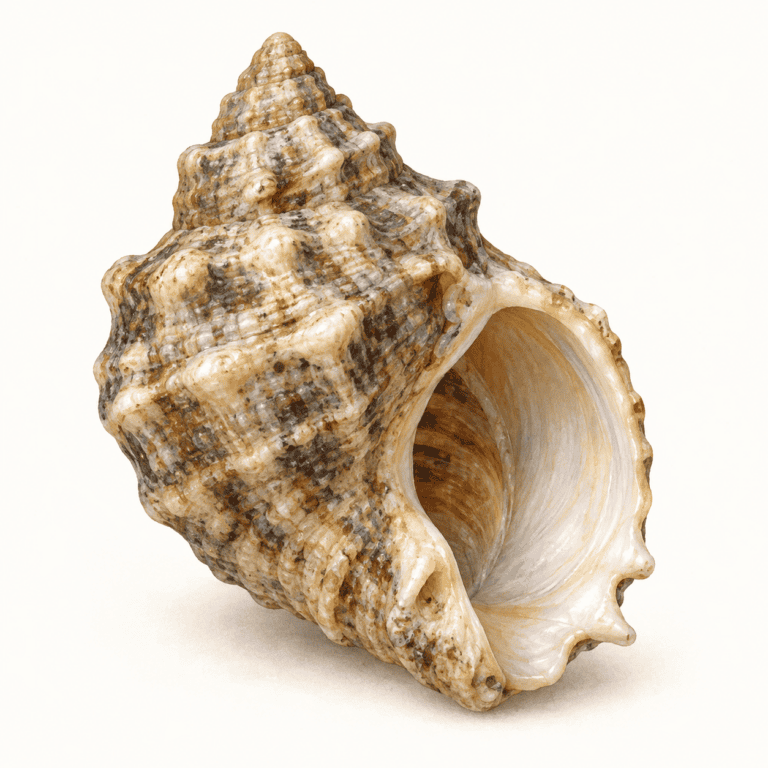
Short-toothed Rocksnail

Spanish name
Caracol de roca
Scientific name
Acanthais brevidentata

What Do Pico & Tati Think?

This rocky-shore snail offers a chance to study the shell opening.

Identification

Key Features of the Short-toothed Rocksnail

  • A coiled shell belonging to the rocksnail family.

  • Record the shape of the spire and shell opening.

  • Use an identified Acanthais reference for species-level comparison.

Habitat & range

Rocky intertidal habitat.

Conservation & care

Observe and photograph shells where they are. Leave living animals, occupied shells and empty shells in place. Do not pry animals from rocks, dig in mangroves or put fingers into shell openings. Explore with an adult or guide, follow site rules and stay clear of surf and slippery rocks.

View full profile →

Nature Field Guide

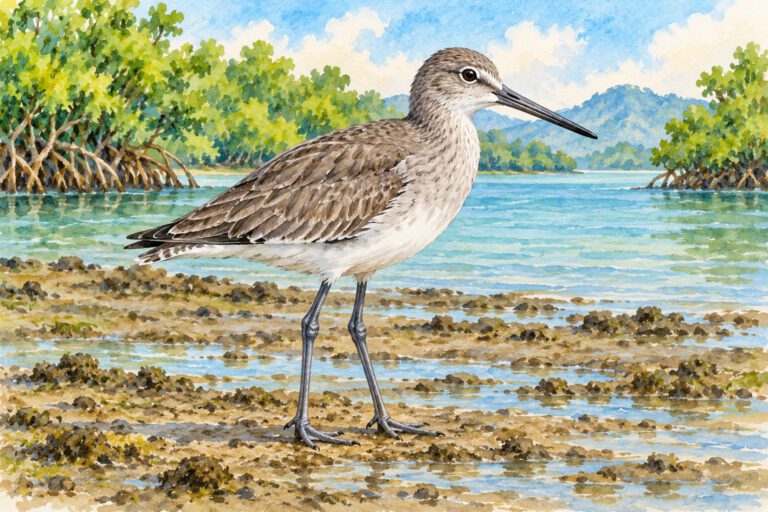
Willet

Spanish name
Pigüilo o playero aliblanco
Scientific name
Tringa semipalmata

What Do Pico & Tati Think?

Pico sees a plain gray shorebird. Tati learns that a bird can reveal a surprising pattern when it takes flight on its own.

Identification

Key Features of the Willet

  • Sturdy long straight bill

  • Long grayish legs

  • Plain gray nonbreeding body

  • Bold black-and-white wings in natural flight

Habitat & range

Scan exposed shoreline feeding areas and nearby resting places with binoculars. The tide changes which flats are available; remain on a safe established route.

Conservation & care

Give feeding and resting birds space. If a bird stops feeding, repeatedly looks at you or moves away, increase your distance. Keep dogs away from flocks, avoid playback and feeding, and leave nests and natural shoreline debris undisturbed.

View full profile →

Nature Field Guide

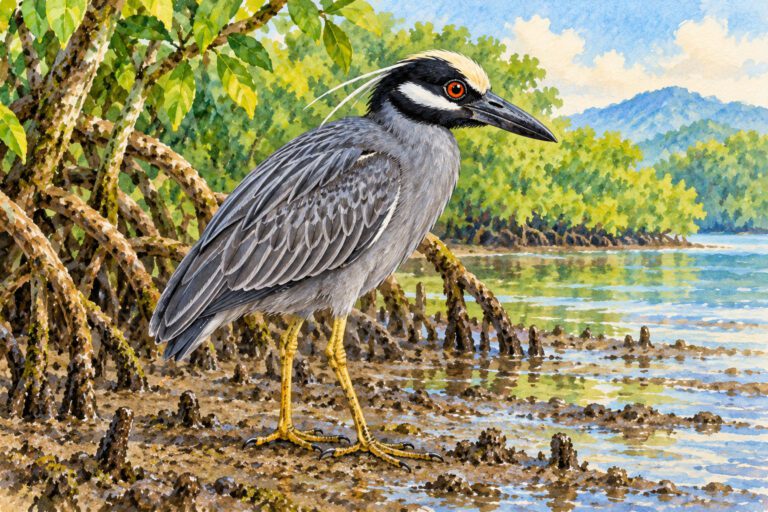
Yellow-crowned Night-Heron

Spanish name
Martinete cabecipinto
Scientific name
Nyctanassa violacea

What Do Pico & Tati Think?

Pico reads the word night and expects an invisible bird. Tati learns that feeding can also happen in daylight.

Identification

Key Features of the Yellow-crowned Night-Heron

  • Adult gray body

  • Dark face with pale cheek and crown

  • Heavy dark bill

  • Juveniles are brown and spotted

Habitat & range

Scan shallow water, quiet mangrove channels and vegetated wetland margins from an established viewpoint. Follow a local guide’s directions around estuaries.

Conservation & care

Give feeding and resting birds space. If a bird stops feeding, repeatedly looks at you or moves away, increase your distance. Keep dogs away from flocks, avoid playback and feeding, and leave nests and natural shoreline debris undisturbed.

View full profile →

My Tico Explorer Experience

Save nature, towns, discoveries and learning adventures for your next experience.

Your list stays in this browser on this device.