Tico Explorers

Nature Field Guide

Coastal Seafloor

Explore wildlife, plants and trees. Learn what to look for and where to find them.

All Nature

8 profiles

Nature Field Guide

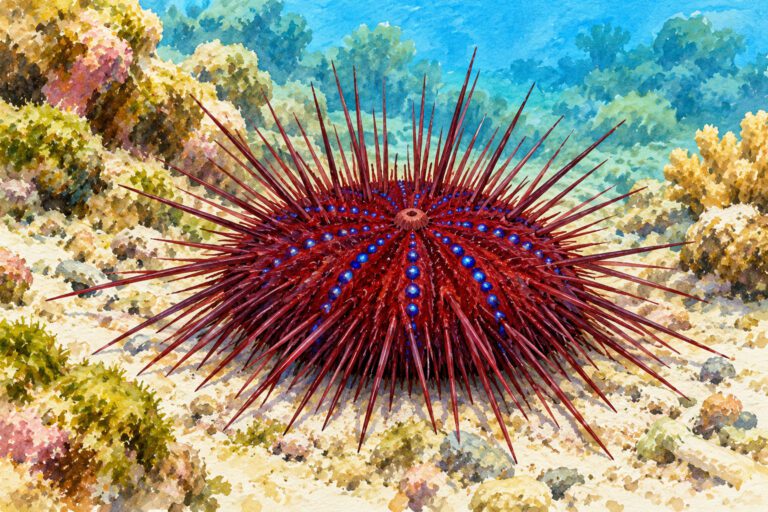
Crown Sea Urchin

Spanish name
Erizo corona
Scientific name
Astropyga pulvinata

What Do Pico & Tati Think?

One spiny animal is interesting. A gathering of them raises even more questions. Pico and Tati watch without moving closer.

Identification

Key Features of the Crown Sea Urchin

  • Long slender spines

  • Small bright blue body spots may be visible

  • Observe without approaching the spines

Habitat & range

Suitable underwater coastal habitat. Use a permitted guided snorkeling or viewing activity appropriate to your family; do not enter the sea just to find this animal.

Conservation & care

Watch without touching, lifting, feeding or collecting. Keep fingers and equipment away from spines and other surface structures. Leave the animal submerged and its habitat undisturbed.

View full profile →

Nature Field Guide

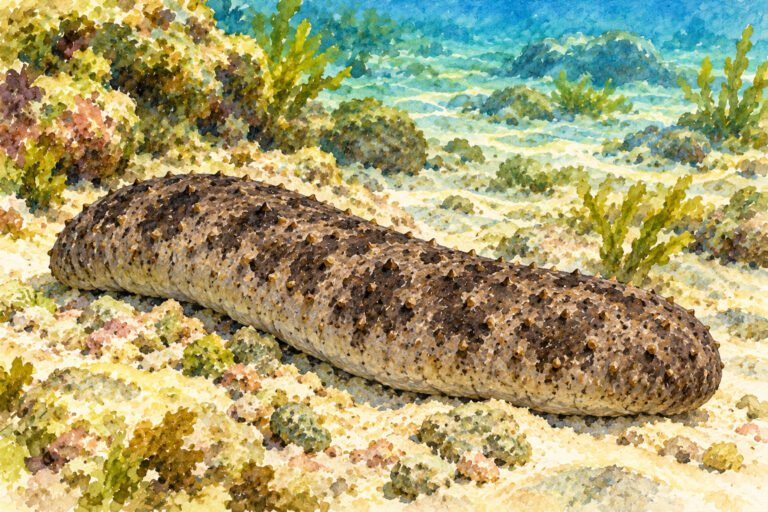
Dusky Sea Cucumber

Spanish name
Pepino de mar
Scientific name
Holothuria fuscocinerea

What Do Pico & Tati Think?

It does not need a star-shaped outline to be related to sea stars. Pico and Tati meet a different kind of echinoderm.

Identification

Key Features of the Dusky Sea Cucumber

  • An elongated body resting on the seabed

  • No radiating arms like a sea star

  • Photograph the animal in place for expert comparison

Habitat & range

Suitable underwater coastal habitat. Use a permitted guided snorkeling or viewing activity appropriate to your family; do not enter the sea just to find this animal.

Conservation & care

Watch without touching, lifting, feeding or collecting. Keep fingers and equipment away from spines and other surface structures. Leave the animal submerged and its habitat undisturbed.

View full profile →

Nature Field Guide

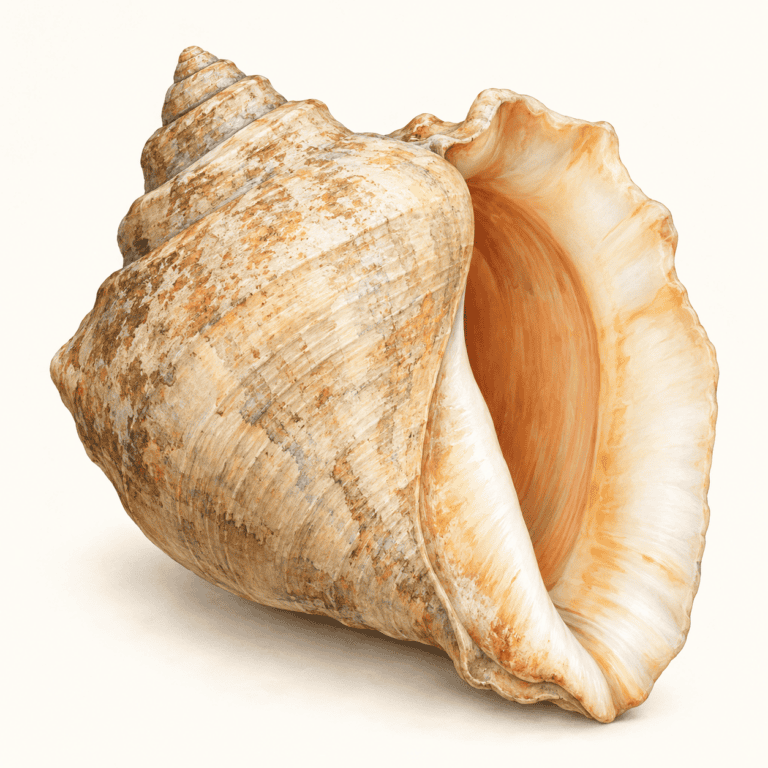
Eastern Pacific Giant Conch

Spanish name
Cambute del Pacífico
Scientific name
Titanostrombus galeatus

What Do Pico & Tati Think?

A large conch connects marine nature with Costa Rica’s cultural history.

Identification

Key Features of the Eastern Pacific Giant Conch

  • Large, thick shell.

  • Adult shells have an expanded outer lip and a short spire.

  • Look for older scientific names when comparing historical references.

Habitat & range

Pacific coastal marine habitat; local encounters require confirmation.

Conservation & care

Observe and photograph shells where they are. Leave living animals, occupied shells and empty shells in place. Do not pry animals from rocks, dig in mangroves or put fingers into shell openings. Explore with an adult or guide, follow site rules and stay clear of surf and slippery rocks.

View full profile →

Nature Field Guide

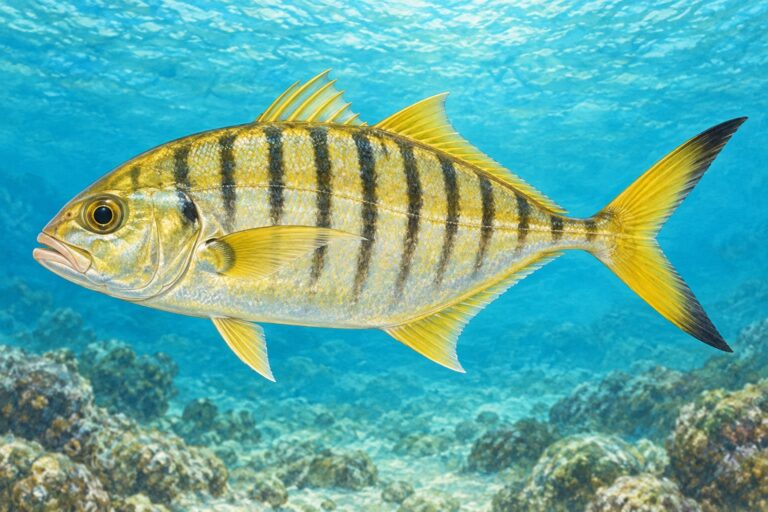
Golden Trevally

Spanish name
Jurel dorado
Scientific name
Gnathanodon speciosus

What Do Pico & Tati Think?

Pico: “This little jack looks golden!”

Tati: “Older fish look more silver. The yellow fins are a useful clue.”

Identification

Key Features of the Golden Trevally

  • Thick fleshy lips

  • Yellow fins

  • Dark bars strongest in young fish

Habitat & range

Pacific coastal waters over sandy and other soft bottoms near reef areas.

Conservation & care

Observe with a qualified guide. Do not feed, chase or handle fish. Keep fins off the reef and take all litter home.

Threats & pressures

Habitat damage and degraded water quality are pressures to prevent in coastal fish habitats. This profile does not quantify a local decline.

View full profile →

Nature Field Guide

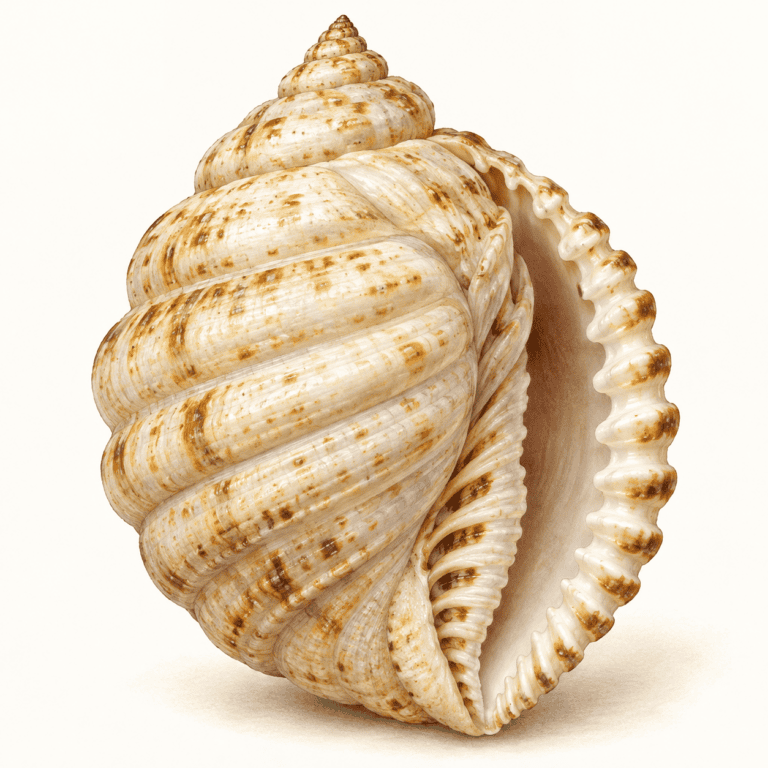
Grinning Tun

Spanish name
Cambute de lodo
Scientific name
Malea ringens

What Do Pico & Tati Think?

A rounded shell with a tooth-lined opening explains its memorable name.

Identification

Key Features of the Grinning Tun

  • Rounded, inflated shell.

  • Ribs run around the shell.

  • Strong ridges along the opening create a tooth-like appearance.

Habitat & range

Shallow coastal marine waters; a washed-up shell does not reveal its original depth.

Conservation & care

Observe and photograph shells where they are. Leave living animals, occupied shells and empty shells in place. Do not pry animals from rocks, dig in mangroves or put fingers into shell openings. Explore with an adult or guide, follow site rules and stay clear of surf and slippery rocks.

View full profile →

Nature Field Guide

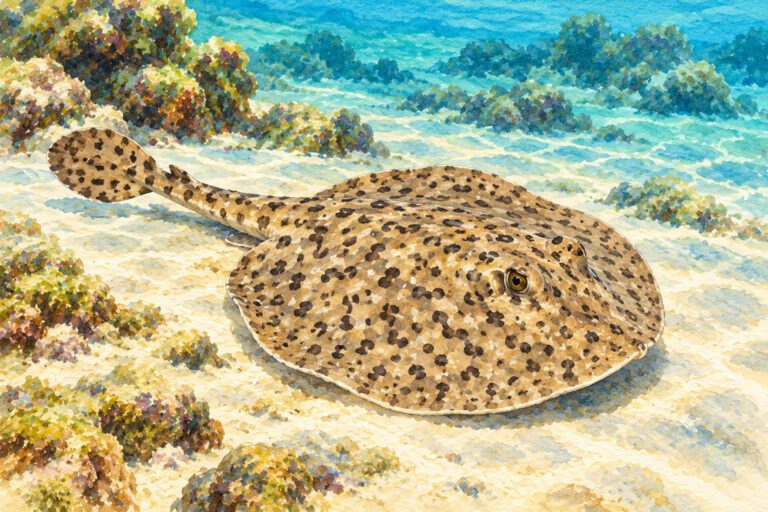
Leopard Roundray

Spanish name
Raya redonda leopardo
Scientific name
Urobatis pardalis

What Do Pico & Tati Think?

A quiet shape on the seabed might be easy to miss. Pico and Tati give rays space and let a marine guide help them observe.

Identification

Key Features of the Leopard Roundray

  • A rounded disc

  • Small dark spots and short wavy markings on a pale brown upper surface

  • A relatively short tail with a rounded fin

Habitat & range

Suitable underwater coastal habitat. Use a permitted guided snorkeling or viewing activity appropriate to your family; do not enter the sea just to find this animal.

Conservation & care

Observe rays without approaching, touching, feeding, cornering or following them. Stay with a qualified local guide and follow their instructions about entering and moving in the water.

View full profile →

Nature Field Guide

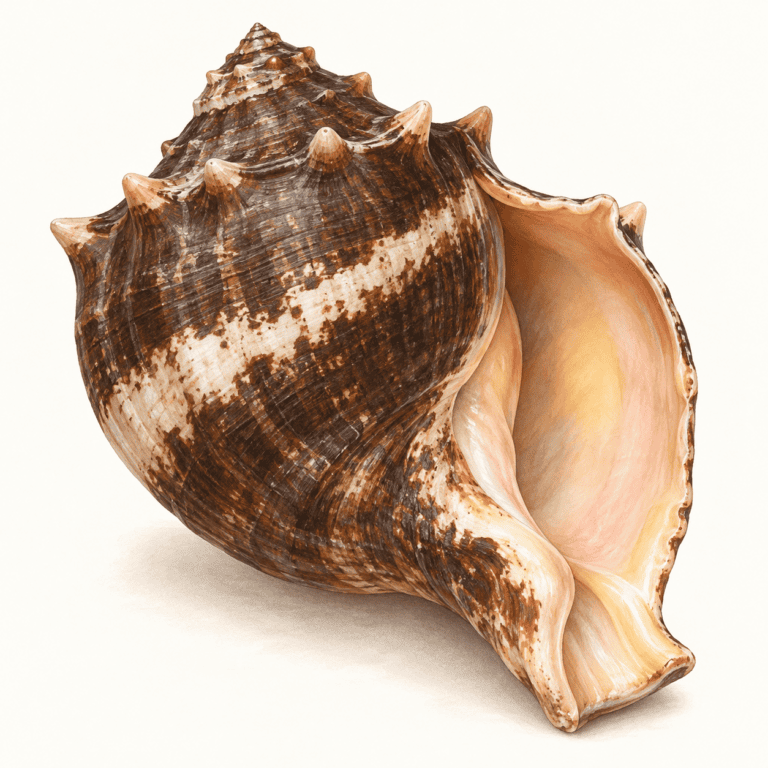
Pacific Crown Conch

Spanish name
Cambute negro
Scientific name
Melongena patula

What Do Pico & Tati Think?

A heavy shell may carry a row of short shoulder spines.

Identification

Key Features of the Pacific Crown Conch

  • Large pear-like shell with a low spire.

  • Short shoulder spines may be present or absent.

  • Broad opening and a short channel at its lower end.

Habitat & range

Coastal marine bottom habitat; confirm the exact local site with a guide.

Conservation & care

Observe and photograph shells where they are. Leave living animals, occupied shells and empty shells in place. Do not pry animals from rocks, dig in mangroves or put fingers into shell openings. Explore with an adult or guide, follow site rules and stay clear of surf and slippery rocks.

View full profile →

Nature Field Guide

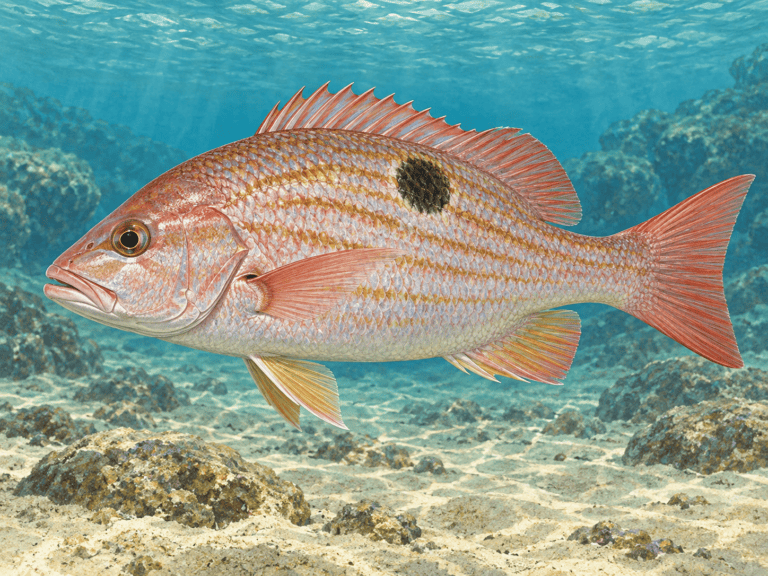
Spotted Rose Snapper

Spanish name
Pargo de la mancha
Scientific name
Lutjanus guttatus

What Do Pico & Tati Think?

Meet the fish Yeyo shares with Pico and Tati. Spotted rose snapper lives in the eastern Pacific, including Costa Rica’s coastal waters. Look for a silvery-pink body, fine slanting golden-brown stripes and a dark blotch below the dorsal fin.

This fish eats crustaceans and small fish. Researchers in Costa Rica’s Gulf of Nicoya have studied its diet and its role in local fishing. It connects an underwater food web with the meals coastal families prepare and share.

In our story, Yeyo names his catch before lunch. Tati notices the spot, and Pico learns that there is more to discover about a fish than how delicious it smells.

Identification

Key Features of the Spotted Rose Snapper

  • A moderately deep, oval body with a silvery-pink sheen.

  • Fine oblique golden-brown stripes along the sides.

  • A prominent dark blotch high on the side beneath the dorsal fin; the mark can change in intensity.

  • A continuous dorsal fin and a nearly straight or slightly indented tail.

Habitat & range

Pacific coastal waters, including sandy bays and reef-associated habitats. Young fish often use shallow sandy bays.

Conservation & care

Keep fishing line and plastic out of the sea. Observe fish without feeding or chasing them. If your family fishes, follow current local rules and learn from a responsible local fisher.

View full profile →

My Tico Explorer Experience

Save nature, towns, discoveries and learning adventures for your next experience.

Your list stays in this browser on this device.