Jacó
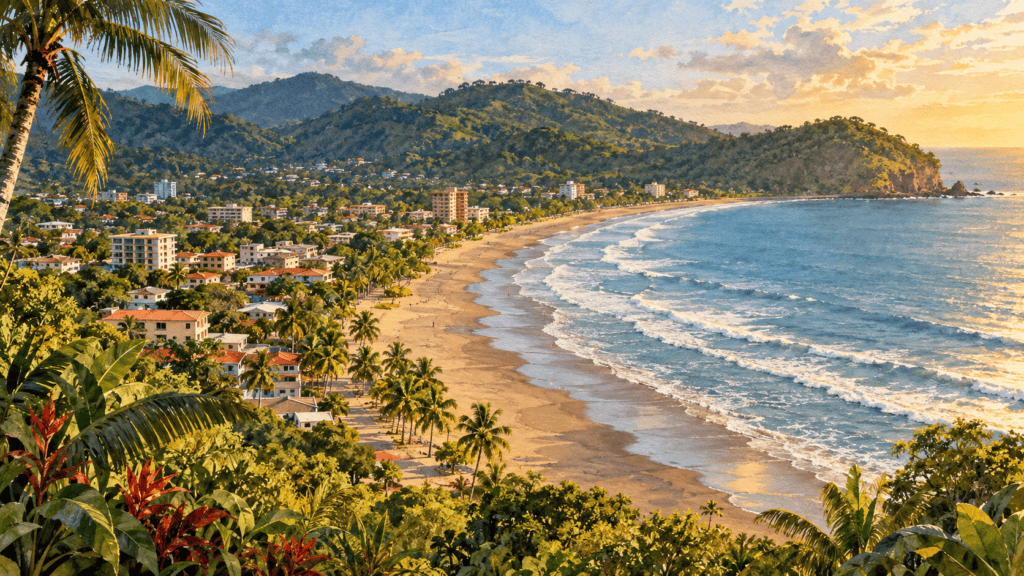
Jacó brings a lively Pacific town, a broad beach and forested hills into one family base. Begin with a shoreline walk or…
Explore town

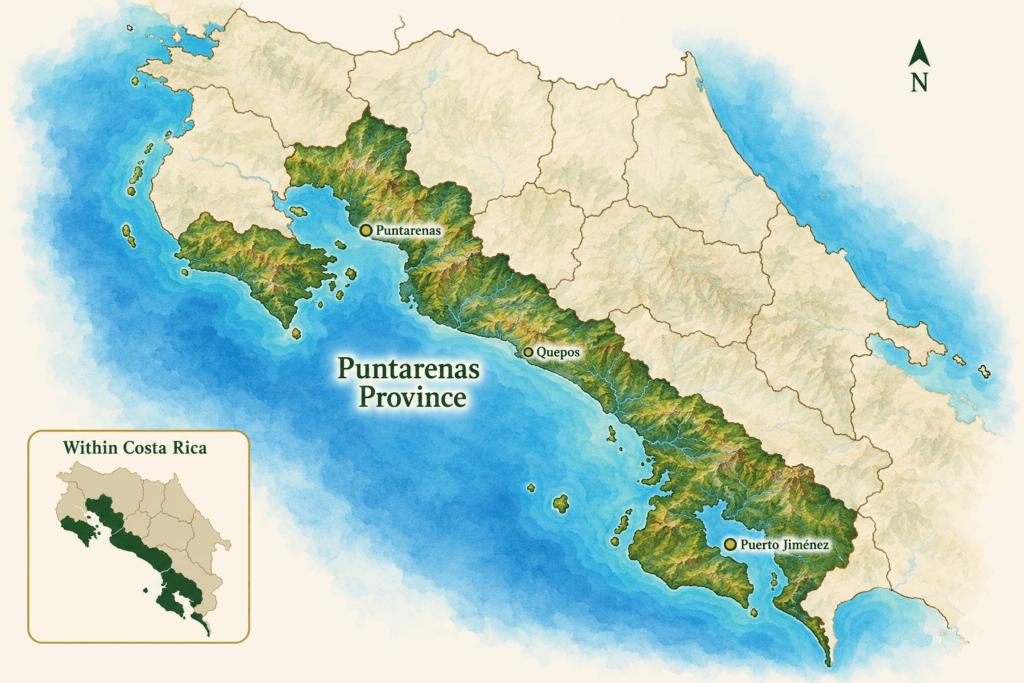
Jacó brings a lively Pacific town, a broad beach and forested hills into one family base. Begin with a shoreline walk or…
Explore town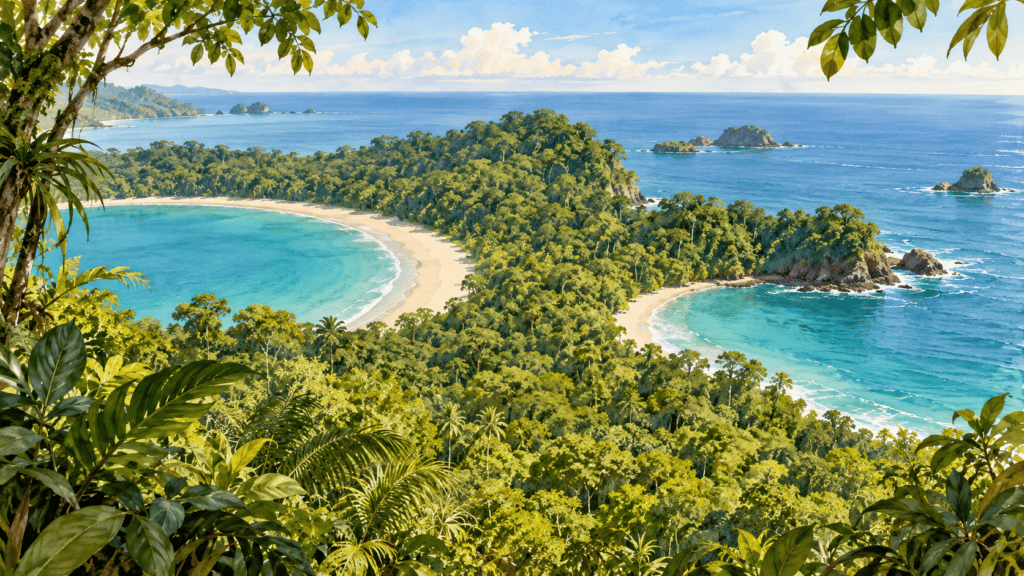
Explore Manuel Antonio and nearby Quepos through rainforest walks, coastal discoveries, mangroves and thoughtful family outings.
Explore town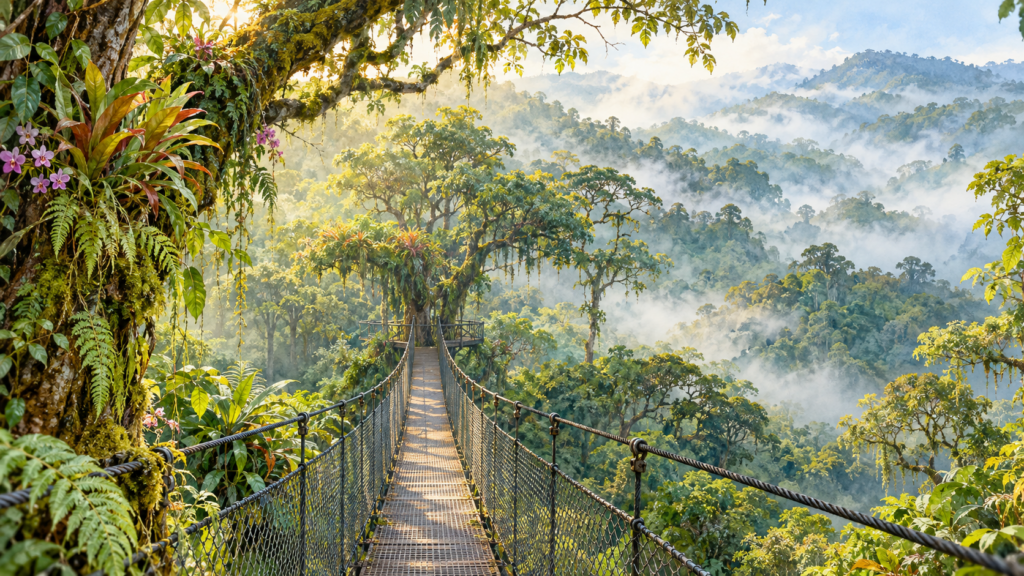
Monteverde invites families to look into the layers of a living forest. Mist, leaves and bird calls create a different rhythm from…
Explore town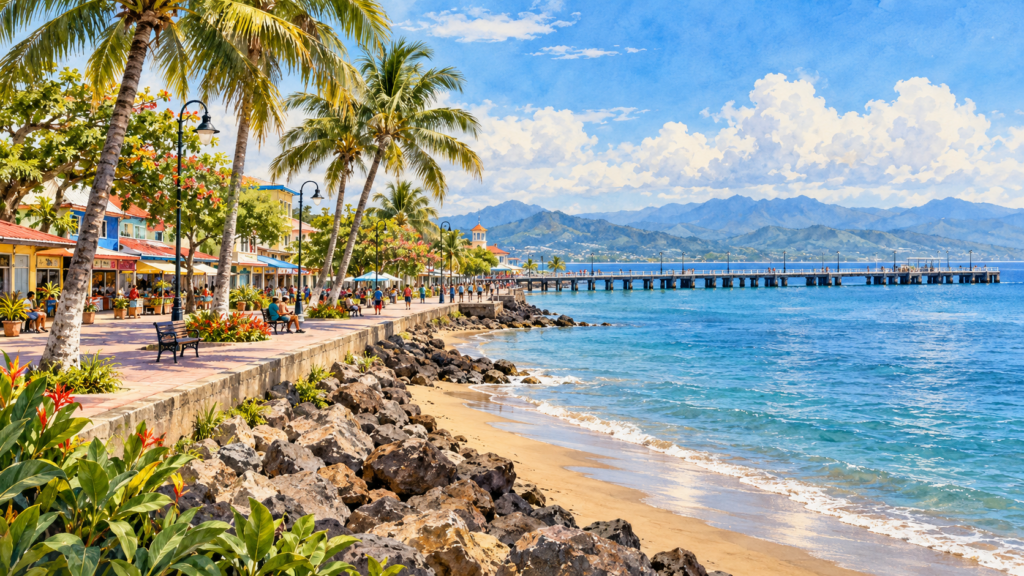
Puntarenas city invites families to slow down beside the Gulf of Nicoya. Explore its public waterfront, notice the working port from permitted…
Explore town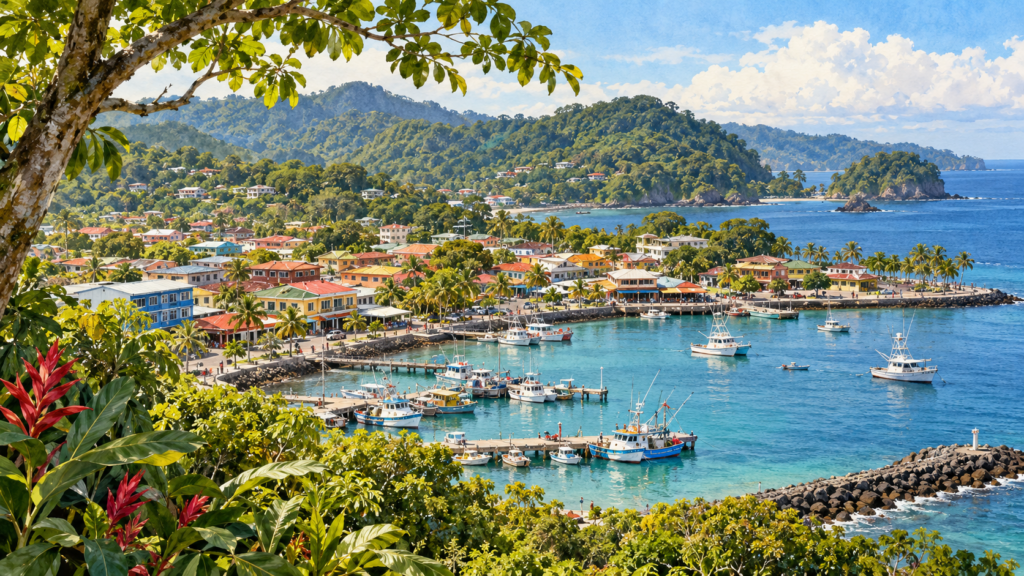
Quepos brings everyday coastal life into a visit to the Central Pacific. Walk a public waterfront, discover market ingredients and notice the…
Explore town
Explore Santa Teresa and the southern Nicoya coast through surf, beach discoveries, coastal wildlife and thoughtful family outings.
Explore town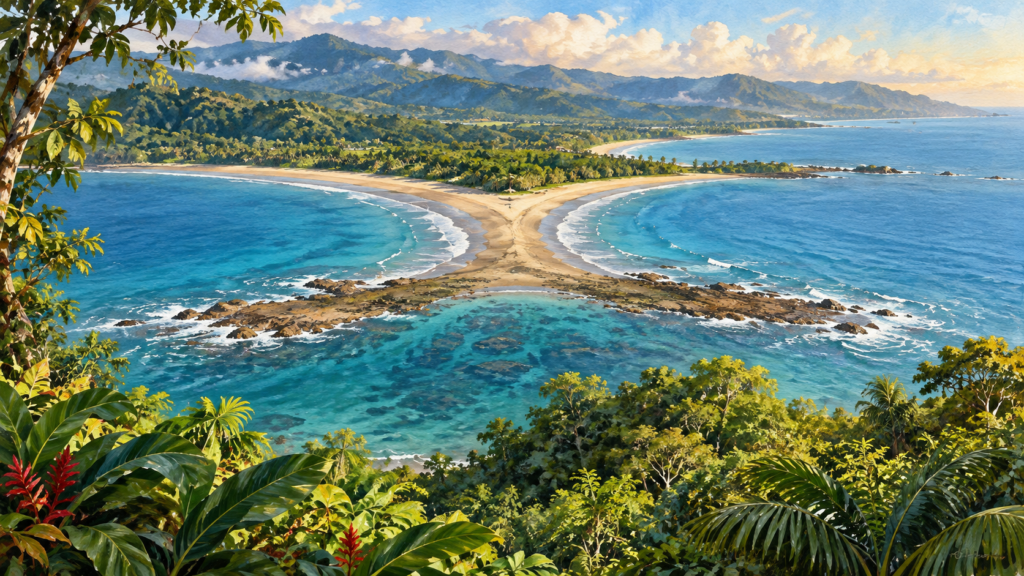
Uvita offers a base for discovering Costa Ballena’s forested coastline and marine landscapes. Explore the shore thoughtfully, learn about the protected waters…
Explore townThis protected coastal and marine landscape provides opportunities to learn about the relationship between beaches, sea life and conservation. Confirm visitor sectors and current entry arrangements before arriving.
Experience Osa Peninsula rainforest through authorized arrangements. Plan logistics, guide requirements and fitness needs before booking.
Explore the park from its main visitor entrance in Garabito. Follow designated routes and wildlife guidance.
Look for mosses, layered vegetation and forest birds on designated reserve trails. Check reservations directly.
A longer outing from Santa Teresa leads to Cabo Blanco’s authorized visitor sector near Cabuya. The reserve protects forest and coastal habitat. Confirm current access, open trails and visitor requirements with SINAC before planning your day.
Discover pre-Columbian stone spheres near Palmar Sur and learn about their archaeological context.
Forest paths, coastal views and beaches meet in this protected area. Plan admission through SINAC and follow current entry instructions. Choose open routes suited to your group and let wildlife remain wild: watch quietly without feeding or approaching animals.
Discover an offshore protected area through authorized boat excursions. Confirm landing and marine activity rules.
Walk the waterfront promenade and notice the port city’s shoreline, sea views and local life.
San Lucas is a separate boat outing in the Gulf of Nicoya. It combines protected habitat with a former prison’s difficult history. Confirm SINAC booking, authorized transport and suitability for your family before planning the visit.
A southern Nicoya coastal community with beach and nearby nature outings.
A coastal community near Santa Teresa with Pacific shoreline landscapes.
A separate coastal community north of Uvita, with surf and beach scenery.
A separate community south of Uvita that can add local food and community experiences to a Costa Ballena visit.
Explore Nature Field Guide cards from this province and the surrounding travel regions named below. Habitats and species vary by locality.
Nature Field Guide
Explore wildlife, plants and trees. Learn what to look for and where to find them.
100 profiles
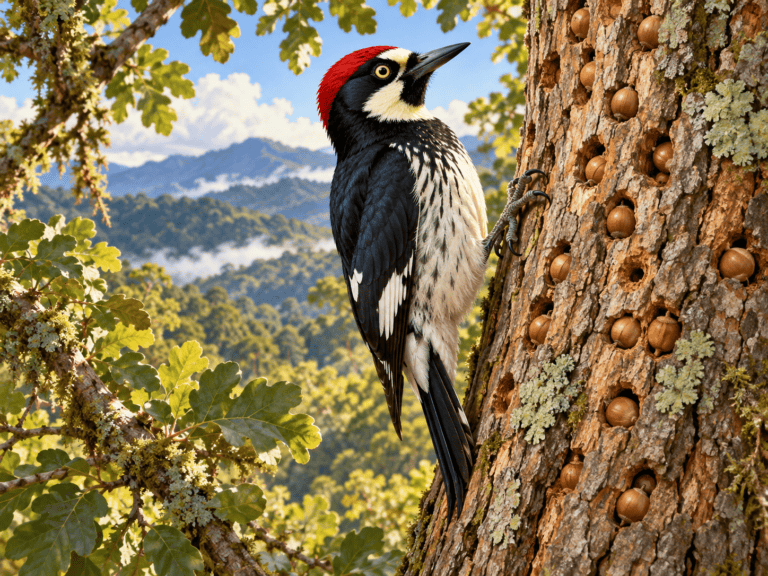
A striking woodpecker linked to oak woodland and acorn food stores.
Take a closer look ↗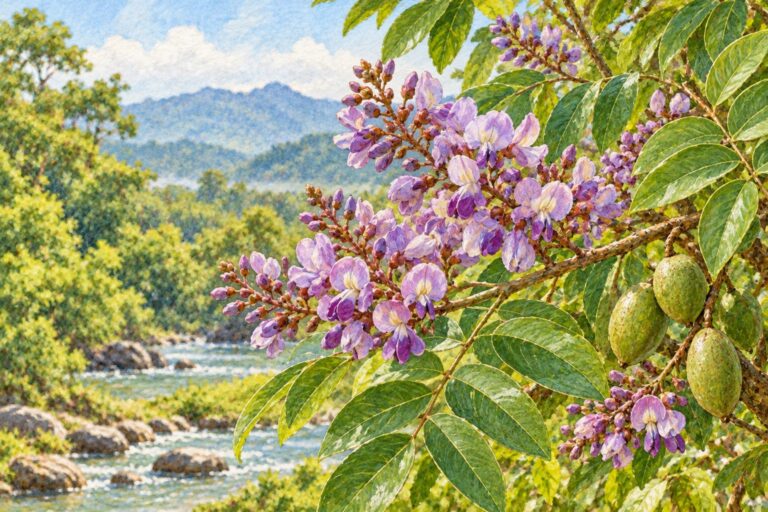
Purple flower clusters stand out against a dense green crown.
Take a closer look ↗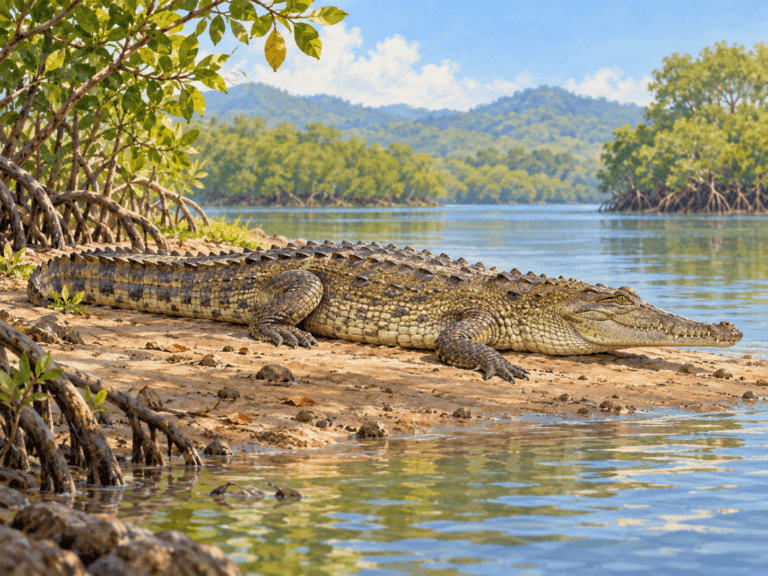
A long snout and narrow head.
Take a closer look ↗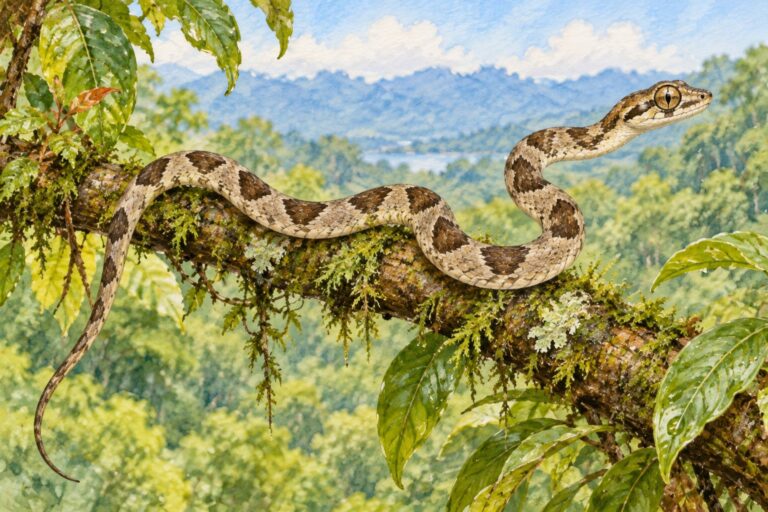
A narrow-bodied forest climber searches a world of branches and soft-bodied prey.
Take a closer look ↗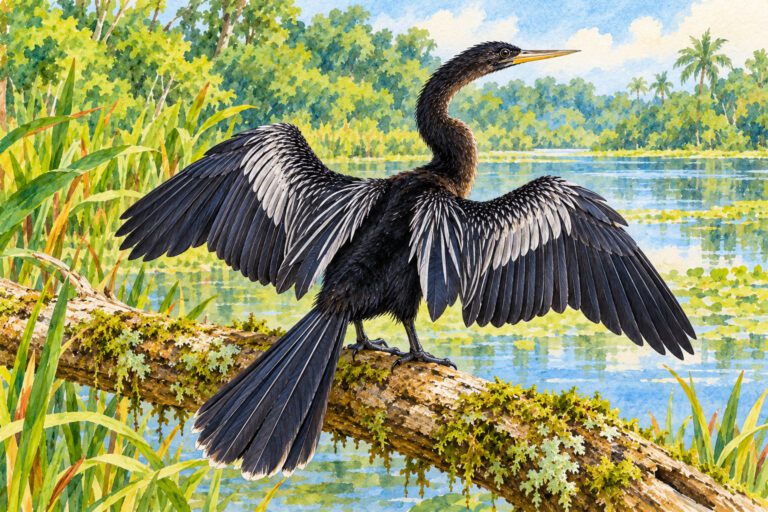
Anhingas swim underwater after fish and use straight pointed bills to seize prey.
Take a closer look ↗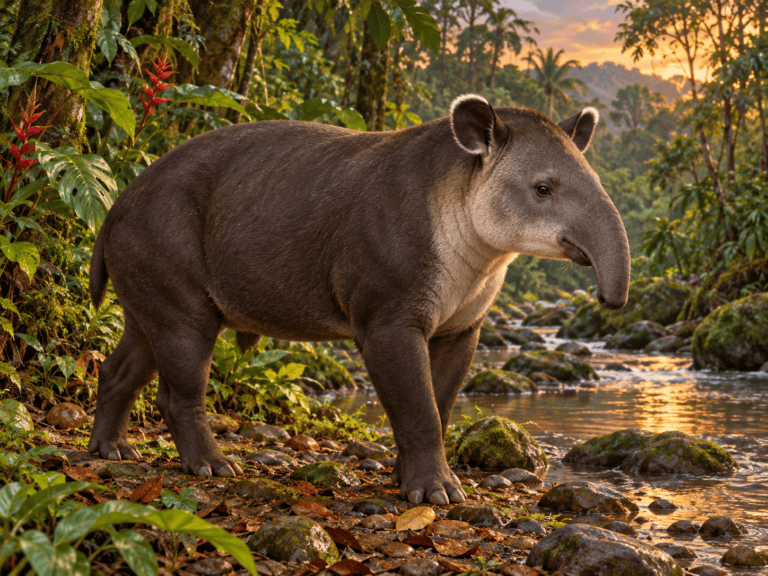
Costa Rica’s largest land mammal has a flexible snout and an important forest role.
Take a closer look ↗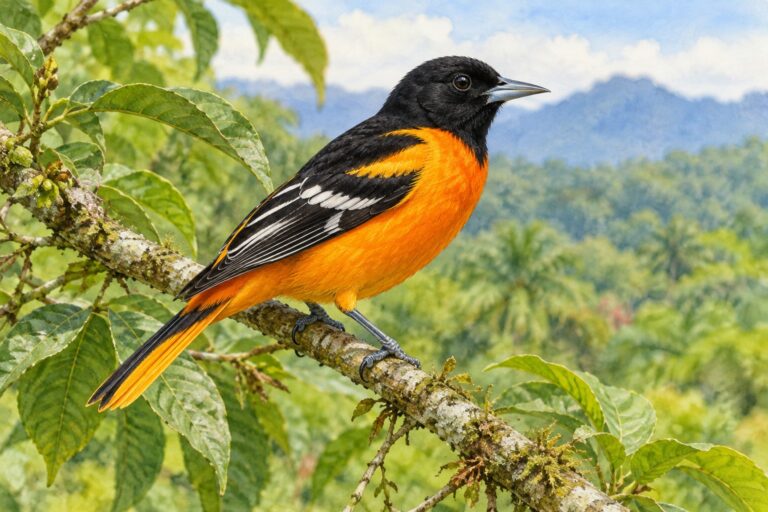
An orange-and-black seasonal visitor from the north.
Take a closer look ↗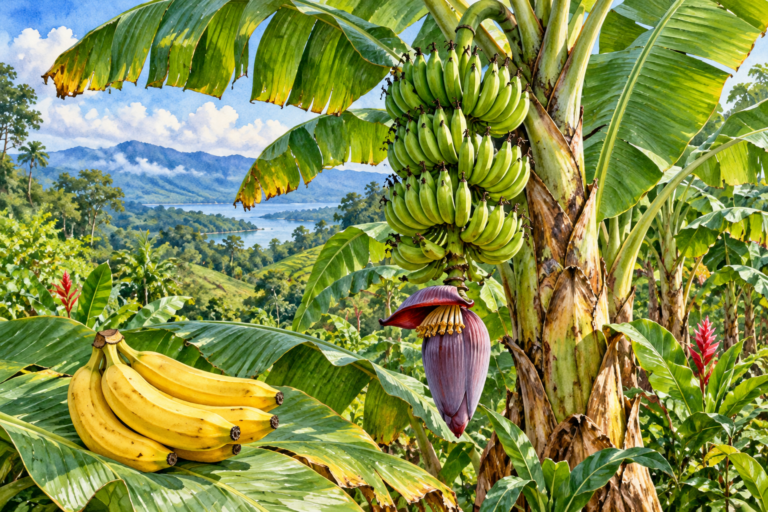
A banana plant looks like a tree, but it is a giant herb.
Take a closer look ↗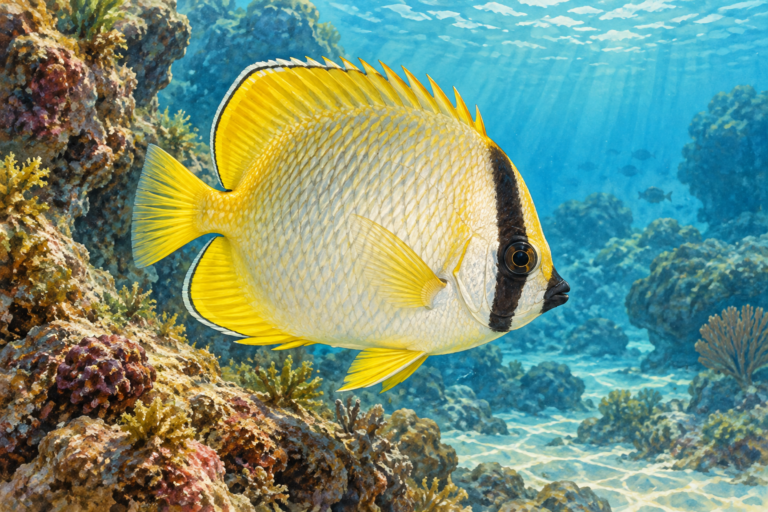
A flattened, oval, disc-like body.
Take a closer look ↗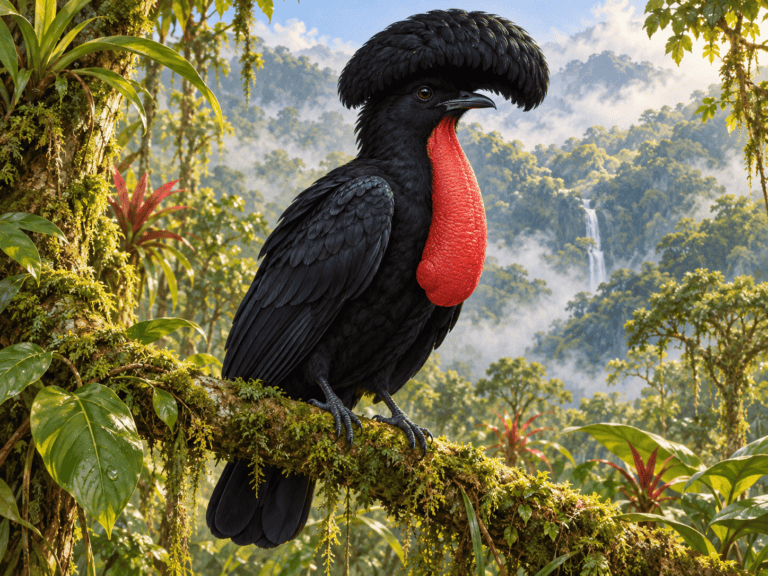
An elusive forest bird with a striking crest and important seed-dispersal role.
Take a closer look ↗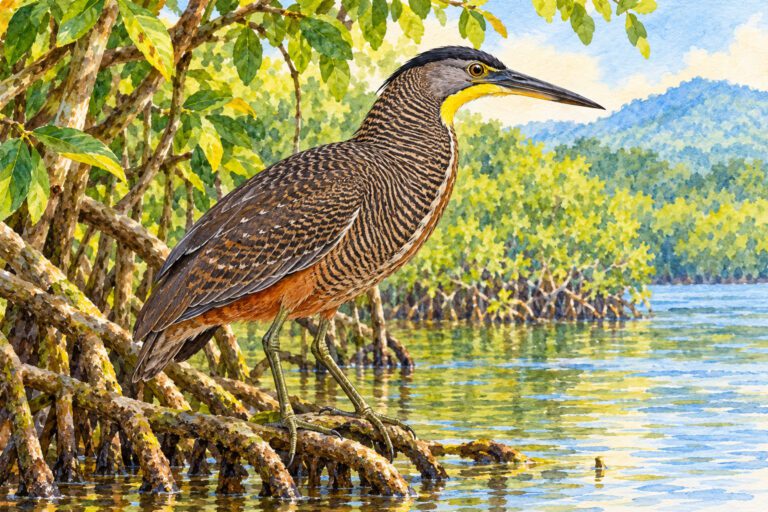
This robust tropical heron uses mangroves and freshwater wetlands.
Take a closer look ↗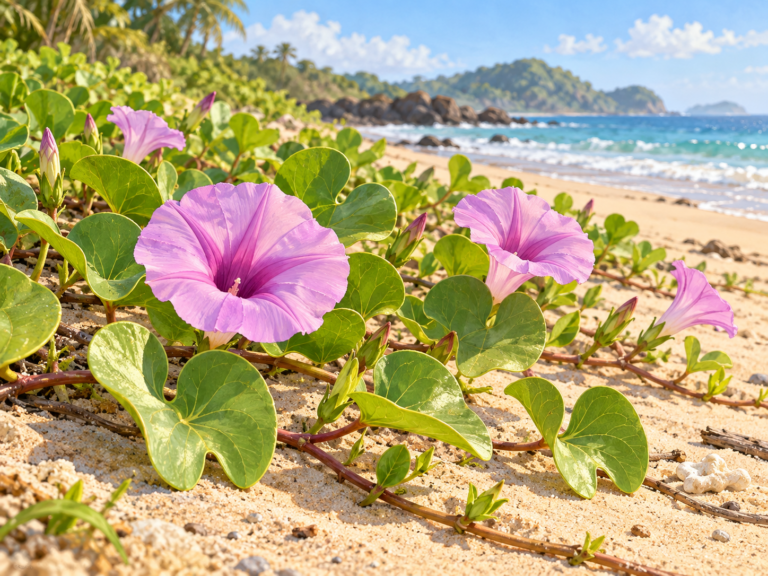
Creeping stems extending across beach sand.
Take a closer look ↗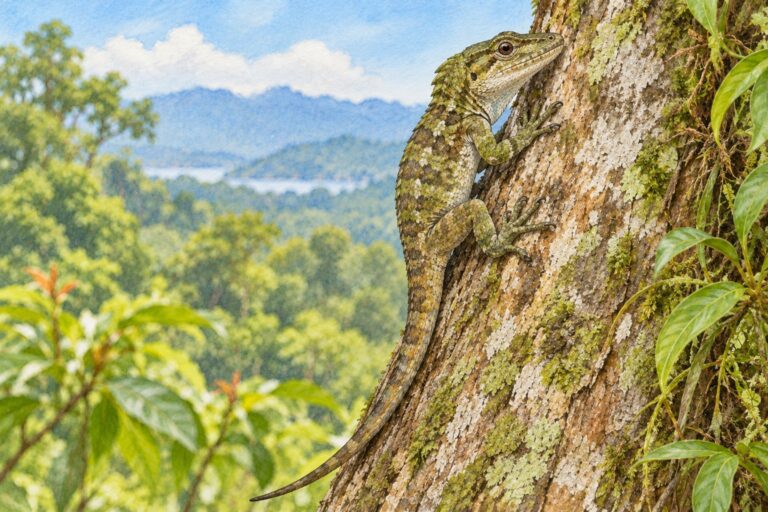
A broad head and mottled colors help this forest anole blend into bark.
Take a closer look ↗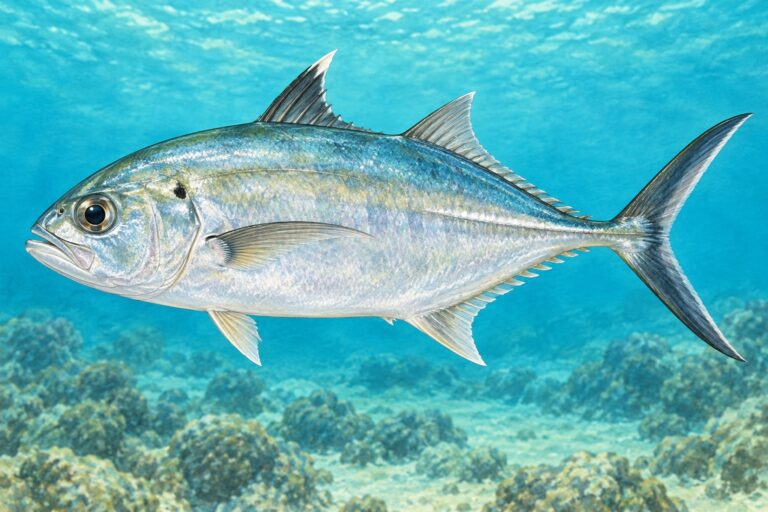
A silver jack with a noticeably large eye.
Take a closer look ↗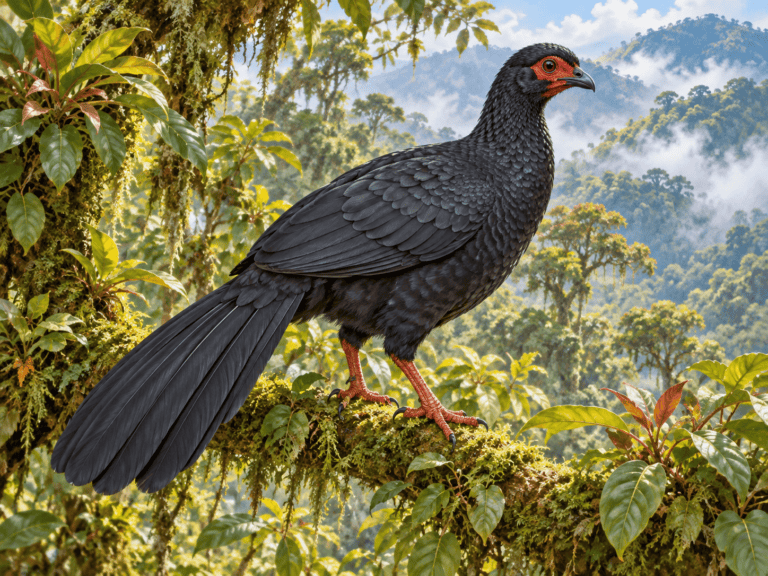
A dark mountain-forest bird with a blue face and red eyes.
Take a closer look ↗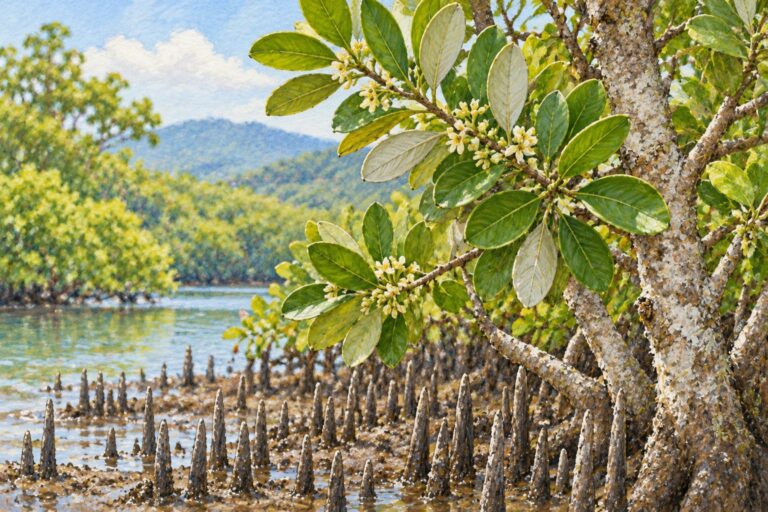
Pencil-shaped breathing roots rise from the mud around this mangrove.
Take a closer look ↗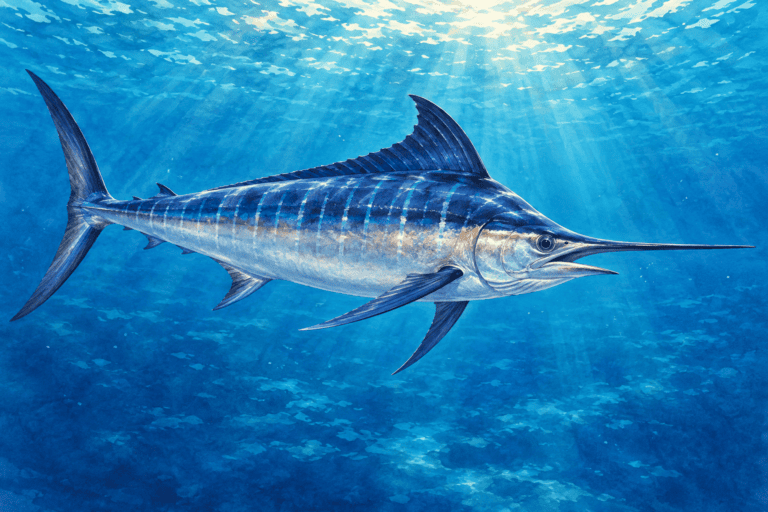
Rigid pectoral fins that do not fold flat against the body.
Take a closer look ↗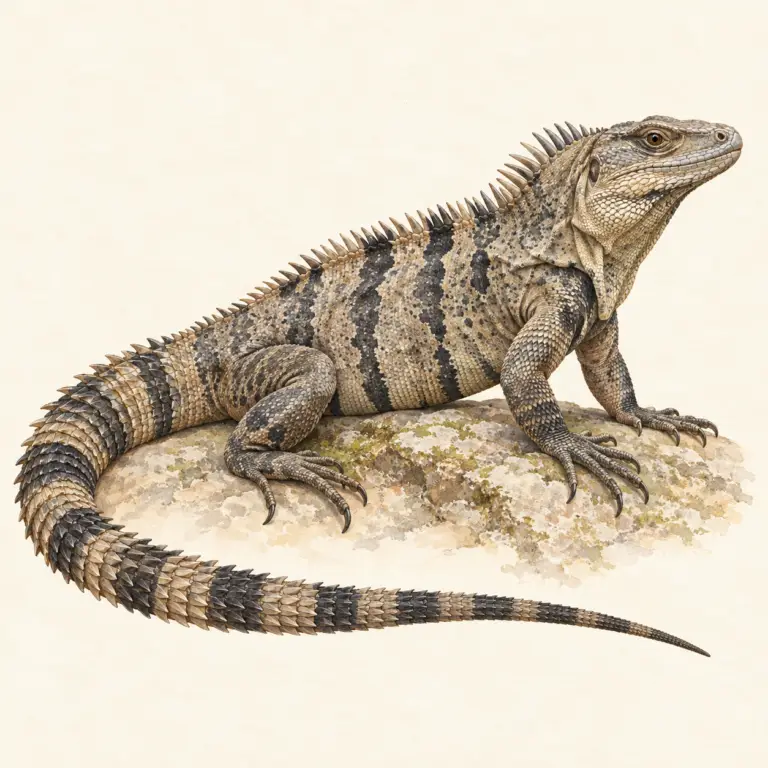
This sturdy lizard has a tail ringed with spiny scales.
Take a closer look ↗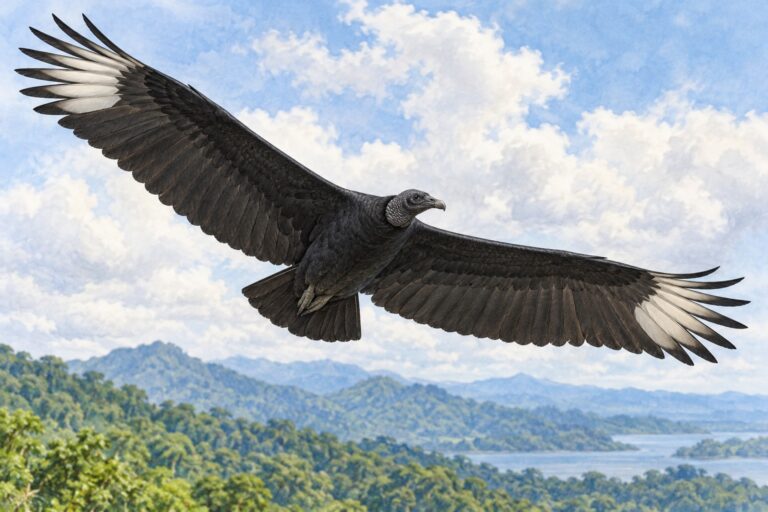
A dark scavenger with white patches under the wingtips.
Take a closer look ↗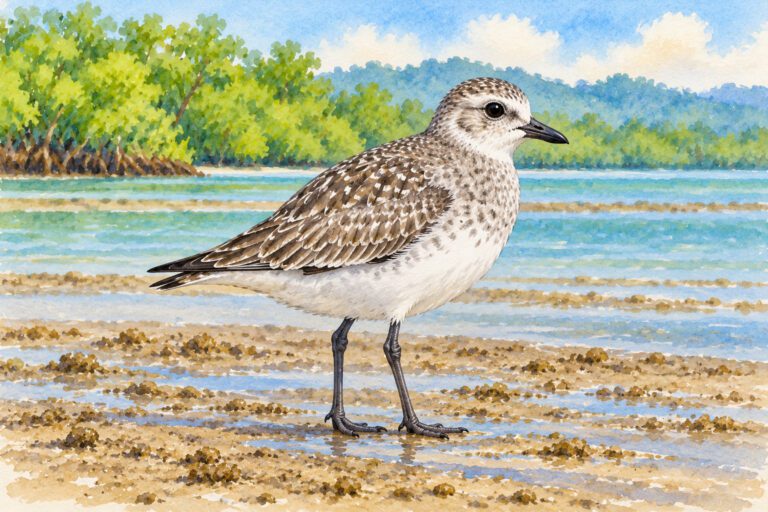
This large plover breeds in the far north and uses coasts outside breeding.
Take a closer look ↗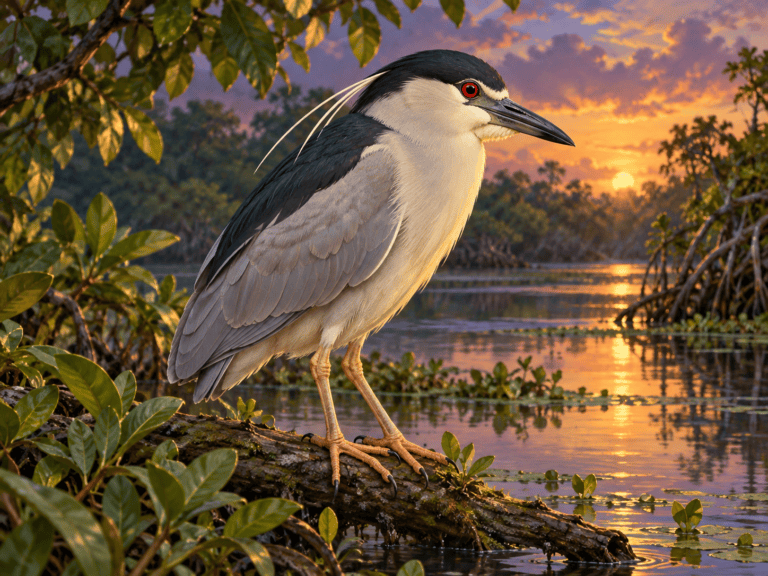
A compact heron whose feeding day often begins at dusk.
Take a closer look ↗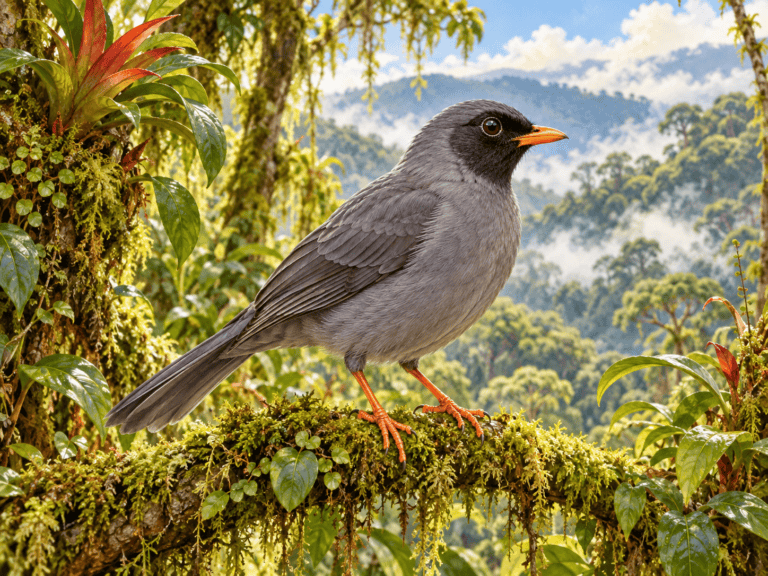
A cloud-forest singer often heard before it is seen.
Take a closer look ↗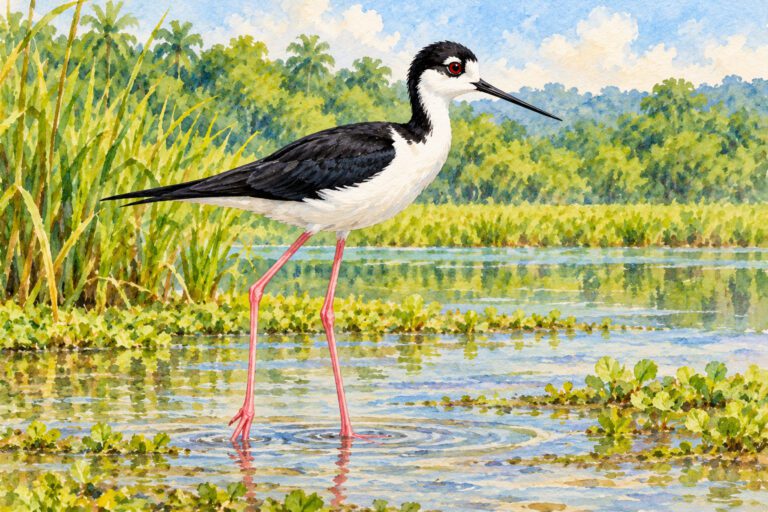
Black-necked Stilts have exceptionally long pink legs, a thin straight dark bill and contrasting black-and-white plumage.
Take a closer look ↗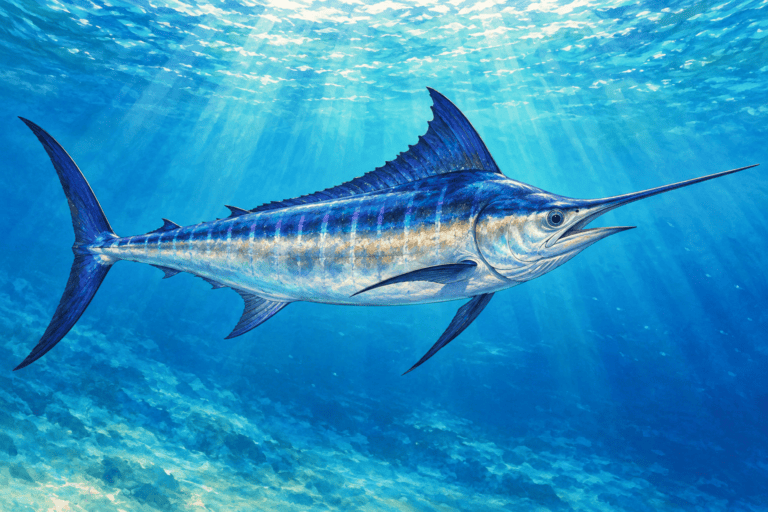
A long spear-shaped bill.
Take a closer look ↗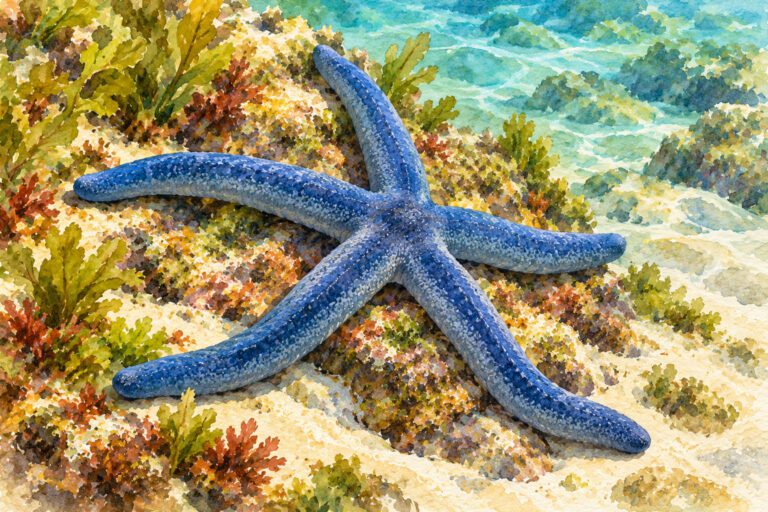
Phataria unifascialis is an eastern Pacific sea star known as the blue sea star.
Take a closer look ↗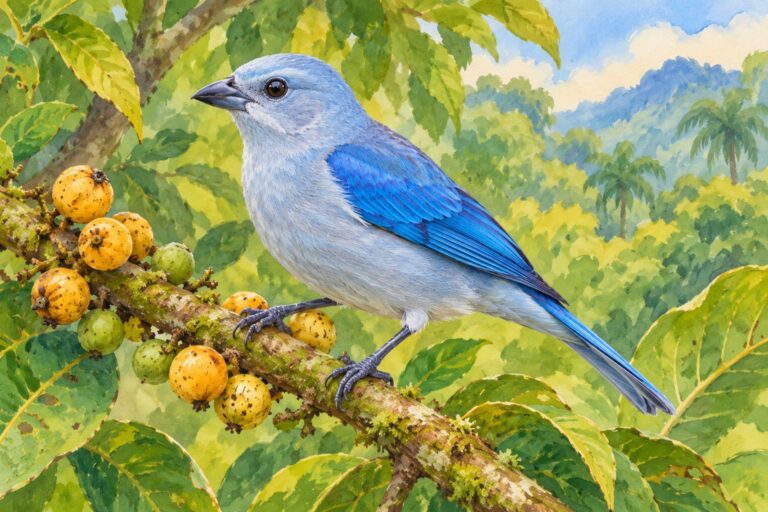
A powder-blue bird of gardens and wooded clearings.
Take a closer look ↗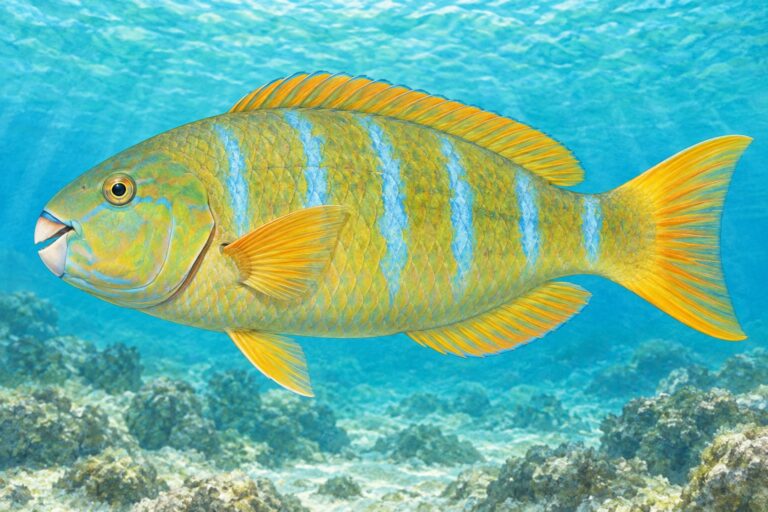
A reef parrotfish with fused teeth shaped like a beak.
Take a closer look ↗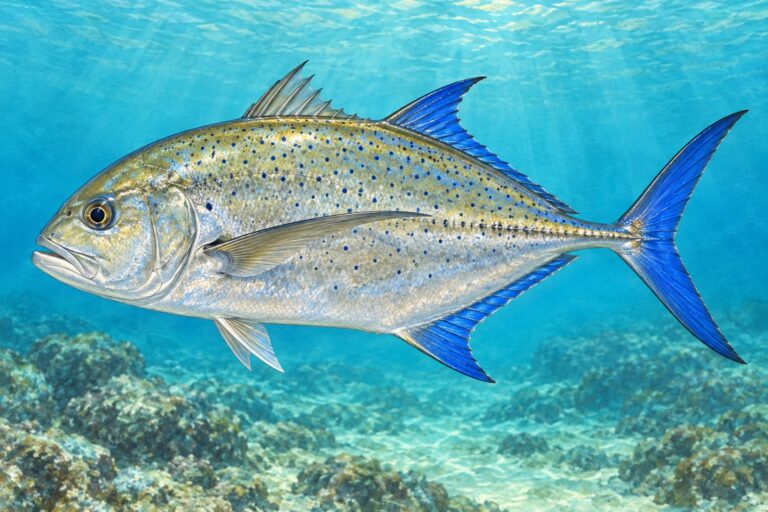
A reef hunter with electric blue fins.
Take a closer look ↗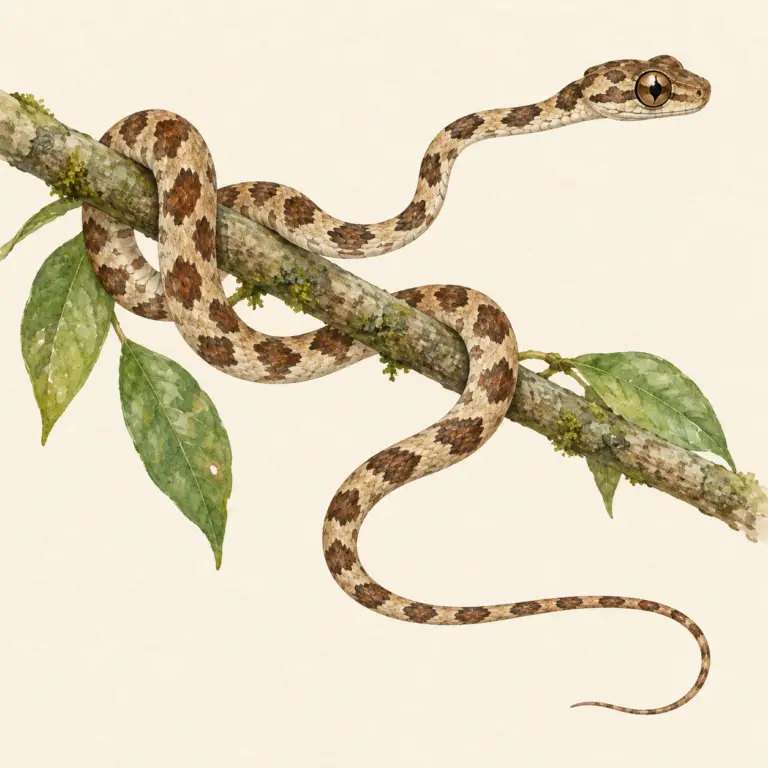
An exceptionally slender snake with a broad-looking head and large eyes.
Take a closer look ↗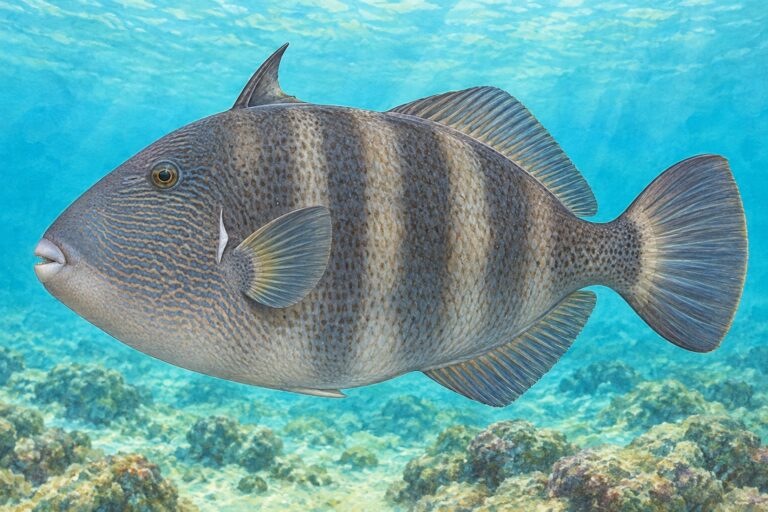
A large gray triggerfish with a pale gill slit.
Take a closer look ↗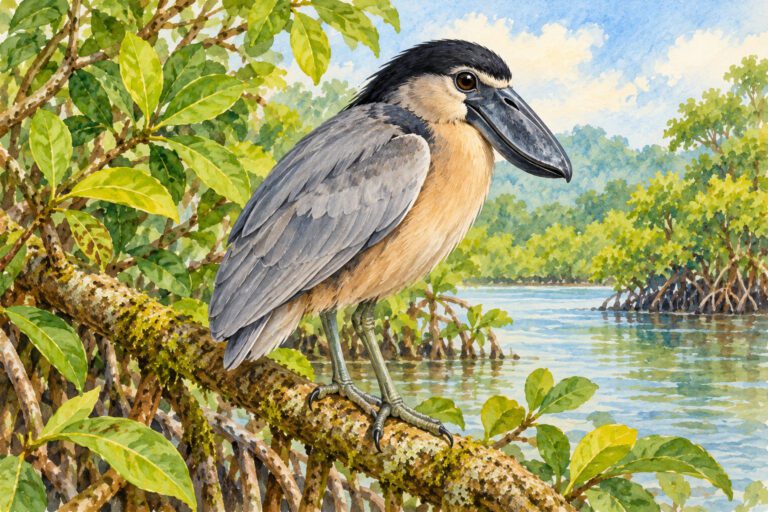
The Boat-billed Heron has an unusually wide flattened bill and large dark eyes.
Take a closer look ↗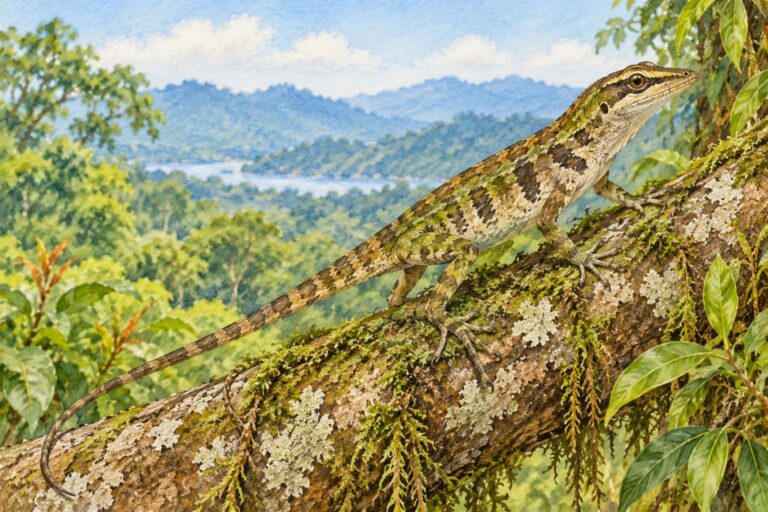
A large canopy anole wears dark oblique markings among the leaves and shadows.
Take a closer look ↗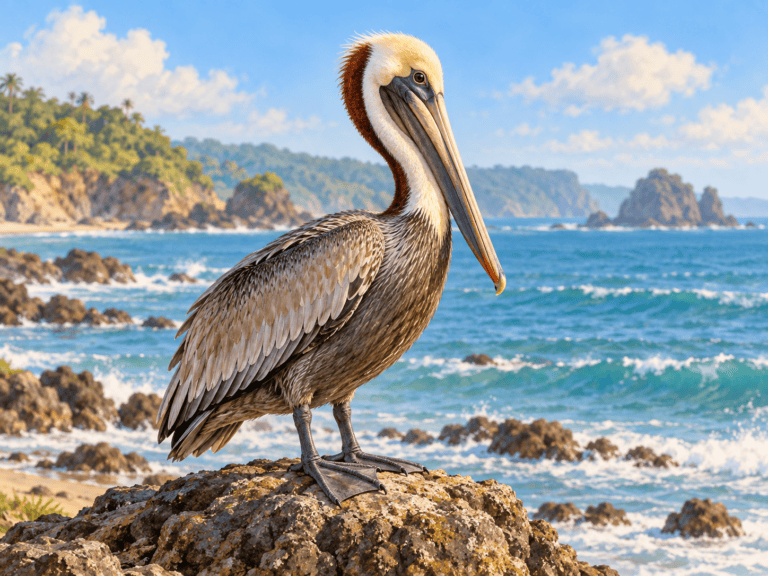
A long bill with a pouch beneath the lower jaw.
Take a closer look ↗
A slow-moving leaf eater whose fur can blend with the green canopy.
Take a closer look ↗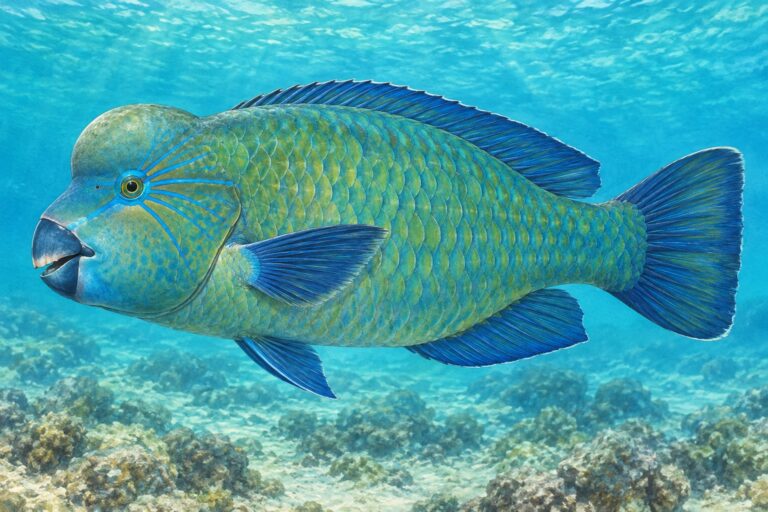
An eastern Pacific parrotfish with a blue beak.
Take a closer look ↗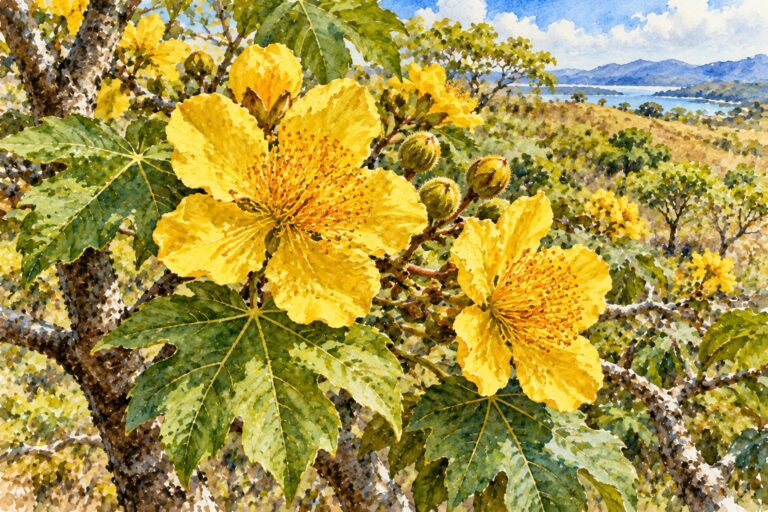
Poro poro bears large open yellow flowers with many stamens.
Take a closer look ↗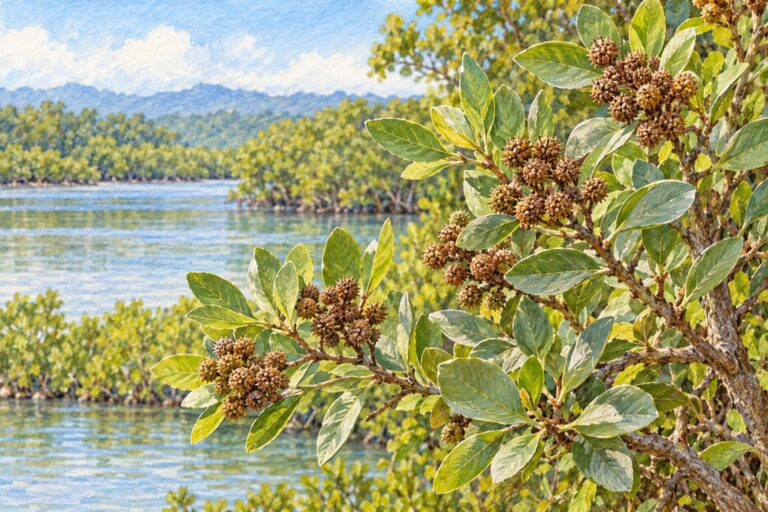
Small buttonlike fruit heads help identify this coastal tree or shrub.
Take a closer look ↗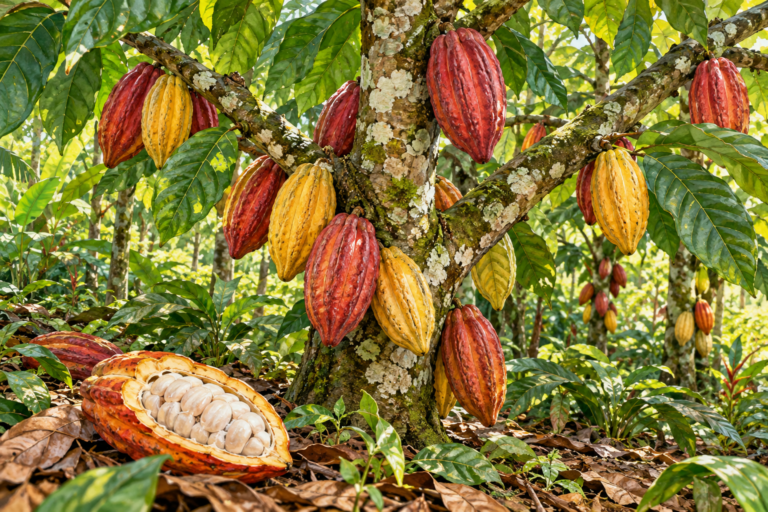
Cacao is an evergreen tree whose flowers and pods can grow directly from its trunk and larger branches.
Take a closer look ↗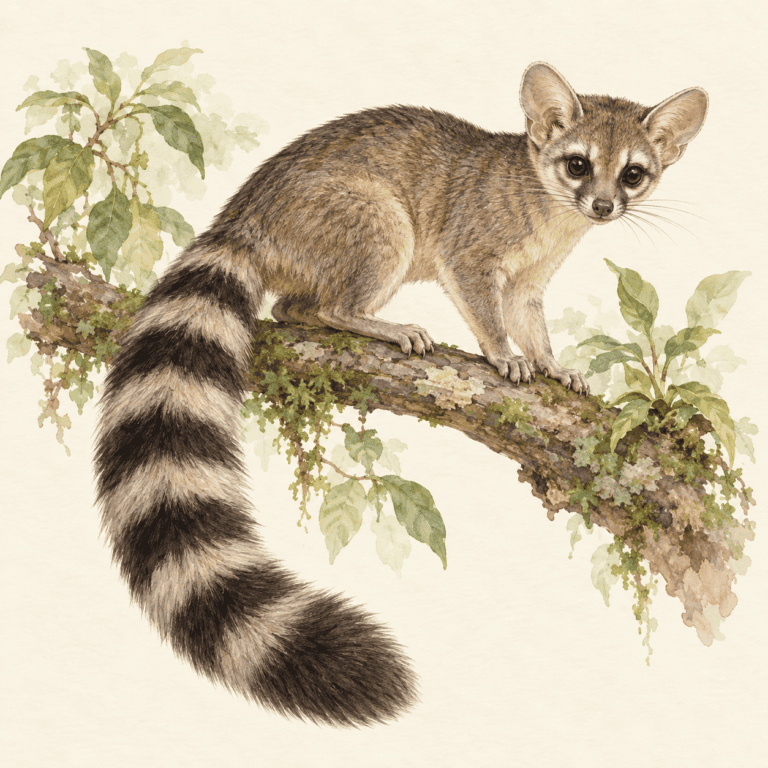
A cacomistle's long ringed tail is a memorable clue.
Take a closer look ↗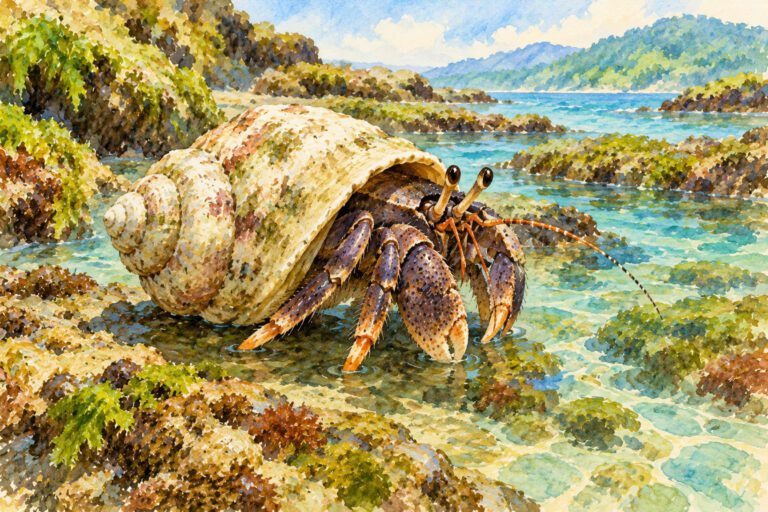
Calcinus obscurus is a marine hermit crab.
Take a closer look ↗
Robust body.
Take a closer look ↗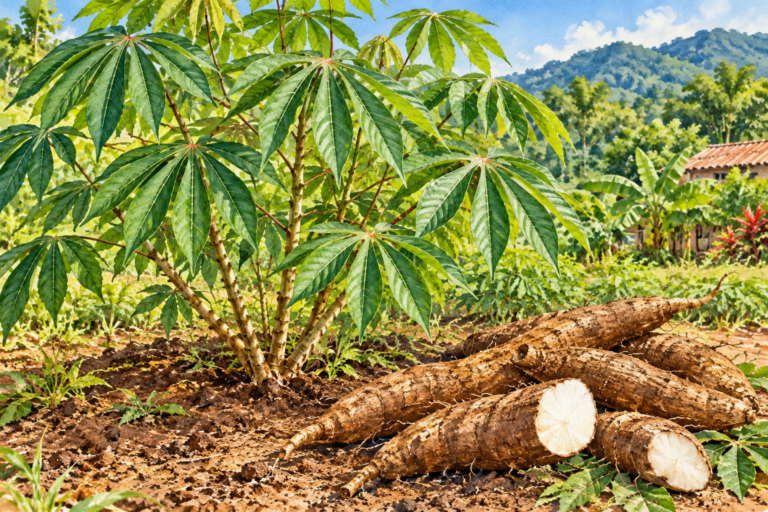
Cassava, called yuca in Costa Rica, is a shrub with leaves divided into fingerlike lobes.
Take a closer look ↗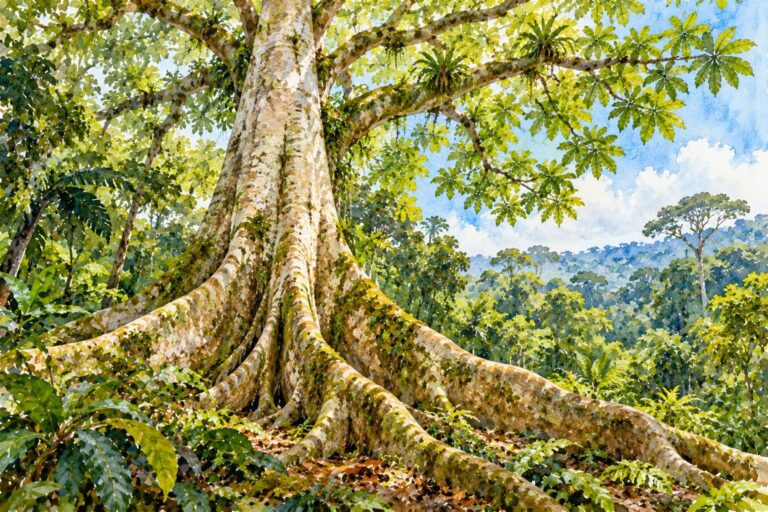
Huge buttress roots help make a mature ceiba unforgettable.
Take a closer look ↗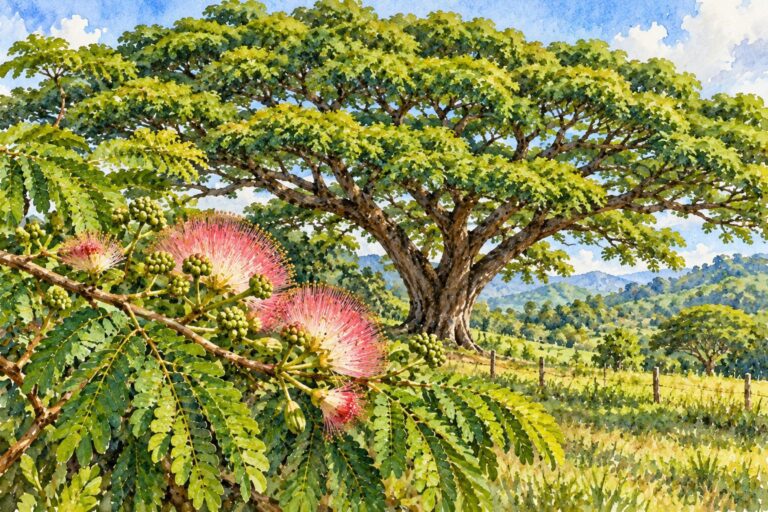
An umbrella-shaped crown shelters a world beneath its branches.
Take a closer look ↗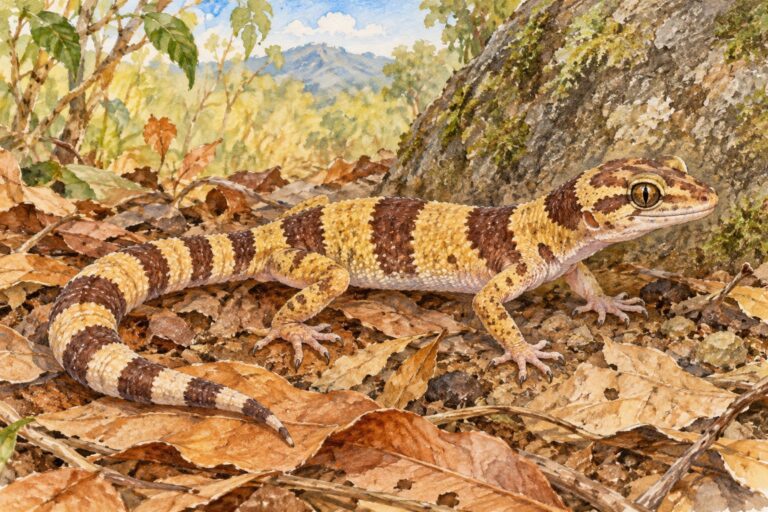
A ground-dwelling gecko carries dark bands across a warm yellow-tan body.
Take a closer look ↗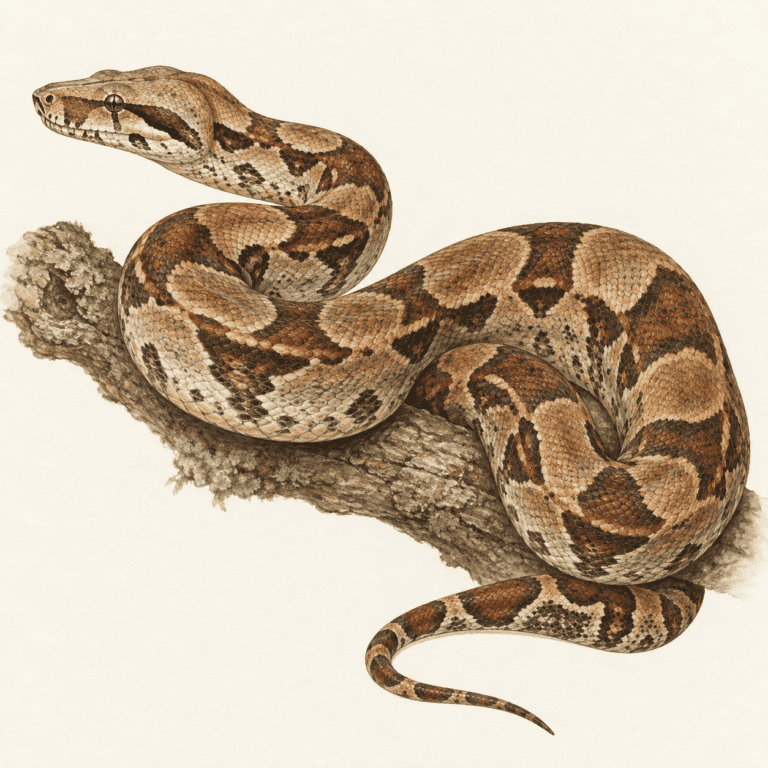
A muscular snake with broad saddle-like markings.
Take a closer look ↗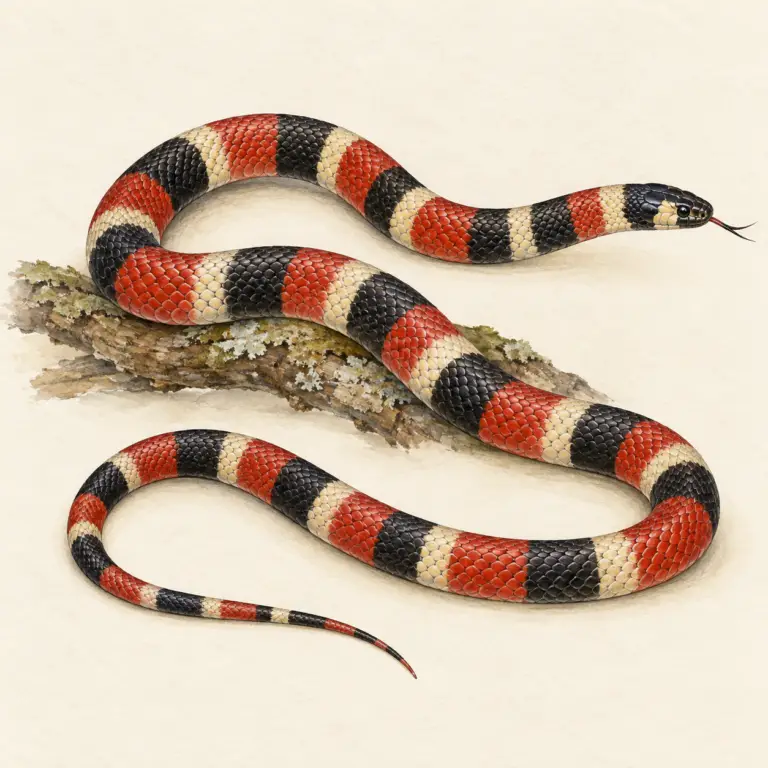
A venomous coral snake with complete colored rings.
Take a closer look ↗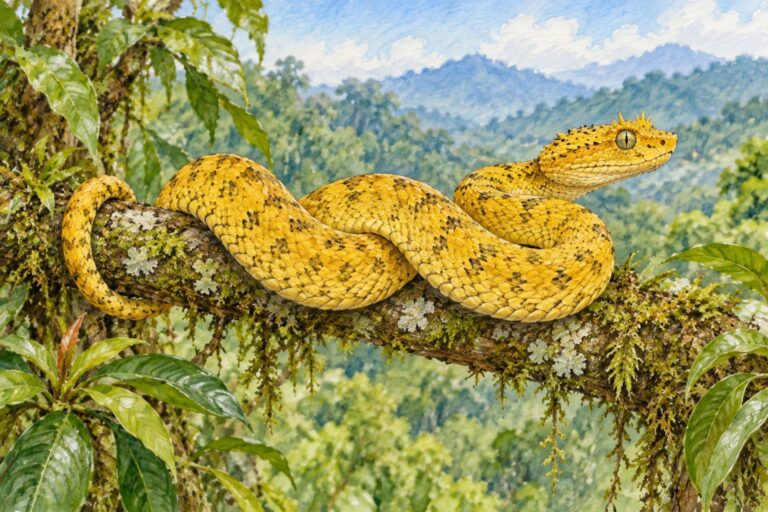
Raised scales above the eyes give this venomous branch-dwelling snake its name.
Take a closer look ↗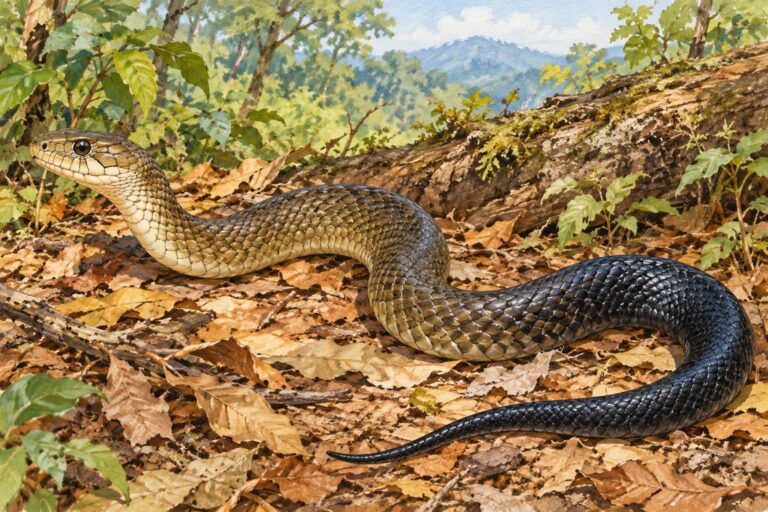
A powerful-looking snake may darken from a lighter front to a black tail.
Take a closer look ↗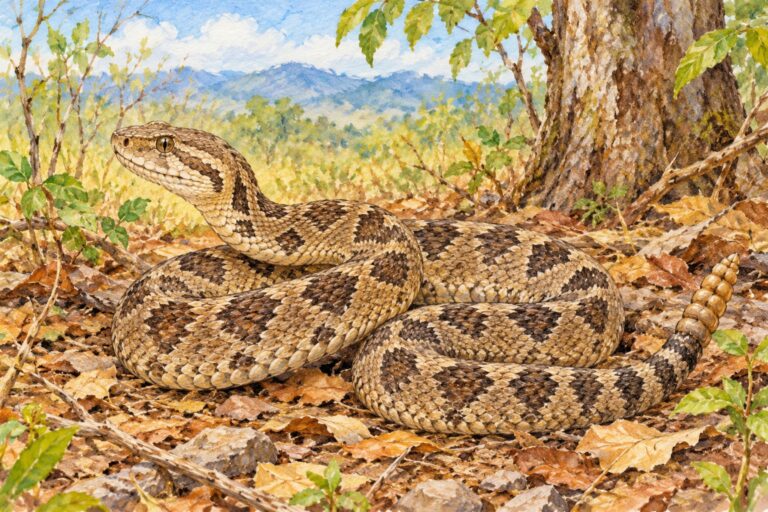
A segmented tail rattle is a distinctive feature of this dry-forest snake.
Take a closer look ↗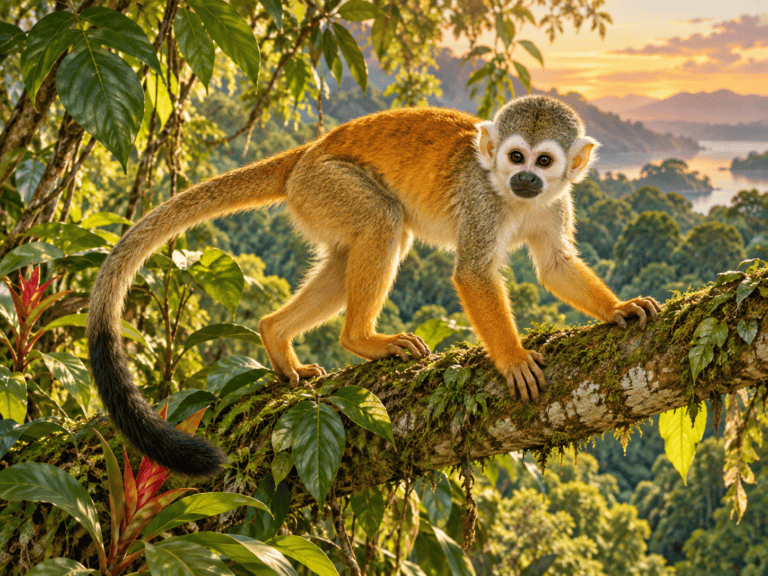
A small, quick-moving monkey of Costa Rica’s Pacific forests.
Take a closer look ↗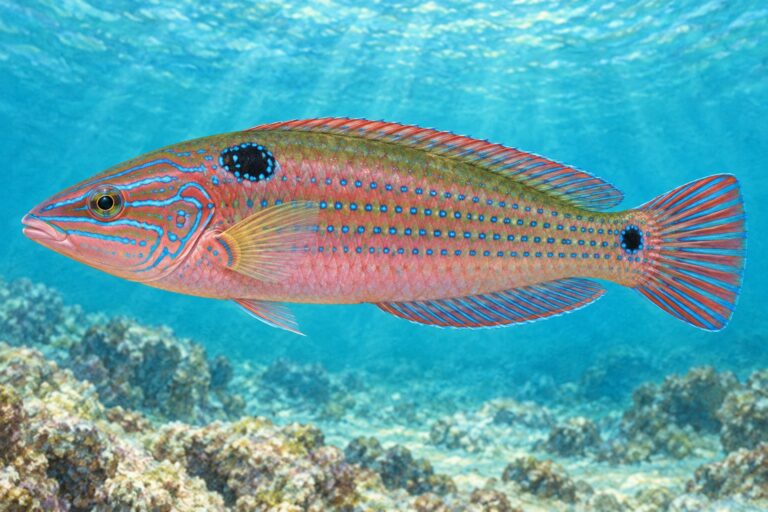
A patterned wrasse whose appearance changes with life phase.
Take a closer look ↗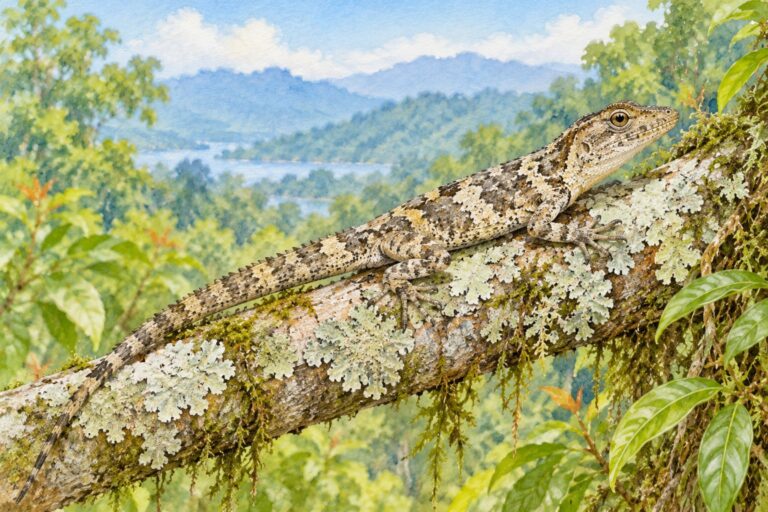
Lichenlike markings help a short-legged anole disappear against Pacific forest bark.
Take a closer look ↗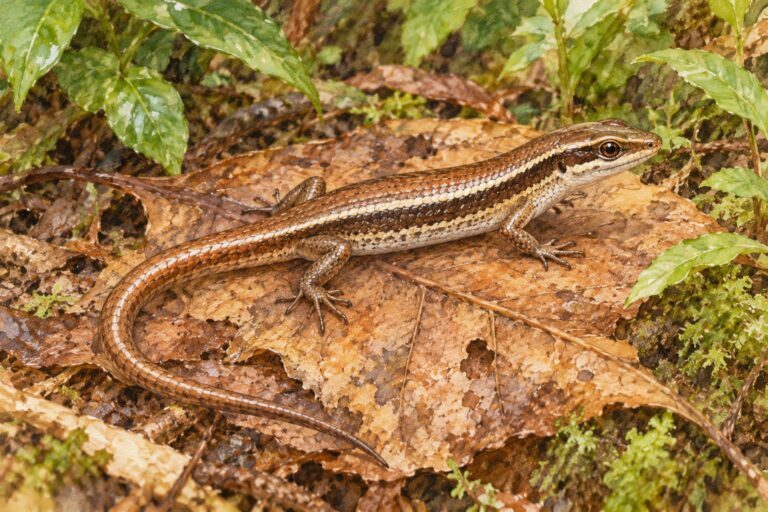
Smooth scales and short legs help this little skink move through leaf litter.
Take a closer look ↗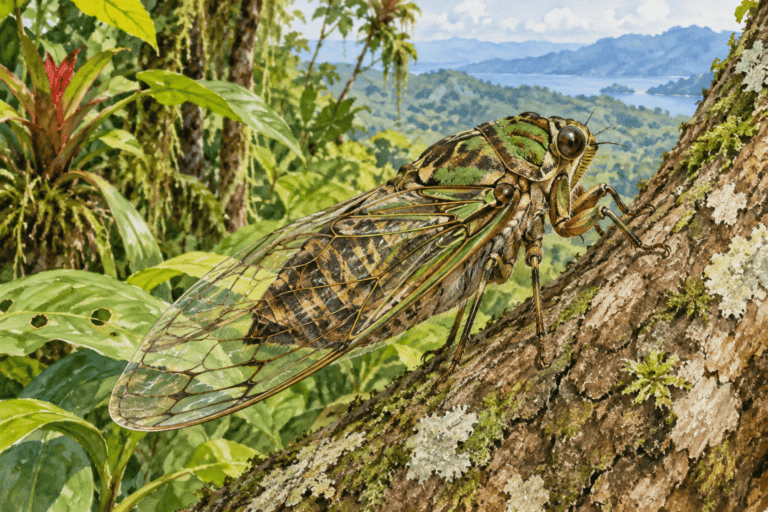
Large transparent wings.
Take a closer look ↗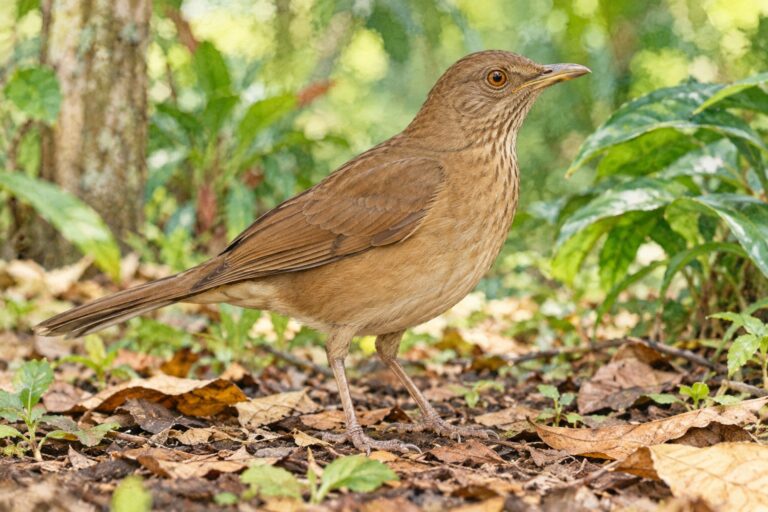
A familiar brown songbird and Costa Rica’s national bird.
Take a closer look ↗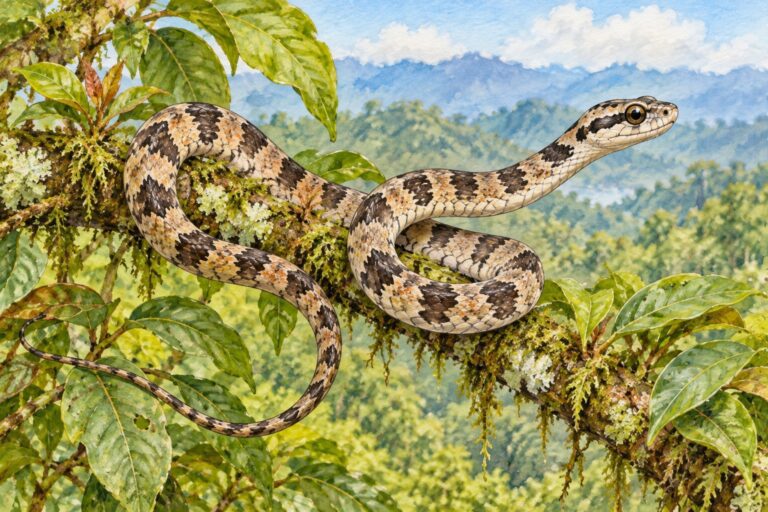
Cloudy patches of gray and brown hide a slender snake among forest branches.
Take a closer look ↗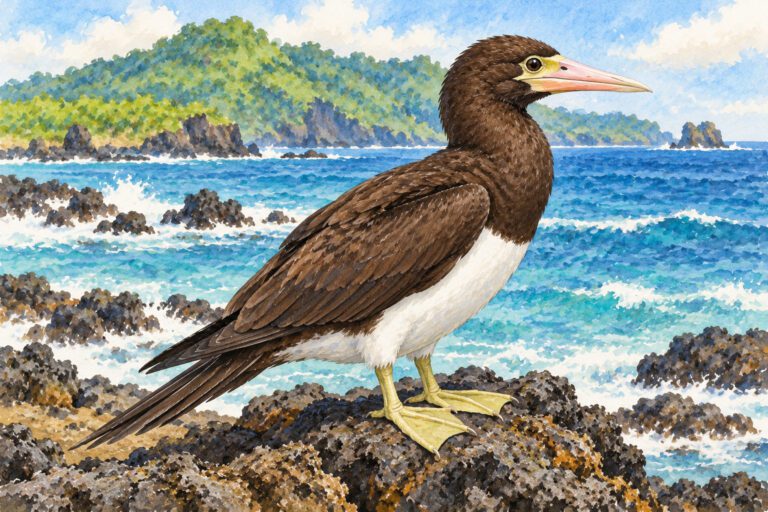
Cocos Boobies are eastern Pacific seabirds formerly included with Brown Booby.
Take a closer look ↗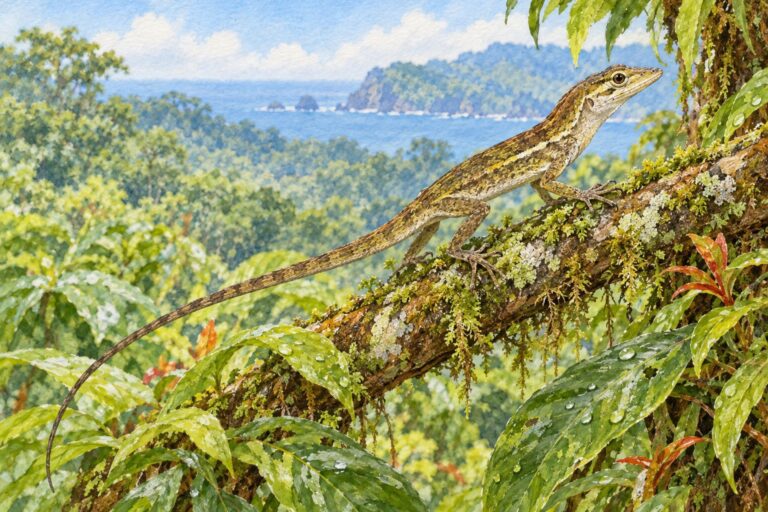
This island anole tells a story found only on Costa Rica’s remote Isla del Coco.
Take a closer look ↗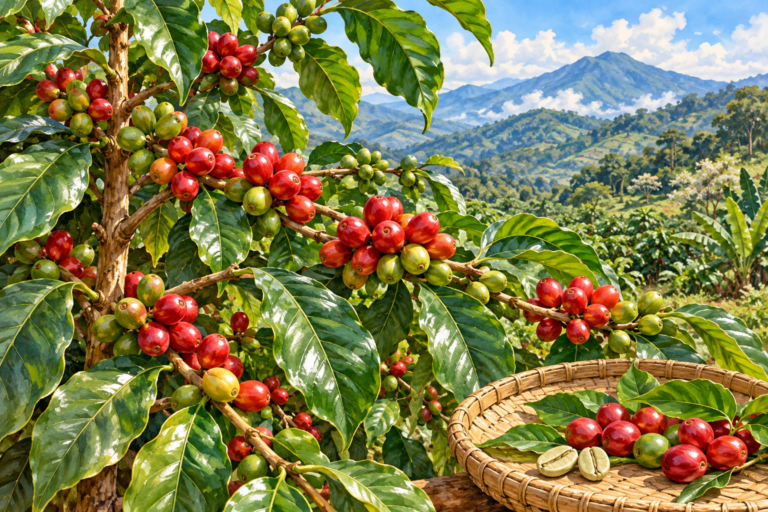
Coffee is a shrub or small tree with shiny leaves and small fruits called cherries.
Take a closer look ↗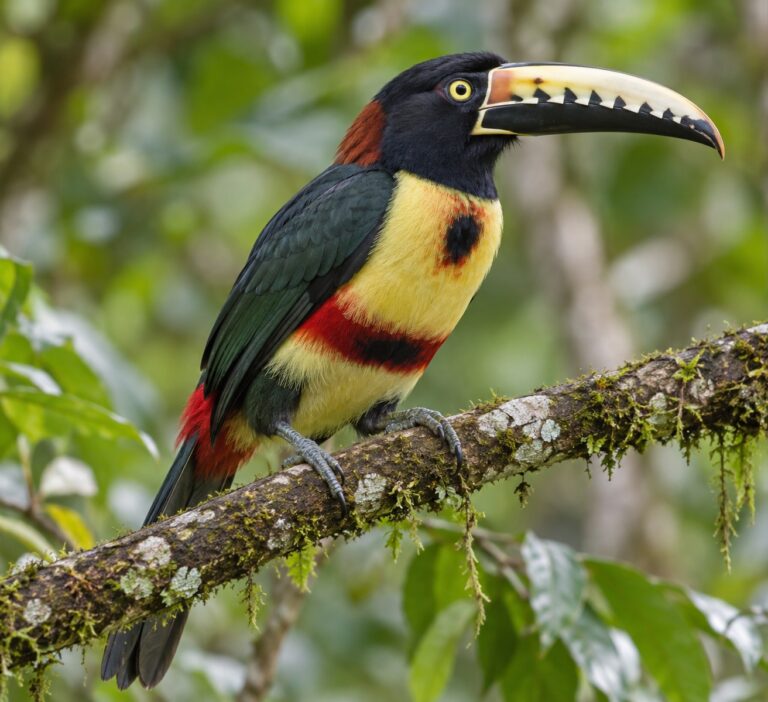
A small toucan with a patterned yellow chest.
Take a closer look ↗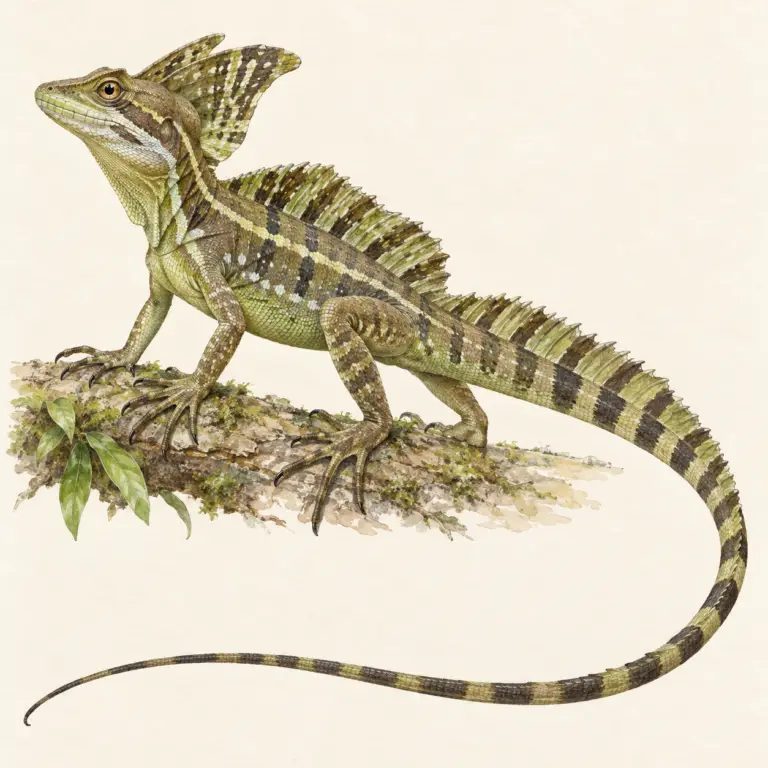
A long-tailed lizard associated with Pacific-slope waterways.
Take a closer look ↗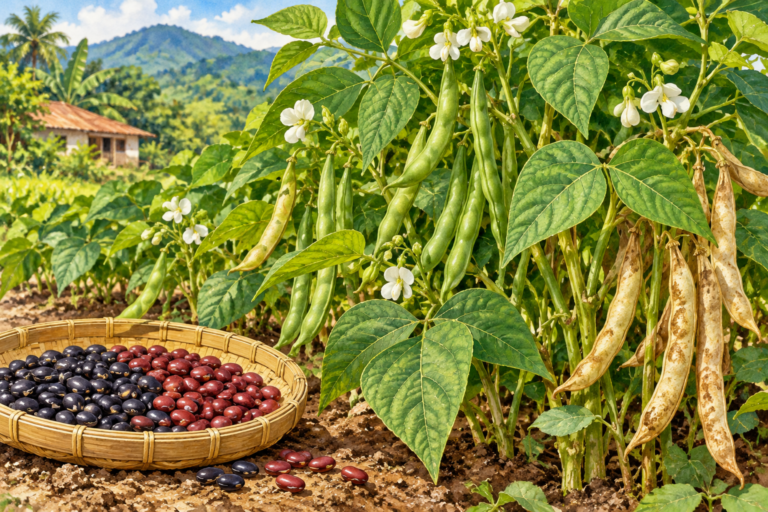
Common bean plants can grow as bushes or climb supports, depending on the variety.
Take a closer look ↗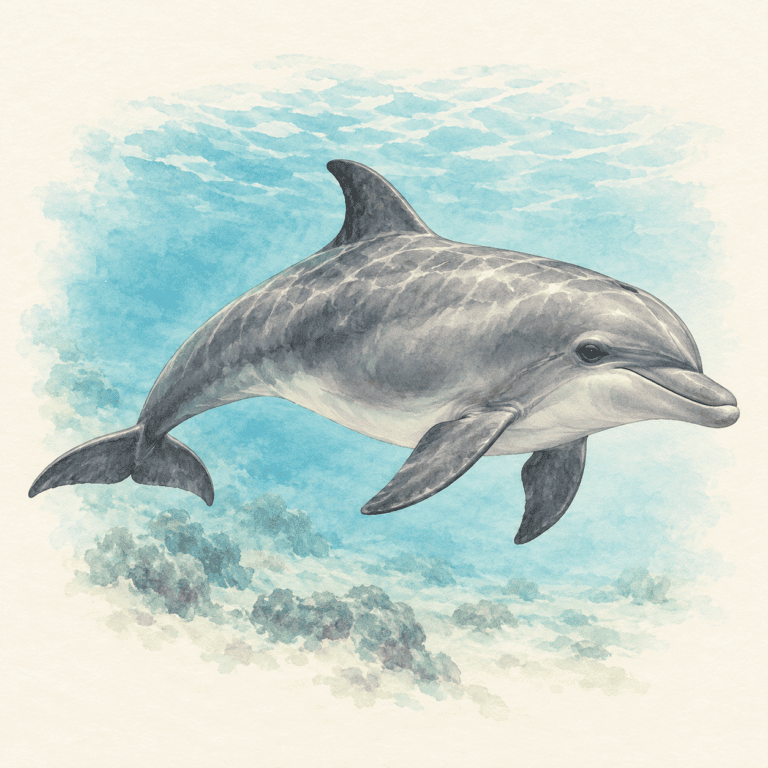
The common bottlenose dolphin has a short thick beak and a generally gray body.
Take a closer look ↗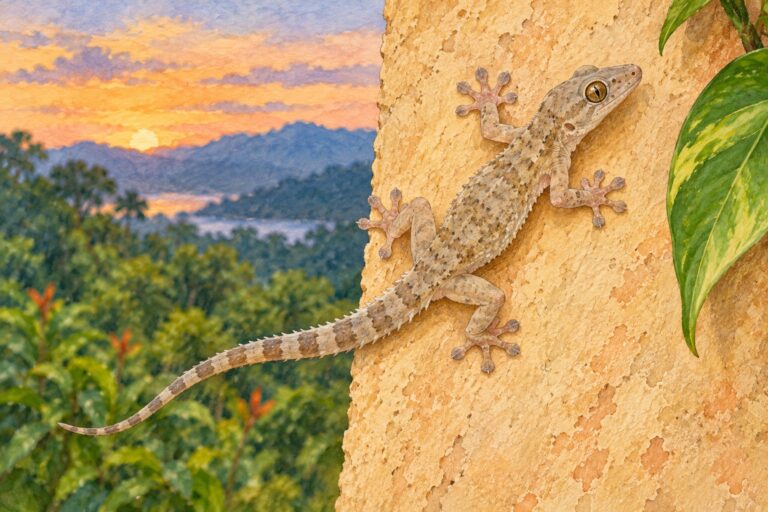
An introduced wall-climbing gecko often appears near buildings after dark.
Take a closer look ↗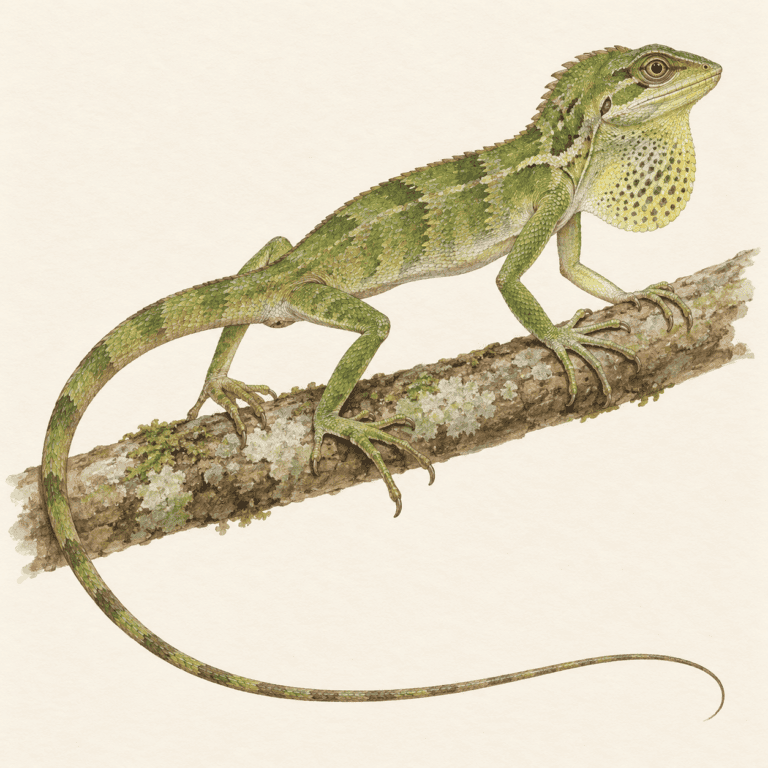
A slow-moving tree-dwelling lizard with a very long tail.
Take a closer look ↗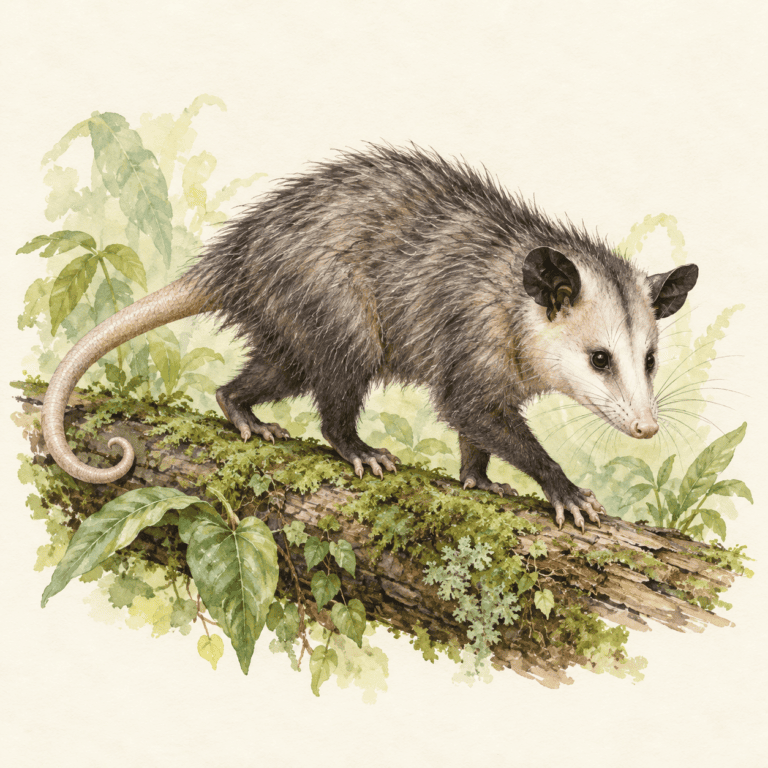
The common opossum is a marsupial: its young complete an important part of their development attached to their mother's teats, protected in her pouch.
Take a closer look ↗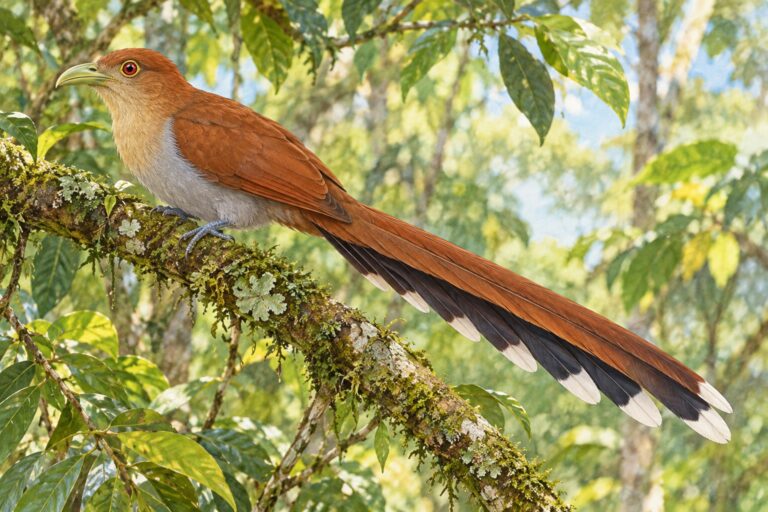
A rusty forest cuckoo with an exceptionally long tail.
Take a closer look ↗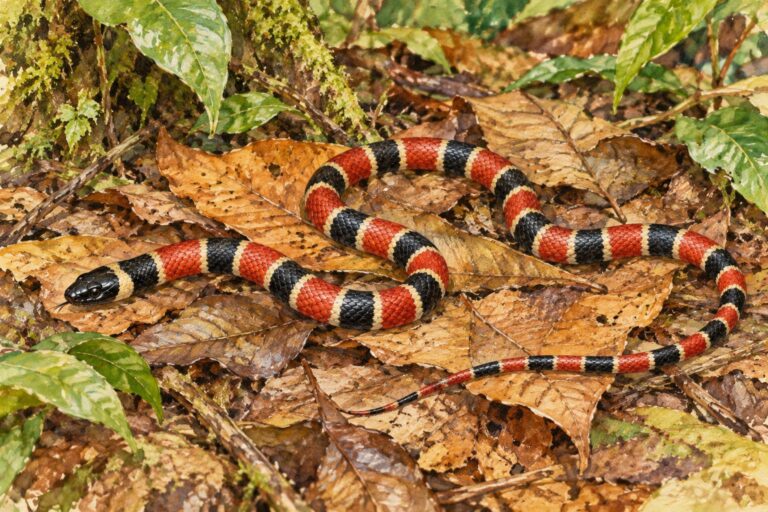
A fine-tailed forest snake wears bold bands without advertising a safe encounter.
Take a closer look ↗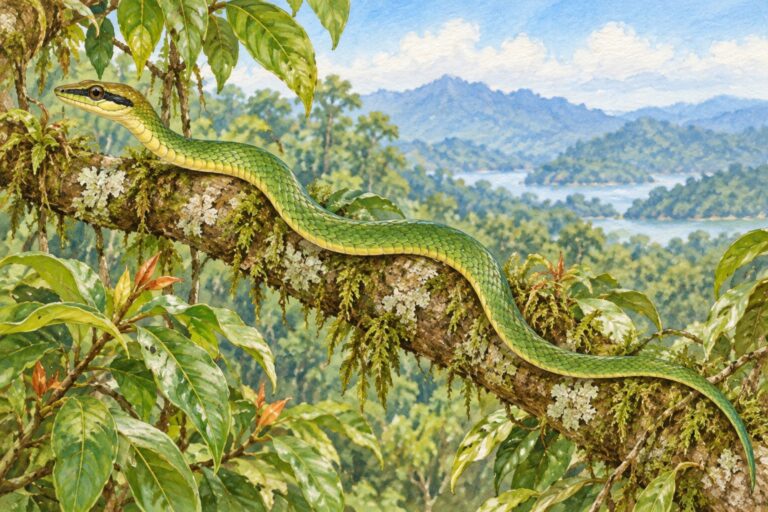
A slender green snake blends with branches and leaves.
Take a closer look ↗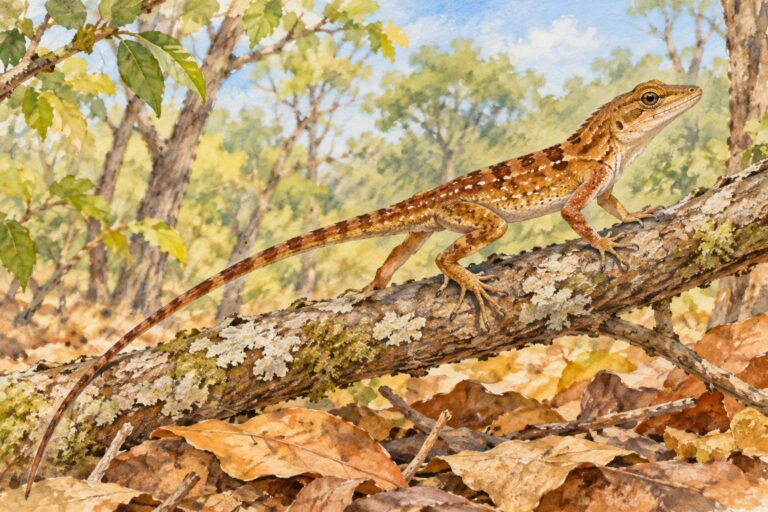
A familiar brown anole watches from low perches in Pacific-slope landscapes.
Take a closer look ↗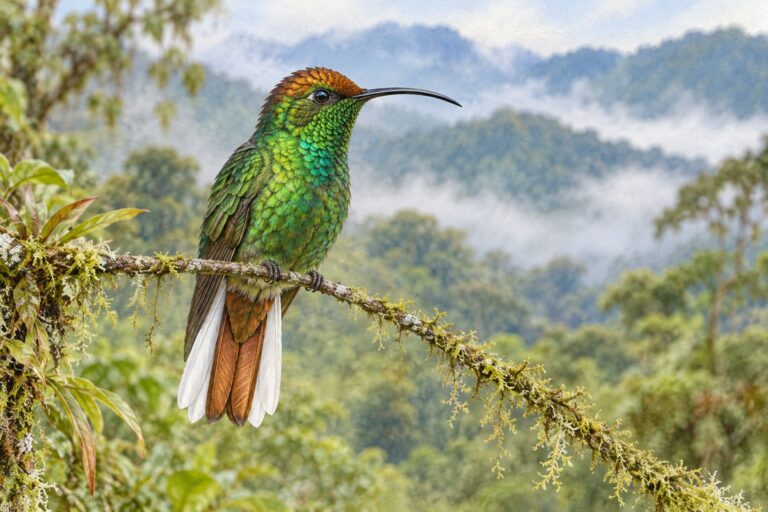
A tiny hummingbird found naturally only in Costa Rica.
Take a closer look ↗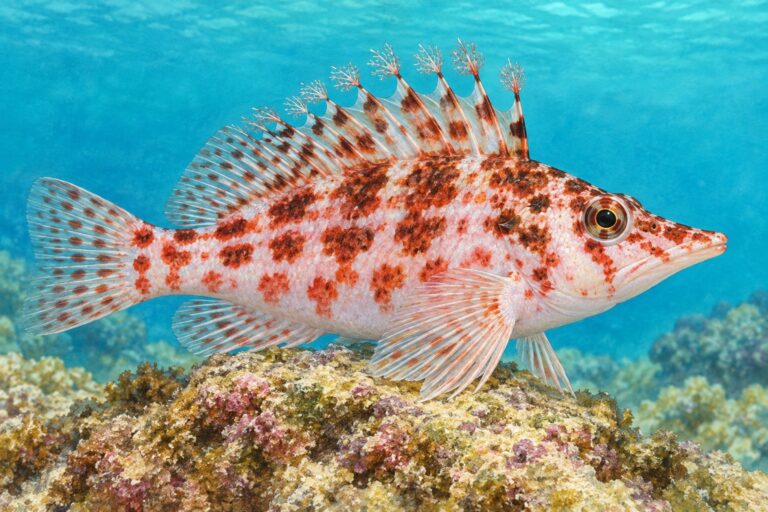
A small reef fish with reddish-brown blotches.
Take a closer look ↗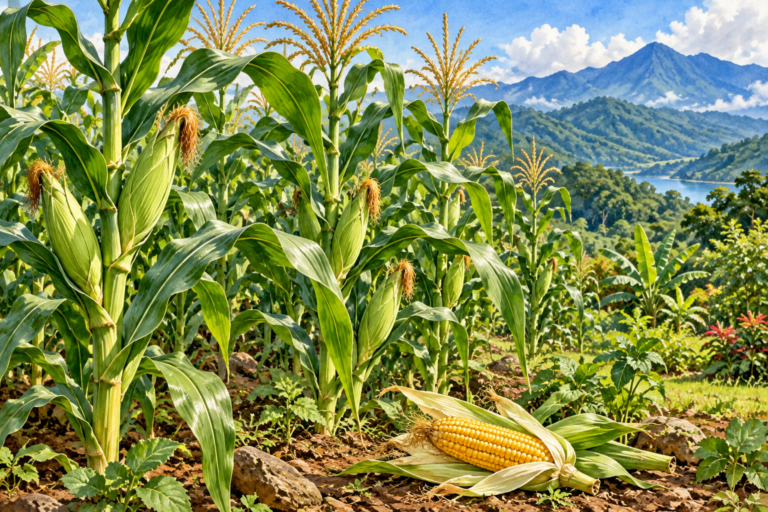
Corn, also called maize, is a cultivated grass.
Take a closer look ↗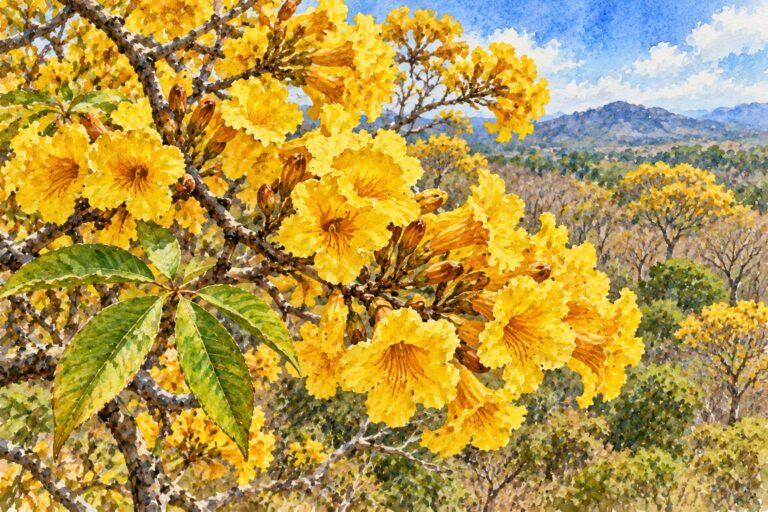
Golden trumpet flowers can brighten the branches of an almost leafless tree.
Take a closer look ↗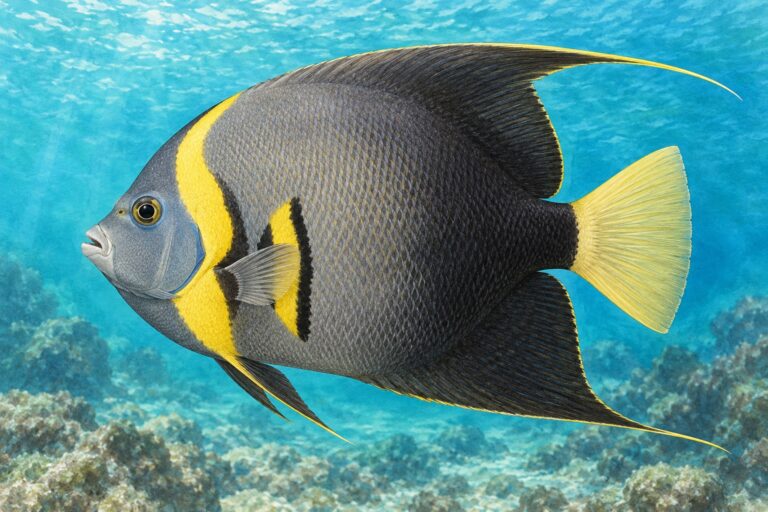
A tall angelfish with yellow accents and dramatic juvenile stripes.
Take a closer look ↗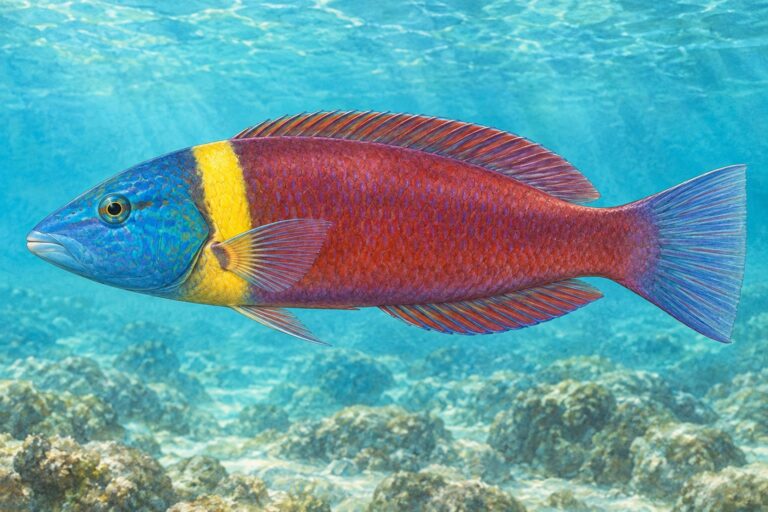
A small wrasse whose colors change as it grows.
Take a closer look ↗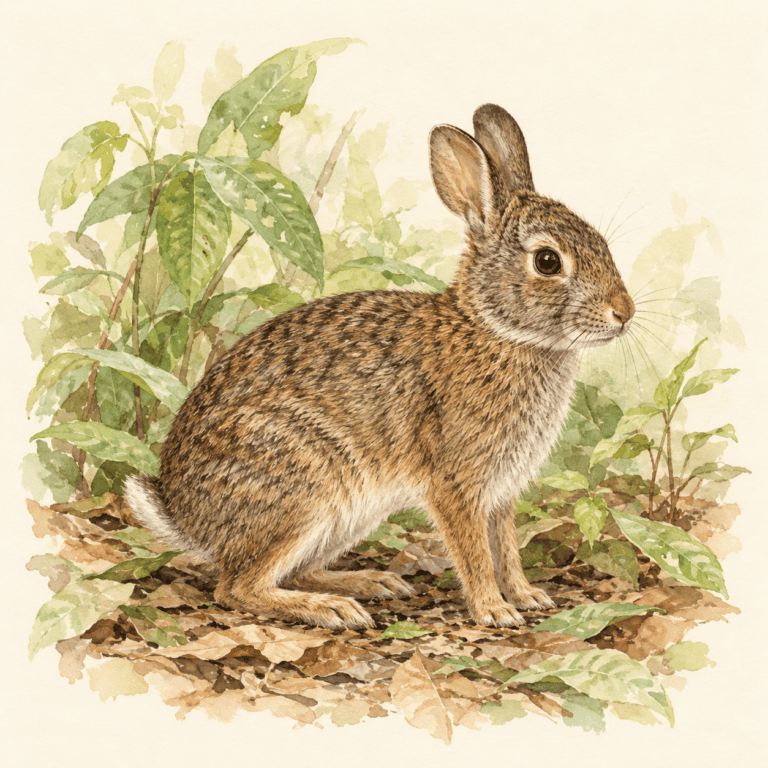
The Costa Rica forest rabbit is a native forest rabbit, not a domestic bunny living outdoors.
Take a closer look ↗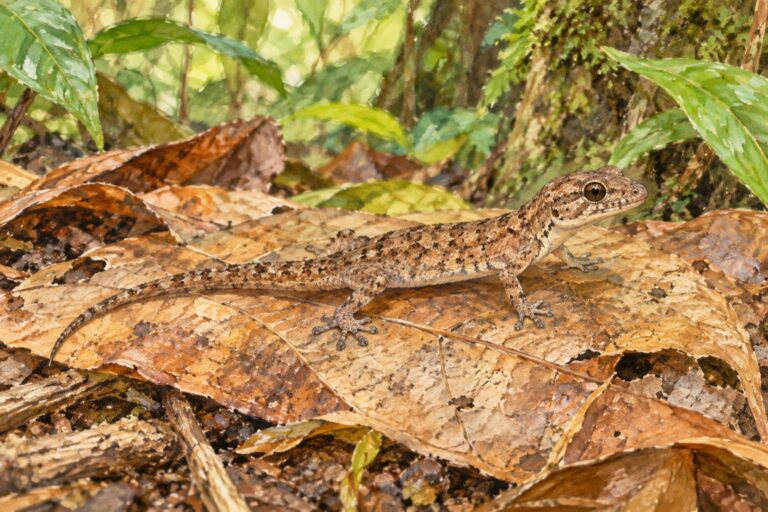
A tiny gecko reveals a whole miniature world among forest leaves.
Take a closer look ↗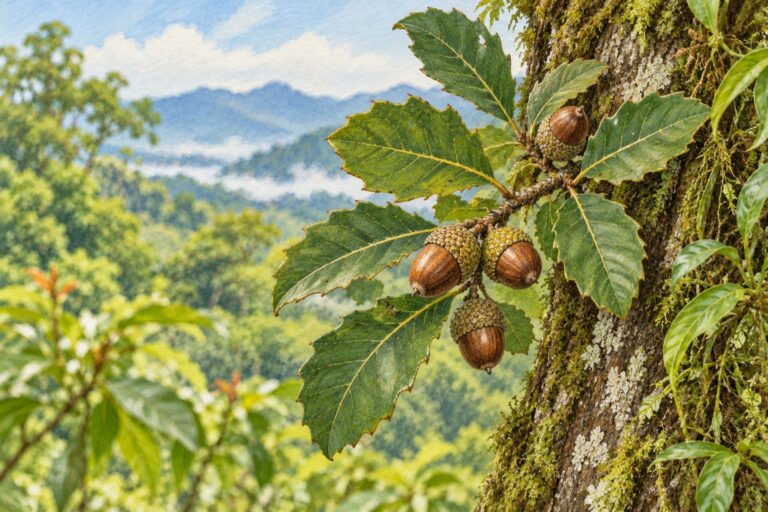
Acorns and leathery leaves belong to this mountain-forest oak.
Take a closer look ↗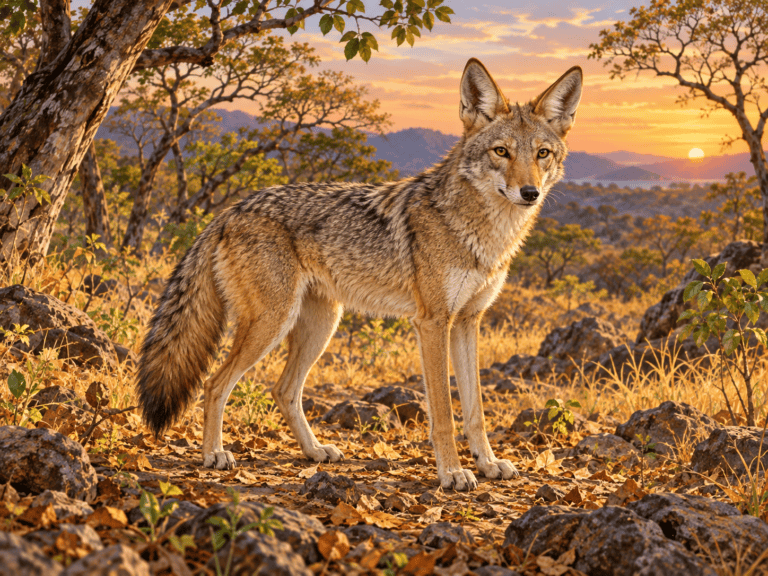
An adaptable wild canid that uses woodland edges and open country.
Take a closer look ↗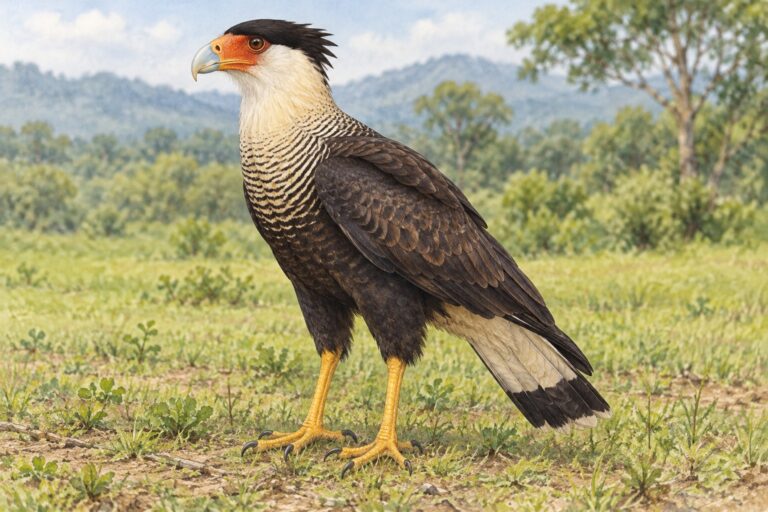
A long-legged raptor that often walks on the ground.
Take a closer look ↗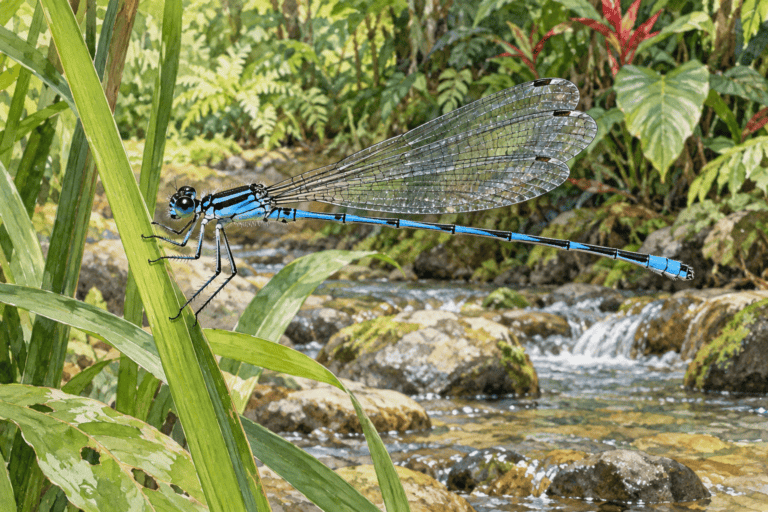
Slender body.
Take a closer look ↗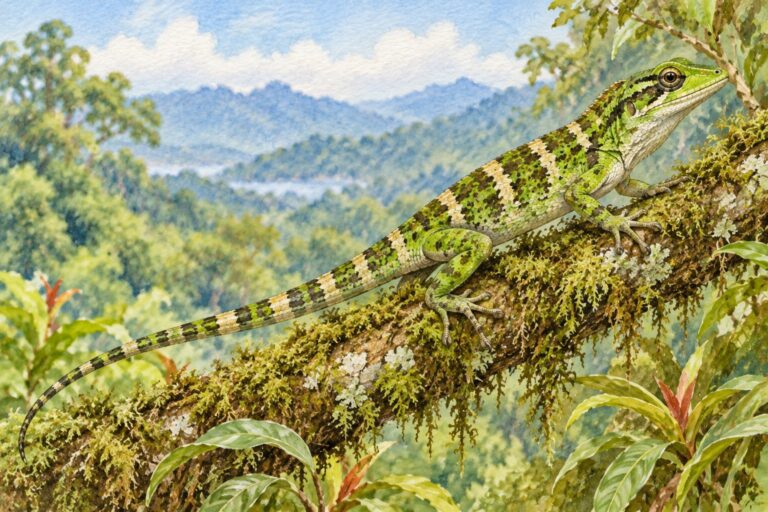
A large forest anole blends green and pale markings into a leafy canopy.
Take a closer look ↗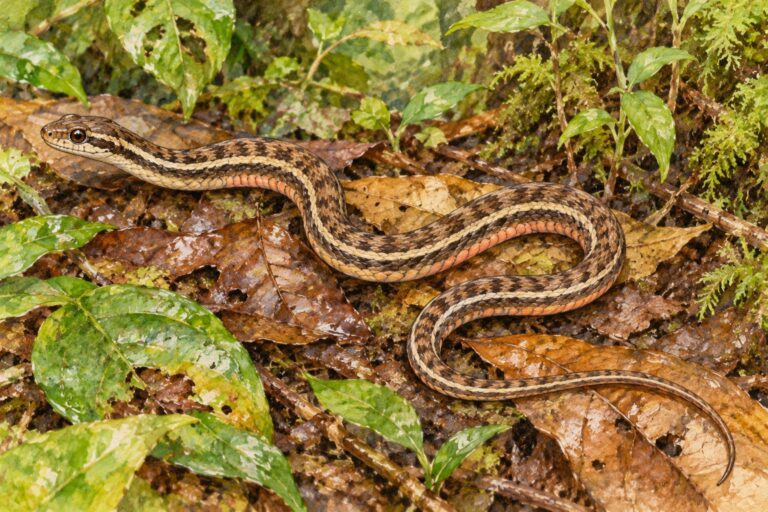
Fine lengthwise stripes help a small snake blend into forest-floor lines.
Take a closer look ↗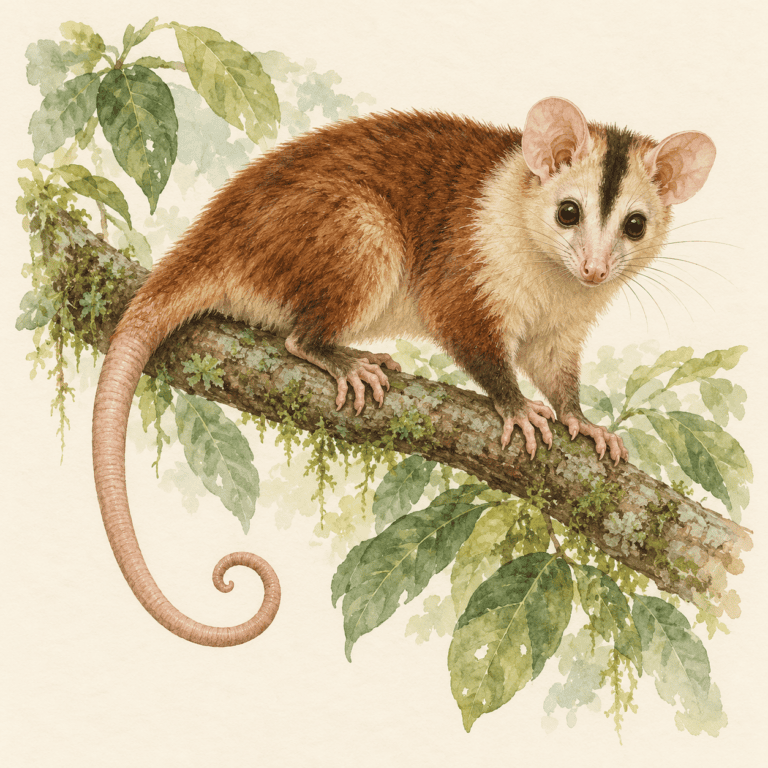
Derby's woolly opossum is a tree-climbing marsupial with soft fur, large eyes and a dark stripe down its pale face.
Take a closer look ↗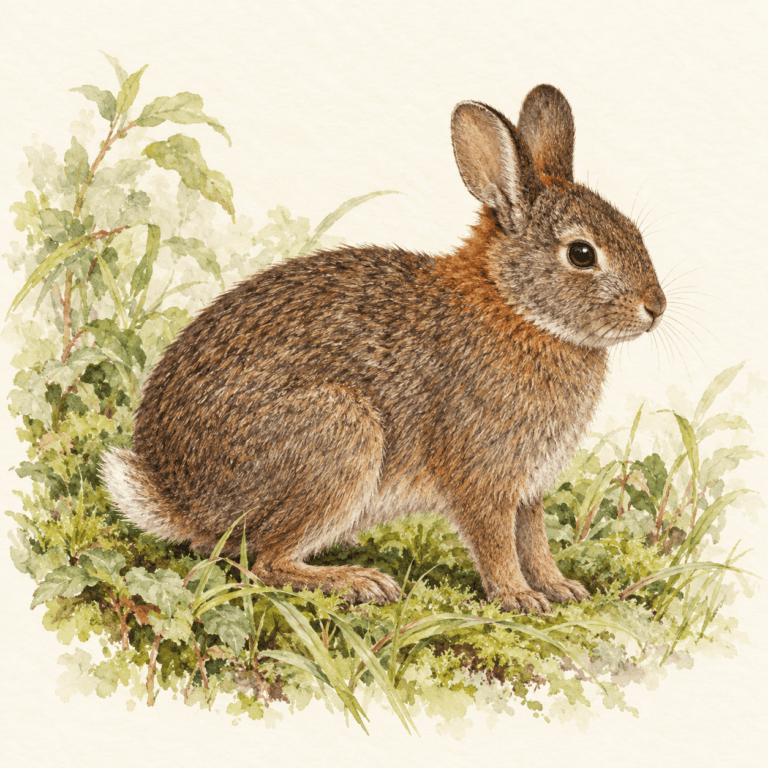
Dice's cottontail is a mountain rabbit found in Costa Rica and western Panama.
Take a closer look ↗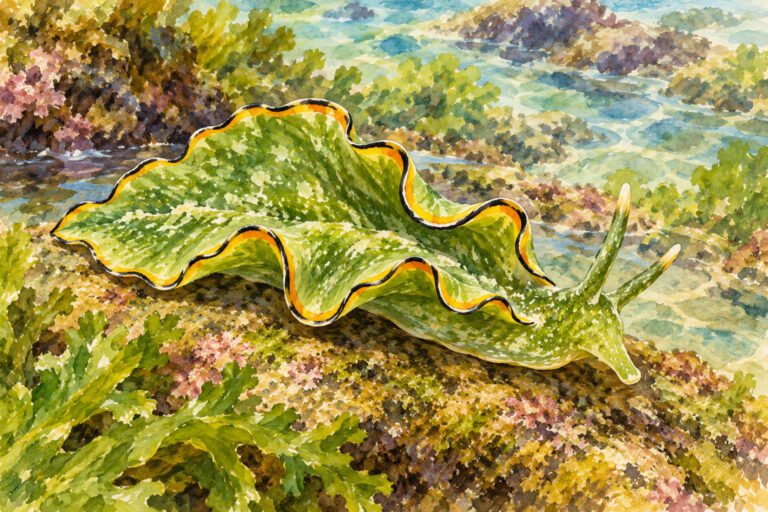
Elysia diomedea is a small marine gastropod with folded, leaf-like sides and a greenish appearance.
Take a closer look ↗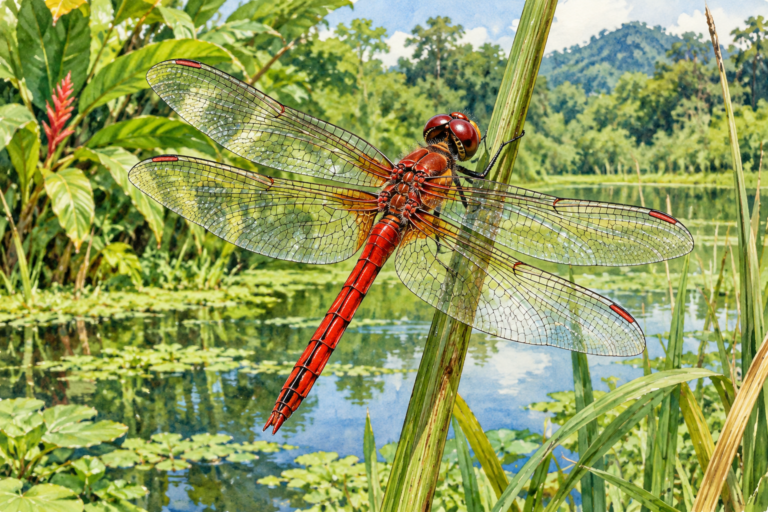
Large eyes.
Take a closer look ↗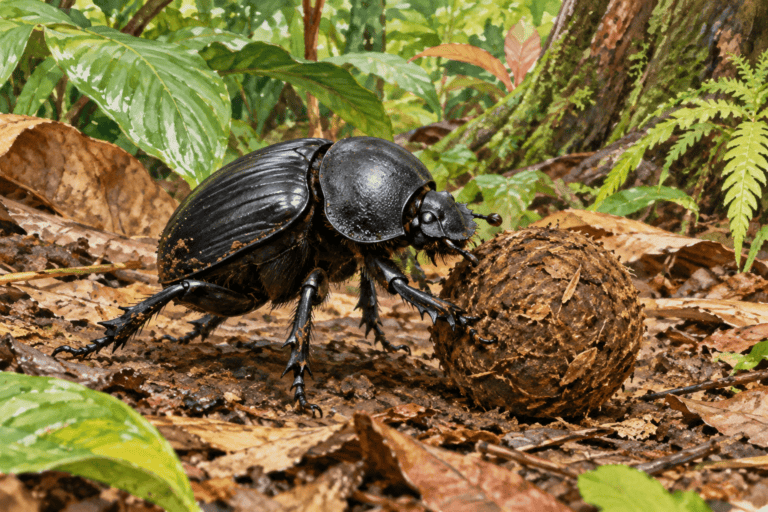
Compact beetle body.
Take a closer look ↗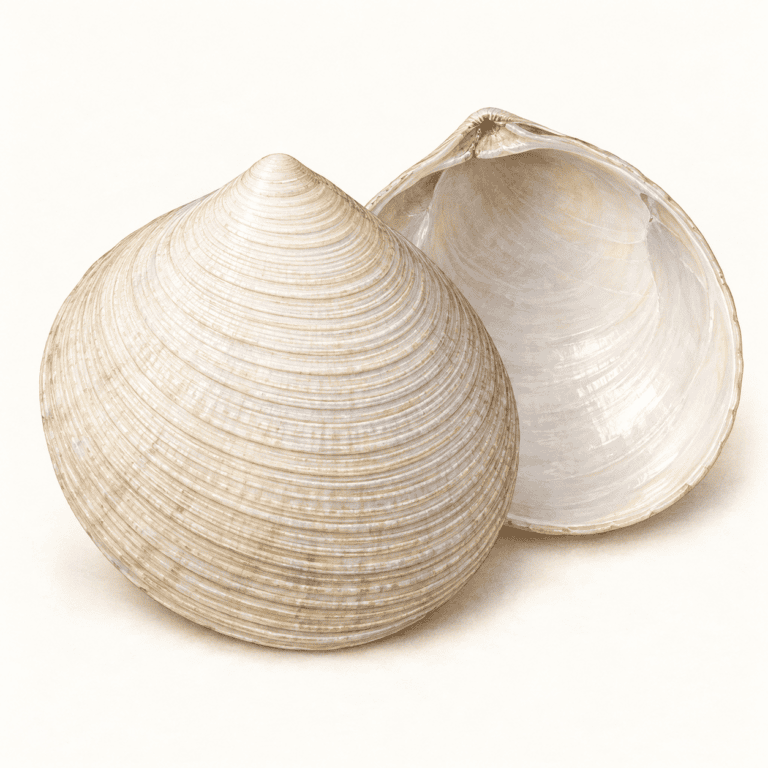
A rounded clam shell rewards a closer look at fine surface lines.
Take a closer look ↗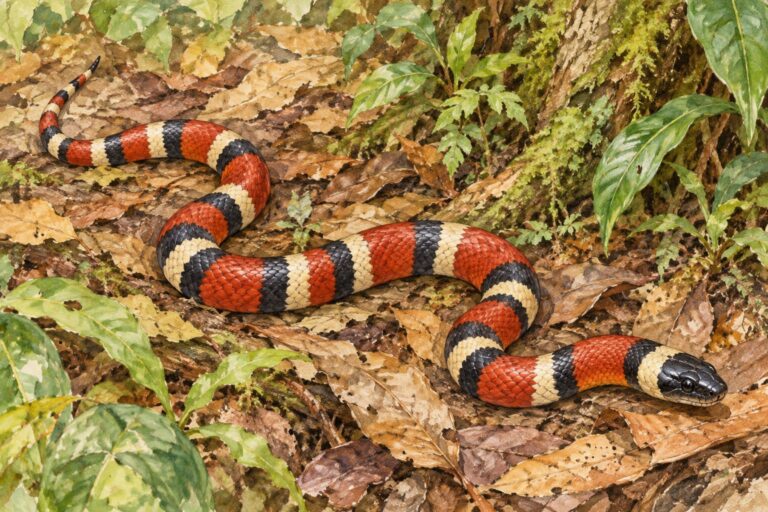
A banded young milksnake offers a lesson about changing colors and misleading names.
Take a closer look ↗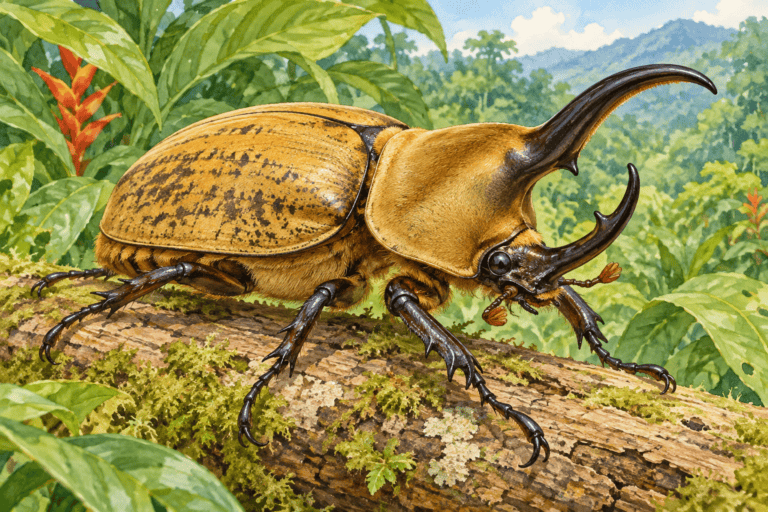
Large rounded beetle.
Take a closer look ↗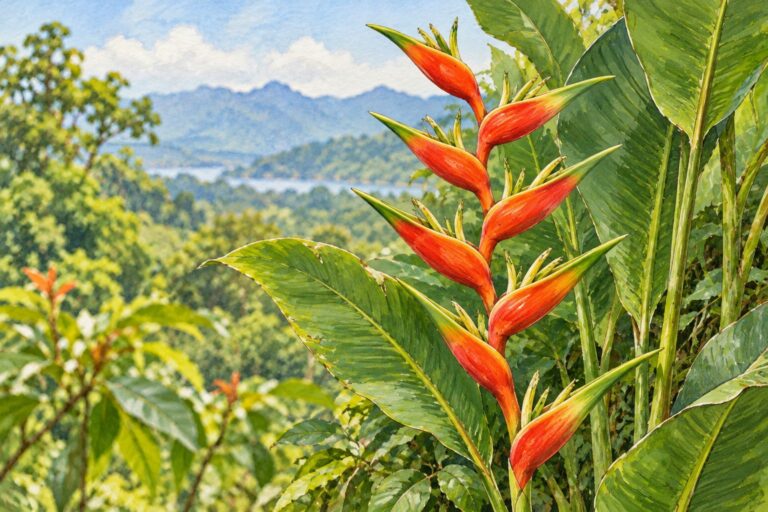
An upright open arrangement of colorful bracts rises among broad green leaves.
Take a closer look ↗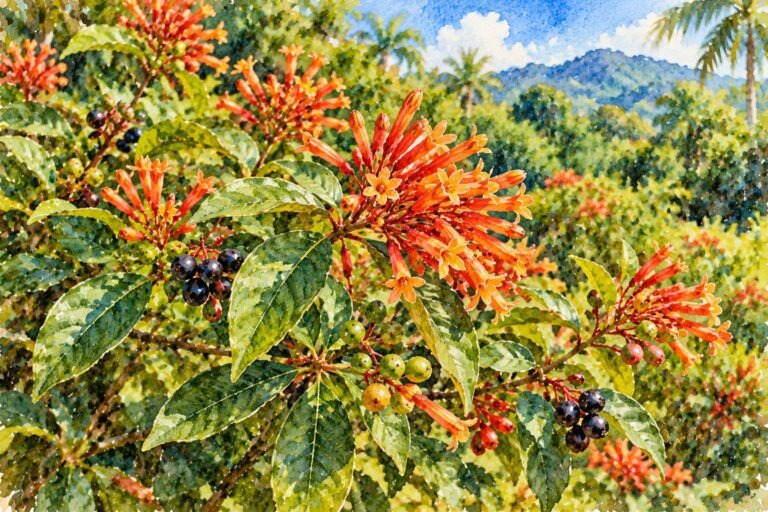
Firebush is a shrub with clusters of narrow orange to red tubular flowers.
Take a closer look ↗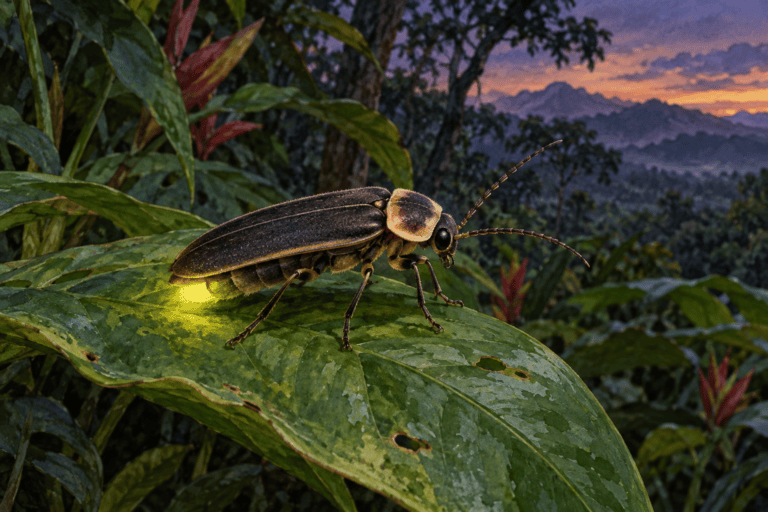
Soft beetle wing covers.
Take a closer look ↗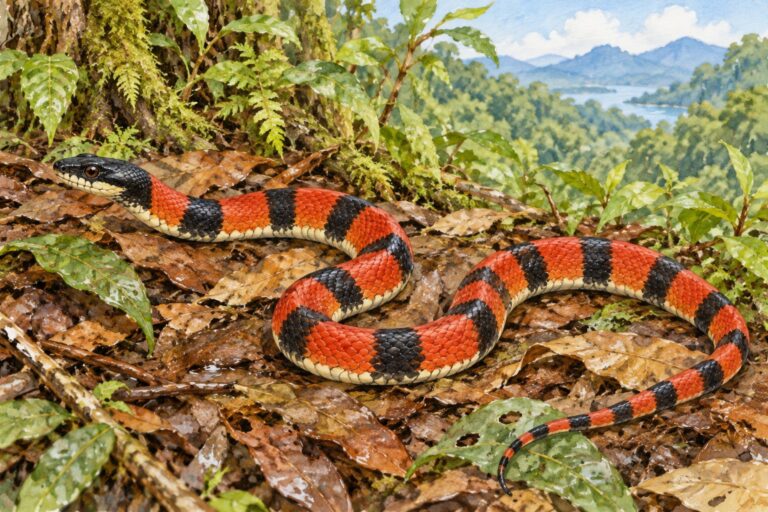
Bold red and dark markings stand out on this forest-floor snake.
Take a closer look ↗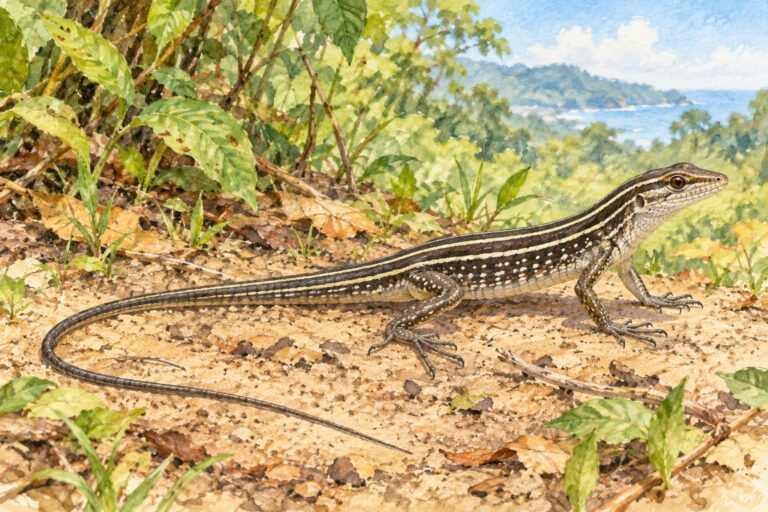
Pale lengthwise stripes make this quick ground lizard worth a careful second look.
Take a closer look ↗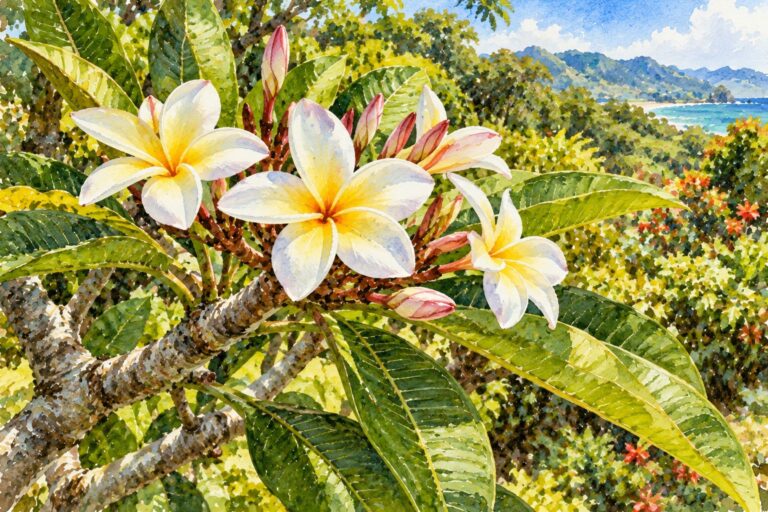
Frangipani is a flowering tree with thick branches and clusters of five-lobed blossoms.
Take a closer look ↗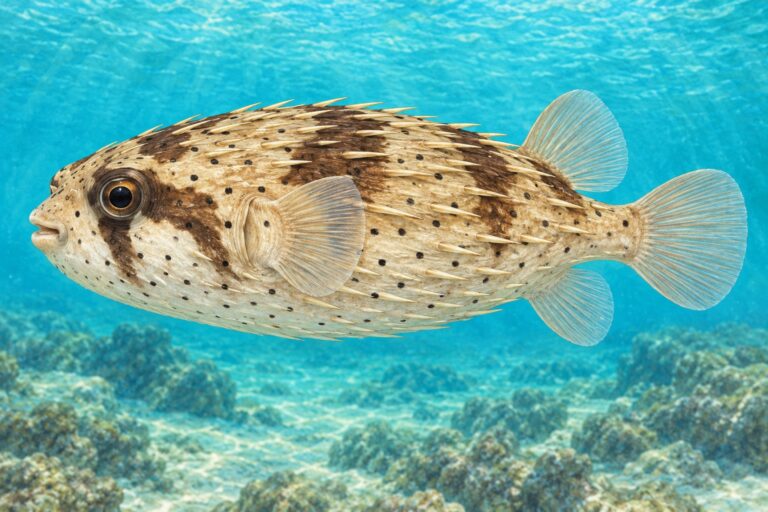
An oval fish with long spines that usually lie against its skin.
Take a closer look ↗