Playas del Coco

Explore Nature Field Guide cards from this province and the surrounding travel regions named below. Habitats and species vary by locality.
Nature Field Guide
Nature & Wildlife Around Playas del Coco
Discover the marine life, coastal birds and tropical plants of Playas del Coco and the wider Guanacaste region. Explore Pacific ocean habitats, rocky shores and nearby dry forests—and the species that make each setting distinctive.
100 profiles
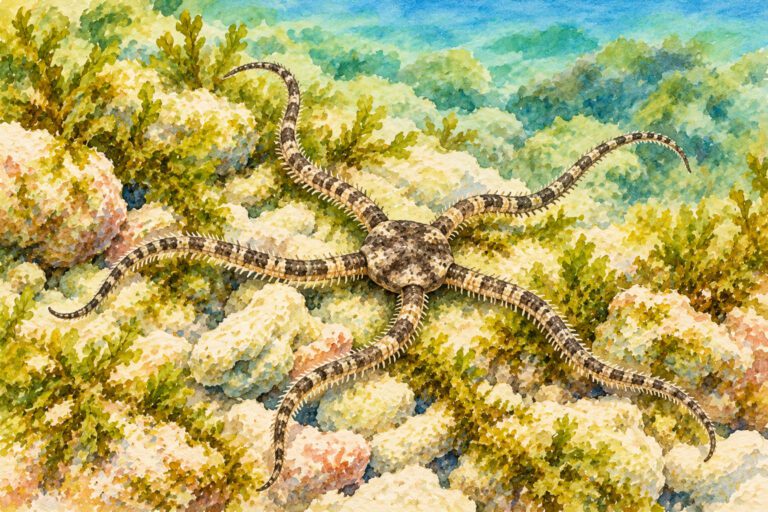
Alexander’s Spiny Brittle Star
Ophiocomella alexandri is a brittle star associated with rocky and reef habitats.
Take a closer look ↗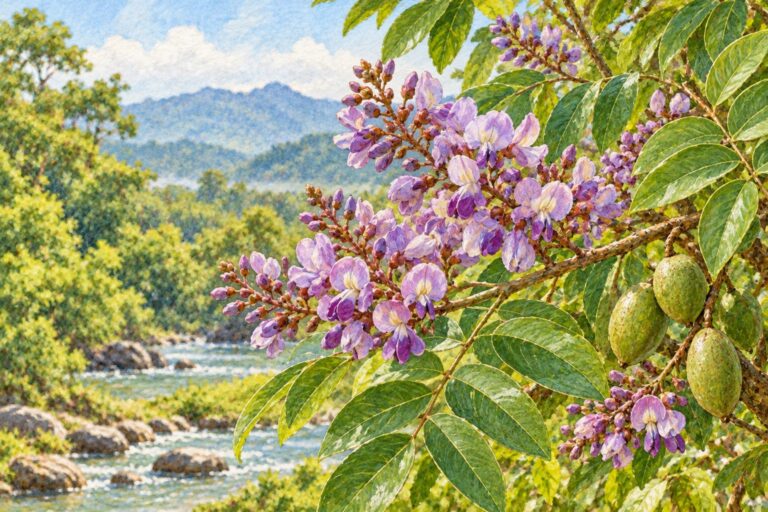
Almendro de Rio
Purple flower clusters stand out against a dense green crown.
Take a closer look ↗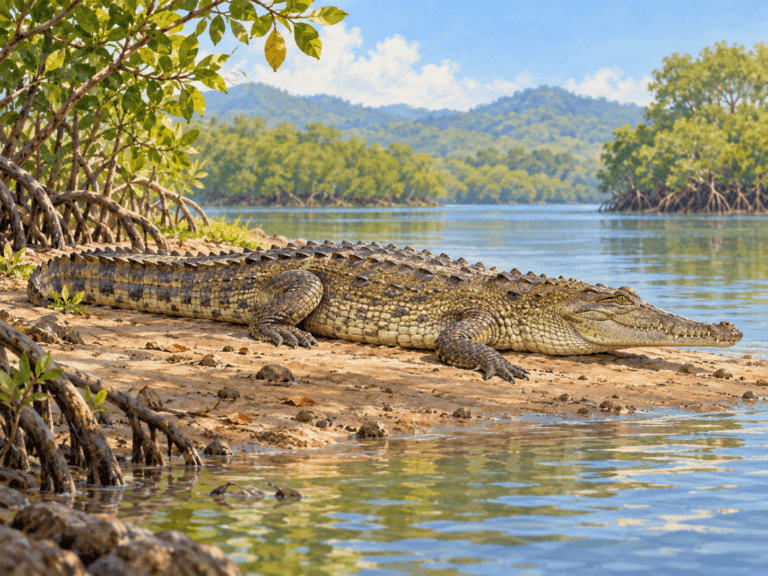
American Crocodile
A long snout and narrow head.
Take a closer look ↗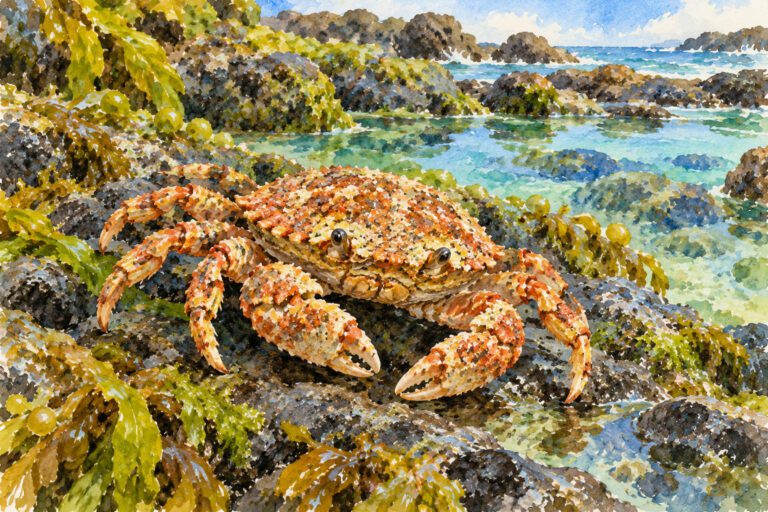
American Pebble Crab
Daira americana is a small shore crab associated with rocky lower tidal habitat.
Take a closer look ↗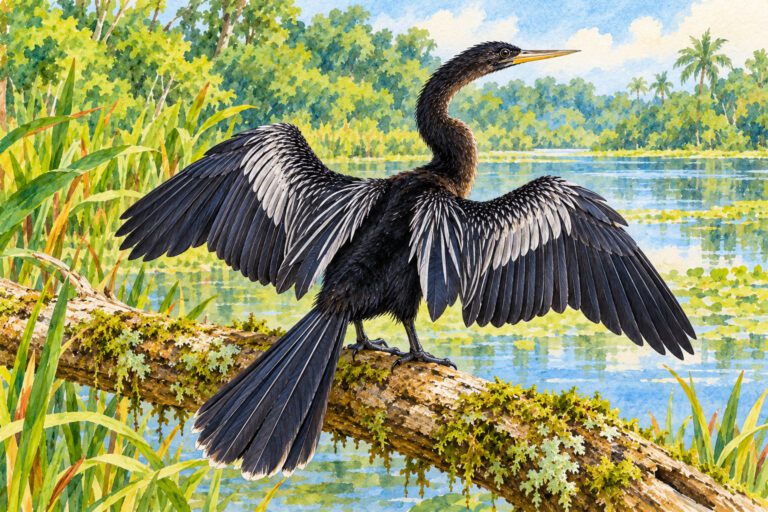
Anhinga
Anhingas swim underwater after fish and use straight pointed bills to seize prey.
Take a closer look ↗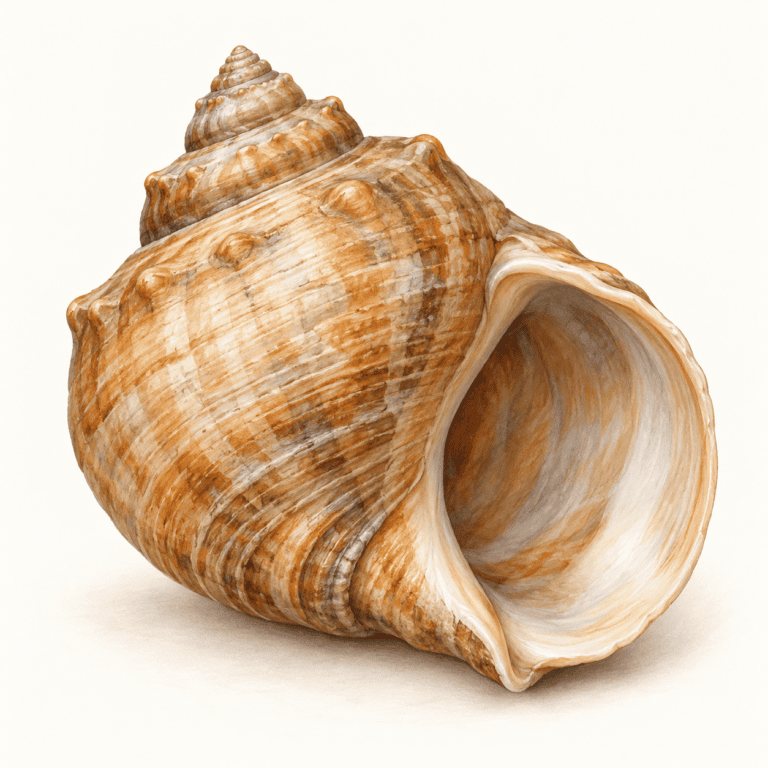
Apple Rocksnail
An apple rocksnail lives among the rocks of the lower shore.
Take a closer look ↗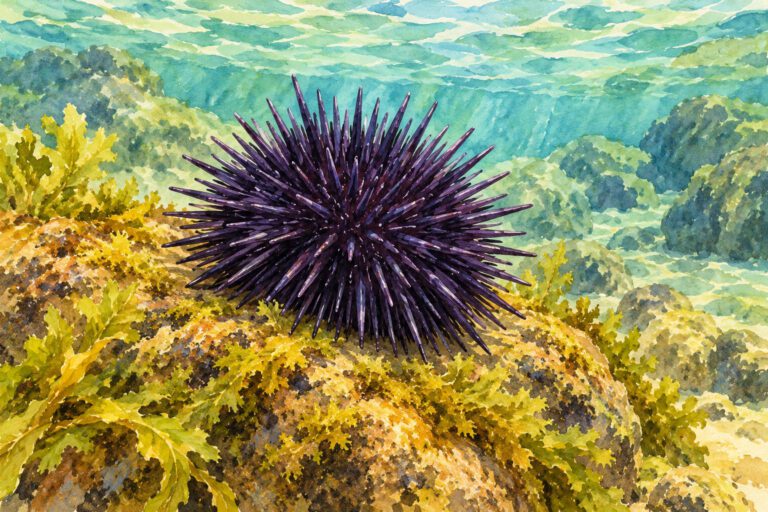
Arbacia Sea Urchin
Arbacia stellata is a sea urchin recorded from the eastern Pacific.
Take a closer look ↗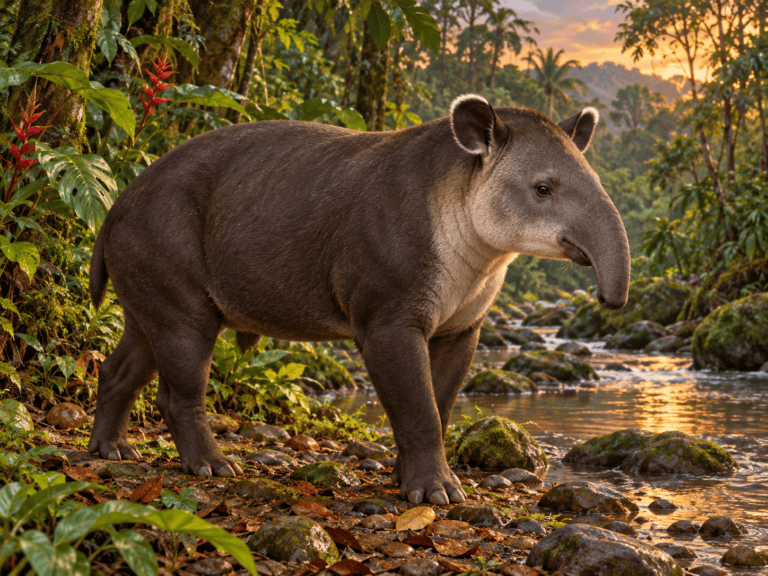
Baird’s Tapir
Costa Rica’s largest land mammal has a flexible snout and an important forest role.
Take a closer look ↗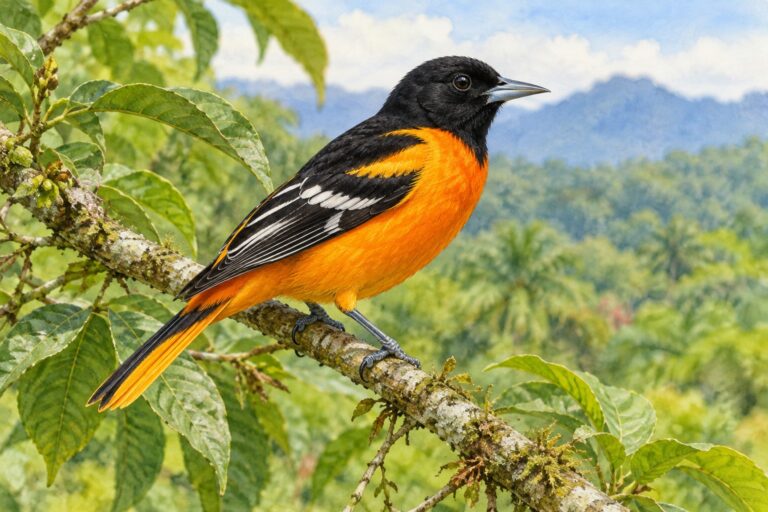
Baltimore Oriole
An orange-and-black seasonal visitor from the north.
Take a closer look ↗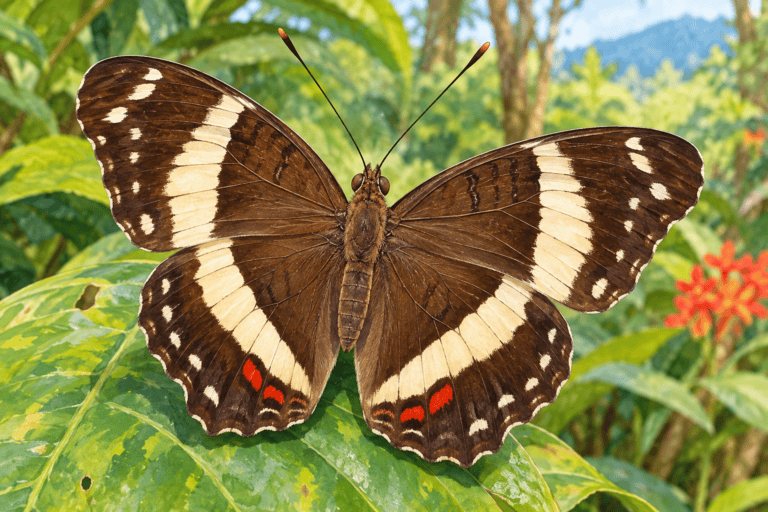
Banded Peacock Butterfly
Brown wings.
Take a closer look ↗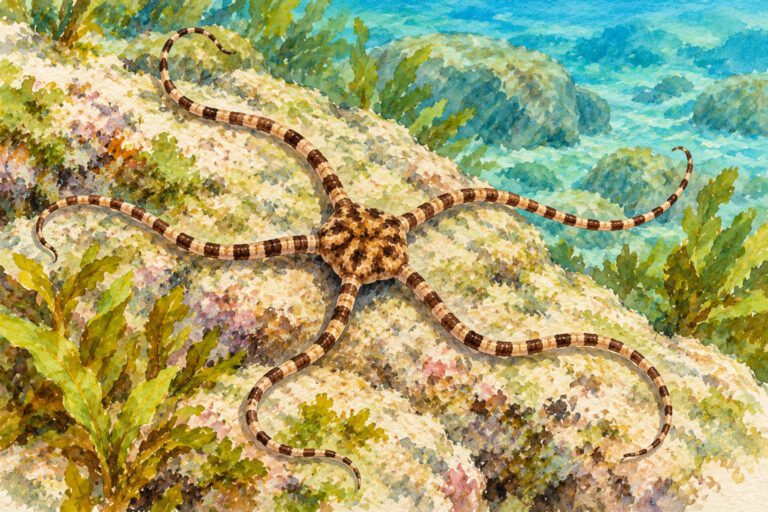
Banded Serpent Brittle Star
Ophionereis annulata is a brittle star with a rounded central disc and slender banded arms.
Take a closer look ↗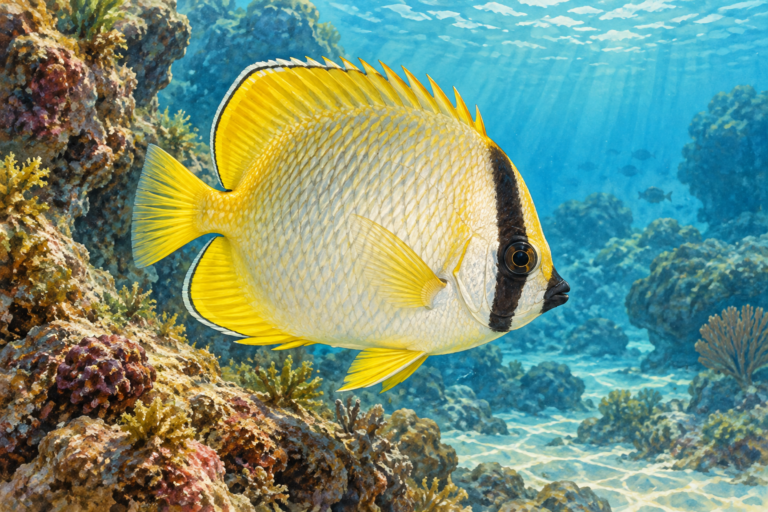
Barberfish
A flattened, oval, disc-like body.
Take a closer look ↗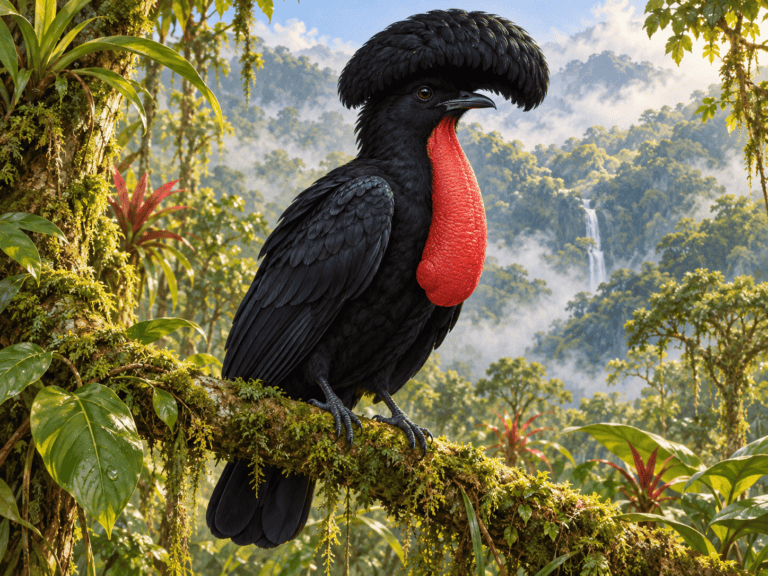
Bare-necked Umbrellabird
An elusive forest bird with a striking crest and important seed-dispersal role.
Take a closer look ↗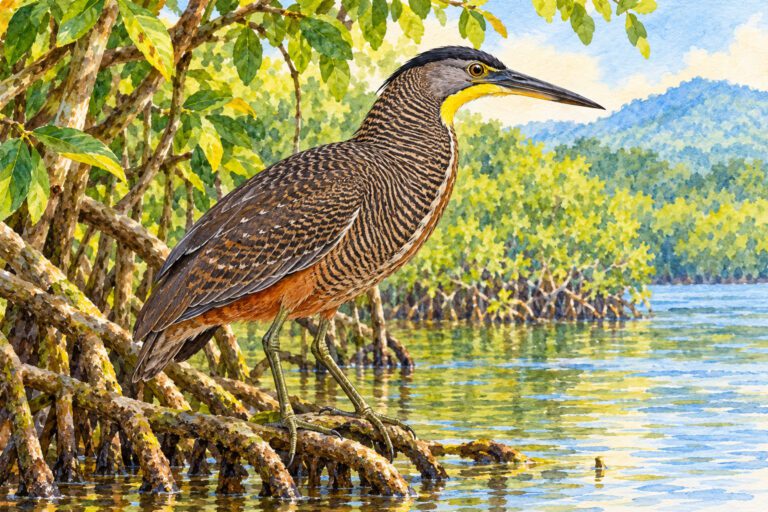
Bare-throated Tiger-Heron
This robust tropical heron uses mangroves and freshwater wetlands.
Take a closer look ↗
Beach Morning Glory
Creeping stems extending across beach sand.
Take a closer look ↗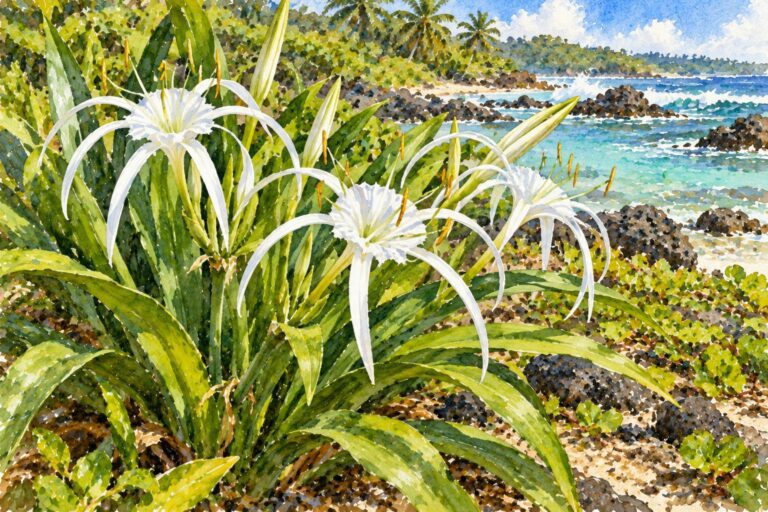
Beach Spider Lily
Beach spider lily has long strap-shaped leaves and striking white flowers.
Take a closer look ↗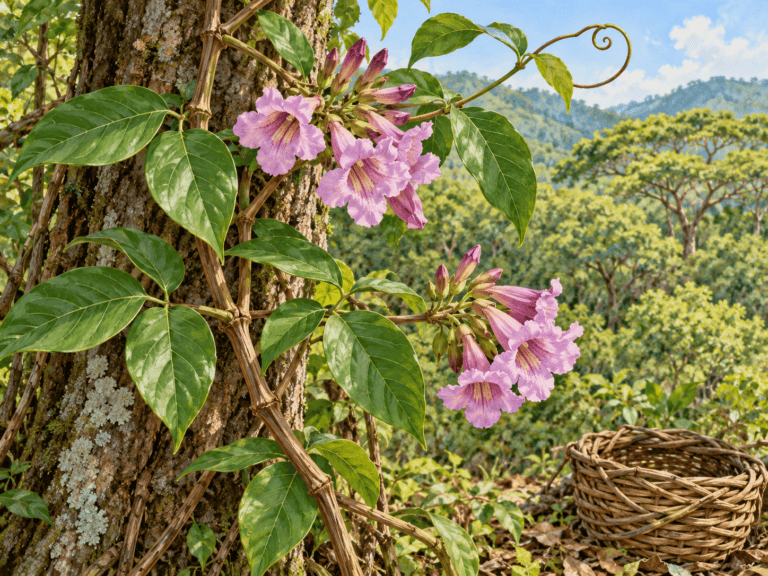
Bejuco Cucharilla
A woody climbing vine that connects Costa Rican forests with the craft of basket weaving.
Take a closer look ↗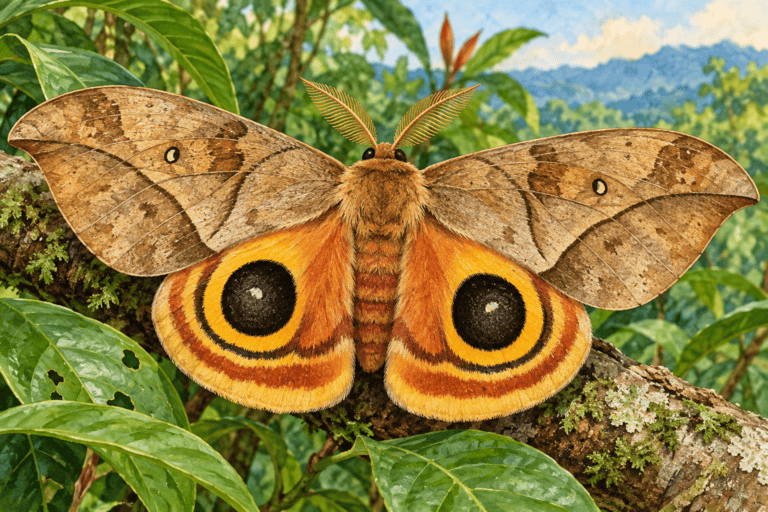
Belt’s Eyed Silk Moth
Leaf-like forewings.
Take a closer look ↗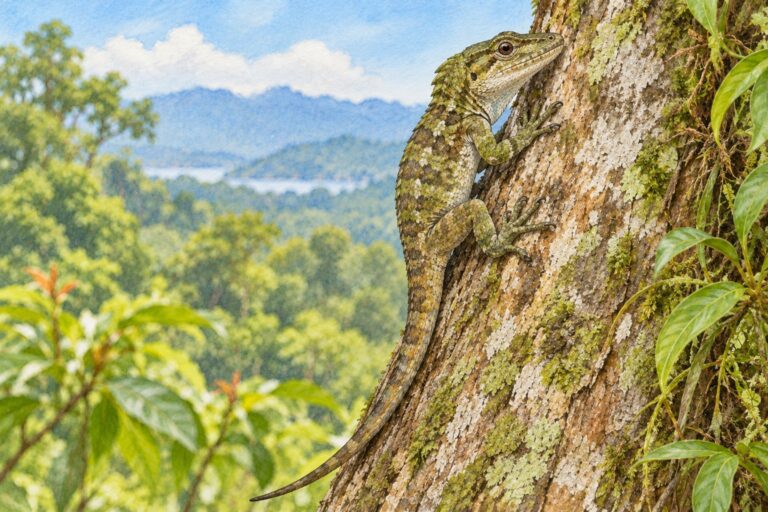
Big-headed Anole
A broad head and mottled colors help this forest anole blend into bark.
Take a closer look ↗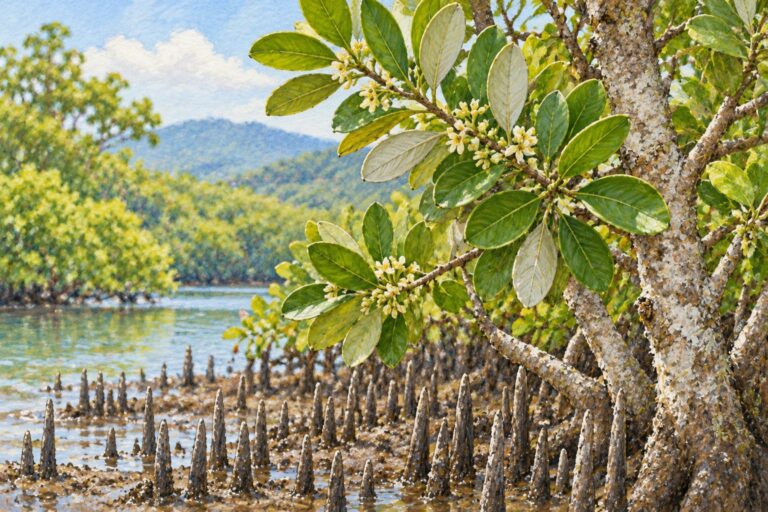
Black Mangrove
Pencil-shaped breathing roots rise from the mud around this mangrove.
Take a closer look ↗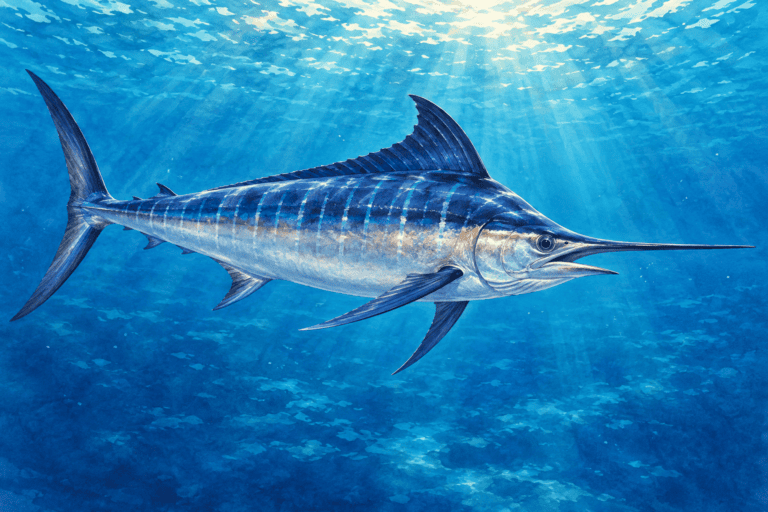
Black Marlin
Rigid pectoral fins that do not fold flat against the body.
Take a closer look ↗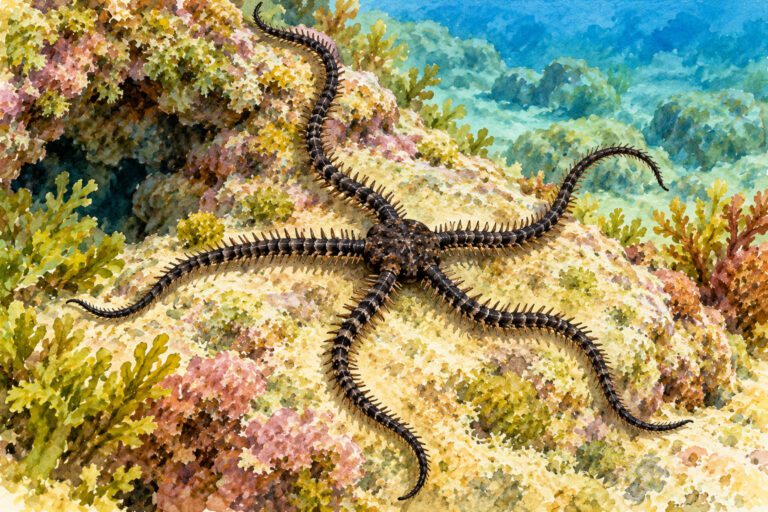
Black Spiny Brittle Star
Ophiocoma aethiops is a brittle star with a distinct central disc and long, flexible, spiny arms.
Take a closer look ↗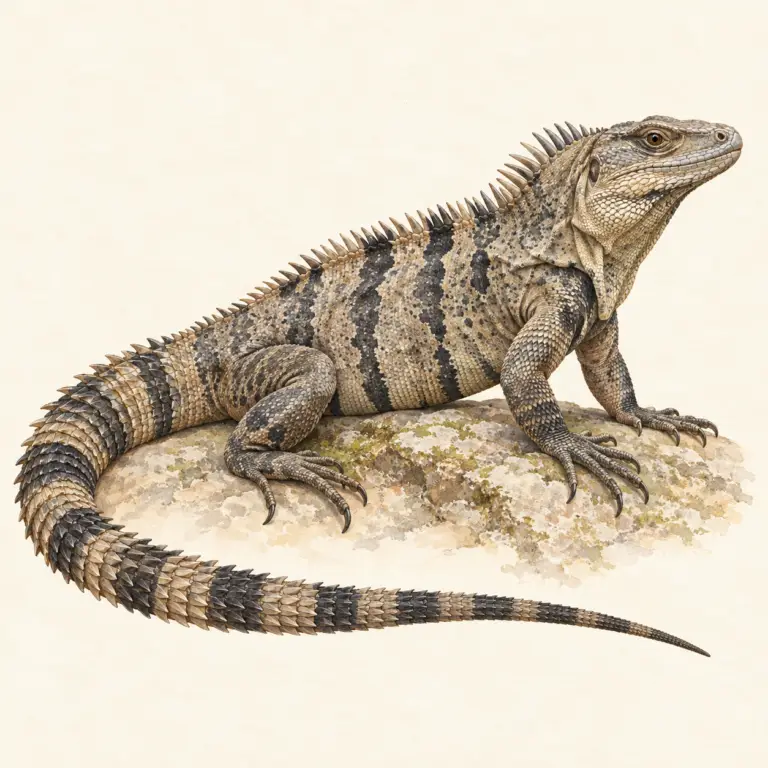
Black Spiny-tailed Iguana
This sturdy lizard has a tail ringed with spiny scales.
Take a closer look ↗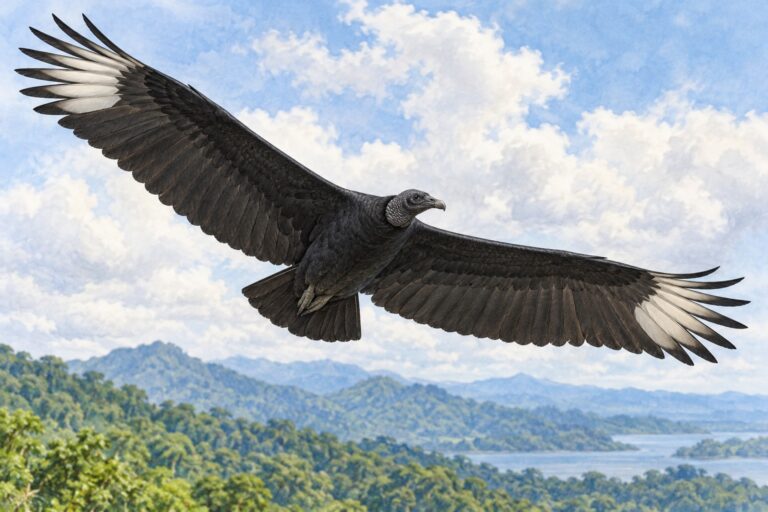
Black Vulture
A dark scavenger with white patches under the wingtips.
Take a closer look ↗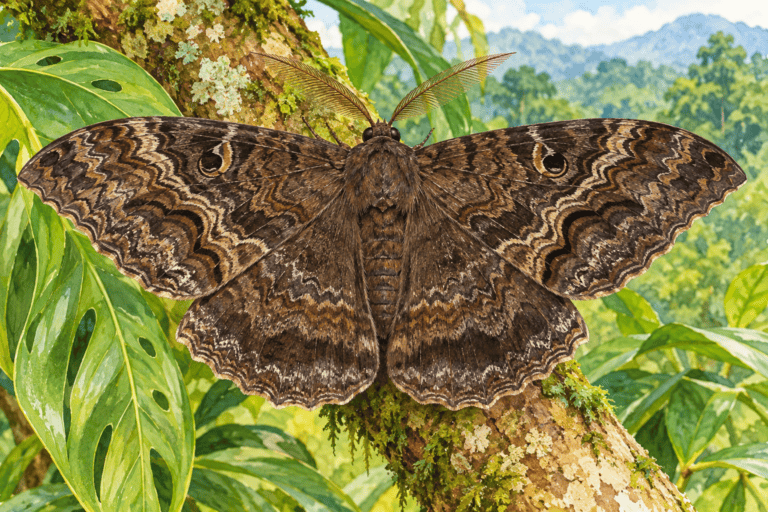
Black Witch Moth
Broad dark brown wings.
Take a closer look ↗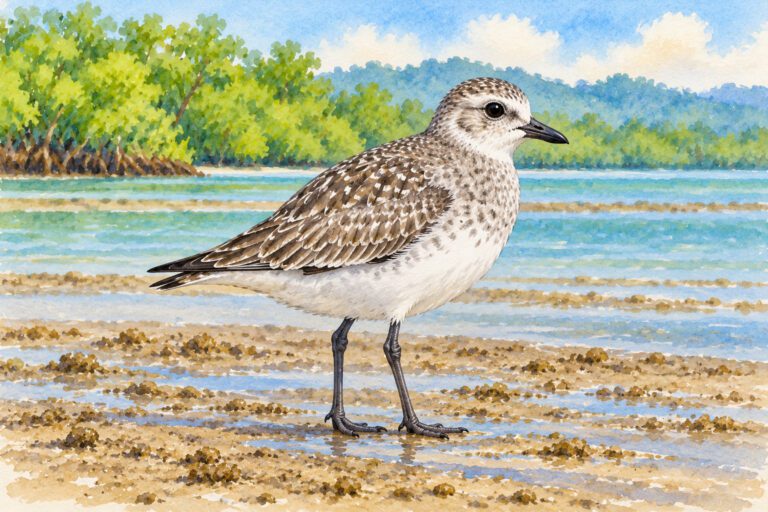
Black-bellied Plover
This large plover breeds in the far north and uses coasts outside breeding.
Take a closer look ↗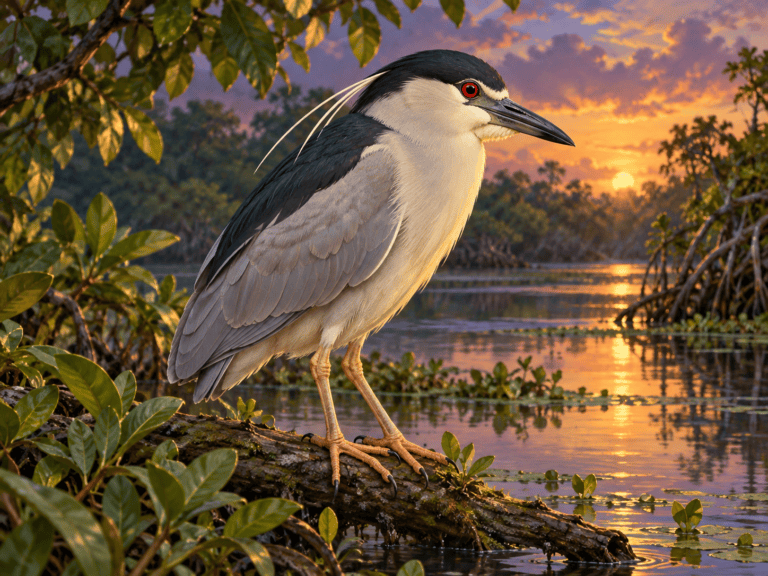
Black-crowned Night-Heron
A compact heron whose feeding day often begins at dusk.
Take a closer look ↗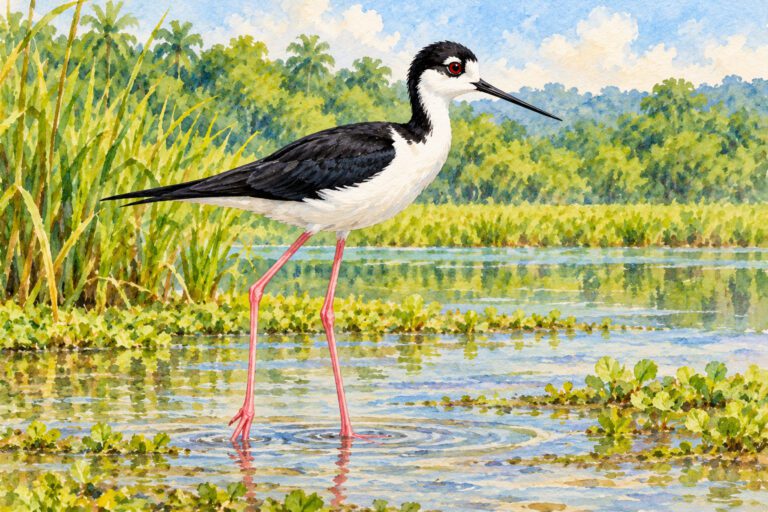
Black-necked Stilt
Black-necked Stilts have exceptionally long pink legs, a thin straight dark bill and contrasting black-and-white plumage.
Take a closer look ↗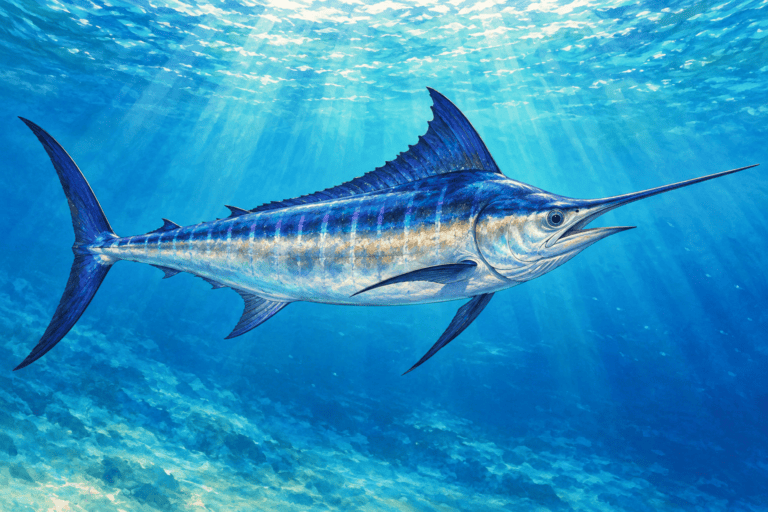
Blue Marlin
A long spear-shaped bill.
Take a closer look ↗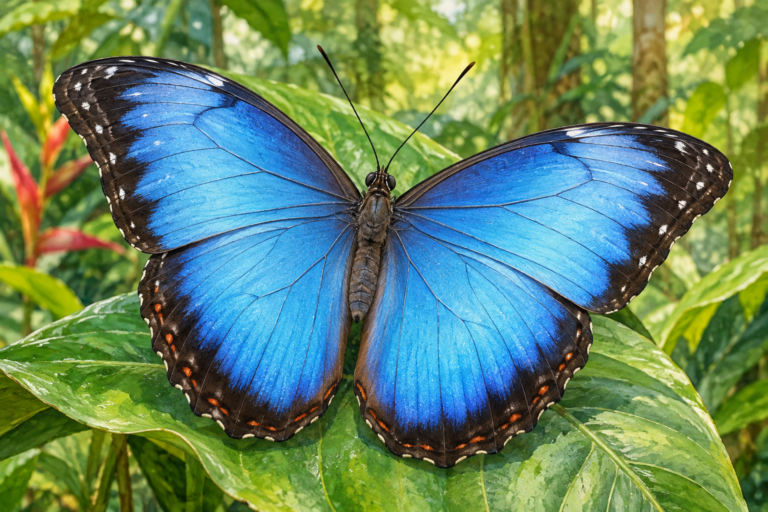
Blue Morpho
Brilliant blue upper wings with broad dark margins.
Take a closer look ↗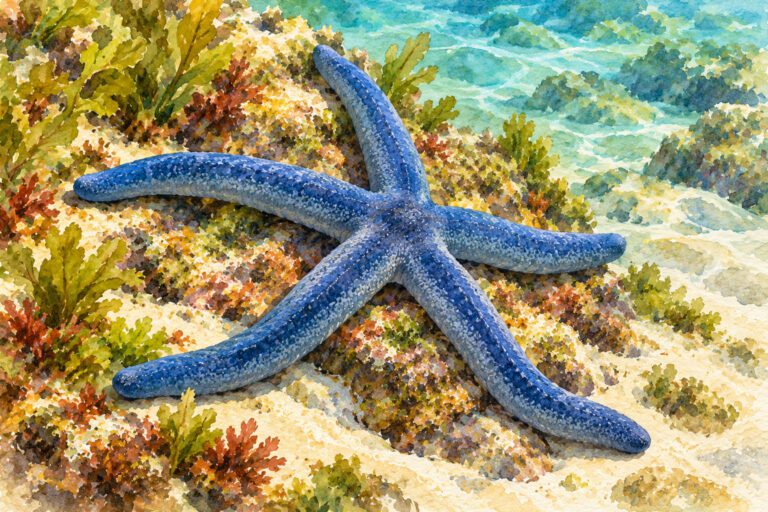
Blue Sea Star
Phataria unifascialis is an eastern Pacific sea star known as the blue sea star.
Take a closer look ↗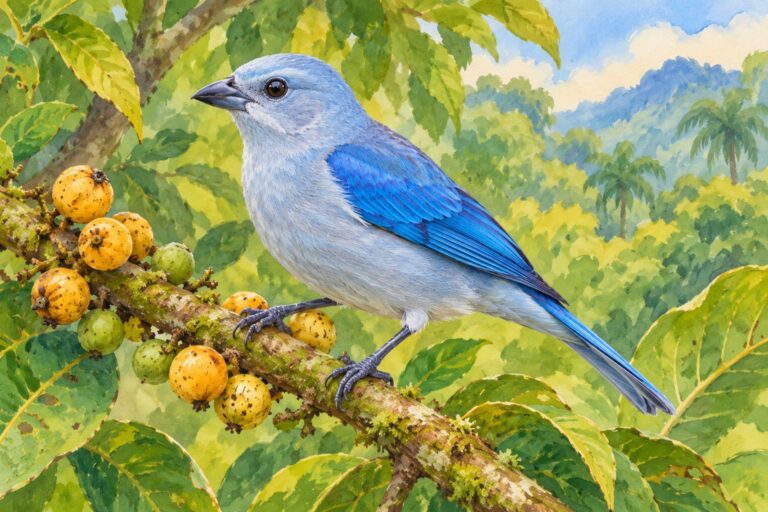
Blue-gray Tanager
A powder-blue bird of gardens and wooded clearings.
Take a closer look ↗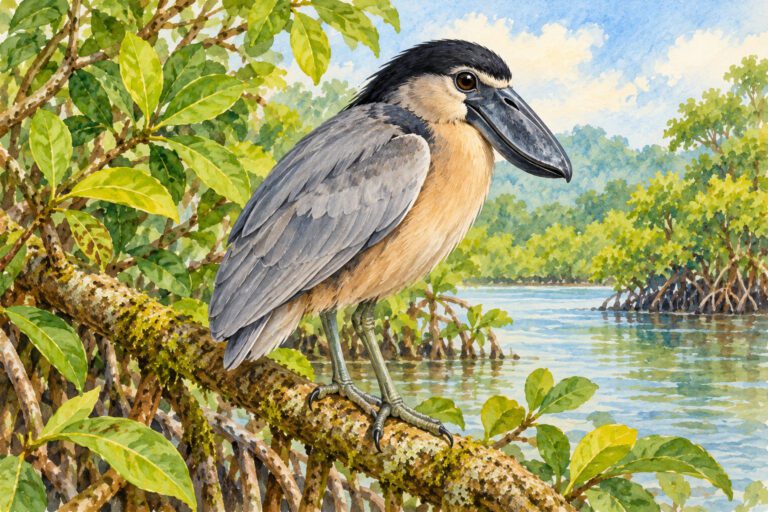
Boat-billed Heron
The Boat-billed Heron has an unusually wide flattened bill and large dark eyes.
Take a closer look ↗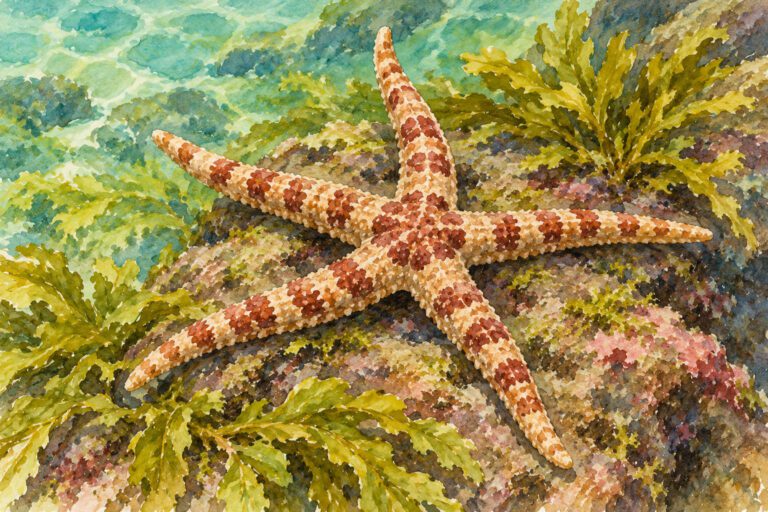
Bradley’s Sea Star
Mithrodia bradleyi is a marine sea star.
Take a closer look ↗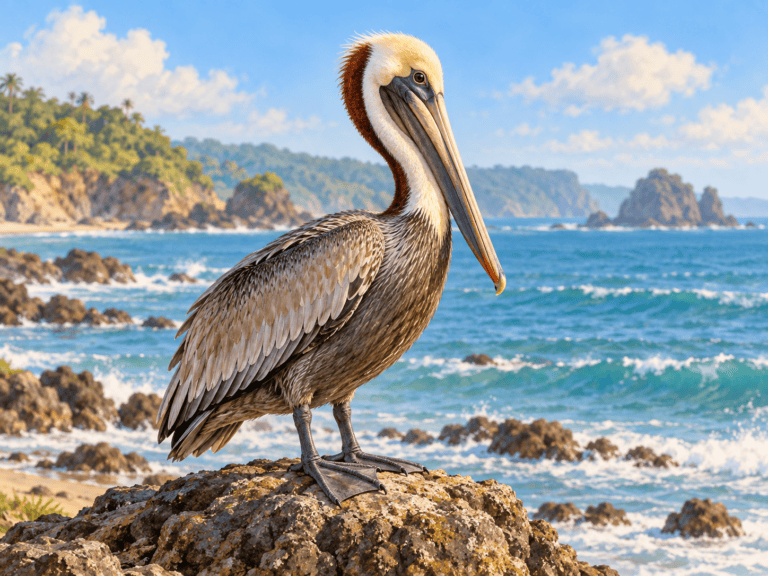
Brown Pelican
A long bill with a pouch beneath the lower jaw.
Take a closer look ↗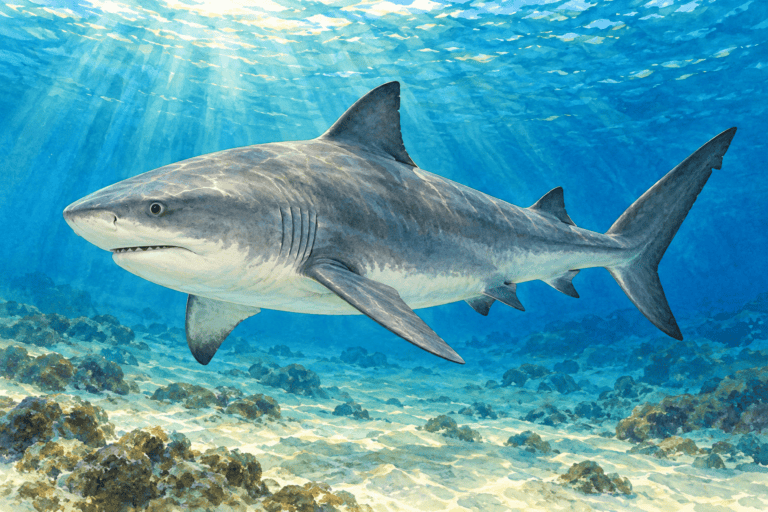
Bull Shark
A stocky gray body with a pale belly.
Take a closer look ↗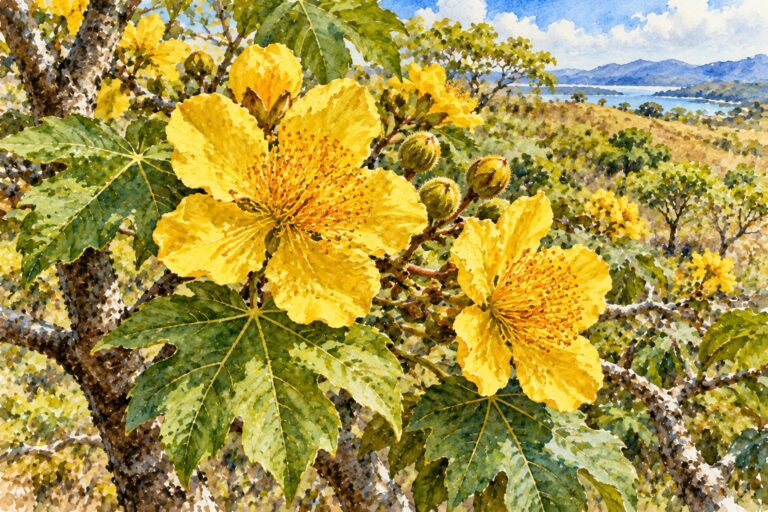
Buttercup Tree
Poro poro bears large open yellow flowers with many stamens.
Take a closer look ↗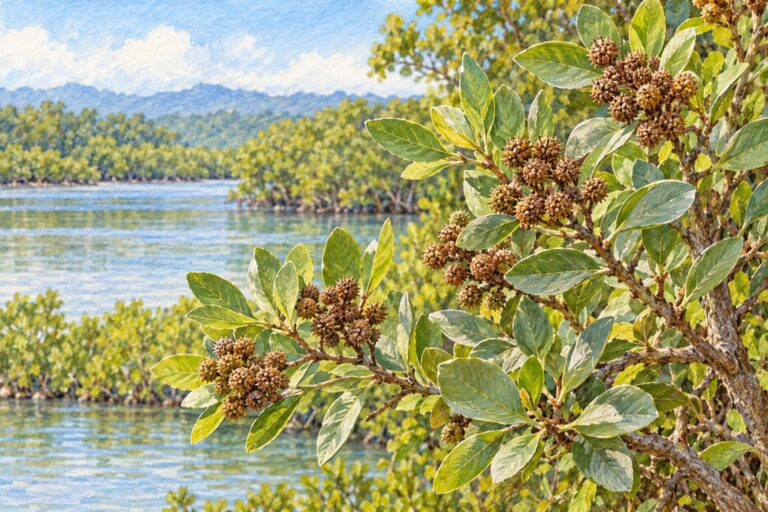
Buttonwood
Small buttonlike fruit heads help identify this coastal tree or shrub.
Take a closer look ↗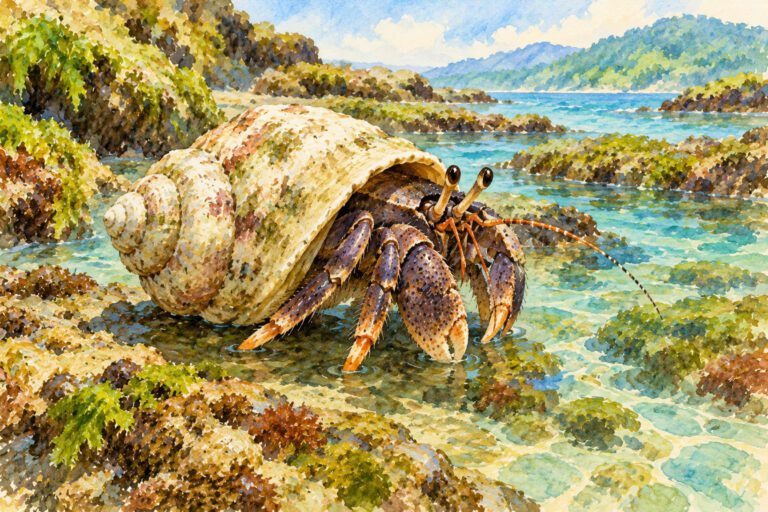
Calcinus Hermit Crab
Calcinus obscurus is a marine hermit crab.
Take a closer look ↗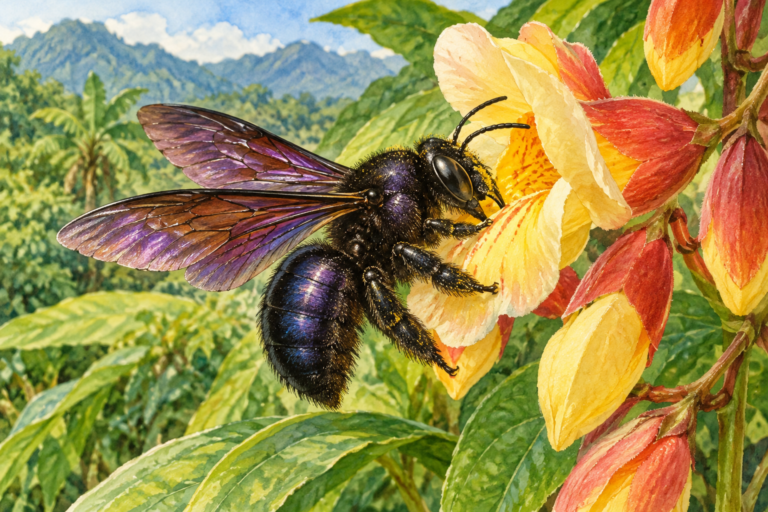
Carpenter Bees
Robust body.
Take a closer look ↗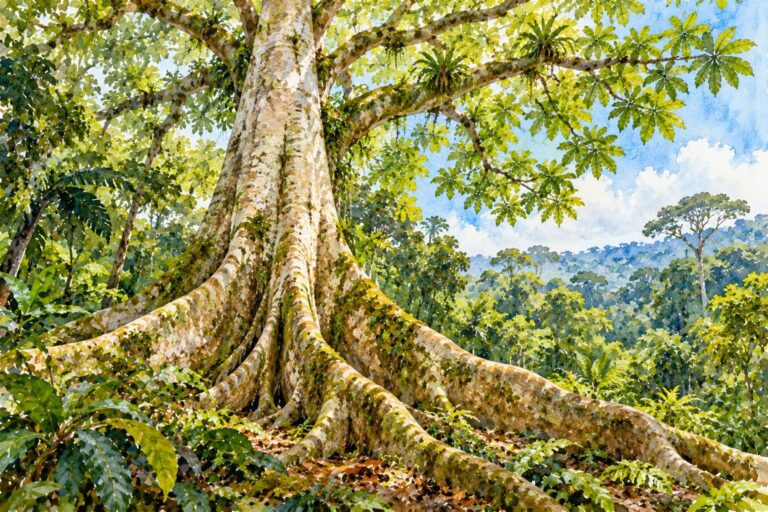
Ceiba Kapok Tree
Huge buttress roots help make a mature ceiba unforgettable.
Take a closer look ↗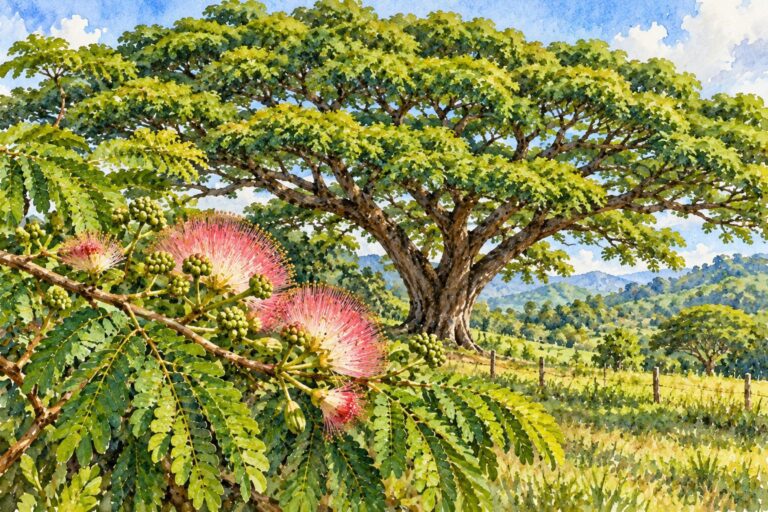
Cenizaro Rain Tree
An umbrella-shaped crown shelters a world beneath its branches.
Take a closer look ↗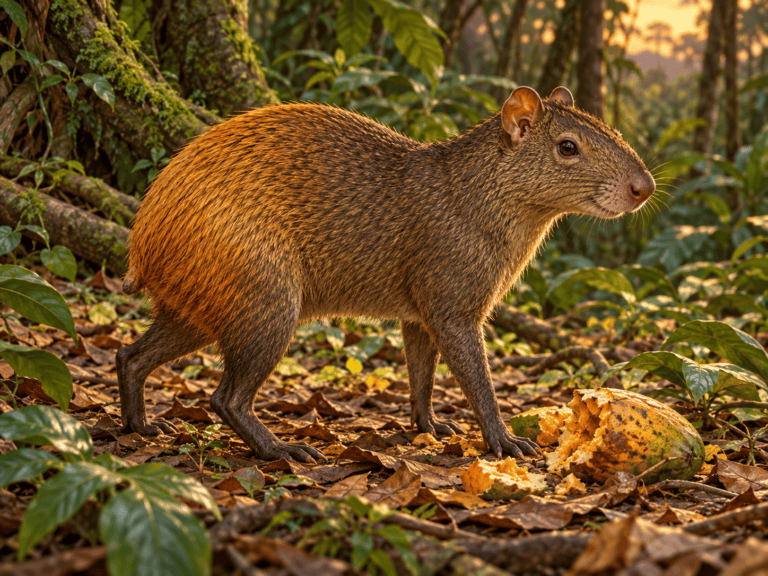
Central American Agouti
A quick forest-floor rodent that stores seeds for later.
Take a closer look ↗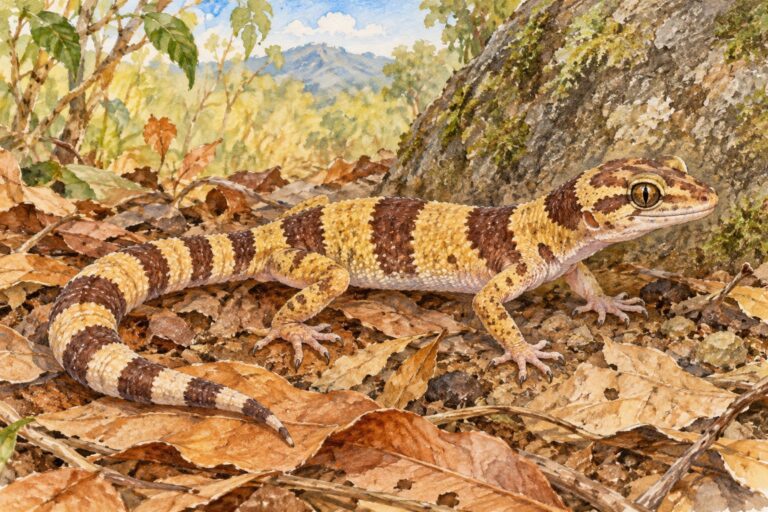
Central American Banded Gecko
A ground-dwelling gecko carries dark bands across a warm yellow-tan body.
Take a closer look ↗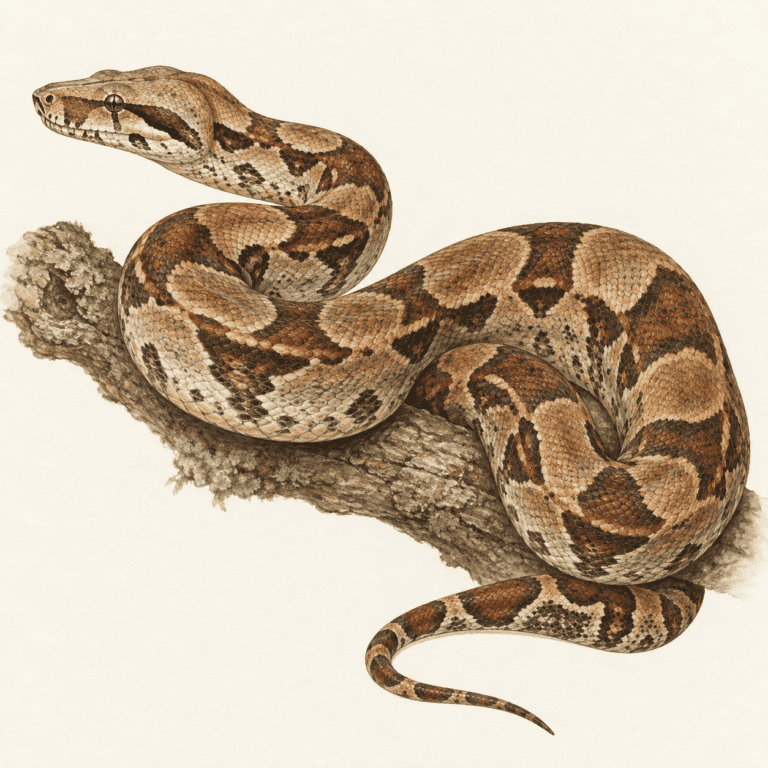
Central American Boa
A muscular snake with broad saddle-like markings.
Take a closer look ↗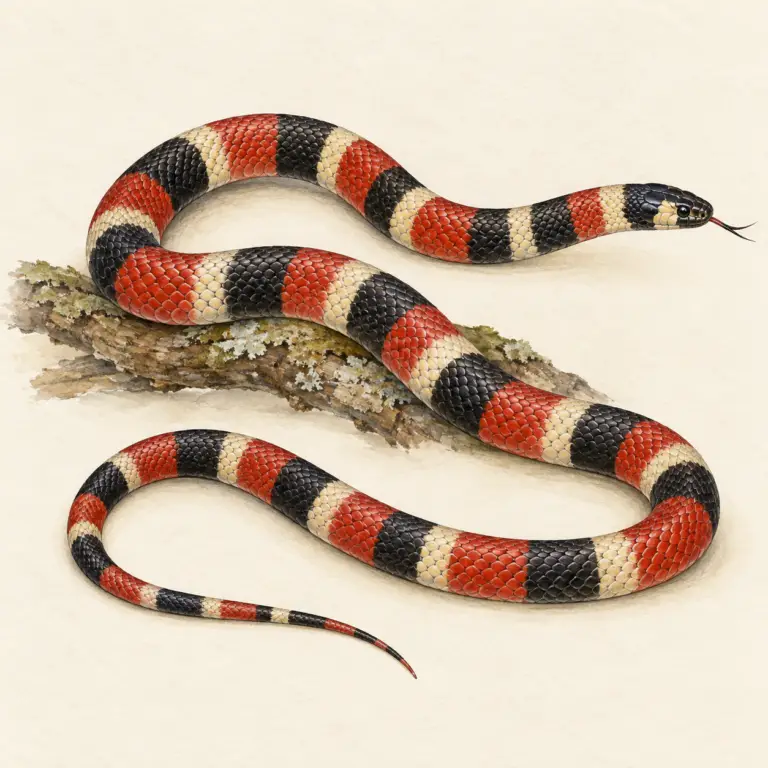
Central American Coral Snake
A venomous coral snake with complete colored rings.
Take a closer look ↗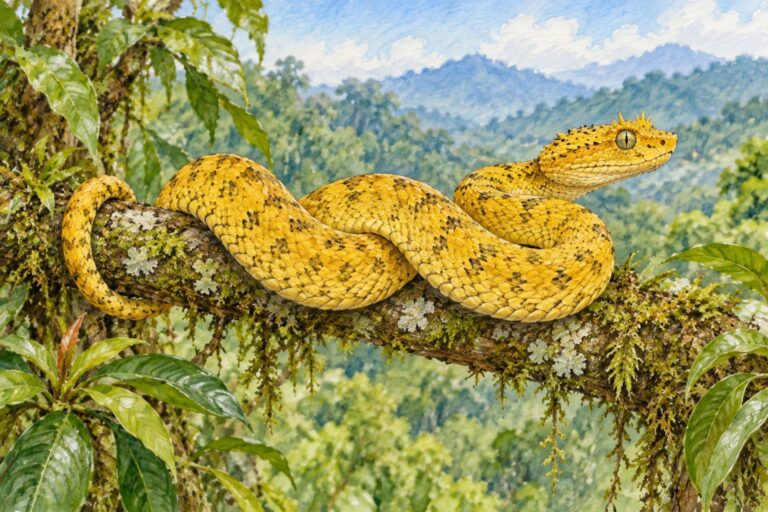
Central American Eyelash Pitviper
Raised scales above the eyes give this venomous branch-dwelling snake its name.
Take a closer look ↗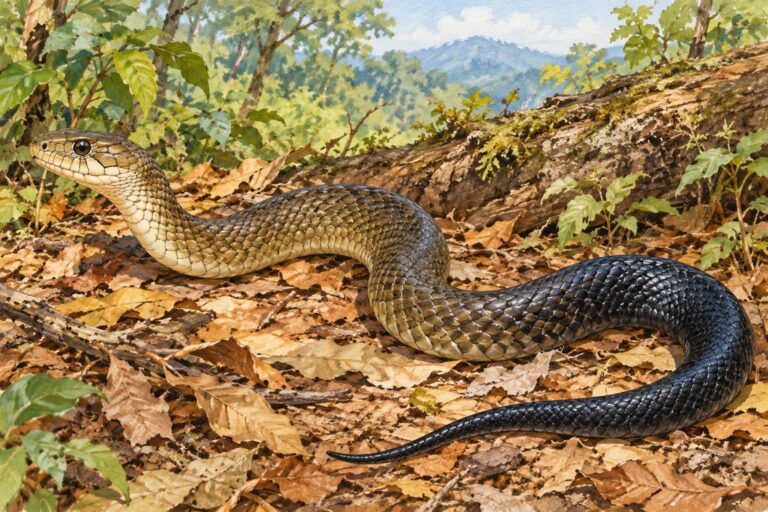
Central American Indigo Snake
A powerful-looking snake may darken from a lighter front to a black tail.
Take a closer look ↗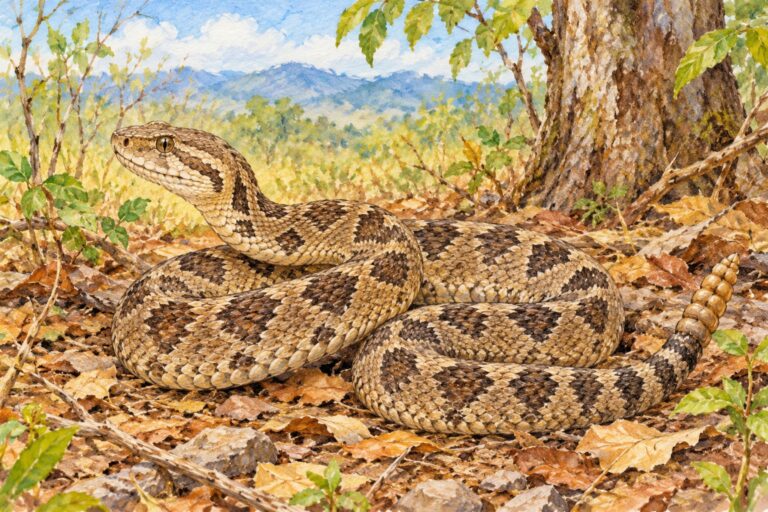
Central American Rattlesnake
A segmented tail rattle is a distinctive feature of this dry-forest snake.
Take a closer look ↗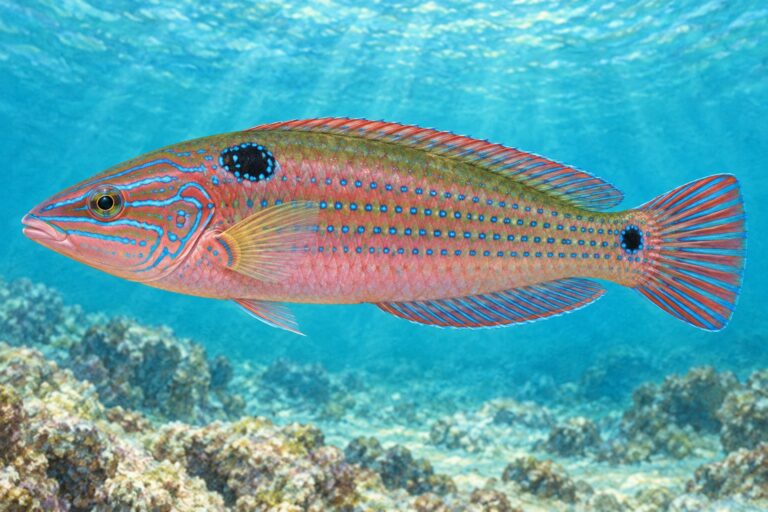
Chameleon Wrasse
A patterned wrasse whose appearance changes with life phase.
Take a closer look ↗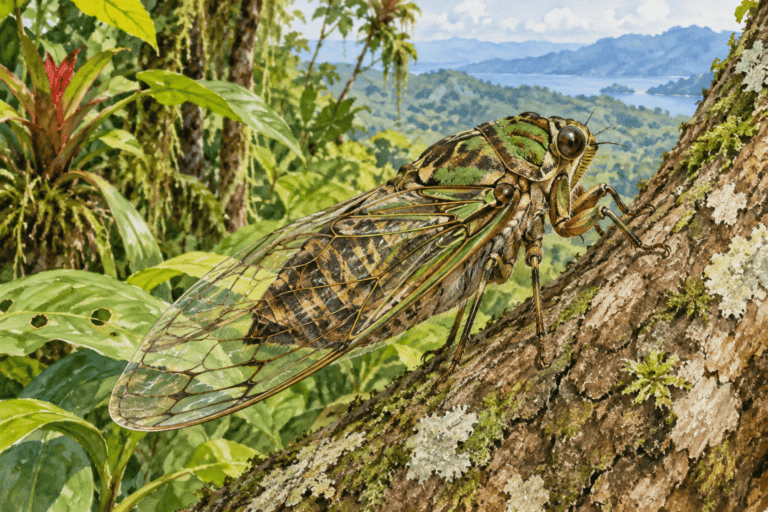
Cicadas
Large transparent wings.
Take a closer look ↗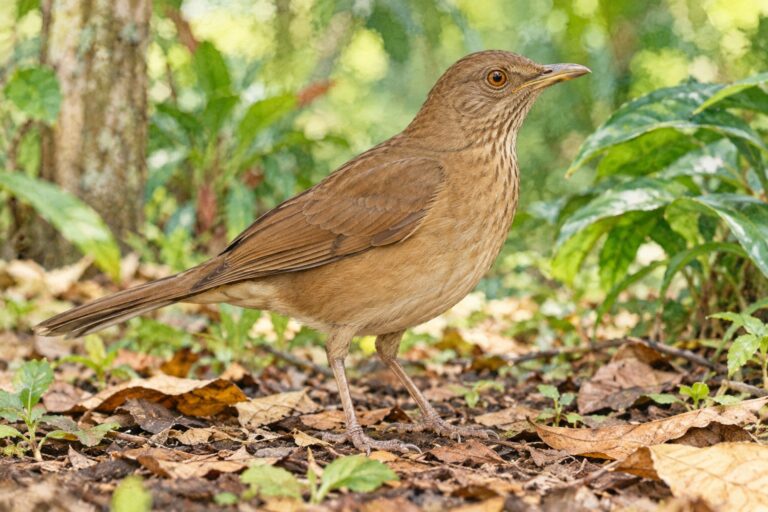
Clay-colored Thrush
A familiar brown songbird and Costa Rica’s national bird.
Take a closer look ↗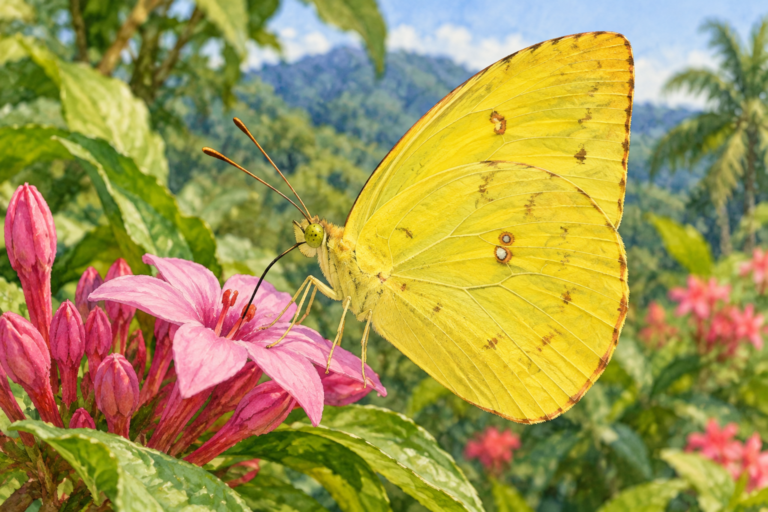
Cloudless Sulphur Butterfly
Bright yellow wings.
Take a closer look ↗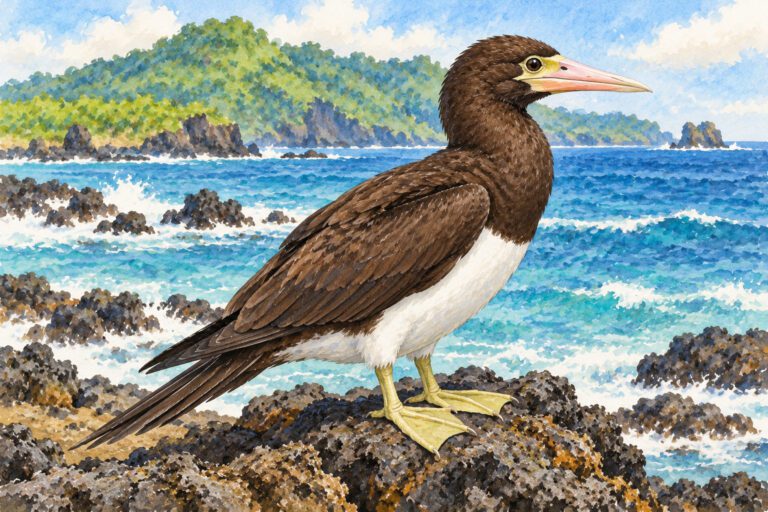
Cocos Booby
Cocos Boobies are eastern Pacific seabirds formerly included with Brown Booby.
Take a closer look ↗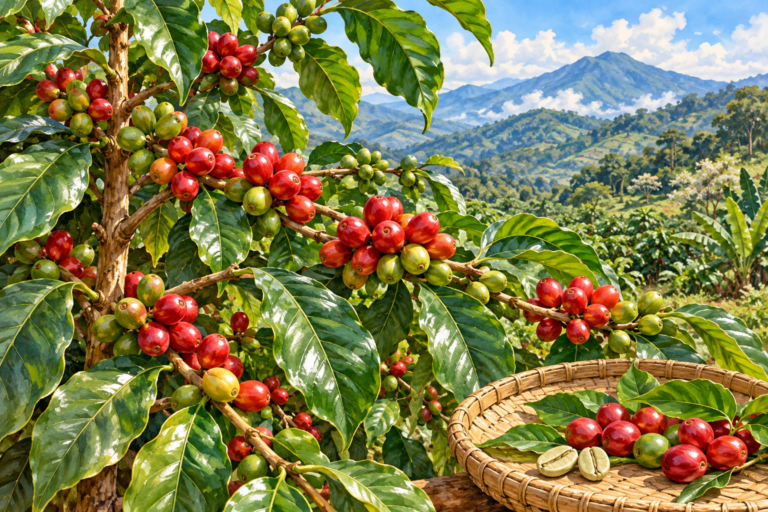
Coffee
Coffee is a shrub or small tree with shiny leaves and small fruits called cherries.
Take a closer look ↗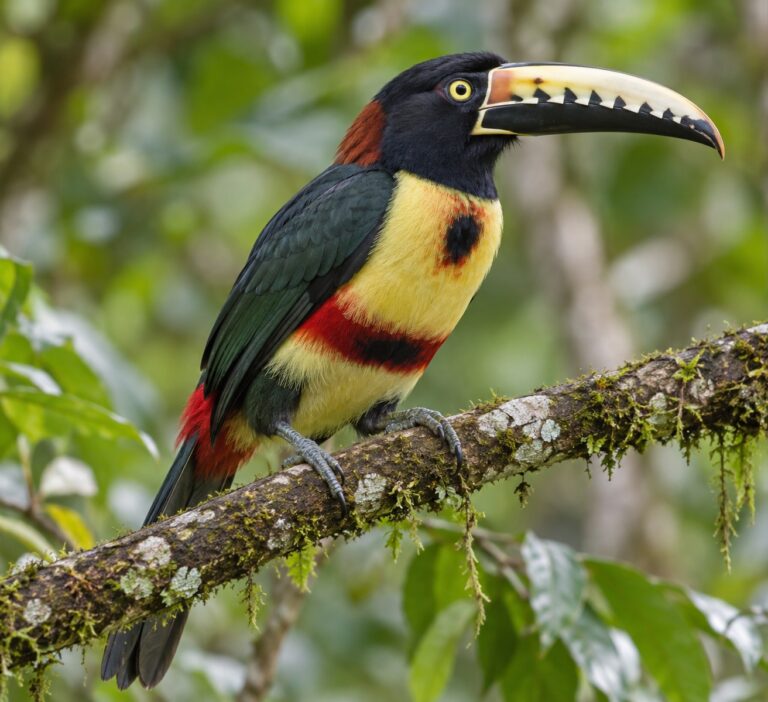
Collared Aracari
A small toucan with a patterned yellow chest.
Take a closer look ↗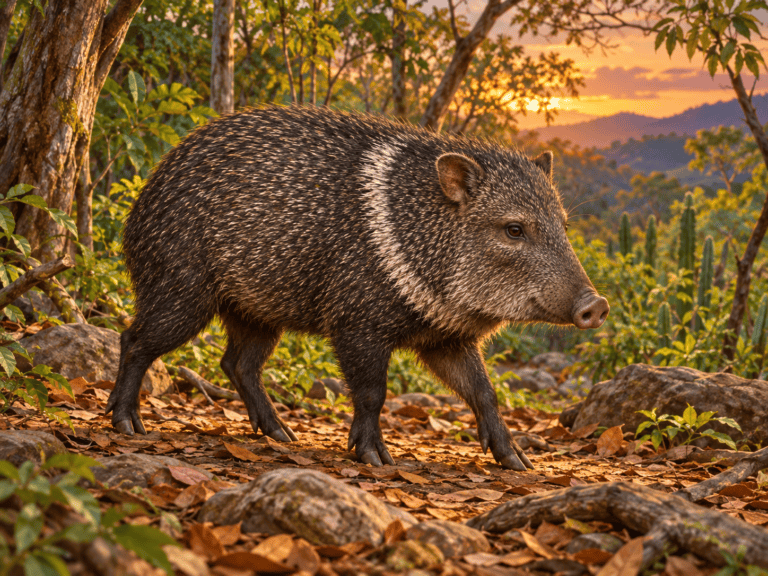
Collared Peccary
A hoofed forest mammal with a pale collar across dark bristly fur.
Take a closer look ↗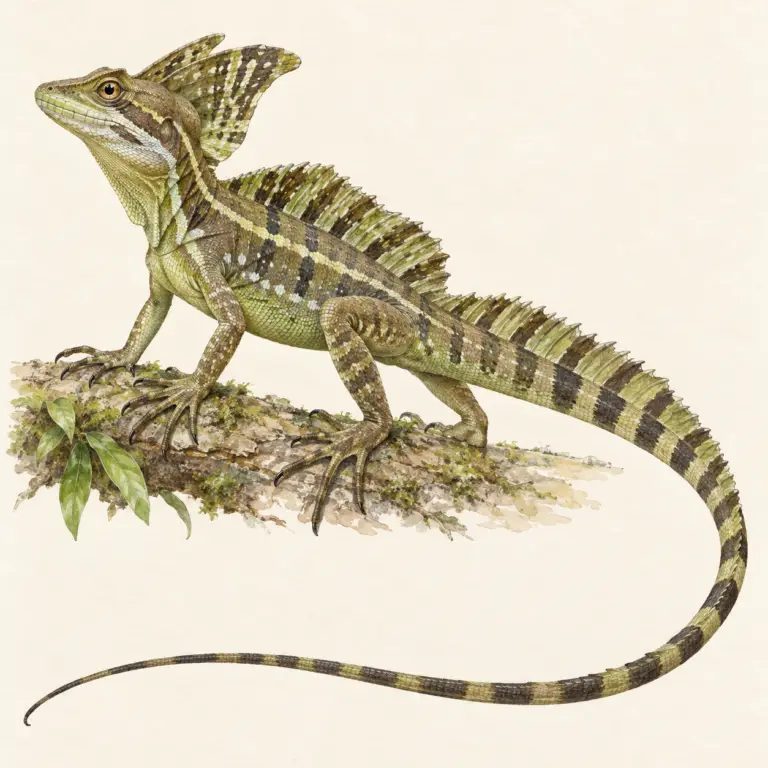
Common Basilisk
A long-tailed lizard associated with Pacific-slope waterways.
Take a closer look ↗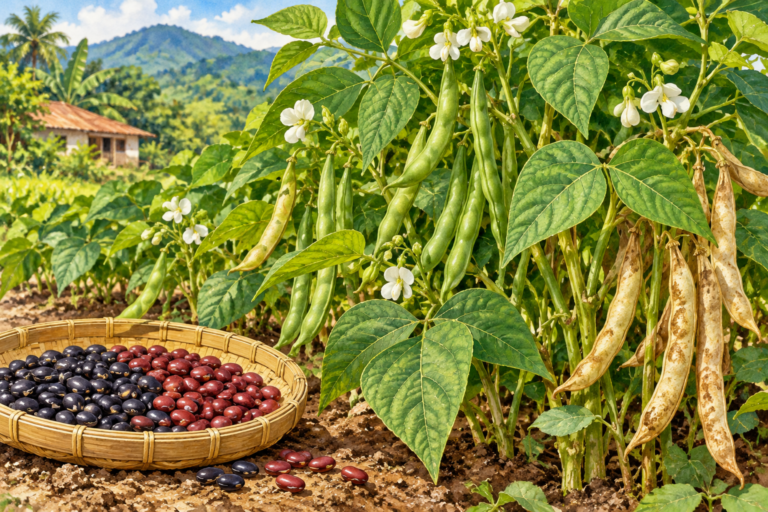
Common Beans
Common bean plants can grow as bushes or climb supports, depending on the variety.
Take a closer look ↗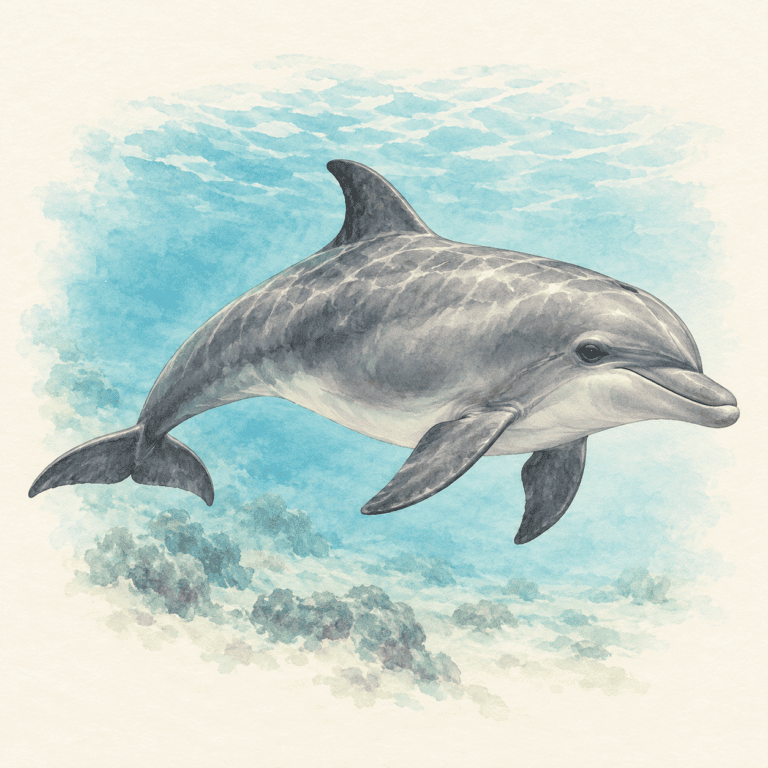
Common Bottlenose Dolphin
The common bottlenose dolphin has a short thick beak and a generally gray body.
Take a closer look ↗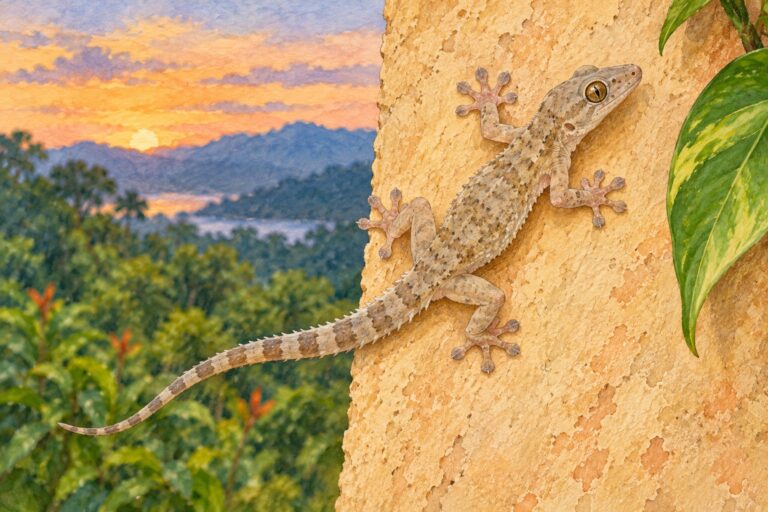
Common House Gecko
An introduced wall-climbing gecko often appears near buildings after dark.
Take a closer look ↗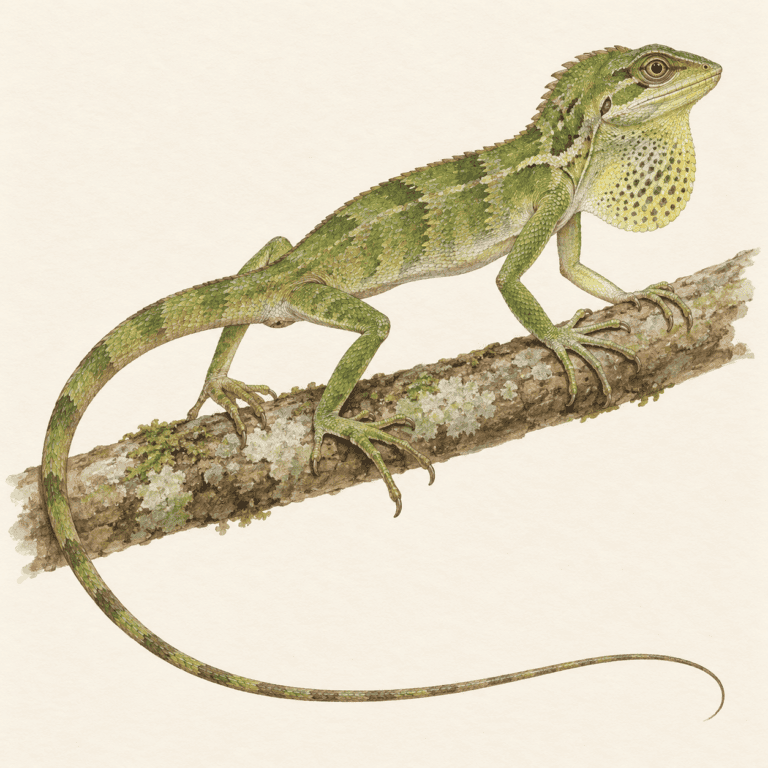
Common Monkey Lizard
A slow-moving tree-dwelling lizard with a very long tail.
Take a closer look ↗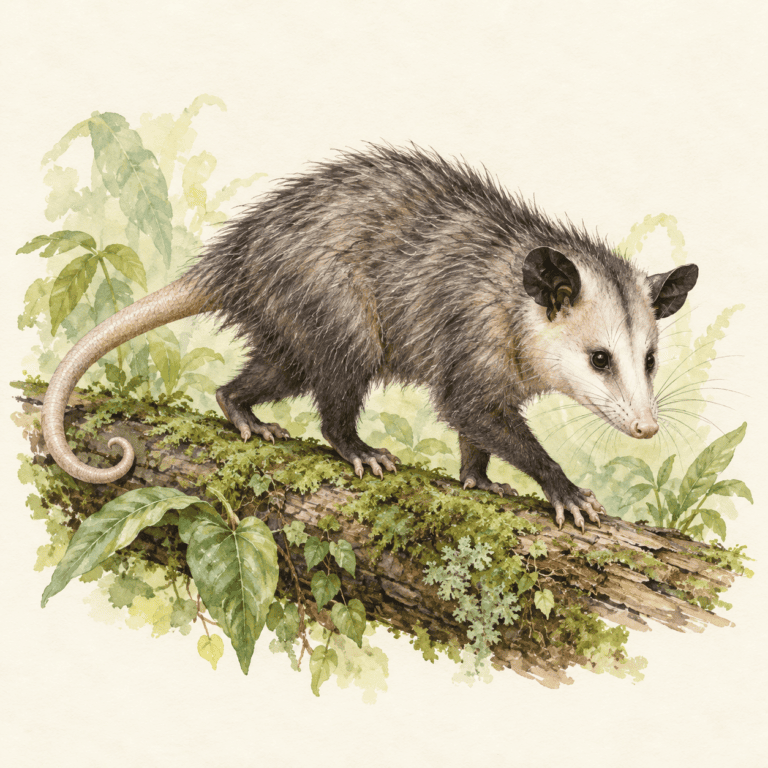
Common Opossum
The common opossum is a marsupial: its young complete an important part of their development attached to their mother's teats, protected in her pouch.
Take a closer look ↗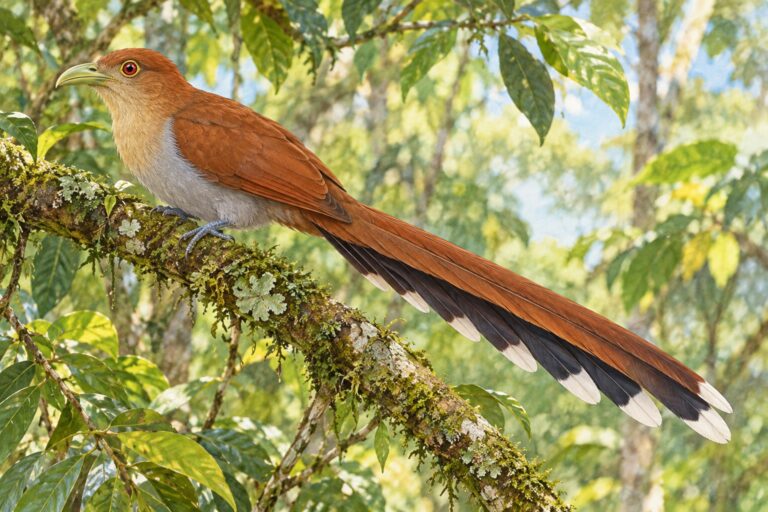
Common Squirrel-Cuckoo
A rusty forest cuckoo with an exceptionally long tail.
Take a closer look ↗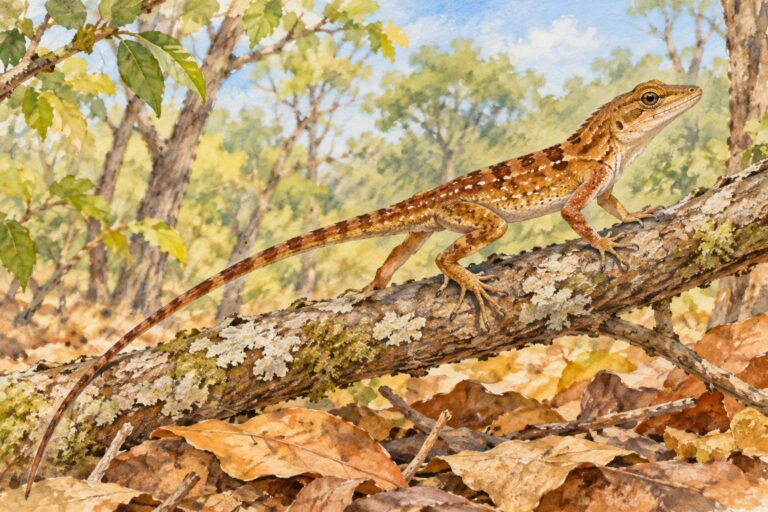
Copper Anole
A familiar brown anole watches from low perches in Pacific-slope landscapes.
Take a closer look ↗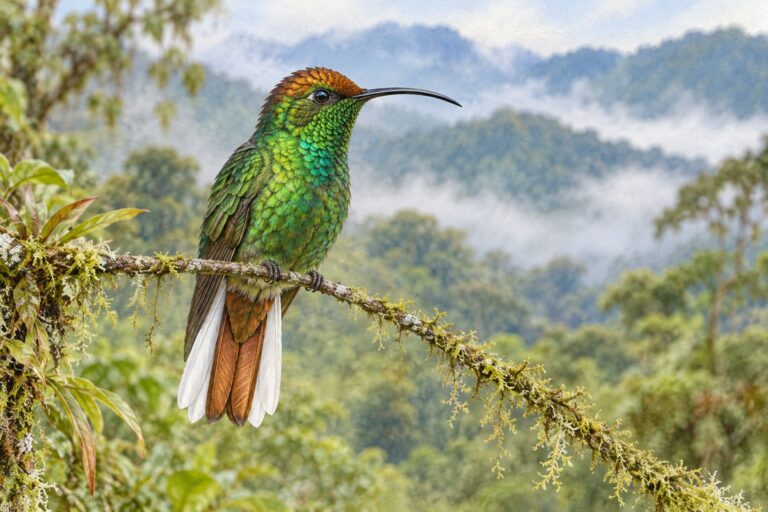
Coppery-headed Emerald
A tiny hummingbird found naturally only in Costa Rica.
Take a closer look ↗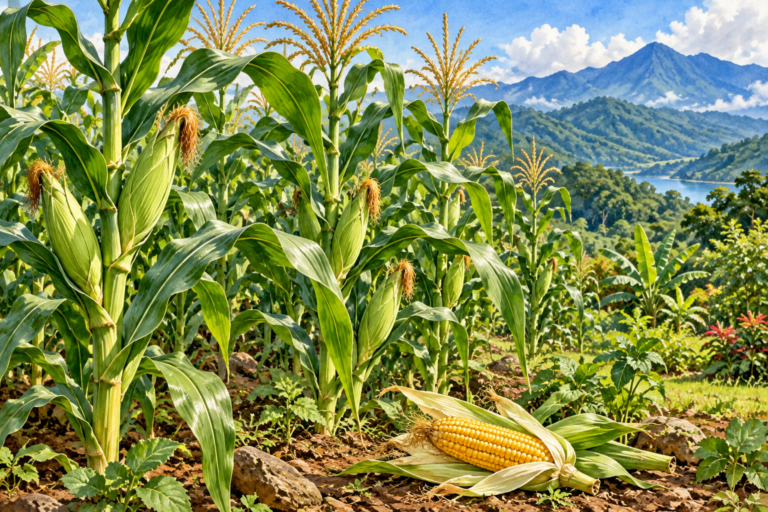
Corn
Corn, also called maize, is a cultivated grass.
Take a closer look ↗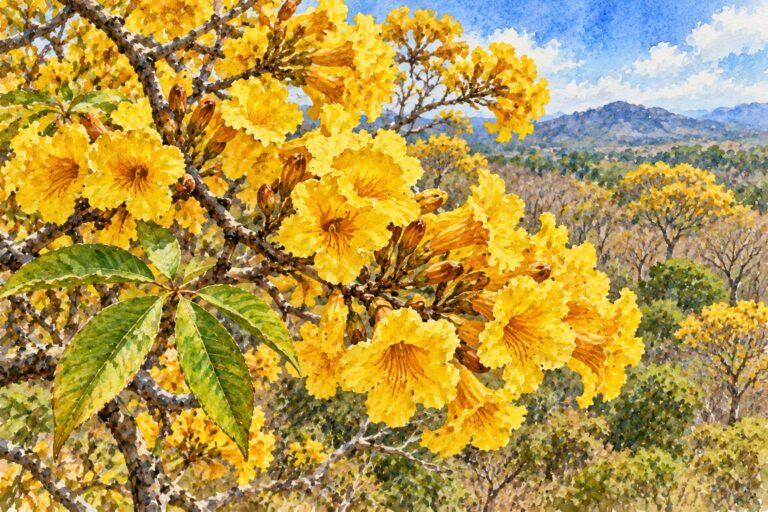
Cortez Amarillo
Golden trumpet flowers can brighten the branches of an almost leafless tree.
Take a closer look ↗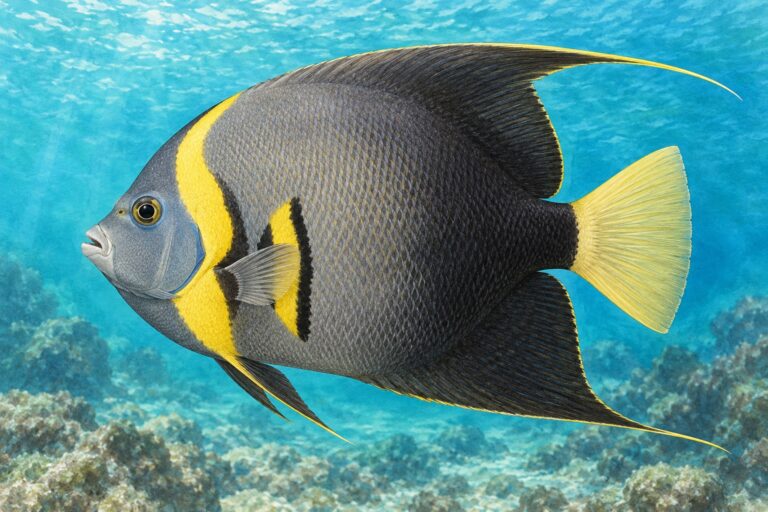
Cortez Angelfish
A tall angelfish with yellow accents and dramatic juvenile stripes.
Take a closer look ↗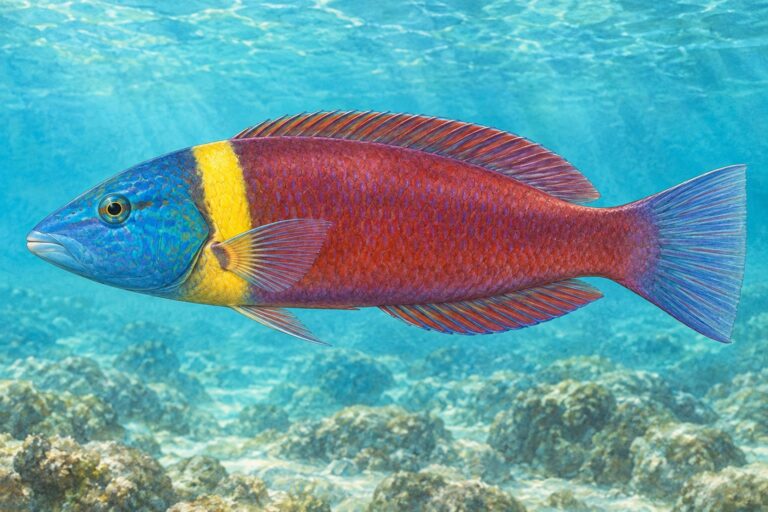
Cortez Rainbow Wrasse
A small wrasse whose colors change as it grows.
Take a closer look ↗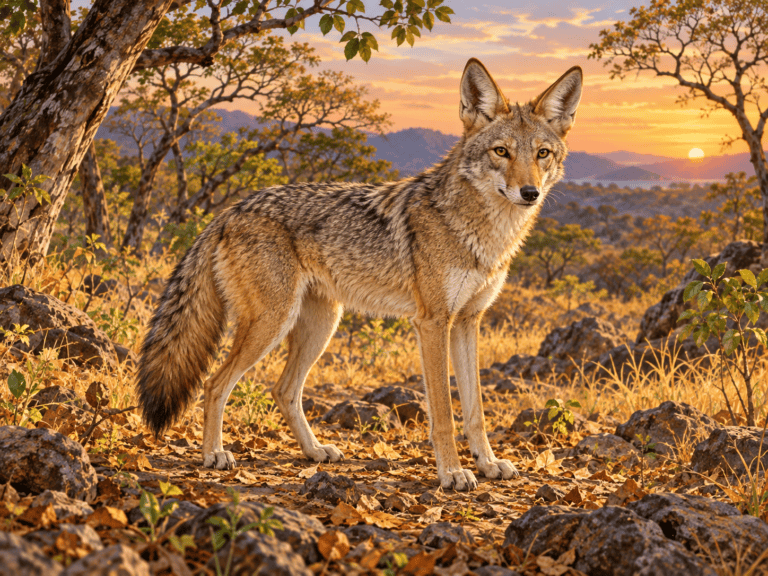
Coyote
An adaptable wild canid that uses woodland edges and open country.
Take a closer look ↗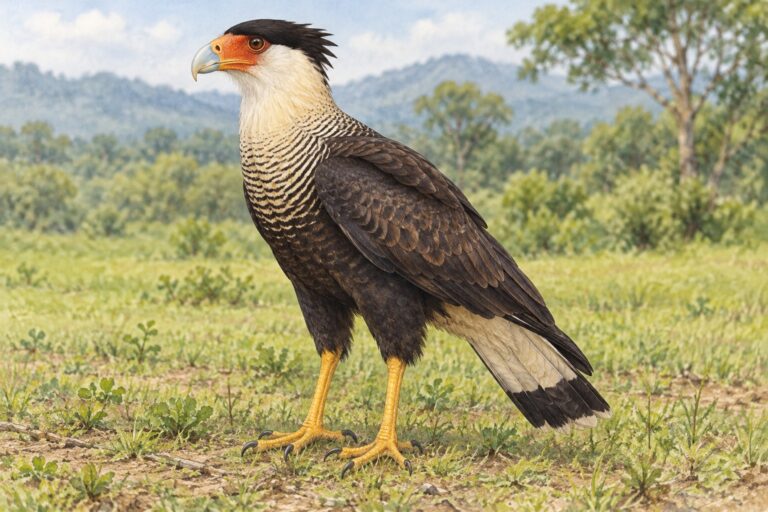
Crested Caracara
A long-legged raptor that often walks on the ground.
Take a closer look ↗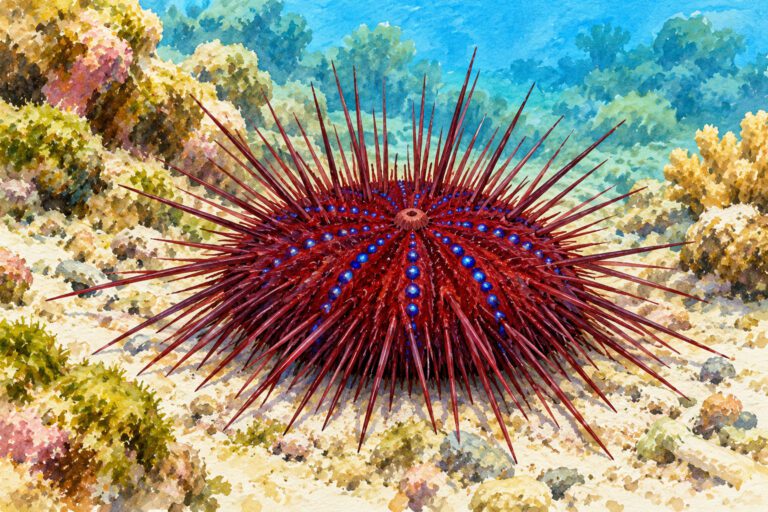
Crown Sea Urchin
Astropyga pulvinata is an urchin with long spines and distinctive bright blue spots on parts of its body.
Take a closer look ↗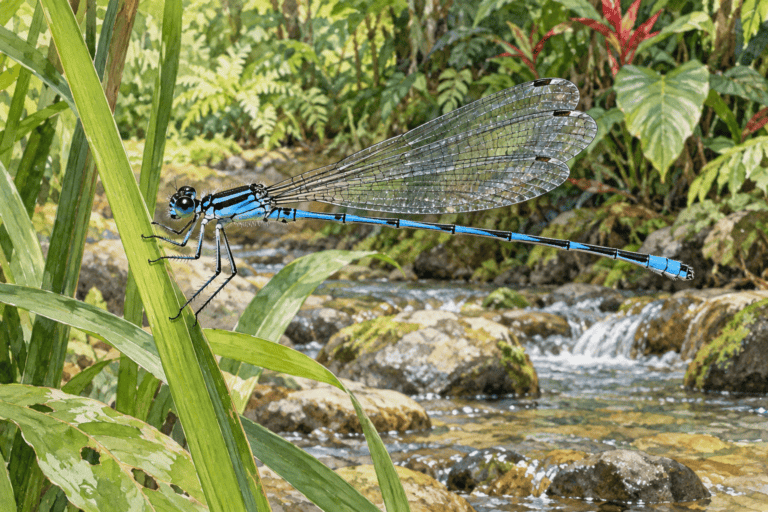
Damselflies
Slender body.
Take a closer look ↗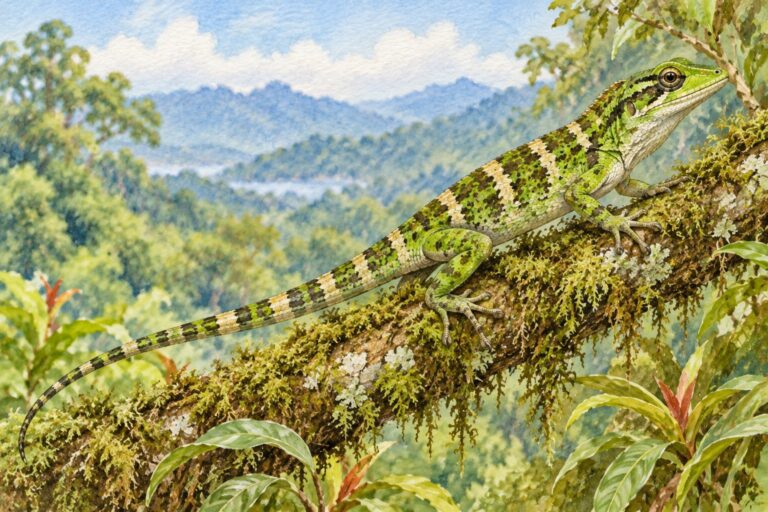
Decorated Anole
A large forest anole blends green and pale markings into a leafy canopy.
Take a closer look ↗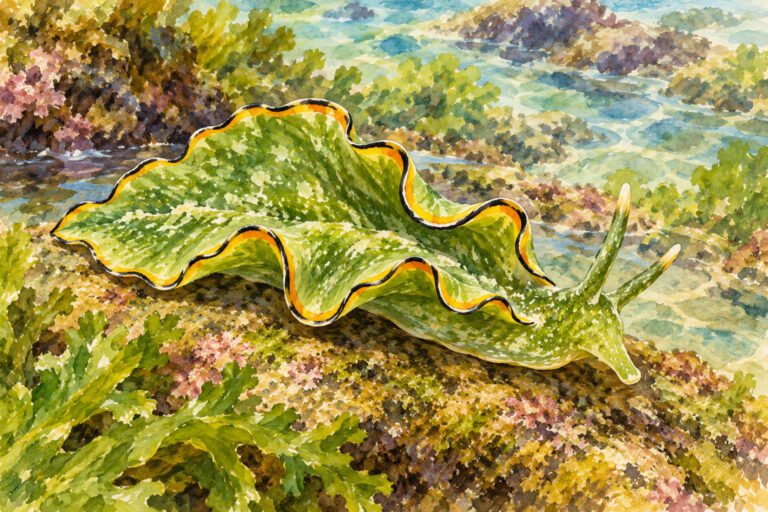
Diomedea Leaf Sea Slug
Elysia diomedea is a small marine gastropod with folded, leaf-like sides and a greenish appearance.
Take a closer look ↗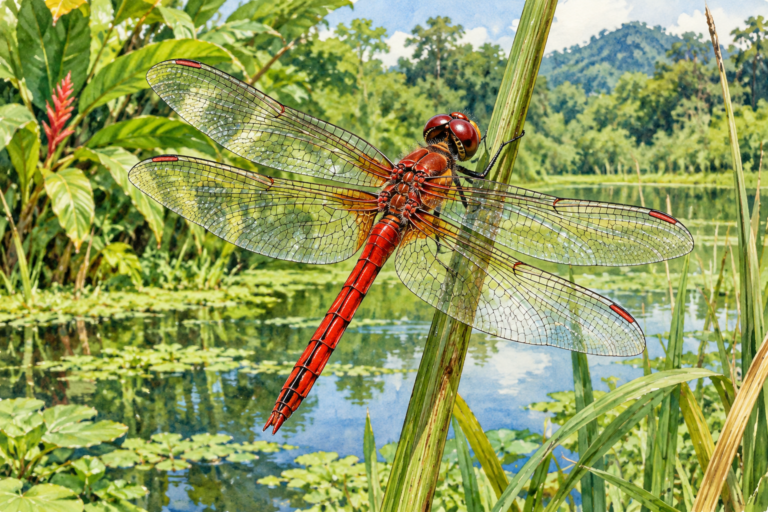
Dragonflies
Large eyes.
Take a closer look ↗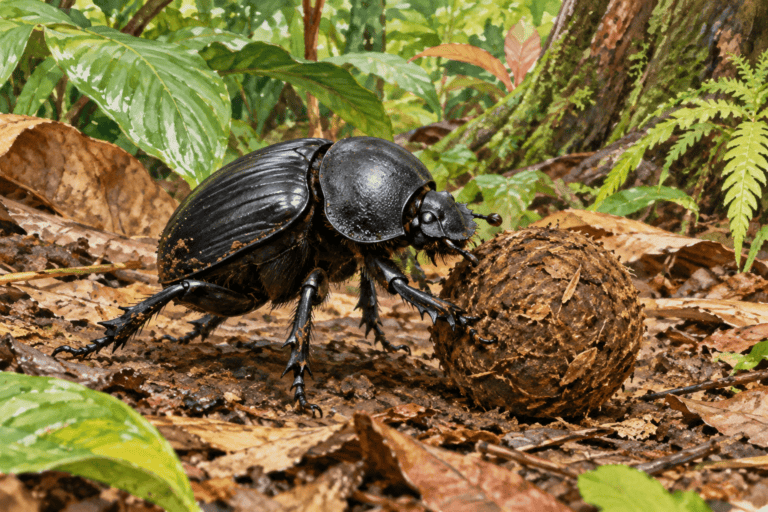
Dung Beetles
Compact beetle body.
Take a closer look ↗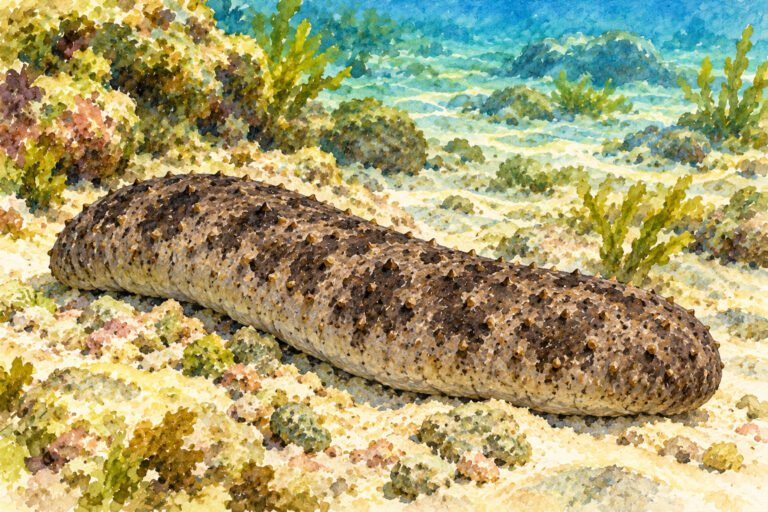
Dusky Sea Cucumber
Holothuria fuscocinerea is a sea cucumber: a marine echinoderm with an elongated body instead of spreading arms.
Take a closer look ↗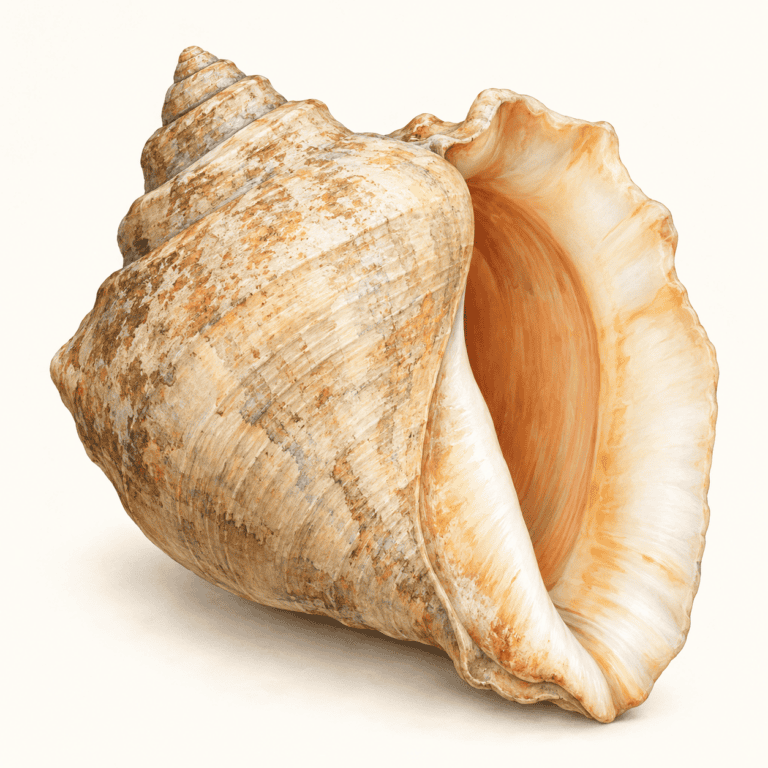
Eastern Pacific Giant Conch
A large conch connects marine nature with Costa Rica’s cultural history.
Take a closer look ↗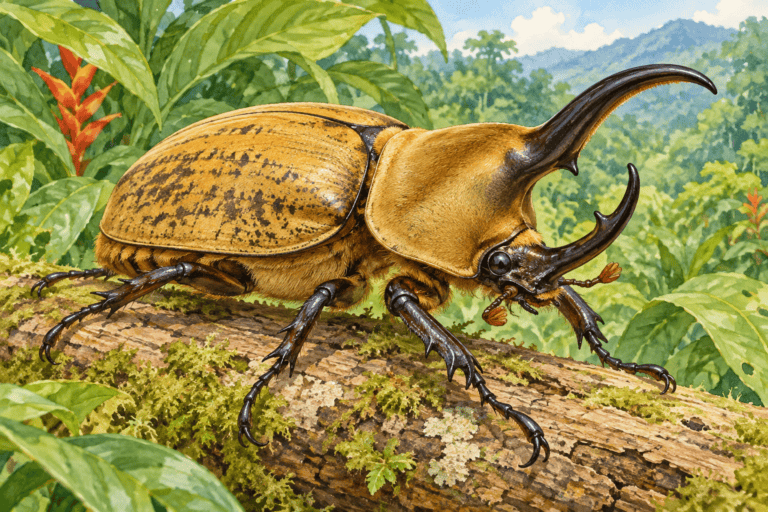
Elephant Beetle
Large rounded beetle.
Take a closer look ↗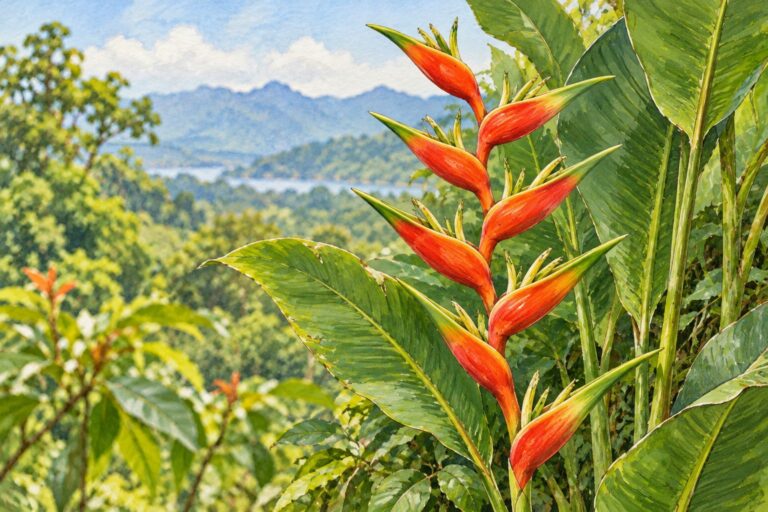
Expanded Lobster Claw
An upright open arrangement of colorful bracts rises among broad green leaves.
Take a closer look ↗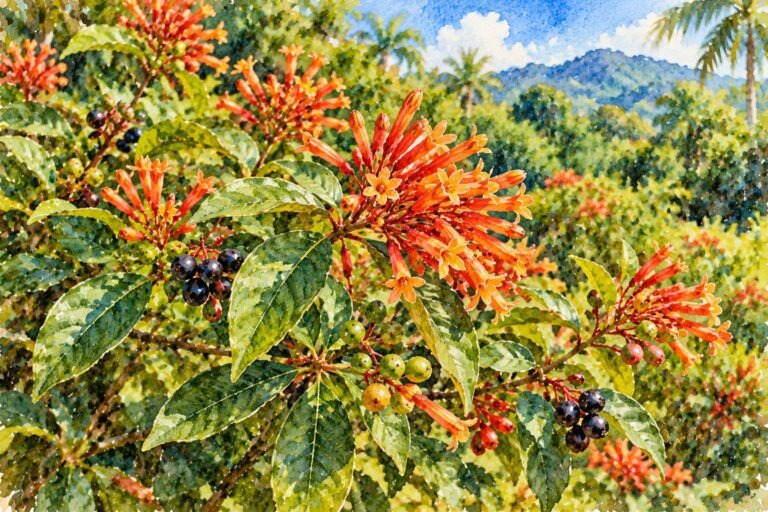
Firebush
Firebush is a shrub with clusters of narrow orange to red tubular flowers.
Take a closer look ↗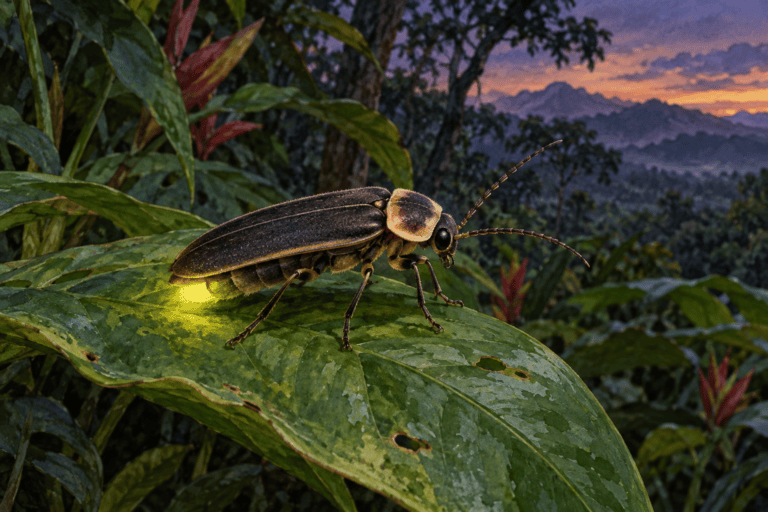
Fireflies
Soft beetle wing covers.
Take a closer look ↗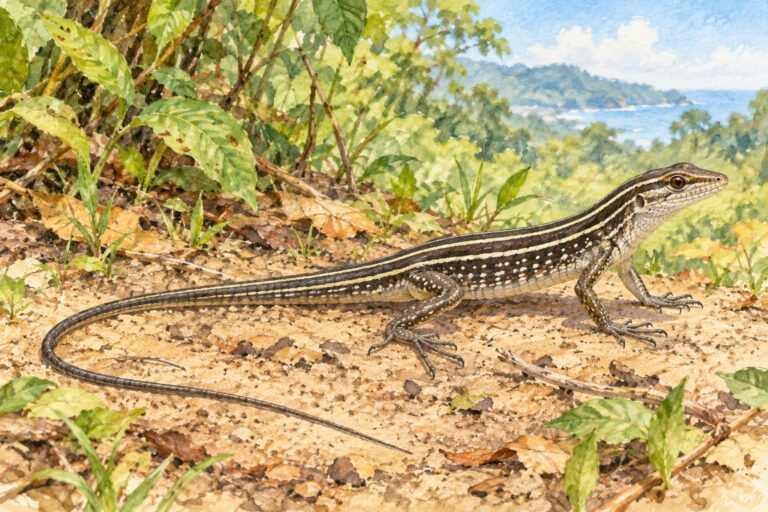
Four-lined Ameiva
Pale lengthwise stripes make this quick ground lizard worth a careful second look.
Take a closer look ↗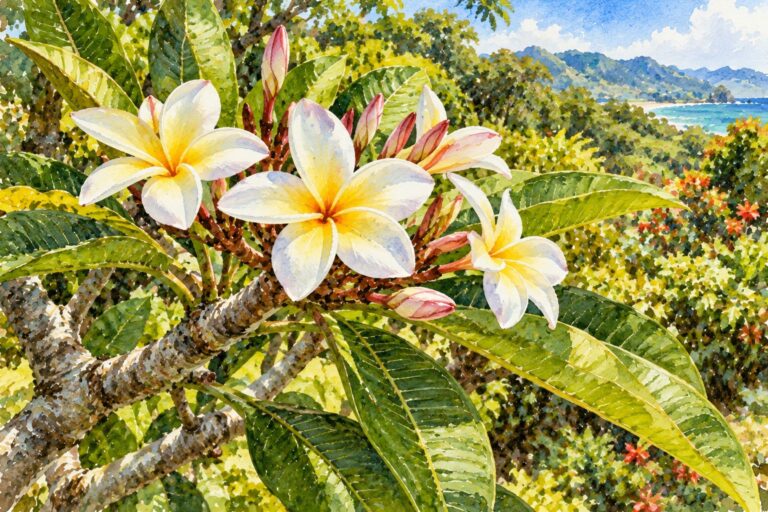
Frangipani
Frangipani is a flowering tree with thick branches and clusters of five-lobed blossoms.
Take a closer look ↗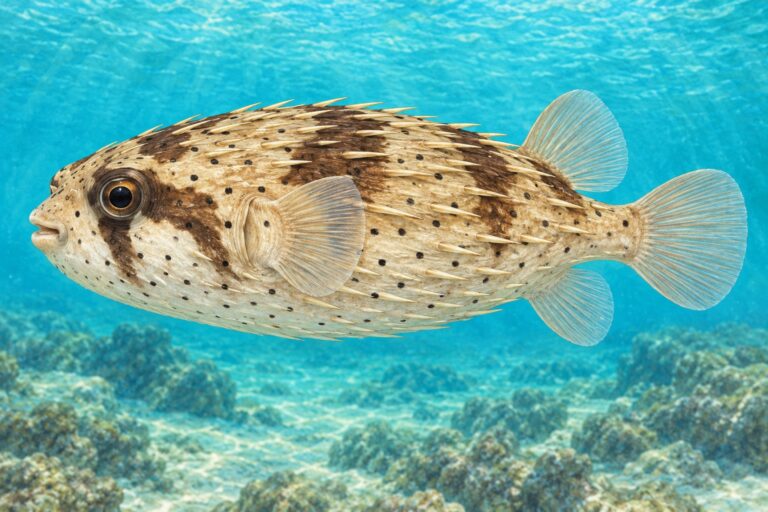
Freckled Porcupinefish
An oval fish with long spines that usually lie against its skin.
Take a closer look ↗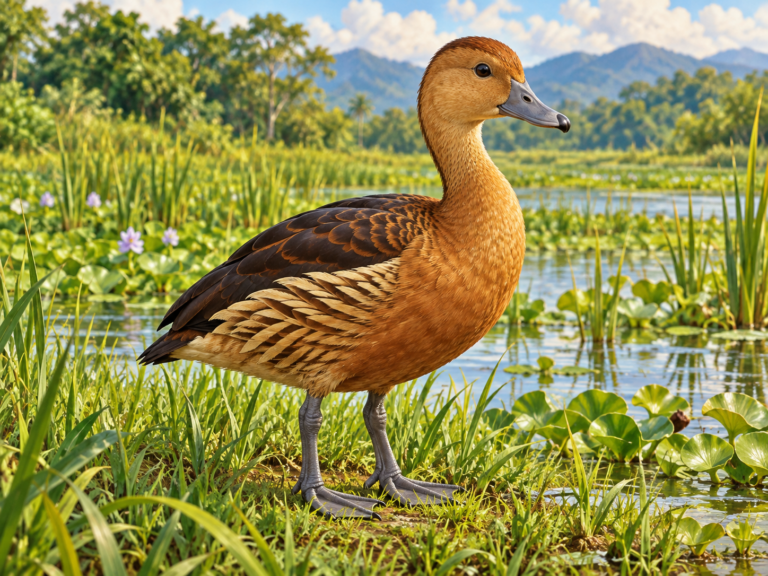
Fulvous Whistling-Duck
A warm-brown duck with a long neck and a whistling voice.
Take a closer look ↗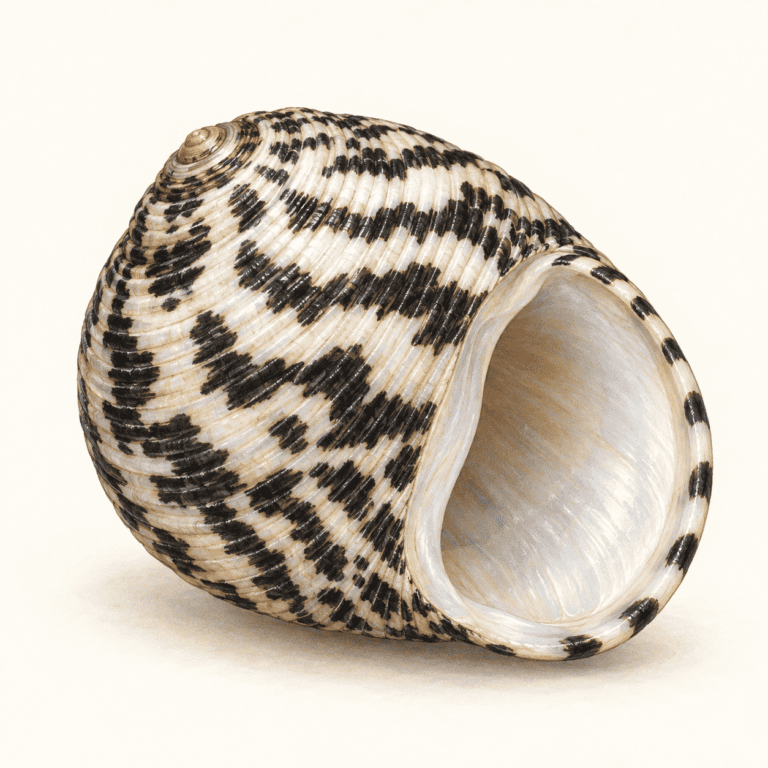
Funiculate Nerite
A small, rounded nerite invites a close look at its shell pattern.
Take a closer look ↗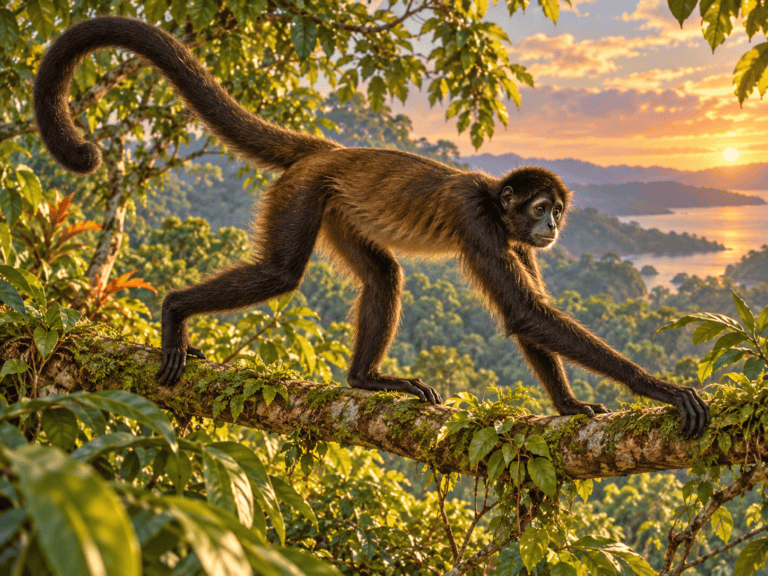
Geoffroy’s Spider Monkey
Long limbs and a grasping tail help this monkey move through the canopy.
Take a closer look ↗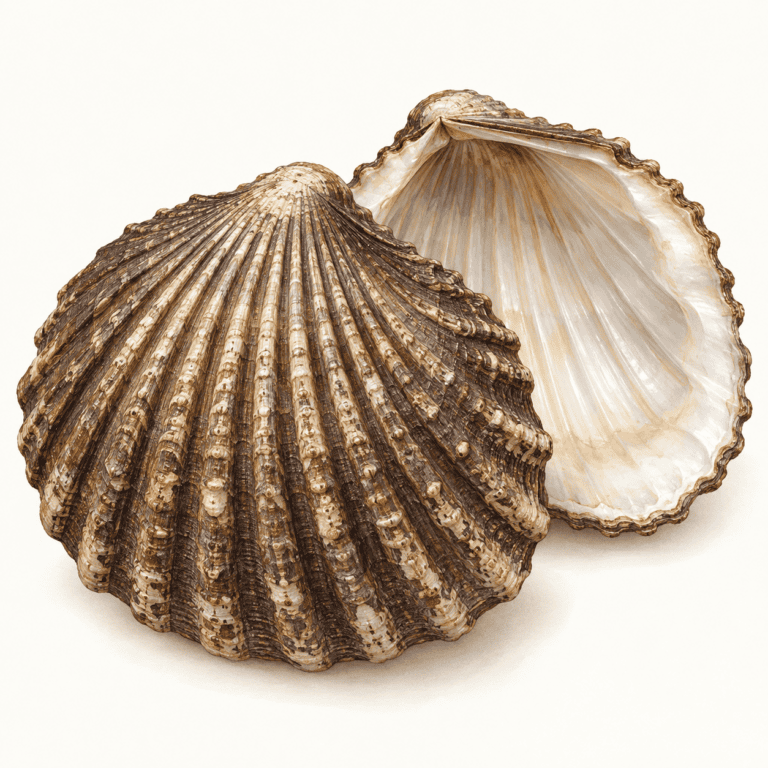
Giant Ark Clam
A large ark shell has deep spaces between its strong ribs.
Take a closer look ↗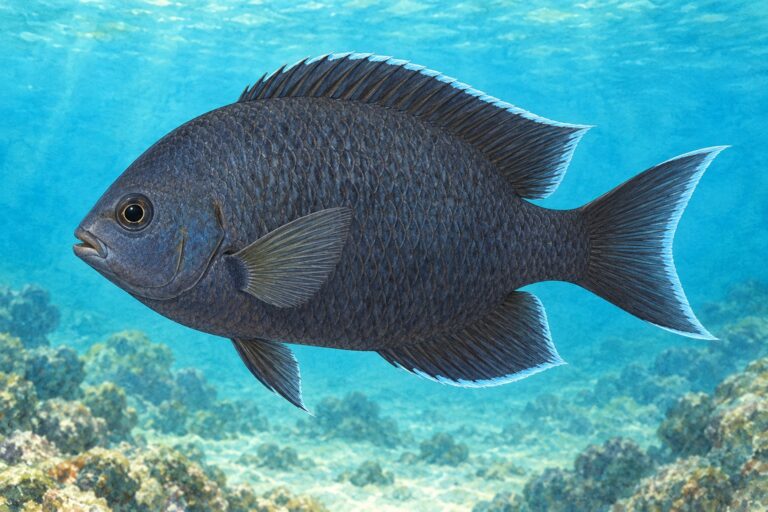
Giant Damselfish
A large damselfish with dark blue-gray adult coloring.
Take a closer look ↗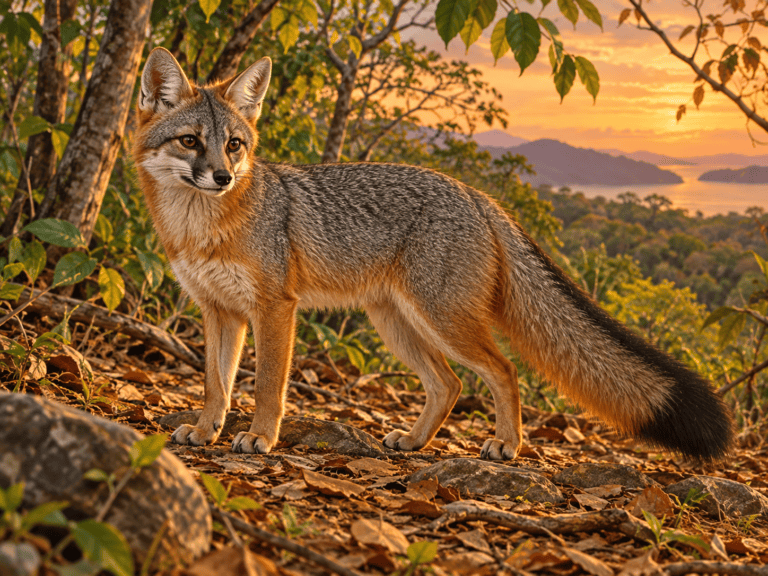
Gray Fox
A small gray-and-russet canid that can climb trees.
Take a closer look ↗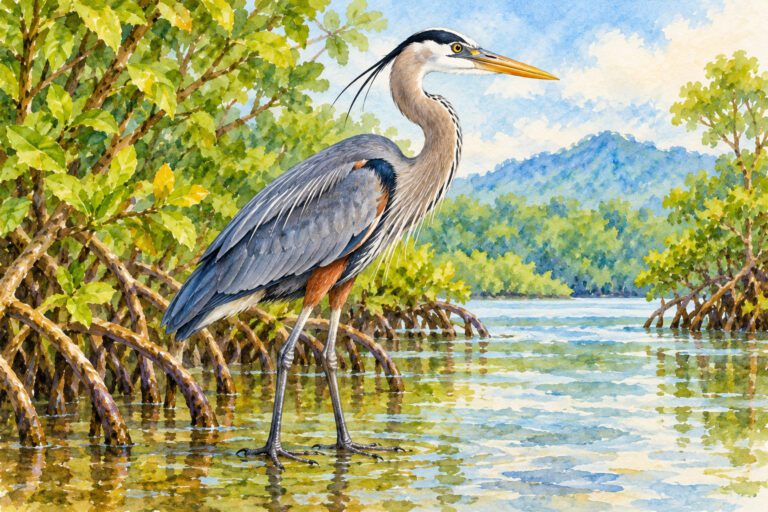
Great Blue Heron
This large heron searches shallow water for fish and other small animals.
Take a closer look ↗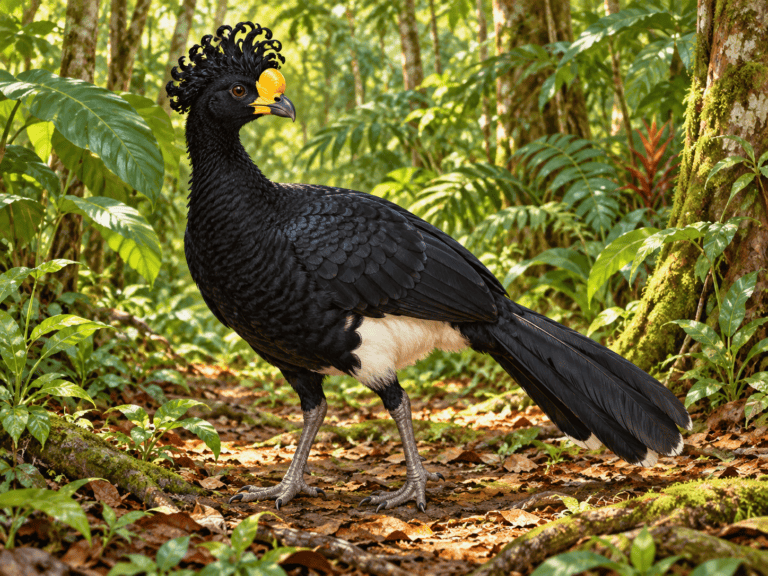
Great Curassow
A large forest bird with a curled crest and contrasting male and female plumage.
Take a closer look ↗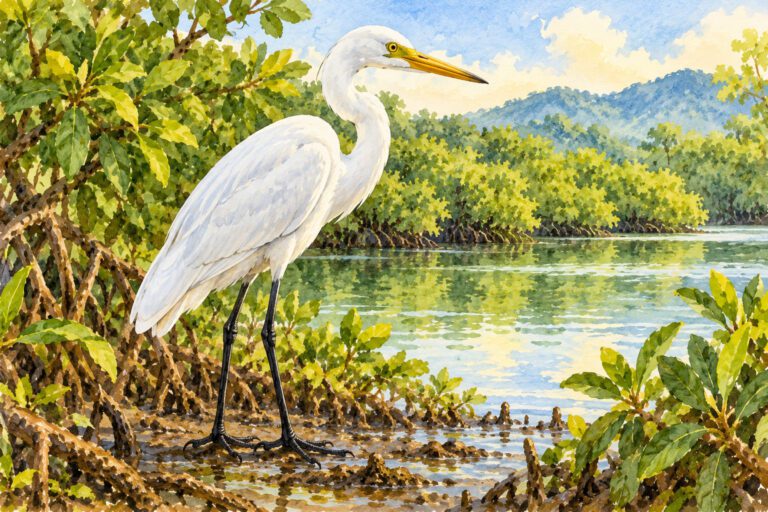
Great Egret
The Great Egret is a large white wading bird that hunts by waiting or walking slowly in shallow water.
Take a closer look ↗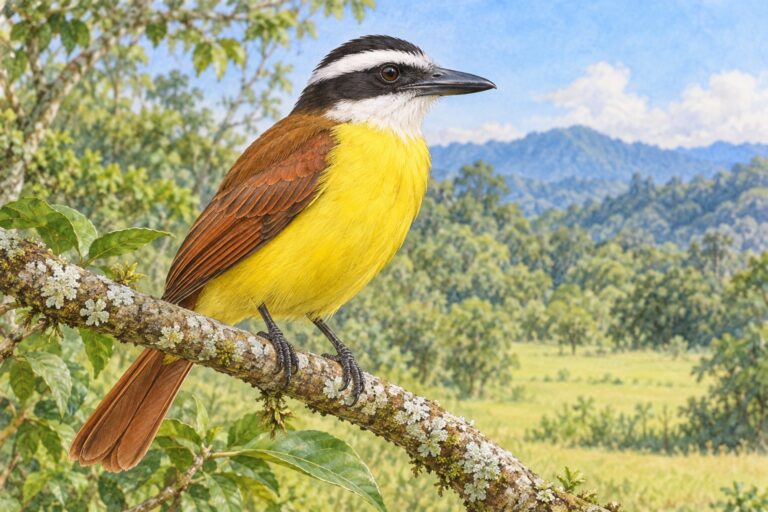
Great Kiskadee
A loud flycatcher with a yellow belly and striped head.
Take a closer look ↗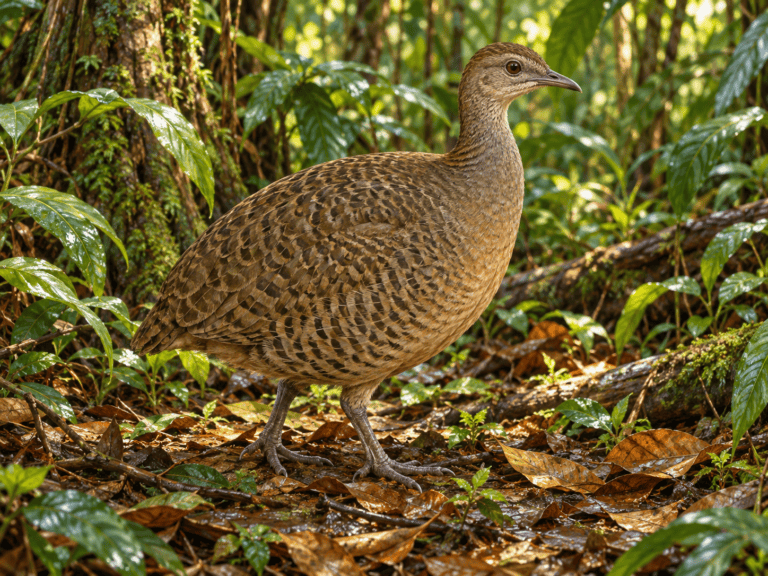
Great Tinamou
A camouflaged forest-floor bird with a far-carrying whistle.
Take a closer look ↗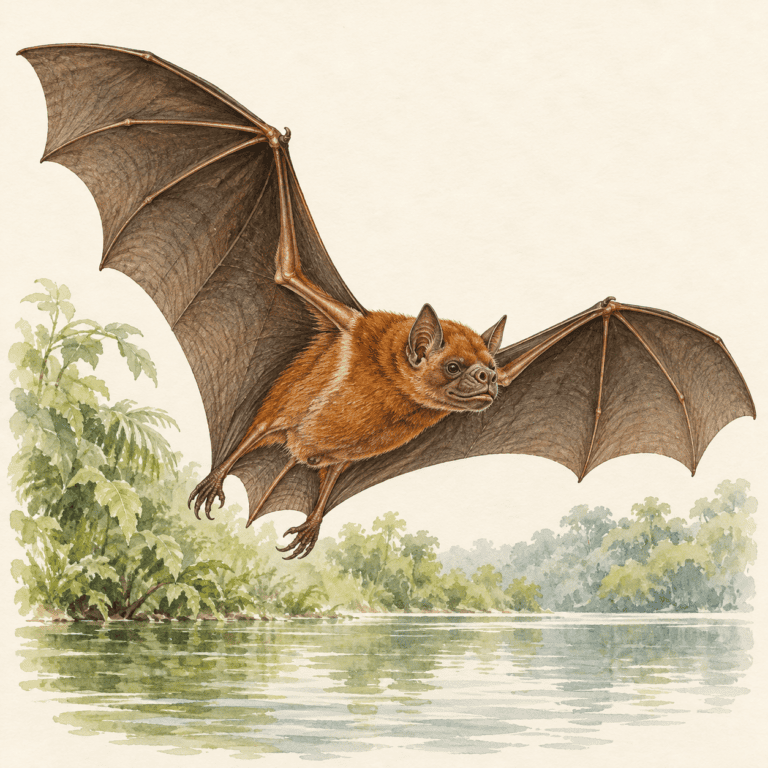
Greater Bulldog Bat
The greater bulldog bat is one of the bats that regularly catches fish.
Take a closer look ↗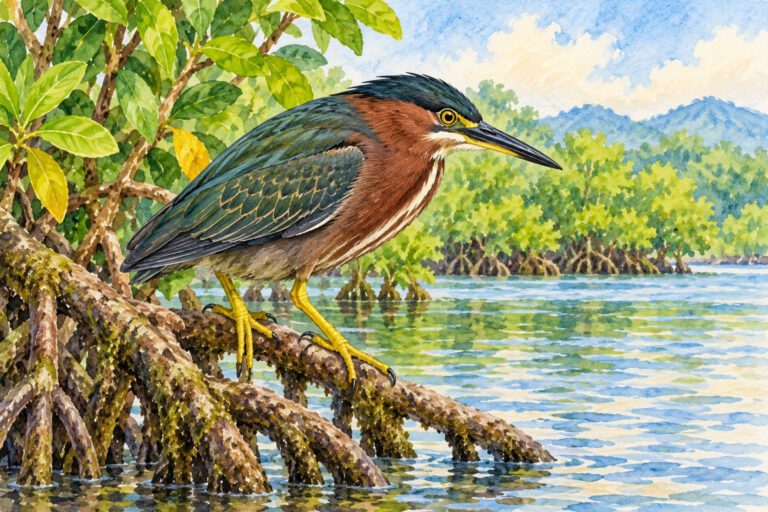
Green Heron
The Green Heron is a compact hunter with a dark greenish back, chestnut neck and a short crest.
Take a closer look ↗