Puntarenas — City
Explore Category
Location
Regions
Puntarenas & the Gulf Islands
Towns & nearby places
Puntarenas
Highlights

Explore Nature Field Guide cards from this province and the surrounding travel regions named below. Habitats and species vary by locality.
Nature Field Guide
Nature & Wildlife Around Puntarenas
Discover the seabirds, marine life and coastal plants of Puntarenas and the Gulf of Nicoya. Explore the species that connect mangrove-lined estuaries, island shores and Pacific waters, then meet more wildlife from the wider Central Pacific region.
100 profiles
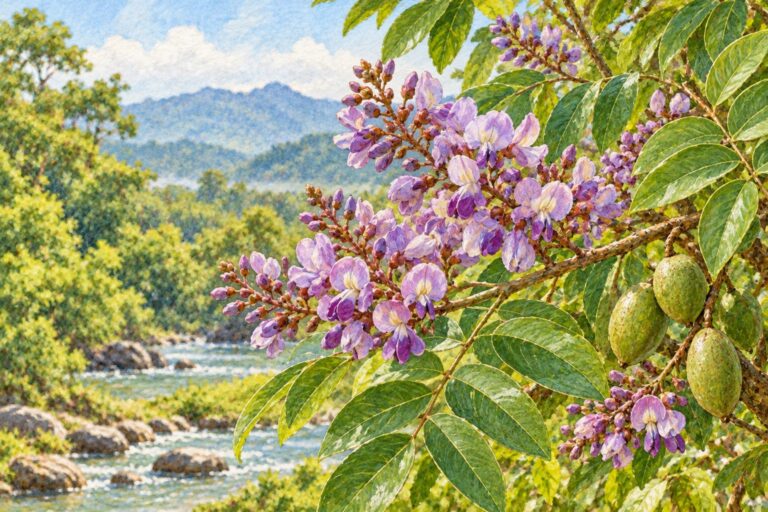
Almendro de Rio
Purple flower clusters stand out against a dense green crown.
Take a closer look ↗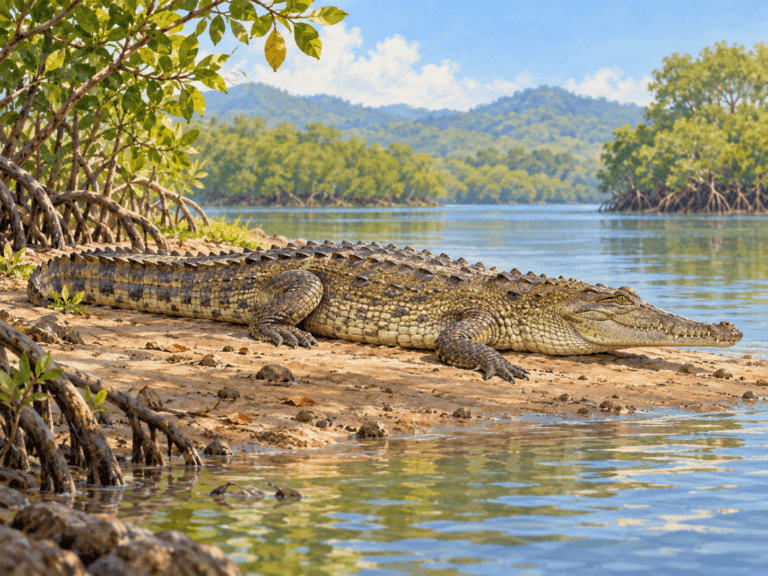
American Crocodile
A long snout and narrow head.
Take a closer look ↗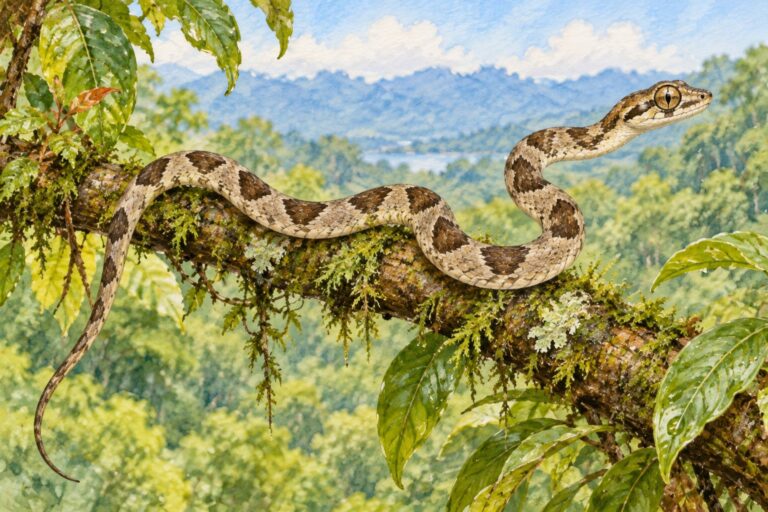
American Snail-eater
A narrow-bodied forest climber searches a world of branches and soft-bodied prey.
Take a closer look ↗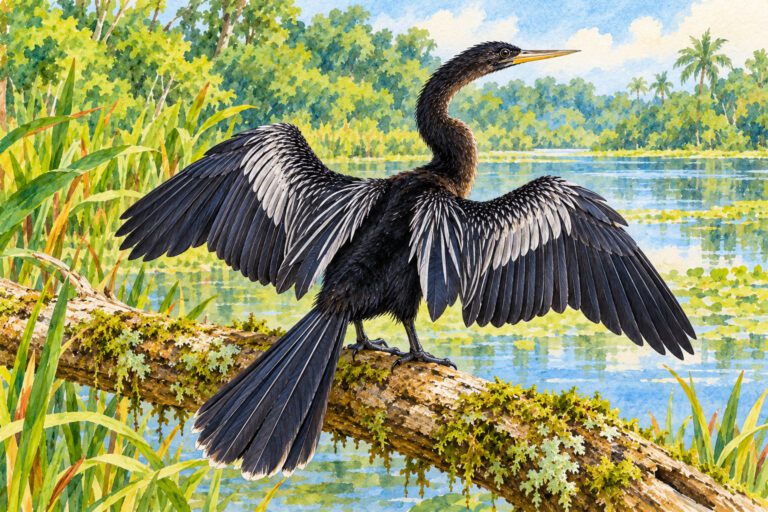
Anhinga
Anhingas swim underwater after fish and use straight pointed bills to seize prey.
Take a closer look ↗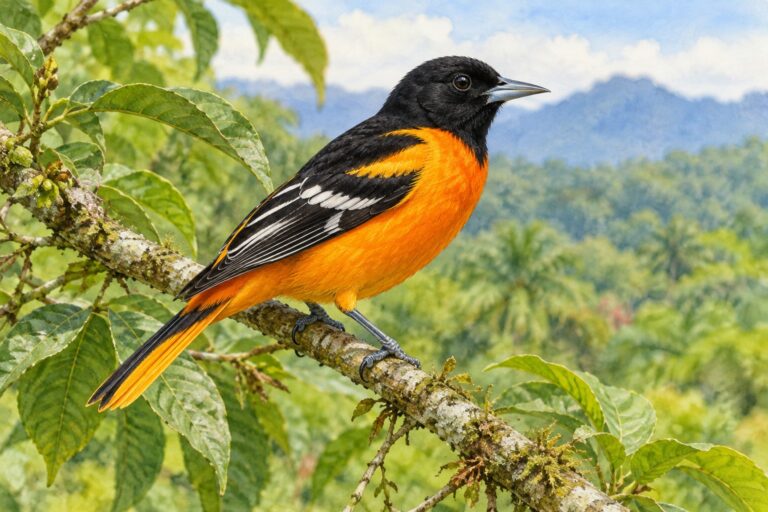
Baltimore Oriole
An orange-and-black seasonal visitor from the north.
Take a closer look ↗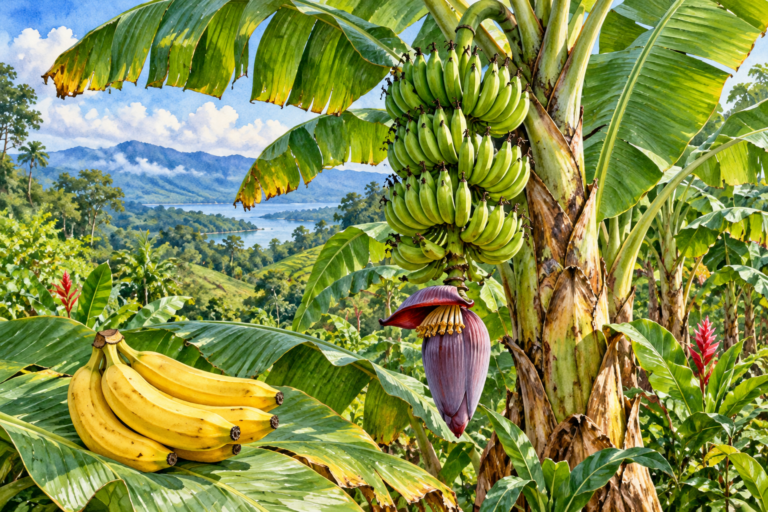
Banana
A banana plant looks like a tree, but it is a giant herb.
Take a closer look ↗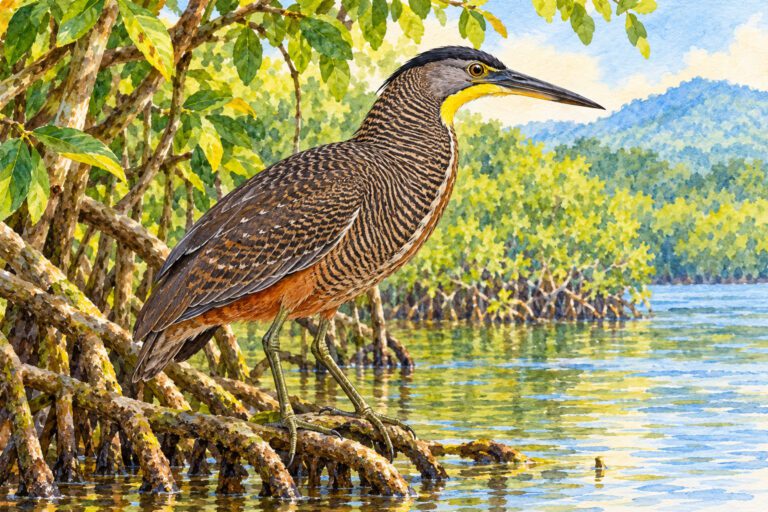
Bare-throated Tiger-Heron
This robust tropical heron uses mangroves and freshwater wetlands.
Take a closer look ↗
Beach Morning Glory
Creeping stems extending across beach sand.
Take a closer look ↗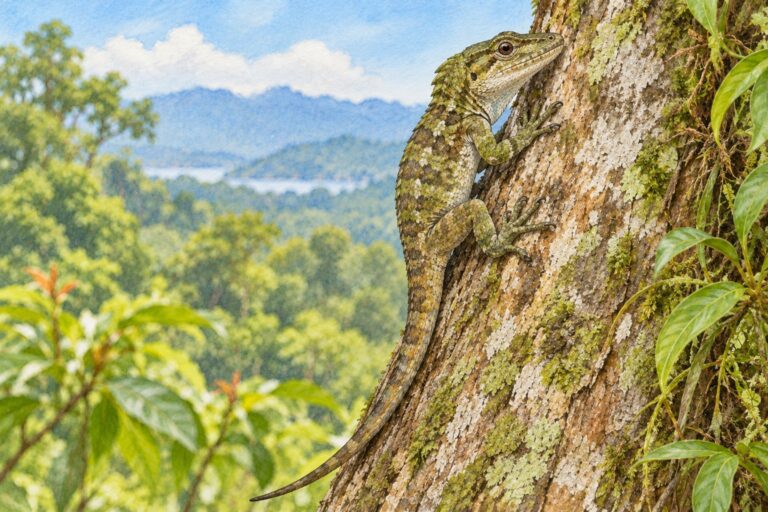
Big-headed Anole
A broad head and mottled colors help this forest anole blend into bark.
Take a closer look ↗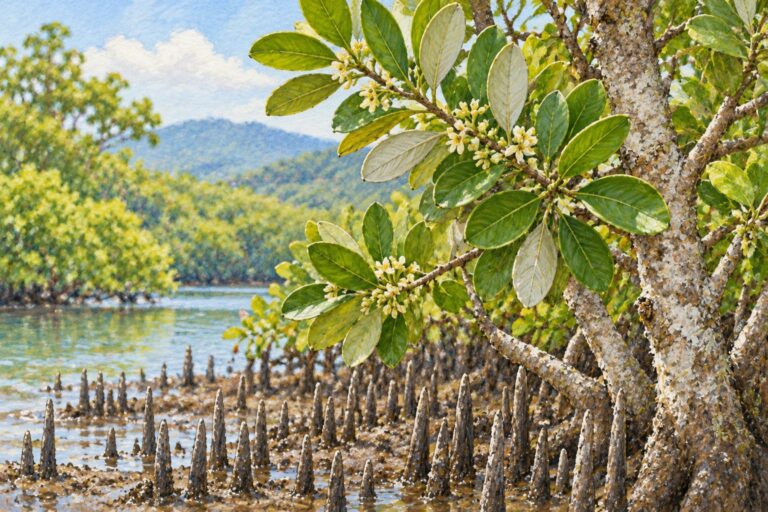
Black Mangrove
Pencil-shaped breathing roots rise from the mud around this mangrove.
Take a closer look ↗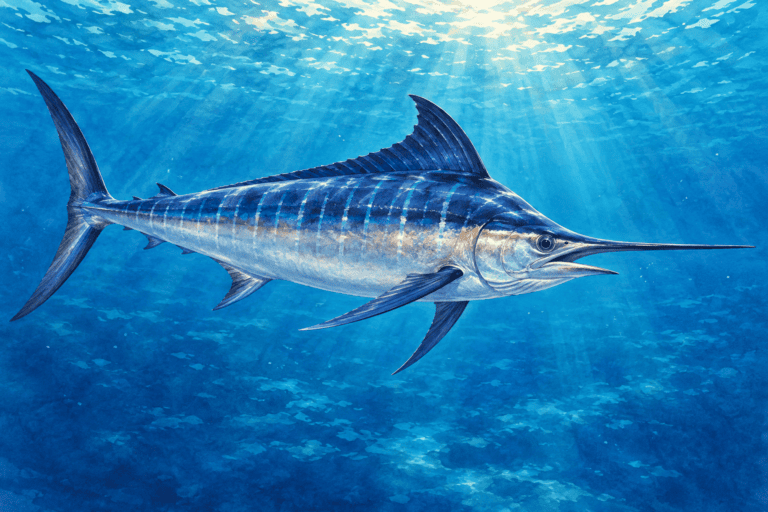
Black Marlin
Rigid pectoral fins that do not fold flat against the body.
Take a closer look ↗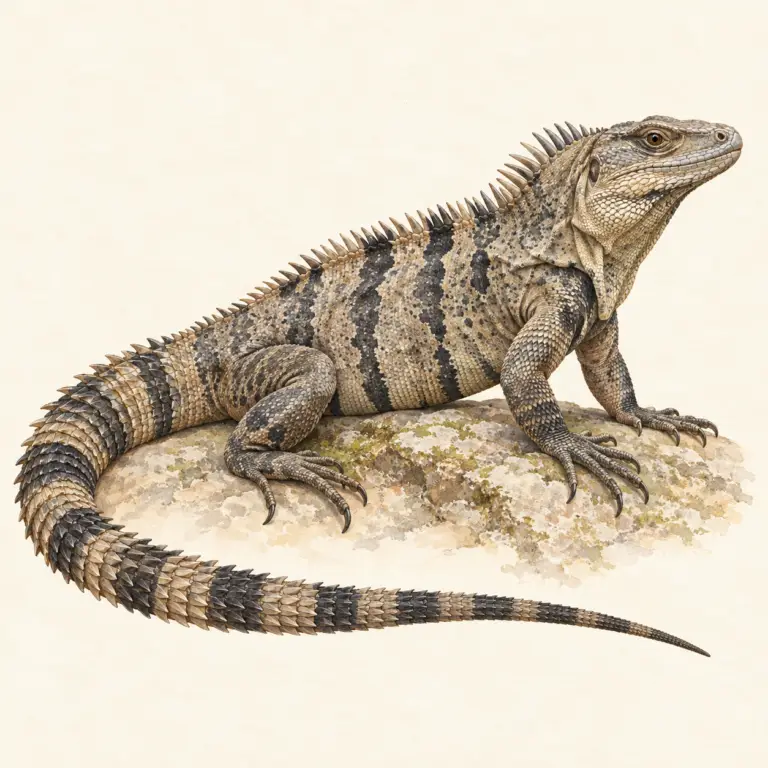
Black Spiny-tailed Iguana
This sturdy lizard has a tail ringed with spiny scales.
Take a closer look ↗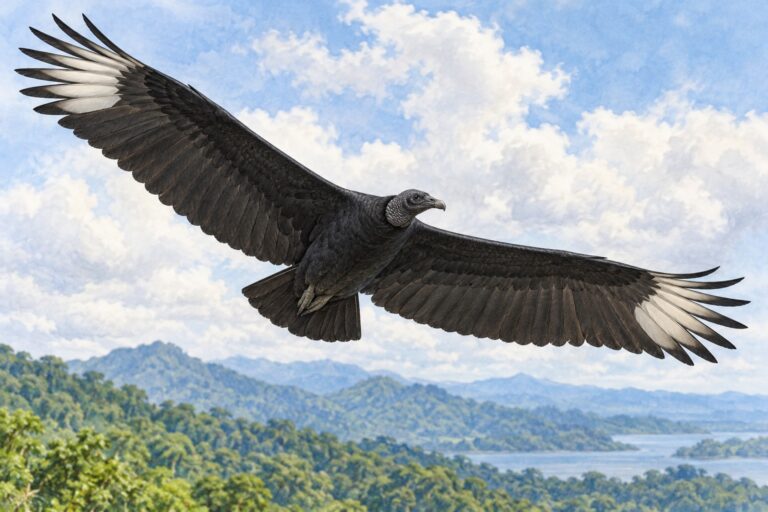
Black Vulture
A dark scavenger with white patches under the wingtips.
Take a closer look ↗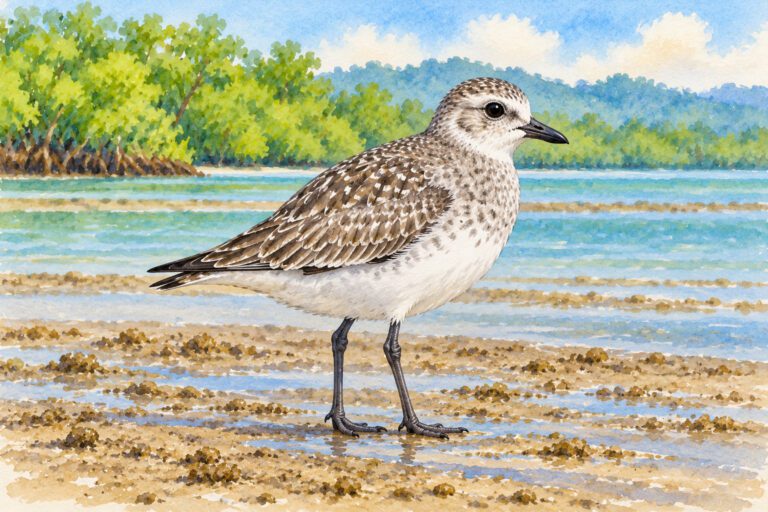
Black-bellied Plover
This large plover breeds in the far north and uses coasts outside breeding.
Take a closer look ↗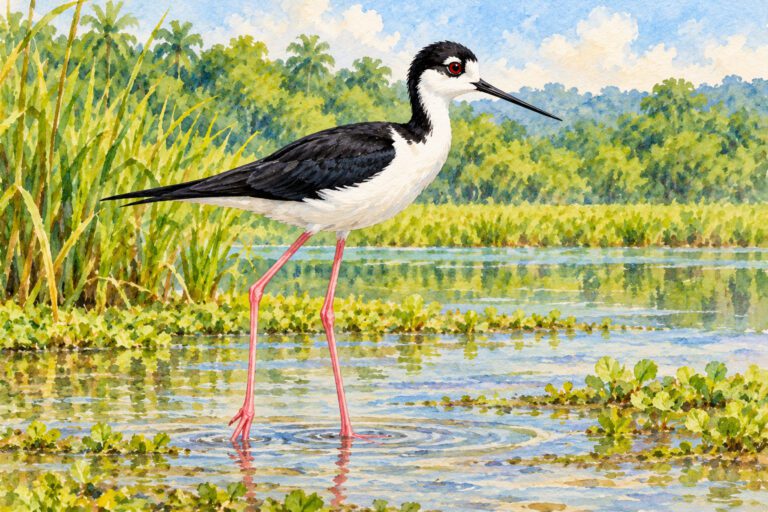
Black-necked Stilt
Black-necked Stilts have exceptionally long pink legs, a thin straight dark bill and contrasting black-and-white plumage.
Take a closer look ↗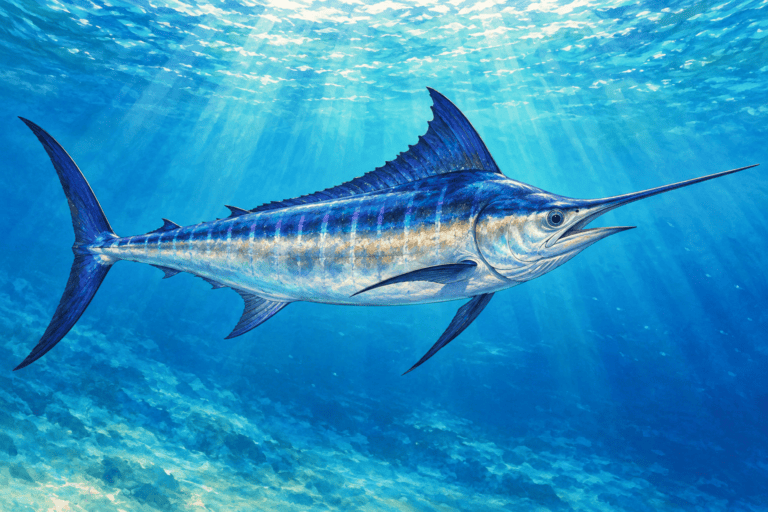
Blue Marlin
A long spear-shaped bill.
Take a closer look ↗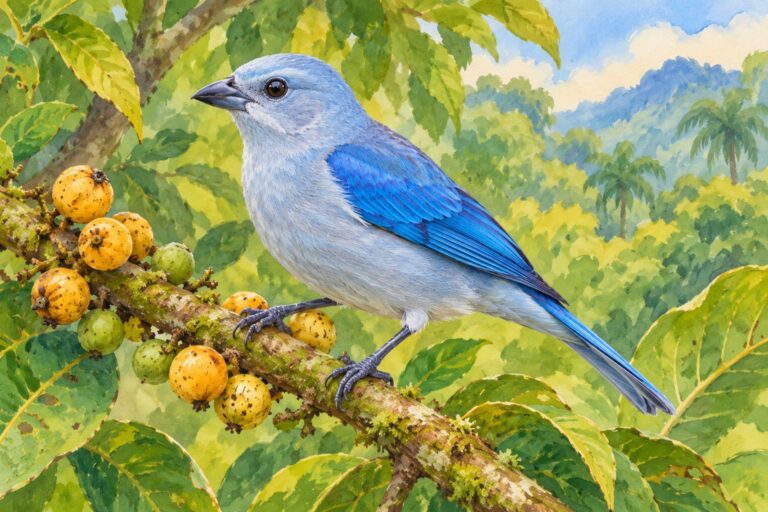
Blue-gray Tanager
A powder-blue bird of gardens and wooded clearings.
Take a closer look ↗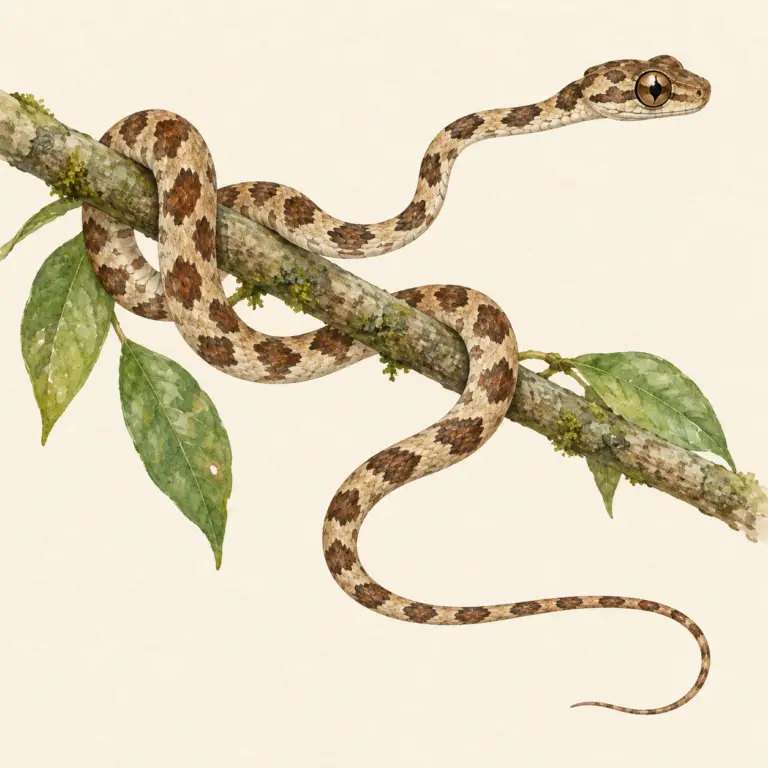
Blunt-headed Tree Snake
An exceptionally slender snake with a broad-looking head and large eyes.
Take a closer look ↗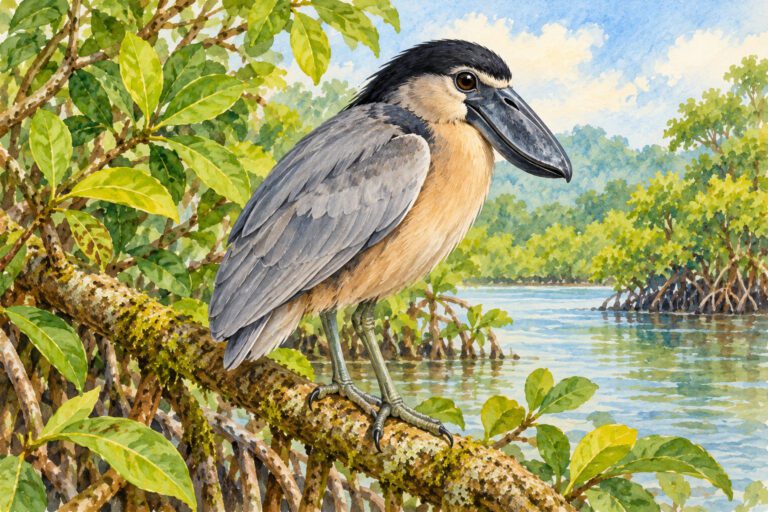
Boat-billed Heron
The Boat-billed Heron has an unusually wide flattened bill and large dark eyes.
Take a closer look ↗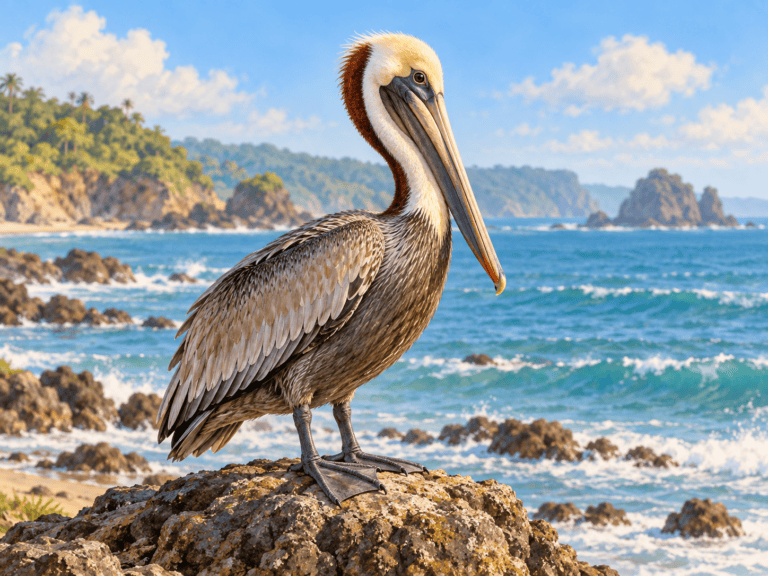
Brown Pelican
A long bill with a pouch beneath the lower jaw.
Take a closer look ↗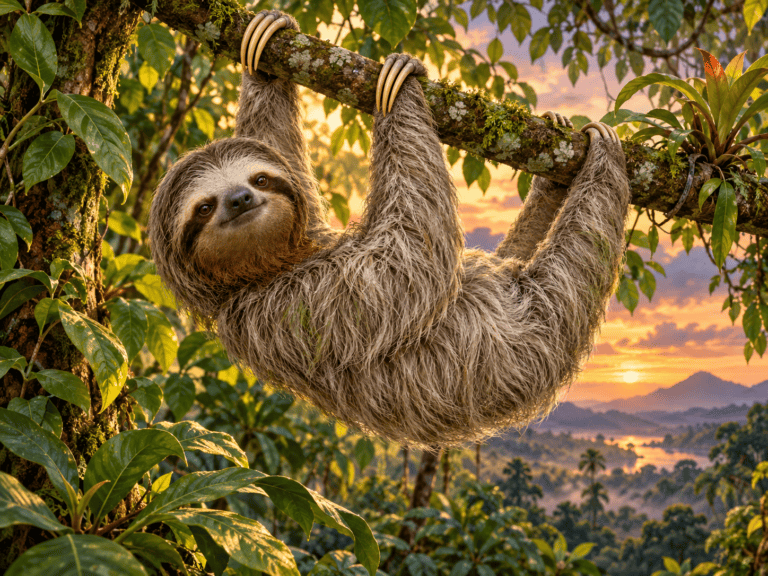
Brown-throated Three-toed Sloth
A slow-moving leaf eater whose fur can blend with the green canopy.
Take a closer look ↗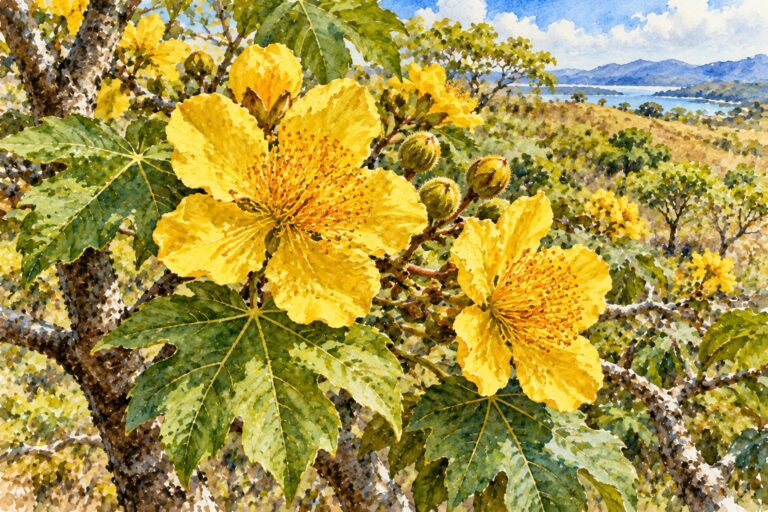
Buttercup Tree
Poro poro bears large open yellow flowers with many stamens.
Take a closer look ↗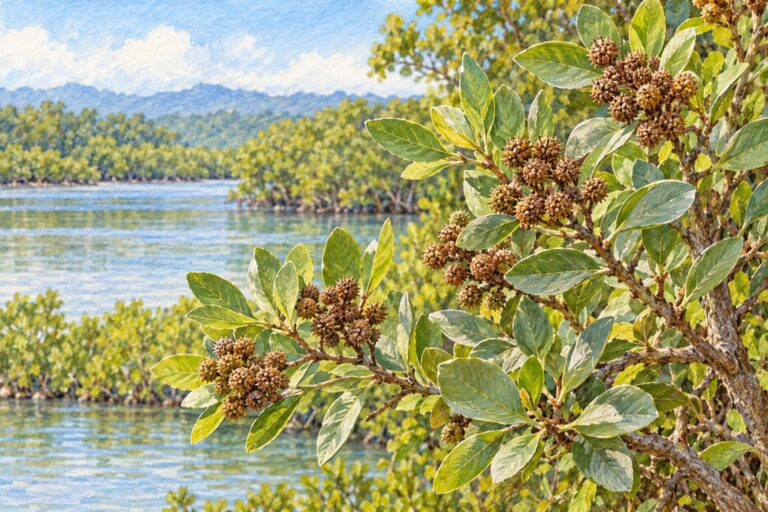
Buttonwood
Small buttonlike fruit heads help identify this coastal tree or shrub.
Take a closer look ↗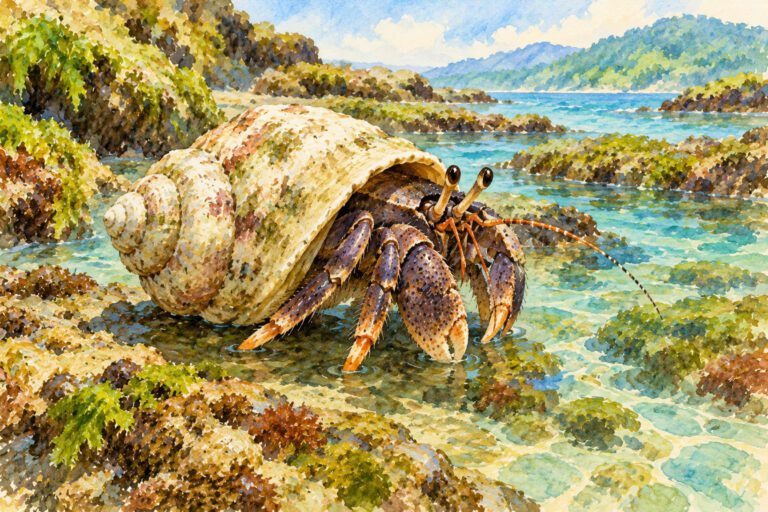
Calcinus Hermit Crab
Calcinus obscurus is a marine hermit crab.
Take a closer look ↗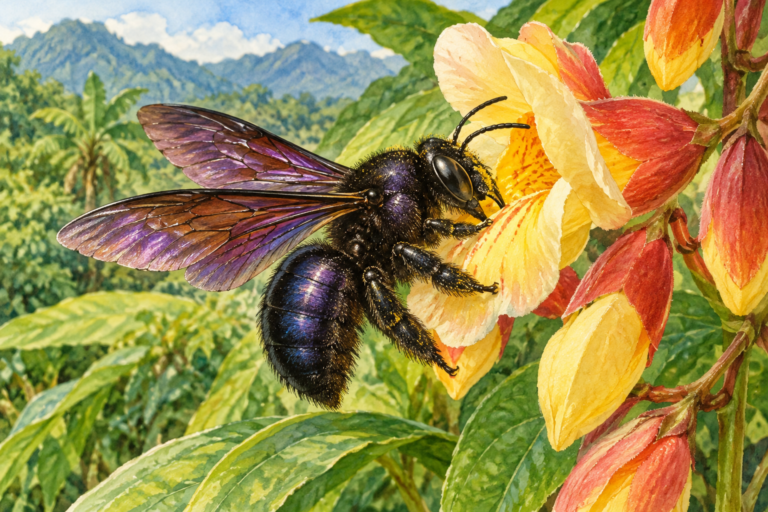
Carpenter Bees
Robust body.
Take a closer look ↗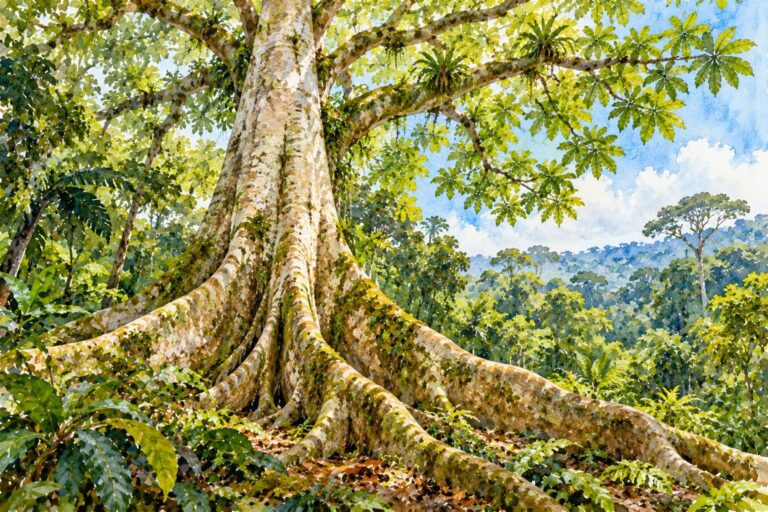
Ceiba Kapok Tree
Huge buttress roots help make a mature ceiba unforgettable.
Take a closer look ↗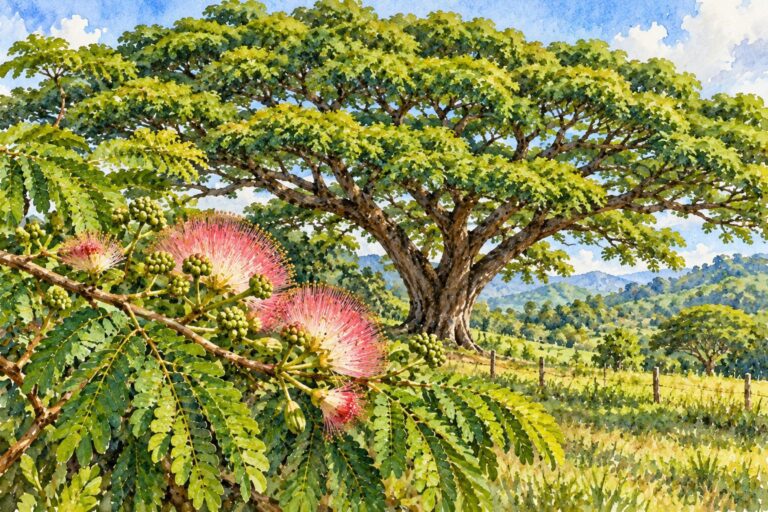
Cenizaro Rain Tree
An umbrella-shaped crown shelters a world beneath its branches.
Take a closer look ↗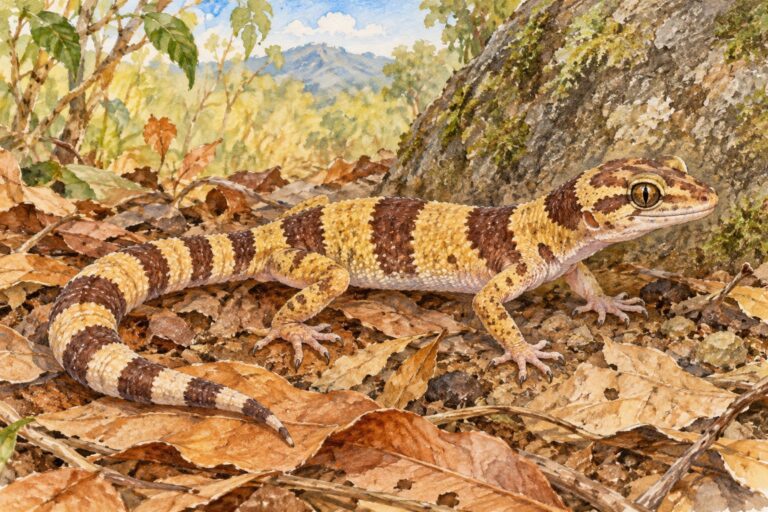
Central American Banded Gecko
A ground-dwelling gecko carries dark bands across a warm yellow-tan body.
Take a closer look ↗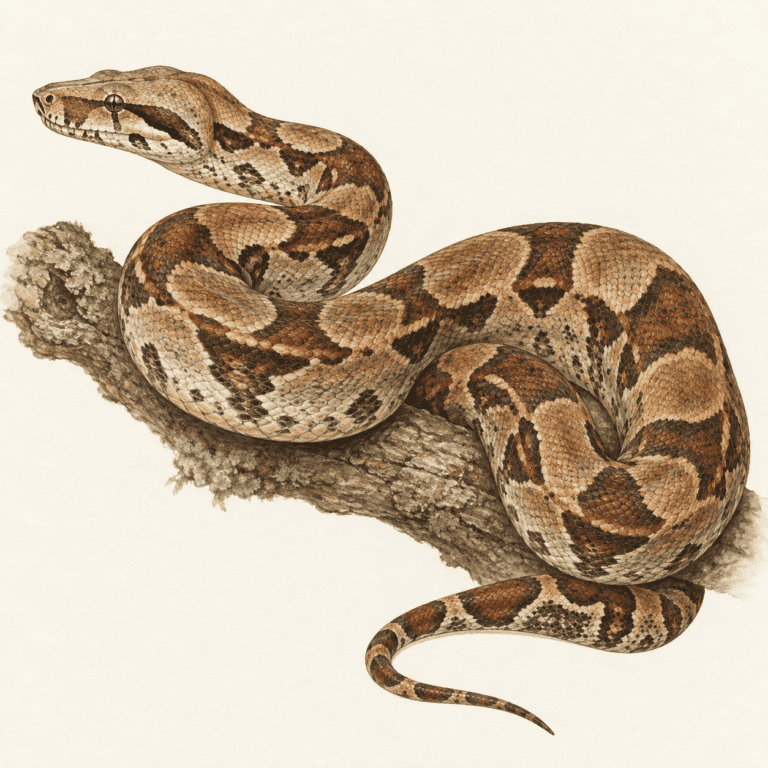
Central American Boa
A muscular snake with broad saddle-like markings.
Take a closer look ↗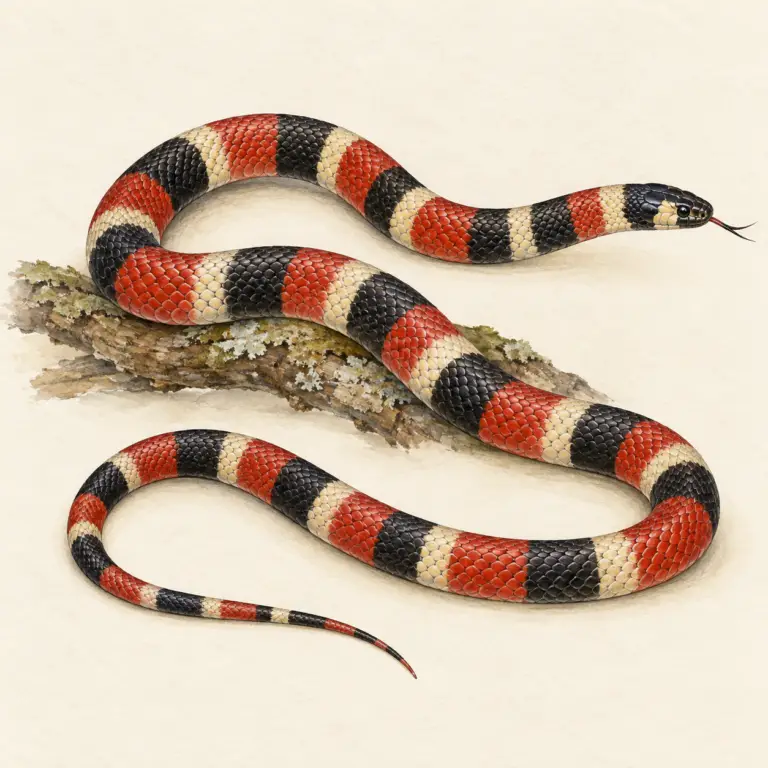
Central American Coral Snake
A venomous coral snake with complete colored rings.
Take a closer look ↗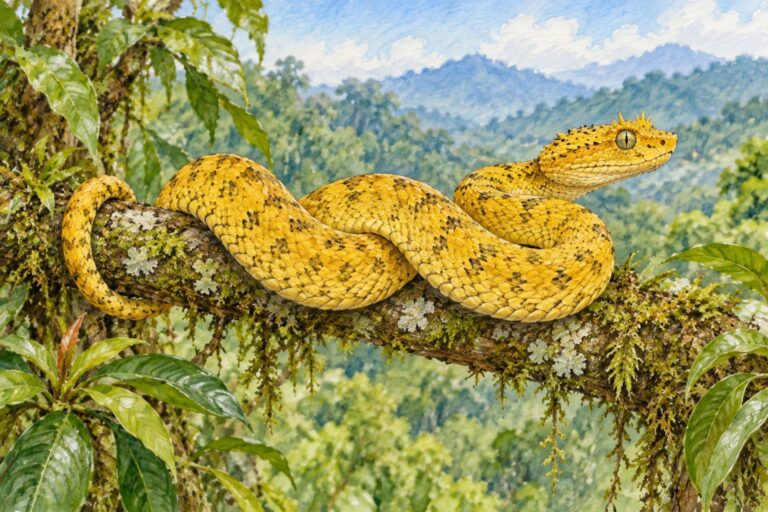
Central American Eyelash Pitviper
Raised scales above the eyes give this venomous branch-dwelling snake its name.
Take a closer look ↗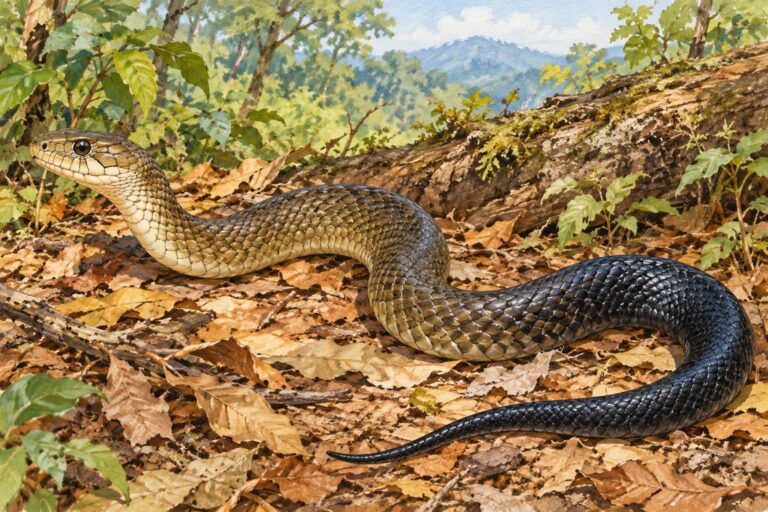
Central American Indigo Snake
A powerful-looking snake may darken from a lighter front to a black tail.
Take a closer look ↗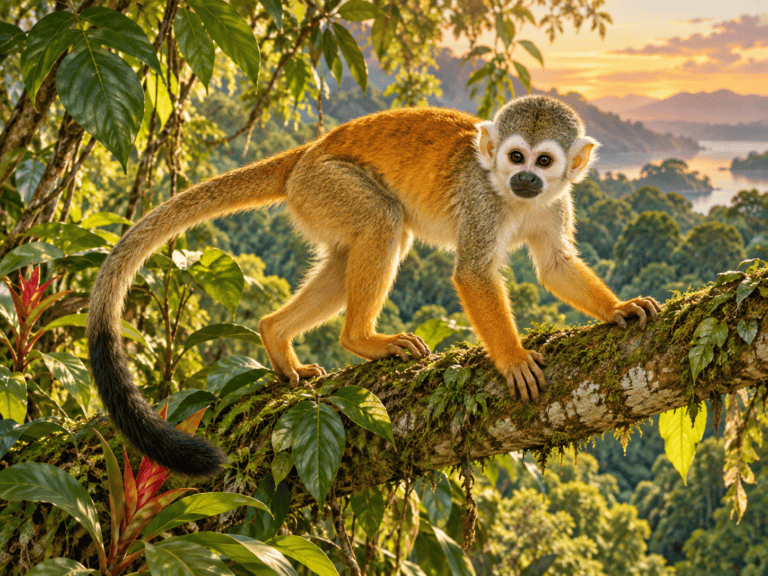
Central American Squirrel Monkey
A small, quick-moving monkey of Costa Rica’s Pacific forests.
Take a closer look ↗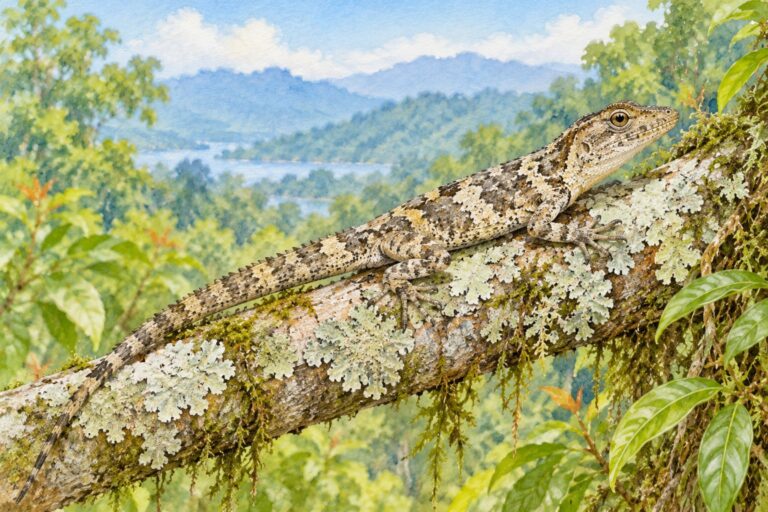
Charles Myers's Anole
Lichenlike markings help a short-legged anole disappear against Pacific forest bark.
Take a closer look ↗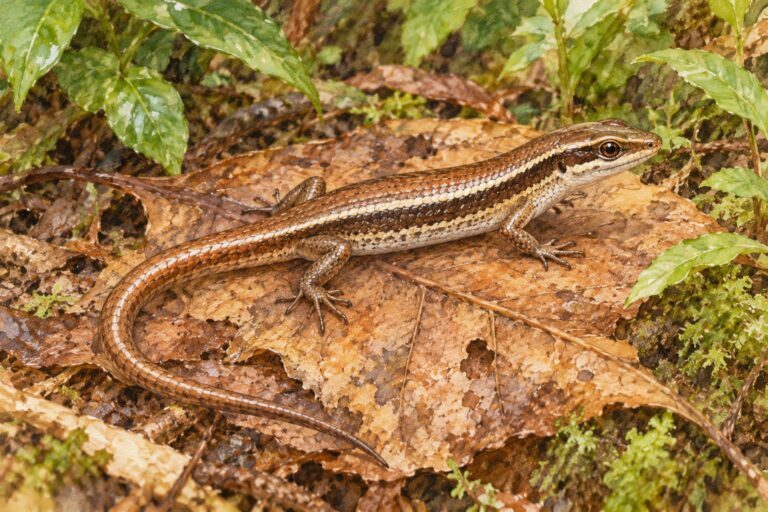
Cherrie's Ground Skink
Smooth scales and short legs help this little skink move through leaf litter.
Take a closer look ↗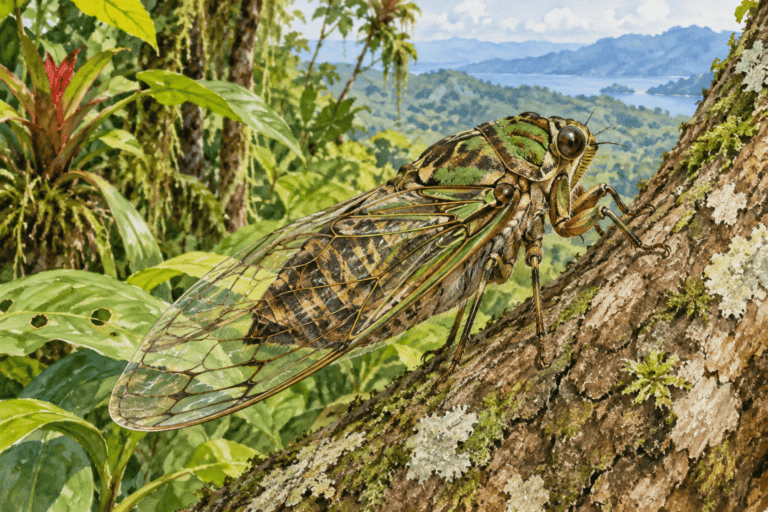
Cicadas
Large transparent wings.
Take a closer look ↗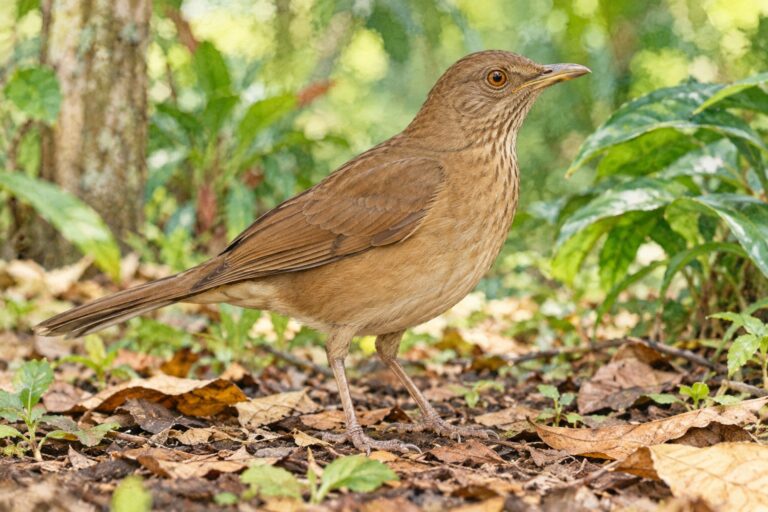
Clay-colored Thrush
A familiar brown songbird and Costa Rica’s national bird.
Take a closer look ↗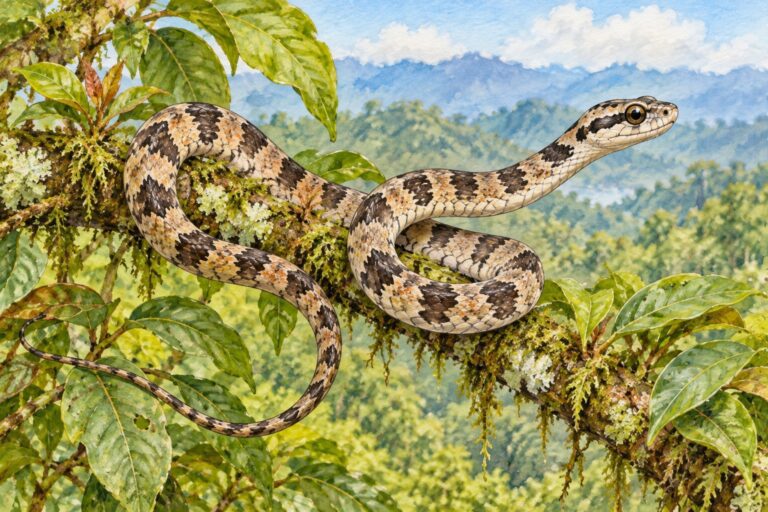
Clouded Snail-eater
Cloudy patches of gray and brown hide a slender snake among forest branches.
Take a closer look ↗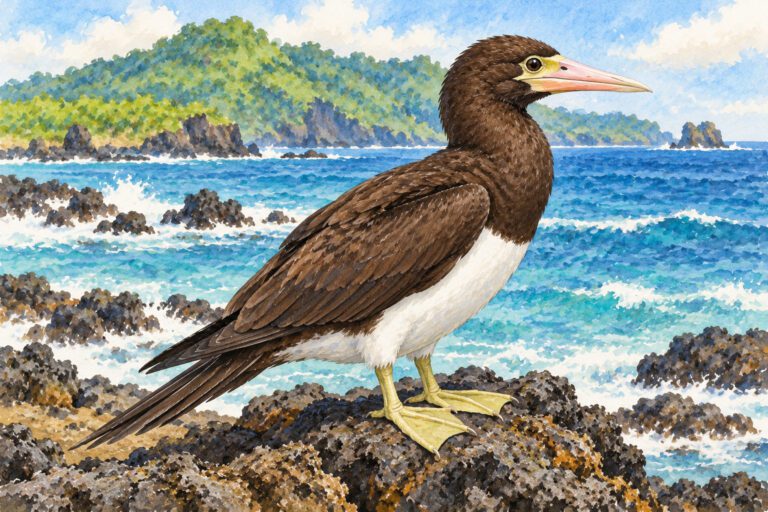
Cocos Booby
Cocos Boobies are eastern Pacific seabirds formerly included with Brown Booby.
Take a closer look ↗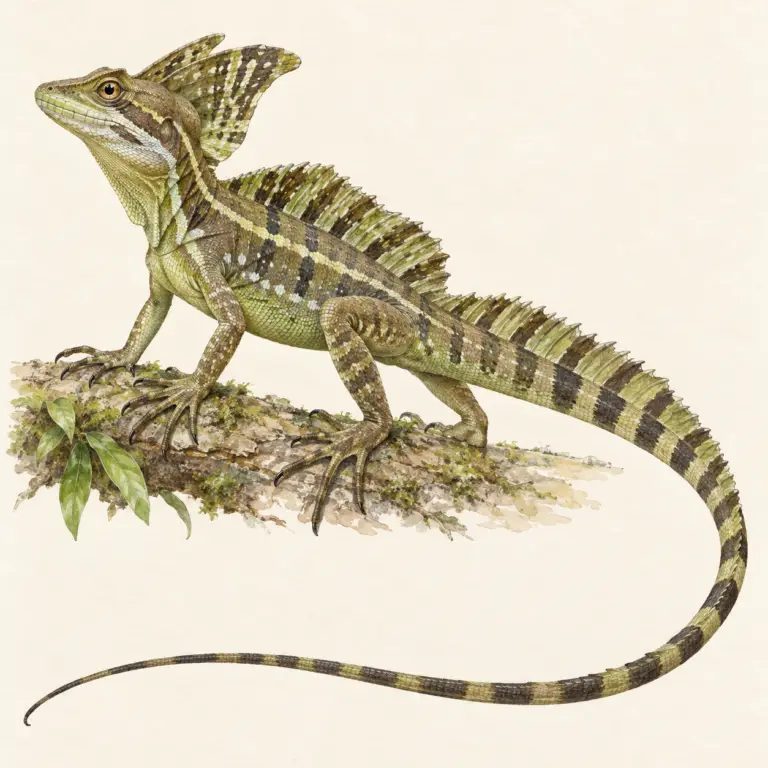
Common Basilisk
A long-tailed lizard associated with Pacific-slope waterways.
Take a closer look ↗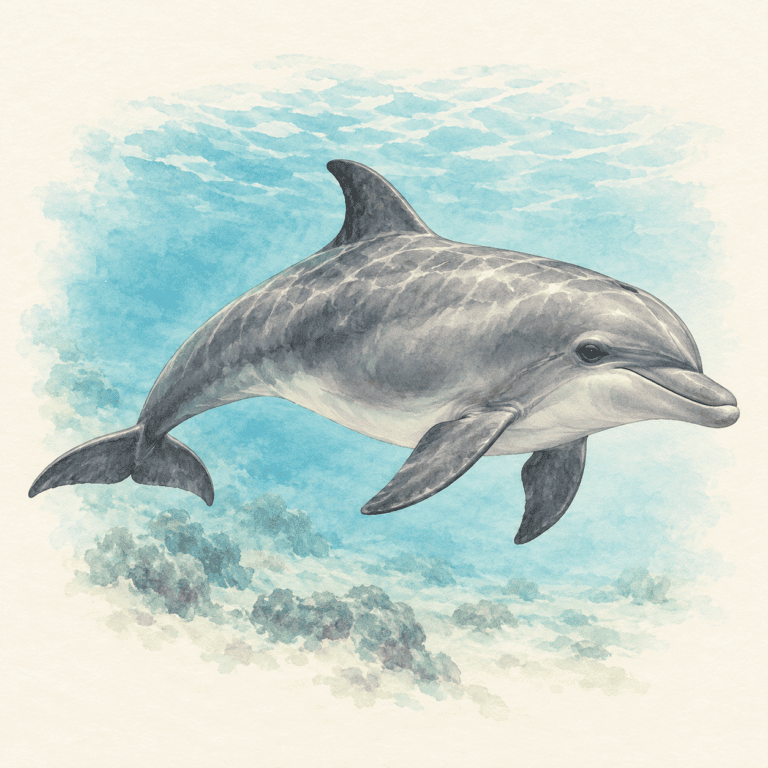
Common Bottlenose Dolphin
The common bottlenose dolphin has a short thick beak and a generally gray body.
Take a closer look ↗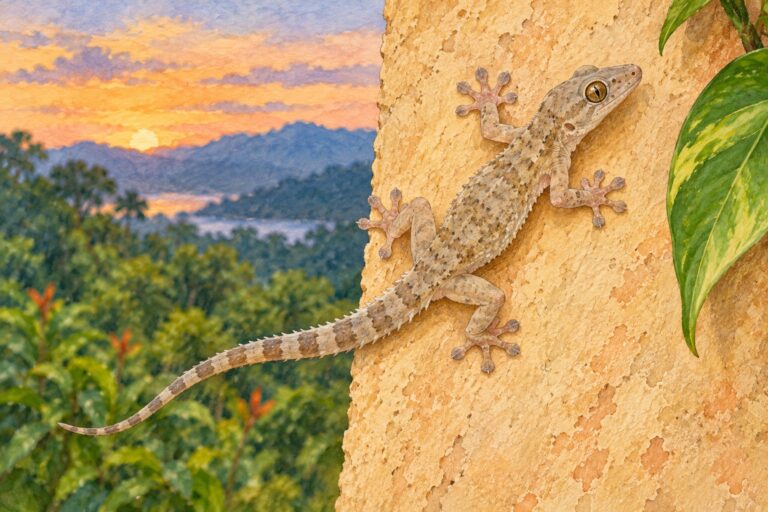
Common House Gecko
An introduced wall-climbing gecko often appears near buildings after dark.
Take a closer look ↗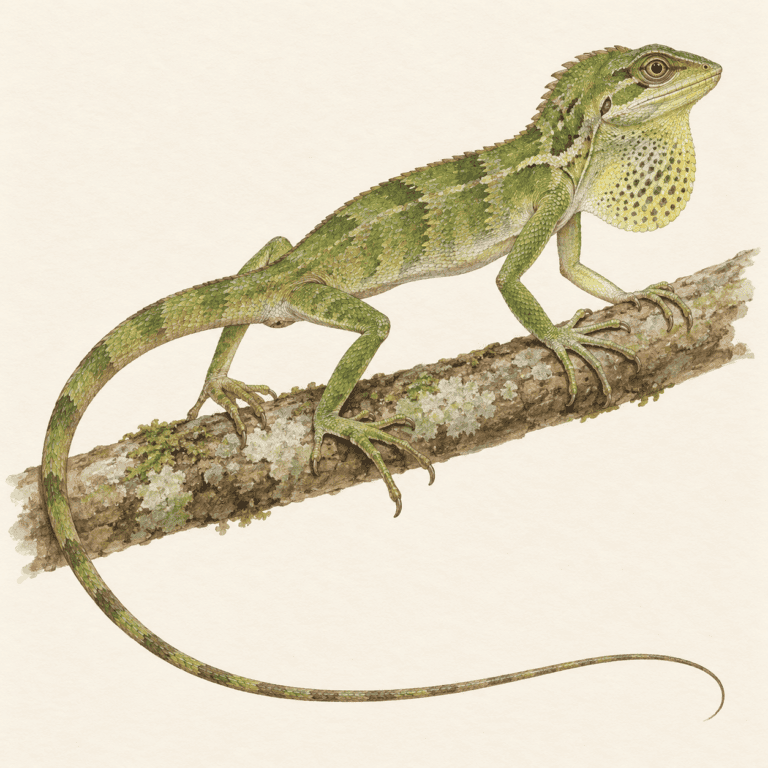
Common Monkey Lizard
A slow-moving tree-dwelling lizard with a very long tail.
Take a closer look ↗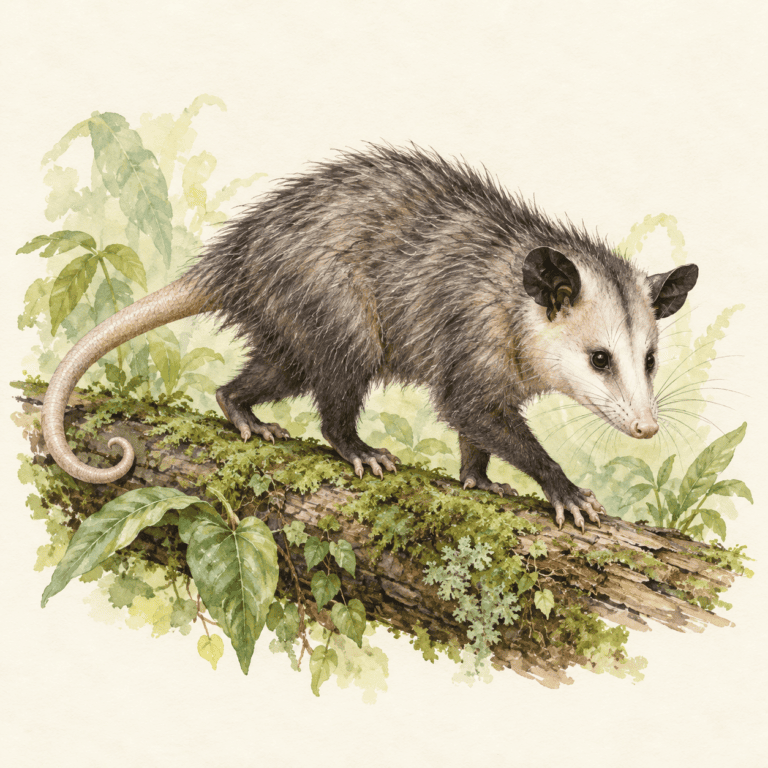
Common Opossum
The common opossum is a marsupial: its young complete an important part of their development attached to their mother's teats, protected in her pouch.
Take a closer look ↗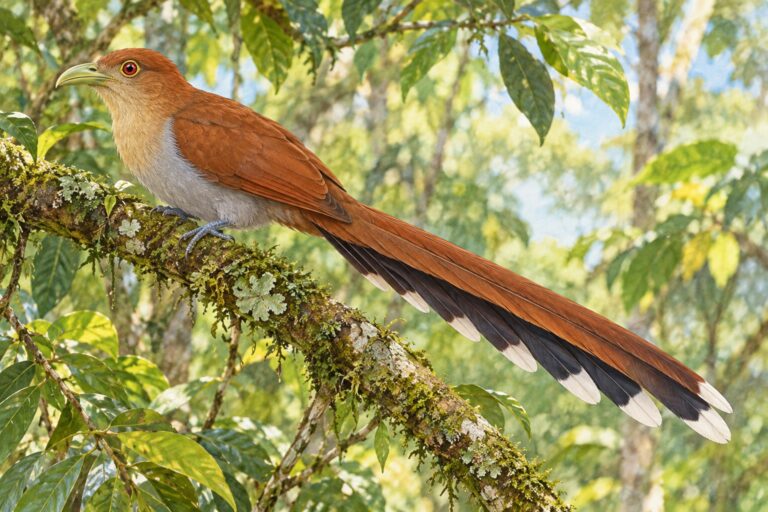
Common Squirrel-Cuckoo
A rusty forest cuckoo with an exceptionally long tail.
Take a closer look ↗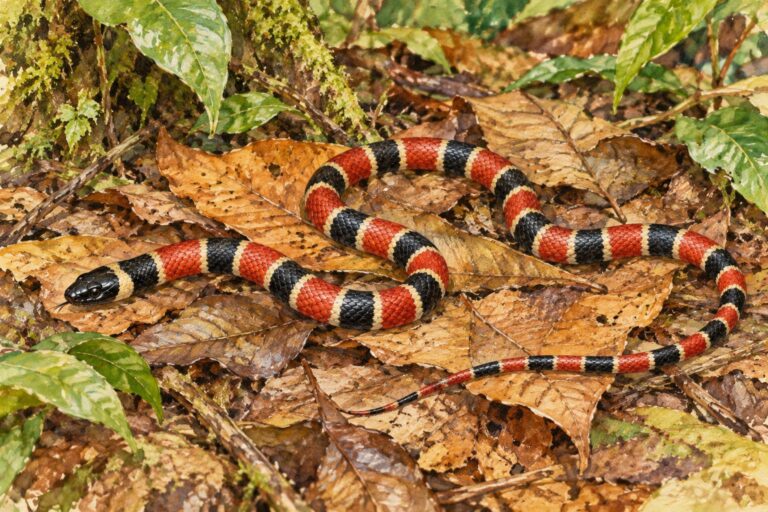
Cope's False Coral Snake
A fine-tailed forest snake wears bold bands without advertising a safe encounter.
Take a closer look ↗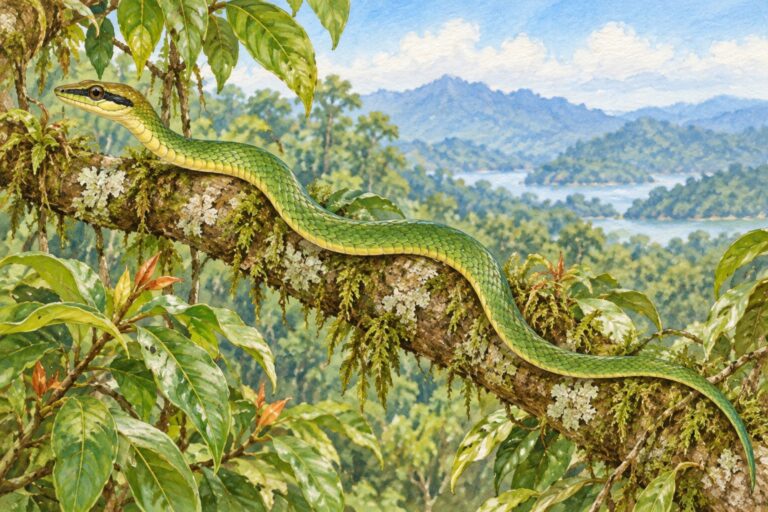
Cope's Parrot Snake
A slender green snake blends with branches and leaves.
Take a closer look ↗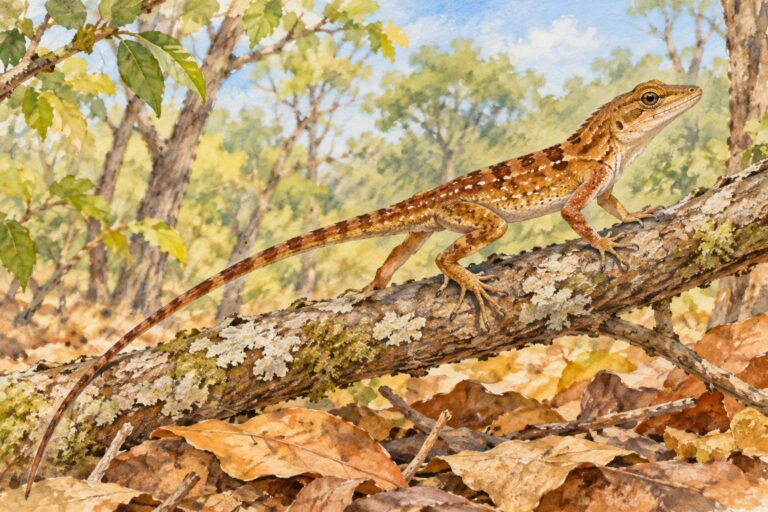
Copper Anole
A familiar brown anole watches from low perches in Pacific-slope landscapes.
Take a closer look ↗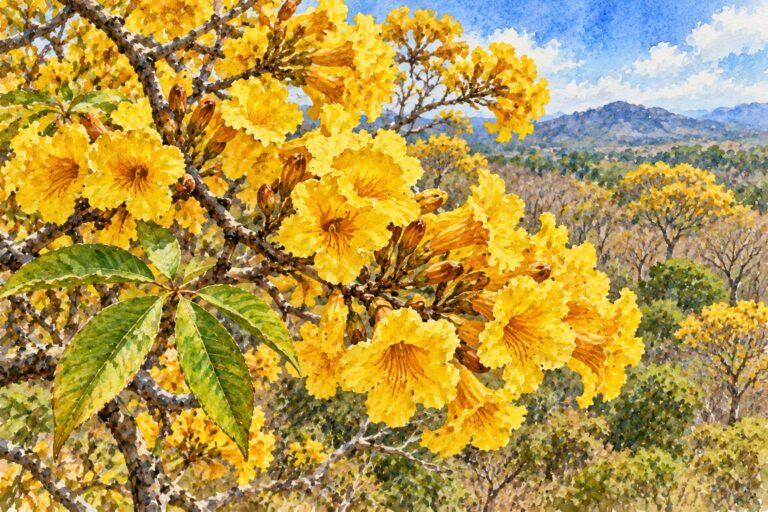
Cortez Amarillo
Golden trumpet flowers can brighten the branches of an almost leafless tree.
Take a closer look ↗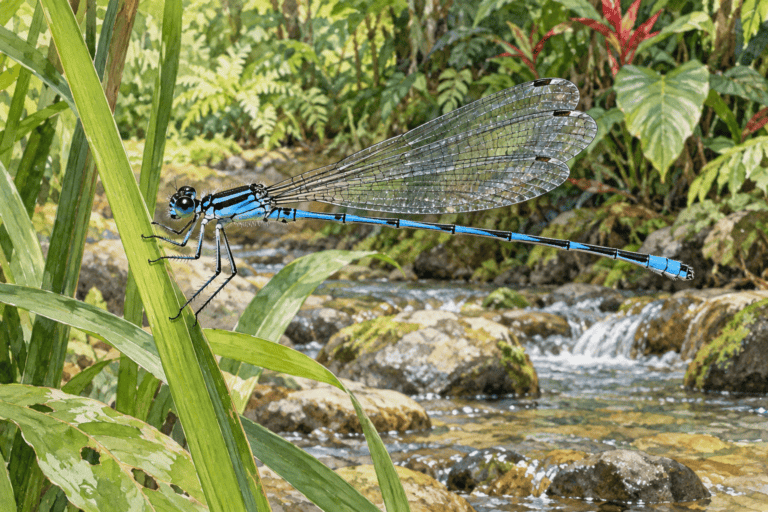
Damselflies
Slender body.
Take a closer look ↗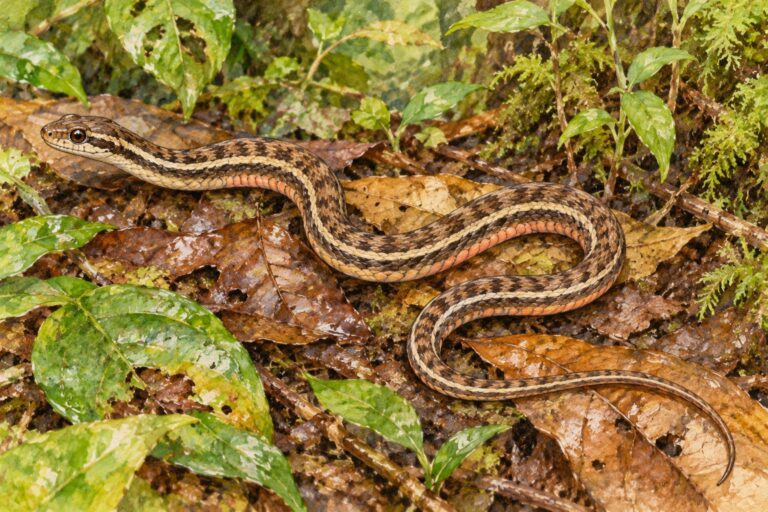
Decorated Forest Snake
Fine lengthwise stripes help a small snake blend into forest-floor lines.
Take a closer look ↗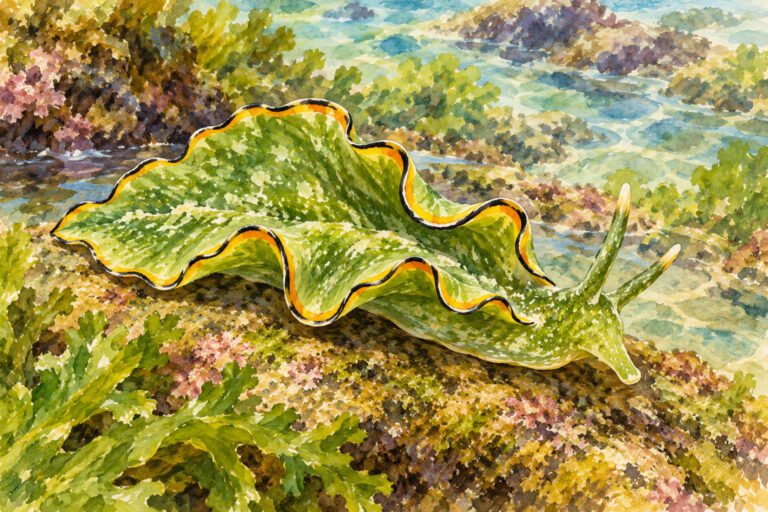
Diomedea Leaf Sea Slug
Elysia diomedea is a small marine gastropod with folded, leaf-like sides and a greenish appearance.
Take a closer look ↗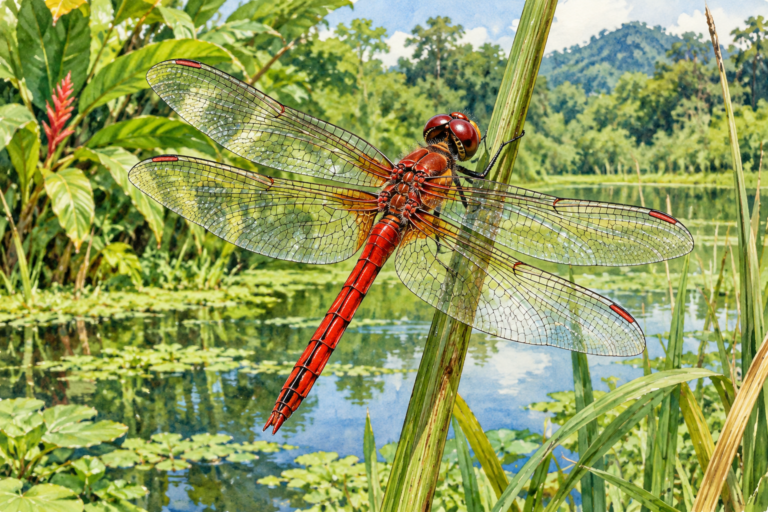
Dragonflies
Large eyes.
Take a closer look ↗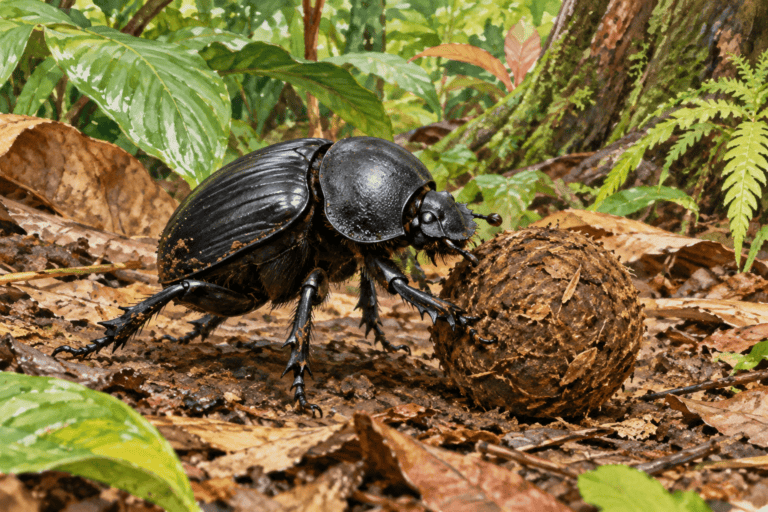
Dung Beetles
Compact beetle body.
Take a closer look ↗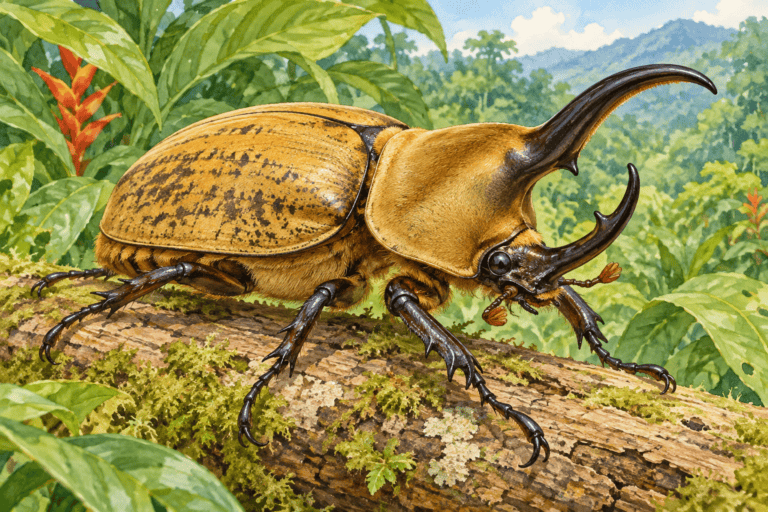
Elephant Beetle
Large rounded beetle.
Take a closer look ↗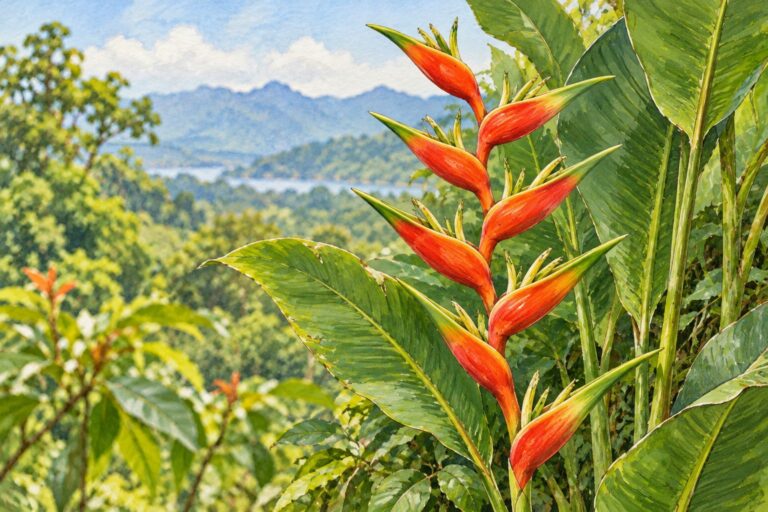
Expanded Lobster Claw
An upright open arrangement of colorful bracts rises among broad green leaves.
Take a closer look ↗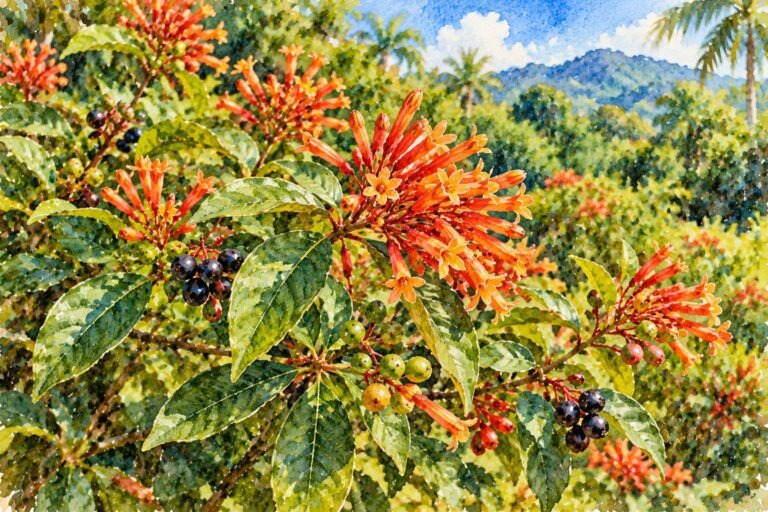
Firebush
Firebush is a shrub with clusters of narrow orange to red tubular flowers.
Take a closer look ↗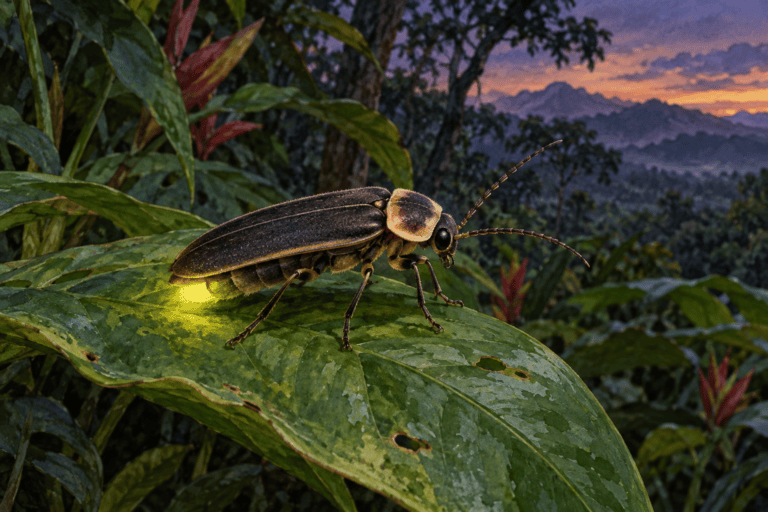
Fireflies
Soft beetle wing covers.
Take a closer look ↗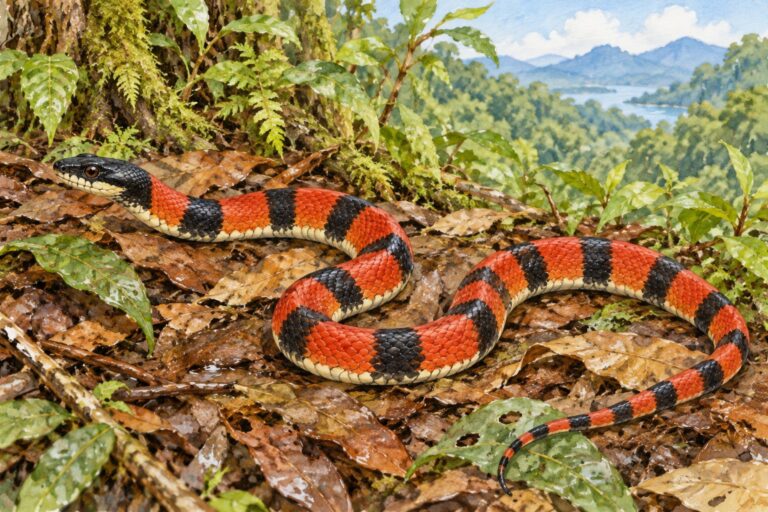
Forest Flame Snake
Bold red and dark markings stand out on this forest-floor snake.
Take a closer look ↗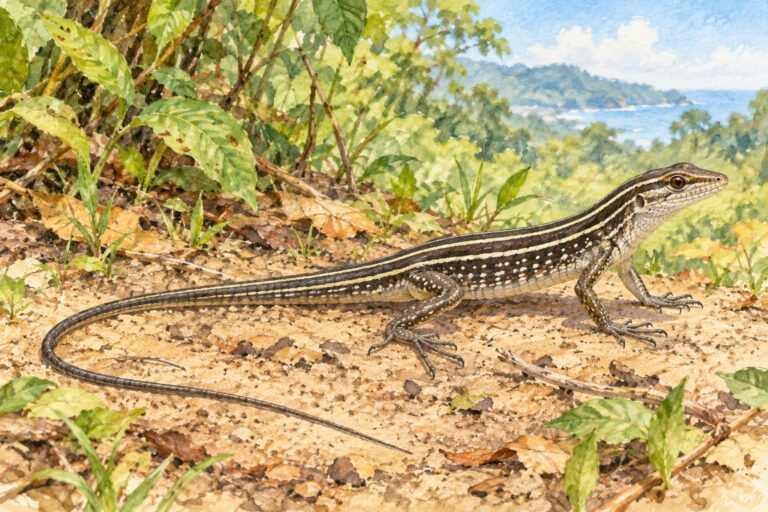
Four-lined Ameiva
Pale lengthwise stripes make this quick ground lizard worth a careful second look.
Take a closer look ↗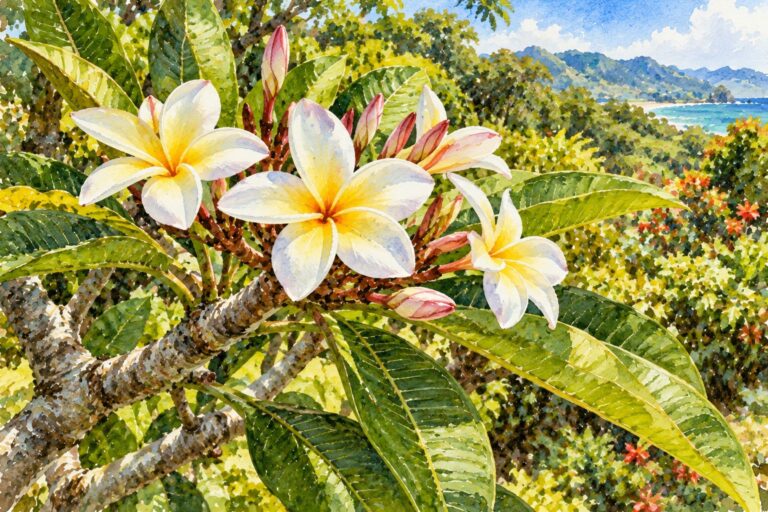
Frangipani
Frangipani is a flowering tree with thick branches and clusters of five-lobed blossoms.
Take a closer look ↗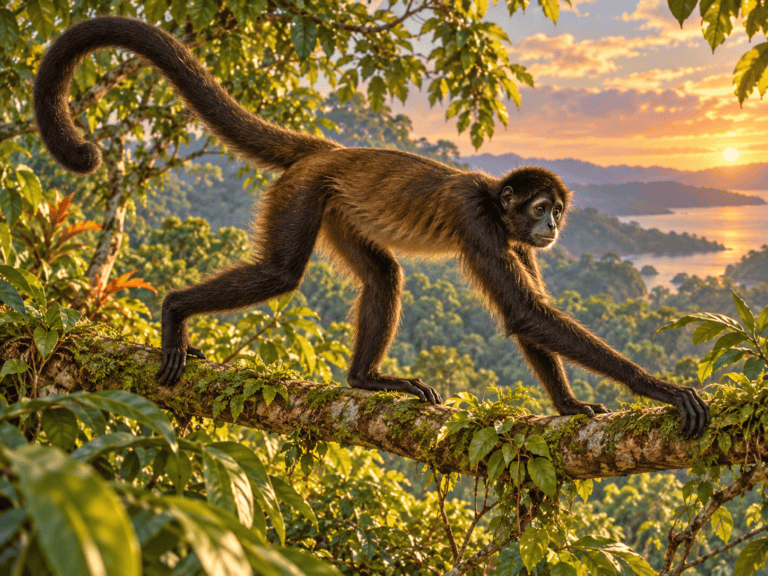
Geoffroy’s Spider Monkey
Long limbs and a grasping tail help this monkey move through the canopy.
Take a closer look ↗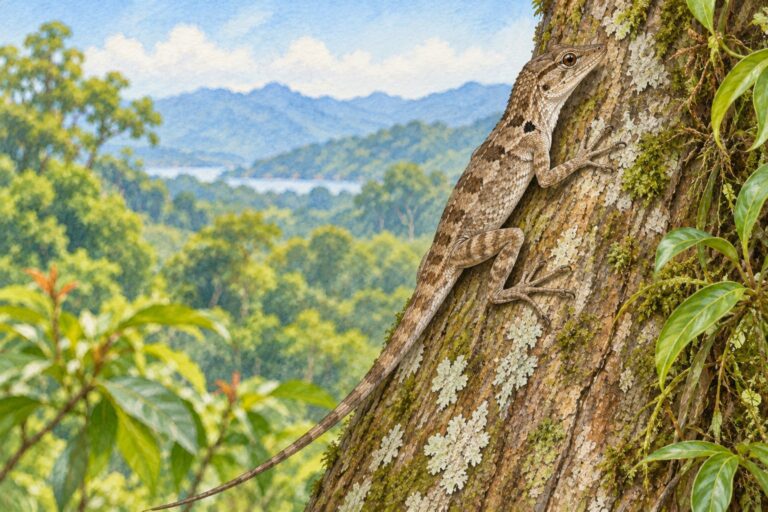
Ghost Anole
A quiet brown anole can disappear against a shaded tree trunk.
Take a closer look ↗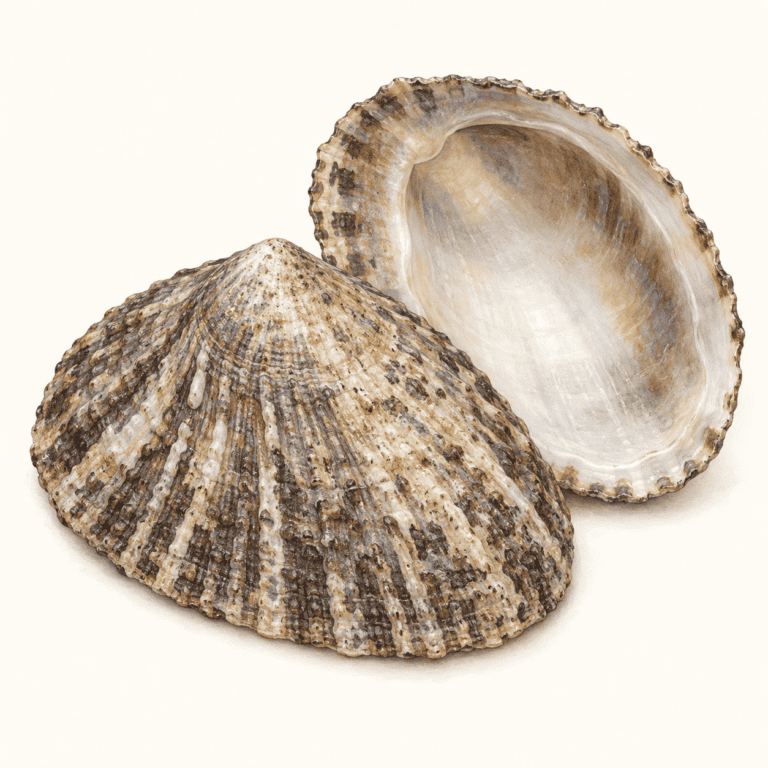
Giant False Limpet
A cap-shaped shell shelters a snail on the rocky shore.
Take a closer look ↗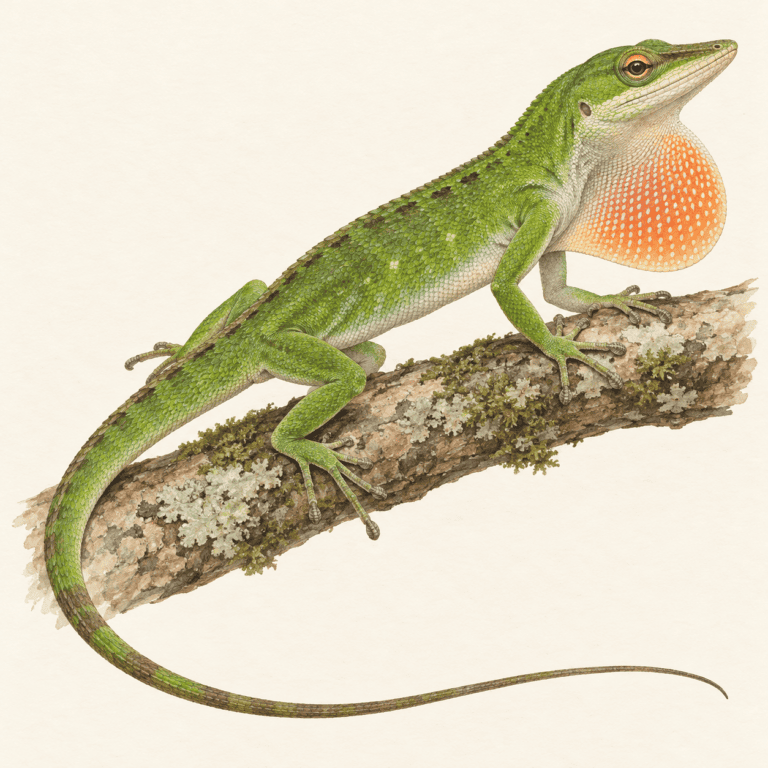
Giant Green Anole
A green anole that spends much of its time in vegetation.
Take a closer look ↗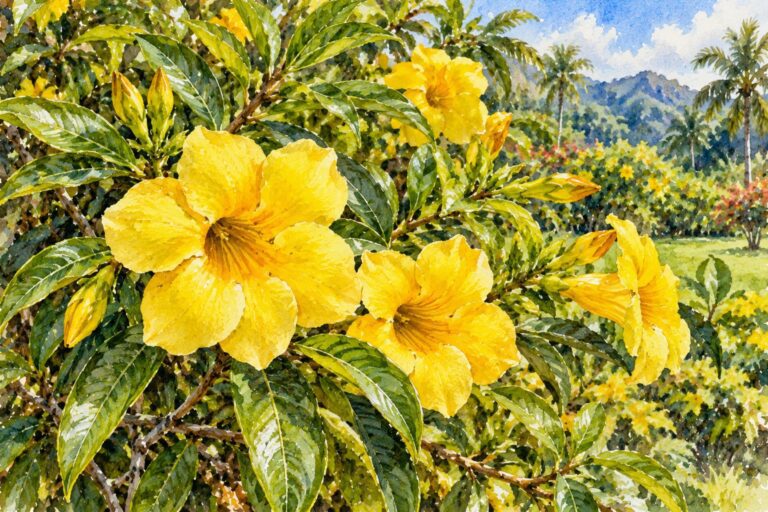
Golden Trumpet
Golden trumpet is a South American ornamental cultivated and naturalized in Costa Rica.
Take a closer look ↗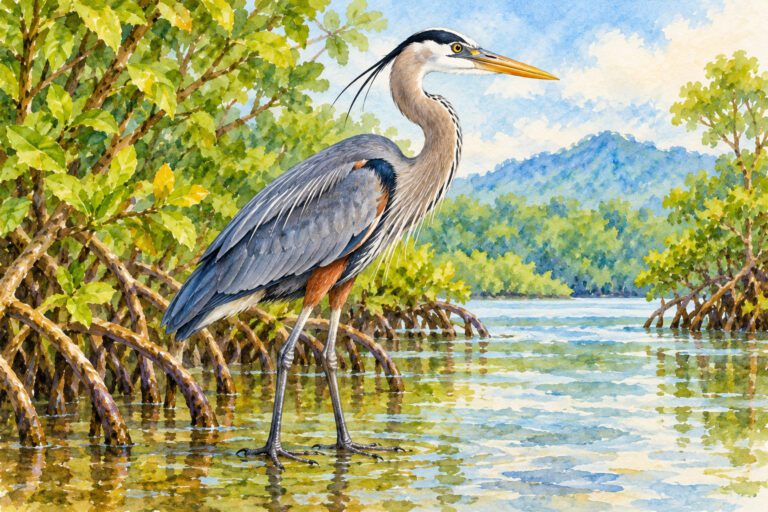
Great Blue Heron
This large heron searches shallow water for fish and other small animals.
Take a closer look ↗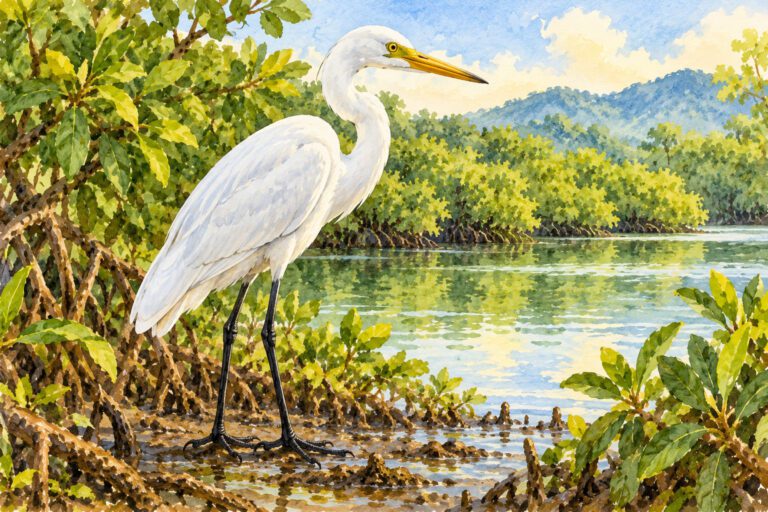
Great Egret
The Great Egret is a large white wading bird that hunts by waiting or walking slowly in shallow water.
Take a closer look ↗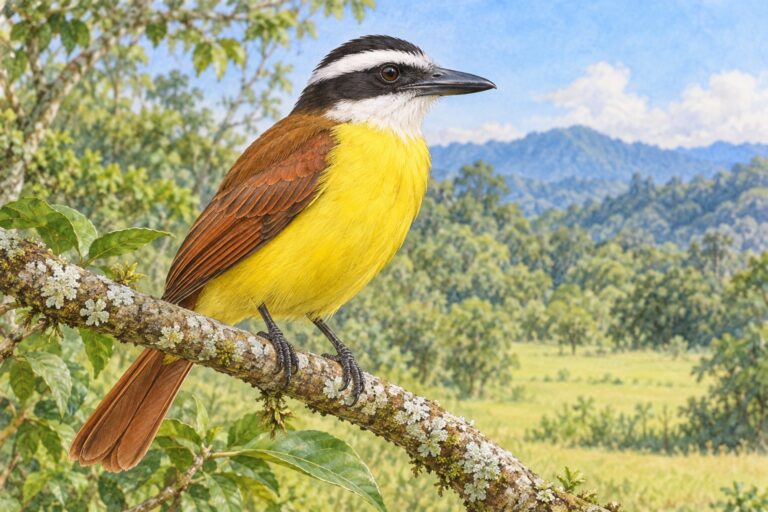
Great Kiskadee
A loud flycatcher with a yellow belly and striped head.
Take a closer look ↗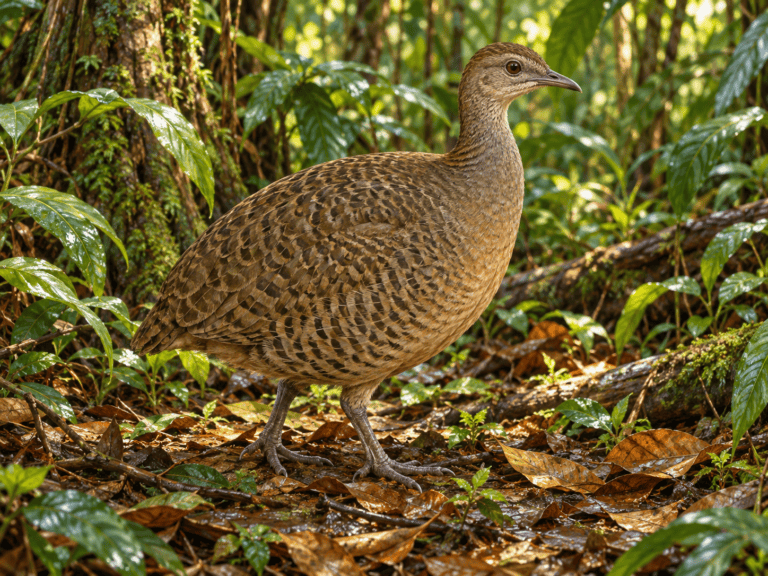
Great Tinamou
A camouflaged forest-floor bird with a far-carrying whistle.
Take a closer look ↗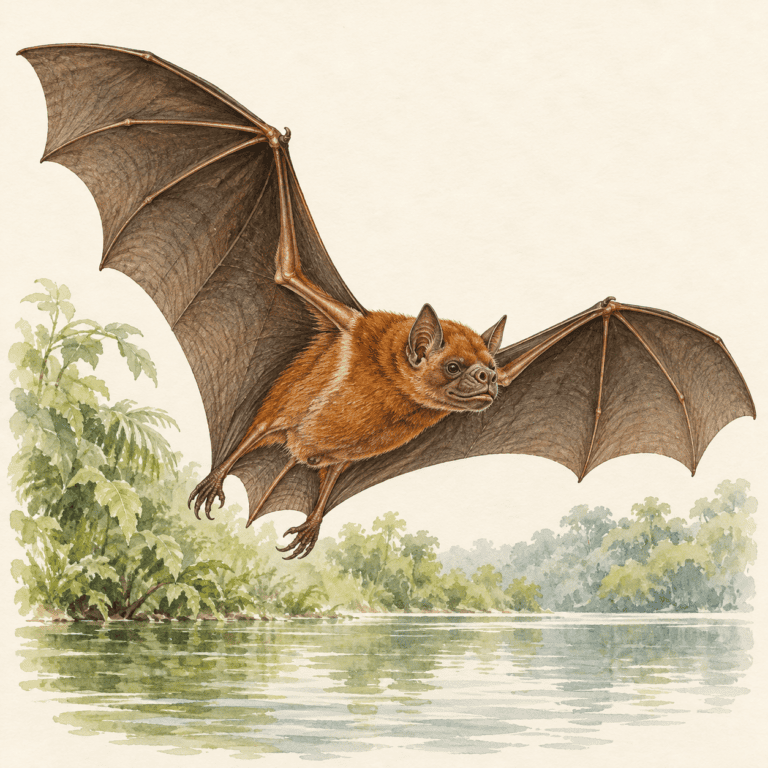
Greater Bulldog Bat
The greater bulldog bat is one of the bats that regularly catches fish.
Take a closer look ↗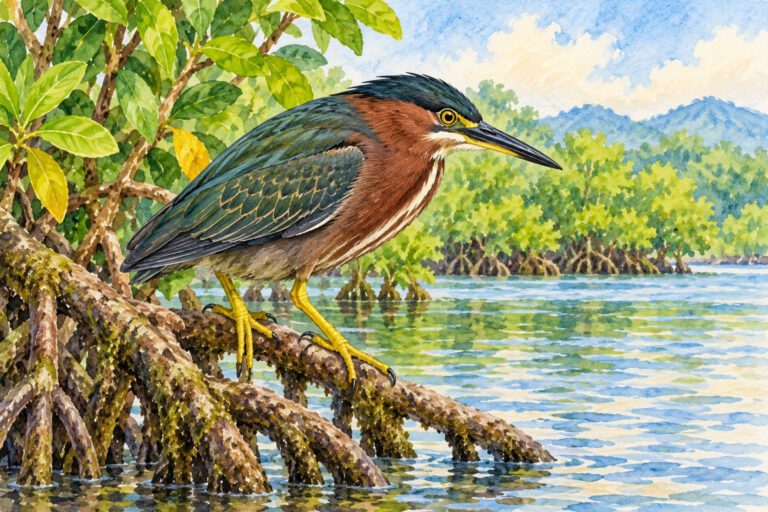
Green Heron
The Green Heron is a compact hunter with a dark greenish back, chestnut neck and a short crest.
Take a closer look ↗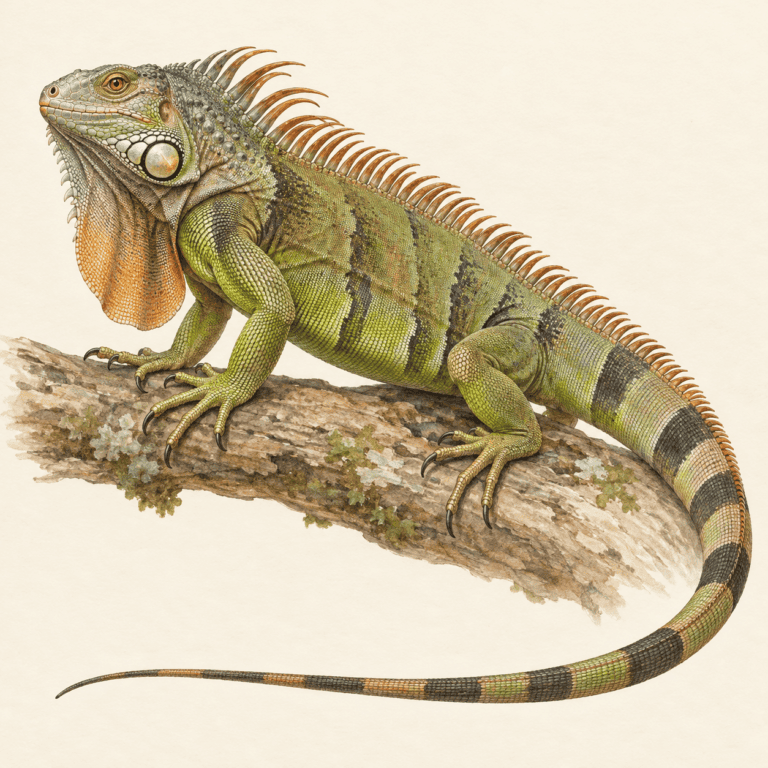
Green Iguana
A large tree-climbing lizard with a throat fan and a row of spines along its back.
Take a closer look ↗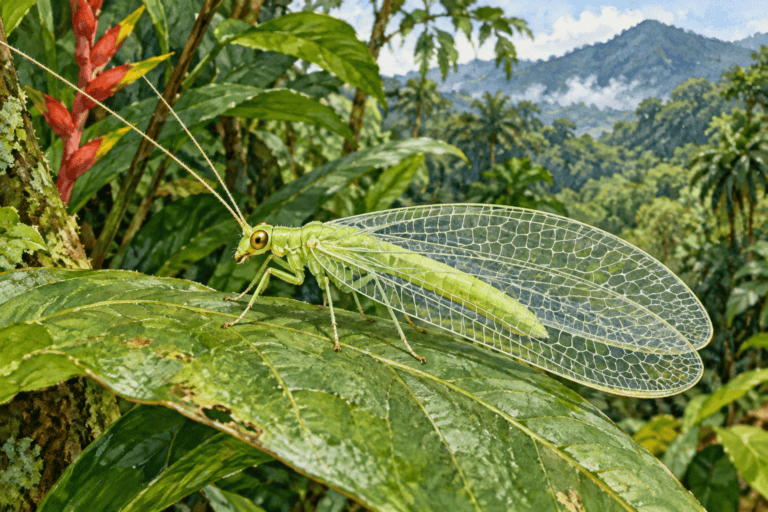
Green Lacewings
Delicate green body.
Take a closer look ↗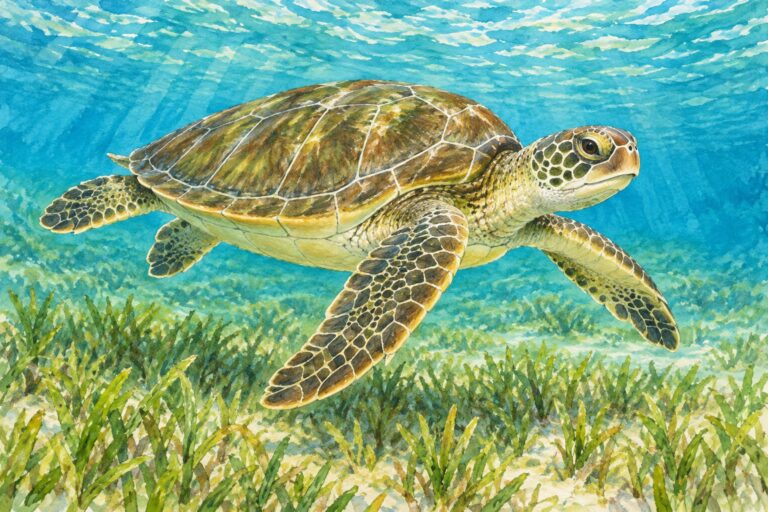
Green Sea Turtle
A smooth oval shell and paddle-shaped flippers belong to this ocean traveler.
Take a closer look ↗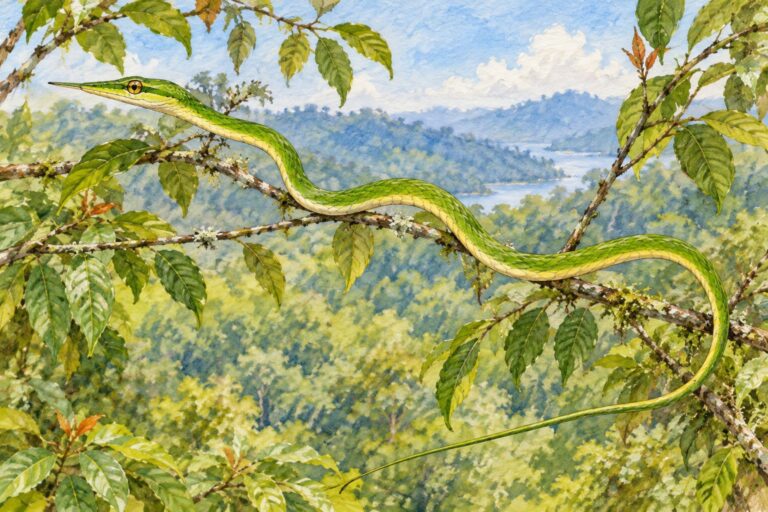
Green Vine Snake
An exceptionally slender snake resembles a living green vine.
Take a closer look ↗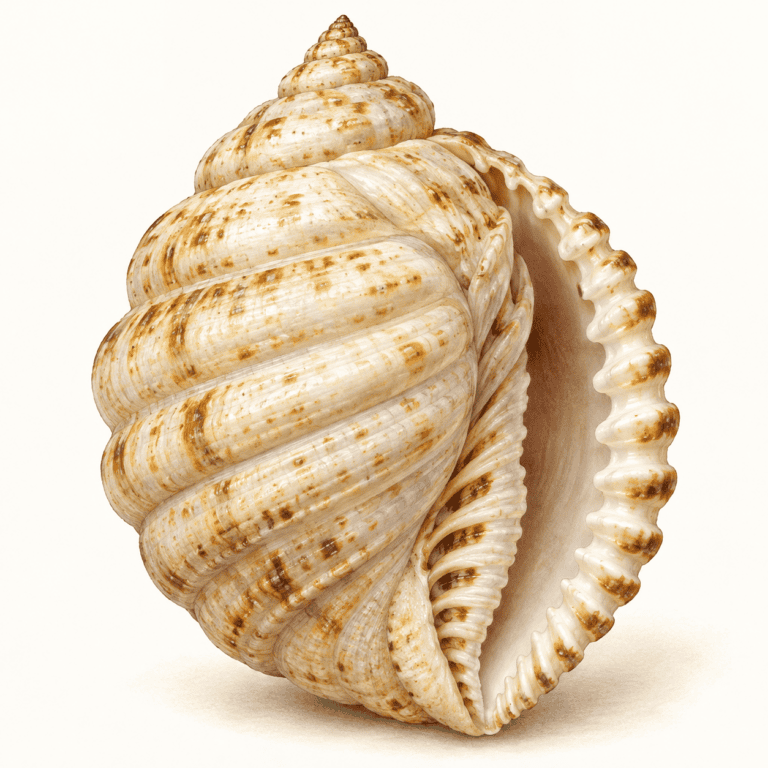
Grinning Tun
A rounded shell with a tooth-lined opening explains its memorable name.
Take a closer look ↗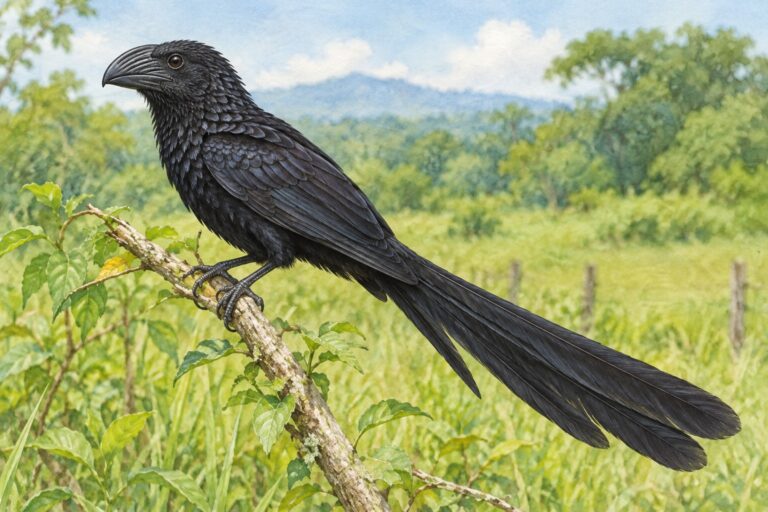
Groove-billed Ani
A social black bird with grooves on its heavy bill.
Take a closer look ↗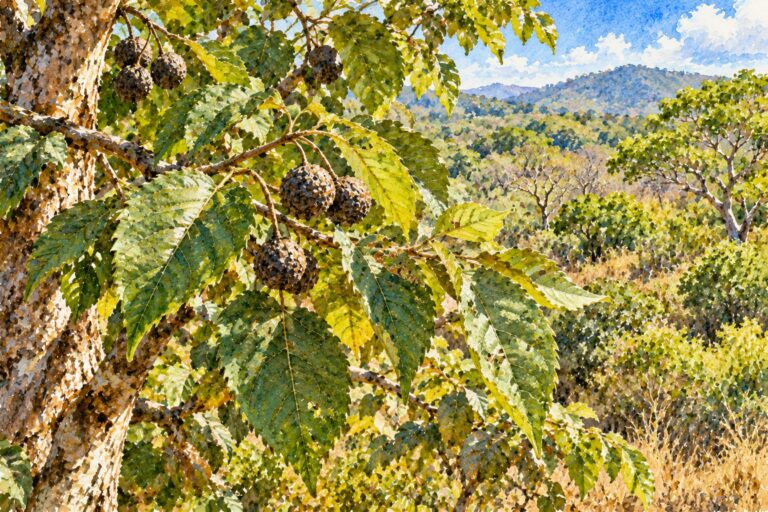
Guacimo
Bumpy dark fruits and toothed leaves offer clues to a familiar Pacific-slope tree.
Take a closer look ↗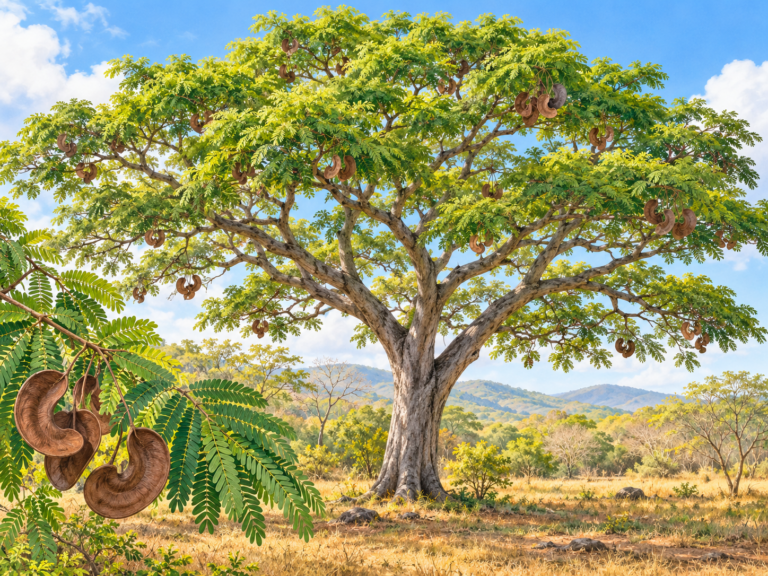
Guanacaste Tree
Look for tiny leaflets and curved pods on this dry-forest tree.
Take a closer look ↗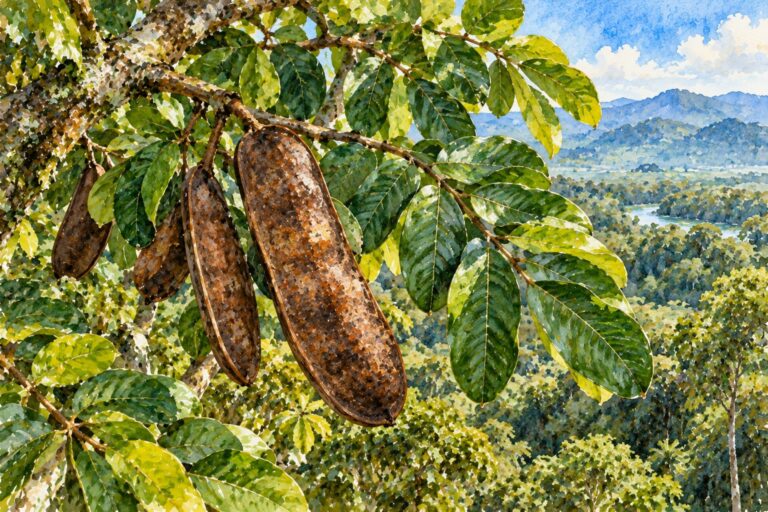
Guapinol
Paired leaflets and hard brown pods identify a forest tree with an important wildlife role.
Take a closer look ↗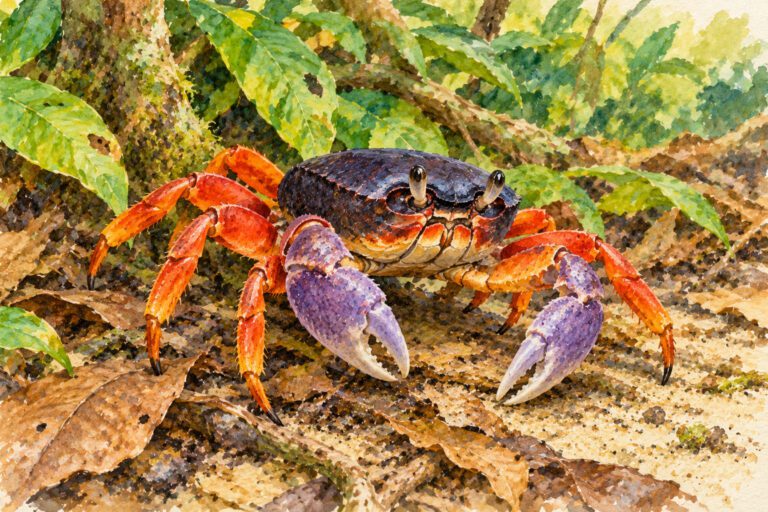
Halloween Land Crab
Gecarcinus quadratus is a land crab associated with coastal habitats.
Take a closer look ↗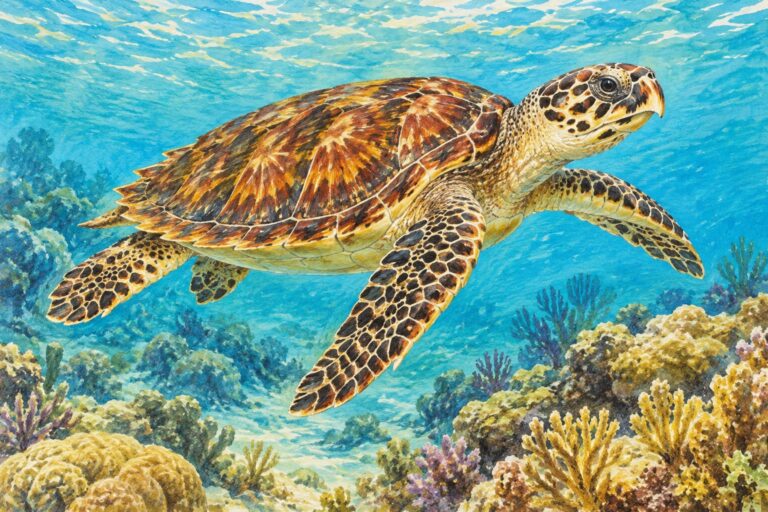
Hawksbill Sea Turtle
A narrow hooked beak and patterned shell help distinguish the hawksbill.
Take a closer look ↗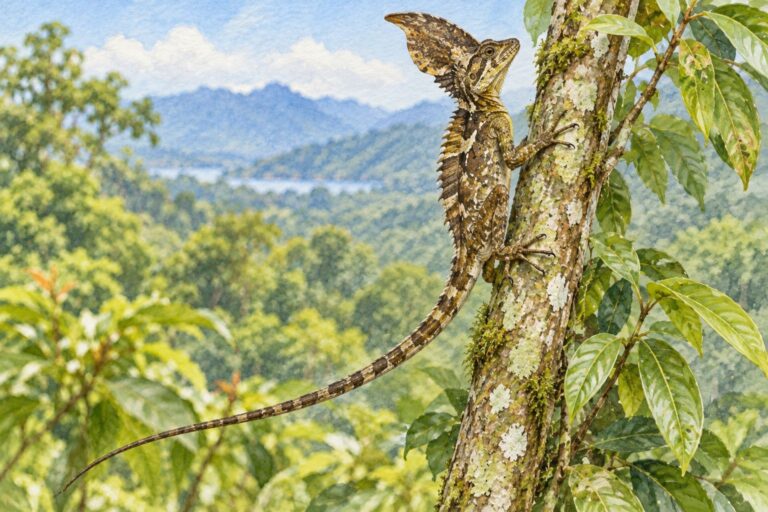
Helmeted Iguana
A dramatic helmet-shaped head rises above a perfectly still forest lizard.
Take a closer look ↗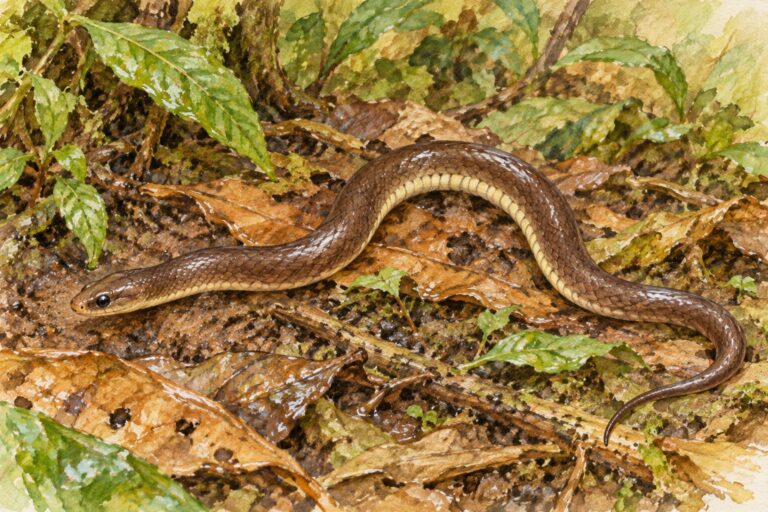
Hoffmann's Earth Snake
A small dark earth snake reminds us that much of forest life stays hidden.
Take a closer look ↗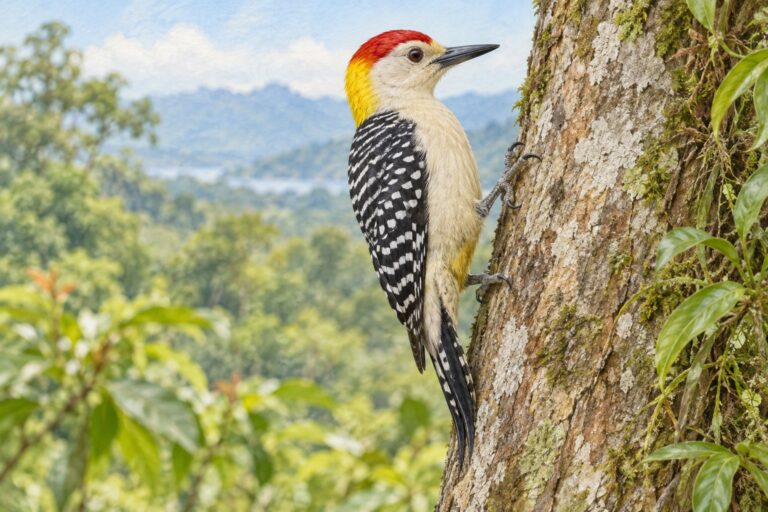
Hoffmann's Woodpecker
A black-and-white woodpecker with a yellow nape.
Take a closer look ↗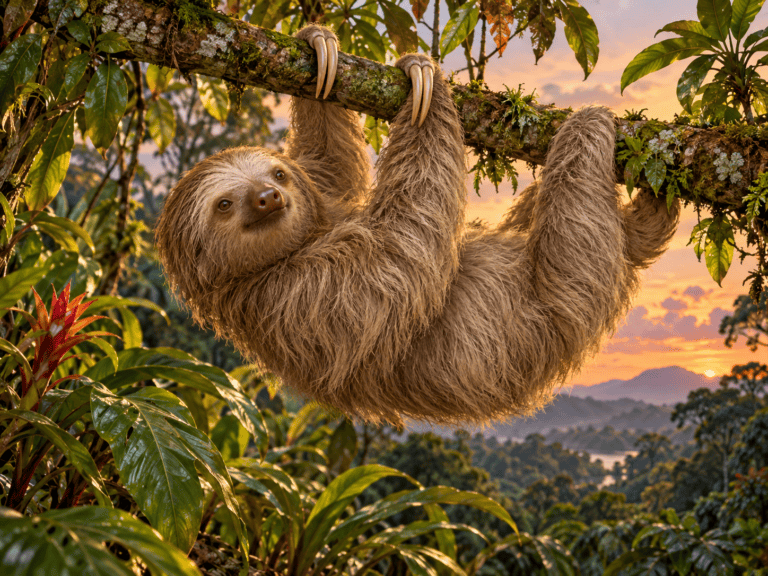
Hoffmann’s Two-toed Sloth
An arboreal mammal with two foreclaws and a slow digestive system.
Take a closer look ↗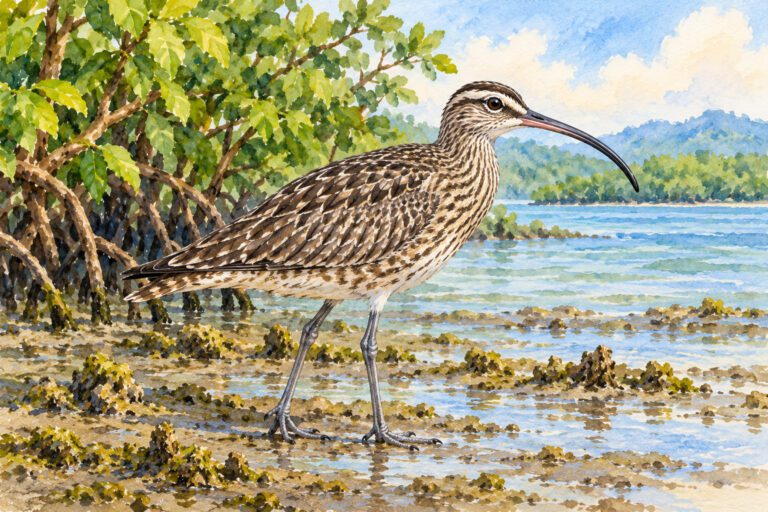
Hudsonian Whimbrel
This large shorebird uses its long downward-curved bill to find crabs and other small animals on coastal flats.
Take a closer look ↗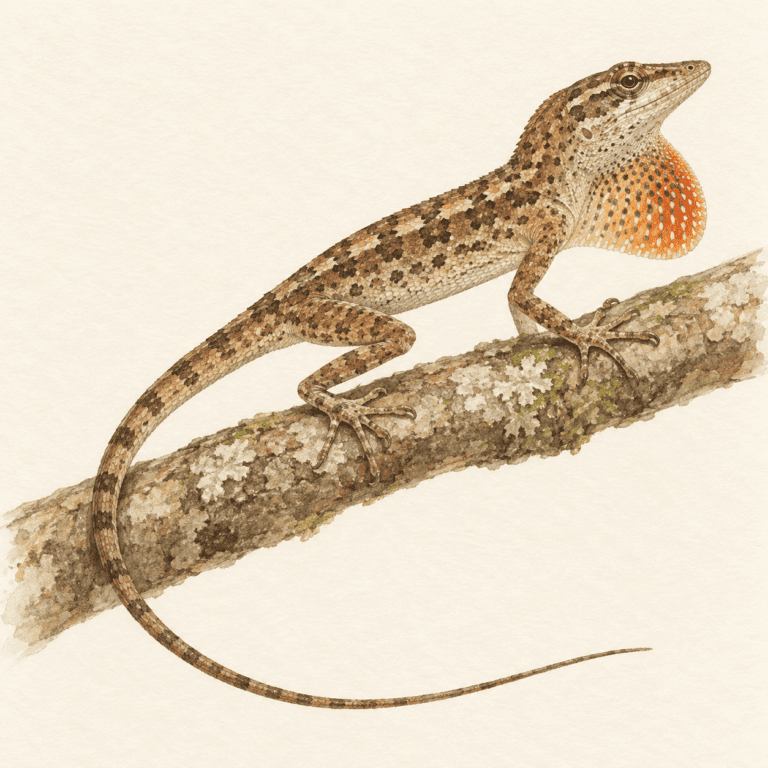
Humble Anole
A small, often brown anole associated with the forest understory.
Take a closer look ↗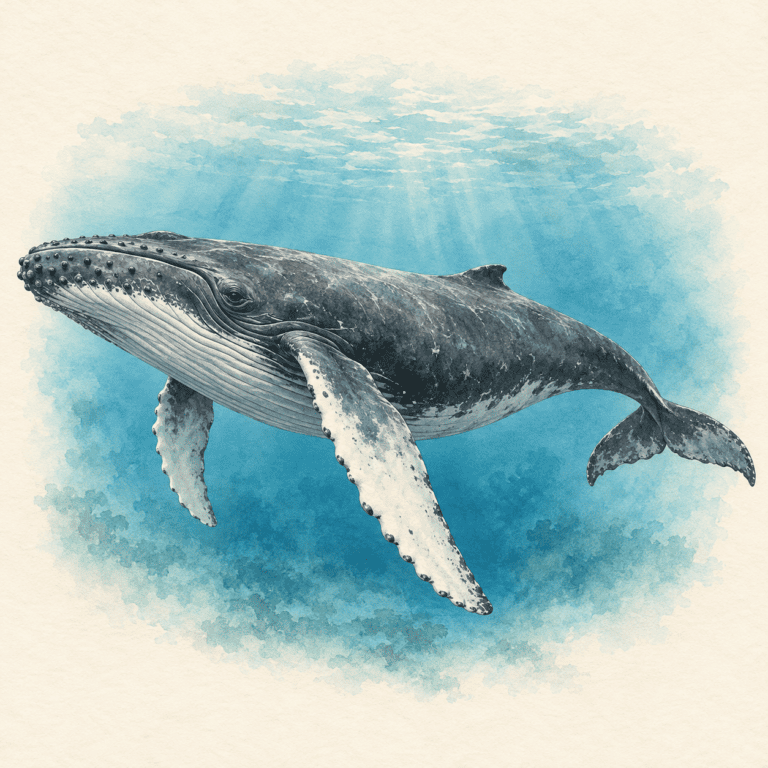
Humpback Whale
A humpback whale is a mammal that breathes air through blowholes and nurses its young with milk.
Take a closer look ↗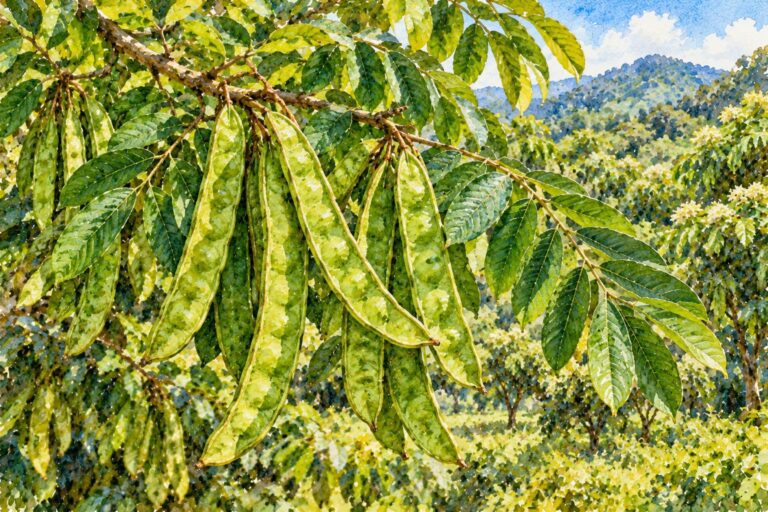
Ice Cream Bean
Guaba is planted for its long ribbed pods and as a shade tree.
Take a closer look ↗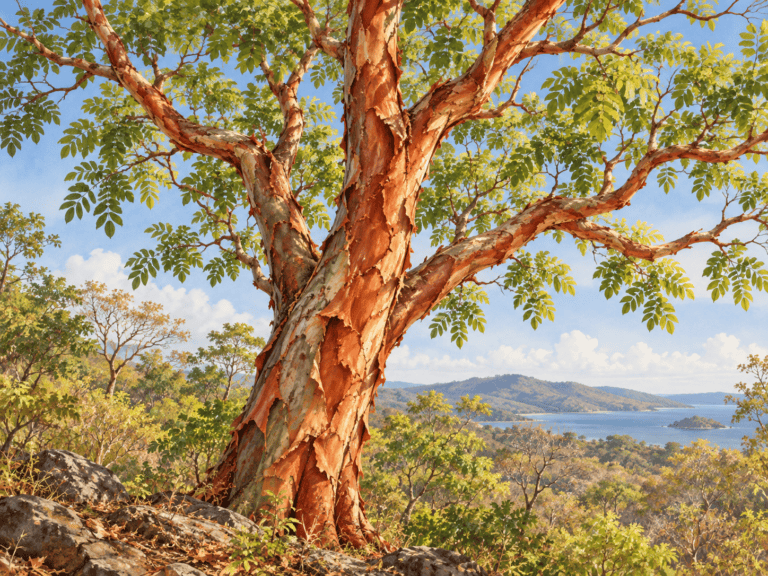
Indio Desnudo
A tree whose warm-colored bark invites a closer look.
Take a closer look ↗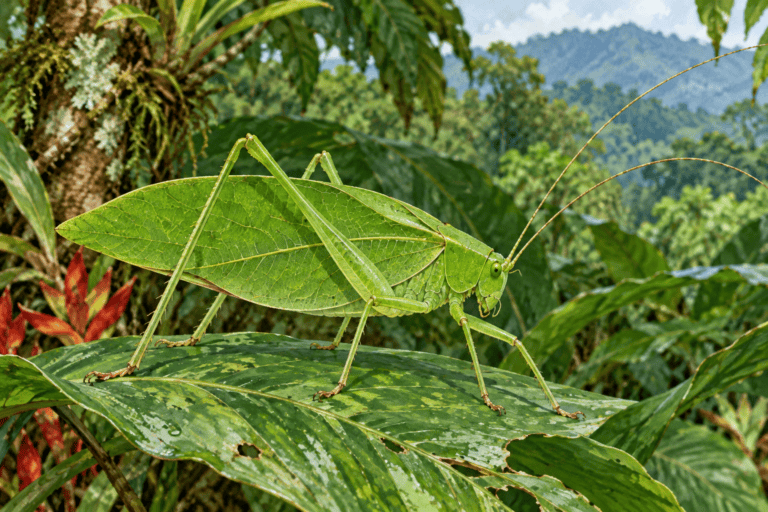
Katydids
Very long antennae.
Take a closer look ↗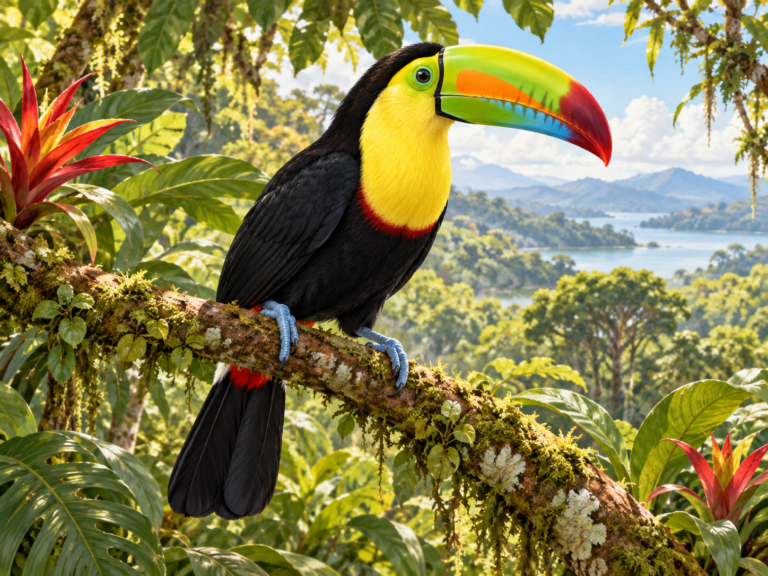
Keel-billed Toucan
A rainbow-colored bill stands out against dark plumage and a yellow throat.
Take a closer look ↗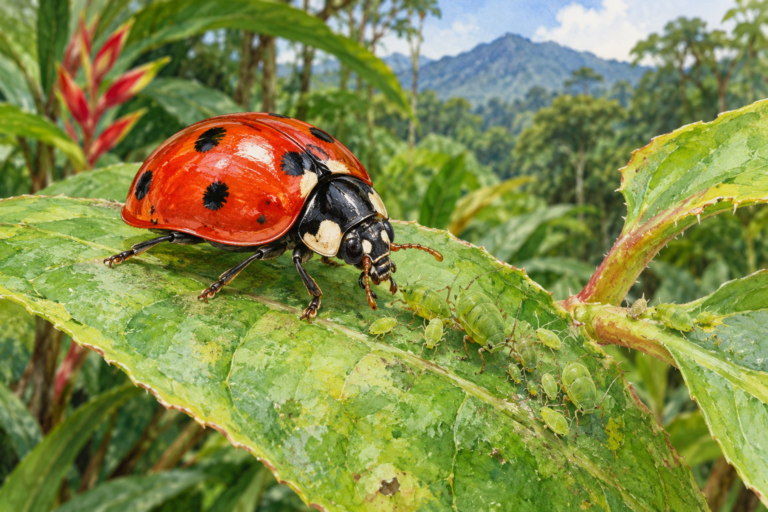
Lady Beetles
Rounded beetle body.
Take a closer look ↗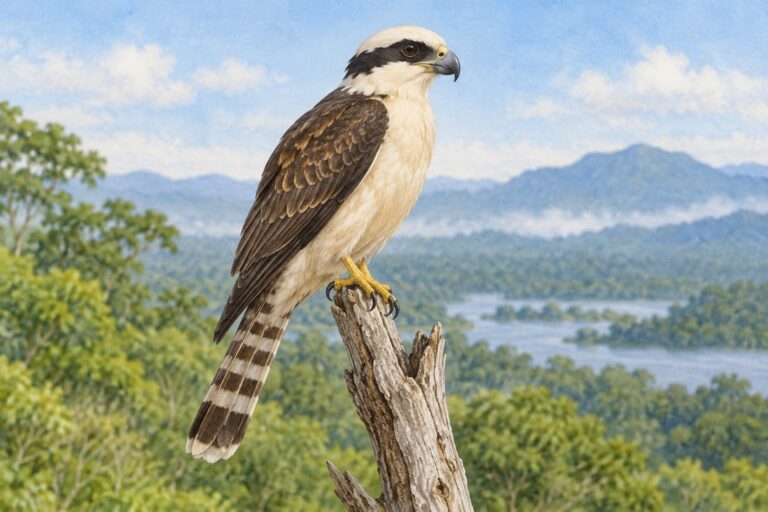
Laughing Falcon
A masked falcon named for its far-carrying call.
Take a closer look ↗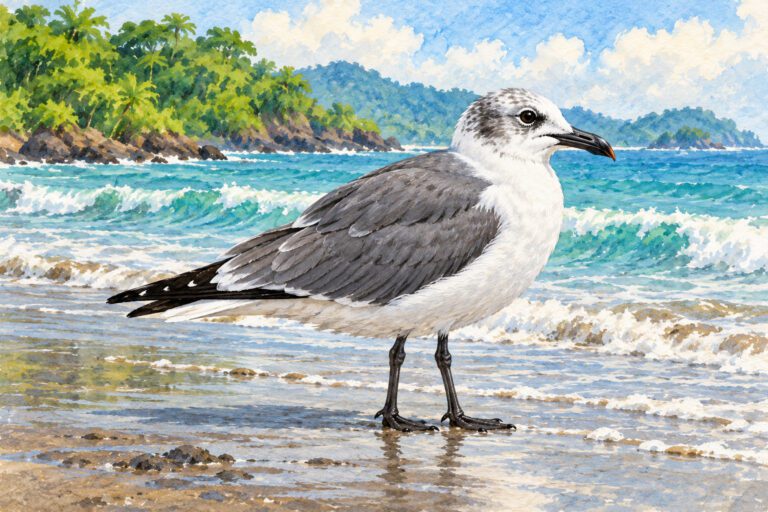
Laughing Gull
Laughing Gulls are coastal gulls with dark gray backs and blackish wingtips.
Take a closer look ↗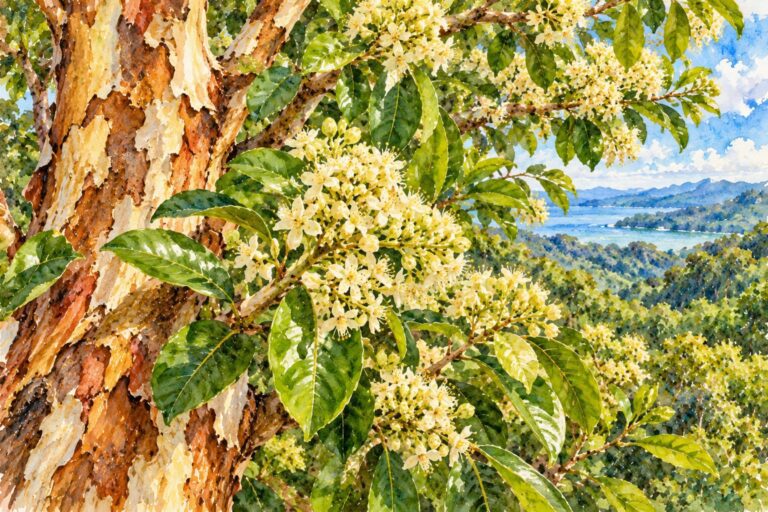
Lemonwood
Madrono has a smooth-looking trunk that sheds thin flakes of reddish bark.
Take a closer look ↗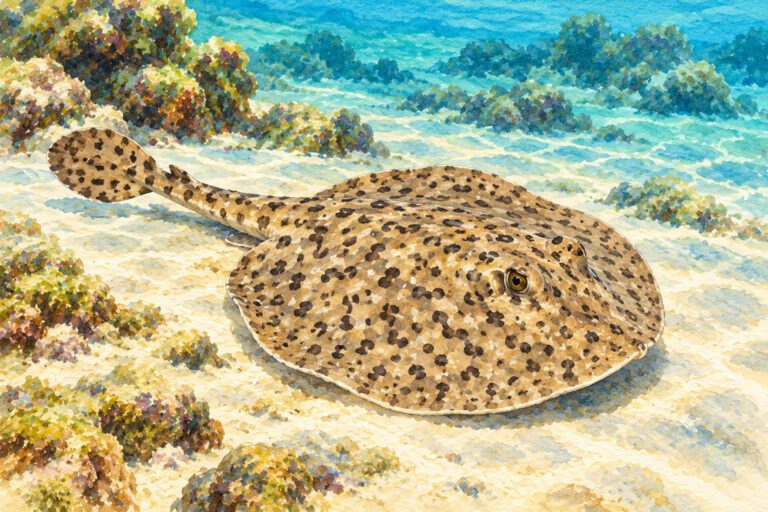
Leopard Roundray
Urobatis pardalis is a round ray described from Costa Rican Pacific specimens.
Take a closer look ↗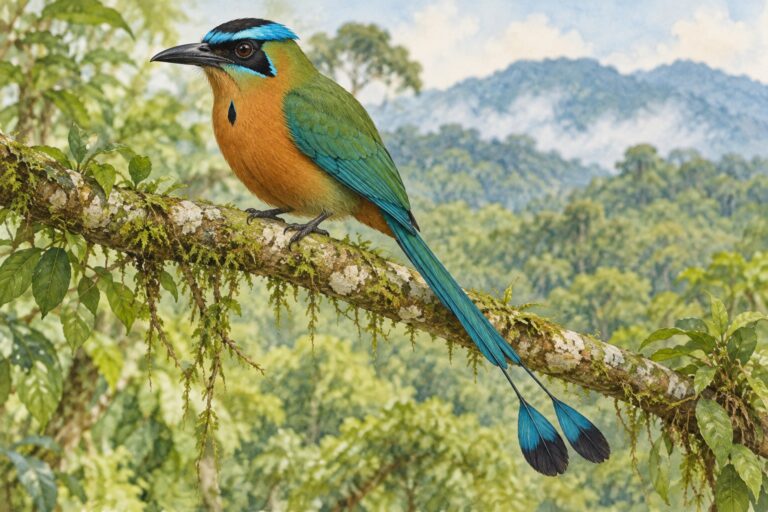
Lesson's Motmot
A colorful forest bird with a blue crown and long tail.
Take a closer look ↗