Santa Teresa
Explore Category
Location
Regions
Puntarenas & the Gulf Islands
Towns & nearby places
Santa Teresa
Highlights
explore santa teresa + surrounding areasWhere the Forest Meets the Surf
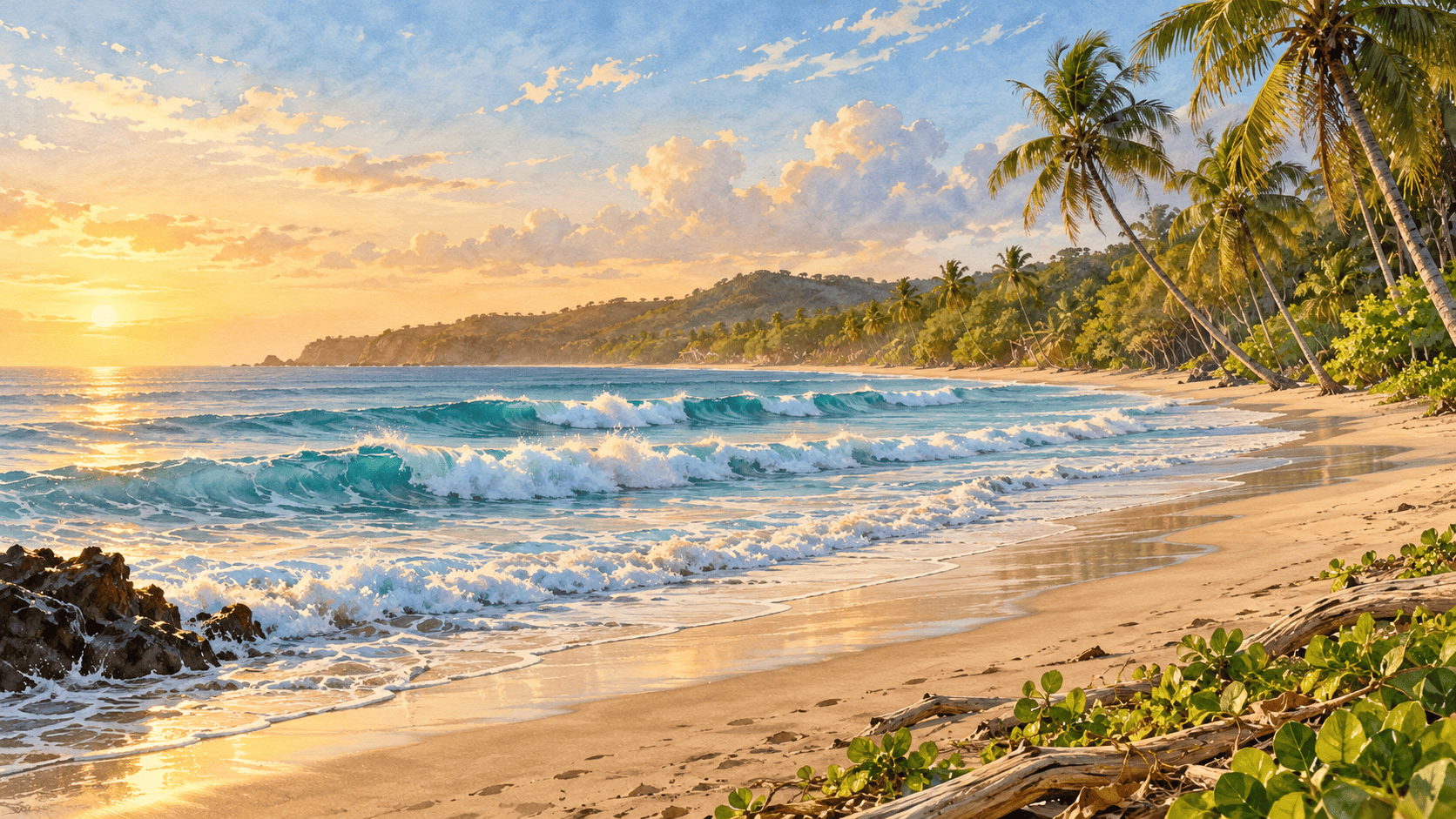
Welcome to Santa Teresa, where Pacific surf, forest edges and a string of coastal communities invite you to slow down and look closely. Walk the shore, watch the surfers and discover how beach life connects with the wider southern Nicoya Peninsula. Nearby Playa Carmen, Mal País, Hermosa and Manzanillo each offer a different setting for your family’s day.
Explore with Pico & Tati
Turn a beach walk into a search for patterns, learn to read the ocean with an instructor and discover why protecting rivers and coastal habitat matters. Santa Teresa belongs to Puntarenas province, in Cóbano district of Puntarenas canton—even though you’re exploring the Nicoya Peninsula.
Playa Santa Teresa
A long Pacific shoreline where surf, sand and coastal vegetation shape the scene. Use established beach entrances and enjoy watching the waves from dry sand. Ask locally about current surf and swimming conditions before entering the water.
Playa Carmen
Between Santa Teresa and Mal País, Carmen is a useful place to understand how the neighboring communities connect. Watch surfers and notice the beach’s changing sand patterns. Use permitted access paths and keep clear of river mouths.
Playa Hermosa – Santa Teresa
North of Santa Teresa, Hermosa offers another broad beach setting backed by coastal trees. Surf schools often use this area, but conditions determine the suitable spot and activity. This is the Hermosa near Santa Teresa, not the beaches with the same name elsewhere.
Mal País
South of Playa Carmen, Mal País has a quieter coastal character, rocky stretches and fishing activity. Look for differences in the shoreline as you explore from permitted paths. A nearby reserve boundary is not permission to enter protected land.
Playa Manzanillo – Cóbano
Farther north along the Santa Teresa coast, Manzanillo brings a smaller community and a different stretch of Pacific shoreline into view. Check the current route and tide locally. This is the Manzanillo in Cóbano, not the Caribbean destination.
Playa Cuevas / Los Suecos
At the southern end of the Mal País road, this small cove sits beside the Cabo Blanco protected area. Notice sand, rocks and forest from authorized beach access. It is not a public entrance into the reserve; avoid caves and wave-washed rocks.
Mal País Tide Pools
At suitable low tides, rocky sections of Mal País reveal small pools where coastal life may be visible. Observe without handling animals or moving rocks. Stay on secure footing with an adult and keep watching waves and the incoming tide.
Cabo Blanco Absolute Nature Reserve
A longer outing from Santa Teresa leads to Cabo Blanco’s authorized visitor sector near Cabuya. The reserve protects forest and coastal habitat. Confirm current access, open trails and visitor requirements with SINAC before planning your day.
Cabo Blanco Forest Walks
Within Cabo Blanco’s visitor area, permitted forest trails offer opportunities to notice tree shapes, leaf litter and bird calls. Choose an open route suited to your group’s walking ability. Bring water and follow the ranger’s return-time and access instructions.
Cabuya Village & Shore
Near the Cabo Blanco entrance, Cabuya is a coastal community with fishing activity and a rocky shoreline. Include it as part of a planned outing through the Cóbano–Montezuma side of the peninsula. Check road conditions rather than relying on an unverified shortcut.
Isla Cabuya
Off Cabuya, an island cemetery becomes connected to the shore when the tide exposes a rocky crossing. It remains a place of remembrance. Confirm local access and tides, respect graves and ceremonies, and do not attempt a crossing when conditions are uncertain.
Montezuma Village
Across the southern peninsula from Santa Teresa, Montezuma combines a small coastal town with creative local life and access to nature outings. Leave time to explore its village streets and ask about current cultural events or artisan stalls.
Montezuma Waterfall
A wooded river setting near Montezuma leads to a well-known waterfall. Treat this as a separate outing from Santa Teresa and confirm the authorized approach with a local guide. Wet rocks, steep drops and changing river levels require care; do not jump from the falls.
Playa Montezuma
The beach beside Montezuma village offers views of the sea, rocky sections and coastal vegetation. Compare its setting with the open-Pacific beaches near Santa Teresa. Follow permitted paths and ask locally about current sea conditions rather than assuming every cove is suitable for swimming.
Playa Grande – Montezuma
A beach-and-forest walk north of Montezuma leads toward a longer stretch of sand. Plan for the walk out and back, heat and tide conditions. This is Playa Grande near Montezuma, not the beach beside Tamarindo.
Piedra Colorada
North of Montezuma, a small river meets the coast among colorful stones and woodland. Observe the meeting of fresh water and sea without moving or collecting rocks. Check access and recent rain locally; a natural pool is not automatically a suitable swimming spot.
Montezuma Turtle Conservation
ASVO’s Montezuma station connects coastal conservation with community work and sea-turtle protection. Learn about its current projects and how participation is arranged. Volunteering and educational visits require coordination; turtle sightings and hatchling releases are not guaranteed visitor events.
Curú Wildlife Refuge
Toward Paquera, Curú is a longer day outing with forest trails, mangroves and coastal habitat. Ask the refuge which routes are currently open and appropriate for your group. Some trails may close, and wildlife sightings depend on conditions.
Isla Tortuga
A planned boat excursion into the Gulf of Nicoya can include Tortuga Island’s beach and nearby snorkeling areas. This is a longer outing, not a place within Santa Teresa town. Confirm the departure point, sea conditions, flotation equipment and participant requirements with the operator.
Caring for the Santa Teresa Coast
Nicoya Peninsula Waterkeeper works with local communities on water quality and coastal stewardship around Santa Teresa and neighboring beaches. Ask about current organized opportunities to learn or help. Use local advice and recent information when planning time near creeks, river mouths and the sea.
local life + insider tipsA Little Local Know-How
Plan Santa Teresa by its neighborhoods and journeys, rather than treating every map pin as a short walk away. Beach access, road conditions and the exact departure point can shape your day. Explore locally around Carmen and Mal País, or set aside more time for outings to Montezuma, Cabuya and Cabo Blanco. A little preparation leaves more room for curiosity.
No. Santa Teresa is on the southern Nicoya Peninsula, but it is in Puntarenas province and Puntarenas canton, within Cóbano district. The peninsula crosses administrative boundaries, so the place name “Nicoya” does not by itself tell you the province.
They are neighboring communities along the coast. Playa Carmen is near the main road junction; Santa Teresa extends north and Mal País lies to the south. Hermosa and Manzanillo are farther north. Check your accommodation’s exact location and the meeting point for each activity.
Let a local instructor choose the beach and tide after learning everyone’s age, swimming ability and experience. Playa Hermosa is often used for lessons, but conditions change. A beach’s popularity for surfing does not make it suitable for an unsupervised swim.
No. The Puntarenas–Paquera ferry crosses the Gulf of Nicoya. You still need an onward road journey to Santa Teresa, usually through the Cóbano area. Check the operator’s current sailings, vehicle arrangements and your complete route before booking.
Distances can be longer than they appear and roadside walking conditions vary. Confirm the route with your accommodation, especially after dark or heavy rain. Choose established beach entrances and arrange transport when the road or distance is unsuitable for your family.
Plan a visit through the authorized visitor sector near Cabuya and confirm current access with SINAC. Being next to the reserve at Playa Cuevas does not mean there is a public entrance there. Do not follow an unmarked shortcut into protected land.
No. Rocks can be slippery, tides can cut off access and river conditions can change rapidly. Look from secure footing and choose a guided outing suited to your group. Do not jump from waterfalls, climb wet rock faces or cross flooded rivers.
Rain can affect trails, river crossings, road access and the suitability of ocean activities. Ask about the specific route and recent weather instead of relying on a blanket statement about all roads. Keep a flexible plan and follow local closures or warnings.
Use permitted access paths, leave shells and wildlife in place and take your rubbish home. Nicoya Peninsula Waterkeeper works on water quality and coastal stewardship in this area. Ask about current organized activities and local water-quality advice rather than assuming conditions are always the same.
things to doLittle Adventures Around Santa Teresa
Walk Santa Teresa’s Shore
Follow an established beach entrance and explore from dry sand. Compare wave lines, footprints and the shapes of coastal leaves without collecting natural objects.
Learn to Read a Wave
Join an instructor-led surf lesson suited to your family. Start with balance practice on land, then learn about the chosen beach, conditions and equipment.
Notice Coastal Birds
Observe shorebirds and birds along forest edges from a respectful distance. Compare beaks, silhouettes and movement without approaching nests or feeding wildlife.
Pause for the Evening Light
Enjoy the sunset from a permitted beach access and a secure place on the sand. Plan your return route before dark and share a discovery from the day.
Look Closely at Tide Pools
With an adult and suitable conditions, observe pools along Mal País from stable footing. Leave animals untouched and keep watching the tide and waves.
Explore with a Local Guide
Choose a guided nature walk or horse ride appropriate to your group. Ask about the route, terrain, weather and participant requirements before setting out.
Walk Cabo Blanco’s Forest
Arrange a visit through the authorized Cabuya sector and select an open trail suited to your group. Listen for birds and notice the difference between young and mature forest.
Plan a Gulf Island Outing
For a longer excursion, ask an operator about Isla Tortuga. Confirm departure location, sea conditions, flotation equipment and any swimming requirements before booking.
Explore Nature Field Guide cards from this province and the surrounding travel regions named below. Habitats and species vary by locality.
Nature Field Guide
Nature & Wildlife Around Santa Teresa
Explore Nature Field Guide cards from the broader Puntarenas and Gulf Islands region. Discover coastal wildlife, tropical plants and marine life, with habitats and species varying by location.
100 profiles
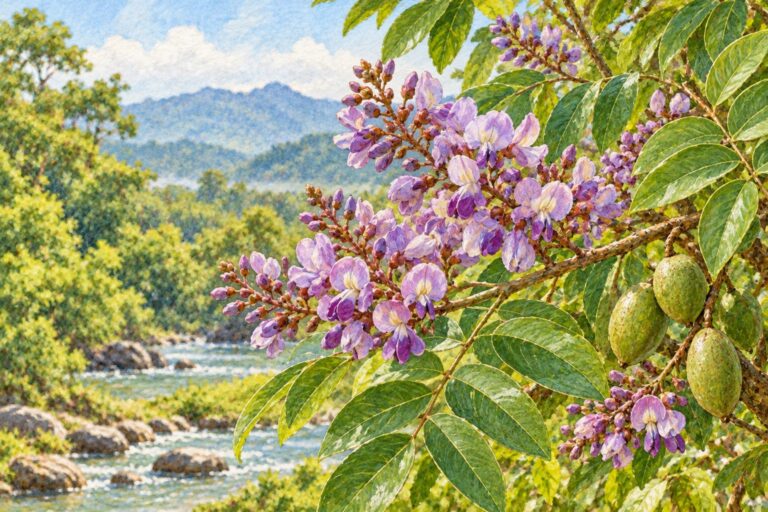
Almendro de Rio
Purple flower clusters stand out against a dense green crown.
Take a closer look ↗
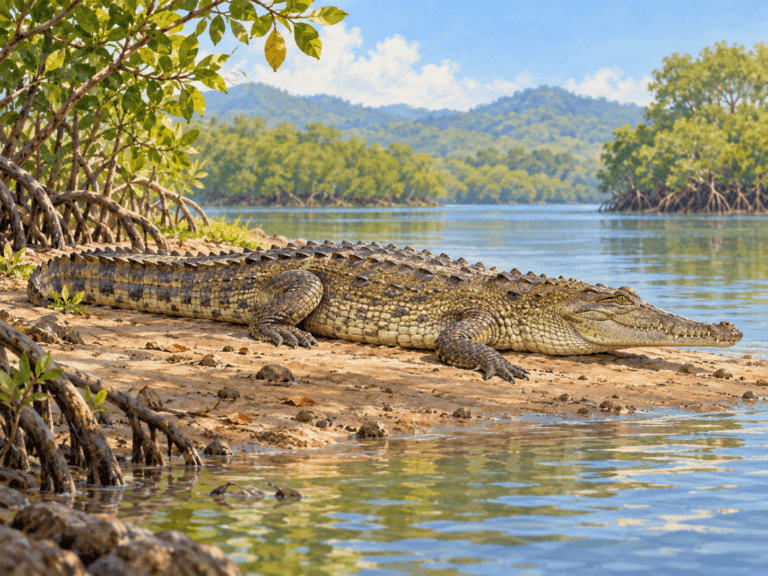
American Crocodile
A long snout and narrow head.
Take a closer look ↗
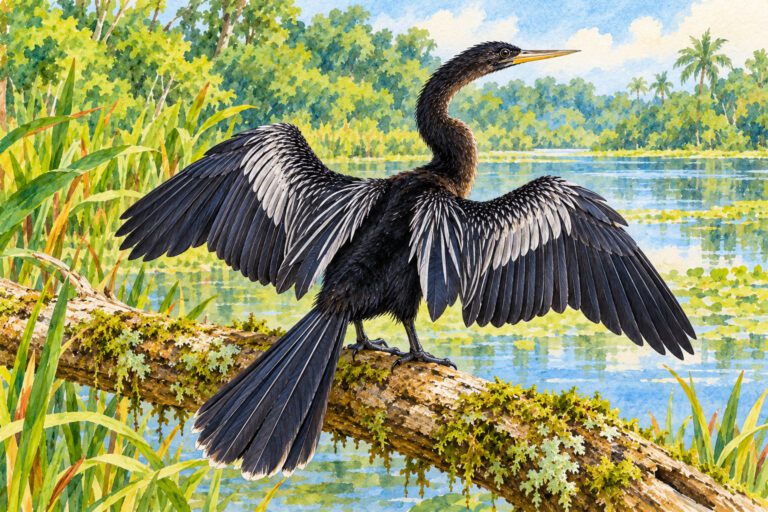
Anhinga
Anhingas swim underwater after fish and use straight pointed bills to seize prey.
Take a closer look ↗
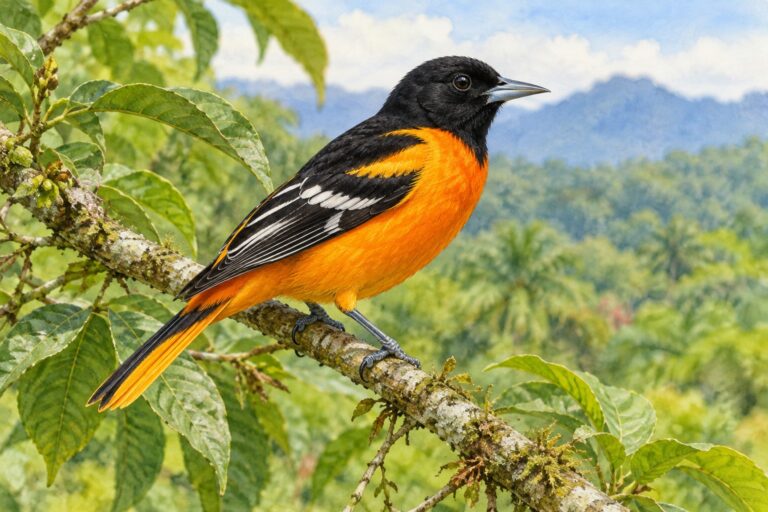
Baltimore Oriole
An orange-and-black seasonal visitor from the north.
Take a closer look ↗
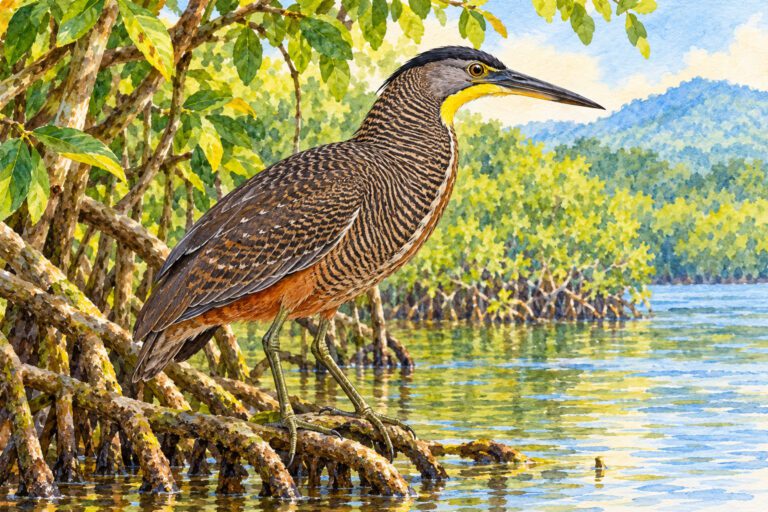
Bare-throated Tiger-Heron
This robust tropical heron uses mangroves and freshwater wetlands.
Take a closer look ↗
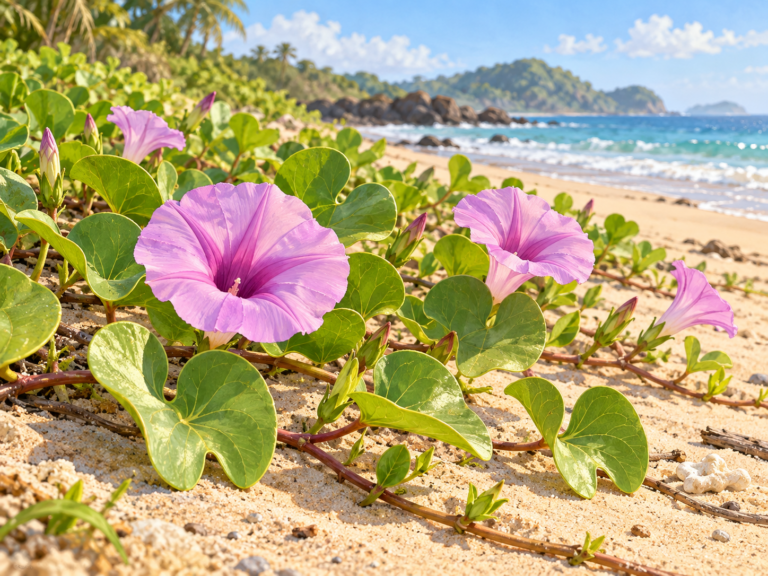
Beach Morning Glory
Creeping stems extending across beach sand.
Take a closer look ↗
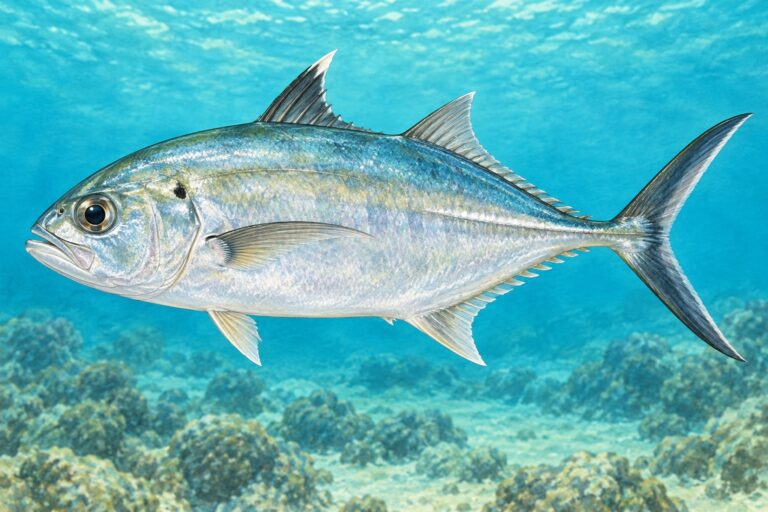
Bigeye Trevally
A silver jack with a noticeably large eye.
Take a closer look ↗
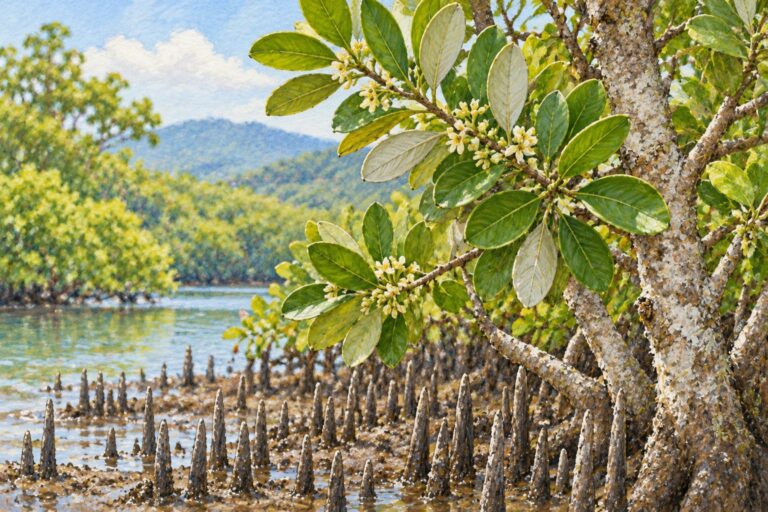
Black Mangrove
Pencil-shaped breathing roots rise from the mud around this mangrove.
Take a closer look ↗
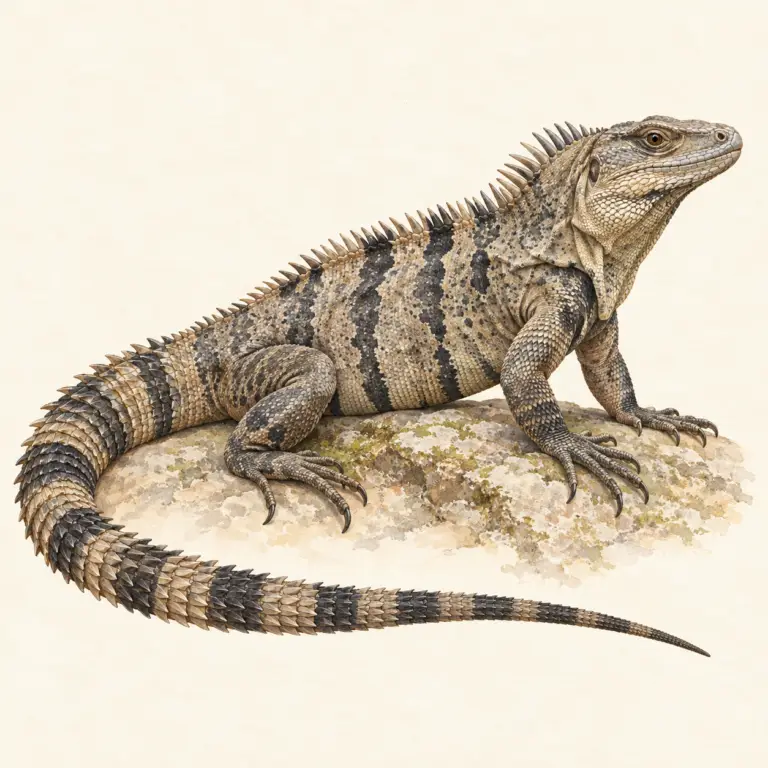
Black Spiny-tailed Iguana
This sturdy lizard has a tail ringed with spiny scales.
Take a closer look ↗
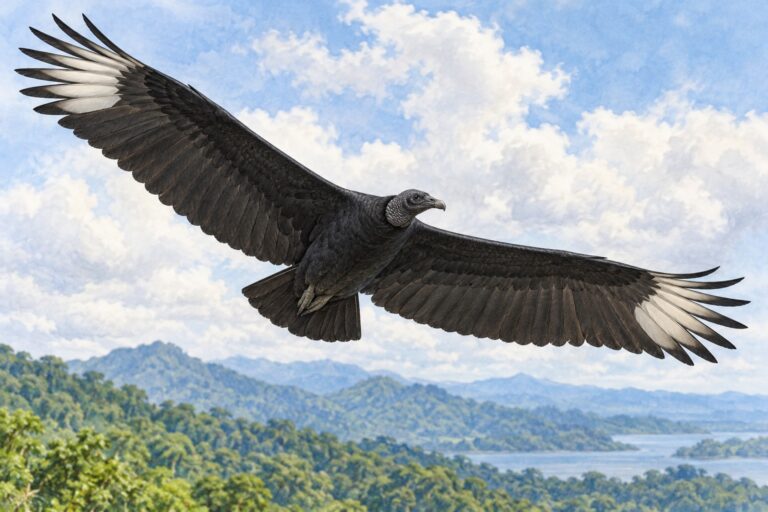
Black Vulture
A dark scavenger with white patches under the wingtips.
Take a closer look ↗
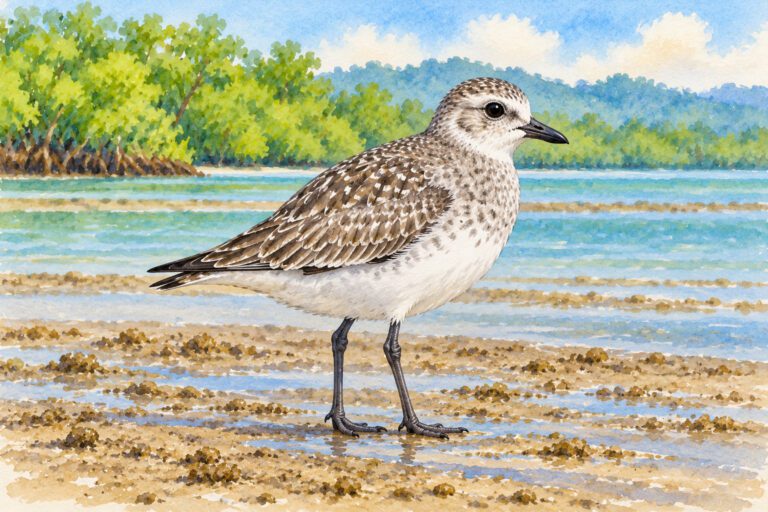
Black-bellied Plover
This large plover breeds in the far north and uses coasts outside breeding.
Take a closer look ↗
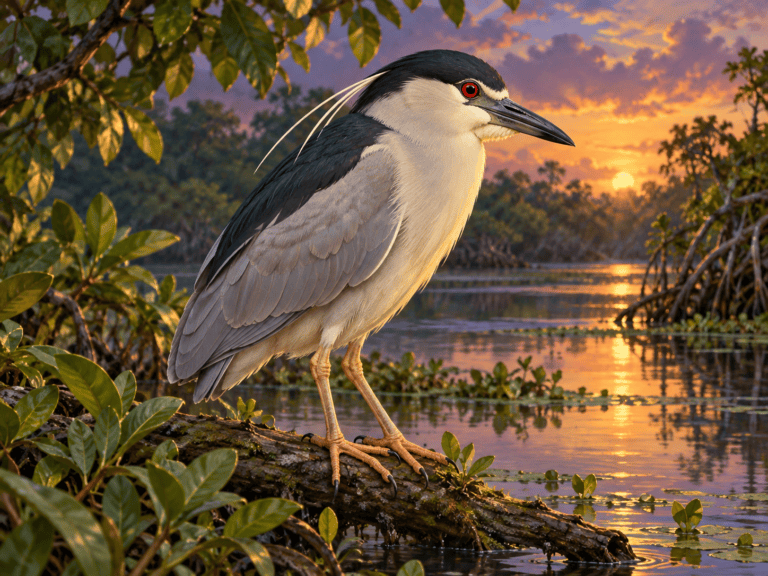
Black-crowned Night-Heron
A compact heron whose feeding day often begins at dusk.
Take a closer look ↗
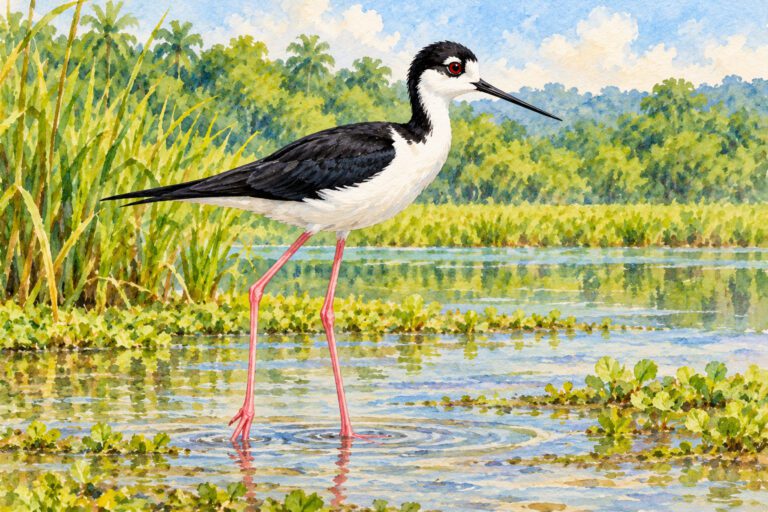
Black-necked Stilt
Black-necked Stilts have exceptionally long pink legs, a thin straight dark bill and contrasting black-and-white plumage.
Take a closer look ↗
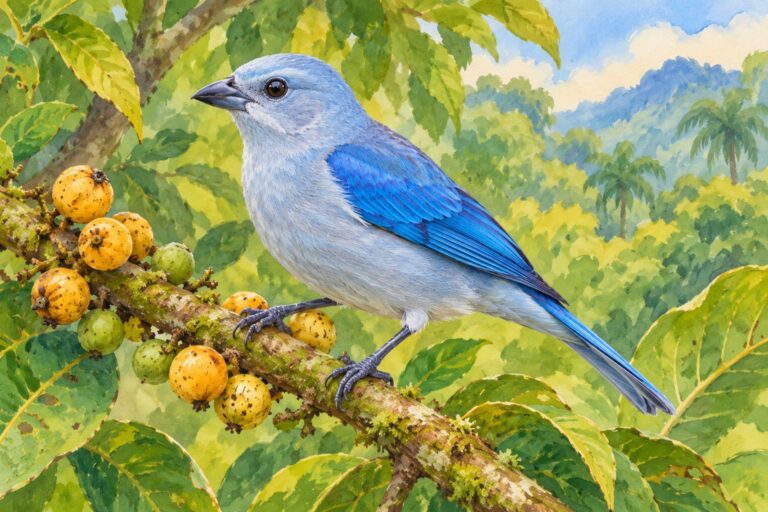
Blue-gray Tanager
A powder-blue bird of gardens and wooded clearings.
Take a closer look ↗
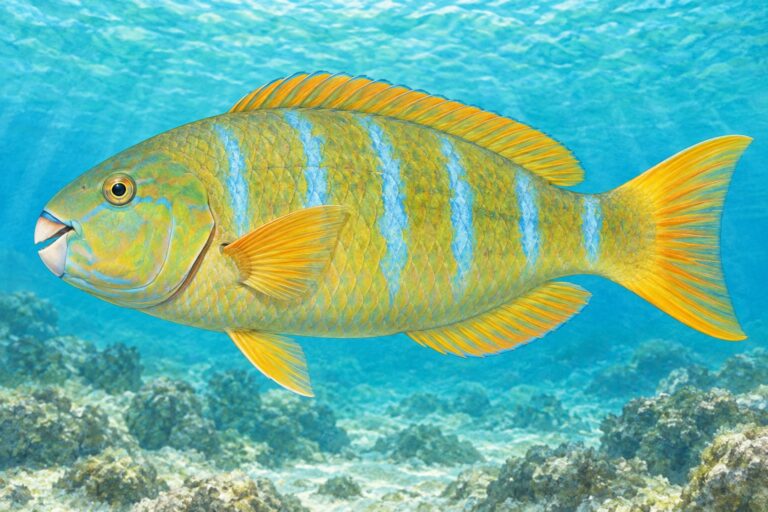
Bluebarred Parrotfish
A reef parrotfish with fused teeth shaped like a beak.
Take a closer look ↗
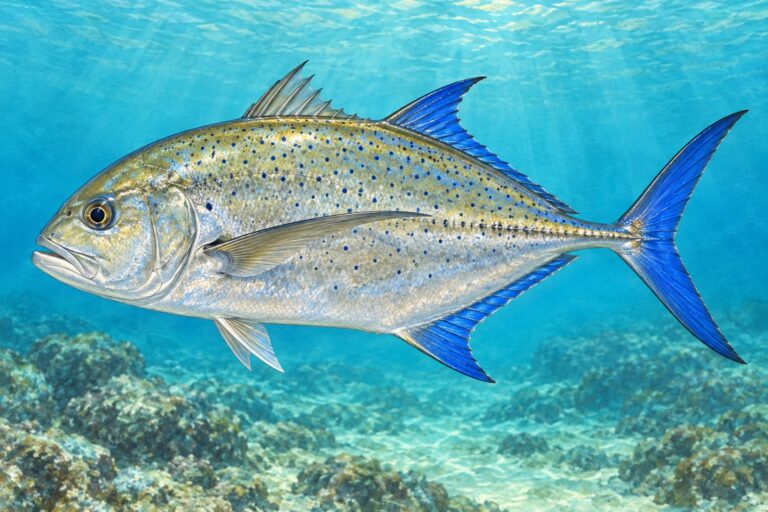
Bluefin Trevally
A reef hunter with electric blue fins.
Take a closer look ↗
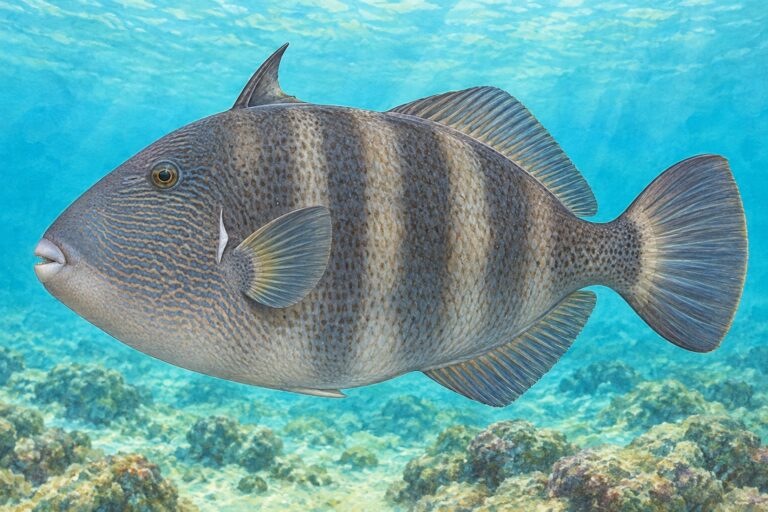
Blunthead Triggerfish
A large gray triggerfish with a pale gill slit.
Take a closer look ↗
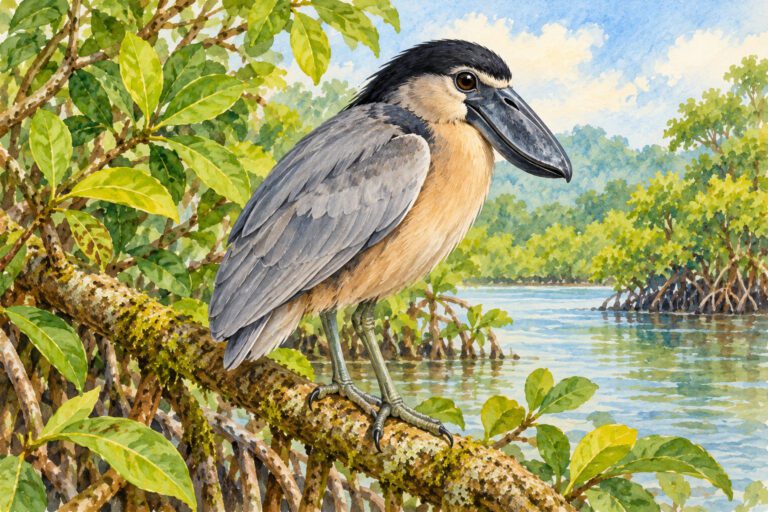
Boat-billed Heron
The Boat-billed Heron has an unusually wide flattened bill and large dark eyes.
Take a closer look ↗
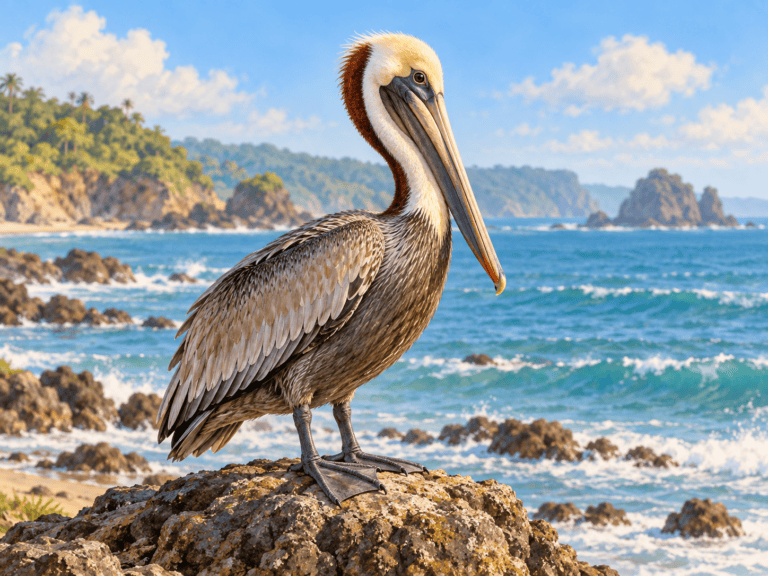
Brown Pelican
A long bill with a pouch beneath the lower jaw.
Take a closer look ↗
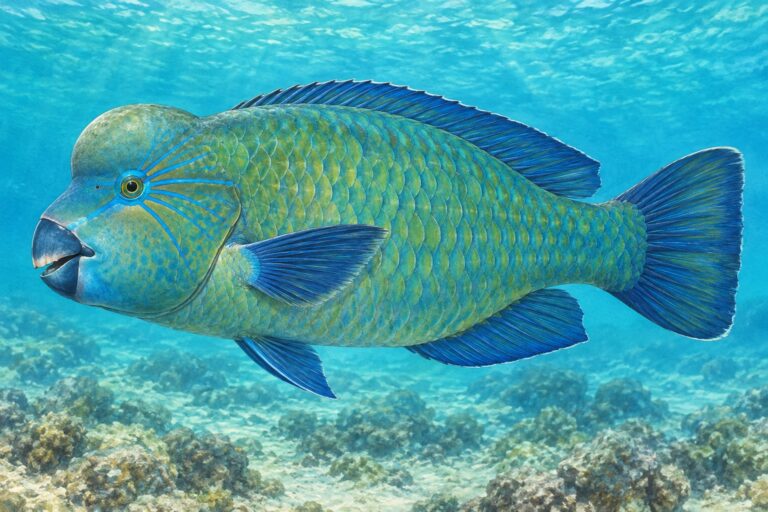
Bumphead Parrotfish
An eastern Pacific parrotfish with a blue beak.
Take a closer look ↗
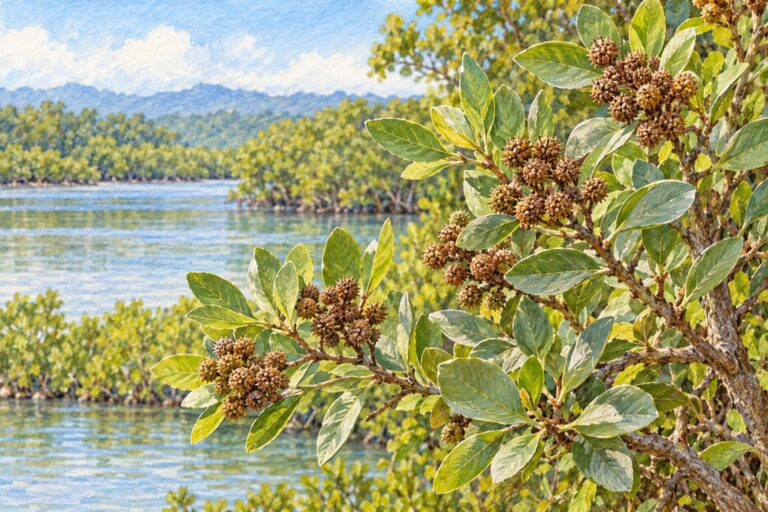
Buttonwood
Small buttonlike fruit heads help identify this coastal tree or shrub.
Take a closer look ↗
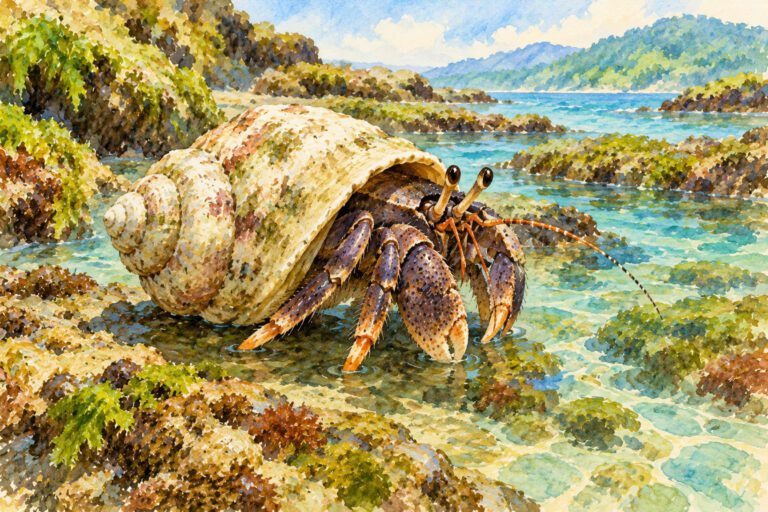
Calcinus Hermit Crab
Calcinus obscurus is a marine hermit crab.
Take a closer look ↗
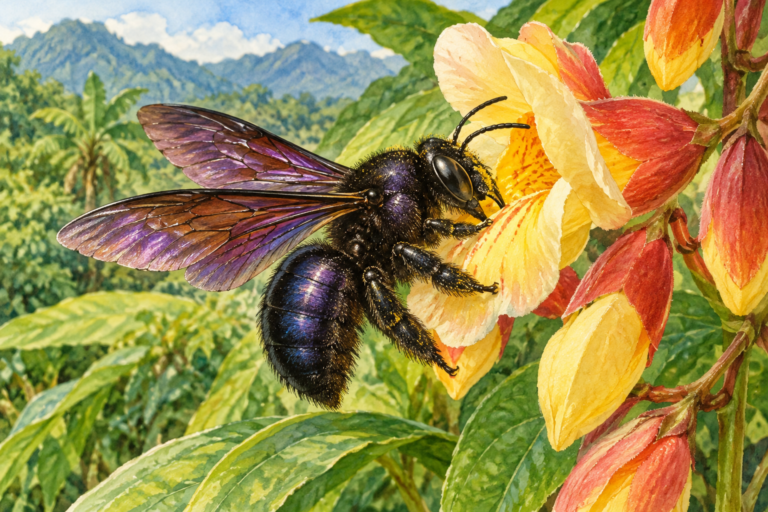
Carpenter Bees
Robust body.
Take a closer look ↗
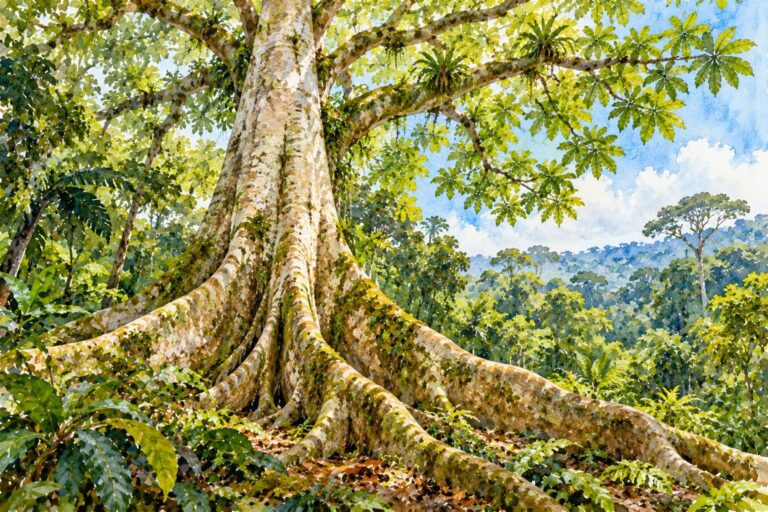
Ceiba Kapok Tree
Huge buttress roots help make a mature ceiba unforgettable.
Take a closer look ↗
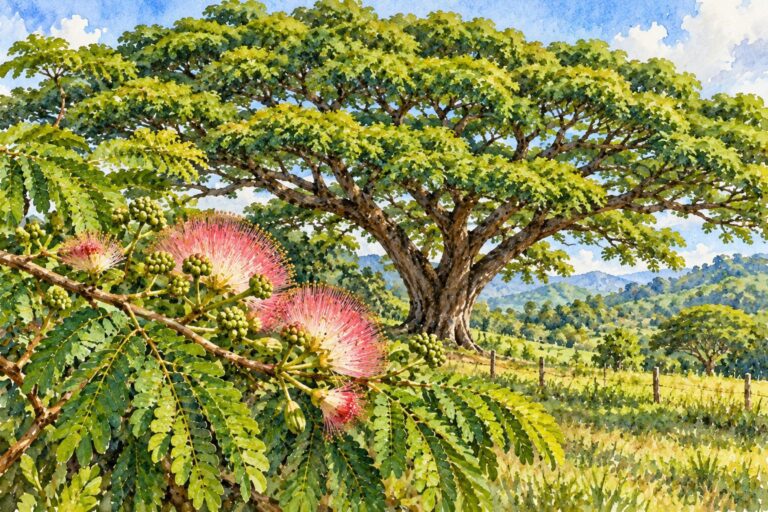
Cenizaro Rain Tree
An umbrella-shaped crown shelters a world beneath its branches.
Take a closer look ↗
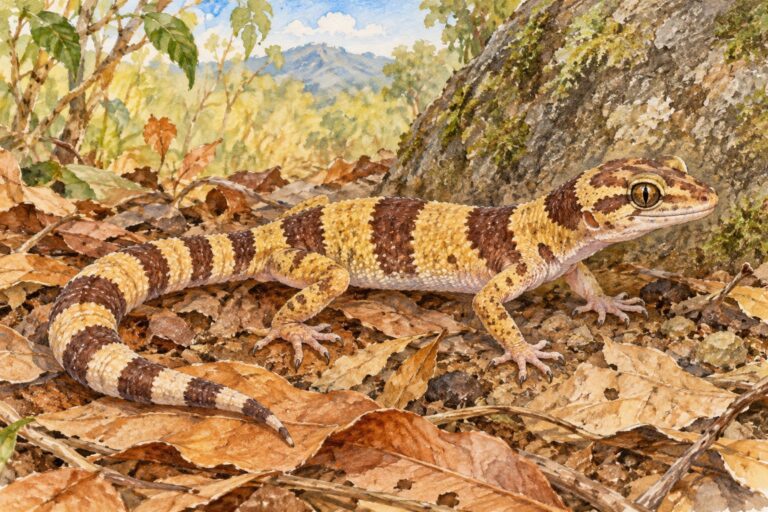
Central American Banded Gecko
A ground-dwelling gecko carries dark bands across a warm yellow-tan body.
Take a closer look ↗
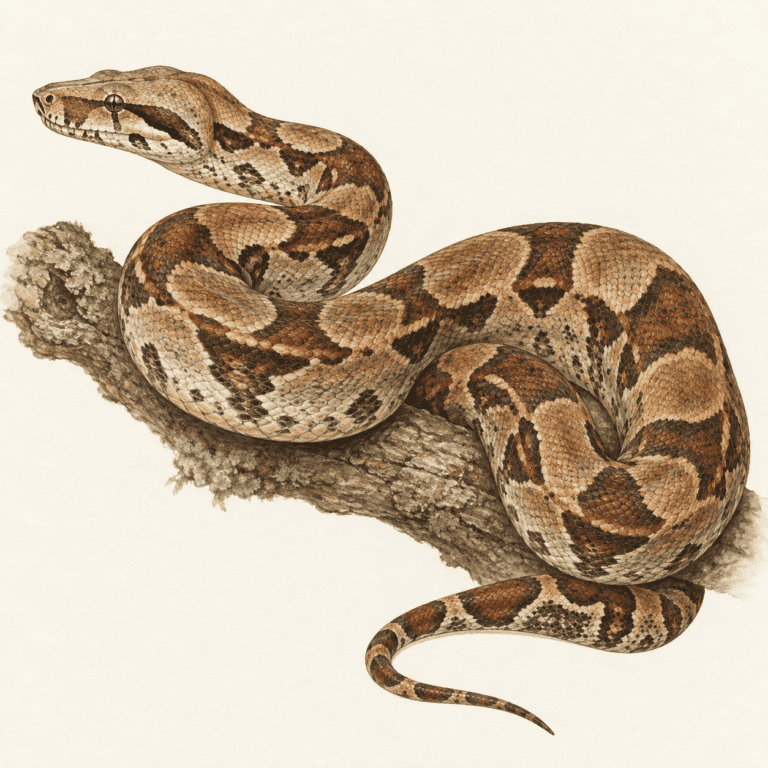
Central American Boa
A muscular snake with broad saddle-like markings.
Take a closer look ↗
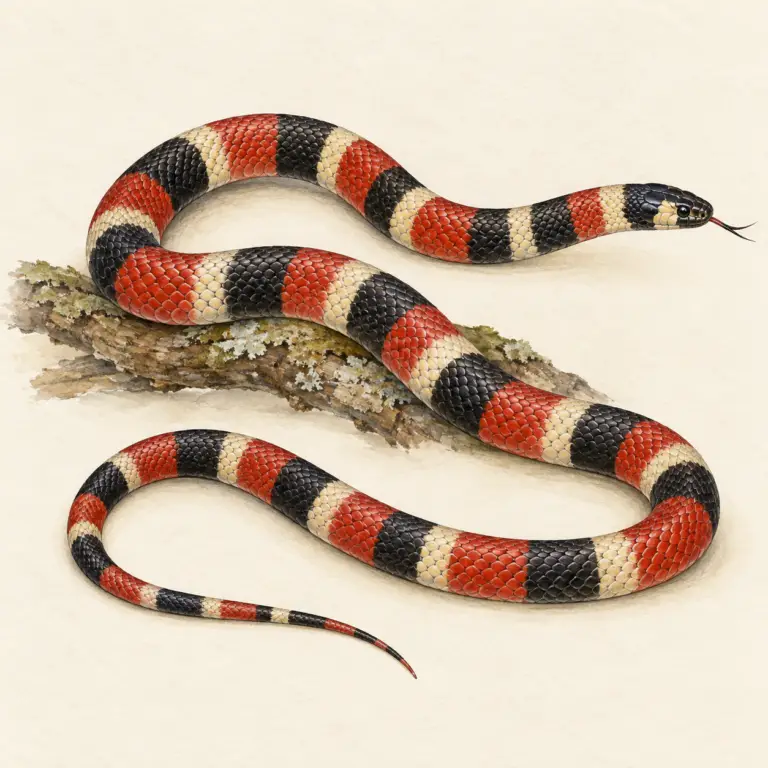
Central American Coral Snake
A venomous coral snake with complete colored rings.
Take a closer look ↗
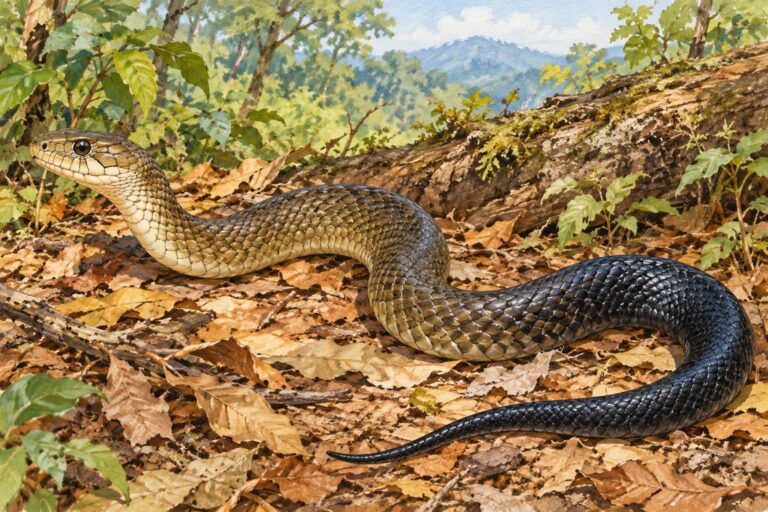
Central American Indigo Snake
A powerful-looking snake may darken from a lighter front to a black tail.
Take a closer look ↗
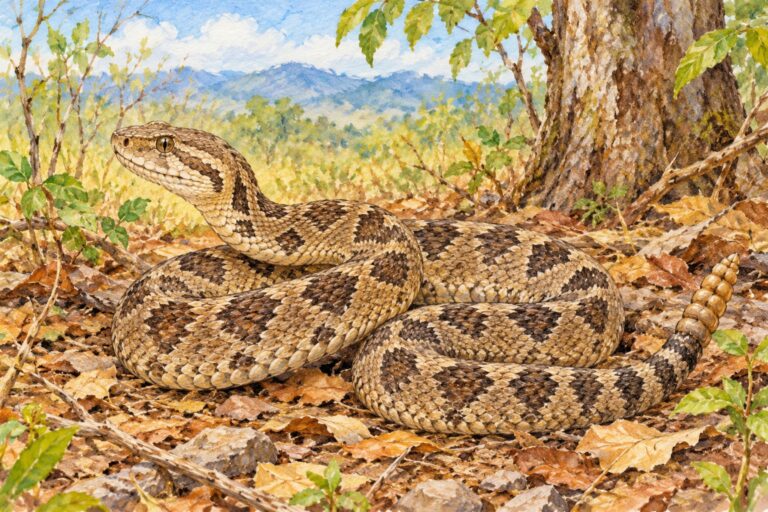
Central American Rattlesnake
A segmented tail rattle is a distinctive feature of this dry-forest snake.
Take a closer look ↗
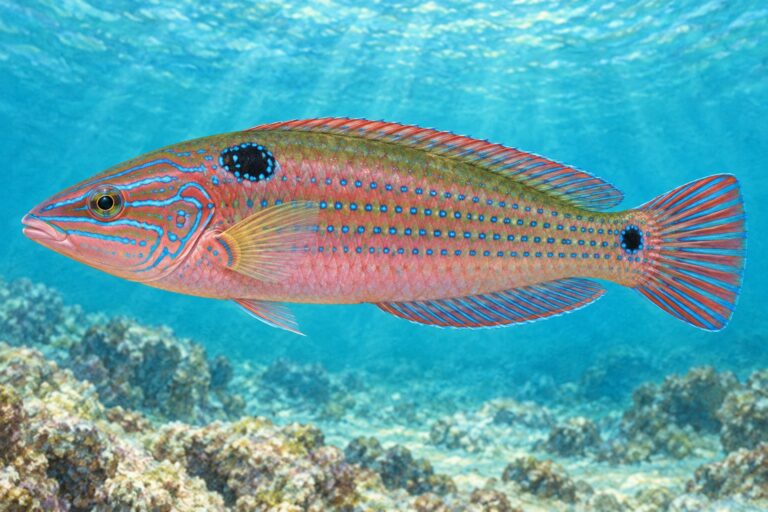
Chameleon Wrasse
A patterned wrasse whose appearance changes with life phase.
Take a closer look ↗
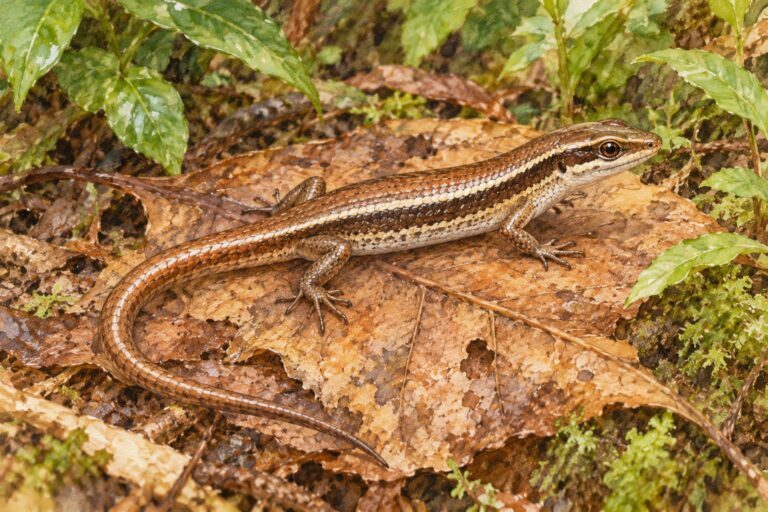
Cherrie's Ground Skink
Smooth scales and short legs help this little skink move through leaf litter.
Take a closer look ↗
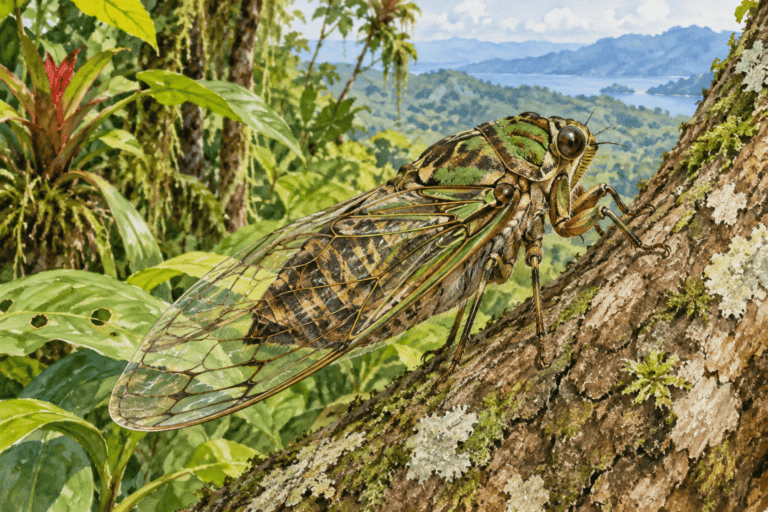
Cicadas
Large transparent wings.
Take a closer look ↗
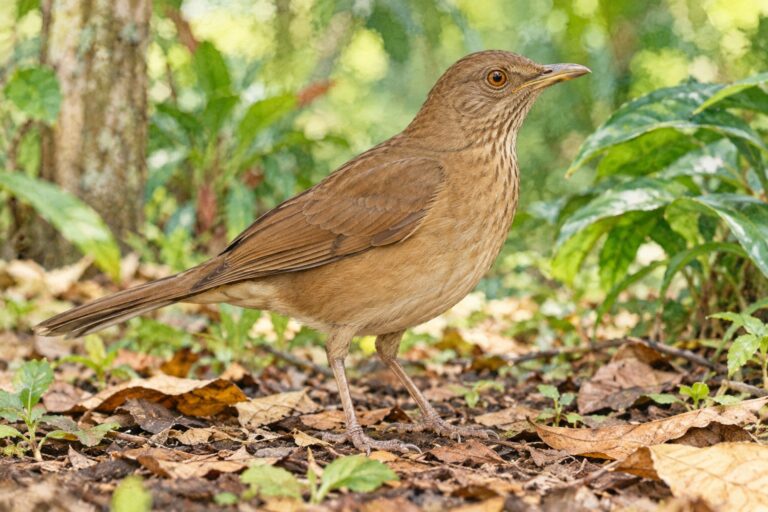
Clay-colored Thrush
A familiar brown songbird and Costa Rica’s national bird.
Take a closer look ↗
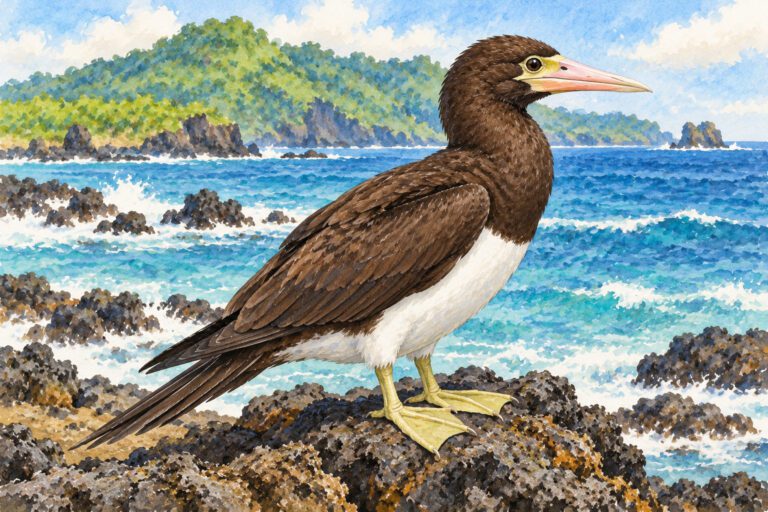
Cocos Booby
Cocos Boobies are eastern Pacific seabirds formerly included with Brown Booby.
Take a closer look ↗
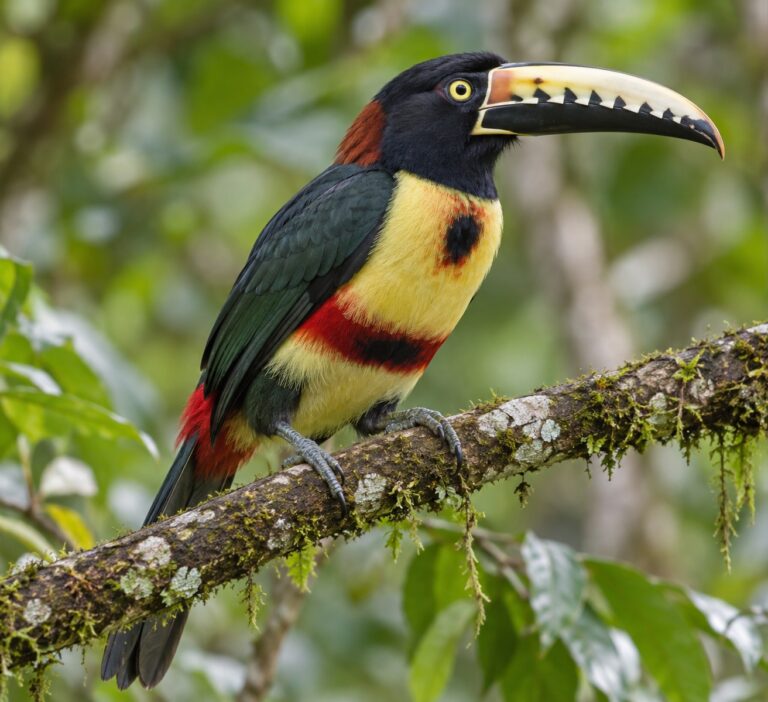
Collared Aracari
A small toucan with a patterned yellow chest.
Take a closer look ↗
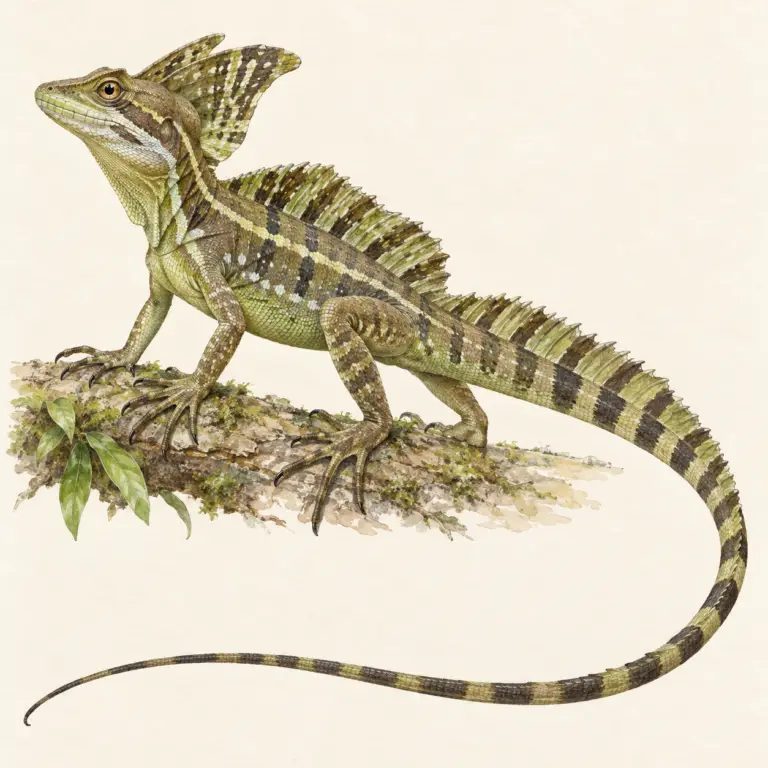
Common Basilisk
A long-tailed lizard associated with Pacific-slope waterways.
Take a closer look ↗
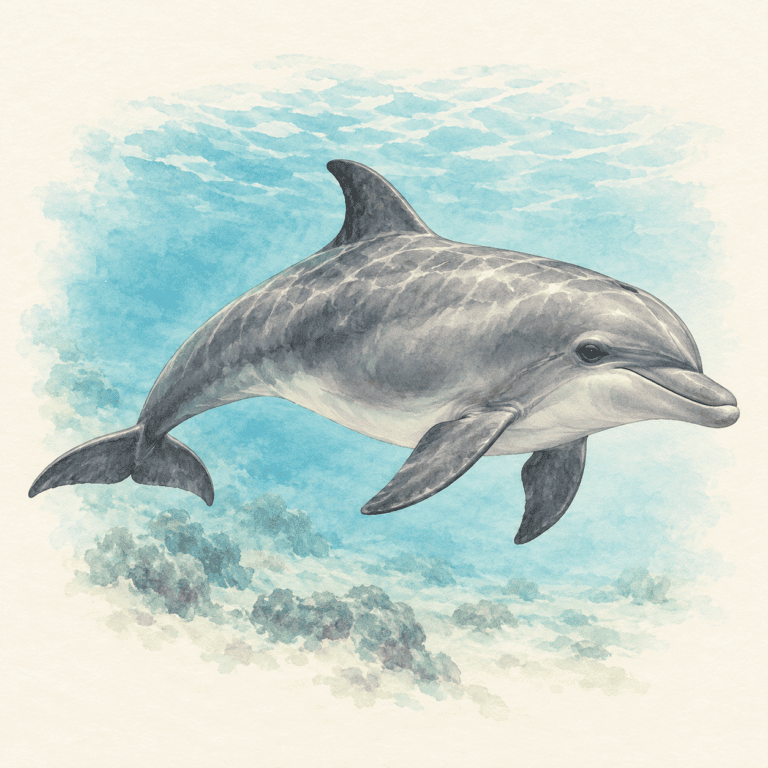
Common Bottlenose Dolphin
The common bottlenose dolphin has a short thick beak and a generally gray body.
Take a closer look ↗
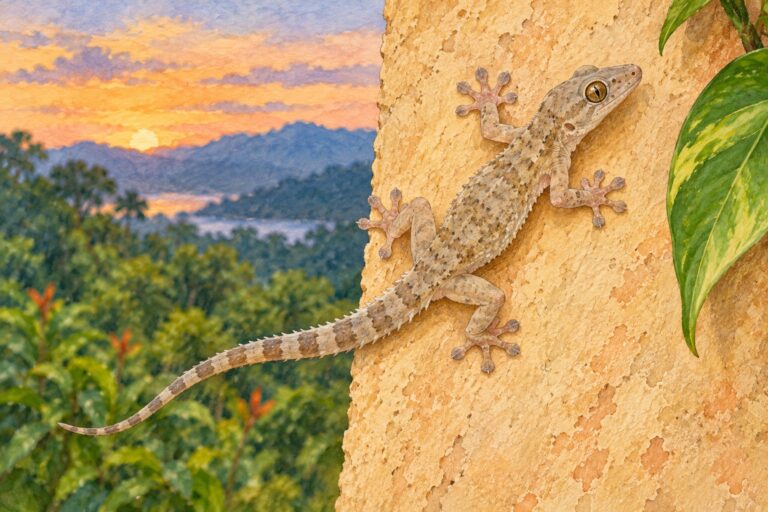
Common House Gecko
An introduced wall-climbing gecko often appears near buildings after dark.
Take a closer look ↗
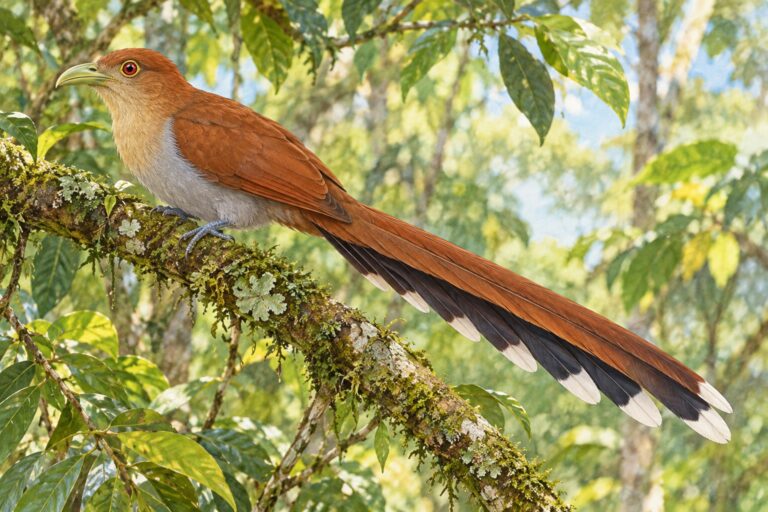
Common Squirrel-Cuckoo
A rusty forest cuckoo with an exceptionally long tail.
Take a closer look ↗
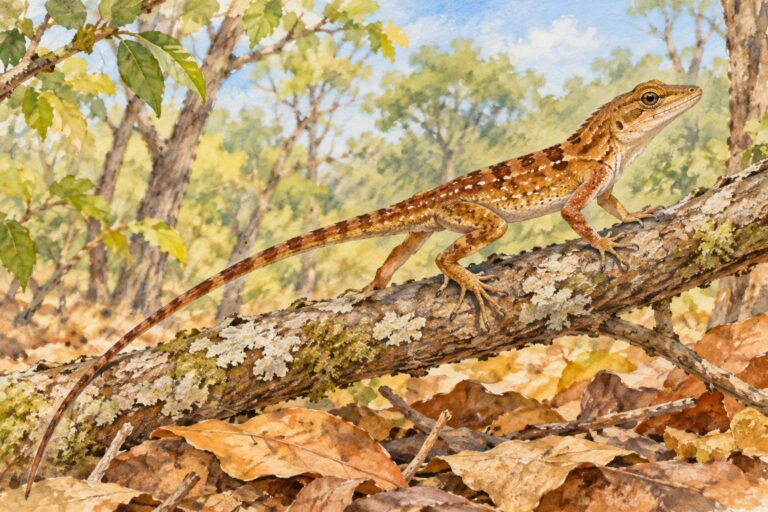
Copper Anole
A familiar brown anole watches from low perches in Pacific-slope landscapes.
Take a closer look ↗
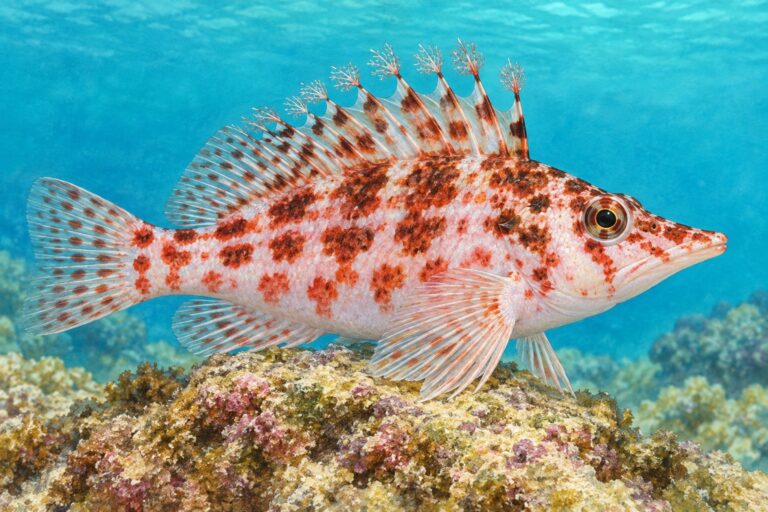
Coral Hawkfish
A small reef fish with reddish-brown blotches.
Take a closer look ↗
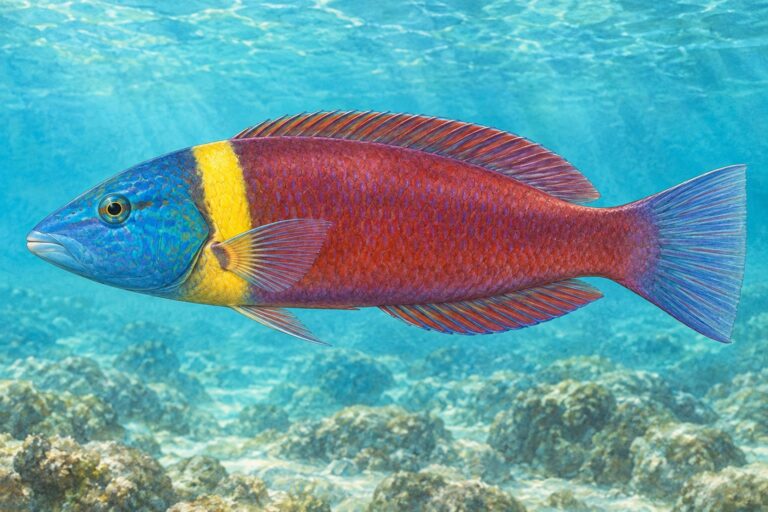
Cortez Rainbow Wrasse
A small wrasse whose colors change as it grows.
Take a closer look ↗
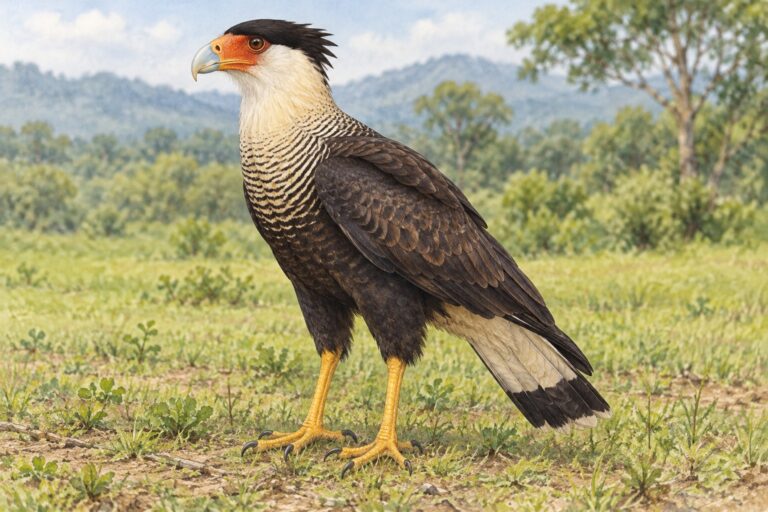
Crested Caracara
A long-legged raptor that often walks on the ground.
Take a closer look ↗
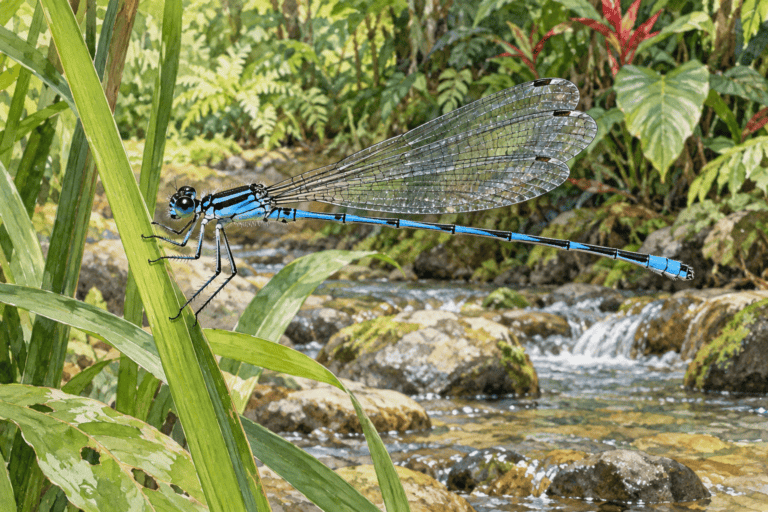
Damselflies
Slender body.
Take a closer look ↗
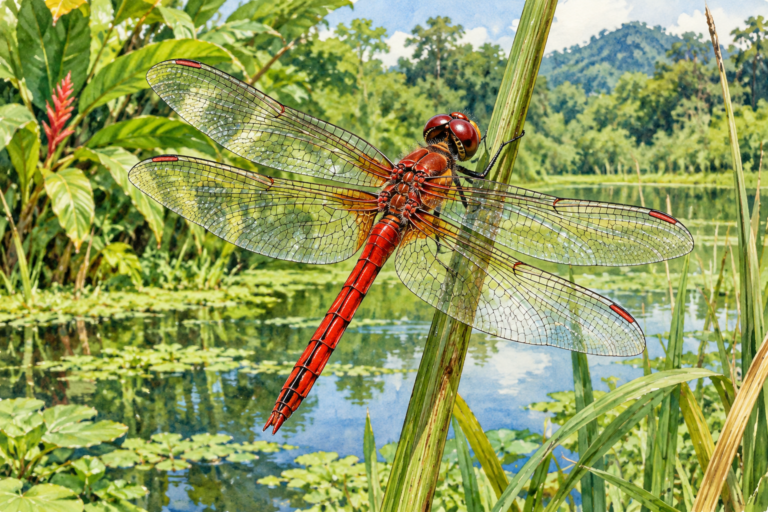
Dragonflies
Large eyes.
Take a closer look ↗
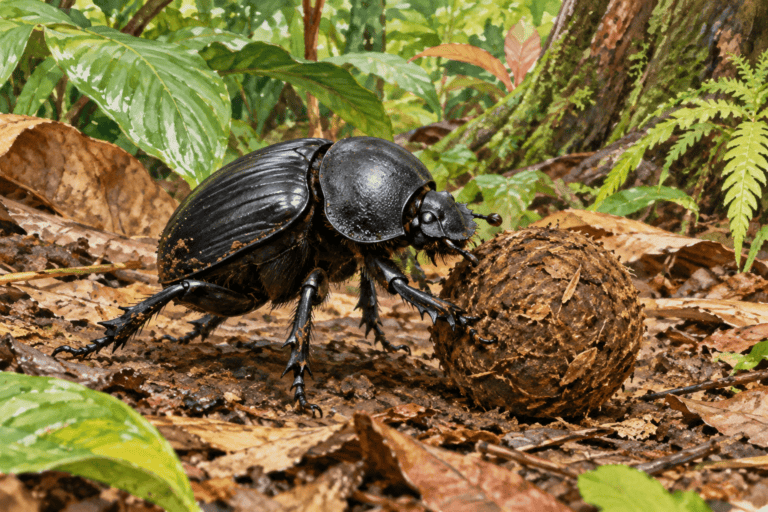
Dung Beetles
Compact beetle body.
Take a closer look ↗
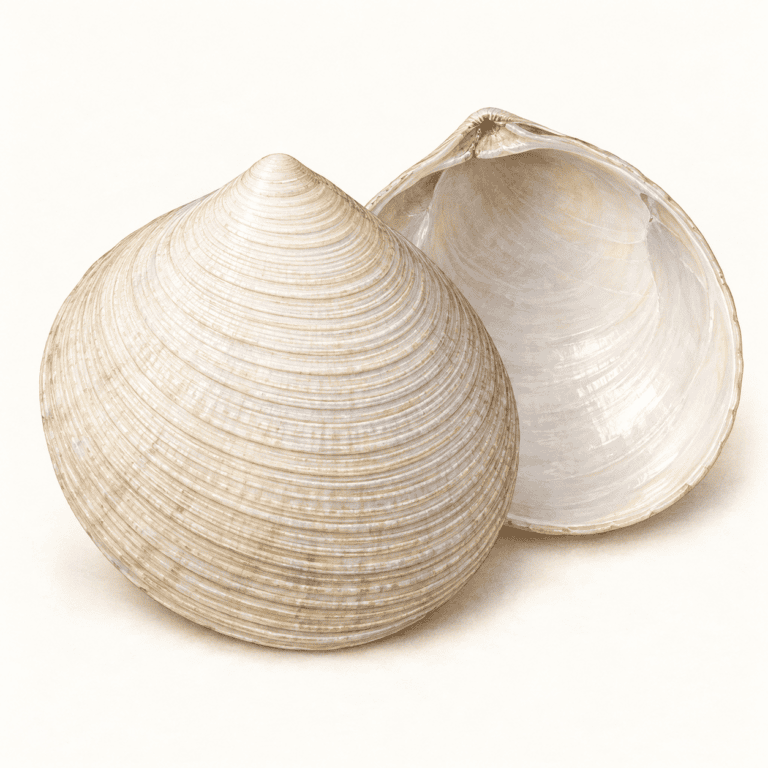
Dunker’s Dosinia
A rounded clam shell rewards a closer look at fine surface lines.
Take a closer look ↗
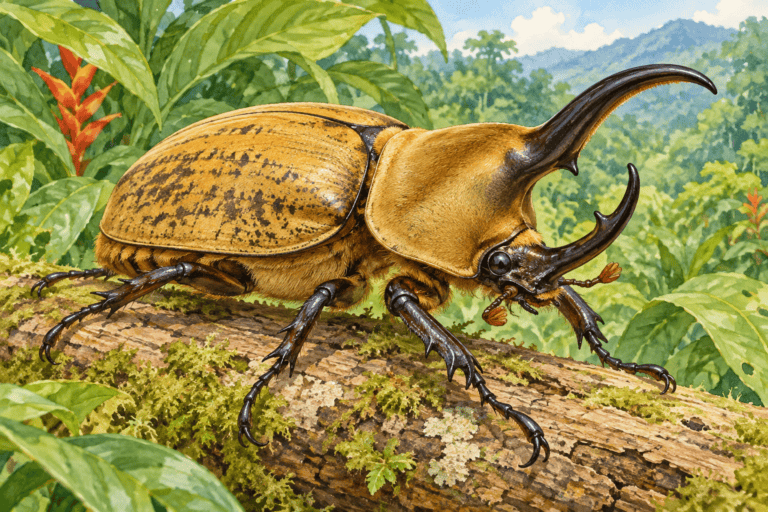
Elephant Beetle
Large rounded beetle.
Take a closer look ↗
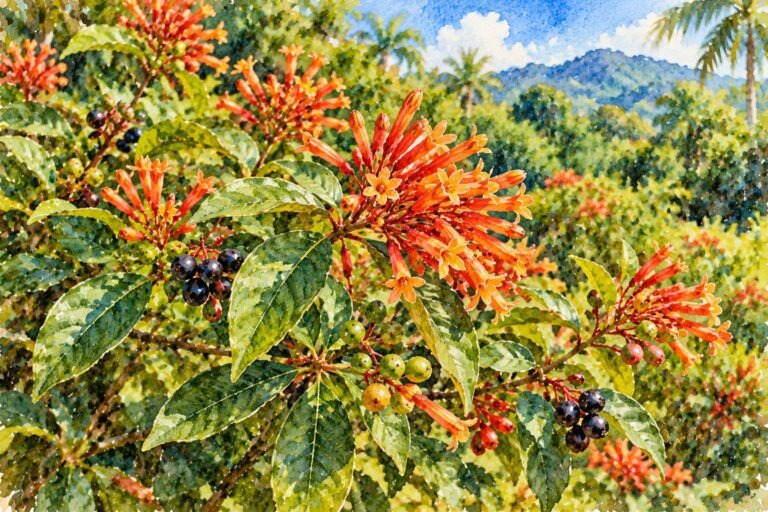
Firebush
Firebush is a shrub with clusters of narrow orange to red tubular flowers.
Take a closer look ↗
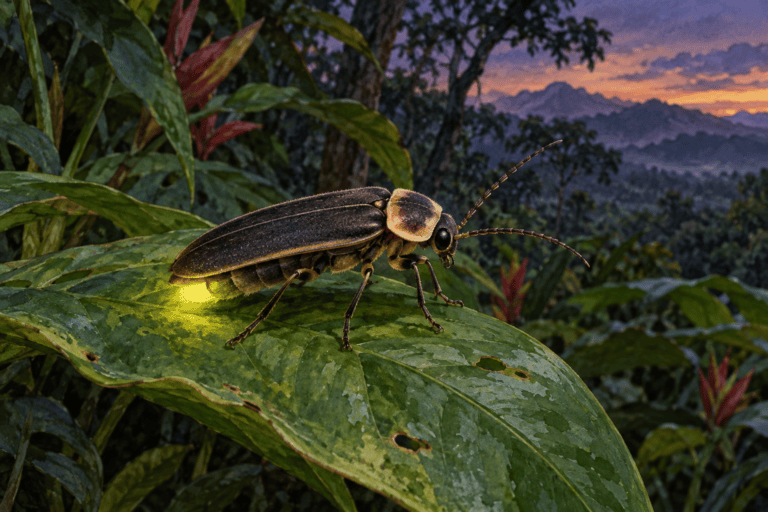
Fireflies
Soft beetle wing covers.
Take a closer look ↗
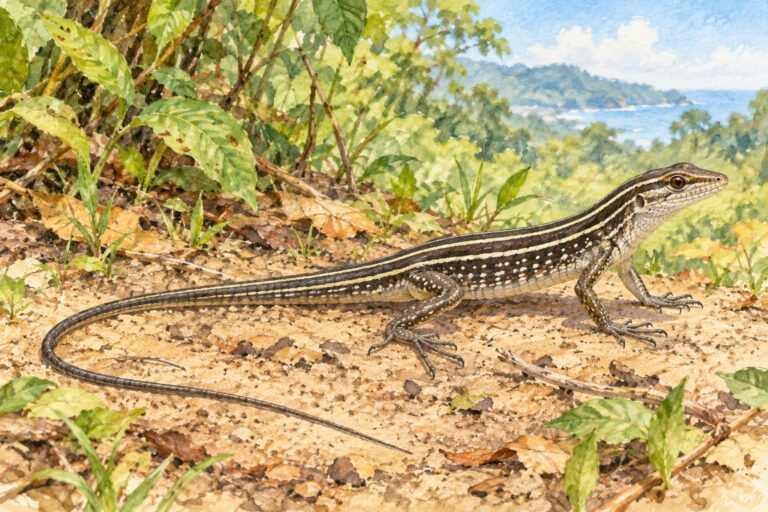
Four-lined Ameiva
Pale lengthwise stripes make this quick ground lizard worth a careful second look.
Take a closer look ↗
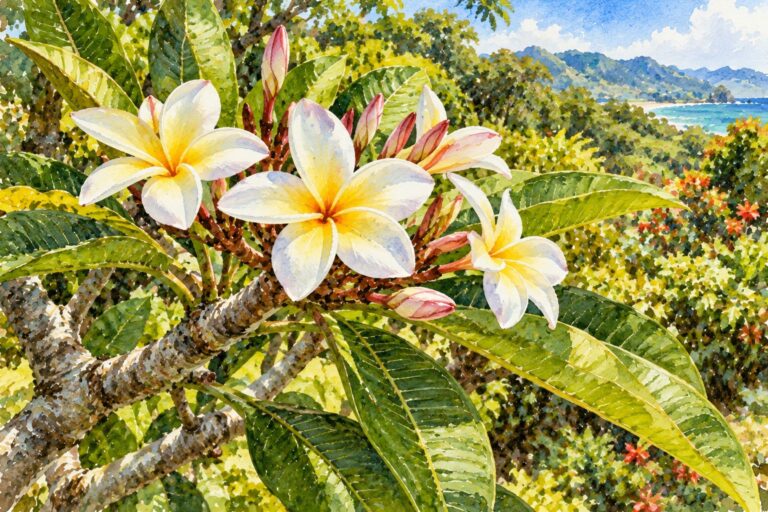
Frangipani
Frangipani is a flowering tree with thick branches and clusters of five-lobed blossoms.
Take a closer look ↗
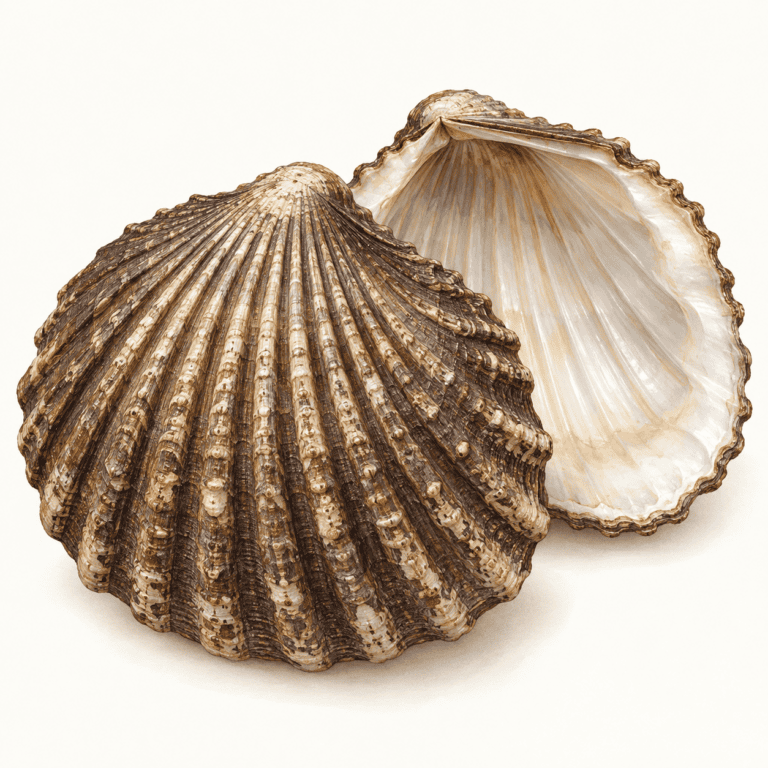
Giant Ark Clam
A large ark shell has deep spaces between its strong ribs.
Take a closer look ↗
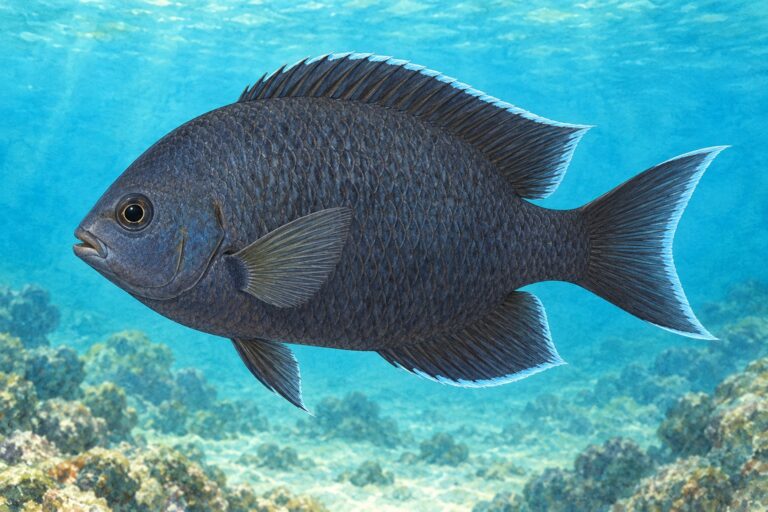
Giant Damselfish
A large damselfish with dark blue-gray adult coloring.
Take a closer look ↗
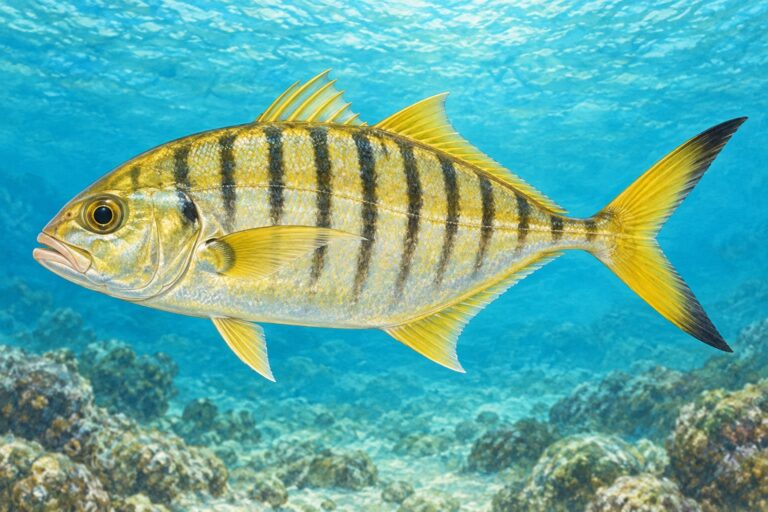
Golden Trevally
A jack whose boldly barred young look different from adults.
Take a closer look ↗
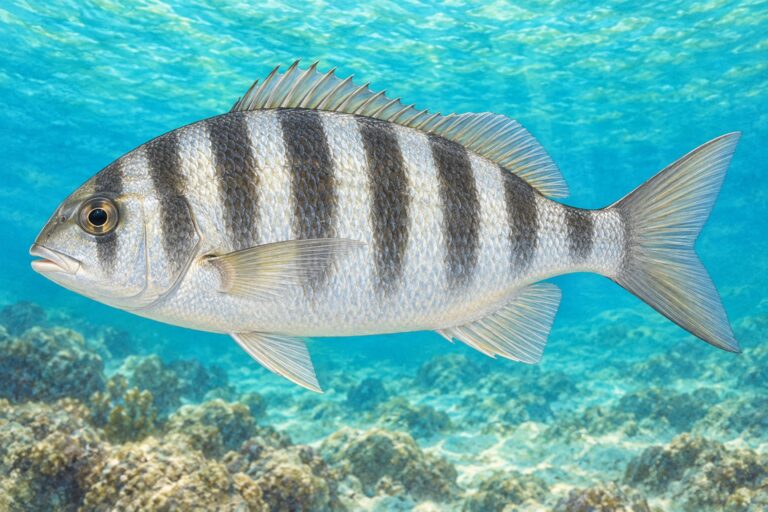
Graybar Grunt
A silver grunt crossed by broad dark bars.
Take a closer look ↗
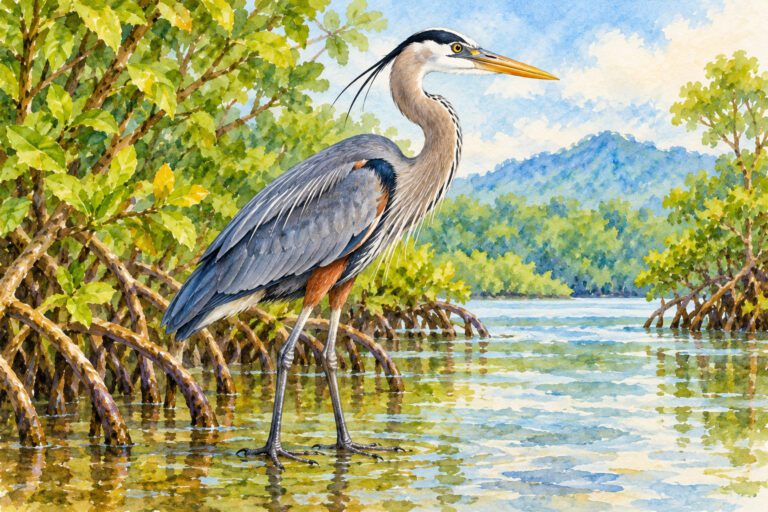
Great Blue Heron
This large heron searches shallow water for fish and other small animals.
Take a closer look ↗
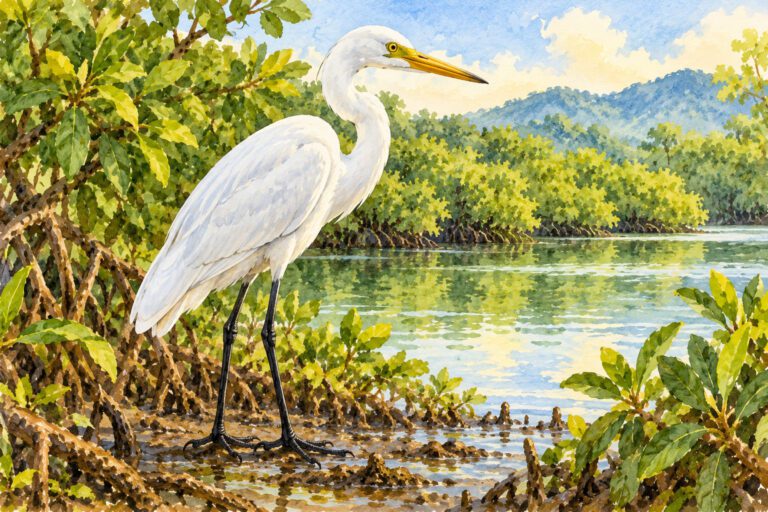
Great Egret
The Great Egret is a large white wading bird that hunts by waiting or walking slowly in shallow water.
Take a closer look ↗
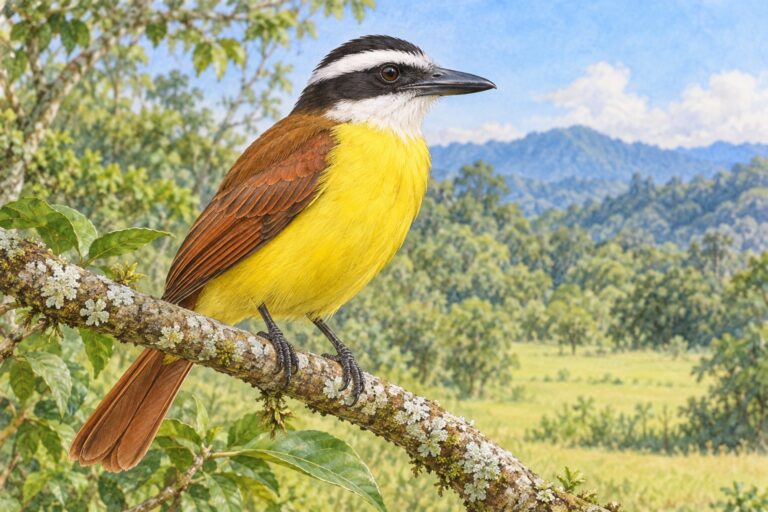
Great Kiskadee
A loud flycatcher with a yellow belly and striped head.
Take a closer look ↗
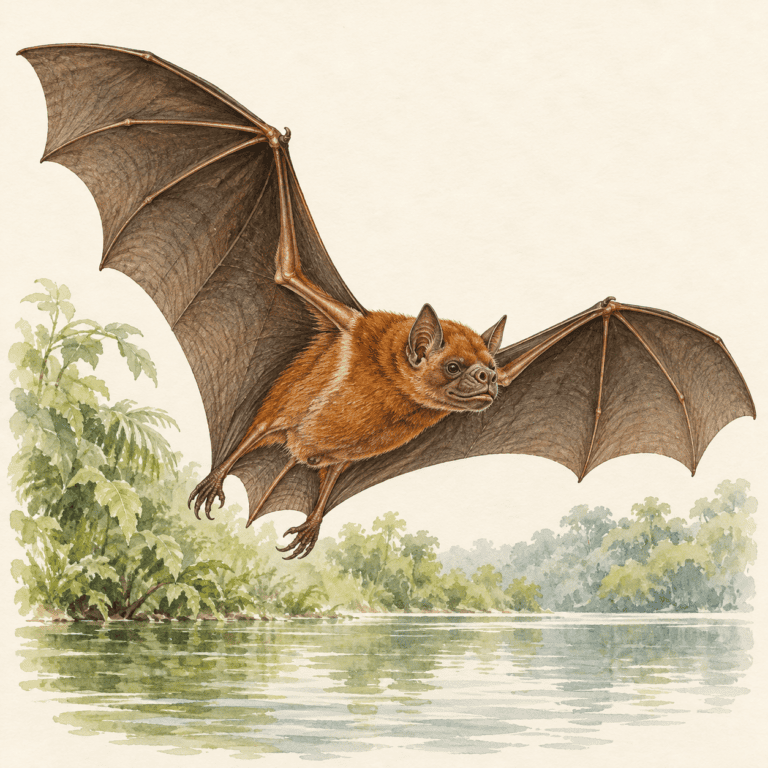
Greater Bulldog Bat
The greater bulldog bat is one of the bats that regularly catches fish.
Take a closer look ↗
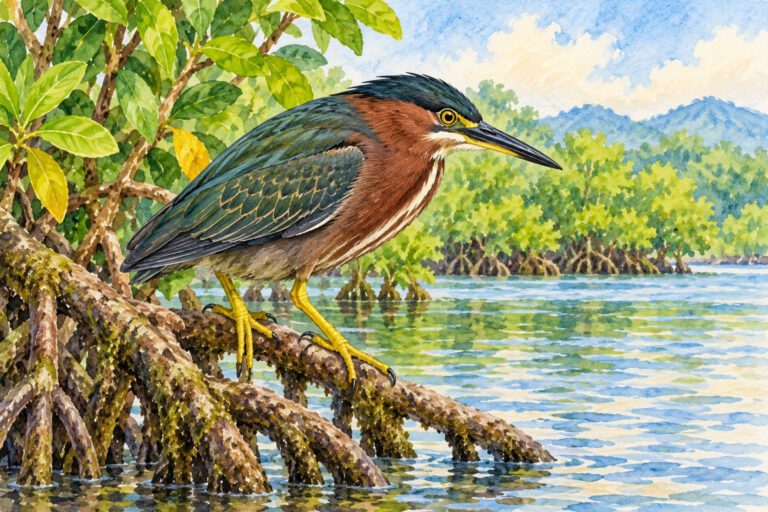
Green Heron
The Green Heron is a compact hunter with a dark greenish back, chestnut neck and a short crest.
Take a closer look ↗
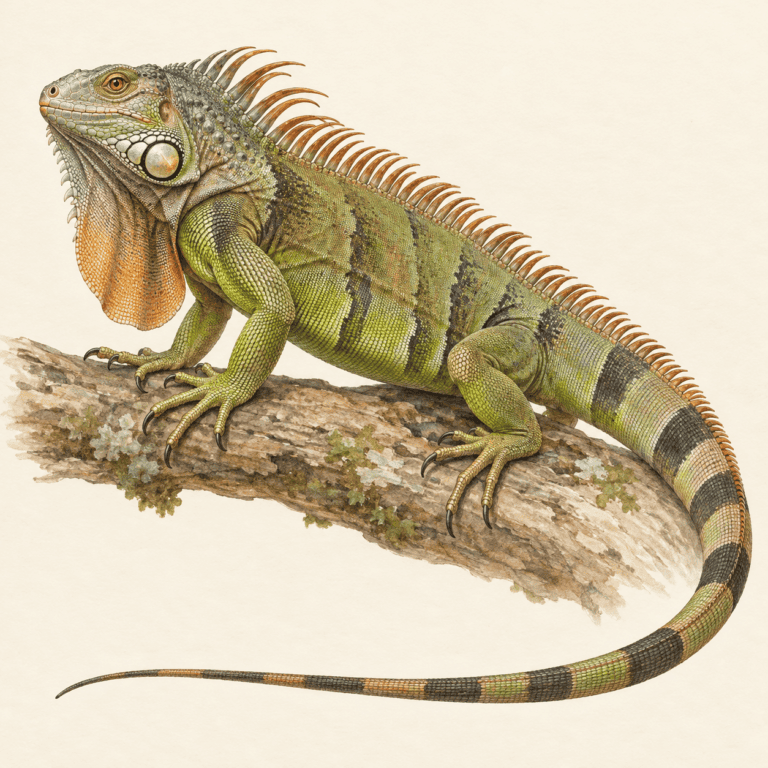
Green Iguana
A large tree-climbing lizard with a throat fan and a row of spines along its back.
Take a closer look ↗
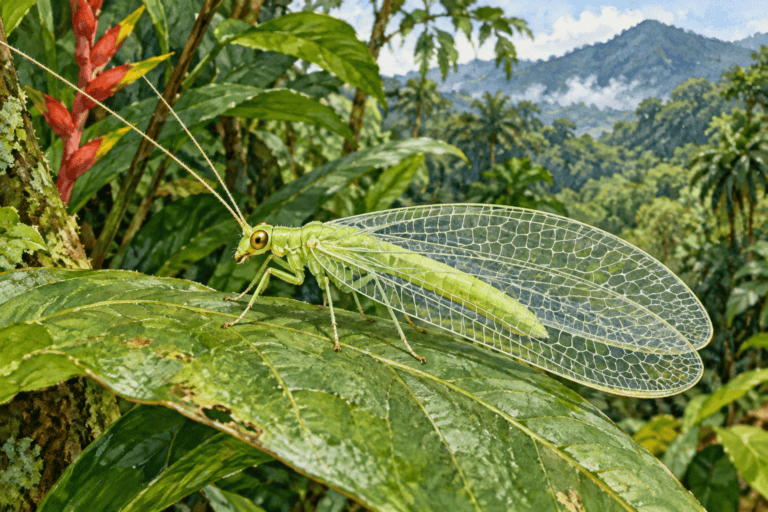
Green Lacewings
Delicate green body.
Take a closer look ↗
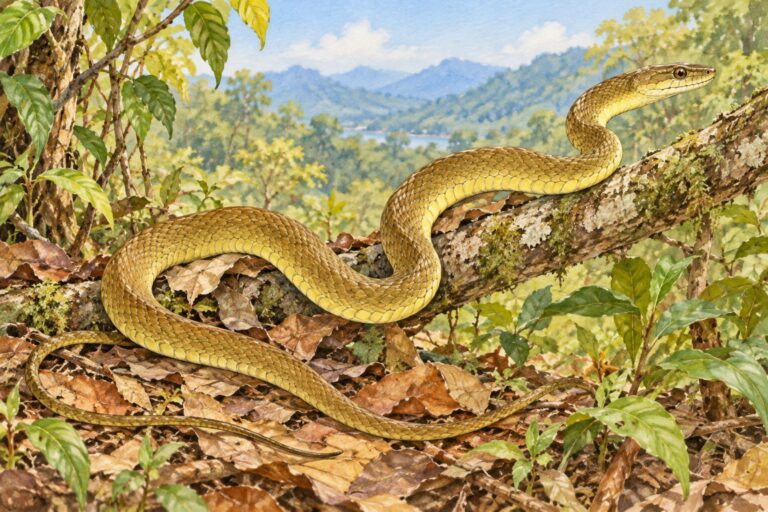
Green Ratsnake
This long forest snake changes its appearance as it grows.
Take a closer look ↗
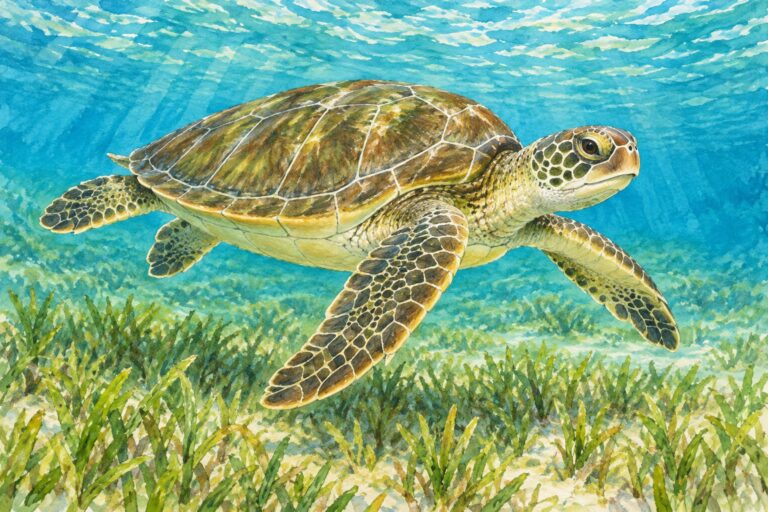
Green Sea Turtle
A smooth oval shell and paddle-shaped flippers belong to this ocean traveler.
Take a closer look ↗
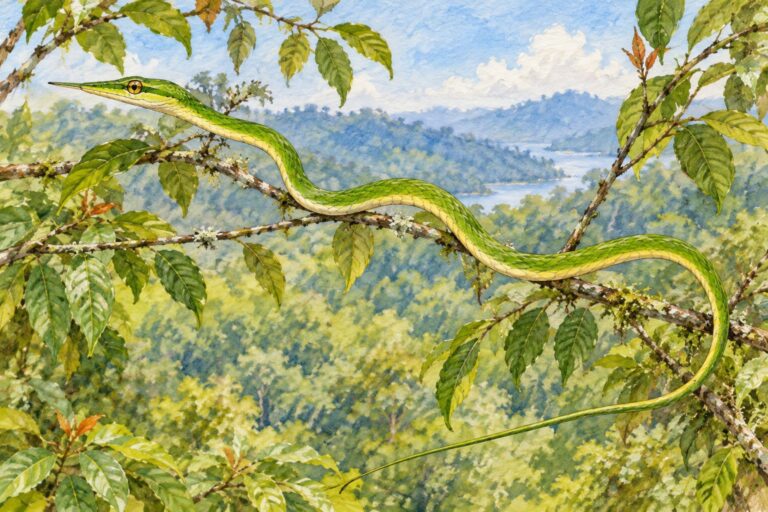
Green Vine Snake
An exceptionally slender snake resembles a living green vine.
Take a closer look ↗
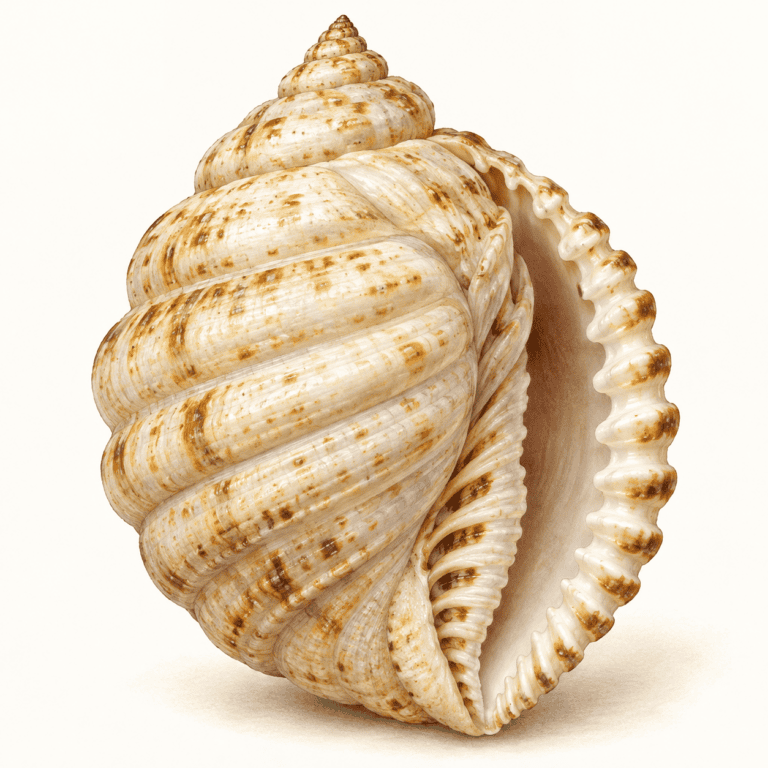
Grinning Tun
A rounded shell with a tooth-lined opening explains its memorable name.
Take a closer look ↗
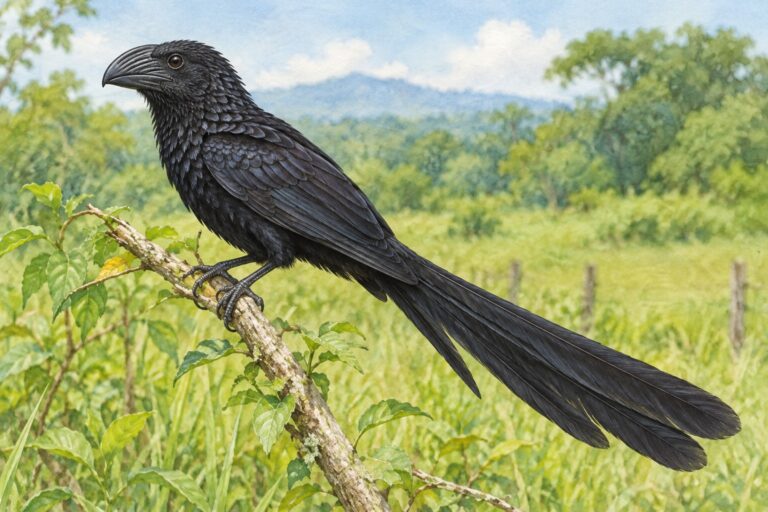
Groove-billed Ani
A social black bird with grooves on its heavy bill.
Take a closer look ↗
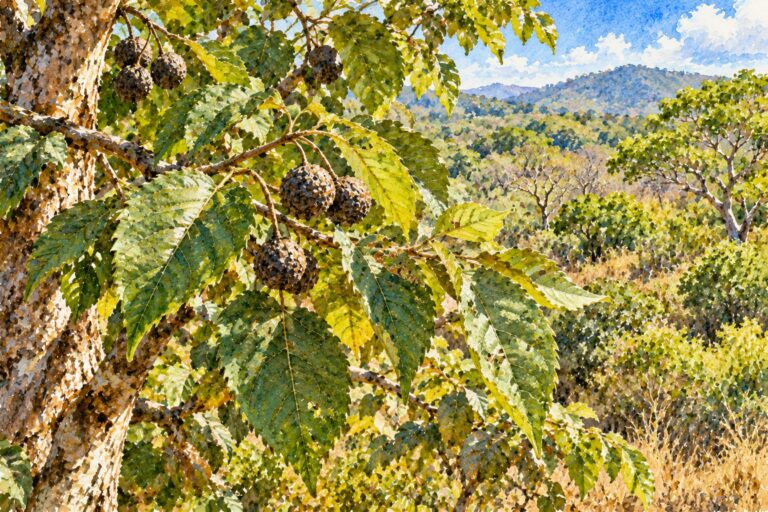
Guacimo
Bumpy dark fruits and toothed leaves offer clues to a familiar Pacific-slope tree.
Take a closer look ↗
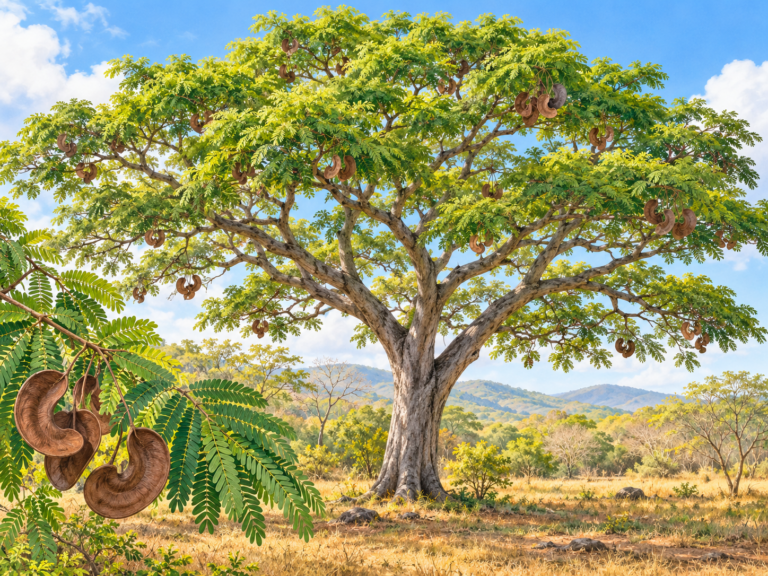
Guanacaste Tree
Look for tiny leaflets and curved pods on this dry-forest tree.
Take a closer look ↗
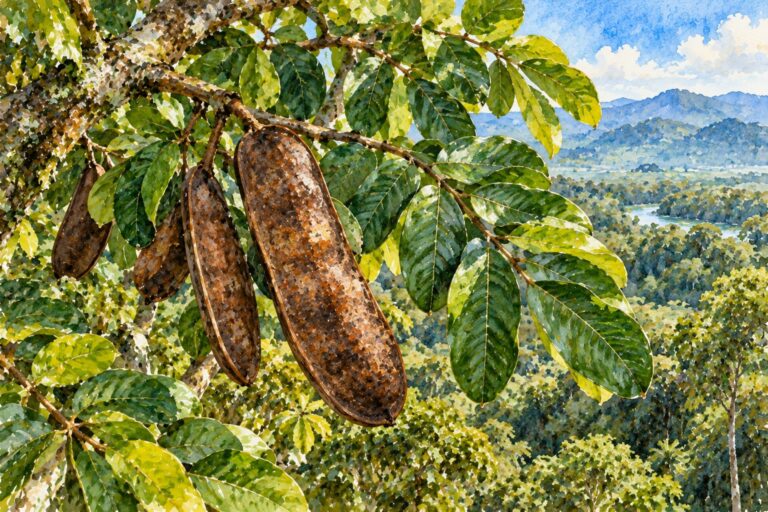
Guapinol
Paired leaflets and hard brown pods identify a forest tree with an important wildlife role.
Take a closer look ↗
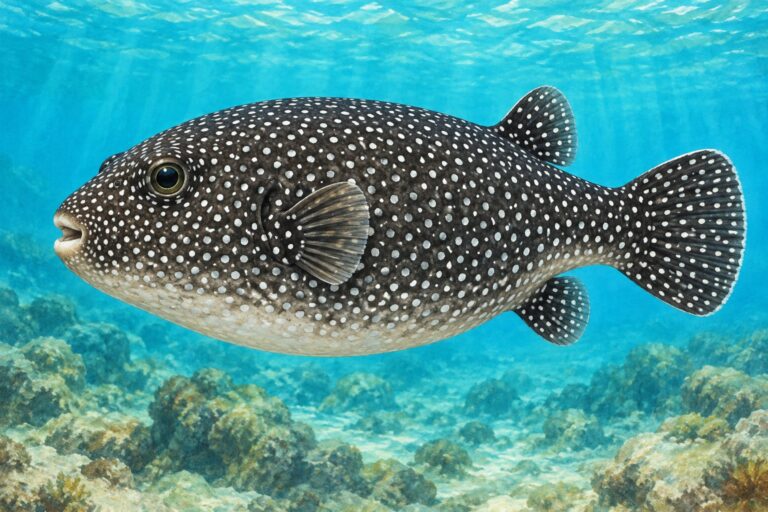
Guineafowl Puffer
A round reef puffer with a dotted dark form and a yellow form.
Take a closer look ↗
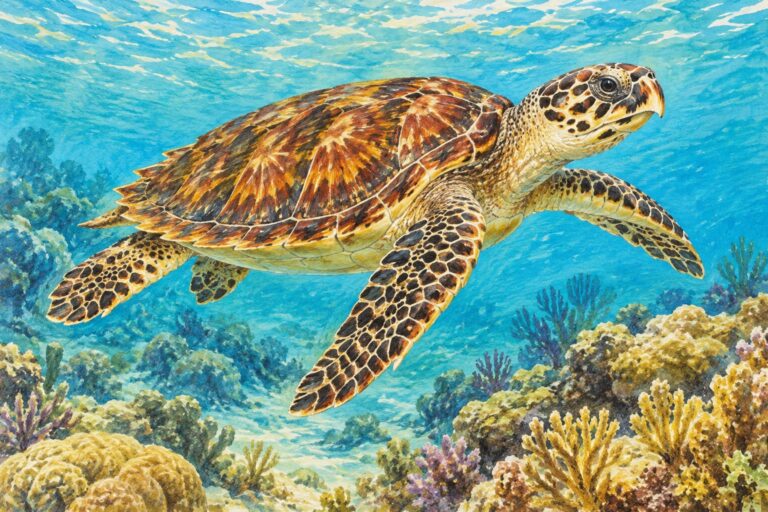
Hawksbill Sea Turtle
A narrow hooked beak and patterned shell help distinguish the hawksbill.
Take a closer look ↗
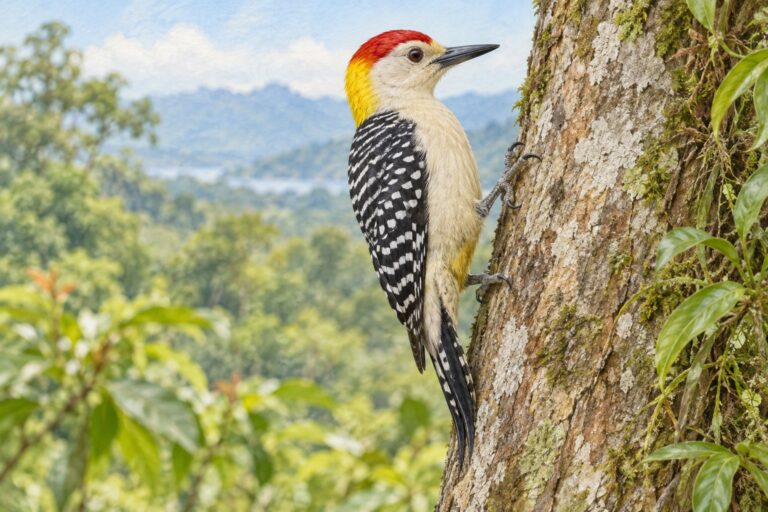
Hoffmann's Woodpecker
A black-and-white woodpecker with a yellow nape.
Take a closer look ↗
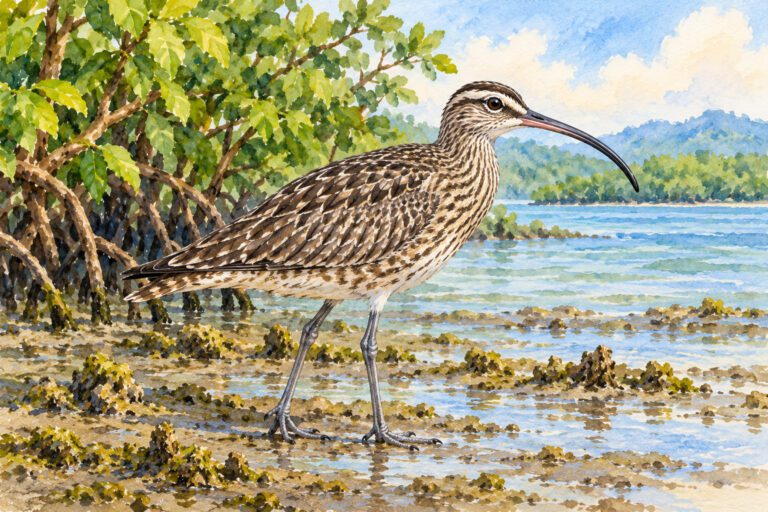
Hudsonian Whimbrel
This large shorebird uses its long downward-curved bill to find crabs and other small animals on coastal flats.
Take a closer look ↗
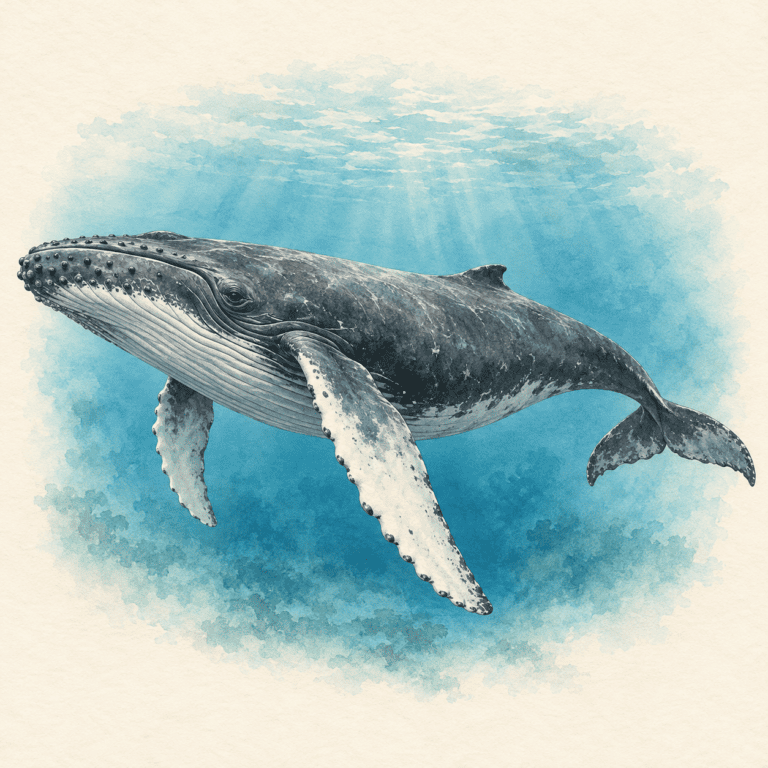
Humpback Whale
A humpback whale is a mammal that breathes air through blowholes and nurses its young with milk.
Take a closer look ↗
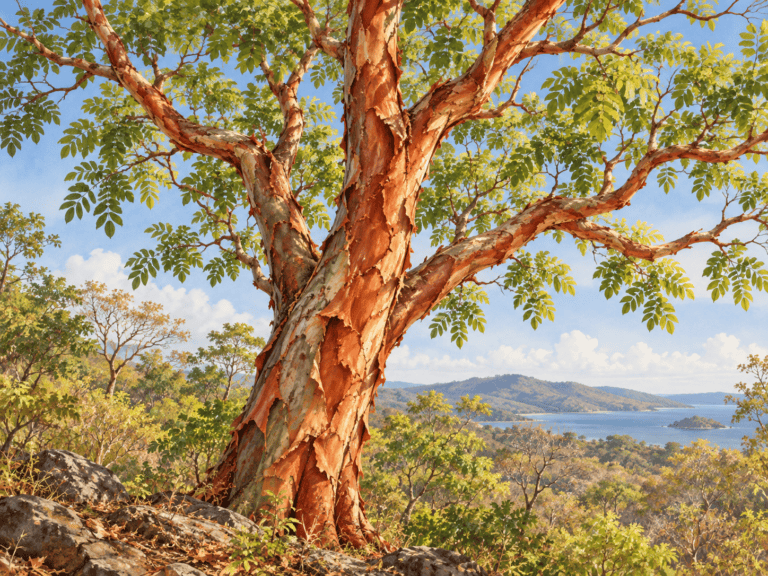
Indio Desnudo
A tree whose warm-colored bark invites a closer look.
Take a closer look ↗
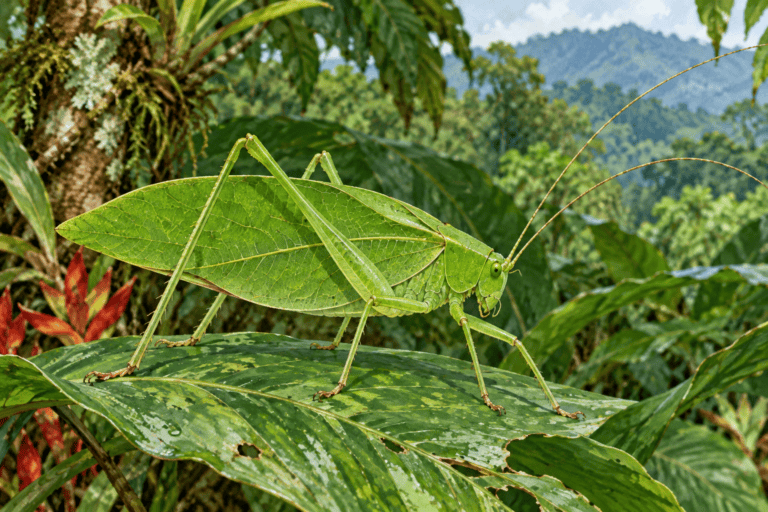
Katydids
Very long antennae.
Take a closer look ↗
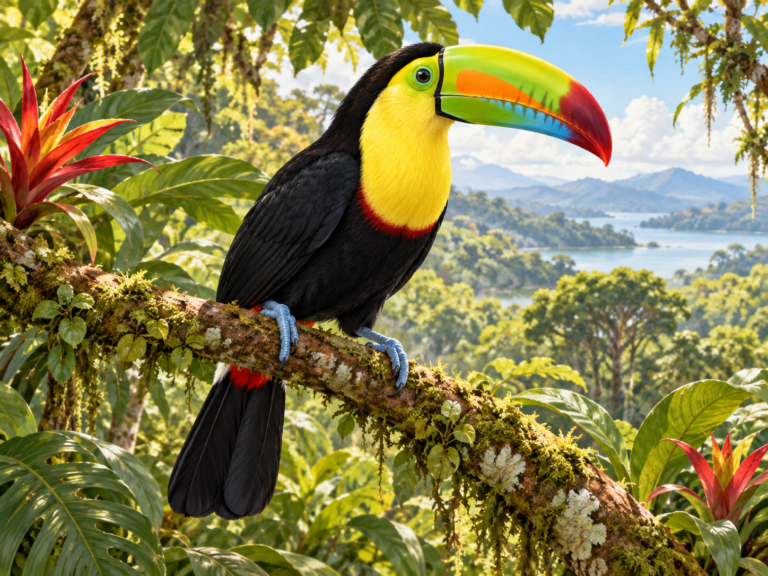
Keel-billed Toucan
A rainbow-colored bill stands out against dark plumage and a yellow throat.
Take a closer look ↗
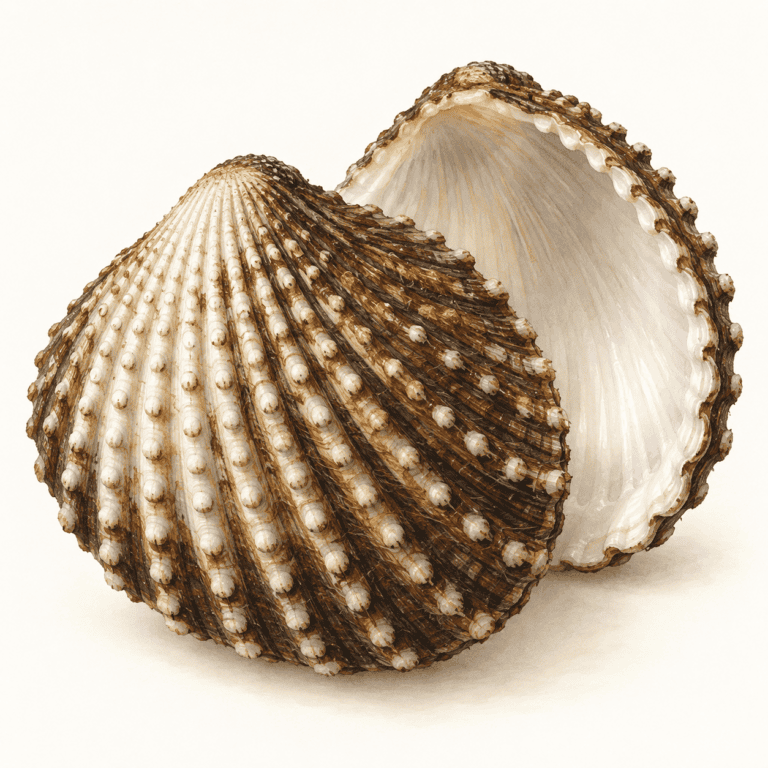
Knobby Mangrove Cockle
A ribbed mangrove shell has small bumps that help explain its name.
Take a closer look ↗
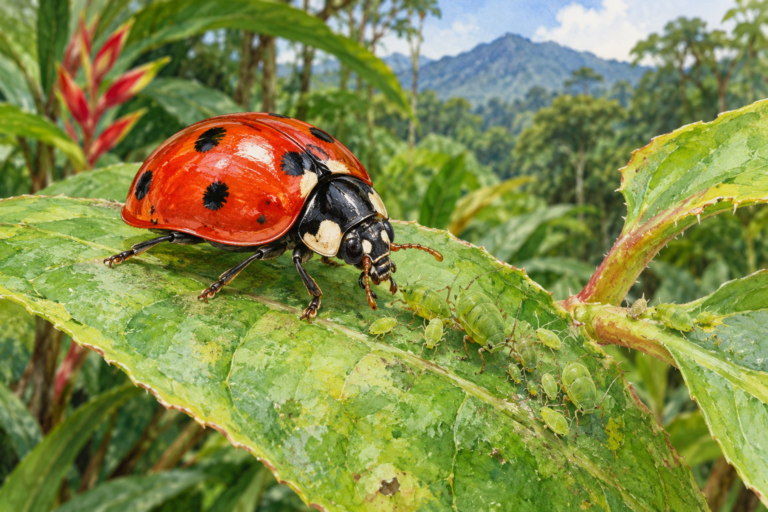
Lady Beetles
Rounded beetle body.
Take a closer look ↗
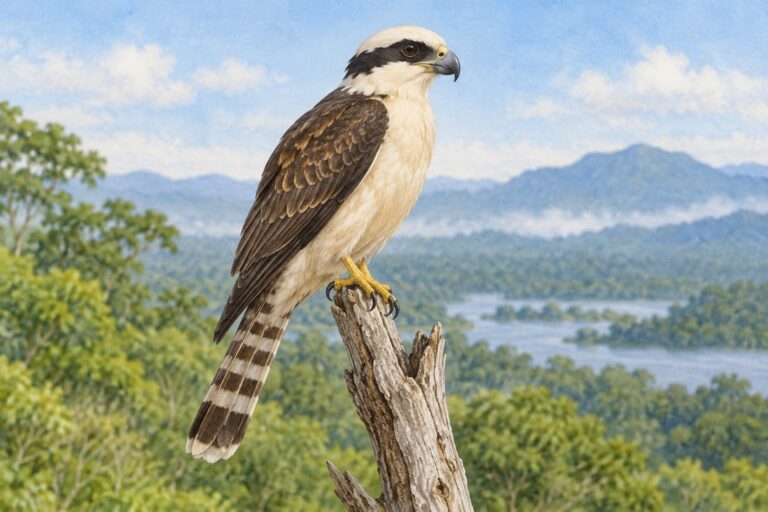
Laughing Falcon
A masked falcon named for its far-carrying call.
Take a closer look ↗
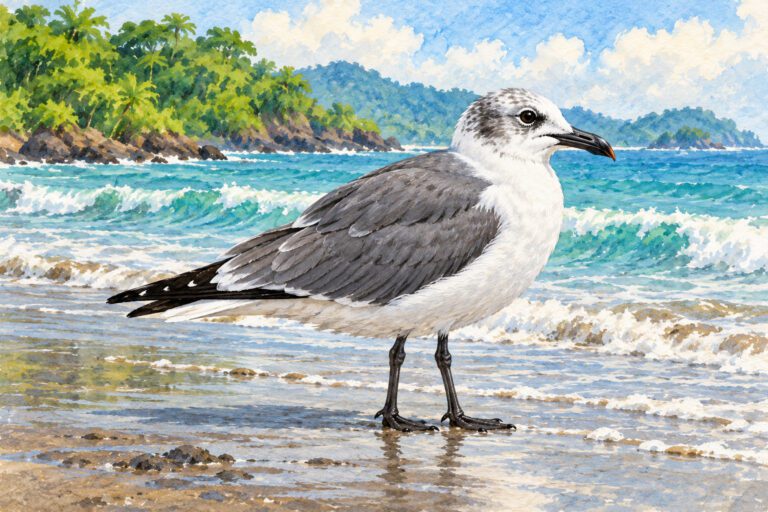
Laughing Gull
Laughing Gulls are coastal gulls with dark gray backs and blackish wingtips.
Take a closer look ↗
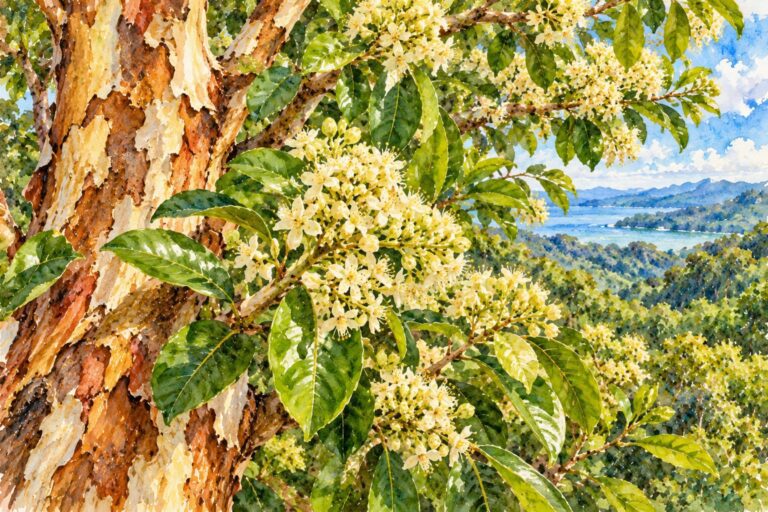
Lemonwood
Madrono has a smooth-looking trunk that sheds thin flakes of reddish bark.
Take a closer look ↗
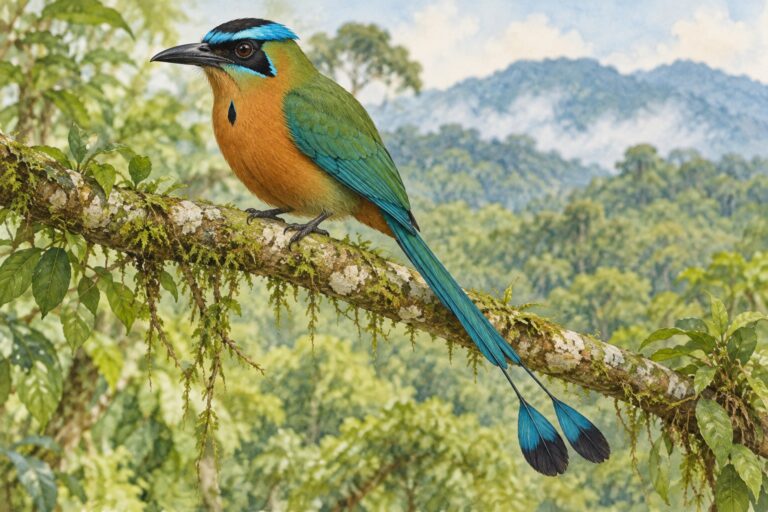
Lesson's Motmot
A colorful forest bird with a blue crown and long tail.
Take a closer look ↗
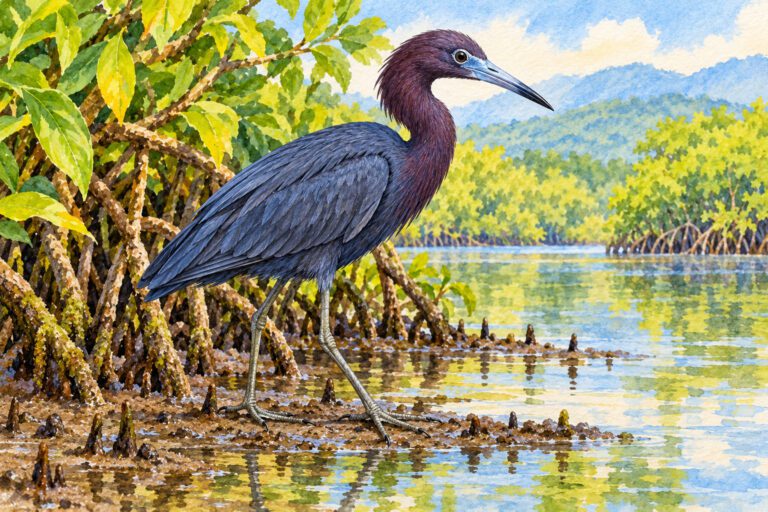
Little Blue Heron
Adults have slate-blue bodies and purplish heads and necks.
Take a closer look ↗
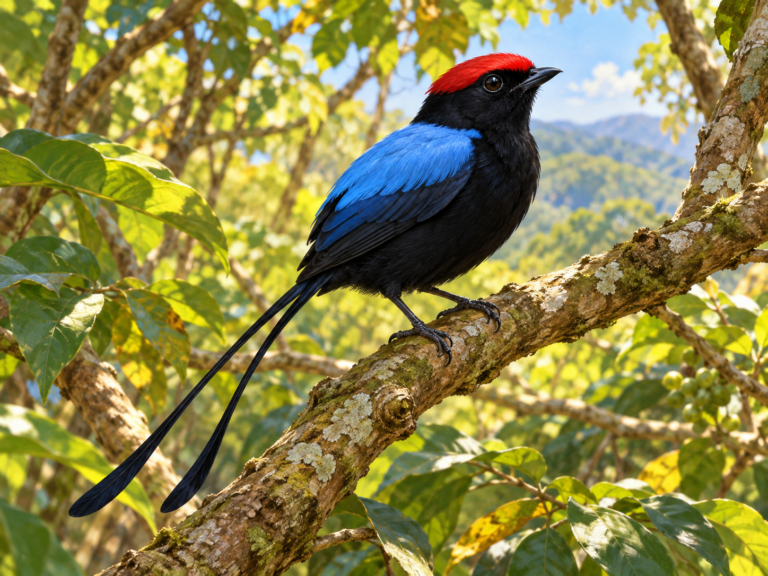
Long-tailed Manakin
A small forest bird famous for coordinated courtship displays.
Take a closer look ↗
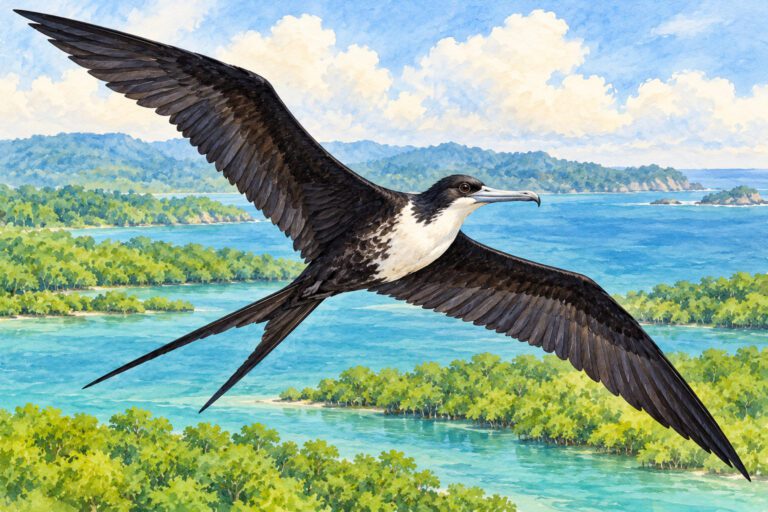
Magnificent Frigatebird
Frigatebirds use very long wings and a deeply forked tail to soar above tropical coasts.
Take a closer look ↗
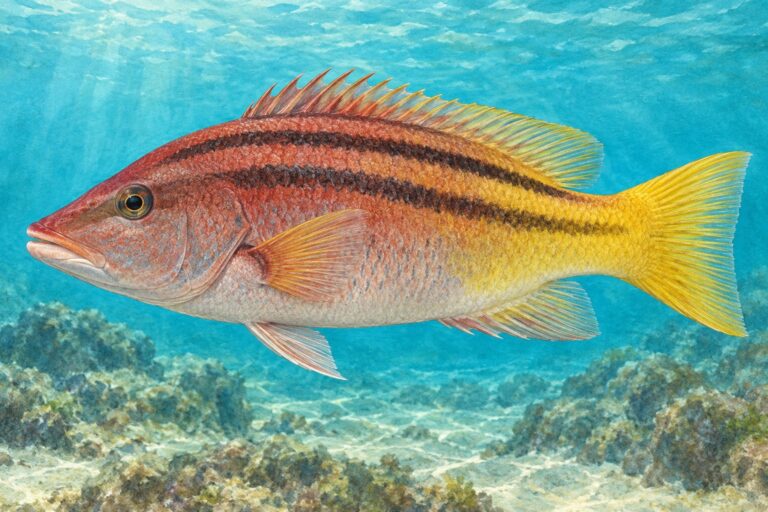
Mexican Hogfish
A sturdy wrasse with strikingly different color phases.
Take a closer look ↗
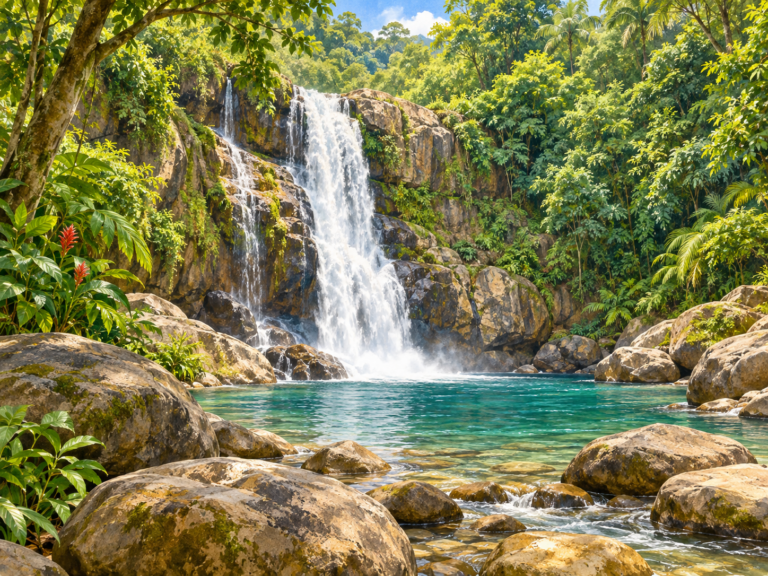
Montezuma Waterfalls
The Montezuma waterfalls are a river attraction near the Pacific coast.
Take a closer look ↗
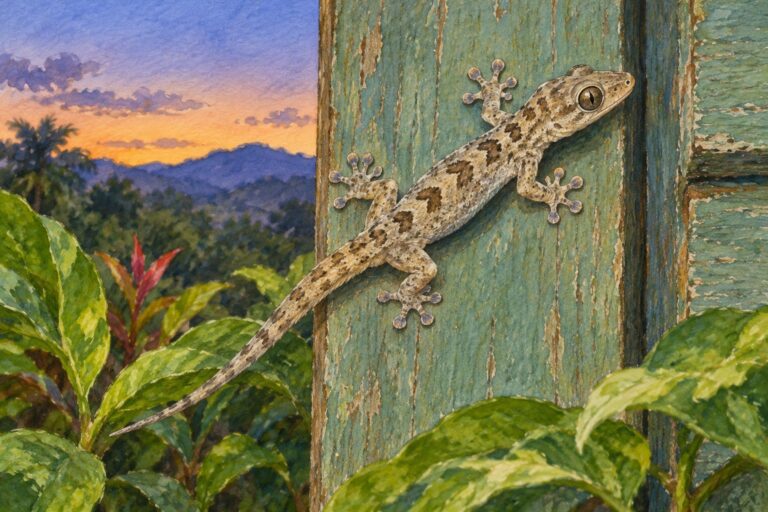
Mourning Gecko
A tiny introduced gecko can live close to buildings and gardens.
Take a closer look ↗
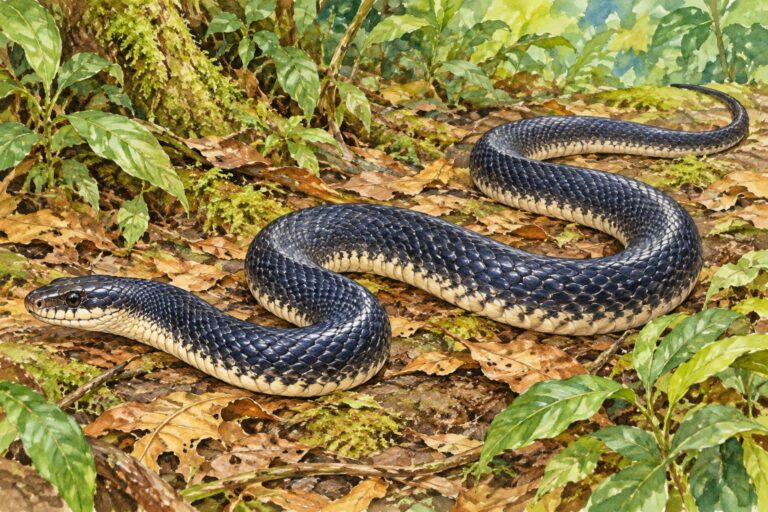
Mussurana
An adult’s dark body looks very different from a brightly colored juvenile.
Take a closer look ↗
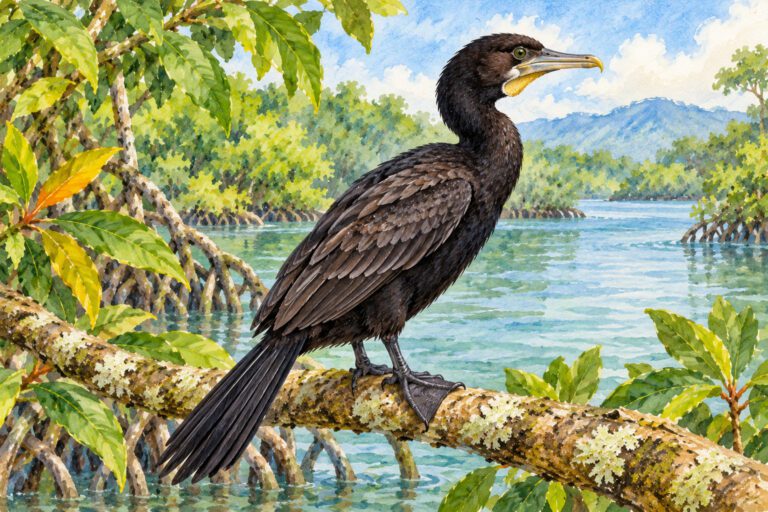
Neotropic Cormorant
This dark waterbird catches fish by diving and swimming underwater.
Take a closer look ↗
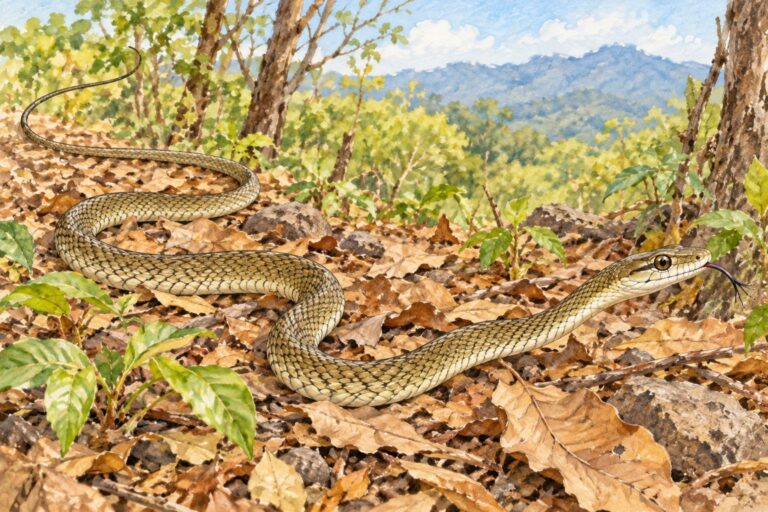
Neotropical Whipsnake
A very long tail follows this slender snake through open woodland.
Take a closer look ↗
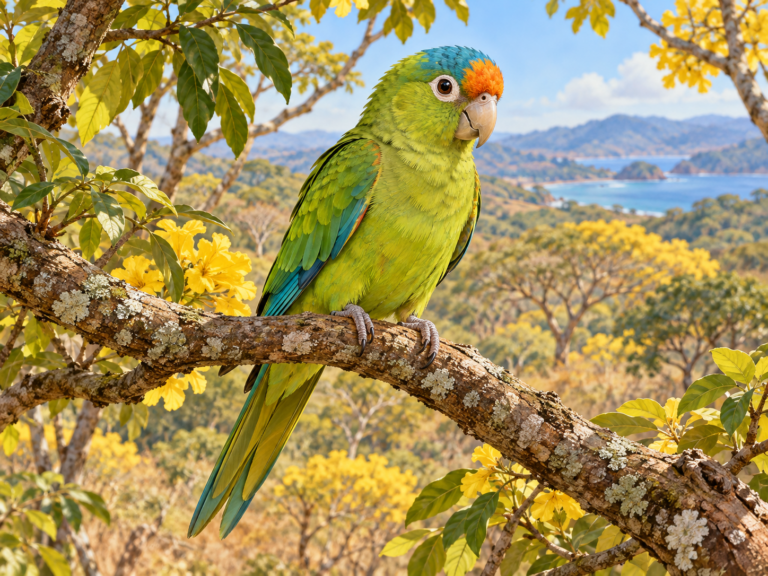
Orange-fronted Parakeet
An agile green parakeet with an orange forehead and long pointed tail.
Take a closer look ↗
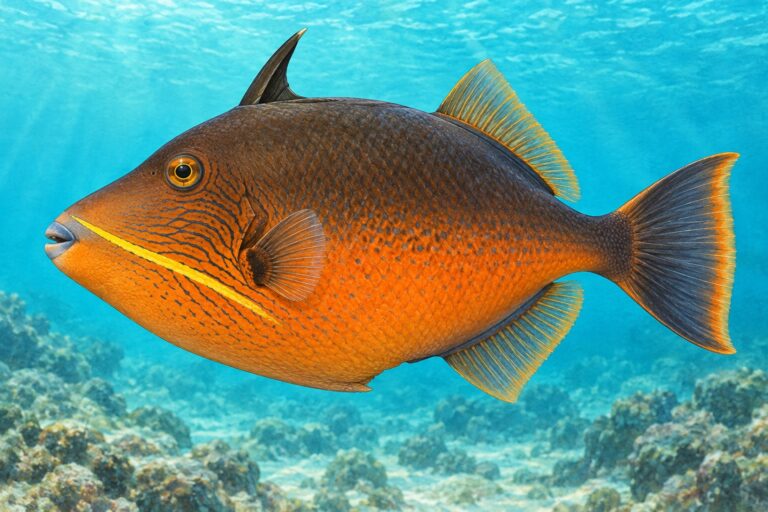
Orangeside Triggerfish
A triggerfish with a dark back and orange lower sides.
Take a closer look ↗
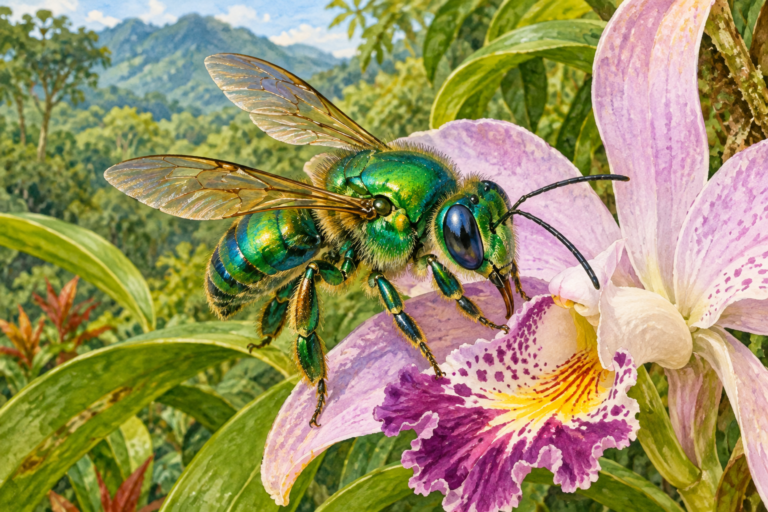
Orchid Bees
Often metallic colors.
Take a closer look ↗
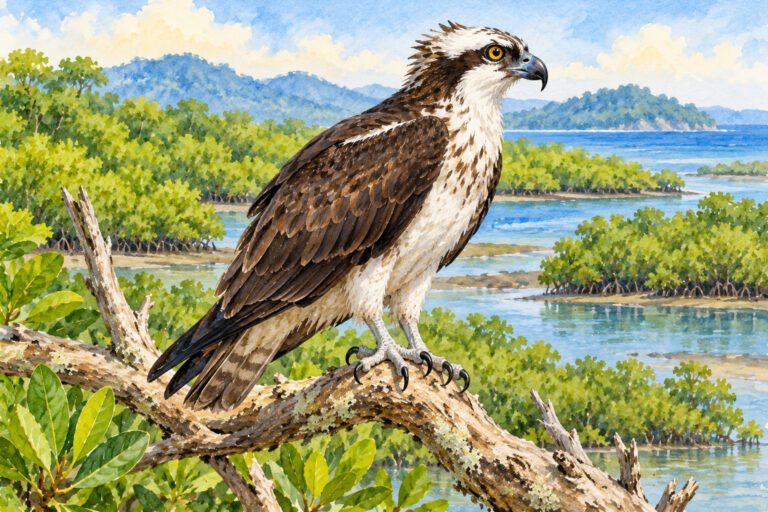
Osprey
The Osprey is a large raptor that catches fish with its feet.
Take a closer look ↗
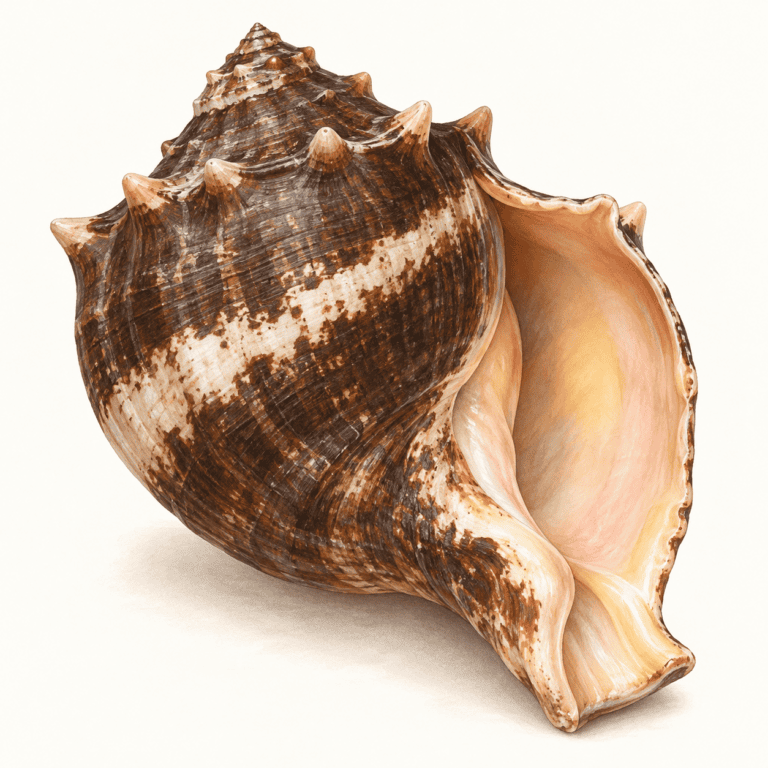
Pacific Crown Conch
A heavy shell may carry a row of short shoulder spines.
Take a closer look ↗