Limón — City
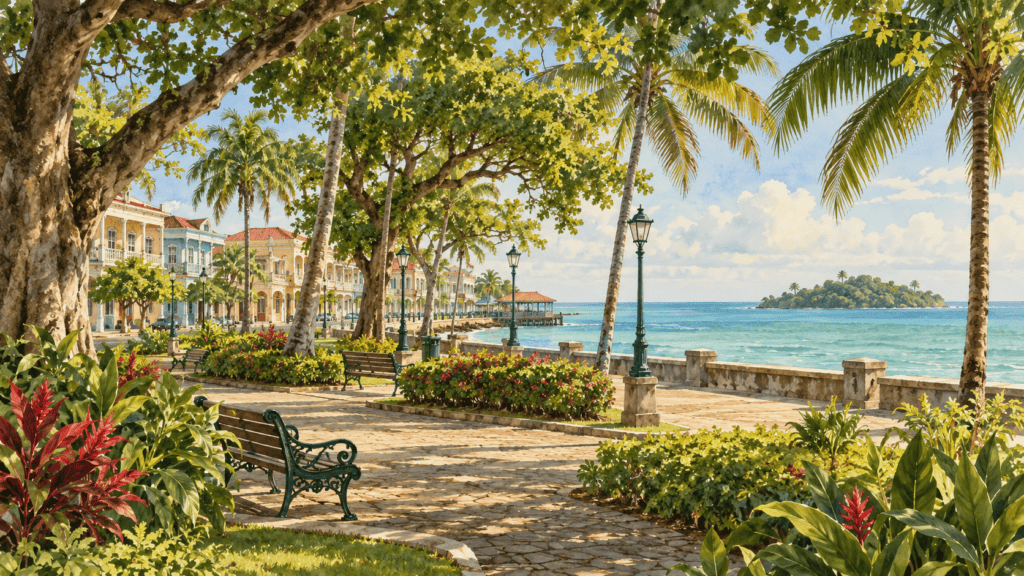
Explore Limón city through its public spaces, coastal setting and layered cultural history. Notice the architecture, listen to local stories and discover…
Explore town

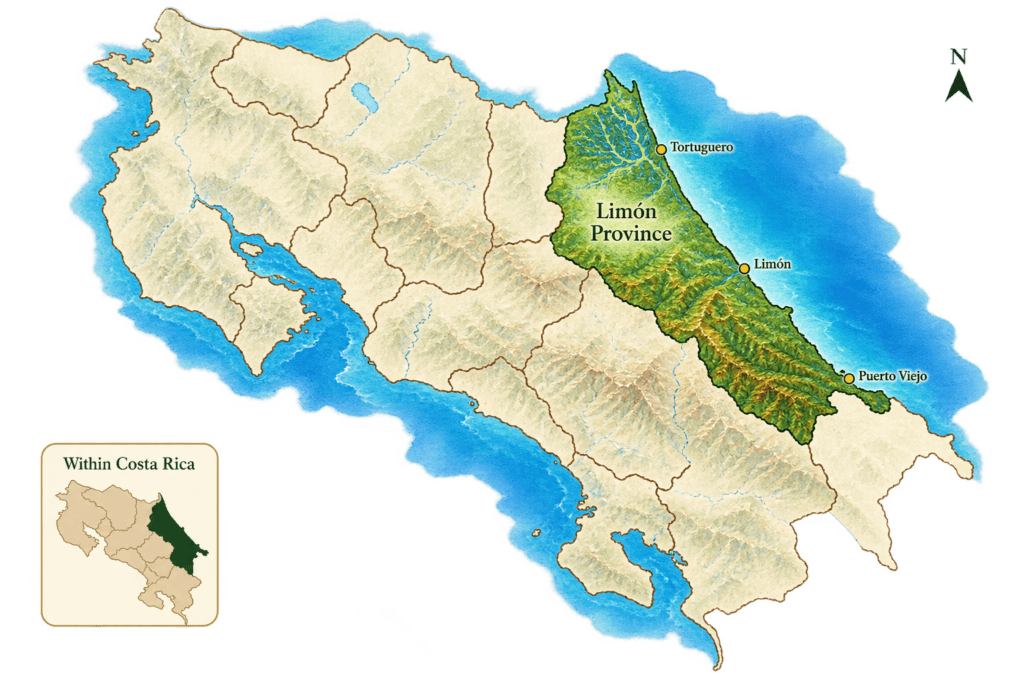
Explore Limón city through its public spaces, coastal setting and layered cultural history. Notice the architecture, listen to local stories and discover…
Explore town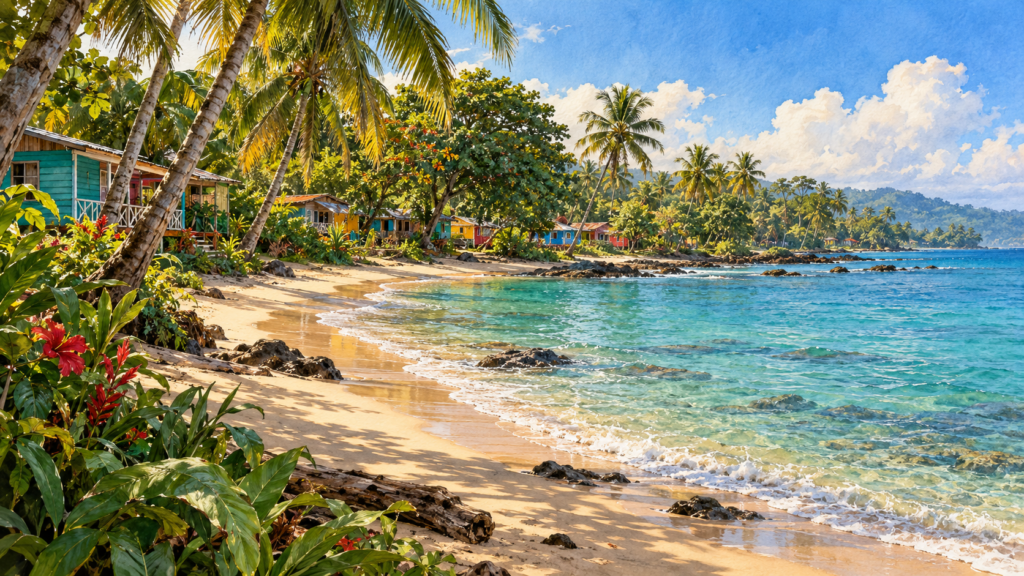
Puerto Viejo de Talamanca brings Caribbean community life, coastal forest and beach landscapes together. Explore with curiosity about the people and traditions…
Explore town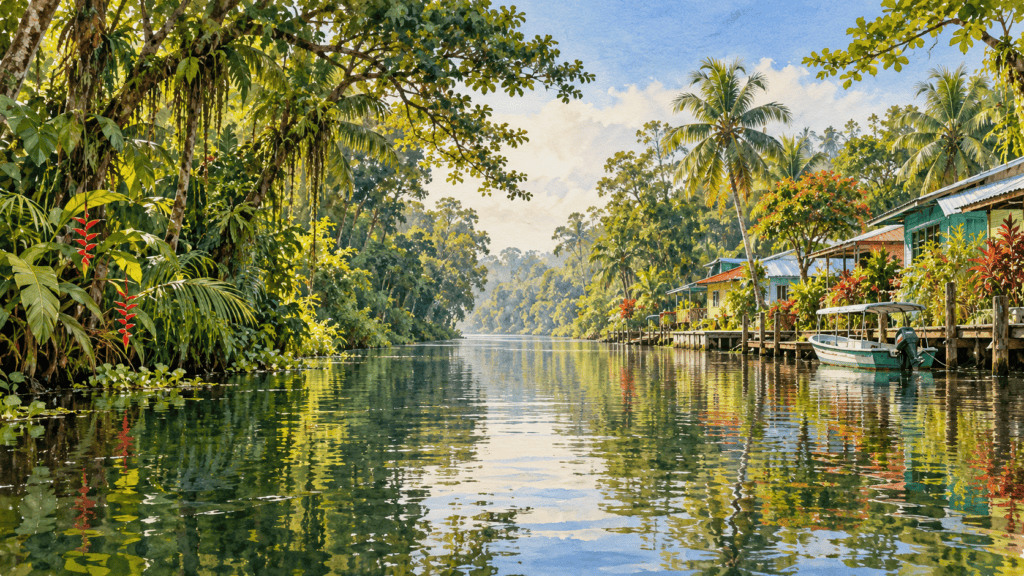
Tortuguero invites families into a landscape shaped by water. Canals, forest and Caribbean shoreline create opportunities to listen closely, observe wildlife and…
Explore townDiscover coastal forest and protected marine habitats. Follow current trail, guide and snorkeling requirements.
This protected area conserves forest, wetlands and important sea turtle nesting habitat. Check current visitor arrangements and explore only authorized routes and sectors.
Explore Caribbean coastal scenery from authorized access points. Stay on marked paths and respect refuge rules.
Cocles adds another coastal landscape south of Puerto Viejo. Watch the surf from shore and notice how coastal vegetation changes inland; swimming suitability depends on conditions and local guidance.
Climb the designated stair route for views across coastal waterways. Confirm park entry and transport arrangements.
Observe a Caribbean beach landscape near Puerto Viejo. Sea conditions vary; do not assume calm-looking water is safe.
Discover wetland scenery within the refuge through an authorized local outing. Respect wildlife and community access.
Explore a waterfront green space in Limón and notice the connection between the city and the sea.
Discover the island off Limón through a locally arranged outing. This is distinct from Uvita on the Pacific.
Notice a beach setting near Limón city. Check local conditions and choose activities appropriate to the sea.
A Caribbean community connected with coastal culture and Cahuita National Park.
A southern Caribbean village near protected coastal and forest habitat.
A coastal area near Puerto Viejo with forest and shoreline discoveries.
Explore Nature Field Guide cards from this province and the surrounding travel regions named below. Habitats and species vary by locality.
Nature Field Guide
Discover the sea turtles, rainforest wildlife and tropical plants of Costa Rica’s Caribbean coast. Explore the species that connect Limón’s forest waterways, mangroves and coral reefs—from Tortuguero to Cahuita and Gandoca-Manzanillo.
100 profiles
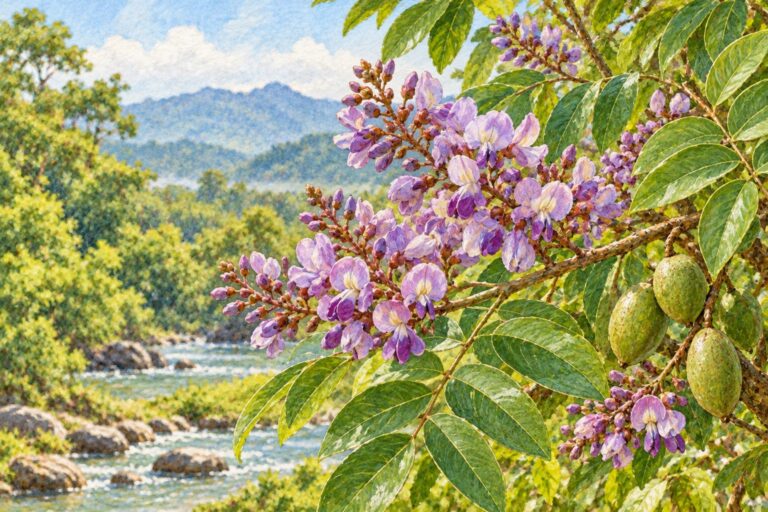
Purple flower clusters stand out against a dense green crown.
Take a closer look ↗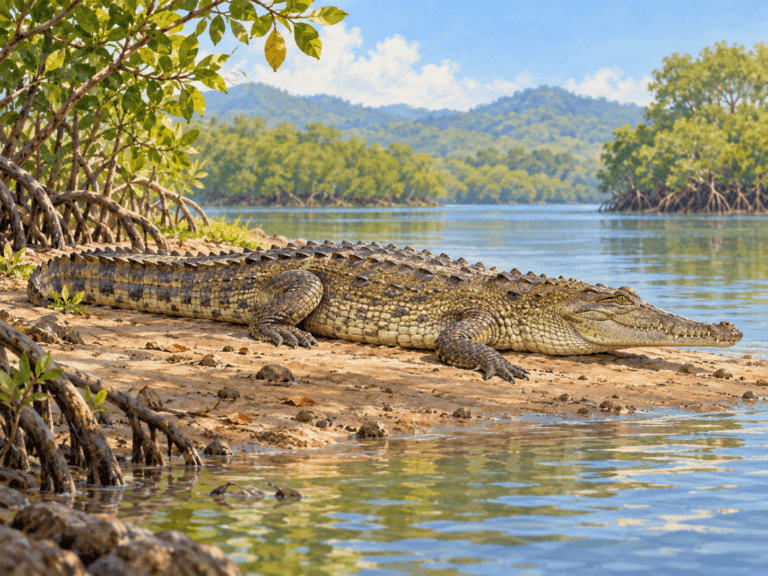
A long snout and narrow head.
Take a closer look ↗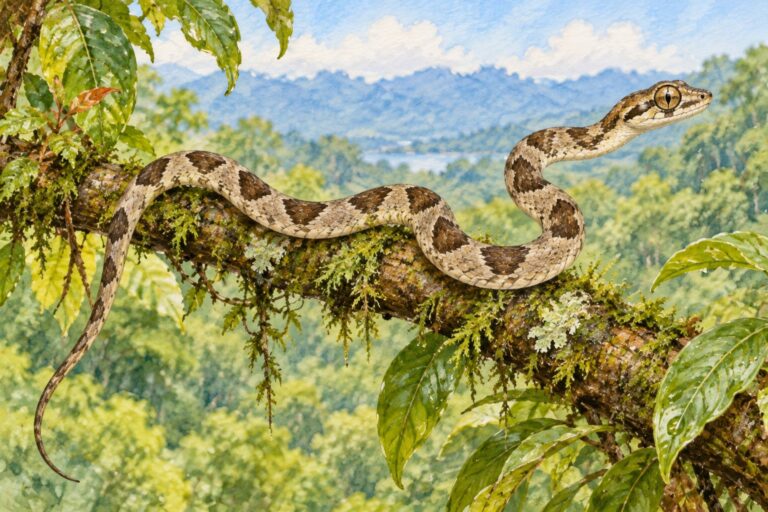
A narrow-bodied forest climber searches a world of branches and soft-bodied prey.
Take a closer look ↗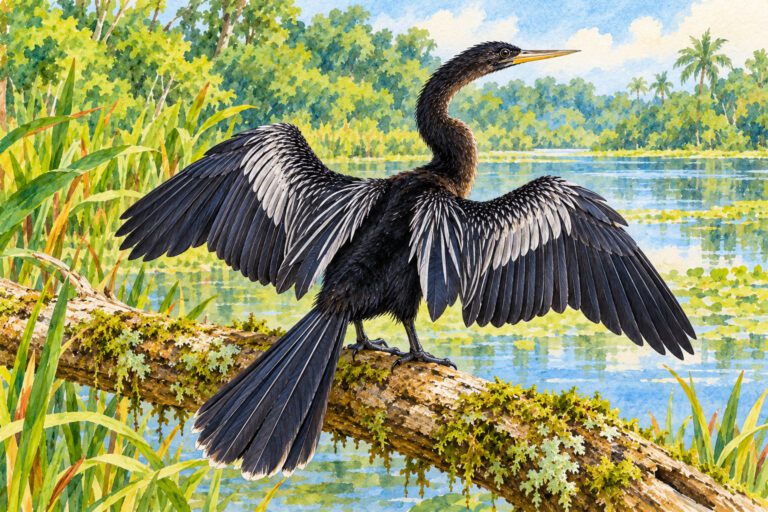
Anhingas swim underwater after fish and use straight pointed bills to seize prey.
Take a closer look ↗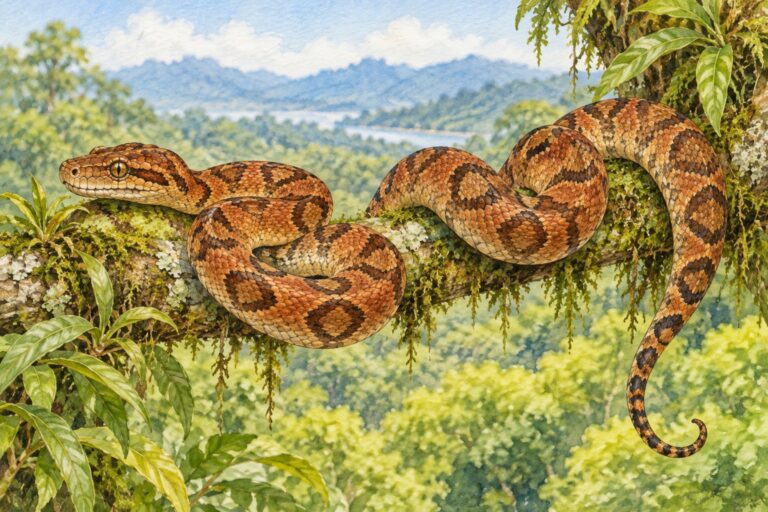
Dark ringlike markings break up the outline of a forest-climbing boa.
Take a closer look ↗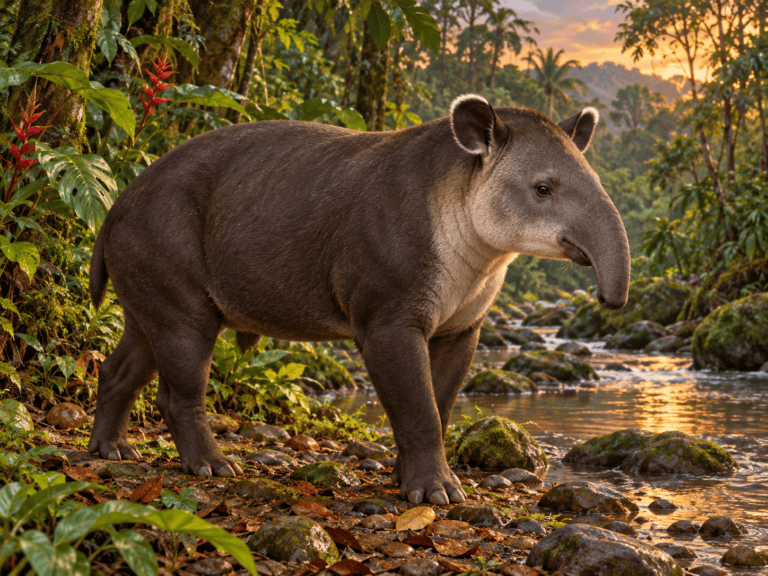
Costa Rica’s largest land mammal has a flexible snout and an important forest role.
Take a closer look ↗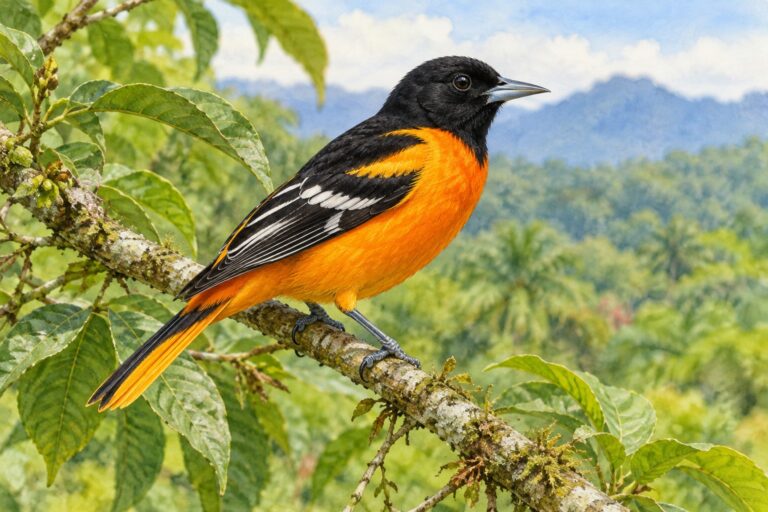
An orange-and-black seasonal visitor from the north.
Take a closer look ↗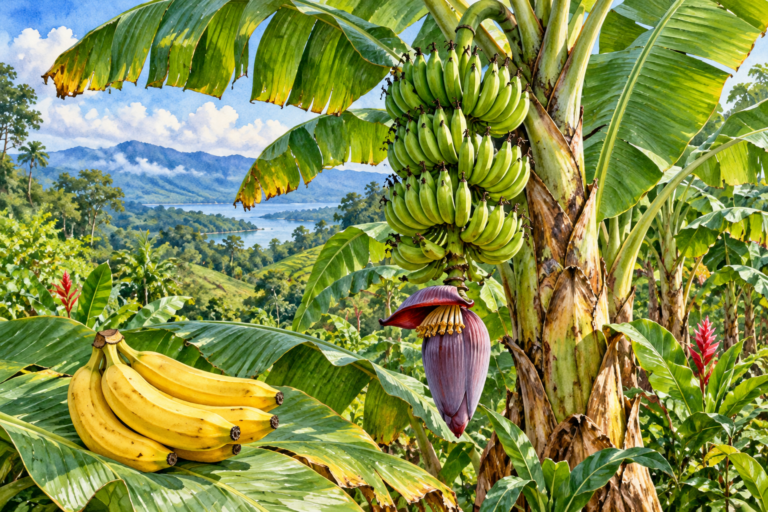
A banana plant looks like a tree, but it is a giant herb.
Take a closer look ↗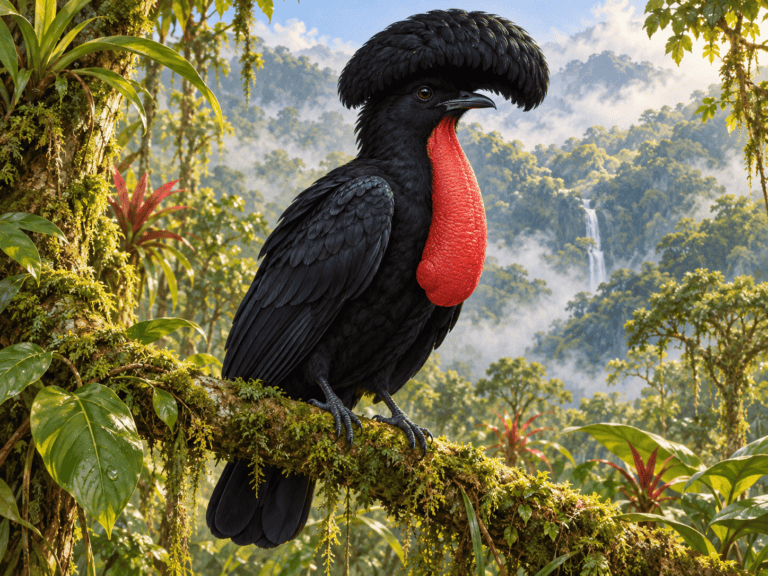
An elusive forest bird with a striking crest and important seed-dispersal role.
Take a closer look ↗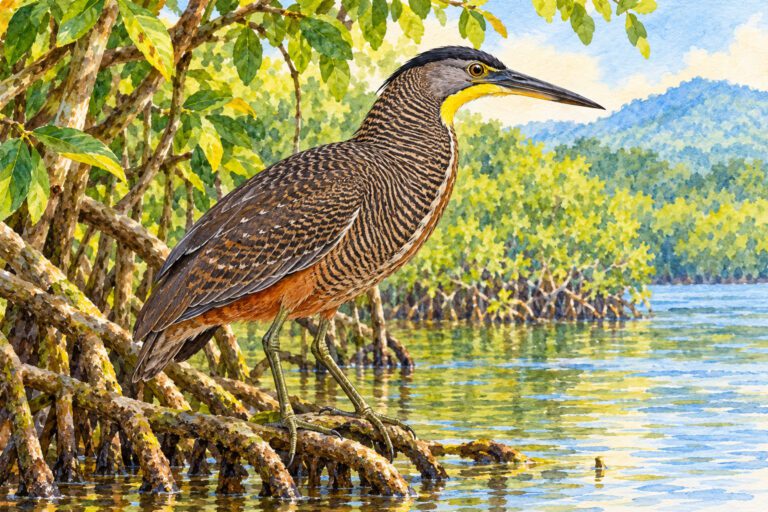
This robust tropical heron uses mangroves and freshwater wetlands.
Take a closer look ↗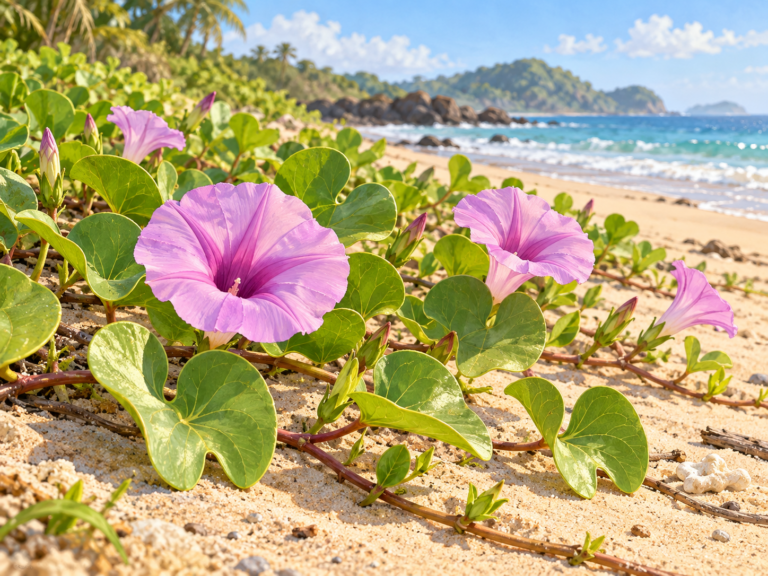
Creeping stems extending across beach sand.
Take a closer look ↗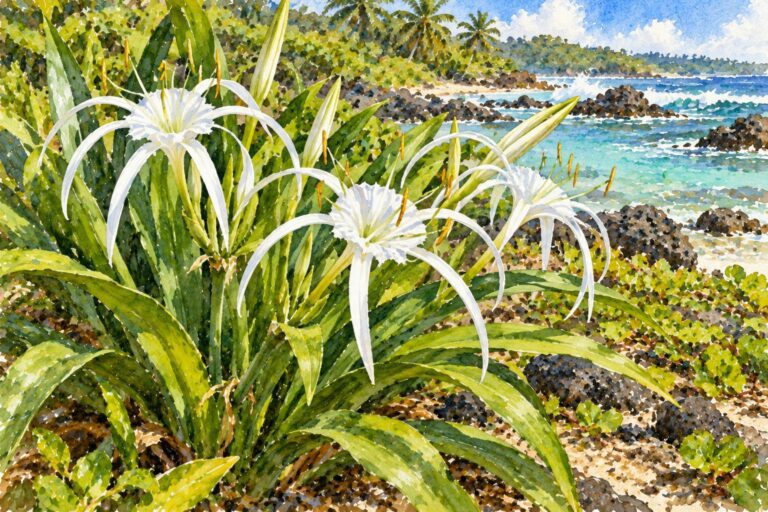
Beach spider lily has long strap-shaped leaves and striking white flowers.
Take a closer look ↗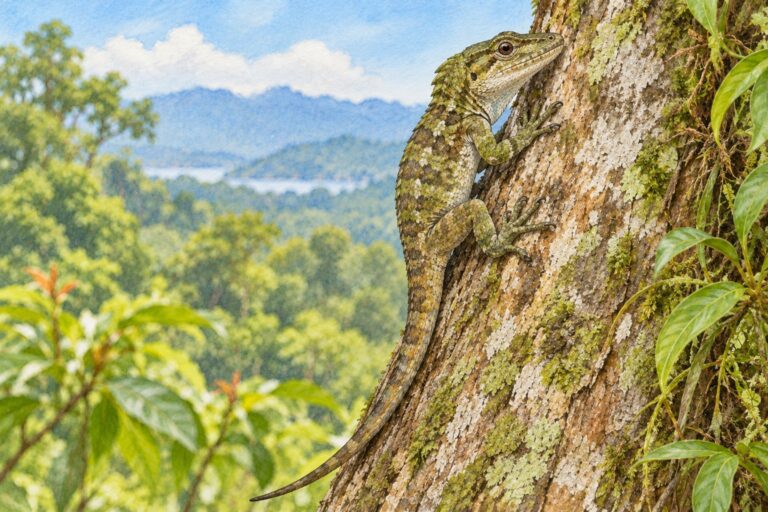
A broad head and mottled colors help this forest anole blend into bark.
Take a closer look ↗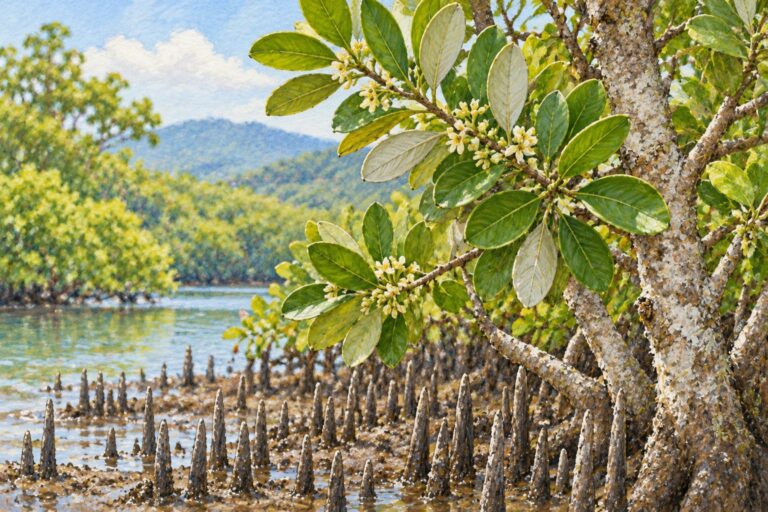
Pencil-shaped breathing roots rise from the mud around this mangrove.
Take a closer look ↗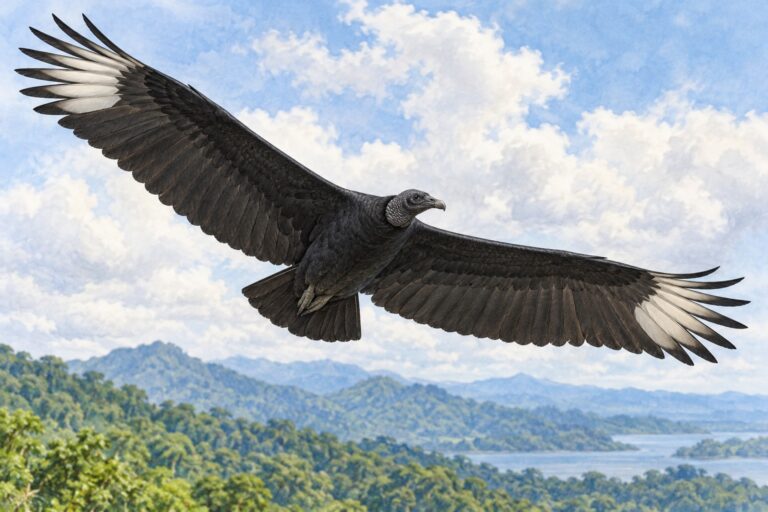
A dark scavenger with white patches under the wingtips.
Take a closer look ↗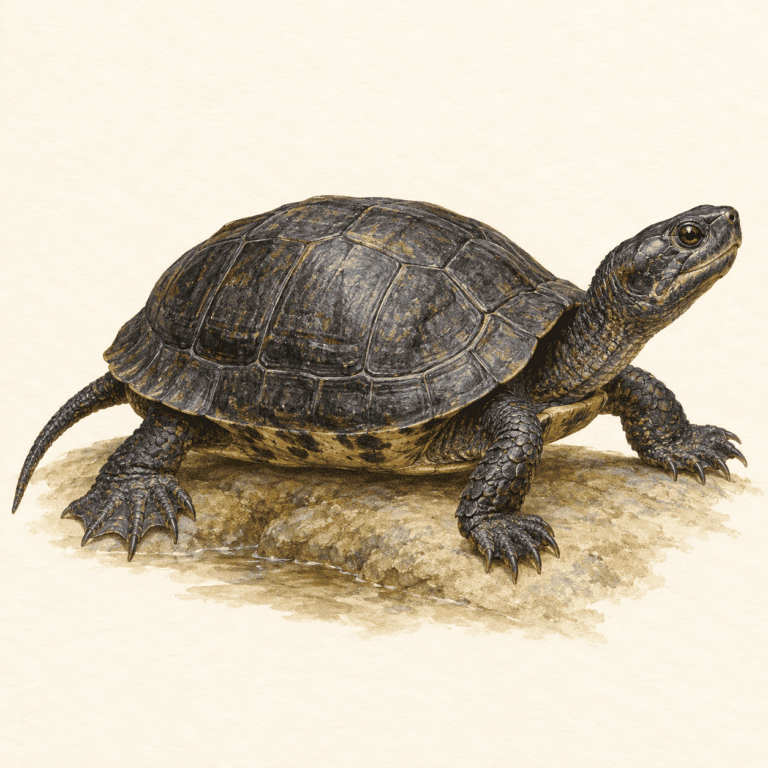
A dark wood turtle associated with freshwater environments.
Take a closer look ↗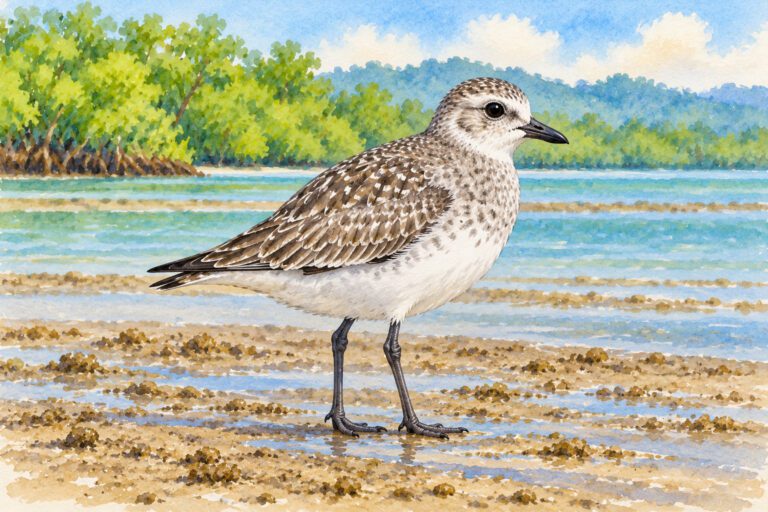
This large plover breeds in the far north and uses coasts outside breeding.
Take a closer look ↗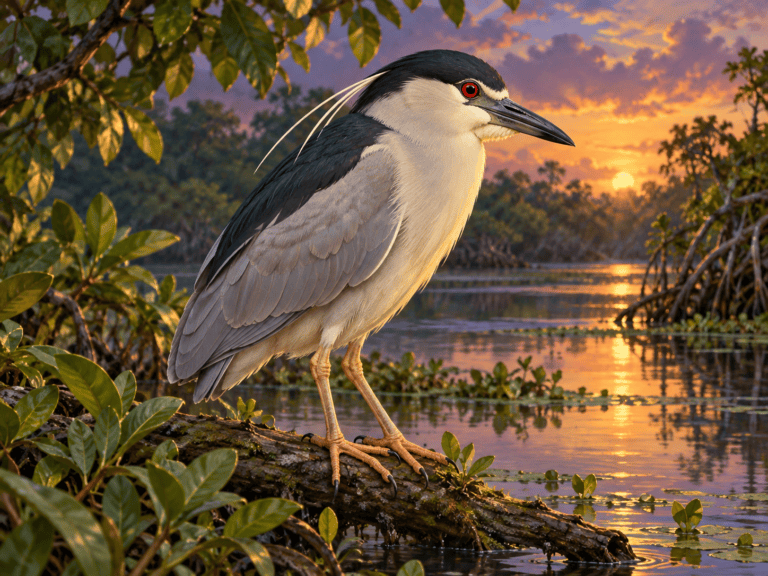
A compact heron whose feeding day often begins at dusk.
Take a closer look ↗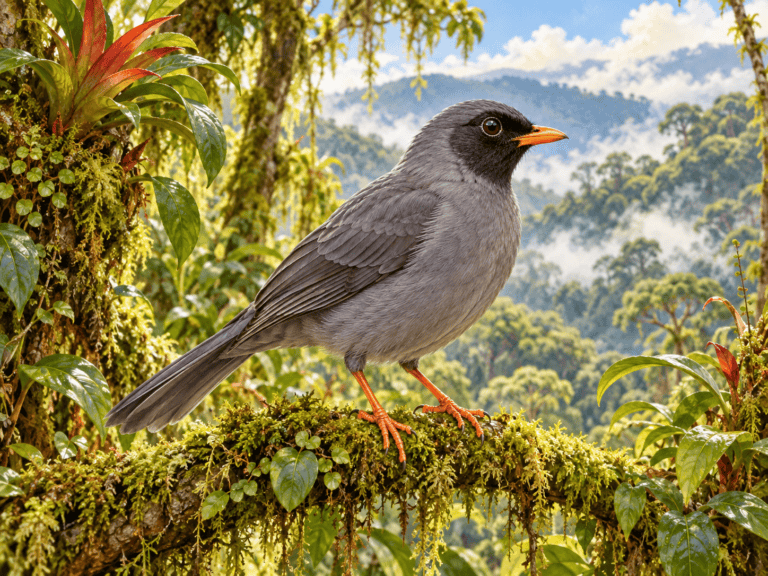
A cloud-forest singer often heard before it is seen.
Take a closer look ↗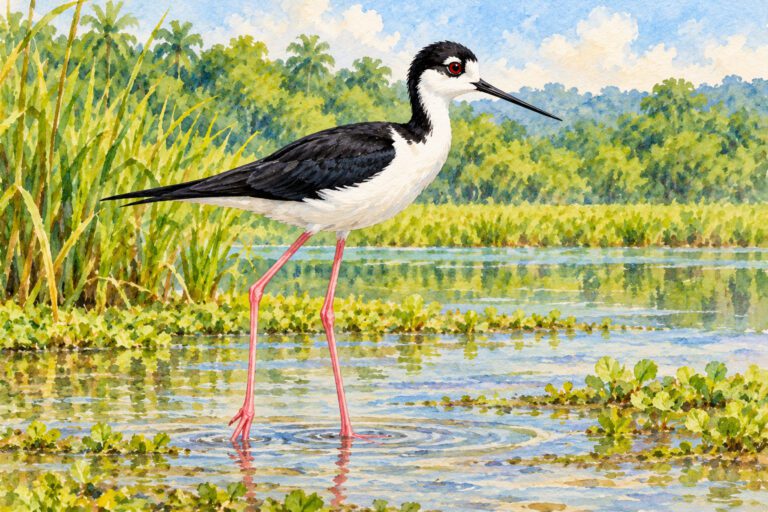
Black-necked Stilts have exceptionally long pink legs, a thin straight dark bill and contrasting black-and-white plumage.
Take a closer look ↗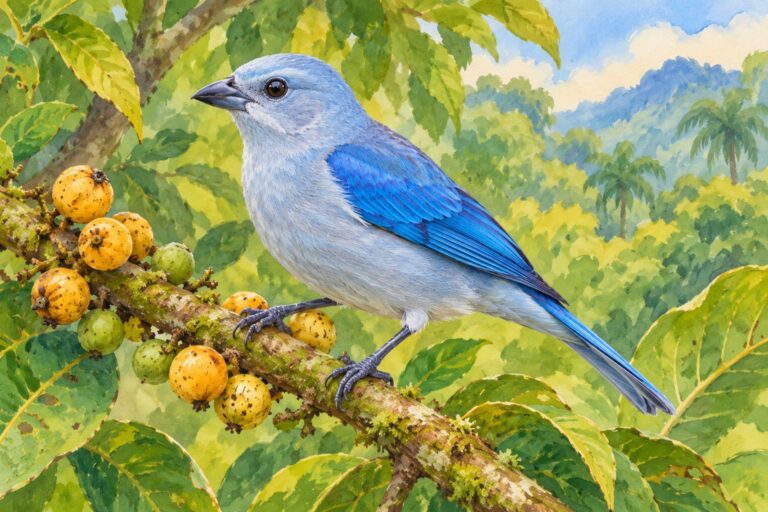
A powder-blue bird of gardens and wooded clearings.
Take a closer look ↗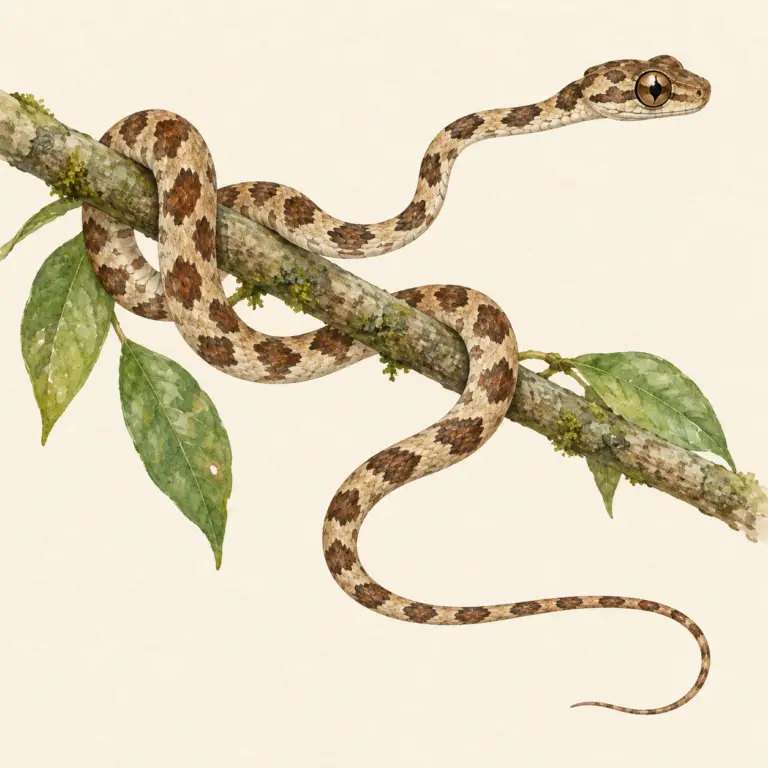
An exceptionally slender snake with a broad-looking head and large eyes.
Take a closer look ↗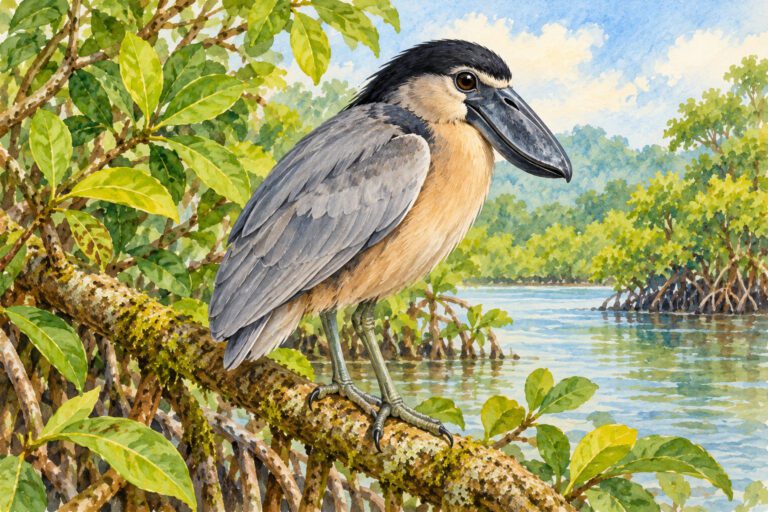
The Boat-billed Heron has an unusually wide flattened bill and large dark eyes.
Take a closer look ↗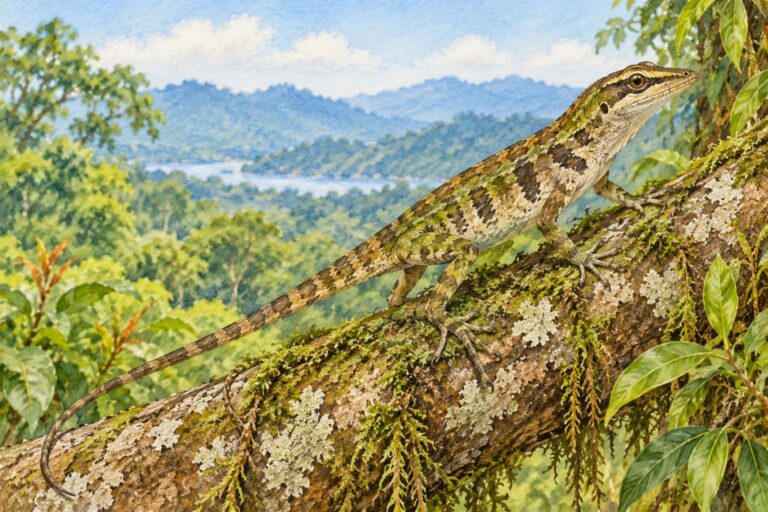
A large canopy anole wears dark oblique markings among the leaves and shadows.
Take a closer look ↗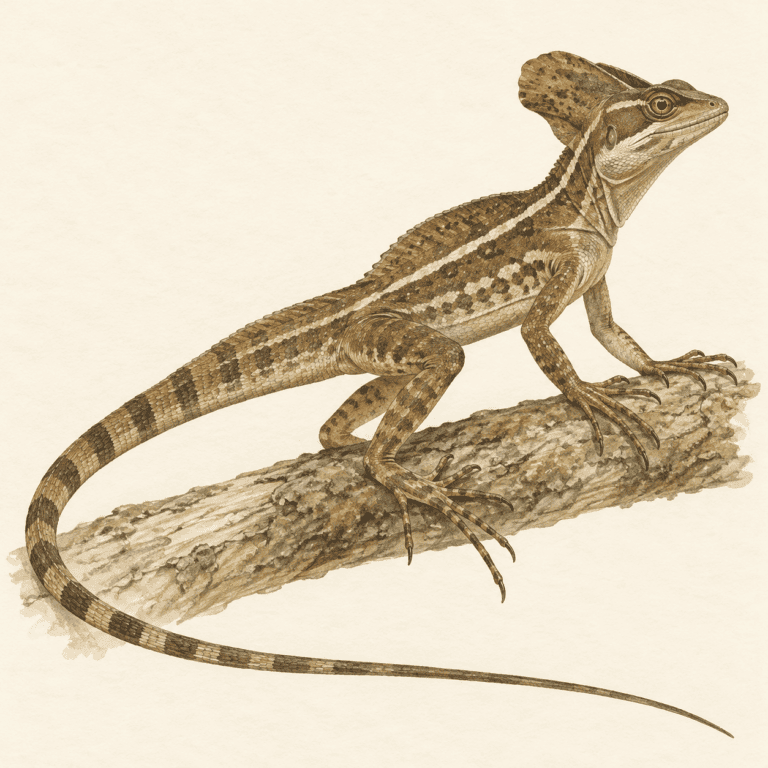
This brown or olive basilisk often has pale stripes along its sides.
Take a closer look ↗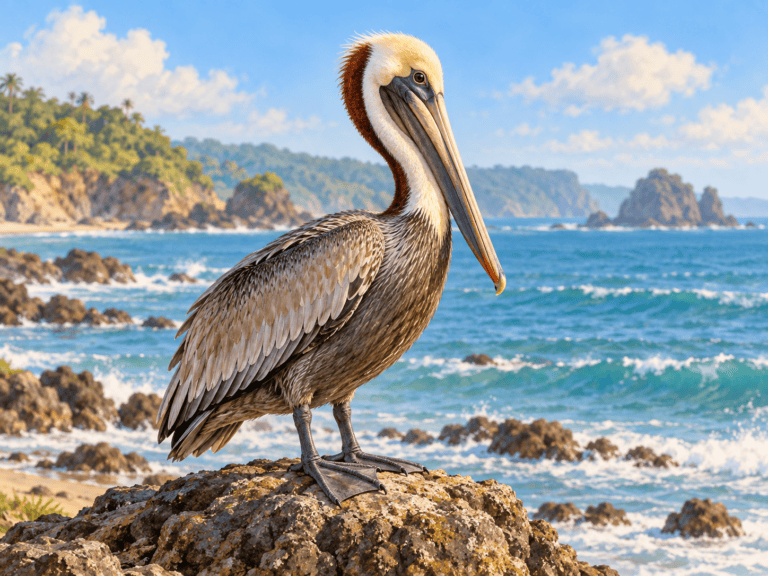
A long bill with a pouch beneath the lower jaw.
Take a closer look ↗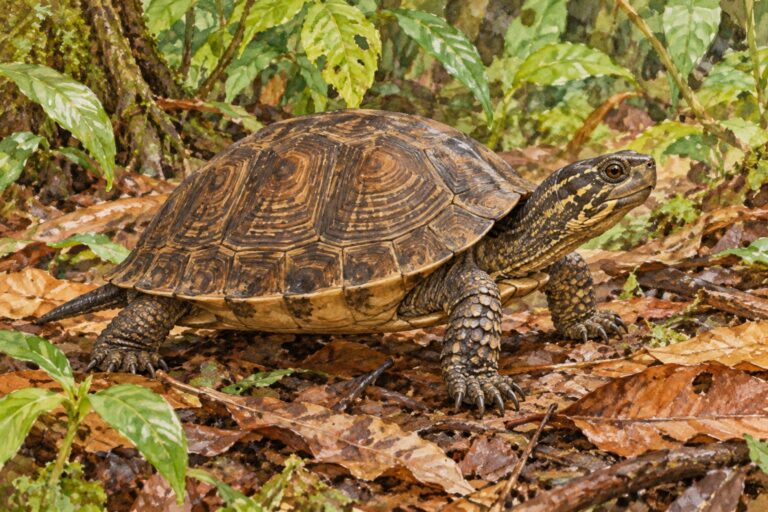
A domed brown shell belongs to a turtle that spends much of its time on land.
Take a closer look ↗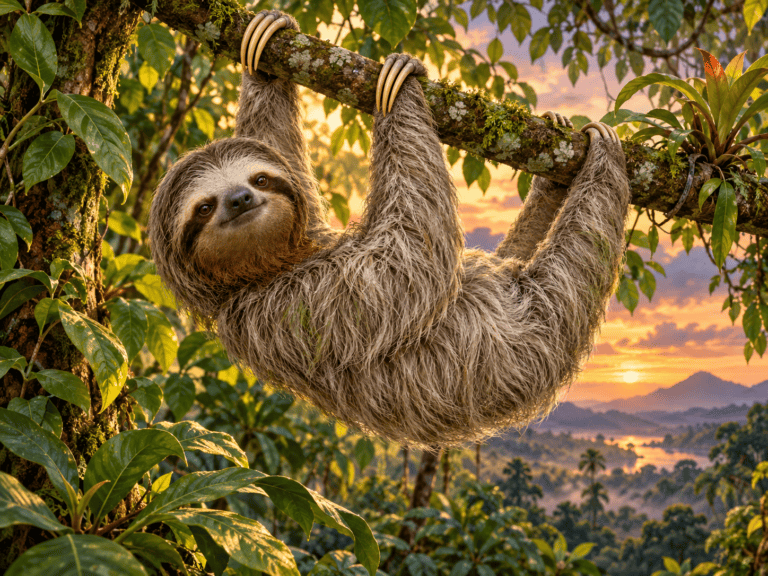
A slow-moving leaf eater whose fur can blend with the green canopy.
Take a closer look ↗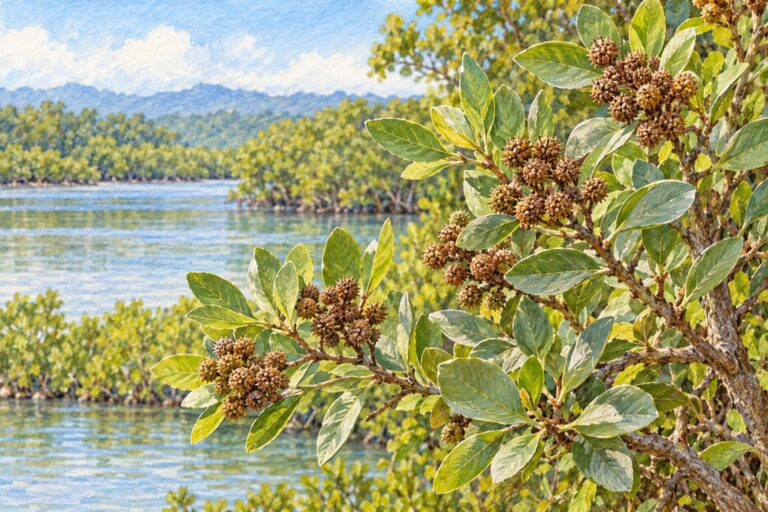
Small buttonlike fruit heads help identify this coastal tree or shrub.
Take a closer look ↗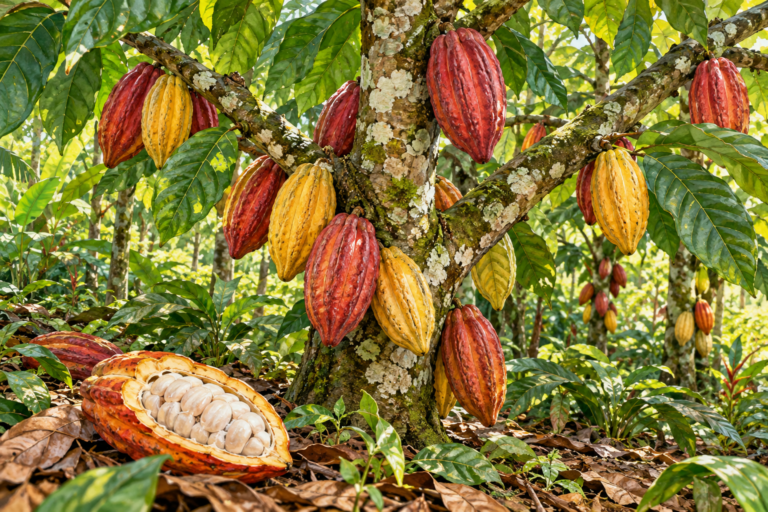
Cacao is an evergreen tree whose flowers and pods can grow directly from its trunk and larger branches.
Take a closer look ↗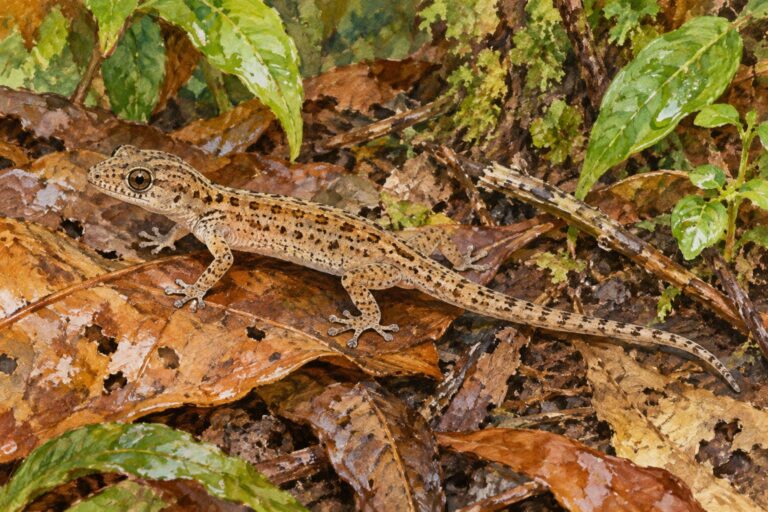
A miniature forest gecko blends into the shaded world close to the ground.
Take a closer look ↗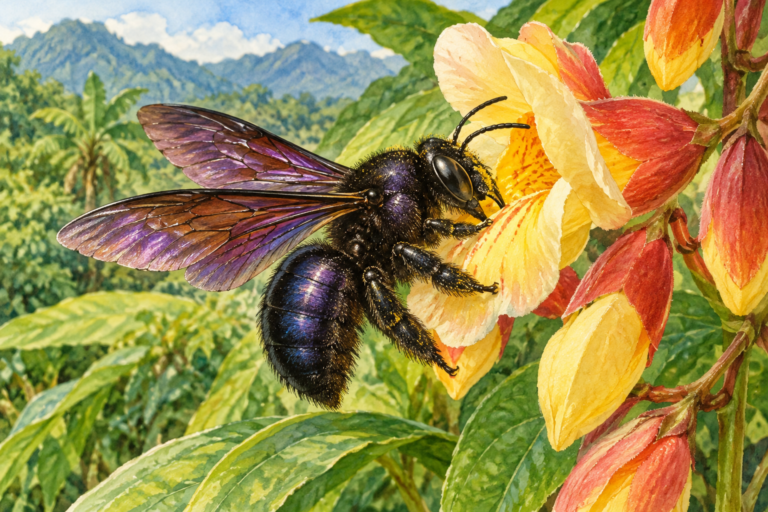
Robust body.
Take a closer look ↗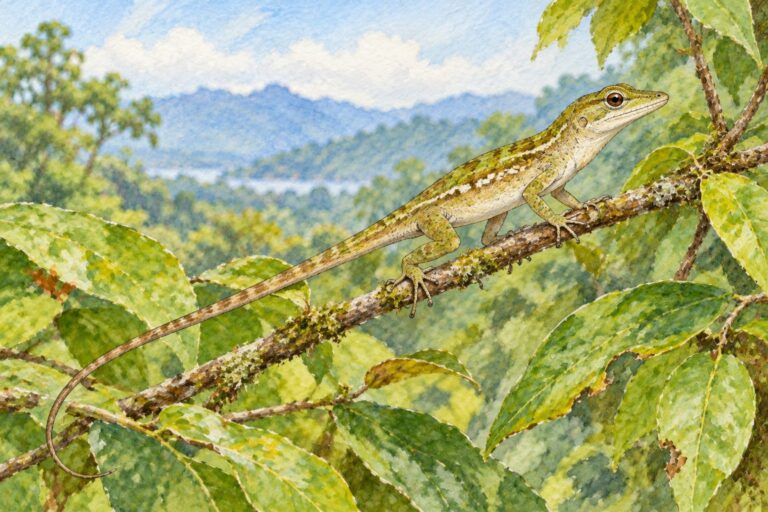
A small greenish anole hides among the fine branches of humid forest.
Take a closer look ↗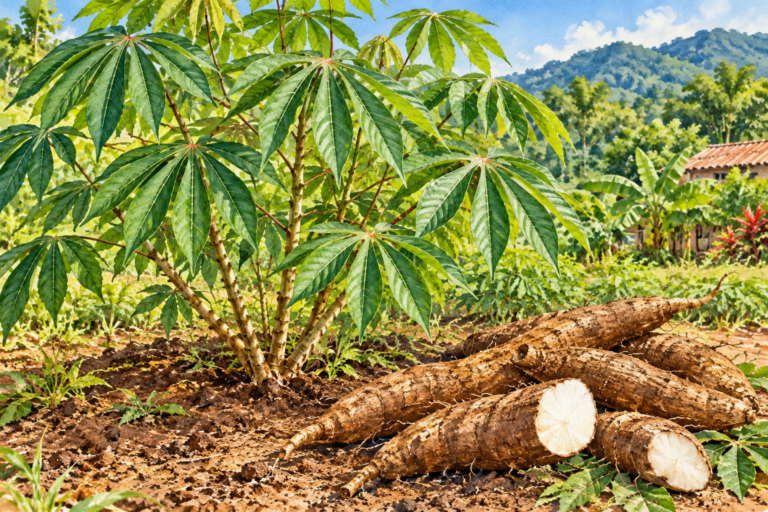
Cassava, called yuca in Costa Rica, is a shrub with leaves divided into fingerlike lobes.
Take a closer look ↗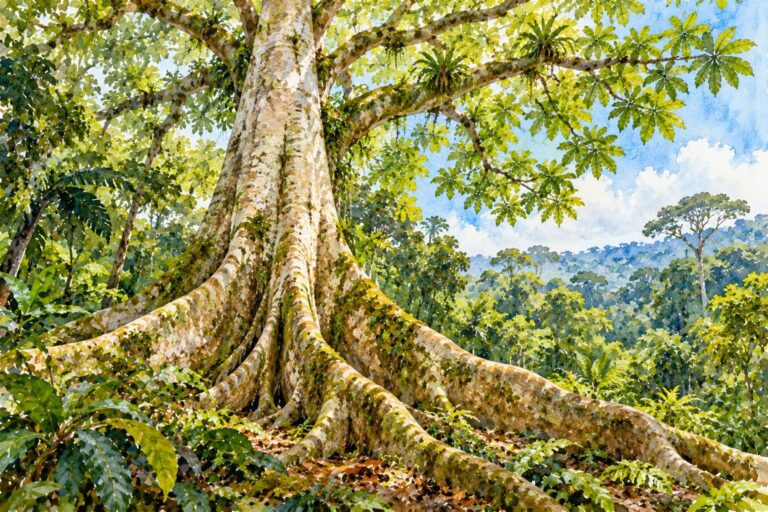
Huge buttress roots help make a mature ceiba unforgettable.
Take a closer look ↗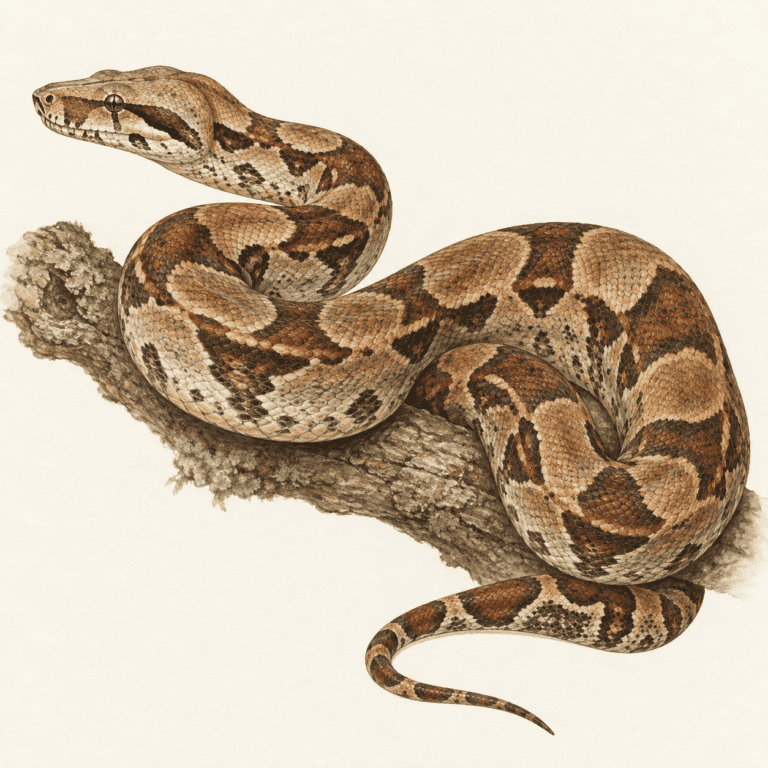
A muscular snake with broad saddle-like markings.
Take a closer look ↗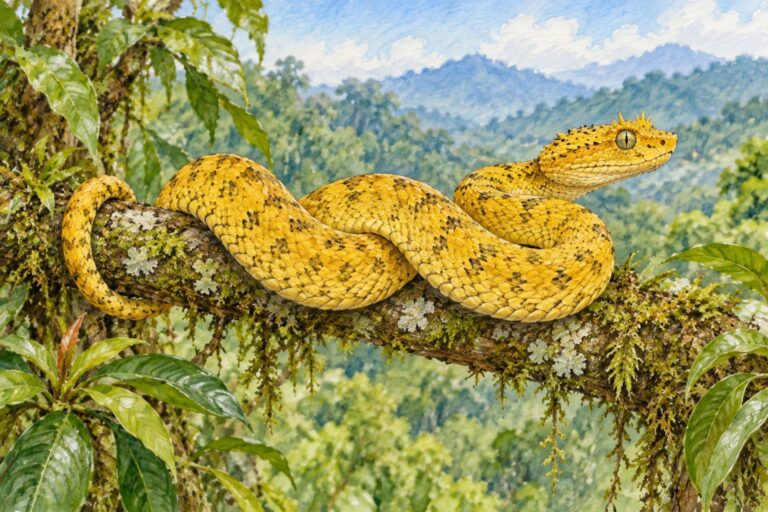
Raised scales above the eyes give this venomous branch-dwelling snake its name.
Take a closer look ↗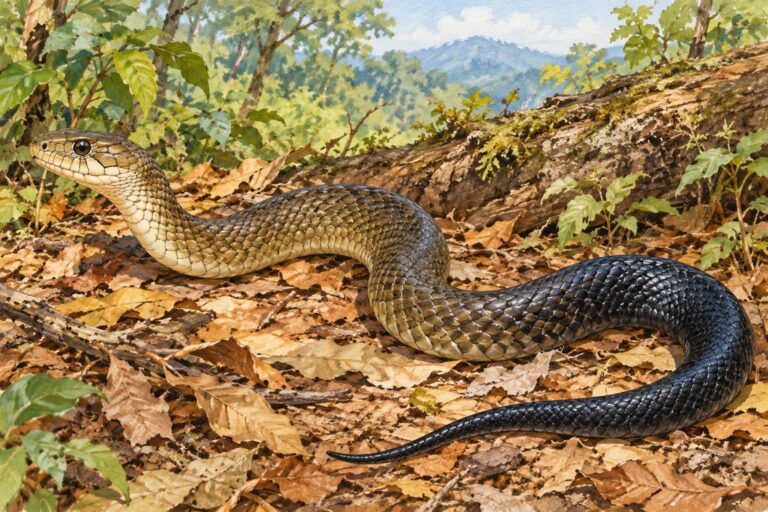
A powerful-looking snake may darken from a lighter front to a black tail.
Take a closer look ↗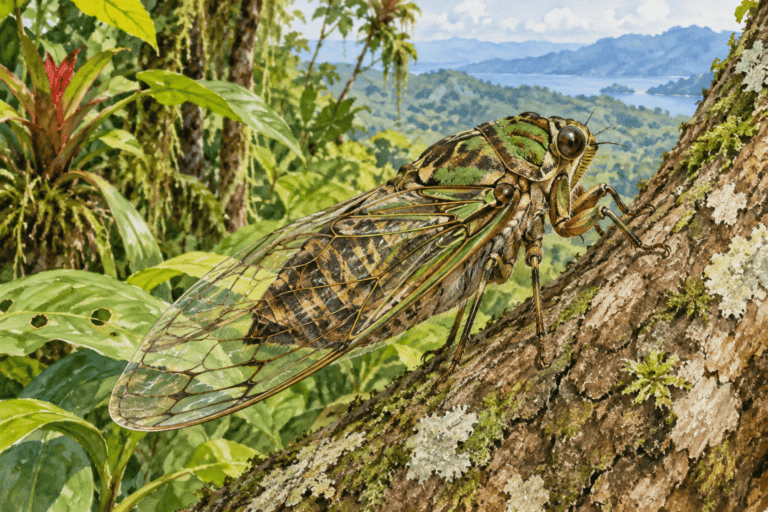
Large transparent wings.
Take a closer look ↗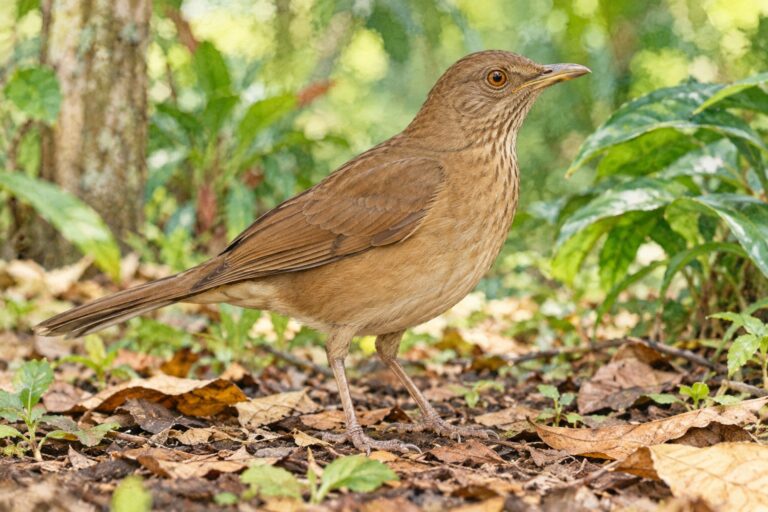
A familiar brown songbird and Costa Rica’s national bird.
Take a closer look ↗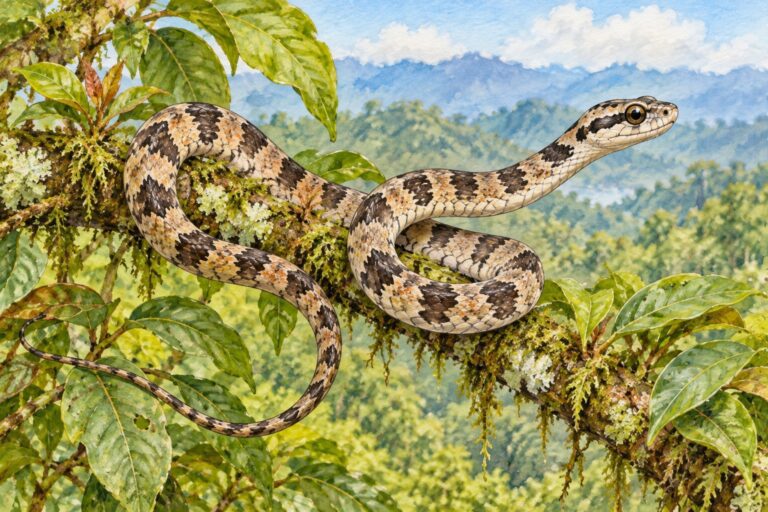
Cloudy patches of gray and brown hide a slender snake among forest branches.
Take a closer look ↗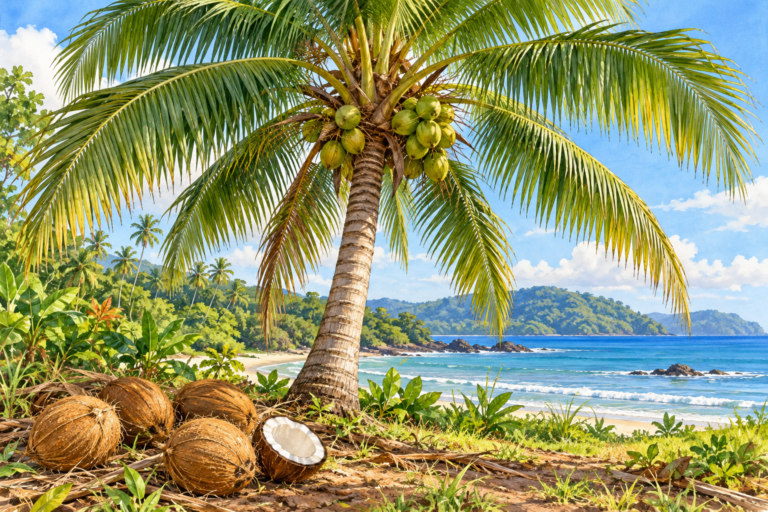
The coconut palm has a tall trunk, a crown of featherlike leaves and fruit clustered near the crown.
Take a closer look ↗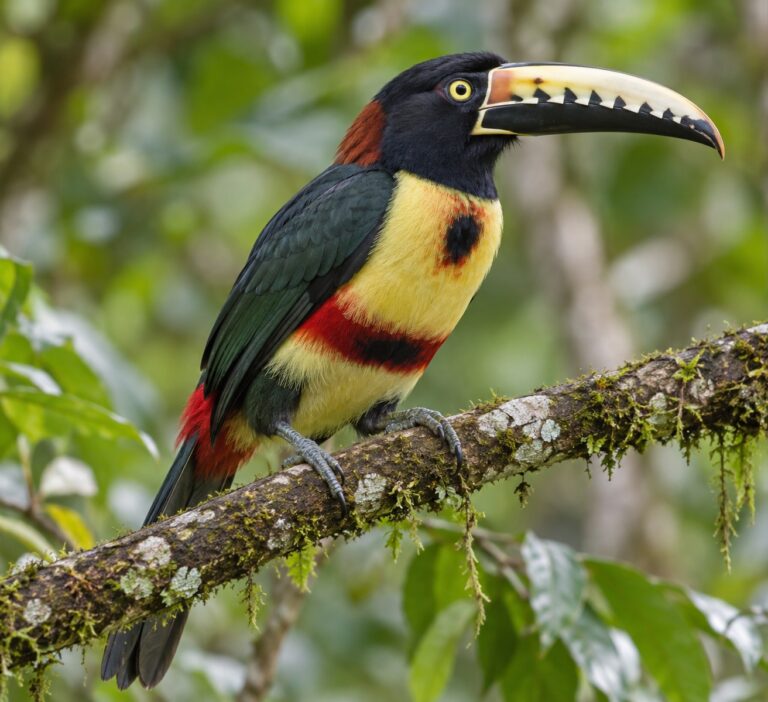
A small toucan with a patterned yellow chest.
Take a closer look ↗
The common bottlenose dolphin has a short thick beak and a generally gray body.
Take a closer look ↗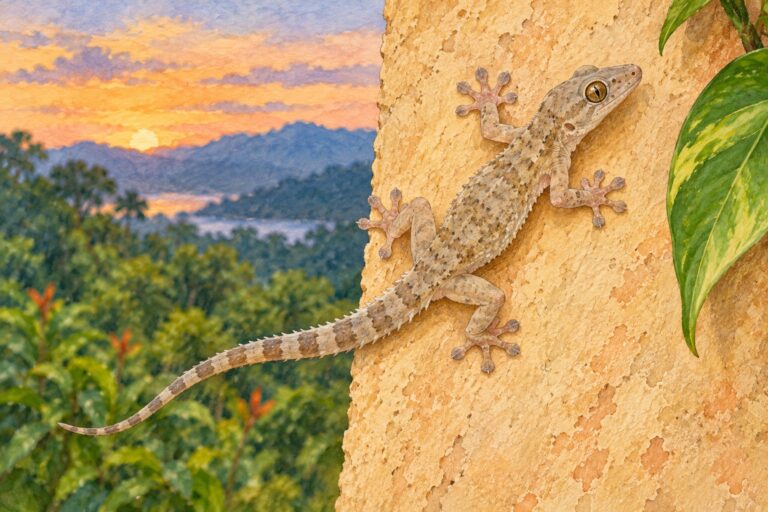
An introduced wall-climbing gecko often appears near buildings after dark.
Take a closer look ↗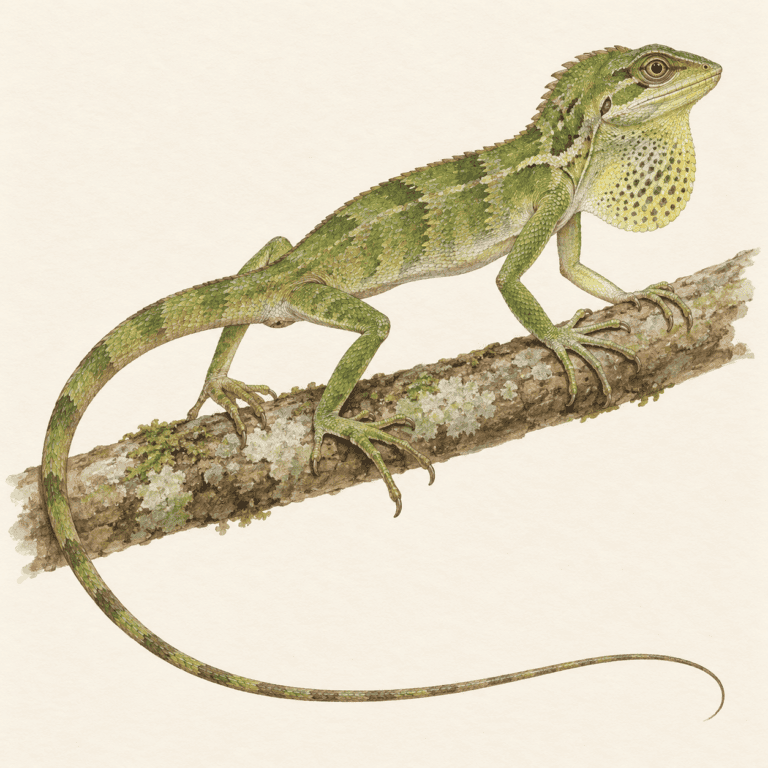
A slow-moving tree-dwelling lizard with a very long tail.
Take a closer look ↗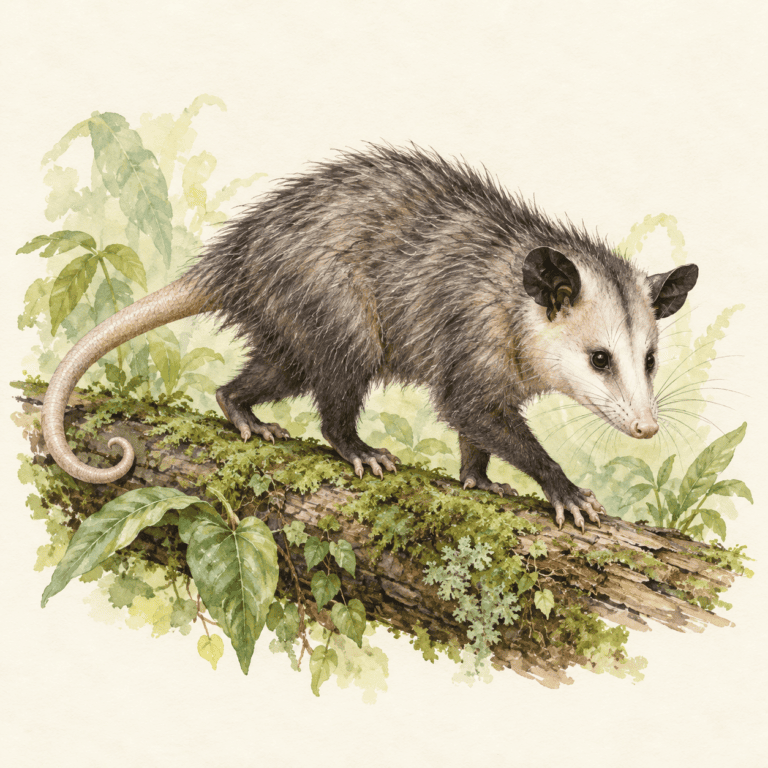
The common opossum is a marsupial: its young complete an important part of their development attached to their mother's teats, protected in her pouch.
Take a closer look ↗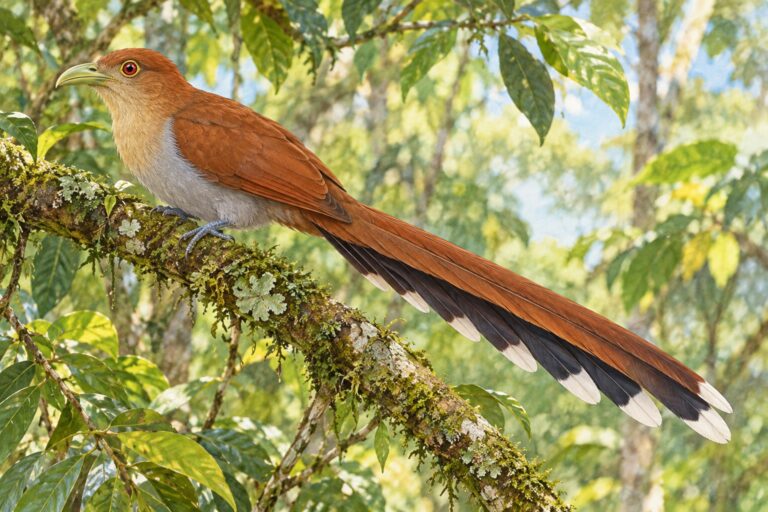
A rusty forest cuckoo with an exceptionally long tail.
Take a closer look ↗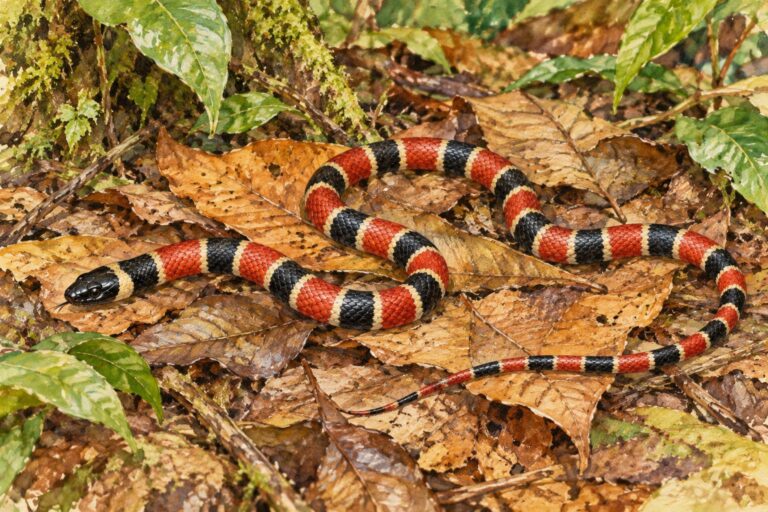
A fine-tailed forest snake wears bold bands without advertising a safe encounter.
Take a closer look ↗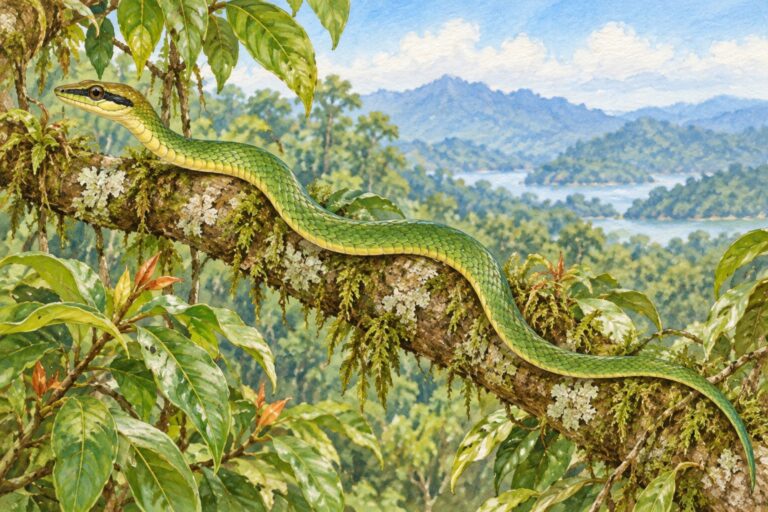
A slender green snake blends with branches and leaves.
Take a closer look ↗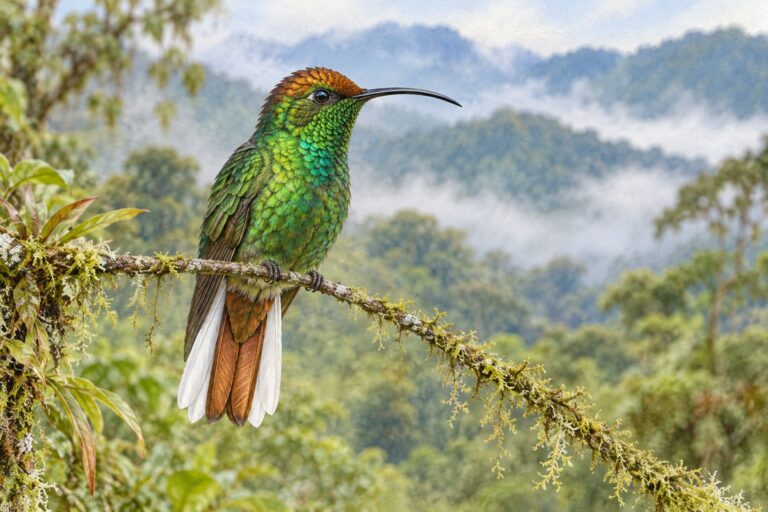
A tiny hummingbird found naturally only in Costa Rica.
Take a closer look ↗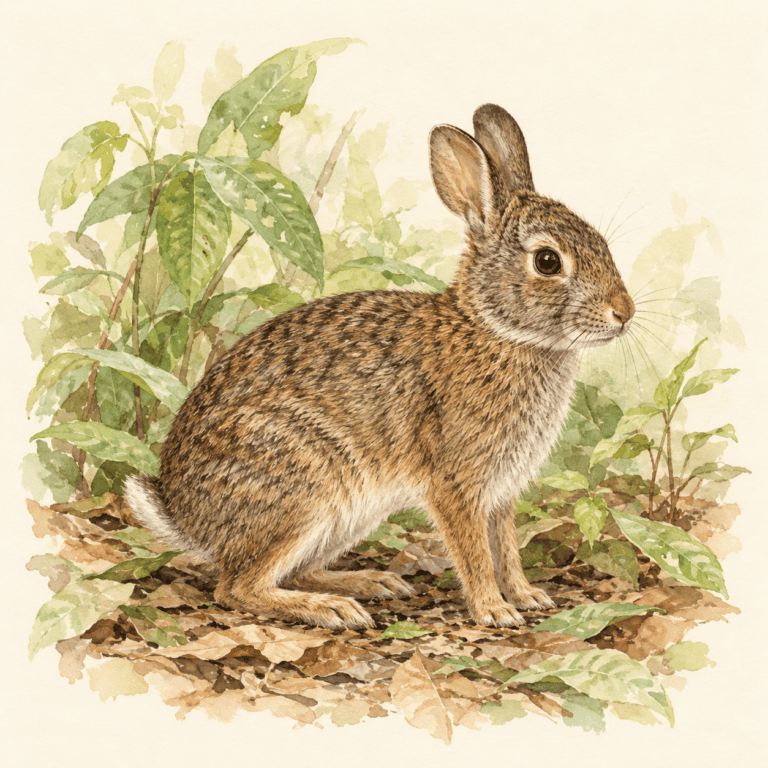
The Costa Rica forest rabbit is a native forest rabbit, not a domestic bunny living outdoors.
Take a closer look ↗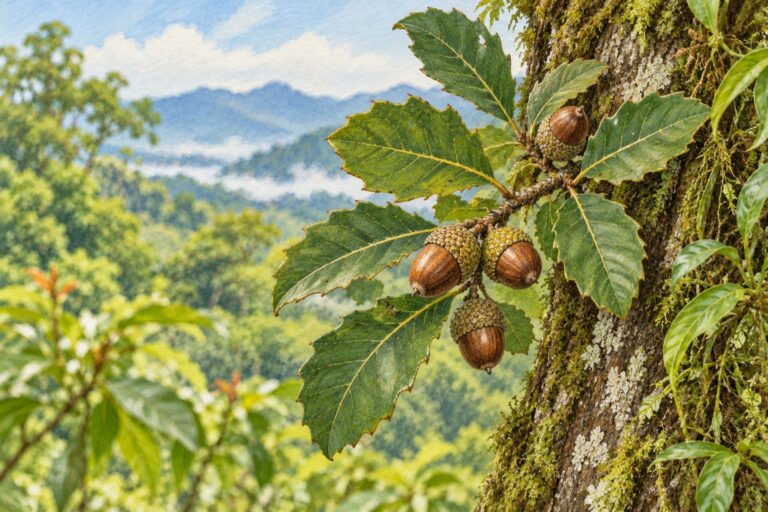
Acorns and leathery leaves belong to this mountain-forest oak.
Take a closer look ↗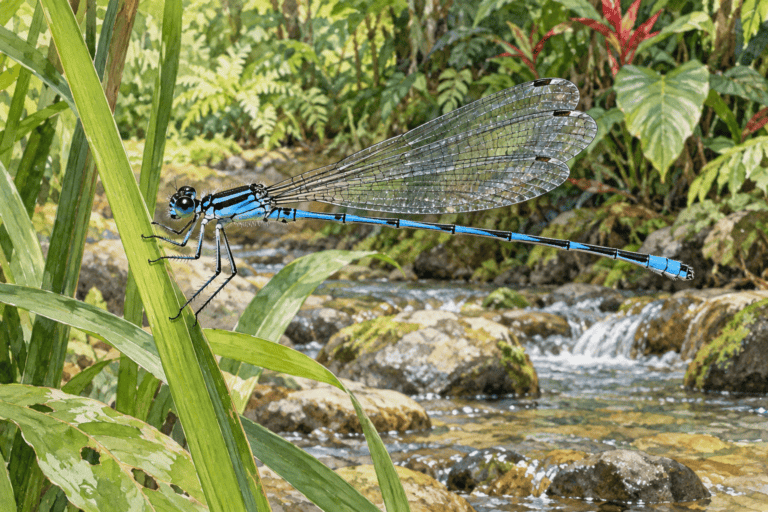
Slender body.
Take a closer look ↗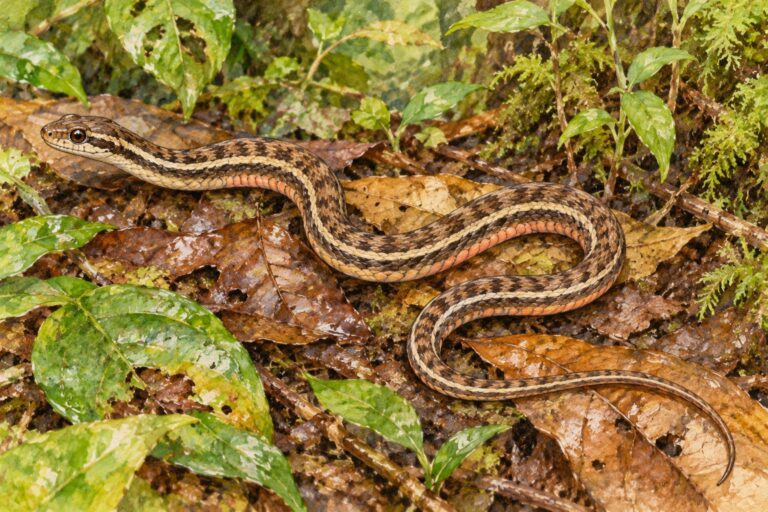
Fine lengthwise stripes help a small snake blend into forest-floor lines.
Take a closer look ↗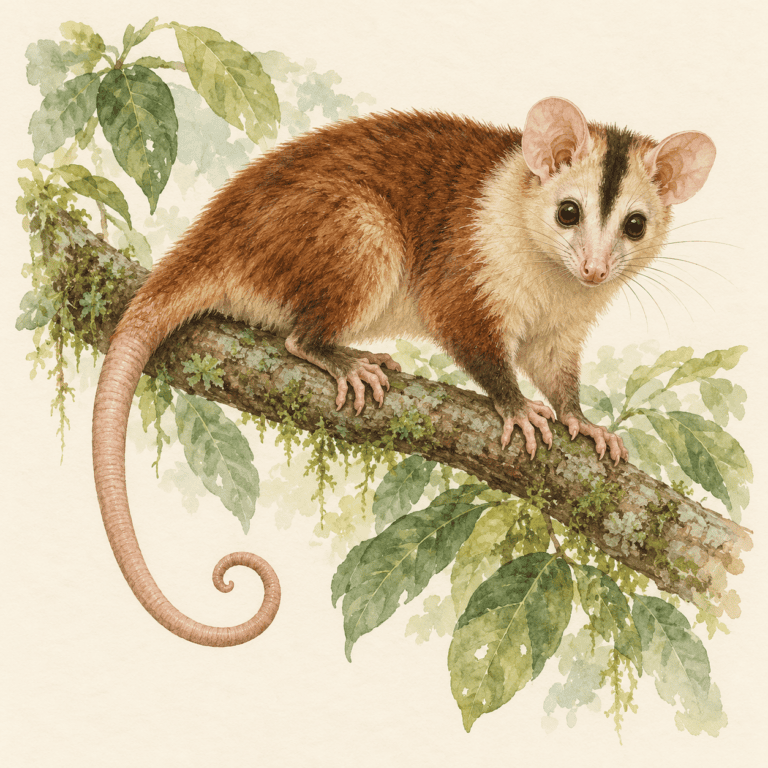
Derby's woolly opossum is a tree-climbing marsupial with soft fur, large eyes and a dark stripe down its pale face.
Take a closer look ↗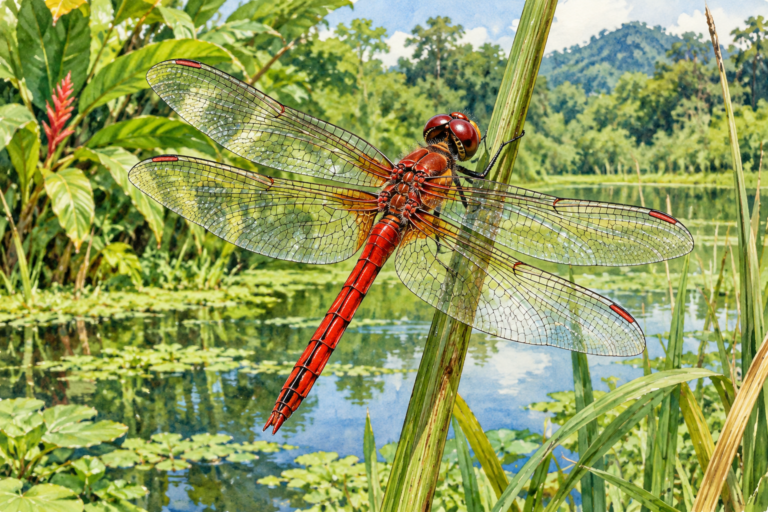
Large eyes.
Take a closer look ↗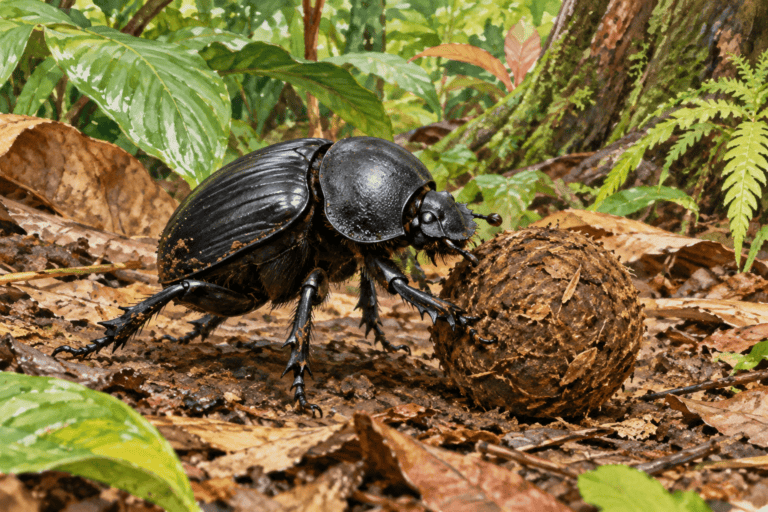
Compact beetle body.
Take a closer look ↗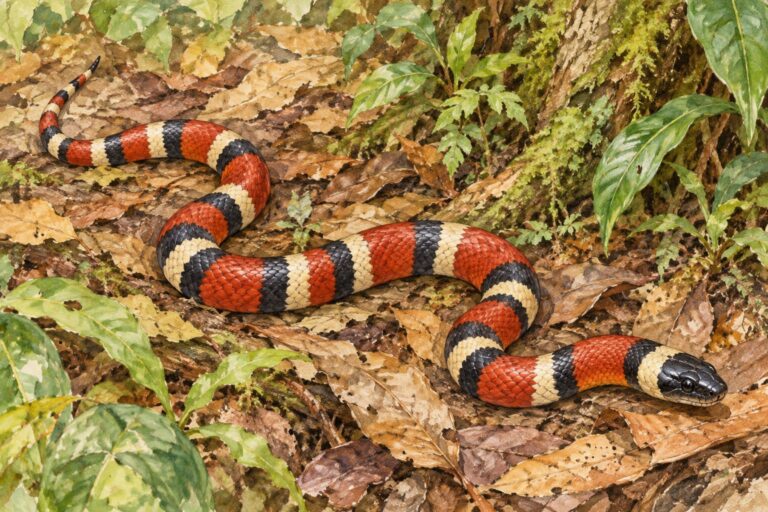
A banded young milksnake offers a lesson about changing colors and misleading names.
Take a closer look ↗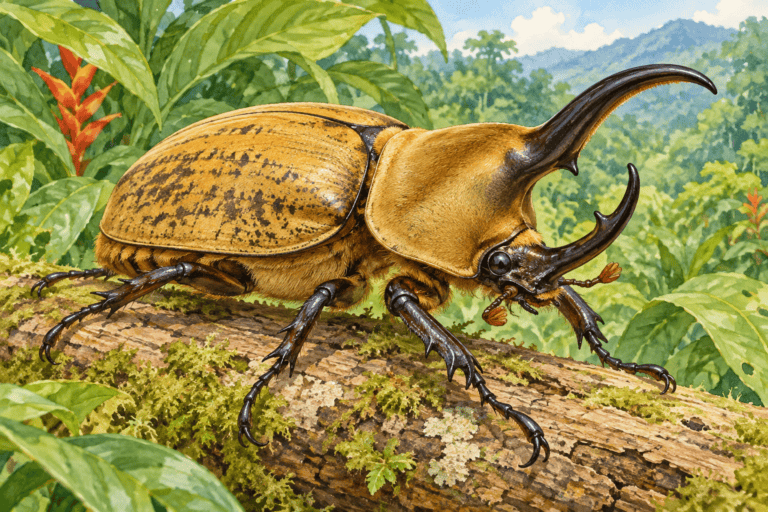
Large rounded beetle.
Take a closer look ↗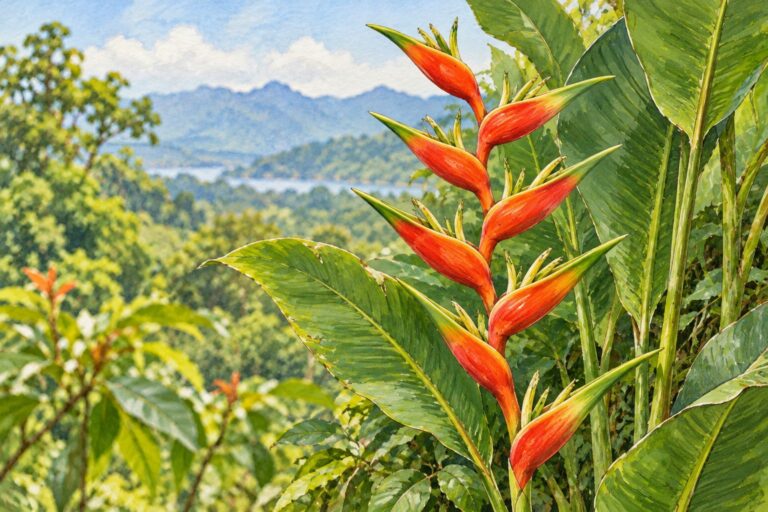
An upright open arrangement of colorful bracts rises among broad green leaves.
Take a closer look ↗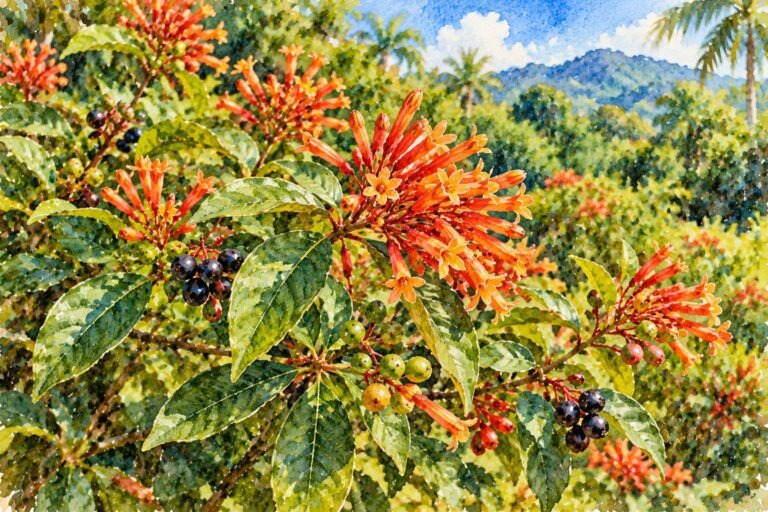
Firebush is a shrub with clusters of narrow orange to red tubular flowers.
Take a closer look ↗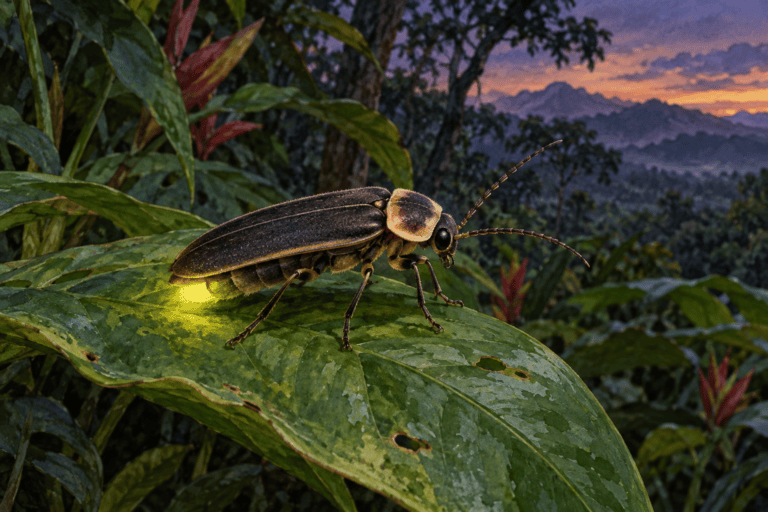
Soft beetle wing covers.
Take a closer look ↗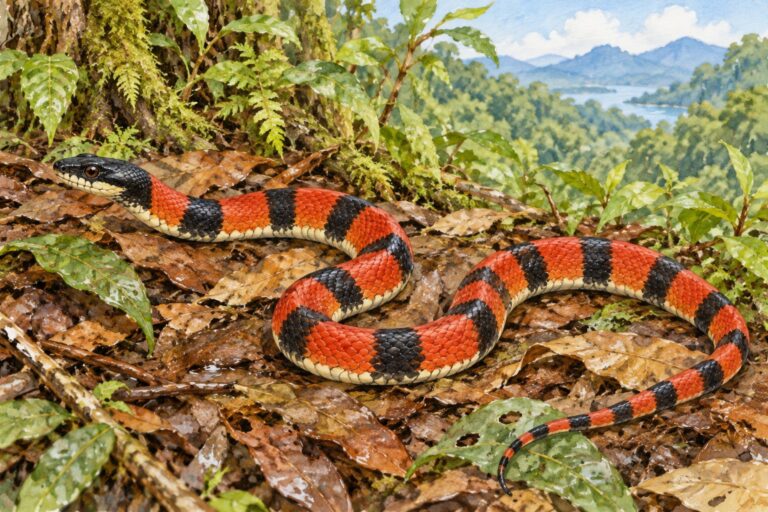
Bold red and dark markings stand out on this forest-floor snake.
Take a closer look ↗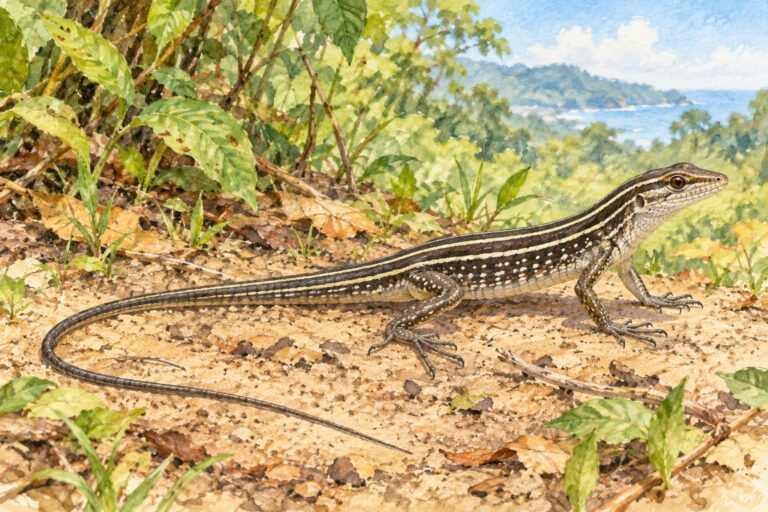
Pale lengthwise stripes make this quick ground lizard worth a careful second look.
Take a closer look ↗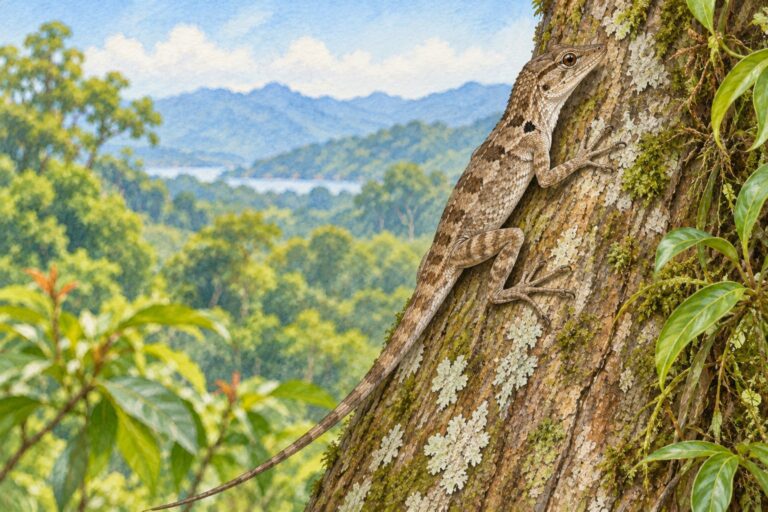
A quiet brown anole can disappear against a shaded tree trunk.
Take a closer look ↗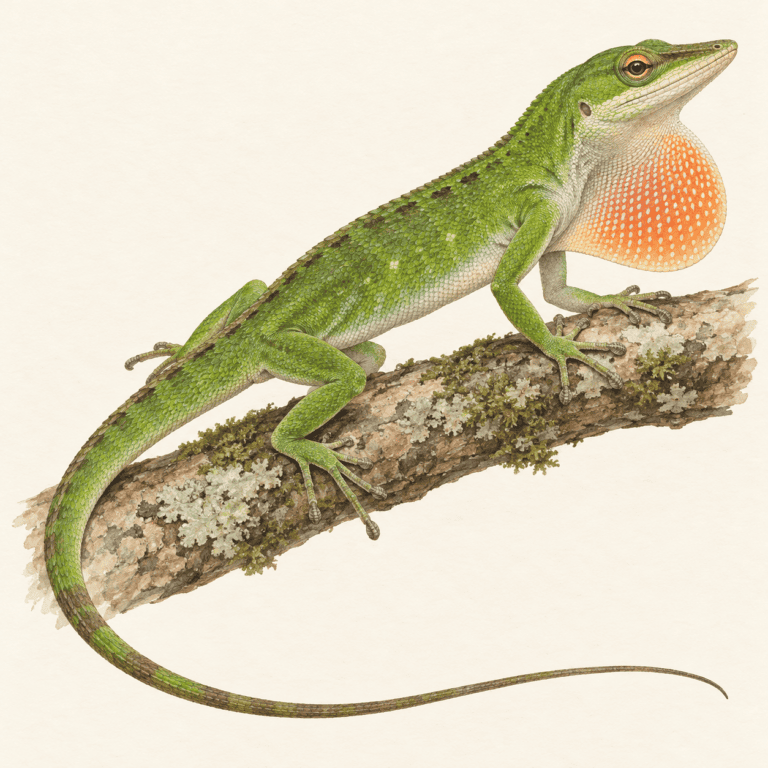
A green anole that spends much of its time in vegetation.
Take a closer look ↗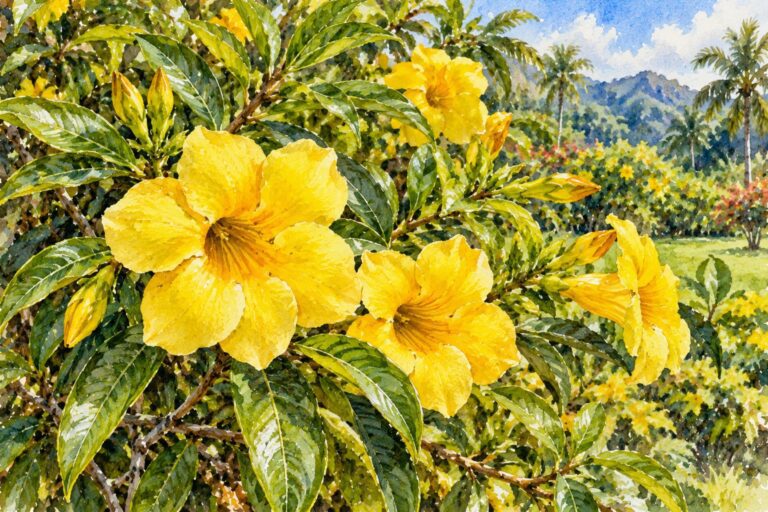
Golden trumpet is a South American ornamental cultivated and naturalized in Costa Rica.
Take a closer look ↗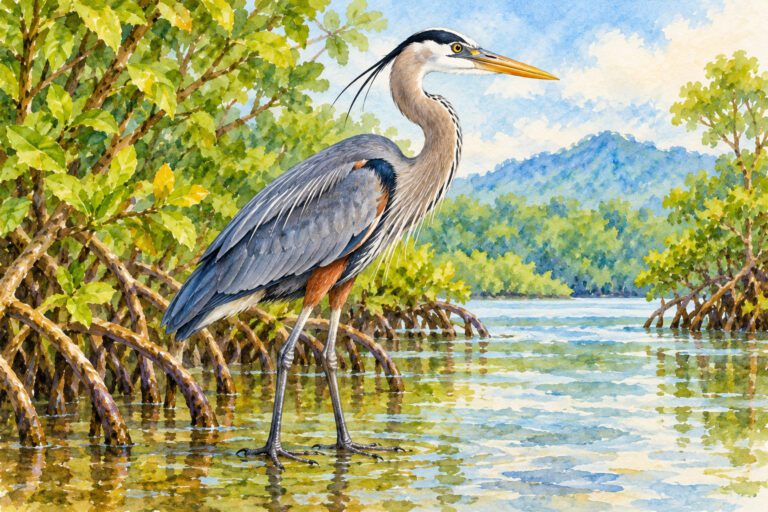
This large heron searches shallow water for fish and other small animals.
Take a closer look ↗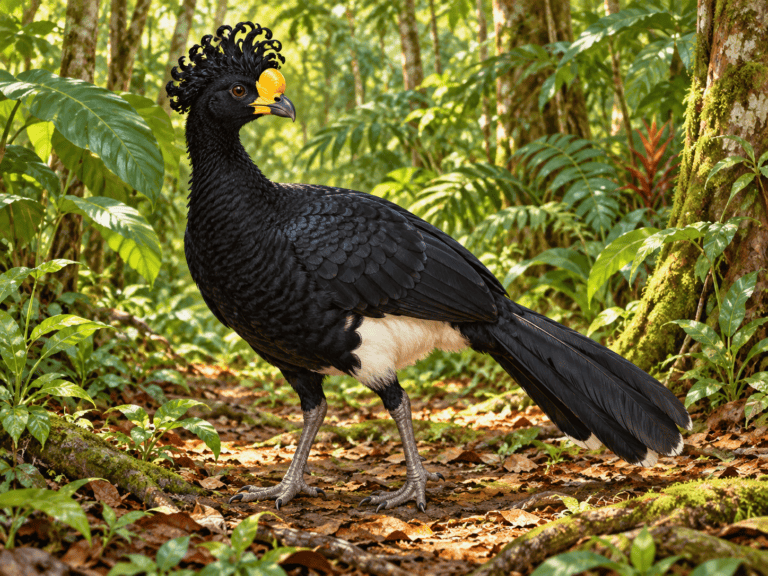
A large forest bird with a curled crest and contrasting male and female plumage.
Take a closer look ↗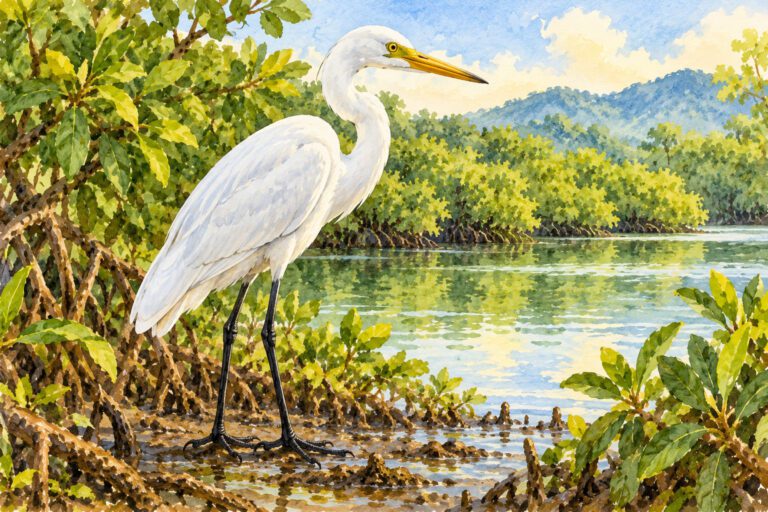
The Great Egret is a large white wading bird that hunts by waiting or walking slowly in shallow water.
Take a closer look ↗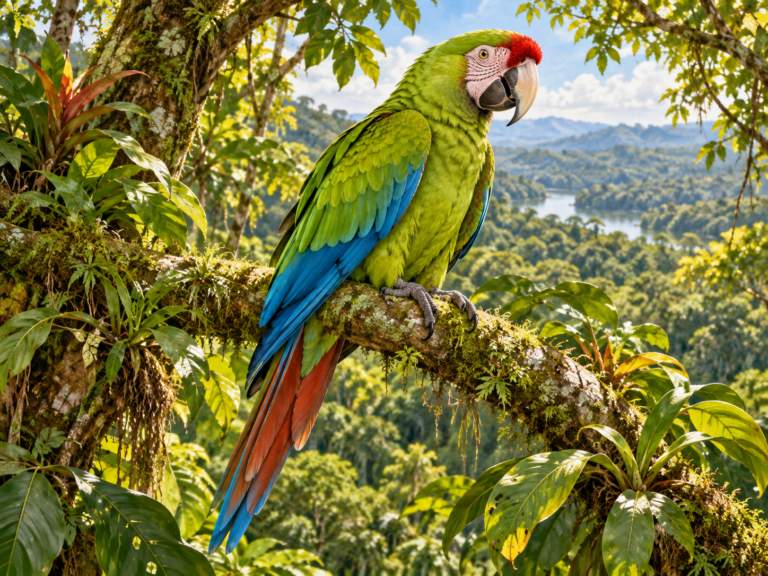
A green forest giant whose future depends on large nesting trees.
Take a closer look ↗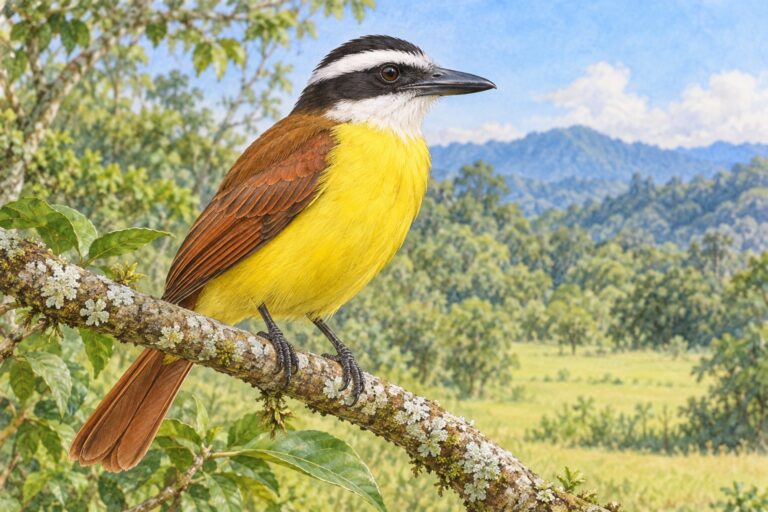
A loud flycatcher with a yellow belly and striped head.
Take a closer look ↗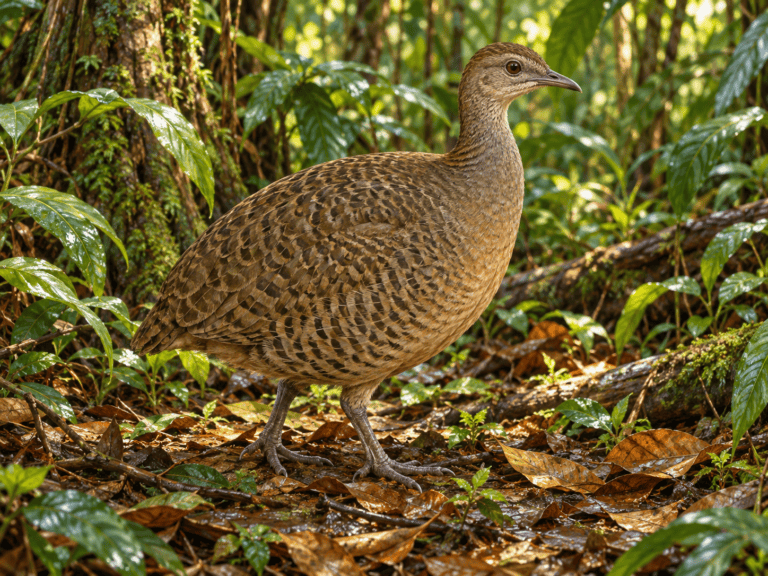
A camouflaged forest-floor bird with a far-carrying whistle.
Take a closer look ↗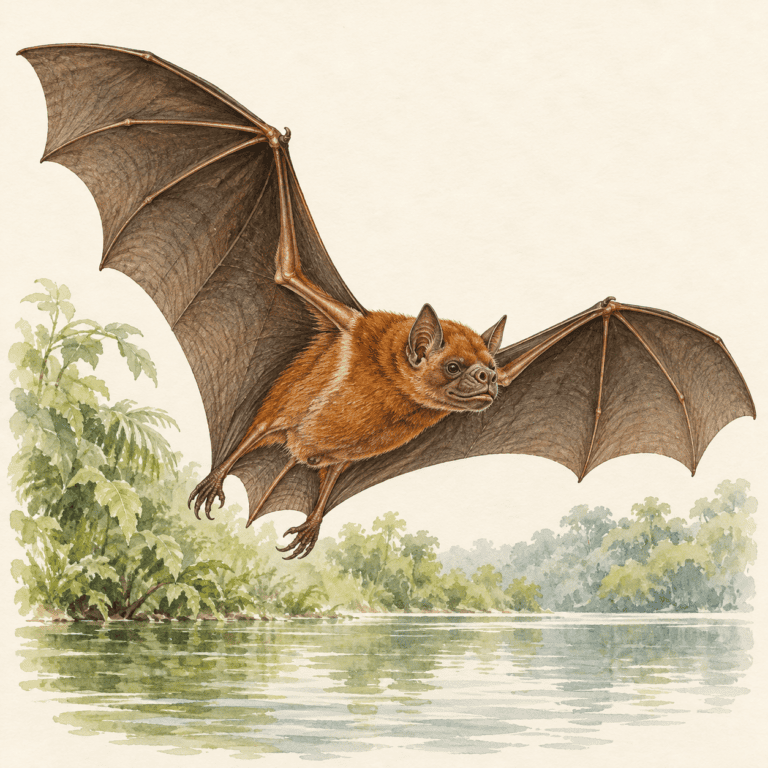
The greater bulldog bat is one of the bats that regularly catches fish.
Take a closer look ↗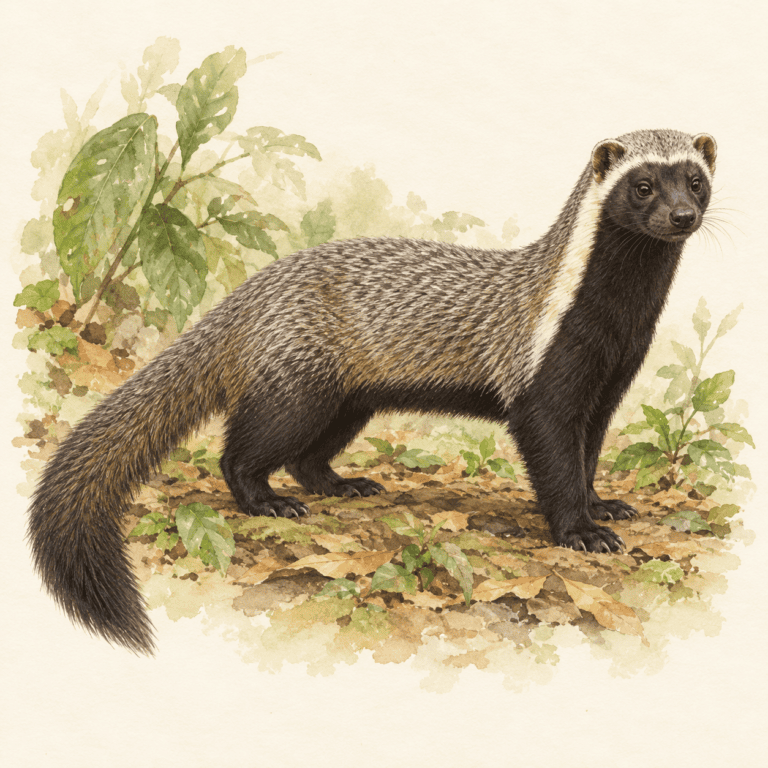
The greater grison has a long low body, short legs and a striking pale stripe separating its dark face and underside from its grizzled back.
Take a closer look ↗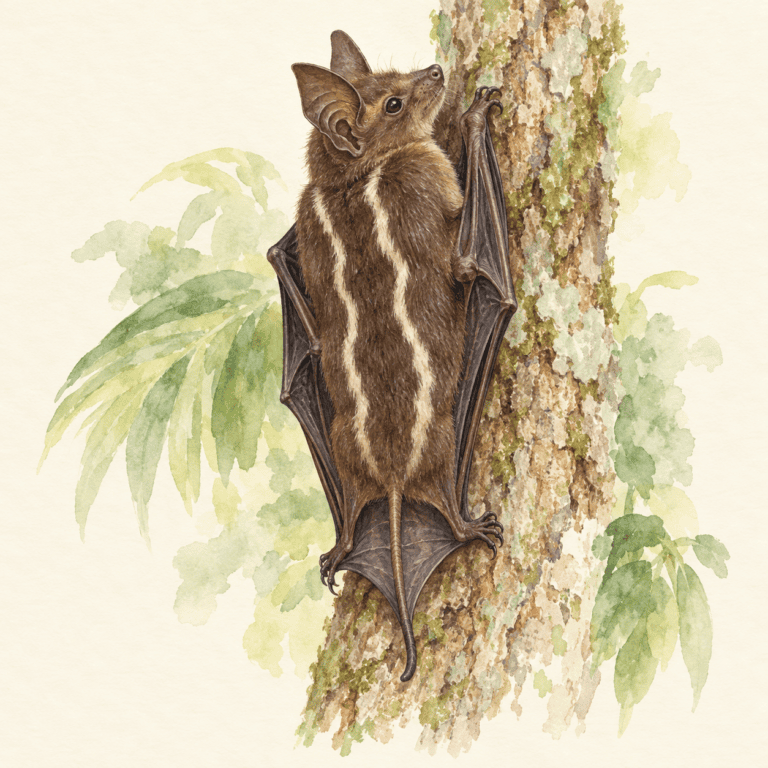
Two pale wavy stripes down a dark back are a starting clue for the greater sac-winged bat.
Take a closer look ↗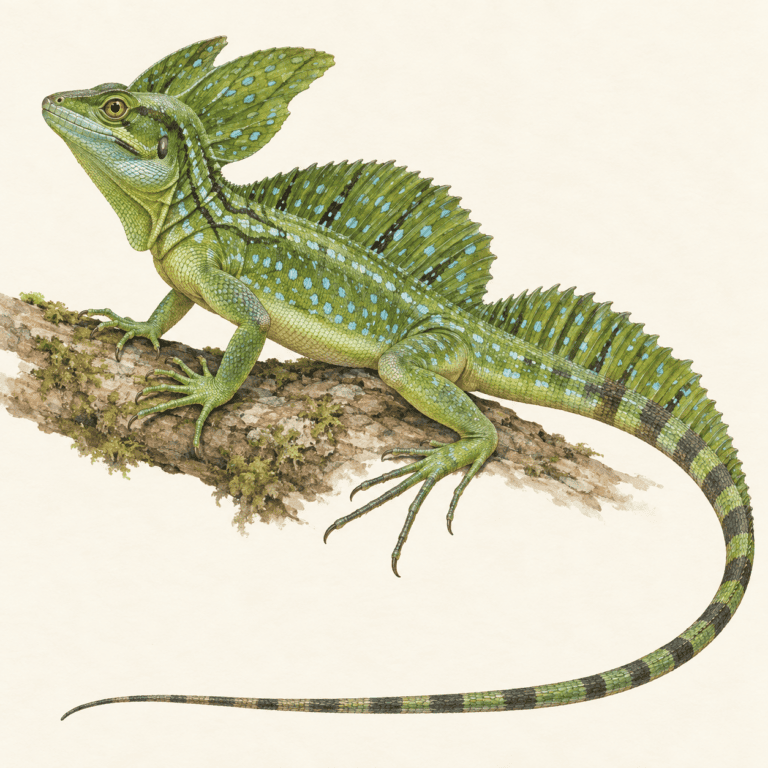
A green lizard of humid forests and stream edges.
Take a closer look ↗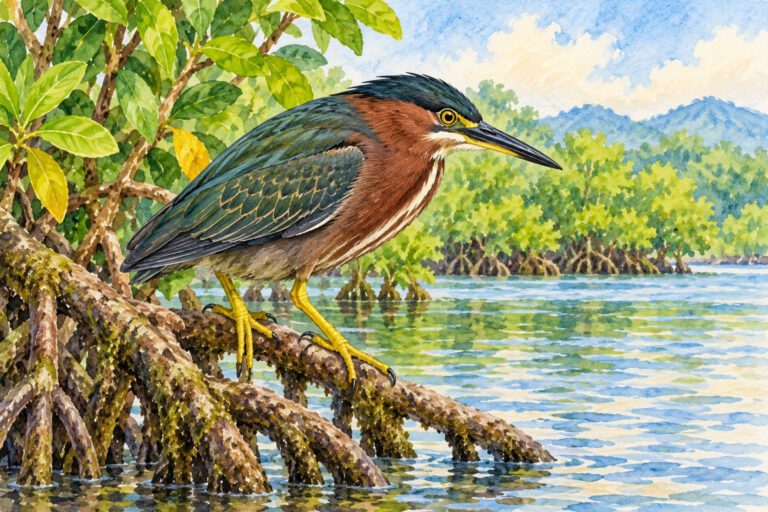
The Green Heron is a compact hunter with a dark greenish back, chestnut neck and a short crest.
Take a closer look ↗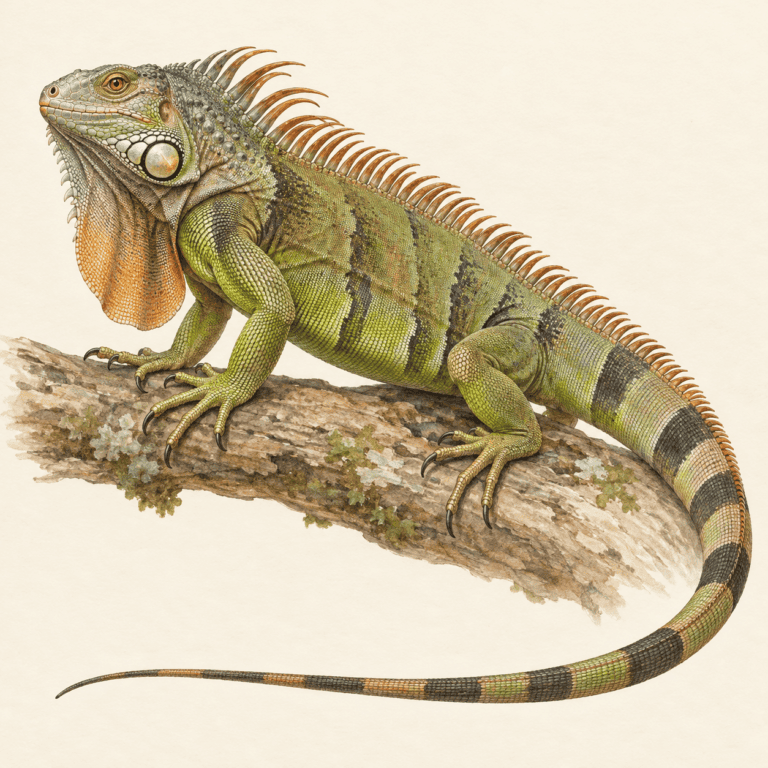
A large tree-climbing lizard with a throat fan and a row of spines along its back.
Take a closer look ↗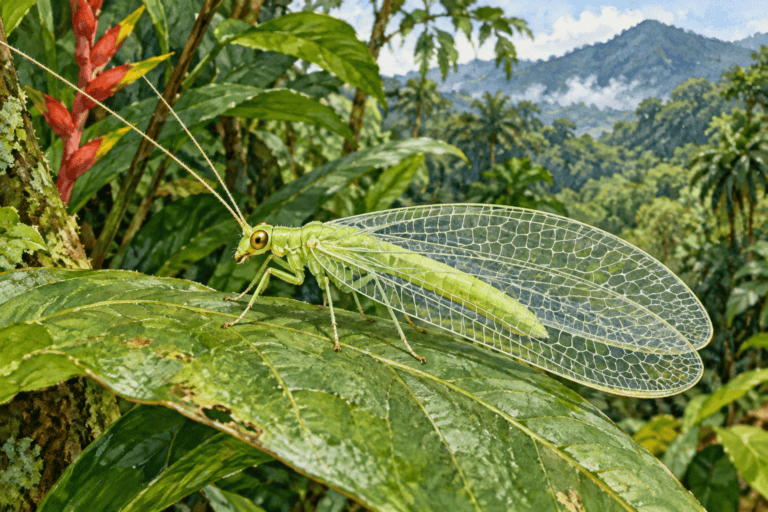
Delicate green body.
Take a closer look ↗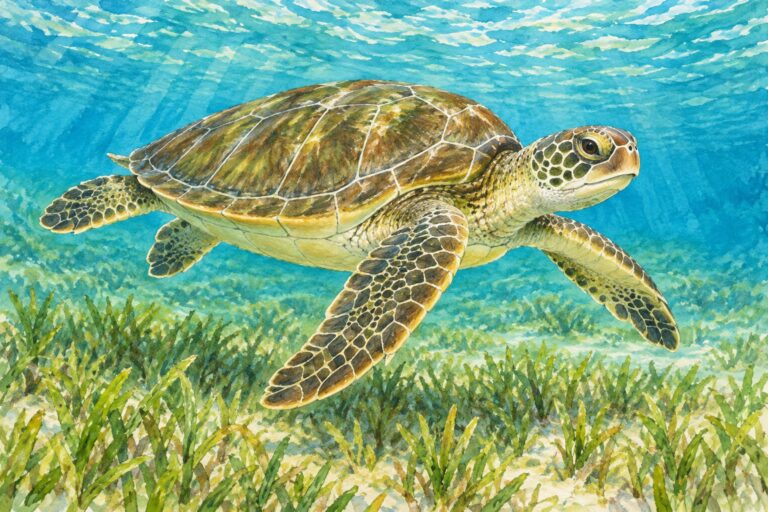
A smooth oval shell and paddle-shaped flippers belong to this ocean traveler.
Take a closer look ↗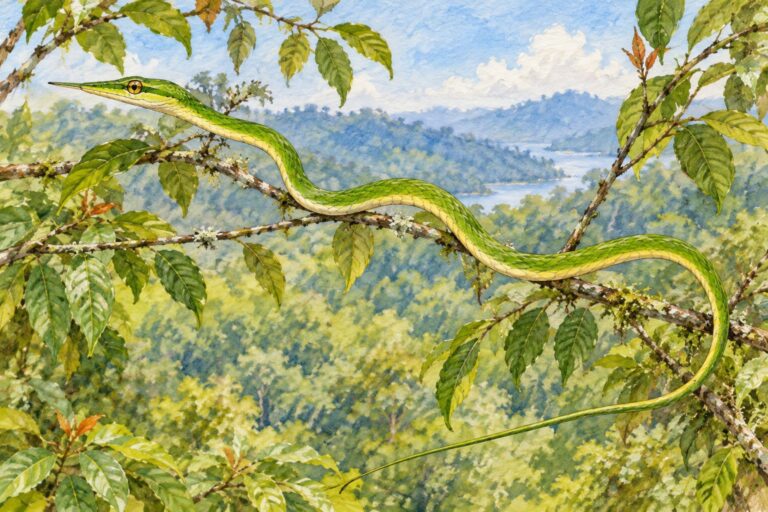
An exceptionally slender snake resembles a living green vine.
Take a closer look ↗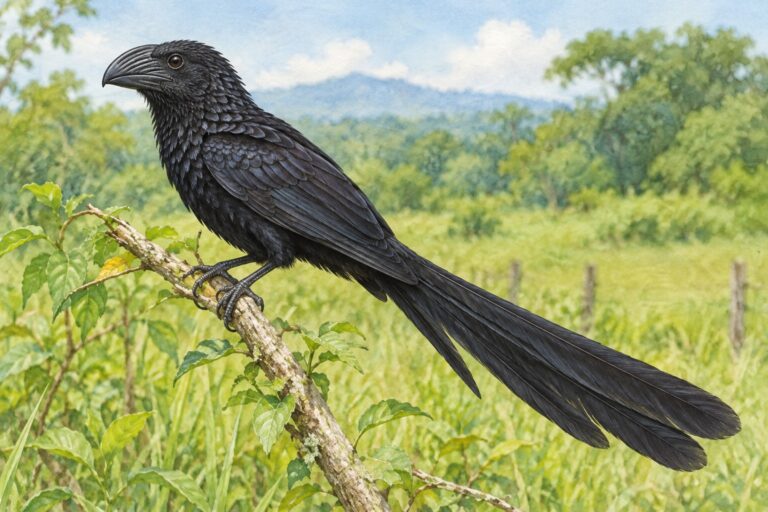
A social black bird with grooves on its heavy bill.
Take a closer look ↗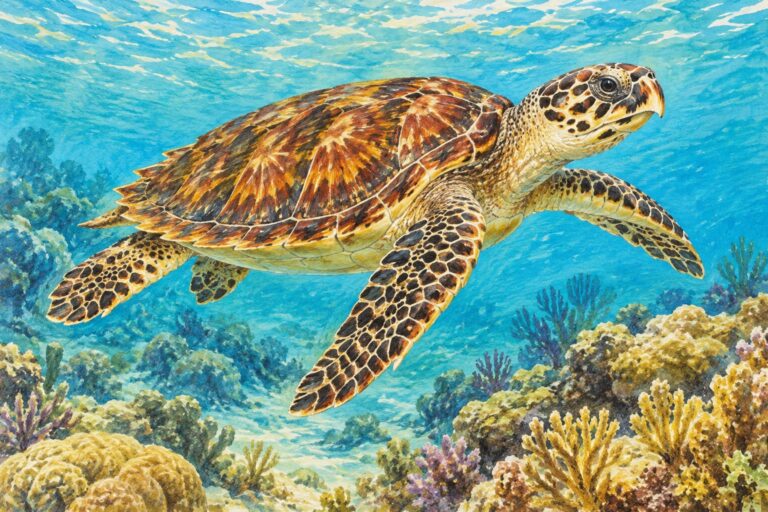
A narrow hooked beak and patterned shell help distinguish the hawksbill.
Take a closer look ↗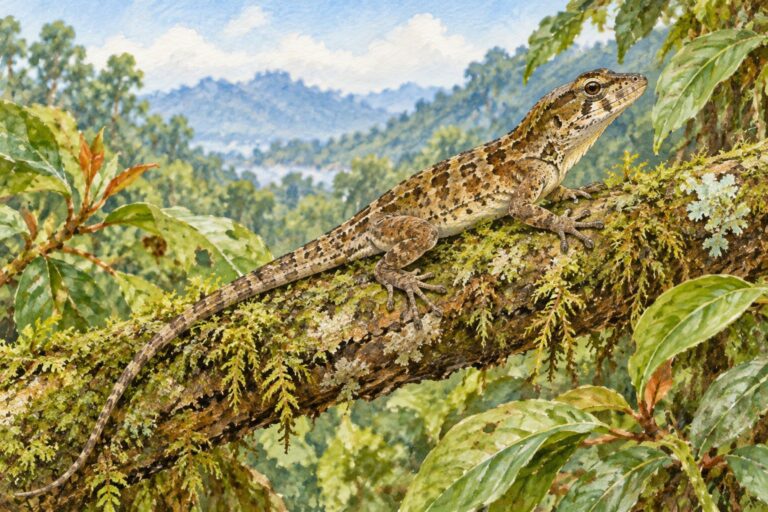
A compact brown anole lives among the cool, wet forests of Talamanca.
Take a closer look ↗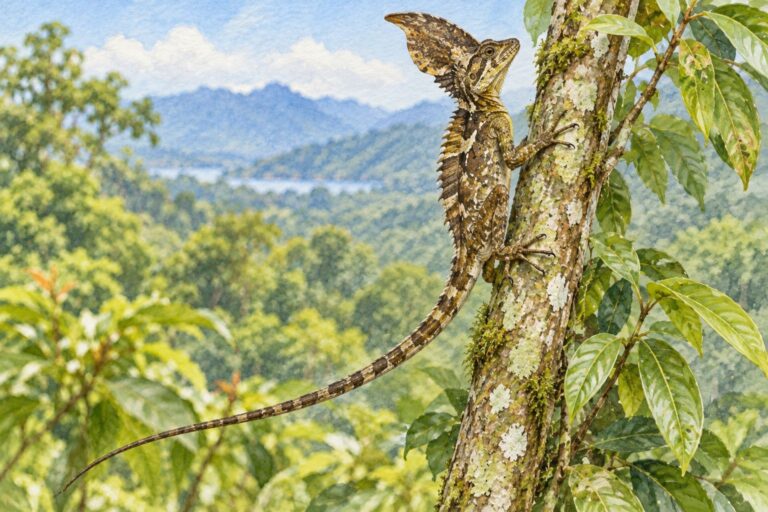
A dramatic helmet-shaped head rises above a perfectly still forest lizard.
Take a closer look ↗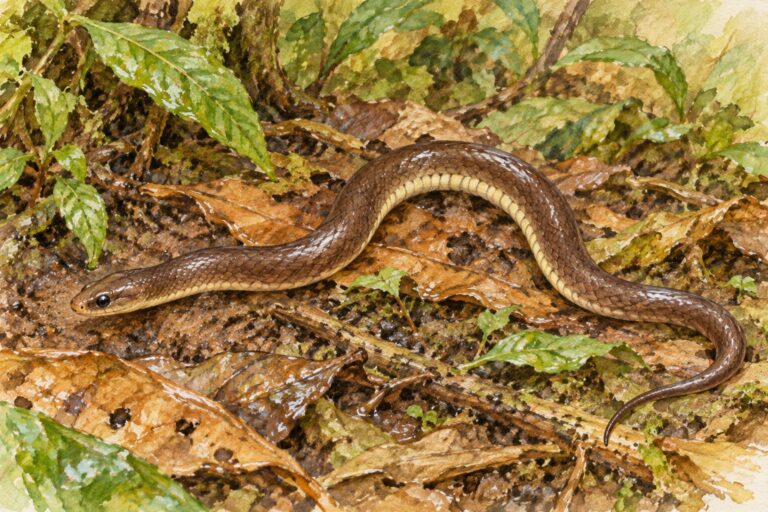
A small dark earth snake reminds us that much of forest life stays hidden.
Take a closer look ↗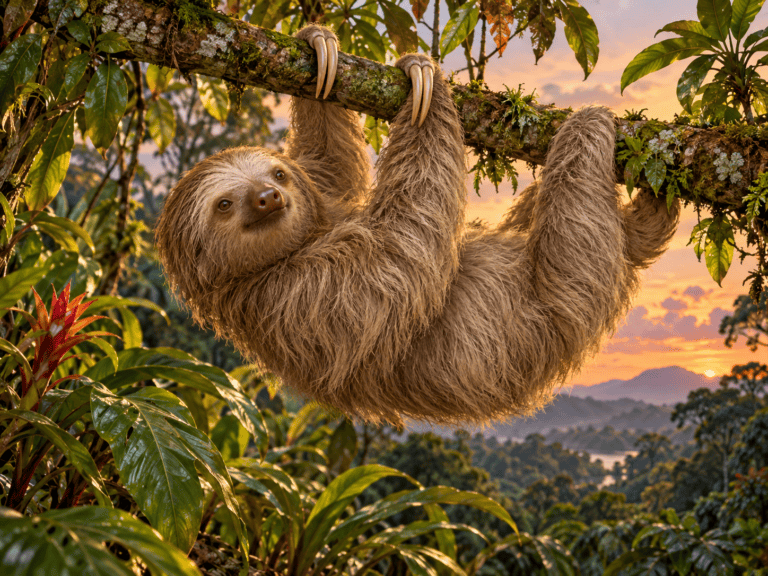
An arboreal mammal with two foreclaws and a slow digestive system.
Take a closer look ↗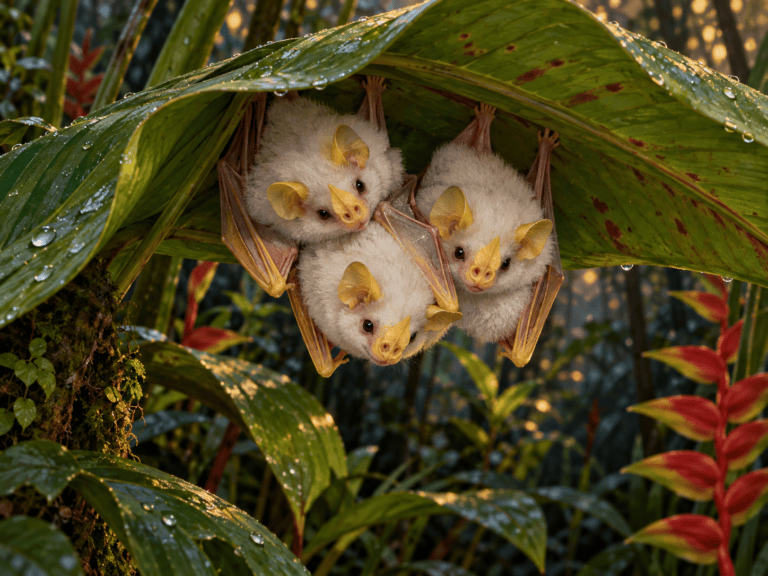
A tiny fruit-eating bat that shelters beneath leaves shaped into tents.
Take a closer look ↗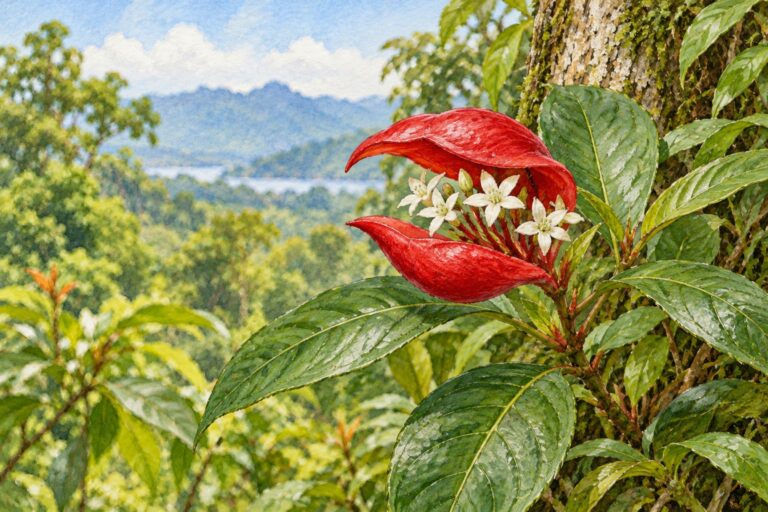
Two bright red bracts surround tiny pale flowers in the forest understory.
Take a closer look ↗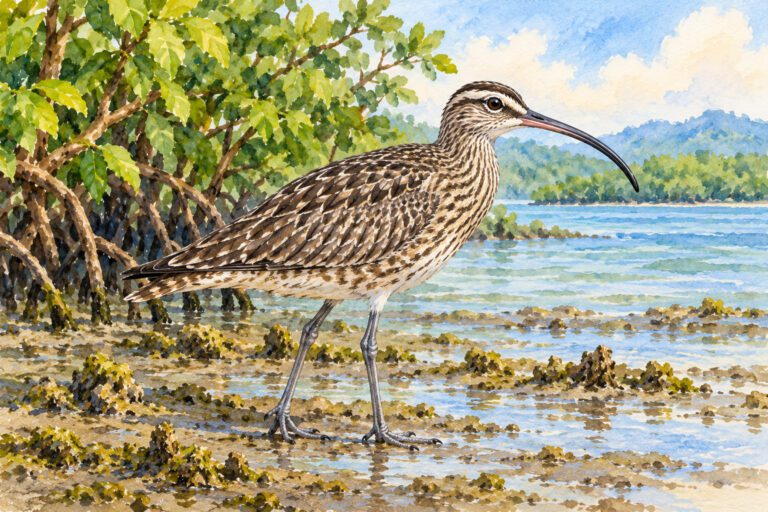
This large shorebird uses its long downward-curved bill to find crabs and other small animals on coastal flats.
Take a closer look ↗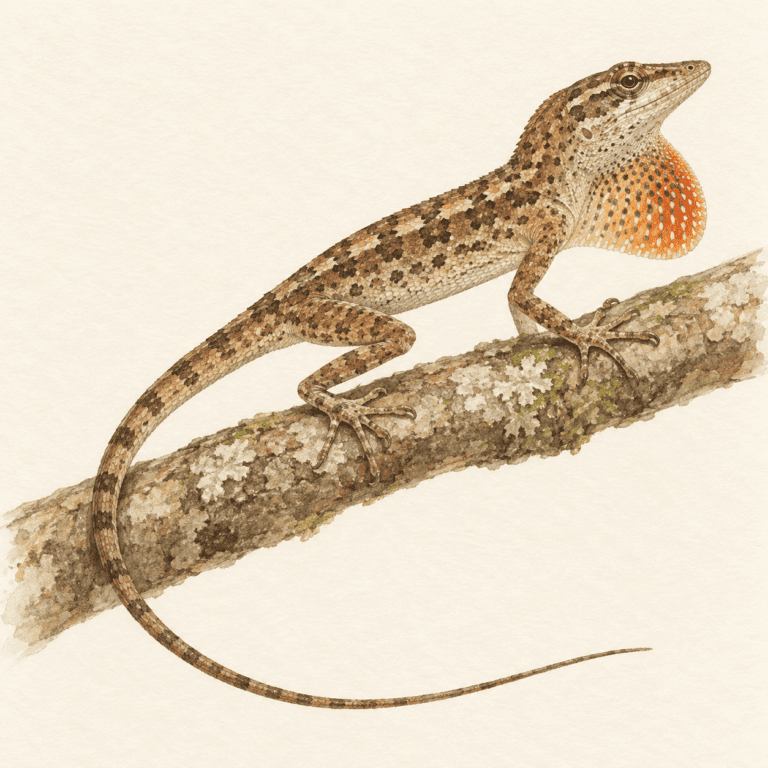
A small, often brown anole associated with the forest understory.
Take a closer look ↗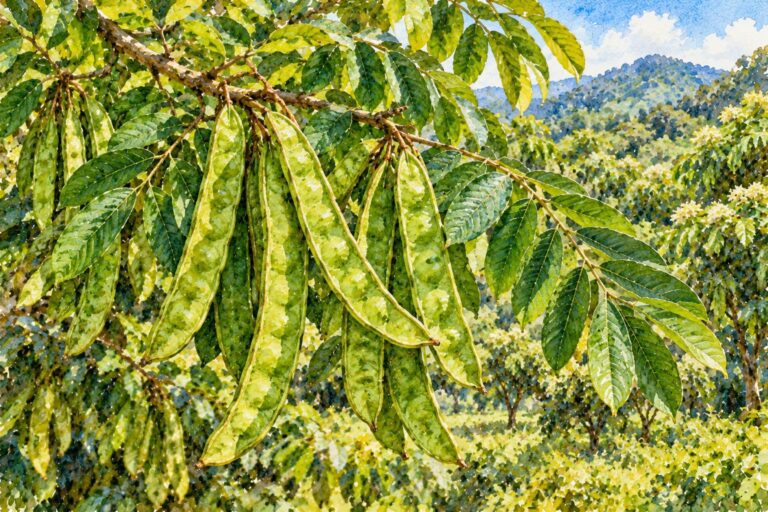
Guaba is planted for its long ribbed pods and as a shade tree.
Take a closer look ↗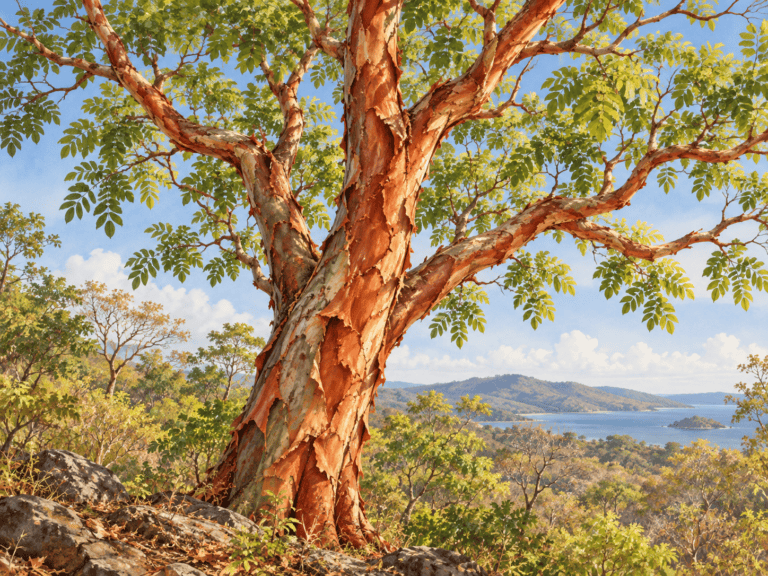
A tree whose warm-colored bark invites a closer look.
Take a closer look ↗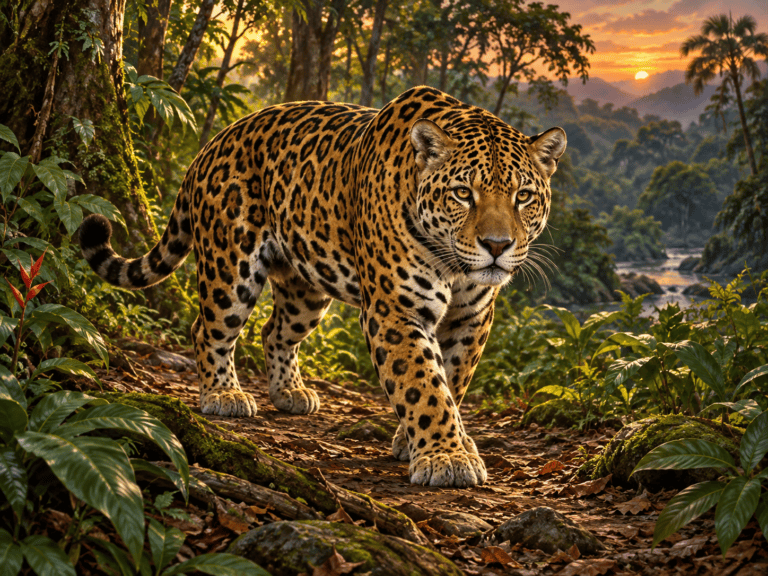
A powerful spotted cat that depends on habitat and healthy prey populations.
Take a closer look ↗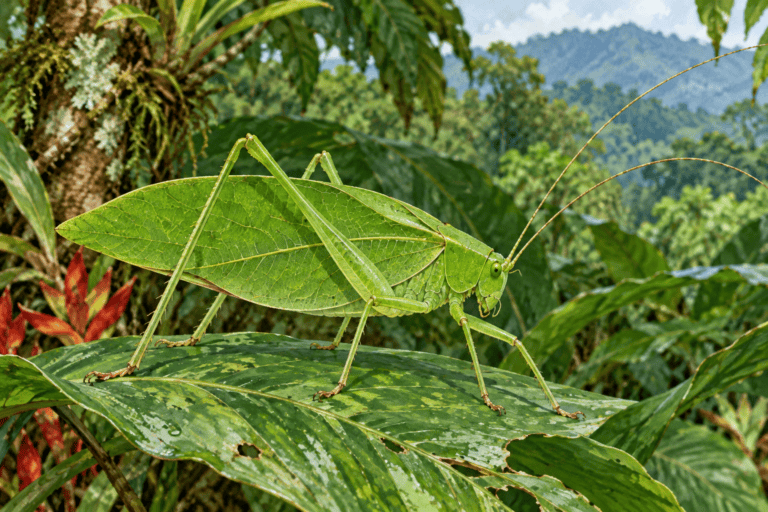
Very long antennae.
Take a closer look ↗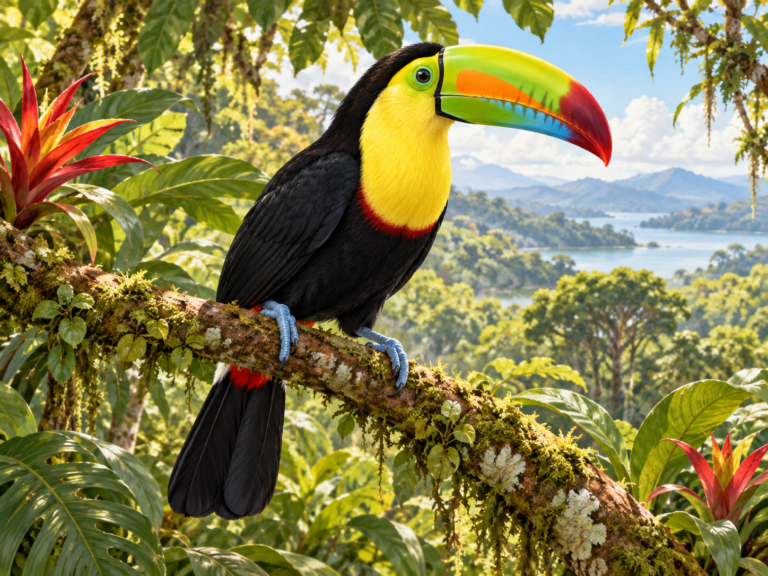
A rainbow-colored bill stands out against dark plumage and a yellow throat.
Take a closer look ↗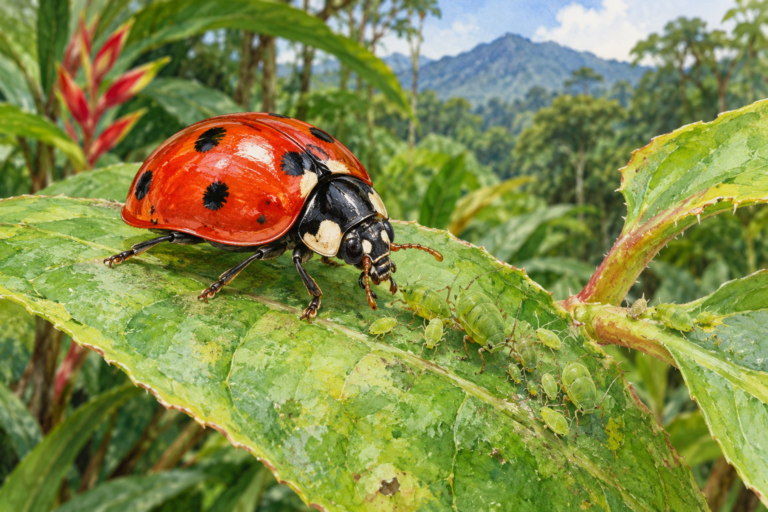
Rounded beetle body.
Take a closer look ↗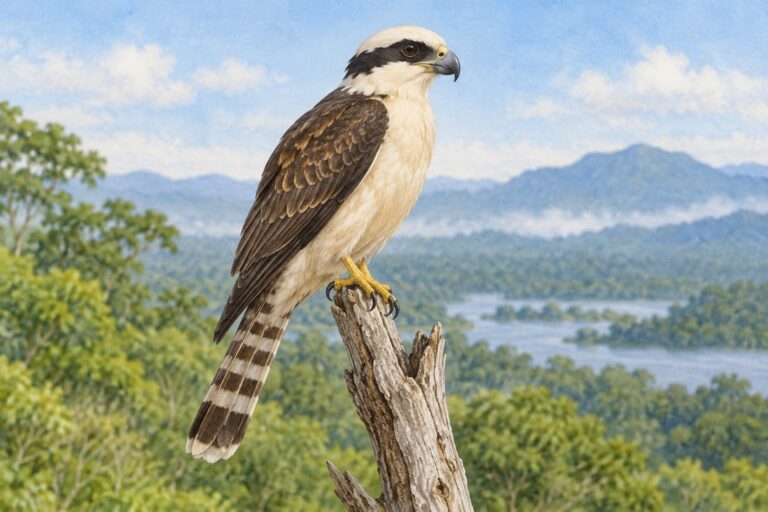
A masked falcon named for its far-carrying call.
Take a closer look ↗