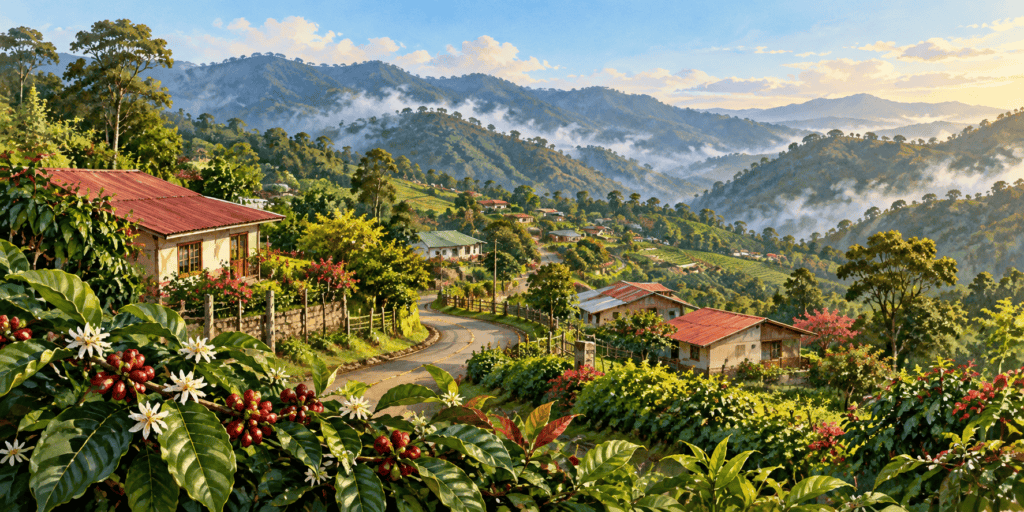
Copey de Dota
Copey de Dota offers a rural highland setting within the Los Santos area. Begin with the community and surrounding agricultural landscape, then…
Explore town

Copey de Dota offers a rural highland setting within the Los Santos area. Begin with the community and surrounding agricultural landscape, then…
Explore town
Curridabat offers a different kind of Costa Rican discovery: learning how people and wildlife can share an urban landscape. Its Ciudad Dulce…
Explore town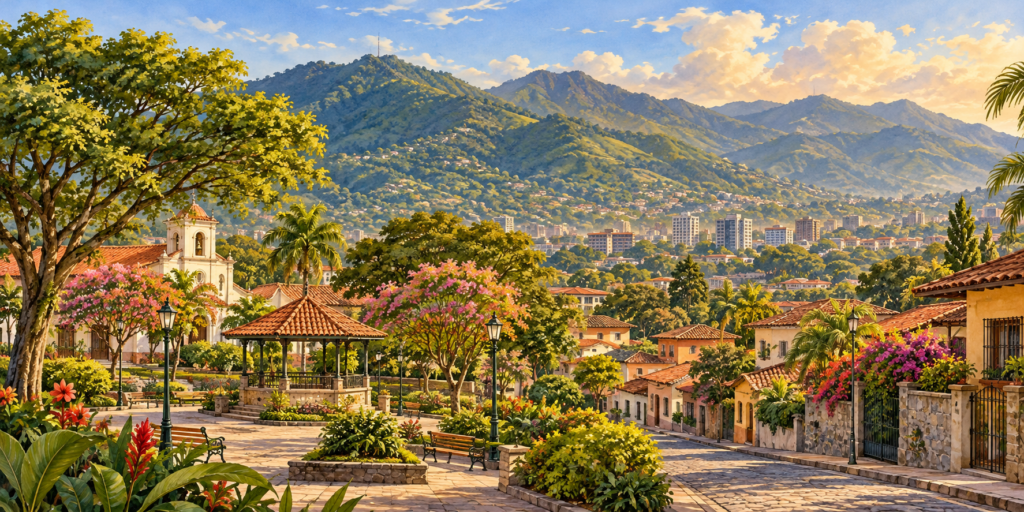
Look beyond Escazú’s shops and hotels and you will find another side of the Central Valley: traditional sugar-making, wooden crafts, colorful masquerades…
Explore town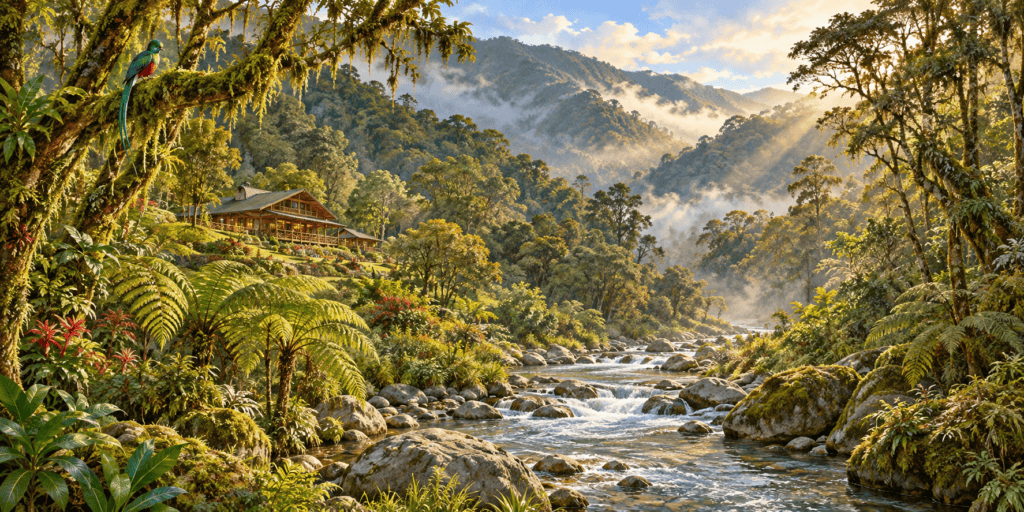
San Gerardo de Dota follows the Savegre River through a mountain valley surrounded by forest. Families come for birds, cool air and…
Explore town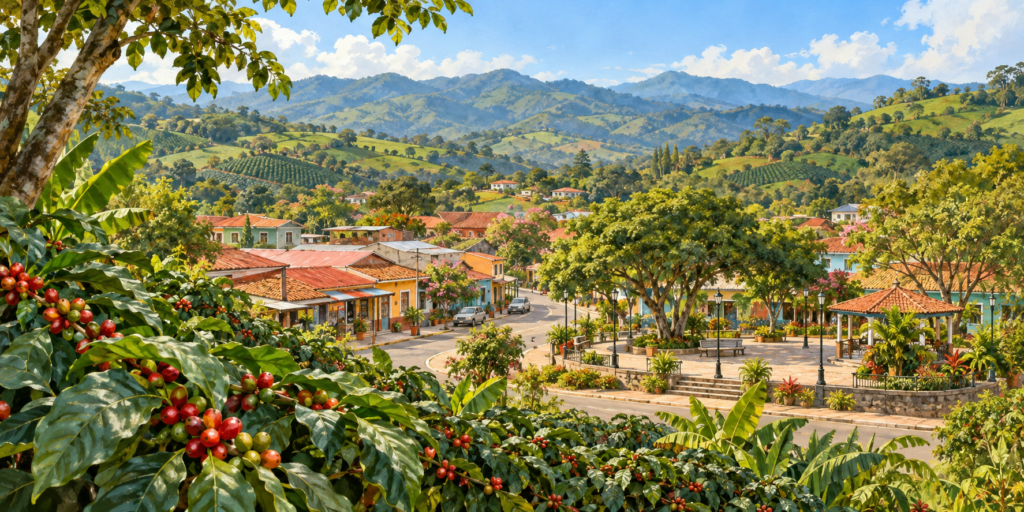
San Ignacio introduces families to Acosta, a canton shaped by agriculture and musical traditions south of San José. Begin in the town…
Explore town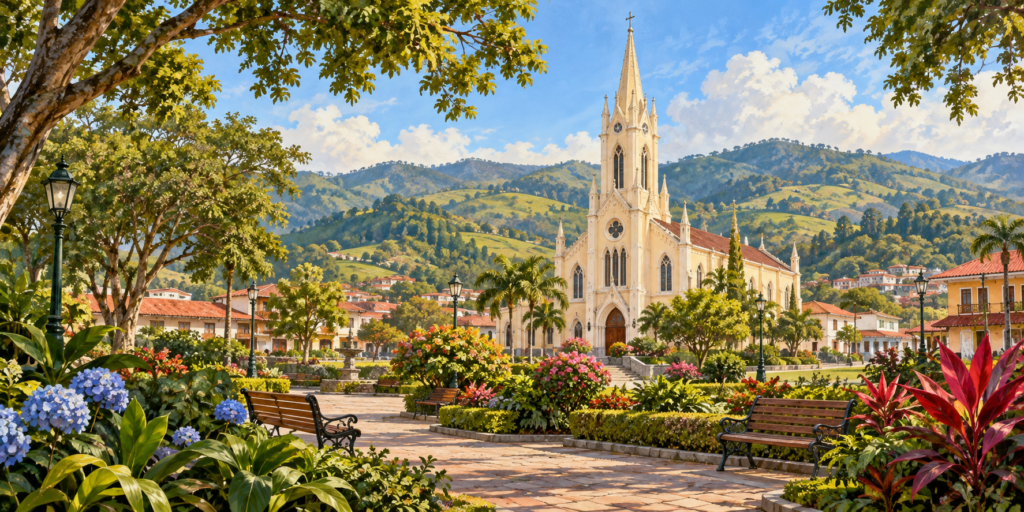
San Isidro is the center of Vázquez de Coronado canton, on the northeastern side of the Central Valley. Begin with the church…
Explore town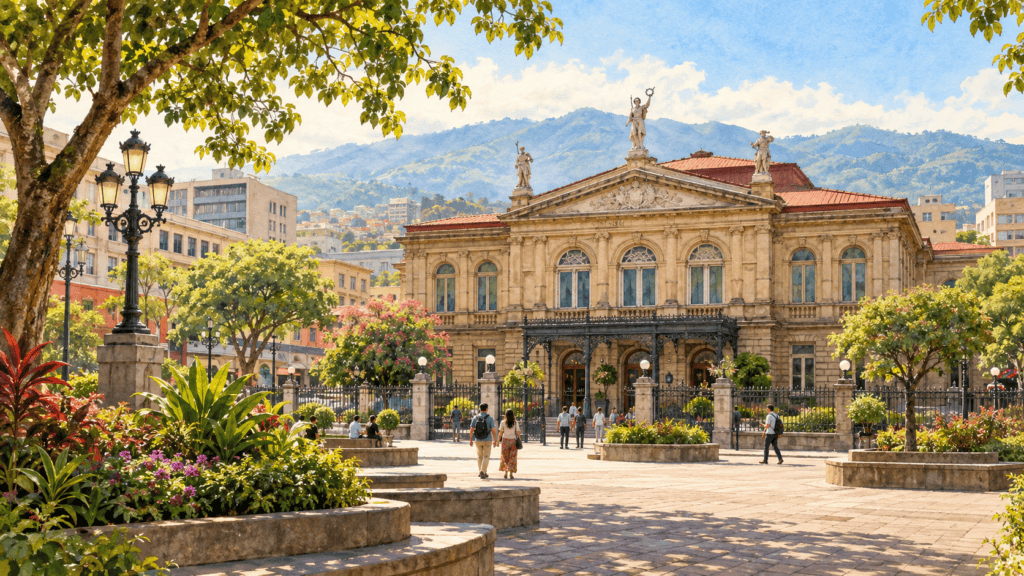
San José offers families a different Costa Rican adventure: museum objects that raise questions, public plazas, historic buildings and markets filled with…
Explore town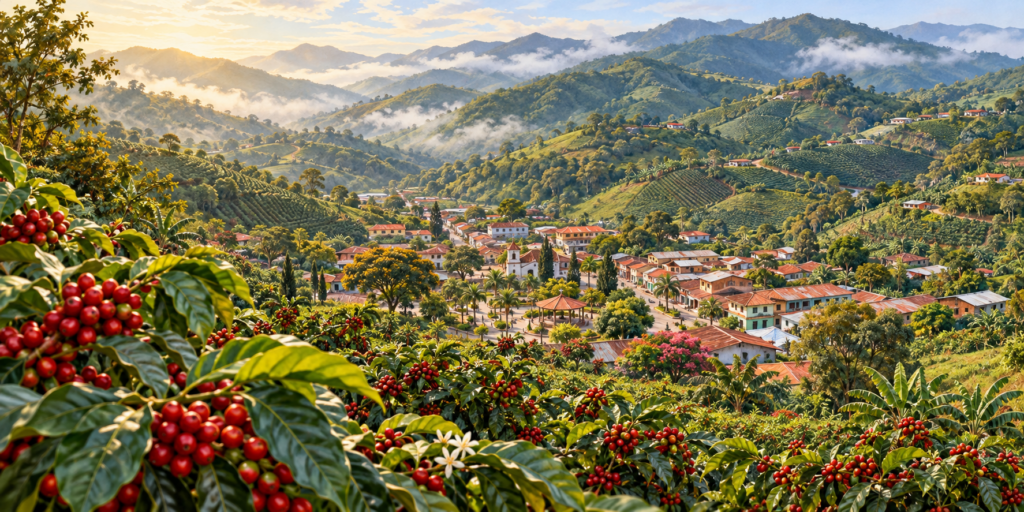
Coffee is woven into the hills, businesses and daily life of San Marcos de Tarrazú. Slow down and meet the people behind…
Explore town
San Pedro brings university life, small businesses and pockets of greenery together just east of central San José. Build a visit around…
Explore town
San Vicente is the center of Moravia canton, northeast of San José. Its town streets offer a quieter way to explore everyday…
Explore town
Santa Ana brings creative workshops, welcoming food stops and outdoor experiences together on the western side of the Central Valley. Begin with…
Explore townAt the Bellavista site, museum collections introduce different parts of Costa Rica’s history. Choose a theme your family is curious about and check current visitor arrangements. Look closely, ask questions and respect display barriers.
The museum offers a setting for exploring archaeology and the meanings of objects from the past. Ask what a material or image might tell us about its makers. Confirm current exhibitions and visit arrangements before setting out.
The Central Bank Museums offer a way to examine pre-Columbian gold objects and their cultural context. Choose a few pieces to discuss instead of rushing through everything. Follow the museum’s current access and photography rules.
The National Theatre is a cultural and architectural landmark in the capital. Check whether a guided visit or performance fits your family’s interests. Looking at the building from the plaza and entering for a program are different experiences.
Discover interactive learning in a former prison transformed into a museum. Check exhibits and entry arrangements.
Explore Costa Rican art in the former airport terminal beside La Sabana Metropolitan Park.
Notice local foods, everyday trade and conversations in a busy traditional market. Ask before photographing vendors.
Explore public green space in the capital and look for places to walk, observe and play.
Discover highland forest around the Dota region. Follow authorized trails; wildlife sightings are never guaranteed.
Explore mountain scenery and birdwatching opportunities with local guides. Dress for cool, changeable conditions.
Discover a community associated with agriculture and clay craft traditions.
Explore local community life and the wider cultural landscape west of San José.
A highland community in Los Santos that adds rural traditions and mountain scenery to a provincial journey.
Explore Nature Field Guide cards from this province and the surrounding travel regions named below. Habitats and species vary by locality.
Nature Field Guide
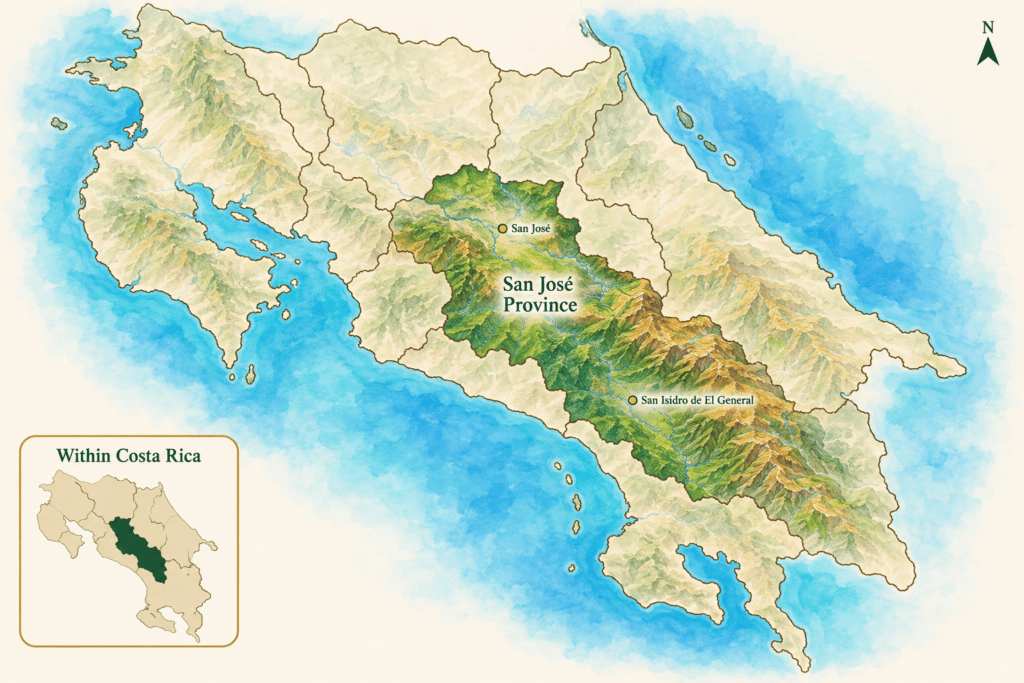
Discover the quetzals, hummingbirds, orchids and forest wildlife of San José Province. Explore the species that connect Central Valley gardens, coffee-growing hills and the cool cloud forests of the Dota highlands.
100 profiles
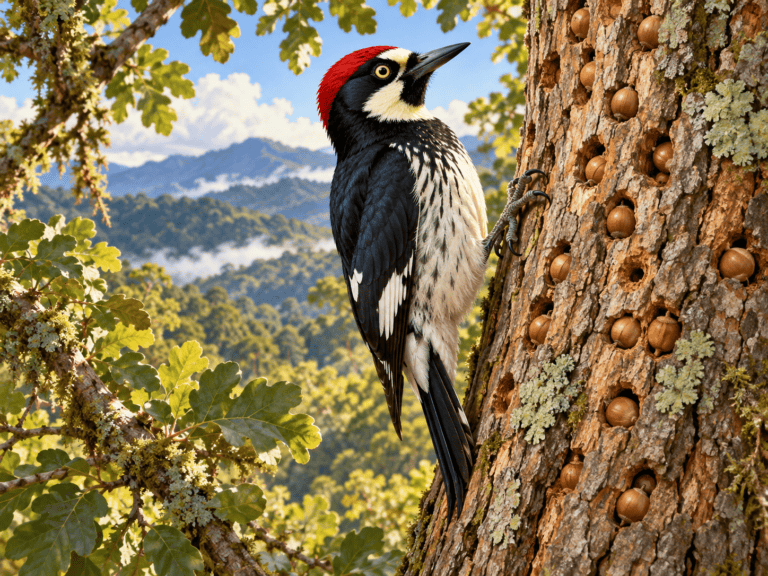
A striking woodpecker linked to oak woodland and acorn food stores.
Take a closer look ↗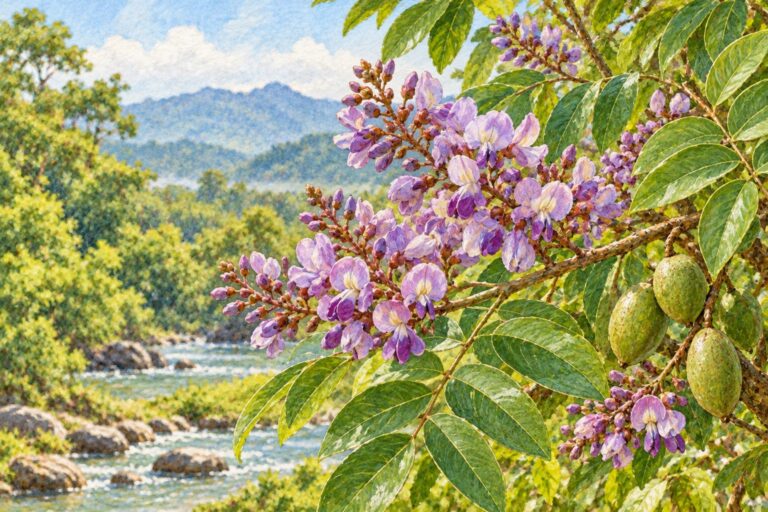
Purple flower clusters stand out against a dense green crown.
Take a closer look ↗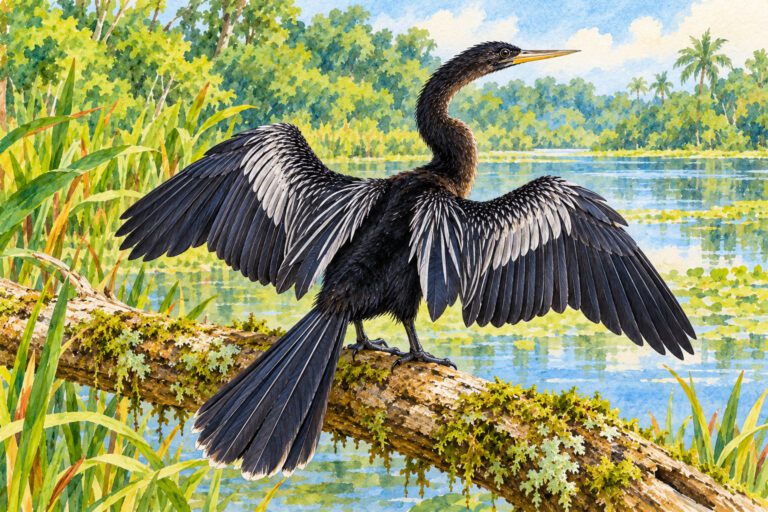
Anhingas swim underwater after fish and use straight pointed bills to seize prey.
Take a closer look ↗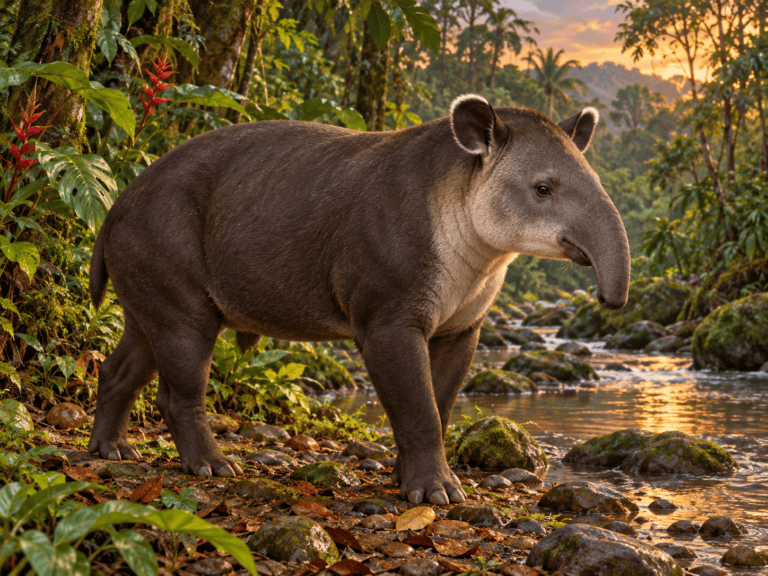
Costa Rica’s largest land mammal has a flexible snout and an important forest role.
Take a closer look ↗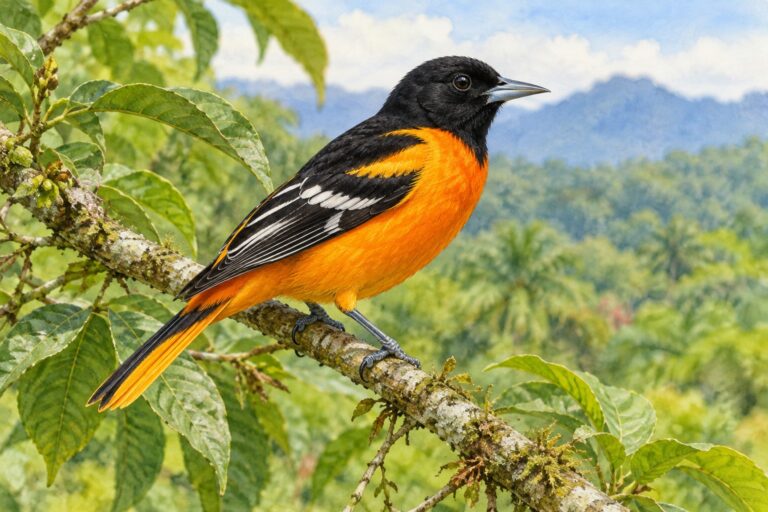
An orange-and-black seasonal visitor from the north.
Take a closer look ↗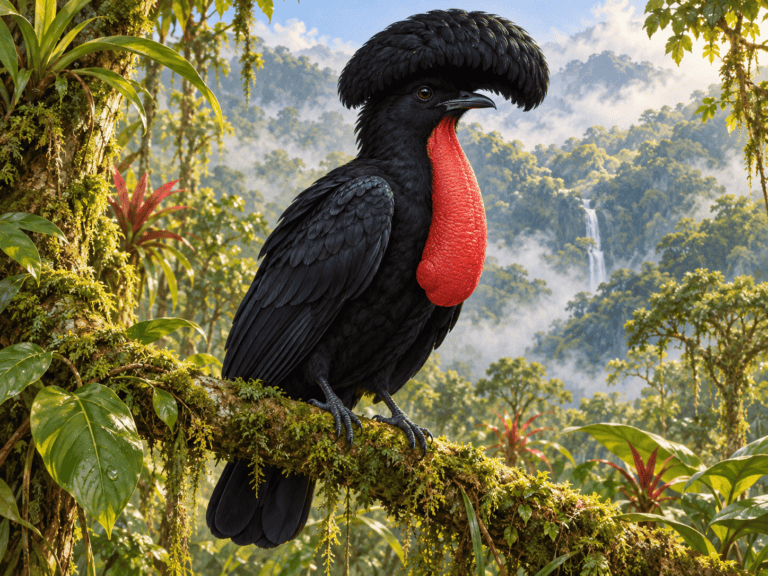
An elusive forest bird with a striking crest and important seed-dispersal role.
Take a closer look ↗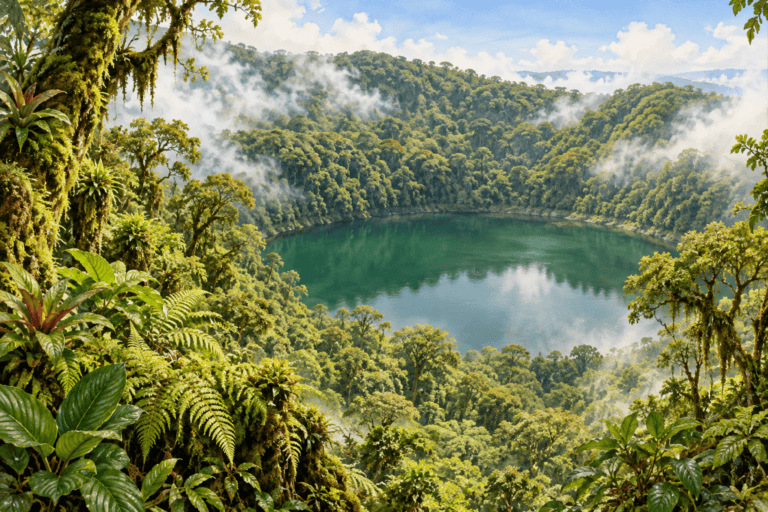
A forested volcanic summit hides a peaceful crater lake in the clouds.
Take a closer look ↗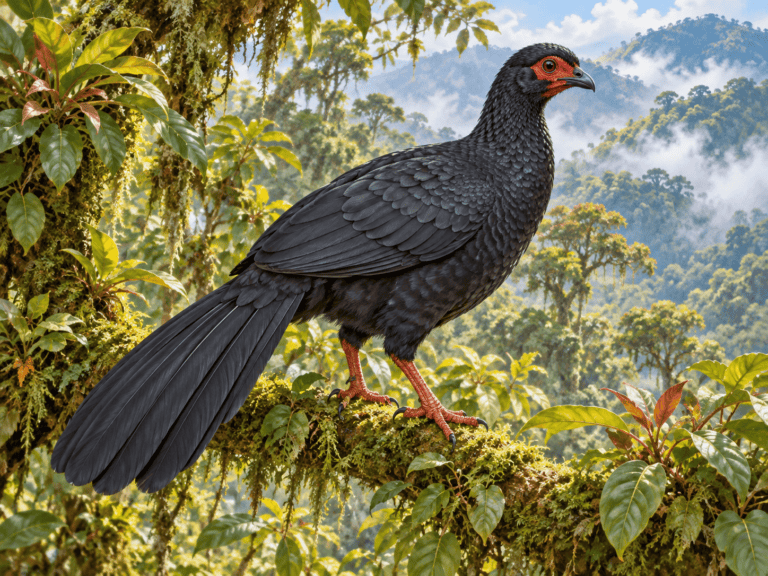
A dark mountain-forest bird with a blue face and red eyes.
Take a closer look ↗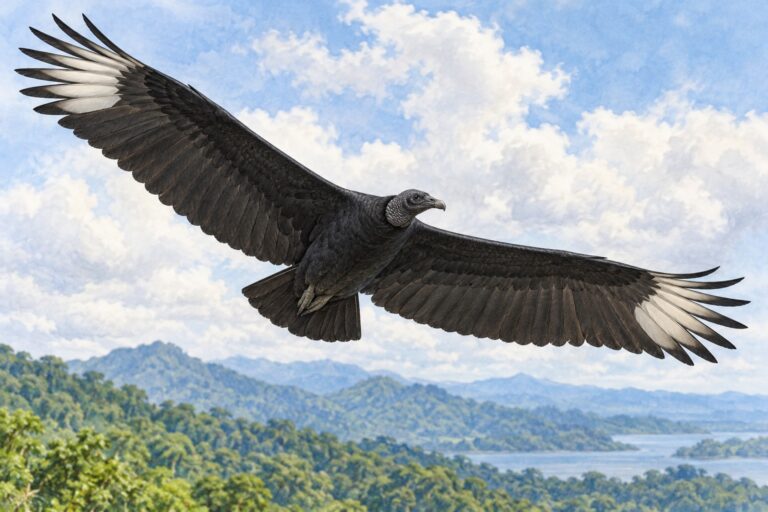
A dark scavenger with white patches under the wingtips.
Take a closer look ↗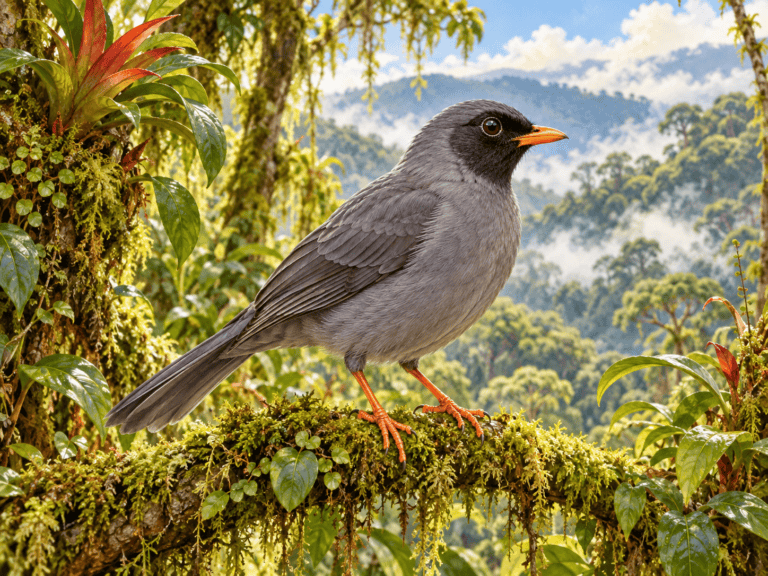
A cloud-forest singer often heard before it is seen.
Take a closer look ↗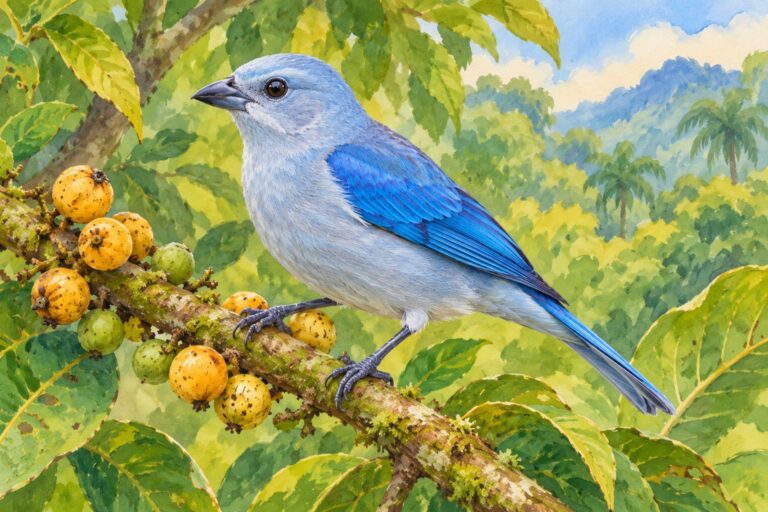
A powder-blue bird of gardens and wooded clearings.
Take a closer look ↗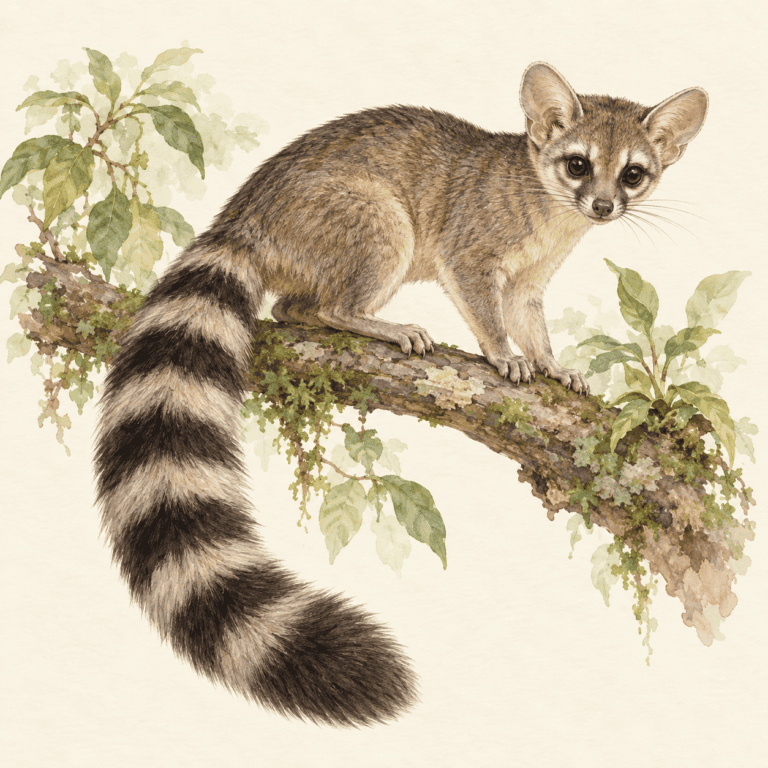
A cacomistle's long ringed tail is a memorable clue.
Take a closer look ↗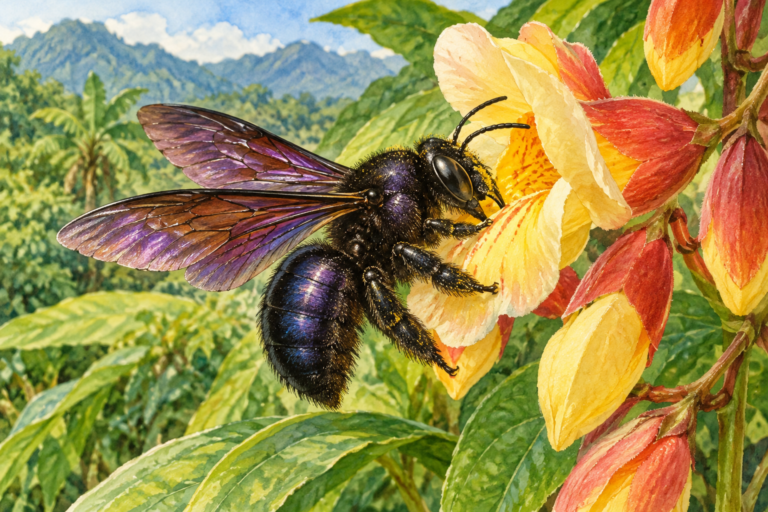
Robust body.
Take a closer look ↗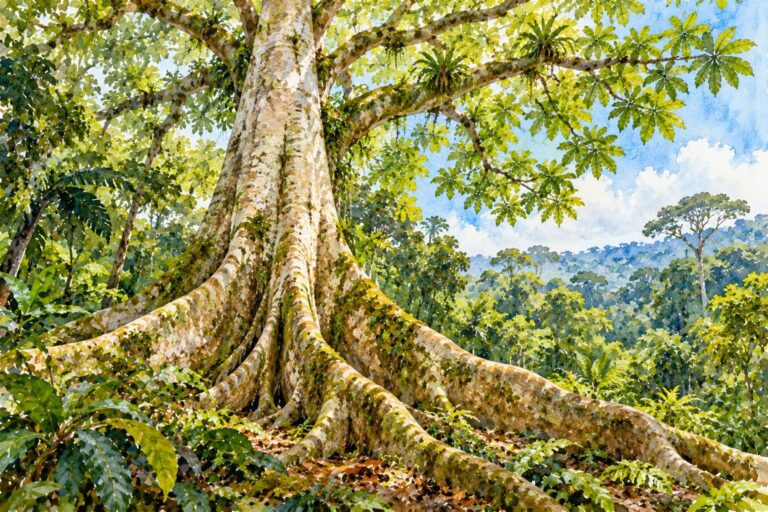
Huge buttress roots help make a mature ceiba unforgettable.
Take a closer look ↗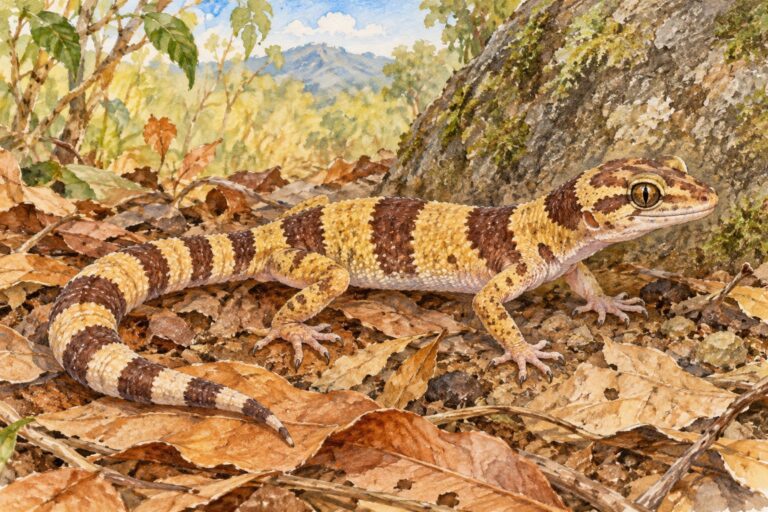
A ground-dwelling gecko carries dark bands across a warm yellow-tan body.
Take a closer look ↗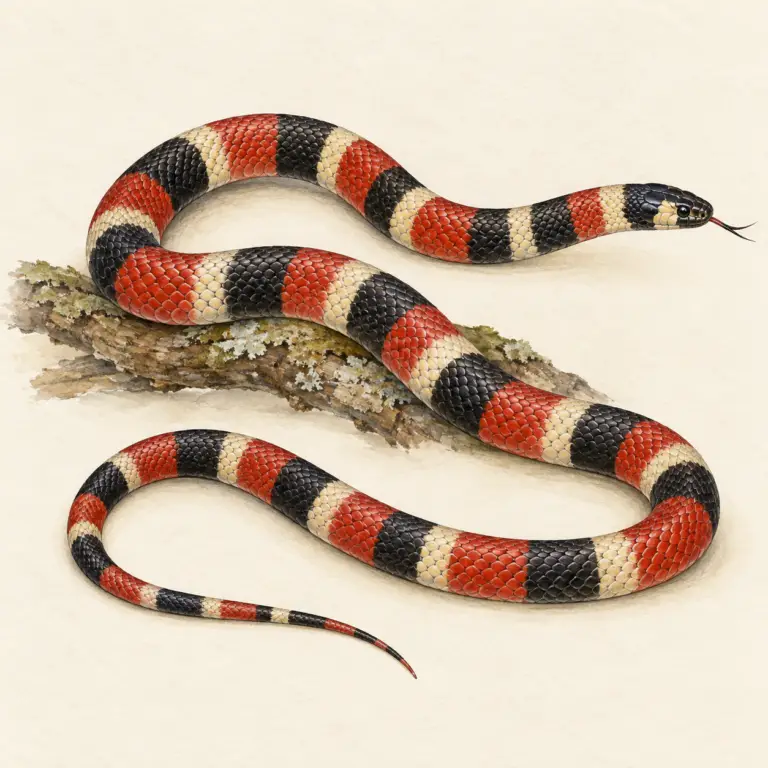
A venomous coral snake with complete colored rings.
Take a closer look ↗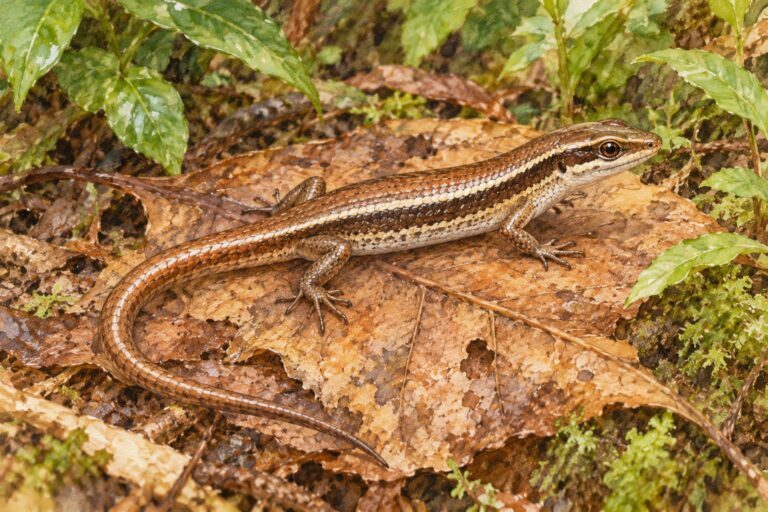
Smooth scales and short legs help this little skink move through leaf litter.
Take a closer look ↗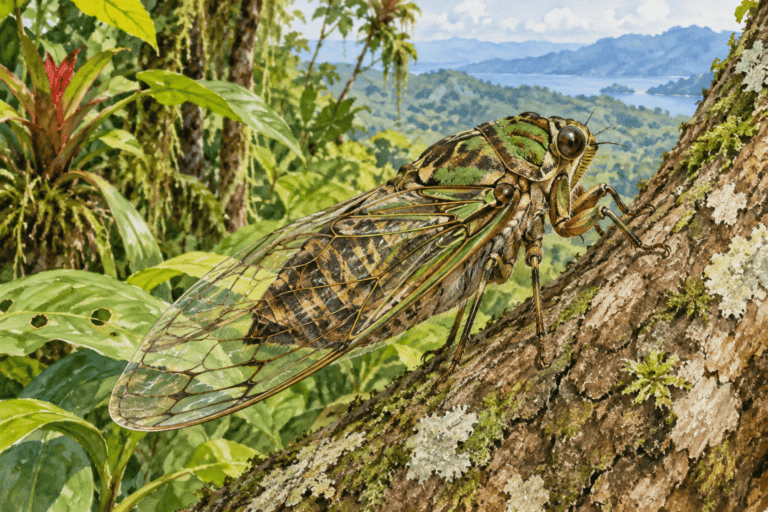
Large transparent wings.
Take a closer look ↗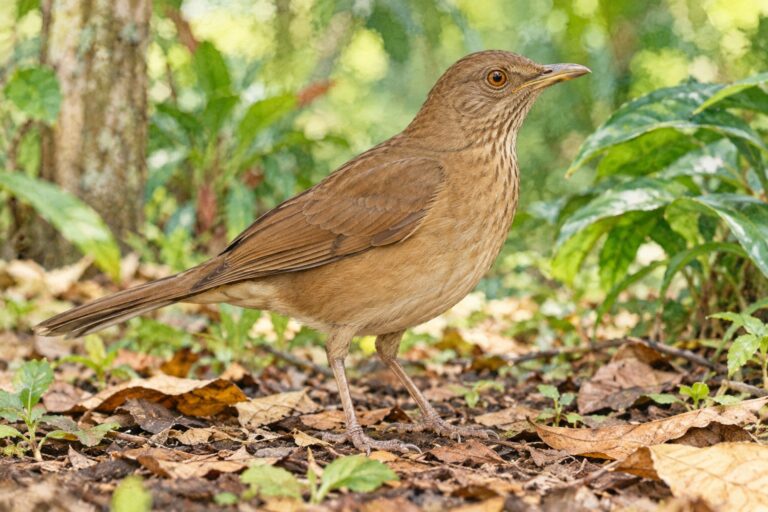
A familiar brown songbird and Costa Rica’s national bird.
Take a closer look ↗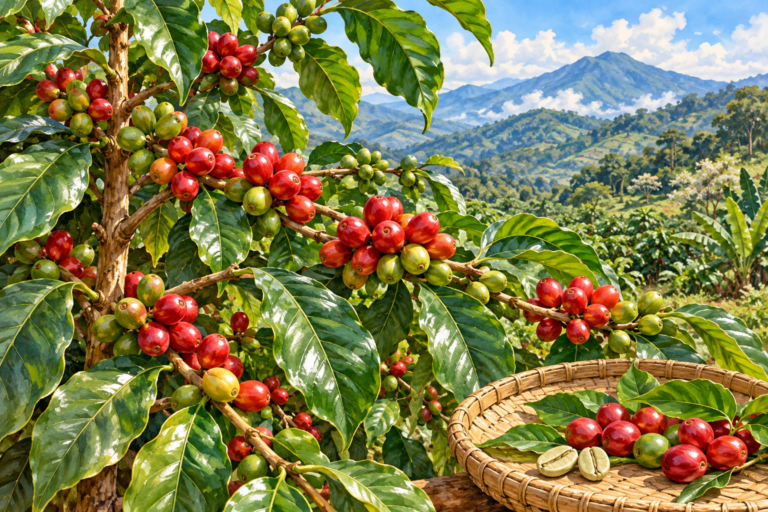
Coffee is a shrub or small tree with shiny leaves and small fruits called cherries.
Take a closer look ↗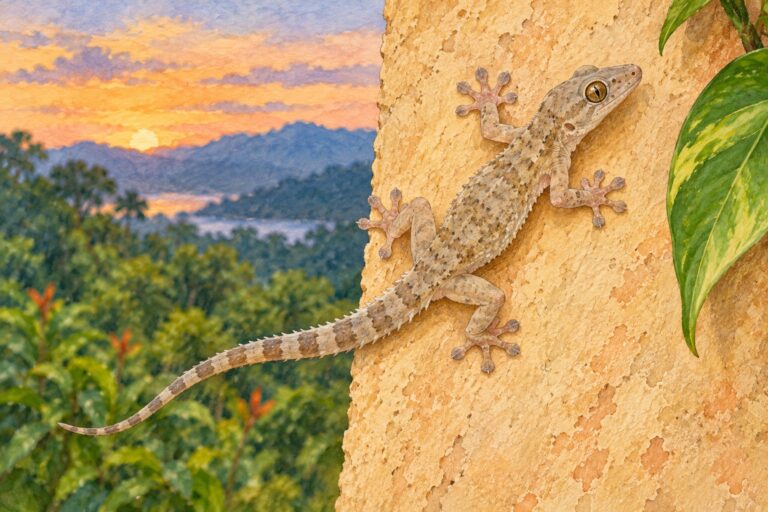
An introduced wall-climbing gecko often appears near buildings after dark.
Take a closer look ↗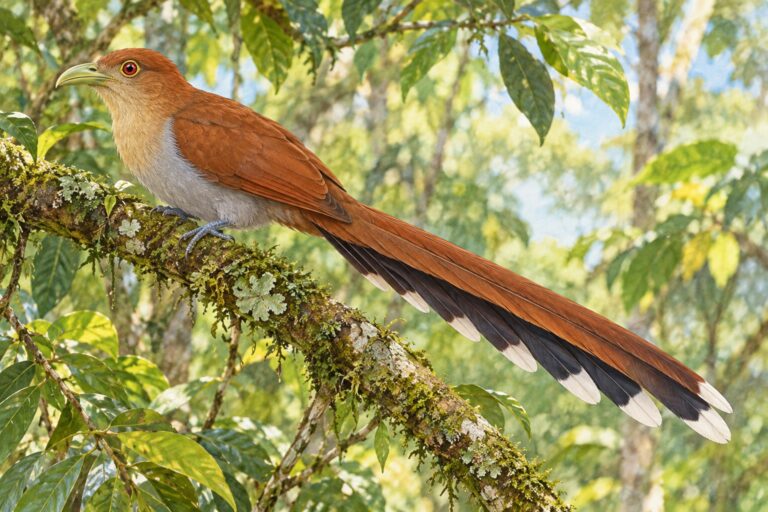
A rusty forest cuckoo with an exceptionally long tail.
Take a closer look ↗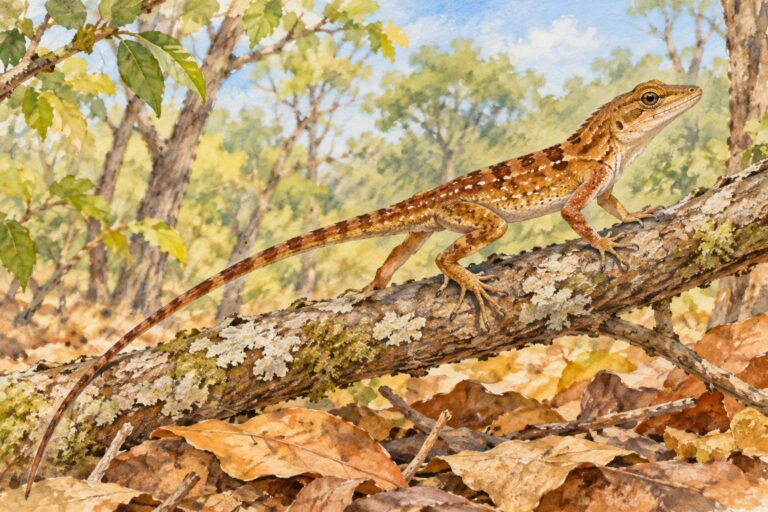
A familiar brown anole watches from low perches in Pacific-slope landscapes.
Take a closer look ↗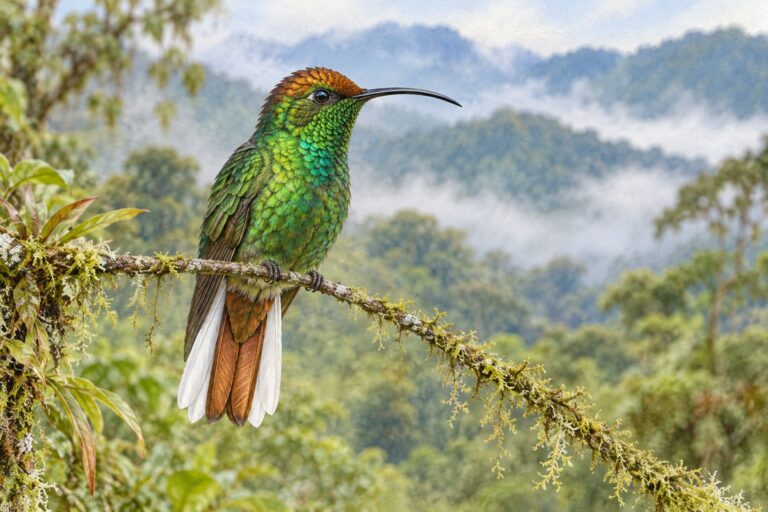
A tiny hummingbird found naturally only in Costa Rica.
Take a closer look ↗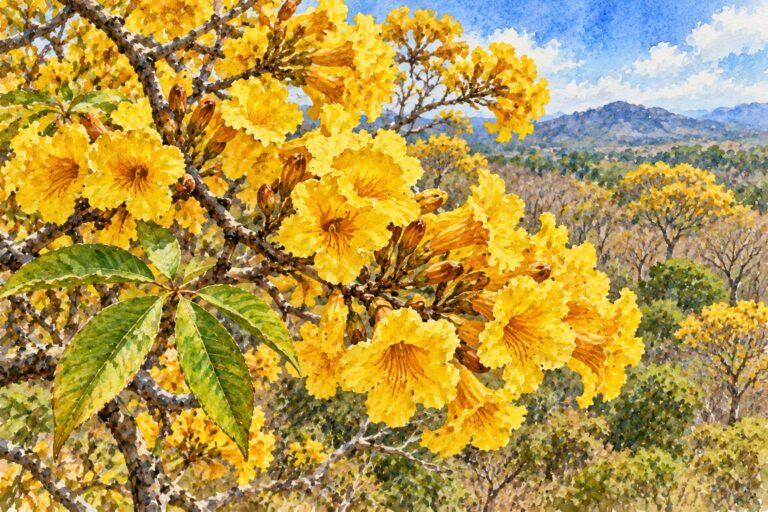
Golden trumpet flowers can brighten the branches of an almost leafless tree.
Take a closer look ↗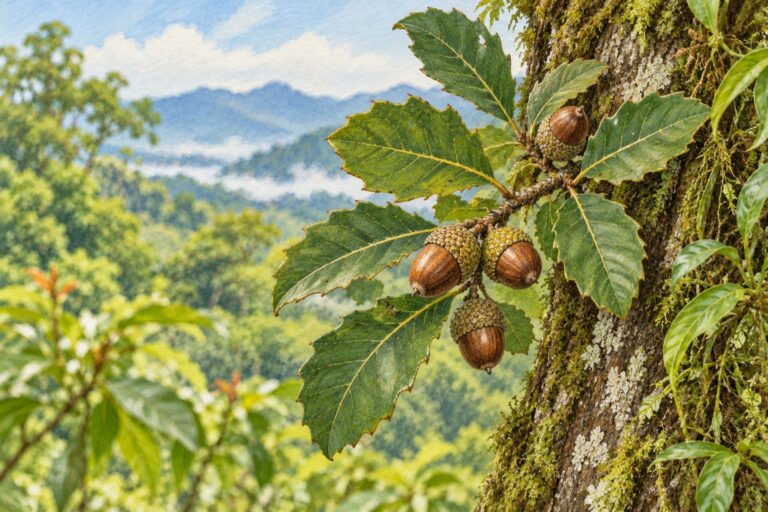
Acorns and leathery leaves belong to this mountain-forest oak.
Take a closer look ↗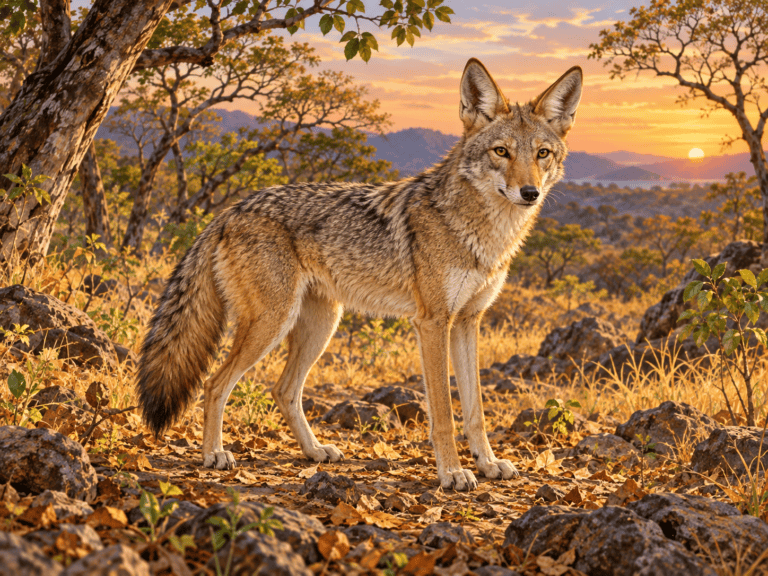
An adaptable wild canid that uses woodland edges and open country.
Take a closer look ↗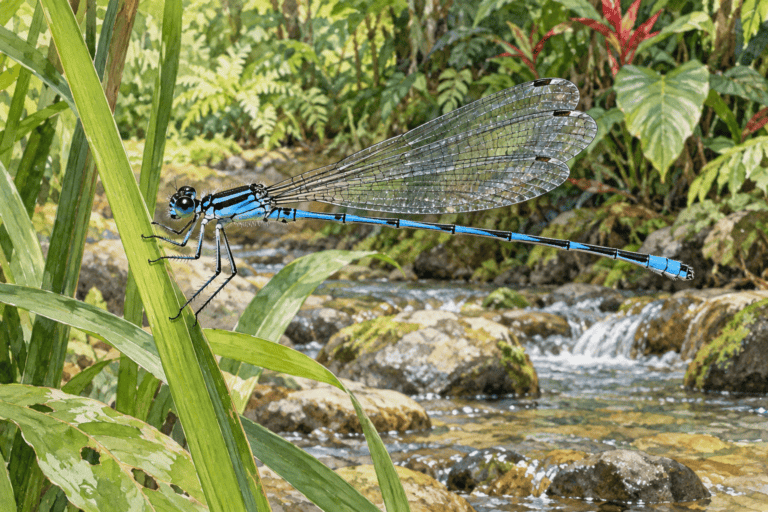
Slender body.
Take a closer look ↗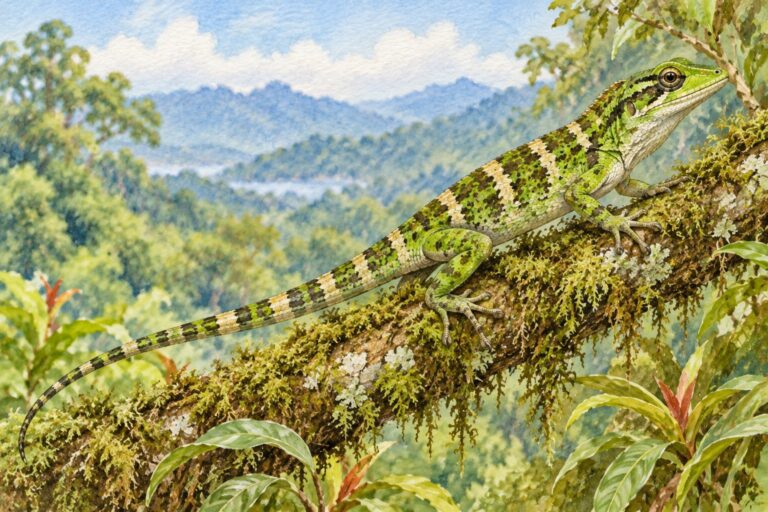
A large forest anole blends green and pale markings into a leafy canopy.
Take a closer look ↗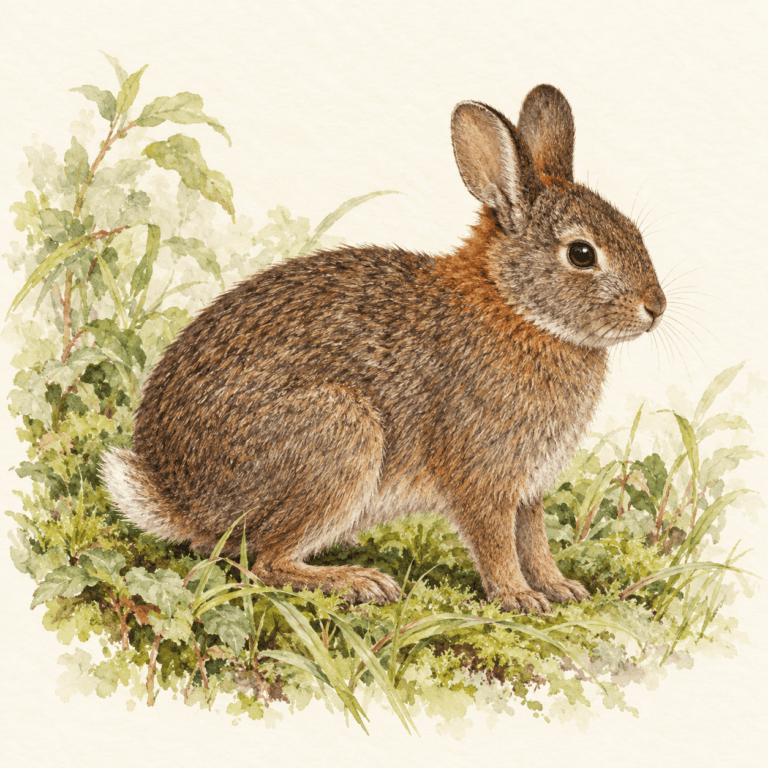
Dice's cottontail is a mountain rabbit found in Costa Rica and western Panama.
Take a closer look ↗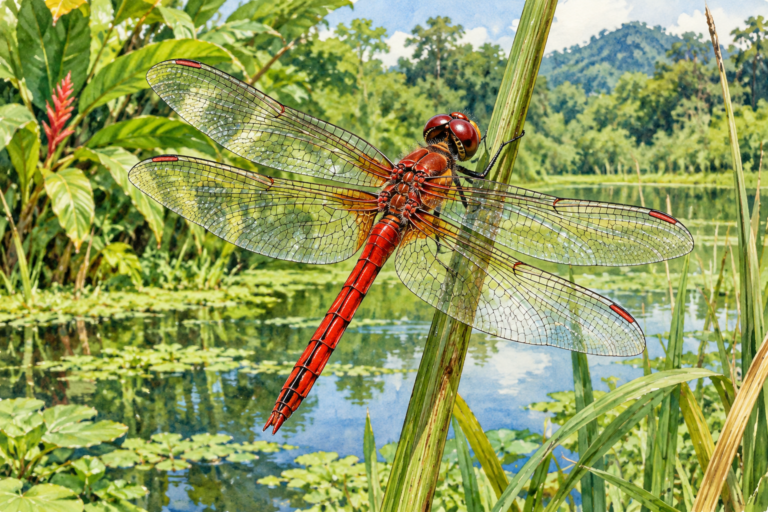
Large eyes.
Take a closer look ↗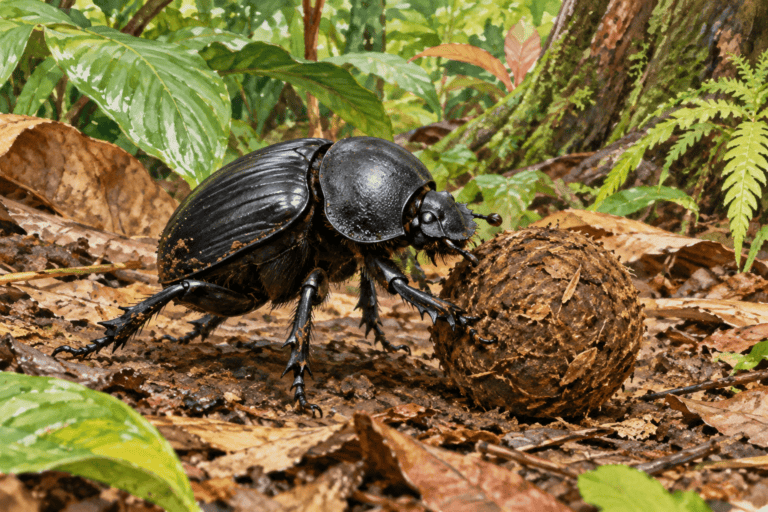
Compact beetle body.
Take a closer look ↗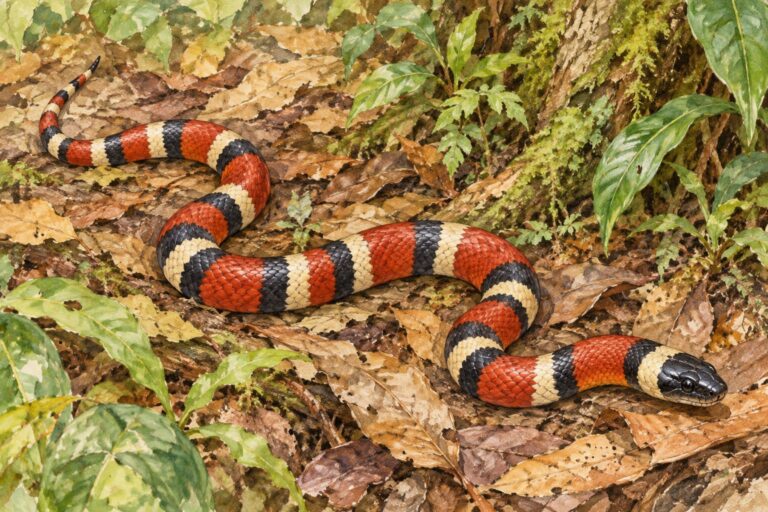
A banded young milksnake offers a lesson about changing colors and misleading names.
Take a closer look ↗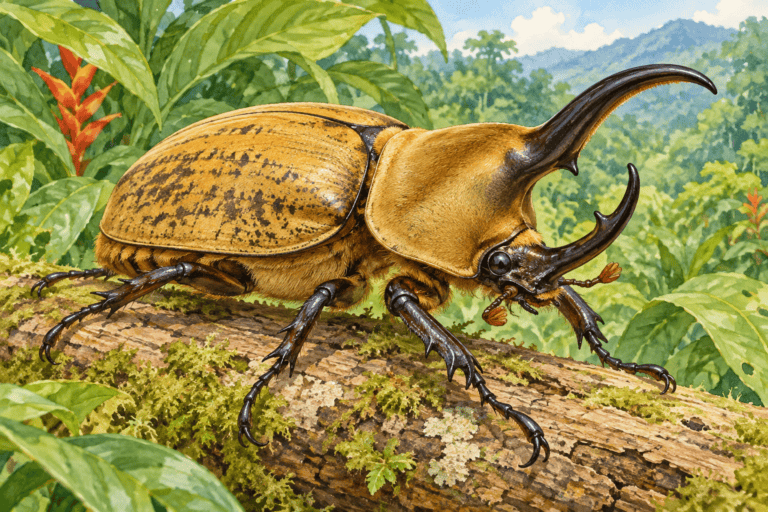
Large rounded beetle.
Take a closer look ↗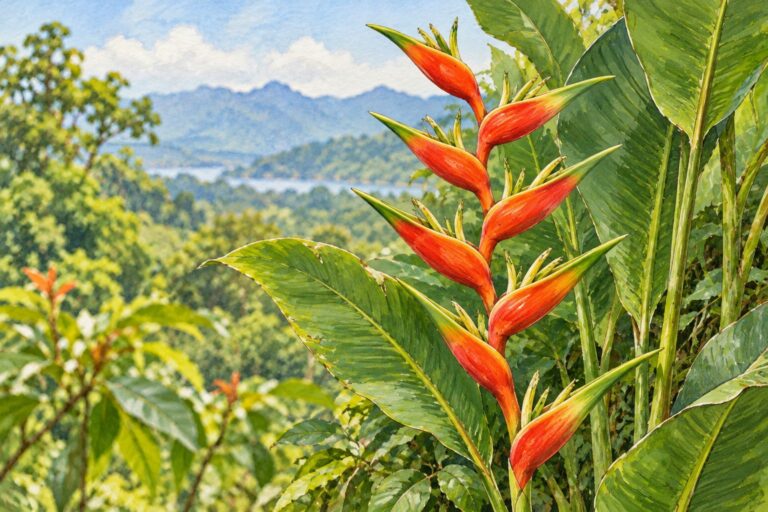
An upright open arrangement of colorful bracts rises among broad green leaves.
Take a closer look ↗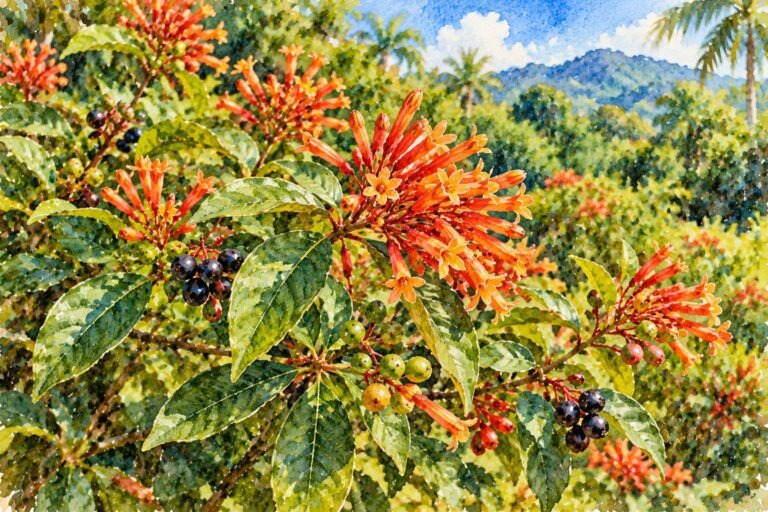
Firebush is a shrub with clusters of narrow orange to red tubular flowers.
Take a closer look ↗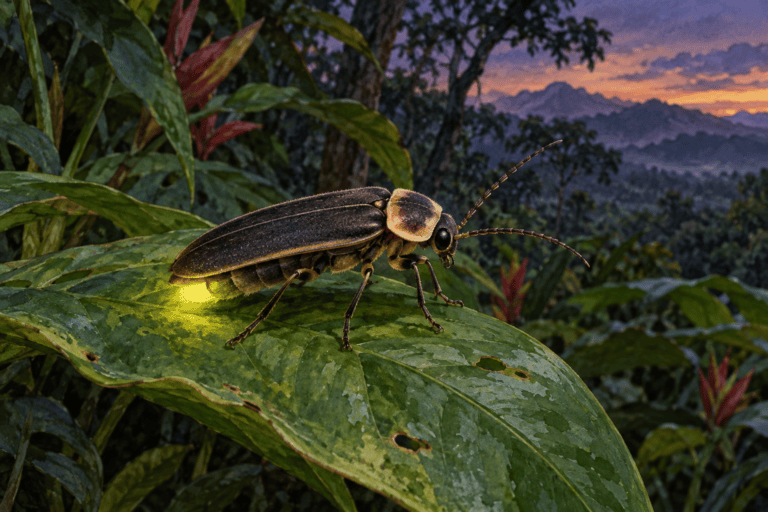
Soft beetle wing covers.
Take a closer look ↗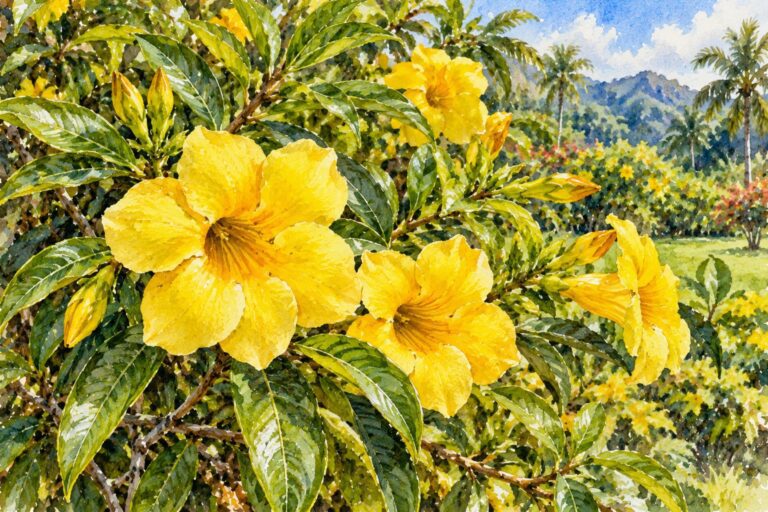
Golden trumpet is a South American ornamental cultivated and naturalized in Costa Rica.
Take a closer look ↗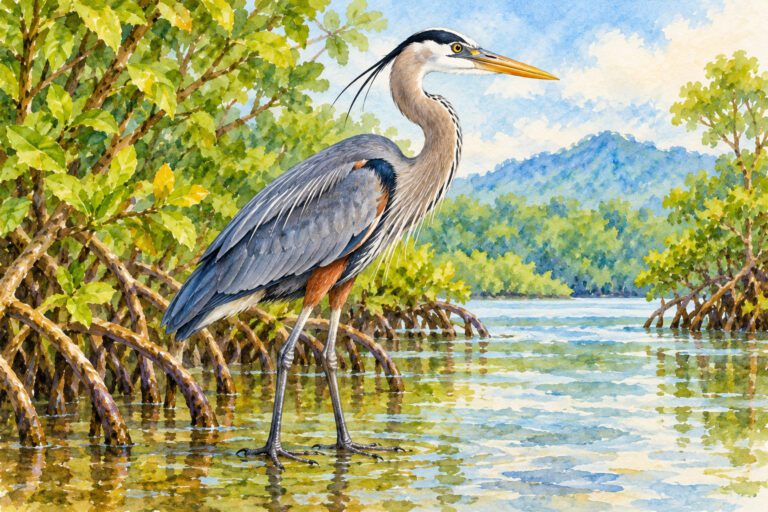
This large heron searches shallow water for fish and other small animals.
Take a closer look ↗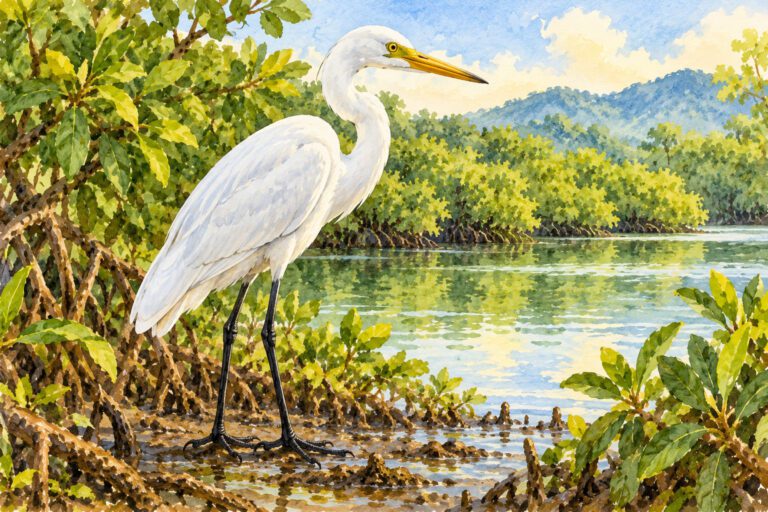
The Great Egret is a large white wading bird that hunts by waiting or walking slowly in shallow water.
Take a closer look ↗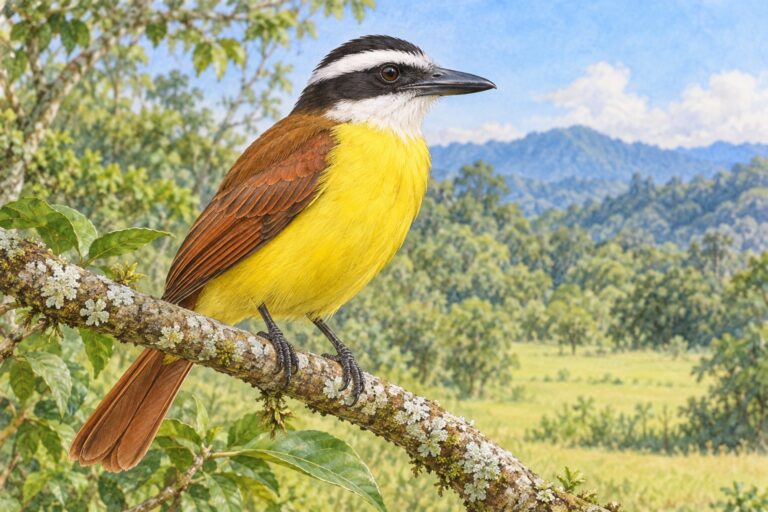
A loud flycatcher with a yellow belly and striped head.
Take a closer look ↗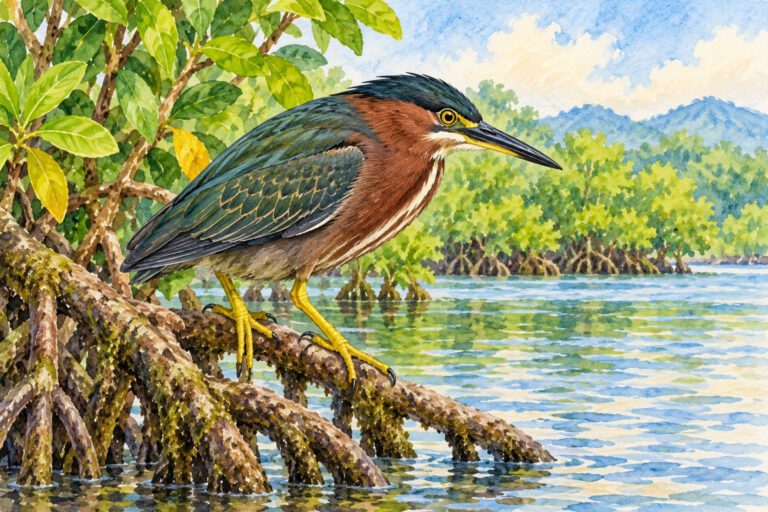
The Green Heron is a compact hunter with a dark greenish back, chestnut neck and a short crest.
Take a closer look ↗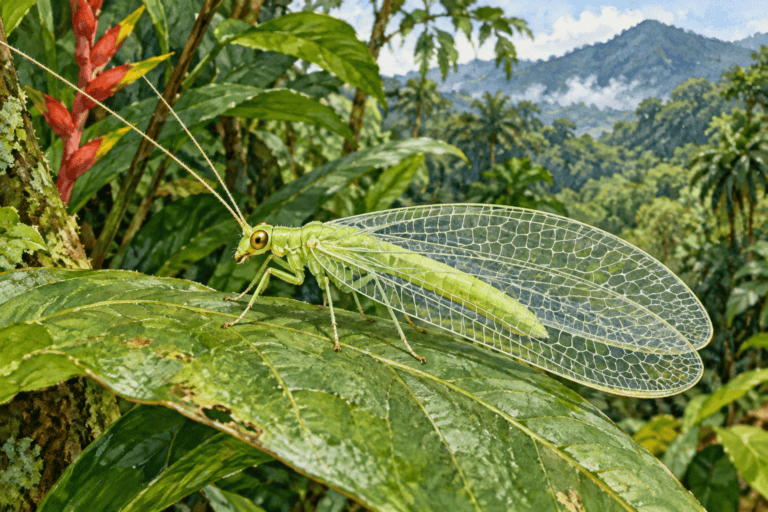
Delicate green body.
Take a closer look ↗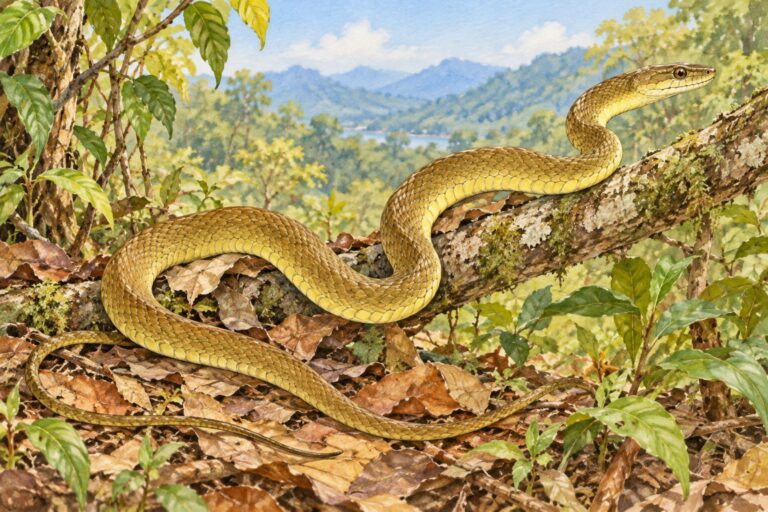
This long forest snake changes its appearance as it grows.
Take a closer look ↗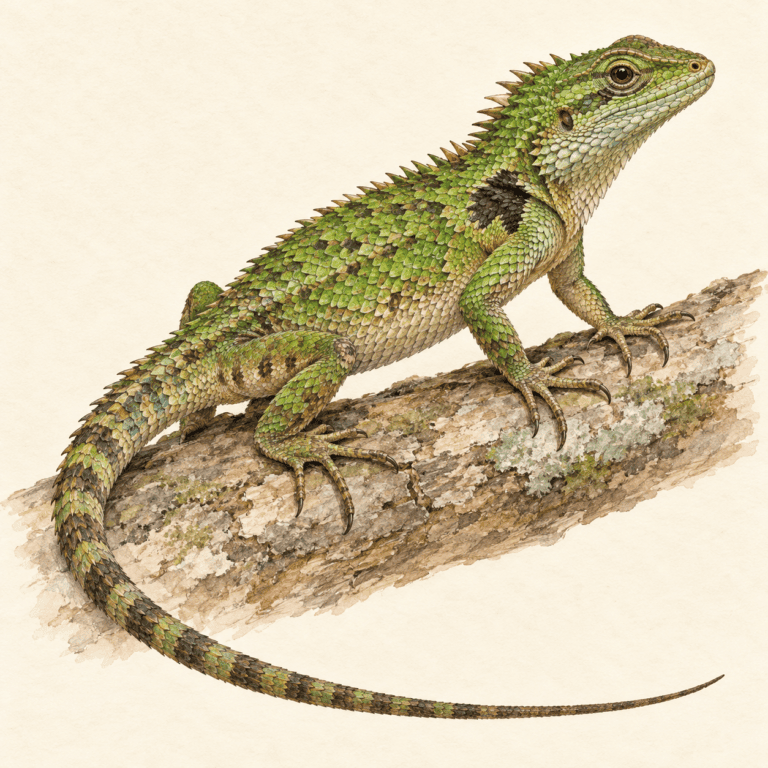
A rough-scaled lizard of cooler upland environments.
Take a closer look ↗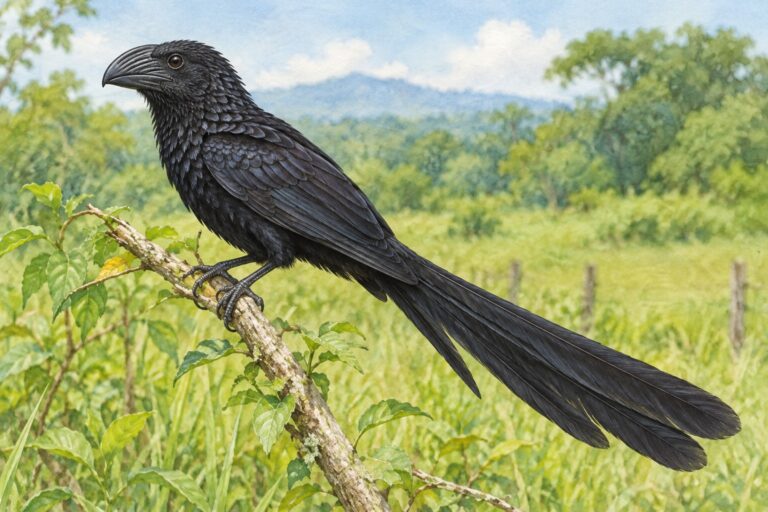
A social black bird with grooves on its heavy bill.
Take a closer look ↗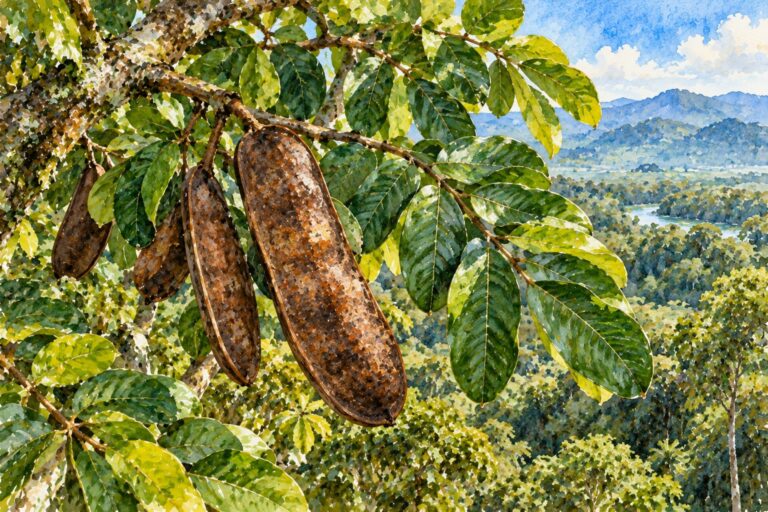
Paired leaflets and hard brown pods identify a forest tree with an important wildlife role.
Take a closer look ↗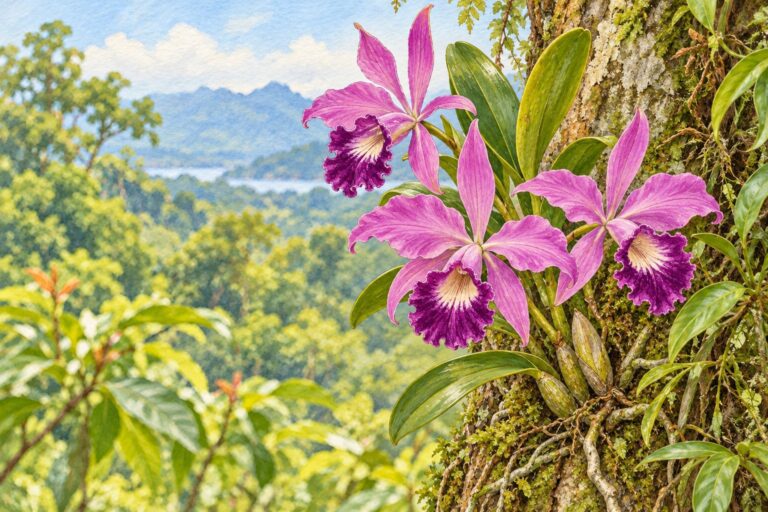
Costa Rica’s national flower carries pink-purple blossoms above fleshy leaves.
Take a closer look ↗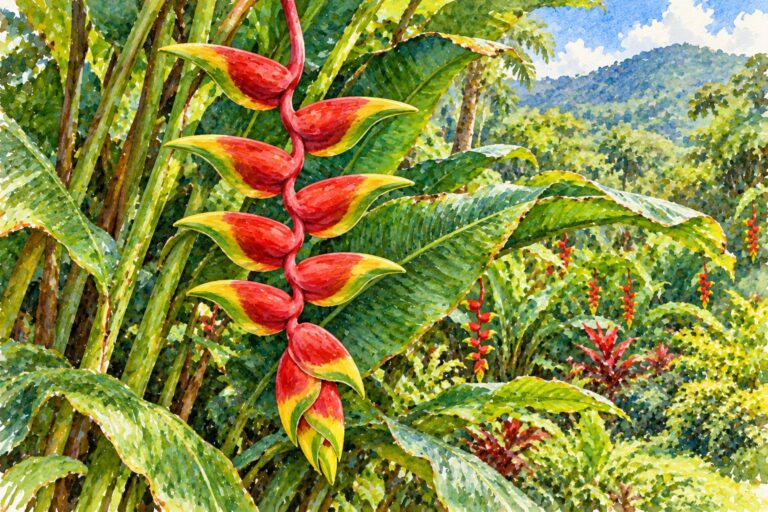
This cultivated heliconia has hanging clusters of colorful bracts.
Take a closer look ↗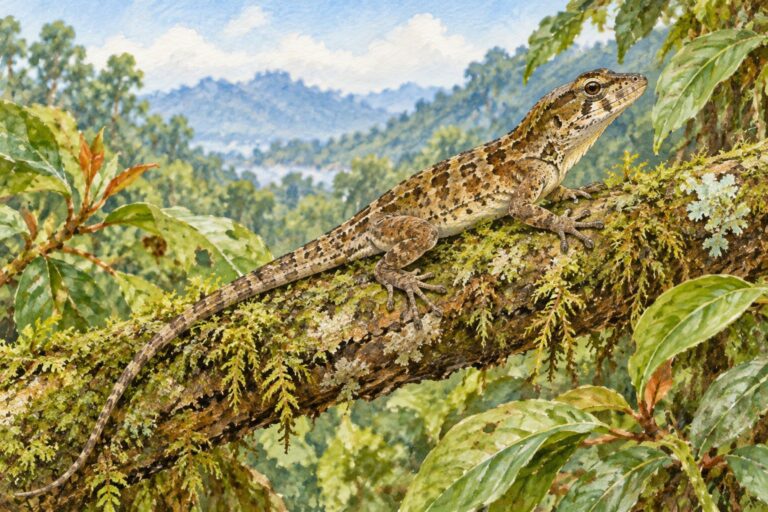
A compact brown anole lives among the cool, wet forests of Talamanca.
Take a closer look ↗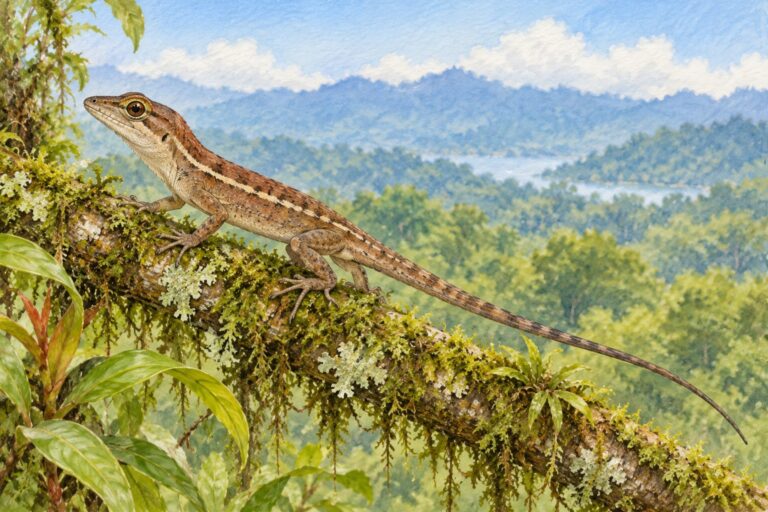
A delicate brown anole makes its home in Costa Rica’s cool mountain forests.
Take a closer look ↗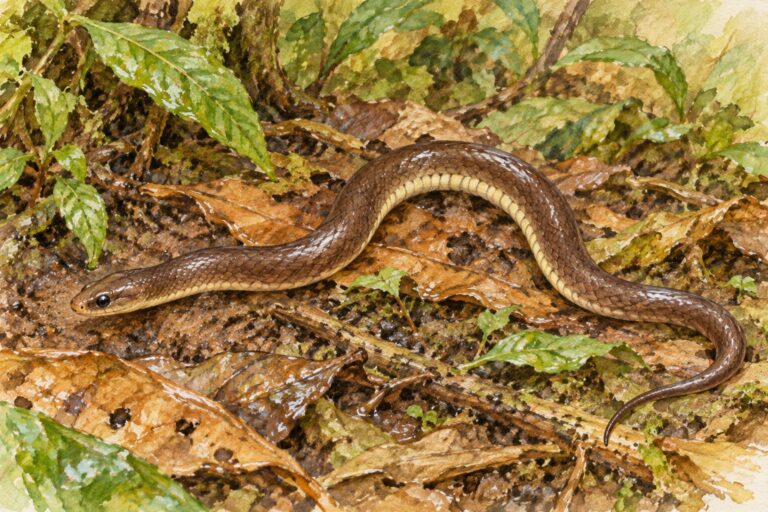
A small dark earth snake reminds us that much of forest life stays hidden.
Take a closer look ↗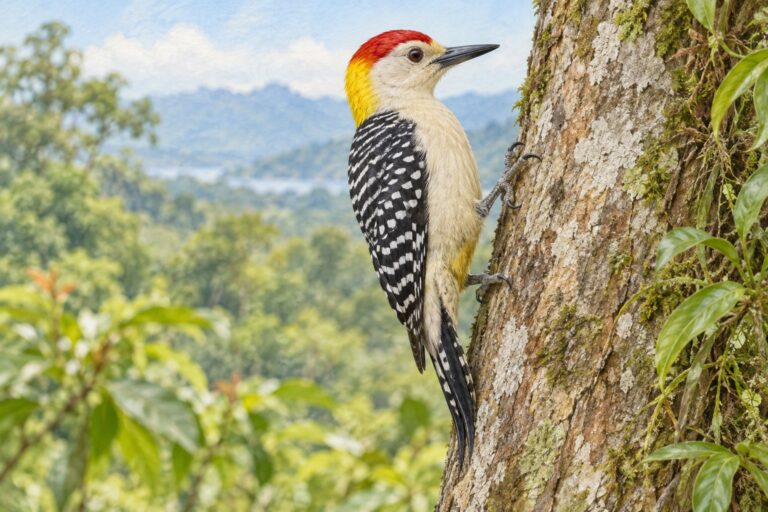
A black-and-white woodpecker with a yellow nape.
Take a closer look ↗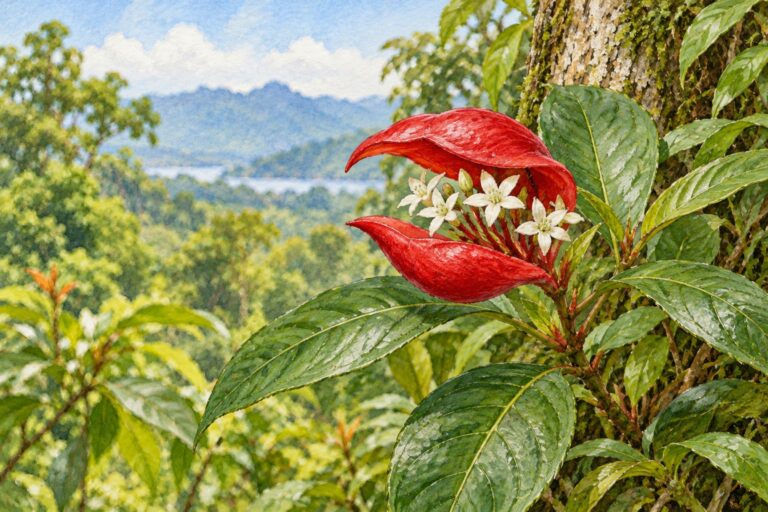
Two bright red bracts surround tiny pale flowers in the forest understory.
Take a closer look ↗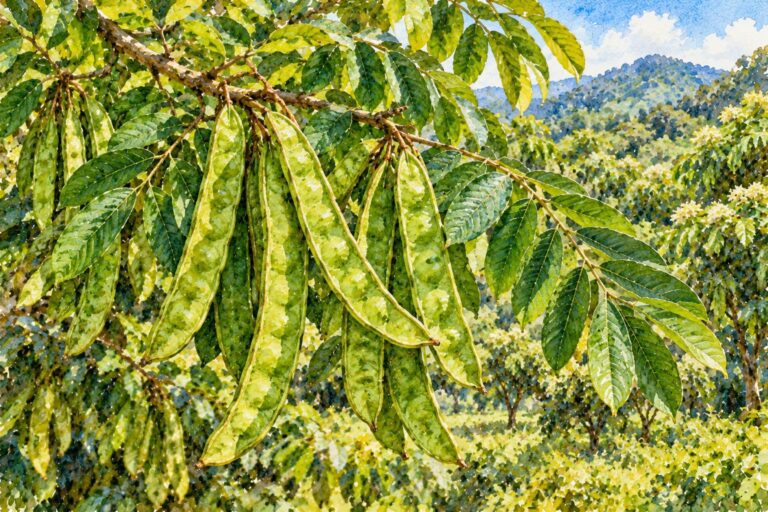
Guaba is planted for its long ribbed pods and as a shade tree.
Take a closer look ↗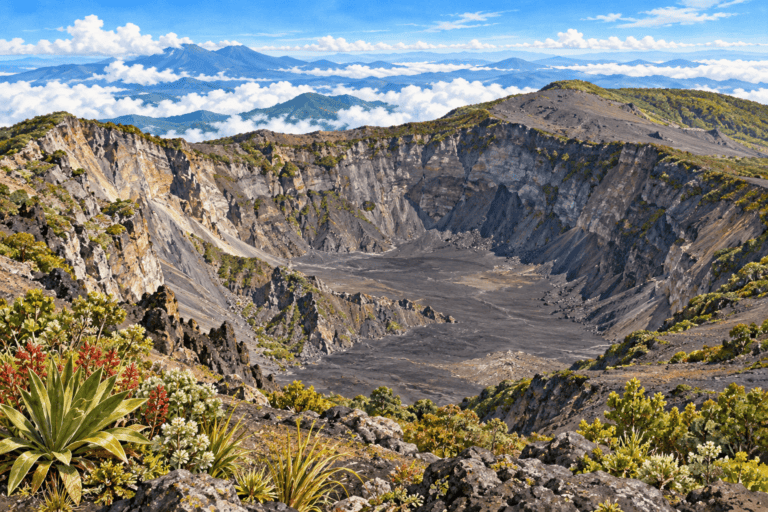
Costa Rica’s tallest volcano has a cool summit landscape with several craters.
Take a closer look ↗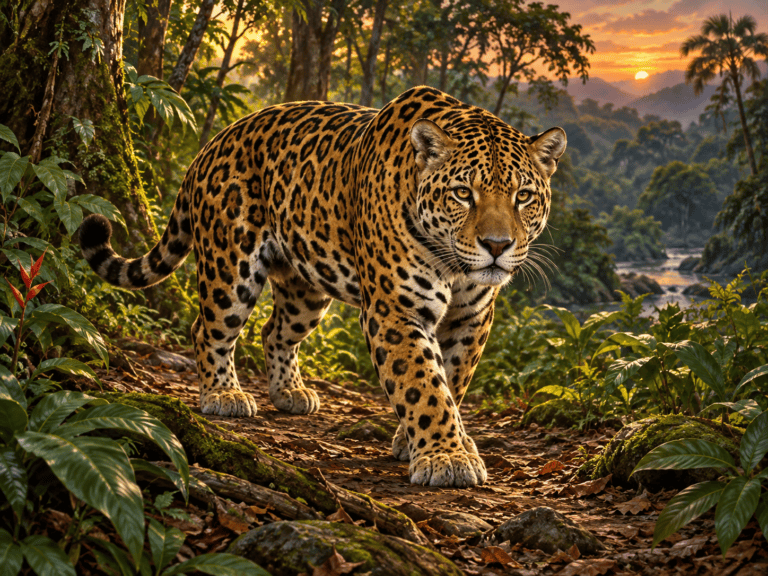
A powerful spotted cat that depends on habitat and healthy prey populations.
Take a closer look ↗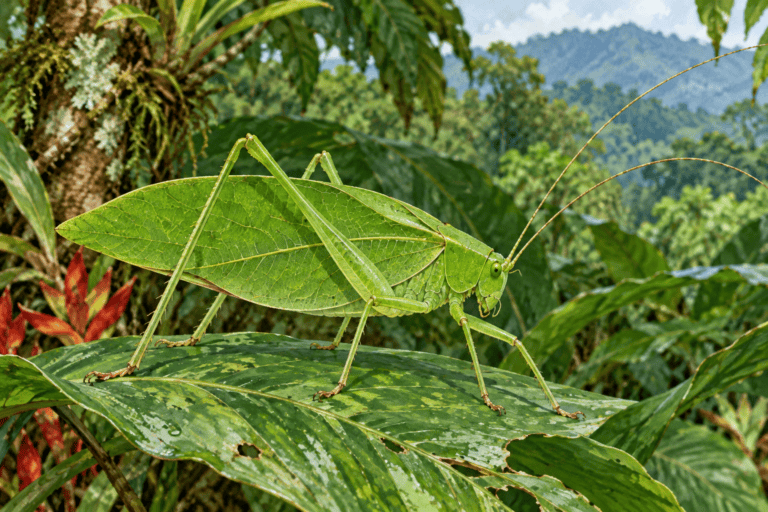
Very long antennae.
Take a closer look ↗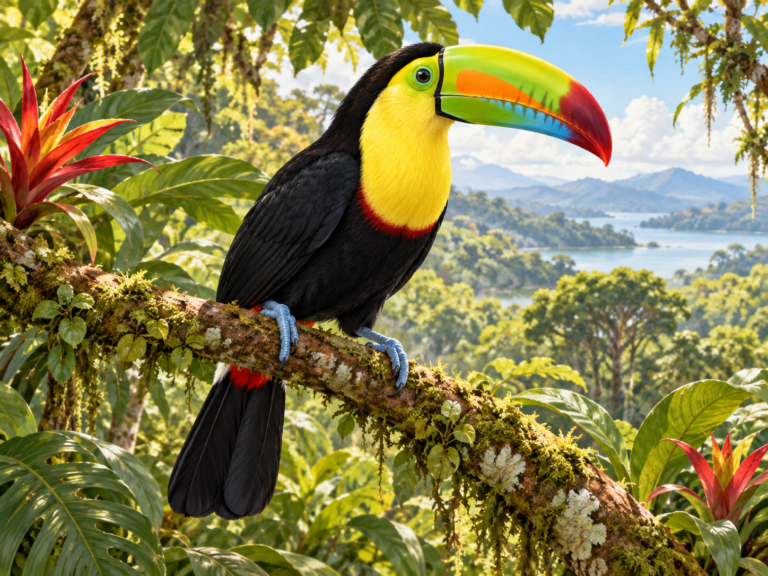
A rainbow-colored bill stands out against dark plumage and a yellow throat.
Take a closer look ↗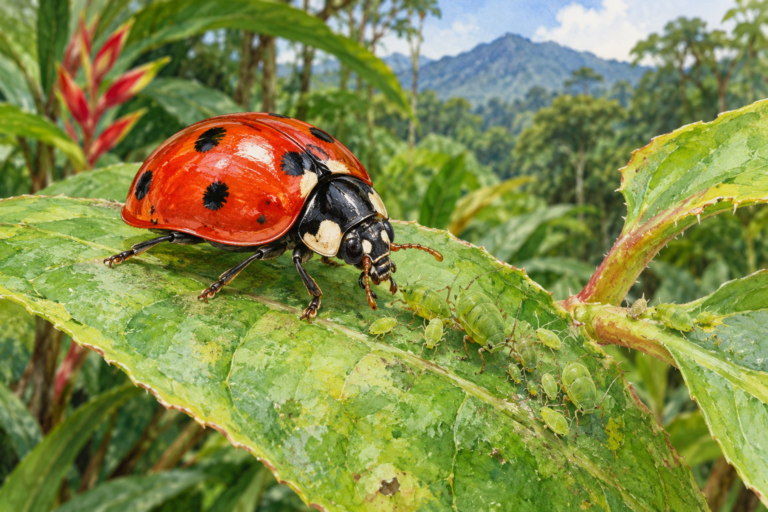
Rounded beetle body.
Take a closer look ↗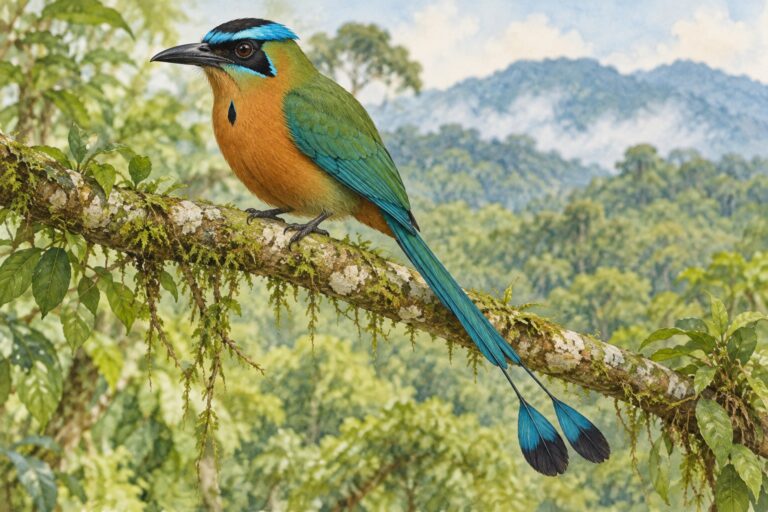
A colorful forest bird with a blue crown and long tail.
Take a closer look ↗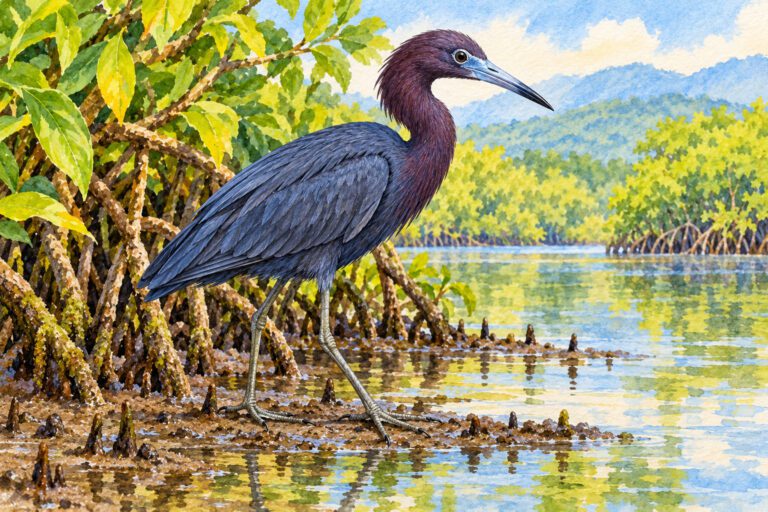
Adults have slate-blue bodies and purplish heads and necks.
Take a closer look ↗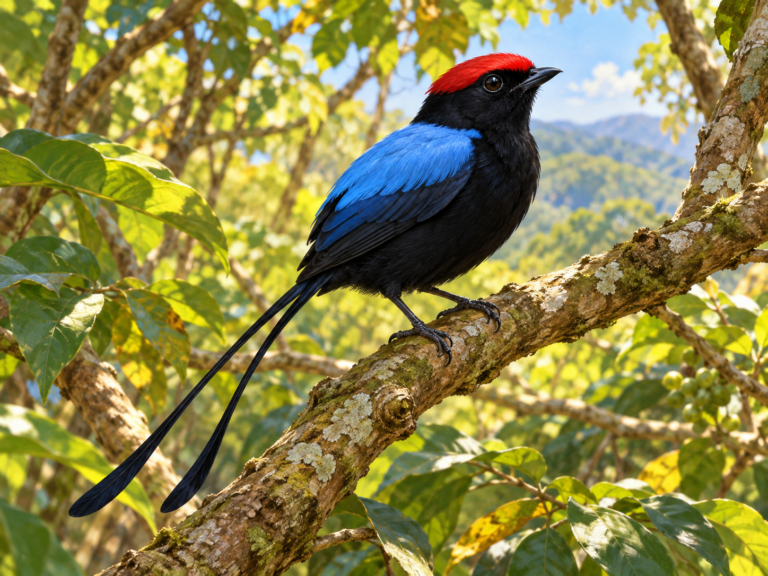
A small forest bird famous for coordinated courtship displays.
Take a closer look ↗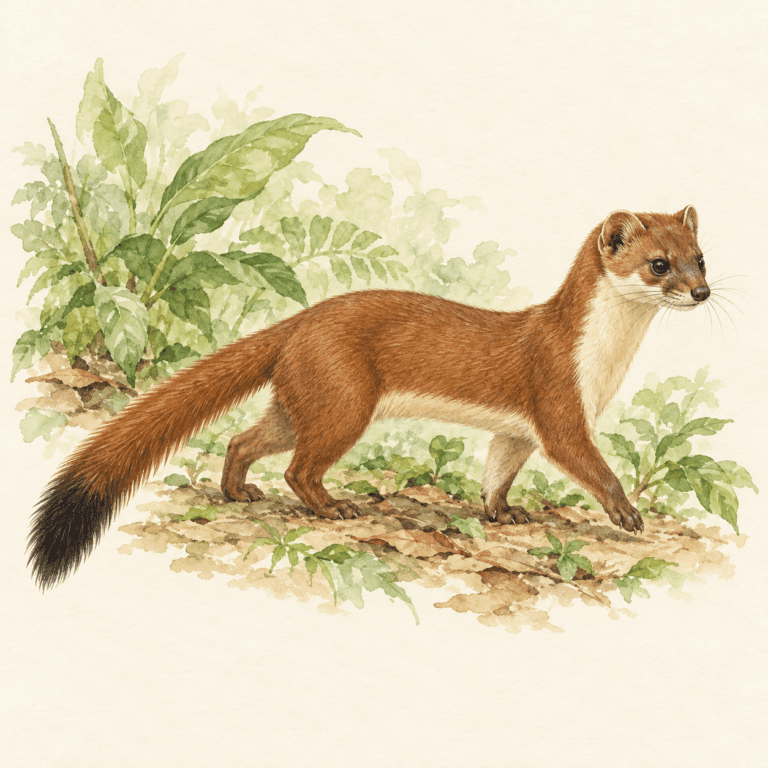
A long-tailed weasel has a narrow flexible body that helps it move through cover and investigate small spaces.
Take a closer look ↗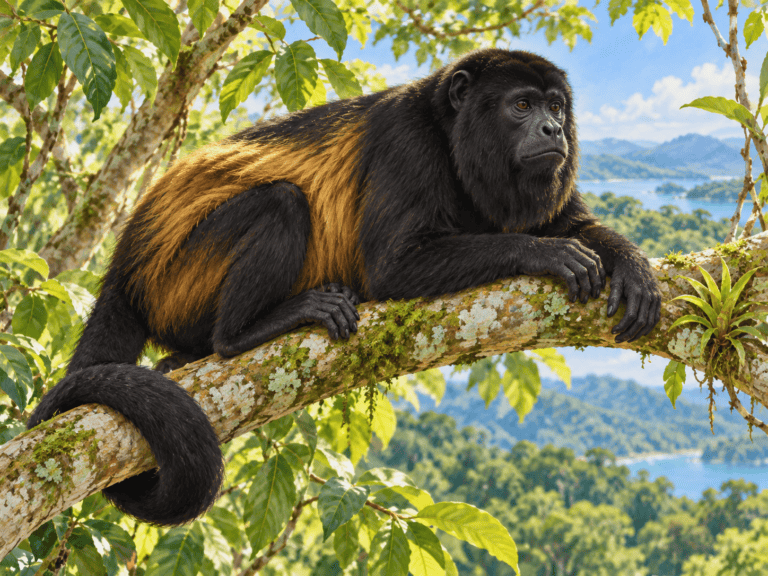
A mostly dark coat with a lighter mantle along the sides.
Take a closer look ↗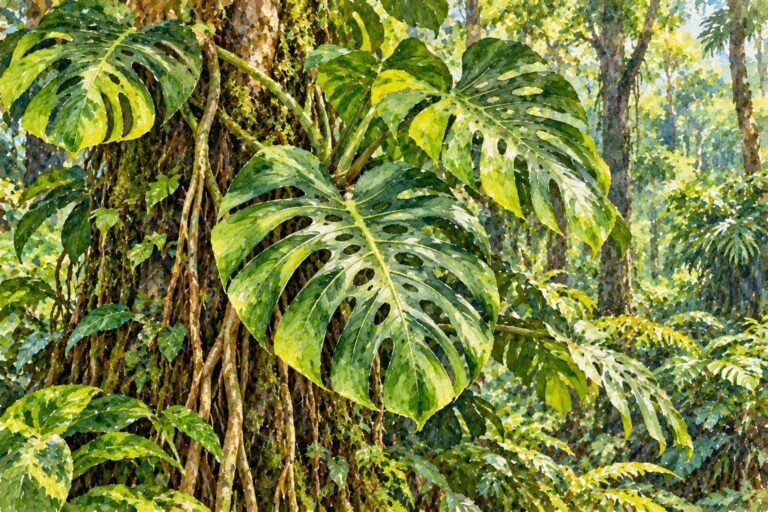
Large split leaves with natural holes make this cultivated climber easy to notice.
Take a closer look ↗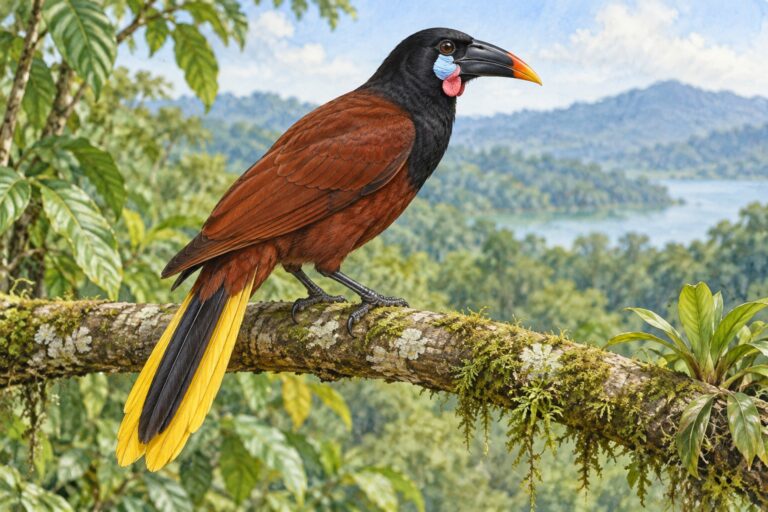
A large chestnut bird with a yellow-sided tail.
Take a closer look ↗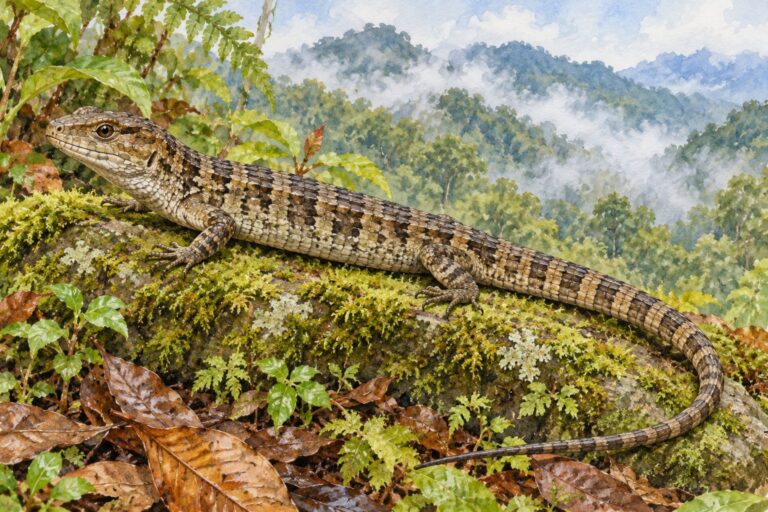
An armored-looking lizard belongs to Costa Rica’s cool mountain forests.
Take a closer look ↗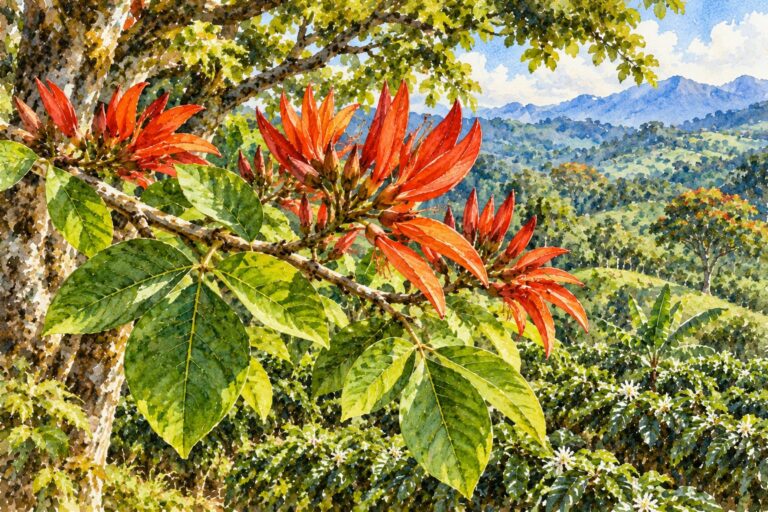
Poro gigante is a South American tree widely planted and naturalized in Costa Rica.
Take a closer look ↗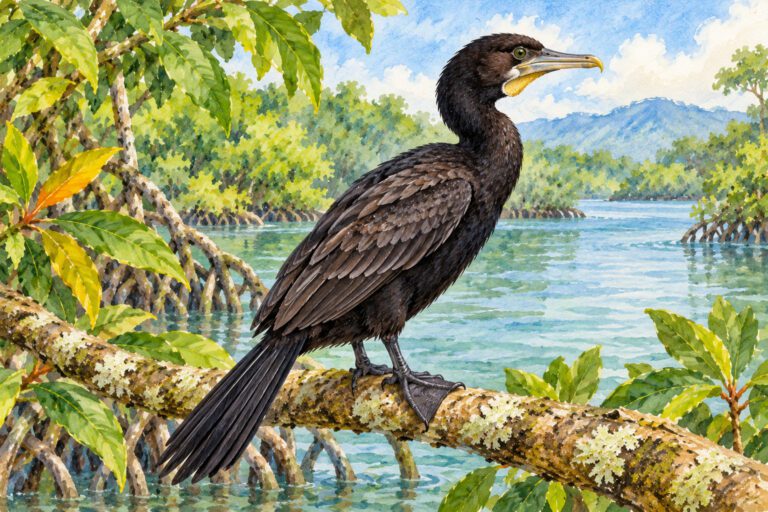
This dark waterbird catches fish by diving and swimming underwater.
Take a closer look ↗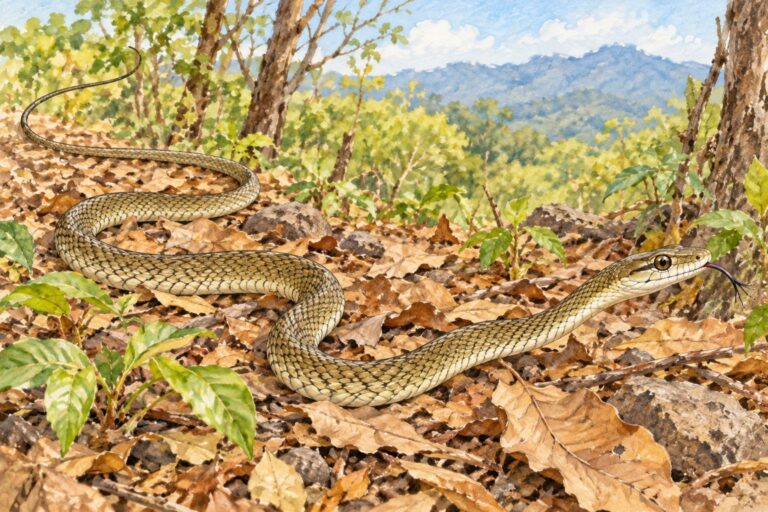
A very long tail follows this slender snake through open woodland.
Take a closer look ↗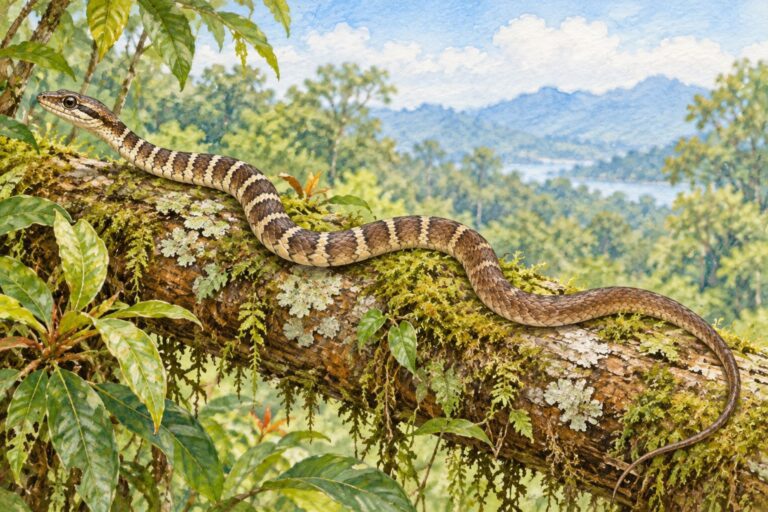
A fine-tailed forest snake carries narrow crossmarks through the shade.
Take a closer look ↗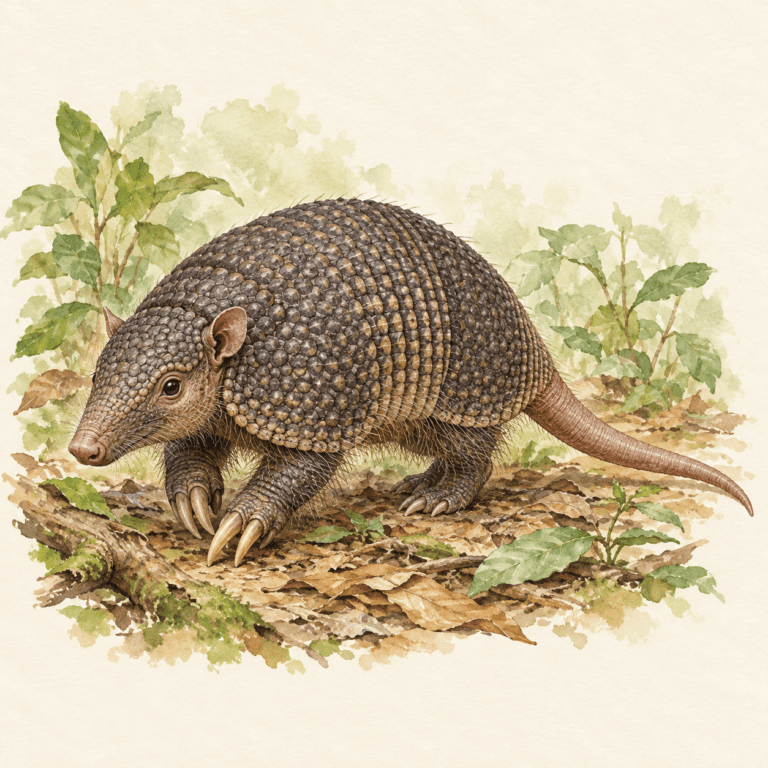
The northern naked-tailed armadillo is a digging specialist.
Take a closer look ↗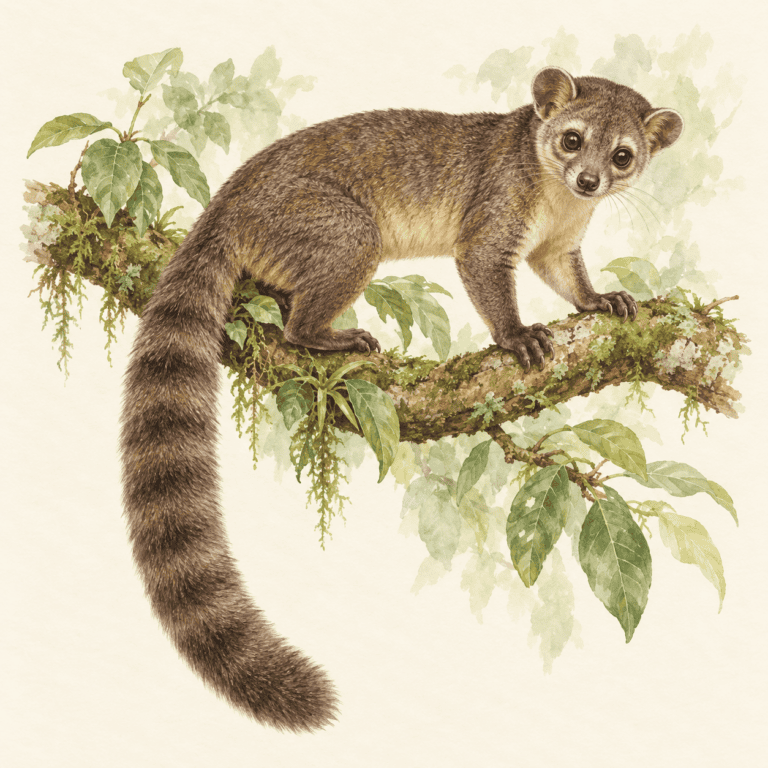
The northern olingo is a forest mammal that moves among branches and eats fruit, with nectar also reported in its diet.
Take a closer look ↗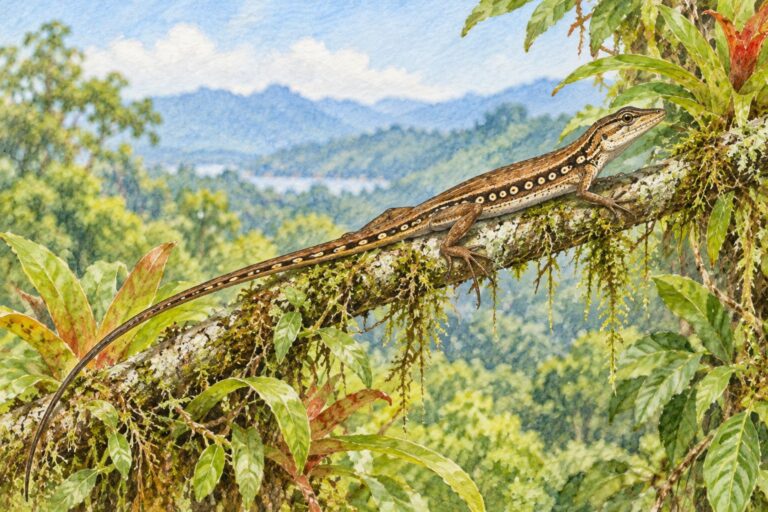
A slender forest lizard wears small eyelike markings along its sides.
Take a closer look ↗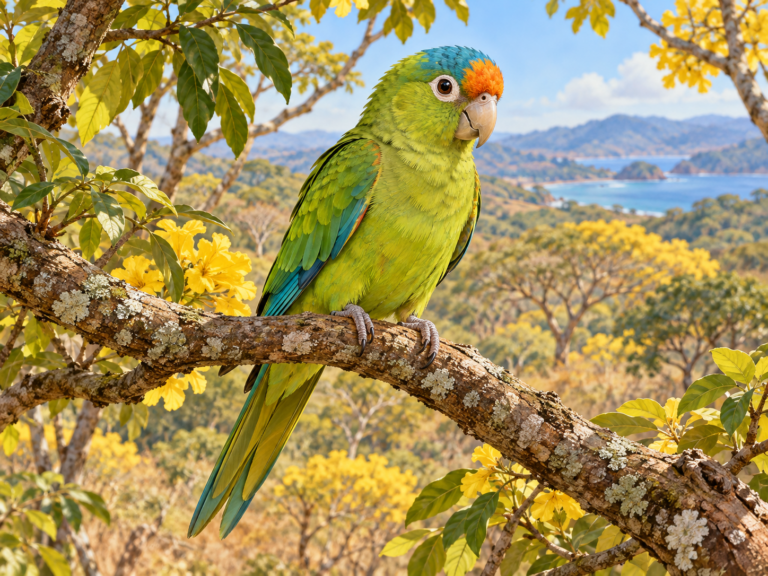
An agile green parakeet with an orange forehead and long pointed tail.
Take a closer look ↗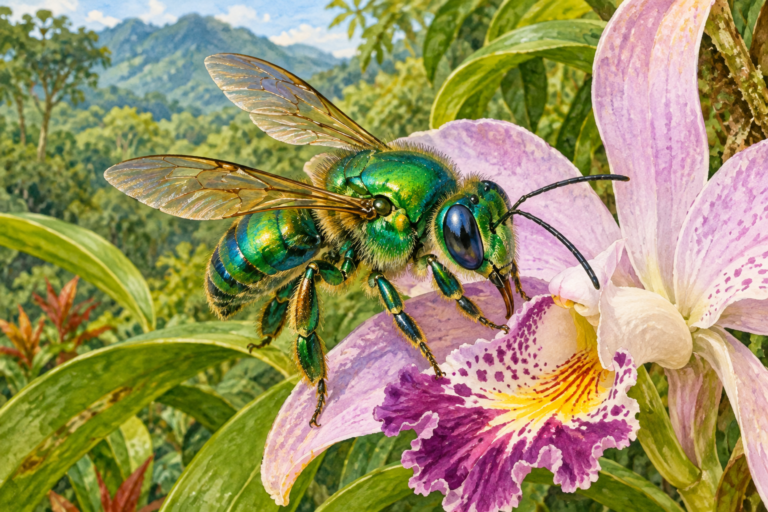
Often metallic colors.
Take a closer look ↗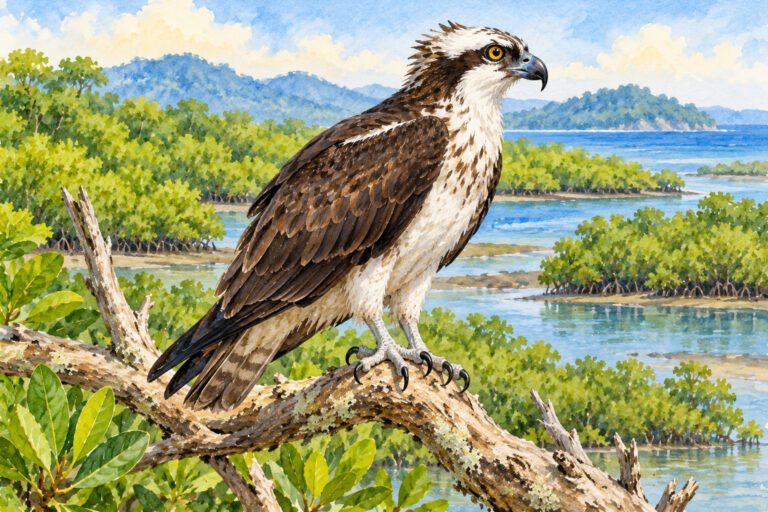
The Osprey is a large raptor that catches fish with its feet.
Take a closer look ↗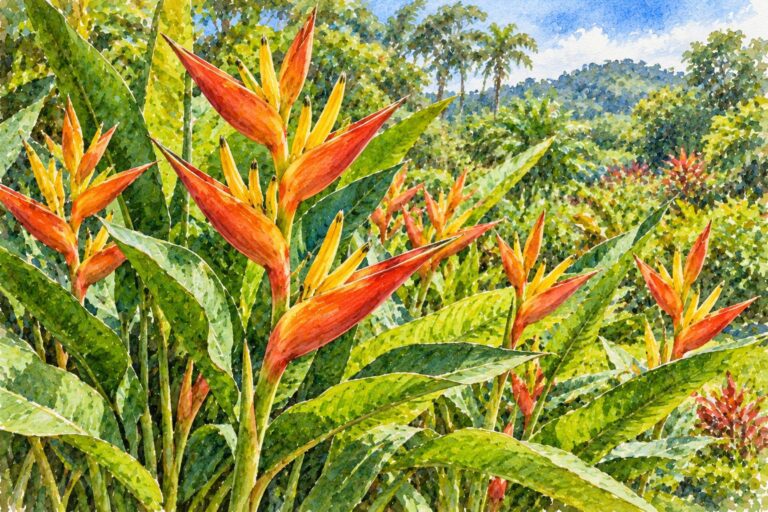
Parrot's beak heliconia is a cultivated ornamental with slim upright flower clusters.
Take a closer look ↗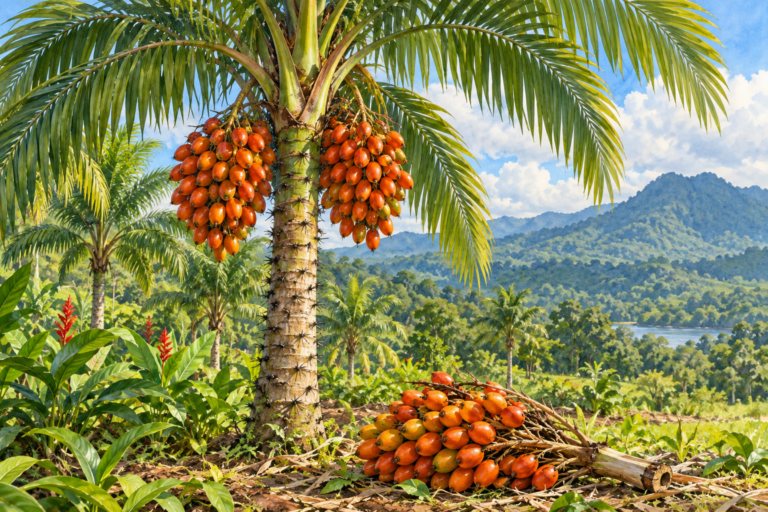
Pejibaye is the fruit of the peach palm.
Take a closer look ↗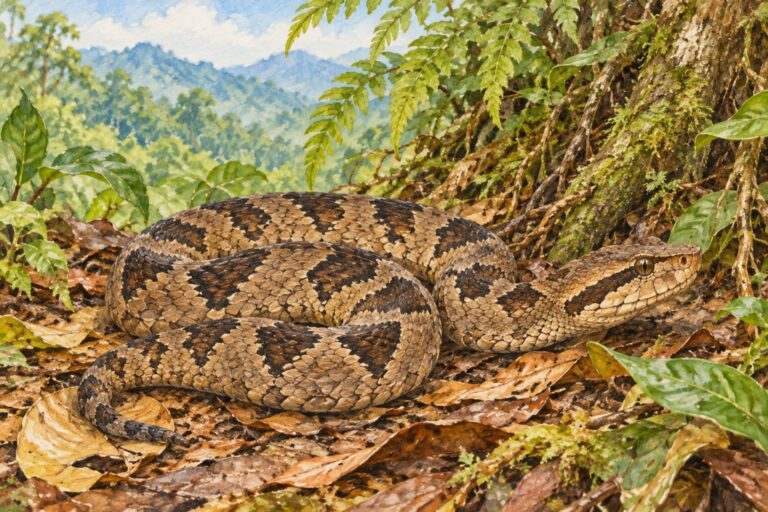
A powerful, camouflaged pitviper rests on the floor of wet forest.
Take a closer look ↗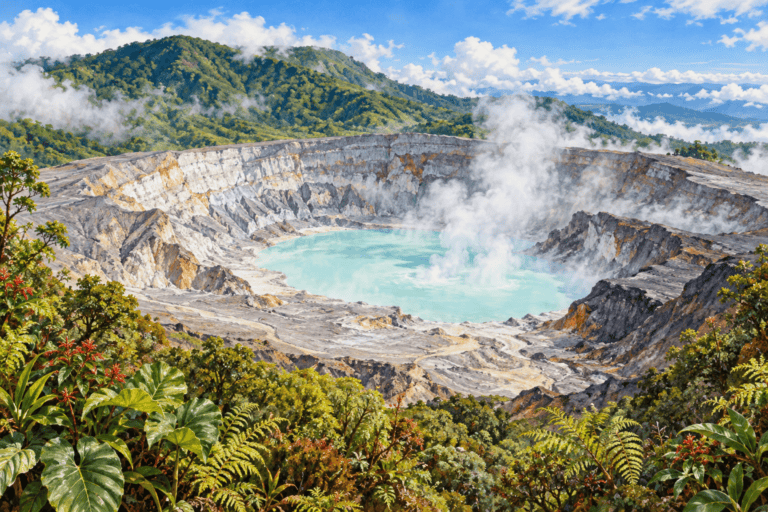
A broad volcanic crater reveals the forces that shape Costa Rica’s mountains.
Take a closer look ↗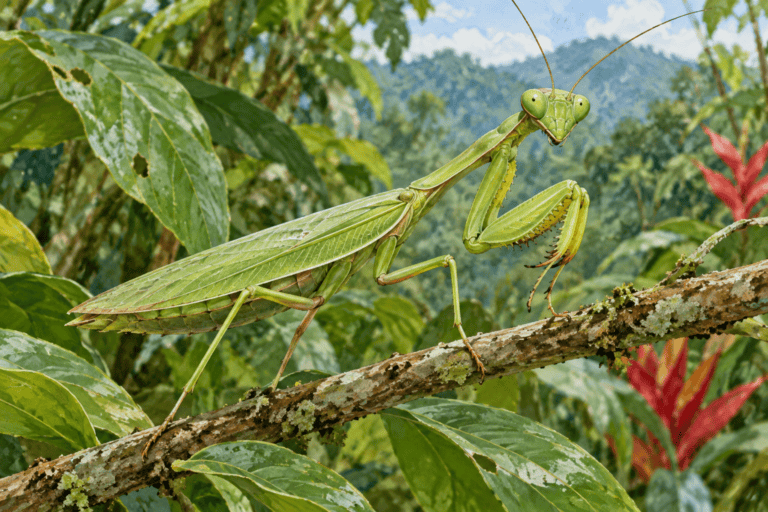
Triangular head.
Take a closer look ↗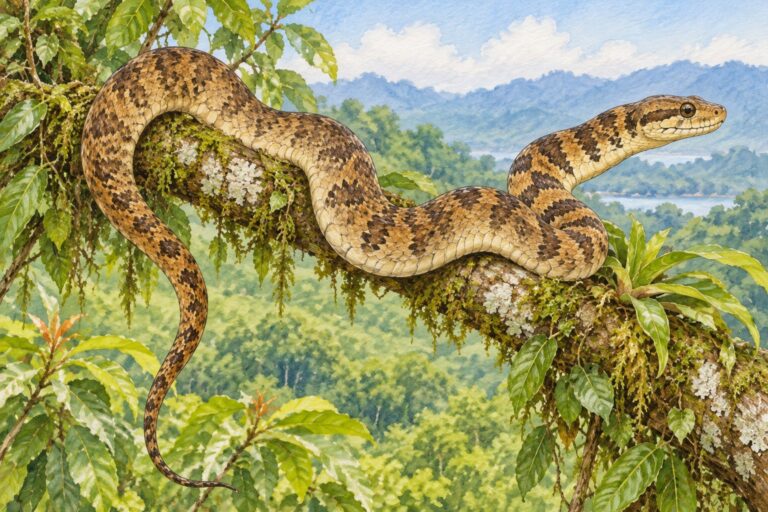
A large forest snake shows how much color and pattern can vary within one species.
Take a closer look ↗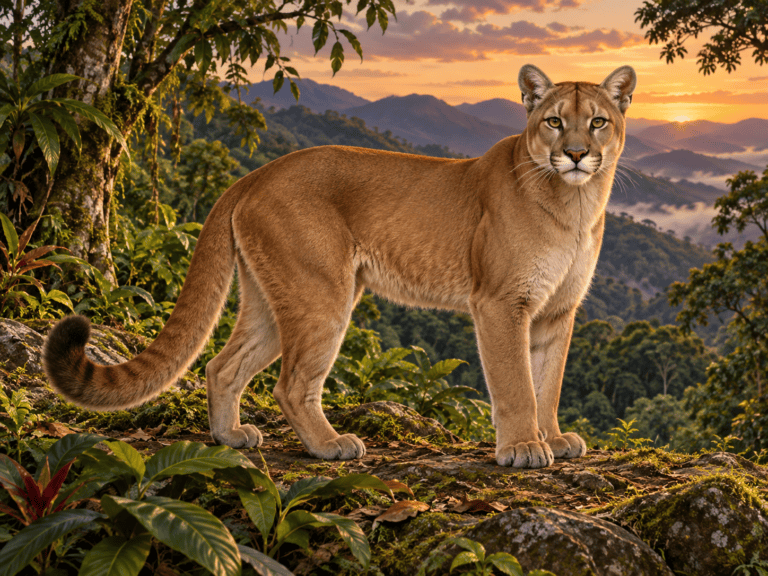
A long-tailed, unspotted wild cat that uses many forest types.
Take a closer look ↗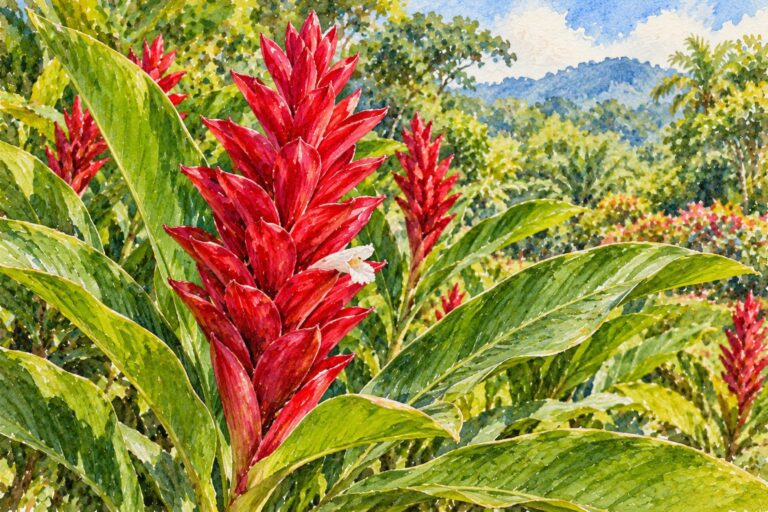
Red ginger is an introduced ornamental grown in moist tropical gardens.
Take a closer look ↗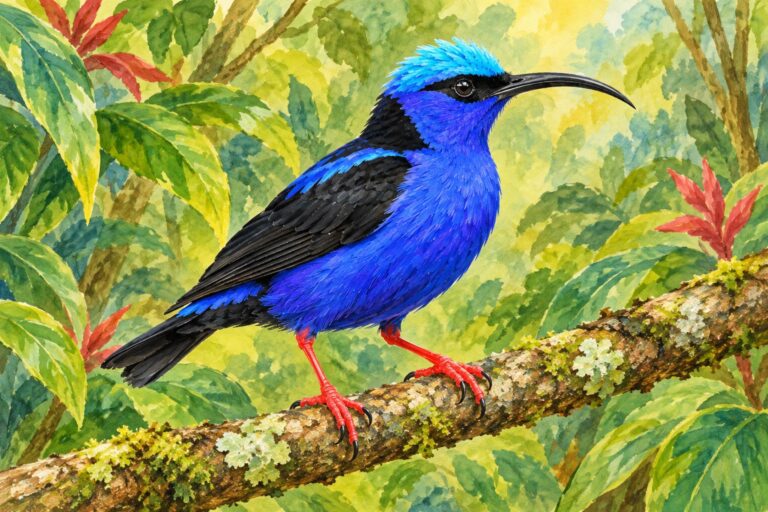
A small bird with red feet and a slender curved bill.
Take a closer look ↗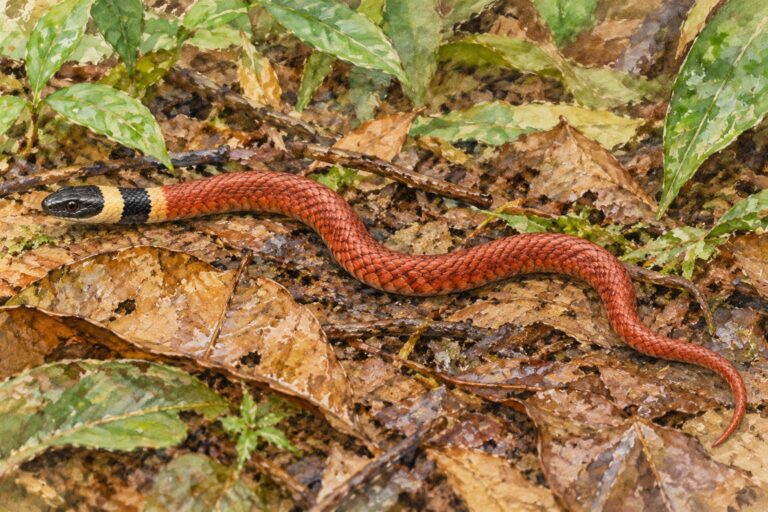
A tiny red-backed snake lives close to the forest floor.
Take a closer look ↗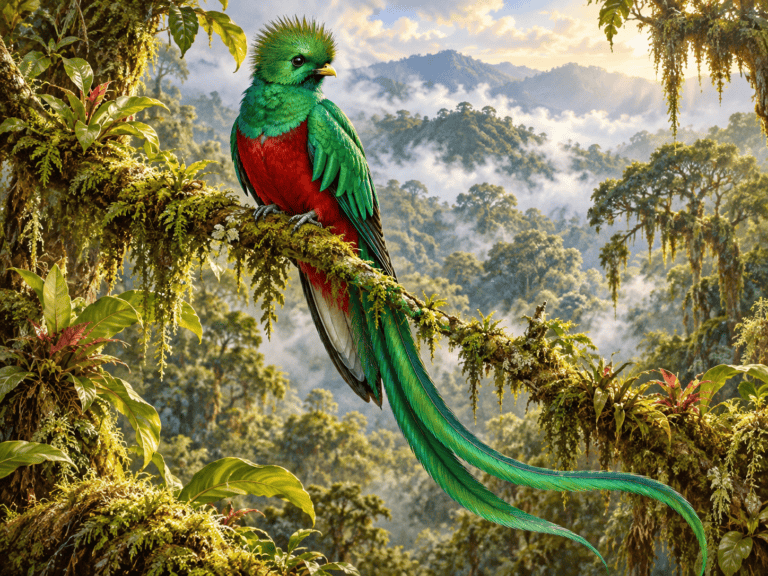
A cloud-forest fruit eater with brilliant green plumage.
Take a closer look ↗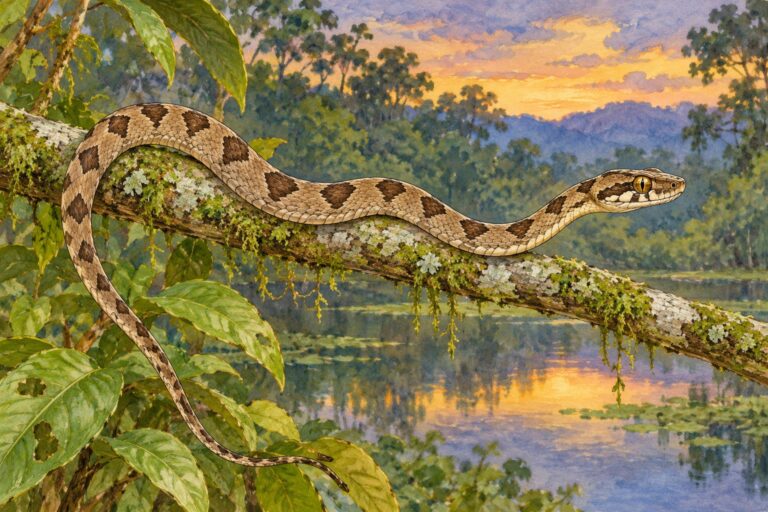
Dark saddle-shaped blotches cross the back of a large-eyed snake.
Take a closer look ↗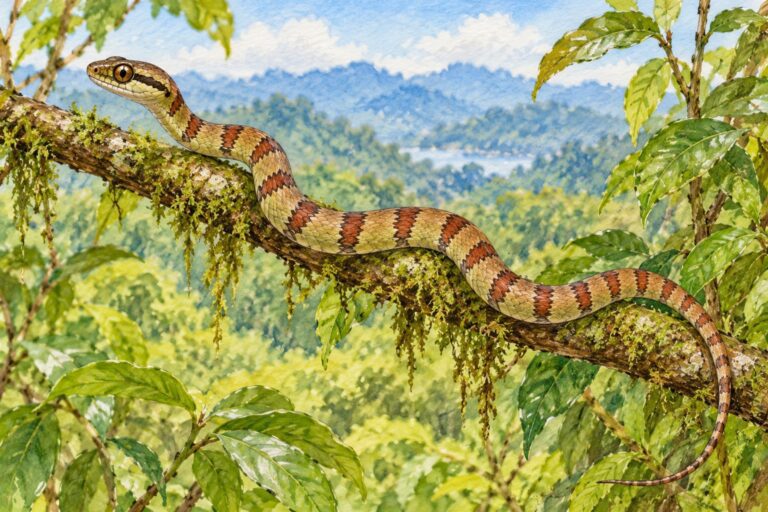
A small branch-climbing snake has large eyes and contrasting body rings.
Take a closer look ↗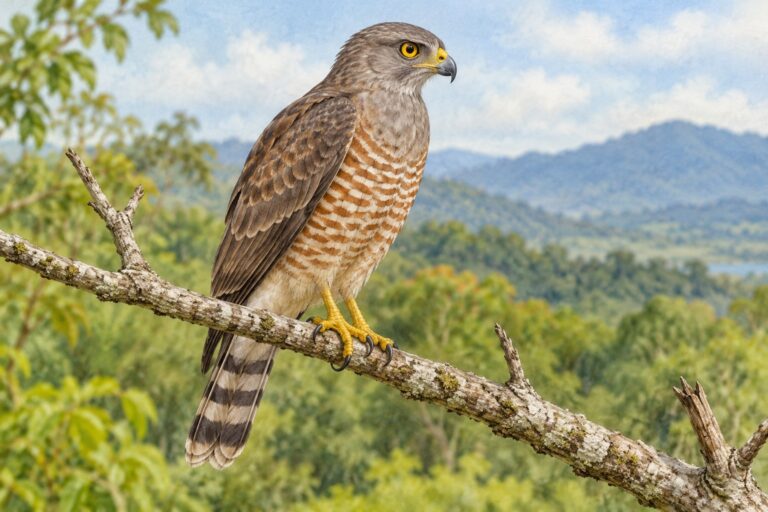
A compact hawk often seen near woodland edges.
Take a closer look ↗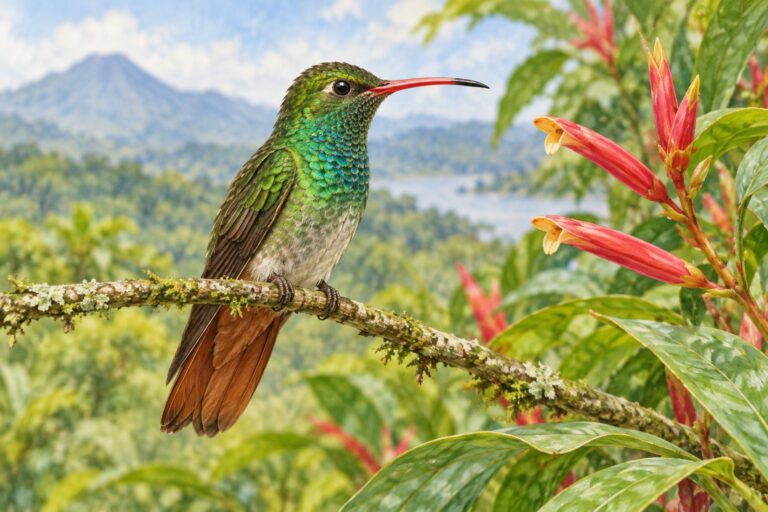
A green hummingbird with a rusty tail.
Take a closer look ↗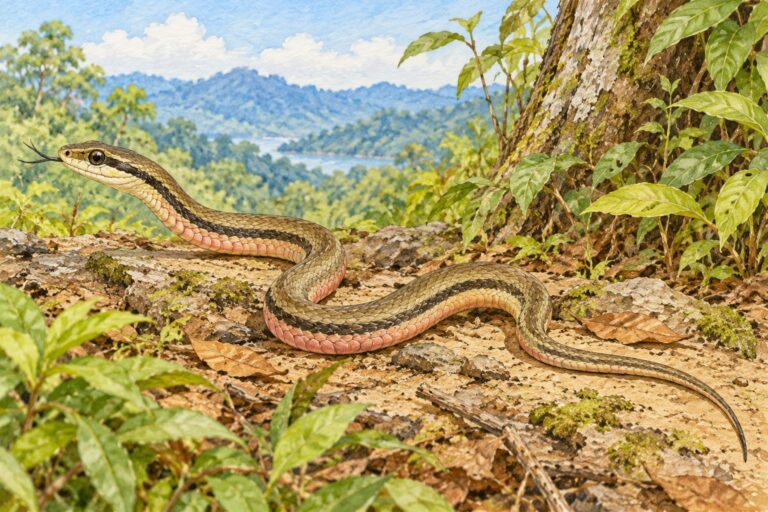
A slender racer carries a hint of pink beneath its brown-and-olive camouflage.
Take a closer look ↗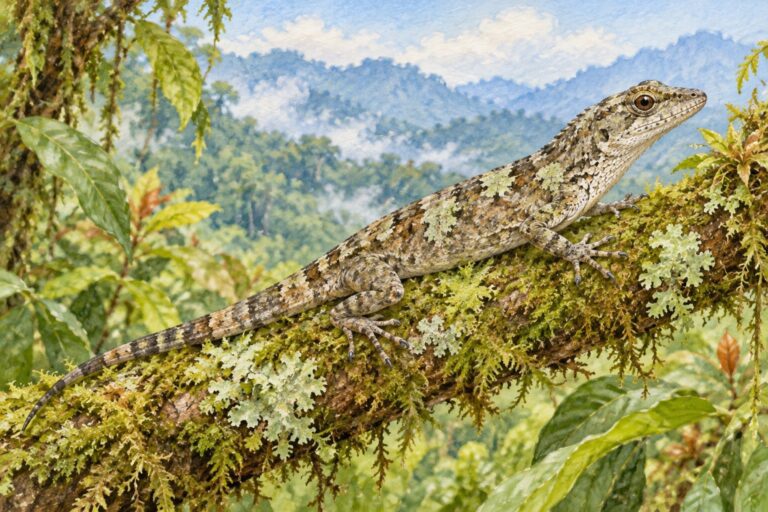
A bark-patterned mountain anole stays hidden along the Pacific slopes of Talamanca.
Take a closer look ↗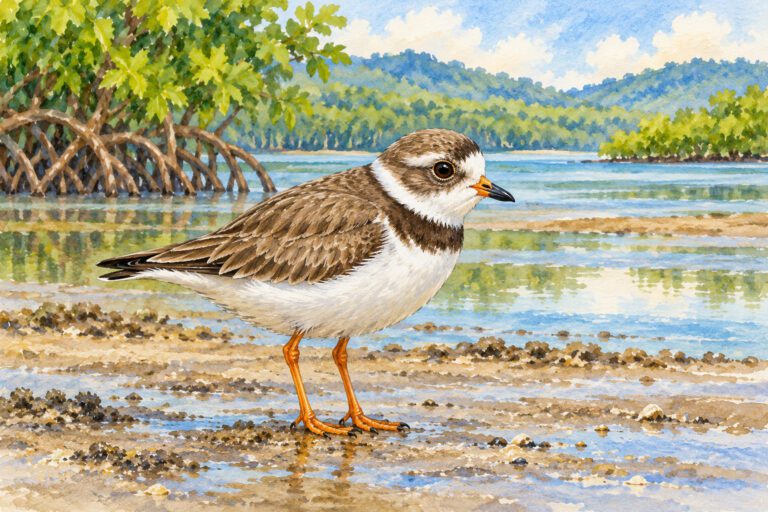
This small plover usually searches open flats with short runs and pauses.
Take a closer look ↗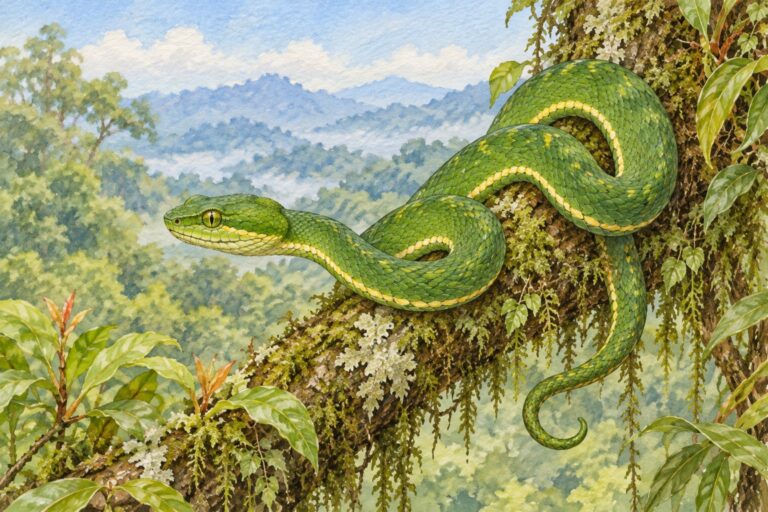
A pale side stripe outlines a green snake resting among mountain branches.
Take a closer look ↗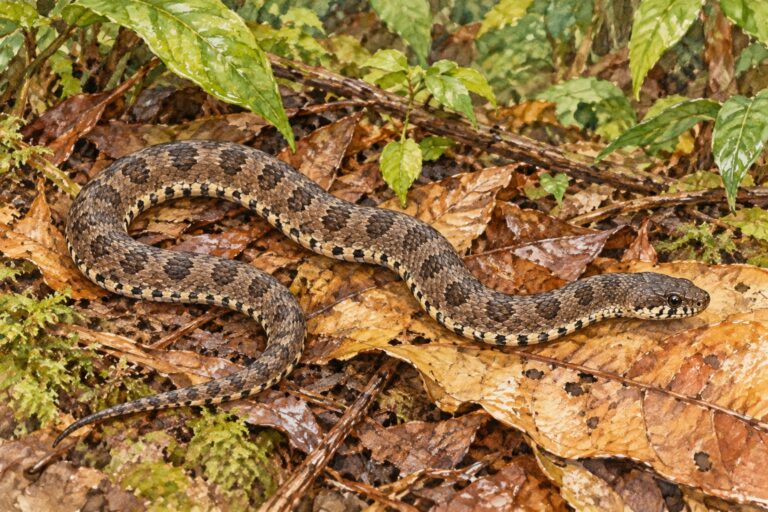
A small dark snake lives within the quiet cover of forest leaves.
Take a closer look ↗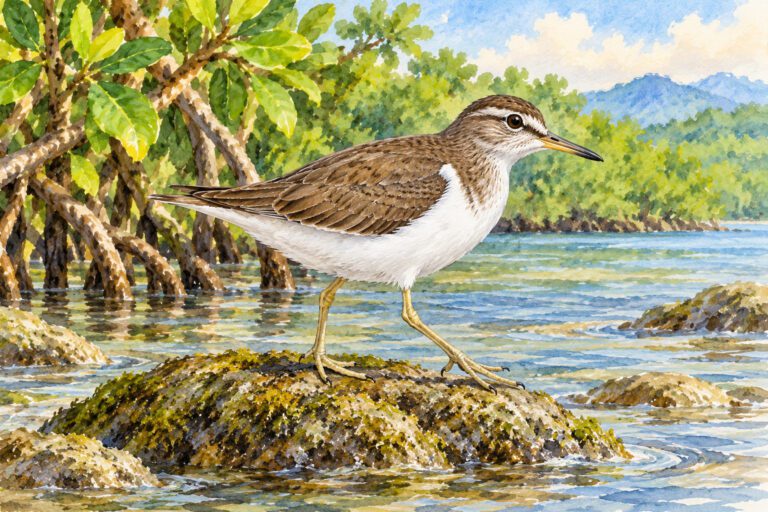
Spotted Sandpipers often bob their tails while walking along water edges.
Take a closer look ↗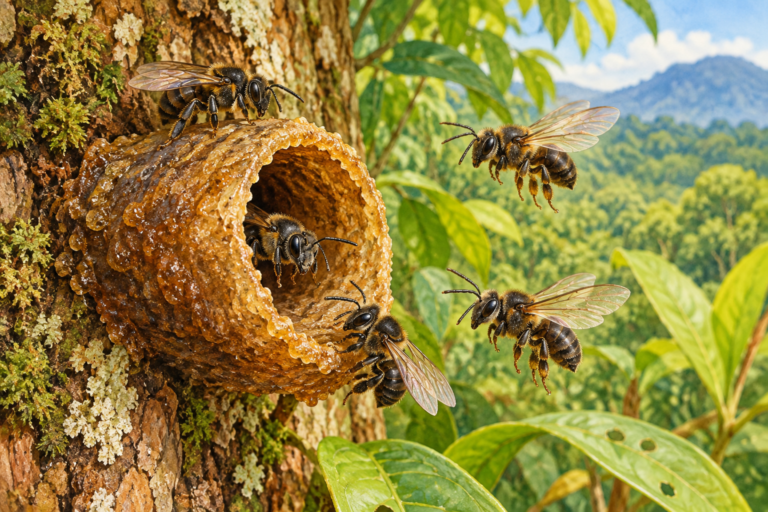
Usually small bees.
Take a closer look ↗