Curridabat
Explore Category
Location
Regions
Central Valley
Towns & nearby places
Curridabat
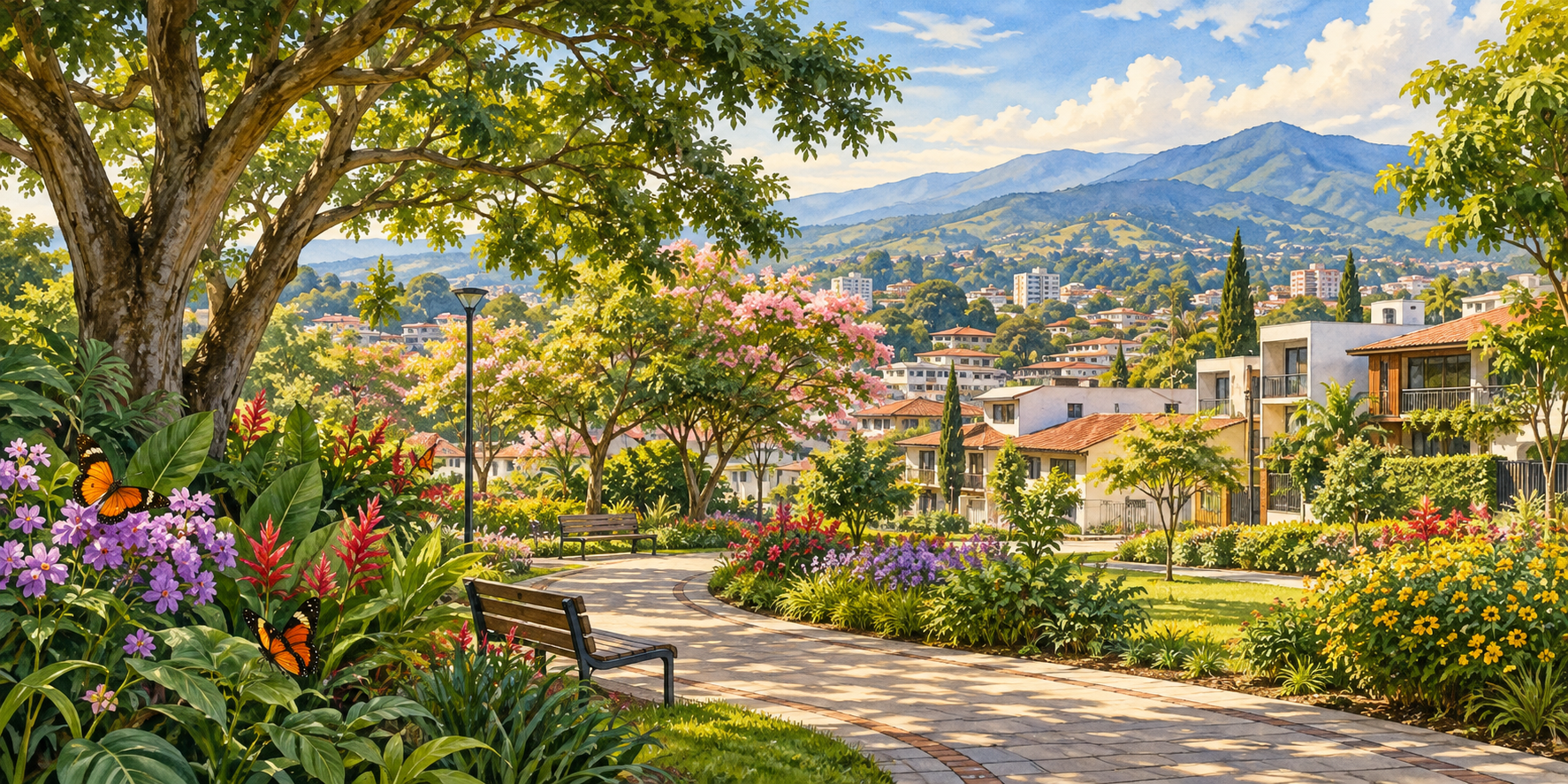
Explore Nature Field Guide cards from this province and the surrounding travel regions named below. Habitats and species vary by locality.
Nature Field Guide
Nature & Wildlife Around Curridabat
Explore wildlife, plants and trees. Learn what to look for and where to find them.
100 profiles
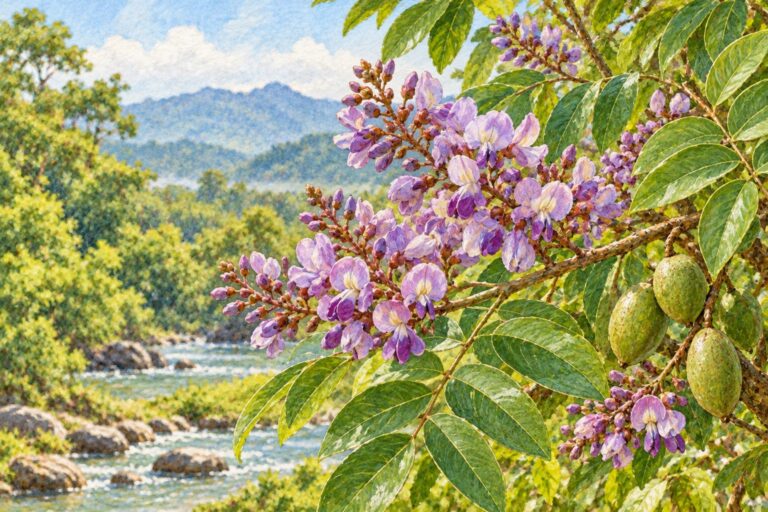
Almendro de Rio
Purple flower clusters stand out against a dense green crown.
Take a closer look ↗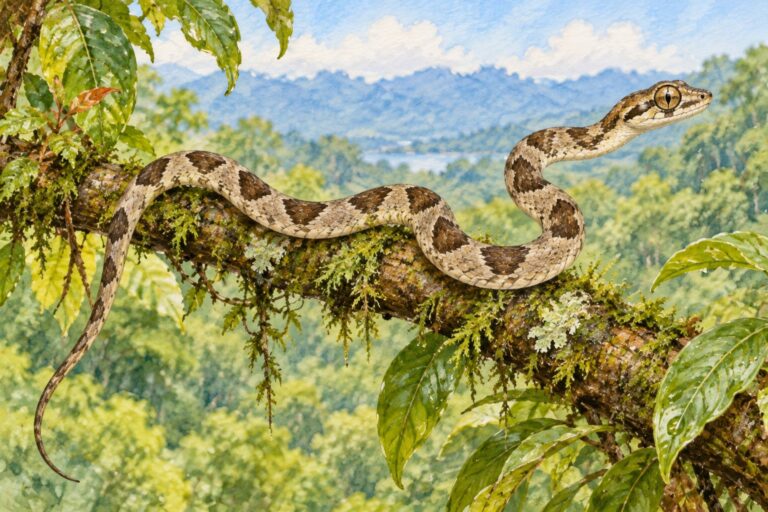
American Snail-eater
A narrow-bodied forest climber searches a world of branches and soft-bodied prey.
Take a closer look ↗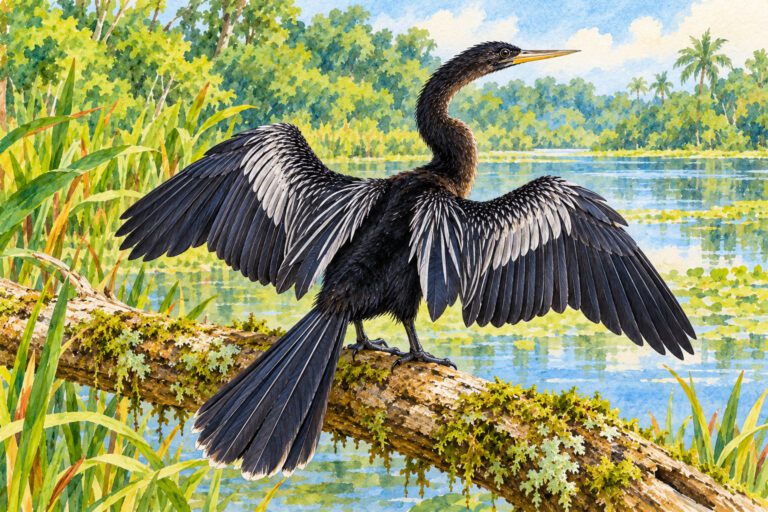
Anhinga
Anhingas swim underwater after fish and use straight pointed bills to seize prey.
Take a closer look ↗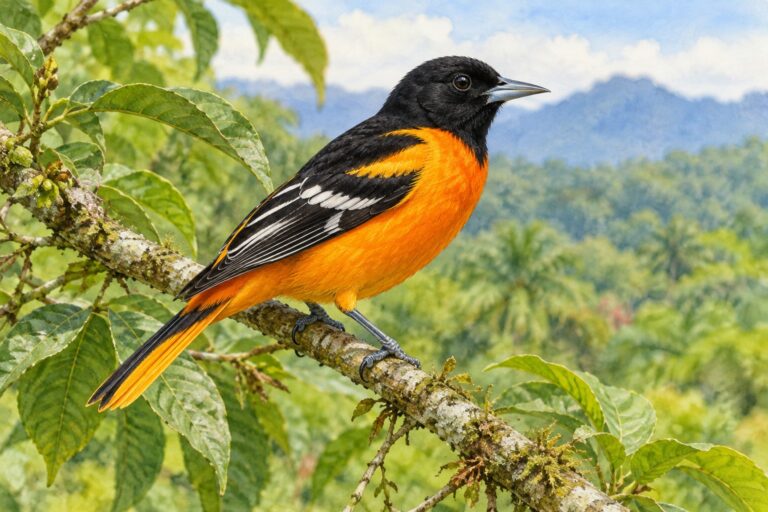
Baltimore Oriole
An orange-and-black seasonal visitor from the north.
Take a closer look ↗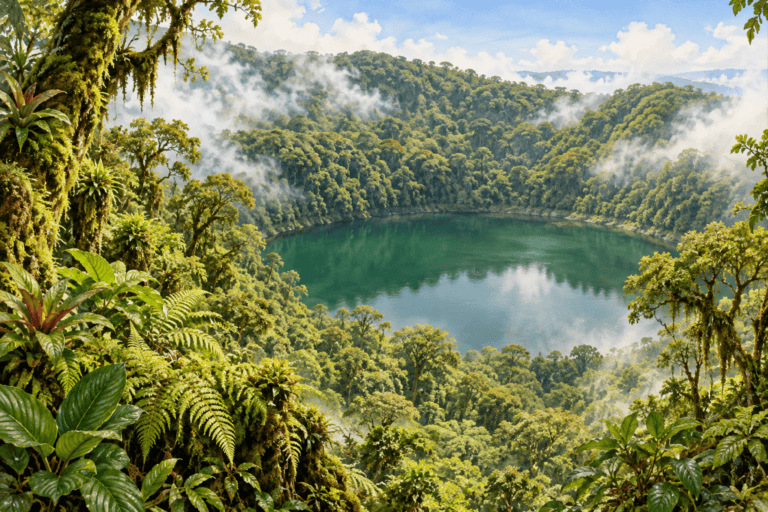
Barva Volcano
A forested volcanic summit hides a peaceful crater lake in the clouds.
Take a closer look ↗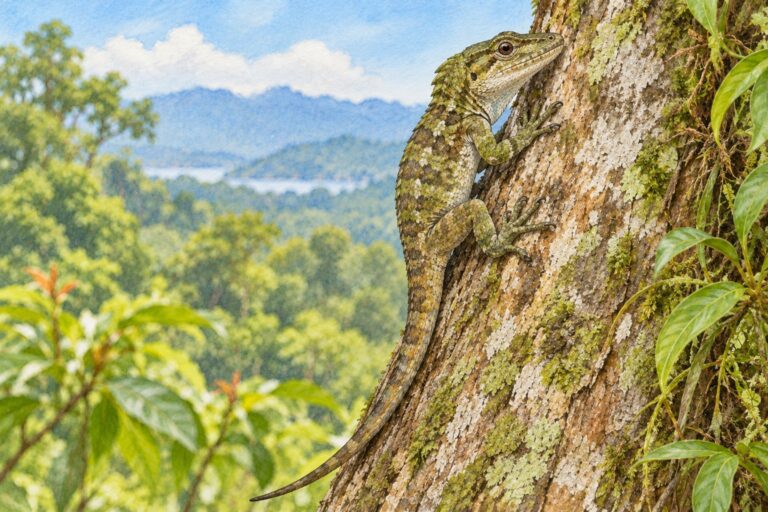
Big-headed Anole
A broad head and mottled colors help this forest anole blend into bark.
Take a closer look ↗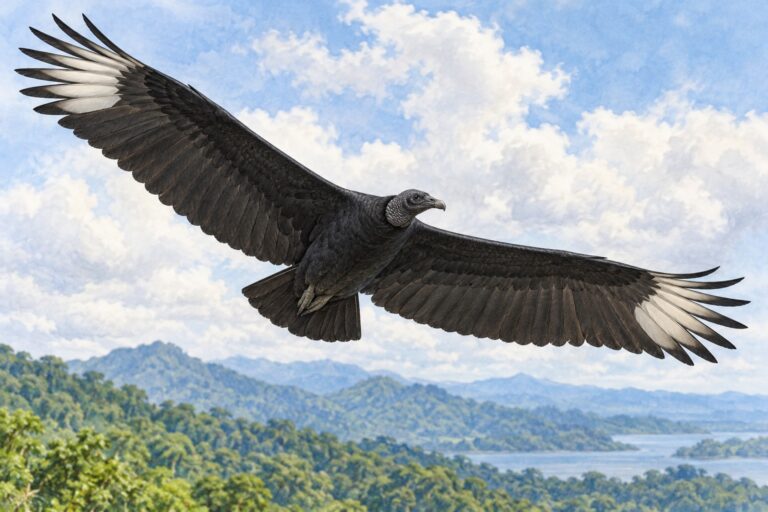
Black Vulture
A dark scavenger with white patches under the wingtips.
Take a closer look ↗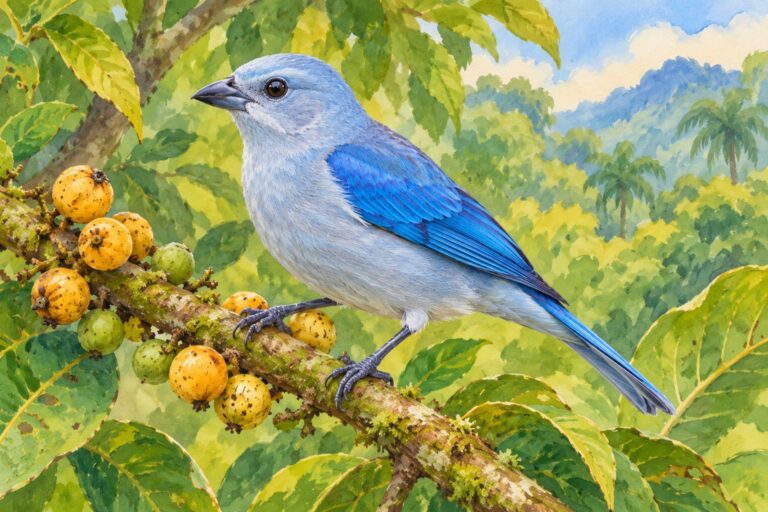
Blue-gray Tanager
A powder-blue bird of gardens and wooded clearings.
Take a closer look ↗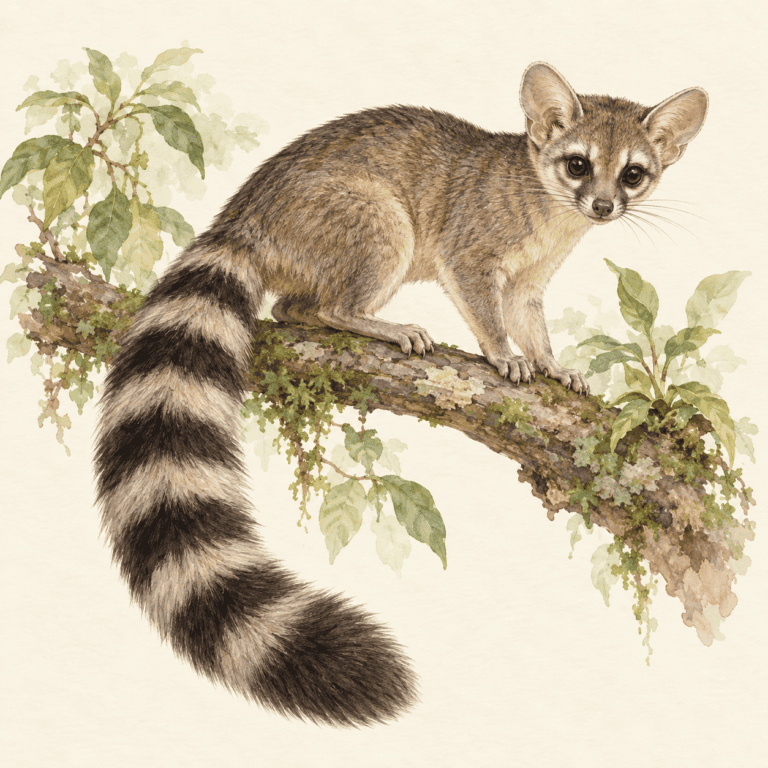
Cacomistle
A cacomistle's long ringed tail is a memorable clue.
Take a closer look ↗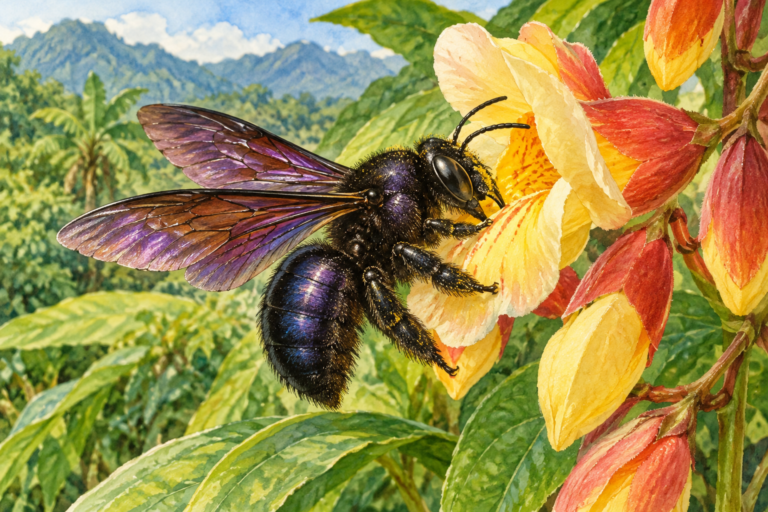
Carpenter Bees
Robust body.
Take a closer look ↗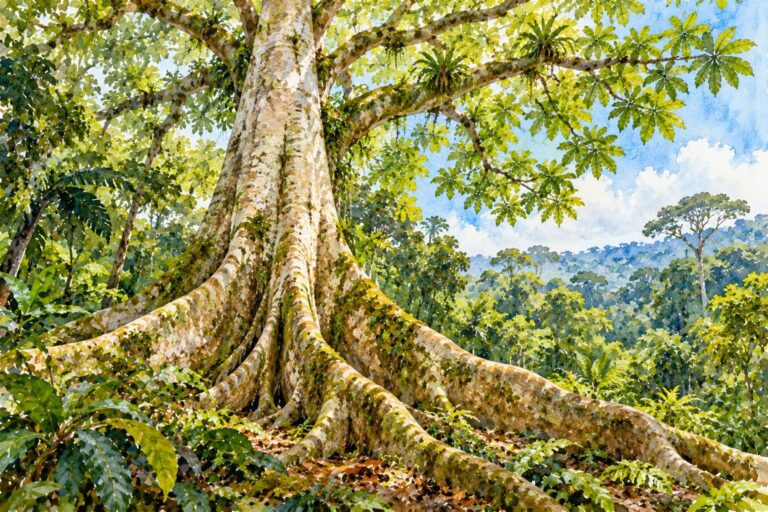
Ceiba Kapok Tree
Huge buttress roots help make a mature ceiba unforgettable.
Take a closer look ↗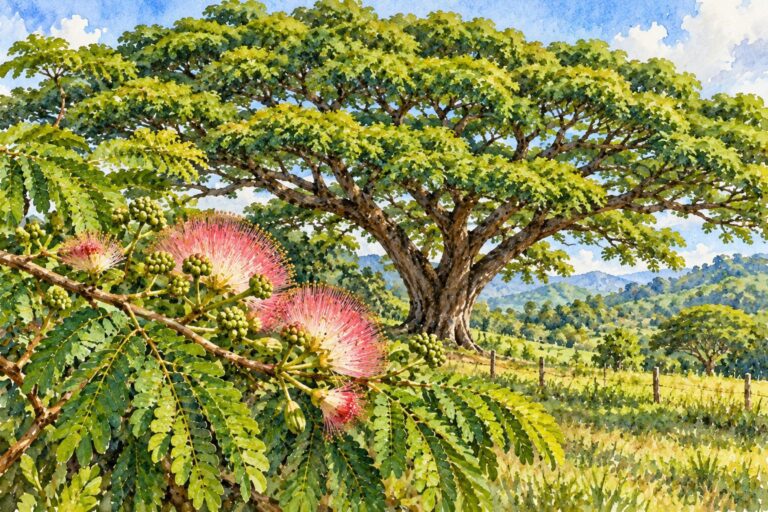
Cenizaro Rain Tree
An umbrella-shaped crown shelters a world beneath its branches.
Take a closer look ↗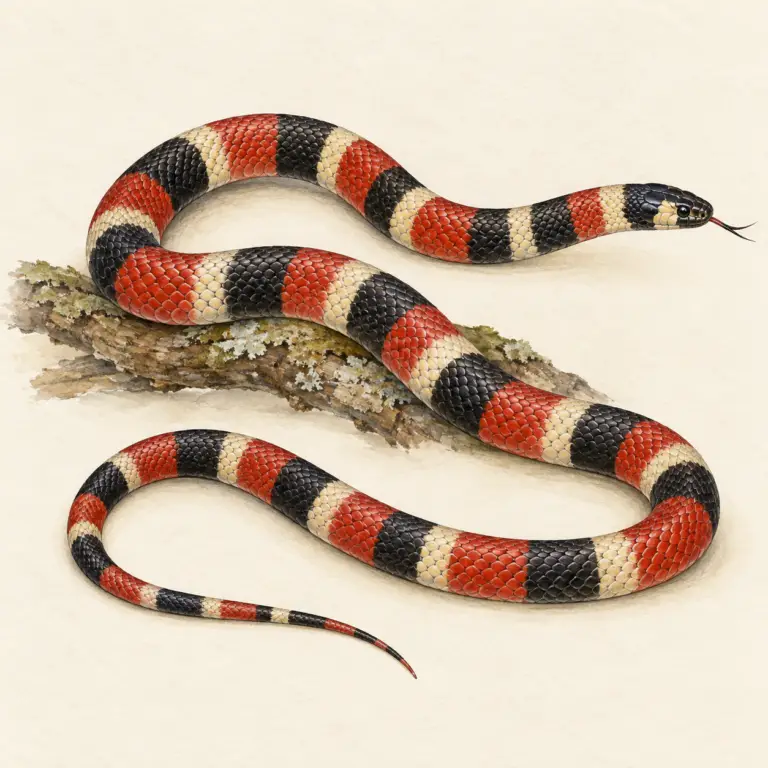
Central American Coral Snake
A venomous coral snake with complete colored rings.
Take a closer look ↗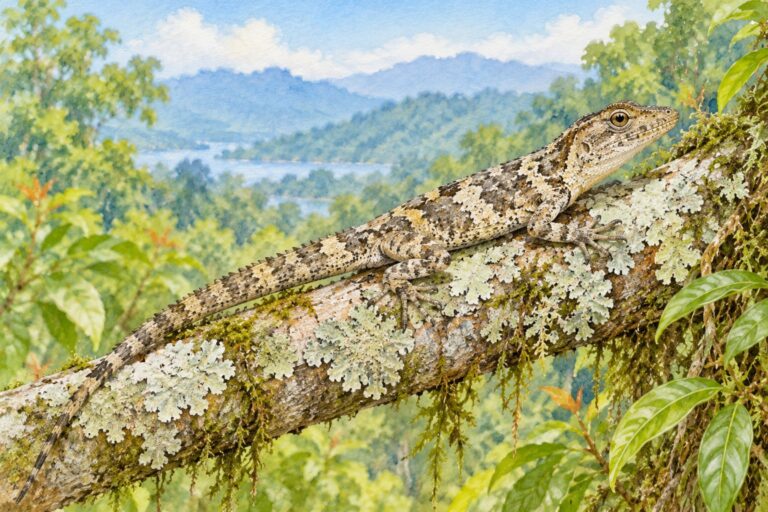
Charles Myers's Anole
Lichenlike markings help a short-legged anole disappear against Pacific forest bark.
Take a closer look ↗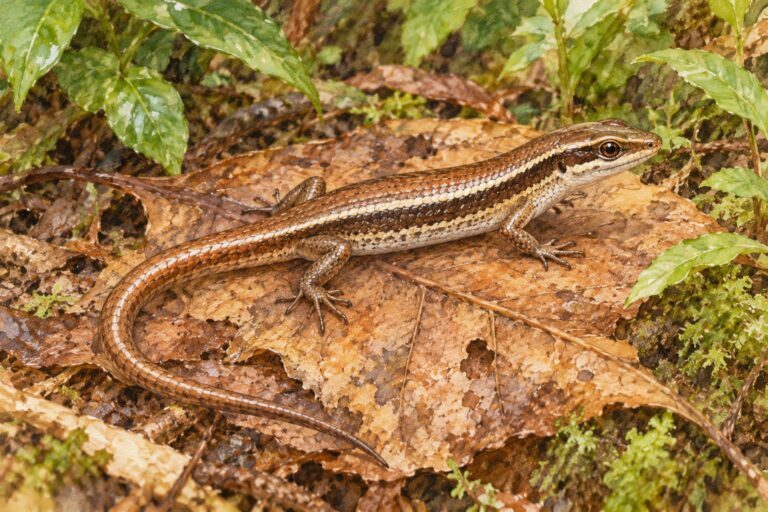
Cherrie's Ground Skink
Smooth scales and short legs help this little skink move through leaf litter.
Take a closer look ↗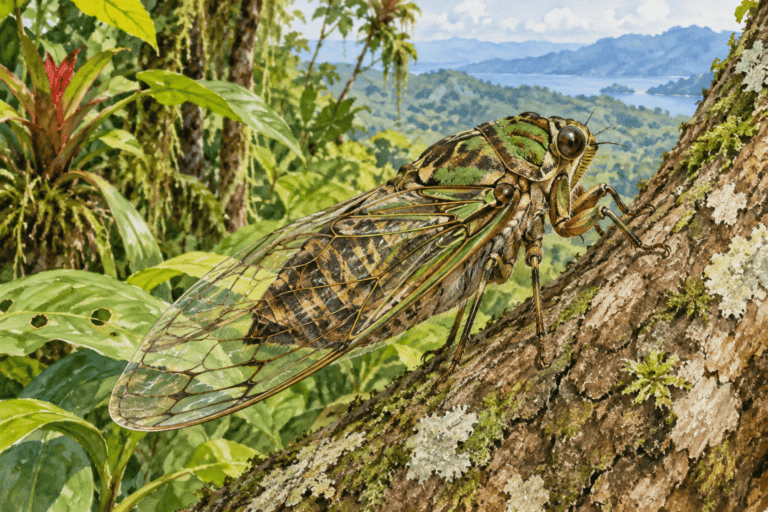
Cicadas
Large transparent wings.
Take a closer look ↗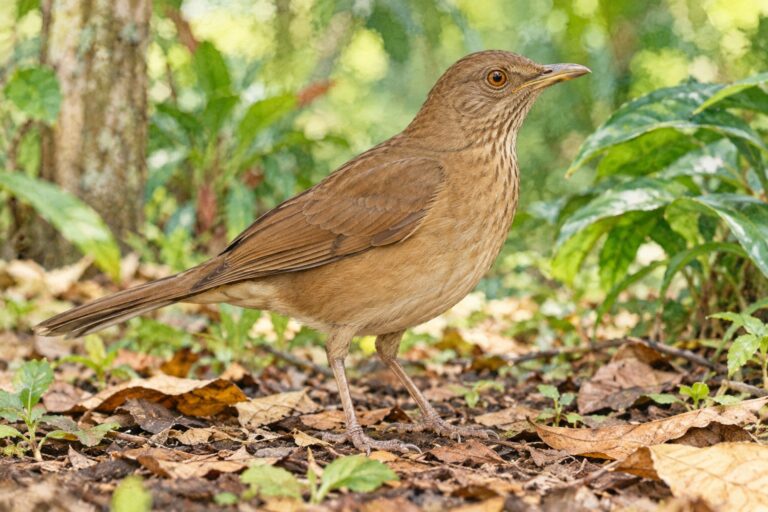
Clay-colored Thrush
A familiar brown songbird and Costa Rica’s national bird.
Take a closer look ↗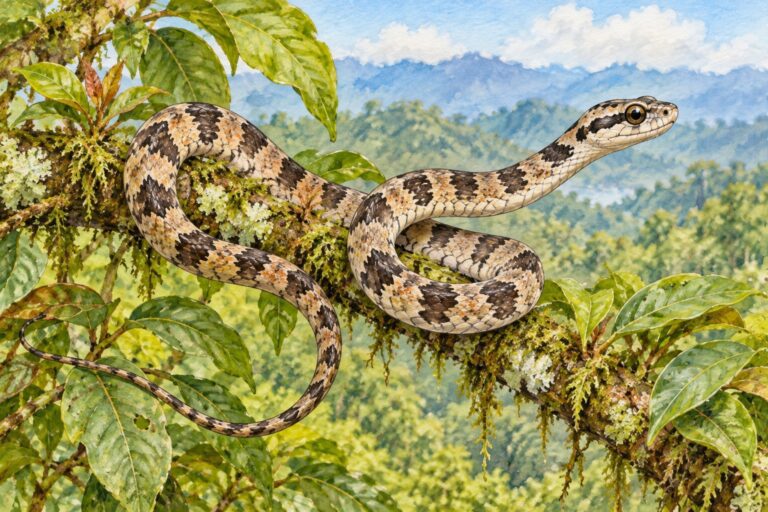
Clouded Snail-eater
Cloudy patches of gray and brown hide a slender snake among forest branches.
Take a closer look ↗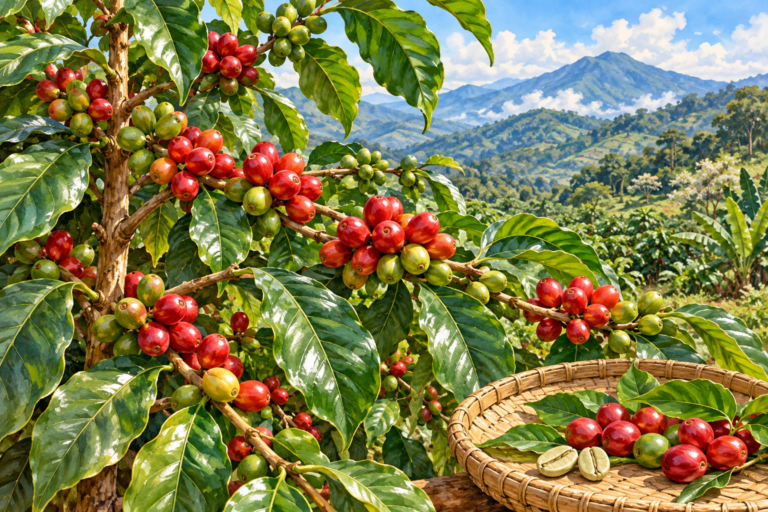
Coffee
Coffee is a shrub or small tree with shiny leaves and small fruits called cherries.
Take a closer look ↗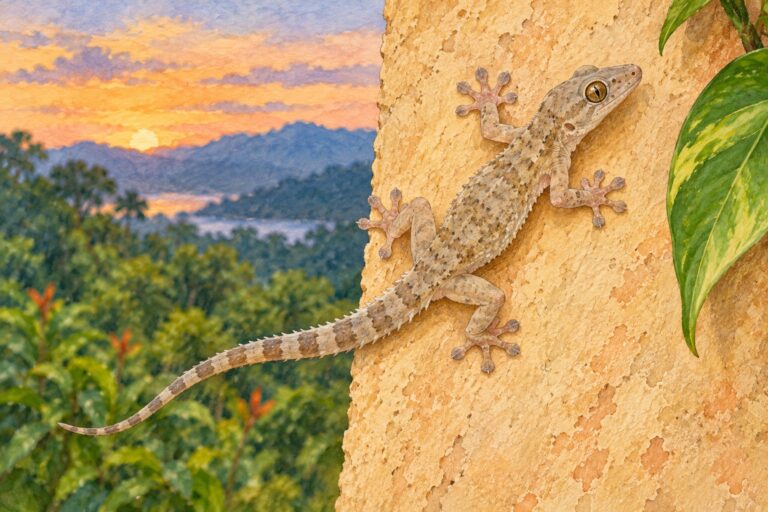
Common House Gecko
An introduced wall-climbing gecko often appears near buildings after dark.
Take a closer look ↗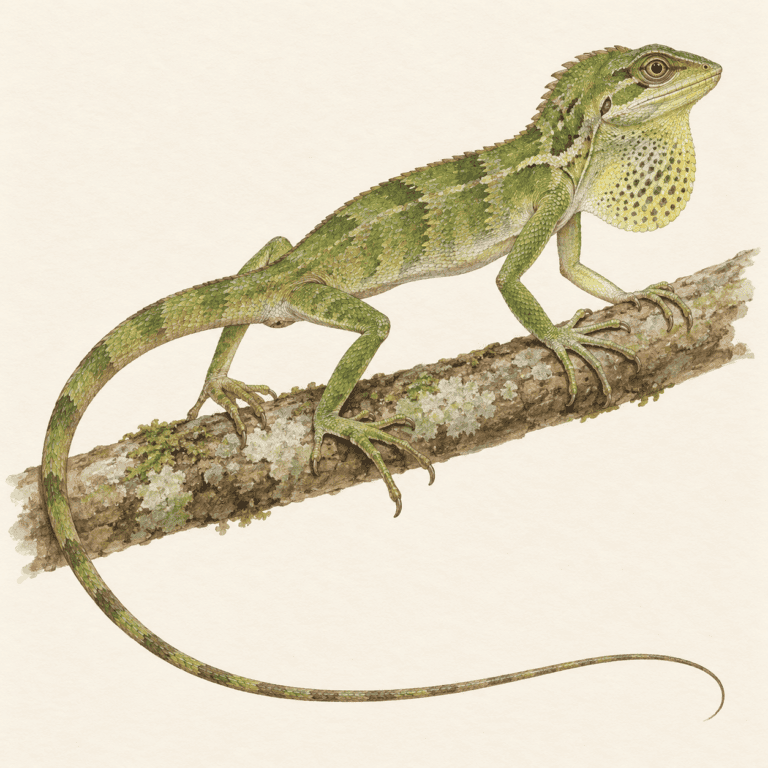
Common Monkey Lizard
A slow-moving tree-dwelling lizard with a very long tail.
Take a closer look ↗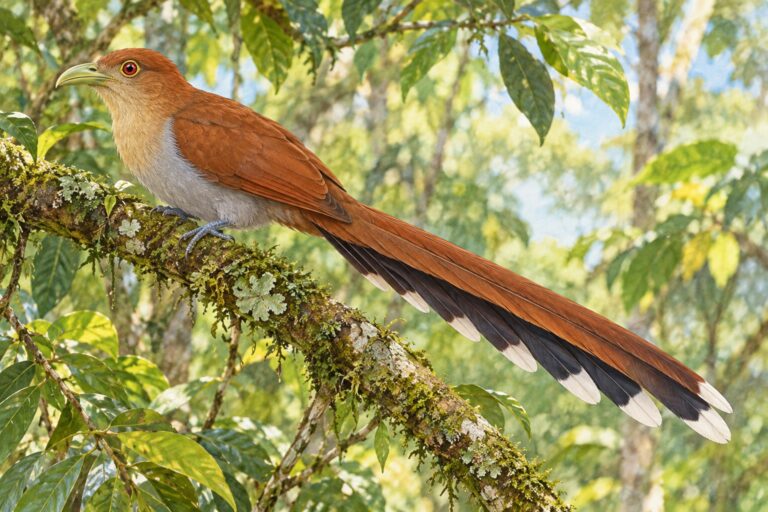
Common Squirrel-Cuckoo
A rusty forest cuckoo with an exceptionally long tail.
Take a closer look ↗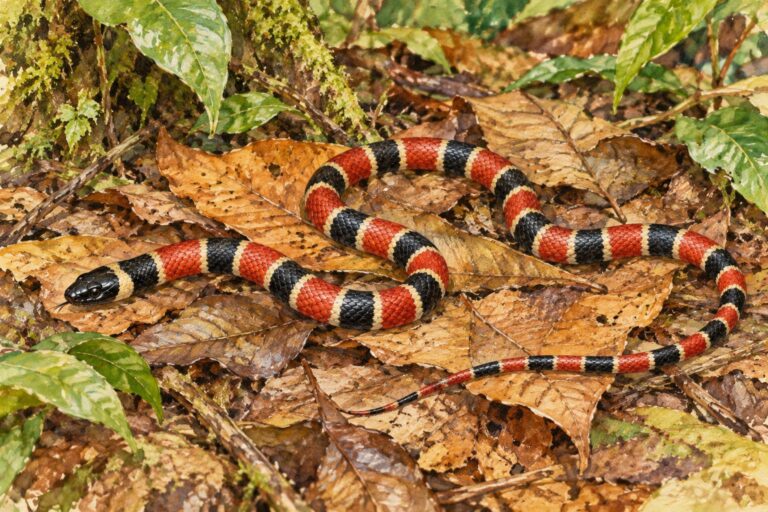
Cope's False Coral Snake
A fine-tailed forest snake wears bold bands without advertising a safe encounter.
Take a closer look ↗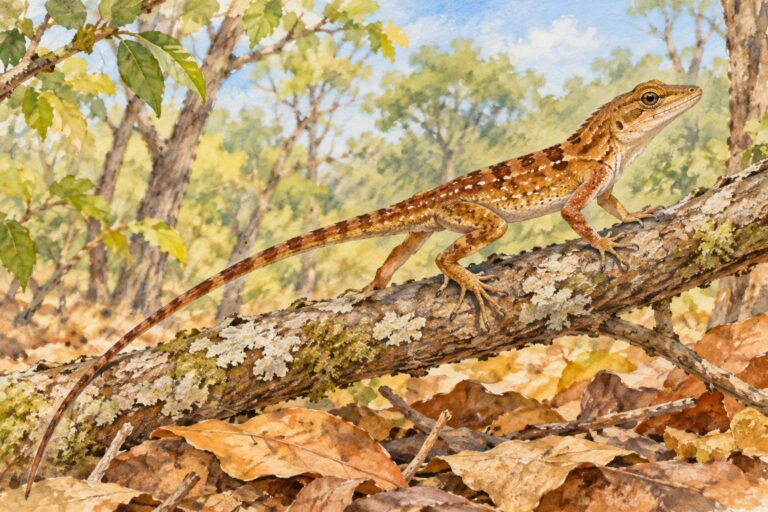
Copper Anole
A familiar brown anole watches from low perches in Pacific-slope landscapes.
Take a closer look ↗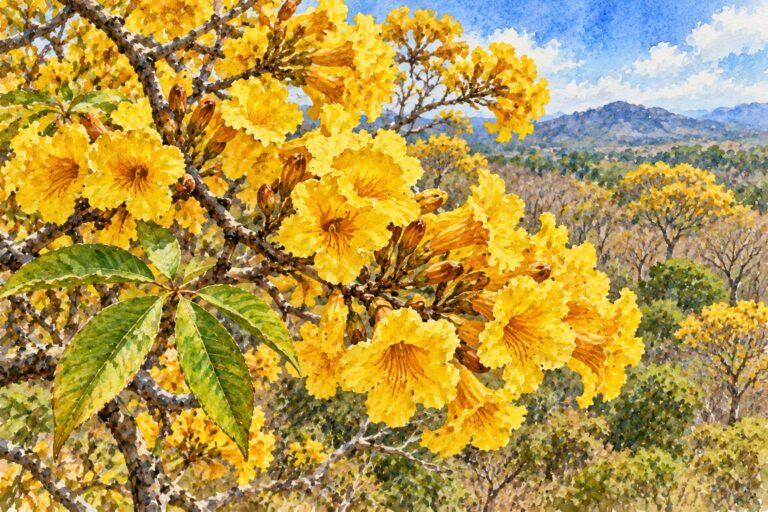
Cortez Amarillo
Golden trumpet flowers can brighten the branches of an almost leafless tree.
Take a closer look ↗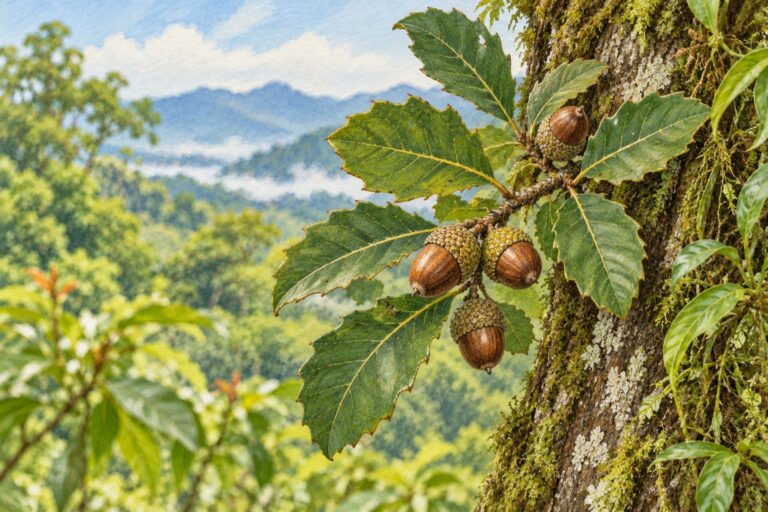
Costa Rican Oak
Acorns and leathery leaves belong to this mountain-forest oak.
Take a closer look ↗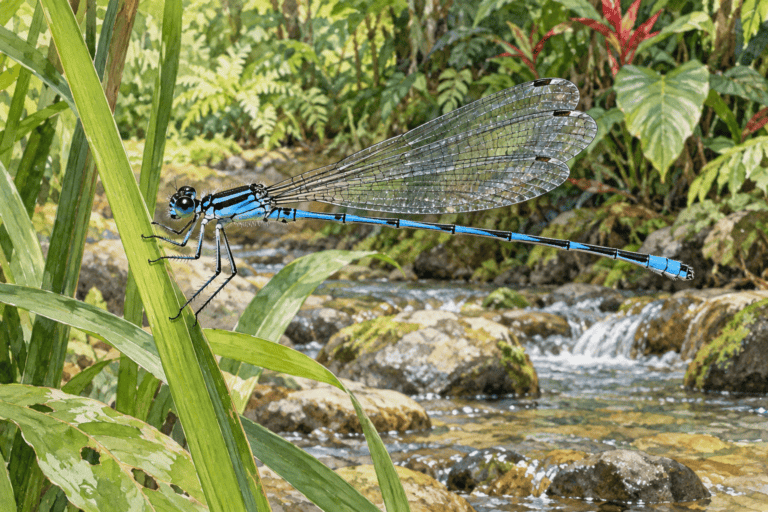
Damselflies
Slender body.
Take a closer look ↗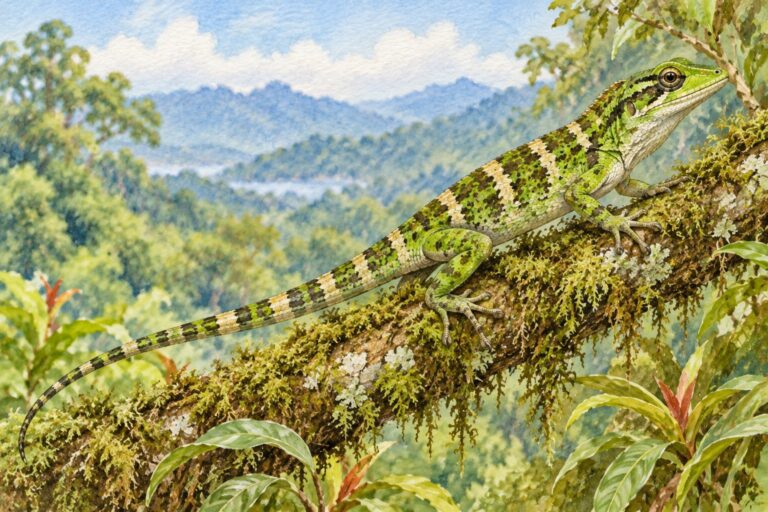
Decorated Anole
A large forest anole blends green and pale markings into a leafy canopy.
Take a closer look ↗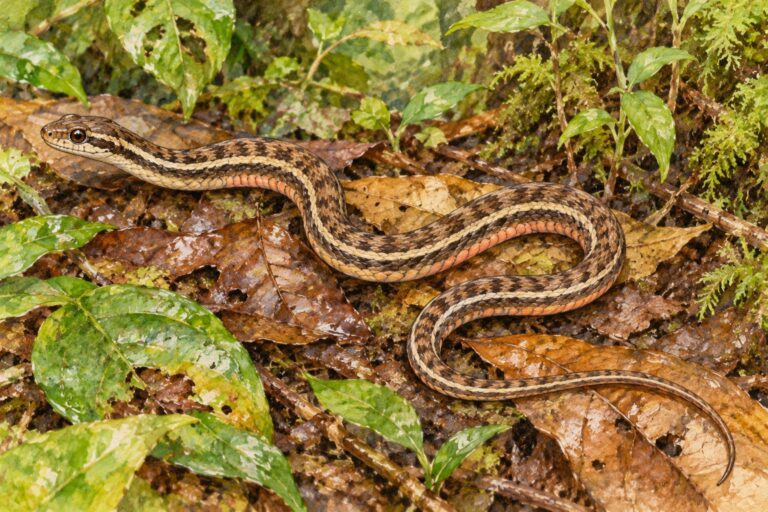
Decorated Forest Snake
Fine lengthwise stripes help a small snake blend into forest-floor lines.
Take a closer look ↗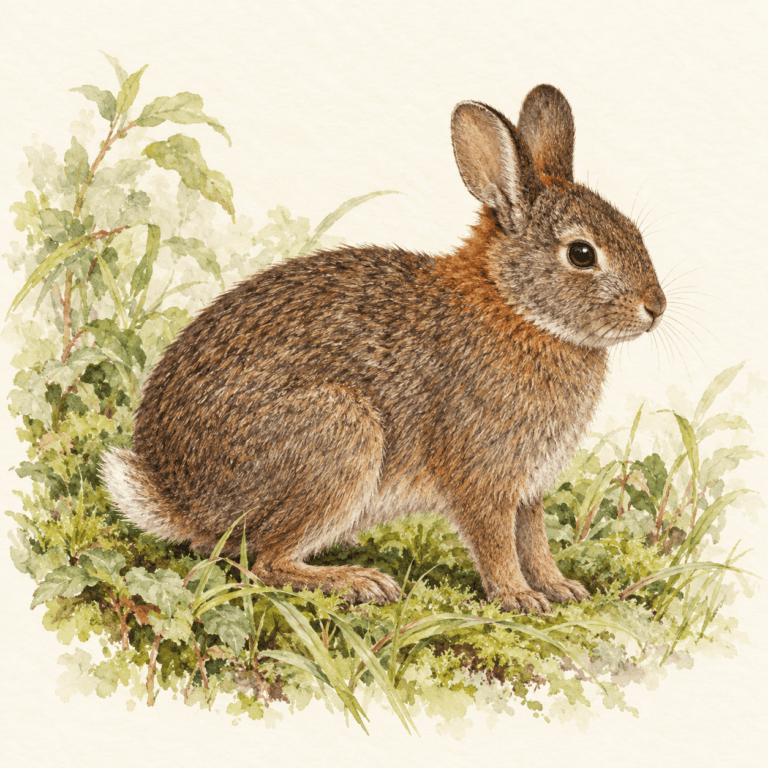
Dice’s Cottontail
Dice's cottontail is a mountain rabbit found in Costa Rica and western Panama.
Take a closer look ↗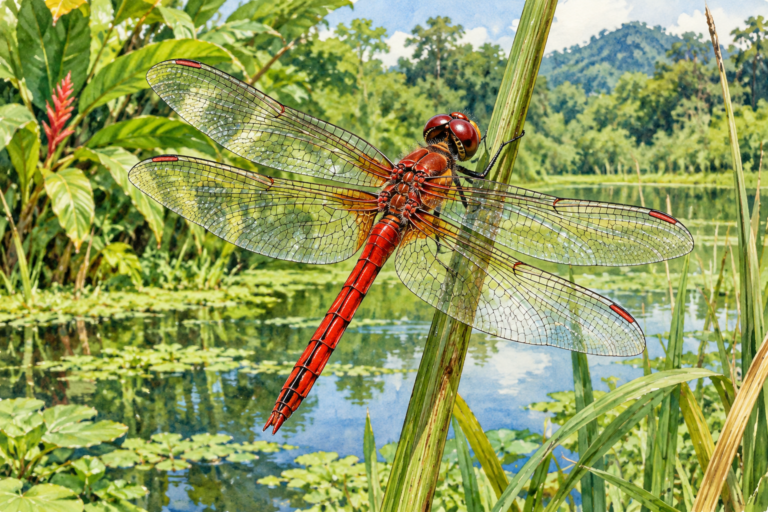
Dragonflies
Large eyes.
Take a closer look ↗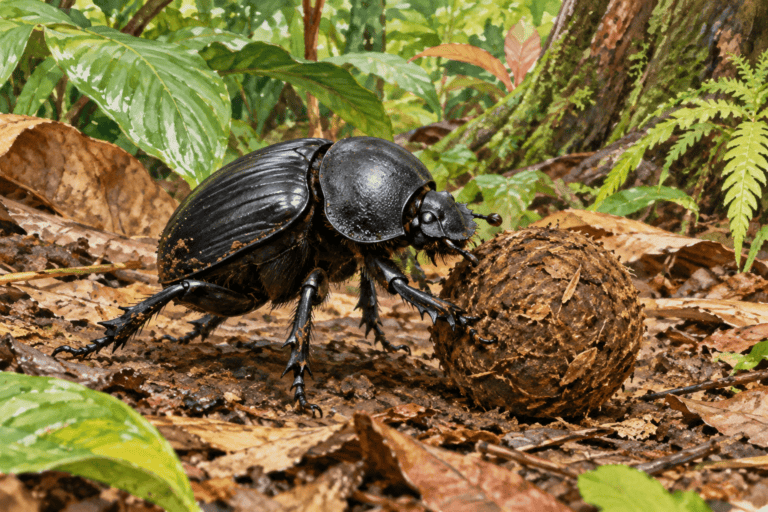
Dung Beetles
Compact beetle body.
Take a closer look ↗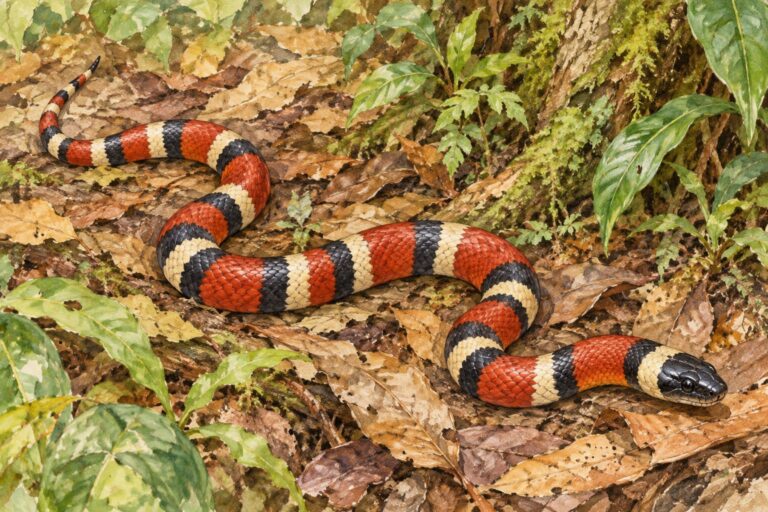
Ecuadorian Milksnake
A banded young milksnake offers a lesson about changing colors and misleading names.
Take a closer look ↗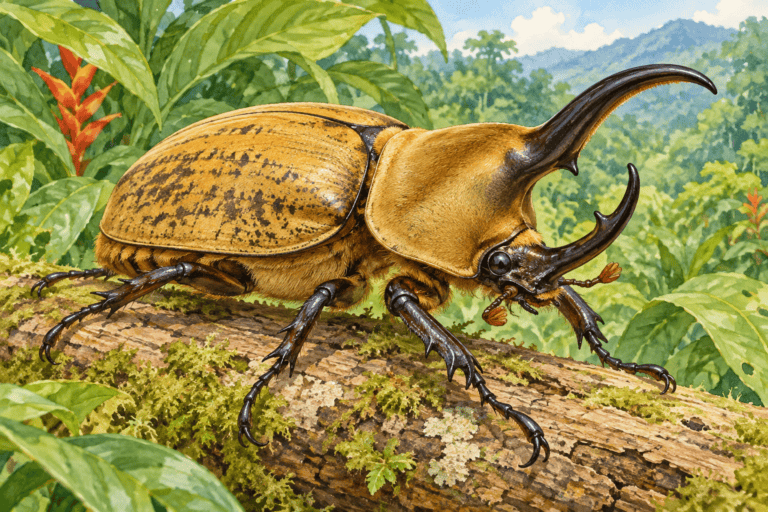
Elephant Beetle
Large rounded beetle.
Take a closer look ↗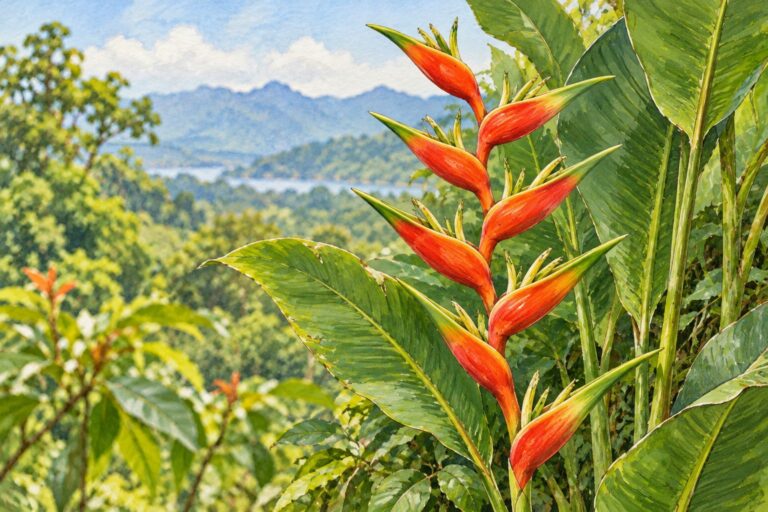
Expanded Lobster Claw
An upright open arrangement of colorful bracts rises among broad green leaves.
Take a closer look ↗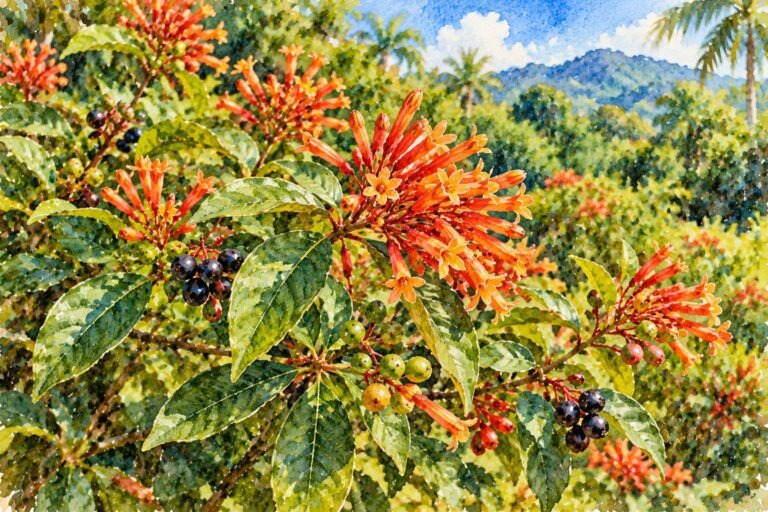
Firebush
Firebush is a shrub with clusters of narrow orange to red tubular flowers.
Take a closer look ↗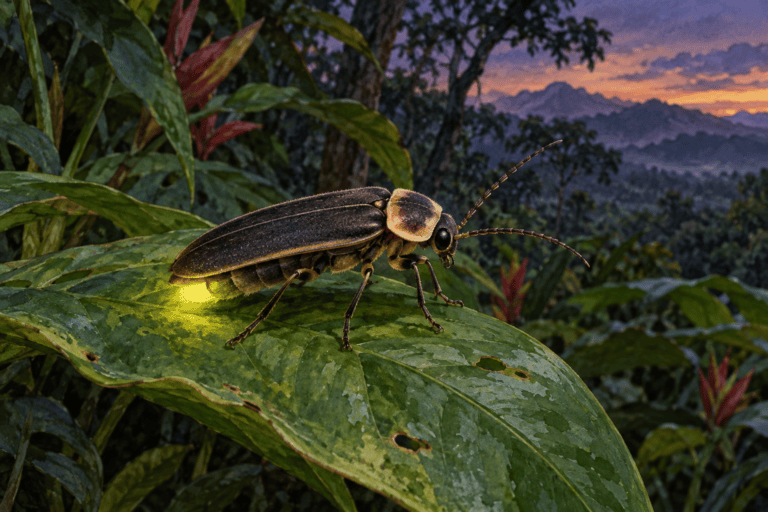
Fireflies
Soft beetle wing covers.
Take a closer look ↗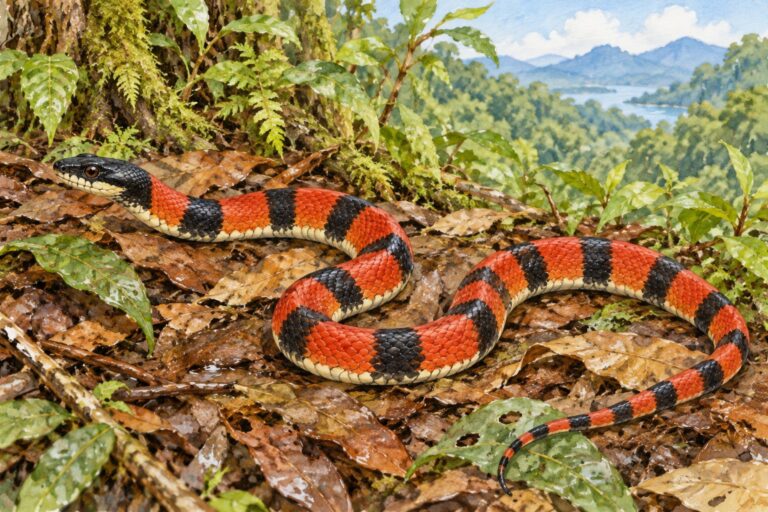
Forest Flame Snake
Bold red and dark markings stand out on this forest-floor snake.
Take a closer look ↗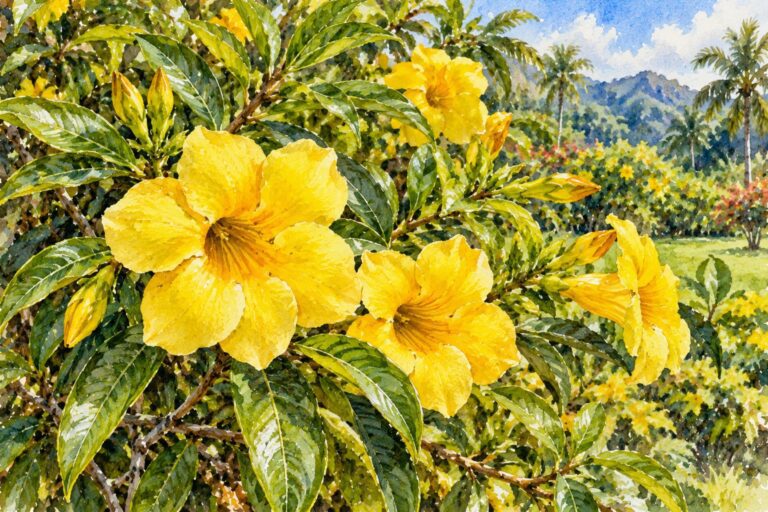
Golden Trumpet
Golden trumpet is a South American ornamental cultivated and naturalized in Costa Rica.
Take a closer look ↗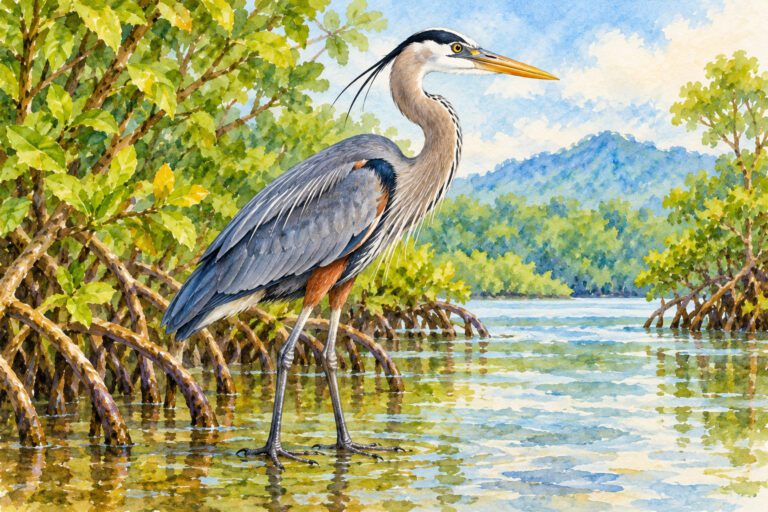
Great Blue Heron
This large heron searches shallow water for fish and other small animals.
Take a closer look ↗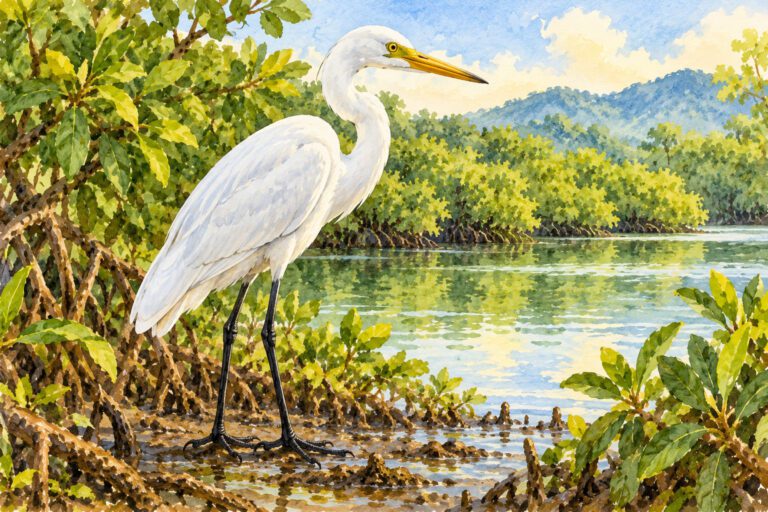
Great Egret
The Great Egret is a large white wading bird that hunts by waiting or walking slowly in shallow water.
Take a closer look ↗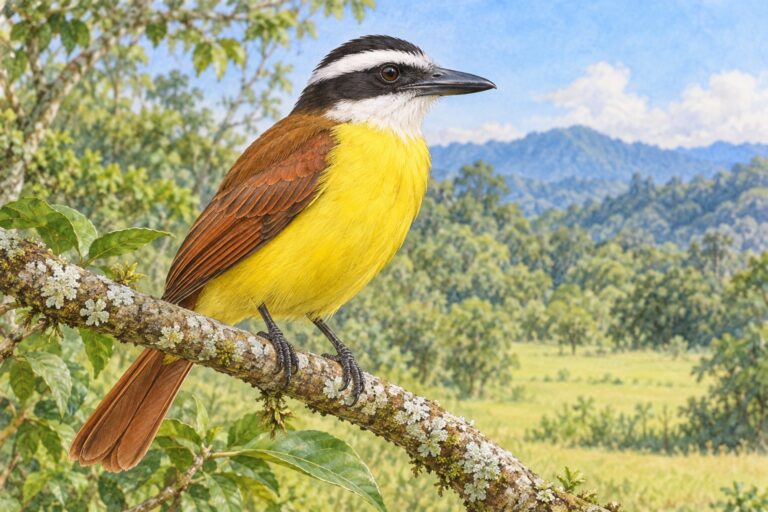
Great Kiskadee
A loud flycatcher with a yellow belly and striped head.
Take a closer look ↗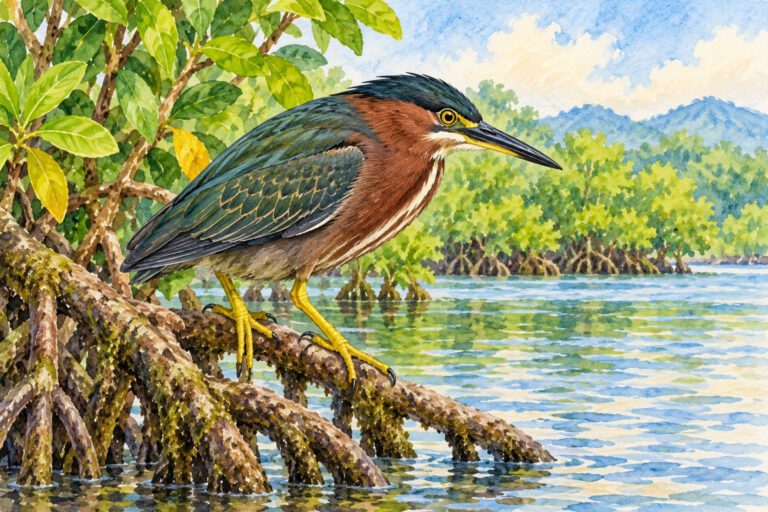
Green Heron
The Green Heron is a compact hunter with a dark greenish back, chestnut neck and a short crest.
Take a closer look ↗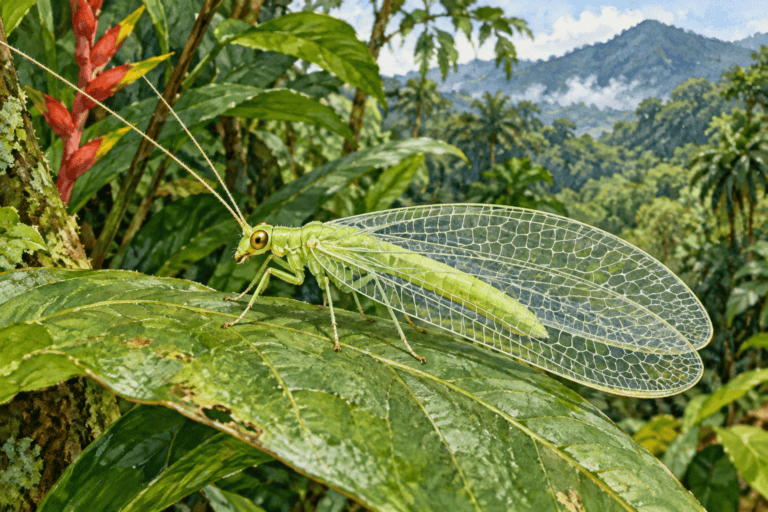
Green Lacewings
Delicate green body.
Take a closer look ↗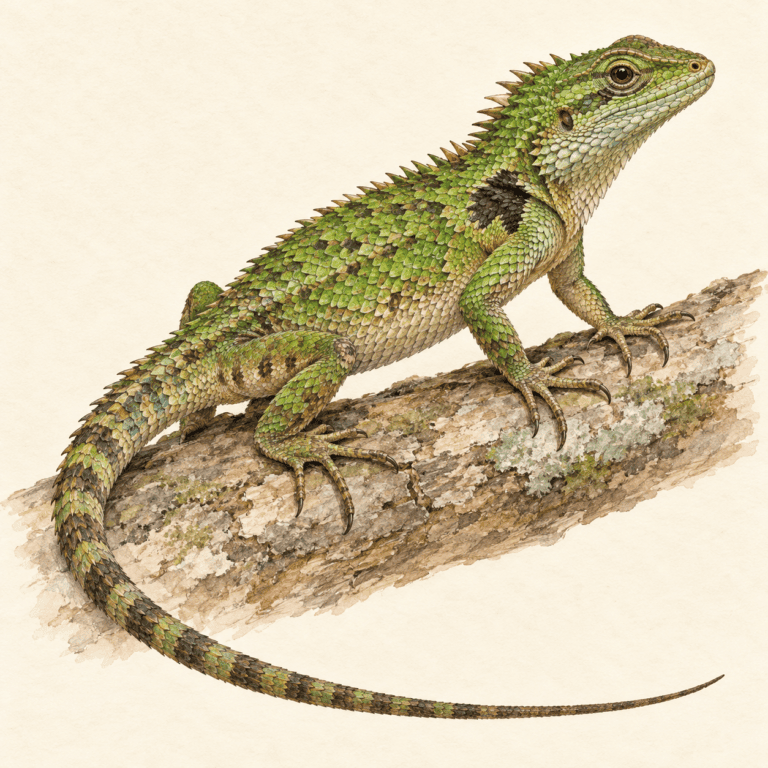
Green Spiny Lizard
A rough-scaled lizard of cooler upland environments.
Take a closer look ↗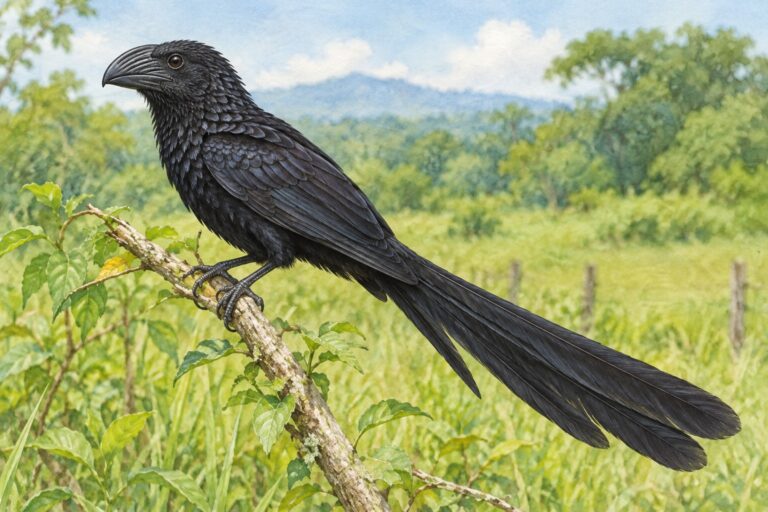
Groove-billed Ani
A social black bird with grooves on its heavy bill.
Take a closer look ↗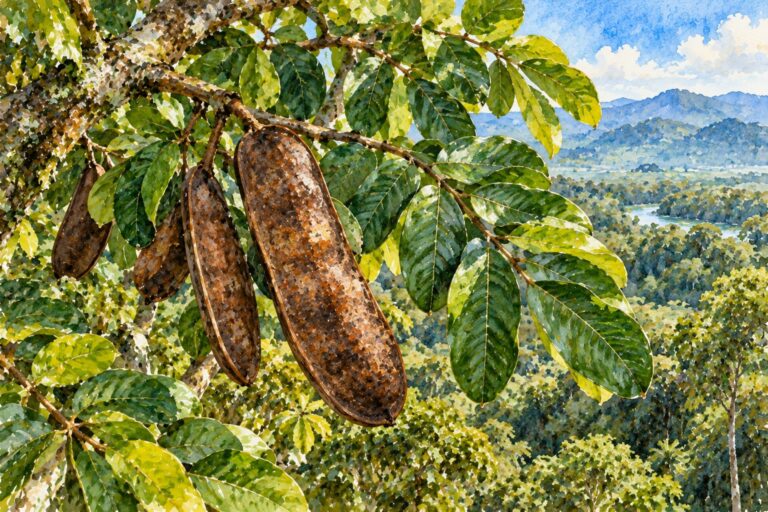
Guapinol
Paired leaflets and hard brown pods identify a forest tree with an important wildlife role.
Take a closer look ↗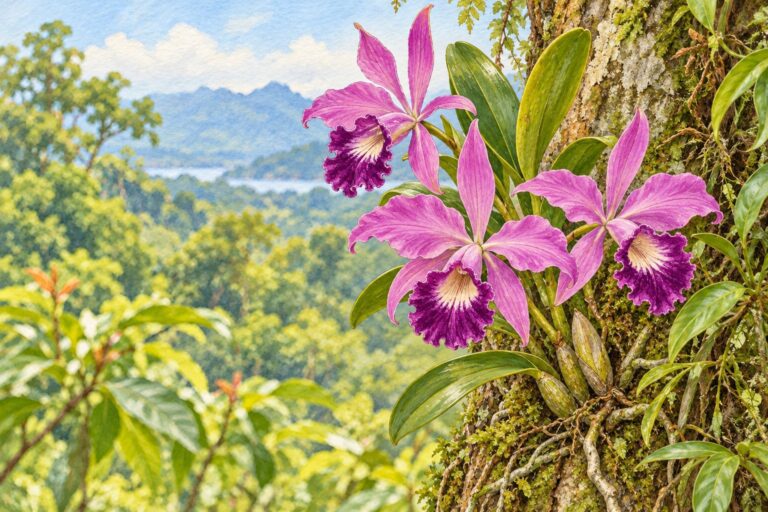
Guaria Morada Orchid
Costa Rica’s national flower carries pink-purple blossoms above fleshy leaves.
Take a closer look ↗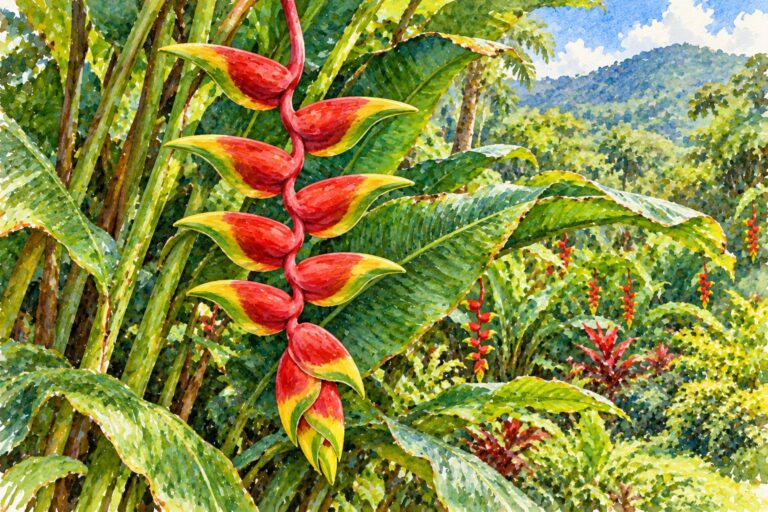
Hanging Lobster Claw
This cultivated heliconia has hanging clusters of colorful bracts.
Take a closer look ↗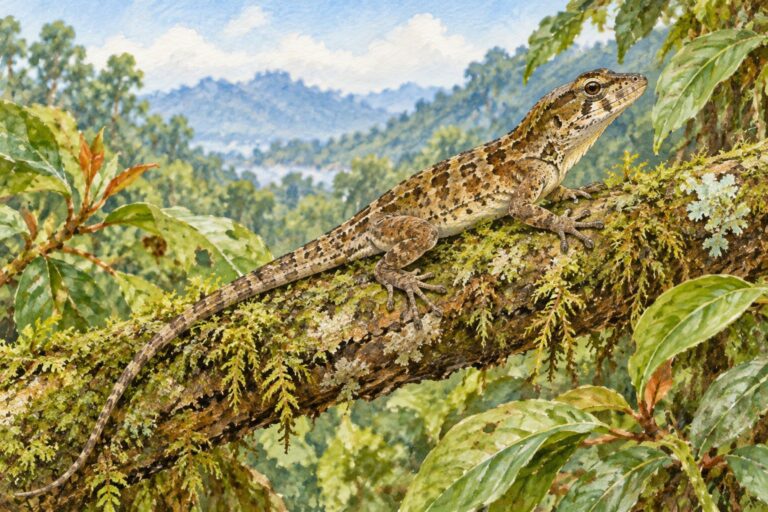
Heavy-footed Anole
A compact brown anole lives among the cool, wet forests of Talamanca.
Take a closer look ↗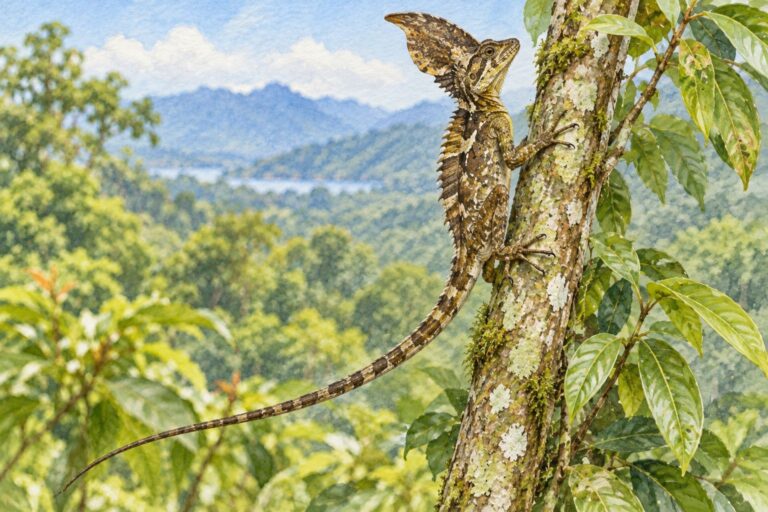
Helmeted Iguana
A dramatic helmet-shaped head rises above a perfectly still forest lizard.
Take a closer look ↗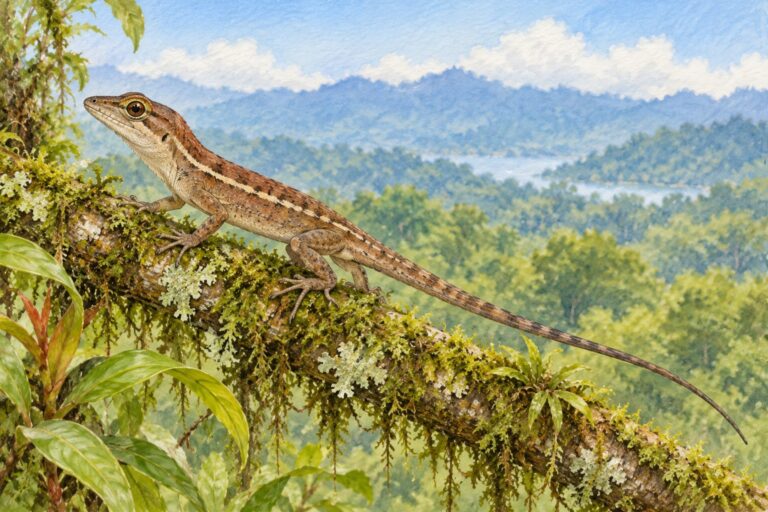
High Anole
A delicate brown anole makes its home in Costa Rica’s cool mountain forests.
Take a closer look ↗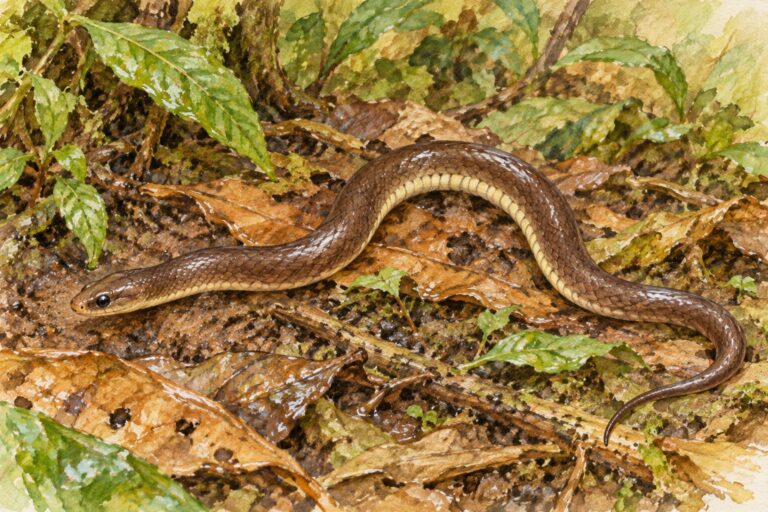
Hoffmann's Earth Snake
A small dark earth snake reminds us that much of forest life stays hidden.
Take a closer look ↗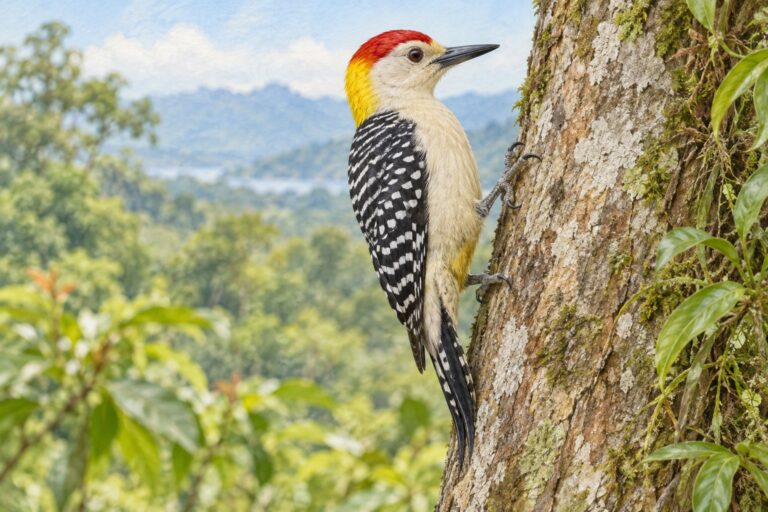
Hoffmann's Woodpecker
A black-and-white woodpecker with a yellow nape.
Take a closer look ↗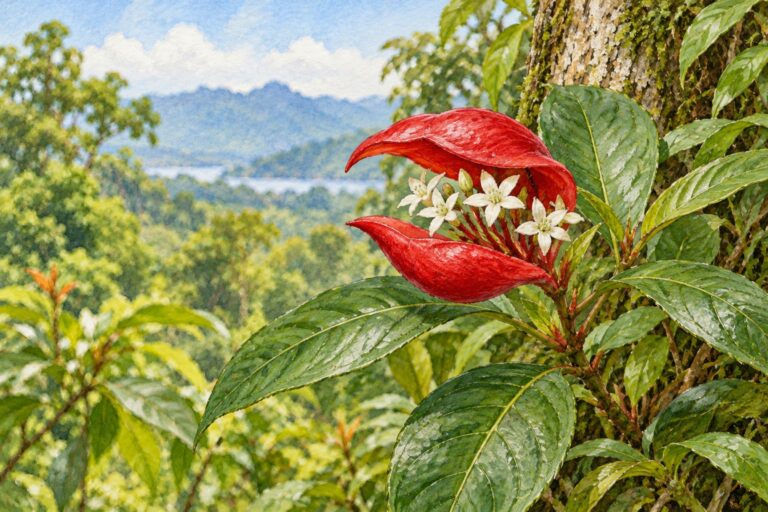
Hot Lips Plant
Two bright red bracts surround tiny pale flowers in the forest understory.
Take a closer look ↗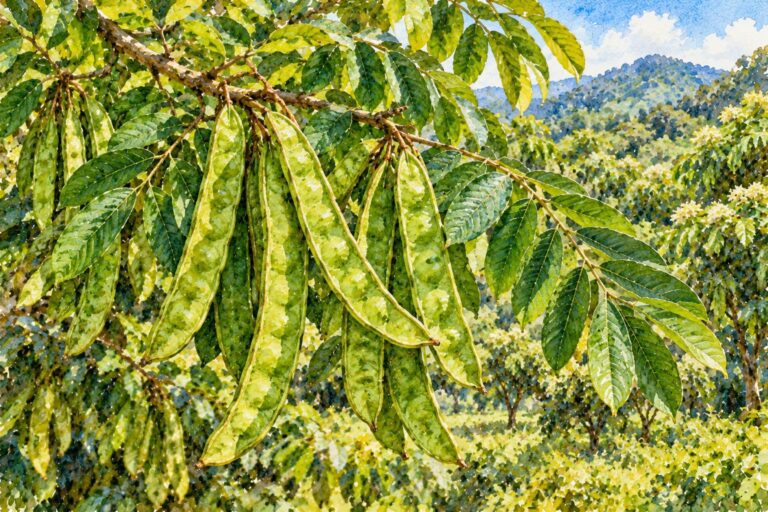
Ice Cream Bean
Guaba is planted for its long ribbed pods and as a shade tree.
Take a closer look ↗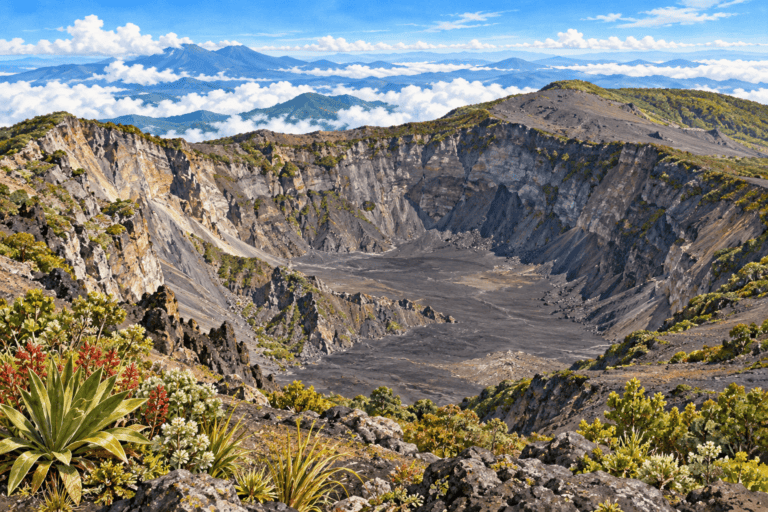
Irazú Volcano
Costa Rica’s tallest volcano has a cool summit landscape with several craters.
Take a closer look ↗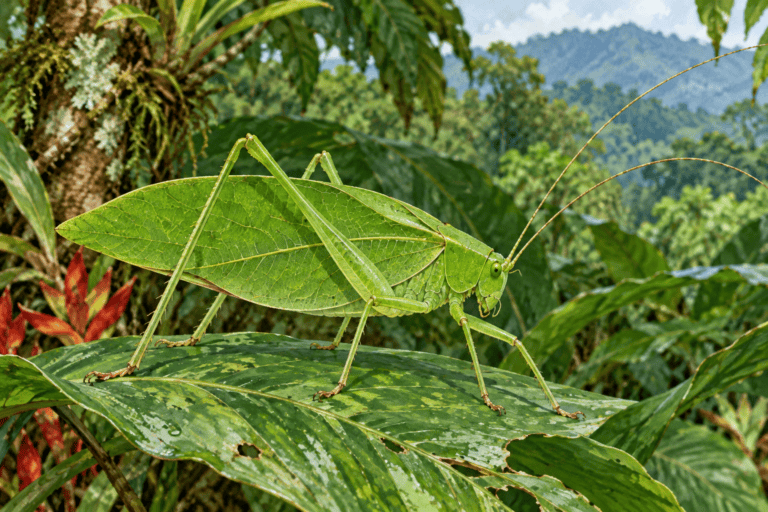
Katydids
Very long antennae.
Take a closer look ↗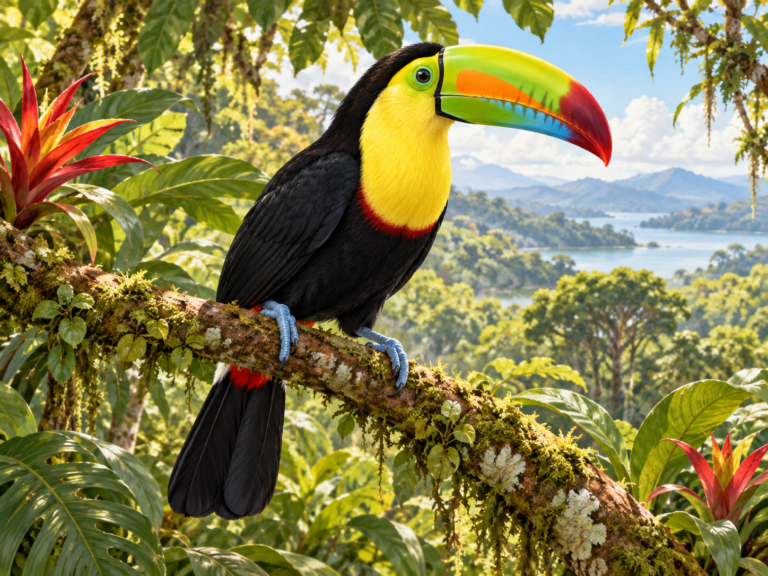
Keel-billed Toucan
A rainbow-colored bill stands out against dark plumage and a yellow throat.
Take a closer look ↗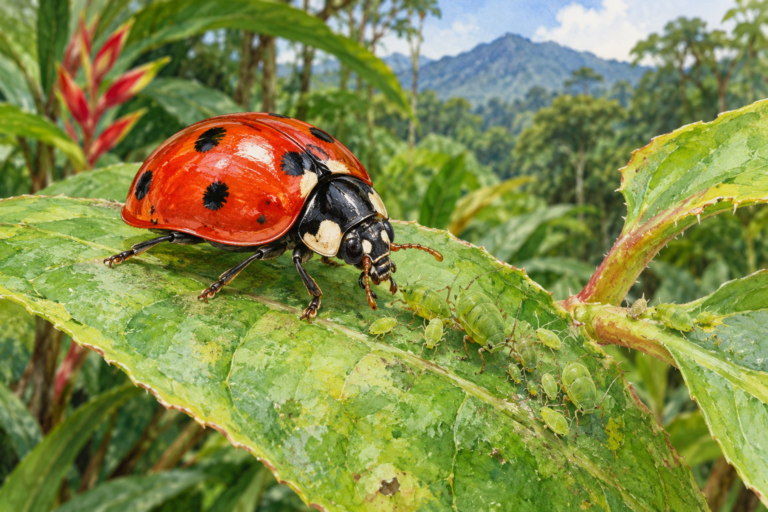
Lady Beetles
Rounded beetle body.
Take a closer look ↗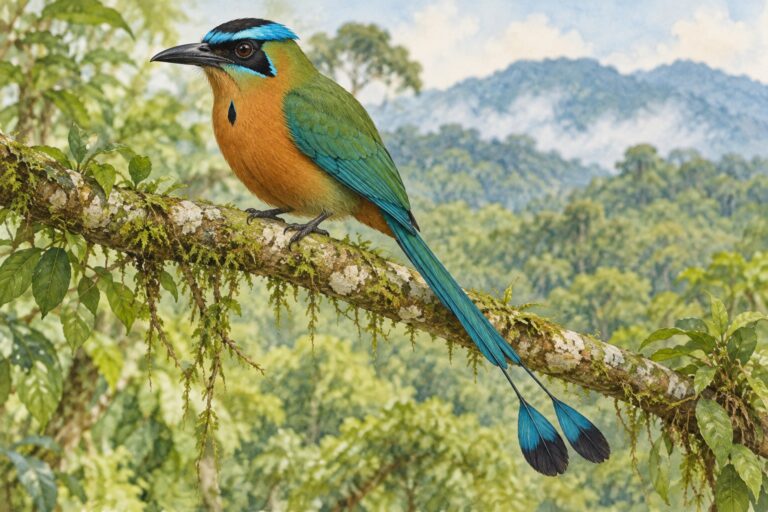
Lesson's Motmot
A colorful forest bird with a blue crown and long tail.
Take a closer look ↗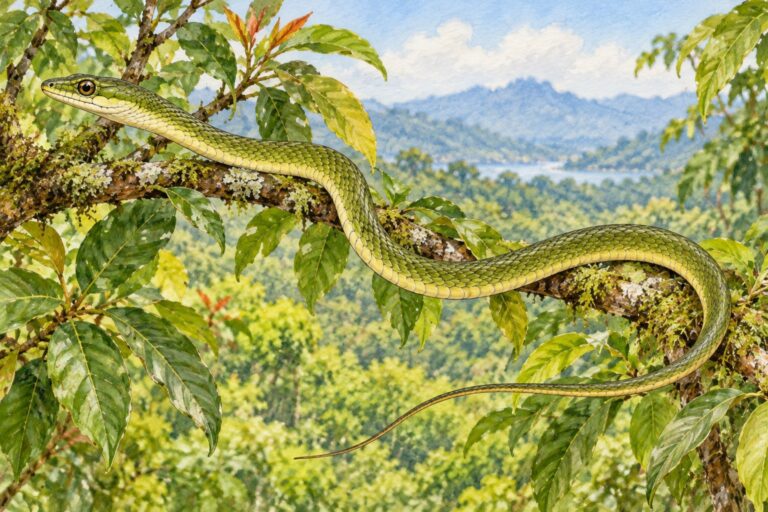
Linnaeus's Sipo
A long green-to-olive snake follows the paths made by forest branches.
Take a closer look ↗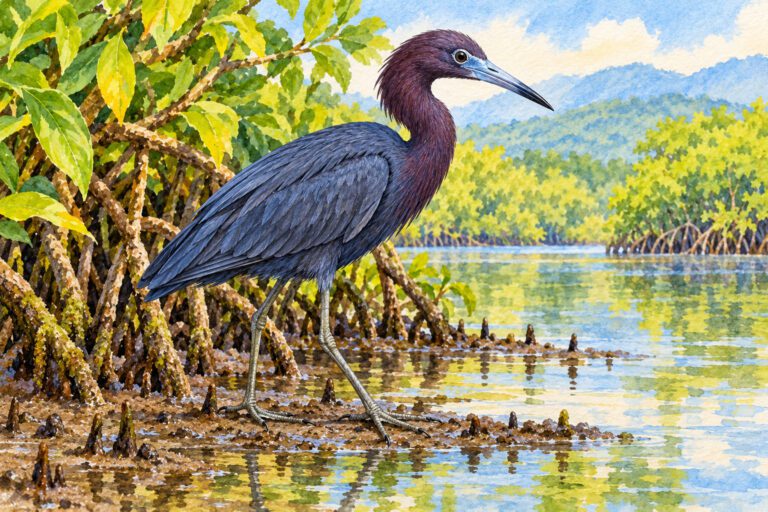
Little Blue Heron
Adults have slate-blue bodies and purplish heads and necks.
Take a closer look ↗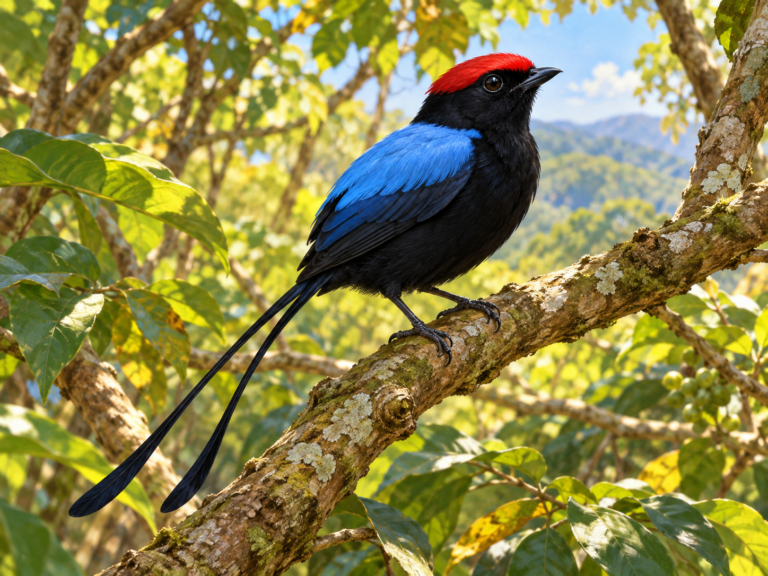
Long-tailed Manakin
A small forest bird famous for coordinated courtship displays.
Take a closer look ↗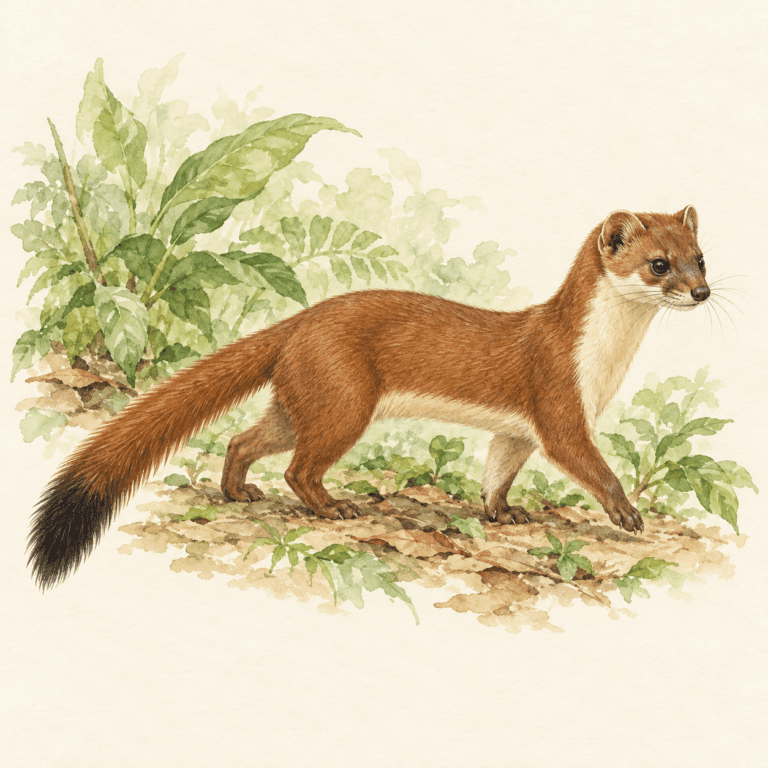
Long-tailed Weasel
A long-tailed weasel has a narrow flexible body that helps it move through cover and investigate small spaces.
Take a closer look ↗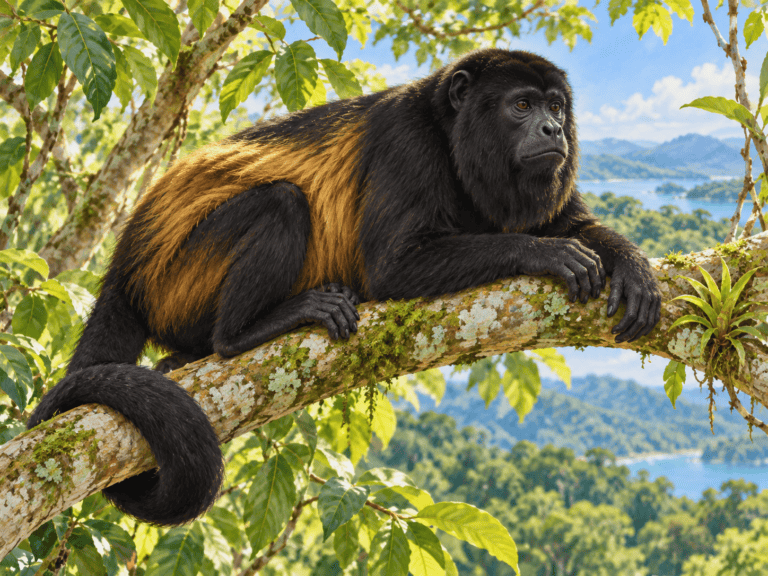
Mantled Howler Monkey
A mostly dark coat with a lighter mantle along the sides.
Take a closer look ↗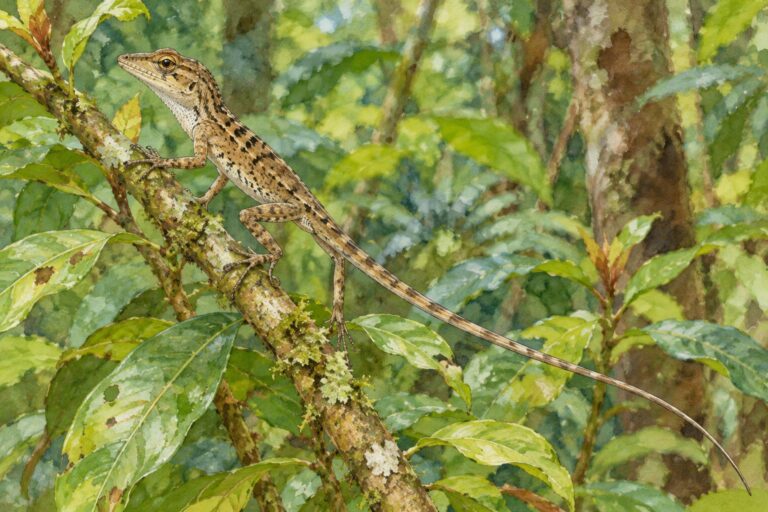
Many-scaled Anole
A slender brown anole explores the low vegetation of southern Pacific forests.
Take a closer look ↗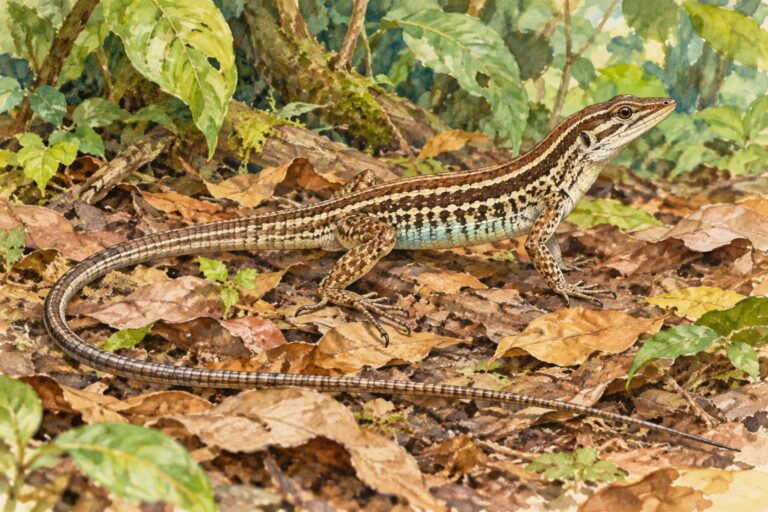
Middle American Ameiva
A long-tailed ground lizard searches among leaves and sunlit openings.
Take a closer look ↗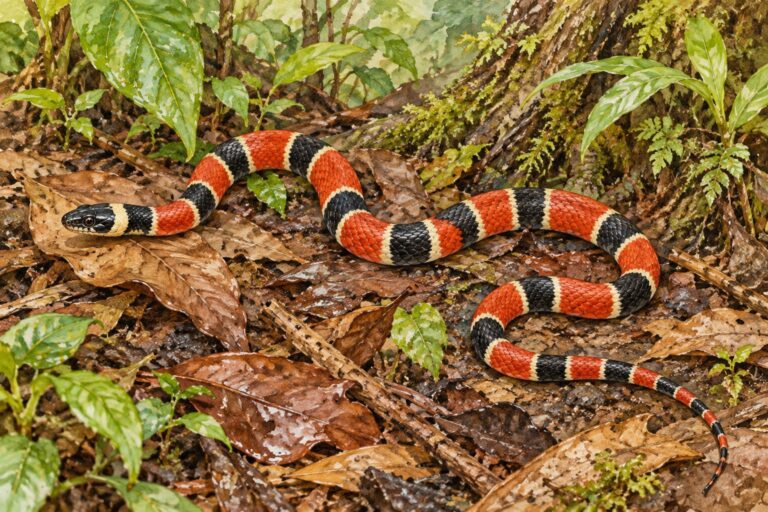
Mimic False Coral Snake
A bright forest snake offers a lesson about resemblance and careful observation.
Take a closer look ↗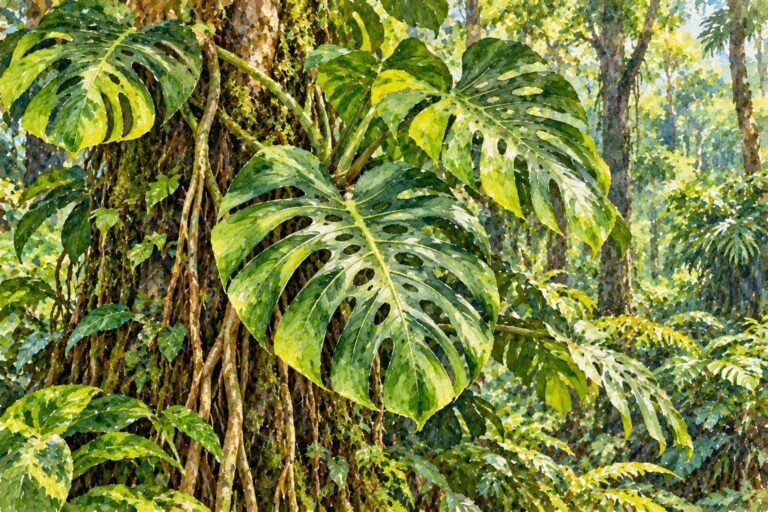
Monstera
Large split leaves with natural holes make this cultivated climber easy to notice.
Take a closer look ↗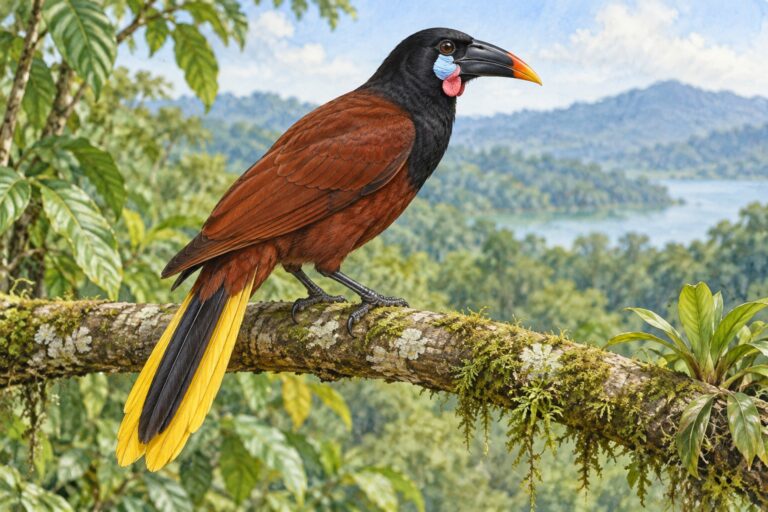
Montezuma Oropendola
A large chestnut bird with a yellow-sided tail.
Take a closer look ↗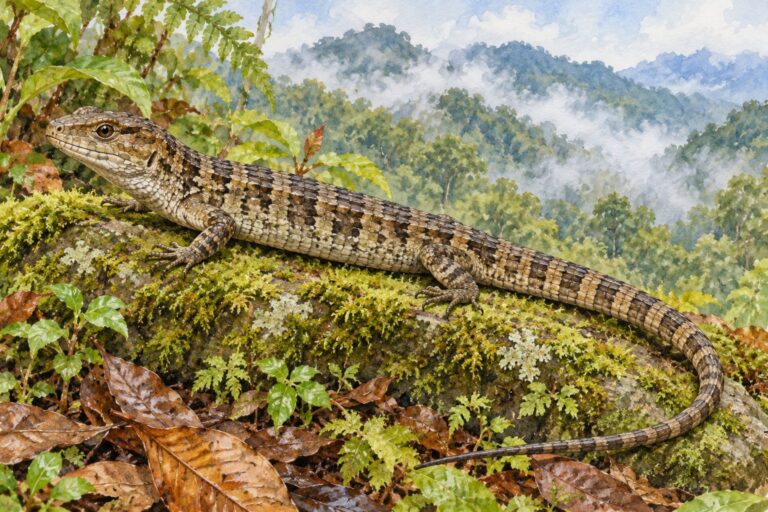
Mountain Alligator Lizard
An armored-looking lizard belongs to Costa Rica’s cool mountain forests.
Take a closer look ↗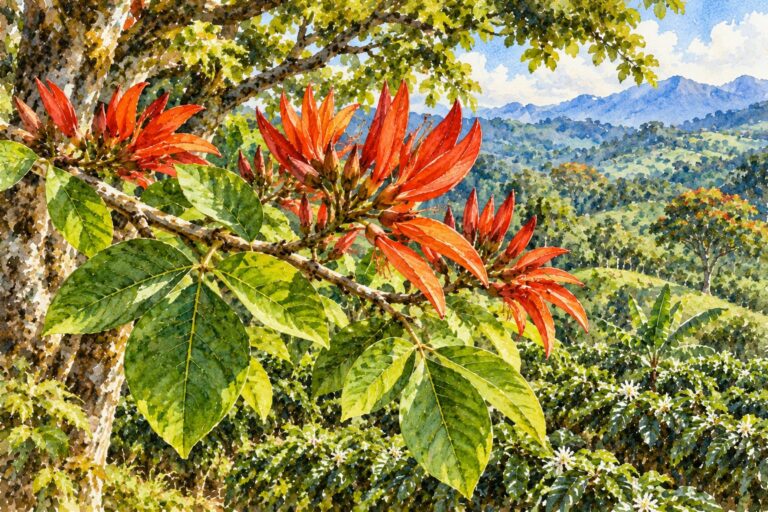
Mountain Immortelle
Poro gigante is a South American tree widely planted and naturalized in Costa Rica.
Take a closer look ↗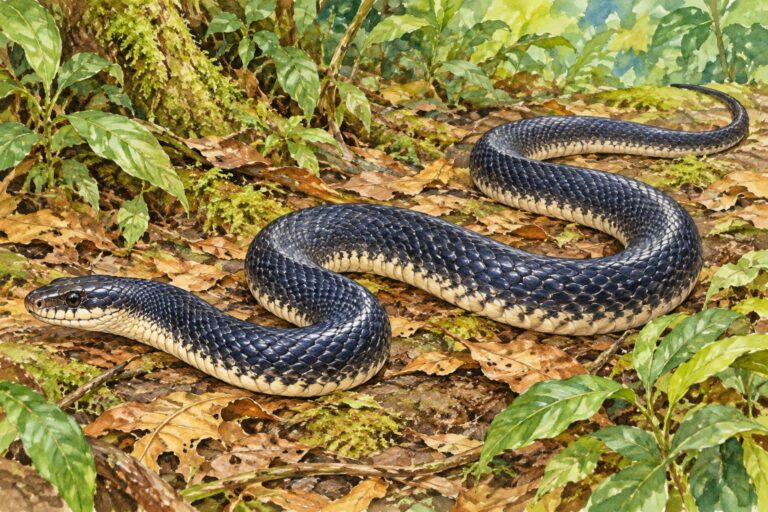
Mussurana
An adult’s dark body looks very different from a brightly colored juvenile.
Take a closer look ↗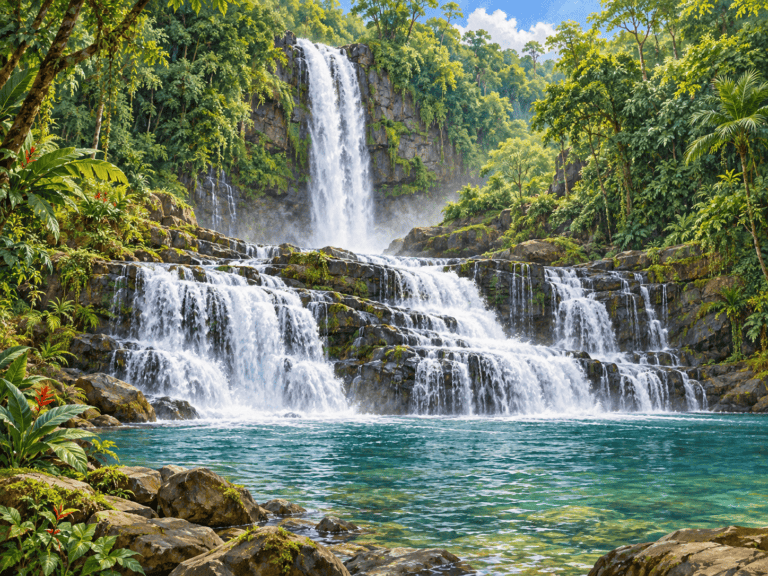
Nauyaca Waterfalls
Nauyaca is a waterfall system on the Barucito River with a high upper fall and a lower stepped fall.
Take a closer look ↗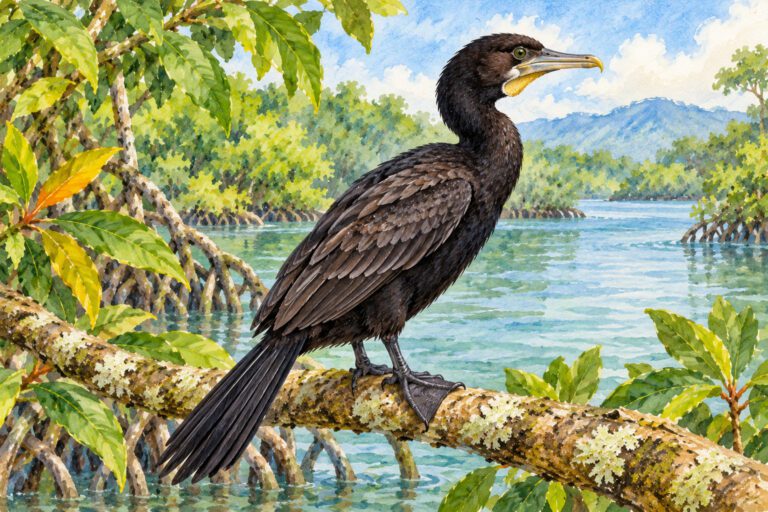
Neotropic Cormorant
This dark waterbird catches fish by diving and swimming underwater.
Take a closer look ↗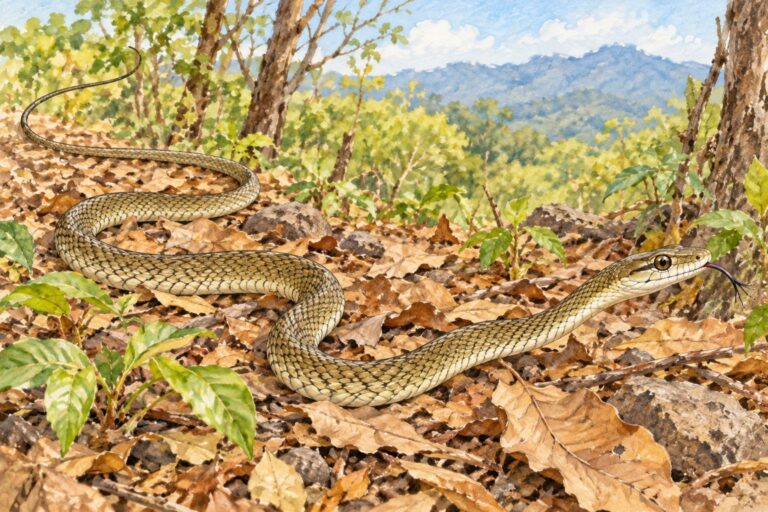
Neotropical Whipsnake
A very long tail follows this slender snake through open woodland.
Take a closer look ↗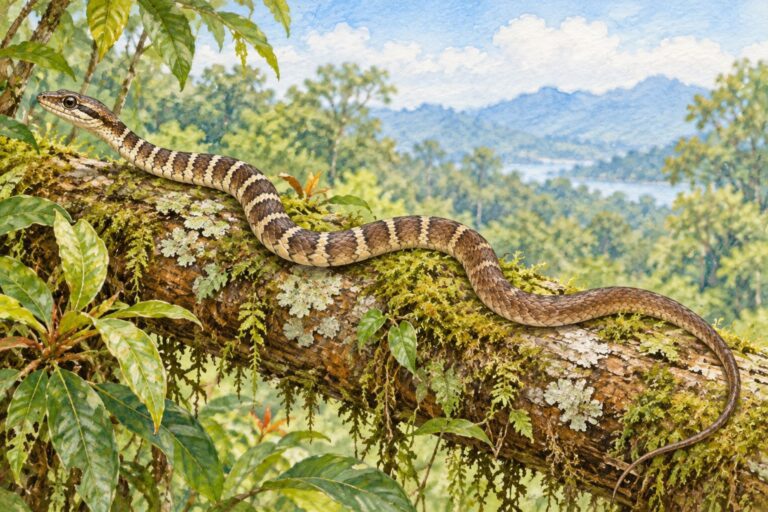
Northern Forest Racer
A fine-tailed forest snake carries narrow crossmarks through the shade.
Take a closer look ↗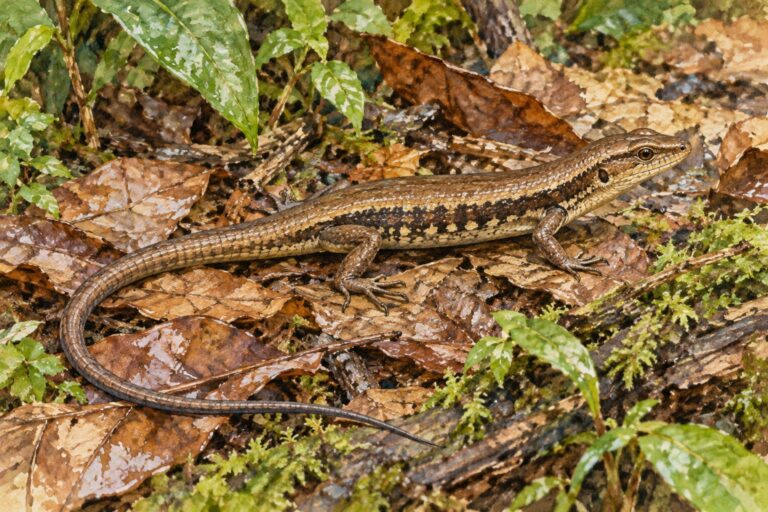
O'Shaughnessy's Galliwasp
Short legs and a long smooth body help this forest lizard move through cover.
Take a closer look ↗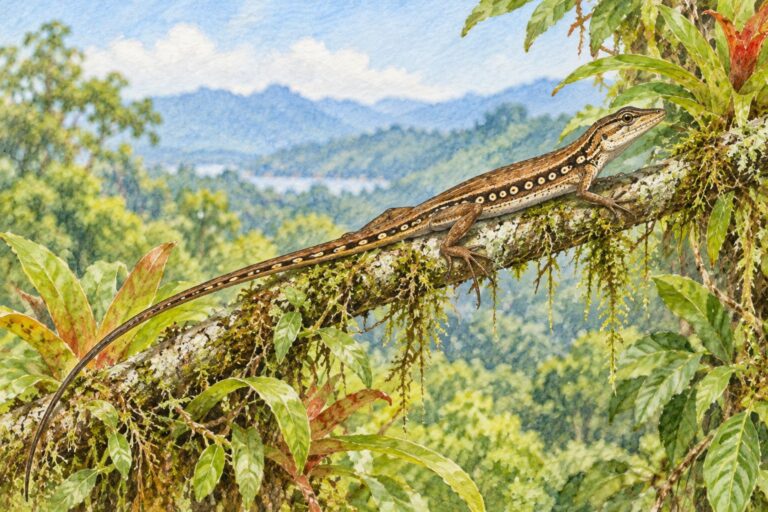
Ocellated Anadia
A slender forest lizard wears small eyelike markings along its sides.
Take a closer look ↗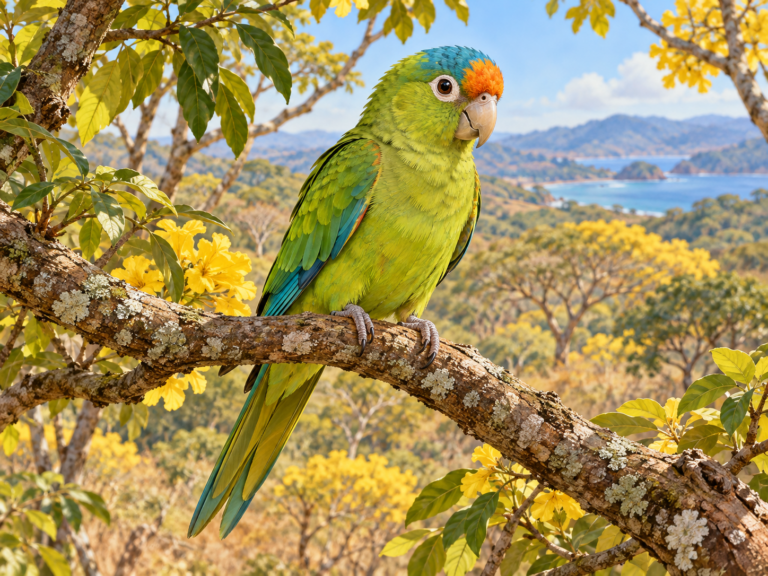
Orange-fronted Parakeet
An agile green parakeet with an orange forehead and long pointed tail.
Take a closer look ↗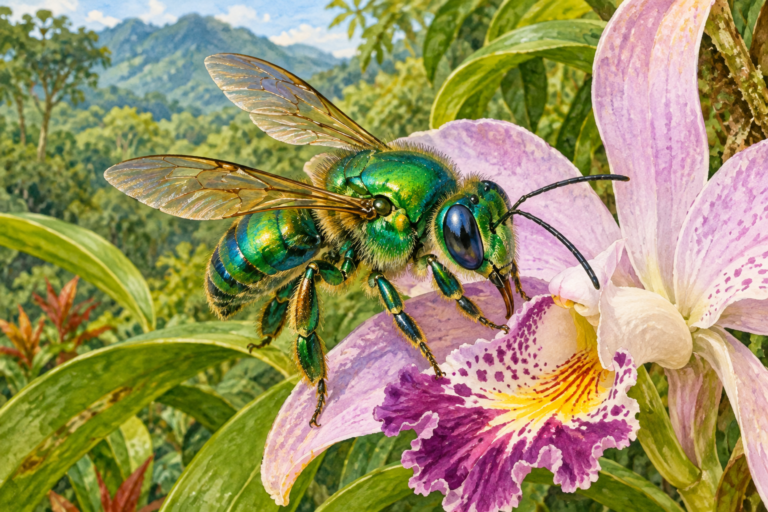
Orchid Bees
Often metallic colors.
Take a closer look ↗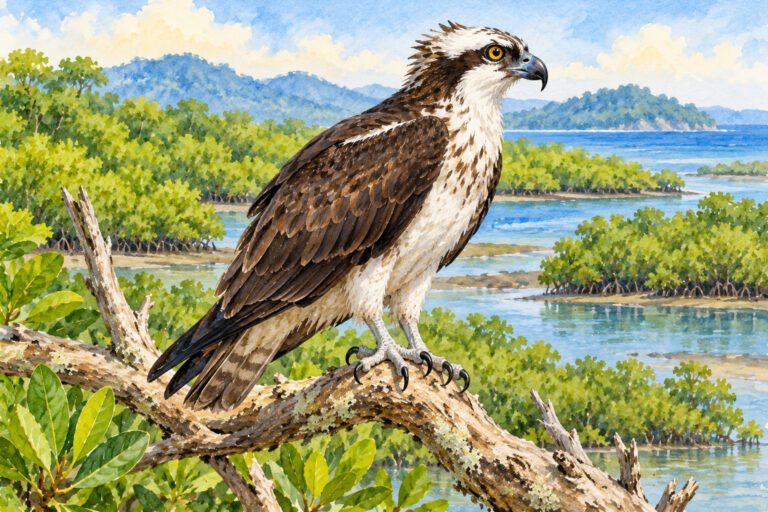
Osprey
The Osprey is a large raptor that catches fish with its feet.
Take a closer look ↗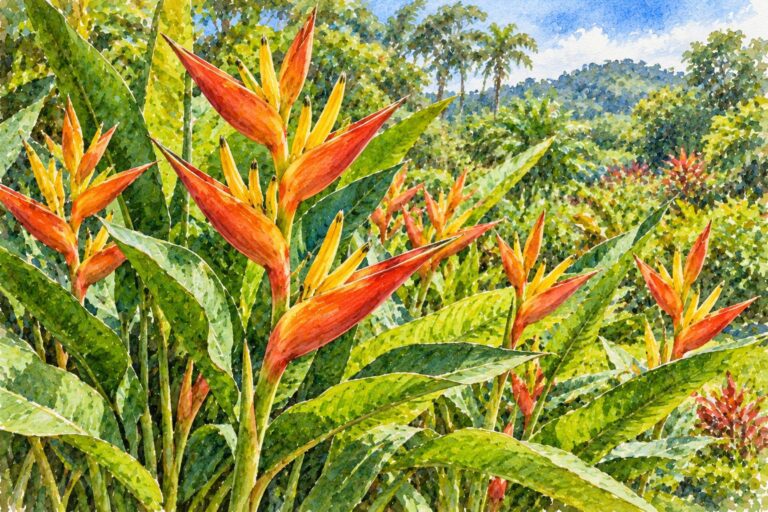
Parrot's Beak Heliconia
Parrot's beak heliconia is a cultivated ornamental with slim upright flower clusters.
Take a closer look ↗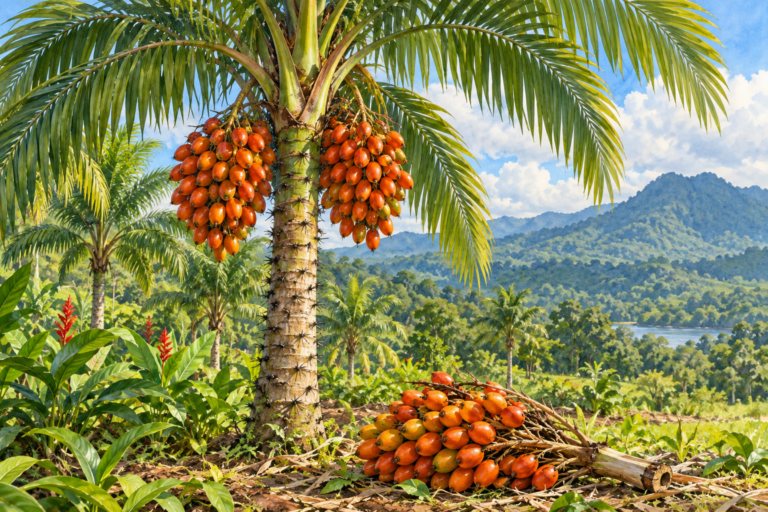
Peach Palm / Pejibaye
Pejibaye is the fruit of the peach palm.
Take a closer look ↗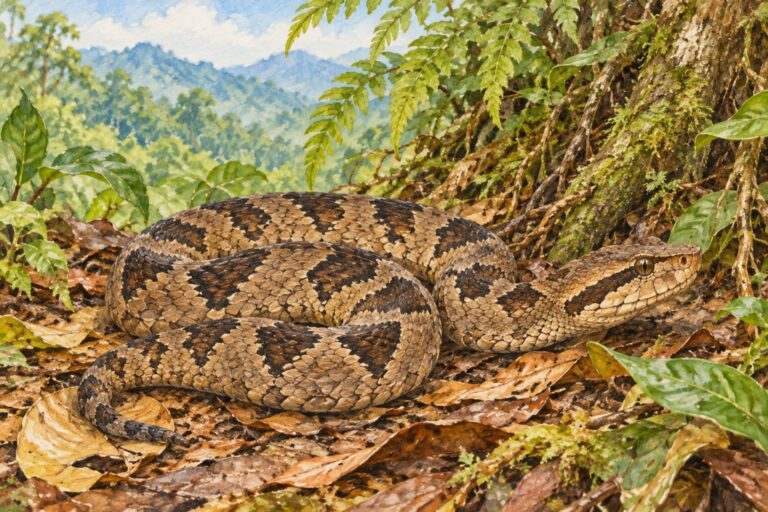
Picado's Pitviper
A powerful, camouflaged pitviper rests on the floor of wet forest.
Take a closer look ↗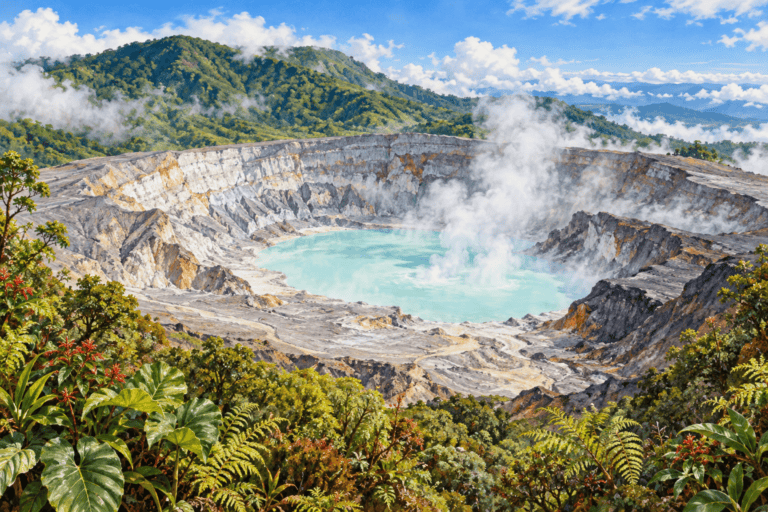
Poás Volcano
A broad volcanic crater reveals the forces that shape Costa Rica’s mountains.
Take a closer look ↗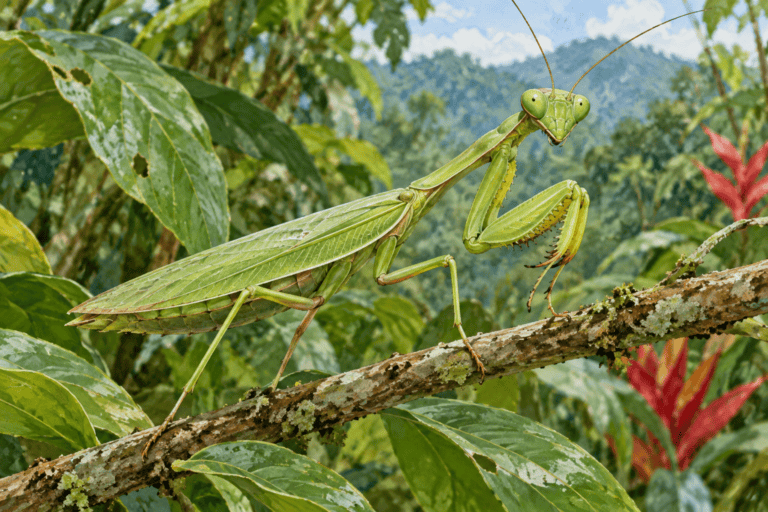
Praying Mantises
Triangular head.
Take a closer look ↗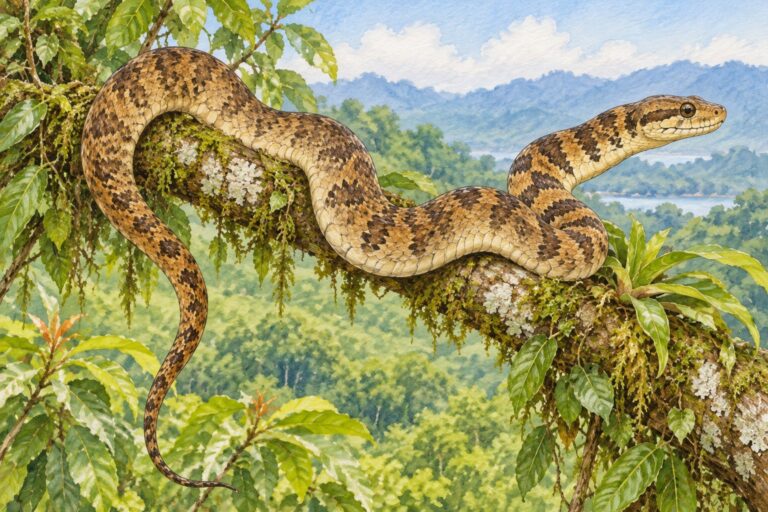
Puffing Snake
A large forest snake shows how much color and pattern can vary within one species.
Take a closer look ↗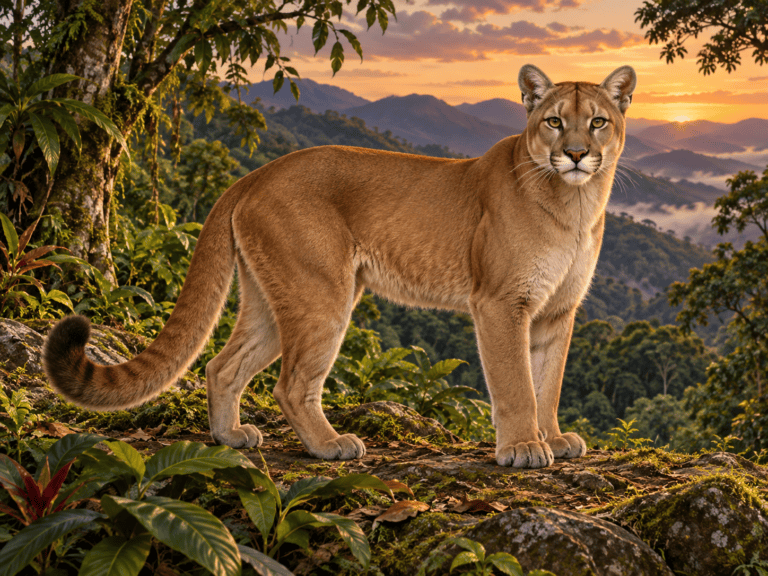
Puma
A long-tailed, unspotted wild cat that uses many forest types.
Take a closer look ↗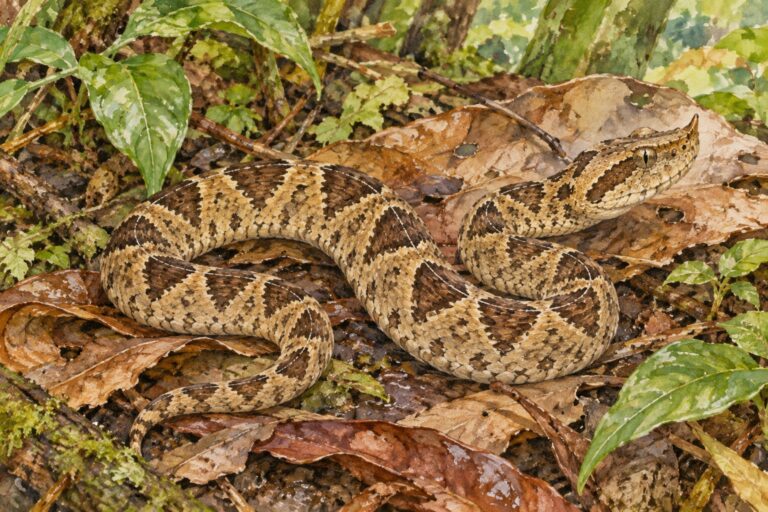
Rainforest Hognosed Pitviper
An upturned snout and leaf-colored markings distinguish this small forest viper.
Take a closer look ↗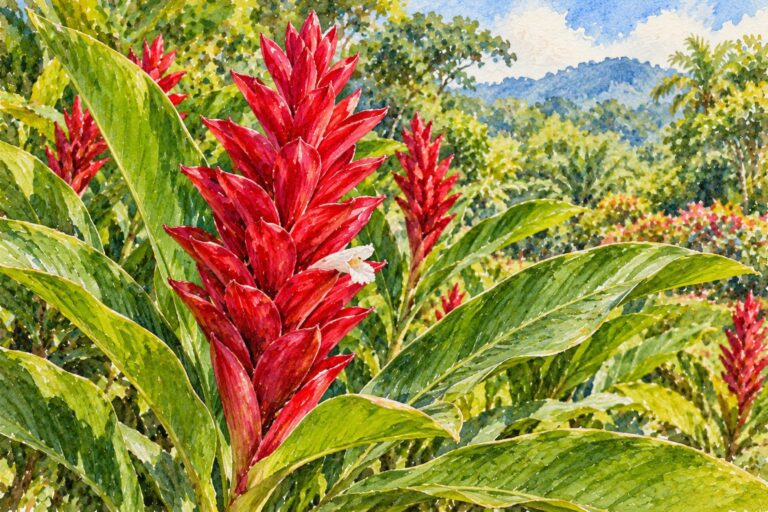
Red Ginger
Red ginger is an introduced ornamental grown in moist tropical gardens.
Take a closer look ↗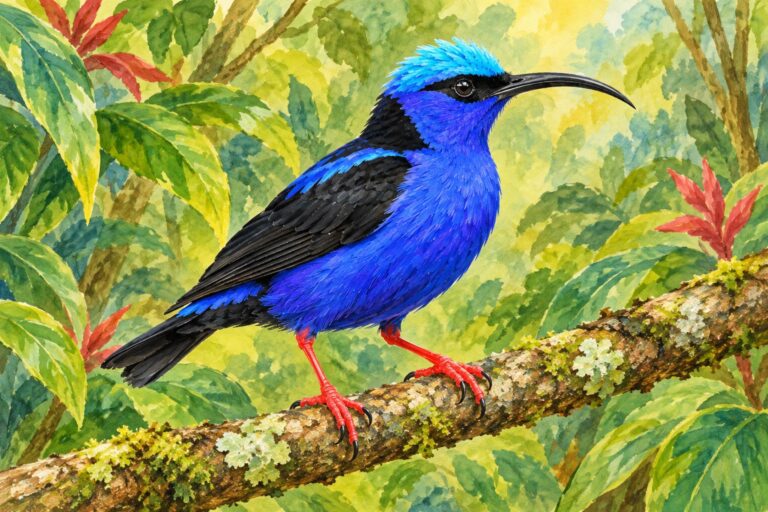
Red-legged Honeycreeper
A small bird with red feet and a slender curved bill.
Take a closer look ↗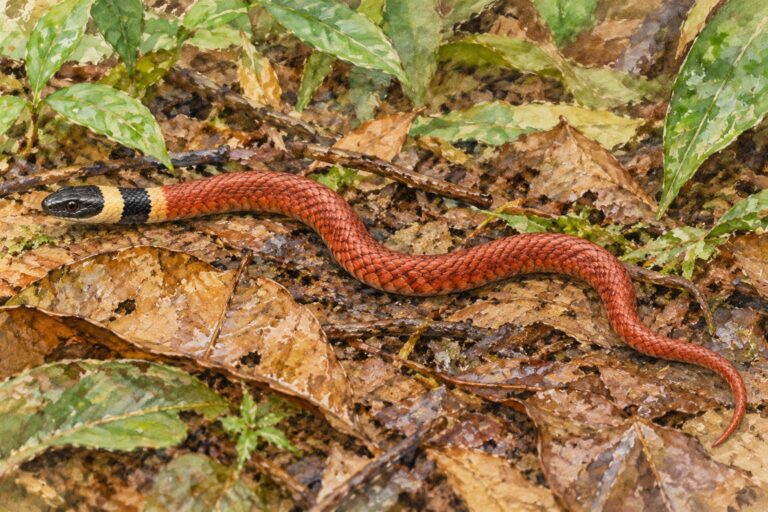
Redback Coffee Snake
A tiny red-backed snake lives close to the forest floor.
Take a closer look ↗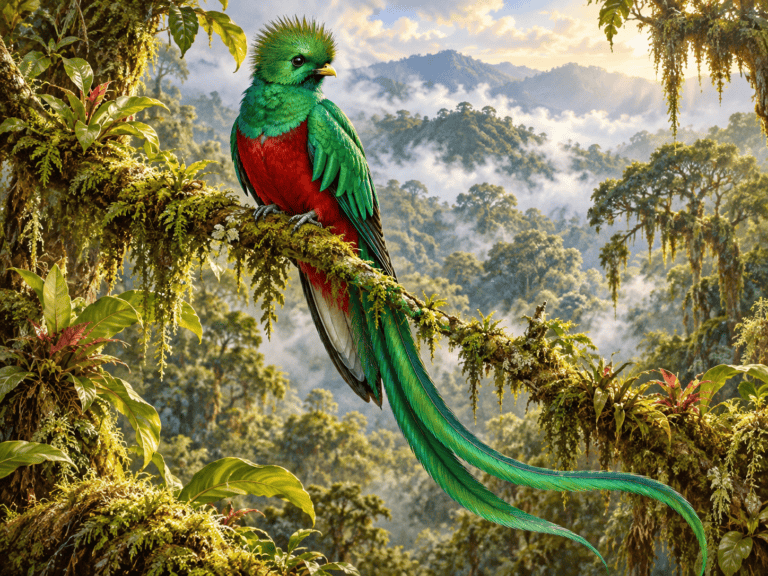
Resplendent Quetzal
A cloud-forest fruit eater with brilliant green plumage.
Take a closer look ↗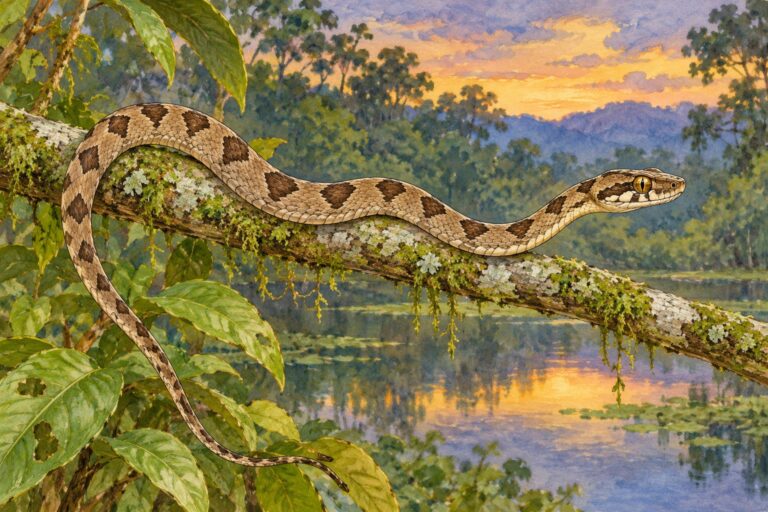
Rhombic Cat-eyed Snake
Dark saddle-shaped blotches cross the back of a large-eyed snake.
Take a closer look ↗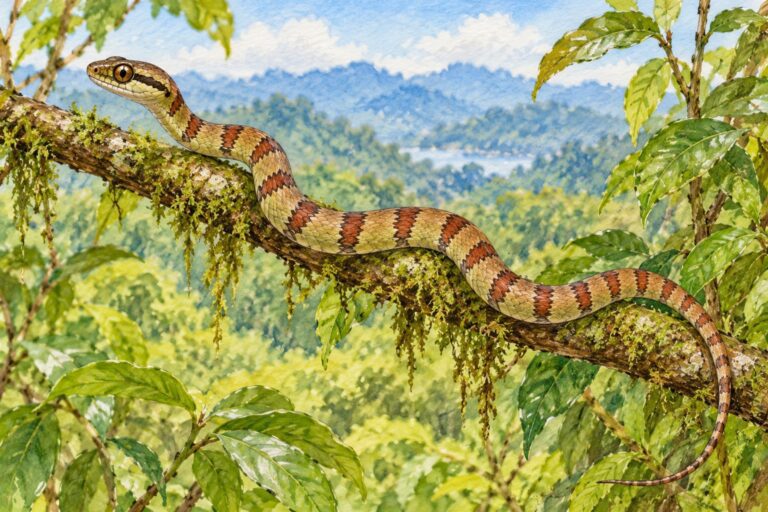
Ringed Snail-eating Snake
A small branch-climbing snake has large eyes and contrasting body rings.
Take a closer look ↗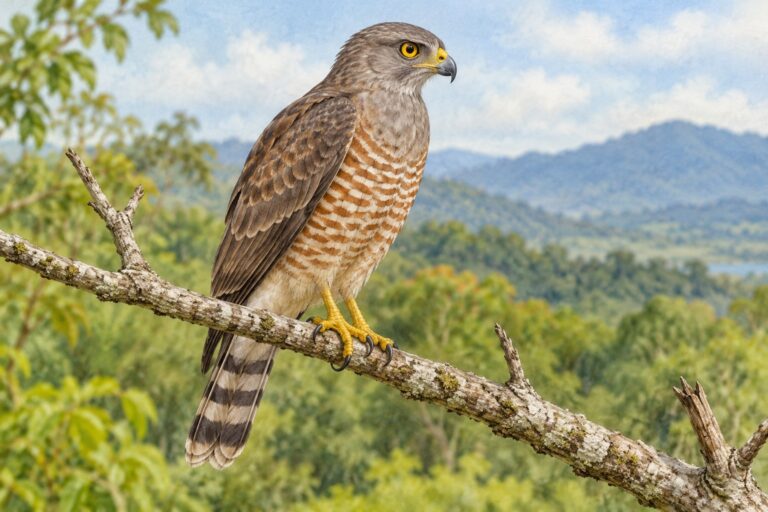
Roadside Hawk
A compact hawk often seen near woodland edges.
Take a closer look ↗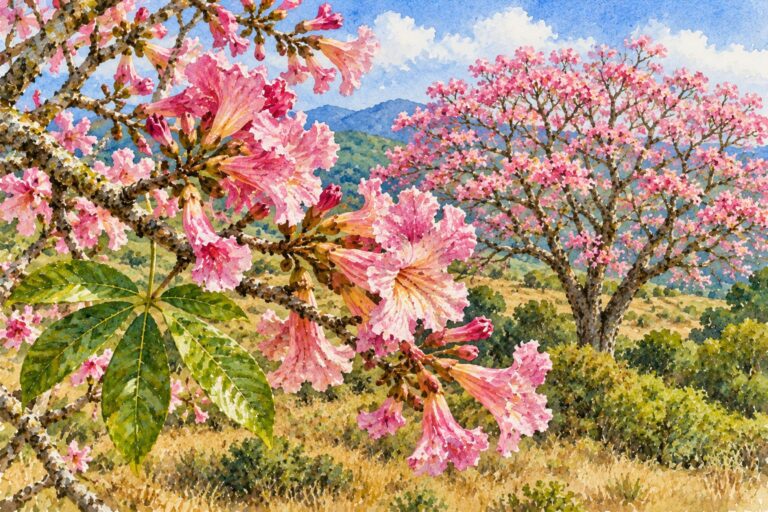
Roble de Sabana
A native tree whose pink trumpet flowers brighten forest edges and open landscapes.
Take a closer look ↗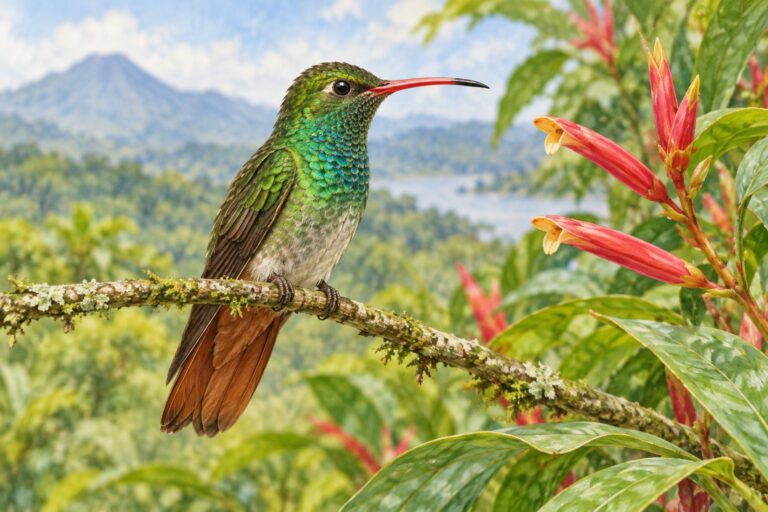
Rufous-tailed Hummingbird
A green hummingbird with a rusty tail.
Take a closer look ↗