Tico Explorers

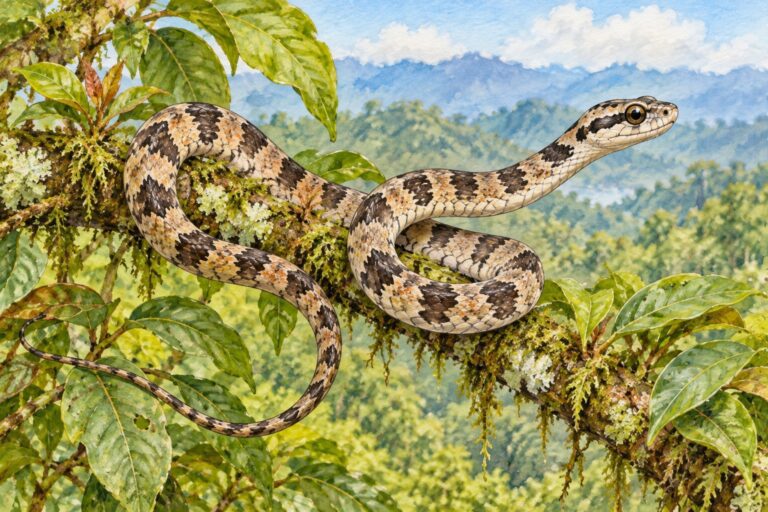
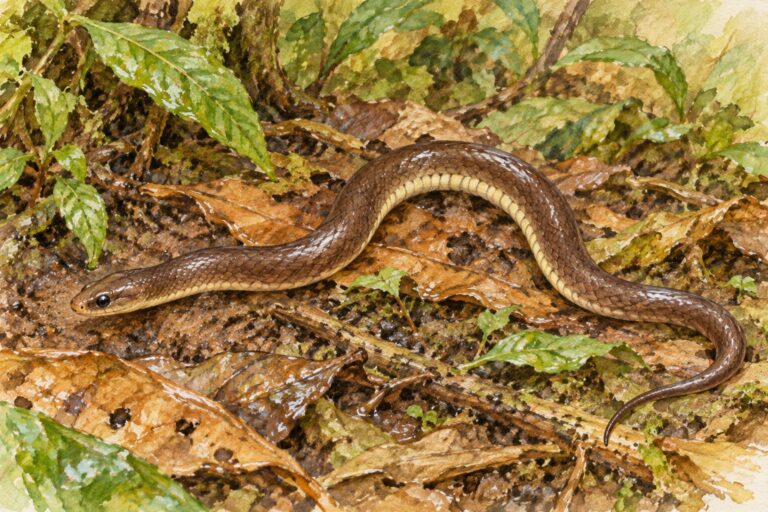
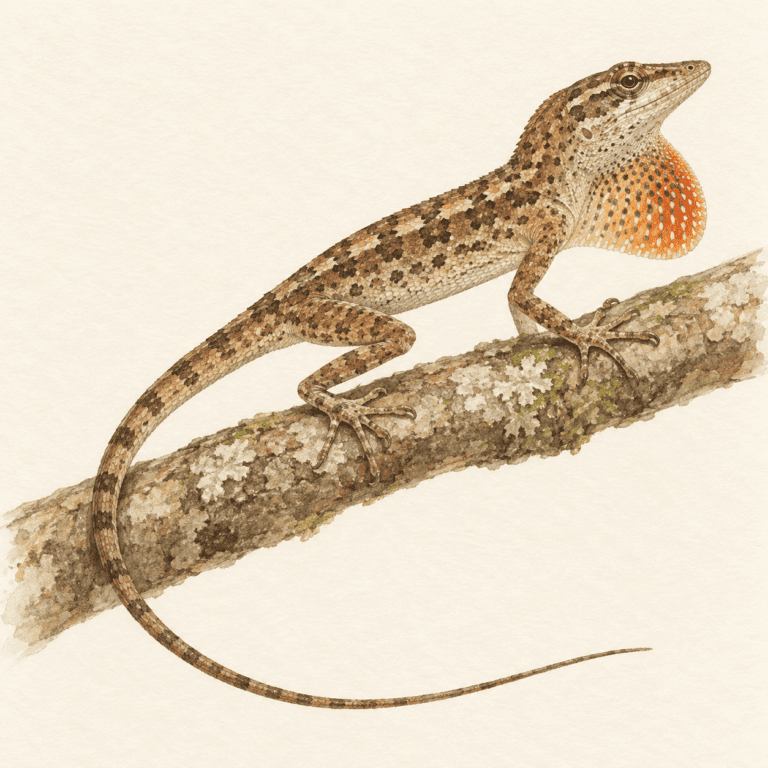
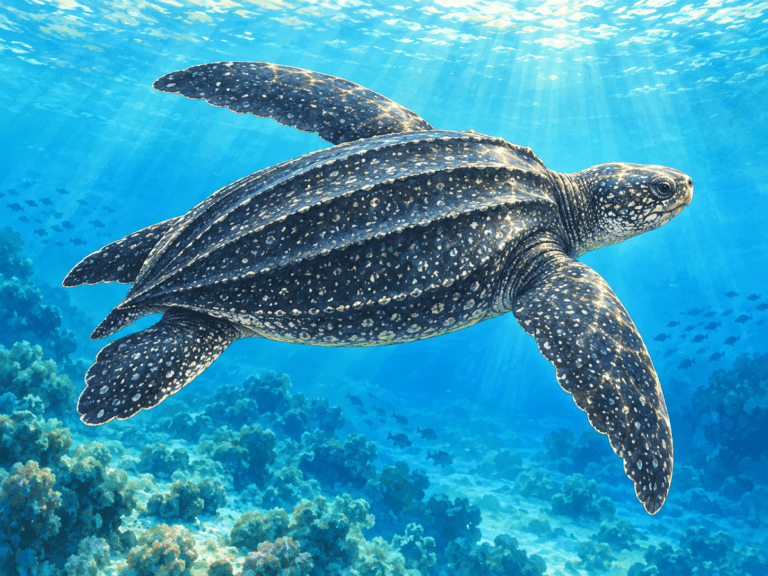
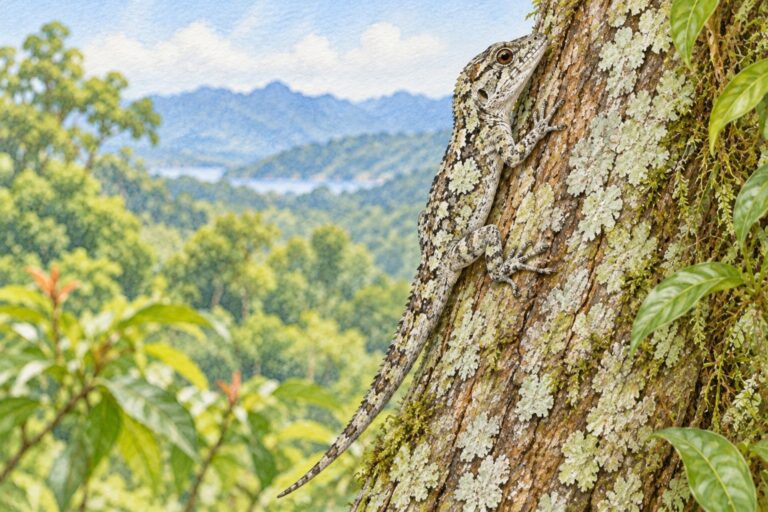
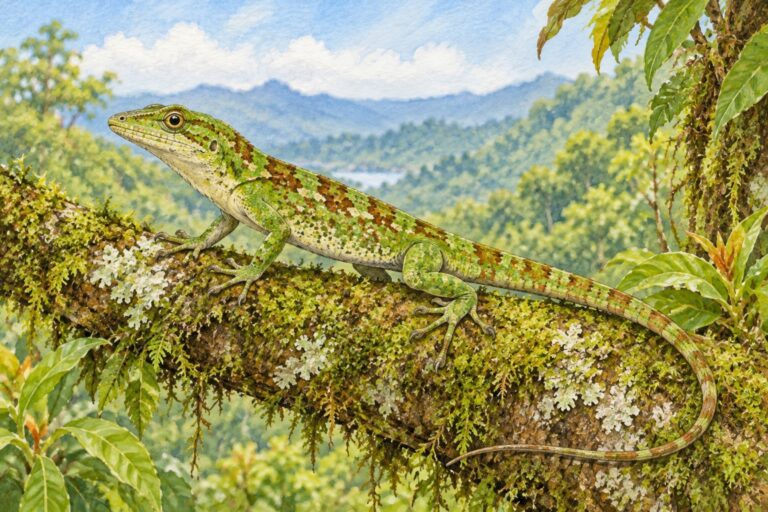
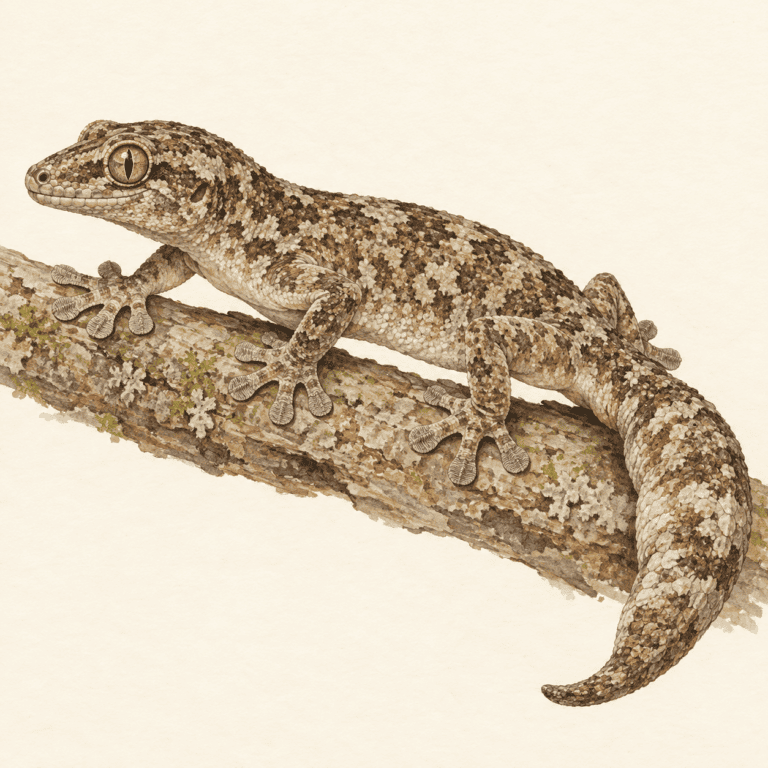
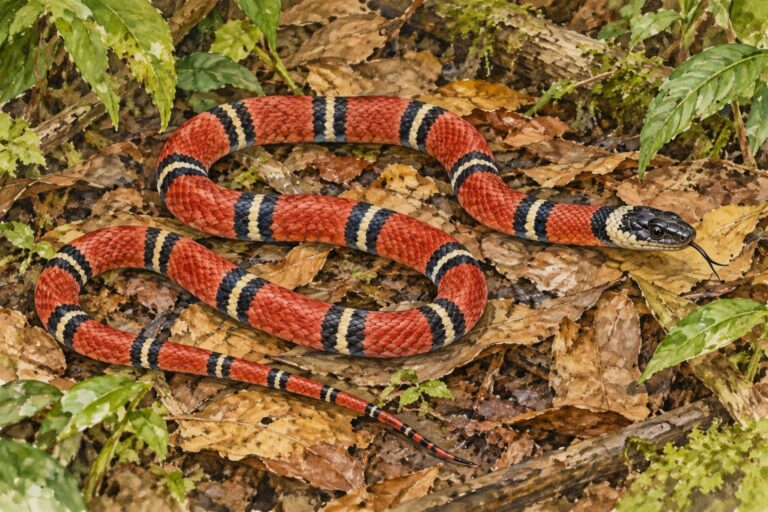
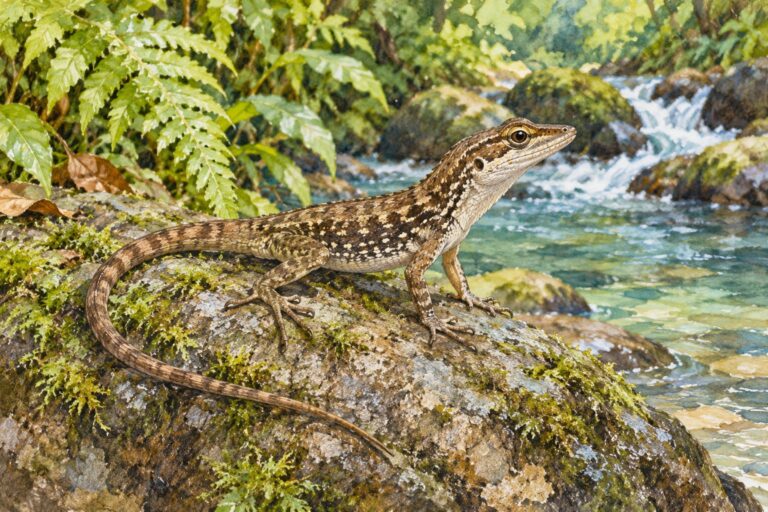
Nature Field Guide

Reptiles

Explore wildlife, plants and trees. Learn what to look for and where to find them.

All Nature

99 profiles

Nature Field Guide

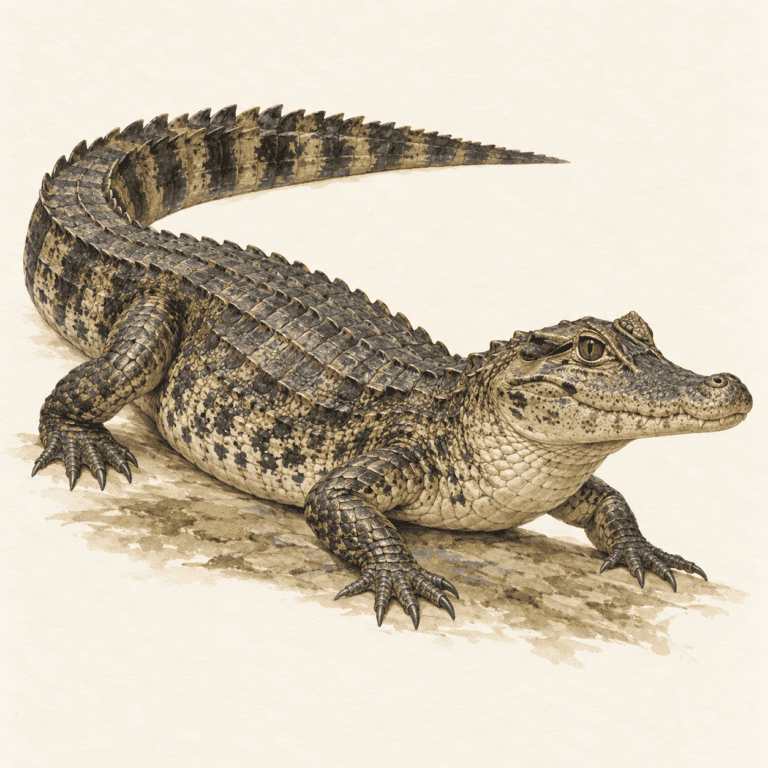
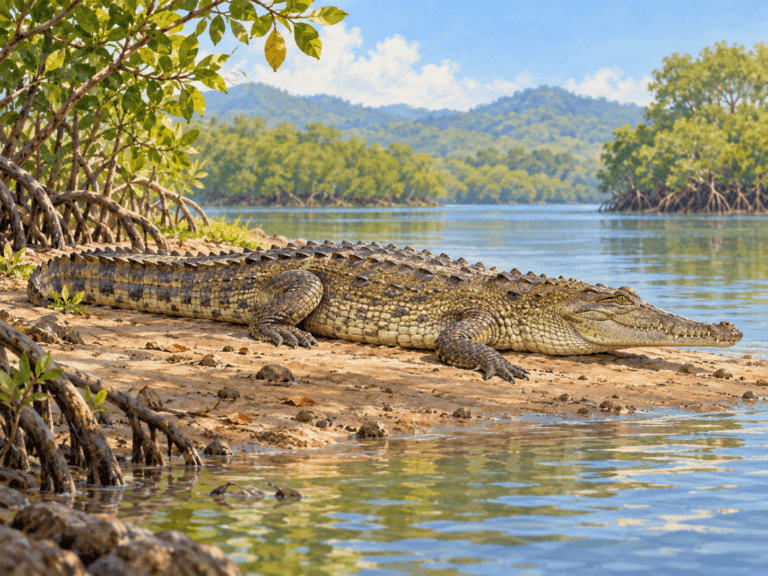
American Crocodile

Spanish name
Cocodrilo americano
Scientific name
Crocodylus acutus

What Do Pico & Tati Think?

Pico: “It blends into the riverbank so well.”

Tati: “We can observe from here with our guide. We don’t need to move closer.”

Identification

Key Features of the American Crocodile

  • A long snout and narrow head.

  • An olive-brown adult body with a long, strong tail.

  • Much of the body may be concealed in water or beside a bank.

Habitat & range

Rivers, estuaries, mangrove channels and other aquatic habitats. Observe only from a guide-approved boat or designated viewing place.

Seasonal Calendar

Egg-laying

General species biology; local schedule unverified

Apr, May

General species reference: April–May egg-laying and about 9–10 weeks of incubation. Tamarindo-specific nesting dates have not been verified. Never approach nests.

Event source ↗

Conservation & care

Never feed, approach or provoke crocodiles. Stay in the boat, keep hands inside, and follow local signs and guide instructions. Keep children and pets away from water edges.

View full profile →

Nature Field Guide

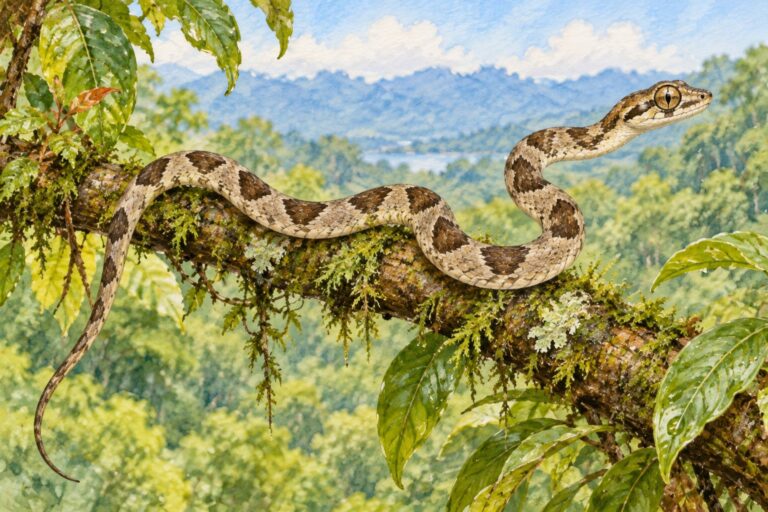
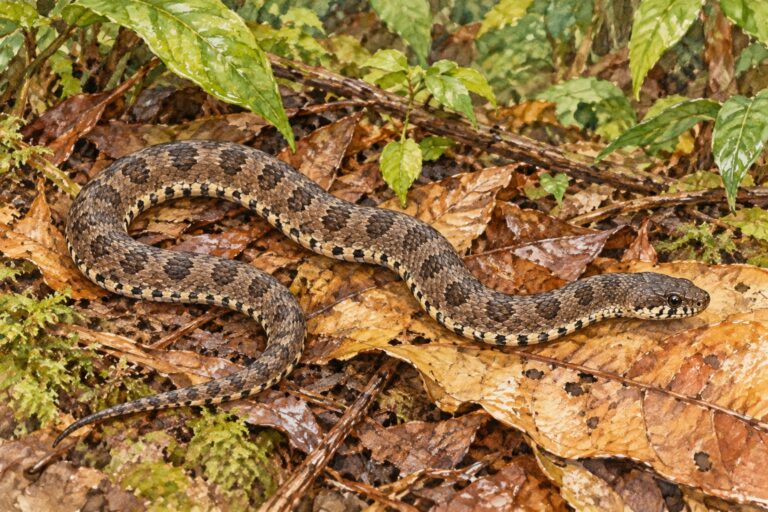
American Snail-eater

Spanish name
Caracolera articulada
Scientific name
Dipsas articulata

What Do Pico & Tati Think?

Pico: “What helps this reptile fit into its habitat?”

Tati: “Let’s look at its shape, colors and surroundings while giving it plenty of space.”

Identification

Key Features of the American Snail-eater

  • Slender body and narrow neck

  • Relatively large head and eyes

  • Dark blotches on a lighter background

Habitat & range

Humid forest and foothill vegetation on the Caribbean slope and in southwestern Costa Rica.

Conservation & care

Observe from a distance with an adult or qualified guide. Do not touch, catch, corner, feed or move any snake. Keep children and pets away. Colors, head shape and pupil shape must never be used to decide a snake is safe.

Threats & pressures

Protect connected habitat and natural shelters. Avoid collection, unnecessary clearing and deliberate killing. Leave wildlife in place and support responsible observation.

View full profile →

Nature Field Guide

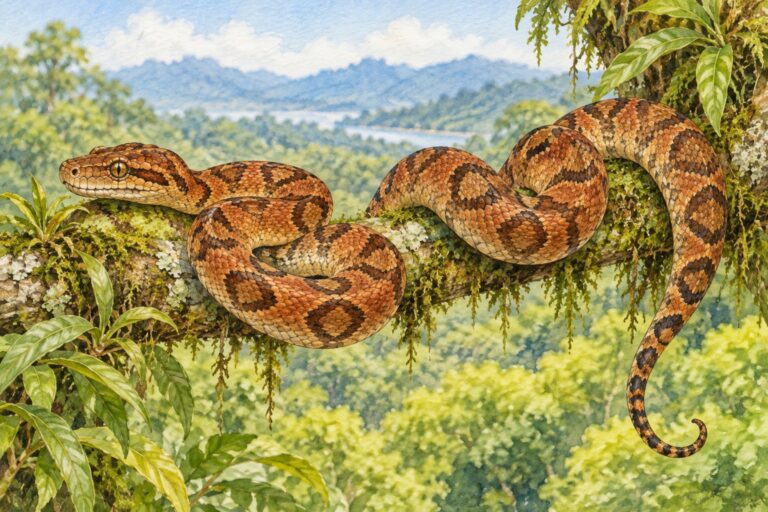
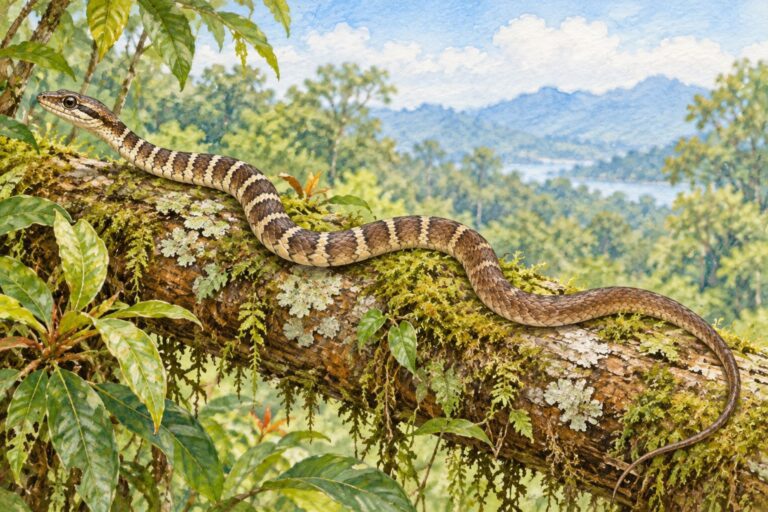
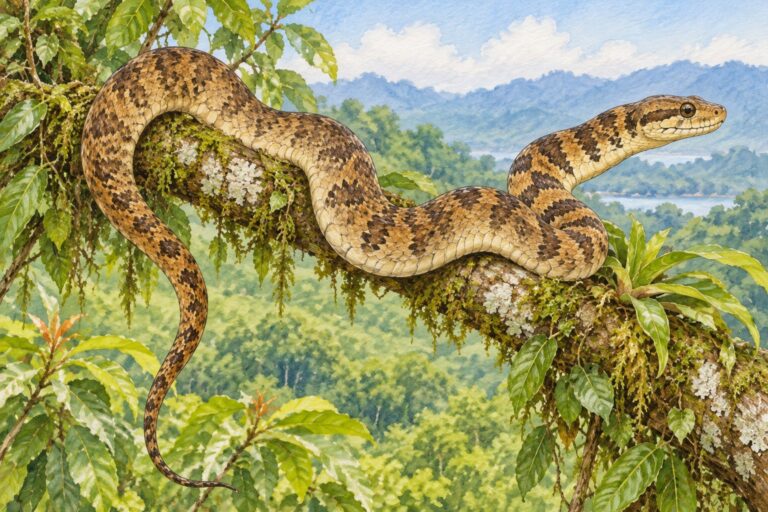
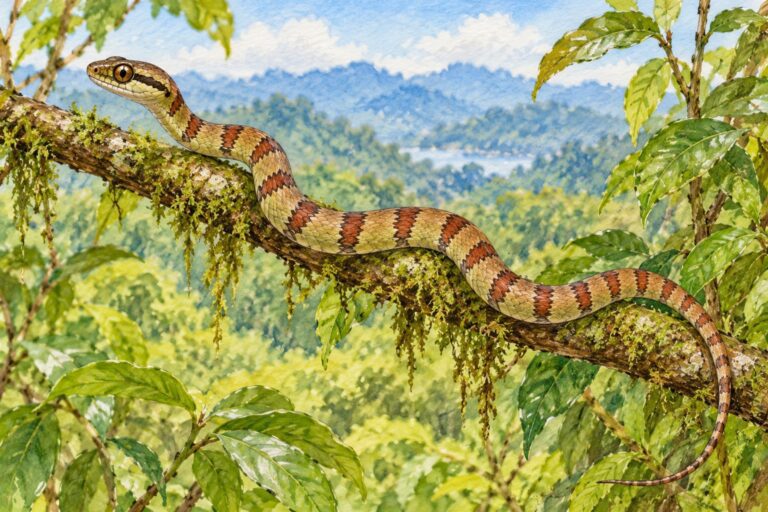
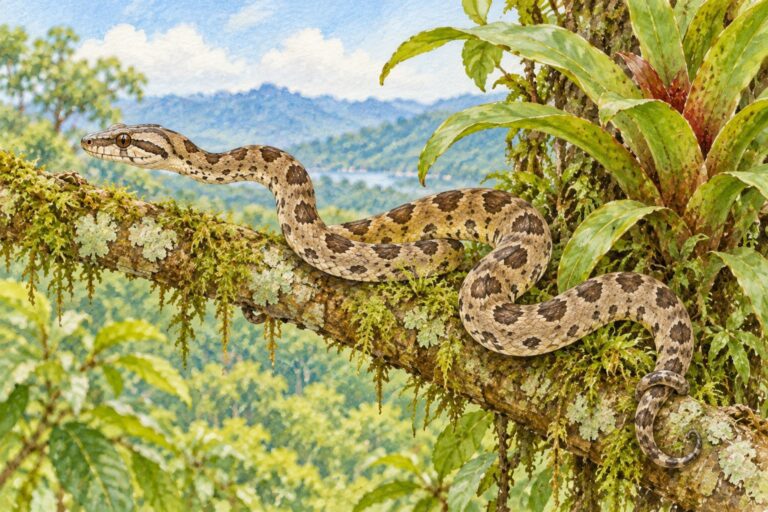
Annulated Tree Boa

Spanish name
Boa arborícola anillada
Scientific name
Corallus annulatus

What Do Pico & Tati Think?

Pico: “What helps this reptile fit into its habitat?”

Tati: “Let’s look at its shape, colors and surroundings while giving it plenty of space.”

Identification

Key Features of the Annulated Tree Boa

  • Brownish body with dark ringlike markings

  • Broad head and climbing posture

  • Tail used around branches

Habitat & range

Caribbean lowland wet forest and adjoining northern humid lowlands, including studied populations in northeastern Costa Rica.

Conservation & care

Observe from a distance with an adult or qualified guide. Do not touch, catch, corner, feed or move any snake. Keep children and pets away. Colors, head shape and pupil shape must never be used to decide a snake is safe.

Threats & pressures

Protect connected habitat and natural shelters. Avoid collection, unnecessary clearing and deliberate killing. Leave wildlife in place and support responsible observation.

View full profile →

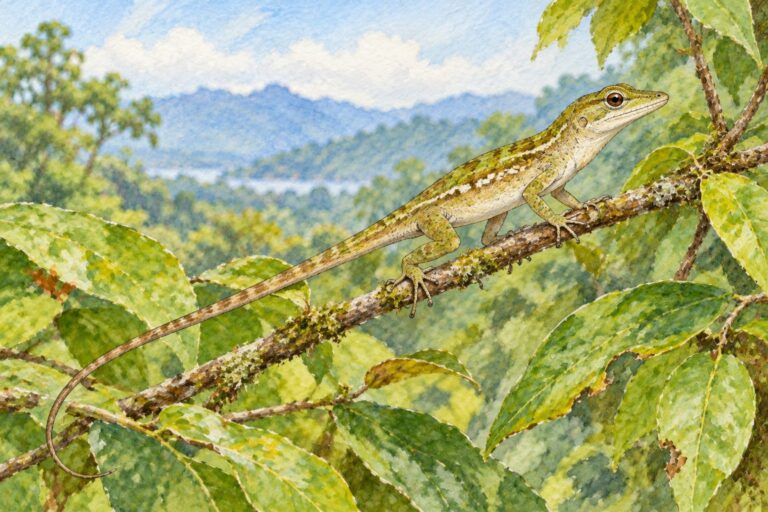
Nature Field Guide

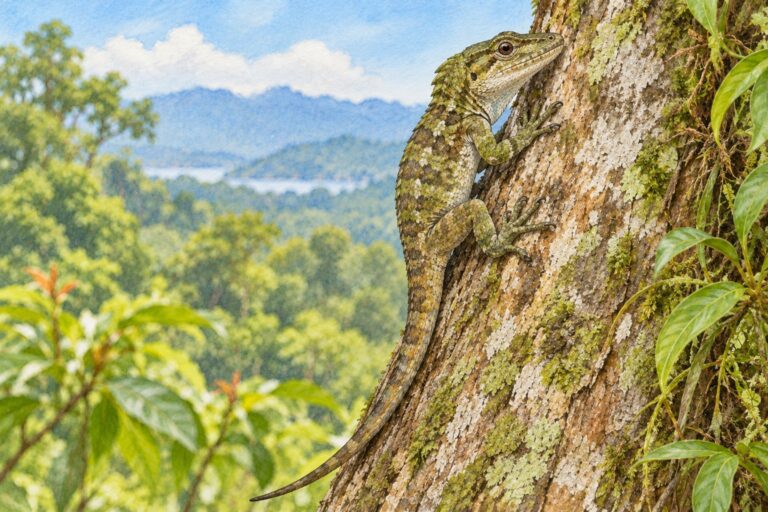
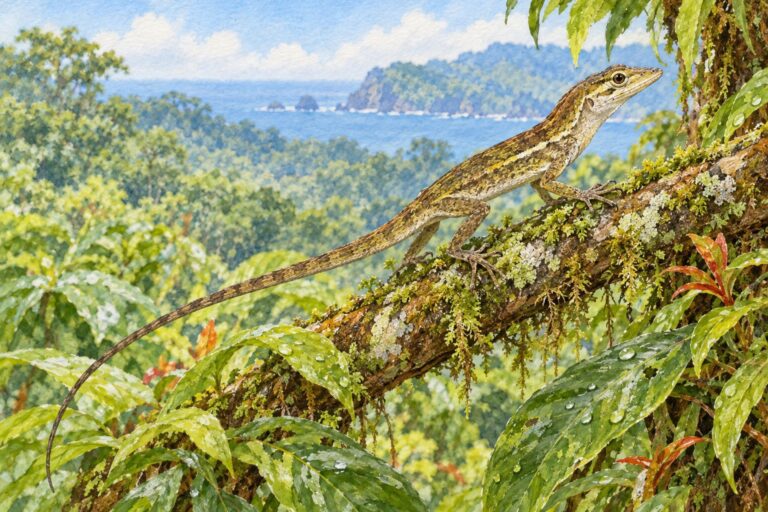
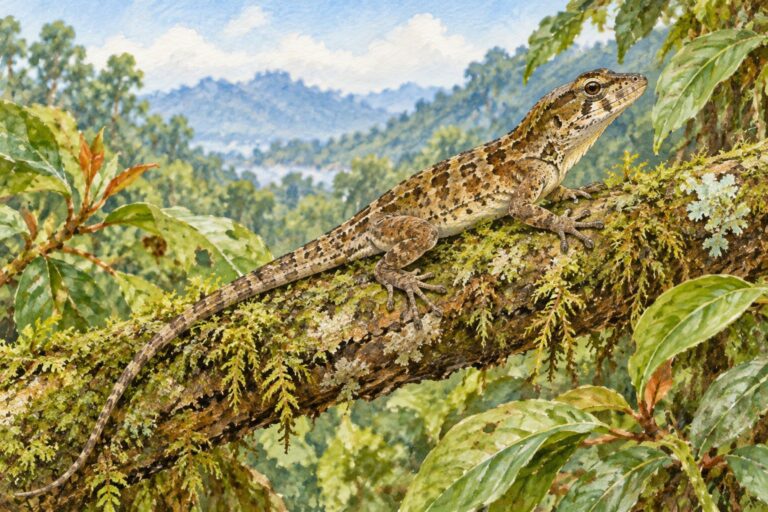
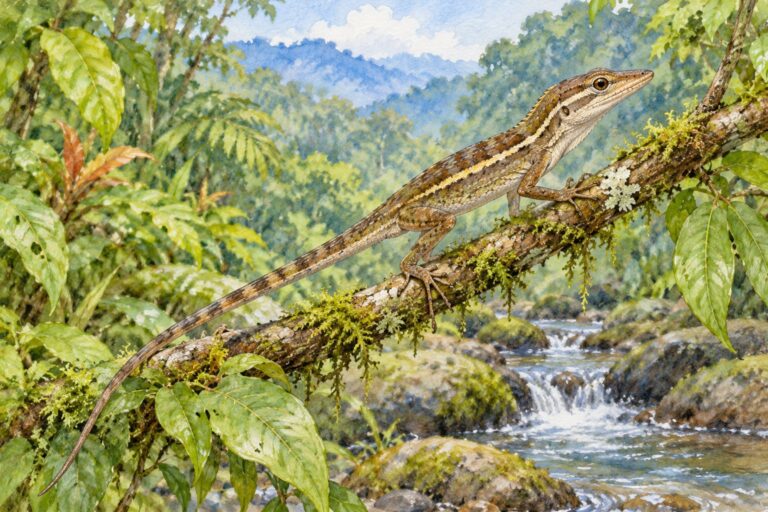
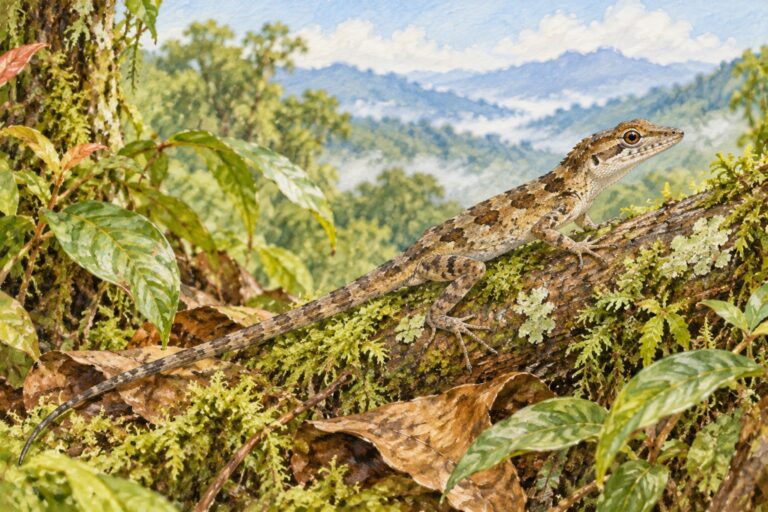
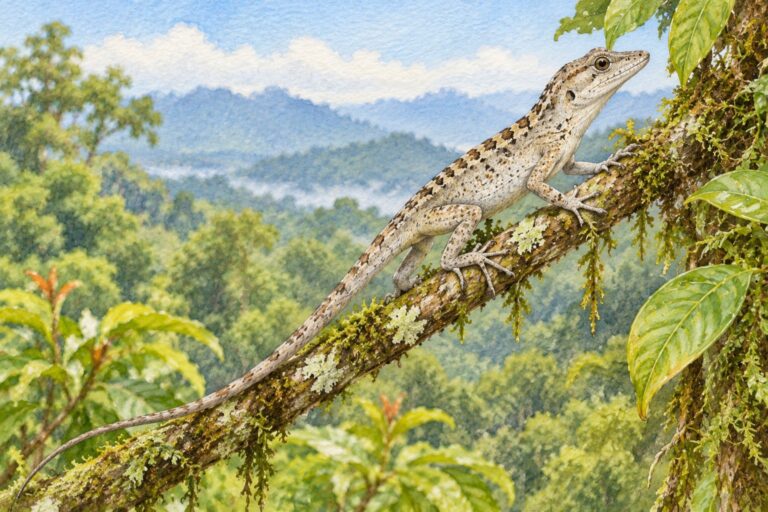
Big-headed Anole

Spanish name
Anolis de cabeza ancha / Anolis jaspeado
Scientific name
Anolis capito

What Do Pico & Tati Think?

Pico: “What clues help us recognize this reptile?”

Tati: “Let’s notice its shape, markings and habitat from a respectful distance.”

Identification

Key Features of the Big-headed Anole

  • Broad relatively large head

  • Mottled brown, olive or greenish body

  • Stout build and bark-colored camouflage

Habitat & range

Shaded Caribbean-slope forest and southwestern rainforest; also documented in humid forest at Rincón de la Vieja.

Conservation & care

Observe with an adult from permitted paths. Do not catch, chase, touch or feed reptiles. Leave bark, logs, rocks and leaf litter in place. Keep pets away and allow animals an open escape route.

Threats & pressures

Protect habitat connections and natural shelters. Avoid road mortality, collection and deliberate killing. Leave reptiles in their habitat rather than keeping or relocating them.

View full profile →

Nature Field Guide

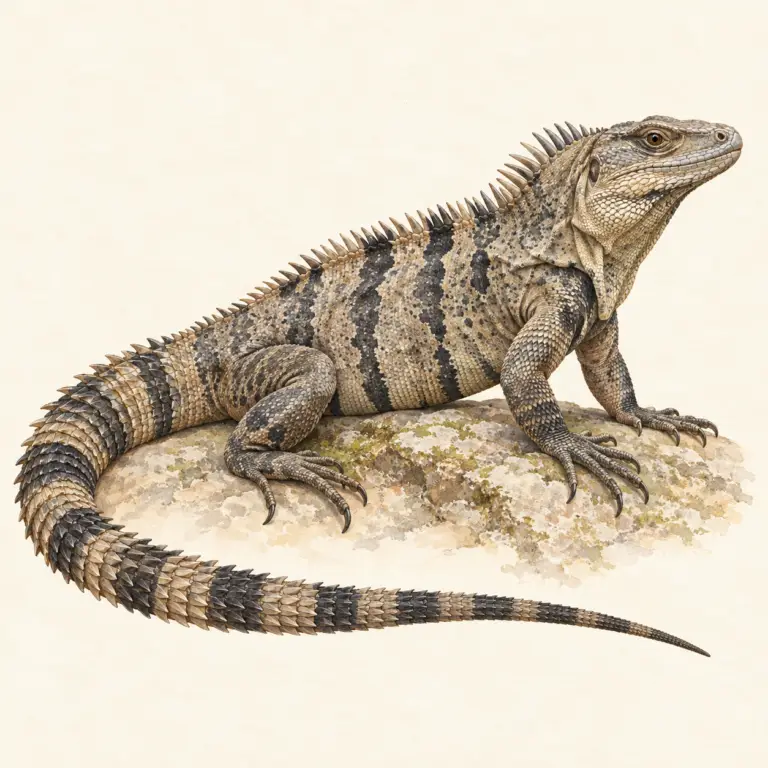
Black Spiny-tailed Iguana

Spanish name
Garrobo
Scientific name
Ctenosaura similis

What Do Pico & Tati Think?

Pico and Tati invite you to learn about the black spiny-tailed iguana. Use a photograph to compare this tail with the smooth-looking outline of a green iguana tail.

Identification

Key Features of the Black Spiny-tailed Iguana

  • Rings of pointed scales on the tail.

  • Gray or brown adults with dark body bands.

  • Raised scales along the back.

Habitat & range

Pacific-slope dry forest, rocky ground and open wooded areas.

Conservation & care

Watch wildlife with an adult from a safe path. Do not touch, feed, capture or move reptiles, and keep pets away. Leave eggs, shelters and vegetation undisturbed.

View full profile →

Nature Field Guide

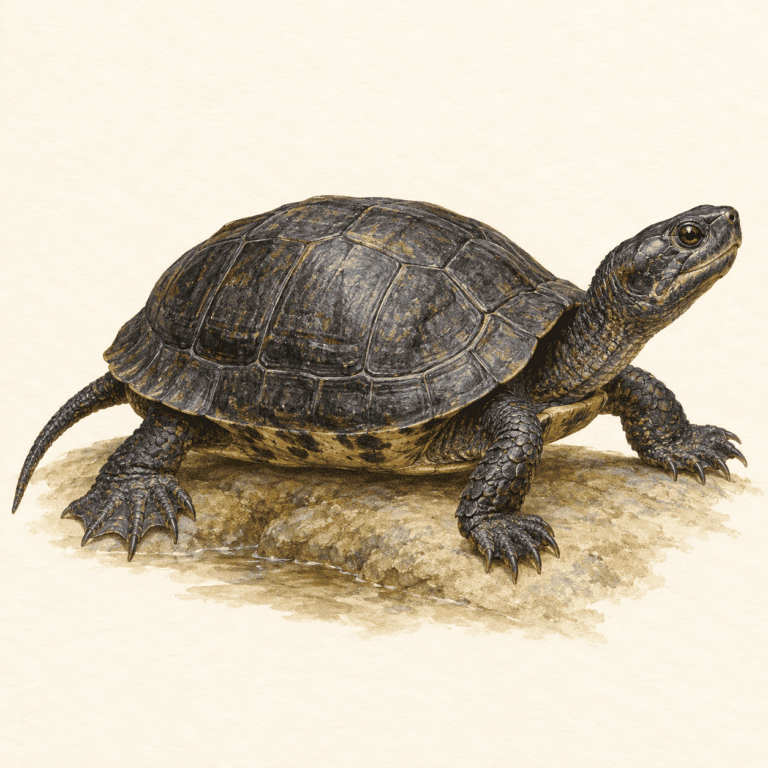
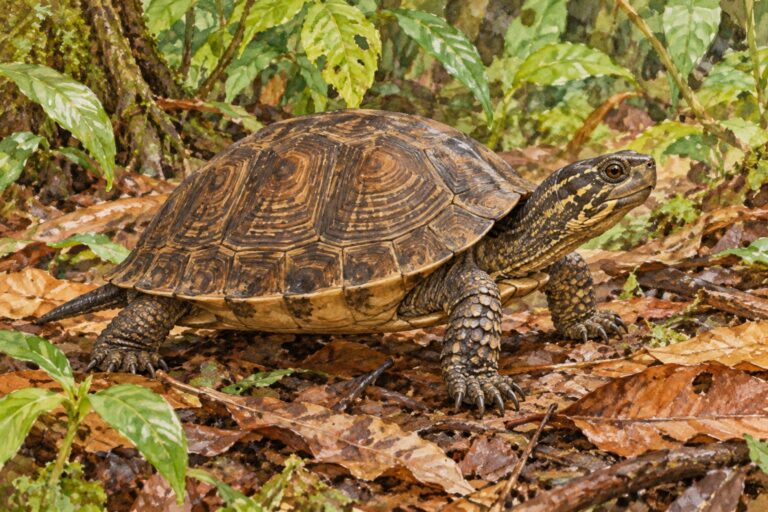
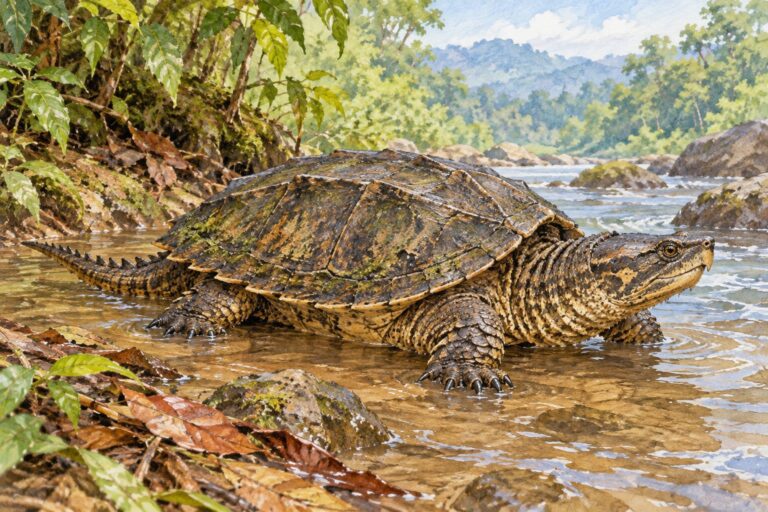
Black Wood Turtle

Spanish name
Tortuga negra
Scientific name
Rhinoclemmys funerea

What Do Pico & Tati Think?

Pico and Tati invite you to learn about the black wood turtle. Draw the major shell scutes from a photograph. Compare the outline with the painted wood turtle.

Identification

Key Features of the Black Wood Turtle

  • Dark shell and dark head.

  • Feet adapted to life around freshwater.

  • A hard shell divided into visible scutes.

Habitat & range

Humid lowland freshwater habitats such as streams, ponds and swamp forest, particularly Caribbean drainage areas.

Conservation & care

Watch wildlife with an adult from a safe path. Do not touch, feed, capture or move reptiles, and keep pets away. Leave eggs, shelters and vegetation undisturbed.

View full profile →

Nature Field Guide

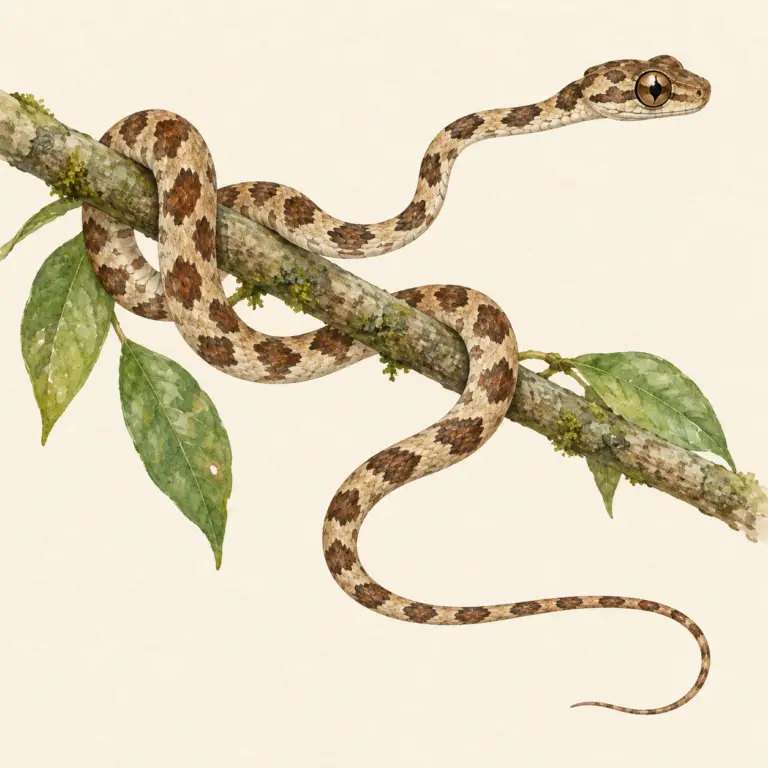
Blunt-headed Tree Snake

Spanish name
Serpiente bejuquillo cabezona
Scientific name
Imantodes cenchoa

What Do Pico & Tati Think?

Pico and Tati invite you to learn about the blunt-headed tree snake. From a photograph, compare the widths of the head and neck. Do not move foliage to look for a snake.

Identification

Key Features of the Blunt-headed Tree Snake

  • Very slender body.

  • Head noticeably wider than the neck.

  • Large eyes and brown blotches on a pale background.

Habitat & range

Humid forest understory, vines and shrubs.

Conservation & care

Never approach, touch, catch or try to move any snake, even if it appears harmless or dead. Keep children and pets away, step back calmly and tell an adult or guide. Do not use colors, head shape or this card to judge safety.

View full profile →

Nature Field Guide

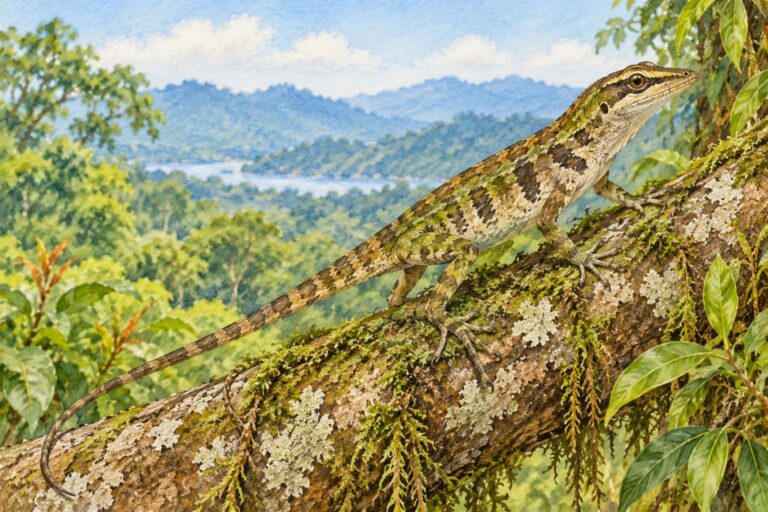
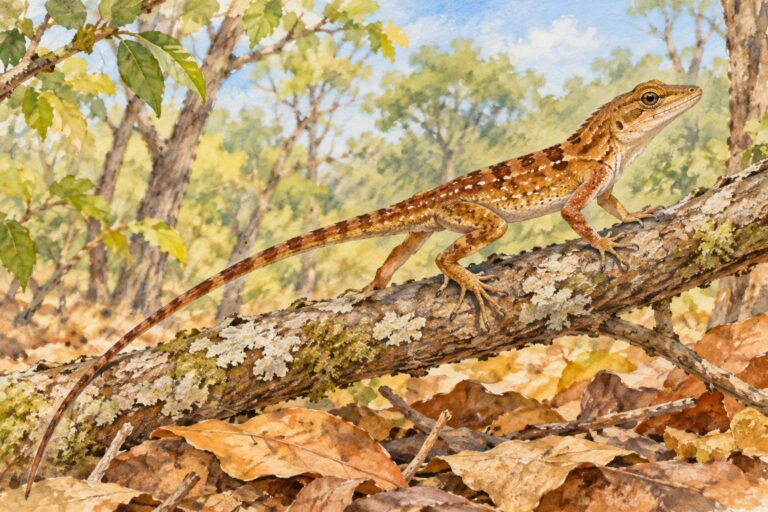
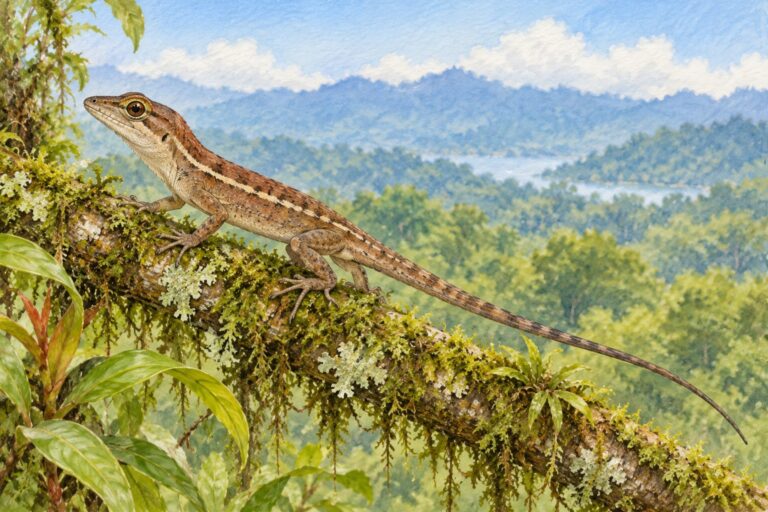
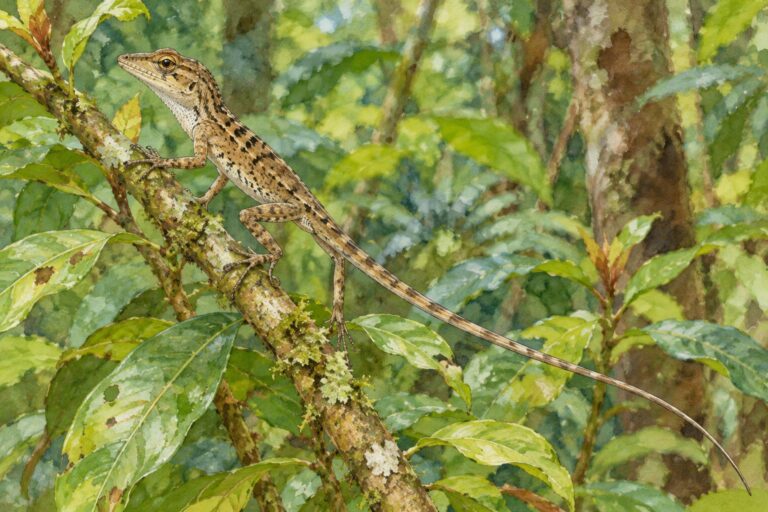
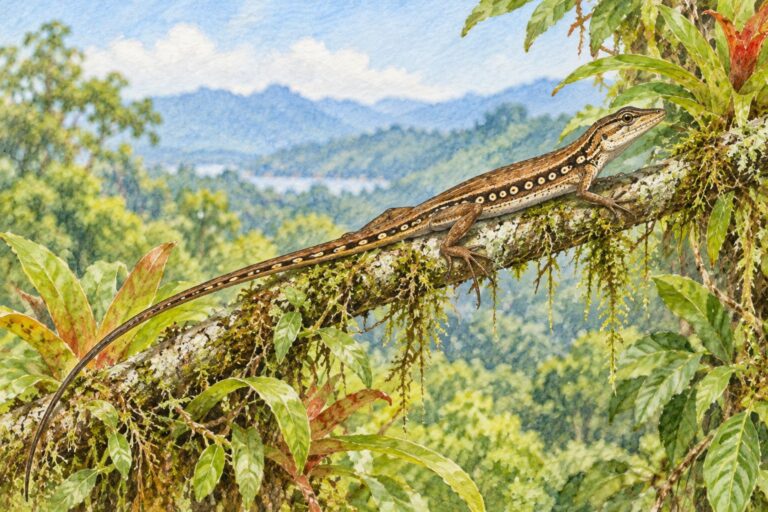
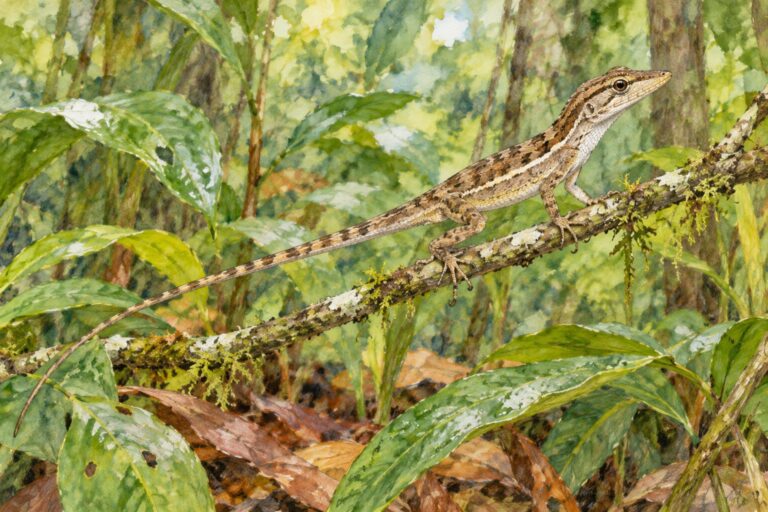
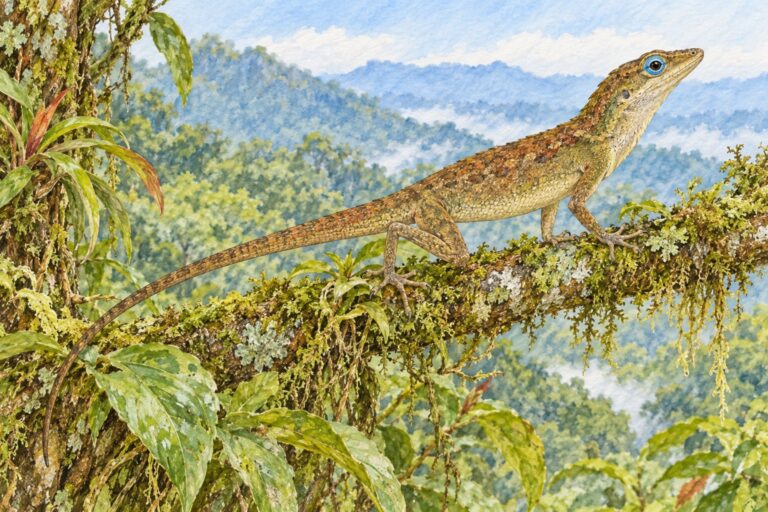
Bridled Anole

Spanish name
Anolis con bridas
Scientific name
Anolis frenatus

What Do Pico & Tati Think?

Pico: “What can we learn from this reptile’s shape?”

Tati: “Let’s notice its markings and habitat while leaving it plenty of space.”

Identification

Key Features of the Bridled Anole

  • Large tree anole with long legs

  • Dark oblique markings on greenish tones

  • Pale interorbital head bar

Habitat & range

Lowland wet forest at scattered Caribbean-slope and southwestern Pacific localities.

Conservation & care

Observe from permitted paths with an adult. Do not touch, chase, catch or feed reptiles. Leave bark, stones, logs and leaf litter in place. Keep pets away and give animals an open escape route.

Threats & pressures

Protect natural shelters and connected habitat. Avoid collection, unnecessary clearing and deliberate killing. Leave wildlife in its habitat and support responsible observation.

View full profile →

Nature Field Guide

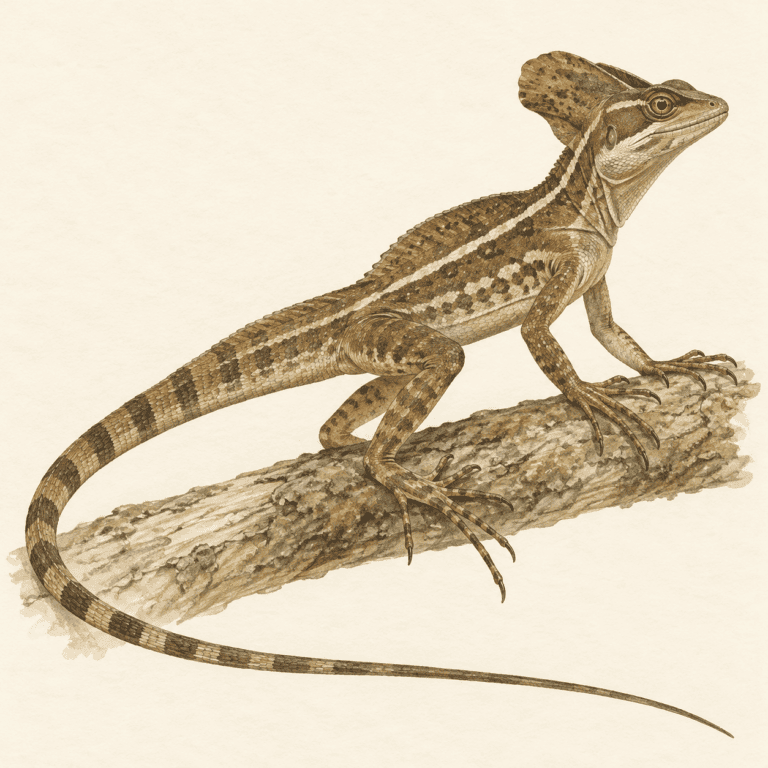
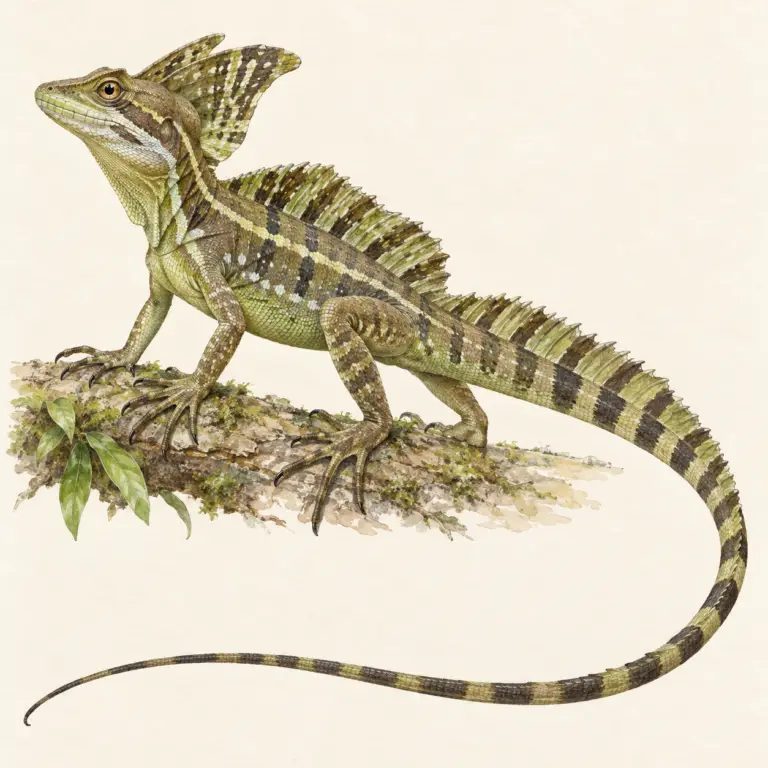
Brown Basilisk

Spanish name
Basilisco café
Scientific name
Basiliscus vittatus

What Do Pico & Tati Think?

Pico and Tati invite you to learn about the brown basilisk. Make a three-column comparison of the common, green and brown basilisk using verified photographs.

Identification

Key Features of the Brown Basilisk

  • Brown or olive body with pale side stripes.

  • Long tail and slender limbs.

  • Adult males can have a head crest without the green basilisk’s tall body sails.

Habitat & range

Lowland forest edges, streamside vegetation and disturbed wooded habitats, including Caribbean areas.

Conservation & care

Watch wildlife with an adult from a safe path. Do not touch, feed, capture or move reptiles, and keep pets away. Leave eggs, shelters and vegetation undisturbed.

View full profile →

Nature Field Guide

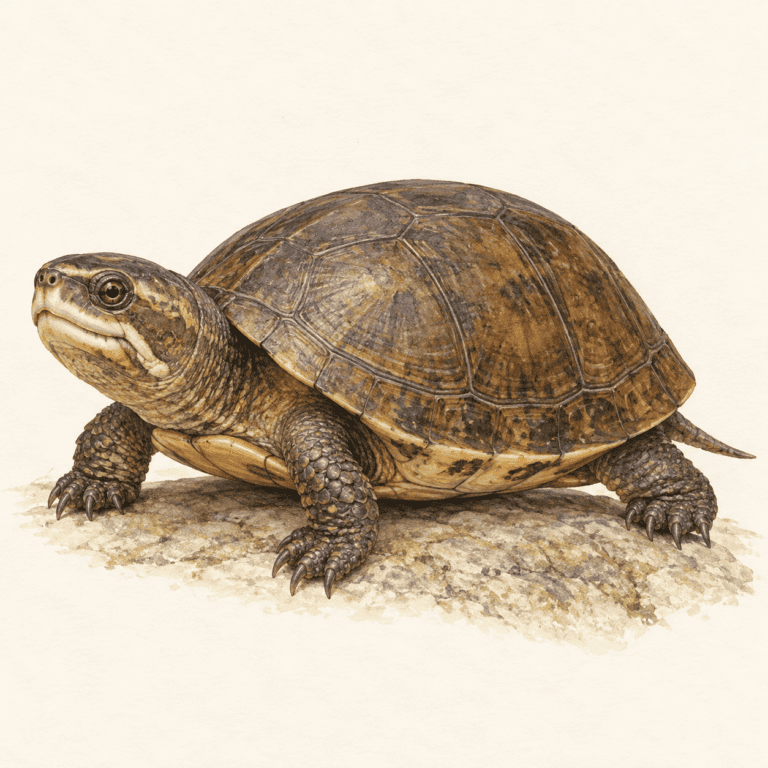
Brown Wood Turtle

Spanish name
Tortuga de bosque / Montañera
Scientific name
Rhinoclemmys annulata

What Do Pico & Tati Think?

Pico: “What clues help us recognize this reptile?”

Tati: “Let’s notice its shape, markings and habitat from a respectful distance.”

Identification

Key Features of the Brown Wood Turtle

  • Domed brown shell

  • Strong walking legs with claws

  • Forest-floor rather than open-water setting

Habitat & range

Caribbean-drainage rainforest and northern lowland habitat; Tortuguero is a documented protected-area example.

Conservation & care

Observe with an adult from permitted paths. Do not catch, chase, touch or feed reptiles. Leave bark, logs, rocks and leaf litter in place. Keep pets away and allow animals an open escape route.

Threats & pressures

Protect habitat connections and natural shelters. Avoid road mortality, collection and deliberate killing. Leave reptiles in their habitat rather than keeping or relocating them.

View full profile →

Nature Field Guide

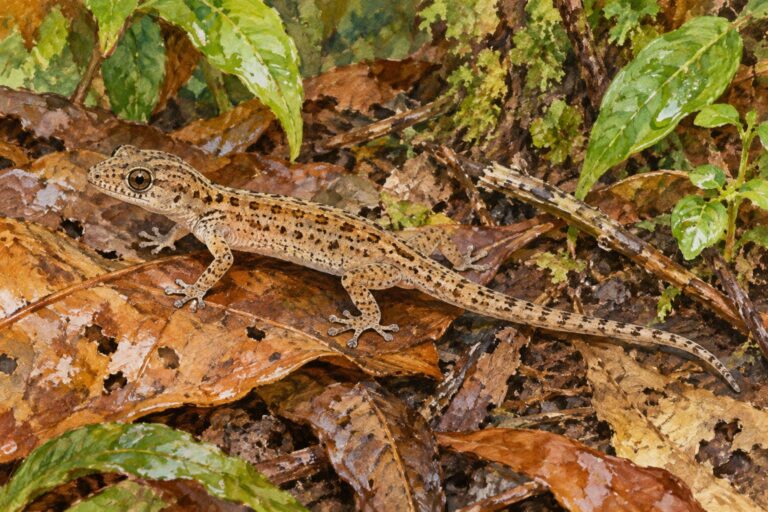
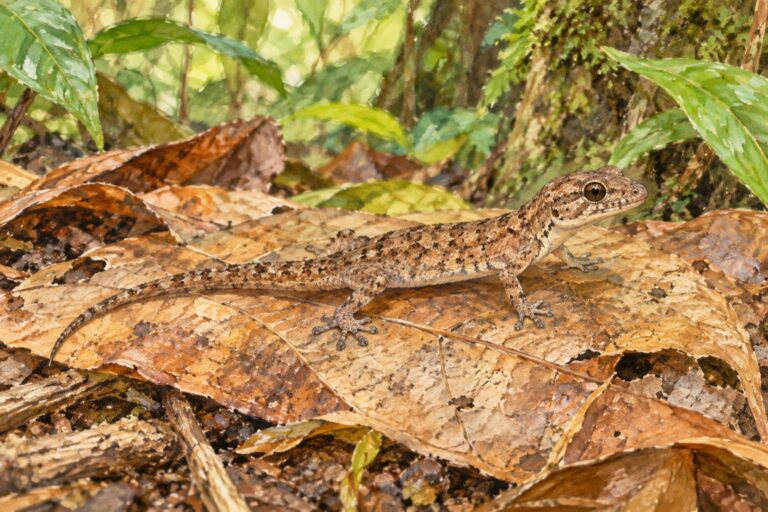
Caribbean Least Gecko

Spanish name
Gequito caribeño
Scientific name
Sphaerodactylus homolepis

What Do Pico & Tati Think?

Pico: “What helps this reptile fit into its habitat?”

Tati: “Let’s look at its shape, colors and surroundings while giving it plenty of space.”

Identification

Key Features of the Caribbean Least Gecko

  • Tiny body and rounded head

  • Narrow tapering tail

  • Small feet unlike a large wall gecko’s broad pads

Habitat & range

Caribbean-slope lowland forest and northern humid lowlands, including the Sarapiquí area.

Conservation & care

Observe with an adult from permitted paths. Do not touch, chase, catch or feed reptiles. Leave bark, logs, stones and leaf litter in place. Keep pets away and allow an open escape route.

Threats & pressures

Protect connected habitat and natural shelters. Avoid collection, unnecessary clearing and deliberate killing. Leave wildlife in place and support responsible observation.

View full profile →

Nature Field Guide

Carpenter’s Anole

Spanish name
Anolis de Carpenter
Scientific name
Anolis carpenteri

What Do Pico & Tati Think?

Pico: “What can we learn from this reptile’s shape?”

Tati: “Let’s notice its markings and habitat while leaving it plenty of space.”

Identification

Key Features of the Carpenter’s Anole

  • Small delicate greenish body

  • Relatively short limbs

  • Slender tail and narrow perch use

Habitat & range

Caribbean-slope humid forest and foothills, including the Reventazón valley and northern Caribbean lowlands.

Conservation & care

Observe from permitted paths with an adult. Do not touch, chase, catch or feed reptiles. Leave bark, stones, logs and leaf litter in place. Keep pets away and give animals an open escape route.

Threats & pressures

Protect natural shelters and connected habitat. Avoid collection, unnecessary clearing and deliberate killing. Leave wildlife in its habitat and support responsible observation.

View full profile →

Nature Field Guide

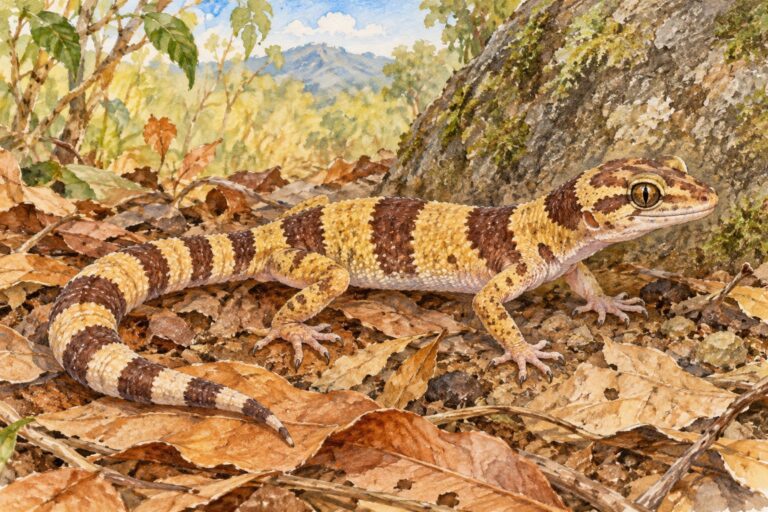
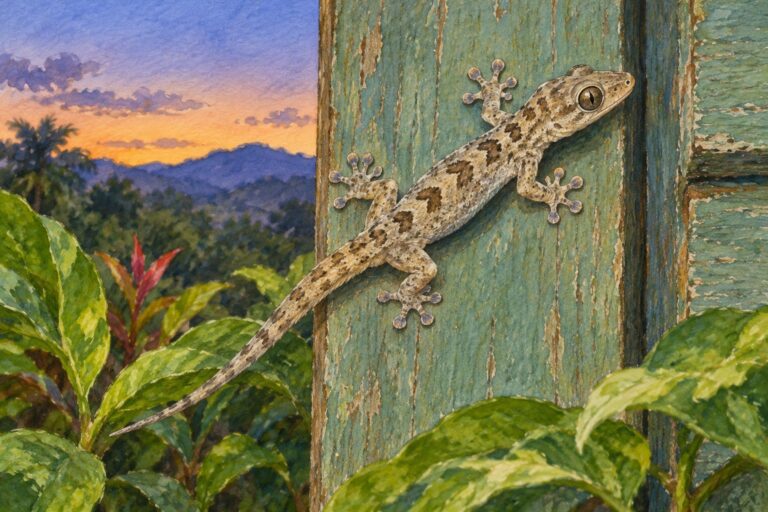
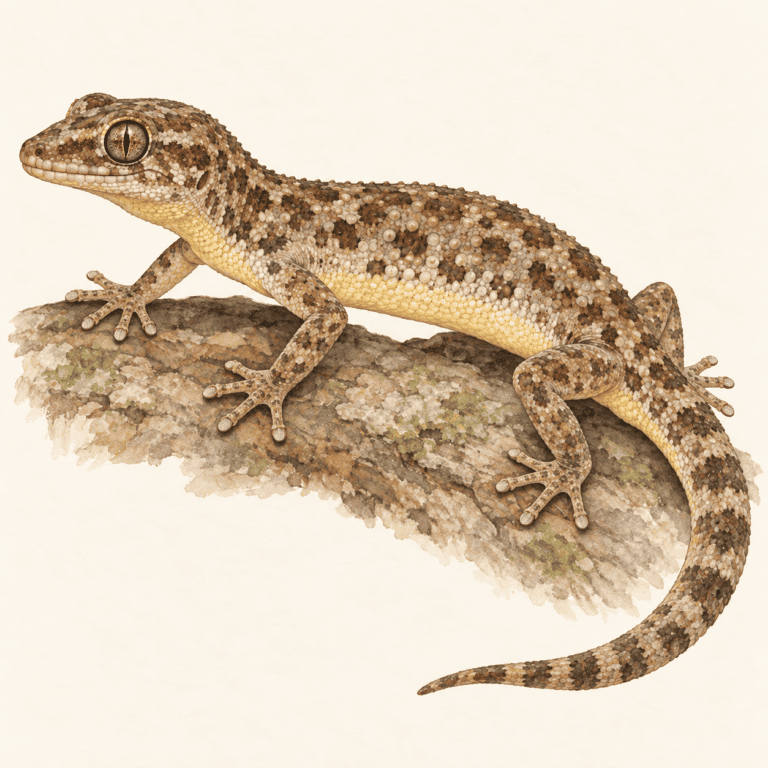
Central American Banded Gecko

Spanish name
Geco bandeado centroamericano
Scientific name
Coleonyx mitratus

What Do Pico & Tati Think?

Pico: “What can we learn from this reptile’s shape?”

Tati: “Let’s notice its markings and habitat while leaving it plenty of space.”

Identification

Key Features of the Central American Banded Gecko

  • Dark bands on yellow-tan tones

  • Movable eyelids

  • Clawed toes without broad wall-climbing pads

Habitat & range

Northwestern and western Pacific-slope forests, including Guanacaste and San Luis de Monteverde.

Conservation & care

Observe from permitted paths with an adult. Do not touch, chase, catch or feed reptiles. Leave bark, stones, logs and leaf litter in place. Keep pets away and give animals an open escape route.

Threats & pressures

Protect natural shelters and connected habitat. Avoid collection, unnecessary clearing and deliberate killing. Leave wildlife in its habitat and support responsible observation.

View full profile →

Nature Field Guide

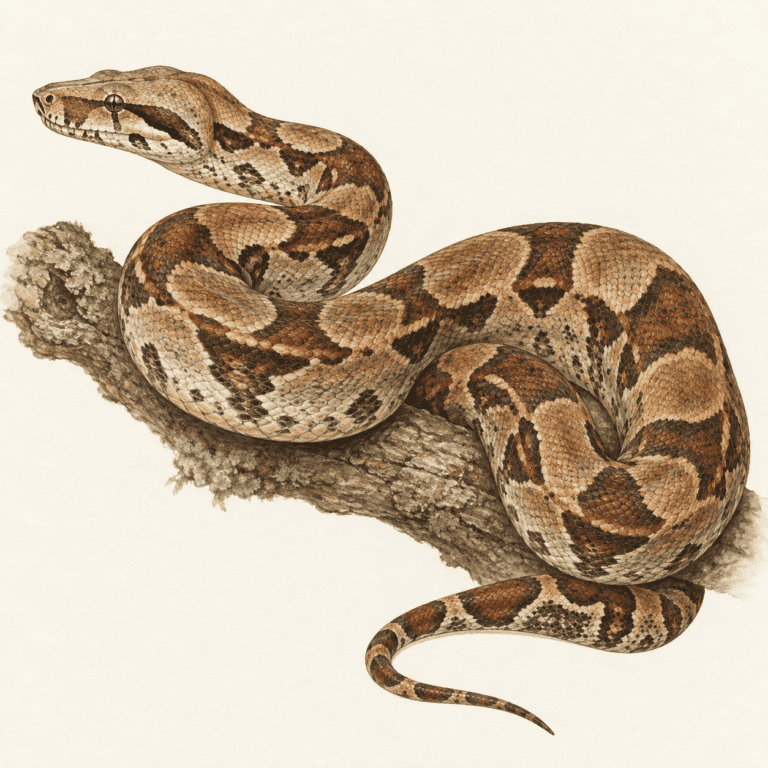
Central American Boa

Spanish name
Boa o béquer
Scientific name
Boa imperator

What Do Pico & Tati Think?

Pico and Tati invite you to learn about the central american boa. Using a photograph, draw three saddle-shaped markings and explain how patterns can blend with a background.

Identification

Key Features of the Central American Boa

  • Heavy body with large brown saddle-like markings.

  • Broad head and a tapering tail.

  • Color and pattern vary between individuals.

Habitat & range

Forests, forest edges and other suitable habitats across Costa Rica.

Conservation & care

Never approach, touch, catch or try to move any snake, even if it appears harmless or dead. Keep children and pets away, step back calmly and tell an adult or guide. Do not use colors, head shape or this card to judge safety.

View full profile →

Nature Field Guide

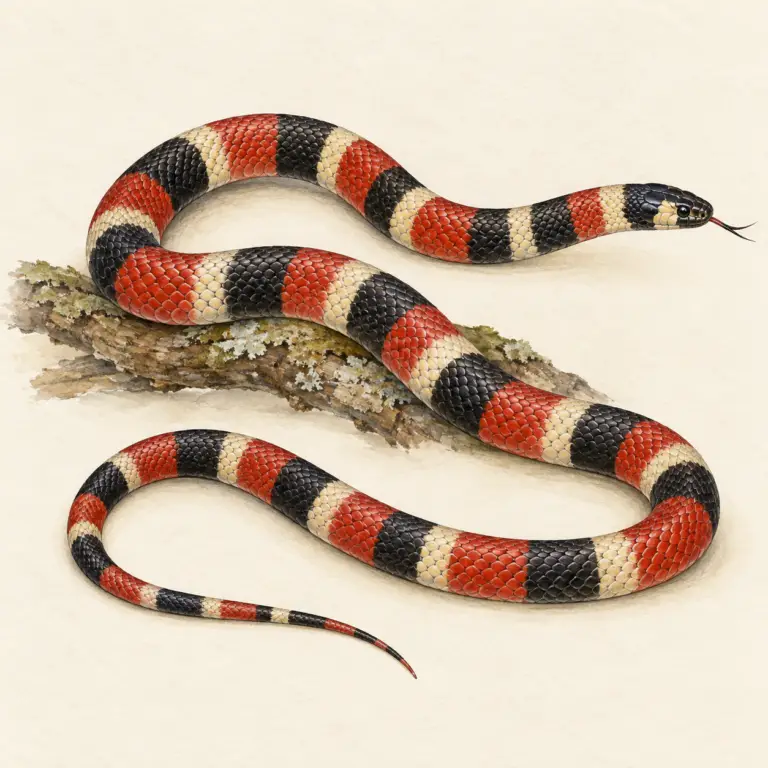
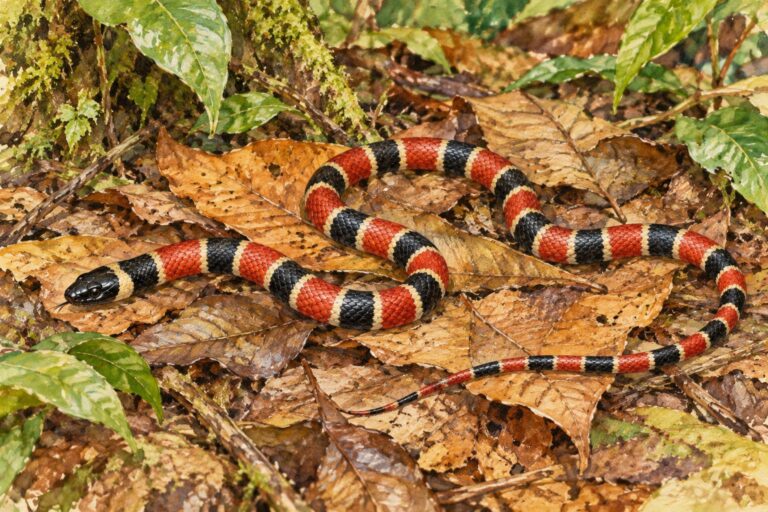
Central American Coral Snake

Spanish name
Coral macho
Scientific name
Micrurus nigrocinctus

What Do Pico & Tati Think?

Pico and Tati invite you to learn about the central american coral snake. Create a ring-pattern drawing from a verified photograph. Write the rule: observe snakes from a distance and tell an adult.

Identification

Key Features of the Central American Coral Snake

  • Red, pale and black rings encircling the body.

  • Relatively small head with little separation from the neck.

  • A slender-to-moderately robust cylindrical body.

Habitat & range

Pacific-slope lowlands and premontane areas, including parts of the Central Valley.

Conservation & care

Never approach, touch, catch or try to move any snake, even if it appears harmless or dead. Keep children and pets away, step back calmly and tell an adult or guide. Do not use colors, head shape or this card to judge safety.

View full profile →

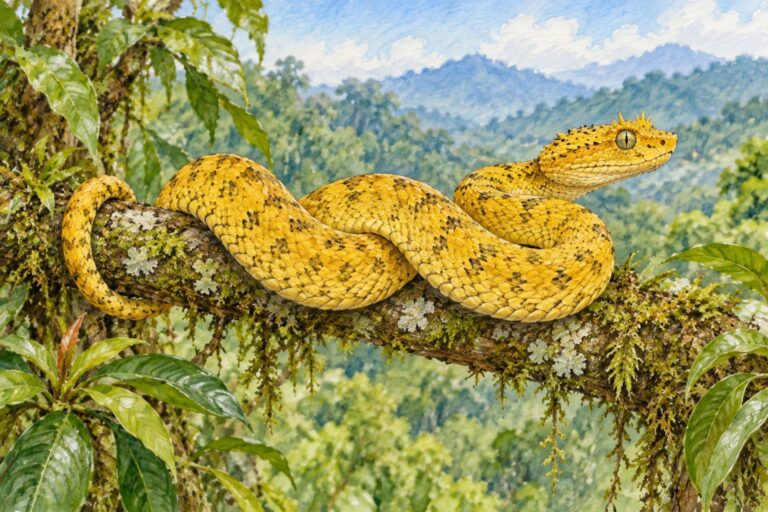
Nature Field Guide

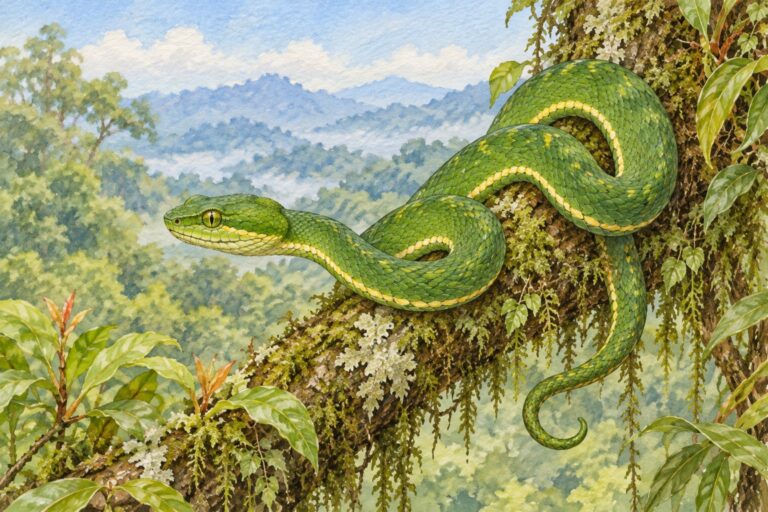
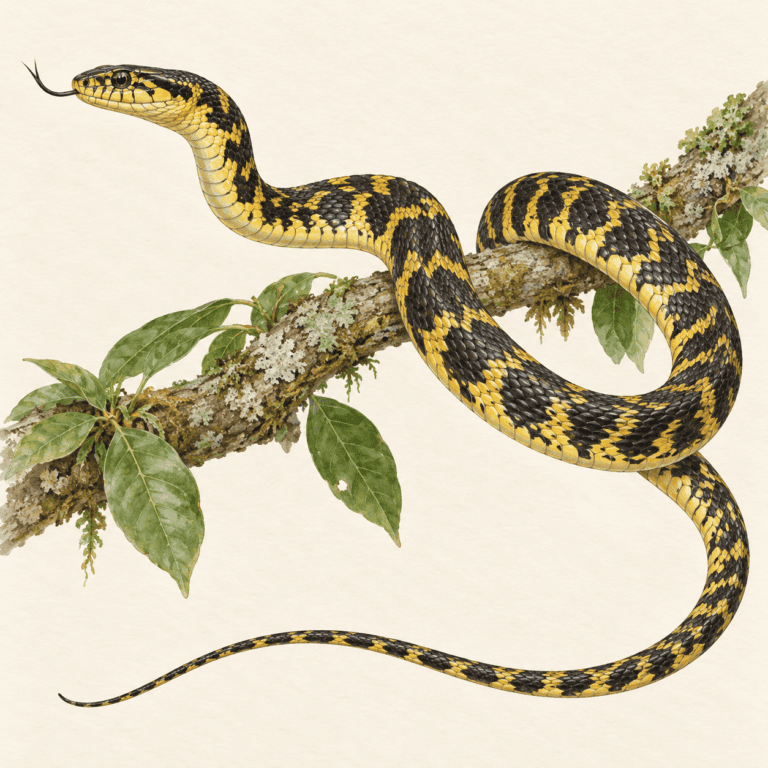
Central American Eyelash Pitviper

Spanish name
Bocaracá / Oropel / Toboba de pestañas
Scientific name
Bothriechis nigroadspersus

What Do Pico & Tati Think?

Pico: “What clues help us recognize this reptile?”

Tati: “Let’s notice its shape, markings and habitat from a respectful distance.”

Identification

Key Features of the Central American Eyelash Pitviper

  • Raised eyelash-like scales above the eyes

  • Compact body resting on branches

  • Highly variable colors, including yellow

Habitat & range

Humid lowland and foothill forests on the Caribbean slope and in the Central and South Pacific.

Conservation & care

VENOMOUS. Observe only at a distance with a qualified guide. Never approach, touch, catch or provoke this snake. Keep children and pets well away and do not reach into nearby vegetation or hiding places.

Threats & pressures

Protect habitat connections and natural shelters. Avoid road mortality, collection and deliberate killing. Leave reptiles in their habitat rather than keeping or relocating them.

View full profile →

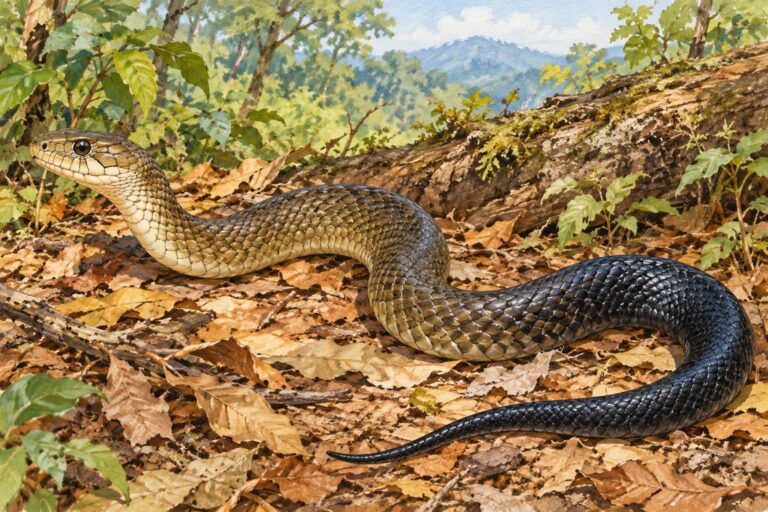
Nature Field Guide

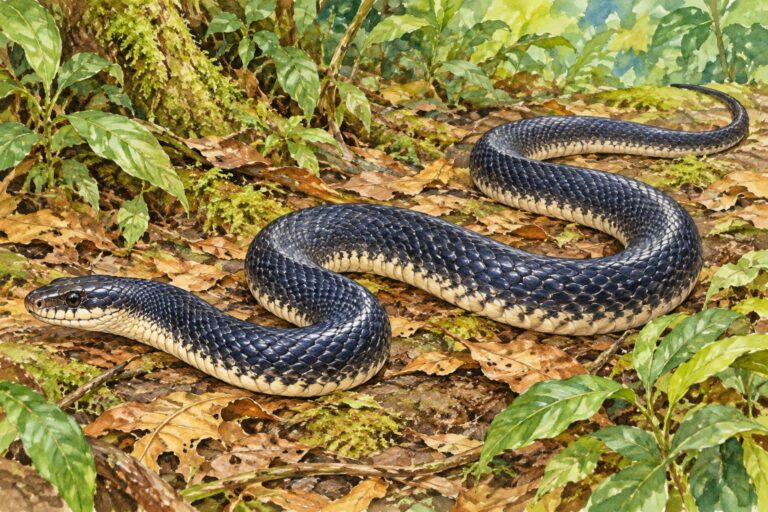
Central American Indigo Snake

Spanish name
Sabanera / Mica
Scientific name
Drymarchon melanurus

What Do Pico & Tati Think?

Pico: “What clues help us recognize this reptile?”

Tati: “Let’s notice its shape, markings and habitat from a respectful distance.”

Identification

Key Features of the Central American Indigo Snake

  • Large robust body

  • Smooth-looking scales

  • Color can become darker toward the tail

Habitat & range

Lowland woodland and open habitats, including Guanacaste and the Pacific slope.

Conservation & care

Observe only from a distance with an adult or qualified guide. Do not touch, catch, corner or attempt to move any snake. Step back and tell your adult; keep children and pets away. Do not use colors, head shape or pupil shape to decide a snake is safe.

Threats & pressures

Protect habitat connections and natural shelters. Avoid road mortality, collection and deliberate killing. Leave reptiles in their habitat rather than keeping or relocating them.

View full profile →

Nature Field Guide

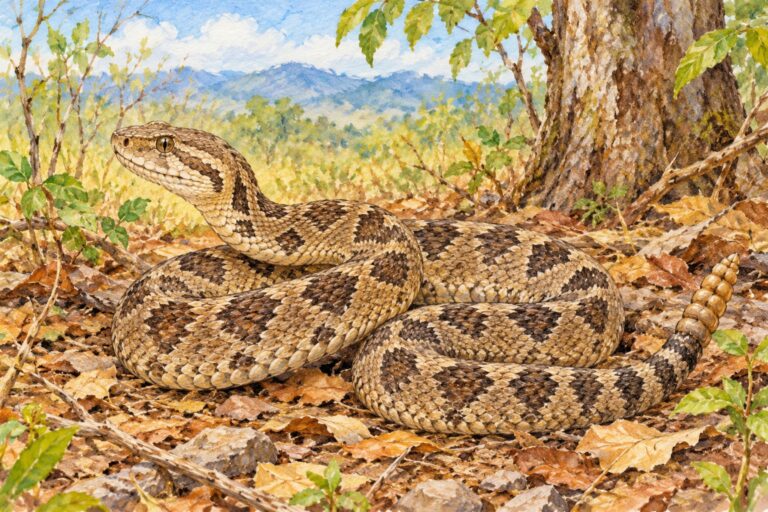
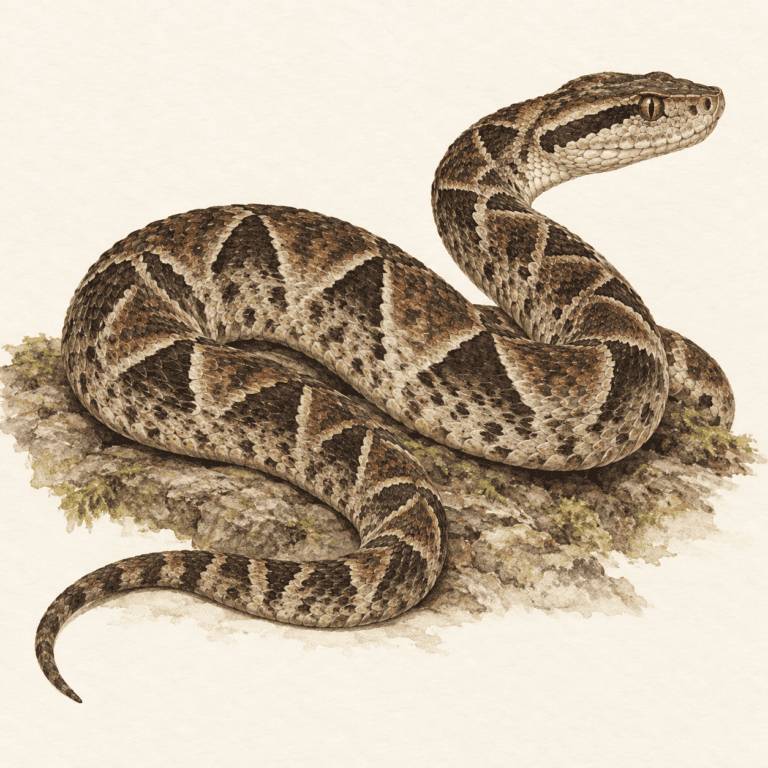
Central American Rattlesnake

Spanish name
Cascabel / Crótalo
Scientific name
Crotalus simus

What Do Pico & Tati Think?

Pico: “What clues help us recognize this reptile?”

Tati: “Let’s notice its shape, markings and habitat from a respectful distance.”

Identification

Key Features of the Central American Rattlesnake

  • Dark diamondlike back markings

  • Strongly keeled scales

  • Segmented rattle at the tail tip

Habitat & range

Dry lowlands of Guanacaste and northern Puntarenas, especially forest edges and less disturbed ground.

Conservation & care

VENOMOUS. Observe only at a distance with a qualified guide. Never approach, touch, catch or provoke this snake. Keep children and pets well away and do not reach into nearby vegetation or hiding places.

Threats & pressures

Protect habitat connections and natural shelters. Avoid road mortality, collection and deliberate killing. Leave reptiles in their habitat rather than keeping or relocating them.

View full profile →

Nature Field Guide

Charles Myers’s Anole

Spanish name
Anolis de Charles Myers
Scientific name
Anolis charlesmyersi

What Do Pico & Tati Think?

Pico: “What can we learn from this reptile’s shape?”

Tati: “Let’s notice its markings and habitat while leaving it plenty of space.”

Identification

Key Features of the Charles Myers’s Anole

  • Very short limbs

  • Lichenlike pale and dark mottling

  • Relatively short tail with a low serrated ridge

Habitat & range

Pacific lowland and adjoining foothill habitats in Costa Rica, including the Central and South Pacific.

Conservation & care

Observe from permitted paths with an adult. Do not touch, chase, catch or feed reptiles. Leave bark, stones, logs and leaf litter in place. Keep pets away and give animals an open escape route.

Threats & pressures

Protect natural shelters and connected habitat. Avoid collection, unnecessary clearing and deliberate killing. Leave wildlife in its habitat and support responsible observation.

View full profile →

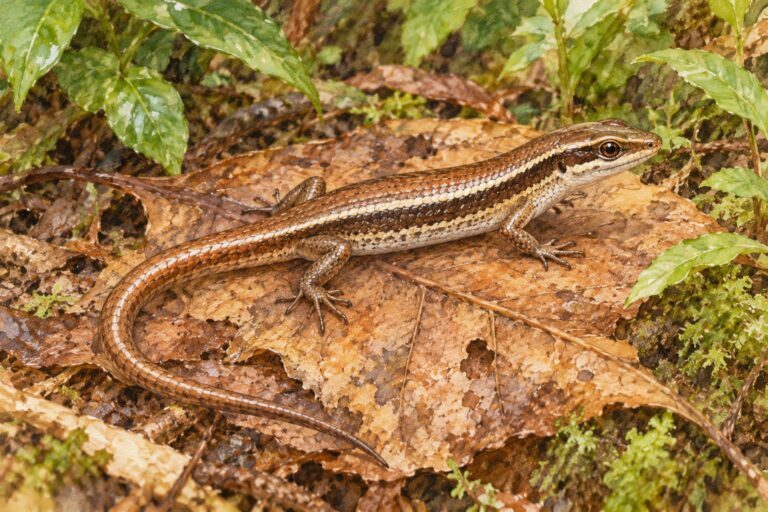
Nature Field Guide

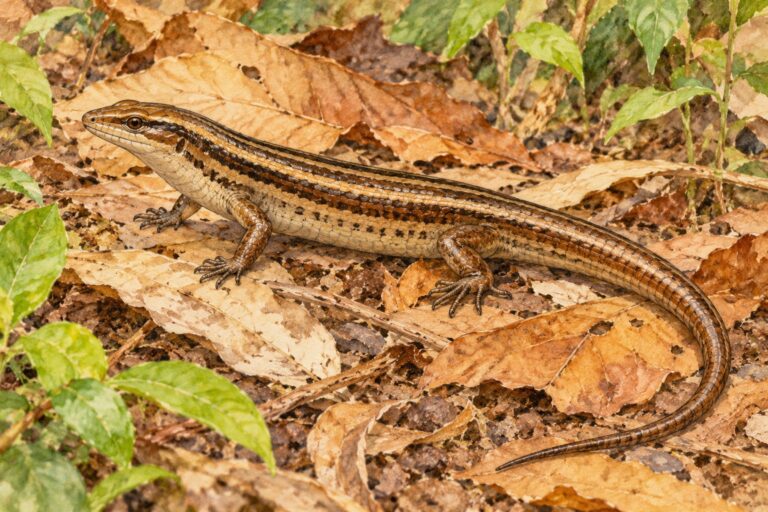
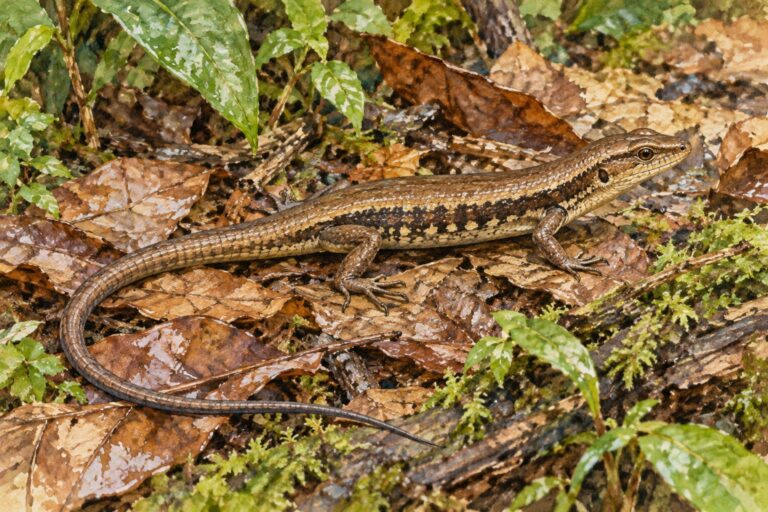
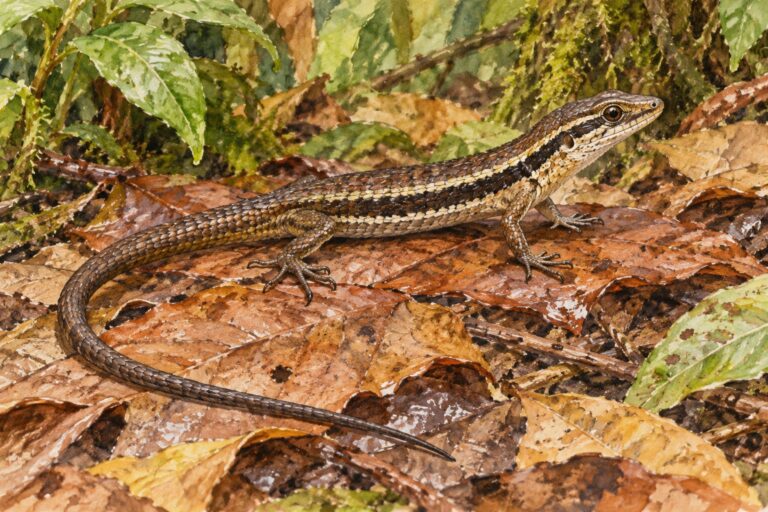
Cherrie’s Ground Skink

Spanish name
Eslaboncillo pardo / Escinco de Cherrie
Scientific name
Scincella cherriei

What Do Pico & Tati Think?

Pico: “What clues help us recognize this reptile?”

Tati: “Let’s notice its shape, markings and habitat from a respectful distance.”

Identification

Key Features of the Cherrie’s Ground Skink

  • Smooth glossy-looking scales

  • Dark lateral stripe

  • Short legs and a tapering tail

Habitat & range

Pacific-slope forest floor and wooded edges, including southwestern Costa Rica and the Monteverde foothill area.

Conservation & care

Observe with an adult from permitted paths. Do not catch, chase, touch or feed reptiles. Leave bark, logs, rocks and leaf litter in place. Keep pets away and allow animals an open escape route.

Threats & pressures

Protect habitat connections and natural shelters. Avoid road mortality, collection and deliberate killing. Leave reptiles in their habitat rather than keeping or relocating them.

View full profile →

Nature Field Guide

Clouded Snail-eater

Spanish name
Caracolera nublada
Scientific name
Sibon nebulatus

What Do Pico & Tati Think?

Pico: “What helps this reptile fit into its habitat?”

Tati: “Let’s look at its shape, colors and surroundings while giving it plenty of space.”

Identification

Key Features of the Clouded Snail-eater

  • Slender climbing body

  • Large rounded head and prominent eyes

  • Irregular dark markings on a lighter body

Habitat & range

Caribbean and Pacific humid forests and edges, including northern lowland wet forest.

Conservation & care

Observe from a distance with an adult or qualified guide. Do not touch, catch, corner, feed or move any snake. Keep children and pets away. Colors, head shape and pupil shape must never be used to decide a snake is safe.

Threats & pressures

Protect connected habitat and natural shelters. Avoid collection, unnecessary clearing and deliberate killing. Leave wildlife in place and support responsible observation.

View full profile →

Nature Field Guide

Cocos Island Anole

Spanish name
Anolis de la Isla del Coco
Scientific name
Anolis townsendi

What Do Pico & Tati Think?

Pico: “What can we learn from this reptile’s shape?”

Tati: “Let’s notice its markings and habitat while leaving it plenty of space.”

Identification

Key Features of the Cocos Island Anole

  • Small anole with a long tail

  • Brown-to-olive camouflage

  • Naturally restricted to Isla del Coco

Habitat & range

Isla del Coco, an offshore island administratively within Puntarenas province. It is separate from the Gulf of Nicoya islands and mainland regions.

Conservation & care

Observe from permitted paths with an adult. Do not touch, chase, catch or feed reptiles. Leave bark, stones, logs and leaf litter in place. Keep pets away and give animals an open escape route.

Threats & pressures

Protect natural shelters and connected habitat. Avoid collection, unnecessary clearing and deliberate killing. Leave wildlife in its habitat and support responsible observation.

View full profile →

Nature Field Guide

Common Basilisk

Spanish name
Basilisco común
Scientific name
Basiliscus basiliscus

What Do Pico & Tati Think?

Pico and Tati invite you to learn about the common basilisk. Draw the tail and hind feet from a reference photograph. Never frighten a basilisk to make it run.

Identification

Key Features of the Common Basilisk

  • Very long tail.

  • Brown or olive body with pale stripes and dark bands.

  • Adult males have prominent crests on the head, back and tail.

Habitat & range

Pacific lowland dry and moist forests near streams and rivers.

Conservation & care

Watch wildlife with an adult from a safe path. Do not touch, feed, capture or move reptiles, and keep pets away. Leave eggs, shelters and vegetation undisturbed.

View full profile →

Nature Field Guide

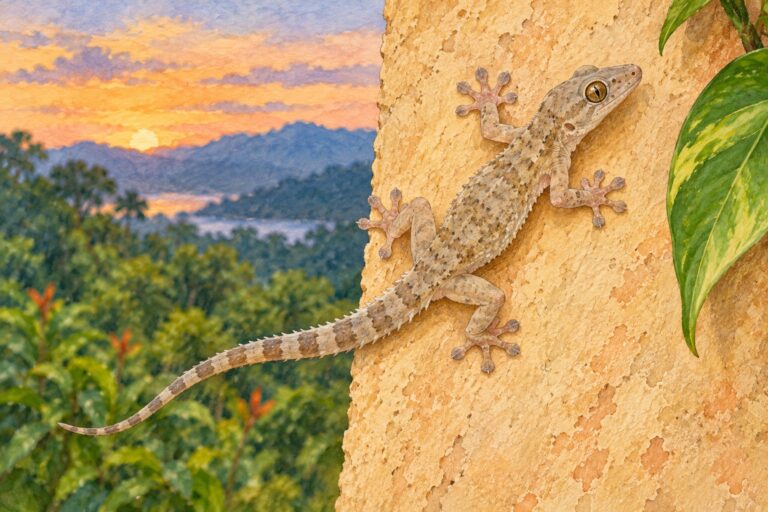
Common House Gecko

Spanish name
Geco casero común
Scientific name
Hemidactylus frenatus

What Do Pico & Tati Think?

Pico: “What helps this reptile fit into its habitat?”

Tati: “Let’s look at its shape, colors and surroundings while giving it plenty of space.”

Identification

Key Features of the Common House Gecko

  • Pale gray-to-beige coloration

  • Broad spreading toe pads

  • Often on walls near night lighting

Habitat & range

Buildings, gardens and disturbed habitats across much of Costa Rica, especially warm lowlands and settled areas. Documented at Tirimbina and San Luis de Monteverde.

Conservation & care

Observe with an adult from permitted paths. Do not touch, chase, catch or feed reptiles. Leave bark, logs, stones and leaf litter in place. Keep pets away and allow an open escape route.

Threats & pressures

Prevent accidental transport of introduced geckos and their eggs in belongings or plant materials. Protect native reptile habitats and avoid moving animals between places.

View full profile →

Nature Field Guide

Common Monkey Lizard

Spanish name
Lagartija de dosel
Scientific name
Polychrus gutturosus

What Do Pico & Tati Think?

Pico and Tati invite you to learn about the common monkey lizard. Look at a reference photograph and mark the outline of the tail. Compare its proportions with a basilisk.

Identification

Key Features of the Common Monkey Lizard

  • Laterally flattened body.

  • Long limbs, toes and whip-like tail.

  • Greenish coloration and an expandable throat region.

Habitat & range

Primarily humid forest canopy. A documented Hojancha record extends coverage into Guanacaste, where persistent streamside vegetation provides a moist refuge within the dry landscape. Also documented at Reserva Los Campesinos in San Jose province. Regional occurrence depends on suitable wooded microhabitat.

Conservation & care

Watch wildlife with an adult from a safe path. Do not touch, feed, capture or move reptiles, and keep pets away. Leave eggs, shelters and vegetation undisturbed.

View full profile →

Nature Field Guide

Cope’s False Coral Snake

Spanish name
Falsa coral de Cope
Scientific name
Pliocercus euryzonus

What Do Pico & Tati Think?

Pico: “What helps this reptile fit into its habitat?”

Tati: “Let’s look at its shape, colors and surroundings while giving it plenty of space.”

Identification

Key Features of the Cope’s False Coral Snake

  • Slender banded body

  • Long fine tail

  • Dark head and contrasting reddish markings

Habitat & range

Humid Caribbean-slope forests and southern Pacific forest habitats; documented at Tirimbina.

Conservation & care

Observe from a distance with an adult or qualified guide. Do not touch, catch, corner, feed or move any snake. Keep children and pets away. Colors, head shape and pupil shape must never be used to decide a snake is safe.

Threats & pressures

Protect connected habitat and natural shelters. Avoid collection, unnecessary clearing and deliberate killing. Leave wildlife in place and support responsible observation.

View full profile →

Nature Field Guide

Cope’s Parrot Snake

Spanish name
Lora falsa
Scientific name
Leptophis depressirostris

What Do Pico & Tati Think?

Pico: “What clues help us recognize this reptile?”

Tati: “Let’s notice its shape, markings and habitat from a respectful distance.”

Identification

Key Features of the Cope’s Parrot Snake

  • Slender green body

  • Large eyes with a dark eye stripe

  • Long fine tail

Habitat & range

Humid Caribbean and northern lowlands and southwestern Pacific rainforest.

Conservation & care

Observe only from a distance with an adult or qualified guide. Do not touch, catch, corner or attempt to move any snake. Step back and tell your adult; keep children and pets away. Do not use colors, head shape or pupil shape to decide a snake is safe.

Threats & pressures

Protect habitat connections and natural shelters. Avoid road mortality, collection and deliberate killing. Leave reptiles in their habitat rather than keeping or relocating them.

View full profile →

Nature Field Guide

Copper Anole

Spanish name
Anolis cobrizo
Scientific name
Anolis cupreus

What Do Pico & Tati Think?

Pico: “What can we learn from this reptile’s shape?”

Tati: “Let’s notice its markings and habitat while leaving it plenty of space.”

Identification

Key Features of the Copper Anole

  • Tan-to-coppery brown body

  • Variable spots, bars or darker markings

  • Long tail and low-perching posture

Habitat & range

Northwestern and western Pacific slope, including Guanacaste, Monteverde and Quepos, with populations in the Central Valley.

Conservation & care

Observe from permitted paths with an adult. Do not touch, chase, catch or feed reptiles. Leave bark, stones, logs and leaf litter in place. Keep pets away and give animals an open escape route.

Threats & pressures

Protect natural shelters and connected habitat. Avoid collection, unnecessary clearing and deliberate killing. Leave wildlife in its habitat and support responsible observation.

View full profile →

Nature Field Guide

Costa Rica Least Gecko

Spanish name
Gequito de garganta rayada
Scientific name
Sphaerodactylus graptolaemus

What Do Pico & Tati Think?

Pico: “What helps this reptile fit into its habitat?”

Tati: “Let’s look at its shape, colors and surroundings while giving it plenty of space.”

Identification

Key Features of the Costa Rica Least Gecko

  • Very small gecko

  • Rounded head and narrow tail

  • Fine throat lines require careful expert comparison

Habitat & range

Southwestern Costa Rican coastal forest, including Isla del Caño and the southern Pacific mainland.

Conservation & care

Observe with an adult from permitted paths. Do not touch, chase, catch or feed reptiles. Leave bark, logs, stones and leaf litter in place. Keep pets away and allow an open escape route.

Threats & pressures

Protect connected habitat and natural shelters. Avoid collection, unnecessary clearing and deliberate killing. Leave wildlife in place and support responsible observation.

View full profile →

Nature Field Guide

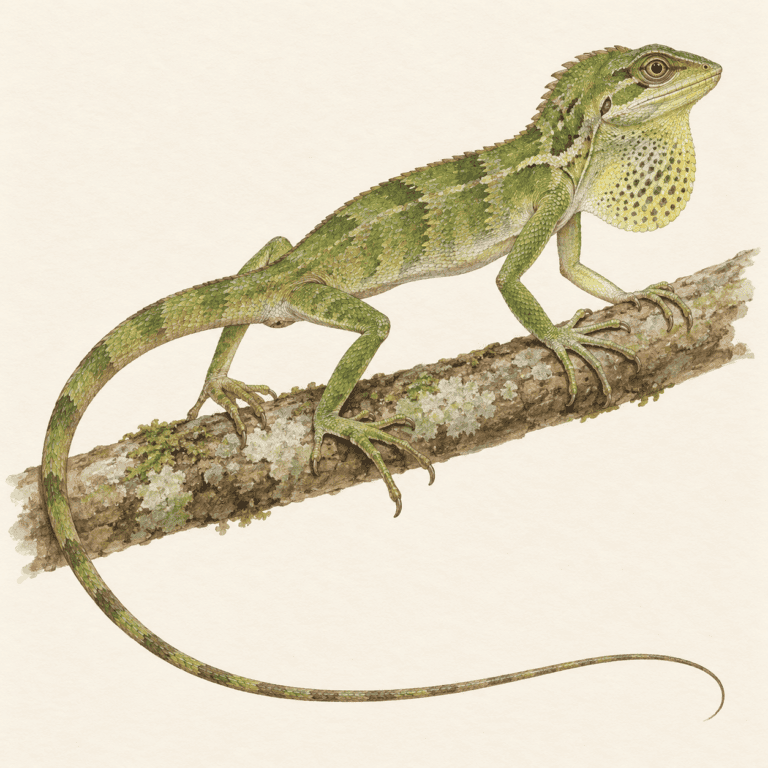
Decorated Anole

Spanish name
Anolis decorado / Lagartija gigante de bandas
Scientific name
Anolis insignis

What Do Pico & Tati Think?

Pico: “What helps this reptile fit into its habitat?”

Tati: “Let’s look at its shape, colors and surroundings while giving it plenty of space.”

Identification

Key Features of the Decorated Anole

  • Large anole with a broad head

  • Green body with pale markings

  • Long tail and tree-perching posture

Habitat & range

Humid foothill and montane forests, including the Guanacaste volcanic range and the central mountains. Documented at San Gerardo Biological Station in Área de Conservación Guanacaste.

Conservation & care

Observe with an adult from permitted paths. Do not touch, chase, catch or feed reptiles. Leave bark, logs, stones and leaf litter in place. Keep pets away and allow an open escape route.

Threats & pressures

Protect connected habitat and natural shelters. Avoid collection, unnecessary clearing and deliberate killing. Leave wildlife in place and support responsible observation.

View full profile →

Nature Field Guide

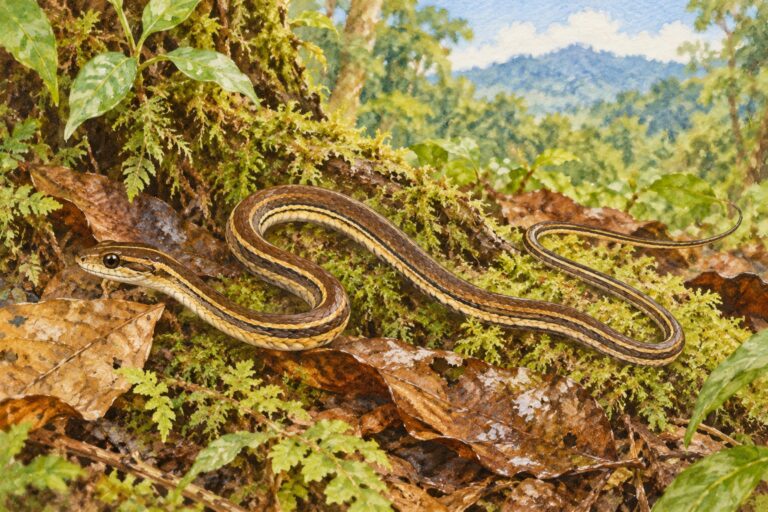
Decorated Forest Snake

Spanish name
Hojarasquera rayada
Scientific name
Rhadinaea decorata

What Do Pico & Tati Think?

Pico: “What can we learn from this reptile’s shape?”

Tati: “Let’s notice its markings and habitat while leaving it plenty of space.”

Identification

Key Features of the Decorated Forest Snake

  • Small slender brown body

  • Fine pale and dark lengthwise stripes

  • Forest-floor camouflage

Habitat & range

Humid Caribbean and Pacific forests and foothills, including northern lowlands and southwestern Costa Rica.

Conservation & care

Observe only from a distance with an adult or qualified guide. Never touch, catch, feed, corner or move any snake. Keep children and pets away. Colors, head shape and pupil shape must never be used to decide a snake is safe.

Threats & pressures

Protect natural shelters and connected habitat. Avoid collection, unnecessary clearing and deliberate killing. Leave wildlife in its habitat and support responsible observation.

View full profile →

Nature Field Guide

Ecuadorian Milksnake

Spanish name
Falsa coral / Serpiente de leche
Scientific name
Lampropeltis micropholis

What Do Pico & Tati Think?

Pico: “What can we learn from this reptile’s shape?”

Tati: “Let’s notice its markings and habitat while leaving it plenty of space.”

Identification

Key Features of the Ecuadorian Milksnake

  • Young animals may have red, pale and dark bands

  • Smooth-looking scales

  • Appearance can darken with age

Habitat & range

Eastern and southern Costa Rican forest landscapes and mountain slopes; province assignments refer to suitable habitat rather than all parts of each province.

Conservation & care

Observe only from a distance with an adult or qualified guide. Never touch, catch, feed, corner or move any snake. Keep children and pets away. Colors, head shape and pupil shape must never be used to decide a snake is safe.

Threats & pressures

Protect natural shelters and connected habitat. Avoid collection, unnecessary clearing and deliberate killing. Leave wildlife in its habitat and support responsible observation.

View full profile →

Nature Field Guide

Forest Flame Snake

Spanish name
Falsa coral de bosque
Scientific name
Oxyrhopus petolarius

What Do Pico & Tati Think?

Pico: “What helps this reptile fit into its habitat?”

Tati: “Let’s look at its shape, colors and surroundings while giving it plenty of space.”

Identification

Key Features of the Forest Flame Snake

  • Dark head

  • Red-to-orange areas with dark crossbands

  • Slender body with variable markings

Habitat & range

Humid Caribbean-slope and southern Pacific forests and their edges in Costa Rica.

Conservation & care

Observe from a distance with an adult or qualified guide. Do not touch, catch, corner, feed or move any snake. Keep children and pets away. Colors, head shape and pupil shape must never be used to decide a snake is safe.

Threats & pressures

Protect connected habitat and natural shelters. Avoid collection, unnecessary clearing and deliberate killing. Leave wildlife in place and support responsible observation.

View full profile →

Nature Field Guide

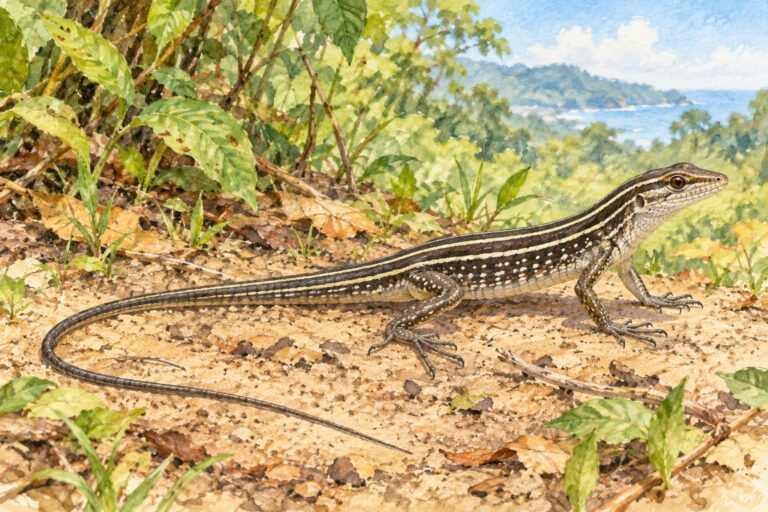
Four-lined Ameiva

Spanish name
Ameiva de cuatro líneas
Scientific name
Holcosus quadrilineatus

What Do Pico & Tati Think?

Pico: “What clues help us recognize this reptile?”

Tati: “Let’s notice its shape, markings and habitat from a respectful distance.”

Identification

Key Features of the Four-lined Ameiva

  • Four pale longitudinal body stripes

  • Long slender tail

  • Small contrasting flank markings

Habitat & range

Humid Caribbean lowlands and suitable Pacific lowlands and edges; a field study documents Cocles, Limón.

Conservation & care

Observe with an adult from permitted paths. Do not catch, chase, touch or feed reptiles. Leave bark, logs, rocks and leaf litter in place. Keep pets away and allow animals an open escape route.

Threats & pressures

Protect habitat connections and natural shelters. Avoid road mortality, collection and deliberate killing. Leave reptiles in their habitat rather than keeping or relocating them.

View full profile →

Nature Field Guide

Ghost Anole

Spanish name
Anolis fantasma
Scientific name
Anolis lemurinus

What Do Pico & Tati Think?

Pico: “What clues help us recognize this reptile?”

Tati: “Let’s notice its shape, markings and habitat from a respectful distance.”

Identification

Key Features of the Ghost Anole

  • Brown-to-gray coloration

  • Long hind legs and tapering tail

  • Subtle darker body markings

Habitat & range

Humid Caribbean lowlands and foothills and southwestern Pacific forest.

Conservation & care

Observe with an adult from permitted paths. Do not catch, chase, touch or feed reptiles. Leave bark, logs, rocks and leaf litter in place. Keep pets away and allow animals an open escape route.

Threats & pressures

Protect habitat connections and natural shelters. Avoid road mortality, collection and deliberate killing. Leave reptiles in their habitat rather than keeping or relocating them.

View full profile →

Nature Field Guide

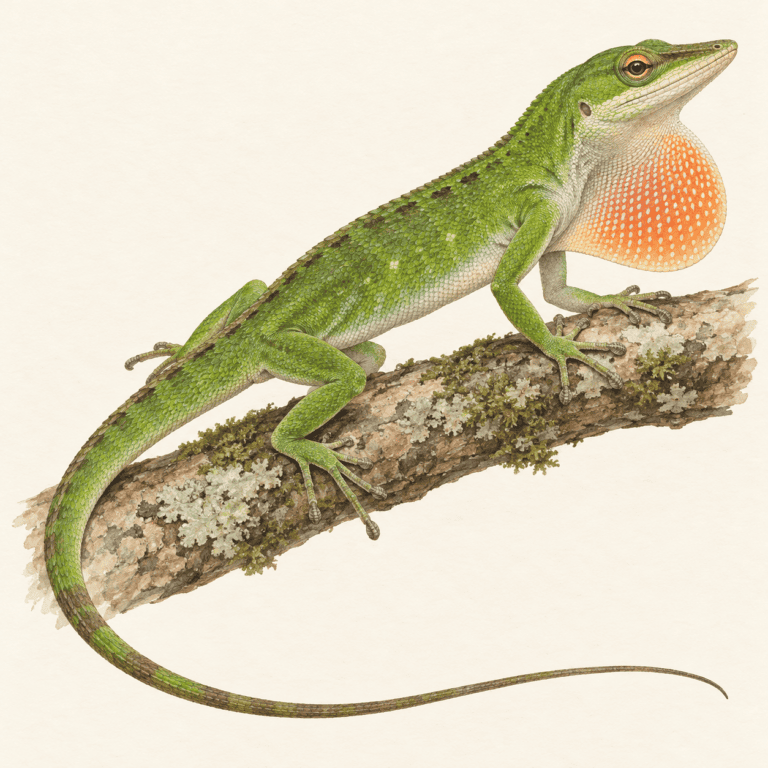
Giant Green Anole

Spanish name
Anolis verde gigante
Scientific name
Anolis biporcatus

What Do Pico & Tati Think?

Pico and Tati invite you to learn about the giant green anole. Draw the shapes of a branch and the anole’s toes. How might those shapes help with climbing?

Identification

Key Features of the Giant Green Anole

  • Green body, sometimes with a darker appearance.

  • Long tail and climbing toes.

  • An extendable throat fan, especially noticeable during displays.

Habitat & range

Humid forests and wooded vegetation in Costa Rica.

Conservation & care

Watch wildlife with an adult from a safe path. Do not touch, feed, capture or move reptiles, and keep pets away. Leave eggs, shelters and vegetation undisturbed.

View full profile →

Nature Field Guide

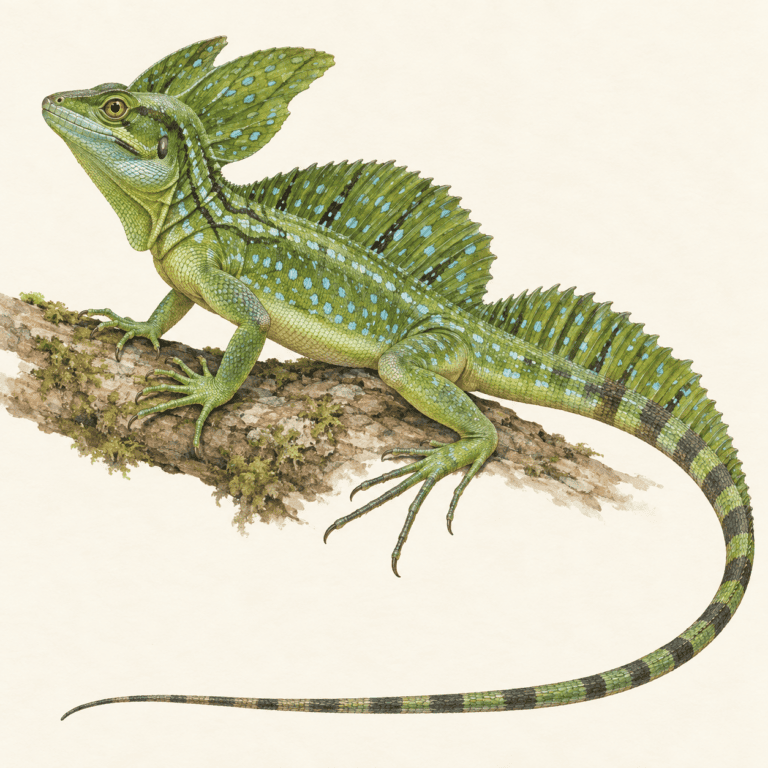
Green Basilisk

Spanish name
Basilisco verde
Scientific name
Basiliscus plumifrons

What Do Pico & Tati Think?

Pico and Tati invite you to learn about the green basilisk. Compare an adult male photograph with a juvenile. Which features change as the animal grows?

Identification

Key Features of the Green Basilisk

  • Green body with pale or bluish spots.

  • Long tail and long hind toes.

  • Large head, back and tail crests in adult males.

Habitat & range

Humid Caribbean lowland forests and suitable wooded stream corridors.

Conservation & care

Watch wildlife with an adult from a safe path. Do not touch, feed, capture or move reptiles, and keep pets away. Leave eggs, shelters and vegetation undisturbed.

View full profile →

Nature Field Guide

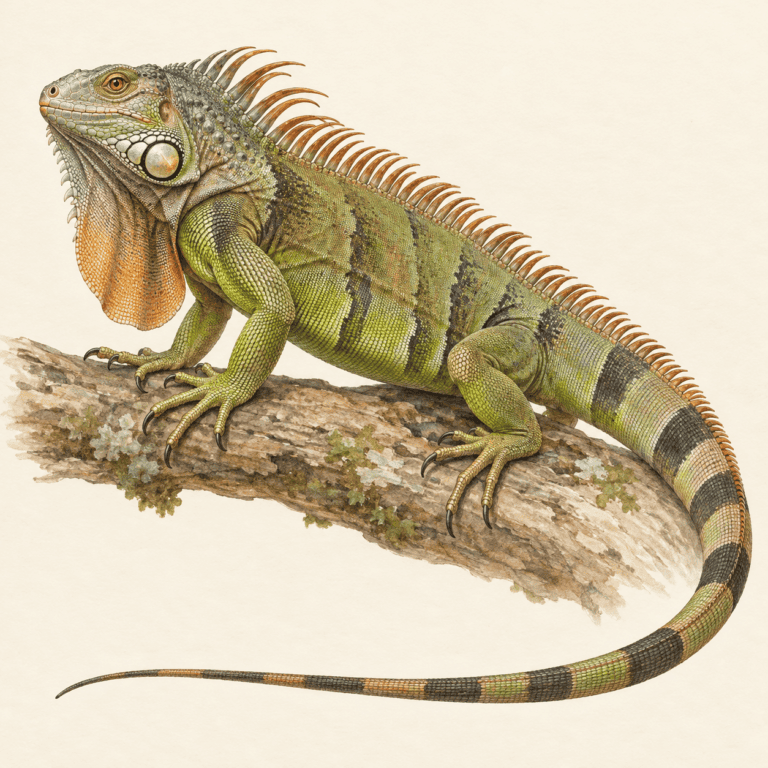
Green Iguana

Spanish name
Iguana verde
Scientific name
Iguana iguana

What Do Pico & Tati Think?

Pico and Tati invite you to learn about the green iguana. Sketch the outline of a distant iguana. Compare its throat fan with the spiny-tailed iguana card.

Identification

Key Features of the Green Iguana

  • Large hanging throat fan.

  • Long tail and a row of dorsal spines.

  • Large round scale below the ear opening.

Habitat & range

Lowland forests and wooded waterways on both Costa Rican slopes.

Conservation & care

Watch wildlife with an adult from a safe path. Do not touch, feed, capture or move reptiles, and keep pets away. Leave eggs, shelters and vegetation undisturbed.

View full profile →

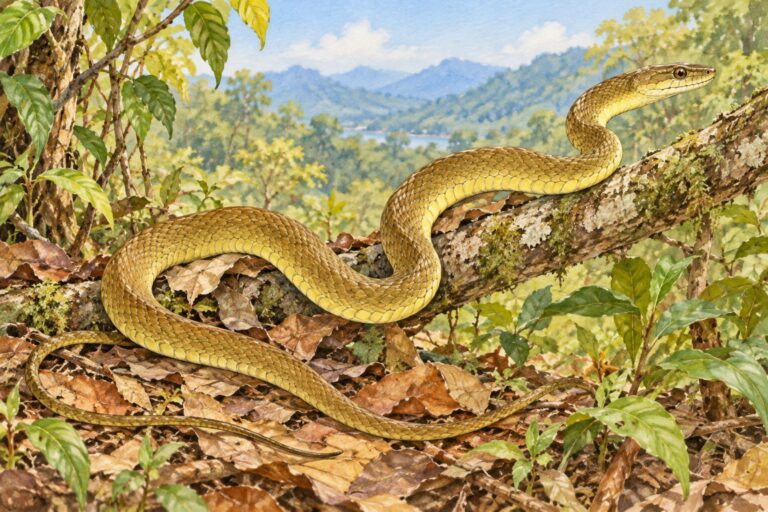
Nature Field Guide

Green Ratsnake

Spanish name
Ratonera / Culebra ratonera
Scientific name
Senticolis triaspis

What Do Pico & Tati Think?

Pico: “What helps this reptile fit into its habitat?”

Tati: “Let’s look at its shape, colors and surroundings while giving it plenty of space.”

Identification

Key Features of the Green Ratsnake

  • Long body and elongated head

  • Adults may be tan, golden or olive-brown

  • Juveniles show darker blotches

Habitat & range

Northwestern and western Pacific-slope woodland and forest, including the San Luis de Monteverde area.

Conservation & care

Observe from a distance with an adult or qualified guide. Do not touch, catch, corner, feed or move any snake. Keep children and pets away. Colors, head shape and pupil shape must never be used to decide a snake is safe.

Threats & pressures

Protect connected habitat and natural shelters. Avoid collection, unnecessary clearing and deliberate killing. Leave wildlife in place and support responsible observation.

View full profile →

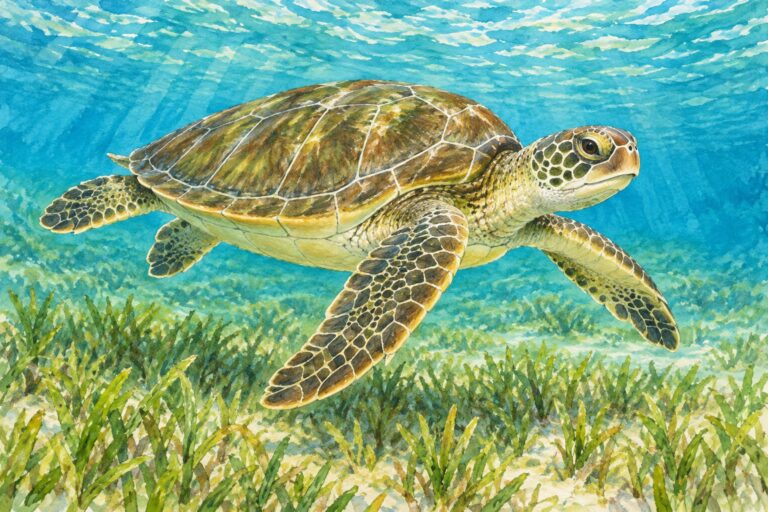
Nature Field Guide

Green Sea Turtle

Spanish name
Tortuga verde / Tortuga negra
Scientific name
Chelonia mydas

What Do Pico & Tati Think?

Pico: “What clues help us recognize this reptile?”

Tati: “Let’s notice its shape, markings and habitat from a respectful distance.”

Identification

Key Features of the Green Sea Turtle

  • Smooth oval carapace

  • Rounded rather than sharply hooked head

  • Four pairs of lateral shell scutes

Habitat & range

Pacific and Caribbean coastal waters; Tortuguero and Cahuita are documented Caribbean examples.

Conservation & care

Never touch, chase, ride or feed a sea turtle. Keep clear of nesting females, eggs and hatchlings. Follow local beach rules and authorized guides; avoid lights and flash photography during nesting observations. Leave shells and wildlife products out of your purchases.

Threats & pressures

Protect nesting beaches and marine habitats. Reduce plastic waste, avoid disturbing wildlife and do not buy turtle products.

View full profile →

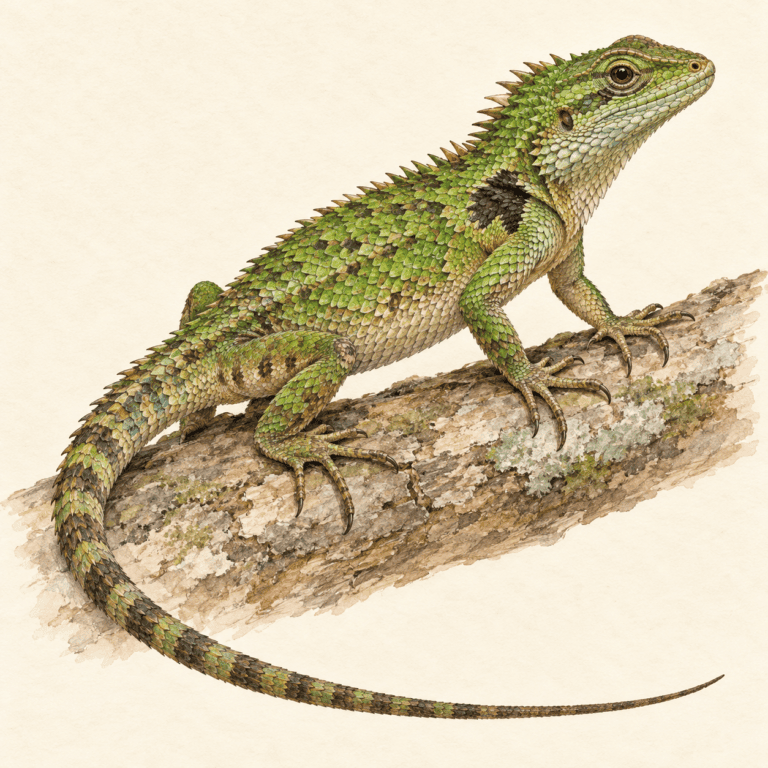
Nature Field Guide

Green Spiny Lizard

Spanish name
Lagartija espinosa verde
Scientific name
Sceloporus malachiticus

What Do Pico & Tati Think?

Pico and Tati invite you to learn about the green spiny lizard. Compare a photo of its rough scales with a smooth-looking anole. Describe texture without touching either animal.

Identification

Key Features of the Green Spiny Lizard

  • Pointed, strongly textured body scales.

  • A dark shoulder marking.

  • Adult males often show green coloration.

Habitat & range

Costa Rican uplands, including suitable forest edges and rocky or open perches.

Conservation & care

Watch wildlife with an adult from a safe path. Do not touch, feed, capture or move reptiles, and keep pets away. Leave eggs, shelters and vegetation undisturbed.

View full profile →

Nature Field Guide

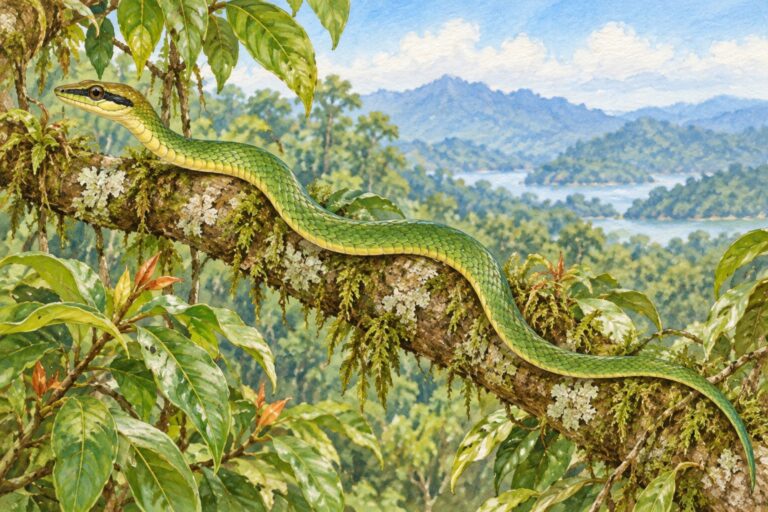
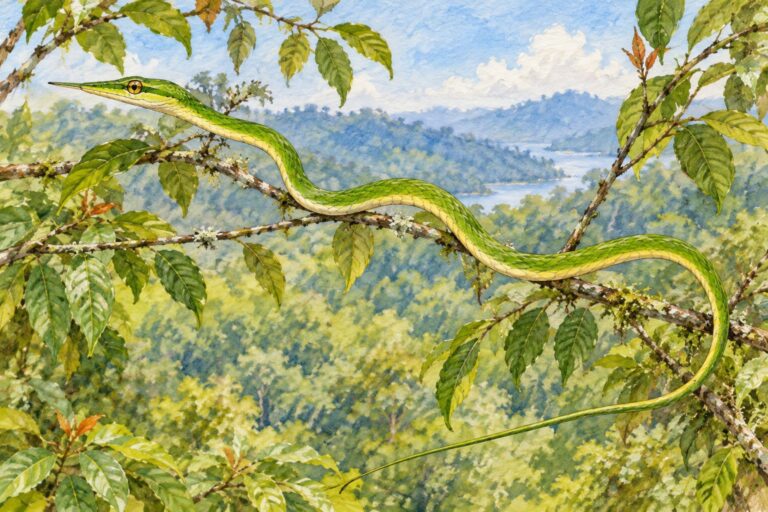
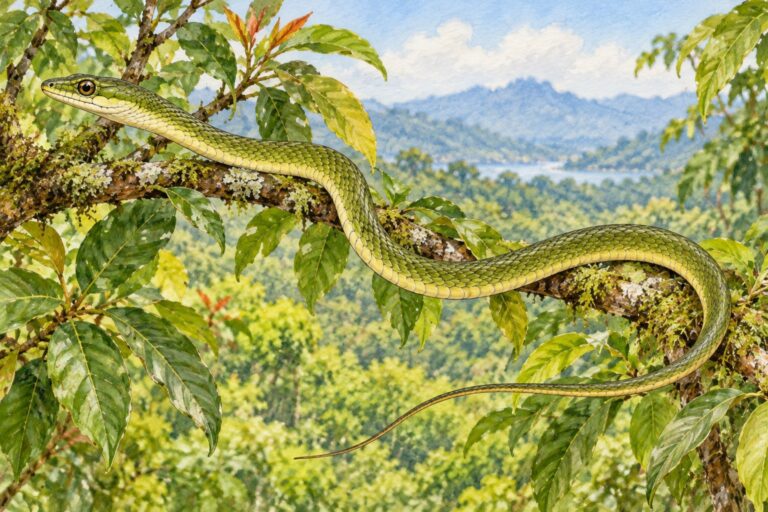
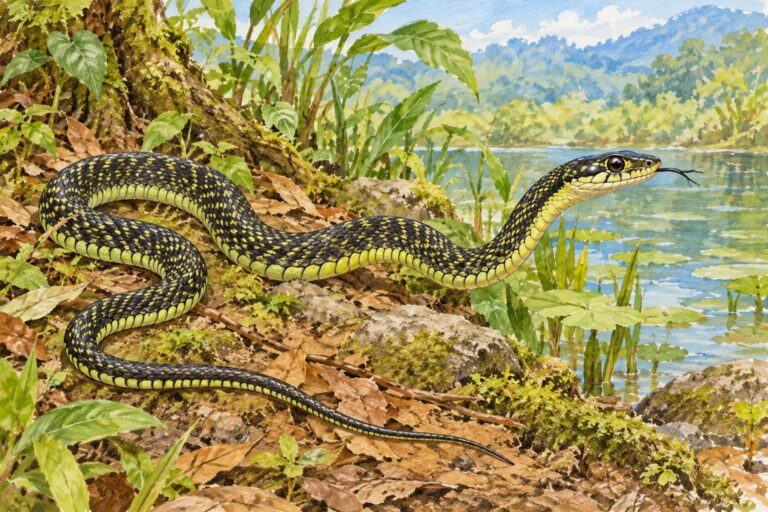
Green Vine Snake

Spanish name
Bejuquilla verde
Scientific name
Oxybelis fulgidus

What Do Pico & Tati Think?

Pico: “What clues help us recognize this reptile?”

Tati: “Let’s notice its shape, markings and habitat from a respectful distance.”

Identification

Key Features of the Green Vine Snake

  • Very slender green body

  • Elongated pointed snout

  • Exceptionally long tapering tail

Habitat & range

Wooded lowlands and foothills on both slopes, including Pacific and Caribbean forest edges.

Conservation & care

Observe only from a distance with an adult or qualified guide. Do not touch, catch, corner or attempt to move any snake. Step back and tell your adult; keep children and pets away. Do not use colors, head shape or pupil shape to decide a snake is safe.

Threats & pressures

Protect habitat connections and natural shelters. Avoid road mortality, collection and deliberate killing. Leave reptiles in their habitat rather than keeping or relocating them.

View full profile →

Nature Field Guide

Hawksbill Sea Turtle

Spanish name
Tortuga carey
Scientific name
Eretmochelys imbricata

What Do Pico & Tati Think?

Pico: “What clues help us recognize this reptile?”

Tati: “Let’s notice its shape, markings and habitat from a respectful distance.”

Identification

Key Features of the Hawksbill Sea Turtle

  • Narrow hooked beak

  • Overlapping patterned shell scutes

  • Often a serrated rear shell edge

Habitat & range

Pacific and Caribbean coastal waters and reefs; documented sites include Cahuita and Tortuguero.

Conservation & care

Never touch, chase, ride or feed a sea turtle. Keep clear of nesting females, eggs and hatchlings. Follow local beach rules and authorized guides; avoid lights and flash photography during nesting observations. Leave shells and wildlife products out of your purchases.

Threats & pressures

Protect nesting beaches and marine habitats. Reduce plastic waste, avoid disturbing wildlife and do not buy turtle products.

View full profile →

Nature Field Guide

Heavy-footed Anole

Spanish name
Anolis de patas robustas
Scientific name
Anolis pachypus

What Do Pico & Tati Think?

Pico: “What can we learn from this reptile’s shape?”

Tati: “Let’s notice its markings and habitat while leaving it plenty of space.”

Identification

Key Features of the Heavy-footed Anole

  • Compact brown mountain anole

  • Stout-looking feet

  • Camouflaged body and long tapering tail

Habitat & range

Middle and upper elevations of the Talamanca mountain system in southern Costa Rica.

Conservation & care

Observe from permitted paths with an adult. Do not touch, chase, catch or feed reptiles. Leave bark, stones, logs and leaf litter in place. Keep pets away and give animals an open escape route.

Threats & pressures

Protect natural shelters and connected habitat. Avoid collection, unnecessary clearing and deliberate killing. Leave wildlife in its habitat and support responsible observation.

View full profile →

Nature Field Guide

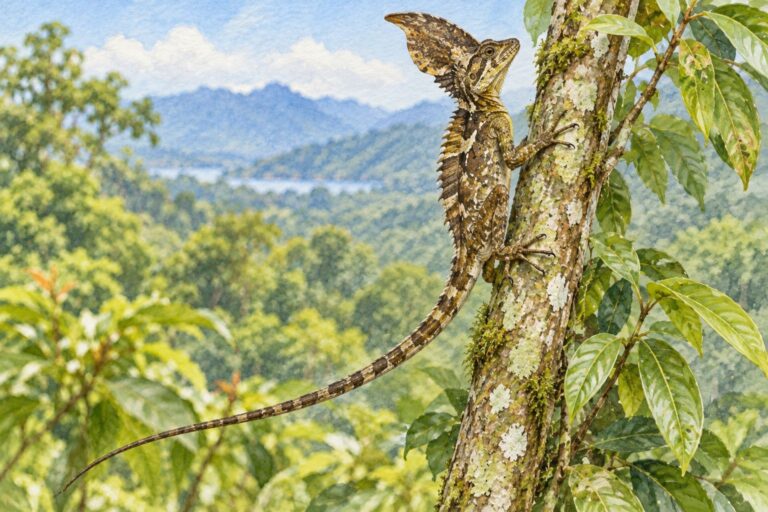
Helmeted Iguana

Spanish name
Iguana de casco / Lagartija de casco
Scientific name
Corytophanes cristatus

What Do Pico & Tati Think?

Pico: “What can we learn from this reptile’s shape?”

Tati: “Let’s notice its markings and habitat while leaving it plenty of space.”

Identification

Key Features of the Helmeted Iguana

  • Tall helmetlike casque

  • Long tail and grasping limbs

  • Mottled bark-colored camouflage

Habitat & range

Humid Caribbean and Pacific forests and foothills, including northern wet forests and the southwest.

Conservation & care

Observe from permitted paths with an adult. Do not touch, chase, catch or feed reptiles. Leave bark, stones, logs and leaf litter in place. Keep pets away and give animals an open escape route.

Threats & pressures

Protect natural shelters and connected habitat. Avoid collection, unnecessary clearing and deliberate killing. Leave wildlife in its habitat and support responsible observation.

View full profile →

Nature Field Guide

High Anole

Spanish name
Anolis de altura
Scientific name
Anolis altae

What Do Pico & Tati Think?

Pico: “What can we learn from this reptile’s shape?”

Tati: “Let’s notice its markings and habitat while leaving it plenty of space.”

Identification

Key Features of the High Anole

  • Small slender brown body

  • Relatively short legs

  • Long tail and subtle camouflage

Habitat & range

Central volcanic highlands, including the Barva, Irazú and northern Alajuela mountain areas.

Conservation & care

Observe from permitted paths with an adult. Do not touch, chase, catch or feed reptiles. Leave bark, stones, logs and leaf litter in place. Keep pets away and give animals an open escape route.

Threats & pressures

Protect natural shelters and connected habitat. Avoid collection, unnecessary clearing and deliberate killing. Leave wildlife in its habitat and support responsible observation.

View full profile →

Nature Field Guide

Hoffmann’s Earth Snake

Spanish name
Culebra de tierra de Hoffmann
Scientific name
Geophis hoffmanni

What Do Pico & Tati Think?

Pico: “What can we learn from this reptile’s shape?”

Tati: “Let’s notice its markings and habitat while leaving it plenty of space.”

Identification

Key Features of the Hoffmann’s Earth Snake

  • Small head and dark slender body

  • Usually plain dark upper surfaces

  • Paler underside; young may have a pale neck mark

Habitat & range

Humid lowland and foothill habitats and central mountain slopes, including the Monteverde area.

Conservation & care

Observe only from a distance with an adult or qualified guide. Never touch, catch, feed, corner or move any snake. Keep children and pets away. Colors, head shape and pupil shape must never be used to decide a snake is safe.

Threats & pressures

Protect natural shelters and connected habitat. Avoid collection, unnecessary clearing and deliberate killing. Leave wildlife in its habitat and support responsible observation.

View full profile →

Nature Field Guide

Humble Anole

Spanish name
Anolis humilde
Scientific name
Anolis humilis

What Do Pico & Tati Think?

Pico and Tati invite you to learn about the humble anole. Study a photograph and sketch how brown markings blend with fallen leaves.

Identification

Key Features of the Humble Anole

  • Small brown body with variable darker markings.

  • Slender tail.

  • An anole throat fan may be displayed by males.

Habitat & range

Shaded understory and leaf-litter edges in humid forest.

Conservation & care

Watch wildlife with an adult from a safe path. Do not touch, feed, capture or move reptiles, and keep pets away. Leave eggs, shelters and vegetation undisturbed.

View full profile →

Nature Field Guide

Leatherback Sea Turtle

Spanish name
Tortuga baula
Scientific name
Dermochelys coriacea

What Do Pico & Tati Think?

Pico: “Those ridges make its back look so different.”

Tati: “Let’s find out how this turtle’s life connects the ocean with the beach.”

Identification

Key Features of the Leatherback Sea Turtle

  • A dark, leathery back rather than large hard shell plates.

  • Seven lengthwise ridges along the back.

  • Long front flippers on a very large sea turtle.

Habitat & range

Open ocean feeding habitats and nesting beaches. SINAC identifies Playa Grande, Ventanas and Langosta as nesting areas within Las Baulas.

Seasonal Calendar

Nesting

Las Baulas: Playa Grande, Ventanas and Langosta

Jan, Feb, Oct, Nov, Dec

SINAC lists October–February as the park’s nesting season. Eggs incubate approximately two months; hatching follows individual laying dates. Nesting is distinct from migration. Follow current park access rules; this is not a tour schedule.

Event source ↗

Conservation & care

Never touch a turtle, eggs or hatchlings. Respect beach closures and avoid lights near nesting habitat. Keep plastics and other litter out of the sea.

View full profile →

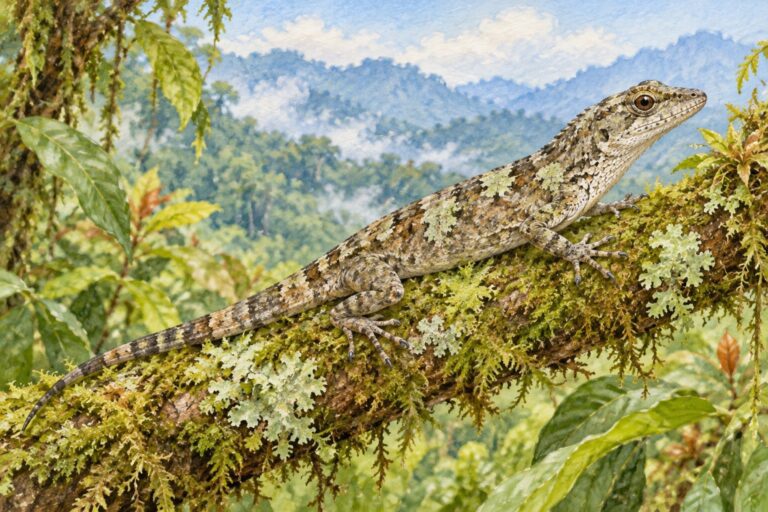
Nature Field Guide

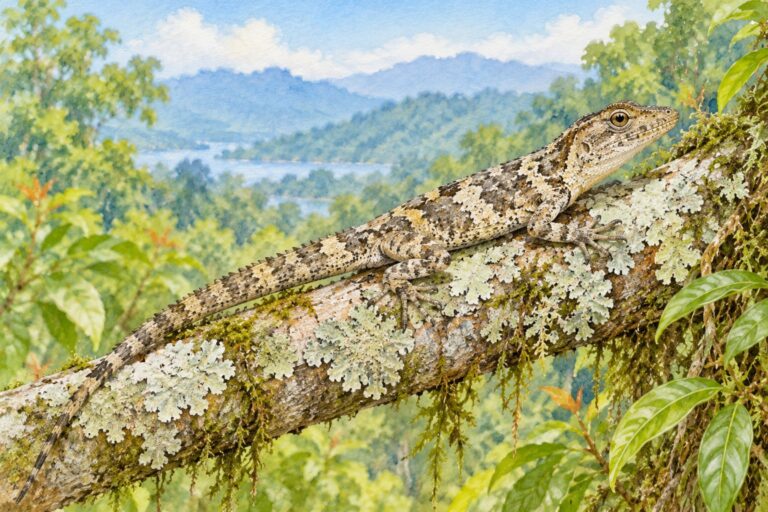
Lichen Anole

Spanish name
Anolis liquenoso
Scientific name
Anolis pentaprion

What Do Pico & Tati Think?

Pico: “What can we learn from this reptile’s shape?”

Tati: “Let’s notice its markings and habitat while leaving it plenty of space.”

Identification

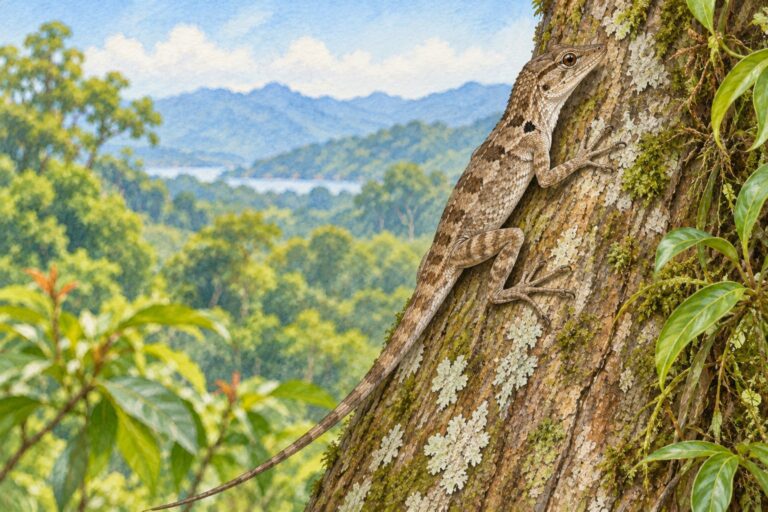
Key Features of the Lichen Anole

  • Gray-and-cream bark camouflage

  • Short limbs

  • Relatively short tail with a serrated ridge

Habitat & range

Caribbean lowlands and northern humid lowlands, including the Los Chiles/Guatuso and Sarapiquí areas.

Conservation & care

Observe from permitted paths with an adult. Do not touch, chase, catch or feed reptiles. Leave bark, stones, logs and leaf litter in place. Keep pets away and give animals an open escape route.

Threats & pressures

Protect natural shelters and connected habitat. Avoid collection, unnecessary clearing and deliberate killing. Leave wildlife in its habitat and support responsible observation.

View full profile →

Nature Field Guide

Linnaeus’s Sipo

Spanish name
Bejuquilla verde de bosque
Scientific name
Chironius exoletus

What Do Pico & Tati Think?

Pico: “What can we learn from this reptile’s shape?”

Tati: “Let’s notice its markings and habitat while leaving it plenty of space.”

Identification

Key Features of the Linnaeus’s Sipo

  • Long green-to-olive body

  • Large eyes and elongated head

  • Very long tapering tail

Habitat & range

Humid Caribbean and Pacific forests and adjoining foothills in Costa Rica.

Conservation & care

Observe only from a distance with an adult or qualified guide. Never touch, catch, feed, corner or move any snake. Keep children and pets away. Colors, head shape and pupil shape must never be used to decide a snake is safe.

Threats & pressures

Protect natural shelters and connected habitat. Avoid collection, unnecessary clearing and deliberate killing. Leave wildlife in its habitat and support responsible observation.

View full profile →

Nature Field Guide

Managua Skink

Spanish name
Escinco de Managua
Scientific name
Mesoscincus managuae

What Do Pico & Tati Think?

Pico: “What helps this reptile fit into its habitat?”

Tati: “Let’s look at its shape, colors and surroundings while giving it plenty of space.”

Identification

Key Features of the Managua Skink

  • Smooth elongated brown body

  • Dark lengthwise lines

  • Short legs and a long tapering tail

Habitat & range

Seasonally dry northwestern Costa Rica, with documented records from Guanacaste including the Ocotal and Diriá areas.

Conservation & care

Observe with an adult from permitted paths. Do not touch, chase, catch or feed reptiles. Leave bark, logs, stones and leaf litter in place. Keep pets away and allow an open escape route.

Threats & pressures

Protect connected habitat and natural shelters. Avoid collection, unnecessary clearing and deliberate killing. Leave wildlife in place and support responsible observation.

View full profile →

Nature Field Guide

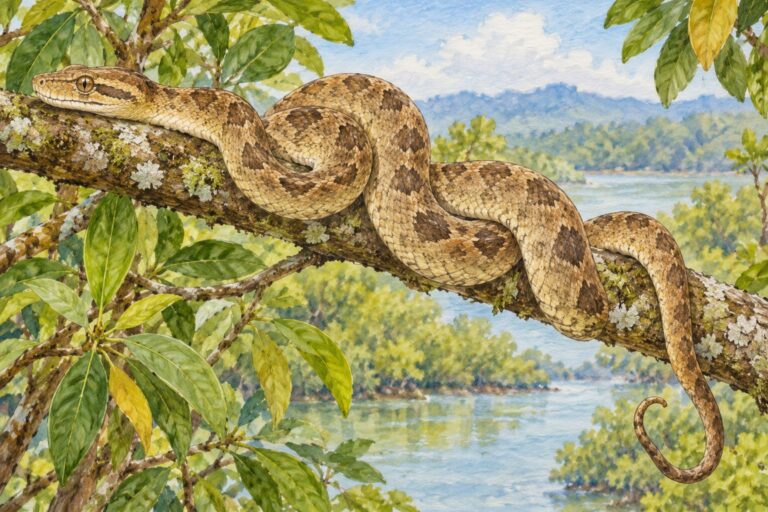
Mangrove Tree Boa

Spanish name
Boa arborícola del Pacífico
Scientific name
Corallus ruschenbergerii

What Do Pico & Tati Think?

Pico: “What helps this reptile fit into its habitat?”

Tati: “Let’s look at its shape, colors and surroundings while giving it plenty of space.”

Identification

Key Features of the Mangrove Tree Boa

  • Long branch-climbing body

  • Brown-to-tan camouflage

  • Gripping tail and a distinct head

Habitat & range

Southwestern Costa Rican forests and wooded coastal habitats, including the South Pacific.

Conservation & care

Observe from a distance with an adult or qualified guide. Do not touch, catch, corner, feed or move any snake. Keep children and pets away. Colors, head shape and pupil shape must never be used to decide a snake is safe.

Threats & pressures

Protect connected habitat and natural shelters. Avoid collection, unnecessary clearing and deliberate killing. Leave wildlife in place and support responsible observation.

View full profile →

Nature Field Guide

Many-scaled Anole

Spanish name
Anolis de muchas escamas
Scientific name
Anolis polylepis

What Do Pico & Tati Think?

Pico: “What helps this reptile fit into its habitat?”

Tati: “Let’s look at its shape, colors and surroundings while giving it plenty of space.”

Identification

Key Features of the Many-scaled Anole

  • Slender brown body

  • Long hind legs and a fine tail

  • Orange male throat fan when naturally displayed

Habitat & range

Humid Central and South Pacific forests and foothills, including San Vito. Osa populations have also been treated as Anolis osa in some references.

Conservation & care

Observe with an adult from permitted paths. Do not touch, chase, catch or feed reptiles. Leave bark, logs, stones and leaf litter in place. Keep pets away and allow an open escape route.

Threats & pressures

Protect connected habitat and natural shelters. Avoid collection, unnecessary clearing and deliberate killing. Leave wildlife in place and support responsible observation.

View full profile →

Nature Field Guide

Mexican Burrowing Python

Spanish name
Boa excavadora / Pitón excavadora
Scientific name
Loxocemus bicolor

What Do Pico & Tati Think?

Pico: “What helps this reptile fit into its habitat?”

Tati: “Let’s look at its shape, colors and surroundings while giving it plenty of space.”

Identification

Key Features of the Mexican Burrowing Python

  • Stout dark body and pale belly

  • Small wedge-shaped digging head

  • Short tapering tail without a rattle

Habitat & range

Dry and seasonally dry forests of northwestern Costa Rica, particularly Guanacaste.

Conservation & care

Observe from a distance with an adult or qualified guide. Do not touch, catch, corner, feed or move any snake. Keep children and pets away. Colors, head shape and pupil shape must never be used to decide a snake is safe.

Threats & pressures

Protect connected habitat and natural shelters. Avoid collection, unnecessary clearing and deliberate killing. Leave wildlife in place and support responsible observation.

View full profile →

Nature Field Guide

Middle American Ameiva

Spanish name
Ameiva centroamericana
Scientific name
Holcosus festivus

What Do Pico & Tati Think?

Pico: “What clues help us recognize this reptile?”

Tati: “Let’s notice its shape, markings and habitat from a respectful distance.”

Identification

Key Features of the Middle American Ameiva

  • Long tail and pointed snout

  • Strong limbs suited to ground movement

  • Contrasting stripes and patterned flanks

Habitat & range

Humid lowlands and forest-edge openings on both slopes, including the southwestern Pacific.

Conservation & care

Observe with an adult from permitted paths. Do not catch, chase, touch or feed reptiles. Leave bark, logs, rocks and leaf litter in place. Keep pets away and allow animals an open escape route.

Threats & pressures

Protect habitat connections and natural shelters. Avoid road mortality, collection and deliberate killing. Leave reptiles in their habitat rather than keeping or relocating them.

View full profile →

Nature Field Guide

Mimic False Coral Snake

Spanish name
Falsa coral imitadora
Scientific name
Erythrolamprus mimus

What Do Pico & Tati Think?

Pico: “What helps this reptile fit into its habitat?”

Tati: “Let’s look at its shape, colors and surroundings while giving it plenty of space.”

Identification

Key Features of the Mimic False Coral Snake

  • Contrasting red, dark and pale bands

  • Slender forest-snake body

  • Coral-snake resemblance

Habitat & range

Humid Caribbean and southwestern Pacific forests and foothills, including San Vito.

Conservation & care

Observe from a distance with an adult or qualified guide. Do not touch, catch, corner, feed or move any snake. Keep children and pets away. Colors, head shape and pupil shape must never be used to decide a snake is safe.

Threats & pressures

Protect connected habitat and natural shelters. Avoid collection, unnecessary clearing and deliberate killing. Leave wildlife in place and support responsible observation.

View full profile →

Nature Field Guide

Mountain Alligator Lizard

Spanish name
Dragón de altura
Scientific name
Abronia monticola

What Do Pico & Tati Think?

Pico: “What clues help us recognize this reptile?”

Tati: “Let’s notice its shape, markings and habitat from a respectful distance.”

Identification

Key Features of the Mountain Alligator Lizard

  • Elongated body with short legs

  • Distinct rows of armored-looking scales

  • Brown-gray highland camouflage

Habitat & range

Cool highlands, including the Irazú region and the Talamanca mountain range.

Conservation & care

Observe with an adult from permitted paths. Do not catch, chase, touch or feed reptiles. Leave bark, logs, rocks and leaf litter in place. Keep pets away and allow animals an open escape route.

Threats & pressures

Protect habitat connections and natural shelters. Avoid road mortality, collection and deliberate killing. Leave reptiles in their habitat rather than keeping or relocating them.

View full profile →

Nature Field Guide

Mourning Gecko

Spanish name
Geco enlutado
Scientific name
Lepidodactylus lugubris

What Do Pico & Tati Think?

Pico: “What clues help us recognize this reptile?”

Tati: “Let’s notice its shape, markings and habitat from a respectful distance.”

Identification

Key Features of the Mourning Gecko

  • Small pale-brown body

  • Paired dark back markings

  • Adhesive toe pads

Habitat & range

Buildings and vegetation in established introduced populations, including documented Pacific coastal areas and Cabo Blanco.

Conservation & care

Observe without catching or moving the gecko. Do not transport reptiles, eggs or occupied plant material between sites. Keep pets away and wash hands after ordinary outdoor exploration.

Threats & pressures

Protect habitat connections and natural shelters. Avoid road mortality, collection and deliberate killing. Leave reptiles in their habitat rather than keeping or relocating them.

View full profile →

Nature Field Guide

Mussurana

Spanish name
Zopilota / Musurana
Scientific name
Clelia clelia

What Do Pico & Tati Think?

Pico: “What clues help us recognize this reptile?”

Tati: “Let’s notice its shape, markings and habitat from a respectful distance.”

Identification

Key Features of the Mussurana

  • Adult dark gray-to-black body

  • Paler underside

  • Juveniles may be red with a dark head and pale collar

Habitat & range

Lowland and lower foothill woodland on both slopes, including humid and secondary forest.

Conservation & care

Observe only from a distance with an adult or qualified guide. Do not touch, catch, corner or attempt to move any snake. Step back and tell your adult; keep children and pets away. Do not use colors, head shape or pupil shape to decide a snake is safe.

Threats & pressures

Protect habitat connections and natural shelters. Avoid road mortality, collection and deliberate killing. Leave reptiles in their habitat rather than keeping or relocating them.

View full profile →

Nature Field Guide

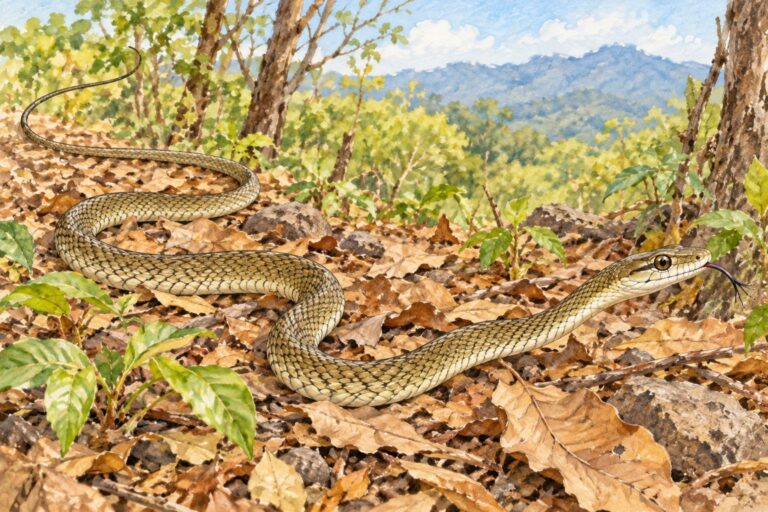
Neotropical Whipsnake

Spanish name
Sabanera / Corredora de sabana
Scientific name
Masticophis mentovarius

What Do Pico & Tati Think?

Pico: “What can we learn from this reptile’s shape?”

Tati: “Let’s notice its markings and habitat while leaving it plenty of space.”

Identification

Key Features of the Neotropical Whipsnake

  • Long slender body

  • Very long whiplike tail

  • Pale chin below a brown-to-olive head

Habitat & range

Northwestern and western Pacific-slope dry and open wooded habitats, including Guanacaste, western lowlands and suitable Central Valley areas.

Conservation & care

Observe only from a distance with an adult or qualified guide. Never touch, catch, feed, corner or move any snake. Keep children and pets away. Colors, head shape and pupil shape must never be used to decide a snake is safe.

Threats & pressures

Protect natural shelters and connected habitat. Avoid collection, unnecessary clearing and deliberate killing. Leave wildlife in its habitat and support responsible observation.

View full profile →

Nature Field Guide

Northern Forest Racer

Spanish name
Corredora de bosque
Scientific name
Dendrophidion percarinatum

What Do Pico & Tati Think?

Pico: “What can we learn from this reptile’s shape?”

Tati: “Let’s notice its markings and habitat while leaving it plenty of space.”

Identification

Key Features of the Northern Forest Racer

  • Slender body and long fine tail

  • Relatively large eyes

  • Narrow crossmarks along the body

Habitat & range

Humid lowland and foothill forests, including southwestern Costa Rica, Monteverde and Caribbean-slope localities.

Conservation & care

Observe only from a distance with an adult or qualified guide. Never touch, catch, feed, corner or move any snake. Keep children and pets away. Colors, head shape and pupil shape must never be used to decide a snake is safe.

Threats & pressures

Protect natural shelters and connected habitat. Avoid collection, unnecessary clearing and deliberate killing. Leave wildlife in its habitat and support responsible observation.

View full profile →

Nature Field Guide

O’Shaughnessy’s Galliwasp

Spanish name
Lagartija de hojarasca
Scientific name
Mesoamericus bilobatus

What Do Pico & Tati Think?

Pico: “What helps this reptile fit into its habitat?”

Tati: “Let’s look at its shape, colors and surroundings while giving it plenty of space.”

Identification

Key Features of the O’Shaughnessy’s Galliwasp

  • Elongated smooth-looking body

  • Four short legs

  • Brown coloration and a long tail

Habitat & range

Humid forests of the Caribbean slope and southwestern Pacific, including a documented population at Tirimbina.

Conservation & care

Observe with an adult from permitted paths. Do not touch, chase, catch or feed reptiles. Leave bark, logs, stones and leaf litter in place. Keep pets away and allow an open escape route.

Threats & pressures

Protect connected habitat and natural shelters. Avoid collection, unnecessary clearing and deliberate killing. Leave wildlife in place and support responsible observation.

View full profile →

Nature Field Guide

Ocellated Anadia

Spanish name
Anadia ocelada
Scientific name
Anadia ocellata

What Do Pico & Tati Think?

Pico: “What can we learn from this reptile’s shape?”

Tati: “Let’s notice its markings and habitat while leaving it plenty of space.”

Identification

Key Features of the Ocellated Anadia

  • Elongated body and short limbs

  • Long tapering tail

  • Small eyelike flank markings

Habitat & range

Forested foothill and upland habitats in Costa Rica, including Monteverde, the Aguacate mountains and humid mountain slopes.

Conservation & care

Observe from permitted paths with an adult. Do not touch, chase, catch or feed reptiles. Leave bark, stones, logs and leaf litter in place. Keep pets away and give animals an open escape route.

Threats & pressures

Protect natural shelters and connected habitat. Avoid collection, unnecessary clearing and deliberate killing. Leave wildlife in its habitat and support responsible observation.

View full profile →

Nature Field Guide

Olive Ridley Sea Turtle

Spanish name
Tortuga lora
Scientific name
Lepidochelys olivacea

What Do Pico & Tati Think?

Pico: “This turtle has plates on its shell.”

Tati: “Comparing different turtles helps us notice the features that tell them apart.”

Identification

Key Features of the Olive Ridley Sea Turtle

  • An olive or gray-green hard shell.

  • A heart-shaped upper shell with visible plates.

  • A relatively small sea turtle compared with a leatherback.

Habitat & range

Tropical ocean waters, coastal habitats and nesting beaches. The species is recorded by SINAC for Las Baulas.

Seasonal Calendar

Nesting events

Ostional National Wildlife Refuge

Year-round

Ostional reference, not a Tamarindo calendar: arribadas occur across the year, not continuously or on fixed dates. SINAC notes dry-season months may have none and rainy-season months may have multiple events. Confirm timing with the refuge.

Event source ↗

Conservation & care

Leave turtles, nests and hatchlings undisturbed. Respect closures and do not use lights in nesting habitat. Reduce plastic waste and report distressed wildlife to local authorities.

View full profile →

Nature Field Guide

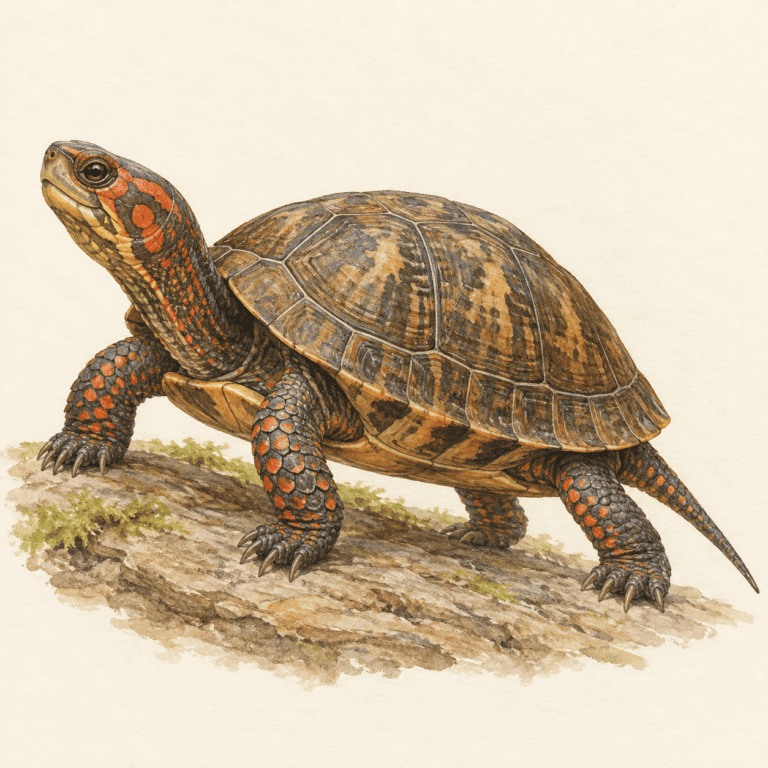
Painted Wood Turtle

Spanish name
Tortuga de bosque pintada
Scientific name
Rhinoclemmys pulcherrima

What Do Pico & Tati Think?

Pico and Tati invite you to learn about the painted wood turtle. Compare its walking feet with a sea turtle’s flippers using photographs. How does each shape suit its habitat?

Identification

Key Features of the Painted Wood Turtle

  • Domed brown shell with variable markings.

  • Red or orange markings around the head and limbs.

  • Walking feet rather than sea-turtle flippers.

Habitat & range

Northwestern Pacific Costa Rica, south toward the Tarcoles and Carara area. Uses seasonally dry woodland, scrub and moist gallery forest near streams. The reviewed natural-range sources do not support a general South Pacific assignment.

Conservation & care

Watch wildlife with an adult from a safe path. Do not touch, feed, capture or move reptiles, and keep pets away. Leave eggs, shelters and vegetation undisturbed.

View full profile →

Nature Field Guide

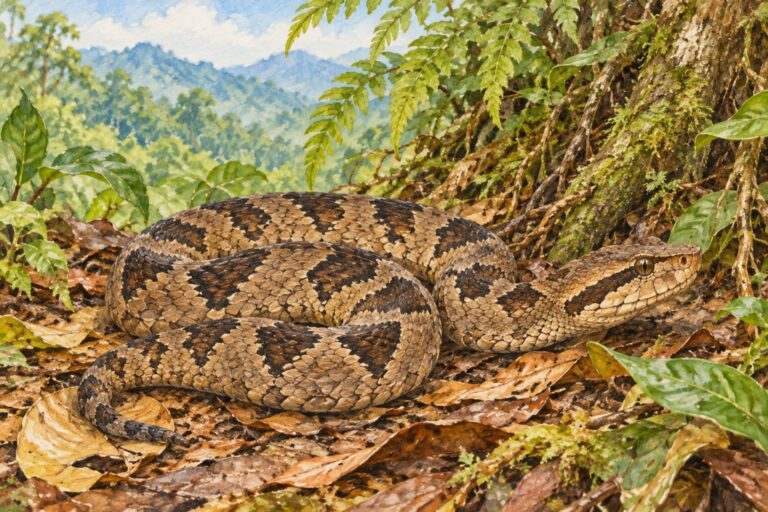
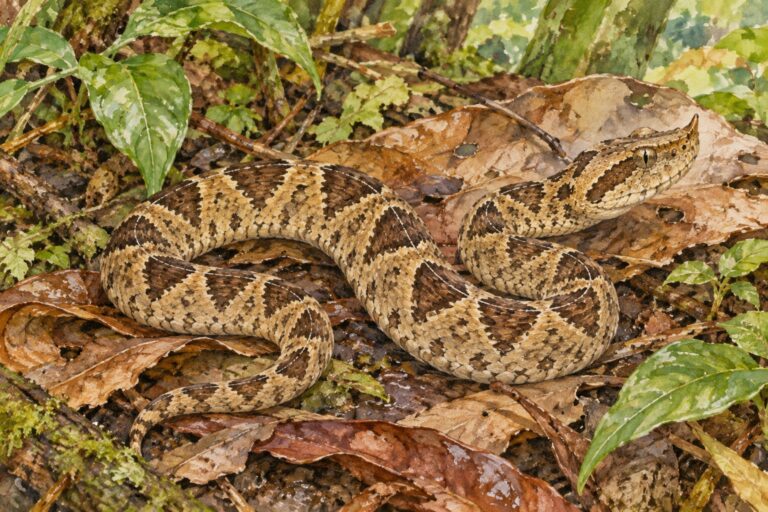
Picado’s Pitviper

Spanish name
Mano de piedra costarricense
Scientific name
Atropoides picadoi

What Do Pico & Tati Think?

Pico: “What helps this reptile fit into its habitat?”

Tati: “Let’s look at its shape, colors and surroundings while giving it plenty of space.”

Identification

Key Features of the Picado’s Pitviper

  • Very robust body

  • Broad head and rough-looking keeled scales

  • Dark angular blotches on a lighter background

Habitat & range

Wet Caribbean-slope forests, including northern foothills and the Central Volcanic and Talamanca mountain systems.

Conservation & care

VENOMOUS. Observe only from a distance with a qualified guide. Keep children and pets well away. Never approach, touch, catch or provoke this snake, and do not reach into nearby vegetation.

Threats & pressures

Protect connected habitat and natural shelters. Avoid collection, unnecessary clearing and deliberate killing. Leave wildlife in place and support responsible observation.

View full profile →

Nature Field Guide

Puffing Snake

Spanish name
Pajarera / Culebra pajarera
Scientific name
Phrynonax poecilonotus

What Do Pico & Tati Think?

Pico: “What can we learn from this reptile’s shape?”

Tati: “Let’s notice its markings and habitat while leaving it plenty of space.”

Identification

Key Features of the Puffing Snake

  • Large elongated forest snake

  • Variable colors and darker markings

  • Distinct head and long climbing body

Habitat & range

Forests and wooded edges on both Costa Rican slopes, including lowlands and foothills; documented in the Monteverde area.

Conservation & care

Observe only from a distance with an adult or qualified guide. Never touch, catch, feed, corner or move any snake. Keep children and pets away. Colors, head shape and pupil shape must never be used to decide a snake is safe.

Threats & pressures

Protect natural shelters and connected habitat. Avoid collection, unnecessary clearing and deliberate killing. Leave wildlife in its habitat and support responsible observation.

View full profile →

Nature Field Guide

Rainforest Hognosed Pitviper

Spanish name
Tamagá
Scientific name
Porthidium nasutum

What Do Pico & Tati Think?

Pico: “What helps this reptile fit into its habitat?”

Tati: “Let’s look at its shape, colors and surroundings while giving it plenty of space.”

Identification

Key Features of the Rainforest Hognosed Pitviper

  • Pointed upturned snout

  • Stout body and short tail

  • Dark blotches and a narrow back line

Habitat & range

Caribbean lowlands and foothills and southwestern Pacific wet forests, mainly below the higher mountain zones.

Conservation & care

VENOMOUS. Observe only from a distance with a qualified guide. Keep children and pets well away. Never approach, touch, catch or provoke this snake, and do not reach into nearby vegetation.

Threats & pressures

Protect connected habitat and natural shelters. Avoid collection, unnecessary clearing and deliberate killing. Leave wildlife in place and support responsible observation.

View full profile →

Nature Field Guide

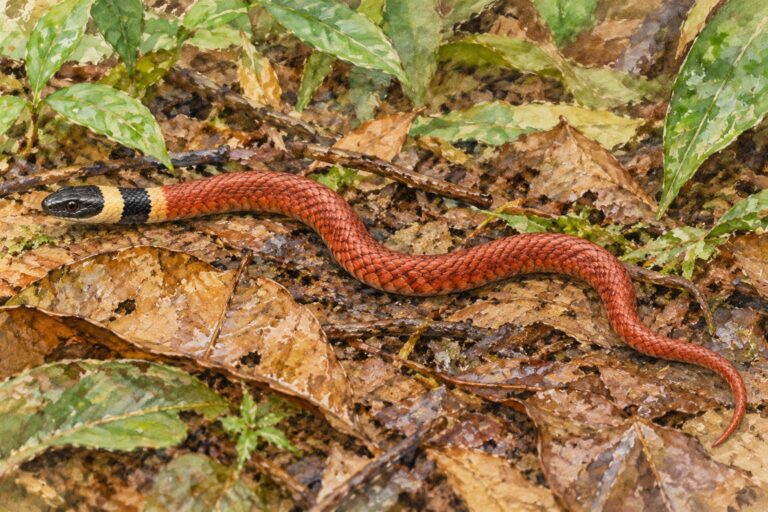
Redback Coffee Snake

Spanish name
Dormilona común / Culebra de cafetal
Scientific name
Ninia sebae

What Do Pico & Tati Think?

Pico: “What clues help us recognize this reptile?”

Tati: “Let’s notice its shape, markings and habitat from a respectful distance.”

Identification

Key Features of the Redback Coffee Snake

  • Red or brick-colored upper body

  • Dark head

  • Pale neck collar and small eyes

Habitat & range

Lowland and foothill ground cover in suitable wooded and disturbed habitats on both slopes.

Conservation & care

Observe only from a distance with an adult or qualified guide. Do not touch, catch, corner or attempt to move any snake. Step back and tell your adult; keep children and pets away. Do not use colors, head shape or pupil shape to decide a snake is safe.

Threats & pressures

Protect habitat connections and natural shelters. Avoid road mortality, collection and deliberate killing. Leave reptiles in their habitat rather than keeping or relocating them.

View full profile →

Nature Field Guide

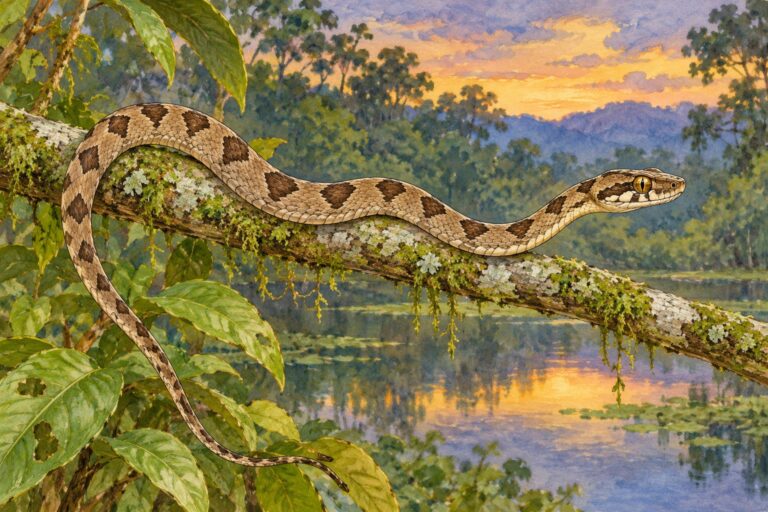
Rhombic Cat-eyed Snake

Spanish name
Culebra ojo de gato / Escombrera
Scientific name
Leptodeira rhombifera

What Do Pico & Tati Think?

Pico: “What clues help us recognize this reptile?”

Tati: “Let’s notice its shape, markings and habitat from a respectful distance.”

Identification

Key Features of the Rhombic Cat-eyed Snake

  • Large eyes

  • Dark rhombic or saddle-shaped back blotches

  • Slender body and long tail

Habitat & range

Lowland and foothill habitats, with published Costa Rican observations in Guanacaste and the Pacific landscape.

Conservation & care

Observe only from a distance with an adult or qualified guide. Do not touch, catch, corner or attempt to move any snake. Step back and tell your adult; keep children and pets away. Do not use colors, head shape or pupil shape to decide a snake is safe.

Threats & pressures

Protect habitat connections and natural shelters. Avoid road mortality, collection and deliberate killing. Leave reptiles in their habitat rather than keeping or relocating them.

View full profile →

Nature Field Guide

Ringed Snail-eating Snake

Spanish name
Caracolera anillada
Scientific name
Sibon annulatus

What Do Pico & Tati Think?

Pico: “What clues help us recognize this reptile?”

Tati: “Let’s notice its shape, markings and habitat from a respectful distance.”

Identification

Key Features of the Ringed Snail-eating Snake

  • Slender body with contrasting rings

  • Large eyes

  • Branch-climbing posture

Habitat & range

Humid Caribbean-slope forest and foothills, with records around Cartago and northern mountain forests.

Conservation & care

Observe only from a distance with an adult or qualified guide. Do not touch, catch, corner or attempt to move any snake. Step back and tell your adult; keep children and pets away. Do not use colors, head shape or pupil shape to decide a snake is safe.

Threats & pressures

Protect habitat connections and natural shelters. Avoid road mortality, collection and deliberate killing. Leave reptiles in their habitat rather than keeping or relocating them.

View full profile →

Nature Field Guide

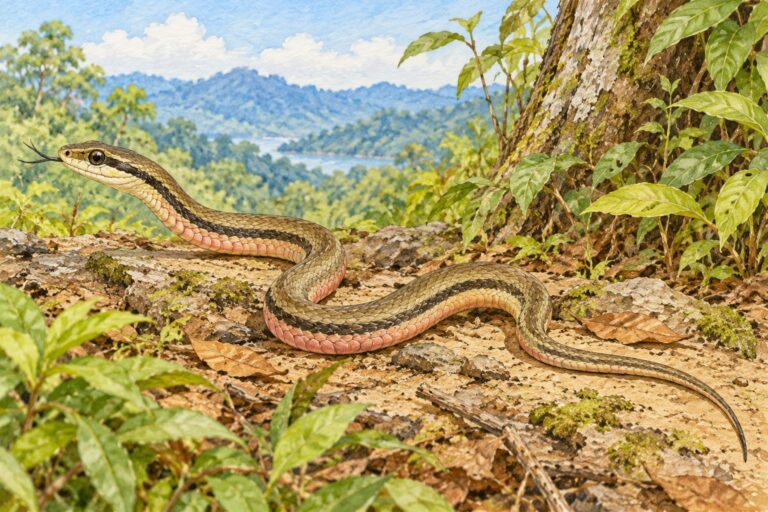
Salmon-bellied Racer

Spanish name
Corredora de vientre salmón
Scientific name
Mastigodryas melanolomus

What Do Pico & Tati Think?

Pico: “What helps this reptile fit into its habitat?”

Tati: “Let’s look at its shape, colors and surroundings while giving it plenty of space.”

Identification

Key Features of the Salmon-bellied Racer

  • Slender long-tailed body

  • Brown-to-olive upper surfaces

  • Pale or salmon-colored underside

Habitat & range

Pacific-slope forest, edges and foothill landscapes, including northwestern Costa Rica, San Luis de Monteverde and the South Pacific.

Conservation & care

Observe from a distance with an adult or qualified guide. Do not touch, catch, corner, feed or move any snake. Keep children and pets away. Colors, head shape and pupil shape must never be used to decide a snake is safe.

Threats & pressures

Protect connected habitat and natural shelters. Avoid collection, unnecessary clearing and deliberate killing. Leave wildlife in place and support responsible observation.

View full profile →

Nature Field Guide

Salvin’s Anole

Spanish name
Anolis de Salvin
Scientific name
Anolis salvini

What Do Pico & Tati Think?

Pico: “What can we learn from this reptile’s shape?”

Tati: “Let’s notice its markings and habitat while leaving it plenty of space.”

Identification

Key Features of the Salvin’s Anole

  • Short legs and compact outline

  • Mottled barklike pattern

  • Mountain-forest setting

Habitat & range

Pacific premontane and lower montane forests of Talamanca, from the central-southern highlands toward the Panama border.

Conservation & care

Observe from permitted paths with an adult. Do not touch, chase, catch or feed reptiles. Leave bark, stones, logs and leaf litter in place. Keep pets away and give animals an open escape route.

Threats & pressures

Protect natural shelters and connected habitat. Avoid collection, unnecessary clearing and deliberate killing. Leave wildlife in its habitat and support responsible observation.

View full profile →

Nature Field Guide

Side-striped Palm Pitviper

Spanish name
Lora venenosa
Scientific name
Bothriechis lateralis

What Do Pico & Tati Think?

Pico: “What helps this reptile fit into its habitat?”

Tati: “Let’s look at its shape, colors and surroundings while giving it plenty of space.”

Identification

Key Features of the Side-striped Palm Pitviper

  • Thin pale line along each side

  • Adults often green; juveniles may be brown

  • Climbing body with a gripping tail

Habitat & range

Mountain forests and wooded agricultural landscapes of Costa Rica, including Monteverde and the central and Talamanca ranges.

Conservation & care

VENOMOUS. Observe only from a distance with a qualified guide. Keep children and pets well away. Never approach, touch, catch or provoke this snake, and do not reach into nearby vegetation.

Threats & pressures

Protect connected habitat and natural shelters. Avoid collection, unnecessary clearing and deliberate killing. Leave wildlife in place and support responsible observation.

View full profile →

Nature Field Guide

Slender Anole

Spanish name
Anolis delgado
Scientific name
Anolis limifrons

What Do Pico & Tati Think?

Pico: “What clues help us recognize this reptile?”

Tati: “Let’s notice its shape, markings and habitat from a respectful distance.”

Identification

Key Features of the Slender Anole

  • Slender brown-to-gray body

  • Long limbs and tail

  • Often perched on low narrow twigs

Habitat & range

Humid forest edges and regenerating vegetation on the Caribbean slope and in the Central and South Pacific.

Conservation & care

Observe with an adult from permitted paths. Do not catch, chase, touch or feed reptiles. Leave bark, logs, rocks and leaf litter in place. Keep pets away and allow animals an open escape route.

Threats & pressures

Protect habitat connections and natural shelters. Avoid road mortality, collection and deliberate killing. Leave reptiles in their habitat rather than keeping or relocating them.

View full profile →

Nature Field Guide

South American Snapping Turtle

Spanish name
Tortuga lagarto / Tortuga mordedora
Scientific name
Chelydra acutirostris

What Do Pico & Tati Think?

Pico: “What clues help us recognize this reptile?”

Tati: “Let’s notice its shape, markings and habitat from a respectful distance.”

Identification

Key Features of the South American Snapping Turtle

  • Large powerful head

  • Long tail with raised scales

  • Rough shell and strong clawed limbs

Habitat & range

Freshwater wetlands and rivers in Costa Rican lowlands, on both slopes where suitable habitat remains.

Conservation & care

Observe from a safe distance with an adult. Keep hands and pets away from the head and water’s edge. Do not lift, move, feed or handle a snapping turtle, and never lift any turtle by its tail.

Threats & pressures

Protect habitat connections and natural shelters. Avoid road mortality, collection and deliberate killing. Leave reptiles in their habitat rather than keeping or relocating them.

View full profile →

Nature Field Guide

Southern Bromeliad Boa

Spanish name
Boa de bromelias
Scientific name
Ungaliophis panamensis

What Do Pico & Tati Think?

Pico: “What helps this reptile fit into its habitat?”

Tati: “Let’s look at its shape, colors and surroundings while giving it plenty of space.”

Identification

Key Features of the Southern Bromeliad Boa

  • Small boa with darker blotches

  • Slender climbing body

  • Often concealed among dense plant growth

Habitat & range

Caribbean-slope humid forest, including Barra del Colorado, and Pacific forests south of the Río Grande de Tárcoles.

Conservation & care

Observe from a distance with an adult or qualified guide. Do not touch, catch, corner, feed or move any snake. Keep children and pets away. Colors, head shape and pupil shape must never be used to decide a snake is safe.

Threats & pressures

Protect connected habitat and natural shelters. Avoid collection, unnecessary clearing and deliberate killing. Leave wildlife in place and support responsible observation.

View full profile →

Nature Field Guide

Speckled Racer

Spanish name
Corredora moteada
Scientific name
Drymobius margaritiferus

What Do Pico & Tati Think?

Pico: “What can we learn from this reptile’s shape?”

Tati: “Let’s notice its markings and habitat while leaving it plenty of space.”

Identification

Key Features of the Speckled Racer

  • Dark body with many pale scale centers

  • Long tail and slender build

  • Speckled rather than broadly banded pattern

Habitat & range

Lowland and foothill habitats on both slopes, including northwestern and western Pacific areas and humid Caribbean landscapes.

Conservation & care

Observe only from a distance with an adult or qualified guide. Never touch, catch, feed, corner or move any snake. Keep children and pets away. Colors, head shape and pupil shape must never be used to decide a snake is safe.

Threats & pressures

Protect natural shelters and connected habitat. Avoid collection, unnecessary clearing and deliberate killing. Leave wildlife in its habitat and support responsible observation.

View full profile →

Nature Field Guide

Spectacled Caiman

Spanish name
Caimán de anteojos
Scientific name
Caiman crocodilus

What Do Pico & Tati Think?

Pico and Tati invite you to learn about the spectacled caiman. Compare verified caiman and American crocodile photographs. Draw the eye ridge without treating it as a field safety test.

Identification

Key Features of the Spectacled Caiman

  • Bony ridge between the eyes.

  • Armored back and muscular tail.

  • Broad crocodilian head and body.

Habitat & range

Suitable lowland freshwater wetlands, rivers and ponds in Costa Rica.

Conservation & care

Observe only from a guide-approved viewing location. Stay away from water edges, never swim or wade where crocodilians may occur, and never feed or approach one. Keep children and pets well away from banks.

View full profile →

Nature Field Guide

Spotted Coffee Snake

Spanish name
Culebra cafetalera manchada
Scientific name
Ninia maculata

What Do Pico & Tati Think?

Pico: “What can we learn from this reptile’s shape?”

Tati: “Let’s notice its markings and habitat while leaving it plenty of space.”

Identification

Key Features of the Spotted Coffee Snake

  • Small dark-headed snake

  • Keeled scales and dark crossmarks

  • Spotted underside studied from references only

Habitat & range

Humid forest and foothill habitats on both slopes, including Monteverde, central highland margins and southwestern Costa Rica.

Conservation & care

Observe only from a distance with an adult or qualified guide. Never touch, catch, feed, corner or move any snake. Keep children and pets away. Colors, head shape and pupil shape must never be used to decide a snake is safe.

Threats & pressures

Protect natural shelters and connected habitat. Avoid collection, unnecessary clearing and deliberate killing. Leave wildlife in its habitat and support responsible observation.

View full profile →

Nature Field Guide

Stream Anole

Spanish name
Anolis de quebrada
Scientific name
Anolis oxylophus

What Do Pico & Tati Think?

Pico: “What clues help us recognize this reptile?”

Tati: “Let’s notice its shape, markings and habitat from a respectful distance.”

Identification

Key Features of the Stream Anole

  • Slender body and long tail

  • Brownish camouflage

  • Perches close to forest streams

Habitat & range

Caribbean-slope streams and humid northern foothills; the type locality is Sipurio in Limón.

Conservation & care

Observe with an adult from permitted paths. Do not catch, chase, touch or feed reptiles. Leave bark, logs, rocks and leaf litter in place. Keep pets away and allow animals an open escape route.

Threats & pressures

Protect habitat connections and natural shelters. Avoid road mortality, collection and deliberate killing. Leave reptiles in their habitat rather than keeping or relocating them.

View full profile →

Nature Field Guide

Striped Glasstail

Spanish name
Hojarasquera de cola frágil
Scientific name
Urotheca guentheri

What Do Pico & Tati Think?

Pico: “What can we learn from this reptile’s shape?”

Tati: “Let’s notice its markings and habitat while leaving it plenty of space.”

Identification

Key Features of the Striped Glasstail

  • Slender body with lengthwise stripes

  • Long delicate tail

  • Ground-dwelling forest posture

Habitat & range

Northern and Caribbean-facing wet forests, the Tilarán range on both slopes and southern Pacific-facing Talamanca. Documented near La Fortuna.

Conservation & care

Observe only from a distance with an adult or qualified guide. Never touch, catch, feed, corner or move any snake. Keep children and pets away. Colors, head shape and pupil shape must never be used to decide a snake is safe.

Threats & pressures

Protect natural shelters and connected habitat. Avoid collection, unnecessary clearing and deliberate killing. Leave wildlife in its habitat and support responsible observation.

View full profile →

Nature Field Guide

Swift Anole

Spanish name
Anolis de montaña
Scientific name
Anolis tropidolepis

What Do Pico & Tati Think?

Pico: “What helps this reptile fit into its habitat?”

Tati: “Let’s look at its shape, colors and surroundings while giving it plenty of space.”

Identification

Key Features of the Swift Anole

  • Small brown mountain anole

  • Long tail and slender limbs

  • Subtle darker markings on a camouflaged back

Habitat & range

High-elevation forest in the Costa Rican mountains, including Irazú, Monteverde and the Dota highlands.

Conservation & care

Observe with an adult from permitted paths. Do not touch, chase, catch or feed reptiles. Leave bark, logs, stones and leaf litter in place. Keep pets away and allow an open escape route.

Threats & pressures

Protect connected habitat and natural shelters. Avoid collection, unnecessary clearing and deliberate killing. Leave wildlife in place and support responsible observation.

View full profile →

Nature Field Guide

Taylor’s Leaf-litter Lizard

Spanish name
Lagartija de hojarasca de Taylor
Scientific name
Alopoglossus plicatus

What Do Pico & Tati Think?

Pico: “What can we learn from this reptile’s shape?”

Tati: “Let’s notice its markings and habitat while leaving it plenty of space.”

Identification

Key Features of the Taylor’s Leaf-litter Lizard

  • Elongated body with four short legs

  • Lengthwise flank markings

  • Long tail and overlapping scales

Habitat & range

Caribbean-slope wet forest and southwestern Pacific forest, including Turrialba, Limón and the San Vito region.

Conservation & care

Observe from permitted paths with an adult. Do not touch, chase, catch or feed reptiles. Leave bark, stones, logs and leaf litter in place. Keep pets away and give animals an open escape route.

Threats & pressures

Protect natural shelters and connected habitat. Avoid collection, unnecessary clearing and deliberate killing. Leave wildlife in its habitat and support responsible observation.

View full profile →

Nature Field Guide

Terciopelo

Spanish name
Terciopelo o barba amarilla
Scientific name
Bothrops asper

What Do Pico & Tati Think?

Pico and Tati invite you to learn about the terciopelo. Use a reference photograph to draw one body marking. Practice telling an adult that a snake is present while keeping away.

Identification

Key Features of the Terciopelo

  • Robust body.

  • Dark triangular side markings with lighter edges.

  • A dark stripe behind the eye.

Habitat & range

Especially humid Caribbean and Pacific lowlands; it can also occur in disturbed habitats.

Conservation & care

Never approach, touch, catch or try to move any snake, even if it appears harmless or dead. Keep children and pets away, step back calmly and tell an adult or guide. Do not use colors, head shape or this card to judge safety.

View full profile →

Nature Field Guide

Tiger Rat Snake

Spanish name
Tigre o serpiente tigre
Scientific name
Spilotes pullatus

What Do Pico & Tati Think?

Pico and Tati invite you to learn about the tiger rat snake. Trace the black-and-yellow pattern on a printed reference image. Discuss why identification belongs to trained adults.

Identification

Key Features of the Tiger Rat Snake

  • Long body and tail.

  • Black-and-yellow pattern that varies between individuals.

  • Often seen in vegetation or moving between ground and branches.

Habitat & range

Forests and wooded edges in suitable Costa Rican habitats.

Conservation & care

Never approach, touch, catch or try to move any snake, even if it appears harmless or dead. Keep children and pets away, step back calmly and tell an adult or guide. Do not use colors, head shape or this card to judge safety.

View full profile →

Nature Field Guide

Tiny Anole

Spanish name
Anolis microtus
Scientific name
Anolis microtus

What Do Pico & Tati Think?

Pico: “What helps this reptile fit into its habitat?”

Tati: “Let’s look at its shape, colors and surroundings while giving it plenty of space.”

Identification

Key Features of the Tiny Anole

  • Large rather than tiny anole

  • Broad head and relatively short legs

  • Green-and-brown camouflage on a long-tailed body

Habitat & range

Premontane and lower montane forest in the Costa Rican highlands, particularly the Talamanca mountain system on both slopes.

Conservation & care

Observe with an adult from permitted paths. Do not touch, chase, catch or feed reptiles. Leave bark, logs, stones and leaf litter in place. Keep pets away and allow an open escape route.

Threats & pressures

Protect connected habitat and natural shelters. Avoid collection, unnecessary clearing and deliberate killing. Leave wildlife in place and support responsible observation.

View full profile →

Nature Field Guide

Turnip-tailed Gecko

Spanish name
Geco de cola abultada
Scientific name
Thecadactylus rapicauda

What Do Pico & Tati Think?

Pico and Tati invite you to learn about the turnip-tailed gecko. Compare two verified photographs with different tail shapes. Record a difference without trying to catch a gecko.

Identification

Key Features of the Turnip-tailed Gecko

  • Broad toe pads.

  • Mottled brown or gray body.

  • A thick or swollen tail may be present, especially after regrowth.

Habitat & range

Humid forests, tree trunks and sheltered surfaces in suitable lowland areas.

Conservation & care

Watch wildlife with an adult from a safe path. Do not touch, feed, capture or move reptiles, and keep pets away. Leave eggs, shelters and vegetation undisturbed.

View full profile →

Nature Field Guide

Two-banded False Coral Snake

Spanish name
Falsa coral de dos bandas
Scientific name
Erythrolamprus bizona

What Do Pico & Tati Think?

Pico: “What helps this reptile fit into its habitat?”

Tati: “Let’s look at its shape, colors and surroundings while giving it plenty of space.”

Identification

Key Features of the Two-banded False Coral Snake

  • Dark bands often arranged in pairs

  • Reddish body with narrow pale markings

  • Small head and slender build

Habitat & range

Forest and forest-edge habitats on both slopes; documented in San Luis de Monteverde.

Conservation & care

Observe from a distance with an adult or qualified guide. Do not touch, catch, corner, feed or move any snake. Keep children and pets away. Colors, head shape and pupil shape must never be used to decide a snake is safe.

Threats & pressures

Protect connected habitat and natural shelters. Avoid collection, unnecessary clearing and deliberate killing. Leave wildlife in place and support responsible observation.

View full profile →

Nature Field Guide

Water Anole

Spanish name
Anolis acuático
Scientific name
Anolis aquaticus

What Do Pico & Tati Think?

Pico: “What clues help us recognize this reptile?”

Tati: “Let’s notice its shape, markings and habitat from a respectful distance.”

Identification

Key Features of the Water Anole

  • Brown body with pale flank markings

  • Long tail

  • Close association with forest streams

Habitat & range

Southwestern Costa Rican stream habitats, with documented records from Osa and research around Las Cruces.

Conservation & care

Observe with an adult from permitted paths. Do not catch, chase, touch or feed reptiles. Leave bark, logs, rocks and leaf litter in place. Keep pets away and allow animals an open escape route.

Threats & pressures

Protect habitat connections and natural shelters. Avoid road mortality, collection and deliberate killing. Leave reptiles in their habitat rather than keeping or relocating them.

View full profile →

Nature Field Guide

White Anole

Spanish name
Anolis de vientre liso
Scientific name
Anolis laeviventris

What Do Pico & Tati Think?

Pico: “What can we learn from this reptile’s shape?”

Tati: “Let’s notice its markings and habitat while leaving it plenty of space.”

Identification

Key Features of the White Anole

  • Small gray-to-brown anole

  • Mottled twig-colored camouflage

  • Fine tapering tail

Habitat & range

Upland forest and edges in Costa Rica, including San Luis de Monteverde and central mountain areas.

Conservation & care

Observe from permitted paths with an adult. Do not touch, chase, catch or feed reptiles. Leave bark, stones, logs and leaf litter in place. Keep pets away and give animals an open escape route.

Threats & pressures

Protect natural shelters and connected habitat. Avoid collection, unnecessary clearing and deliberate killing. Leave wildlife in its habitat and support responsible observation.

View full profile →

Nature Field Guide

White-lipped Mud Turtle

Spanish name
Tortuga de barro de labios blancos
Scientific name
Kinosternon leucostomum

What Do Pico & Tati Think?

Pico and Tati invite you to learn about the white-lipped mud turtle. Study a verified photo and draw the pale mouth edge. Describe how a turtle can remain hidden without disturbing its shelter.

Identification

Key Features of the White-lipped Mud Turtle

  • Pale markings around the mouth.

  • Small, domed brownish shell.

  • Short legs and a relatively large head.

Habitat & range

Suitable ponds, slow freshwater and damp lowland habitats.

Conservation & care

Watch wildlife with an adult from a safe path. Do not touch, feed, capture or move reptiles, and keep pets away. Leave eggs, shelters and vegetation undisturbed.

View full profile →

Nature Field Guide

Wood’s Anole

Spanish name
Anolis de Wood
Scientific name
Anolis woodi

What Do Pico & Tati Think?

Pico: “What helps this reptile fit into its habitat?”

Tati: “Let’s look at its shape, colors and surroundings while giving it plenty of space.”

Identification

Key Features of the Wood’s Anole

  • Long legs and a narrow tail

  • Olive-to-brown body

  • Bluish eyes can be a useful supporting clue

Habitat & range

Humid mountain forests of the central volcanic range and Talamanca, including the Poás area and the San Vito/Las Cruces region in southern Puntarenas.

Conservation & care

Observe with an adult from permitted paths. Do not touch, chase, catch or feed reptiles. Leave bark, logs, stones and leaf litter in place. Keep pets away and allow an open escape route.

Threats & pressures

Protect connected habitat and natural shelters. Avoid collection, unnecessary clearing and deliberate killing. Leave wildlife in place and support responsible observation.

View full profile →

Nature Field Guide

Yellow-bellied Leaf-toed Gecko

Spanish name
Geco de dedos de hoja
Scientific name
Phyllodactylus tuberculosus

What Do Pico & Tati Think?

Pico and Tati invite you to learn about the yellow-bellied leaf-toed gecko. Use a close-up reference image to draw a leaf-like toe tip. Never handle a gecko to inspect its feet.

Identification

Key Features of the Yellow-bellied Leaf-toed Gecko

  • Paired leaf-like expansions at the toe tips.

  • Small raised bumps among the dorsal scales.

  • Brownish or grayish patterned upper surface.

Habitat & range

Pacific dry-forest habitats, rocks, trunks and sheltered surfaces.

Conservation & care

Watch wildlife with an adult from a safe path. Do not touch, feed, capture or move reptiles, and keep pets away. Leave eggs, shelters and vegetation undisturbed.

View full profile →

Nature Field Guide

Yellow-bellied Sea Snake

Spanish name
Serpiente marina de vientre amarillo
Scientific name
Hydrophis platurus

What Do Pico & Tati Think?

Pico and Tati invite you to discover a reptile adapted to ocean life. Use a reference illustration to compare its swimming tail with the tail of a land snake.

Identification

Key Features of the Yellow-bellied Sea Snake

  • Dark back and yellow underside, usually separated along the length of the body.

  • Flattened, paddle-shaped tail, often with contrasting dark markings.

  • Small head and slender neck; patterns vary between individuals.

Habitat & range

Pacific marine waters off Costa Rica, including coastal and offshore waters. A mostly yellow population occurs in the inner Golfo Dulce.

Conservation & care

Venomous. Never touch, catch or move a sea snake, including one washed onto a beach or appearing dead. Keep children and pets away, step back and tell an adult or trained guide. Do not attempt to return it to the water. Do not use color patterns to decide whether any snake is safe.

View full profile →

Nature Field Guide

Yellow-headed Gecko

Spanish name
Geco cabeza amarilla
Scientific name
Gonatodes albogularis

What Do Pico & Tati Think?

Pico: “What clues help us recognize this reptile?”

Tati: “Let’s notice its shape, markings and habitat from a respectful distance.”

Identification

Key Features of the Yellow-headed Gecko

  • Adult male with yellow-orange head

  • Darker male body

  • Small slender toes and round pupils

Habitat & range

Warm lowland woodland, forest edges and sheltered garden settings on both slopes.

Conservation & care

Observe with an adult from permitted paths. Do not catch, chase, touch or feed reptiles. Leave bark, logs, rocks and leaf litter in place. Keep pets away and allow animals an open escape route.

Threats & pressures

Protect habitat connections and natural shelters. Avoid road mortality, collection and deliberate killing. Leave reptiles in their habitat rather than keeping or relocating them.

View full profile →

Nature Field Guide

Yellow-marked Dwarf Gecko

Spanish name
Gequito de marca amarilla
Scientific name
Lepidoblepharis xanthostigma

What Do Pico & Tati Think?

Pico: “What can we learn from this reptile’s shape?”

Tati: “Let’s notice its markings and habitat while leaving it plenty of space.”

Identification

Key Features of the Yellow-marked Dwarf Gecko

  • Very small forest gecko

  • Granular-looking scales

  • Brown camouflage with small lighter markings

Habitat & range

Humid Caribbean-slope and southwestern Pacific forest, including the Limón and Sarapiquí areas.

Conservation & care

Observe from permitted paths with an adult. Do not touch, chase, catch or feed reptiles. Leave bark, stones, logs and leaf litter in place. Keep pets away and give animals an open escape route.

Threats & pressures

Protect natural shelters and connected habitat. Avoid collection, unnecessary clearing and deliberate killing. Leave wildlife in its habitat and support responsible observation.

View full profile →

Nature Field Guide

Yellow-spotted Night Lizard

Spanish name
Lagartija nocturna de manchas amarillas
Scientific name
Lepidophyma flavimaculatum

What Do Pico & Tati Think?

Pico: “What clues help us recognize this reptile?”

Tati: “Let’s notice its shape, markings and habitat from a respectful distance.”

Identification

Key Features of the Yellow-spotted Night Lizard

  • Dark body with yellowish spots

  • Broad head

  • Rough-looking scales and long tail

Habitat & range

Humid Caribbean-slope lowlands, including northern Costa Rica and the Upala area.

Conservation & care

Observe with an adult from permitted paths. Do not catch, chase, touch or feed reptiles. Leave bark, logs, rocks and leaf litter in place. Keep pets away and allow animals an open escape route.

Threats & pressures

Protect habitat connections and natural shelters. Avoid road mortality, collection and deliberate killing. Leave reptiles in their habitat rather than keeping or relocating them.

View full profile →

My Tico Explorer Experience

Save nature, towns, discoveries and learning adventures for your next experience.

Your list stays in this browser on this device.