Mammals
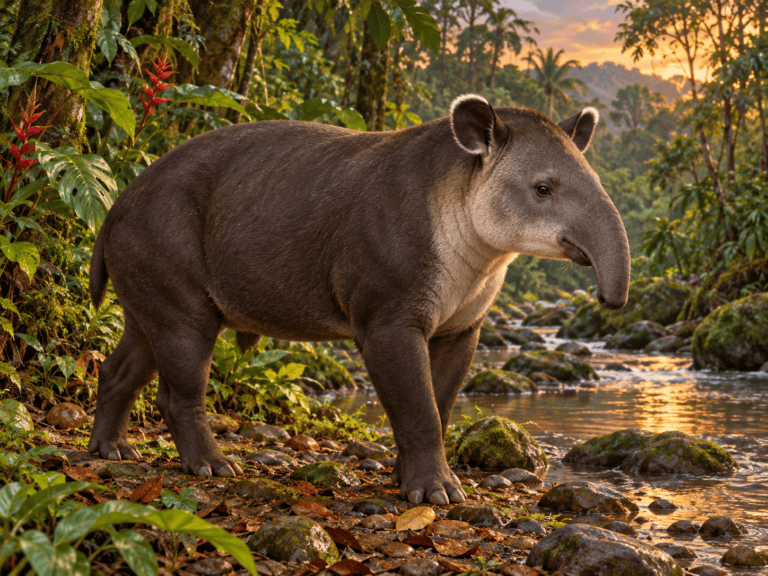
Baird’s Tapir
Costa Rica’s largest land mammal has a flexible snout and an important forest role.
Take a closer look ↗

Nature Field Guide
Explore wildlife, plants and trees. Learn what to look for and where to find them.
51 profiles
Costa Rica’s largest land mammal has a flexible snout and an important forest role.
Take a closer look ↗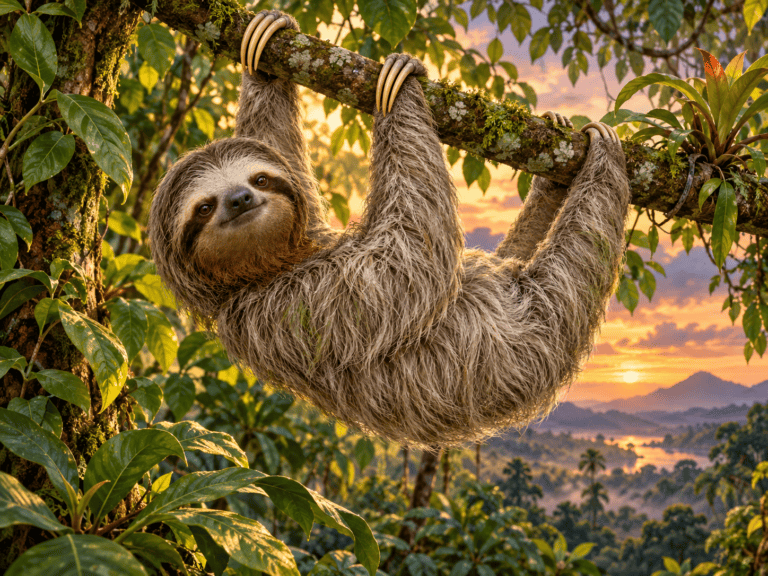
A slow-moving leaf eater whose fur can blend with the green canopy.
Take a closer look ↗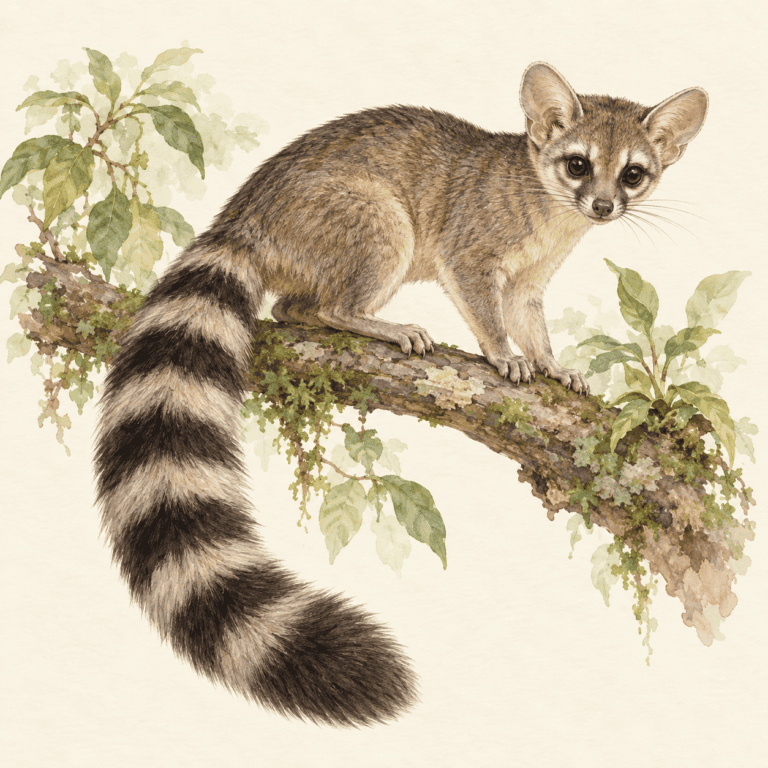
A cacomistle's long ringed tail is a memorable clue.
Take a closer look ↗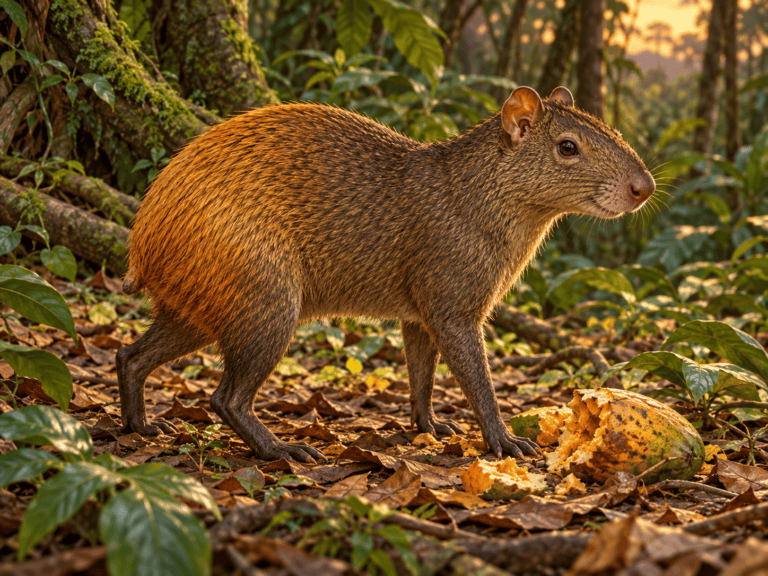
A quick forest-floor rodent that stores seeds for later.
Take a closer look ↗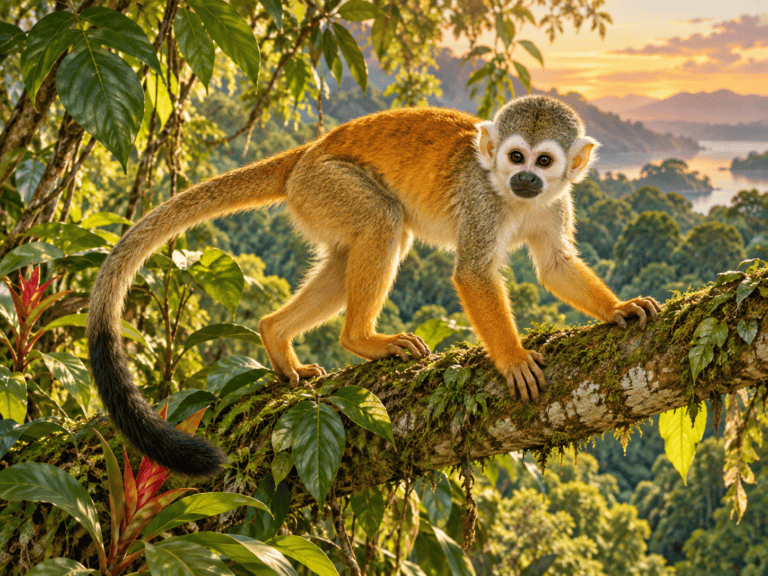
A small, quick-moving monkey of Costa Rica’s Pacific forests.
Take a closer look ↗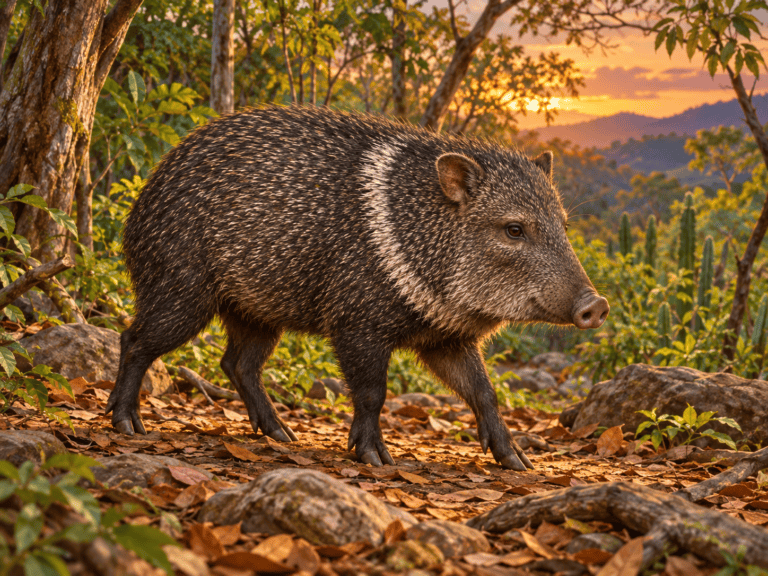
A hoofed forest mammal with a pale collar across dark bristly fur.
Take a closer look ↗
The common bottlenose dolphin has a short thick beak and a generally gray body.
Take a closer look ↗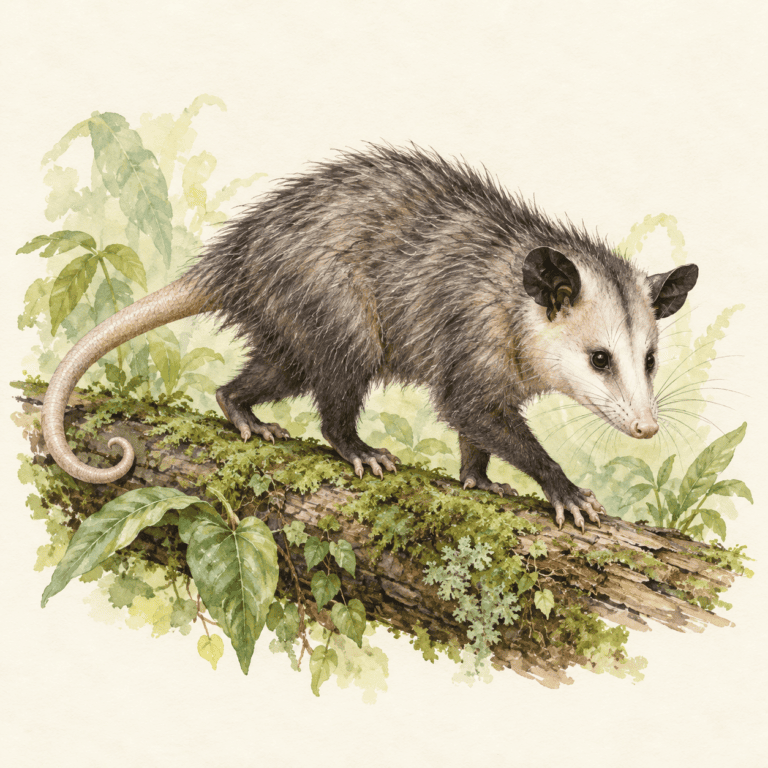
The common opossum is a marsupial: its young complete an important part of their development attached to their mother's teats, protected in her pouch.
Take a closer look ↗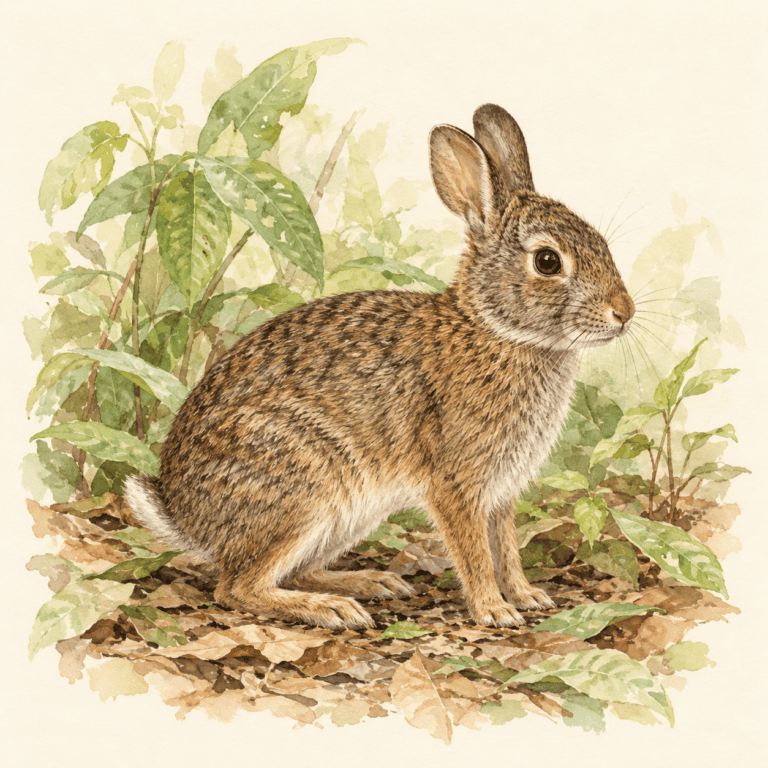
The Costa Rica forest rabbit is a native forest rabbit, not a domestic bunny living outdoors.
Take a closer look ↗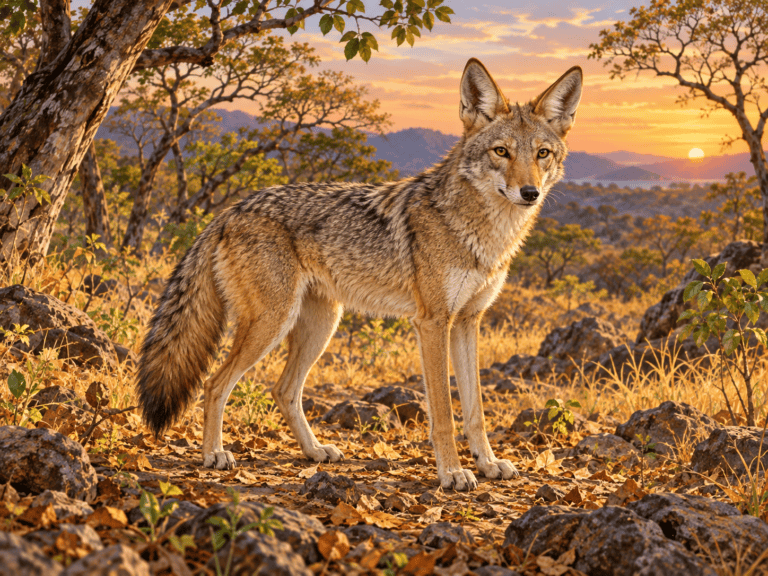
An adaptable wild canid that uses woodland edges and open country.
Take a closer look ↗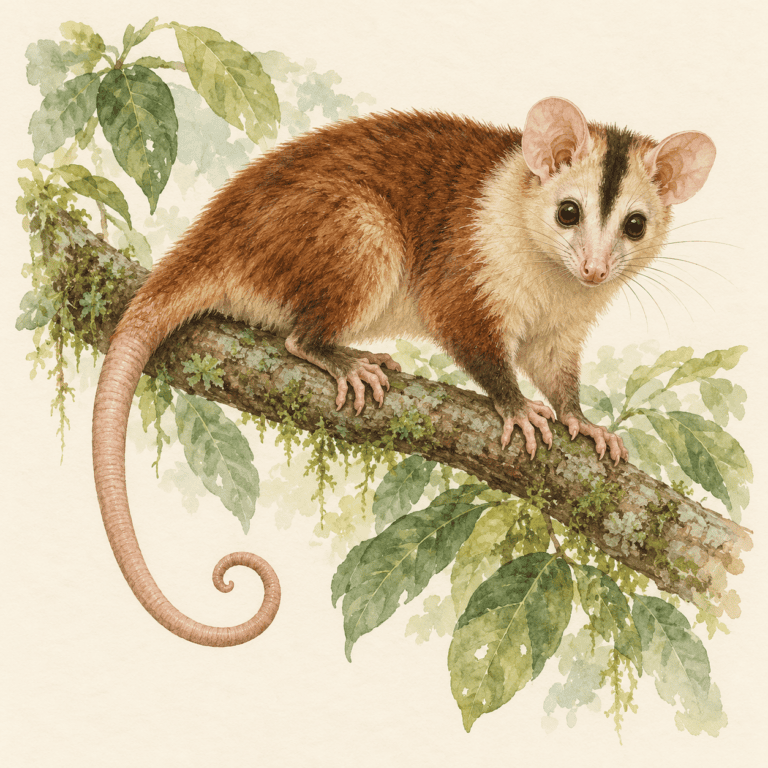
Derby's woolly opossum is a tree-climbing marsupial with soft fur, large eyes and a dark stripe down its pale face.
Take a closer look ↗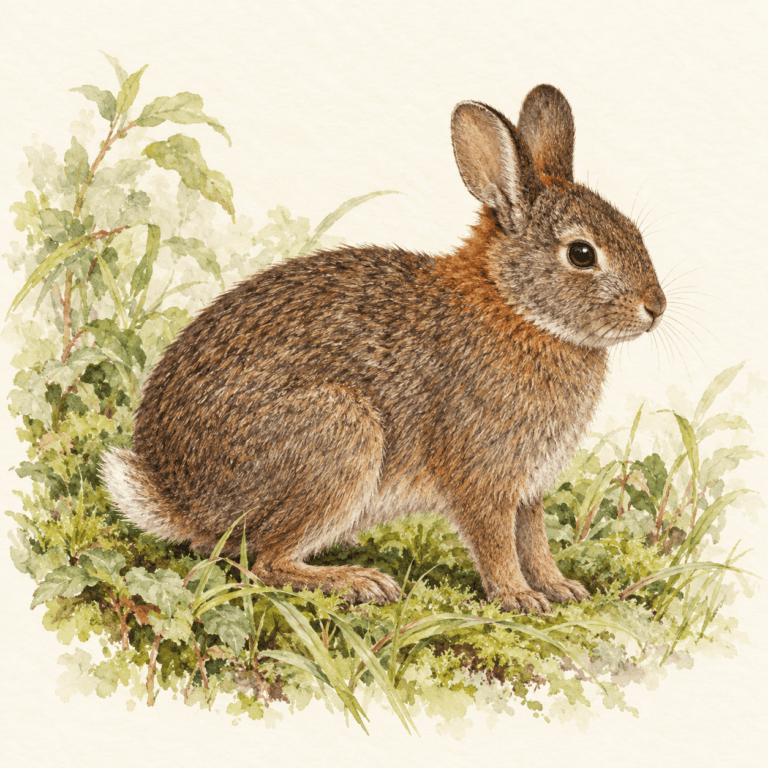
Dice's cottontail is a mountain rabbit found in Costa Rica and western Panama.
Take a closer look ↗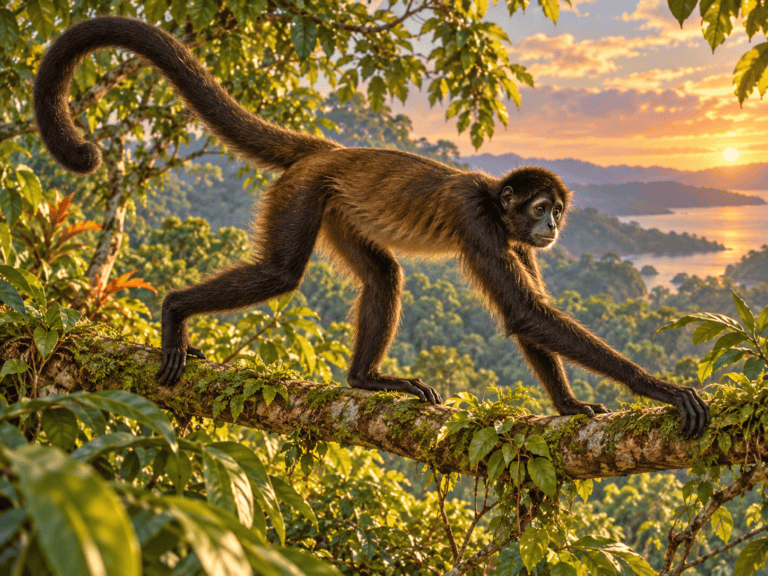
Long limbs and a grasping tail help this monkey move through the canopy.
Take a closer look ↗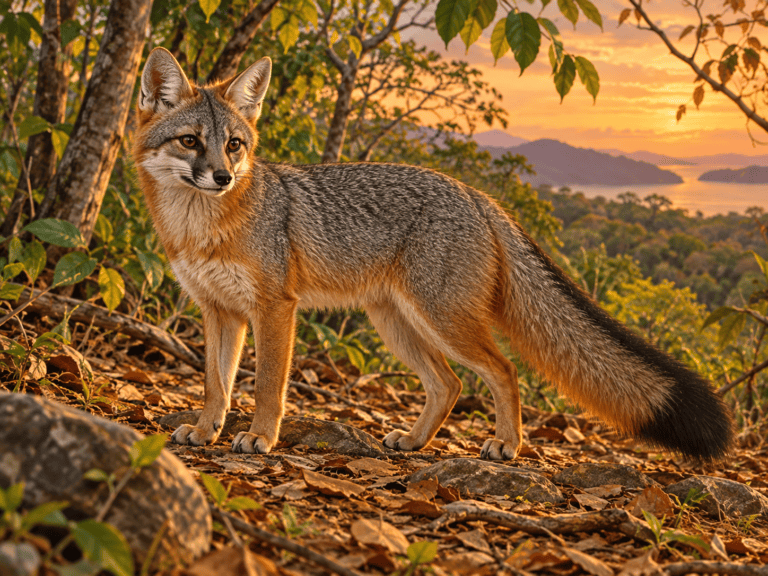
A small gray-and-russet canid that can climb trees.
Take a closer look ↗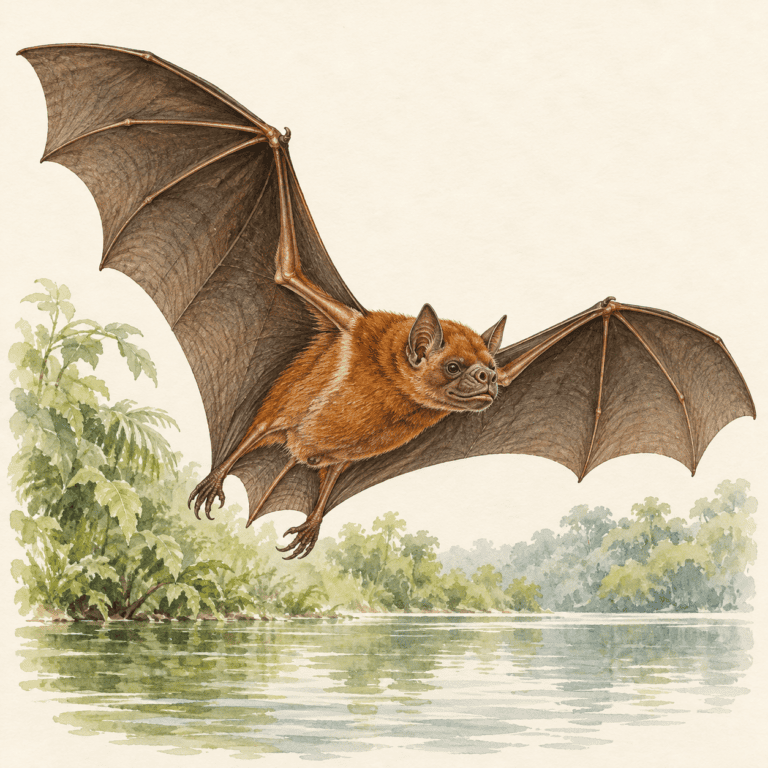
The greater bulldog bat is one of the bats that regularly catches fish.
Take a closer look ↗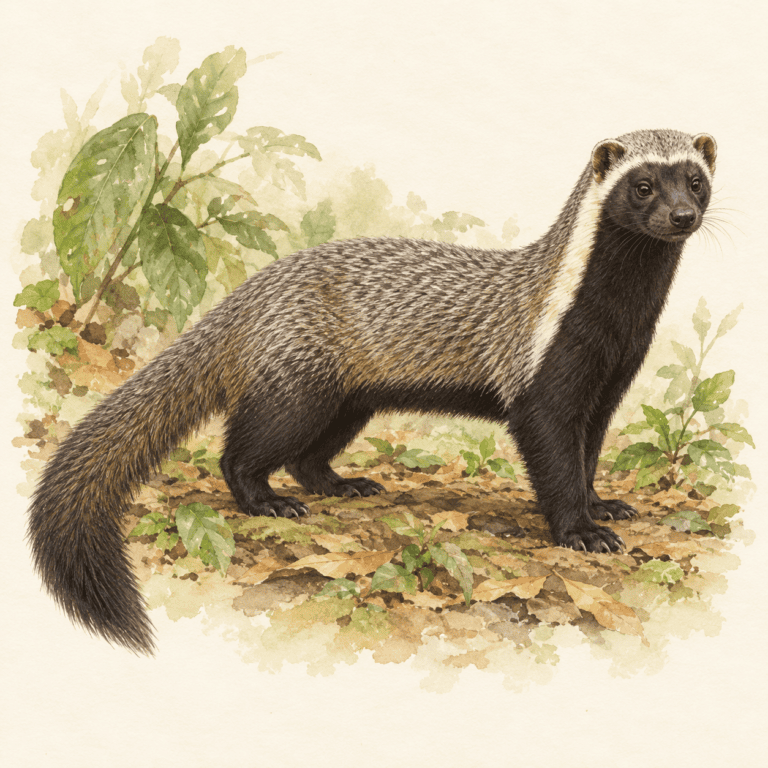
The greater grison has a long low body, short legs and a striking pale stripe separating its dark face and underside from its grizzled back.
Take a closer look ↗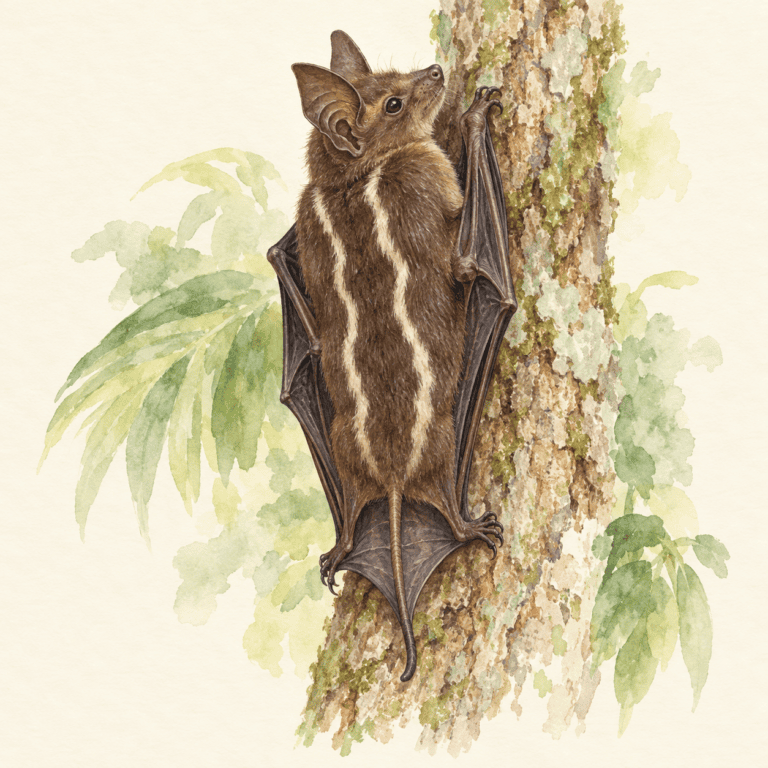
Two pale wavy stripes down a dark back are a starting clue for the greater sac-winged bat.
Take a closer look ↗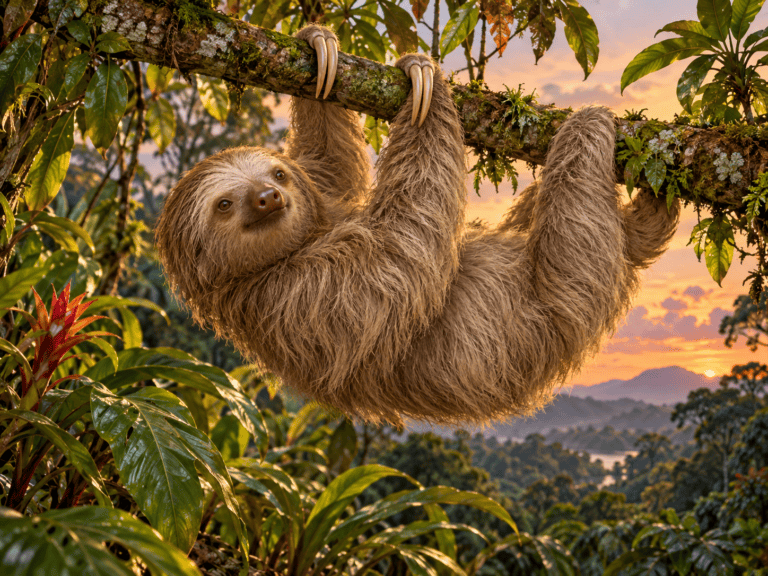
An arboreal mammal with two foreclaws and a slow digestive system.
Take a closer look ↗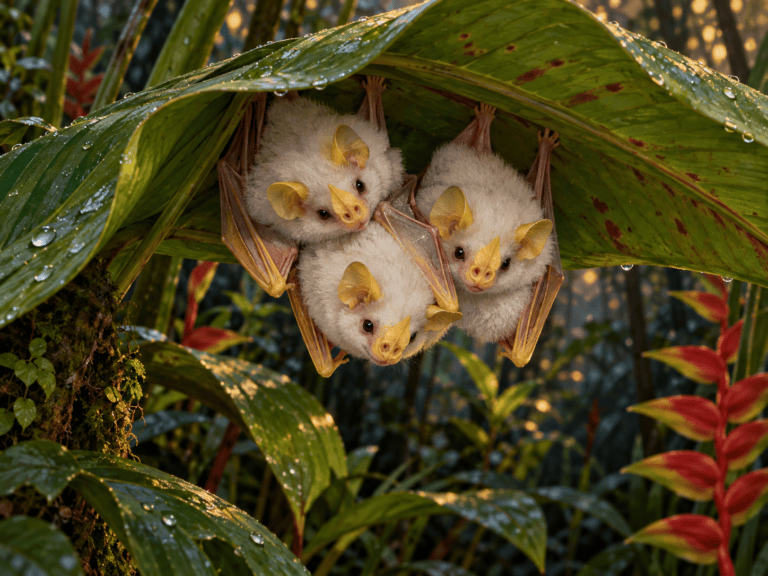
A tiny fruit-eating bat that shelters beneath leaves shaped into tents.
Take a closer look ↗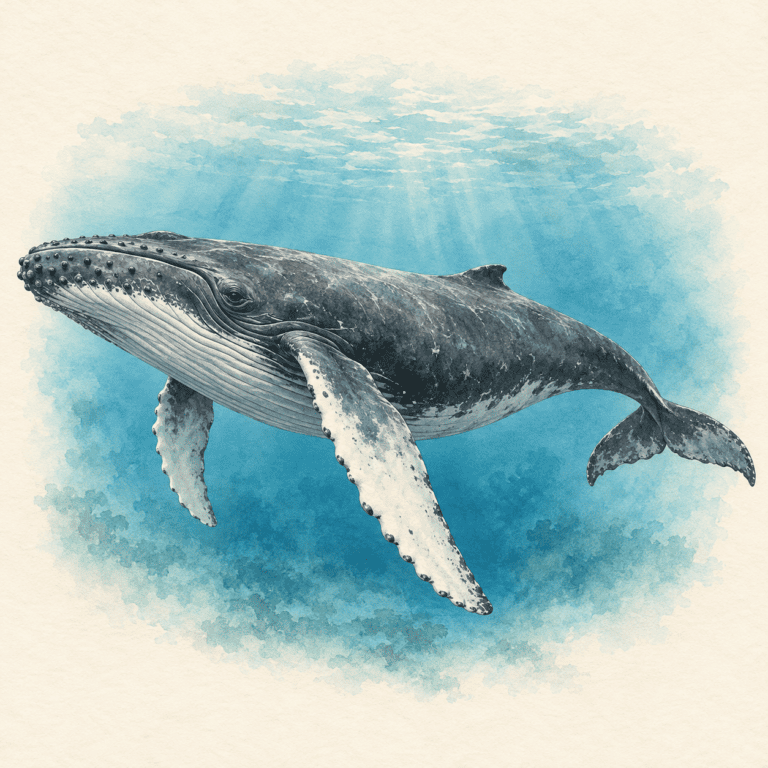
A humpback whale is a mammal that breathes air through blowholes and nurses its young with milk.
Take a closer look ↗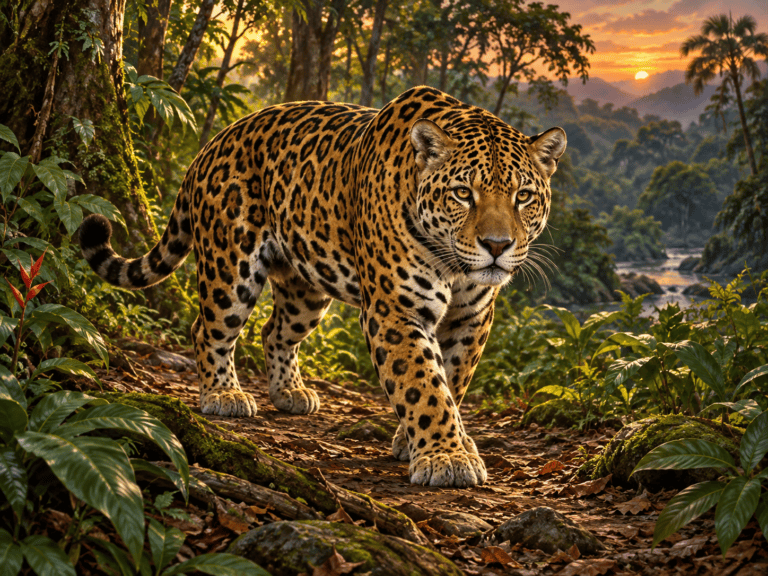
A powerful spotted cat that depends on habitat and healthy prey populations.
Take a closer look ↗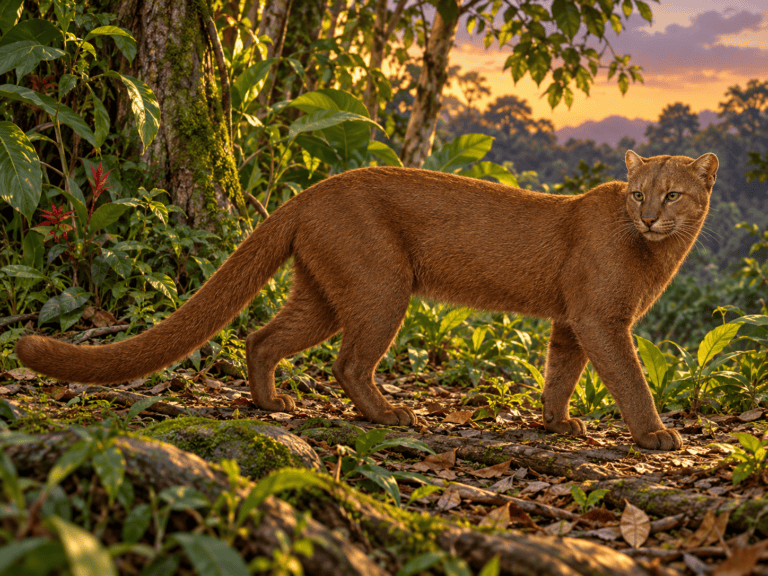
A small, long-bodied wild cat with a plain-colored coat.
Take a closer look ↗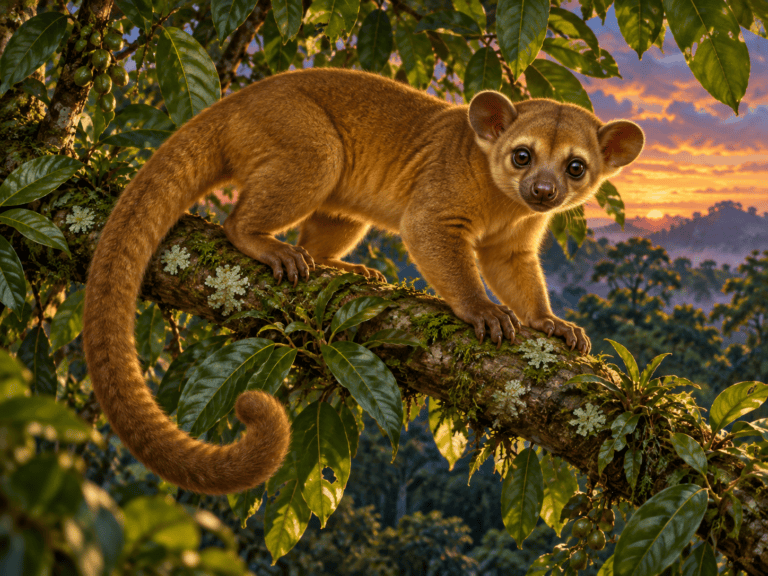
A nocturnal treetop mammal with a gripping tail and a taste for fruit and nectar.
Take a closer look ↗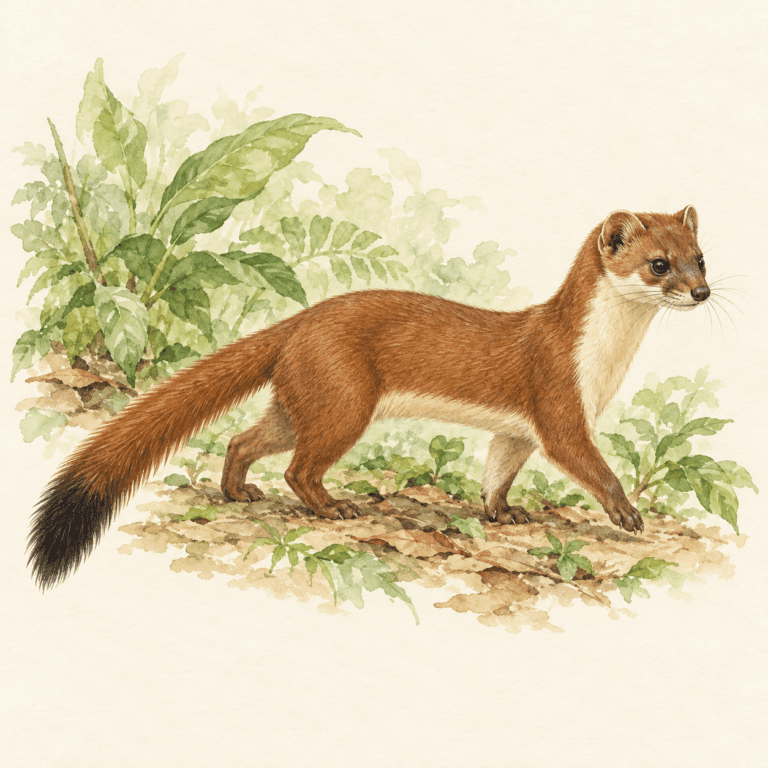
A long-tailed weasel has a narrow flexible body that helps it move through cover and investigate small spaces.
Take a closer look ↗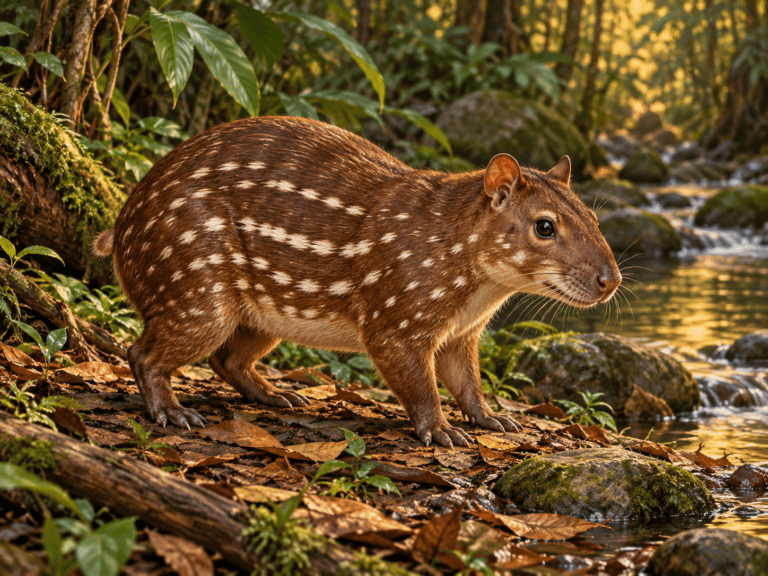
A spotted nocturnal rodent that shelters in burrows near wooded watercourses.
Take a closer look ↗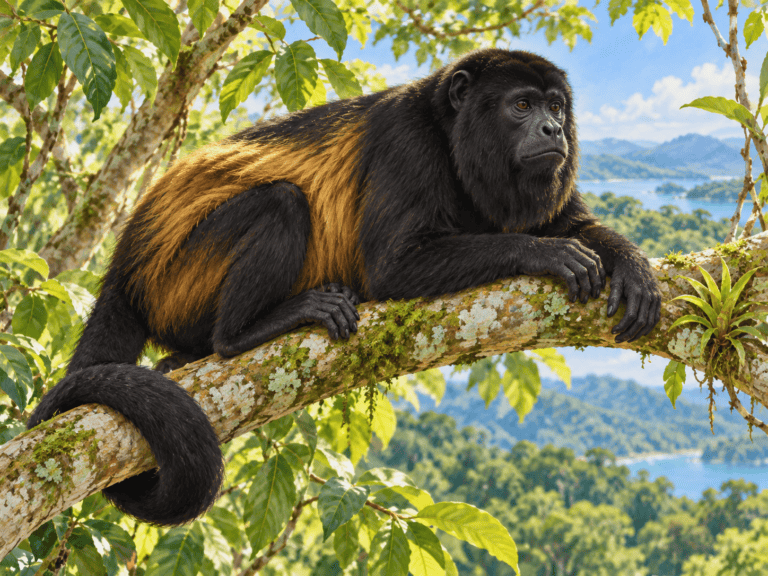
A mostly dark coat with a lighter mantle along the sides.
Take a closer look ↗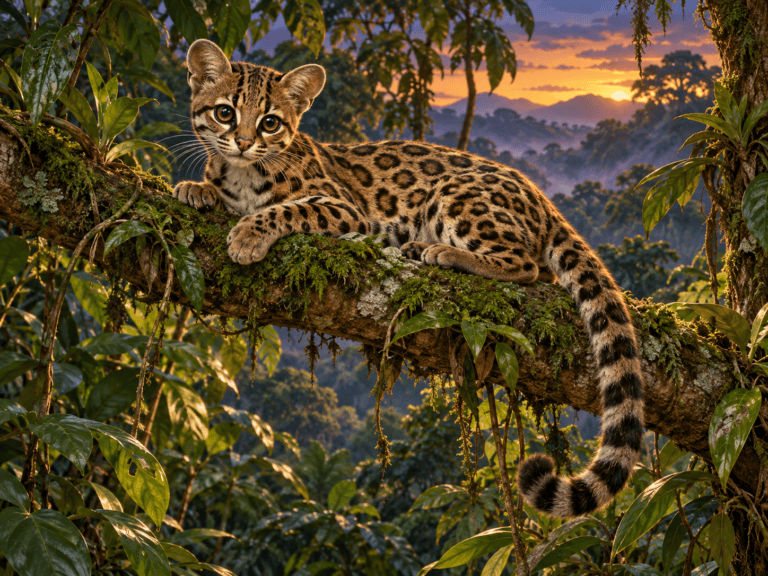
An agile spotted forest cat with exceptional climbing ability.
Take a closer look ↗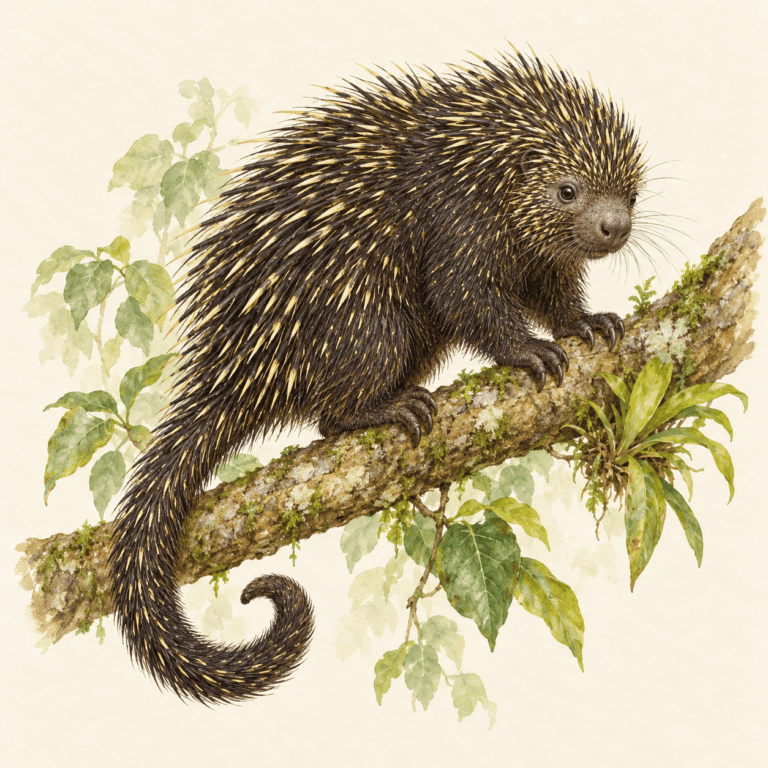
This tree-dwelling porcupine has dark coarse hair that can hide many of its protective quills.
Take a closer look ↗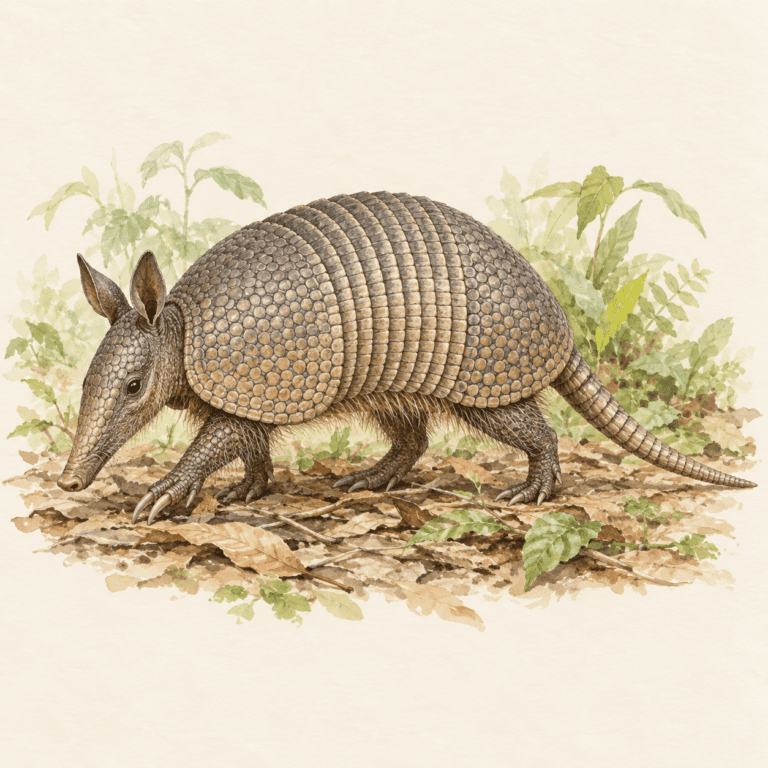
This armadillo wears a covering of bony plates, with flexible bands across its middle so it can bend while walking.
Take a closer look ↗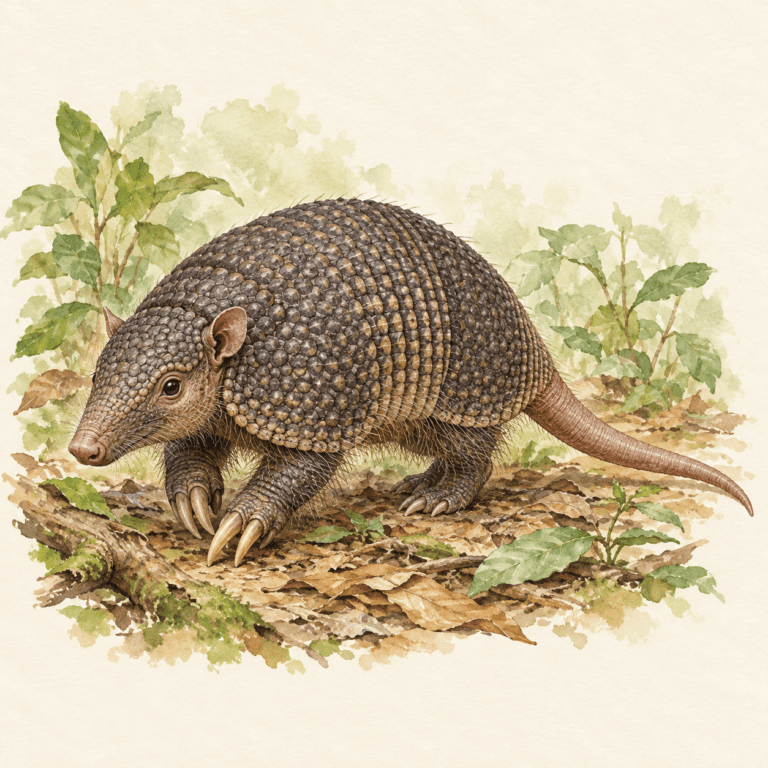
The northern naked-tailed armadillo is a digging specialist.
Take a closer look ↗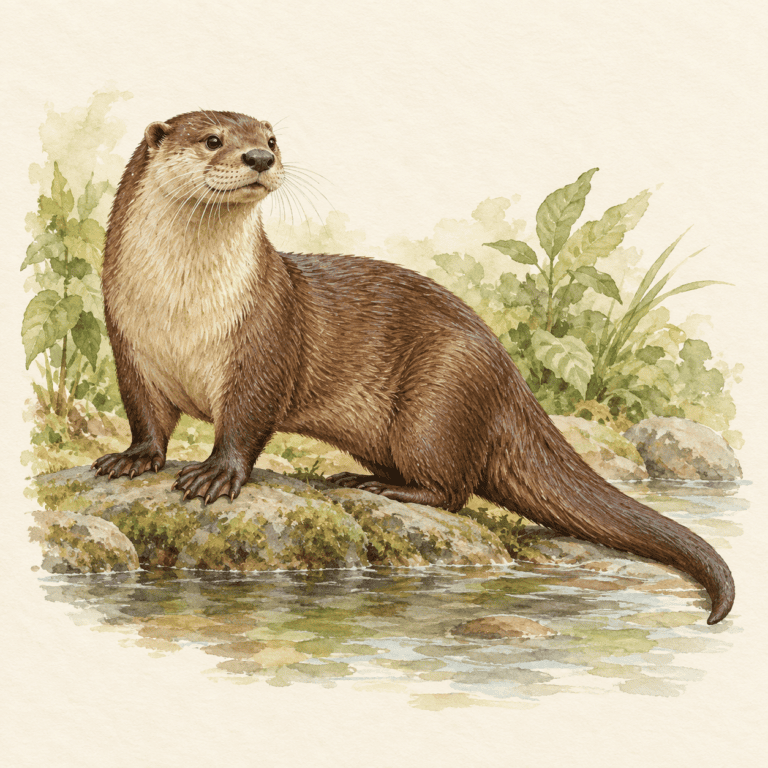
This river otter is a water-adapted member of the weasel family.
Take a closer look ↗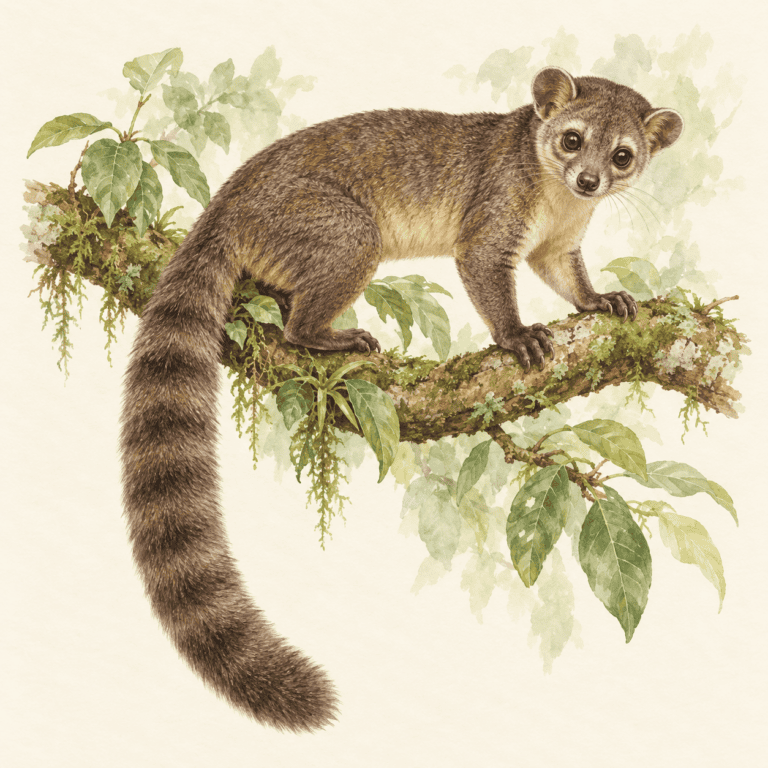
The northern olingo is a forest mammal that moves among branches and eats fruit, with nectar also reported in its diet.
Take a closer look ↗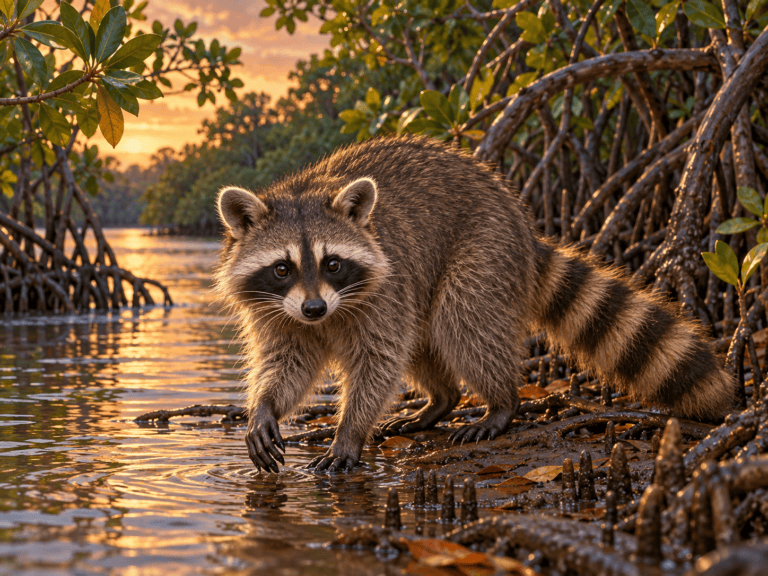
A masked nocturnal forager with a distinctly ringed tail.
Take a closer look ↗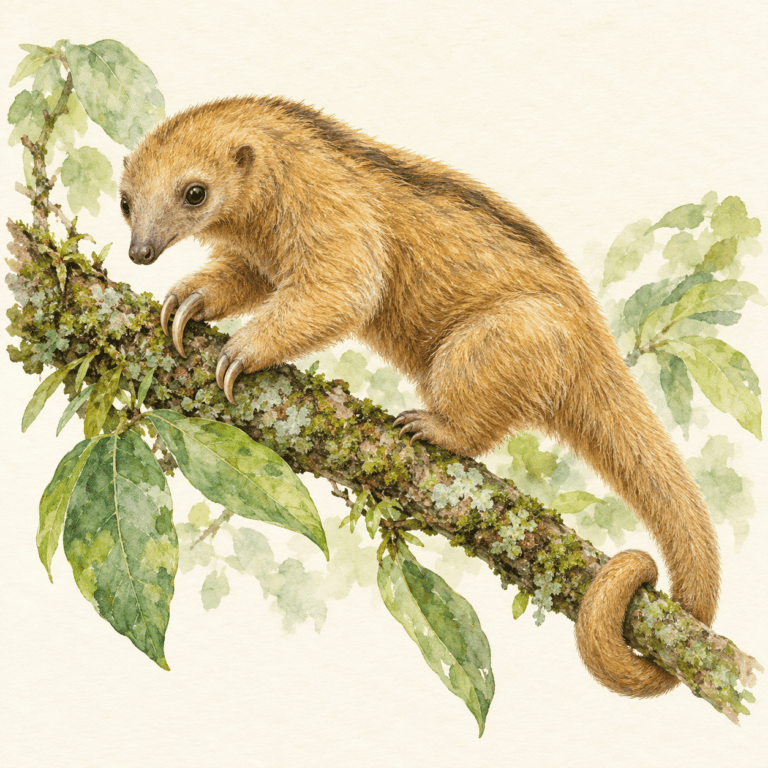
The northern silky anteater is tiny compared with the northern tamandua already in your guide.
Take a closer look ↗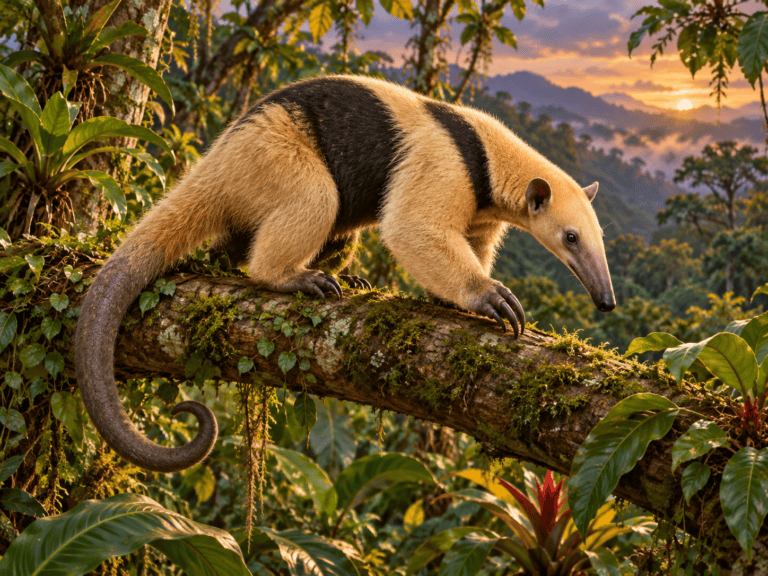
A climbing anteater with a dark vest pattern and a long sticky tongue.
Take a closer look ↗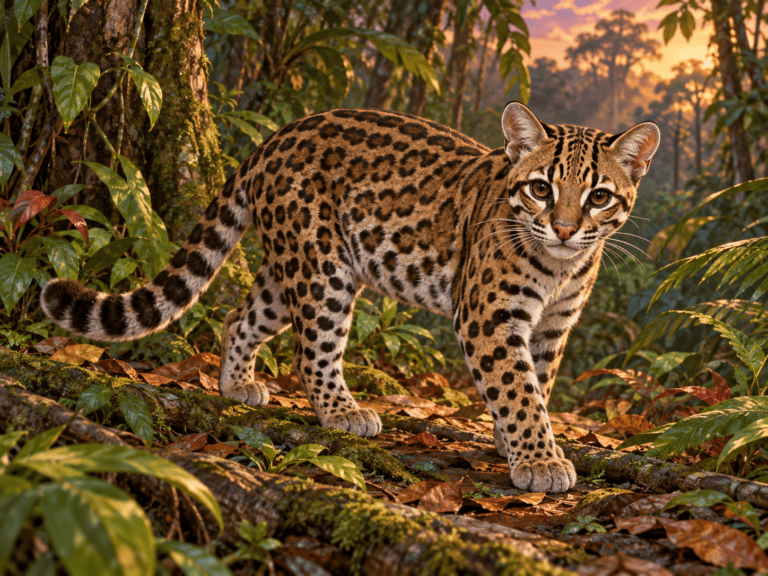
A secretive patterned cat that hunts mostly on the forest floor.
Take a closer look ↗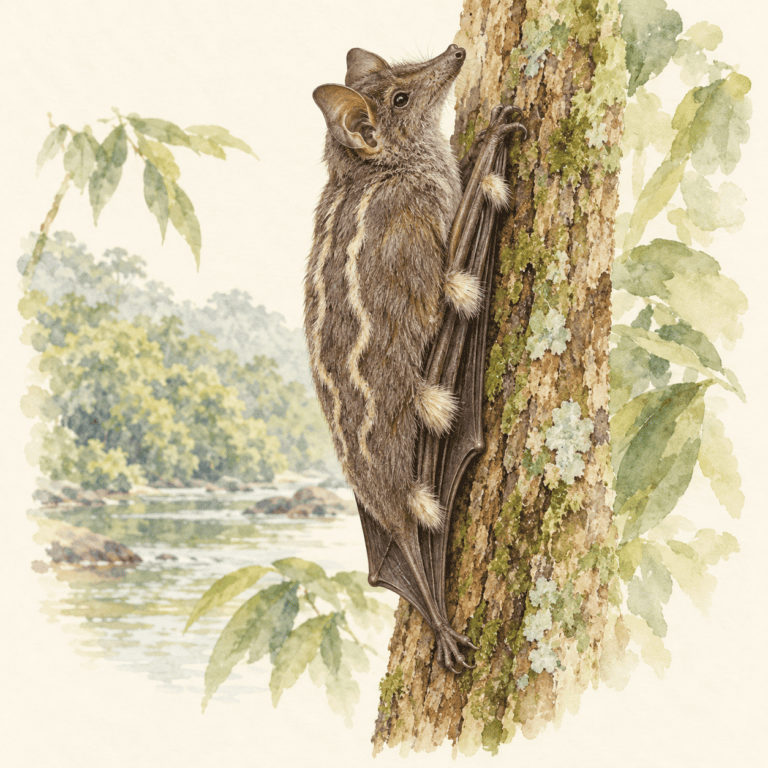
The proboscis bat is a tiny insect-eating bat with an elongated muzzle.
Take a closer look ↗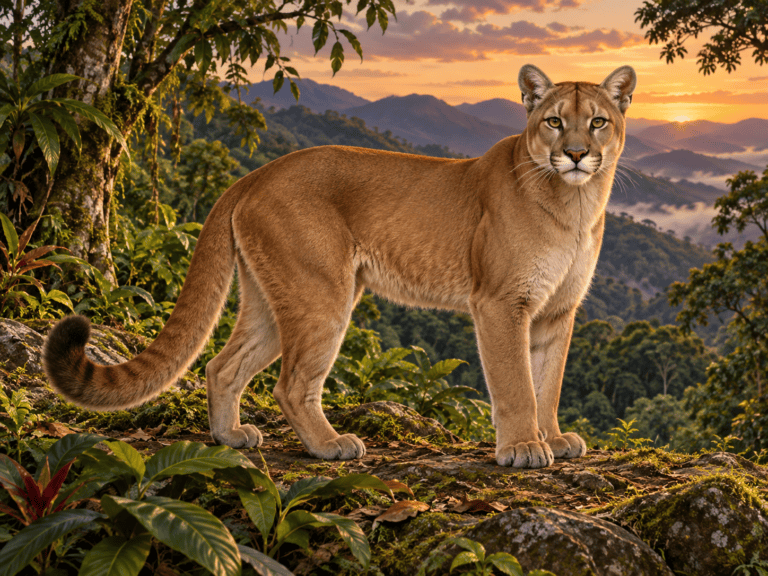
A long-tailed, unspotted wild cat that uses many forest types.
Take a closer look ↗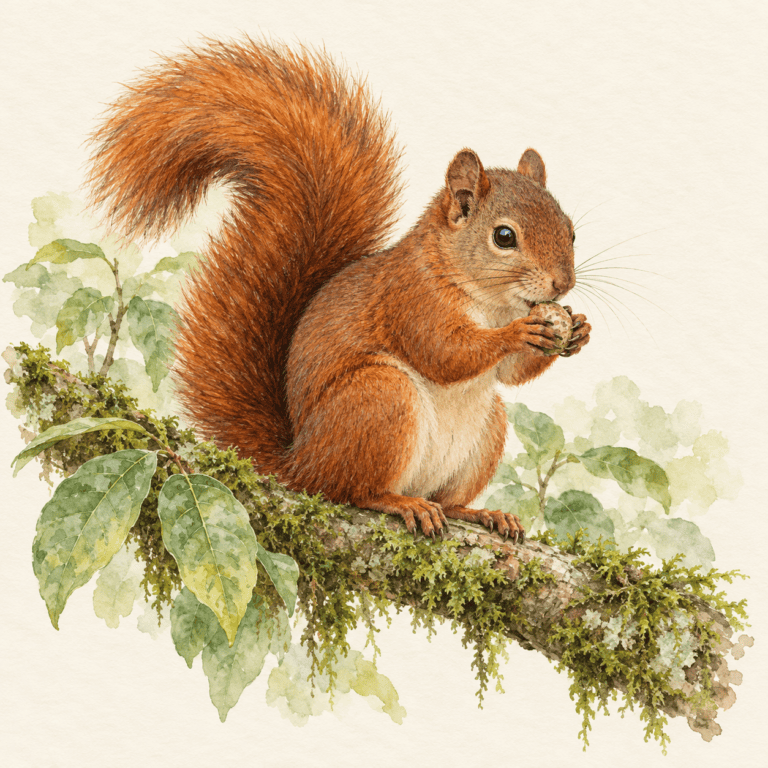
Red-tailed squirrels are active during the day and move readily through trees.
Take a closer look ↗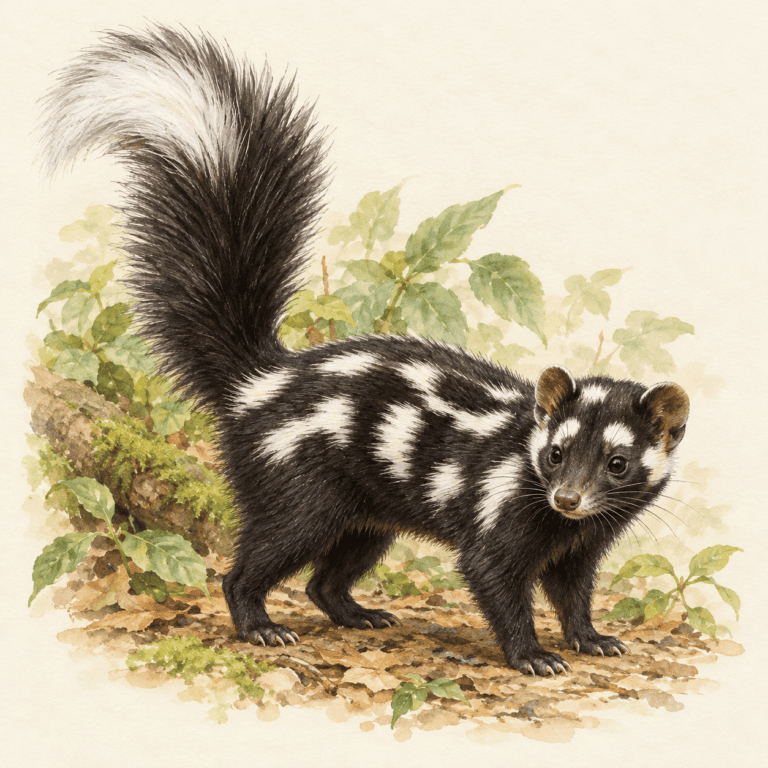
This small skunk has a dark coat patterned with broken pale stripes and patches.
Take a closer look ↗
Spinner dolphins are slender dolphins with long narrow beaks.
Take a closer look ↗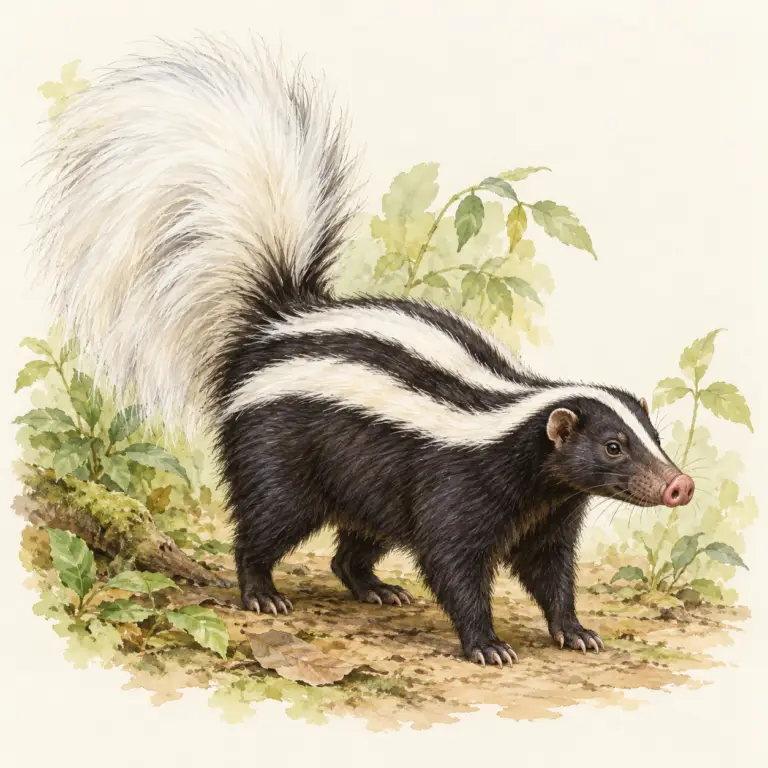
The striped hog-nosed skunk has a broad bare nose that helps distinguish it from other skunks.
Take a closer look ↗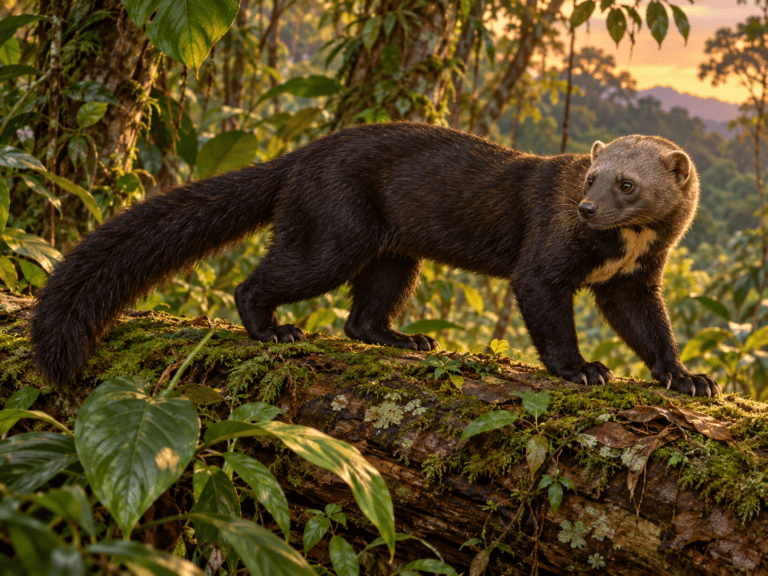
An agile forest mammal with a dark body and often paler head.
Take a closer look ↗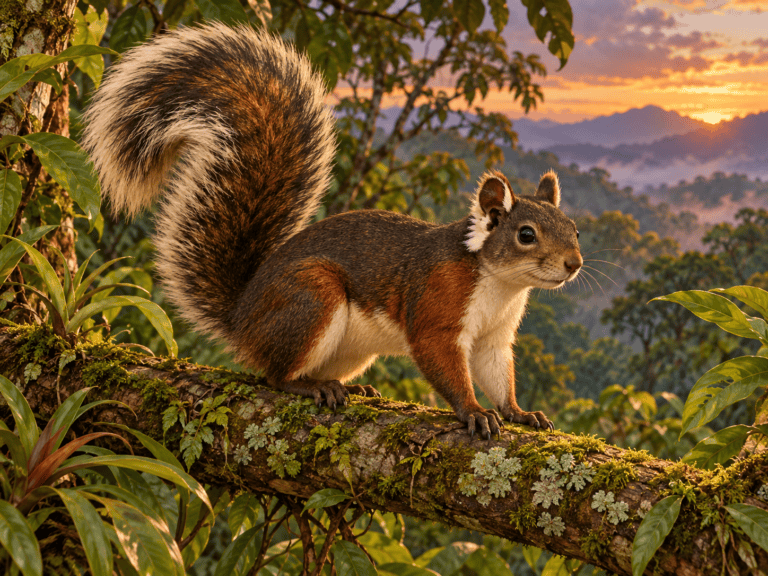
A daytime tree-dweller whose colors vary across its range.
Take a closer look ↗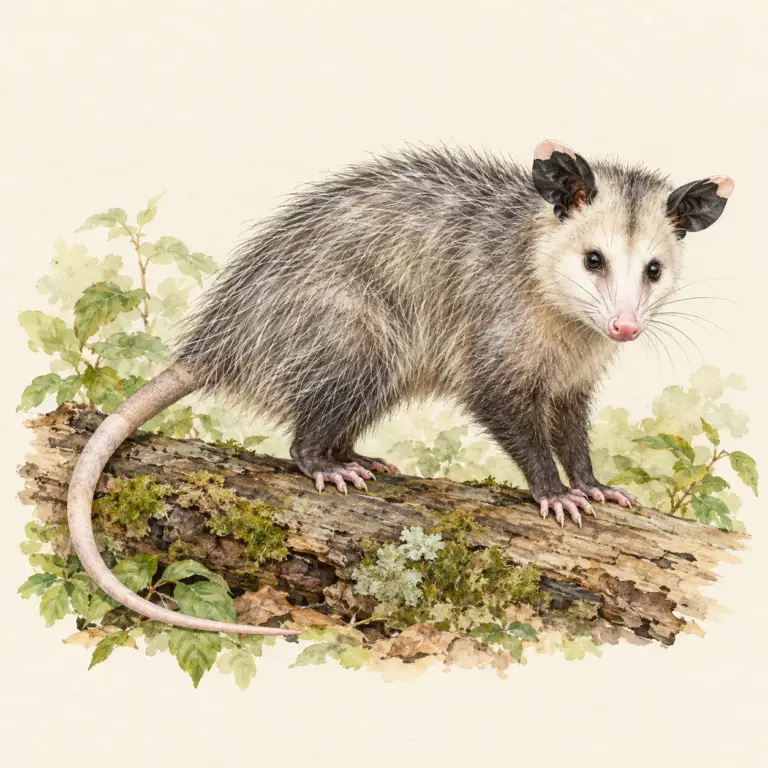
Despite its name, the Virginia opossum's native range reaches Costa Rica.
Take a closer look ↗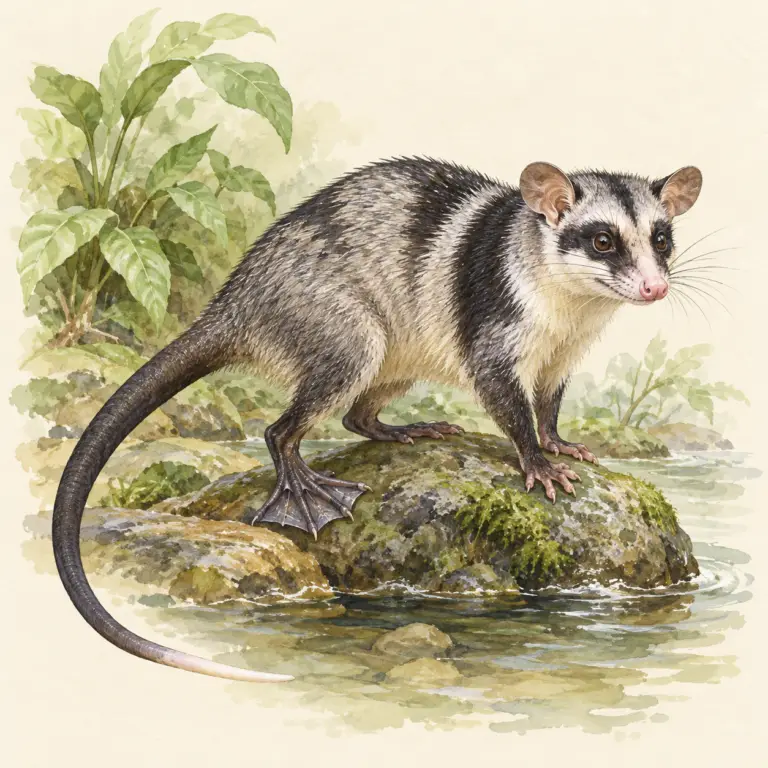
The water opossum, also called the yapok, is a marsupial adapted to life beside freshwater.
Take a closer look ↗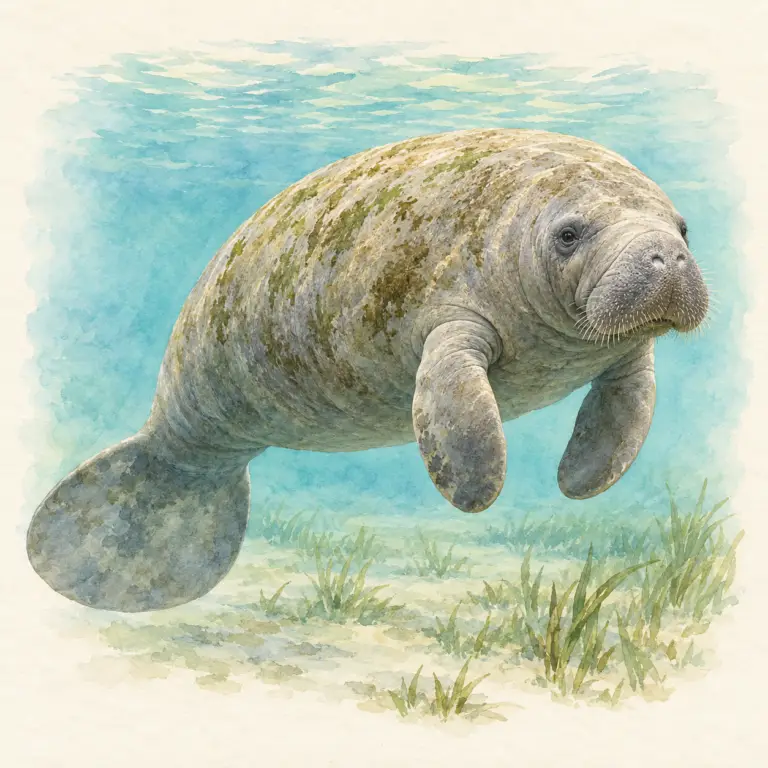
The West Indian manatee is a large aquatic mammal with a rounded paddle-shaped tail and a whiskered muzzle.
Take a closer look ↗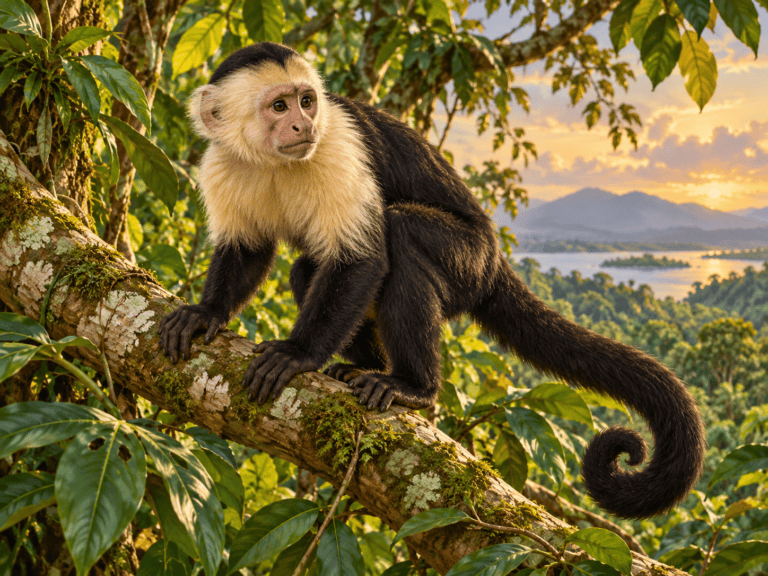
A social monkey with a pale face, shoulders and chest.
Take a closer look ↗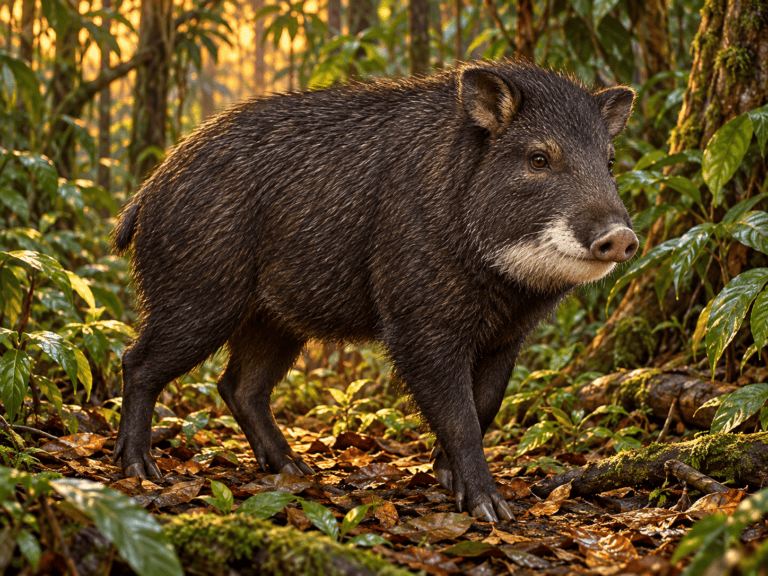
A social forest mammal whose large herds need connected habitat.
Take a closer look ↗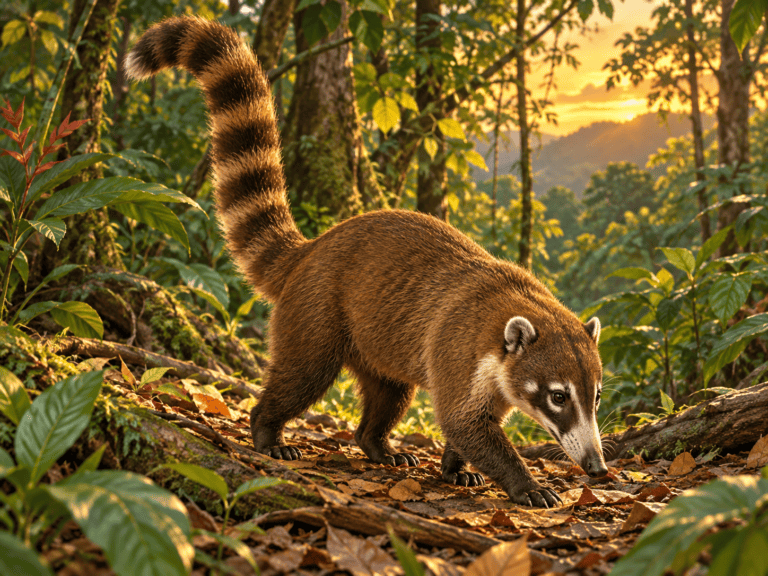
A long-snouted forest forager often seen with its tail held upright.
Take a closer look ↗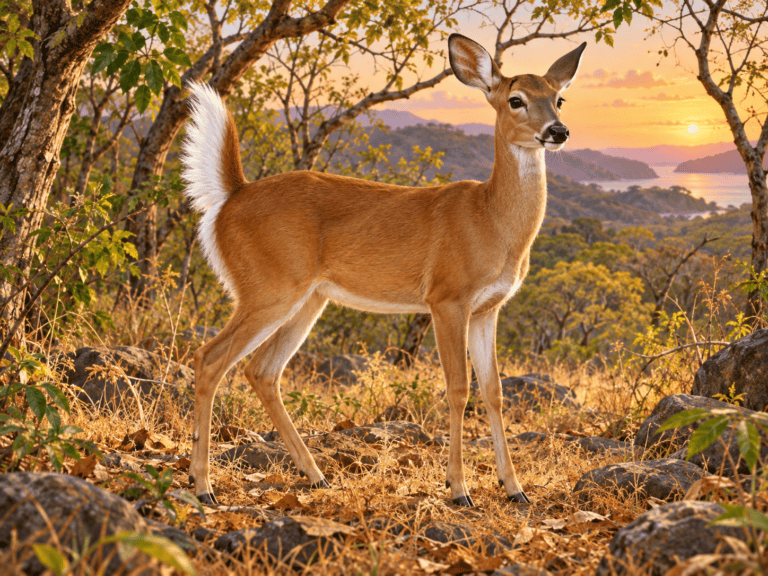
A browsing mammal whose raised tail reveals a white underside.
Take a closer look ↗