San José — City
Explore Nature Field Guide cards from this province and the surrounding travel regions named below. Habitats and species vary by locality.
Nature Field Guide
Nature & Wildlife Around San José
Discover the birds, butterflies and tropical plants that bring nature into Costa Rica’s capital. Explore life in city parks and gardens, then meet more species from the surrounding Central Valley.
84 profiles
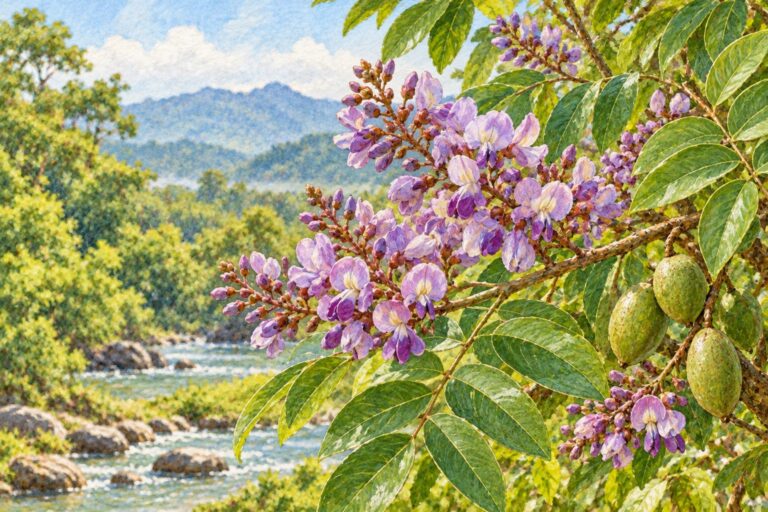
Almendro de Rio
Purple flower clusters stand out against a dense green crown.
Take a closer look ↗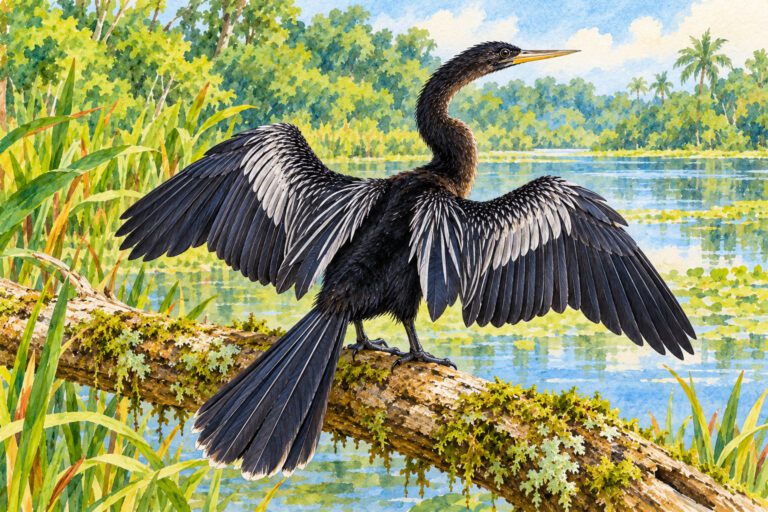
Anhinga
Anhingas swim underwater after fish and use straight pointed bills to seize prey.
Take a closer look ↗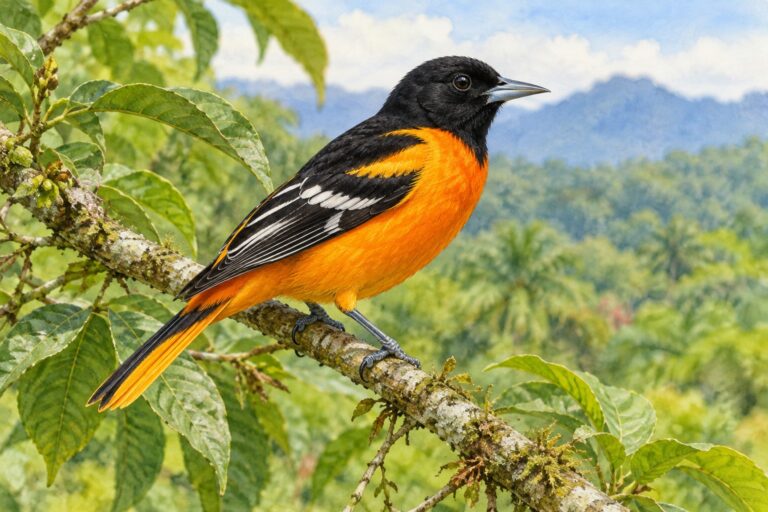
Baltimore Oriole
An orange-and-black seasonal visitor from the north.
Take a closer look ↗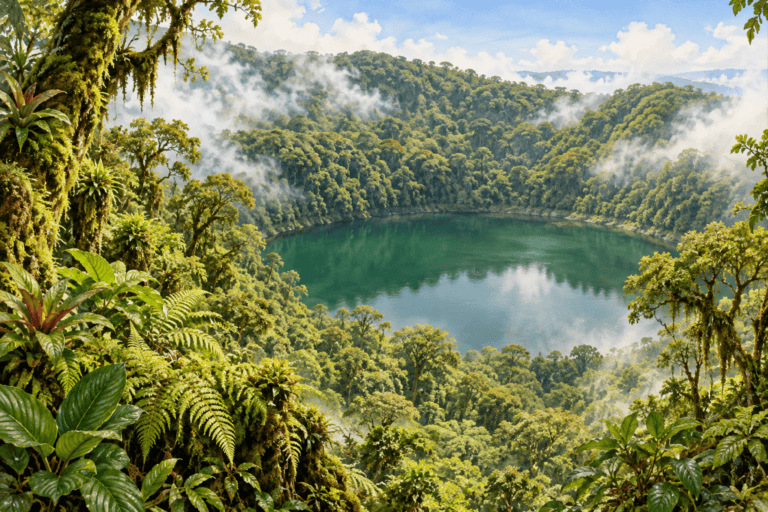
Barva Volcano
A forested volcanic summit hides a peaceful crater lake in the clouds.
Take a closer look ↗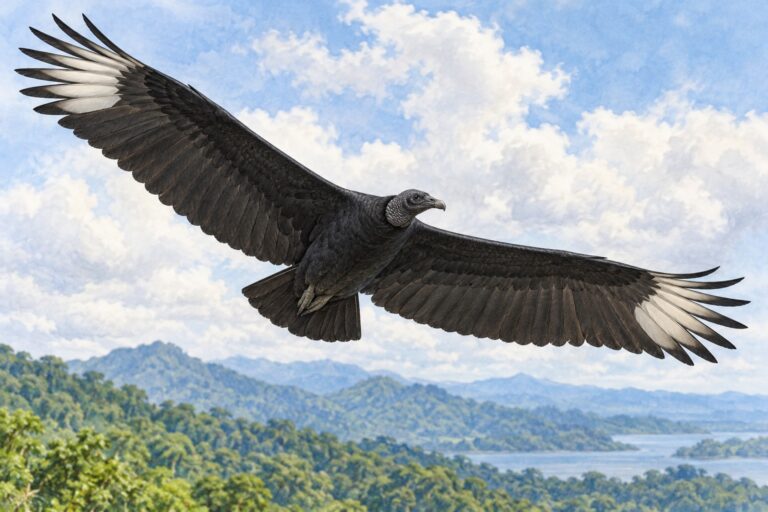
Black Vulture
A dark scavenger with white patches under the wingtips.
Take a closer look ↗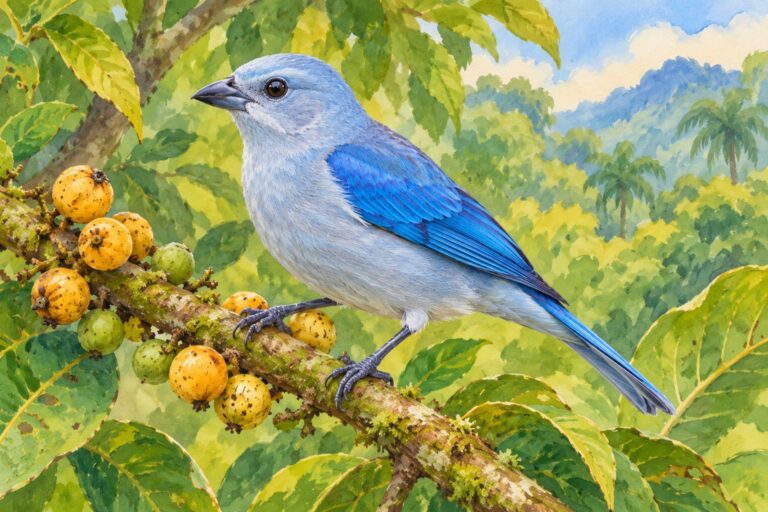
Blue-gray Tanager
A powder-blue bird of gardens and wooded clearings.
Take a closer look ↗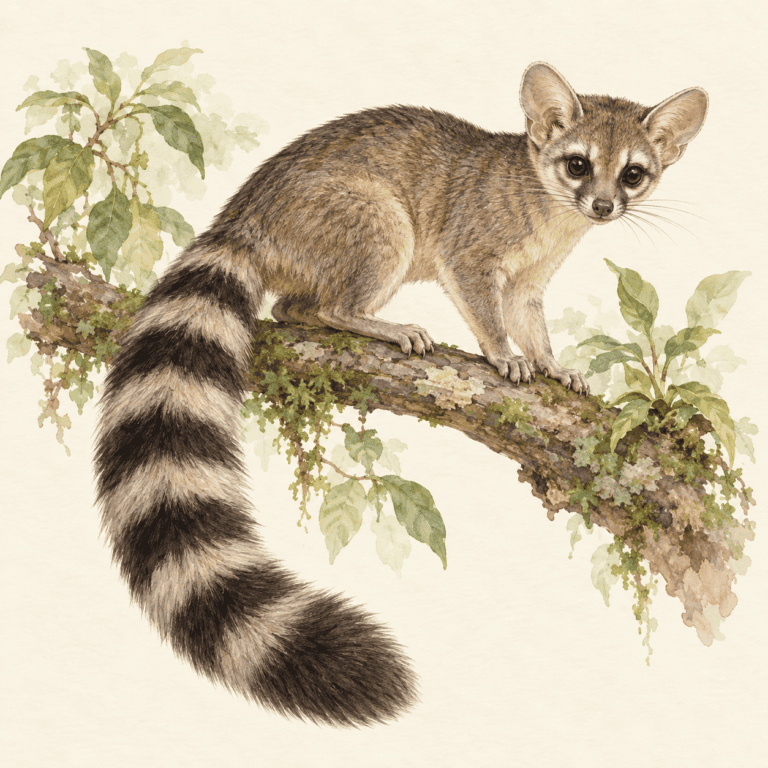
Cacomistle
A cacomistle's long ringed tail is a memorable clue.
Take a closer look ↗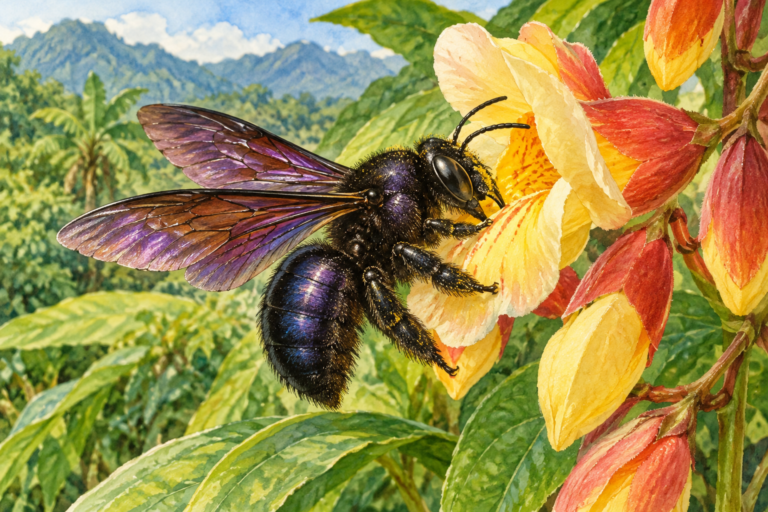
Carpenter Bees
Robust body.
Take a closer look ↗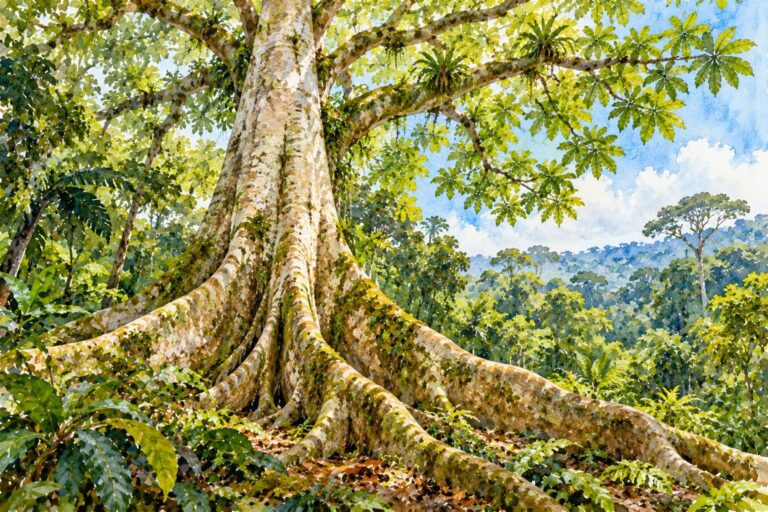
Ceiba Kapok Tree
Huge buttress roots help make a mature ceiba unforgettable.
Take a closer look ↗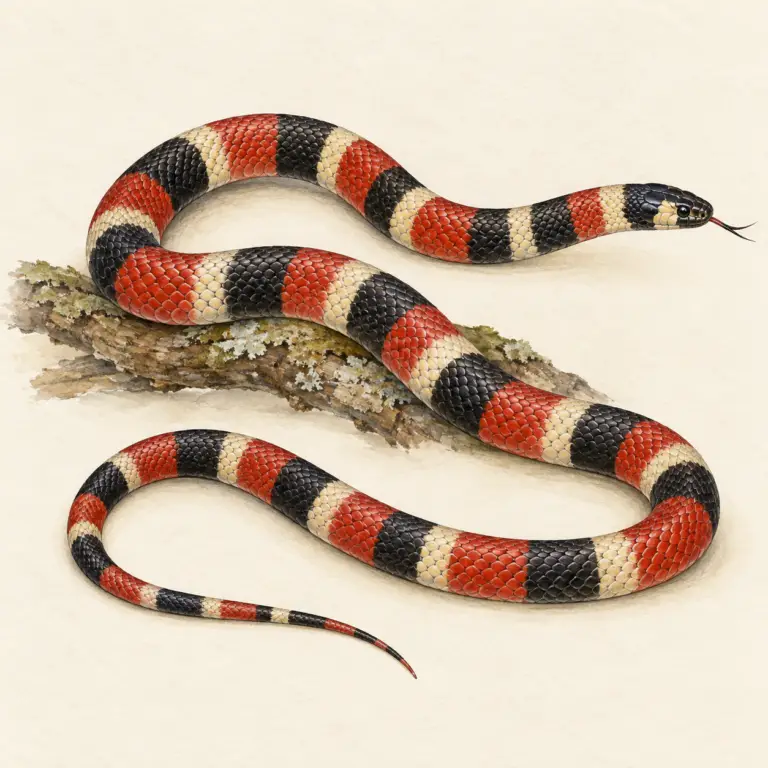
Central American Coral Snake
A venomous coral snake with complete colored rings.
Take a closer look ↗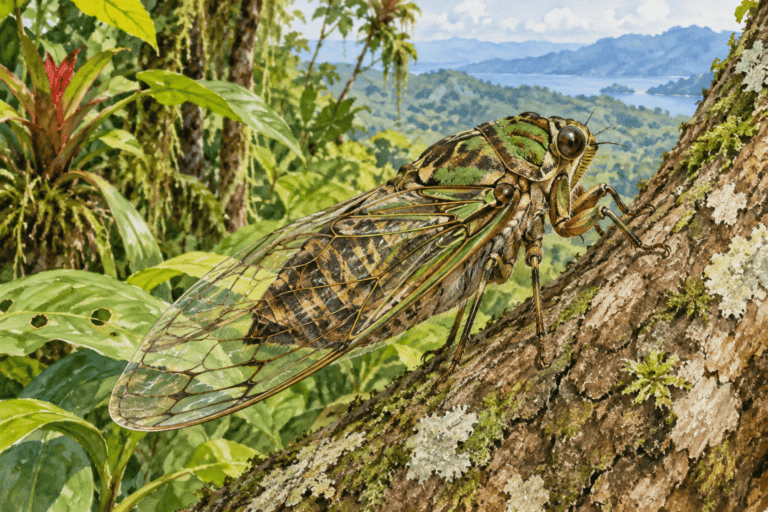
Cicadas
Large transparent wings.
Take a closer look ↗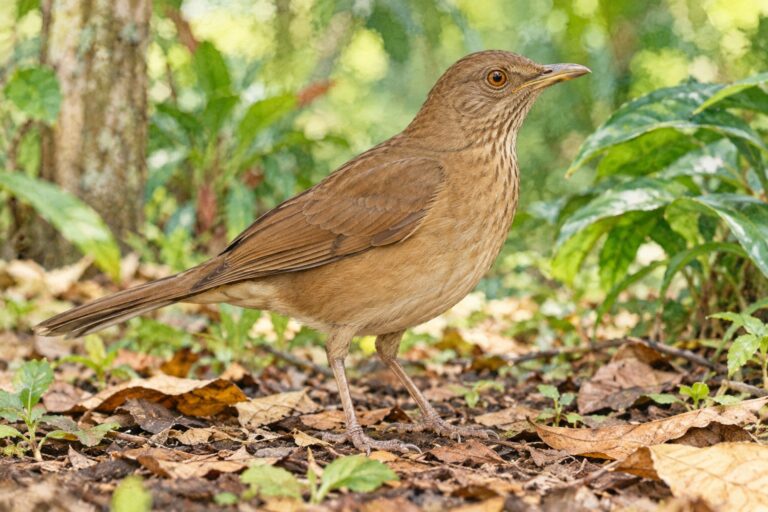
Clay-colored Thrush
A familiar brown songbird and Costa Rica’s national bird.
Take a closer look ↗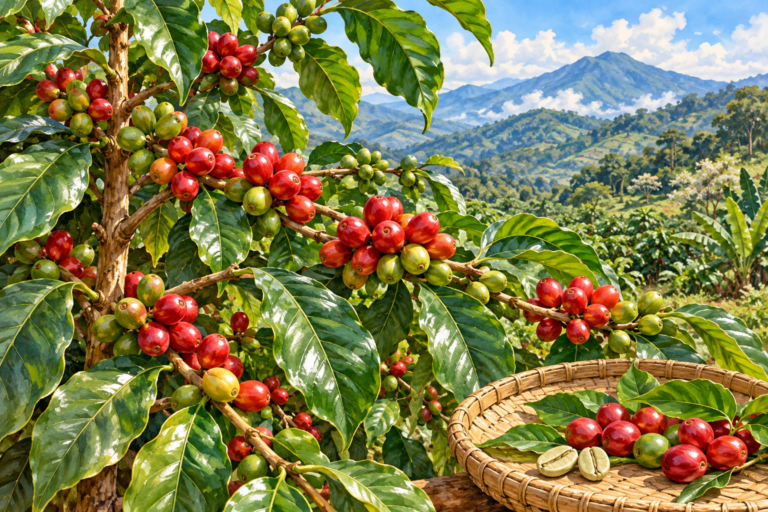
Coffee
Coffee is a shrub or small tree with shiny leaves and small fruits called cherries.
Take a closer look ↗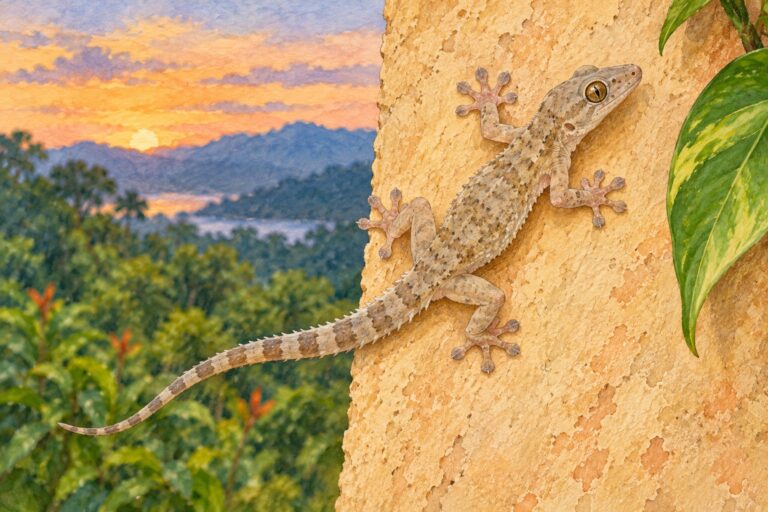
Common House Gecko
An introduced wall-climbing gecko often appears near buildings after dark.
Take a closer look ↗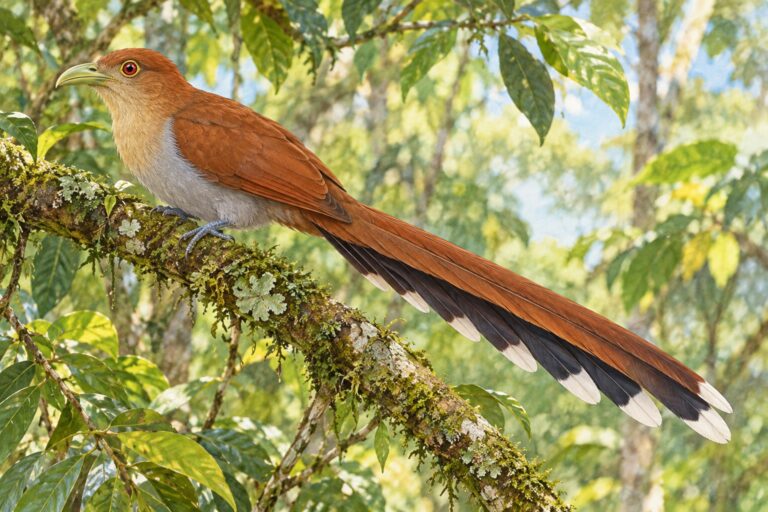
Common Squirrel-Cuckoo
A rusty forest cuckoo with an exceptionally long tail.
Take a closer look ↗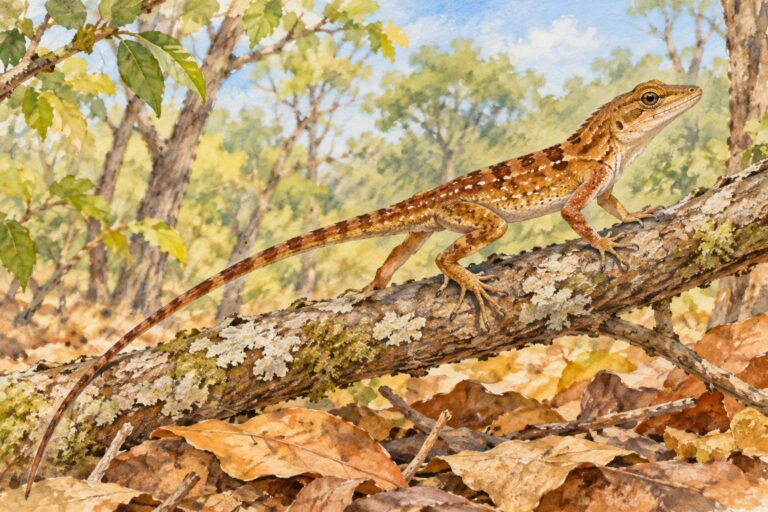
Copper Anole
A familiar brown anole watches from low perches in Pacific-slope landscapes.
Take a closer look ↗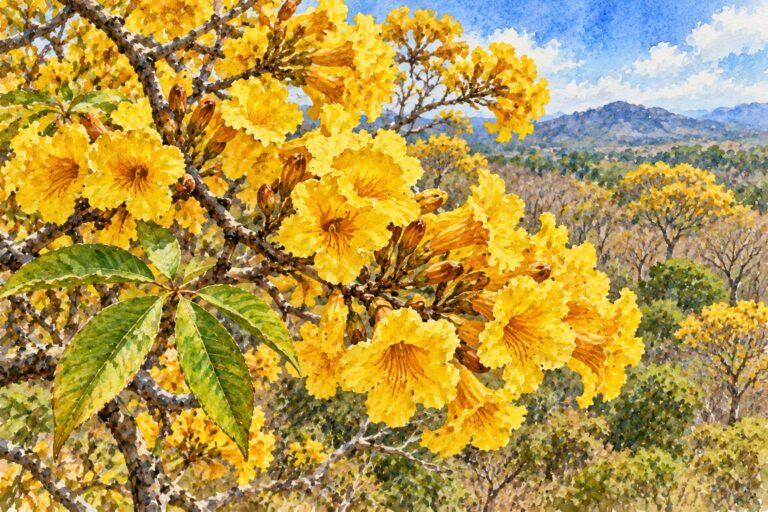
Cortez Amarillo
Golden trumpet flowers can brighten the branches of an almost leafless tree.
Take a closer look ↗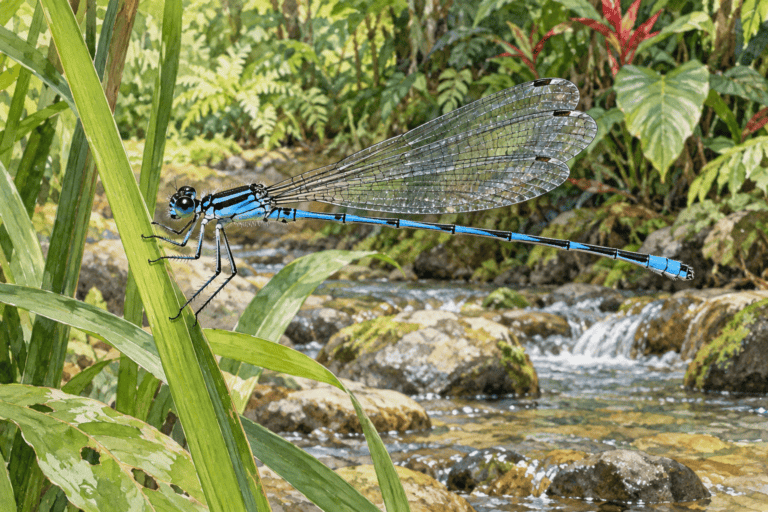
Damselflies
Slender body.
Take a closer look ↗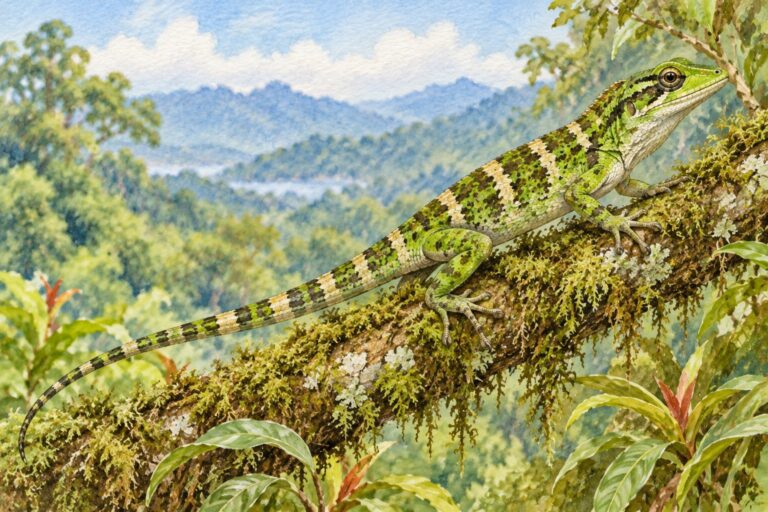
Decorated Anole
A large forest anole blends green and pale markings into a leafy canopy.
Take a closer look ↗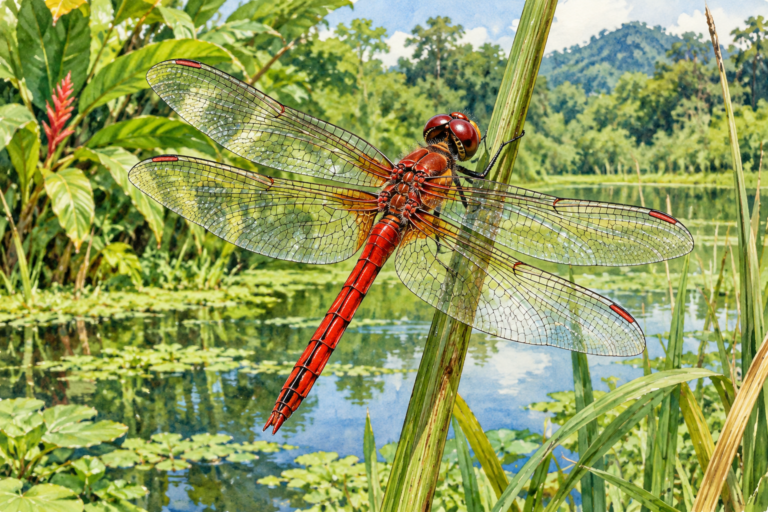
Dragonflies
Large eyes.
Take a closer look ↗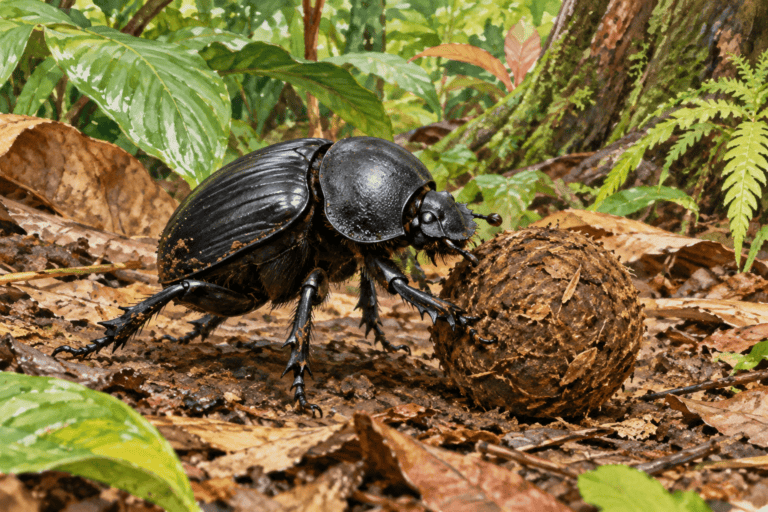
Dung Beetles
Compact beetle body.
Take a closer look ↗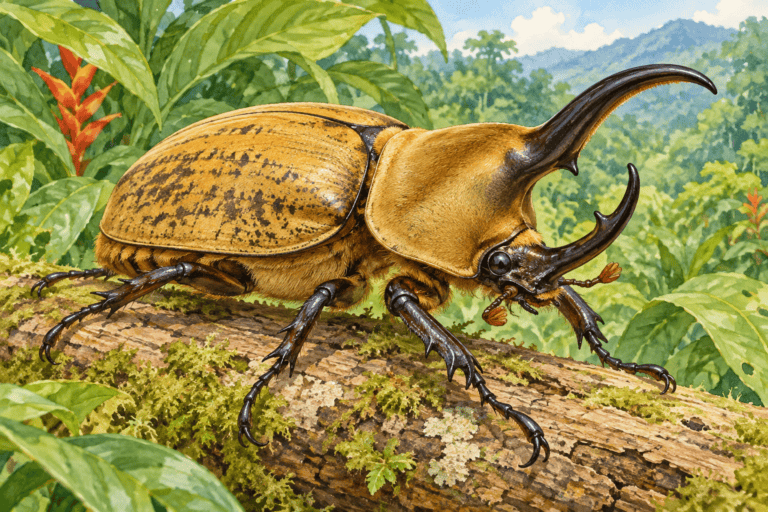
Elephant Beetle
Large rounded beetle.
Take a closer look ↗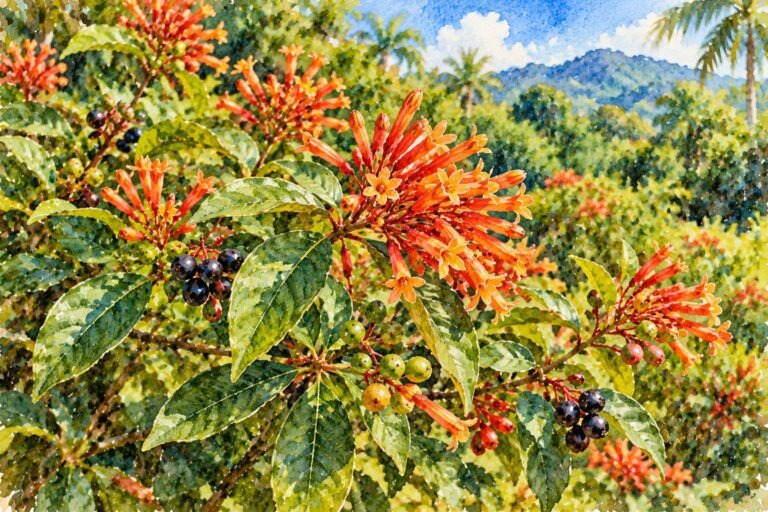
Firebush
Firebush is a shrub with clusters of narrow orange to red tubular flowers.
Take a closer look ↗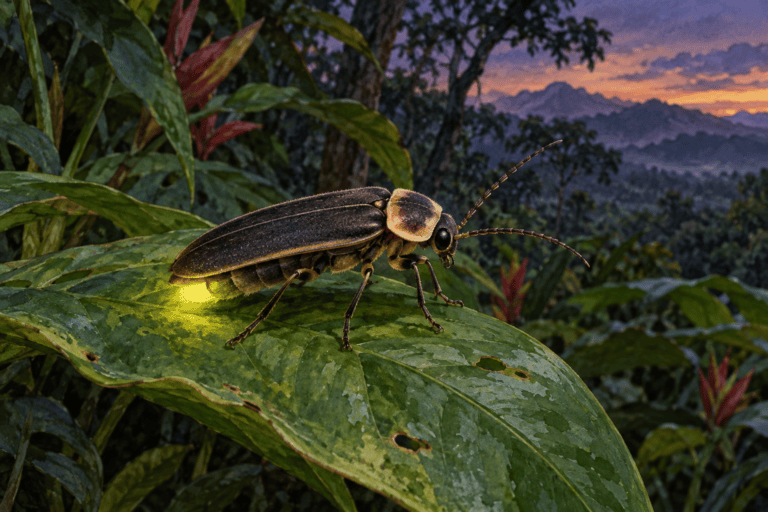
Fireflies
Soft beetle wing covers.
Take a closer look ↗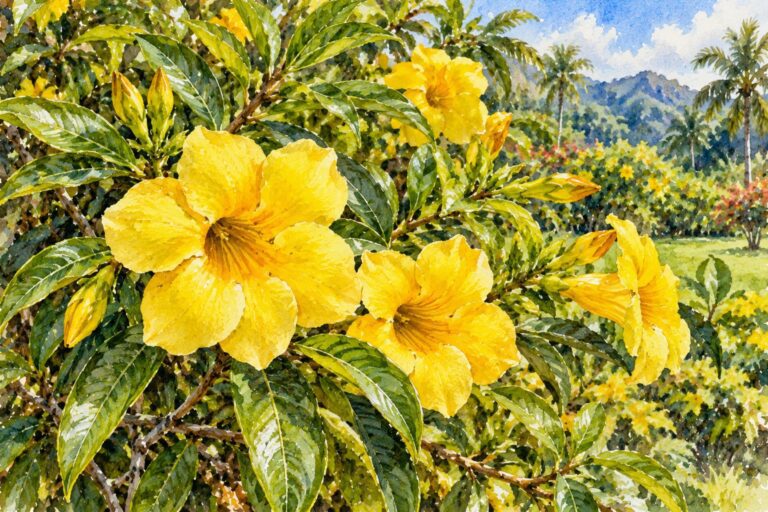
Golden Trumpet
Golden trumpet is a South American ornamental cultivated and naturalized in Costa Rica.
Take a closer look ↗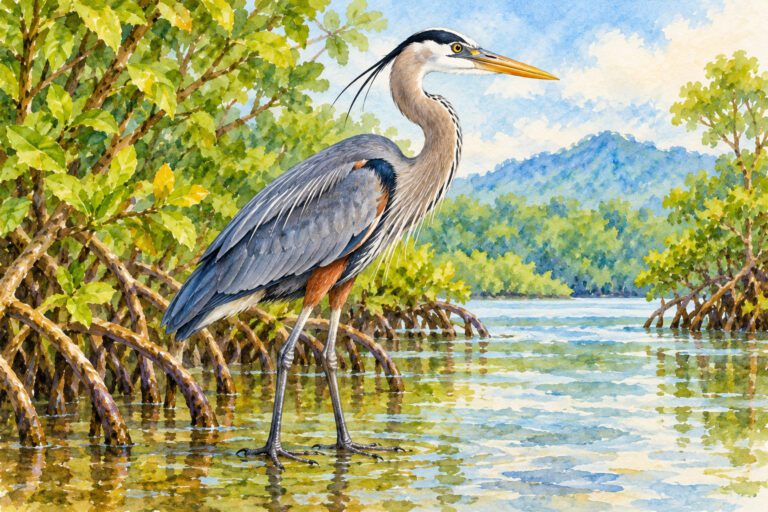
Great Blue Heron
This large heron searches shallow water for fish and other small animals.
Take a closer look ↗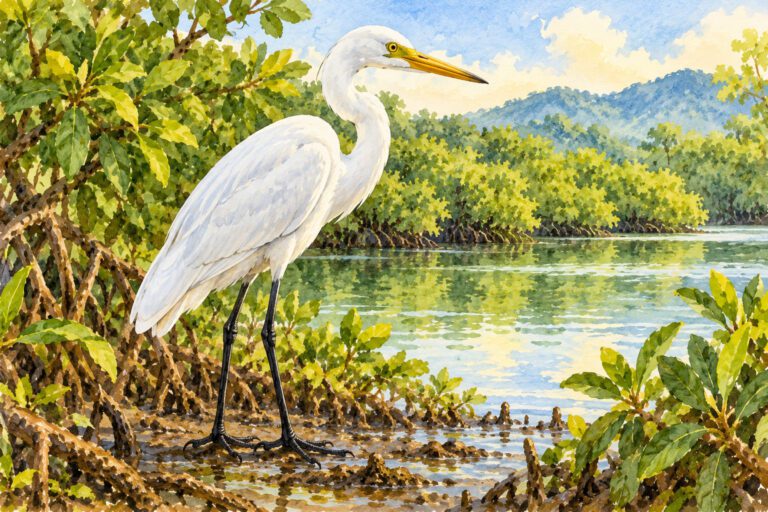
Great Egret
The Great Egret is a large white wading bird that hunts by waiting or walking slowly in shallow water.
Take a closer look ↗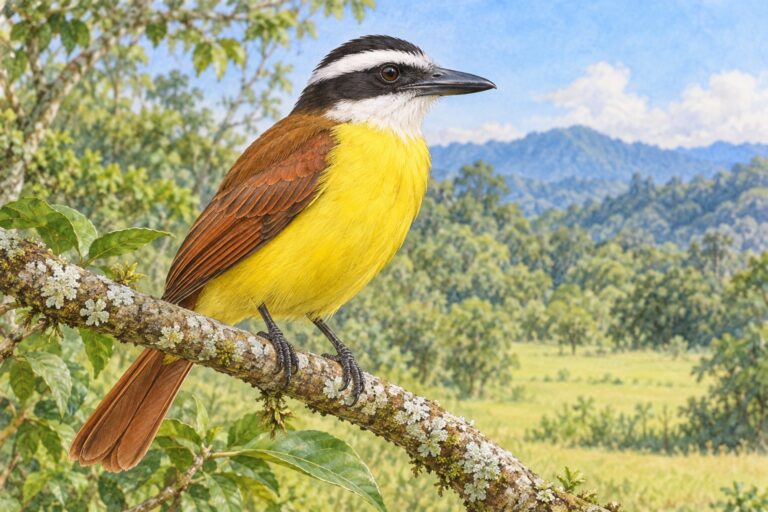
Great Kiskadee
A loud flycatcher with a yellow belly and striped head.
Take a closer look ↗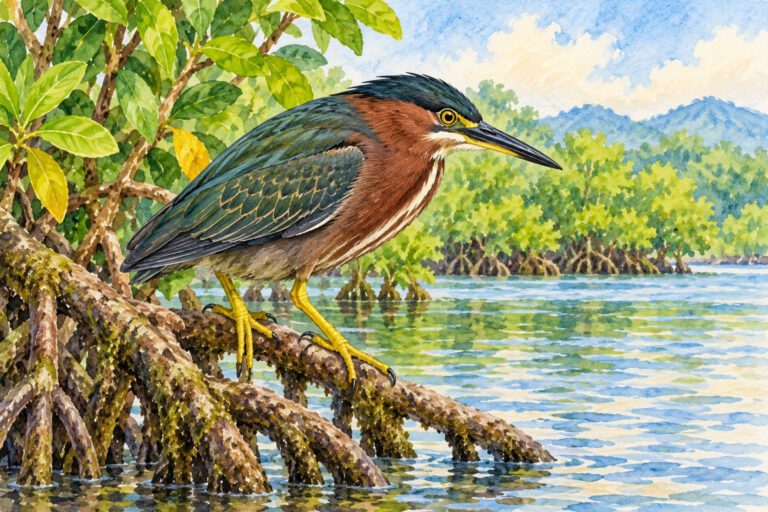
Green Heron
The Green Heron is a compact hunter with a dark greenish back, chestnut neck and a short crest.
Take a closer look ↗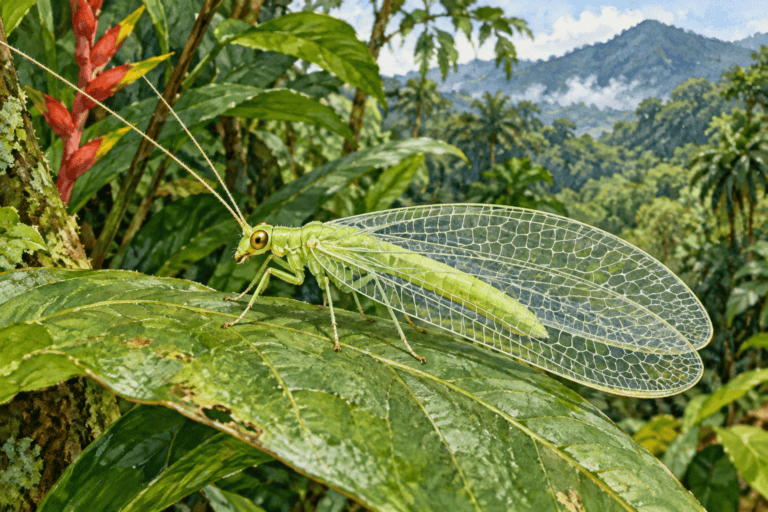
Green Lacewings
Delicate green body.
Take a closer look ↗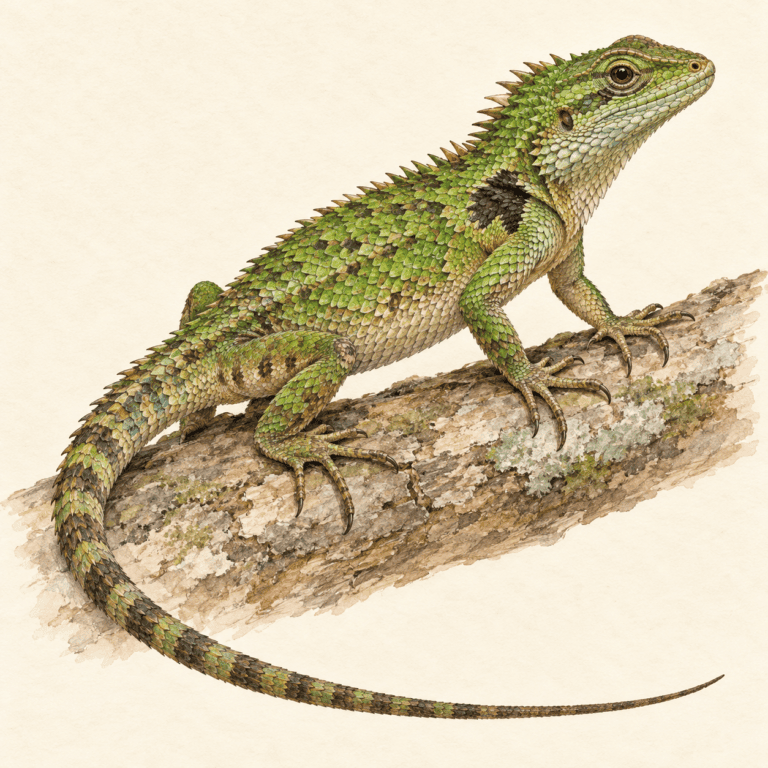
Green Spiny Lizard
A rough-scaled lizard of cooler upland environments.
Take a closer look ↗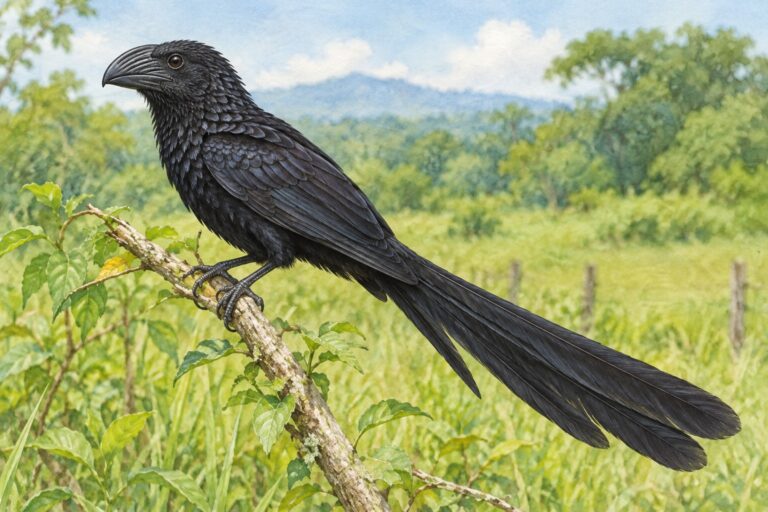
Groove-billed Ani
A social black bird with grooves on its heavy bill.
Take a closer look ↗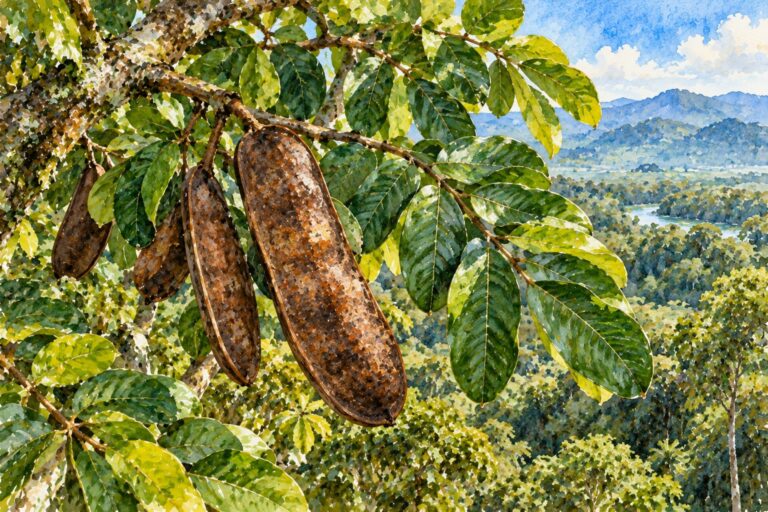
Guapinol
Paired leaflets and hard brown pods identify a forest tree with an important wildlife role.
Take a closer look ↗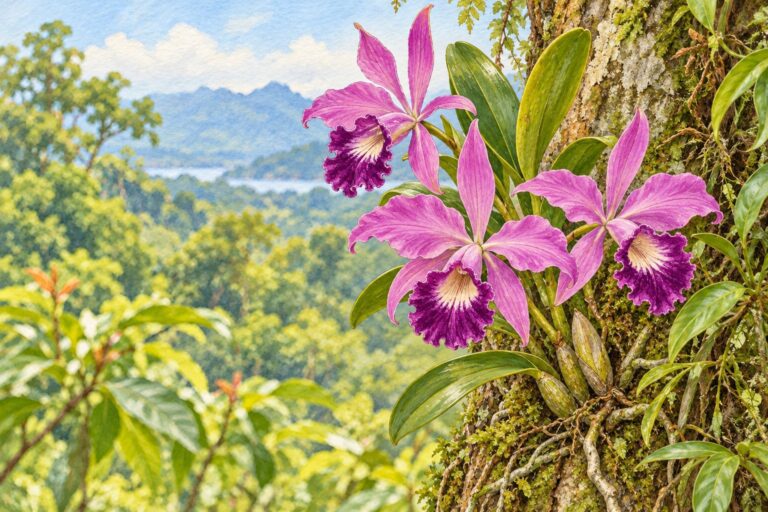
Guaria Morada Orchid
Costa Rica’s national flower carries pink-purple blossoms above fleshy leaves.
Take a closer look ↗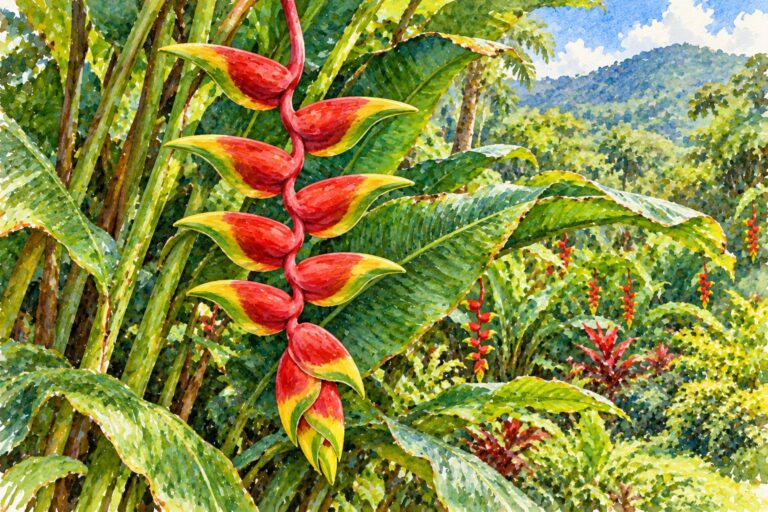
Hanging Lobster Claw
This cultivated heliconia has hanging clusters of colorful bracts.
Take a closer look ↗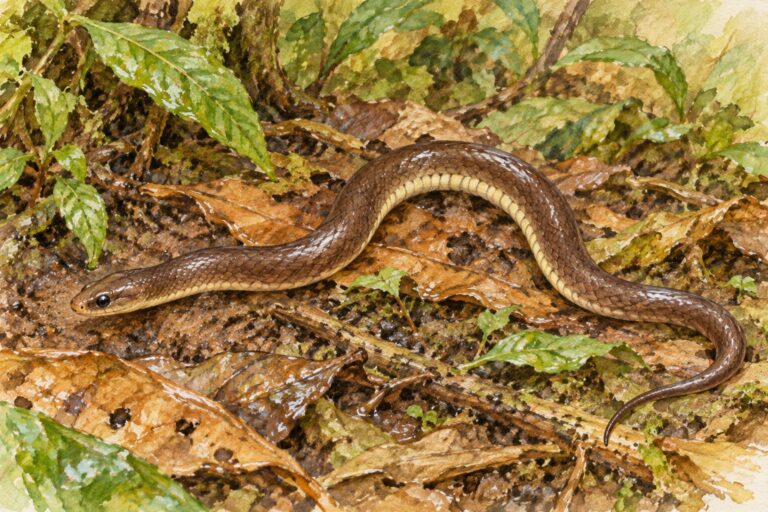
Hoffmann's Earth Snake
A small dark earth snake reminds us that much of forest life stays hidden.
Take a closer look ↗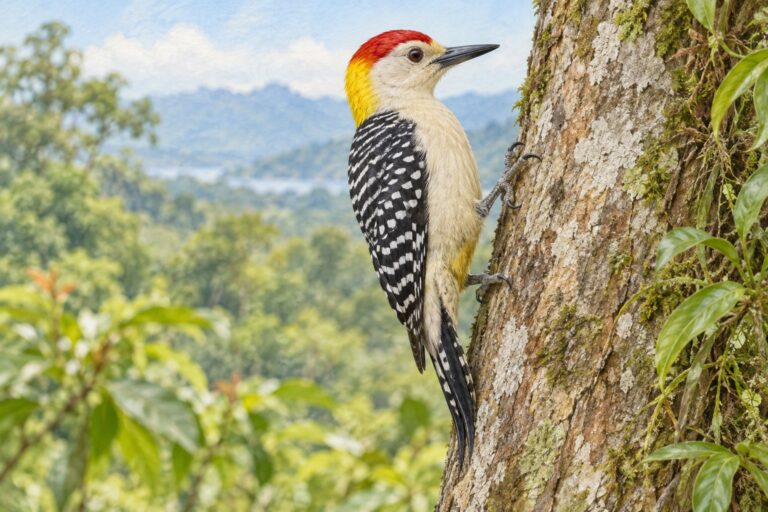
Hoffmann's Woodpecker
A black-and-white woodpecker with a yellow nape.
Take a closer look ↗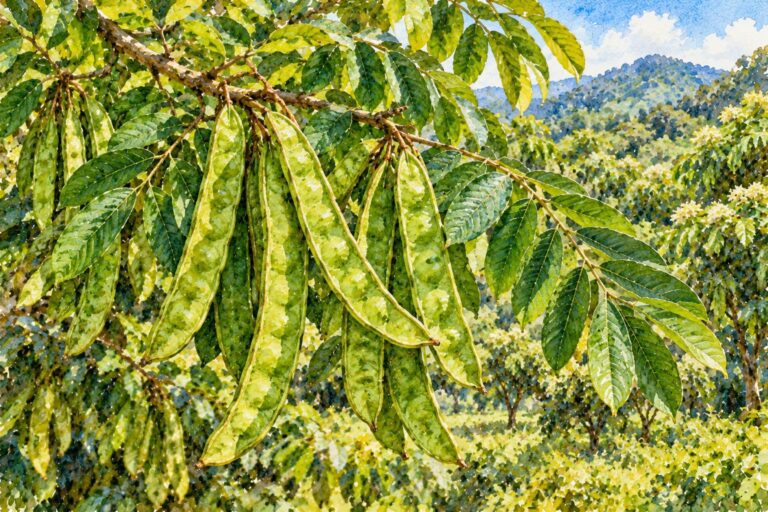
Ice Cream Bean
Guaba is planted for its long ribbed pods and as a shade tree.
Take a closer look ↗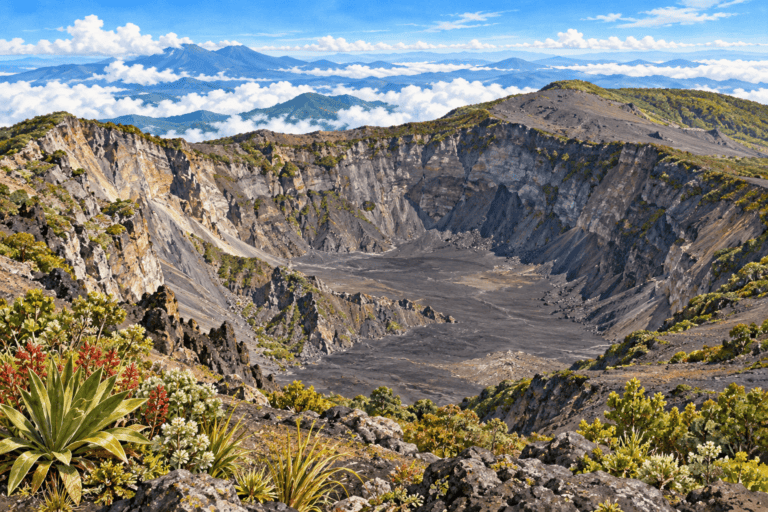
Irazú Volcano
Costa Rica’s tallest volcano has a cool summit landscape with several craters.
Take a closer look ↗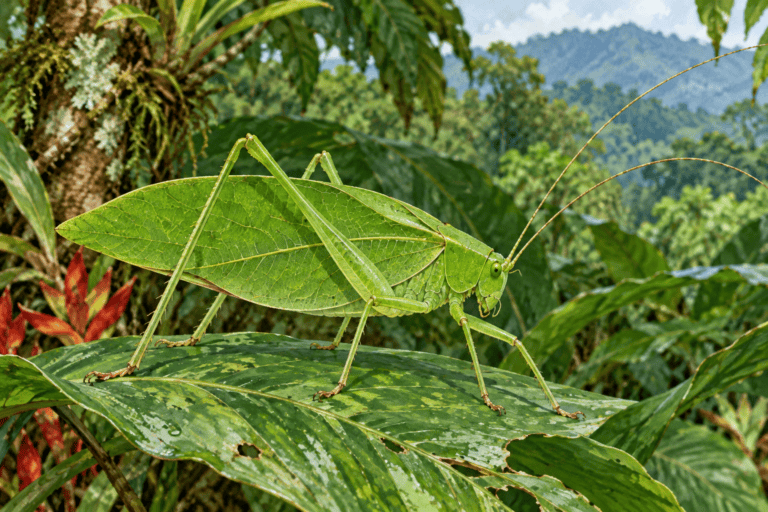
Katydids
Very long antennae.
Take a closer look ↗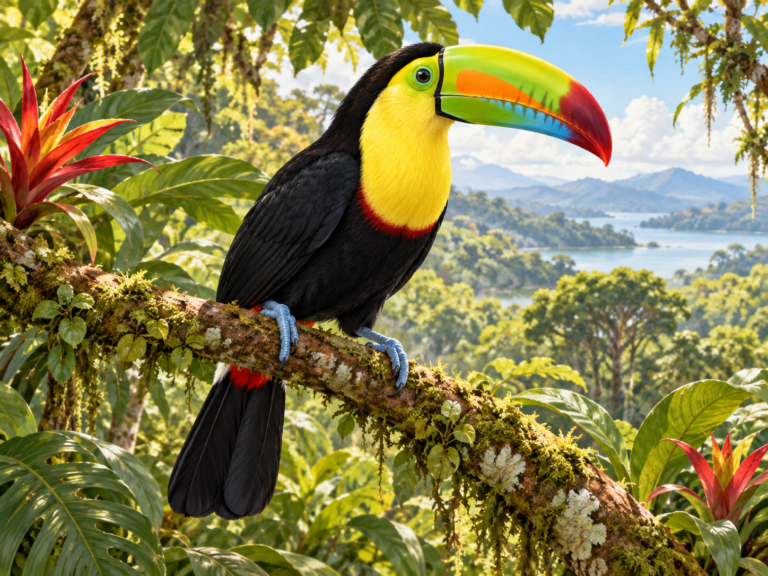
Keel-billed Toucan
A rainbow-colored bill stands out against dark plumage and a yellow throat.
Take a closer look ↗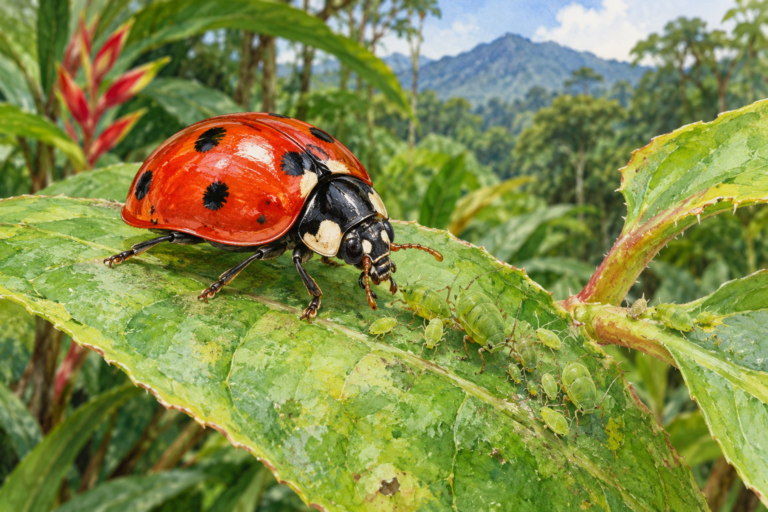
Lady Beetles
Rounded beetle body.
Take a closer look ↗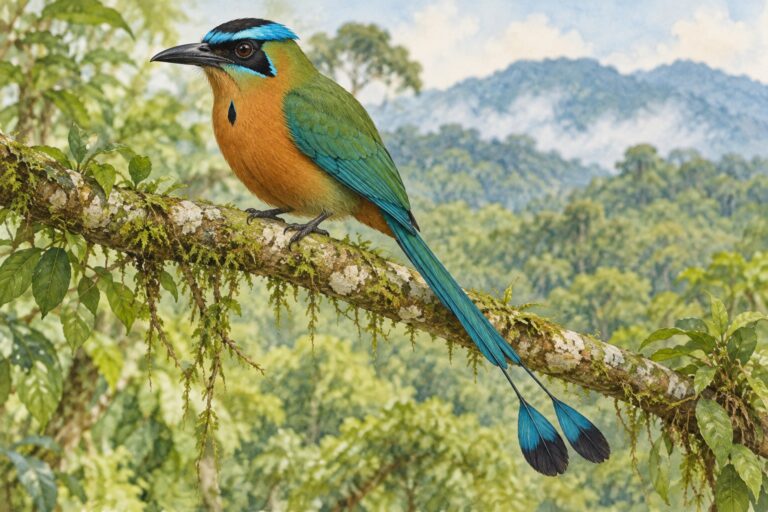
Lesson's Motmot
A colorful forest bird with a blue crown and long tail.
Take a closer look ↗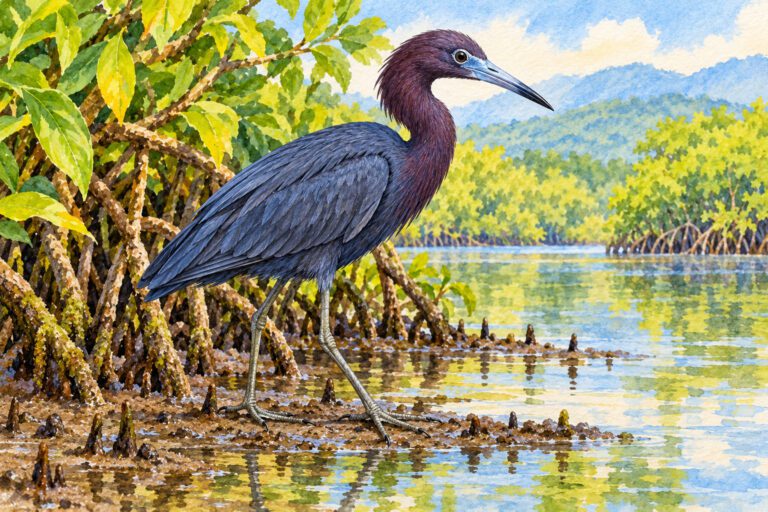
Little Blue Heron
Adults have slate-blue bodies and purplish heads and necks.
Take a closer look ↗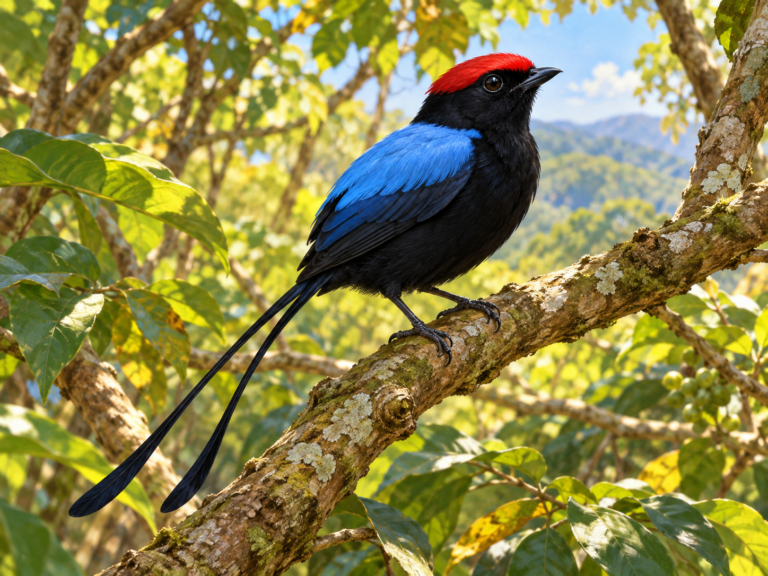
Long-tailed Manakin
A small forest bird famous for coordinated courtship displays.
Take a closer look ↗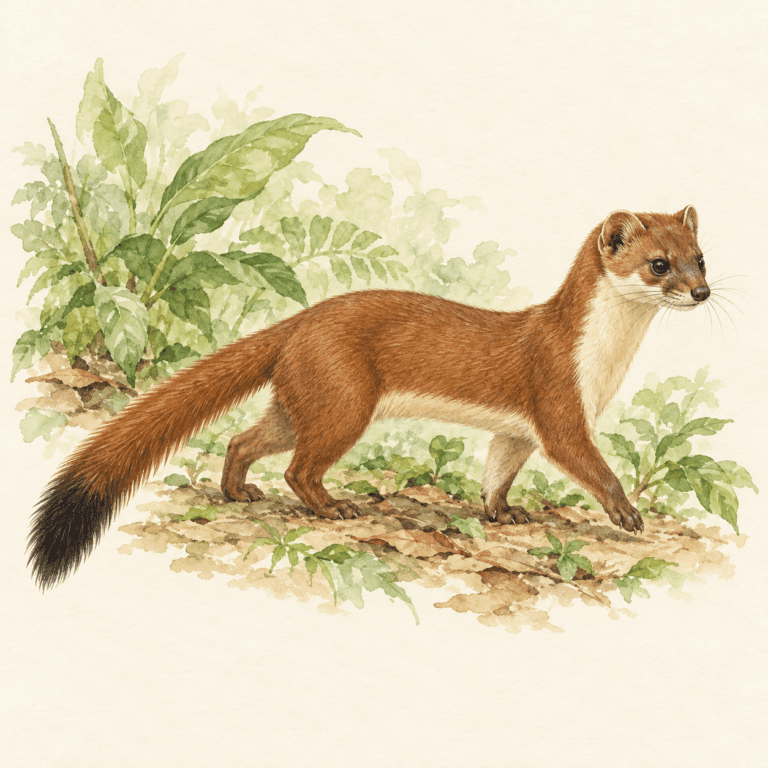
Long-tailed Weasel
A long-tailed weasel has a narrow flexible body that helps it move through cover and investigate small spaces.
Take a closer look ↗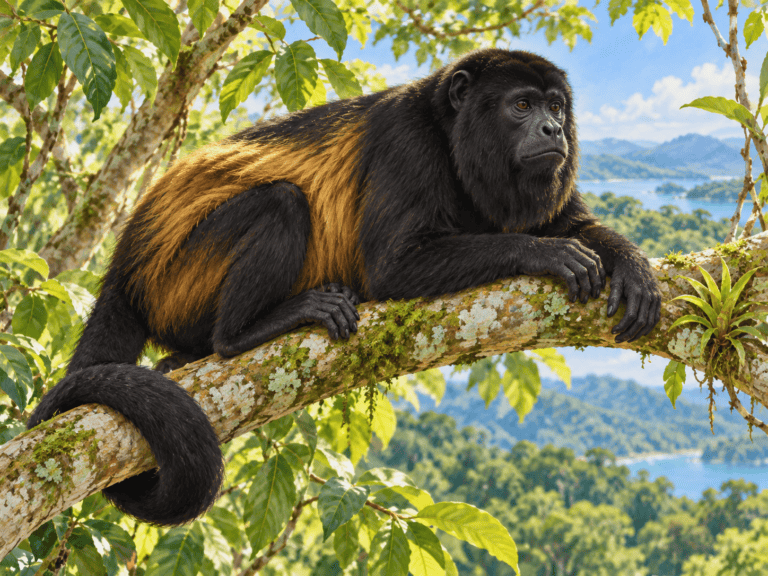
Mantled Howler Monkey
A mostly dark coat with a lighter mantle along the sides.
Take a closer look ↗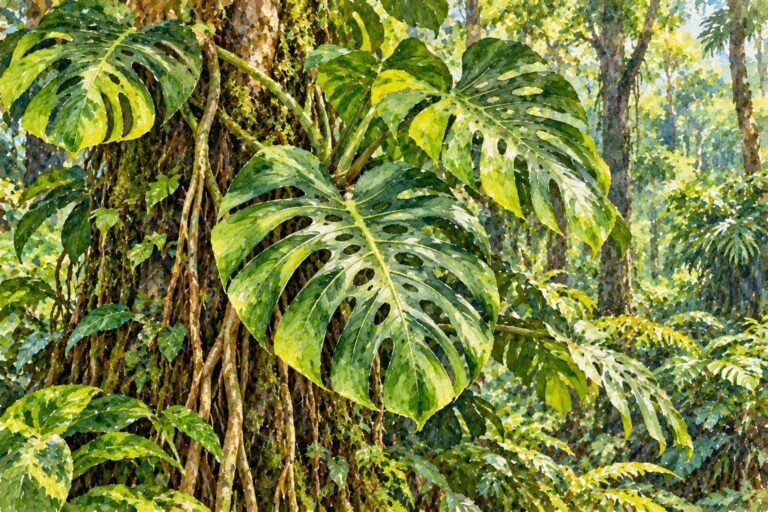
Monstera
Large split leaves with natural holes make this cultivated climber easy to notice.
Take a closer look ↗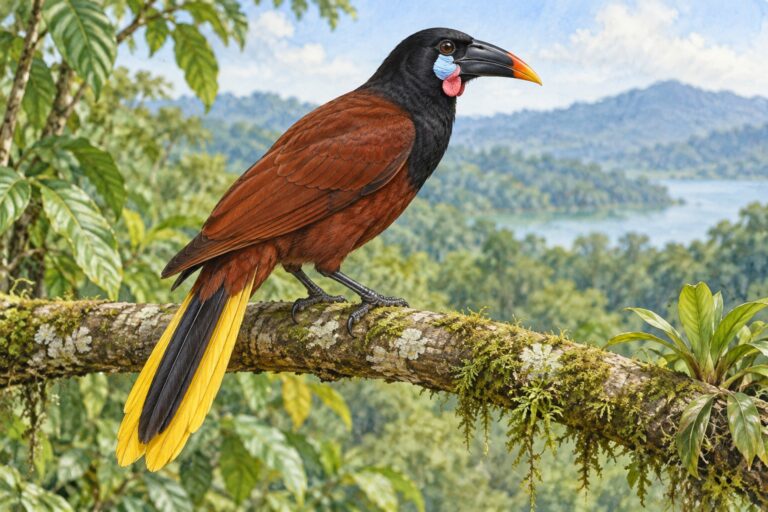
Montezuma Oropendola
A large chestnut bird with a yellow-sided tail.
Take a closer look ↗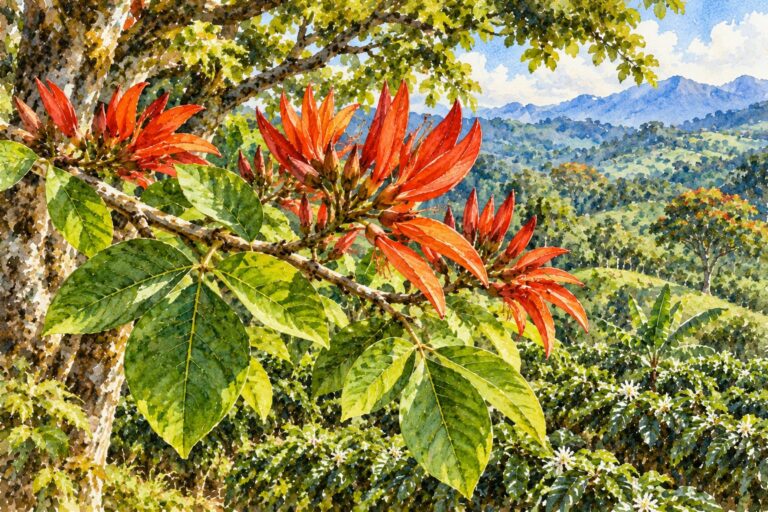
Mountain Immortelle
Poro gigante is a South American tree widely planted and naturalized in Costa Rica.
Take a closer look ↗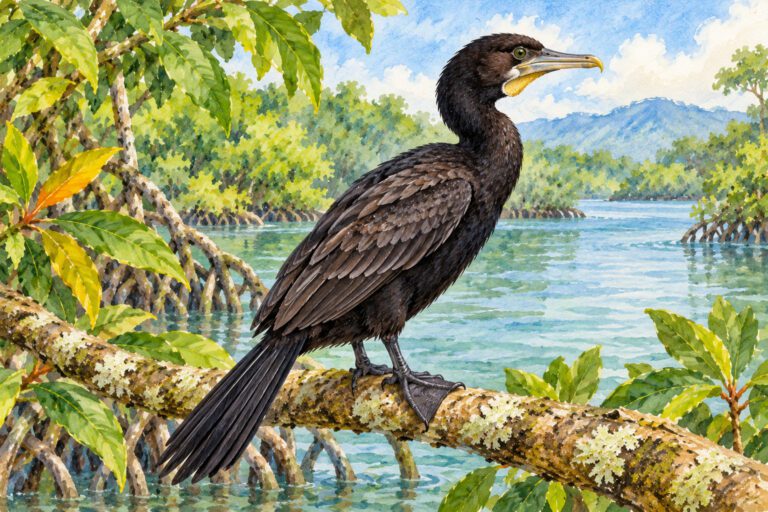
Neotropic Cormorant
This dark waterbird catches fish by diving and swimming underwater.
Take a closer look ↗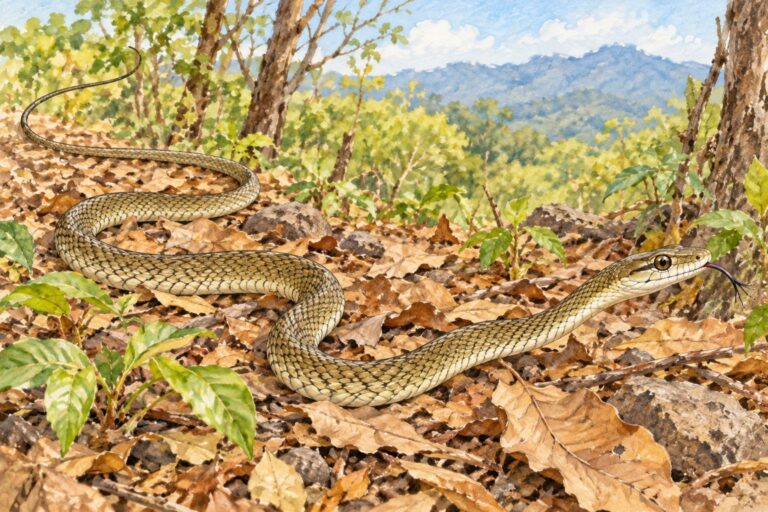
Neotropical Whipsnake
A very long tail follows this slender snake through open woodland.
Take a closer look ↗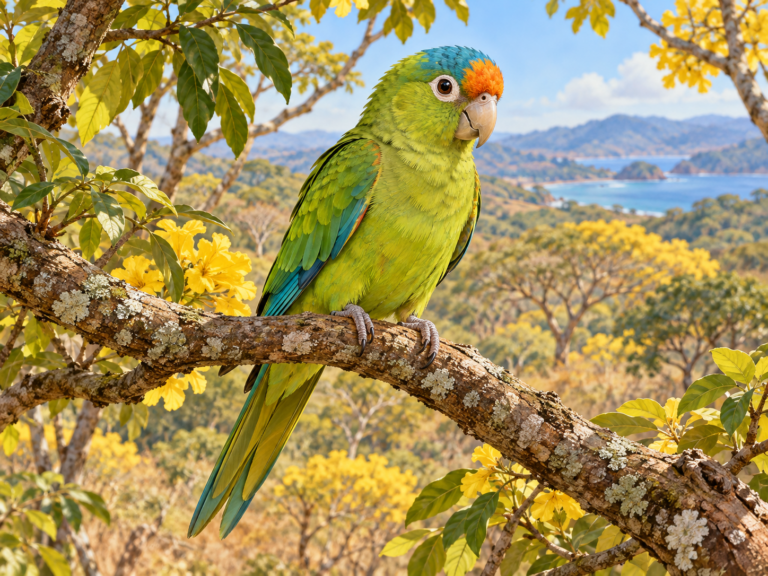
Orange-fronted Parakeet
An agile green parakeet with an orange forehead and long pointed tail.
Take a closer look ↗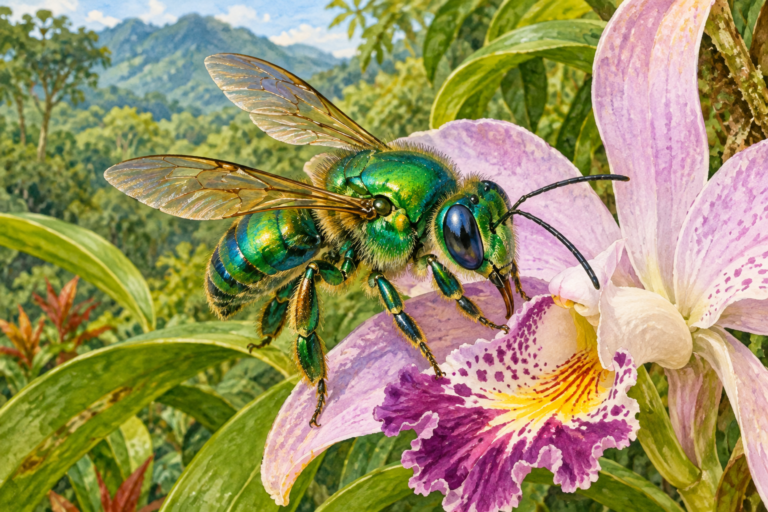
Orchid Bees
Often metallic colors.
Take a closer look ↗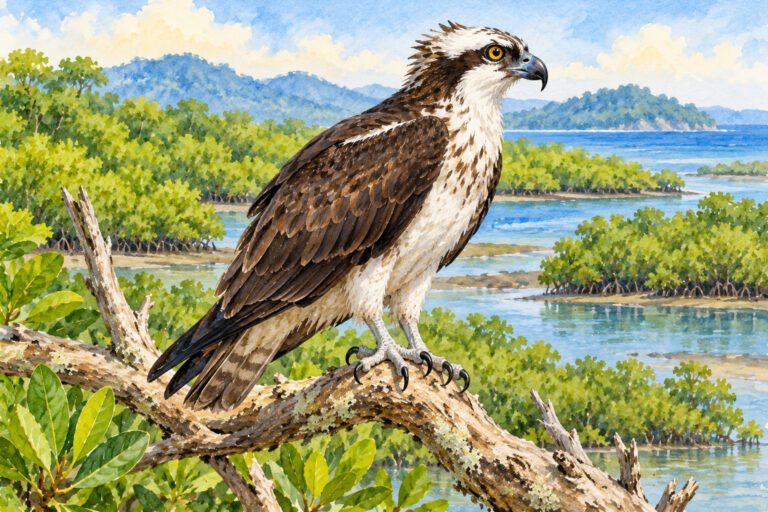
Osprey
The Osprey is a large raptor that catches fish with its feet.
Take a closer look ↗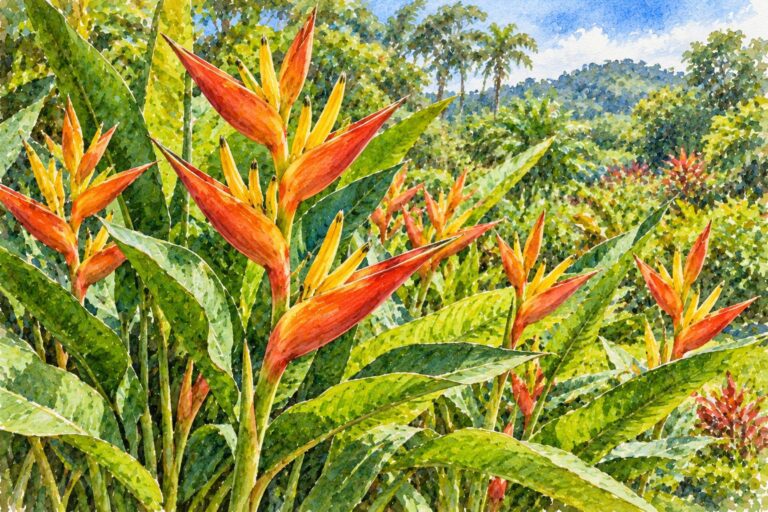
Parrot's Beak Heliconia
Parrot's beak heliconia is a cultivated ornamental with slim upright flower clusters.
Take a closer look ↗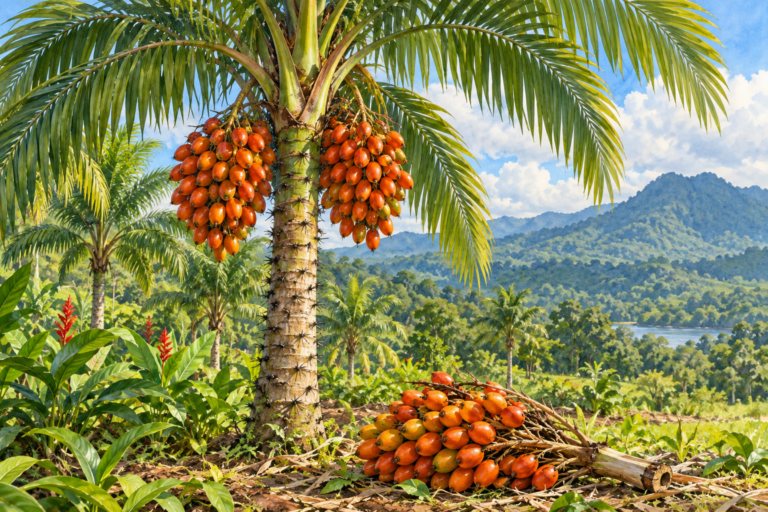
Peach Palm / Pejibaye
Pejibaye is the fruit of the peach palm.
Take a closer look ↗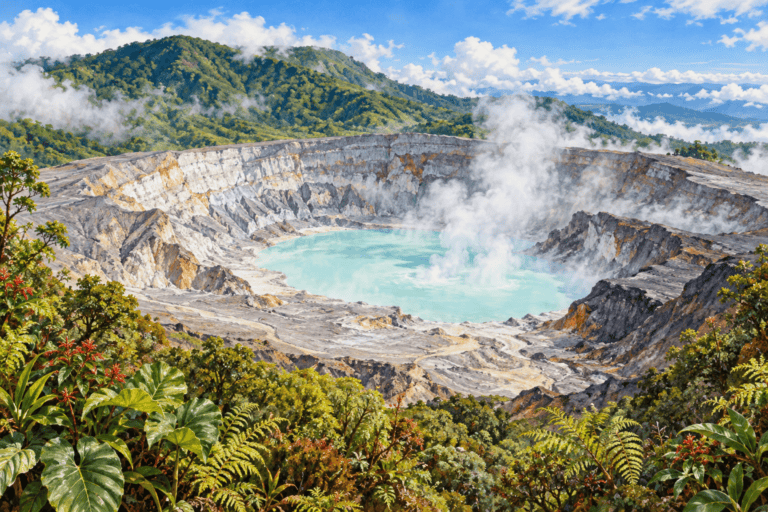
Poás Volcano
A broad volcanic crater reveals the forces that shape Costa Rica’s mountains.
Take a closer look ↗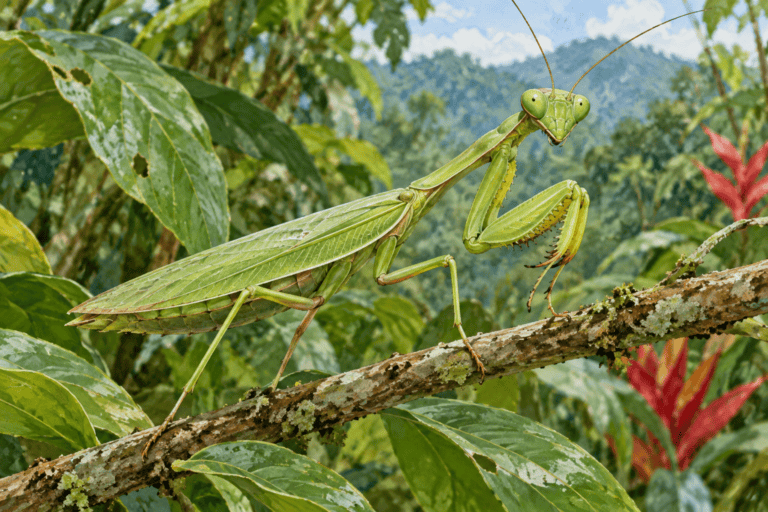
Praying Mantises
Triangular head.
Take a closer look ↗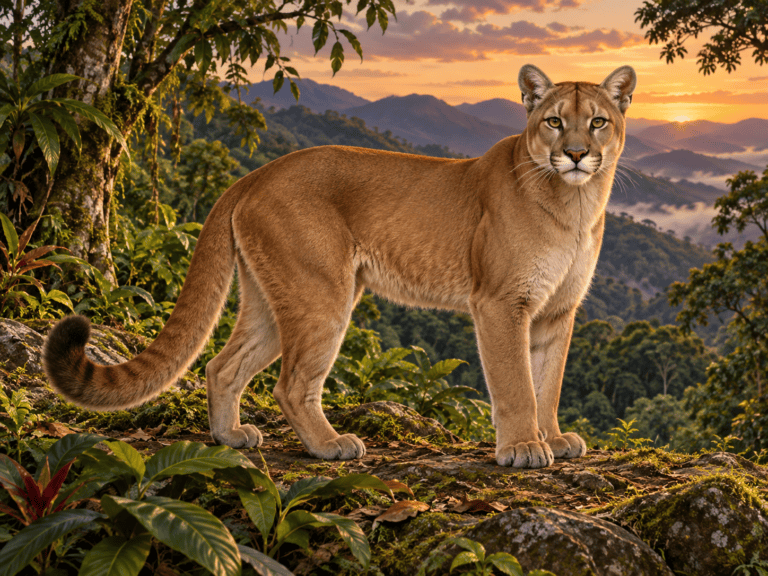
Puma
A long-tailed, unspotted wild cat that uses many forest types.
Take a closer look ↗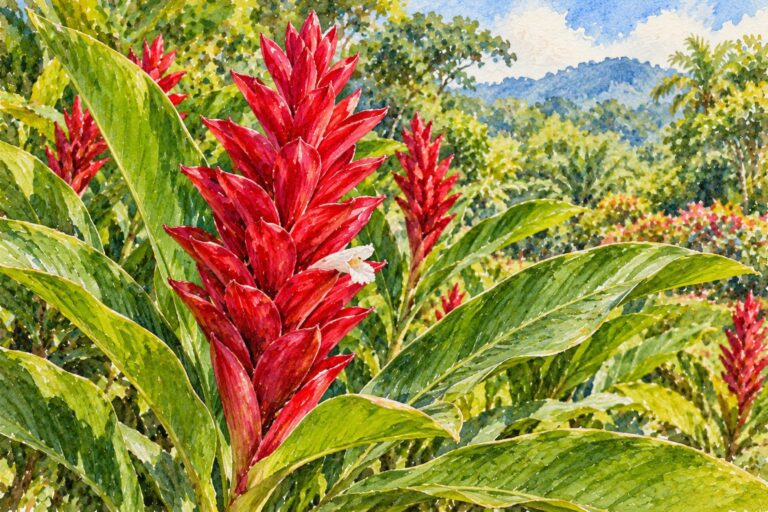
Red Ginger
Red ginger is an introduced ornamental grown in moist tropical gardens.
Take a closer look ↗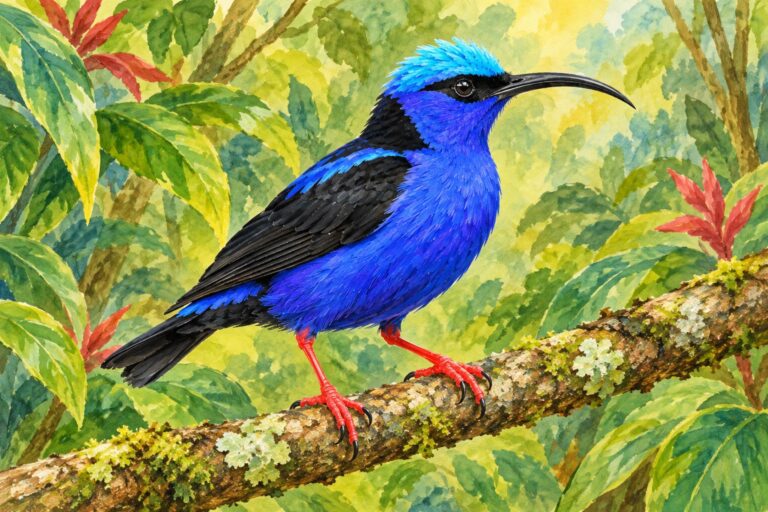
Red-legged Honeycreeper
A small bird with red feet and a slender curved bill.
Take a closer look ↗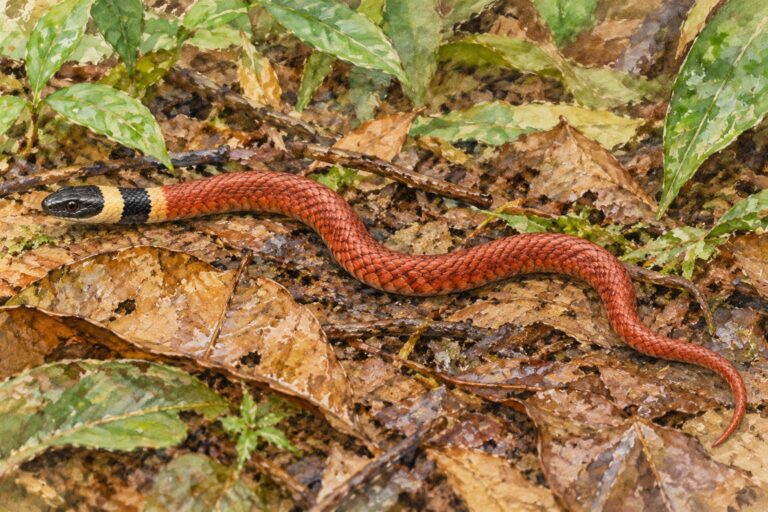
Redback Coffee Snake
A tiny red-backed snake lives close to the forest floor.
Take a closer look ↗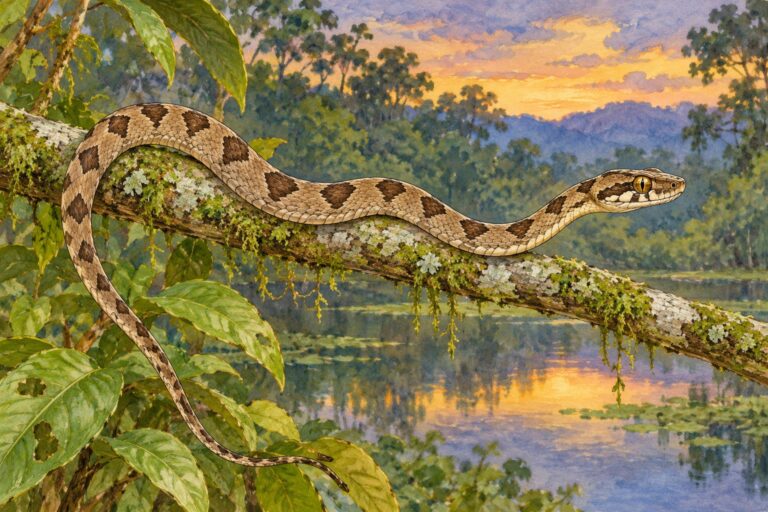
Rhombic Cat-eyed Snake
Dark saddle-shaped blotches cross the back of a large-eyed snake.
Take a closer look ↗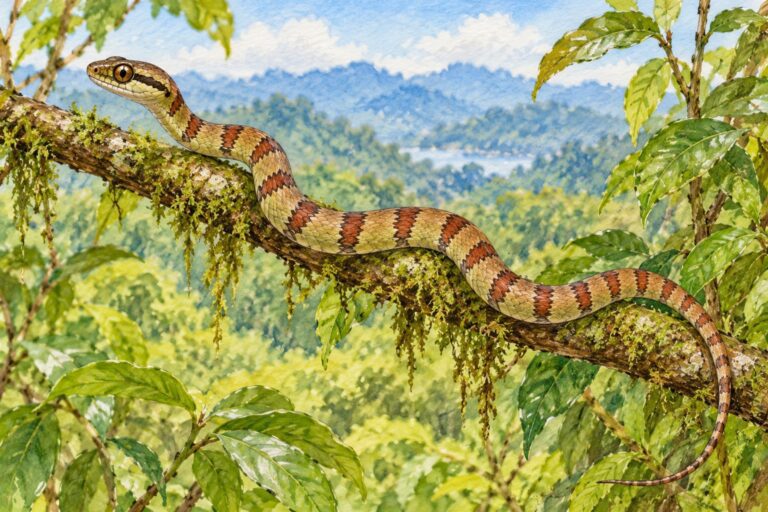
Ringed Snail-eating Snake
A small branch-climbing snake has large eyes and contrasting body rings.
Take a closer look ↗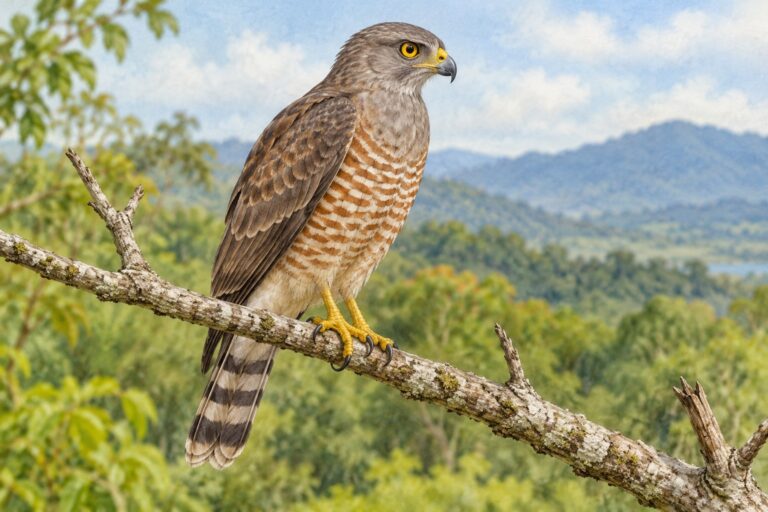
Roadside Hawk
A compact hawk often seen near woodland edges.
Take a closer look ↗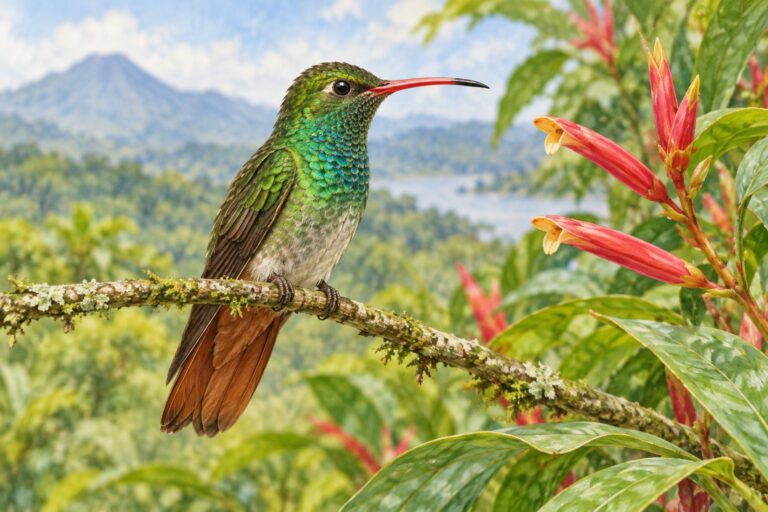
Rufous-tailed Hummingbird
A green hummingbird with a rusty tail.
Take a closer look ↗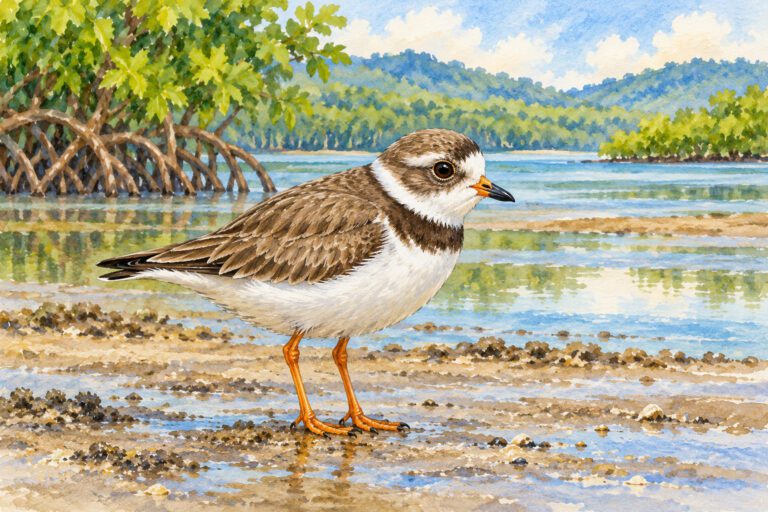
Semipalmated Plover
This small plover usually searches open flats with short runs and pauses.
Take a closer look ↗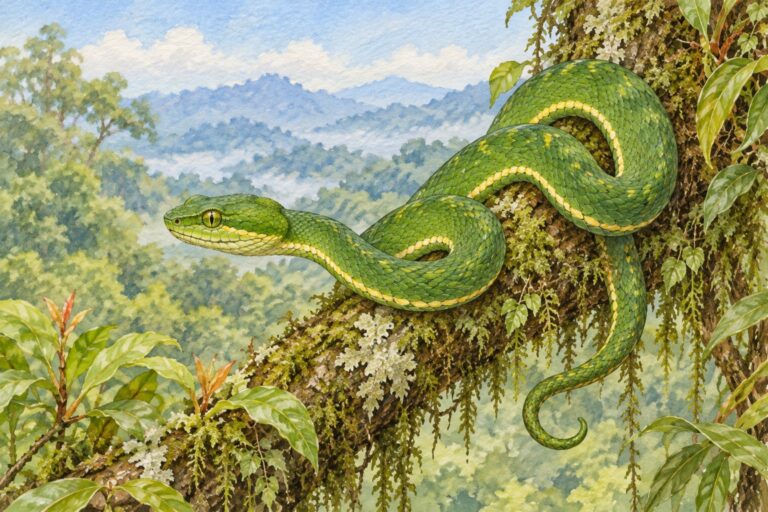
Side-striped Palm Pitviper
A pale side stripe outlines a green snake resting among mountain branches.
Take a closer look ↗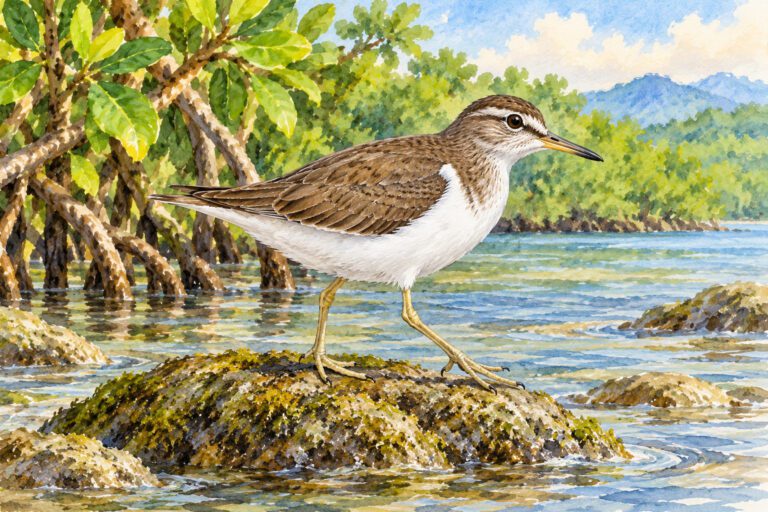
Spotted Sandpiper
Spotted Sandpipers often bob their tails while walking along water edges.
Take a closer look ↗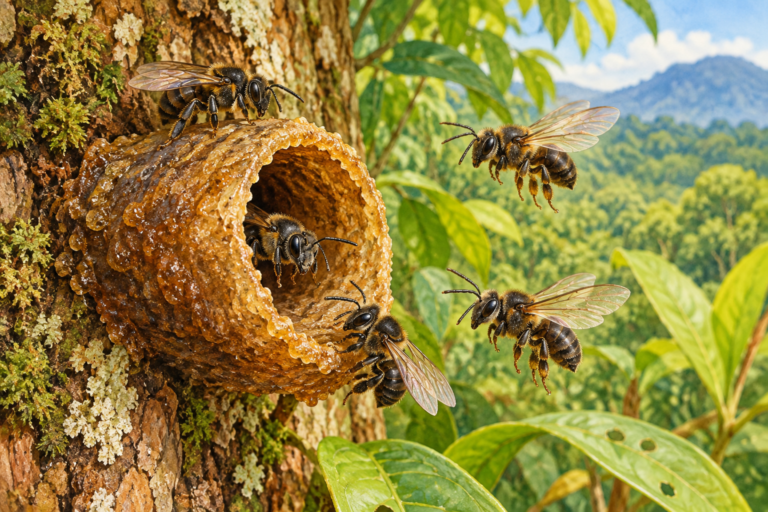
Stingless Bees
Usually small bees.
Take a closer look ↗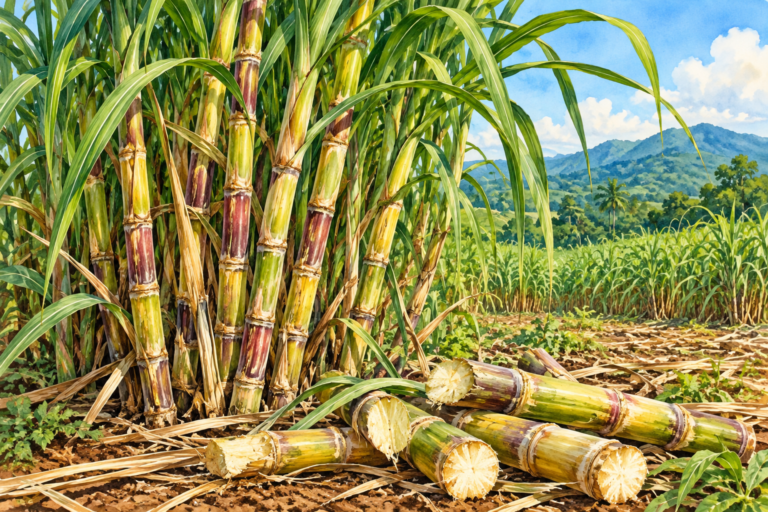
Sugar Cane
Sugar cane is a tall grass with jointed stalks and long leaves.
Take a closer look ↗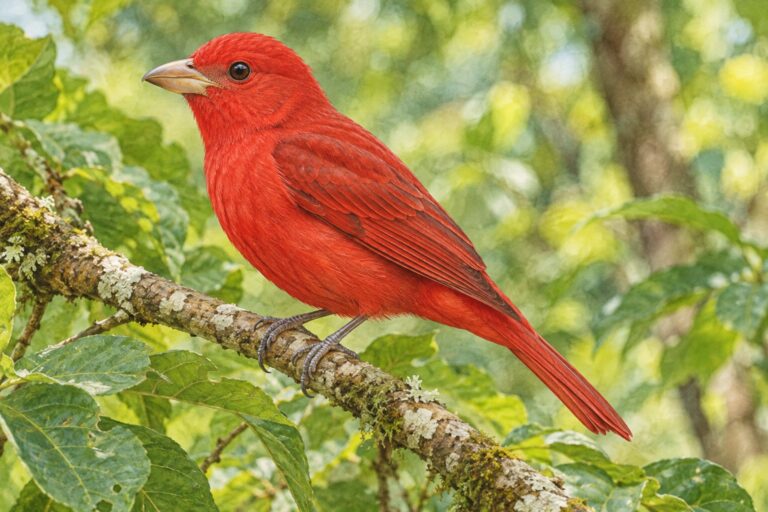
Summer Tanager
A seasonal tanager whose adult male is red all over.
Take a closer look ↗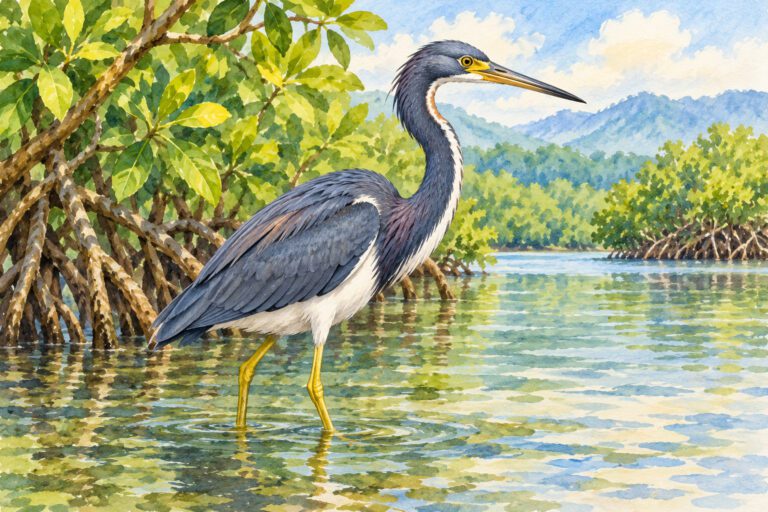
Tricolored Heron
A white belly and pale stripe along the front of the neck distinguish this slender heron from the uniformly dark adult Little Blue Heron.
Take a closer look ↗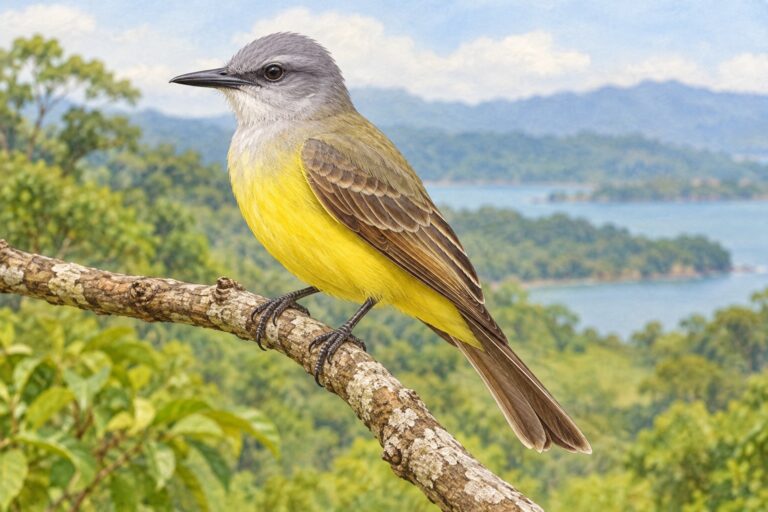
Tropical Kingbird
A yellow-bellied flycatcher often seen on an open perch.
Take a closer look ↗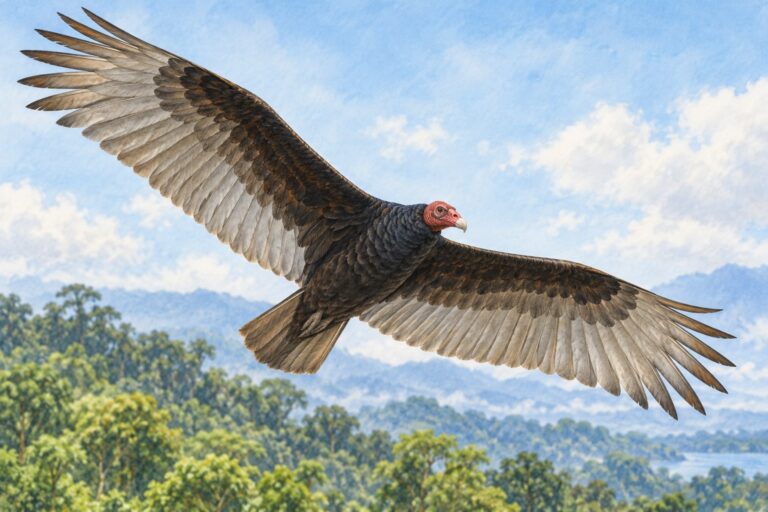
Turkey Vulture
A soaring scavenger with a red adult head.
Take a closer look ↗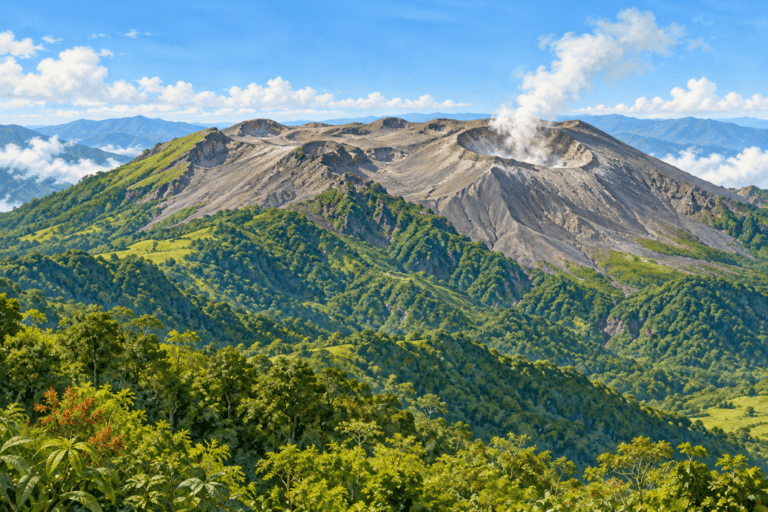
Turrialba Volcano
Three summit craters tell part of Turrialba’s volcanic story.
Take a closer look ↗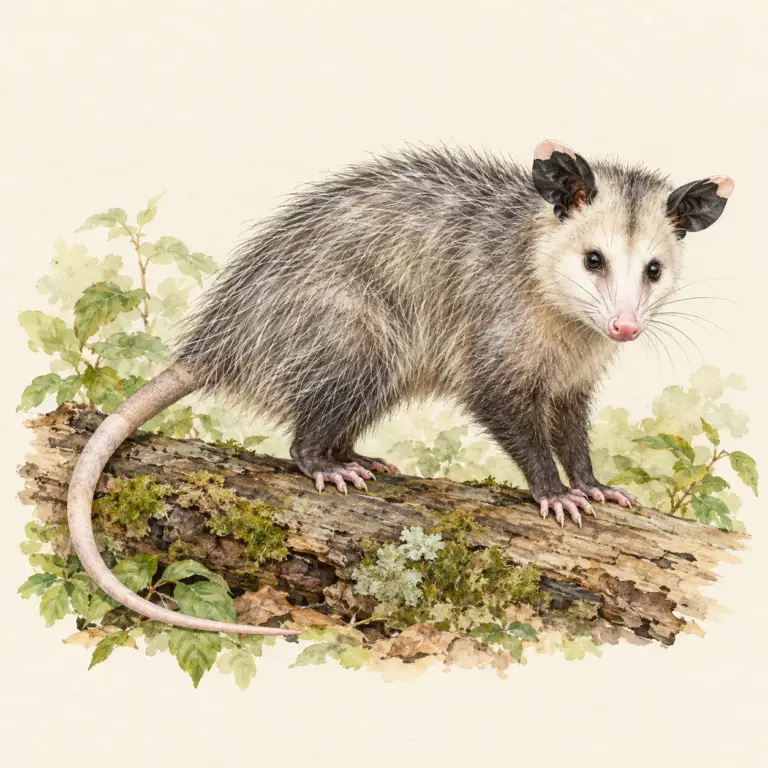
Virginia Opossum
Despite its name, the Virginia opossum's native range reaches Costa Rica.
Take a closer look ↗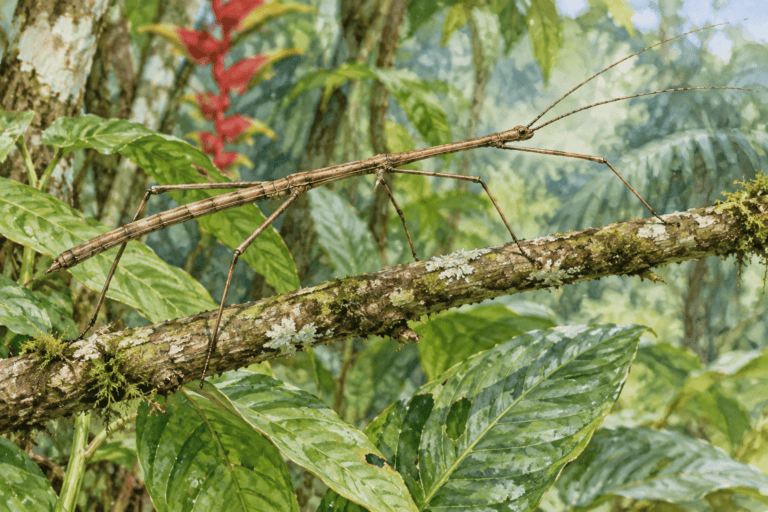
Walking Sticks
Twig-like body.
Take a closer look ↗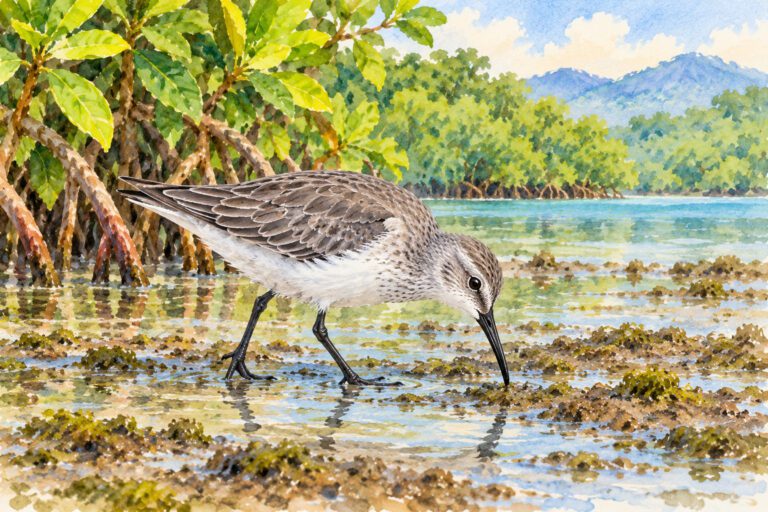
Western Sandpiper
Western Sandpipers are tiny migratory shorebirds that feed on tidal flats.
Take a closer look ↗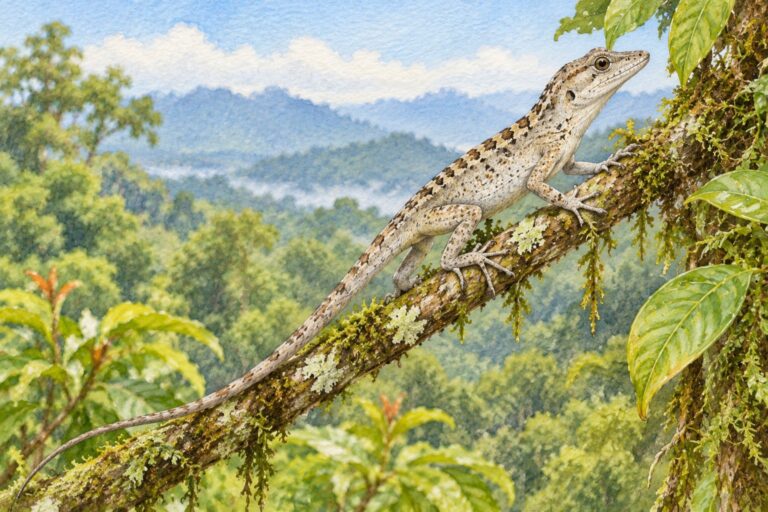
White Anole
A small pale anole blends into the branches of Costa Rica’s upland forests.
Take a closer look ↗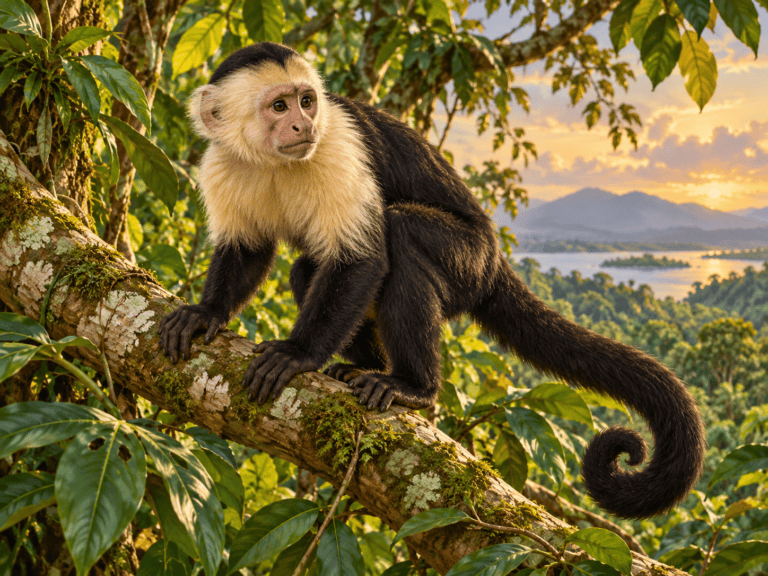
White-faced Capuchin
A social monkey with a pale face, shoulders and chest.
Take a closer look ↗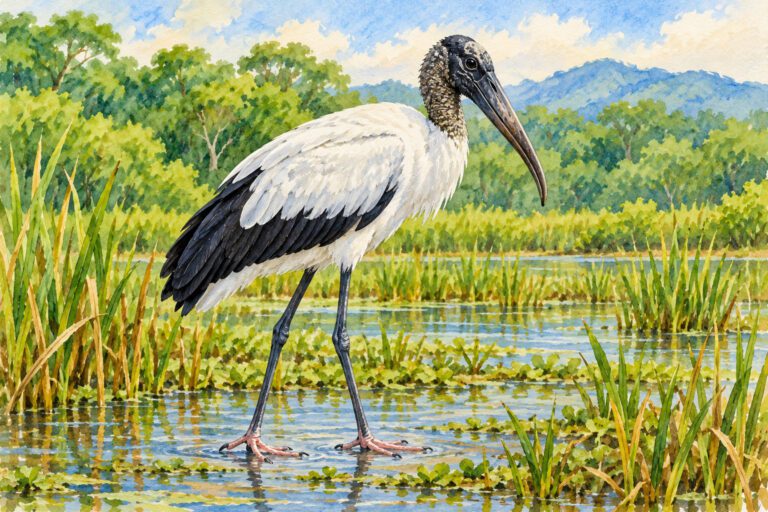
Wood Stork
The Wood Stork is a large white wader with black flight feathers and a mostly bare dark adult head.
Take a closer look ↗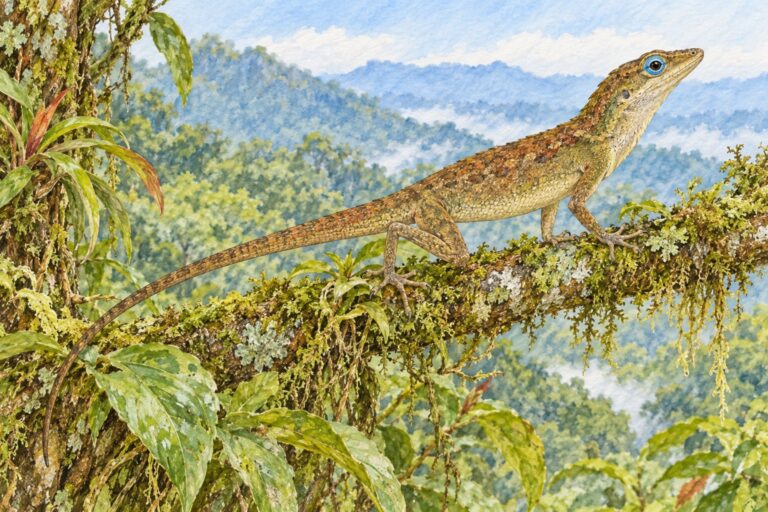
Wood's Anole
A long-legged mountain anole rests among the leaves of cool, humid forest.
Take a closer look ↗