Barva
Explore Category
Location
Regions
Central Valley
Towns & nearby places
Barva
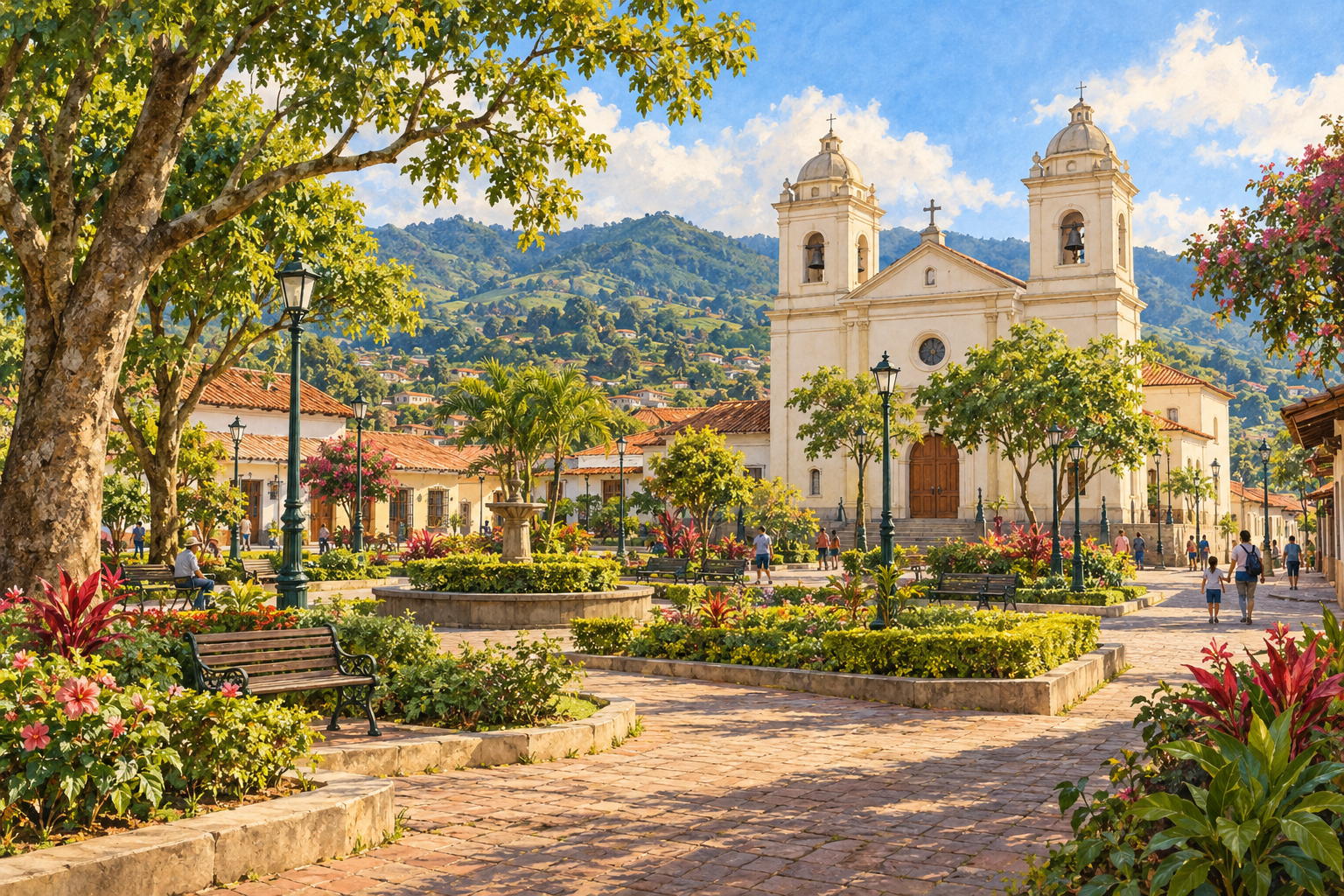
Explore Nature Field Guide cards from this province and the surrounding travel regions named below. Habitats and species vary by locality.
Nature Field Guide
Nature & Wildlife Around Barva
Explore wildlife, plants and trees. Learn what to look for and where to find them.
100 profiles
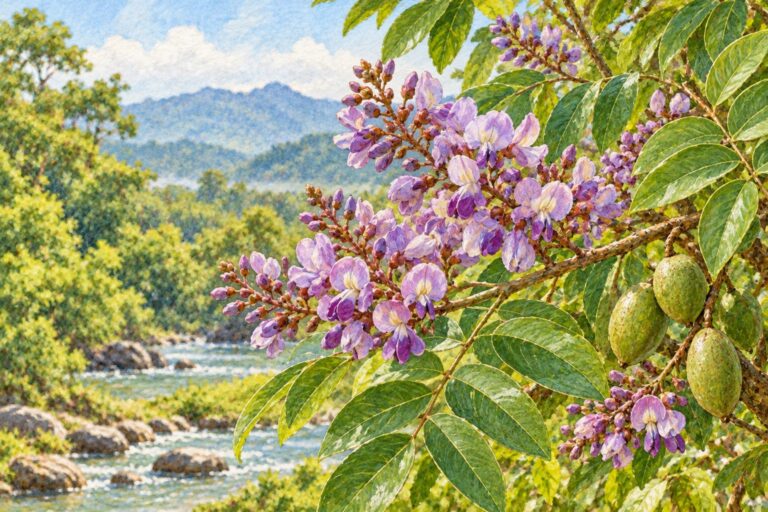
Almendro de Rio
Purple flower clusters stand out against a dense green crown.
Take a closer look ↗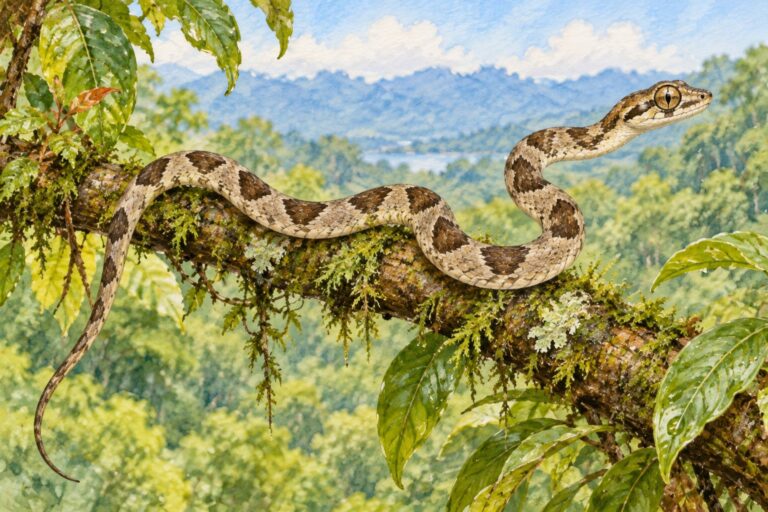
American Snail-eater
A narrow-bodied forest climber searches a world of branches and soft-bodied prey.
Take a closer look ↗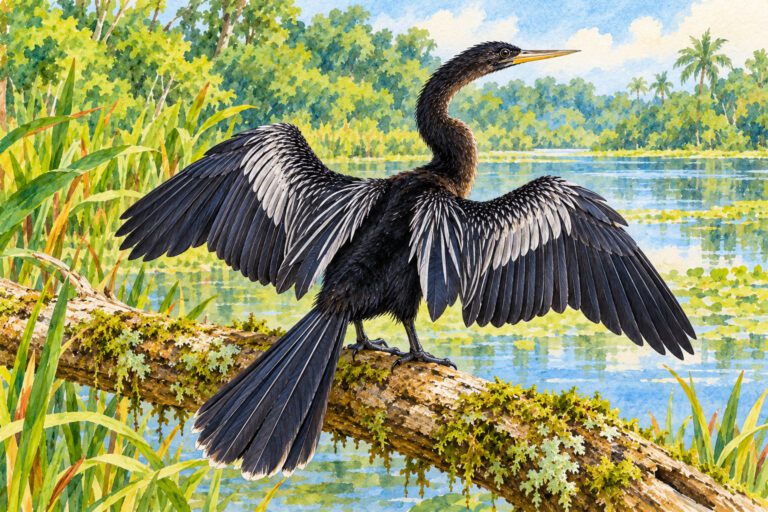
Anhinga
Anhingas swim underwater after fish and use straight pointed bills to seize prey.
Take a closer look ↗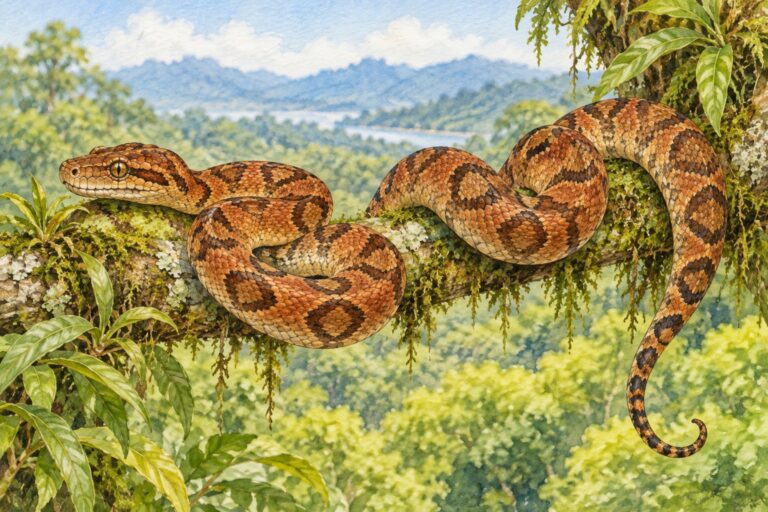
Annulated Tree Boa
Dark ringlike markings break up the outline of a forest-climbing boa.
Take a closer look ↗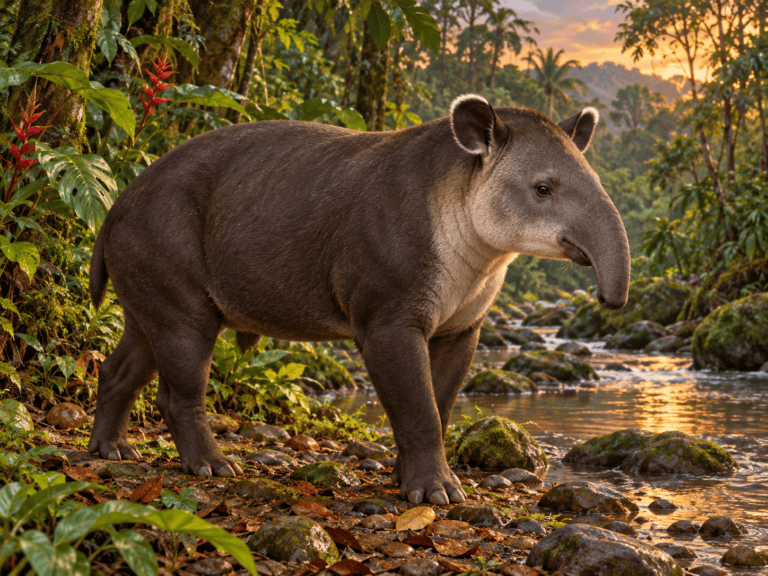
Baird’s Tapir
Costa Rica’s largest land mammal has a flexible snout and an important forest role.
Take a closer look ↗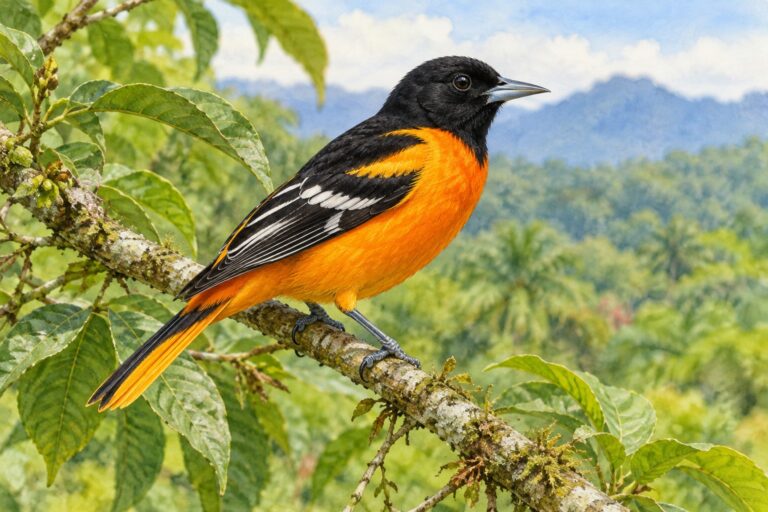
Baltimore Oriole
An orange-and-black seasonal visitor from the north.
Take a closer look ↗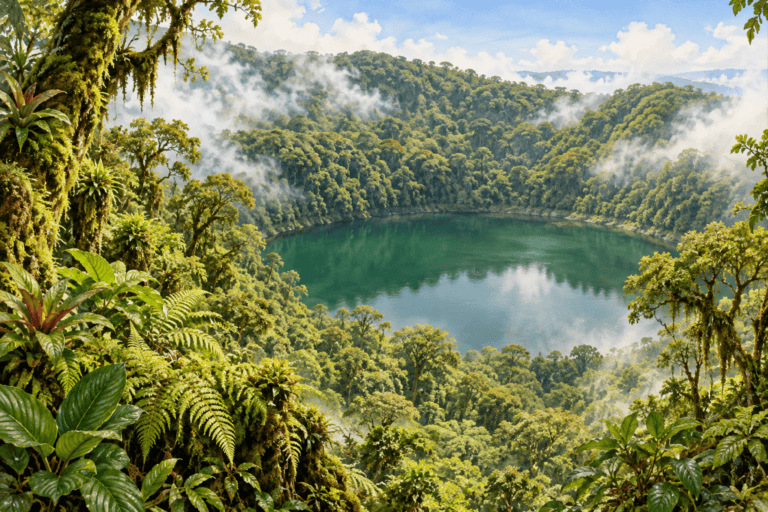
Barva Volcano
A forested volcanic summit hides a peaceful crater lake in the clouds.
Take a closer look ↗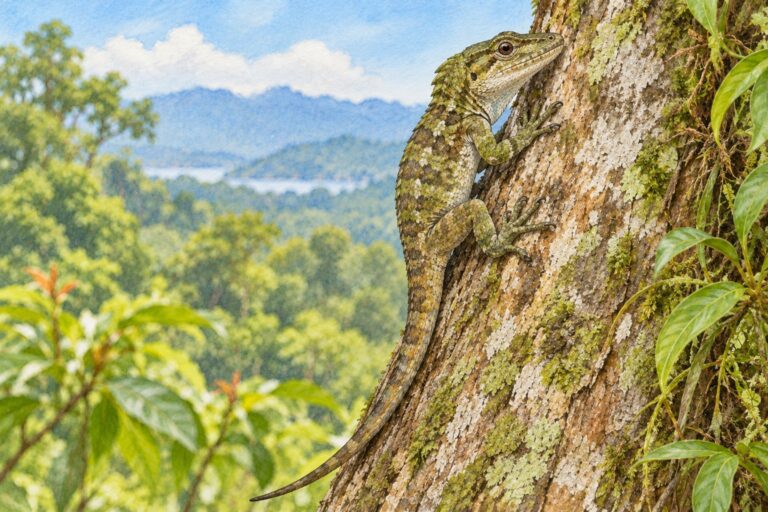
Big-headed Anole
A broad head and mottled colors help this forest anole blend into bark.
Take a closer look ↗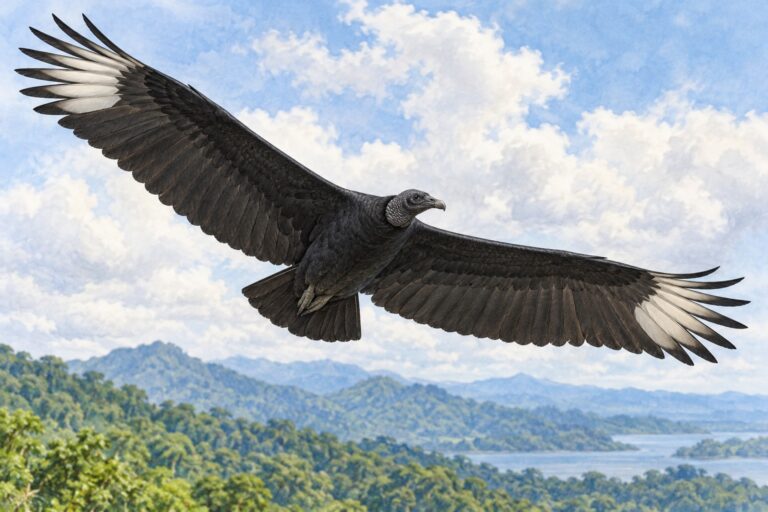
Black Vulture
A dark scavenger with white patches under the wingtips.
Take a closer look ↗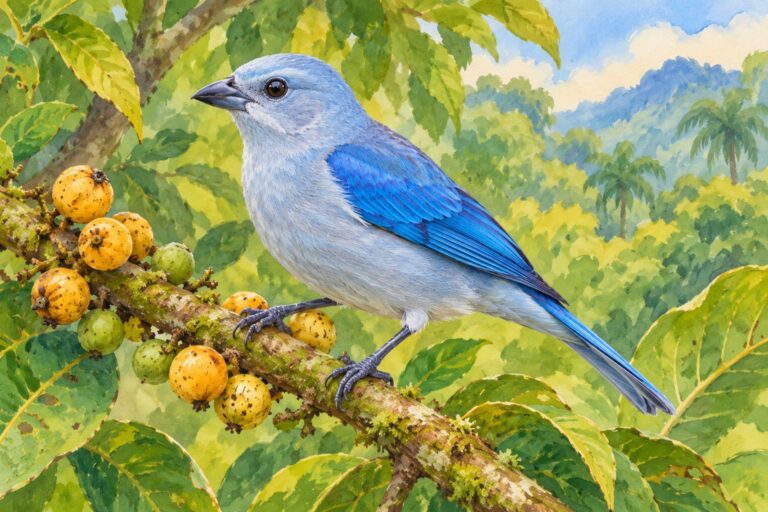
Blue-gray Tanager
A powder-blue bird of gardens and wooded clearings.
Take a closer look ↗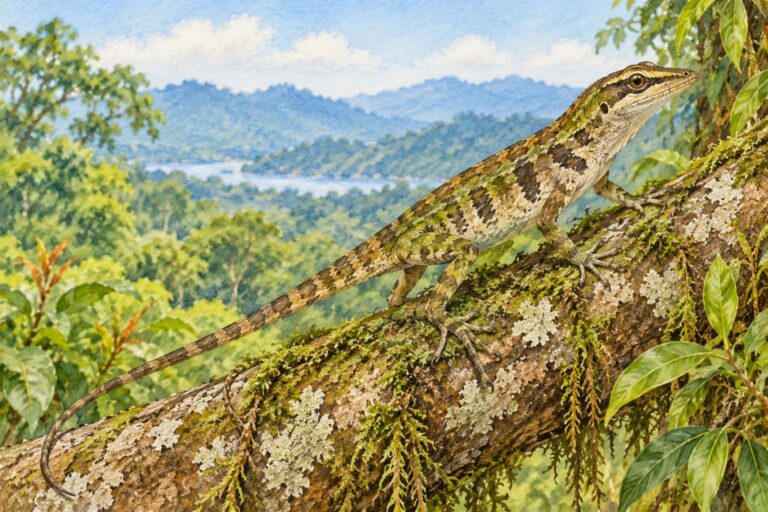
Bridled Anole
A large canopy anole wears dark oblique markings among the leaves and shadows.
Take a closer look ↗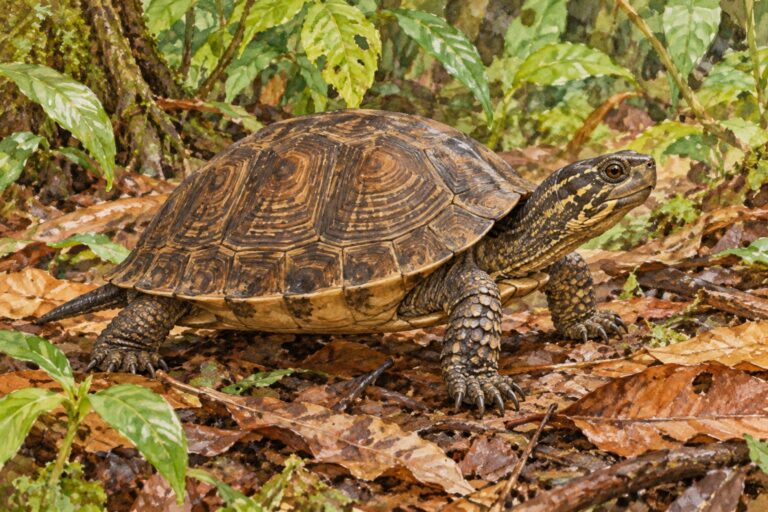
Brown Wood Turtle
A domed brown shell belongs to a turtle that spends much of its time on land.
Take a closer look ↗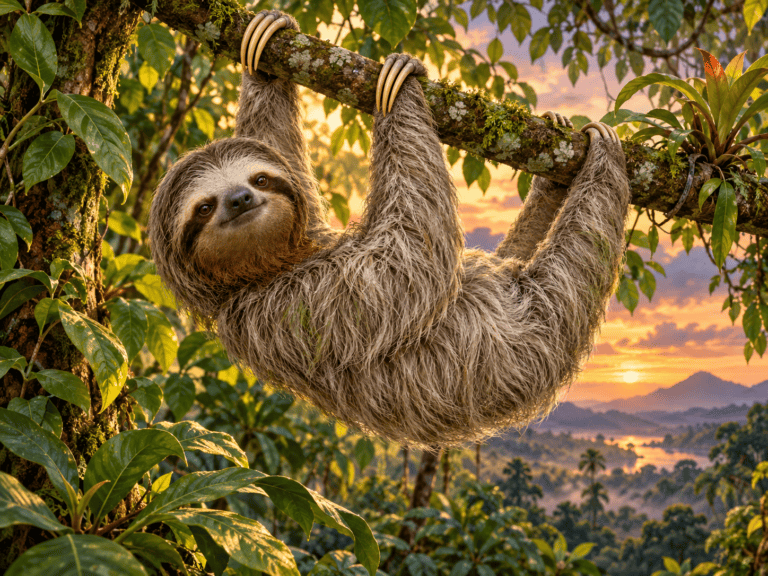
Brown-throated Three-toed Sloth
A slow-moving leaf eater whose fur can blend with the green canopy.
Take a closer look ↗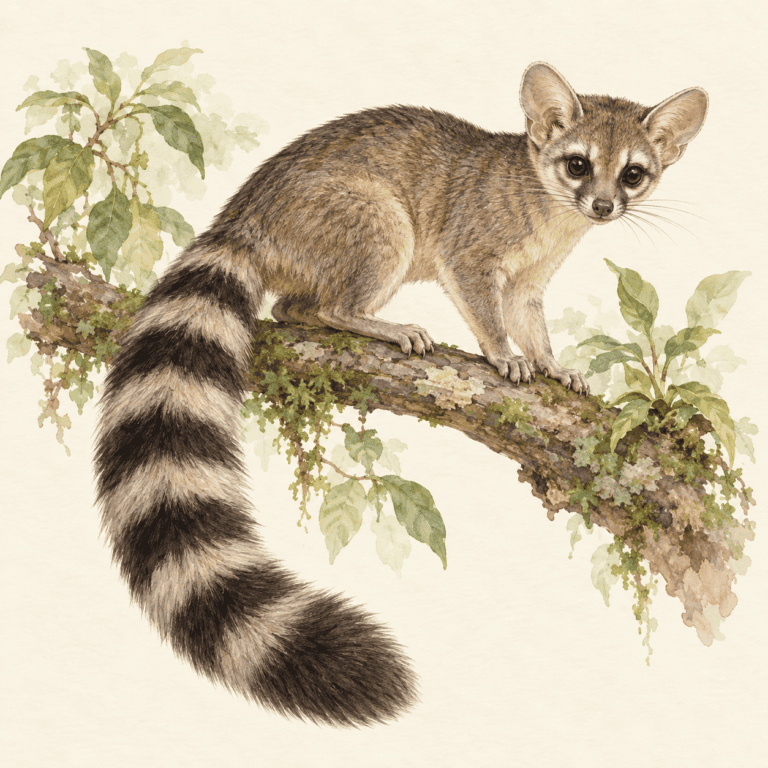
Cacomistle
A cacomistle's long ringed tail is a memorable clue.
Take a closer look ↗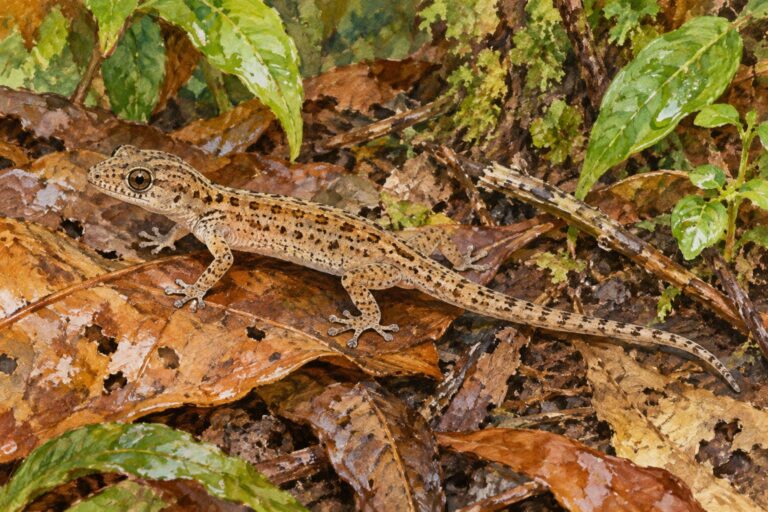
Caribbean Least Gecko
A miniature forest gecko blends into the shaded world close to the ground.
Take a closer look ↗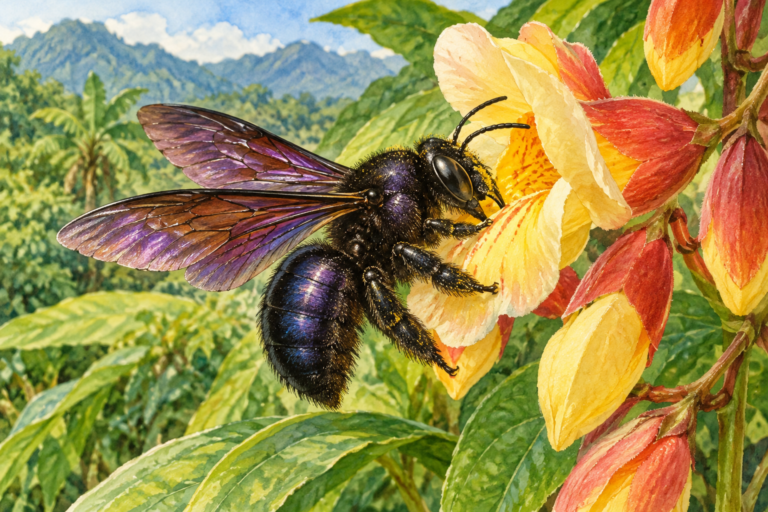
Carpenter Bees
Robust body.
Take a closer look ↗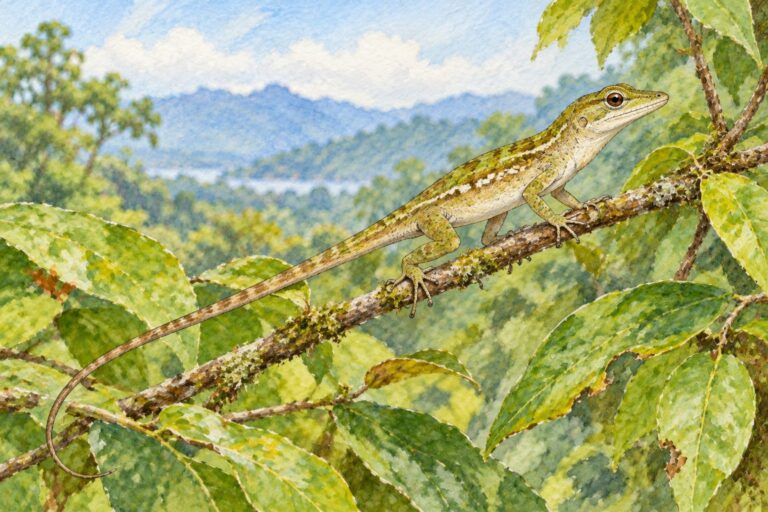
Carpenter's Anole
A small greenish anole hides among the fine branches of humid forest.
Take a closer look ↗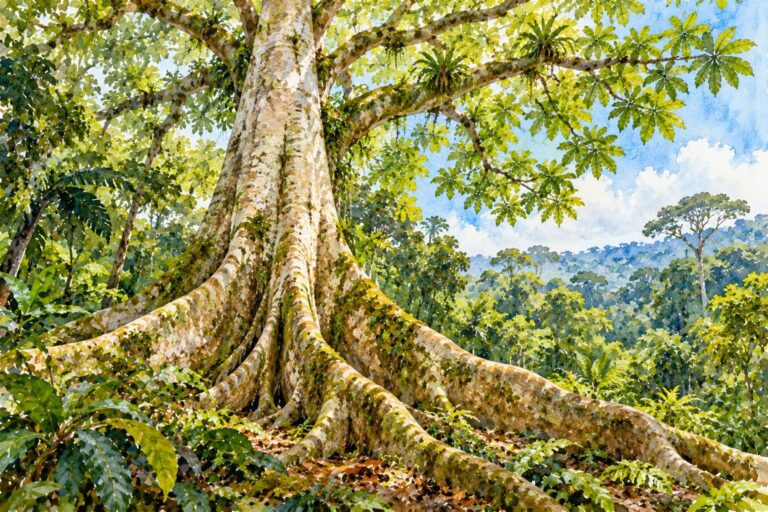
Ceiba Kapok Tree
Huge buttress roots help make a mature ceiba unforgettable.
Take a closer look ↗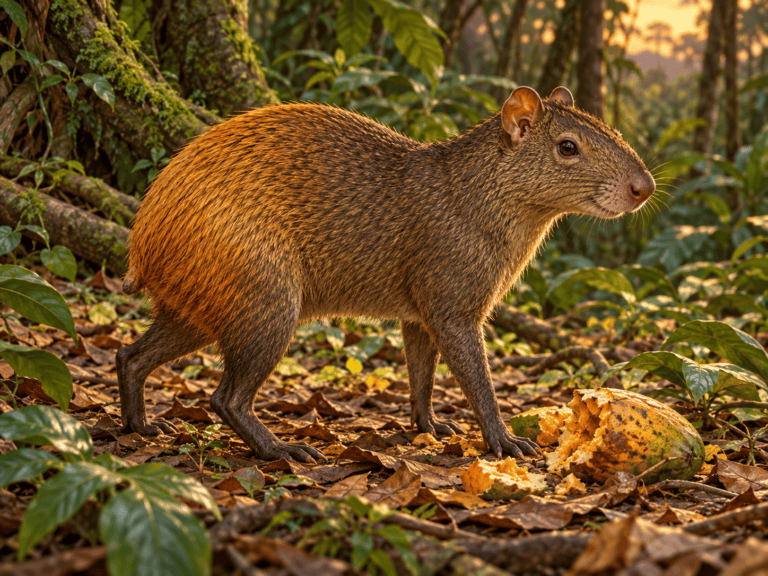
Central American Agouti
A quick forest-floor rodent that stores seeds for later.
Take a closer look ↗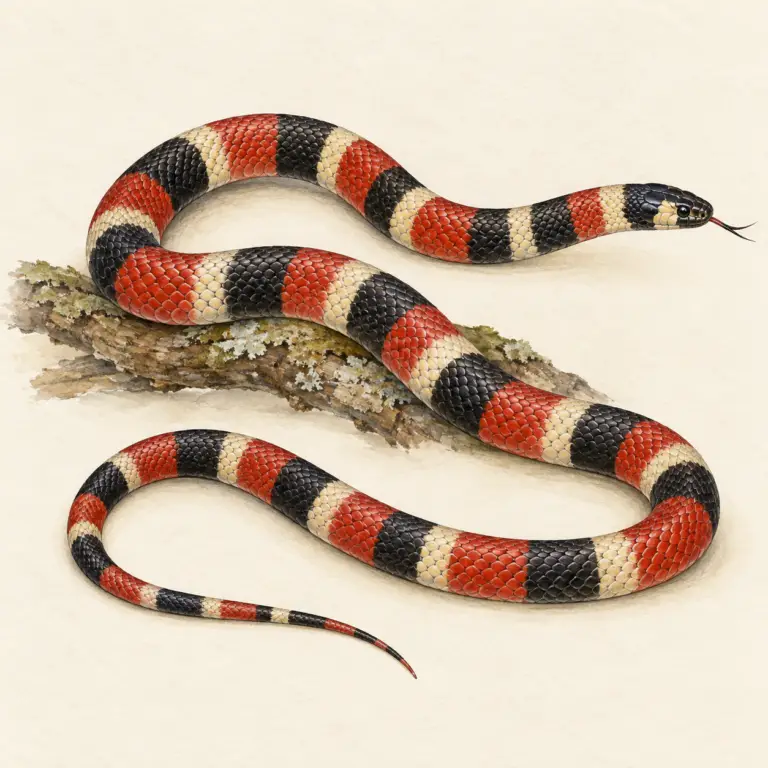
Central American Coral Snake
A venomous coral snake with complete colored rings.
Take a closer look ↗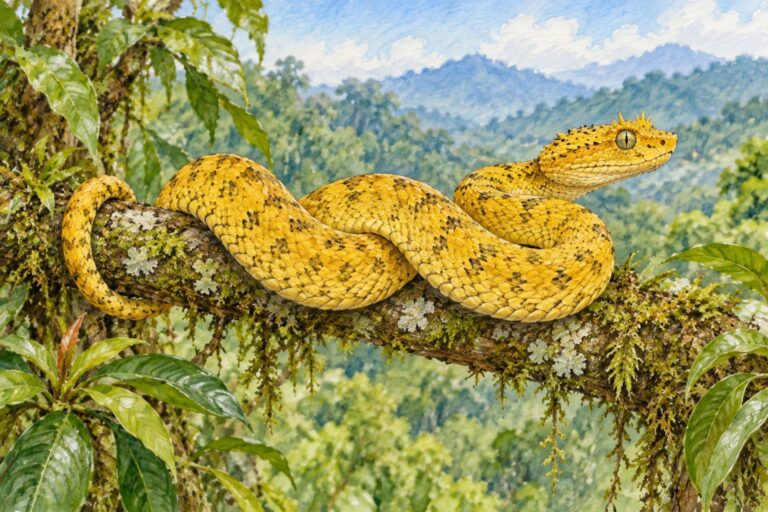
Central American Eyelash Pitviper
Raised scales above the eyes give this venomous branch-dwelling snake its name.
Take a closer look ↗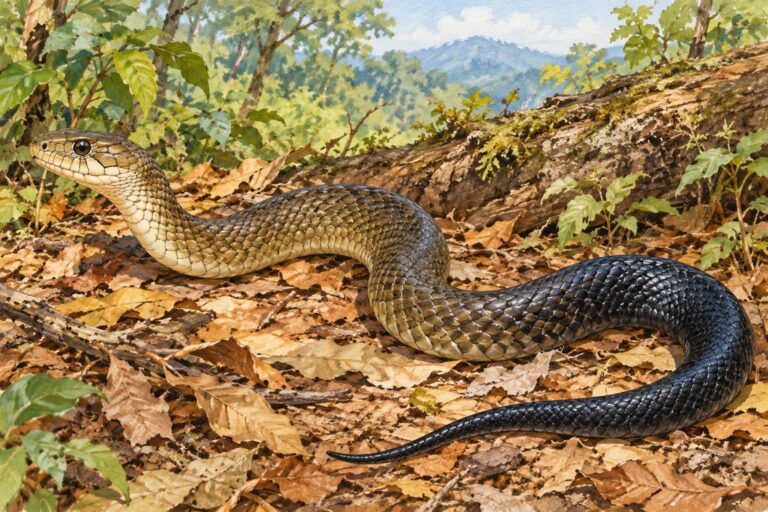
Central American Indigo Snake
A powerful-looking snake may darken from a lighter front to a black tail.
Take a closer look ↗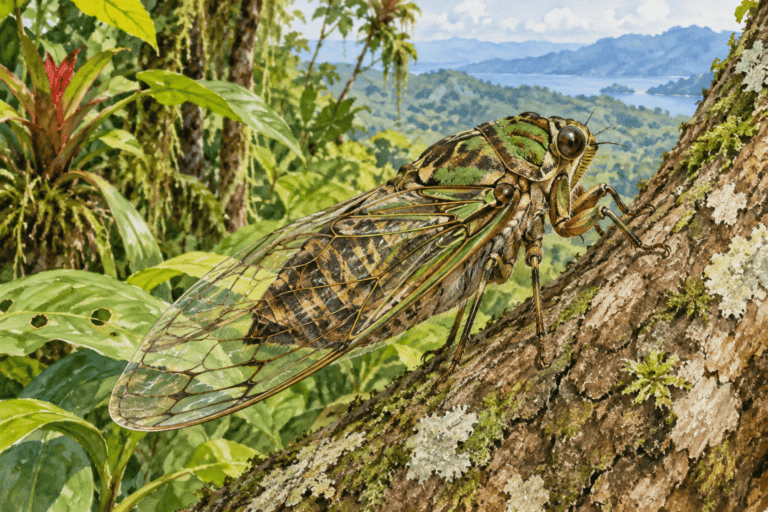
Cicadas
Large transparent wings.
Take a closer look ↗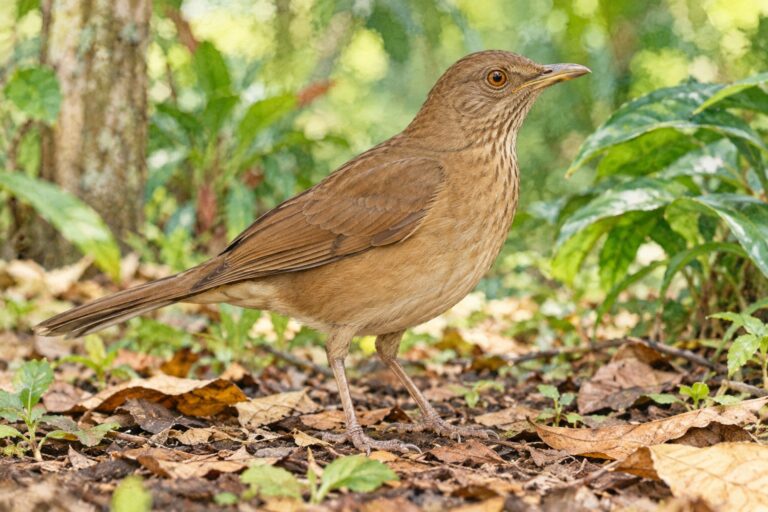
Clay-colored Thrush
A familiar brown songbird and Costa Rica’s national bird.
Take a closer look ↗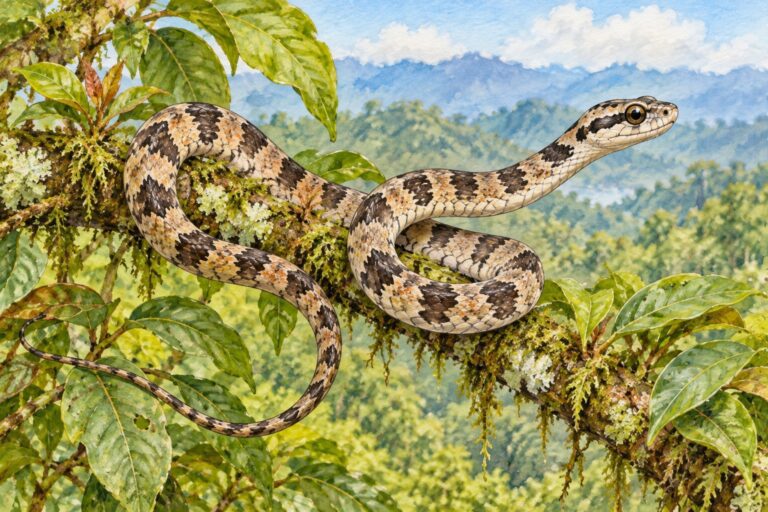
Clouded Snail-eater
Cloudy patches of gray and brown hide a slender snake among forest branches.
Take a closer look ↗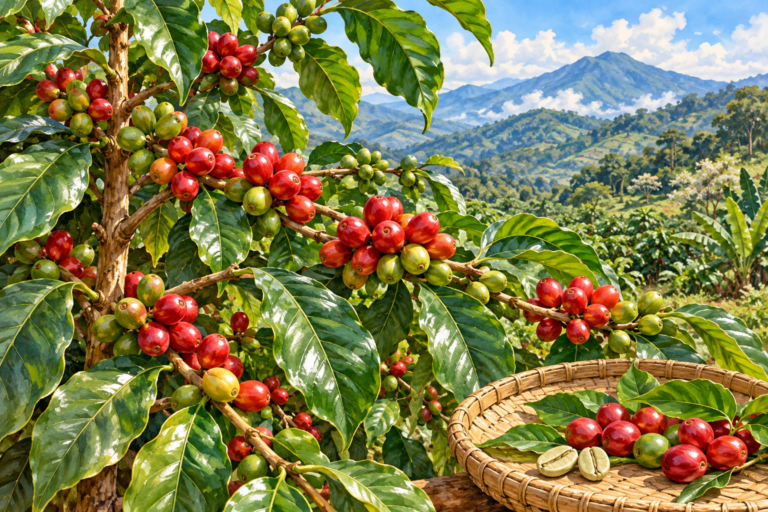
Coffee
Coffee is a shrub or small tree with shiny leaves and small fruits called cherries.
Take a closer look ↗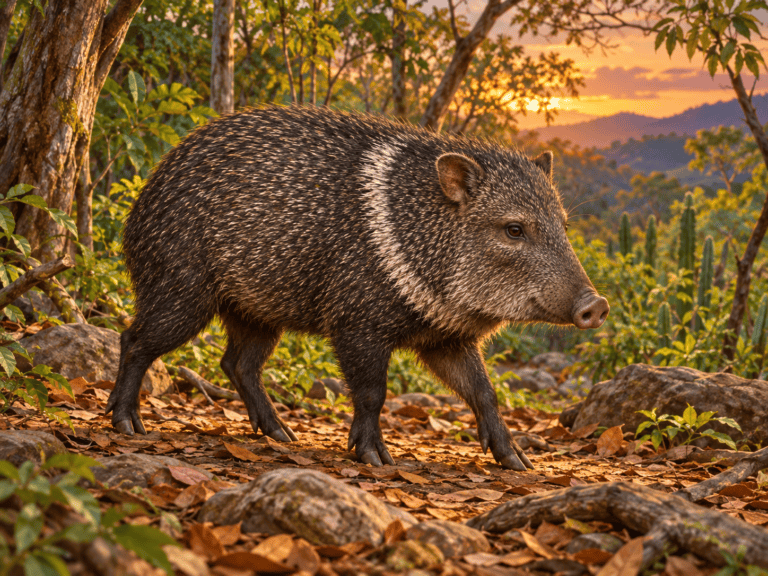
Collared Peccary
A hoofed forest mammal with a pale collar across dark bristly fur.
Take a closer look ↗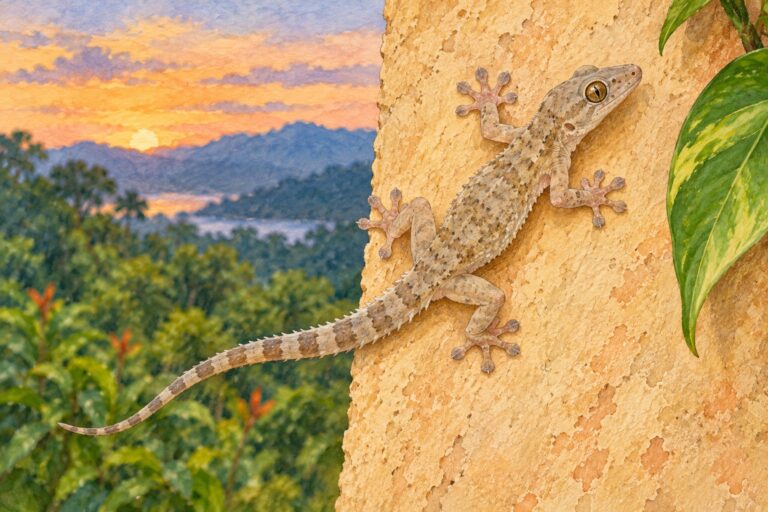
Common House Gecko
An introduced wall-climbing gecko often appears near buildings after dark.
Take a closer look ↗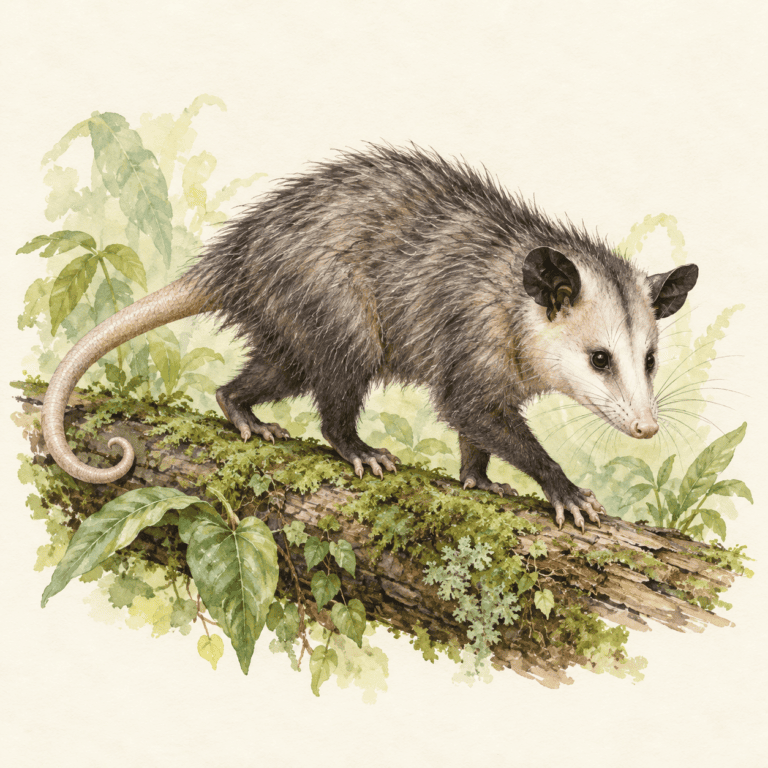
Common Opossum
The common opossum is a marsupial: its young complete an important part of their development attached to their mother's teats, protected in her pouch.
Take a closer look ↗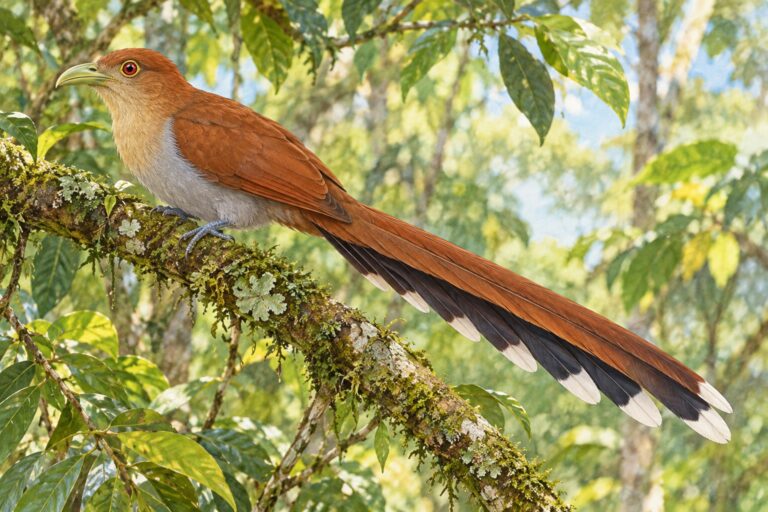
Common Squirrel-Cuckoo
A rusty forest cuckoo with an exceptionally long tail.
Take a closer look ↗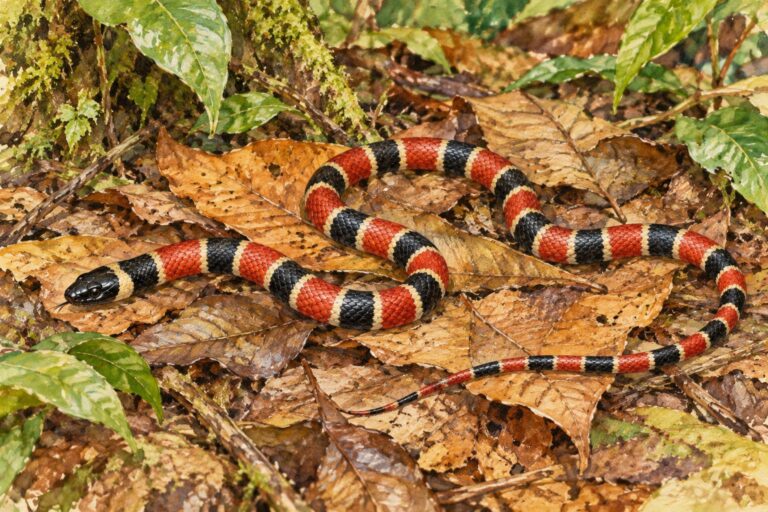
Cope's False Coral Snake
A fine-tailed forest snake wears bold bands without advertising a safe encounter.
Take a closer look ↗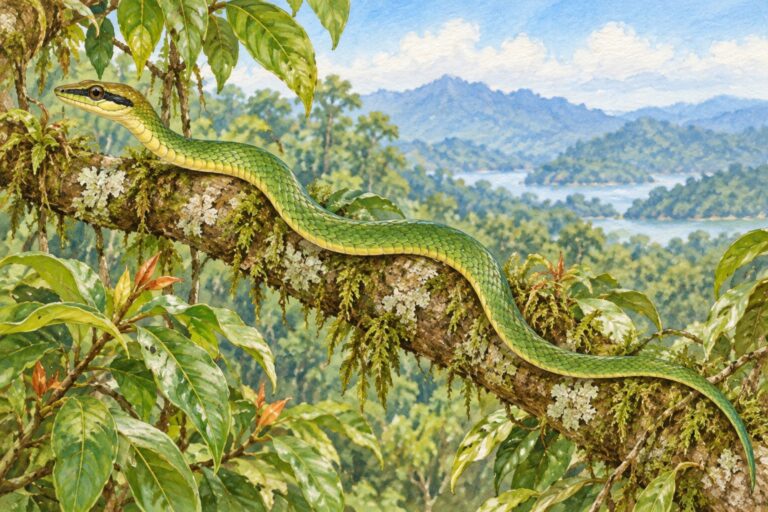
Cope's Parrot Snake
A slender green snake blends with branches and leaves.
Take a closer look ↗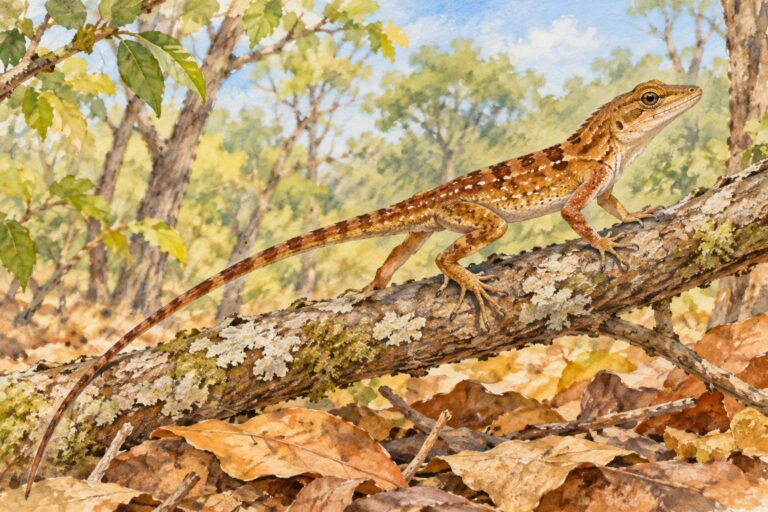
Copper Anole
A familiar brown anole watches from low perches in Pacific-slope landscapes.
Take a closer look ↗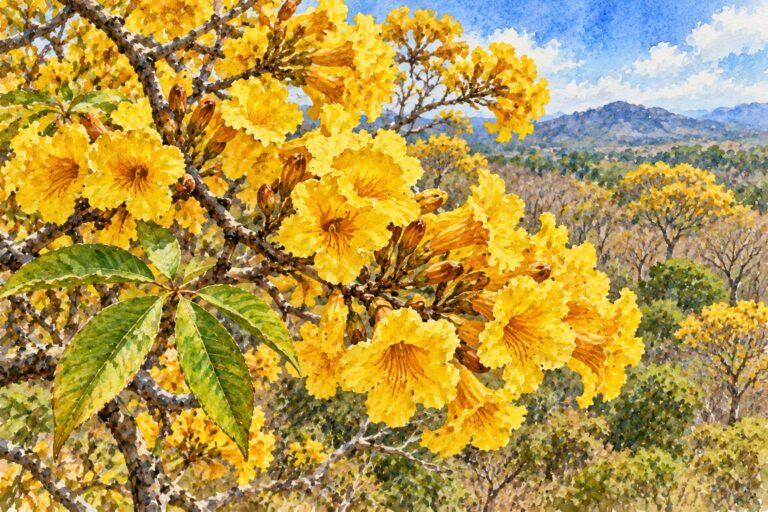
Cortez Amarillo
Golden trumpet flowers can brighten the branches of an almost leafless tree.
Take a closer look ↗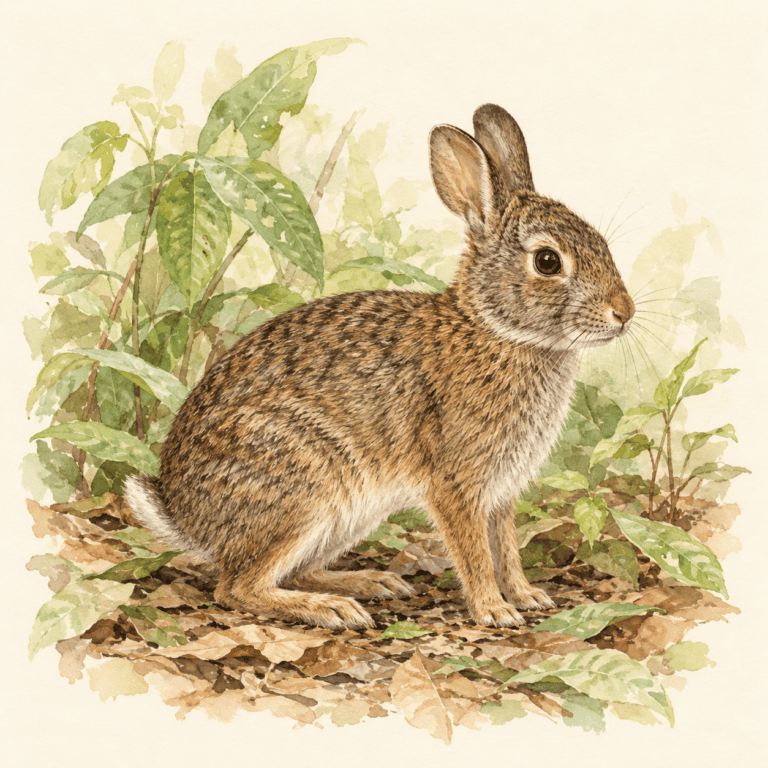
Costa Rica Forest Rabbit
The Costa Rica forest rabbit is a native forest rabbit, not a domestic bunny living outdoors.
Take a closer look ↗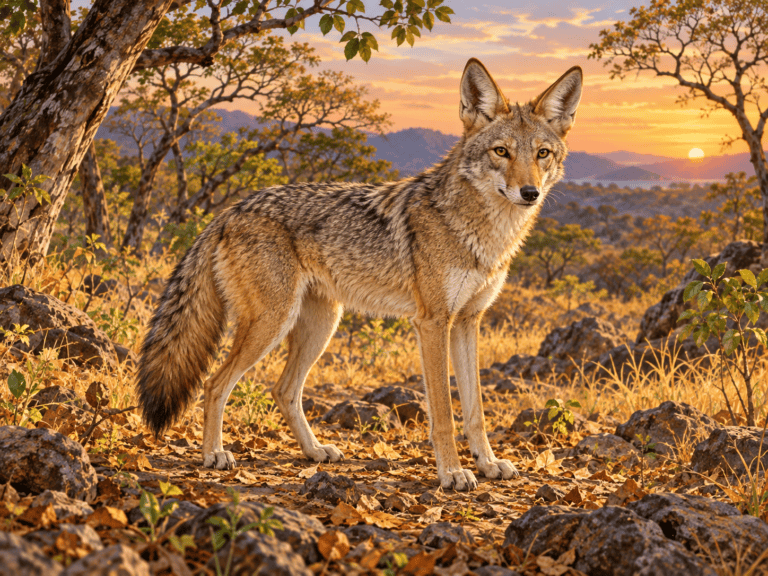
Coyote
An adaptable wild canid that uses woodland edges and open country.
Take a closer look ↗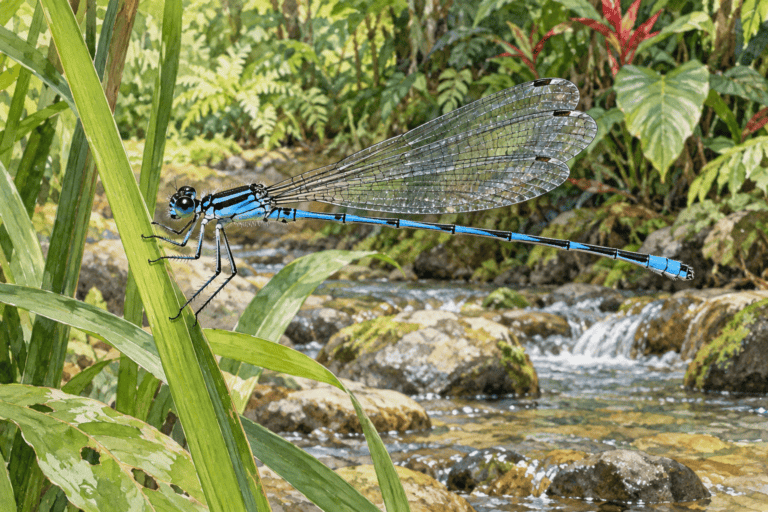
Damselflies
Slender body.
Take a closer look ↗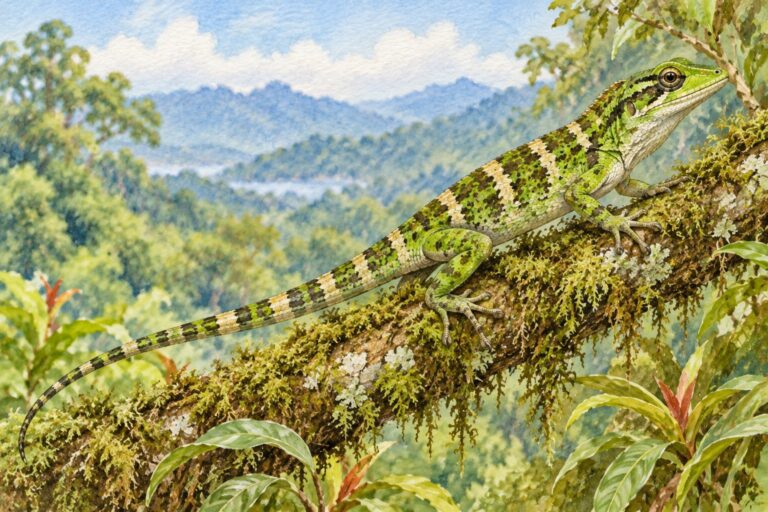
Decorated Anole
A large forest anole blends green and pale markings into a leafy canopy.
Take a closer look ↗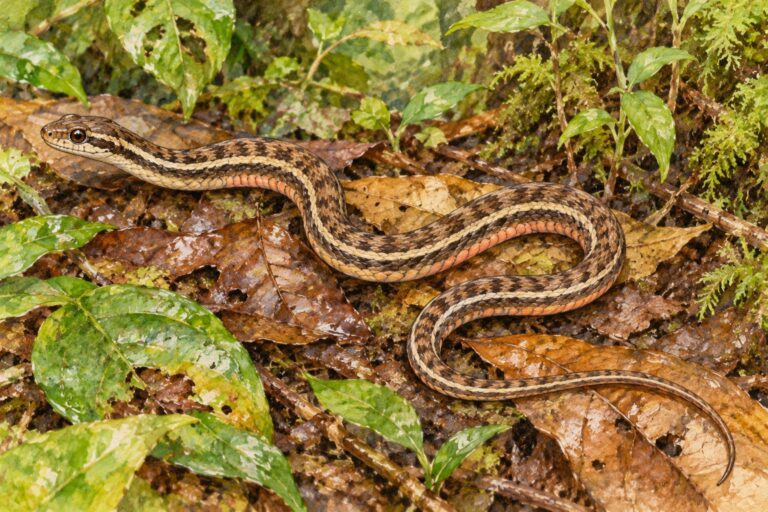
Decorated Forest Snake
Fine lengthwise stripes help a small snake blend into forest-floor lines.
Take a closer look ↗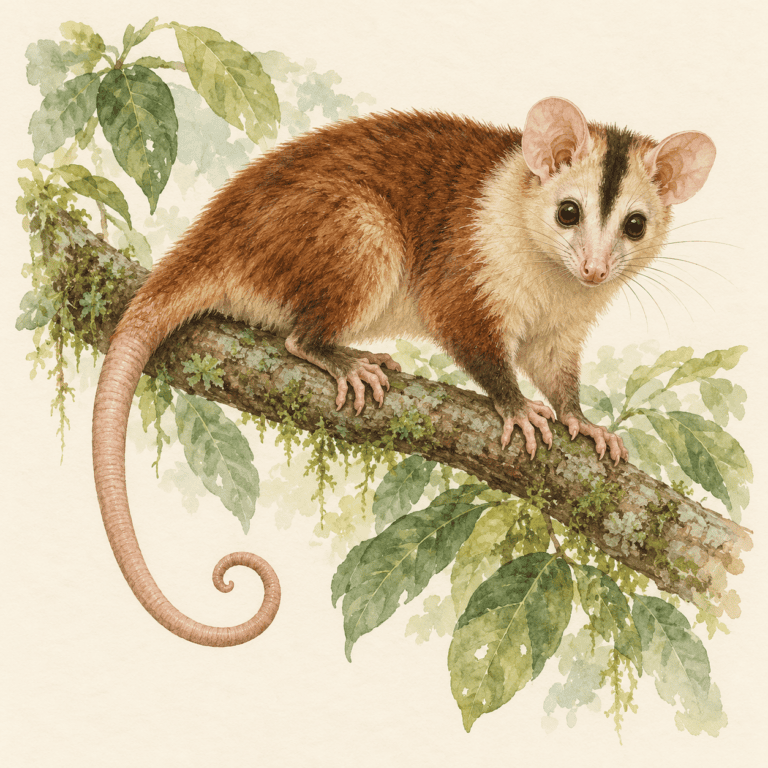
Derby’s Woolly Opossum
Derby's woolly opossum is a tree-climbing marsupial with soft fur, large eyes and a dark stripe down its pale face.
Take a closer look ↗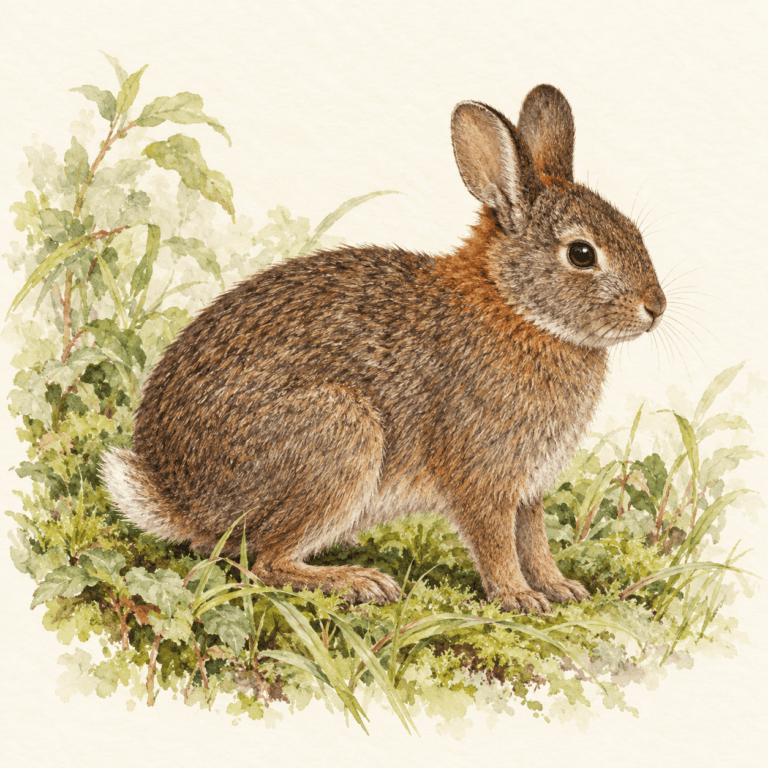
Dice’s Cottontail
Dice's cottontail is a mountain rabbit found in Costa Rica and western Panama.
Take a closer look ↗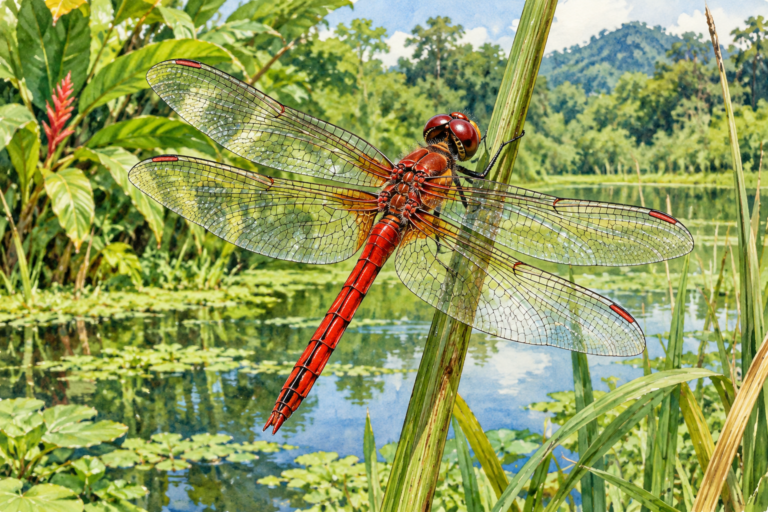
Dragonflies
Large eyes.
Take a closer look ↗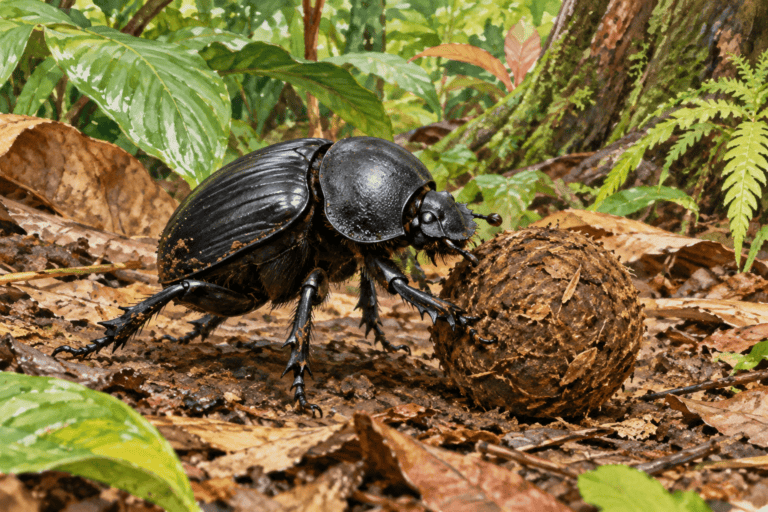
Dung Beetles
Compact beetle body.
Take a closer look ↗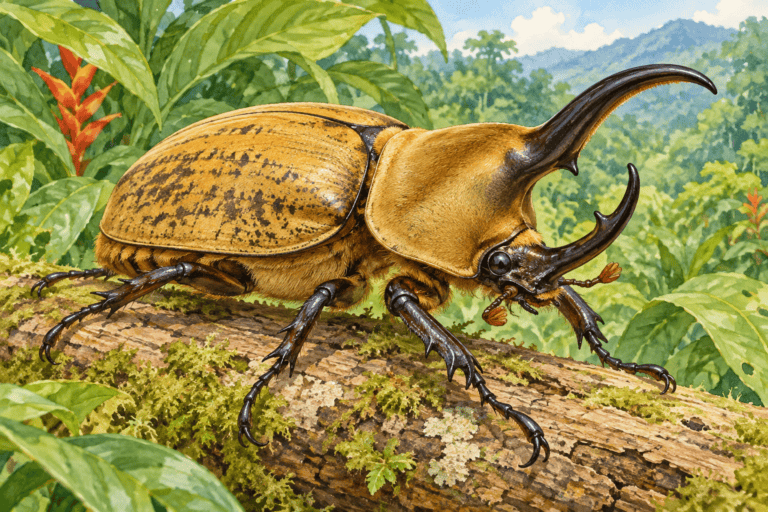
Elephant Beetle
Large rounded beetle.
Take a closer look ↗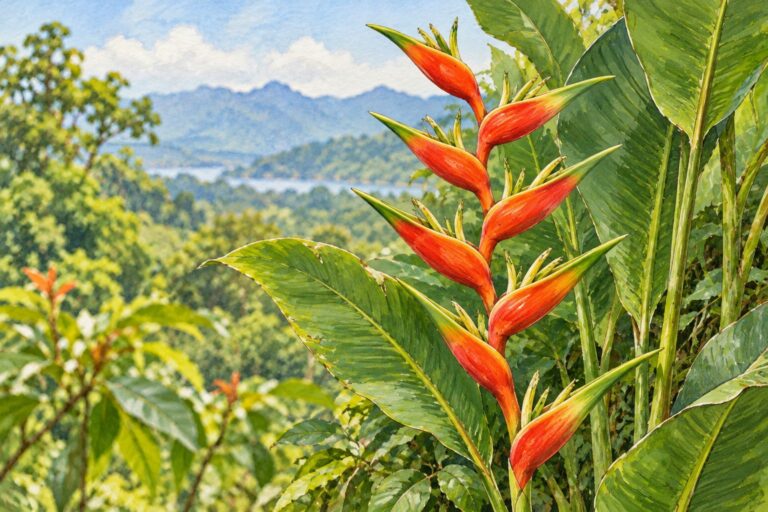
Expanded Lobster Claw
An upright open arrangement of colorful bracts rises among broad green leaves.
Take a closer look ↗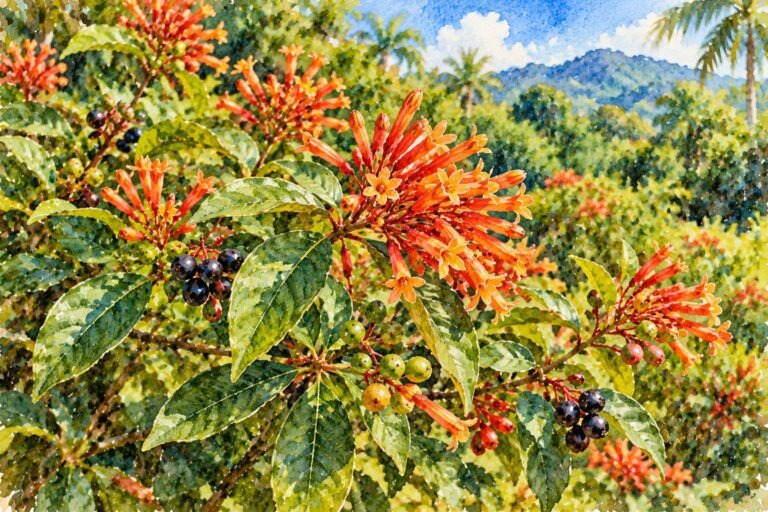
Firebush
Firebush is a shrub with clusters of narrow orange to red tubular flowers.
Take a closer look ↗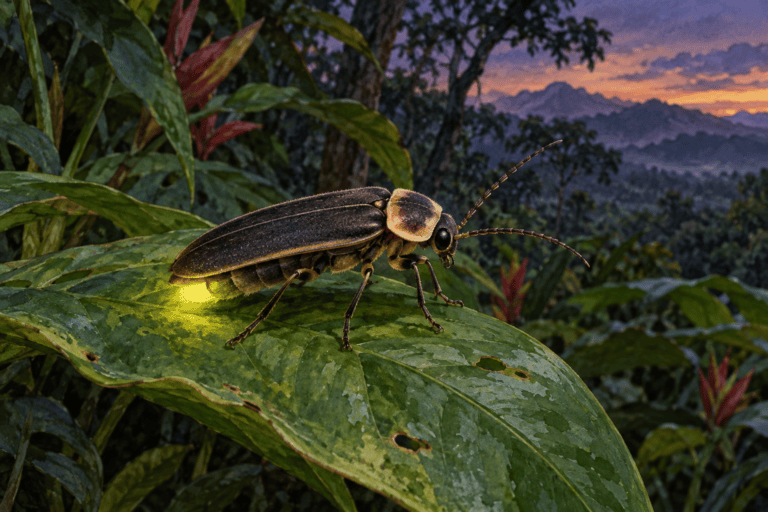
Fireflies
Soft beetle wing covers.
Take a closer look ↗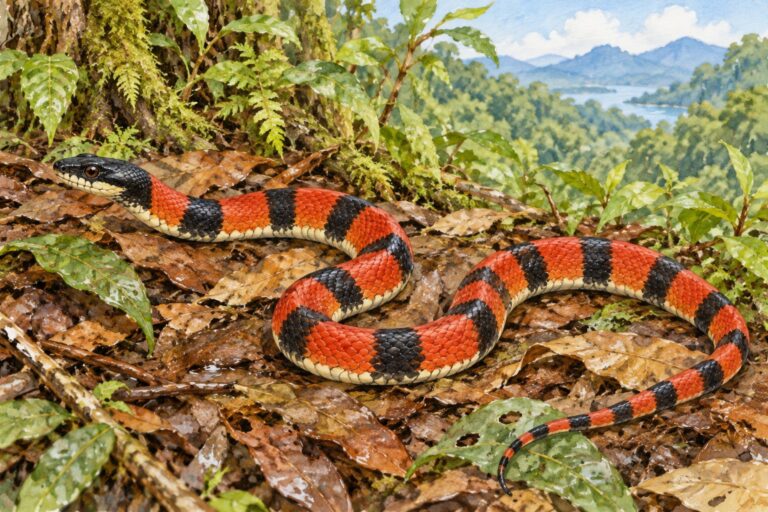
Forest Flame Snake
Bold red and dark markings stand out on this forest-floor snake.
Take a closer look ↗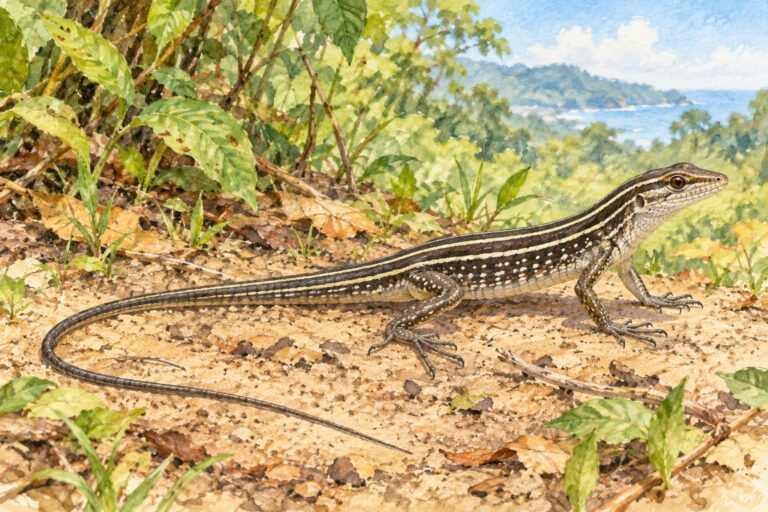
Four-lined Ameiva
Pale lengthwise stripes make this quick ground lizard worth a careful second look.
Take a closer look ↗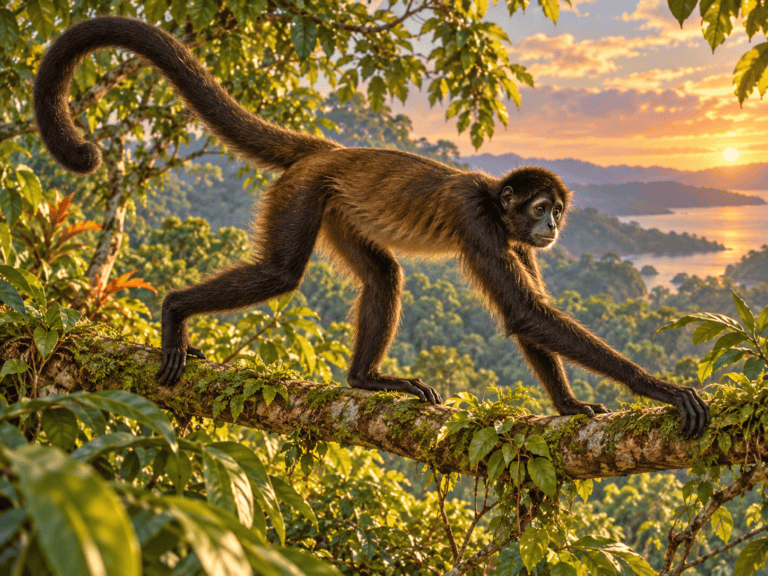
Geoffroy’s Spider Monkey
Long limbs and a grasping tail help this monkey move through the canopy.
Take a closer look ↗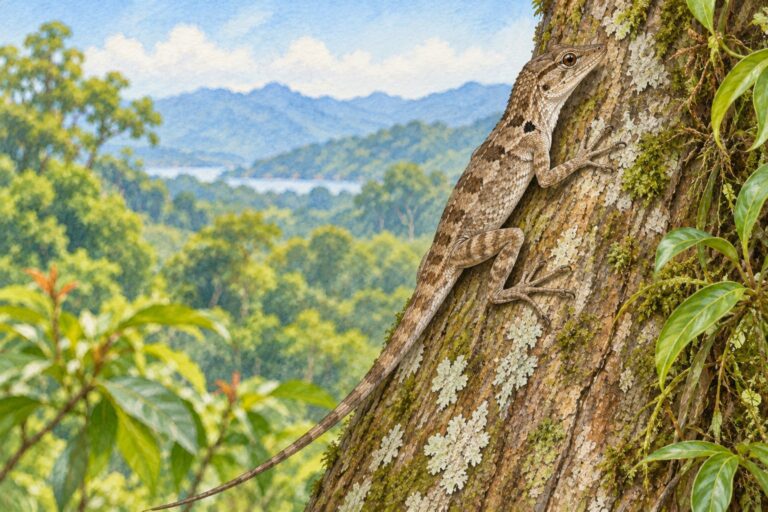
Ghost Anole
A quiet brown anole can disappear against a shaded tree trunk.
Take a closer look ↗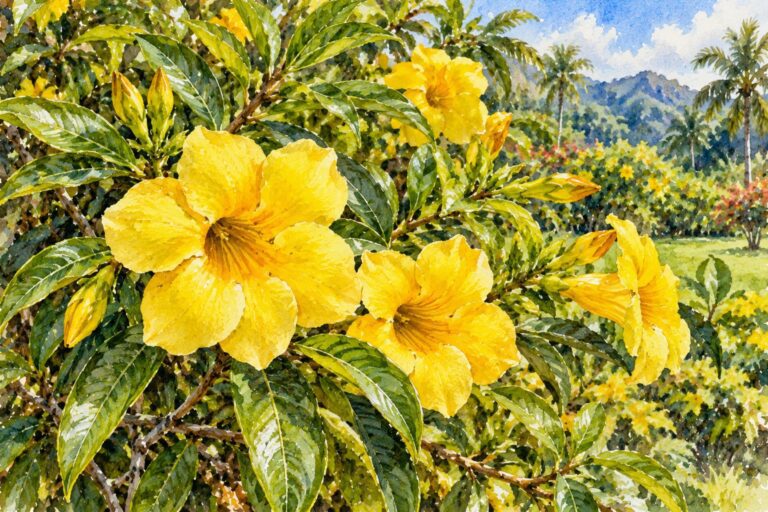
Golden Trumpet
Golden trumpet is a South American ornamental cultivated and naturalized in Costa Rica.
Take a closer look ↗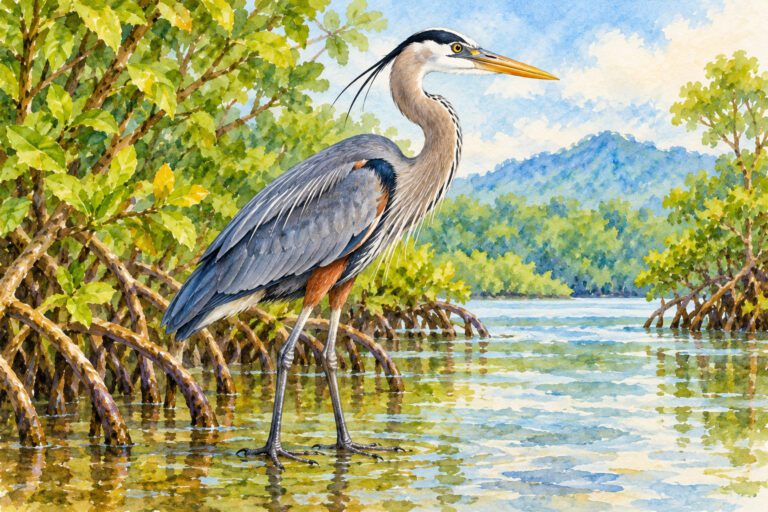
Great Blue Heron
This large heron searches shallow water for fish and other small animals.
Take a closer look ↗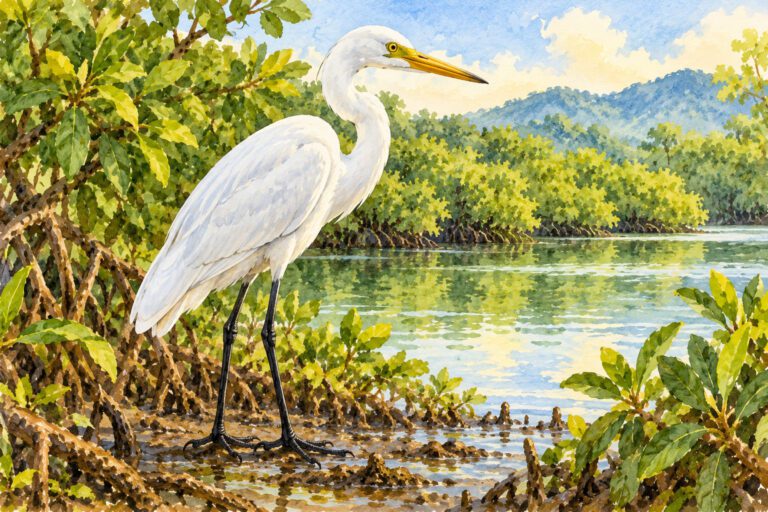
Great Egret
The Great Egret is a large white wading bird that hunts by waiting or walking slowly in shallow water.
Take a closer look ↗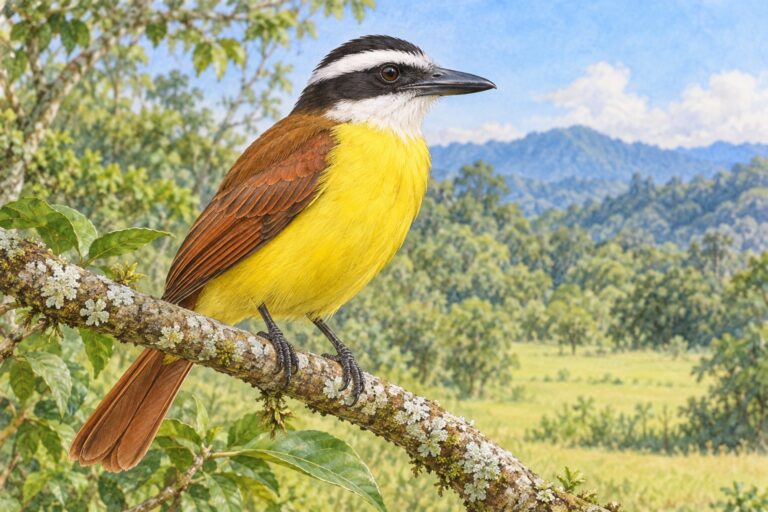
Great Kiskadee
A loud flycatcher with a yellow belly and striped head.
Take a closer look ↗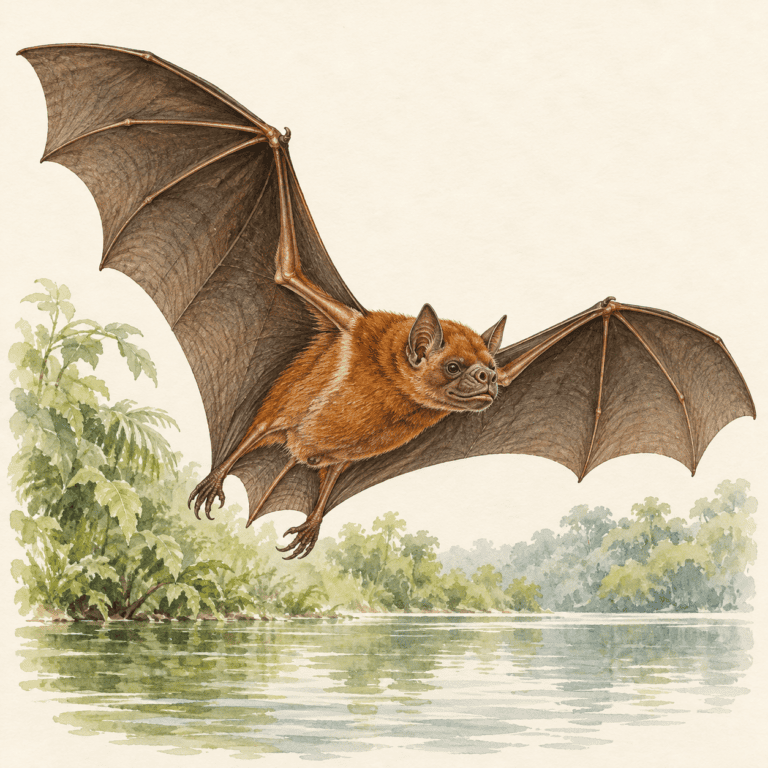
Greater Bulldog Bat
The greater bulldog bat is one of the bats that regularly catches fish.
Take a closer look ↗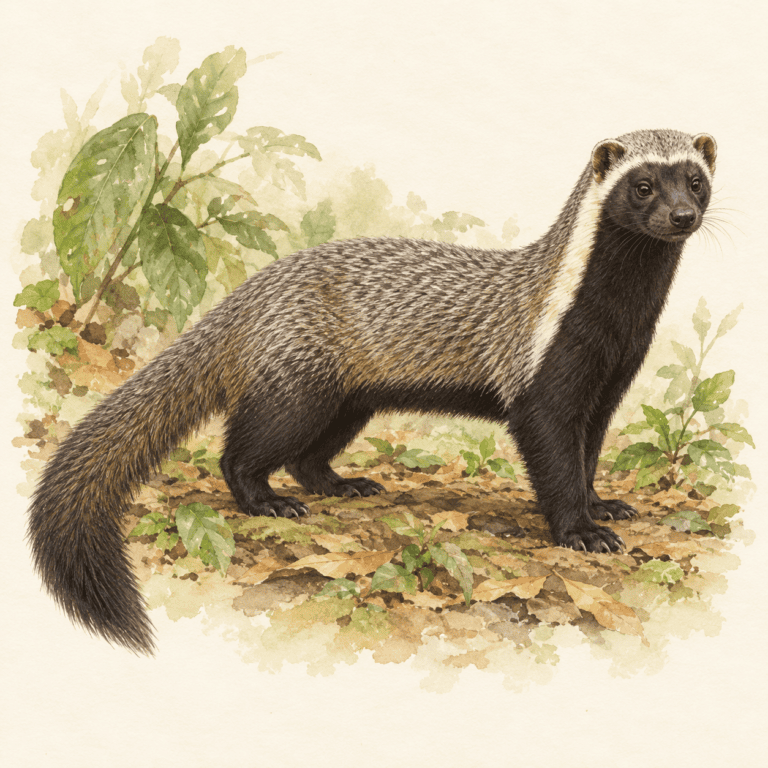
Greater Grison
The greater grison has a long low body, short legs and a striking pale stripe separating its dark face and underside from its grizzled back.
Take a closer look ↗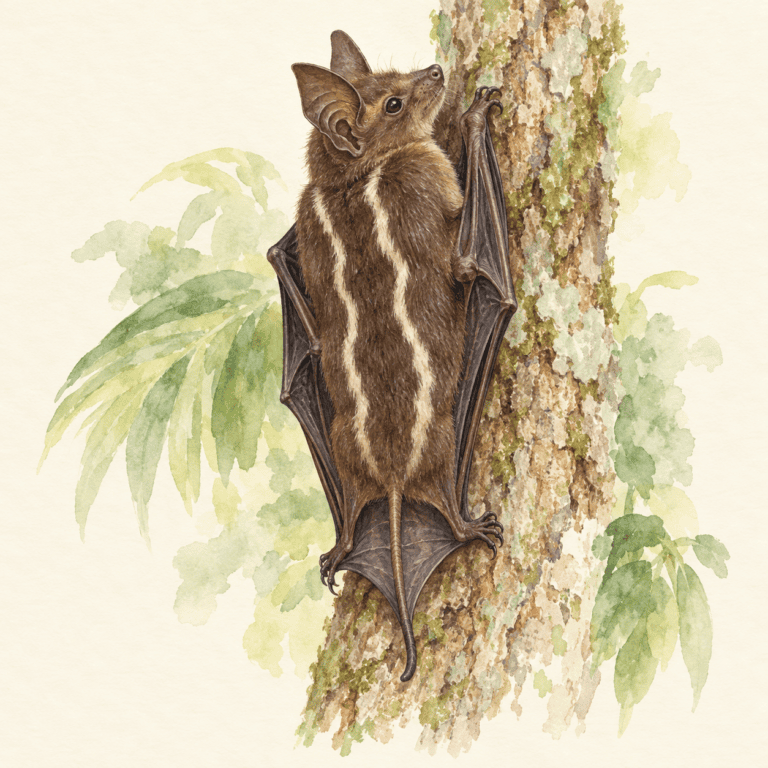
Greater Sac-winged Bat
Two pale wavy stripes down a dark back are a starting clue for the greater sac-winged bat.
Take a closer look ↗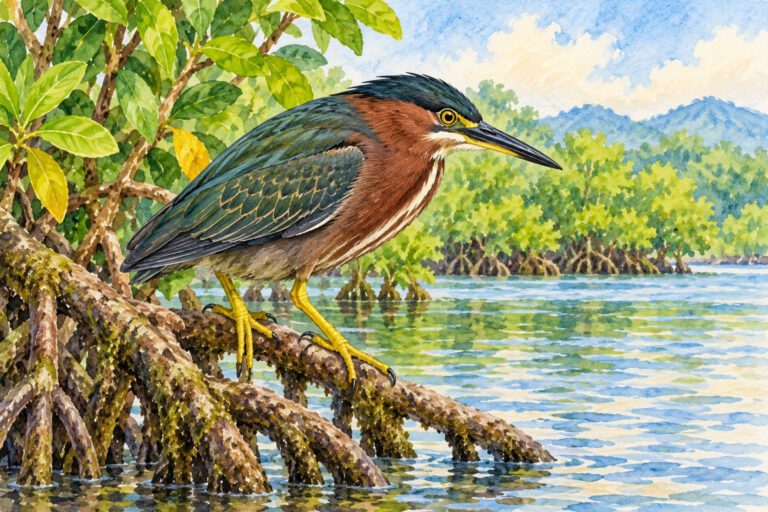
Green Heron
The Green Heron is a compact hunter with a dark greenish back, chestnut neck and a short crest.
Take a closer look ↗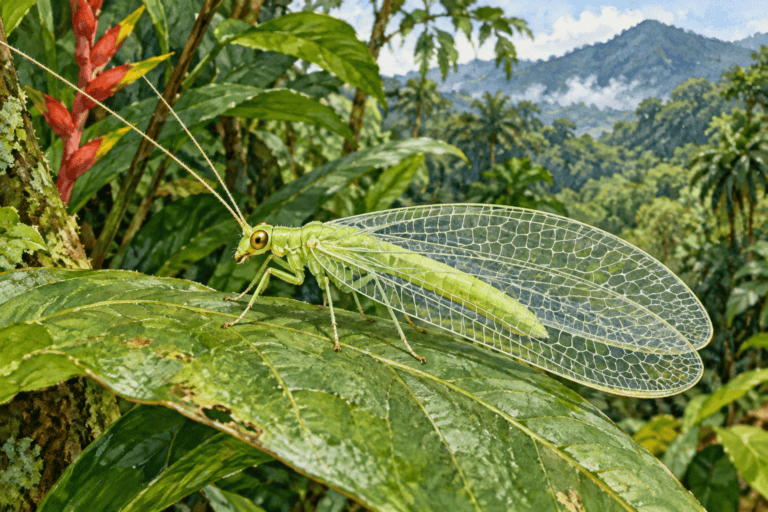
Green Lacewings
Delicate green body.
Take a closer look ↗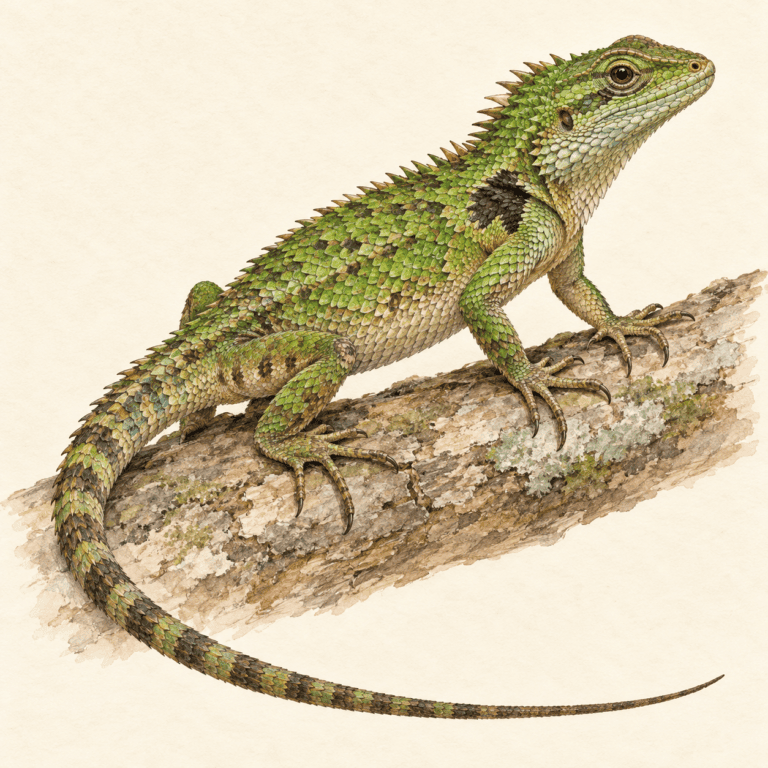
Green Spiny Lizard
A rough-scaled lizard of cooler upland environments.
Take a closer look ↗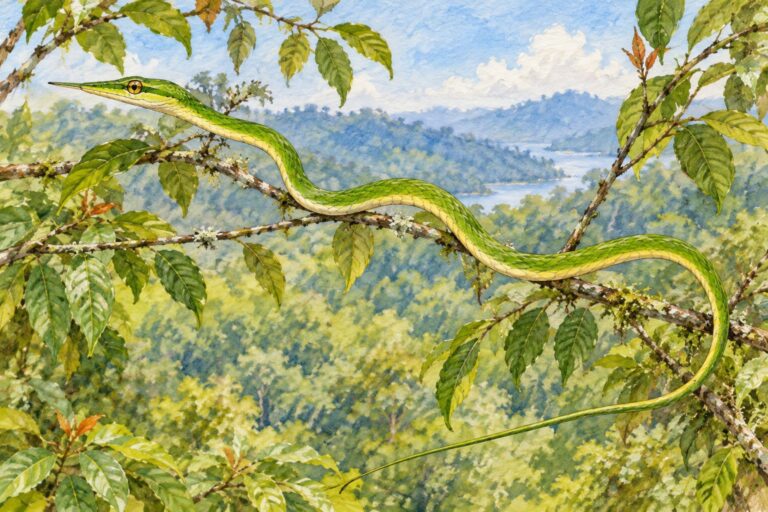
Green Vine Snake
An exceptionally slender snake resembles a living green vine.
Take a closer look ↗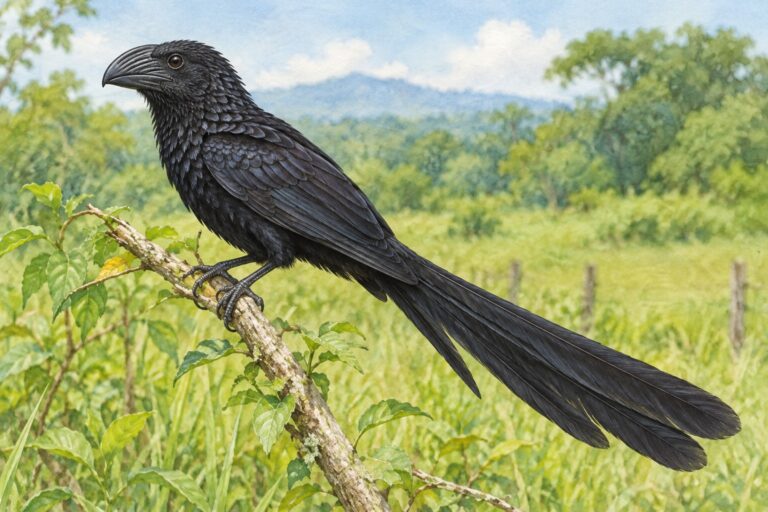
Groove-billed Ani
A social black bird with grooves on its heavy bill.
Take a closer look ↗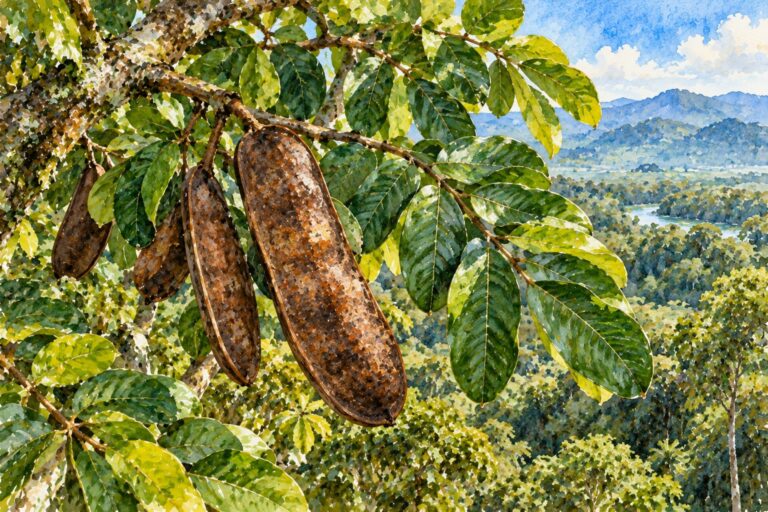
Guapinol
Paired leaflets and hard brown pods identify a forest tree with an important wildlife role.
Take a closer look ↗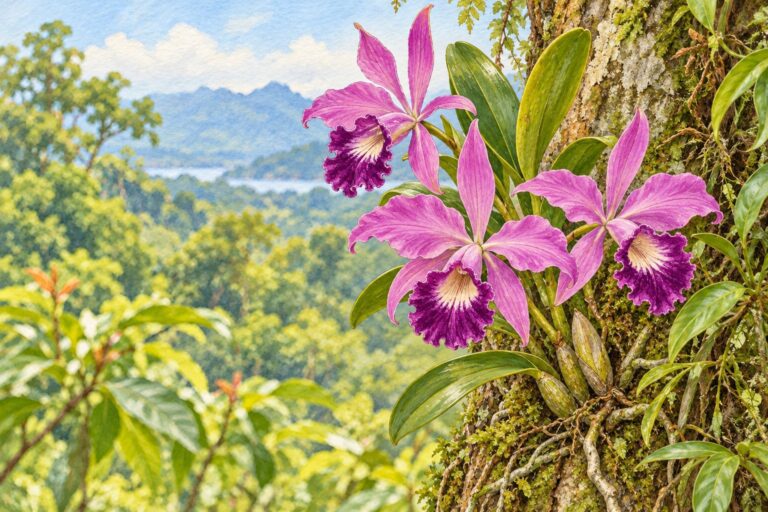
Guaria Morada Orchid
Costa Rica’s national flower carries pink-purple blossoms above fleshy leaves.
Take a closer look ↗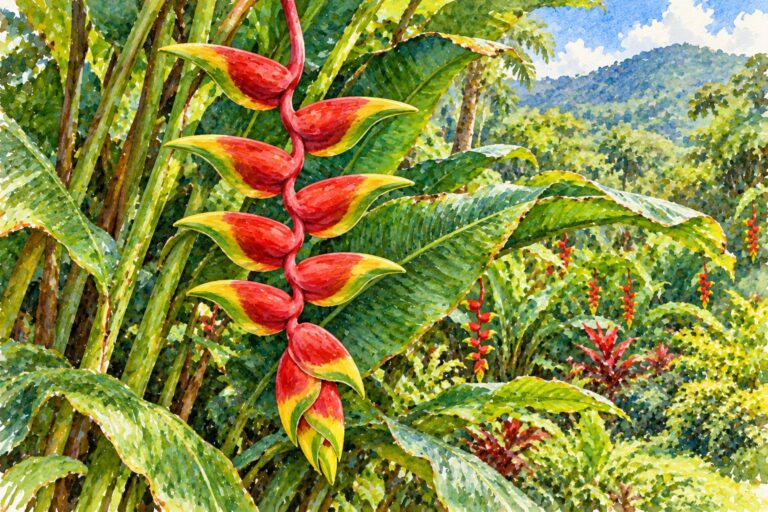
Hanging Lobster Claw
This cultivated heliconia has hanging clusters of colorful bracts.
Take a closer look ↗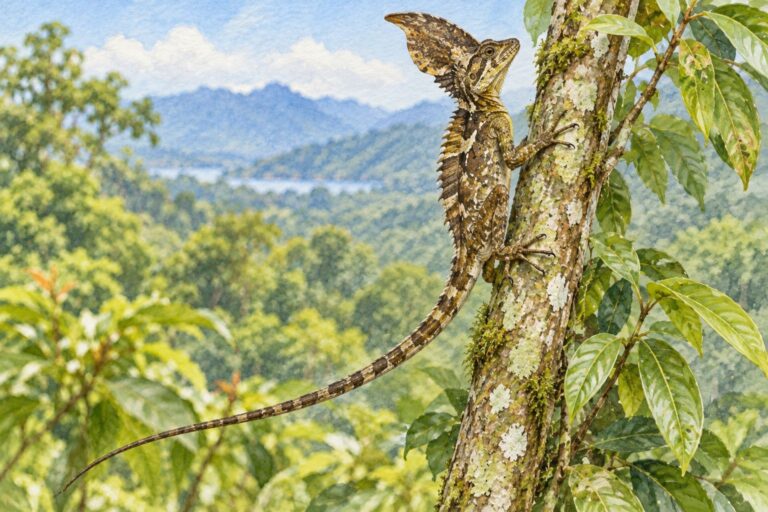
Helmeted Iguana
A dramatic helmet-shaped head rises above a perfectly still forest lizard.
Take a closer look ↗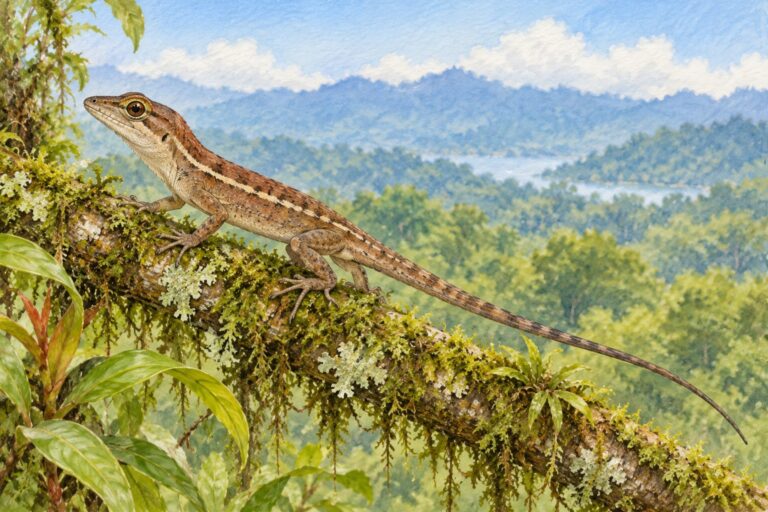
High Anole
A delicate brown anole makes its home in Costa Rica’s cool mountain forests.
Take a closer look ↗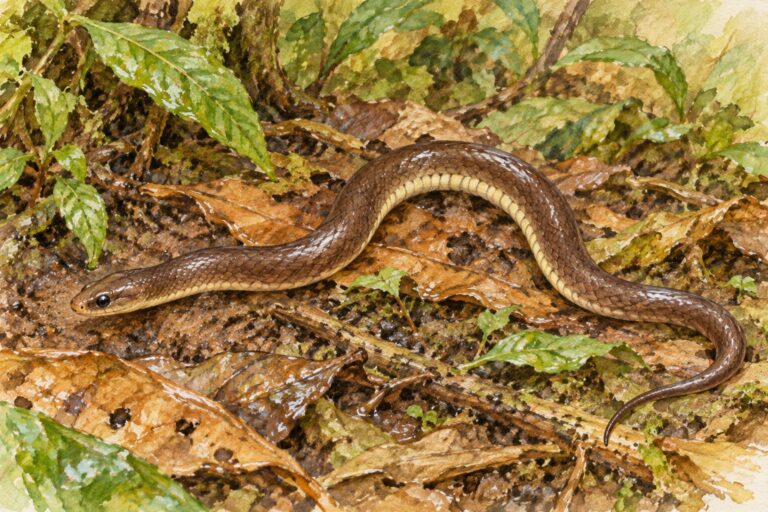
Hoffmann's Earth Snake
A small dark earth snake reminds us that much of forest life stays hidden.
Take a closer look ↗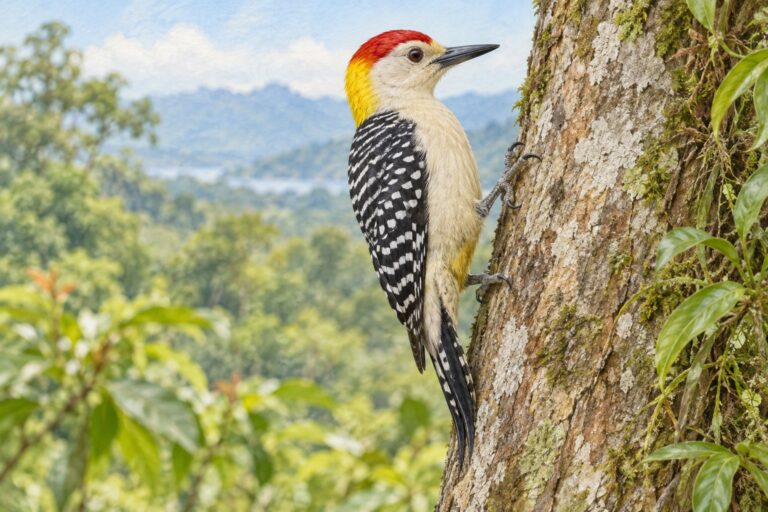
Hoffmann's Woodpecker
A black-and-white woodpecker with a yellow nape.
Take a closer look ↗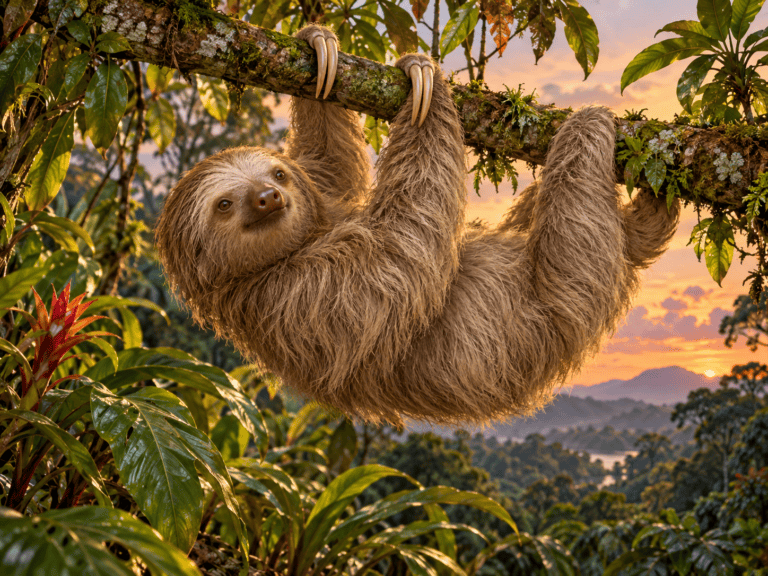
Hoffmann’s Two-toed Sloth
An arboreal mammal with two foreclaws and a slow digestive system.
Take a closer look ↗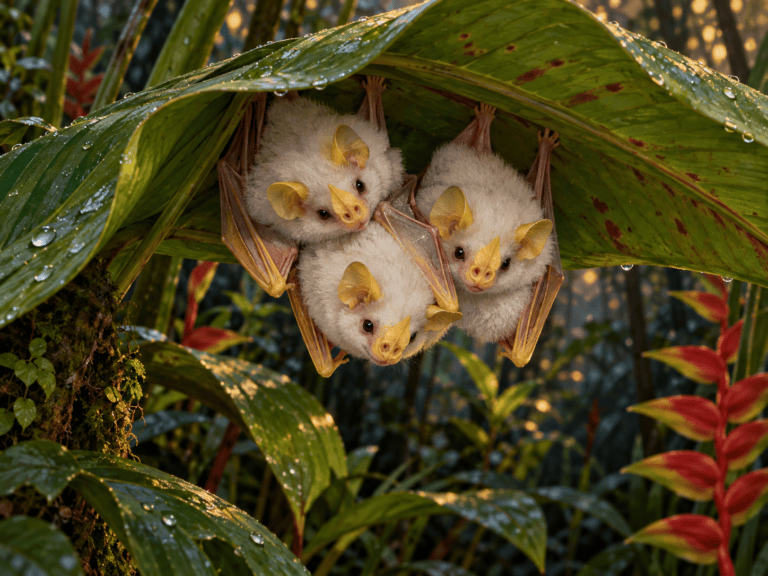
Honduran White Bat
A tiny fruit-eating bat that shelters beneath leaves shaped into tents.
Take a closer look ↗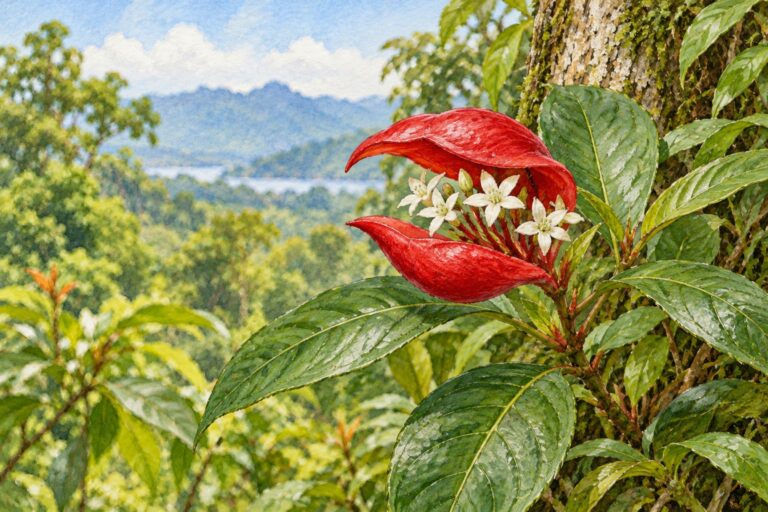
Hot Lips Plant
Two bright red bracts surround tiny pale flowers in the forest understory.
Take a closer look ↗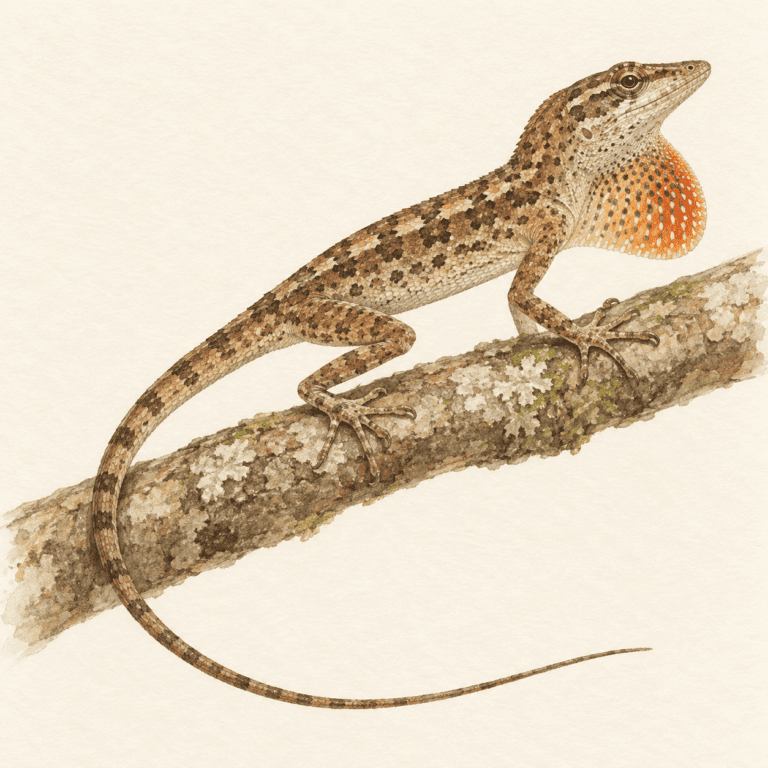
Humble Anole
A small, often brown anole associated with the forest understory.
Take a closer look ↗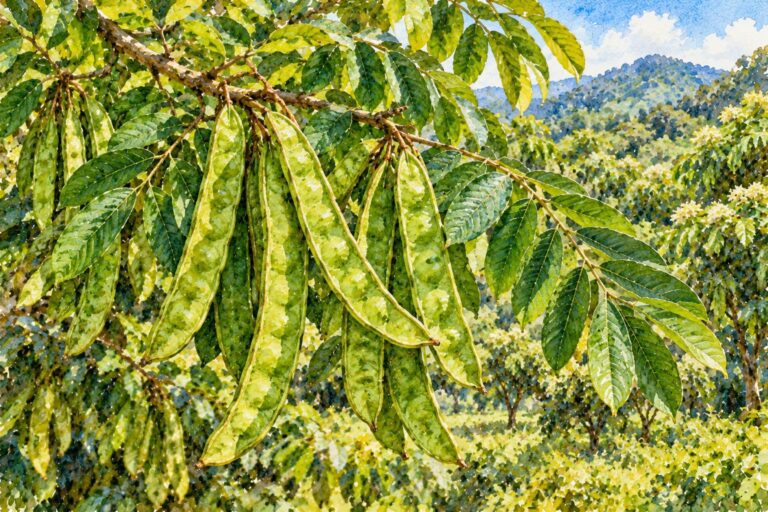
Ice Cream Bean
Guaba is planted for its long ribbed pods and as a shade tree.
Take a closer look ↗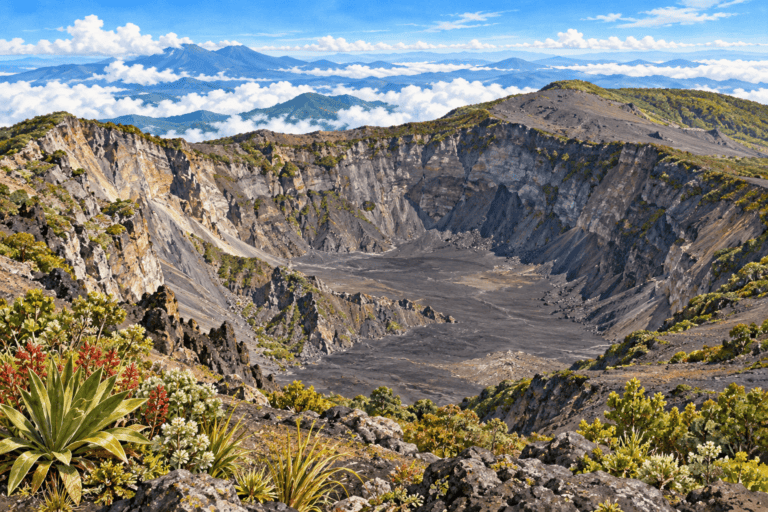
Irazú Volcano
Costa Rica’s tallest volcano has a cool summit landscape with several craters.
Take a closer look ↗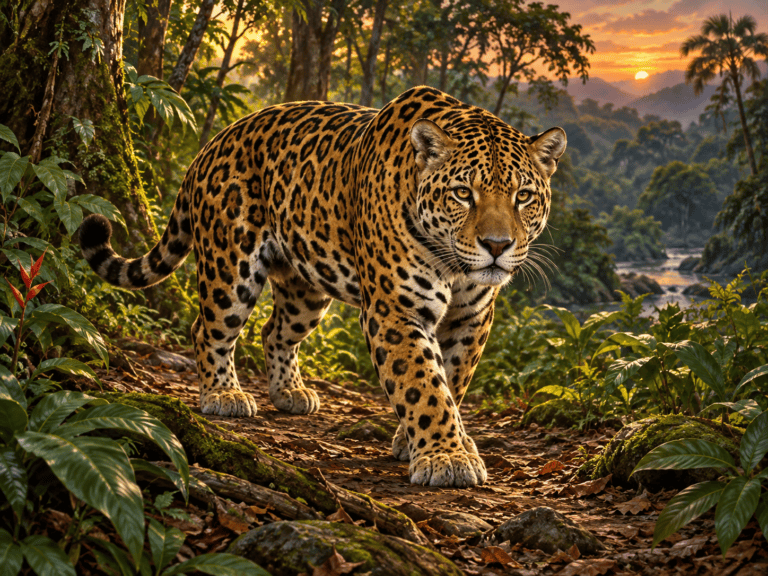
Jaguar
A powerful spotted cat that depends on habitat and healthy prey populations.
Take a closer look ↗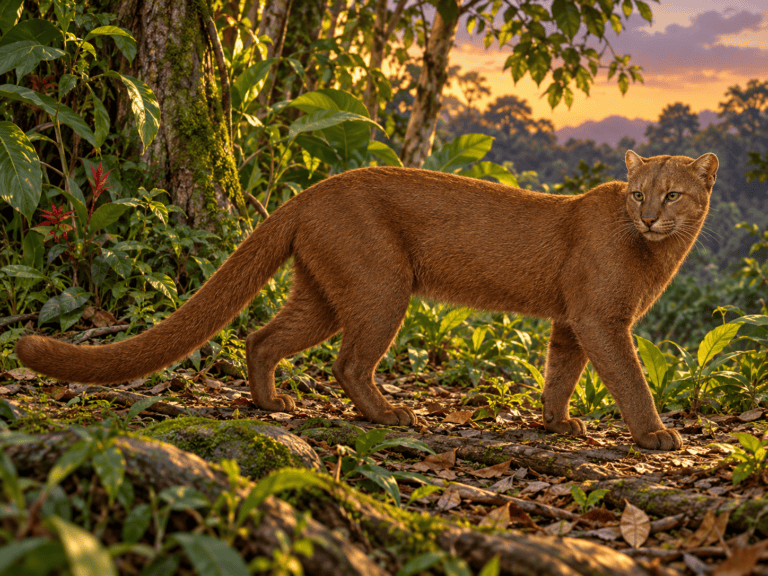
Jaguarundi
A small, long-bodied wild cat with a plain-colored coat.
Take a closer look ↗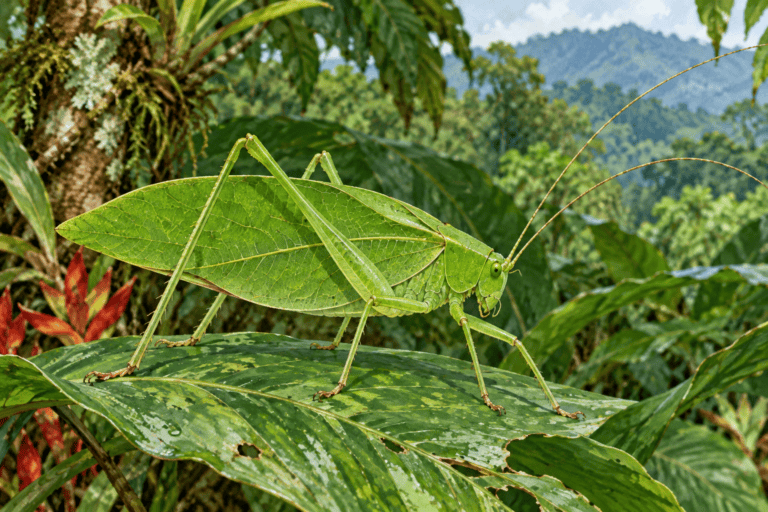
Katydids
Very long antennae.
Take a closer look ↗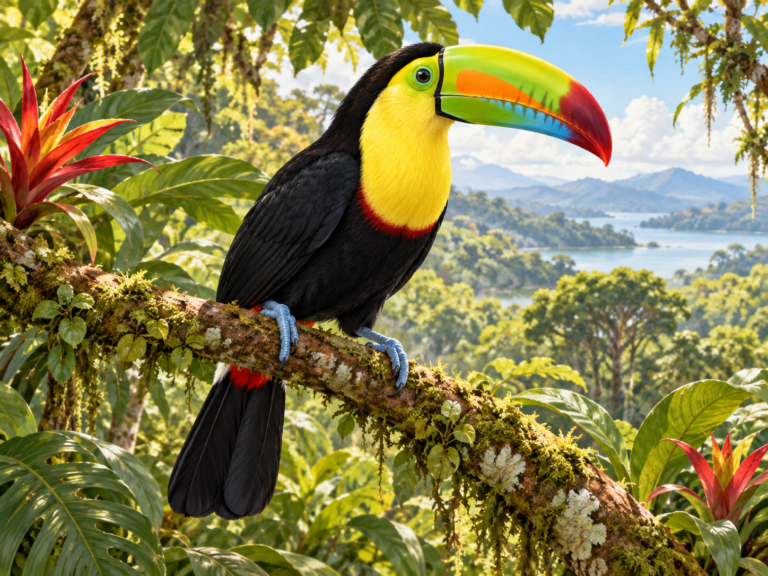
Keel-billed Toucan
A rainbow-colored bill stands out against dark plumage and a yellow throat.
Take a closer look ↗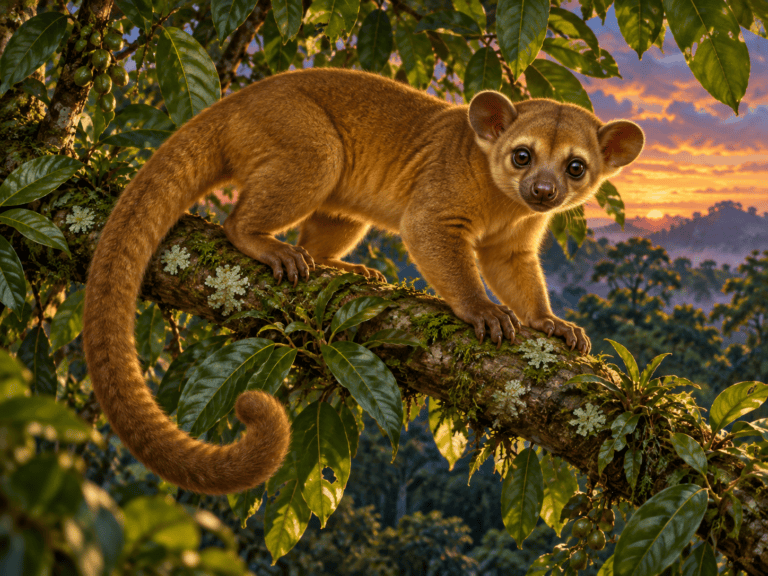
Kinkajou
A nocturnal treetop mammal with a gripping tail and a taste for fruit and nectar.
Take a closer look ↗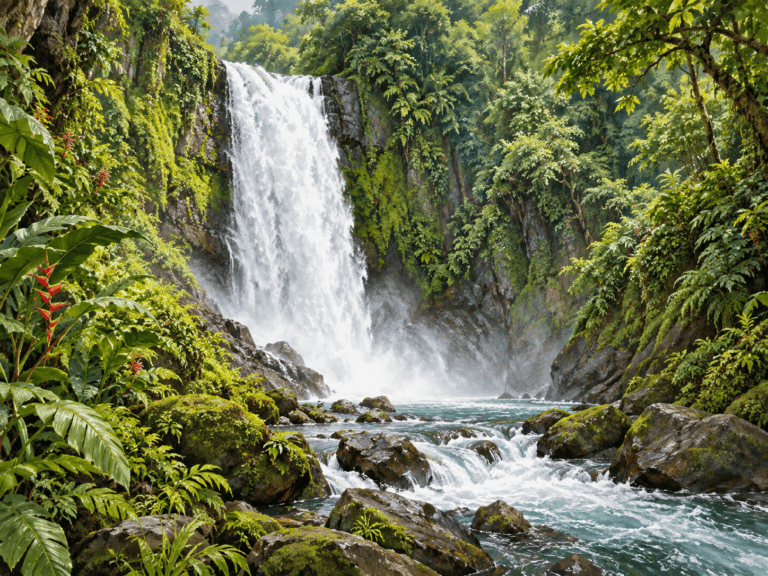
La Paz Waterfall
La Paz belongs to a larger waterfall landscape along the route toward Sarapiquí.
Take a closer look ↗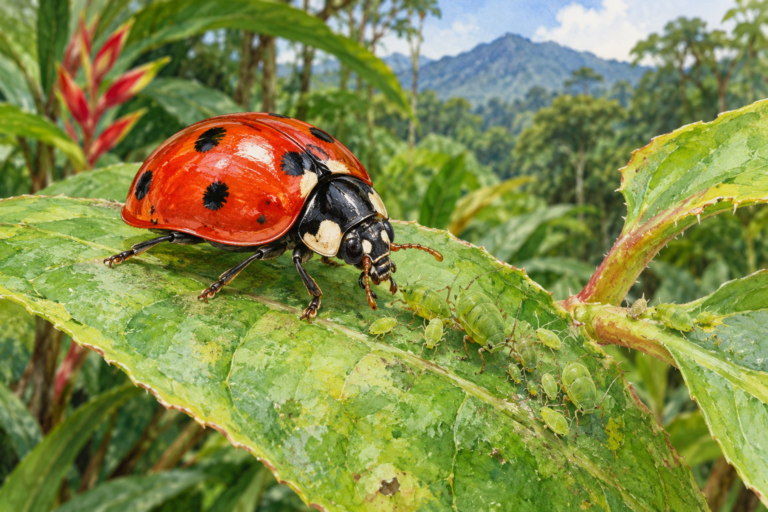
Lady Beetles
Rounded beetle body.
Take a closer look ↗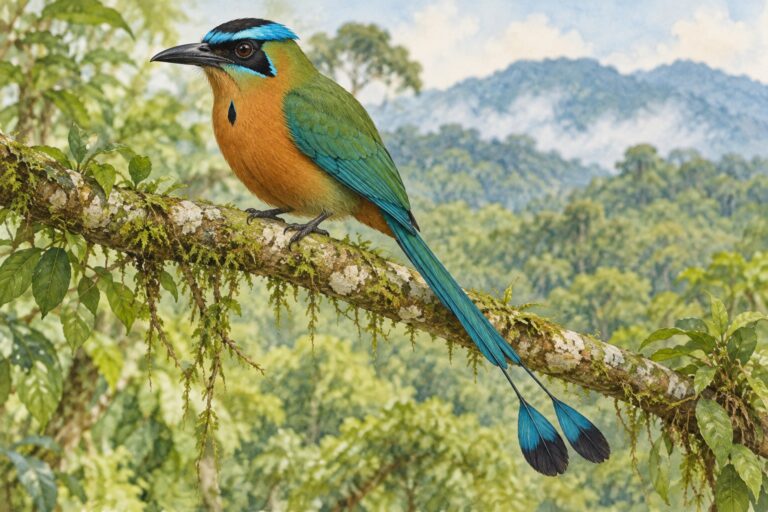
Lesson's Motmot
A colorful forest bird with a blue crown and long tail.
Take a closer look ↗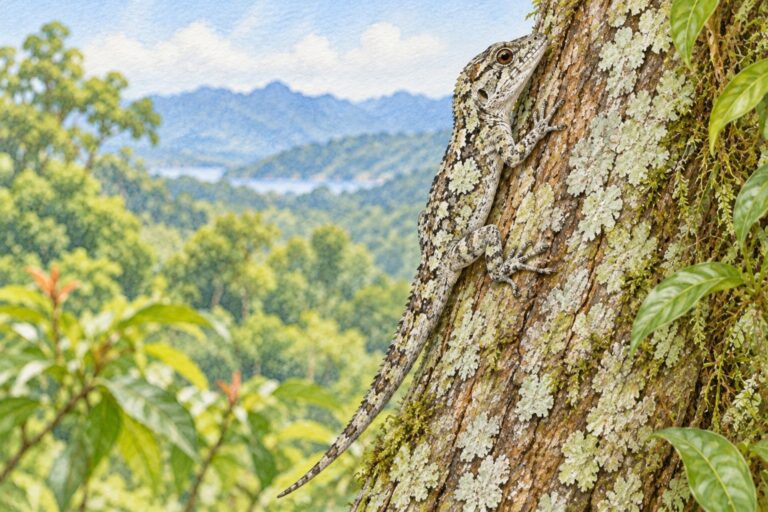
Lichen Anole
Pale patches and short legs turn a quiet anole into part of the bark.
Take a closer look ↗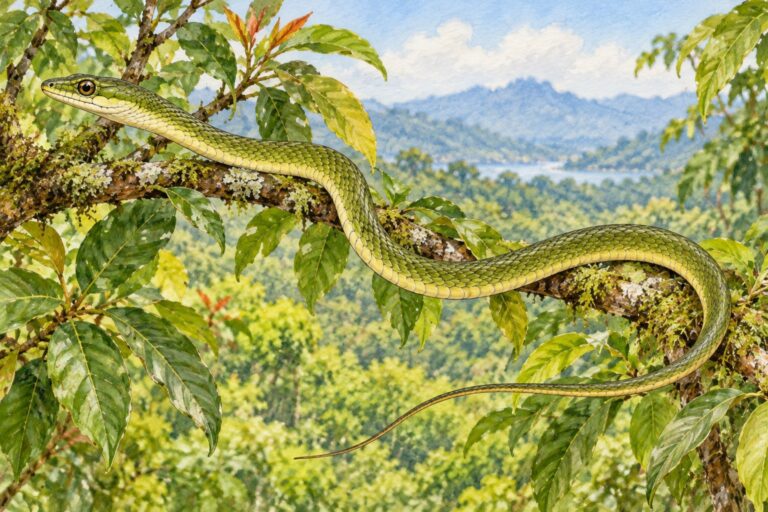
Linnaeus's Sipo
A long green-to-olive snake follows the paths made by forest branches.
Take a closer look ↗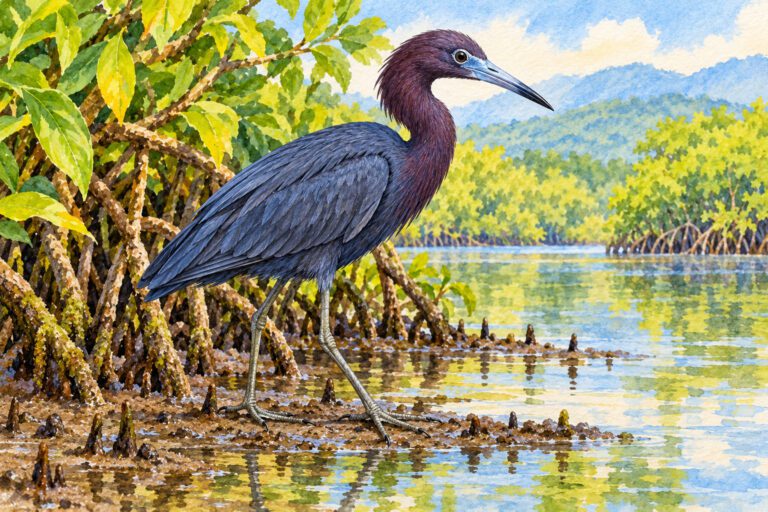
Little Blue Heron
Adults have slate-blue bodies and purplish heads and necks.
Take a closer look ↗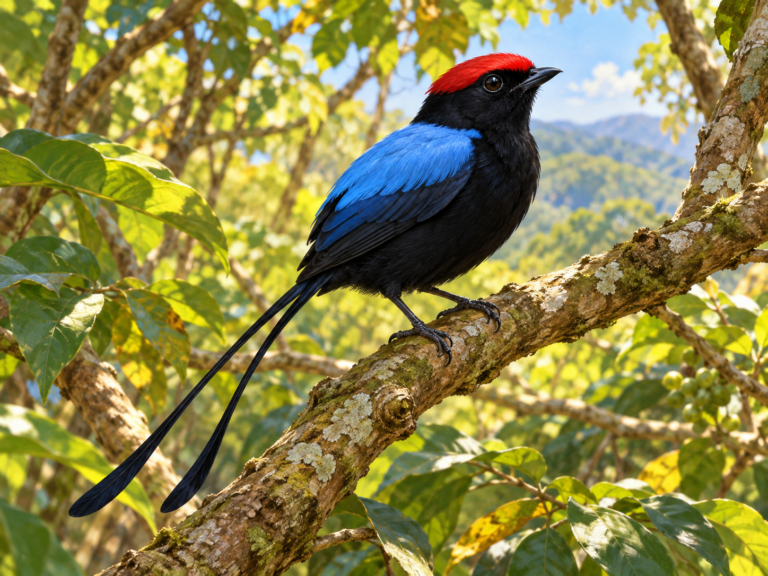
Long-tailed Manakin
A small forest bird famous for coordinated courtship displays.
Take a closer look ↗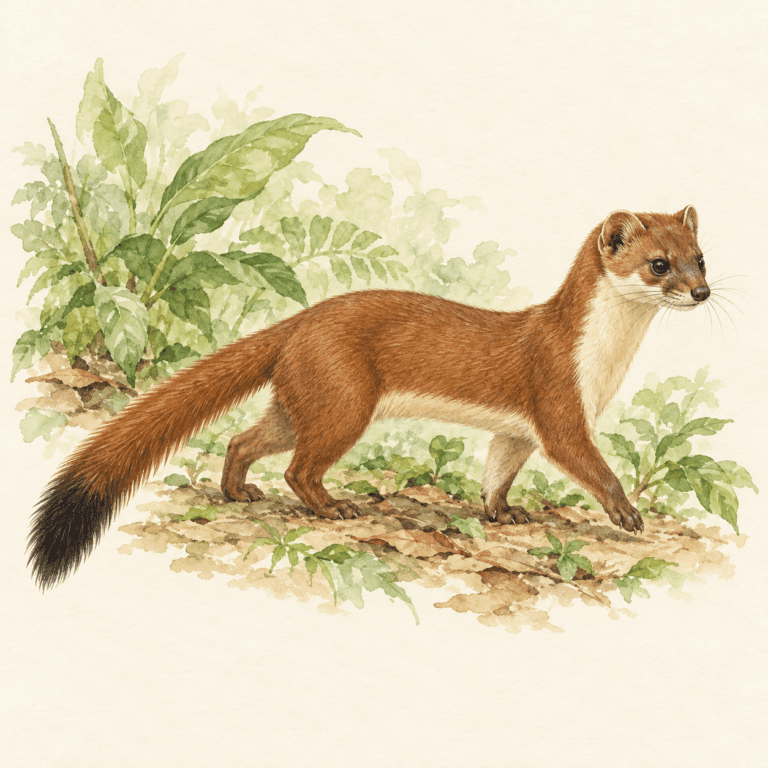
Long-tailed Weasel
A long-tailed weasel has a narrow flexible body that helps it move through cover and investigate small spaces.
Take a closer look ↗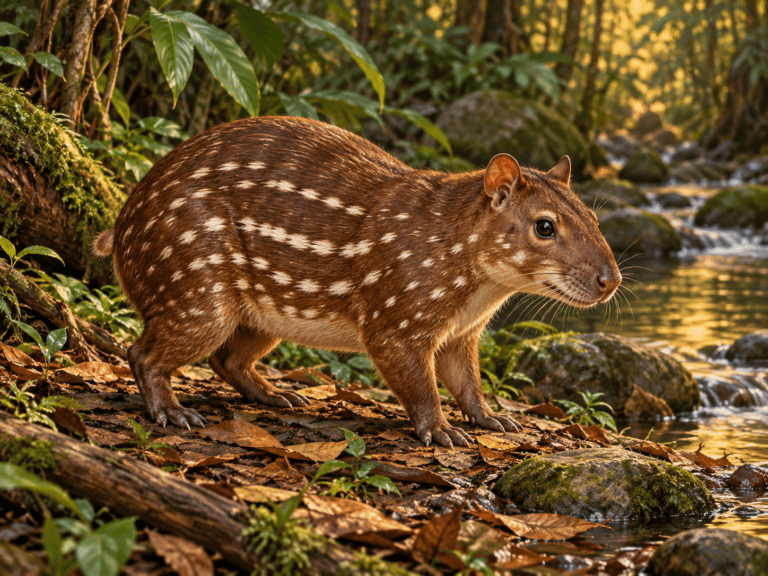
Lowland Paca
A spotted nocturnal rodent that shelters in burrows near wooded watercourses.
Take a closer look ↗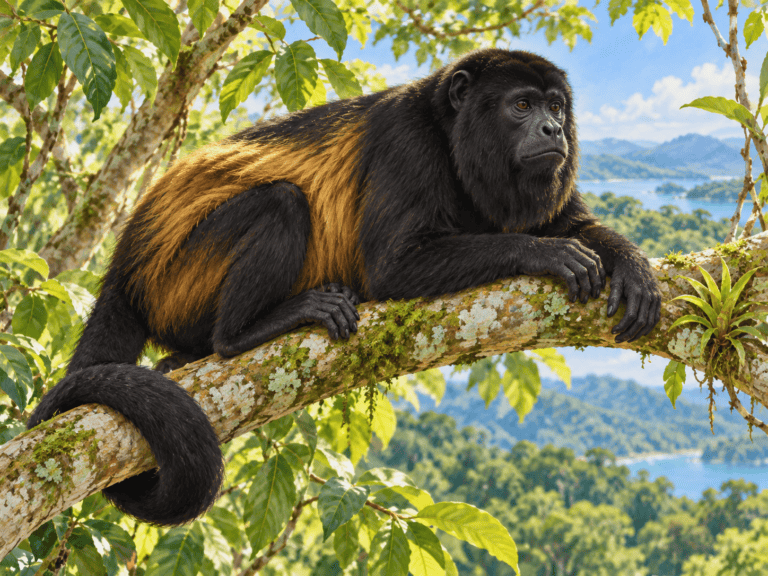
Mantled Howler Monkey
A mostly dark coat with a lighter mantle along the sides.
Take a closer look ↗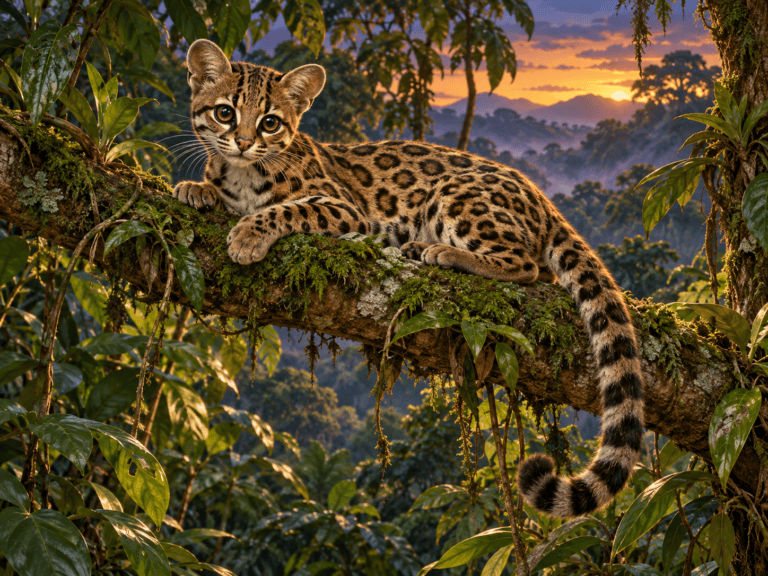
Margay
An agile spotted forest cat with exceptional climbing ability.
Take a closer look ↗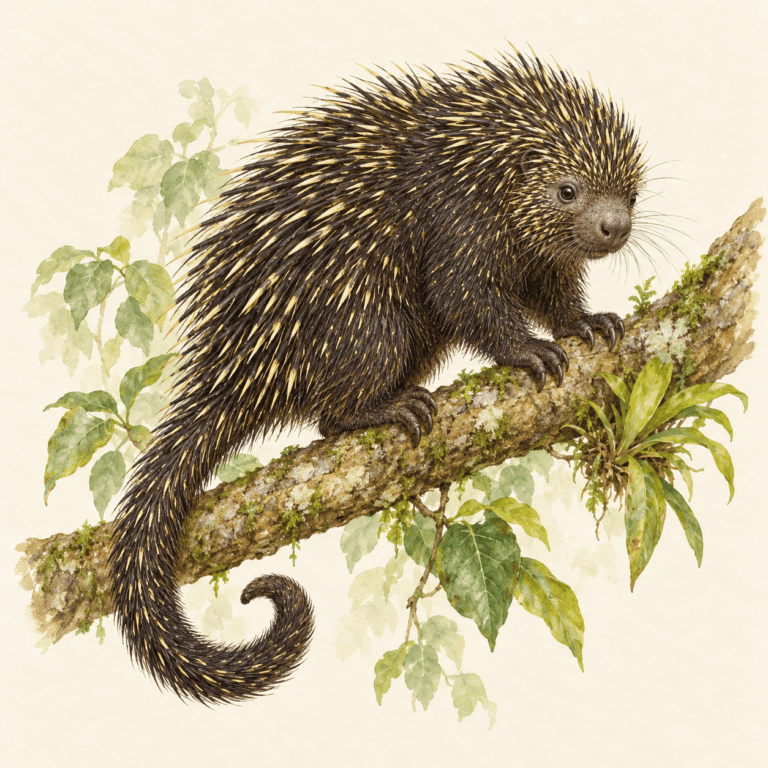
Mexican Hairy Porcupine
This tree-dwelling porcupine has dark coarse hair that can hide many of its protective quills.
Take a closer look ↗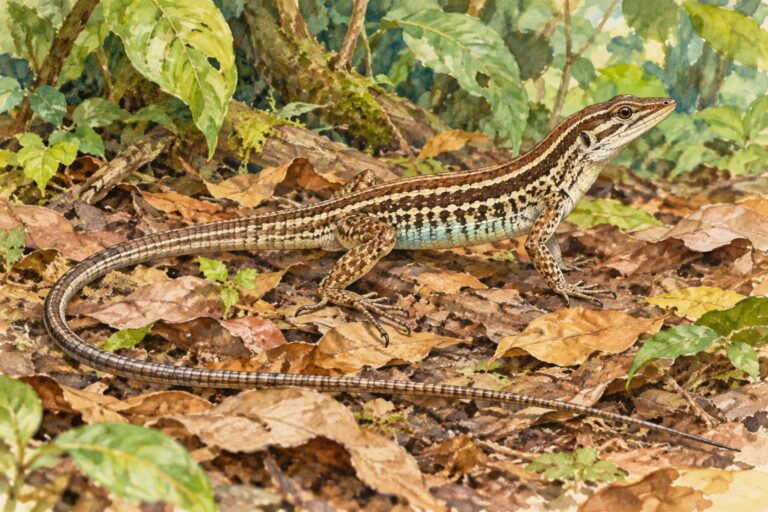
Middle American Ameiva
A long-tailed ground lizard searches among leaves and sunlit openings.
Take a closer look ↗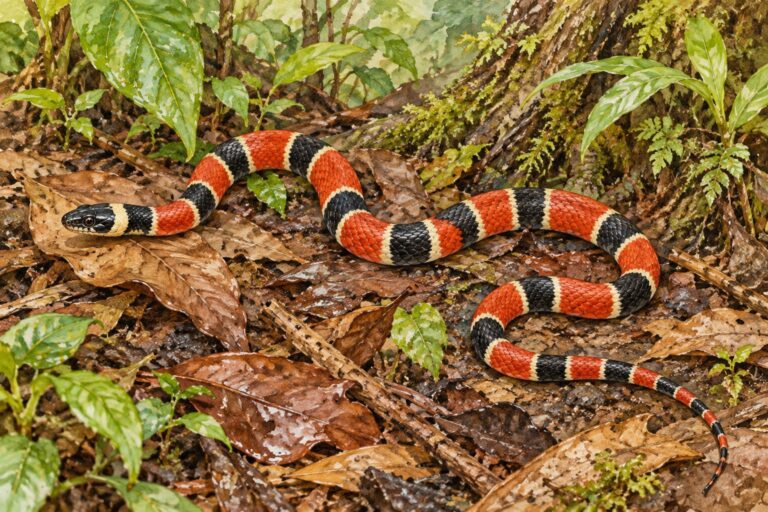
Mimic False Coral Snake
A bright forest snake offers a lesson about resemblance and careful observation.
Take a closer look ↗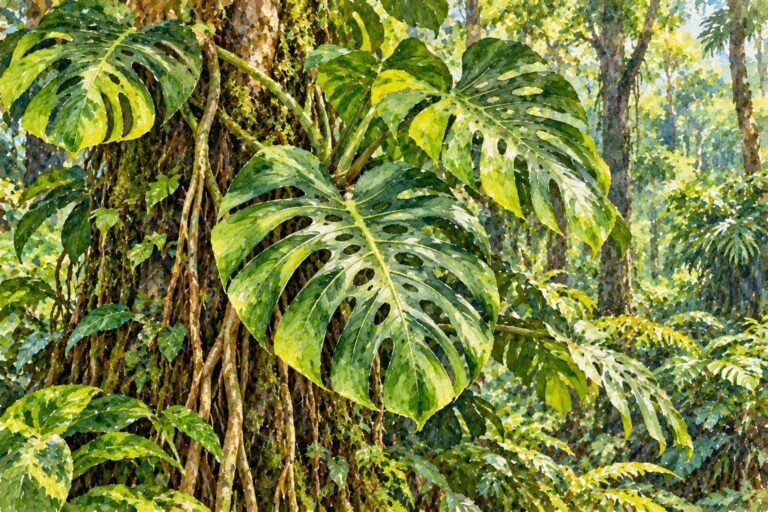
Monstera
Large split leaves with natural holes make this cultivated climber easy to notice.
Take a closer look ↗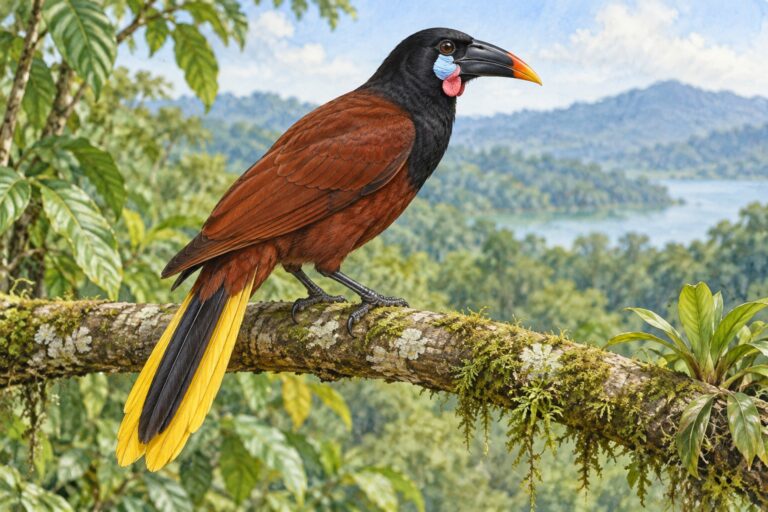
Montezuma Oropendola
A large chestnut bird with a yellow-sided tail.
Take a closer look ↗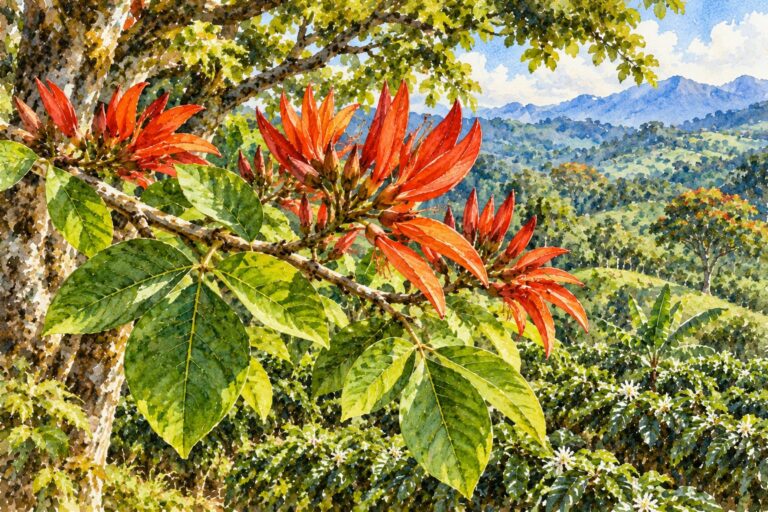
Mountain Immortelle
Poro gigante is a South American tree widely planted and naturalized in Costa Rica.
Take a closer look ↗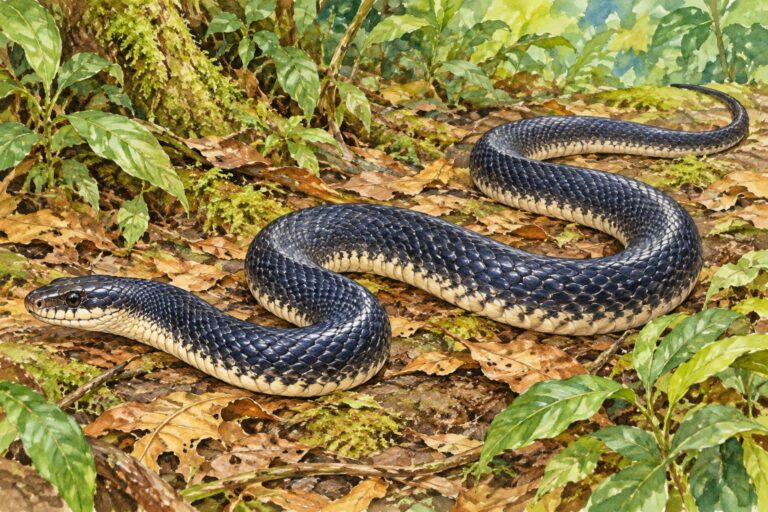
Mussurana
An adult’s dark body looks very different from a brightly colored juvenile.
Take a closer look ↗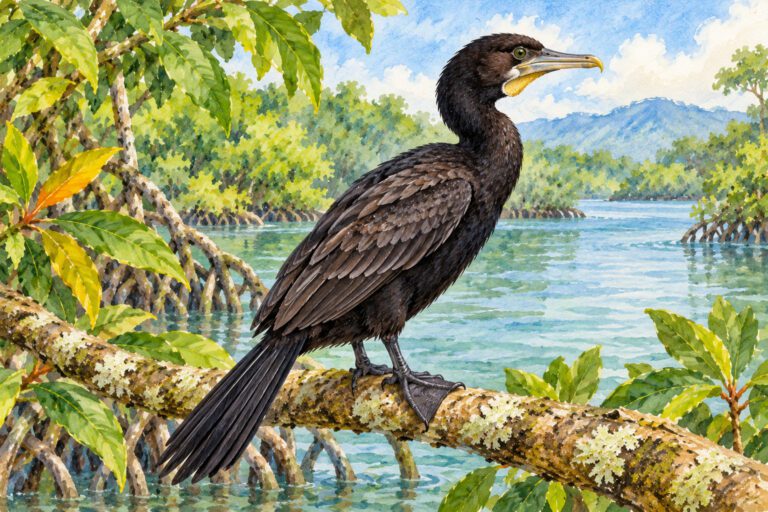
Neotropic Cormorant
This dark waterbird catches fish by diving and swimming underwater.
Take a closer look ↗