Tico Explorers

Nature Field Guide

Farms & Cultivated Land

Explore wildlife, plants and trees. Learn what to look for and where to find them.

All Nature

33 profiles

Nature Field Guide

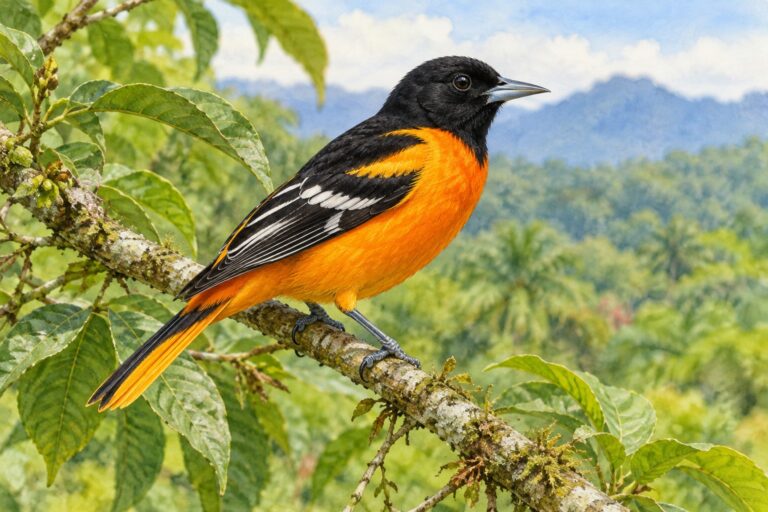
Baltimore Oriole

Spanish name
Bolsero norteño
Scientific name
Icterus galbula

What Do Pico & Tati Think?

Pico: “Did that bird travel here?”

Tati: “Baltimore orioles connect Costa Rica with places farther north.”

Identification

Key Features of the Baltimore Oriole

  • Male orange body and black head

  • White wingbar

  • Slender pointed bill

Habitat & range

A migrant and nonbreeding visitor, generally September to early May. Occurs on both slopes, especially the northern Pacific and Central Valley, in wooded gardens, edges and plantations.

Conservation & care

Observe quietly from trails or established viewing areas. Give nests, roosts and feeding birds space. Do not handle, chase or lure birds with playback. Keep pets away from wildlife.

Threats & pressures

Migrants depend on suitable habitat across their full annual journey. Protect native vegetation, reduce collision hazards around glass and keep cats away from birds. These are practical prevention priorities, not a claim of a measured decline at a specific Costa Rican site.

View full profile →

Nature Field Guide

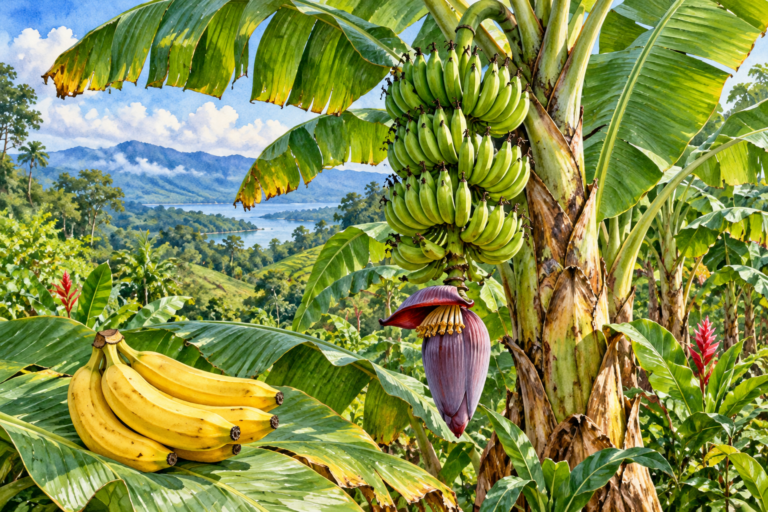
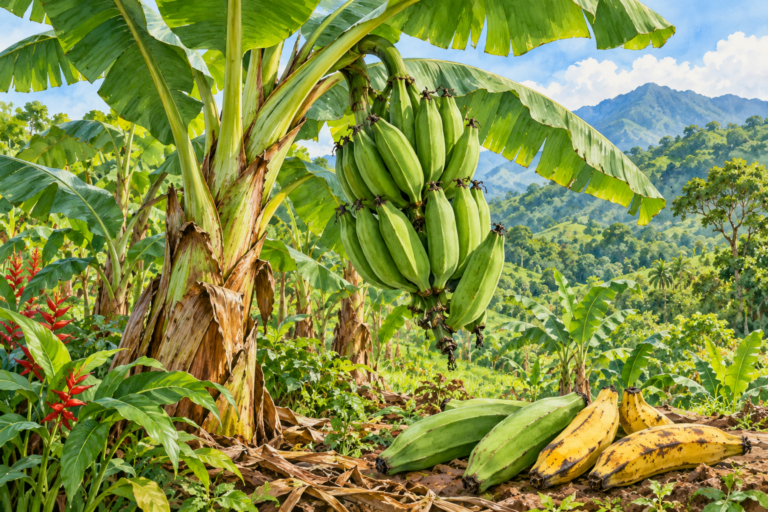
Banana

Spanish name
Banano
Scientific name
Musa spp. (dessert banana cultivars)

What Do Pico & Tati Think?

Pico: “That banana plant looks like a tree!”

Tati: “Its stem is made from layers of leaf bases.”

Identification

Key Features of the Banana

  • Very broad elongated leaves

  • A thick pseudostem made from leaf bases

  • Fruit arranged in hands within a hanging bunch

  • New shoots near the base

Habitat & range

Humid cultivated lowlands. CORBANA documents farms in the Caribbean, Sarapiquí and Parrita; these correspond to Caribbean, Northern Plains and Central Pacific tags.

Conservation & care

Visit farms only with permission and follow the host's instructions. Stay clear of machinery, chemical applications and working areas. Do not pick or taste plants without a responsible adult and the host's approval.

View full profile →

Nature Field Guide

Black Vulture

Spanish name
Zopilote negro
Scientific name
Coragyps atratus

What Do Pico & Tati Think?

Pico: “Which vulture is that one?”

Tati: “Look for the short tail and pale patches just at the wingtips.”

Identification

Key Features of the Black Vulture

  • Bare dark head

  • Short rounded tail

  • White patches at outer wingtips

Habitat & range

Widespread over towns and open landscapes from the coast into the mountains, becoming less frequent above about 2000 m. A regional tag does not identify a nesting site.

Conservation & care

Observe quietly from trails or established viewing areas. Give nests, roosts and feeding birds space. Do not handle, chase or lure birds with playback. Keep pets away from wildlife.

Threats & pressures

Protect native vegetation, reduce collision hazards around glass and keep cats away from birds. These are practical prevention priorities, not a claim of a measured decline at a specific Costa Rican site.

View full profile →

Nature Field Guide

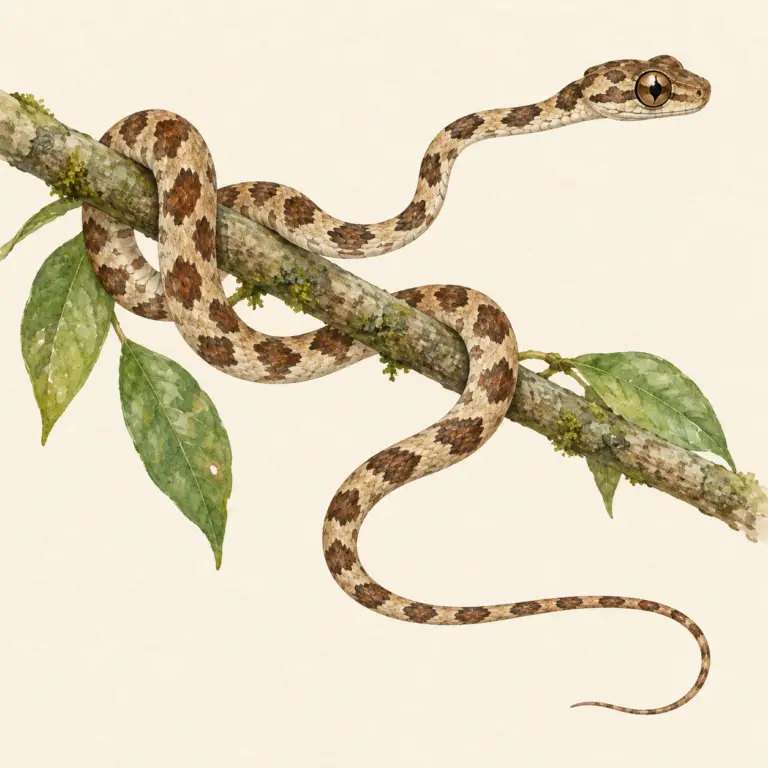
Blunt-headed Tree Snake

Spanish name
Serpiente bejuquillo cabezona
Scientific name
Imantodes cenchoa

What Do Pico & Tati Think?

Pico and Tati invite you to learn about the blunt-headed tree snake. From a photograph, compare the widths of the head and neck. Do not move foliage to look for a snake.

Identification

Key Features of the Blunt-headed Tree Snake

  • Very slender body.

  • Head noticeably wider than the neck.

  • Large eyes and brown blotches on a pale background.

Habitat & range

Humid forest understory, vines and shrubs.

Conservation & care

Never approach, touch, catch or try to move any snake, even if it appears harmless or dead. Keep children and pets away, step back calmly and tell an adult or guide. Do not use colors, head shape or this card to judge safety.

View full profile →

Nature Field Guide

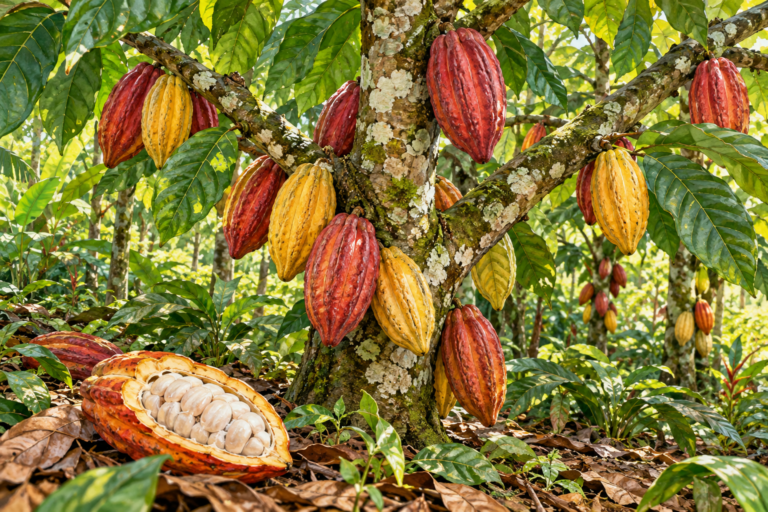
Cacao

Spanish name
Cacao
Scientific name
Theobroma cacao

What Do Pico & Tati Think?

Pico: “Chocolate starts with a tree!”

Tati: “Let's look for pods growing on the trunk.”

Identification

Key Features of the Cacao

  • Large oval leaves

  • Ribbed pods attached to trunk or large branches

  • Tiny flowers on woody parts of the tree

  • Opened pods reveal seeds surrounded by pale pulp

Habitat & range

Humid cacao farms in the Caribbean, Northern Plains and South Pacific. The national cacao plan identifies Talamanca, Upala and Limón among important production cantons.

Conservation & care

Visit farms only with permission and follow the host's instructions. Stay clear of machinery, chemical applications and working areas. Do not pick or taste plants without a responsible adult and the host's approval.

View full profile →

Nature Field Guide

Cassava / Yuca

Spanish name
Yuca
Scientific name
Manihot esculenta

What Do Pico & Tati Think?

Pico: “Where is the yuca hiding?”

Tati: “Its storage roots grow beneath the soil.”

Identification

Key Features of the Cassava / Yuca

  • Leaves divided into several narrow lobes

  • Shrubby stems above the soil

  • Thick elongated storage roots below ground

  • Harvested roots have brown skin and pale flesh

Habitat & range

Cultivated farms in the Northern Plains, with documented production in the Caribbean and South Pacific.

Conservation & care

Do not taste raw yuca or its leaves. Preparation must be handled by a knowledgeable adult using appropriate food-processing guidance. Do not pull up farm plants.

Visit farms only with permission and follow the host's instructions. Stay clear of machinery, chemical applications and working areas. Do not pick or taste plants without a responsible adult and the host's approval.

View full profile →

Nature Field Guide

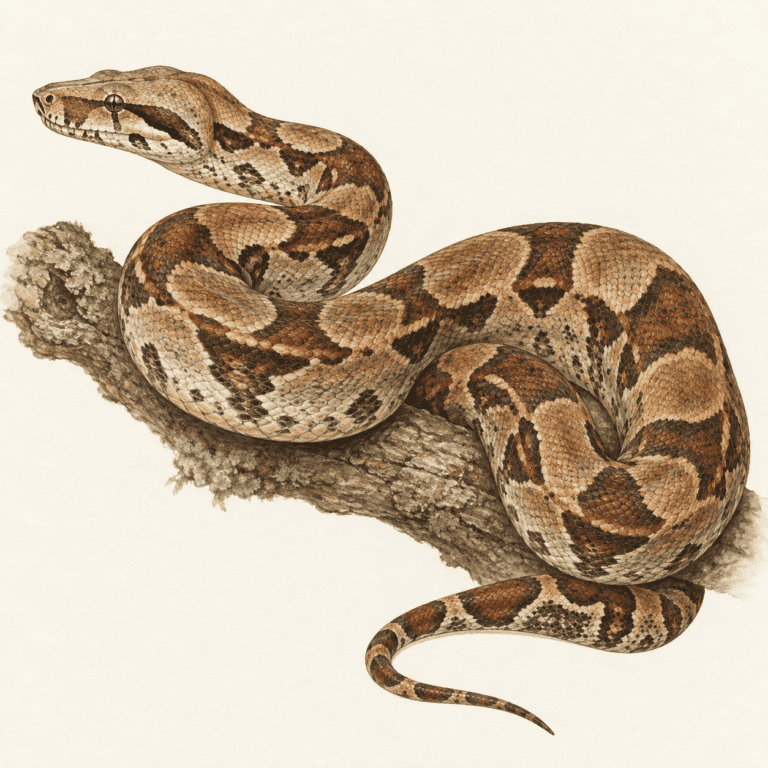
Central American Boa

Spanish name
Boa o béquer
Scientific name
Boa imperator

What Do Pico & Tati Think?

Pico and Tati invite you to learn about the central american boa. Using a photograph, draw three saddle-shaped markings and explain how patterns can blend with a background.

Identification

Key Features of the Central American Boa

  • Heavy body with large brown saddle-like markings.

  • Broad head and a tapering tail.

  • Color and pattern vary between individuals.

Habitat & range

Forests, forest edges and other suitable habitats across Costa Rica.

Conservation & care

Never approach, touch, catch or try to move any snake, even if it appears harmless or dead. Keep children and pets away, step back calmly and tell an adult or guide. Do not use colors, head shape or this card to judge safety.

View full profile →

Nature Field Guide

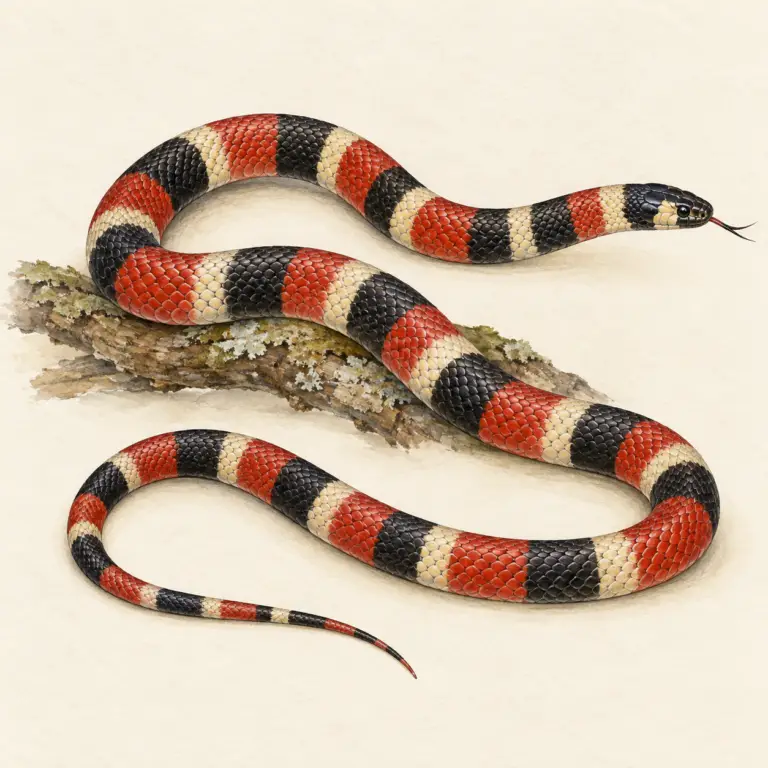
Central American Coral Snake

Spanish name
Coral macho
Scientific name
Micrurus nigrocinctus

What Do Pico & Tati Think?

Pico and Tati invite you to learn about the central american coral snake. Create a ring-pattern drawing from a verified photograph. Write the rule: observe snakes from a distance and tell an adult.

Identification

Key Features of the Central American Coral Snake

  • Red, pale and black rings encircling the body.

  • Relatively small head with little separation from the neck.

  • A slender-to-moderately robust cylindrical body.

Habitat & range

Pacific-slope lowlands and premontane areas, including parts of the Central Valley.

Conservation & care

Never approach, touch, catch or try to move any snake, even if it appears harmless or dead. Keep children and pets away, step back calmly and tell an adult or guide. Do not use colors, head shape or this card to judge safety.

View full profile →

Nature Field Guide

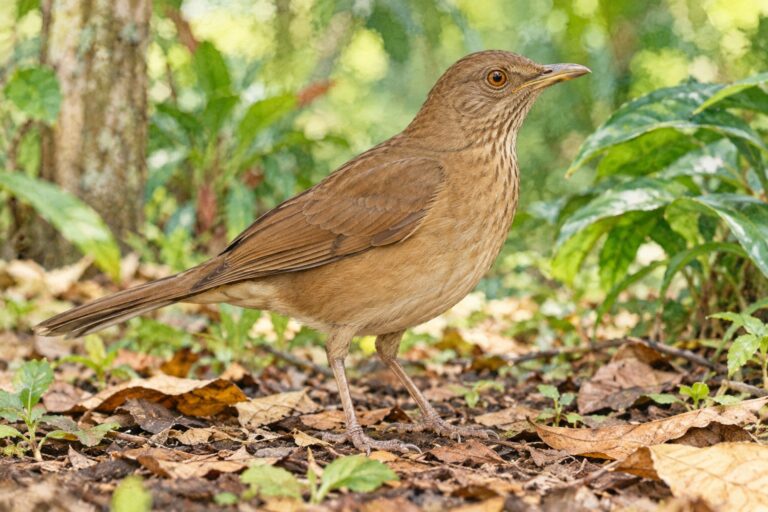
Clay-colored Thrush

Spanish name
Mirlo pardo / Yigüirro
Scientific name
Turdus grayi

What Do Pico & Tati Think?

Pico: “That brown bird has a beautiful song!”

Tati: “That is the yigüirro. We can learn its voice as well as its colors.”

Identification

Key Features of the Clay-colored Thrush

  • Warm brown plumage

  • Yellowish bill

  • Fine throat streaks and orange-brown eye

Habitat & range

Widespread across Costa Rica from lowlands to about 2450 m, in gardens, farms, secondary growth and wooded urban areas. Less numerous in the dry northwest and higher mountains.

Conservation & care

Observe quietly from trails or established viewing areas. Give nests, roosts and feeding birds space. Do not handle, chase or lure birds with playback. Keep pets away from wildlife.

Threats & pressures

Protect native vegetation, reduce collision hazards around glass and keep cats away from birds. These are practical prevention priorities, not a claim of a measured decline at a specific Costa Rican site.

View full profile →

Nature Field Guide

Coconut

Spanish name
Coco
Scientific name
Cocos nucifera

What Do Pico & Tati Think?

Pico: “Is coconut water the same as coconut milk?”

Tati: “They are different! Let's ask our host to show us.”

Identification

Key Features of the Coconut

  • Tall palm trunk with a crown of featherlike fronds

  • Fruit clusters near the crown

  • A thick fibrous outer husk

  • Hard inner shell around white flesh

Habitat & range

Cultivated palms in the Caribbean and Northern Plains. These tags focus on documented crop production, rather than every ornamental coconut palm on Costa Rica's coasts.

Conservation & care

Do not climb palms or stand beneath hanging coconuts. Let trained adults handle harvesting and opening fruit.

Visit farms only with permission and follow the host's instructions. Stay clear of machinery, chemical applications and working areas. Do not pick or taste plants without a responsible adult and the host's approval.

View full profile →

Nature Field Guide

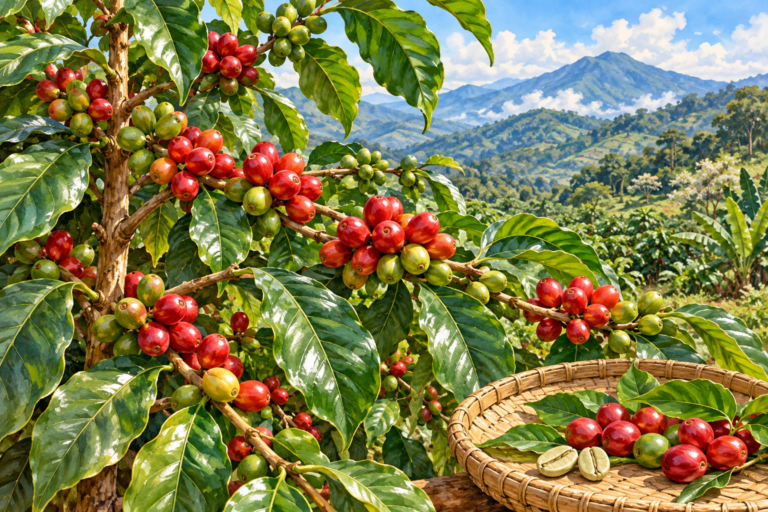
Coffee

Spanish name
Café
Scientific name
Coffea arabica

What Do Pico & Tati Think?

Pico: “The coffee bean starts inside a fruit!”

Tati: “Let's find the cherry before we think about the bean.”

Identification

Key Features of the Coffee

  • Glossy leaves arranged in pairs

  • Small fruits clustered along branches

  • Ripe cherries are often red, though some varieties ripen yellow

  • Small white flowers when flowering

Habitat & range

Cultivated farms in several Costa Rican coffee zones, including the Central and Western Valleys, Los Santos, Turrialba, Orosi, Tres Rios, Guanacaste and Brunca. ICAFE also documents production in San Carlos and Sarapiqui, mapped here to Northern Plains. Coffee requires suitable elevation and local growing conditions; a regional tag does not mean all climates within that region are suitable.

Conservation & care

Visit farms only with permission and follow the host's instructions. Stay clear of machinery, chemical applications and working areas. Do not pick or taste plants without a responsible adult and the host's approval.

View full profile →

Nature Field Guide

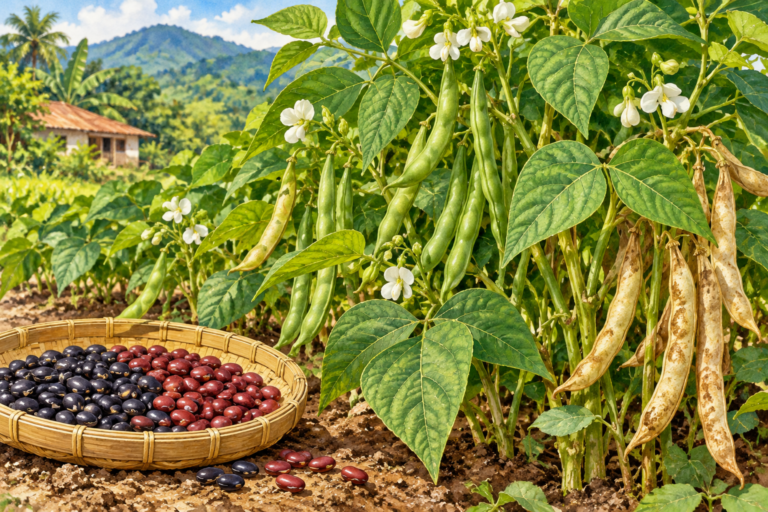
Common Beans

Spanish name
Frijoles
Scientific name
Phaseolus vulgaris

What Do Pico & Tati Think?

Pico: “The beans are inside a pod!”

Tati: “Let's count the seeds in a sample the farmer shares.”

Identification

Key Features of the Common Beans

  • Leaves made of three leaflets

  • Small flowers with a butterfly-like shape

  • Elongated pods containing seeds

  • Seed color and growth habit vary by variety

Habitat & range

Cultivated farms in the Northern Plains and South Pacific, with documented producer support in Santa Cecilia, La Cruz, Guanacaste. Household gardens and farms elsewhere may also grow beans; these tags are selected cultivation examples rather than a complete crop census.

Conservation & care

Do not eat raw or undercooked dry beans. Let an adult prepare food samples properly. Keep small seeds away from young children who may put them in their mouths.

Visit farms only with permission and follow the host's instructions. Stay clear of machinery, chemical applications and working areas. Do not pick or taste plants without a responsible adult and the host's approval.

View full profile →

Nature Field Guide

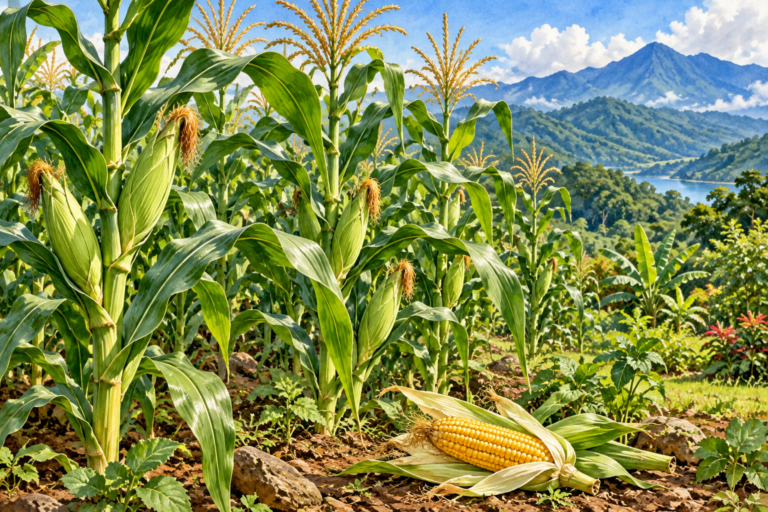
Corn

Spanish name
Maíz
Scientific name
Zea mays

What Do Pico & Tati Think?

Pico: “I can see tassels above the leaves!”

Tati: “And the ears grow lower down along the stem.”

Identification

Key Features of the Corn

  • Tall grass with broad leaves along the stem

  • Tassels at the top

  • Ears wrapped in husks along the stem

  • Silks emerging from developing ears

Habitat & range

Cultivated fields and family farms, including Guanacaste, Northern Plains and South Pacific.

Conservation & care

Visit farms only with permission and follow the host's instructions. Stay clear of machinery, chemical applications and working areas. Do not pick or taste plants without a responsible adult and the host's approval.

View full profile →

Nature Field Guide

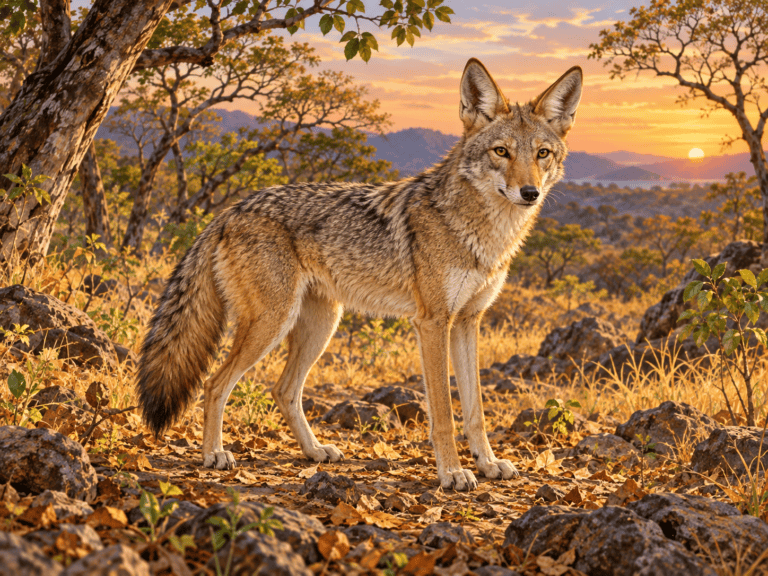
Coyote

Spanish name
Coyote
Scientific name
Canis latrans

What Do Pico & Tati Think?

Pico: “Its ears and bushy tail look different from a fox!”

Tati: “A wild animal should keep finding its own food.”

Identification

Key Features of the Coyote

  • Pointed muzzle and large upright ears.

  • Mixed gray-brown coat with paler underside.

  • Bushy tail usually carried low.

Habitat & range

Sierra Zapote’s forest-edge landscape in Las Juntas, Abangares, and other Guanacaste lowlands.

Conservation & care

Keep a respectful distance and leave an open route for the animal. Stay on authorized paths, secure food and rubbish, and observe without feeding, touching, baiting or chasing.

View full profile →

Nature Field Guide

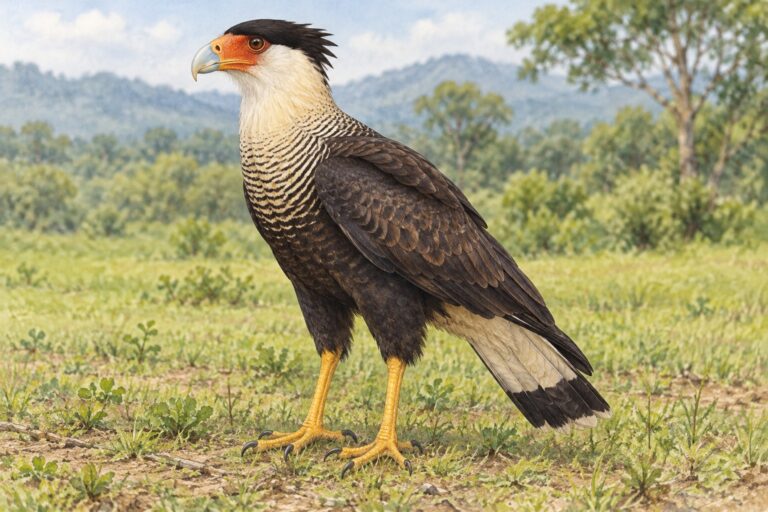
Crested Caracara

Spanish name
Caracara cargahuesos
Scientific name
Caracara plancus

What Do Pico & Tati Think?

Pico: “That bird of prey is walking!”

Tati: “Caracaras often search on foot. Look at those long legs.”

Identification

Key Features of the Crested Caracara

  • Dark cap and pale neck

  • Orange-red bare face

  • Long legs and hooked bill

Habitat & range

Open northwestern landscapes, pasture, farmland and beaches, with local occurrence around Rio Frio and occasional movement into San Carlos. This conservative set omits occasional Central Valley wanderers.

Conservation & care

Observe quietly from trails or established viewing areas. Give nests, roosts and feeding birds space. Do not handle, chase or lure birds with playback. Keep pets away from wildlife.

Threats & pressures

Protect native vegetation, reduce collision hazards around glass and keep cats away from birds. These are practical prevention priorities, not a claim of a measured decline at a specific Costa Rican site.

View full profile →

Nature Field Guide

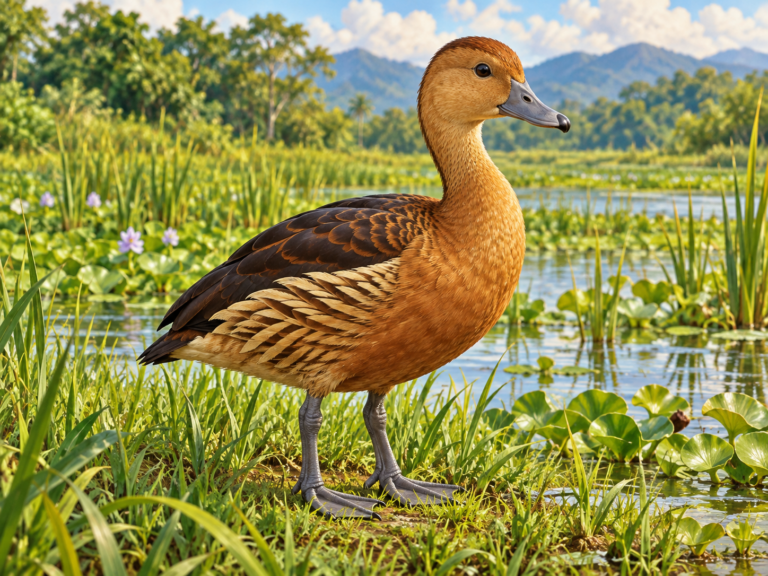
Fulvous Whistling-Duck

Spanish name
Pijije canelo
Scientific name
Dendrocygna bicolor

What Do Pico & Tati Think?

Pico: “That duck has such a long neck!”

Tati: “Let’s compare its colors with the other ducks.”

Identification

Key Features of the Fulvous Whistling-Duck

  • Warm caramel-brown neck and underparts.

  • Dark bill, long neck and long legs.

  • Pale flank markings on a darker body.

Habitat & range

Documented in the Tempisque and Palo Verde wetland landscape. Freshwater marshes, shallow flooded areas and rice-growing wetlands are relevant habitats.

Conservation & care

Stay on authorized trails or viewing routes. Give birds space, keep voices low and leave nests undisturbed. Observe without bait, feeding or recorded calls.

View full profile →

Nature Field Guide

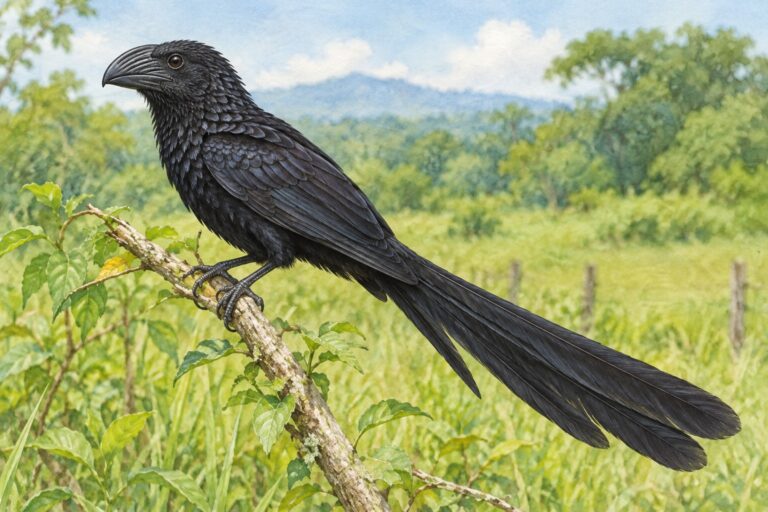
Groove-billed Ani

Spanish name
Garrapatero piquiestriado / Tijo
Scientific name
Crotophaga sulcirostris

What Do Pico & Tati Think?

Pico: “Its beak has tiny lines!”

Tati: “Those grooves are helpful, but we need a clear view.”

Identification

Key Features of the Groove-billed Ani

  • All-black plumage

  • Long loosely held tail

  • Heavy upper bill with grooves

Habitat & range

Open and shrubby country, pasture margins and settled areas across Costa Rica, reaching middle elevations. It is less frequent in much of the southern Pacific, where Smooth-billed Ani predominates.

Conservation & care

Observe quietly from trails or established viewing areas. Give nests, roosts and feeding birds space. Do not handle, chase or lure birds with playback. Keep pets away from wildlife.

Threats & pressures

Protect native vegetation, reduce collision hazards around glass and keep cats away from birds. These are practical prevention priorities, not a claim of a measured decline at a specific Costa Rican site.

View full profile →

Nature Field Guide

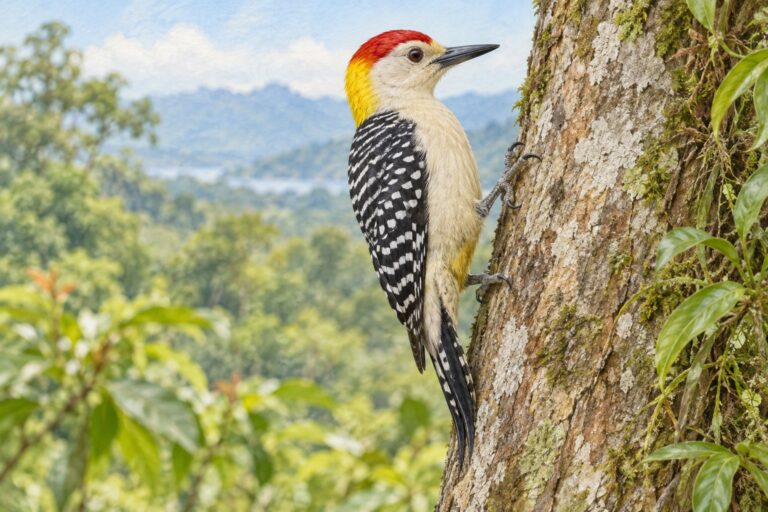
Hoffmann’s Woodpecker

Spanish name
Carpintero de Hoffmann
Scientific name
Melanerpes hoffmannii

What Do Pico & Tati Think?

Pico: “Its back looks like a striped pattern!”

Tati: “Look at the crown too. Males and females differ there.”

Identification

Key Features of the Hoffmann’s Woodpecker

  • Black-and-white barred back

  • Yellow nape

  • Male has a red crown

Habitat & range

Strongest in the northern Pacific and Central Valley, extending south toward Tarcoles and locally into Rio Frio. Occurs along parts of the Reventazon corridor; avoid treating all Caribbean rainforest as typical habitat.

Conservation & care

Observe quietly from trails or established viewing areas. Give nests, roosts and feeding birds space. Do not handle, chase or lure birds with playback. Keep pets away from wildlife.

Threats & pressures

Protect native vegetation, reduce collision hazards around glass and keep cats away from birds. These are practical prevention priorities, not a claim of a measured decline at a specific Costa Rican site.

View full profile →

Nature Field Guide

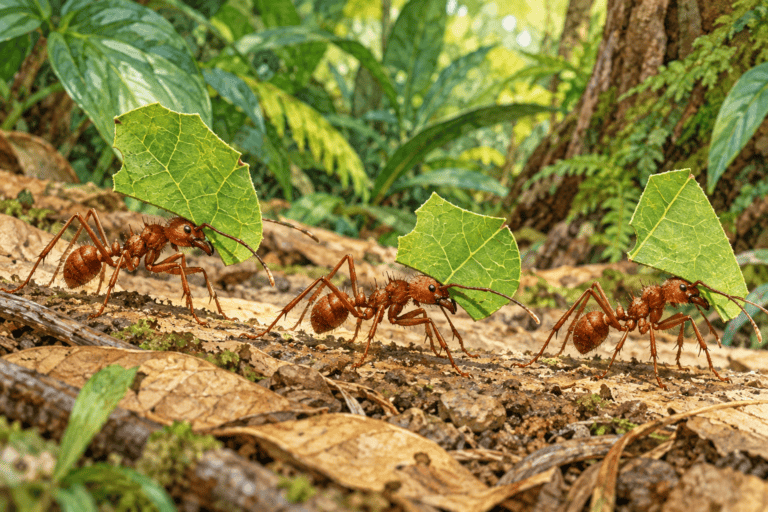
Leafcutter Ant

Spanish name
Hormiga zompopa
Scientific name
Atta cephalotes

What Do Pico & Tati Think?

Pico: “Let's look closely at the leafcutter ant!”

Tati: “We can compare its shape and markings without touching it.”

Identification

Key Features of the Leafcutter Ant

  • Leaf fragments carried above body

  • elbowed antennae

  • workers of different sizes

Habitat & range

Suitable forest, garden or open habitats; distribution varies with habitat and species.

Conservation & care

Observe without collecting, handling or disturbing insects or nests. Stay on permitted paths. Leave caterpillars and their food plants in place.

View full profile →

Nature Field Guide

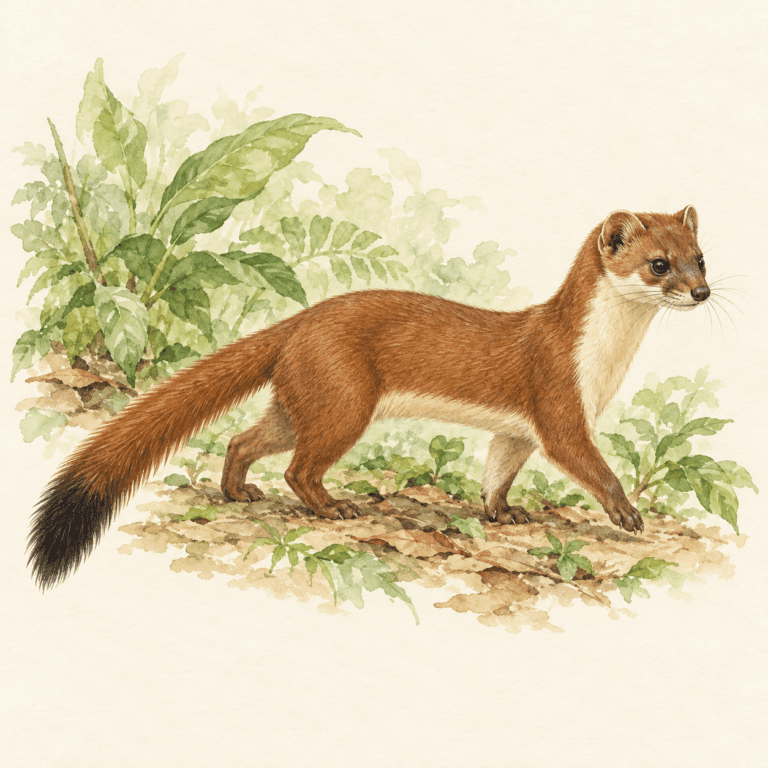
Long-tailed Weasel

Spanish name
Comadreja de cola larga
Scientific name
Neogale frenata

What Do Pico & Tati Think?

A long-tailed weasel has a narrow flexible body that helps it move through cover and investigate small spaces.

Identification

Key Features of the Long-tailed Weasel

  • Very slender body with short legs and a small head.

  • Brown upper coat and pale underside.

  • Long tail with a black tip.

Habitat & range

Wooded edges, scrub and other suitable partly open landscapes.

Conservation & care

Explore with an adult or local guide. Observe quietly from a distance, stay on established trails and leave shelter undisturbed. Do not feed, touch, capture or corner wildlife. Keep pets away.

View full profile →

Nature Field Guide

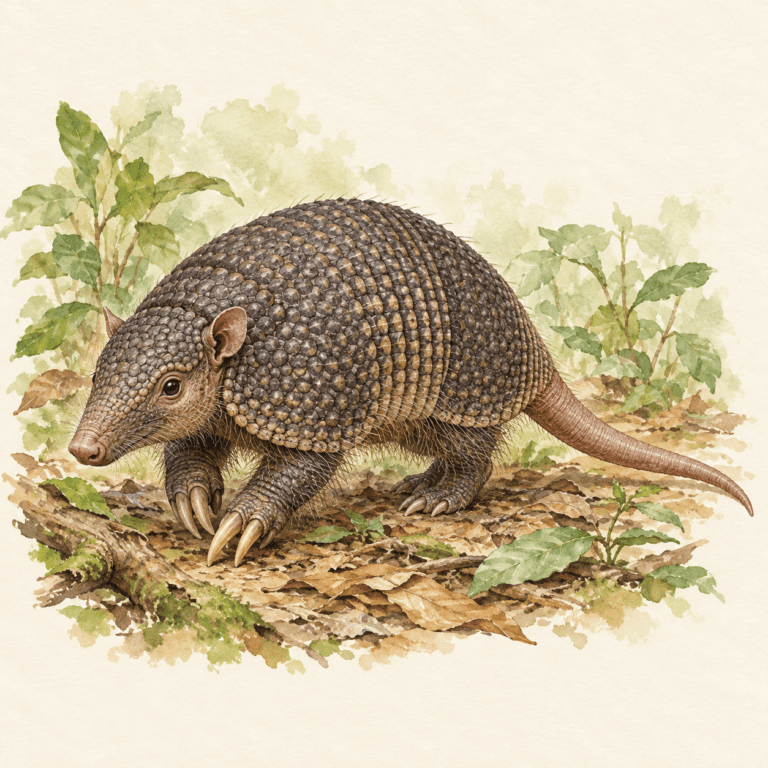
Northern Naked-tailed Armadillo

Spanish name
Armadillo de cola desnuda
Scientific name
Cabassous centralis

What Do Pico & Tati Think?

The northern naked-tailed armadillo is a digging specialist.

What does Least Concern mean?

In the linked conservation assessment, this species does not qualify as threatened or near threatened with extinction. It still needs care: local populations and habitats can face problems even when the species has a lower extinction risk overall.

This label describes conservation status. It does not tell us whether a plant is safe for children or pets. Select the status button to read the assessment.

Identification

Key Features of the Northern Naked-tailed Armadillo

  • Dark armored body with flexible bands.

  • Mostly unarmored tail with thin, widely spaced plates.

  • Large digging claws and a relatively broad head.

Habitat & range

Forests and wooded edges, including documented Costa Rican secondary-forest sites.

Conservation & care

Explore with an adult or local guide. Observe quietly from a distance, stay on established trails and leave shelter undisturbed. Do not feed, touch, capture or corner wildlife. Keep pets away.

Conservation assessment

IUCN specialist-group account reports Least Concern; checked October 2026. The account stresses limited population knowledge. Least Concern does not mean the animal faces no threats.

View full profile →

Nature Field Guide

Peach Palm / Pejibaye

Spanish name
Pejibaye
Scientific name
Bactris gasipaes

What Do Pico & Tati Think?

Pico: “These palm fruits are orange!”

Tati: “Let's learn why pejibaye is served cooked.”

Identification

Key Features of the Peach Palm / Pejibaye

  • Palm with featherlike fronds

  • Dense clusters of small colored fruits

  • Many forms have spines on the trunk

  • Cooked fruit has a firm, starchy interior

Habitat & range

Warm Caribbean-side settings and cultivated farms around Tucurrique, Cartago. The site's Central Valley tag represents the Cartago cultivation example, not a claim that all valley climates suit this palm.

Conservation & care

Avoid trunk spines, climbing and hanging fruit clusters. Taste only properly prepared fruit offered by a responsible adult or host.

Visit farms only with permission and follow the host's instructions. Stay clear of machinery, chemical applications and working areas. Do not pick or taste plants without a responsible adult and the host's approval.

View full profile →

Nature Field Guide

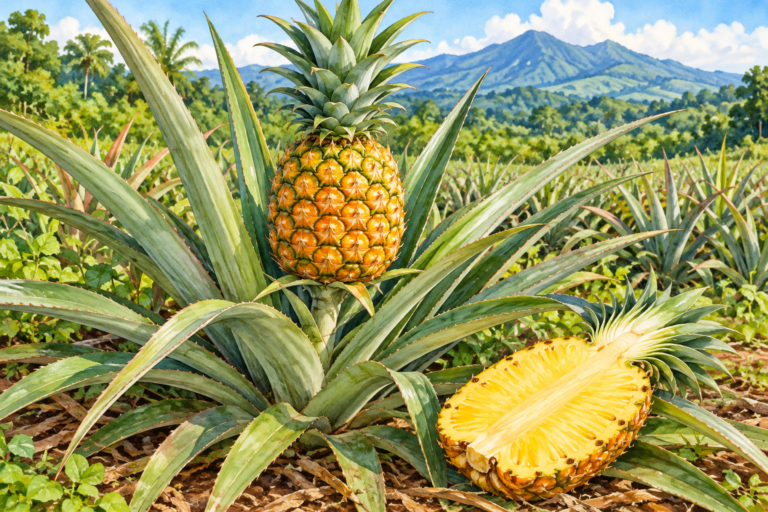
Pineapple

Spanish name
Piña
Scientific name
Ananas comosus

What Do Pico & Tati Think?

Pico: “The pineapple is growing near the ground!”

Tati: “Look at the leaves around it and its little crown.”

Identification

Key Features of the Pineapple

  • Low rosette of long pointed leaves

  • Fruit supported near the plant's center

  • A crown of small leaves on top of the fruit

  • Repeating scale-like pattern on the fruit surface

Habitat & range

Cultivated fields in the Northern Plains, Caribbean and South Pacific. View fields from permitted areas or an arranged farm visit.

Conservation & care

Avoid leaf edges and do not enter working fields without permission. Let an adult or host handle cutting and tasting.

Visit farms only with permission and follow the host's instructions. Stay clear of machinery, chemical applications and working areas. Do not pick or taste plants without a responsible adult and the host's approval.

View full profile →

Nature Field Guide

Plantain

Spanish name
Plátano
Scientific name
Musa spp. (plantain cultivars)

What Do Pico & Tati Think?

Pico: “These fruits look like big bananas!”

Tati: “Let's ask how plantains are used in the kitchen.”

Identification

Key Features of the Plantain

  • Broad elongated leaves

  • Layered pseudostem rather than a woody trunk

  • Large fruits grouped in hands

  • Green and ripe fruits look different

Habitat & range

Warm cultivated areas in the Caribbean, Northern Plains, South Pacific and Central Pacific.

Conservation & care

Visit farms only with permission and follow the host's instructions. Stay clear of machinery, chemical applications and working areas. Do not pick or taste plants without a responsible adult and the host's approval.

View full profile →

Nature Field Guide

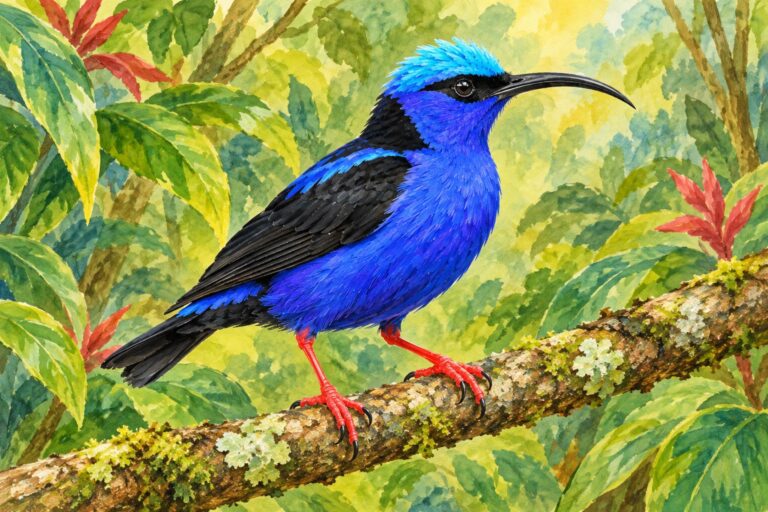
Red-legged Honeycreeper

Spanish name
Mielero patirrojo
Scientific name
Cyanerpes cyaneus

What Do Pico & Tati Think?

Pico: “Why are its feet so red?”

Tati: “Those red legs help us identify it, even when the body colors differ.”

Identification

Key Features of the Red-legged Honeycreeper

  • Bright red legs

  • Slender decurved bill

  • Breeding male blue with turquoise crown

Habitat & range

Wooded lowlands, forest edges, gardens and plantations. Common in northern Pacific areas and parts of Rio Frio; elsewhere on the Caribbean slope it is more local. Also occurs in the southern Pacific.

Conservation & care

Observe quietly from trails or established viewing areas. Give nests, roosts and feeding birds space. Do not handle, chase or lure birds with playback. Keep pets away from wildlife.

Threats & pressures

Protect native vegetation, reduce collision hazards around glass and keep cats away from birds. These are practical prevention priorities, not a claim of a measured decline at a specific Costa Rican site.

View full profile →

Nature Field Guide

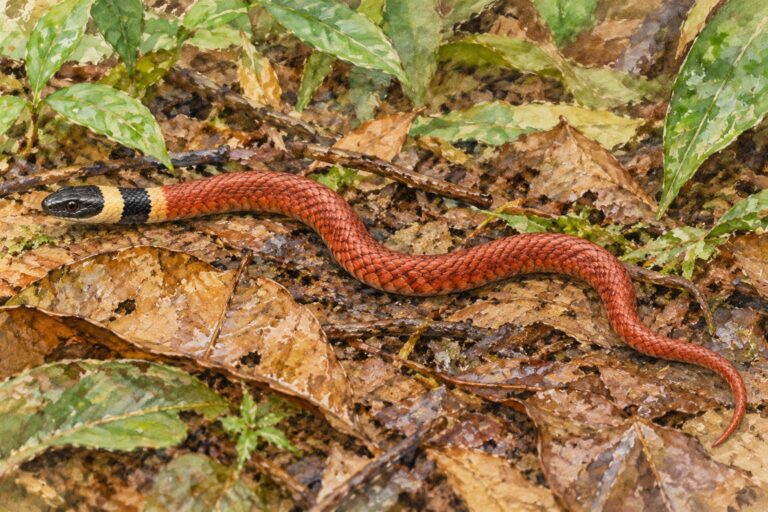
Redback Coffee Snake

Spanish name
Dormilona común / Culebra de cafetal
Scientific name
Ninia sebae

What Do Pico & Tati Think?

Pico: “What clues help us recognize this reptile?”

Tati: “Let’s notice its shape, markings and habitat from a respectful distance.”

Identification

Key Features of the Redback Coffee Snake

  • Red or brick-colored upper body

  • Dark head

  • Pale neck collar and small eyes

Habitat & range

Lowland and foothill ground cover in suitable wooded and disturbed habitats on both slopes.

Conservation & care

Observe only from a distance with an adult or qualified guide. Do not touch, catch, corner or attempt to move any snake. Step back and tell your adult; keep children and pets away. Do not use colors, head shape or pupil shape to decide a snake is safe.

Threats & pressures

Protect habitat connections and natural shelters. Avoid road mortality, collection and deliberate killing. Leave reptiles in their habitat rather than keeping or relocating them.

View full profile →

Nature Field Guide

Rice

Spanish name
Arroz
Scientific name
Oryza sativa

What Do Pico & Tati Think?

Pico: “Those tiny grains become rice!”

Tati: “Let's compare the plant with the rice we see at home.”

Identification

Key Features of the Rice

  • Narrow grass leaves

  • Upright stems with joints

  • Branched clusters carrying many small grains

  • Grain heads can droop as they mature

Habitat & range

Cultivated lowland fields in Guanacaste, Central Pacific, South Pacific and the Northern Plains.

Conservation & care

Visit farms only with permission and follow the host's instructions. Stay clear of machinery, chemical applications and working areas. Do not pick or taste plants without a responsible adult and the host's approval.

View full profile →

Nature Field Guide

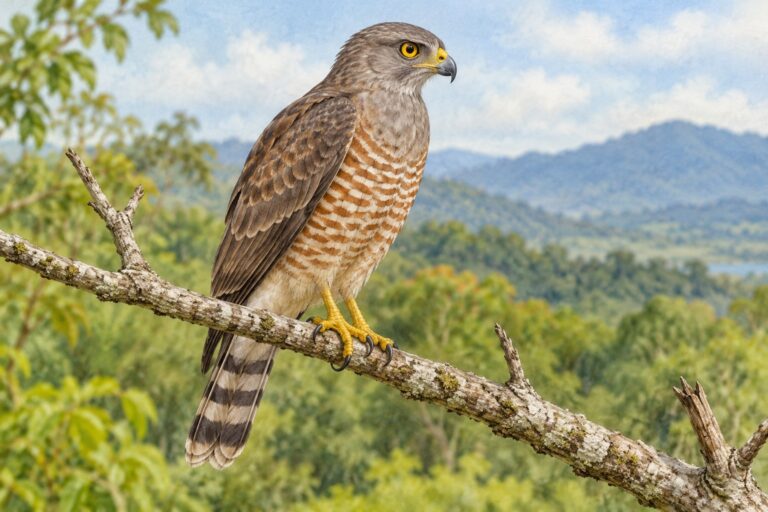
Roadside Hawk

Spanish name
Gavilán chapulinero
Scientific name
Rupornis magnirostris

What Do Pico & Tati Think?

Pico: “I can see stripes across its belly!”

Tati: “Those bars and its yellow eye help us check the identification.”

Identification

Key Features of the Roadside Hawk

  • Yellow eye

  • Rufous-and-white barred belly

  • Broad dark tail bands

Habitat & range

Lowland woodland edges, second growth and open country with trees on both slopes. More frequent in northern Pacific lowlands; local in the Central Valley and other areas.

Conservation & care

Observe quietly from trails or established viewing areas. Give nests, roosts and feeding birds space. Do not handle, chase or lure birds with playback. Keep pets away from wildlife.

Threats & pressures

Protect native vegetation, reduce collision hazards around glass and keep cats away from birds. These are practical prevention priorities, not a claim of a measured decline at a specific Costa Rican site.

View full profile →

Nature Field Guide

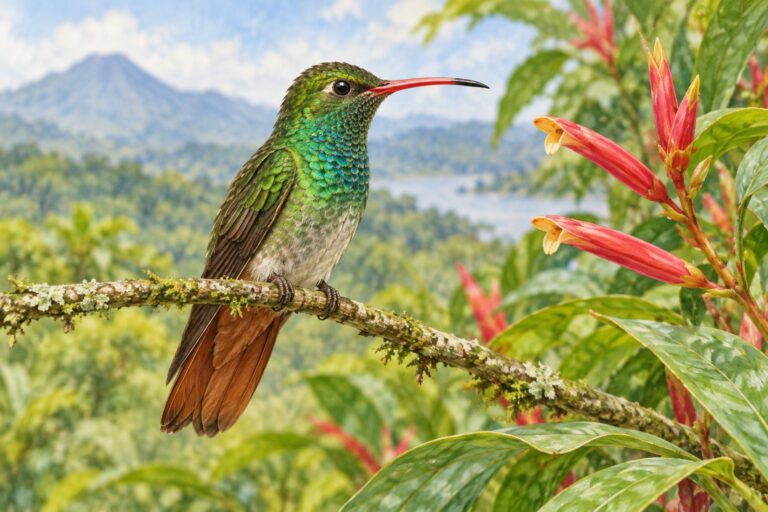
Rufous-tailed Hummingbird

Spanish name
Colibrí rabirrufo
Scientific name
Amazilia tzacatl

What Do Pico & Tati Think?

Pico: “That hummingbird has a rusty tail!”

Tati: “Let’s check its bill and belly too.”

Identification

Key Features of the Rufous-tailed Hummingbird

  • Rusty rufous tail

  • Green head and chest

  • Reddish bill with dark tip

Habitat & range

Widespread on both slopes from sea level locally to about 1850 m. Flowering gardens, secondary growth and river corridors are useful habitat; occurrence is more local in the dry northwest.

Conservation & care

Observe quietly from trails or established viewing areas. Give nests, roosts and feeding birds space. Do not handle, chase or lure birds with playback. Keep pets away from wildlife.

Threats & pressures

Protect native vegetation, reduce collision hazards around glass and keep cats away from birds. These are practical prevention priorities, not a claim of a measured decline at a specific Costa Rican site.

View full profile →

Nature Field Guide

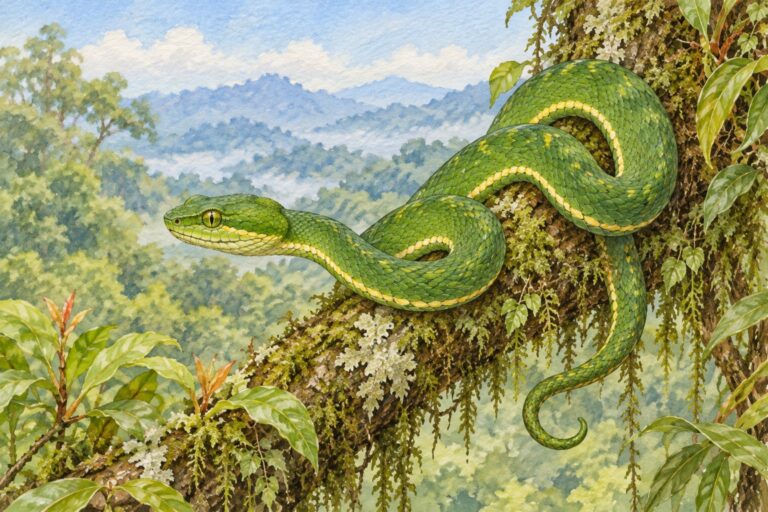
Side-striped Palm Pitviper

Spanish name
Lora venenosa
Scientific name
Bothriechis lateralis

What Do Pico & Tati Think?

Pico: “What helps this reptile fit into its habitat?”

Tati: “Let’s look at its shape, colors and surroundings while giving it plenty of space.”

Identification

Key Features of the Side-striped Palm Pitviper

  • Thin pale line along each side

  • Adults often green; juveniles may be brown

  • Climbing body with a gripping tail

Habitat & range

Mountain forests and wooded agricultural landscapes of Costa Rica, including Monteverde and the central and Talamanca ranges.

Conservation & care

VENOMOUS. Observe only from a distance with a qualified guide. Keep children and pets well away. Never approach, touch, catch or provoke this snake, and do not reach into nearby vegetation.

Threats & pressures

Protect connected habitat and natural shelters. Avoid collection, unnecessary clearing and deliberate killing. Leave wildlife in place and support responsible observation.

View full profile →

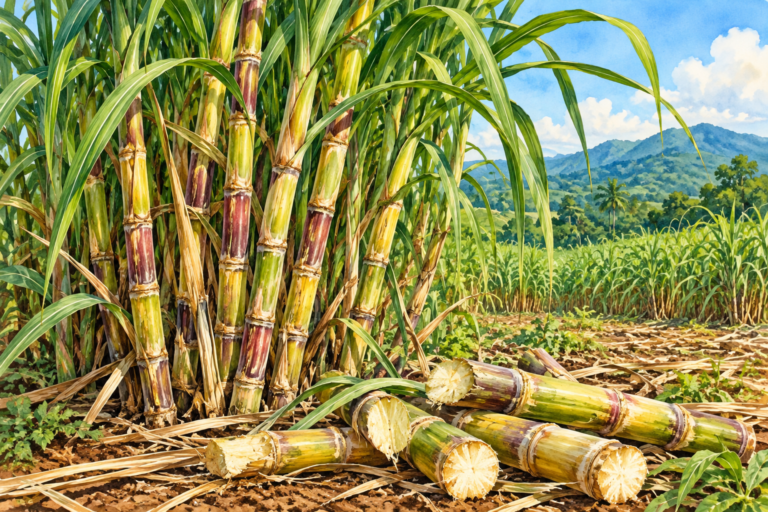
Nature Field Guide

Sugar Cane

Spanish name
Caña de azúcar
Scientific name
Saccharum spp. (cultivated hybrids)

What Do Pico & Tati Think?

Pico: “This tall grass gives us something sweet!”

Tati: “The juice comes from the stalk, and a host can show us how it is processed.”

Identification

Key Features of the Sugar Cane

  • Tall stalks with distinct joints

  • Long narrow grass leaves

  • Many stems growing in a clump

  • Cut stalks show a fibrous interior

Habitat & range

Cultivated cane fields, including Guanacaste, the Northern Zone, Puntarenas, the Central Valley and southern Costa Rica. Traditional trapiches require permission or a hosted visit.

Conservation & care

Stay away from cutting tools, rollers, moving machinery and hot syrup. Let the host handle any cane samples.

Visit farms only with permission and follow the host's instructions. Stay clear of machinery, chemical applications and working areas. Do not pick or taste plants without a responsible adult and the host's approval.

View full profile →

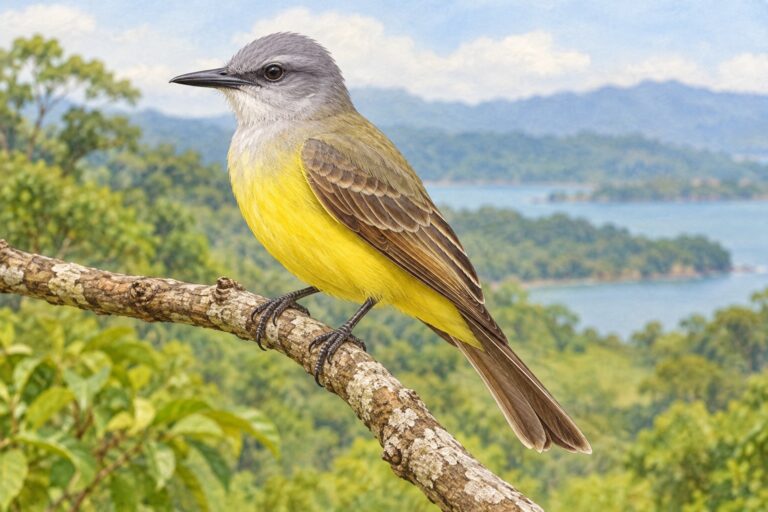
Nature Field Guide

Tropical Kingbird

Spanish name
Tirano tropical
Scientific name
Tyrannus melancholicus

What Do Pico & Tati Think?

Pico: “That bird keeps returning to the same branch!”

Tati: “A perch gives a flycatcher a place to watch for food.”

Identification

Key Features of the Tropical Kingbird

  • Gray head without bold white eyebrow

  • Yellow underparts

  • Long dark bill and brown tail

Habitat & range

Widespread in open country, farms, towns and forest clearings, mainly below about 1850 m and less commonly higher. Regional tags apply only where suitable open habitat exists.

Conservation & care

Observe quietly from trails or established viewing areas. Give nests, roosts and feeding birds space. Do not handle, chase or lure birds with playback. Keep pets away from wildlife.

Threats & pressures

Protect native vegetation, reduce collision hazards around glass and keep cats away from birds. These are practical prevention priorities, not a claim of a measured decline at a specific Costa Rican site.

View full profile →

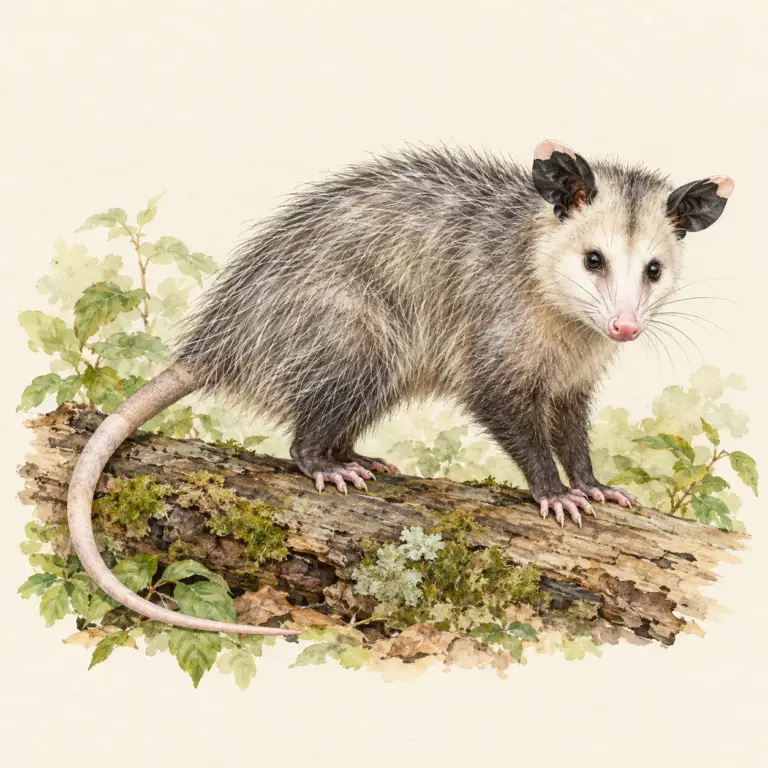
Nature Field Guide

Virginia Opossum

Spanish name
Zorro pelón de Virginia
Scientific name
Didelphis virginiana

What Do Pico & Tati Think?

Despite its name, the Virginia opossum's native range reaches Costa Rica.

Identification

Key Features of the Virginia Opossum

  • Gray coat, pale face and pink nose.

  • Largely hairless ears, sometimes with pale tips.

  • Long bare tail; ear color alone is not a reliable species test.

Habitat & range

Suitable wooded and edge habitats within Costa Rica; local occurrence varies.

Conservation & care

Explore with an adult or local guide. Observe quietly from a distance, stay on established trails and leave shelter undisturbed. Do not feed, touch, capture or corner wildlife. Keep pets away.

View full profile →

My Tico Explorer Experience

Save nature, towns, discoveries and learning adventures for your next experience.

Your list stays in this browser on this device.