Birds · Coastal Birds · Wetland Birds
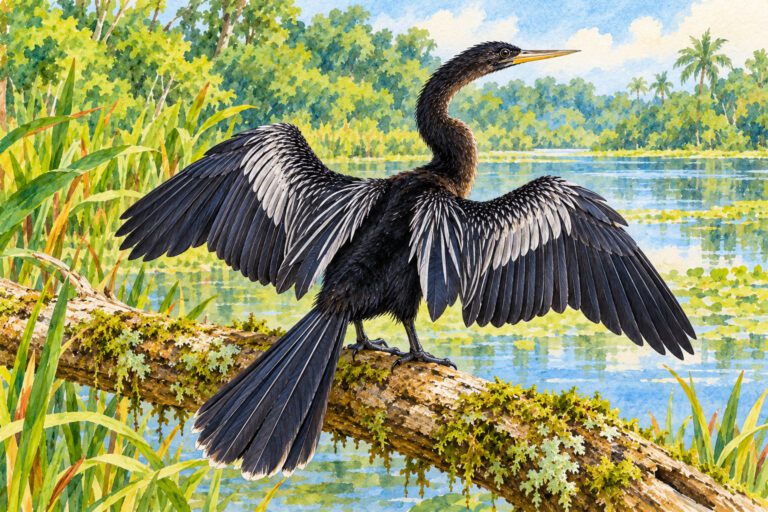
Anhinga
Anhingas swim underwater after fish and use straight pointed bills to seize prey.
Take a closer look ↗

Nature Field Guide
Explore wildlife, plants and trees. Learn what to look for and where to find them.
25 profiles
Anhingas swim underwater after fish and use straight pointed bills to seize prey.
Take a closer look ↗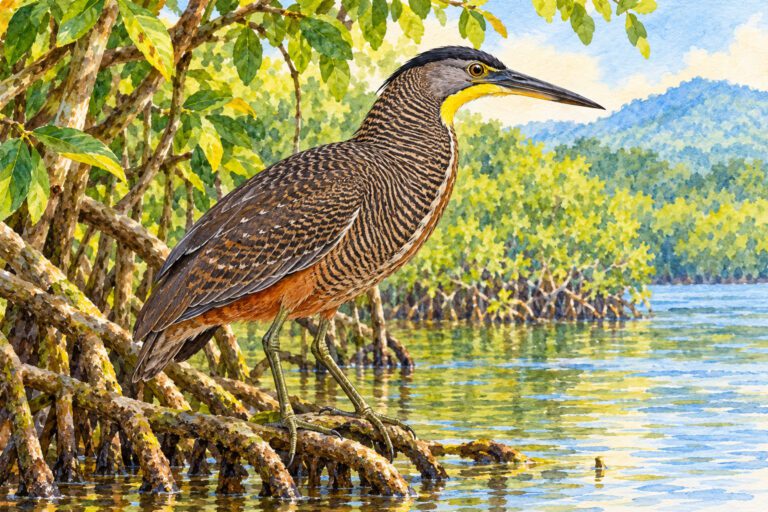
This robust tropical heron uses mangroves and freshwater wetlands.
Take a closer look ↗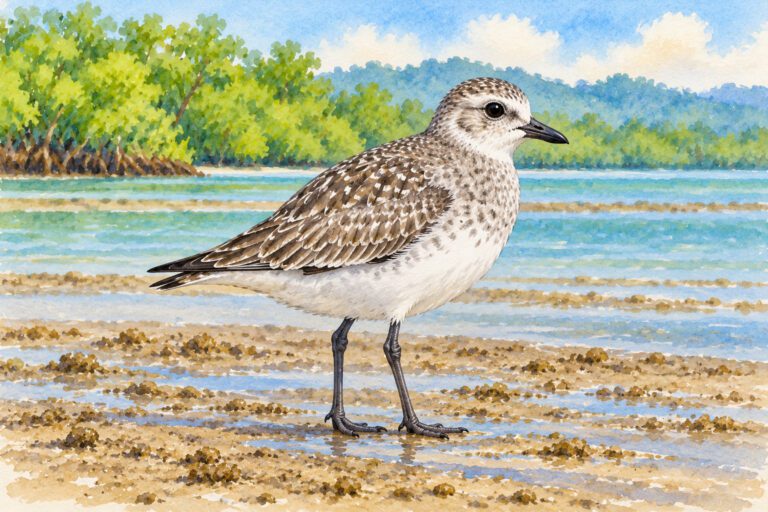
This large plover breeds in the far north and uses coasts outside breeding.
Take a closer look ↗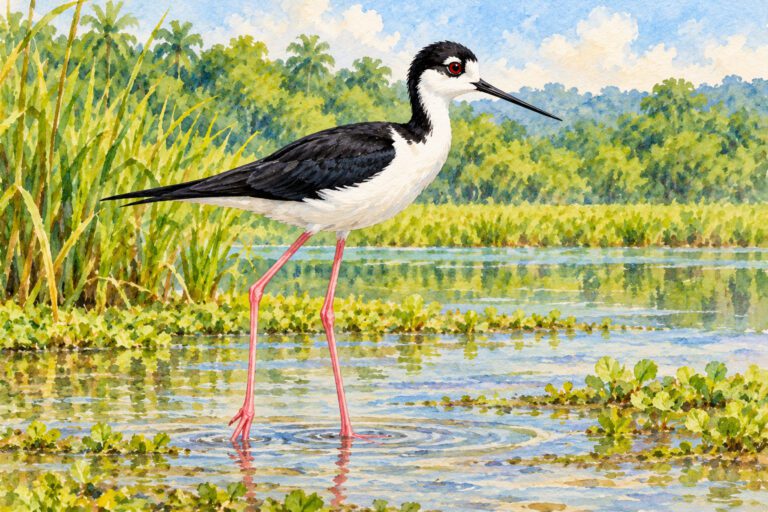
Black-necked Stilts have exceptionally long pink legs, a thin straight dark bill and contrasting black-and-white plumage.
Take a closer look ↗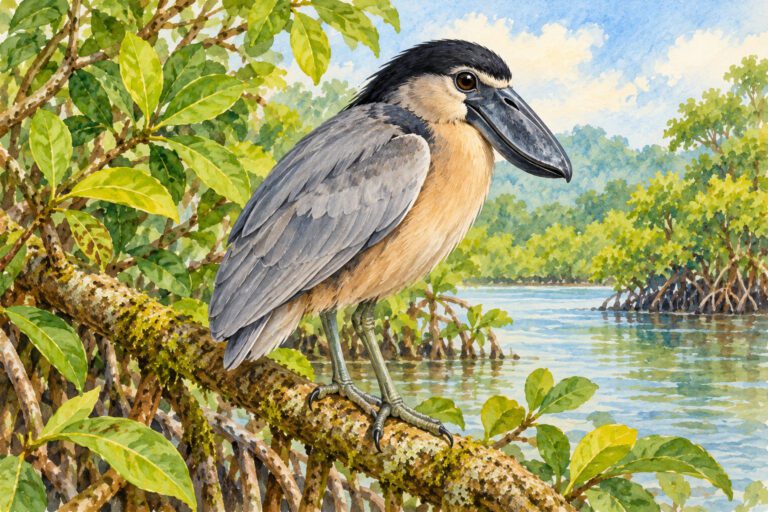
The Boat-billed Heron has an unusually wide flattened bill and large dark eyes.
Take a closer look ↗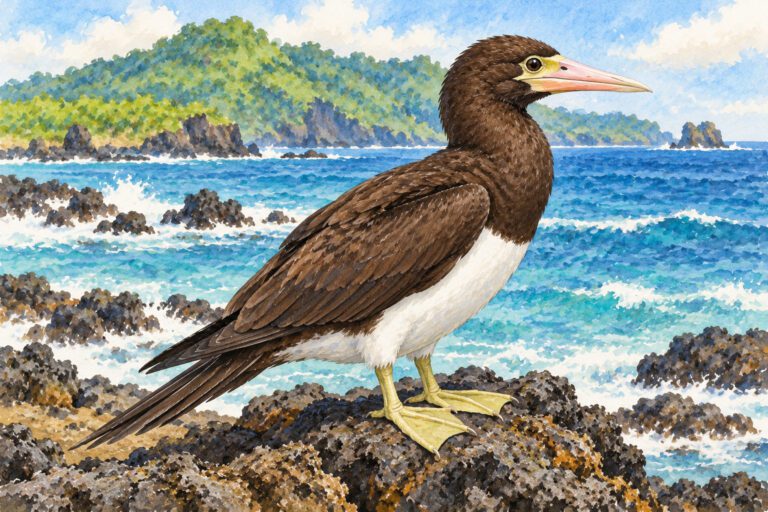
Cocos Boobies are eastern Pacific seabirds formerly included with Brown Booby.
Take a closer look ↗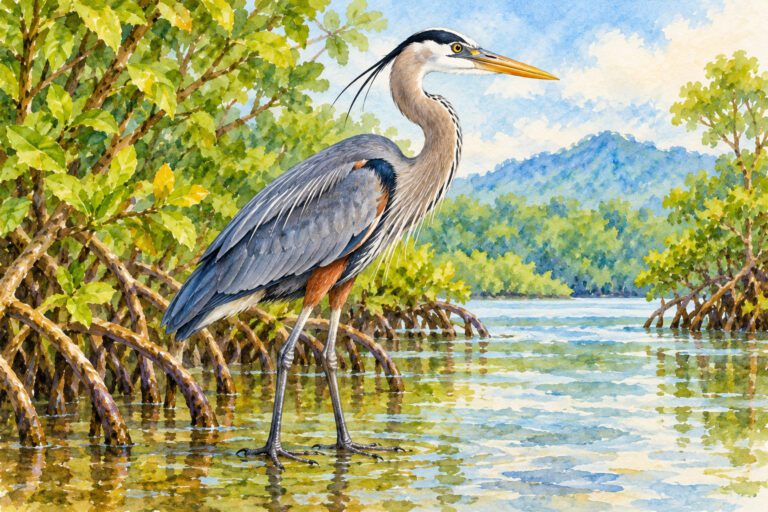
This large heron searches shallow water for fish and other small animals.
Take a closer look ↗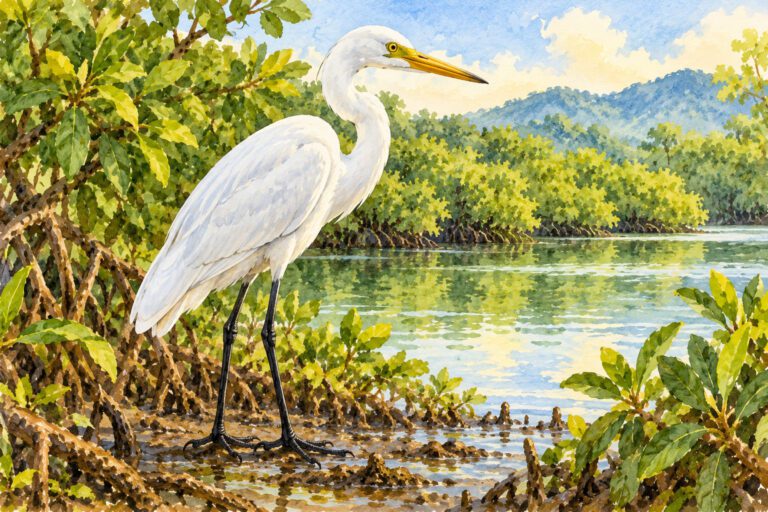
The Great Egret is a large white wading bird that hunts by waiting or walking slowly in shallow water.
Take a closer look ↗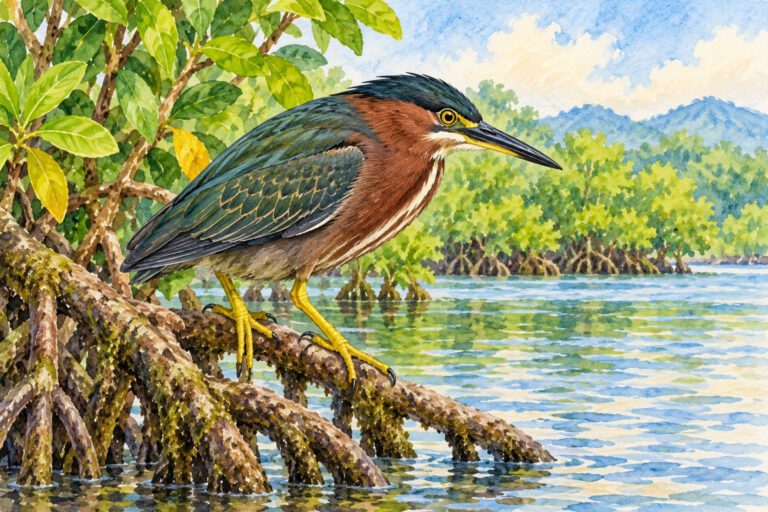
The Green Heron is a compact hunter with a dark greenish back, chestnut neck and a short crest.
Take a closer look ↗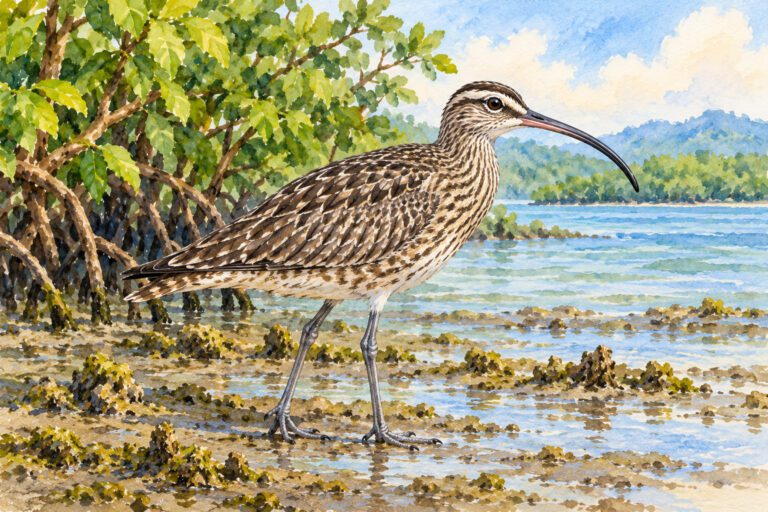
This large shorebird uses its long downward-curved bill to find crabs and other small animals on coastal flats.
Take a closer look ↗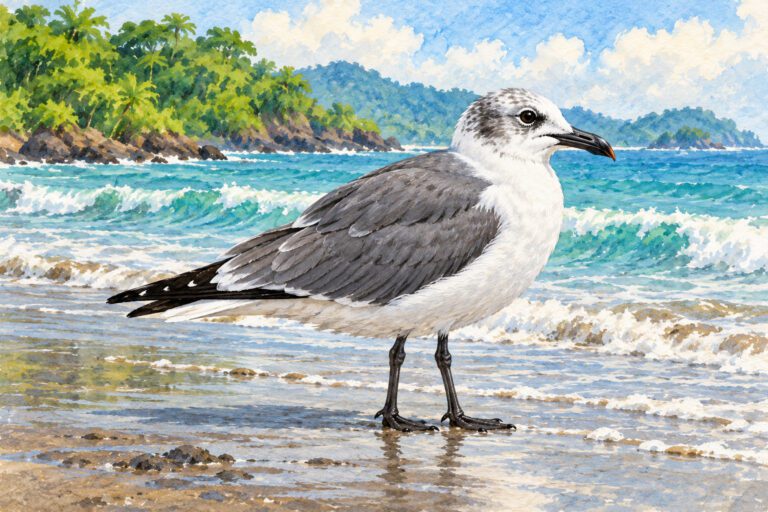
Laughing Gulls are coastal gulls with dark gray backs and blackish wingtips.
Take a closer look ↗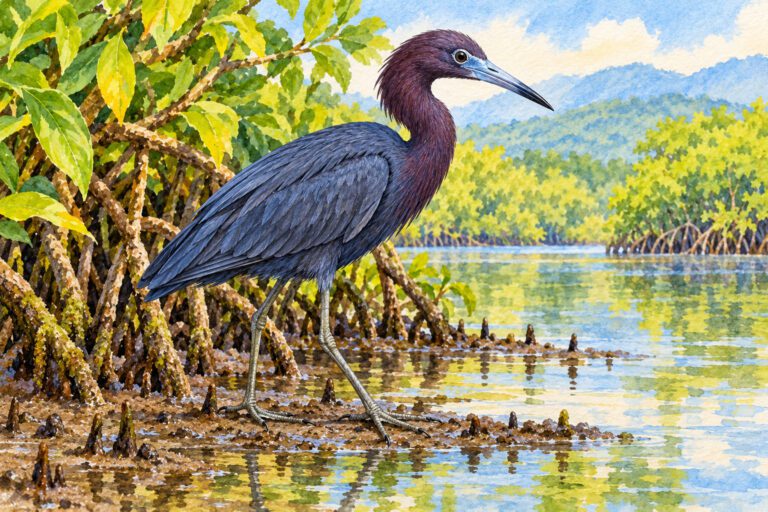
Adults have slate-blue bodies and purplish heads and necks.
Take a closer look ↗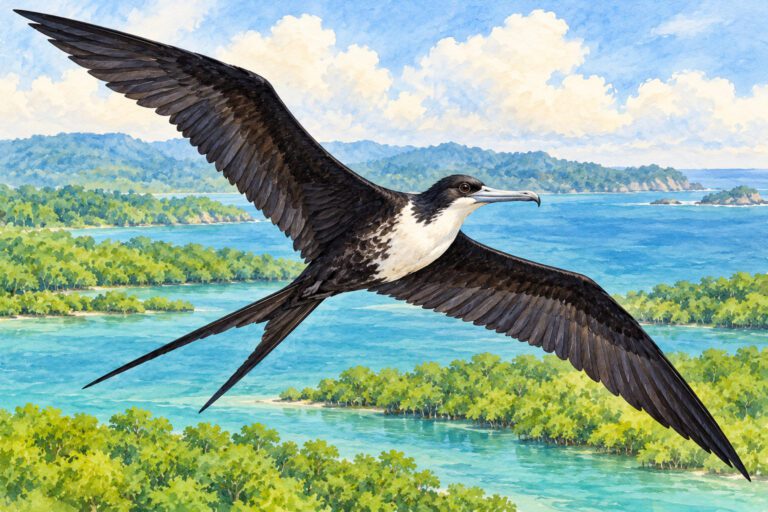
Frigatebirds use very long wings and a deeply forked tail to soar above tropical coasts.
Take a closer look ↗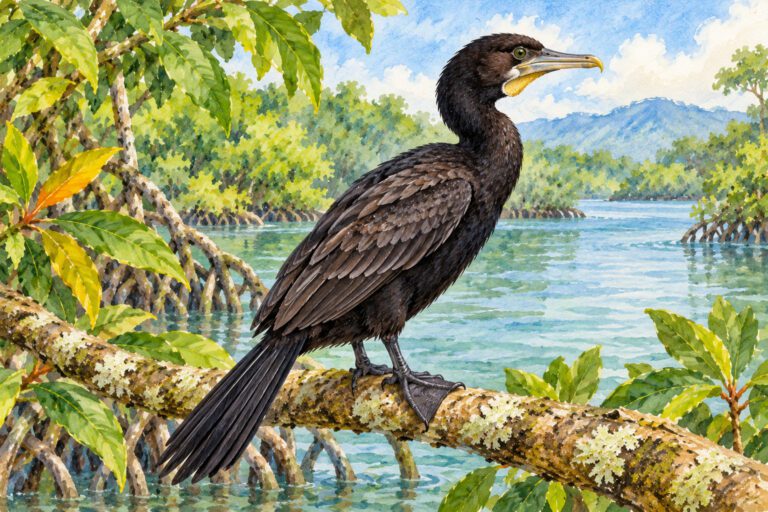
This dark waterbird catches fish by diving and swimming underwater.
Take a closer look ↗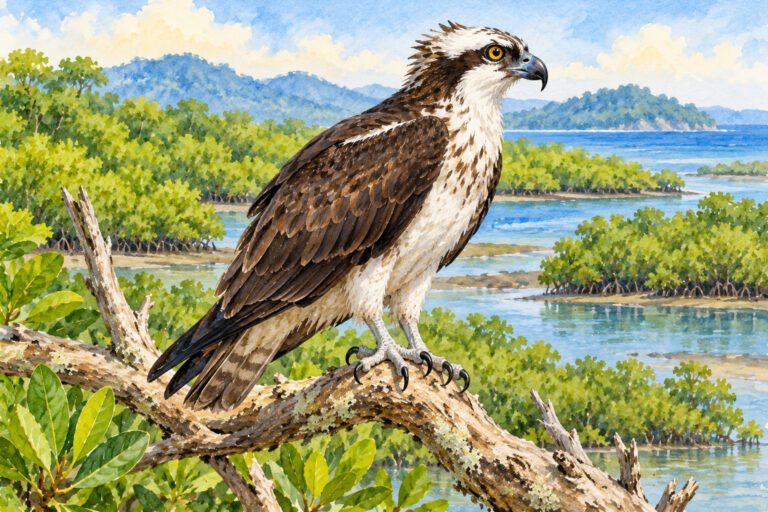
The Osprey is a large raptor that catches fish with its feet.
Take a closer look ↗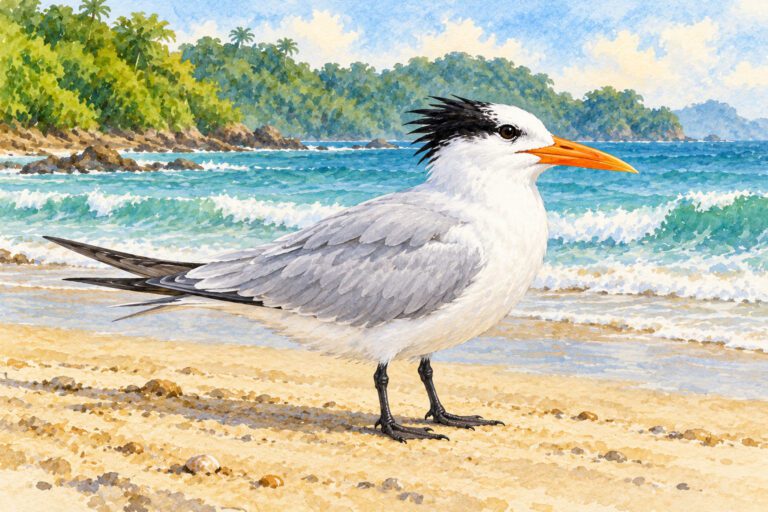
The Royal Tern is a large pale coastal tern with a substantial orange bill and ragged dark crest.
Take a closer look ↗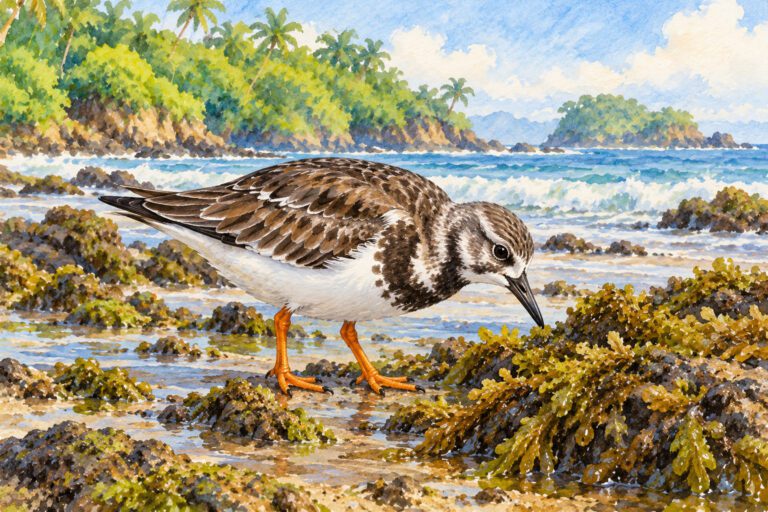
A Ruddy Turnstone uses a short sturdy bill to flip small objects and search for hidden invertebrates.
Take a closer look ↗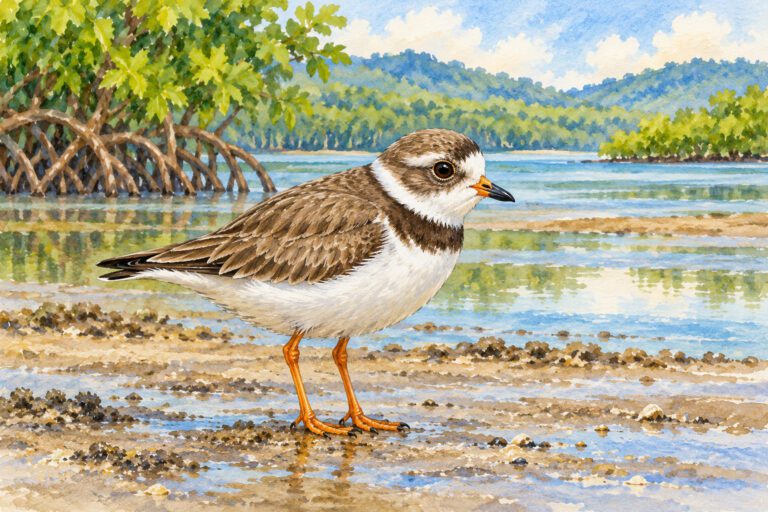
This small plover usually searches open flats with short runs and pauses.
Take a closer look ↗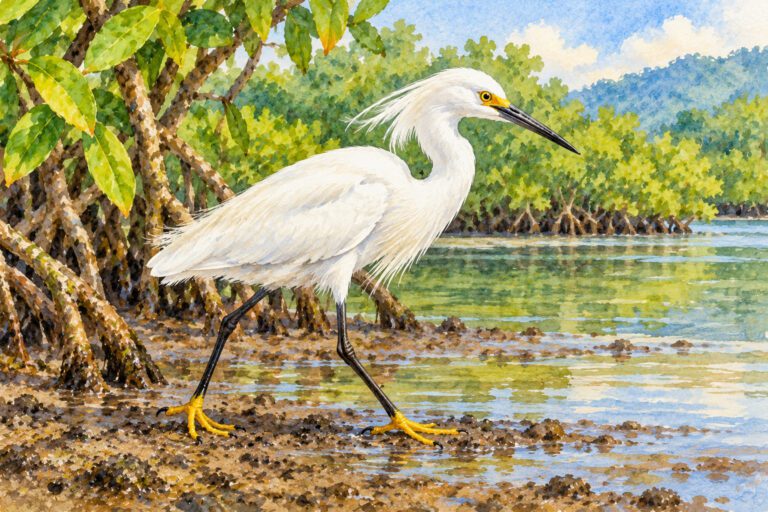
This slender white egret often feeds actively in shallow coastal water.
Take a closer look ↗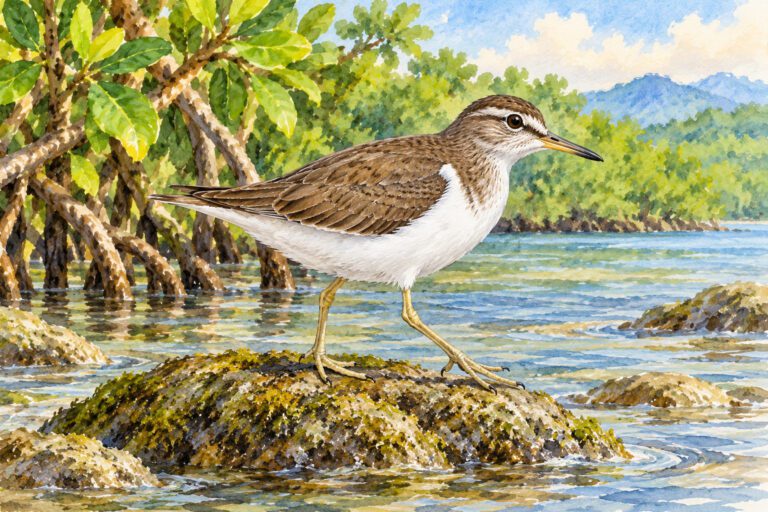
Spotted Sandpipers often bob their tails while walking along water edges.
Take a closer look ↗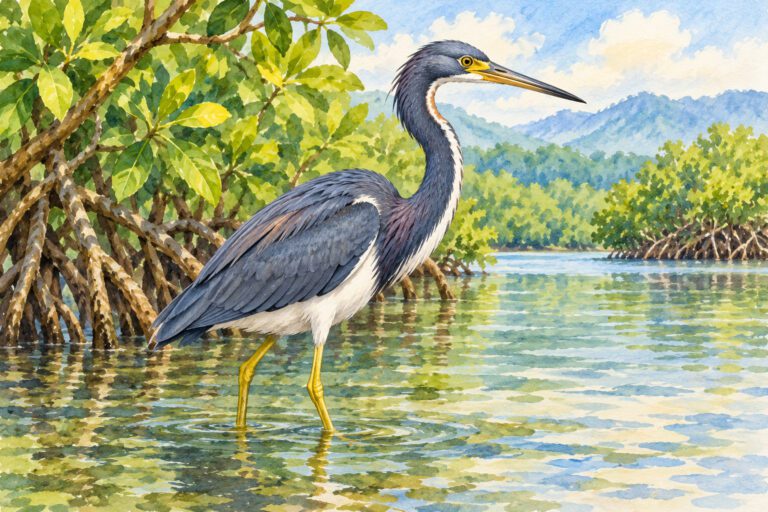
A white belly and pale stripe along the front of the neck distinguish this slender heron from the uniformly dark adult Little Blue Heron.
Take a closer look ↗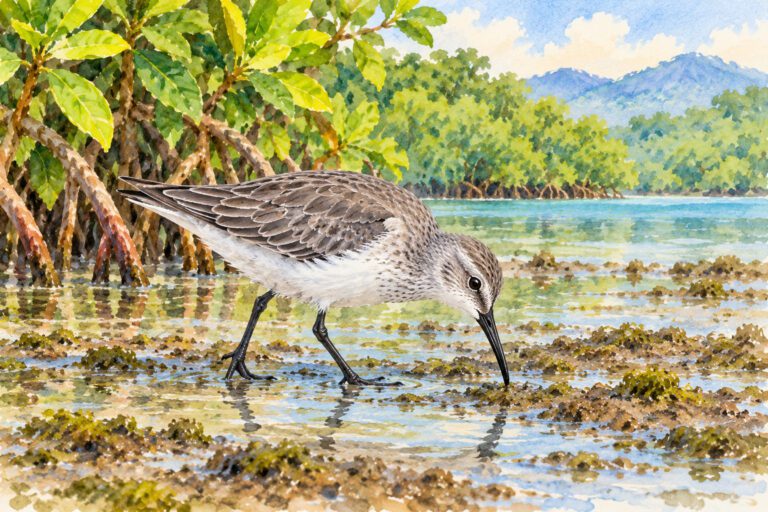
Western Sandpipers are tiny migratory shorebirds that feed on tidal flats.
Take a closer look ↗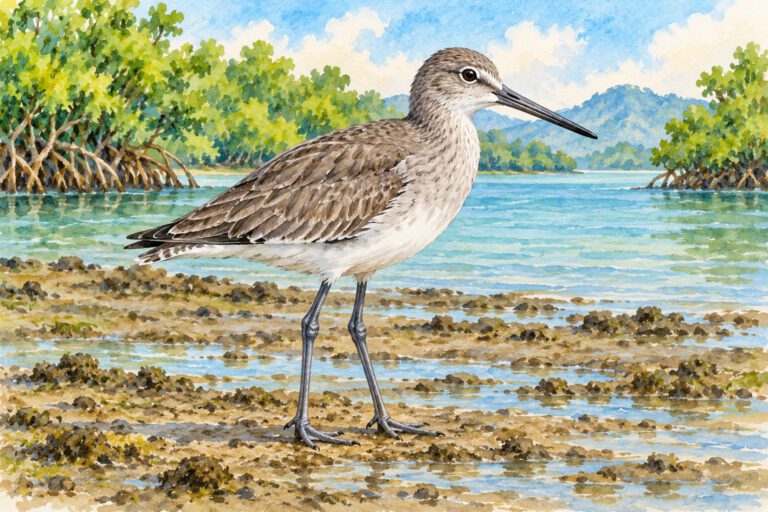
A Willet has a sturdy straight bill and long grayish legs.
Take a closer look ↗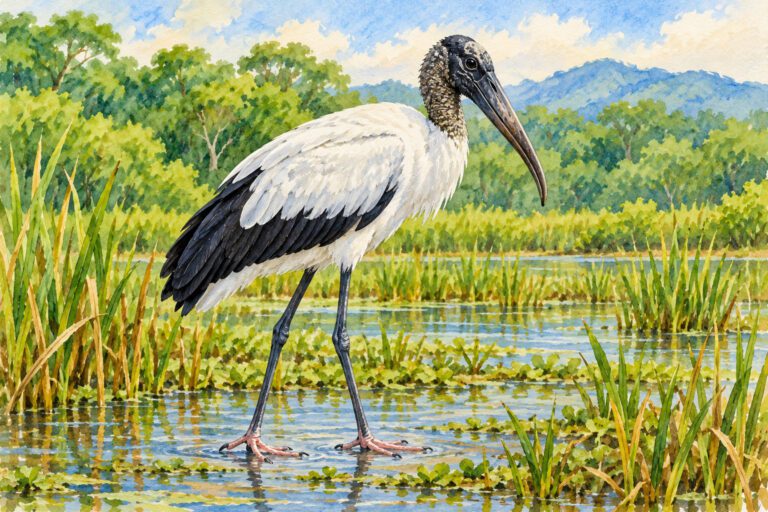
The Wood Stork is a large white wader with black flight feathers and a mostly bare dark adult head.
Take a closer look ↗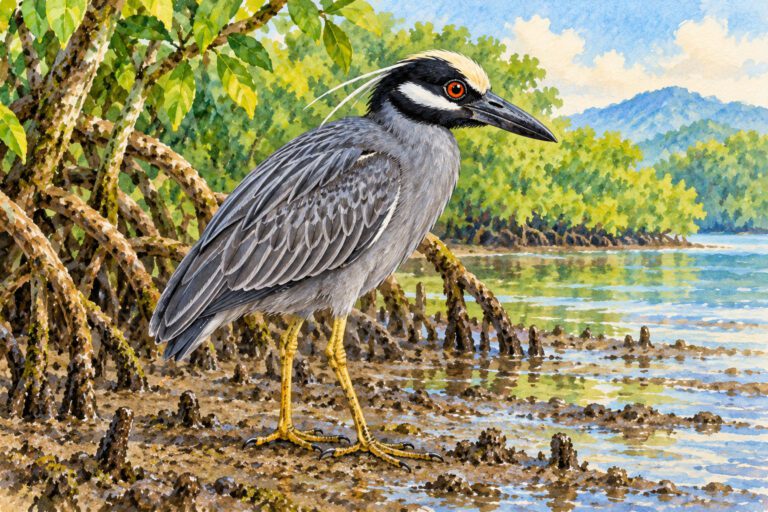
This sturdy heron often hunts crabs and other crustaceans around coastal wetlands.
Take a closer look ↗