Tico Explorers

Nature Field Guide

Cloud Forest

Explore wildlife, plants and trees. Learn what to look for and where to find them.

All Nature

35 profiles

Nature Field Guide

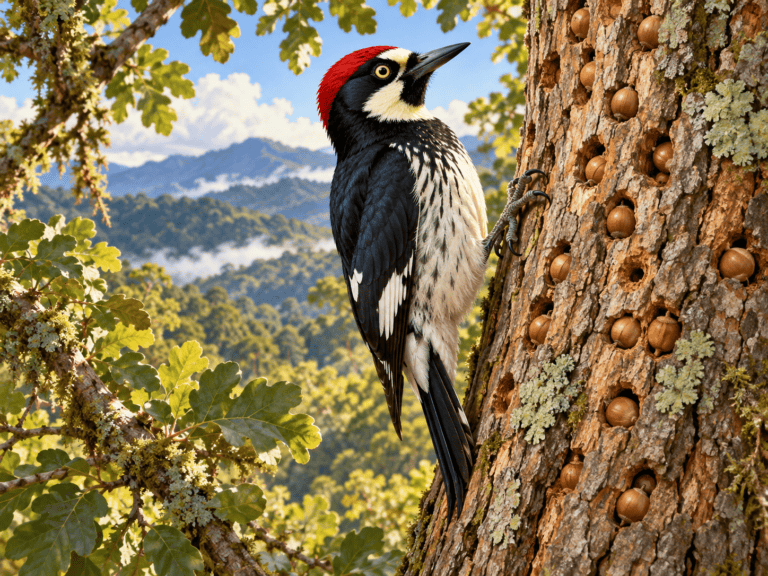
Acorn Woodpecker

Spanish name
Carpintero careto
Scientific name
Melanerpes formicivorus

What Do Pico & Tati Think?

Pico: “That face has bold black, white and red shapes!”

Tati: “Let’s look for clues on the tree without touching them.”

Identification

Key Features of the Acorn Woodpecker

  • Red cap, pale face and black patch around the bill.

  • White wing patches and white rump in flight.

  • Straight bill and stiff supporting tail.

Habitat & range

Mainly middle and high elevations in the Central and Talamanca ranges, especially oak landscapes. South Pacific refers to upland slopes, not the coastal plain.

Conservation & care

Stay on authorized trails or viewing routes. Give birds space, keep voices low and leave nests undisturbed. Observe without bait, feeding or recorded calls.

View full profile →

Nature Field Guide

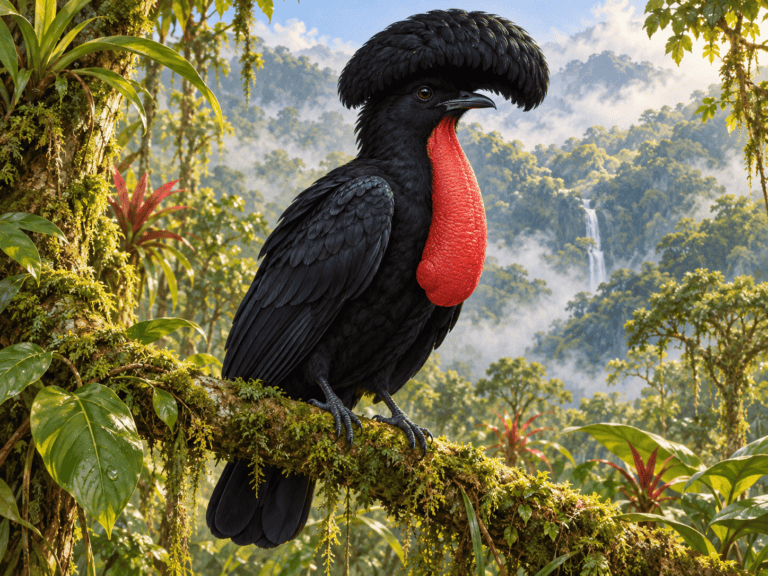
Bare-necked Umbrellabird

Spanish name
Pájaro sombrilla
Scientific name
Cephalopterus glabricollis

What Do Pico & Tati Think?

Pico: “That crest makes such an unusual shape!”

Tati: “We can learn about a shy bird without following it.”

Identification

Key Features of the Bare-necked Umbrellabird

  • Large dark bird with a heavy crest.

  • Short, square tail.

  • Male and female throat structures differ.

Habitat & range

Humid Caribbean-facing foothills and adjacent lowlands, with seasonal movement into montane breeding forest. Guanacaste refers to humid mountain slopes, not its dry coastal plain.

Conservation & care

Stay on authorized trails or viewing routes. Give birds space, keep voices low and leave nests undisturbed. Observe without bait, feeding or recorded calls.

Threats & pressures

UCAN identifies forest fragmentation and climate pressures on seasonal fruit availability as conservation concerns.

Conservation assessment

UCAN identifies the species as Endangered. Source checked 7 October 2026. This is a global species category, not a count of birds in the tagged towns.

View full profile →

Nature Field Guide

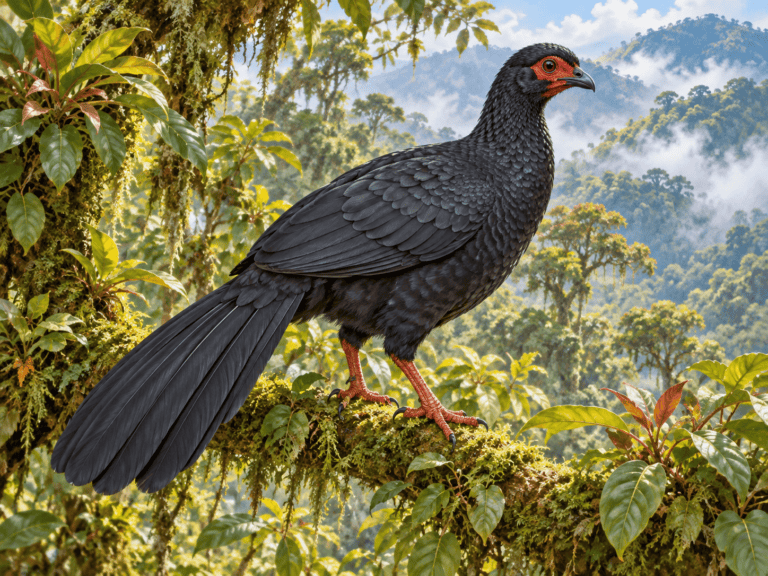
Black Guan

Spanish name
Pava negra
Scientific name
Chamaepetes unicolor

What Do Pico & Tati Think?

Pico: “A big bird is moving through the branches!”

Tati: “Look for its face and legs as well as its feathers.”

What does Least Concern mean?

In the linked conservation assessment, this species does not qualify as threatened or near threatened with extinction. It still needs care: local populations and habitats can face problems even when the species has a lower extinction risk overall.

This label describes conservation status. It does not tell us whether a plant is safe for children or pets. Select the status button to read the assessment.

Identification

Key Features of the Black Guan

  • Black body without a curassow’s curled crest.

  • Blue bare skin around a red eye.

  • Reddish legs.

Habitat & range

Montane forest, generally from about 1000 m to the upper forest limit. South Pacific refers to high Talamanca slopes, not coastal lowlands.

Seasonal Calendar

Resident presence

Costa Rica; suitable highland forest

Year-round

Resident nationally; presence and detectability vary among local sites.

Event source ↗

Conservation & care

Stay on authorized trails or viewing routes. Give birds space, keep voices low and leave nests undisturbed. Observe without bait, feeding or recorded calls.

Threats & pressures

Dependence on forest makes clearing and fragmentation relevant pressures despite the global Least Concern category.

Conservation assessment

BirdLife gives Least Concern, last assessment 2021. Source checked 7 October 2026. This is a global species category, not a count of birds in the tagged towns.

View full profile →

Nature Field Guide

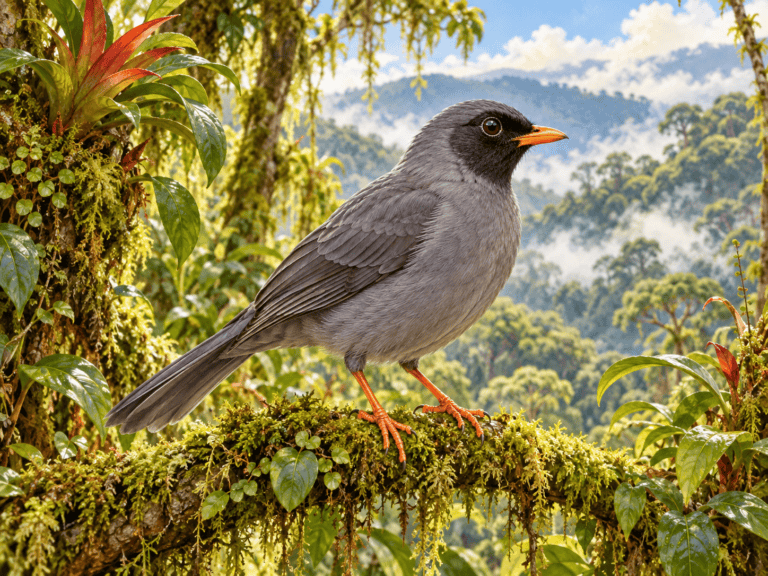
Black-faced Solitaire

Spanish name
Jilguero / Solitario carinegro
Scientific name
Myadestes melanops

What Do Pico & Tati Think?

Pico: “The song seems to be coming from a different place now!”

Tati: “Listening is a discovery, even without a photograph.”

Identification

Key Features of the Black-faced Solitaire

  • Slate-gray body and dark face.

  • A distinctive, varied mountain-forest song.

  • Singer may stay low and move within vegetation.

Habitat & range

Humid mountain forest on both slopes; after breeding some birds descend into Caribbean foothills and lowlands. Broad lowland tags represent seasonal forest habitat, not general abundance.

Conservation & care

Stay on authorized trails or viewing routes. Give birds space, keep voices low and leave nests undisturbed. Observe without bait, feeding or recorded calls.

View full profile →

Nature Field Guide

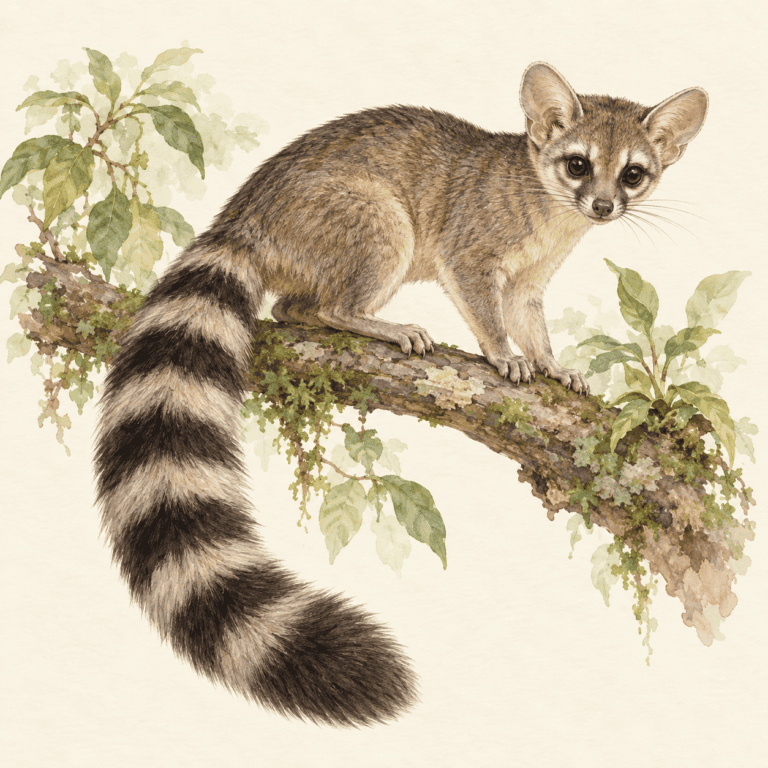
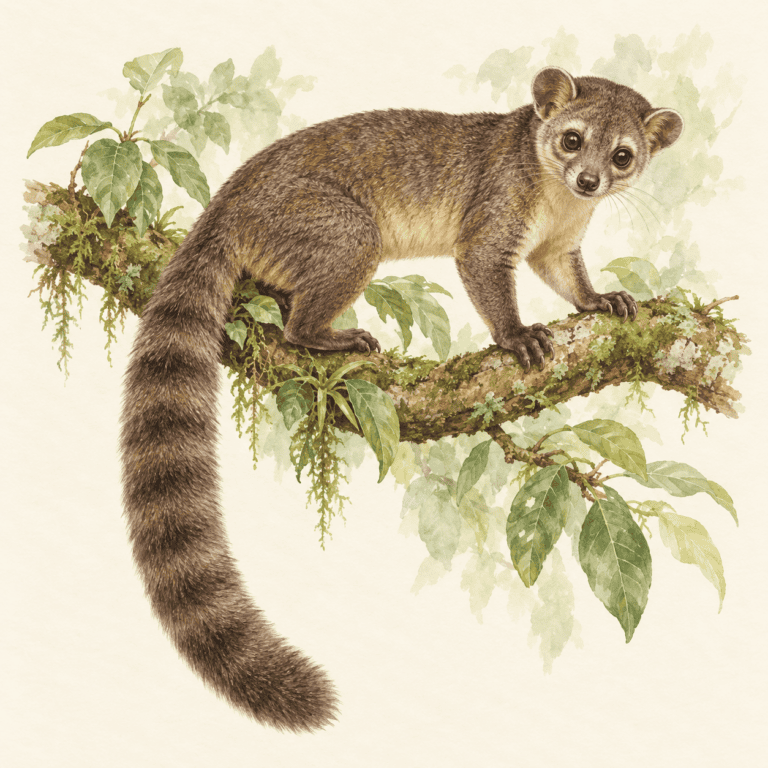
Cacomistle

Spanish name
Ostoche
Scientific name
Bassariscus sumichrasti

What Do Pico & Tati Think?

A cacomistle's long ringed tail is a memorable clue.

Identification

Key Features of the Cacomistle

  • Slender body, pointed face and relatively large ears.

  • Very long bushy tail with alternating pale and dark bands.

  • Usually associated with wooded habitat and climbing.

Habitat & range

Evergreen and mountain forests, with some use of seasonally dry forest.

Conservation & care

Explore with an adult or local guide. Observe quietly from a distance, stay on established trails and leave shelter undisturbed. Do not feed, touch, capture or corner wildlife. Keep pets away.

View full profile →

Nature Field Guide

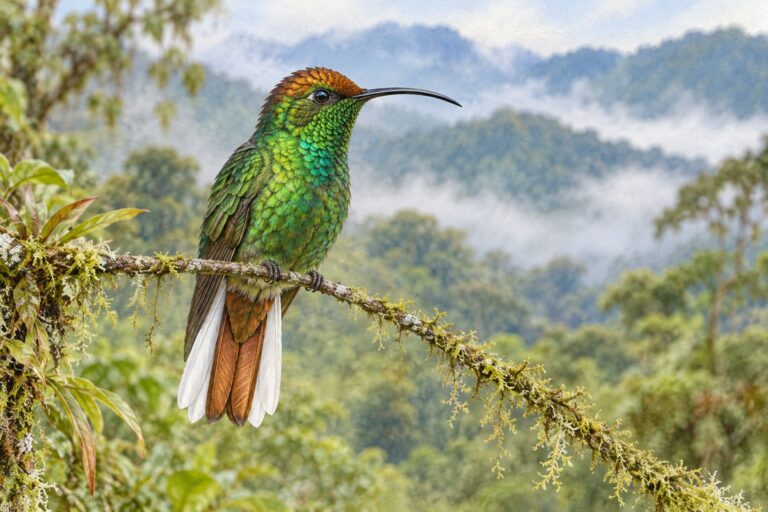
Coppery-headed Emerald

Spanish name
Esmeralda de coronilla cobriza
Scientific name
Microchera cupreiceps

What Do Pico & Tati Think?

Pico: “Does this tiny bird live only in Costa Rica?”

Tati: “Yes. Endemic means its natural range is limited to one place.”

Identification

Key Features of the Coppery-headed Emerald

  • Male coppery crown

  • White outer tail feathers

  • Small size and slightly curved bill

Habitat & range

Costa Rican endemic of humid northern and central mountain slopes, from the Guanacaste range toward the northern Reventazon valley. Seasonal descent occurs; dry coastal Guanacaste is unsuitable.

Conservation & care

Observe quietly from trails or established viewing areas. Give nests, roosts and feeding birds space. Do not handle, chase or lure birds with playback. Keep pets away from wildlife.

Threats & pressures

Protect native vegetation, reduce collision hazards around glass and keep cats away from birds. These are practical prevention priorities, not a claim of a measured decline at a specific Costa Rican site.

View full profile →

Nature Field Guide

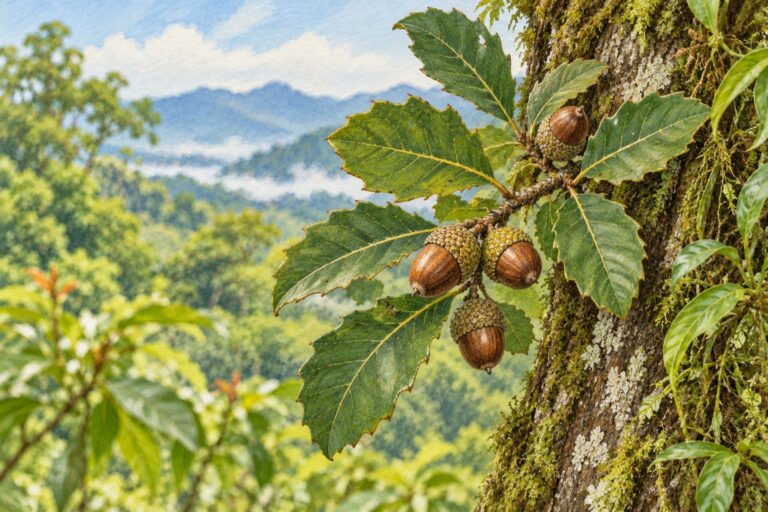
Costa Rican Oak

Spanish name
Roble / Encino
Scientific name
Quercus costaricensis

What Do Pico & Tati Think?

Pico: “Acorns and leathery leaves belong to this mountain-forest oak.”

Tati: “Let’s notice the leaves, flowers and habitat without disturbing the plant.”

Identification

Key Features of the Costa Rican Oak

  • Acorns in scaly cups

  • Simple leathery leaves

  • Mountain-forest habitat

Habitat & range

Highland forests of the Talamanca range, including Dota, Chirripó and adjoining mountain slopes.

Conservation & care

Explore with an adult on permitted paths. Observe and photograph without picking leaves, flowers or fruits. Do not taste plants or let pets chew them. Avoid climbing trees and disturbing roots, seedlings or visiting wildlife.

Threats & pressures

Protect suitable habitat, mature trees and natural regeneration. Avoid trampling, unauthorized clearing and collection.

View full profile →

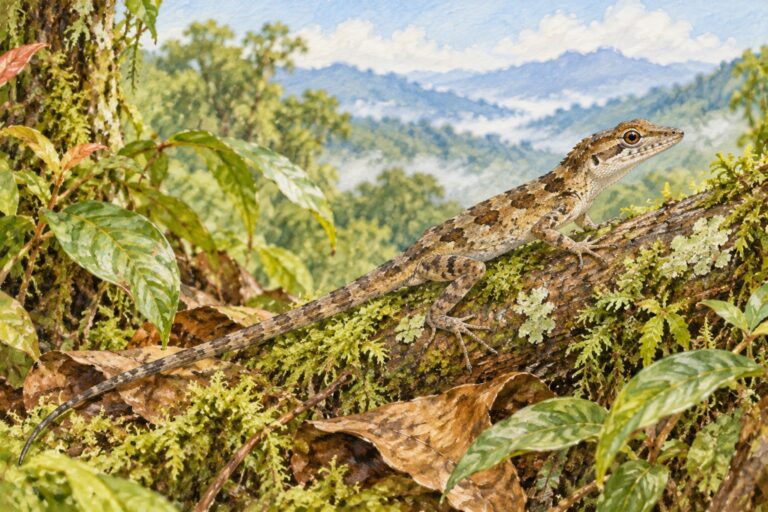
Nature Field Guide

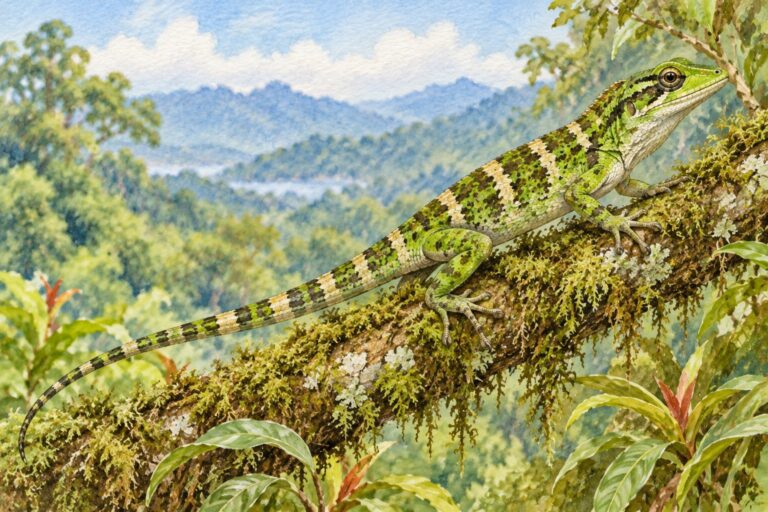
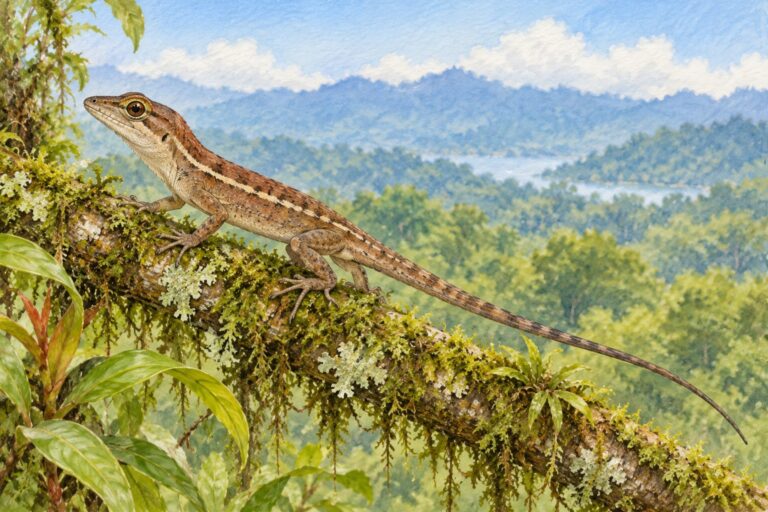
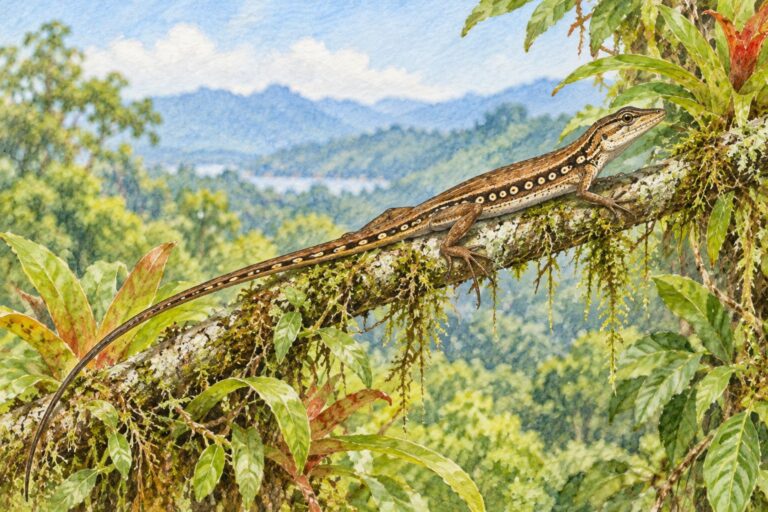
Decorated Anole

Spanish name
Anolis decorado / Lagartija gigante de bandas
Scientific name
Anolis insignis

What Do Pico & Tati Think?

Pico: “What helps this reptile fit into its habitat?”

Tati: “Let’s look at its shape, colors and surroundings while giving it plenty of space.”

Identification

Key Features of the Decorated Anole

  • Large anole with a broad head

  • Green body with pale markings

  • Long tail and tree-perching posture

Habitat & range

Humid foothill and montane forests, including the Guanacaste volcanic range and the central mountains. Documented at San Gerardo Biological Station in Área de Conservación Guanacaste.

Conservation & care

Observe with an adult from permitted paths. Do not touch, chase, catch or feed reptiles. Leave bark, logs, stones and leaf litter in place. Keep pets away and allow an open escape route.

Threats & pressures

Protect connected habitat and natural shelters. Avoid collection, unnecessary clearing and deliberate killing. Leave wildlife in place and support responsible observation.

View full profile →

Nature Field Guide

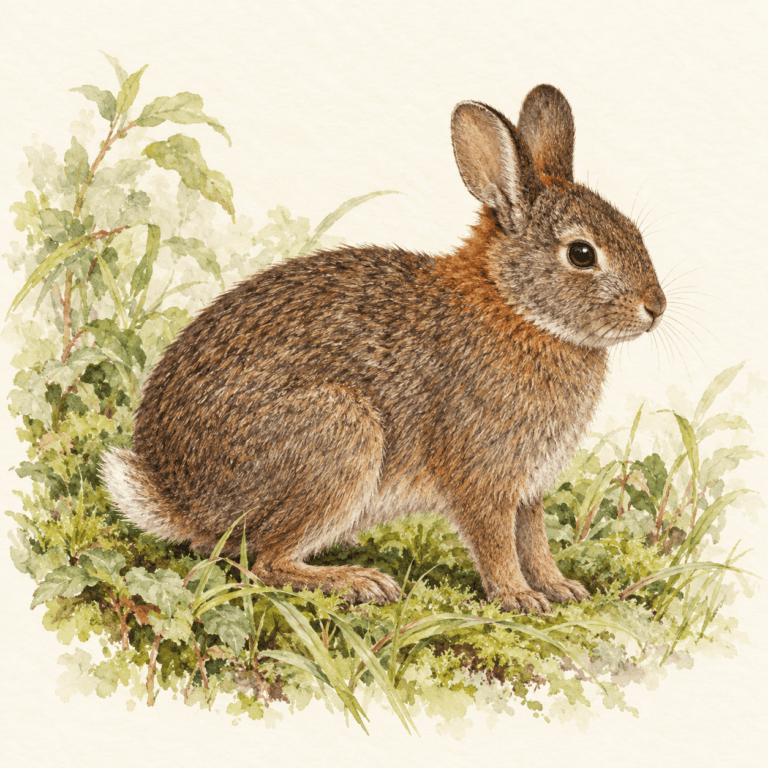
Dice’s Cottontail

Spanish name
Conejo de Dice
Scientific name
Sylvilagus dicei

What Do Pico & Tati Think?

Dice's cottontail is a mountain rabbit found in Costa Rica and western Panama.

Identification

Key Features of the Dice’s Cottontail

  • Small brown rabbit with fairly short ears.

  • Often a darker or reddish area around the nape.

  • Highland locality is important; appearance alone may be insufficient.

Habitat & range

Costa Rican highlands, including the Talamanca mountain region.

Conservation & care

Explore with an adult or local guide. Observe quietly from a distance, stay on established trails and leave shelter undisturbed. Do not feed, touch, capture or corner wildlife. Keep pets away.

Conservation assessment

Global IUCN category reported by Mammal Diversity Database, checked October 2026. Vulnerable means assessed as facing a high risk of extinction in the wild; it does not mean every local population has the same condition.

View full profile →

Nature Field Guide

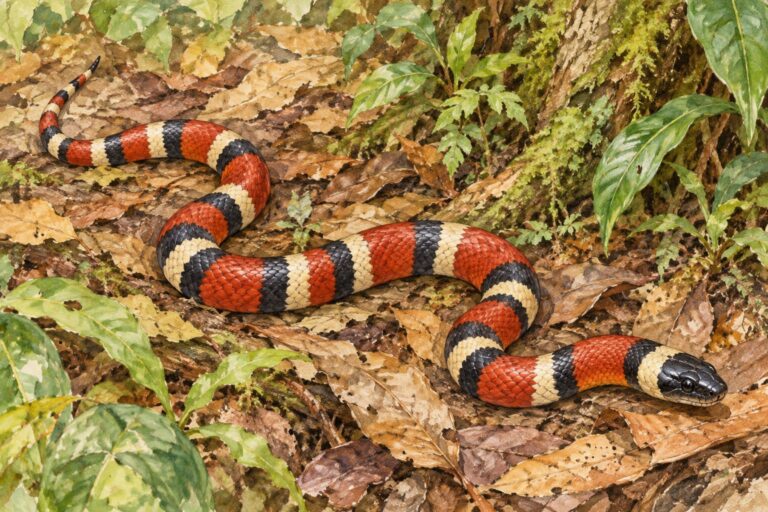
Ecuadorian Milksnake

Spanish name
Falsa coral / Serpiente de leche
Scientific name
Lampropeltis micropholis

What Do Pico & Tati Think?

Pico: “What can we learn from this reptile’s shape?”

Tati: “Let’s notice its markings and habitat while leaving it plenty of space.”

Identification

Key Features of the Ecuadorian Milksnake

  • Young animals may have red, pale and dark bands

  • Smooth-looking scales

  • Appearance can darken with age

Habitat & range

Eastern and southern Costa Rican forest landscapes and mountain slopes; province assignments refer to suitable habitat rather than all parts of each province.

Conservation & care

Observe only from a distance with an adult or qualified guide. Never touch, catch, feed, corner or move any snake. Keep children and pets away. Colors, head shape and pupil shape must never be used to decide a snake is safe.

Threats & pressures

Protect natural shelters and connected habitat. Avoid collection, unnecessary clearing and deliberate killing. Leave wildlife in its habitat and support responsible observation.

View full profile →

Nature Field Guide

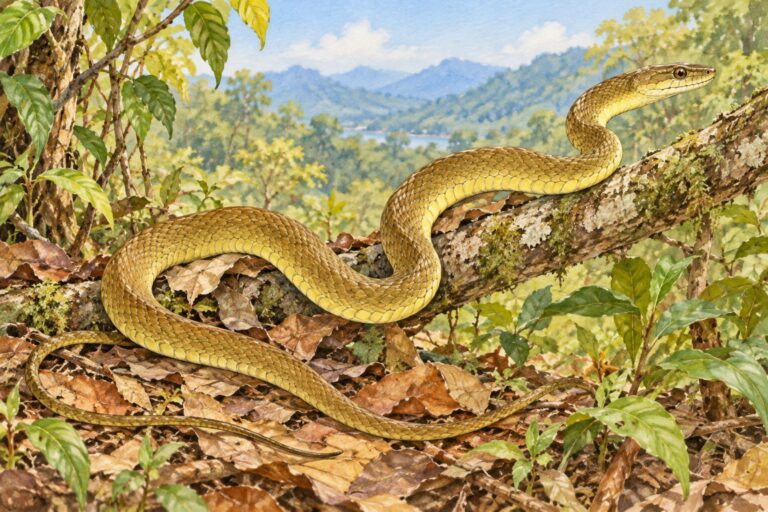
Green Ratsnake

Spanish name
Ratonera / Culebra ratonera
Scientific name
Senticolis triaspis

What Do Pico & Tati Think?

Pico: “What helps this reptile fit into its habitat?”

Tati: “Let’s look at its shape, colors and surroundings while giving it plenty of space.”

Identification

Key Features of the Green Ratsnake

  • Long body and elongated head

  • Adults may be tan, golden or olive-brown

  • Juveniles show darker blotches

Habitat & range

Northwestern and western Pacific-slope woodland and forest, including the San Luis de Monteverde area.

Conservation & care

Observe from a distance with an adult or qualified guide. Do not touch, catch, corner, feed or move any snake. Keep children and pets away. Colors, head shape and pupil shape must never be used to decide a snake is safe.

Threats & pressures

Protect connected habitat and natural shelters. Avoid collection, unnecessary clearing and deliberate killing. Leave wildlife in place and support responsible observation.

View full profile →

Nature Field Guide

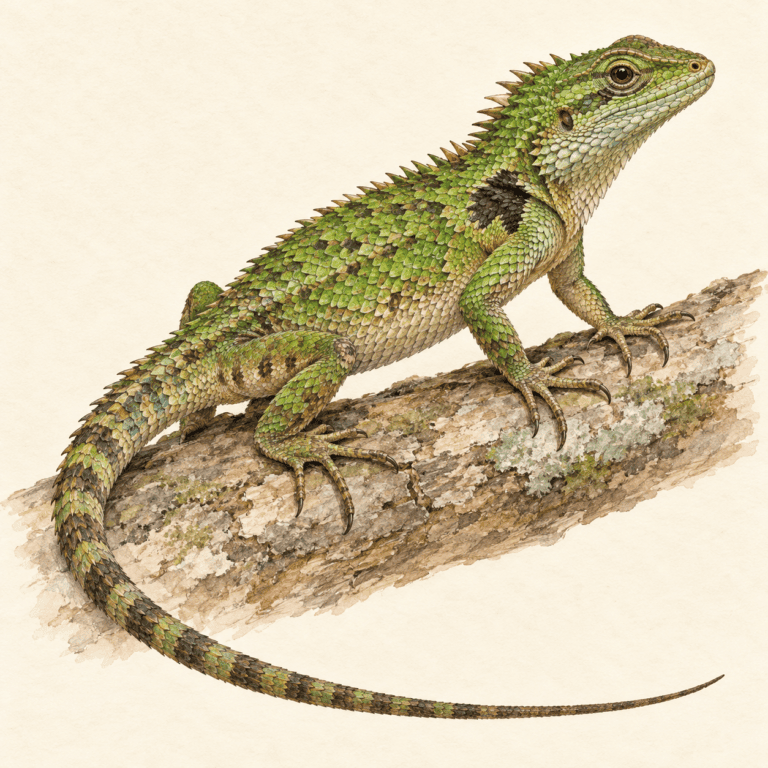
Green Spiny Lizard

Spanish name
Lagartija espinosa verde
Scientific name
Sceloporus malachiticus

What Do Pico & Tati Think?

Pico and Tati invite you to learn about the green spiny lizard. Compare a photo of its rough scales with a smooth-looking anole. Describe texture without touching either animal.

Identification

Key Features of the Green Spiny Lizard

  • Pointed, strongly textured body scales.

  • A dark shoulder marking.

  • Adult males often show green coloration.

Habitat & range

Costa Rican uplands, including suitable forest edges and rocky or open perches.

Conservation & care

Watch wildlife with an adult from a safe path. Do not touch, feed, capture or move reptiles, and keep pets away. Leave eggs, shelters and vegetation undisturbed.

View full profile →

Nature Field Guide

Heavy-footed Anole

Spanish name
Anolis de patas robustas
Scientific name
Anolis pachypus

What Do Pico & Tati Think?

Pico: “What can we learn from this reptile’s shape?”

Tati: “Let’s notice its markings and habitat while leaving it plenty of space.”

Identification

Key Features of the Heavy-footed Anole

  • Compact brown mountain anole

  • Stout-looking feet

  • Camouflaged body and long tapering tail

Habitat & range

Middle and upper elevations of the Talamanca mountain system in southern Costa Rica.

Conservation & care

Observe from permitted paths with an adult. Do not touch, chase, catch or feed reptiles. Leave bark, stones, logs and leaf litter in place. Keep pets away and give animals an open escape route.

Threats & pressures

Protect natural shelters and connected habitat. Avoid collection, unnecessary clearing and deliberate killing. Leave wildlife in its habitat and support responsible observation.

View full profile →

Nature Field Guide

High Anole

Spanish name
Anolis de altura
Scientific name
Anolis altae

What Do Pico & Tati Think?

Pico: “What can we learn from this reptile’s shape?”

Tati: “Let’s notice its markings and habitat while leaving it plenty of space.”

Identification

Key Features of the High Anole

  • Small slender brown body

  • Relatively short legs

  • Long tail and subtle camouflage

Habitat & range

Central volcanic highlands, including the Barva, Irazú and northern Alajuela mountain areas.

Conservation & care

Observe from permitted paths with an adult. Do not touch, chase, catch or feed reptiles. Leave bark, stones, logs and leaf litter in place. Keep pets away and give animals an open escape route.

Threats & pressures

Protect natural shelters and connected habitat. Avoid collection, unnecessary clearing and deliberate killing. Leave wildlife in its habitat and support responsible observation.

View full profile →

Nature Field Guide

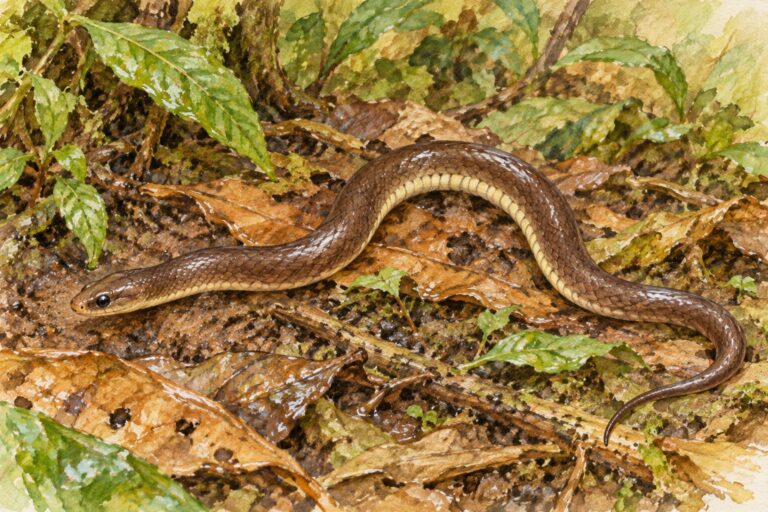
Hoffmann’s Earth Snake

Spanish name
Culebra de tierra de Hoffmann
Scientific name
Geophis hoffmanni

What Do Pico & Tati Think?

Pico: “What can we learn from this reptile’s shape?”

Tati: “Let’s notice its markings and habitat while leaving it plenty of space.”

Identification

Key Features of the Hoffmann’s Earth Snake

  • Small head and dark slender body

  • Usually plain dark upper surfaces

  • Paler underside; young may have a pale neck mark

Habitat & range

Humid lowland and foothill habitats and central mountain slopes, including the Monteverde area.

Conservation & care

Observe only from a distance with an adult or qualified guide. Never touch, catch, feed, corner or move any snake. Keep children and pets away. Colors, head shape and pupil shape must never be used to decide a snake is safe.

Threats & pressures

Protect natural shelters and connected habitat. Avoid collection, unnecessary clearing and deliberate killing. Leave wildlife in its habitat and support responsible observation.

View full profile →

Nature Field Guide

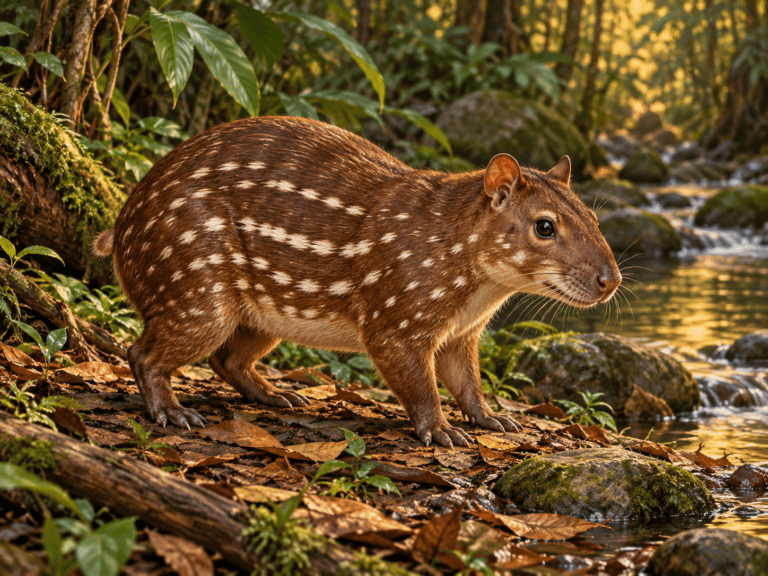
Lowland Paca

Spanish name
Tepezcuintle
Scientific name
Cuniculus paca

What Do Pico & Tati Think?

Pico: “Its white spots make neat rows!”

Tati: “A burrow is someone’s home; we leave it alone.”

Identification

Key Features of the Lowland Paca

  • Stocky brown body with rows of pale side spots.

  • Short legs and almost no visible tail.

  • Large rounded head and cheeks.

Habitat & range

La Amistad’s forest landscape, accessed from Biolley; ACG also has Quica, Pitilla camera-trap records.

Seasonal Calendar

Breeding possible

Costa Rica; broad natural-history account

Year-round

ACG describes reproduction through the year, not a fixed local birth season.

Event source ↗

Conservation & care

Keep a respectful distance and leave an open route for the animal. Stay on authorized paths, secure food and rubbish, and observe without feeding, touching, baiting or chasing.

Threats & pressures

Hunting, habitat destruction and conflict over crops are documented pressures.

View full profile →

Nature Field Guide

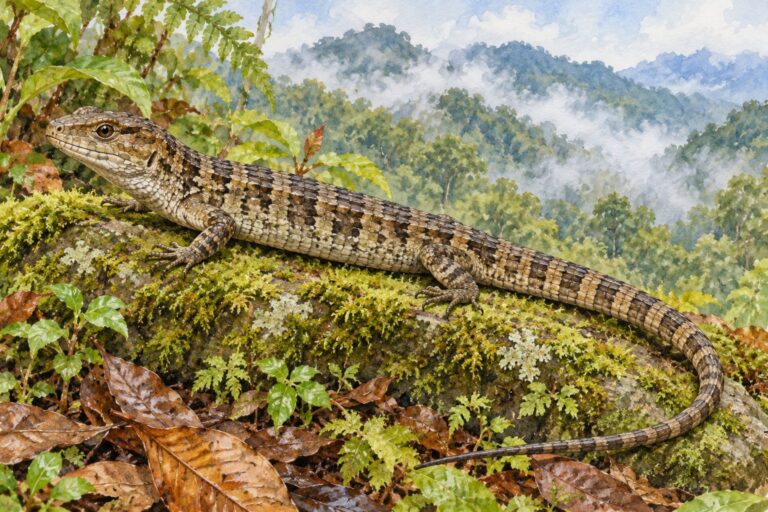
Mountain Alligator Lizard

Spanish name
Dragón de altura
Scientific name
Abronia monticola

What Do Pico & Tati Think?

Pico: “What clues help us recognize this reptile?”

Tati: “Let’s notice its shape, markings and habitat from a respectful distance.”

Identification

Key Features of the Mountain Alligator Lizard

  • Elongated body with short legs

  • Distinct rows of armored-looking scales

  • Brown-gray highland camouflage

Habitat & range

Cool highlands, including the Irazú region and the Talamanca mountain range.

Conservation & care

Observe with an adult from permitted paths. Do not catch, chase, touch or feed reptiles. Leave bark, logs, rocks and leaf litter in place. Keep pets away and allow animals an open escape route.

Threats & pressures

Protect habitat connections and natural shelters. Avoid road mortality, collection and deliberate killing. Leave reptiles in their habitat rather than keeping or relocating them.

View full profile →

Nature Field Guide

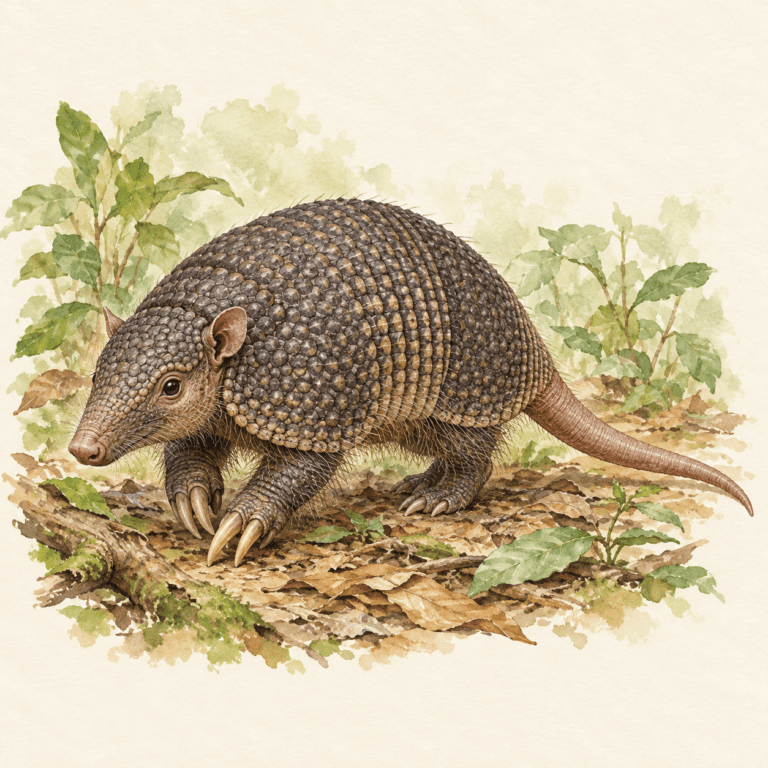
Northern Naked-tailed Armadillo

Spanish name
Armadillo de cola desnuda
Scientific name
Cabassous centralis

What Do Pico & Tati Think?

The northern naked-tailed armadillo is a digging specialist.

What does Least Concern mean?

In the linked conservation assessment, this species does not qualify as threatened or near threatened with extinction. It still needs care: local populations and habitats can face problems even when the species has a lower extinction risk overall.

This label describes conservation status. It does not tell us whether a plant is safe for children or pets. Select the status button to read the assessment.

Identification

Key Features of the Northern Naked-tailed Armadillo

  • Dark armored body with flexible bands.

  • Mostly unarmored tail with thin, widely spaced plates.

  • Large digging claws and a relatively broad head.

Habitat & range

Forests and wooded edges, including documented Costa Rican secondary-forest sites.

Conservation & care

Explore with an adult or local guide. Observe quietly from a distance, stay on established trails and leave shelter undisturbed. Do not feed, touch, capture or corner wildlife. Keep pets away.

Conservation assessment

IUCN specialist-group account reports Least Concern; checked October 2026. The account stresses limited population knowledge. Least Concern does not mean the animal faces no threats.

View full profile →

Nature Field Guide

Northern Olingo

Spanish name
Olingo norteño
Scientific name
Bassaricyon gabbii

What Do Pico & Tati Think?

The northern olingo is a forest mammal that moves among branches and eats fruit, with nectar also reported in its diet.

Identification

Key Features of the Northern Olingo

  • Gray-brown fur, rounded ears and a fairly pointed muzzle.

  • Long bushy tail that is not prehensile.

  • Compare several features with a kinkajou; a quick glimpse may be inconclusive.

Habitat & range

Forested canopies, including documented Monteverde sites.

Conservation & care

Explore with an adult or local guide. Observe quietly from a distance, stay on established trails and leave shelter undisturbed. Do not feed, touch, capture or corner wildlife. Keep pets away.

View full profile →

Nature Field Guide

Ocellated Anadia

Spanish name
Anadia ocelada
Scientific name
Anadia ocellata

What Do Pico & Tati Think?

Pico: “What can we learn from this reptile’s shape?”

Tati: “Let’s notice its markings and habitat while leaving it plenty of space.”

Identification

Key Features of the Ocellated Anadia

  • Elongated body and short limbs

  • Long tapering tail

  • Small eyelike flank markings

Habitat & range

Forested foothill and upland habitats in Costa Rica, including Monteverde, the Aguacate mountains and humid mountain slopes.

Conservation & care

Observe from permitted paths with an adult. Do not touch, chase, catch or feed reptiles. Leave bark, stones, logs and leaf litter in place. Keep pets away and give animals an open escape route.

Threats & pressures

Protect natural shelters and connected habitat. Avoid collection, unnecessary clearing and deliberate killing. Leave wildlife in its habitat and support responsible observation.

View full profile →

Nature Field Guide

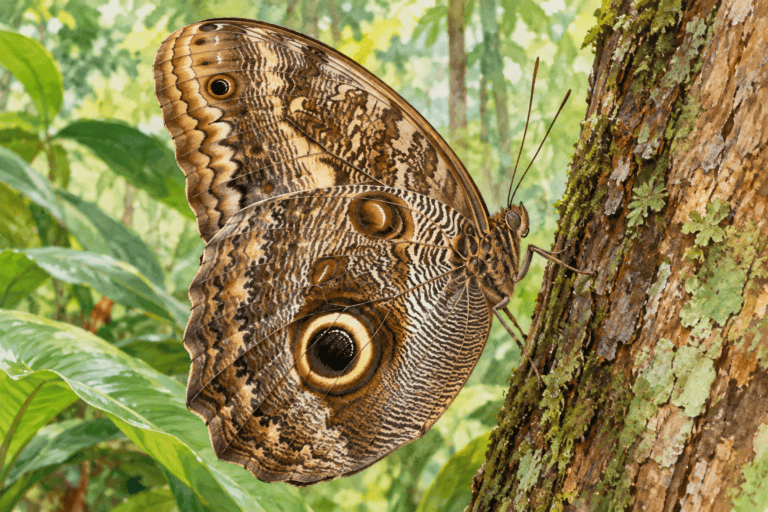
Owl Butterfly

Spanish name
Mariposa búho
Scientific name
Caligo telamonius

What Do Pico & Tati Think?

Pico: “Let's look closely at the owl butterfly!”

Tati: “We can compare its shape and markings without touching it.”

Identification

Key Features of the Owl Butterfly

  • Large brown wings

  • rounded eye spot on underside

  • broad wing shape

Habitat & range

Forest paths, edges and nearby vegetation in Guanacaste. Local habitat and abundance vary.

Conservation & care

Observe without collecting, handling or disturbing insects or nests. Stay on permitted paths. Leave caterpillars and their food plants in place.

View full profile →

Nature Field Guide

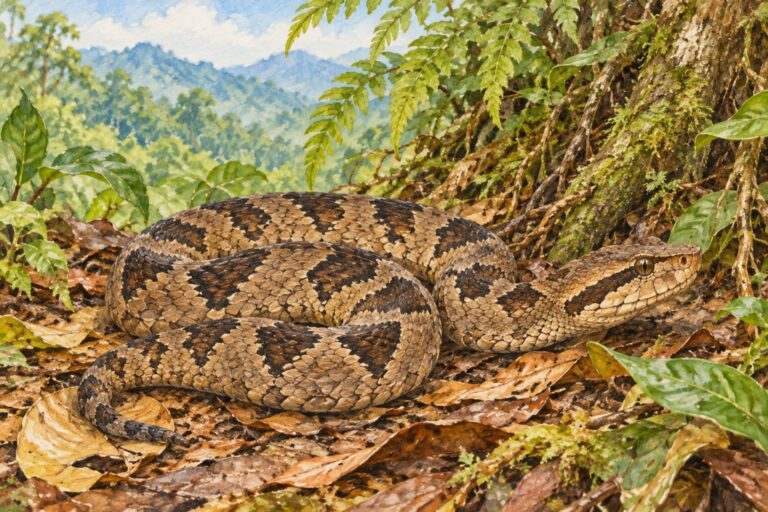
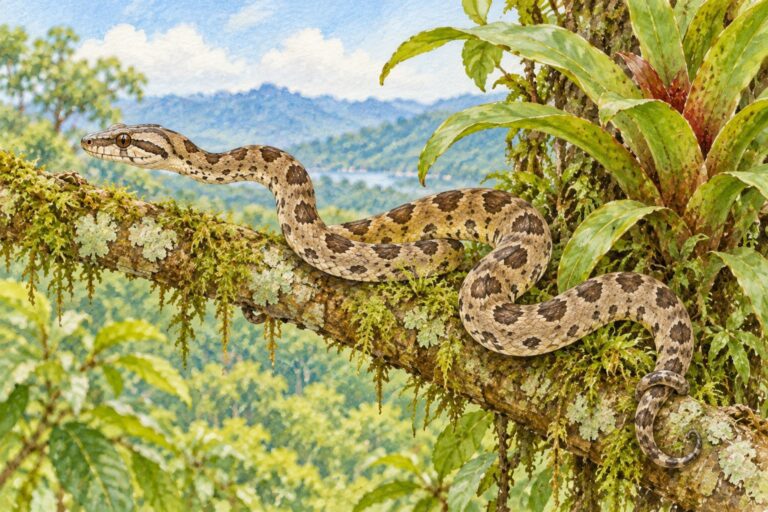
Picado’s Pitviper

Spanish name
Mano de piedra costarricense
Scientific name
Atropoides picadoi

What Do Pico & Tati Think?

Pico: “What helps this reptile fit into its habitat?”

Tati: “Let’s look at its shape, colors and surroundings while giving it plenty of space.”

Identification

Key Features of the Picado’s Pitviper

  • Very robust body

  • Broad head and rough-looking keeled scales

  • Dark angular blotches on a lighter background

Habitat & range

Wet Caribbean-slope forests, including northern foothills and the Central Volcanic and Talamanca mountain systems.

Conservation & care

VENOMOUS. Observe only from a distance with a qualified guide. Keep children and pets well away. Never approach, touch, catch or provoke this snake, and do not reach into nearby vegetation.

Threats & pressures

Protect connected habitat and natural shelters. Avoid collection, unnecessary clearing and deliberate killing. Leave wildlife in place and support responsible observation.

View full profile →

Nature Field Guide

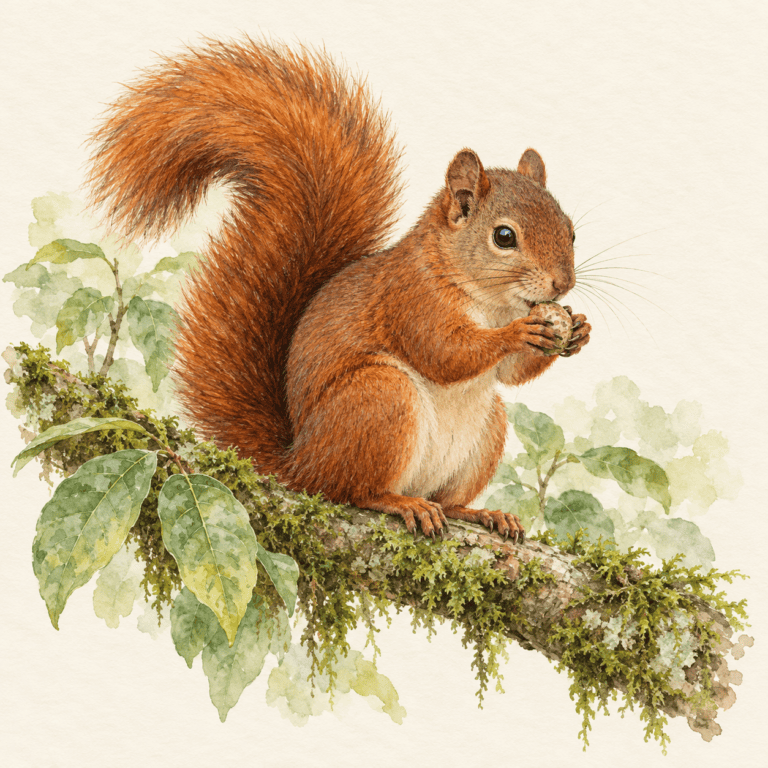
Red-tailed Squirrel

Spanish name
Ardilla de cola roja
Scientific name
Sciurus granatensis

What Do Pico & Tati Think?

Red-tailed squirrels are active during the day and move readily through trees.

What does Least Concern mean?

In the linked conservation assessment, this species does not qualify as threatened or near threatened with extinction. It still needs care: local populations and habitats can face problems even when the species has a lower extinction risk overall.

This label describes conservation status. It does not tell us whether a plant is safe for children or pets. Select the status button to read the assessment.

Identification

Key Features of the Red-tailed Squirrel

  • Bushy tail and a typical tree-squirrel body shape.

  • Coat and tail may have reddish, brown or darker tones.

  • Color varies; compare locality and multiple features with other squirrels.

Habitat & range

Forests and other suitably wooded habitats.

Conservation & care

Explore with an adult or local guide. Observe quietly from a distance, stay on established trails and leave shelter undisturbed. Do not feed, touch, capture or corner wildlife. Keep pets away.

Conservation assessment

Global IUCN category reported by the linked specialist or Mammal Diversity Database account, checked October 2026. Least Concern does not mean there are no threats or that every local population is secure.

View full profile →

Nature Field Guide

Resplendent Quetzal

Spanish name
Quetzal
Scientific name
Pharomachrus mocinno

What Do Pico & Tati Think?

Pico: “Can you find green feathers among the green leaves?”

Tati: “Let’s watch the fruiting trees quietly.”

Identification

Key Features of the Resplendent Quetzal

  • Shimmering green upperparts and a red belly.

  • Adult males have very long upper-tail feathers.

  • Look in forest trees, especially where fruit is available.

Habitat & range

Forested mountains from the Tilaran range south through the Central and Talamanca ranges, principally cloud forest at suitable elevations. Lower-elevation seasonal movements need site-specific treatment.

Conservation & care

Stay on authorized trails or viewing routes. Give birds space, keep voices low and leave nests undisturbed. Observe without bait, feeding or recorded calls.

Threats & pressures

Forest loss and fragmentation can remove nesting cavities and interrupt access to seasonal feeding habitat.

Conservation assessment

American Bird Conservancy reports Near Threatened and a decreasing population trend. Source checked 7 October 2026. This is a global species category, not a count of birds in the tagged towns.

View full profile →

Nature Field Guide

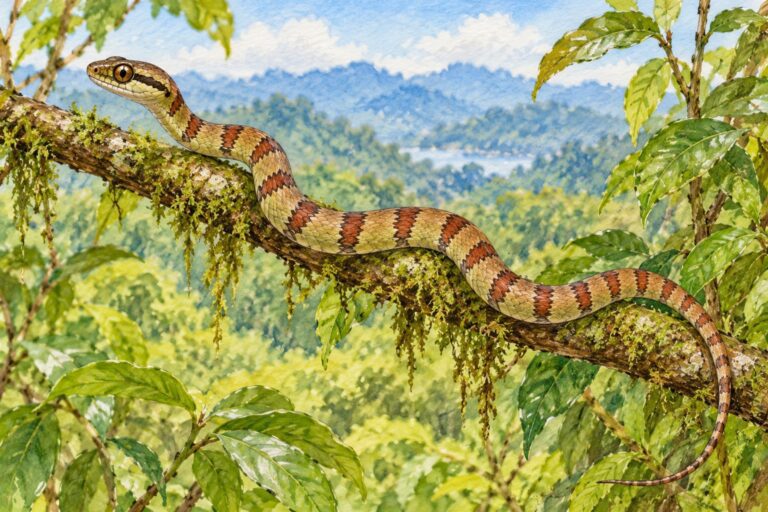
Ringed Snail-eating Snake

Spanish name
Caracolera anillada
Scientific name
Sibon annulatus

What Do Pico & Tati Think?

Pico: “What clues help us recognize this reptile?”

Tati: “Let’s notice its shape, markings and habitat from a respectful distance.”

Identification

Key Features of the Ringed Snail-eating Snake

  • Slender body with contrasting rings

  • Large eyes

  • Branch-climbing posture

Habitat & range

Humid Caribbean-slope forest and foothills, with records around Cartago and northern mountain forests.

Conservation & care

Observe only from a distance with an adult or qualified guide. Do not touch, catch, corner or attempt to move any snake. Step back and tell your adult; keep children and pets away. Do not use colors, head shape or pupil shape to decide a snake is safe.

Threats & pressures

Protect habitat connections and natural shelters. Avoid road mortality, collection and deliberate killing. Leave reptiles in their habitat rather than keeping or relocating them.

View full profile →

Nature Field Guide

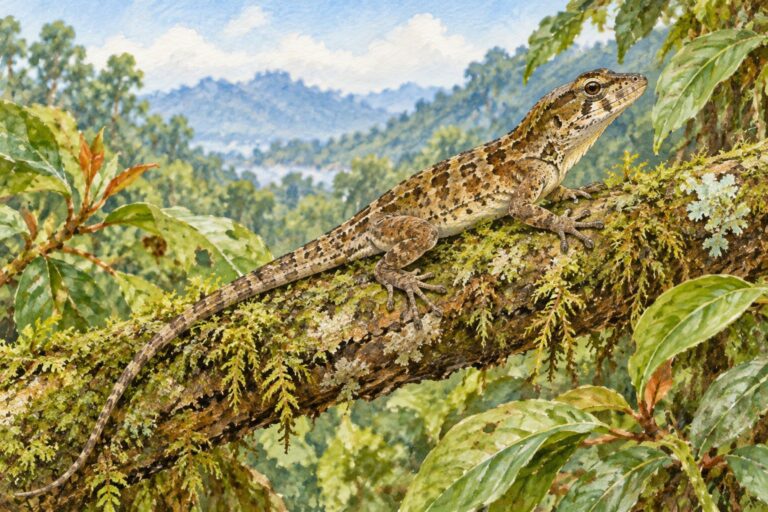
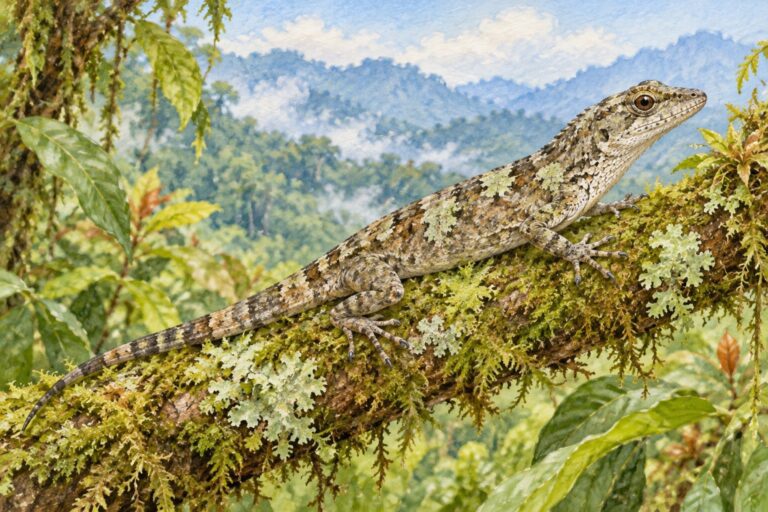
Salvin’s Anole

Spanish name
Anolis de Salvin
Scientific name
Anolis salvini

What Do Pico & Tati Think?

Pico: “What can we learn from this reptile’s shape?”

Tati: “Let’s notice its markings and habitat while leaving it plenty of space.”

Identification

Key Features of the Salvin’s Anole

  • Short legs and compact outline

  • Mottled barklike pattern

  • Mountain-forest setting

Habitat & range

Pacific premontane and lower montane forests of Talamanca, from the central-southern highlands toward the Panama border.

Conservation & care

Observe from permitted paths with an adult. Do not touch, chase, catch or feed reptiles. Leave bark, stones, logs and leaf litter in place. Keep pets away and give animals an open escape route.

Threats & pressures

Protect natural shelters and connected habitat. Avoid collection, unnecessary clearing and deliberate killing. Leave wildlife in its habitat and support responsible observation.

View full profile →

Nature Field Guide

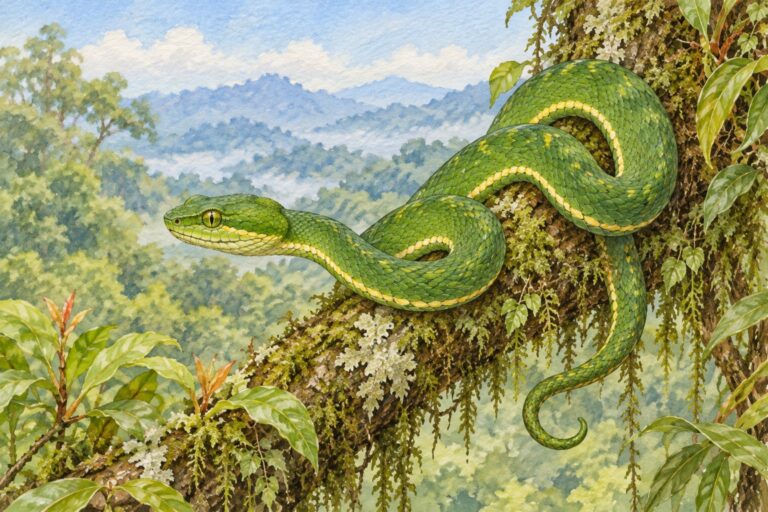
Side-striped Palm Pitviper

Spanish name
Lora venenosa
Scientific name
Bothriechis lateralis

What Do Pico & Tati Think?

Pico: “What helps this reptile fit into its habitat?”

Tati: “Let’s look at its shape, colors and surroundings while giving it plenty of space.”

Identification

Key Features of the Side-striped Palm Pitviper

  • Thin pale line along each side

  • Adults often green; juveniles may be brown

  • Climbing body with a gripping tail

Habitat & range

Mountain forests and wooded agricultural landscapes of Costa Rica, including Monteverde and the central and Talamanca ranges.

Conservation & care

VENOMOUS. Observe only from a distance with a qualified guide. Keep children and pets well away. Never approach, touch, catch or provoke this snake, and do not reach into nearby vegetation.

Threats & pressures

Protect connected habitat and natural shelters. Avoid collection, unnecessary clearing and deliberate killing. Leave wildlife in place and support responsible observation.

View full profile →

Nature Field Guide

Southern Bromeliad Boa

Spanish name
Boa de bromelias
Scientific name
Ungaliophis panamensis

What Do Pico & Tati Think?

Pico: “What helps this reptile fit into its habitat?”

Tati: “Let’s look at its shape, colors and surroundings while giving it plenty of space.”

Identification

Key Features of the Southern Bromeliad Boa

  • Small boa with darker blotches

  • Slender climbing body

  • Often concealed among dense plant growth

Habitat & range

Caribbean-slope humid forest, including Barra del Colorado, and Pacific forests south of the Río Grande de Tárcoles.

Conservation & care

Observe from a distance with an adult or qualified guide. Do not touch, catch, corner, feed or move any snake. Keep children and pets away. Colors, head shape and pupil shape must never be used to decide a snake is safe.

Threats & pressures

Protect connected habitat and natural shelters. Avoid collection, unnecessary clearing and deliberate killing. Leave wildlife in place and support responsible observation.

View full profile →

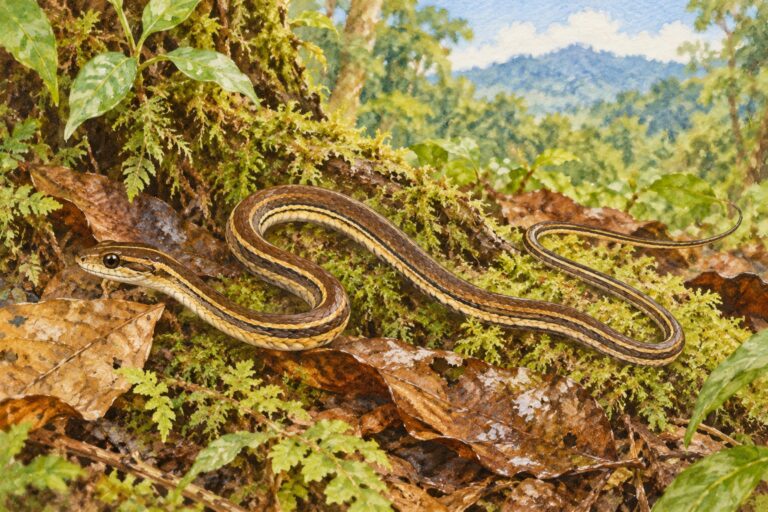
Nature Field Guide

Striped Glasstail

Spanish name
Hojarasquera de cola frágil
Scientific name
Urotheca guentheri

What Do Pico & Tati Think?

Pico: “What can we learn from this reptile’s shape?”

Tati: “Let’s notice its markings and habitat while leaving it plenty of space.”

Identification

Key Features of the Striped Glasstail

  • Slender body with lengthwise stripes

  • Long delicate tail

  • Ground-dwelling forest posture

Habitat & range

Northern and Caribbean-facing wet forests, the Tilarán range on both slopes and southern Pacific-facing Talamanca. Documented near La Fortuna.

Conservation & care

Observe only from a distance with an adult or qualified guide. Never touch, catch, feed, corner or move any snake. Keep children and pets away. Colors, head shape and pupil shape must never be used to decide a snake is safe.

Threats & pressures

Protect natural shelters and connected habitat. Avoid collection, unnecessary clearing and deliberate killing. Leave wildlife in its habitat and support responsible observation.

View full profile →

Nature Field Guide

Swift Anole

Spanish name
Anolis de montaña
Scientific name
Anolis tropidolepis

What Do Pico & Tati Think?

Pico: “What helps this reptile fit into its habitat?”

Tati: “Let’s look at its shape, colors and surroundings while giving it plenty of space.”

Identification

Key Features of the Swift Anole

  • Small brown mountain anole

  • Long tail and slender limbs

  • Subtle darker markings on a camouflaged back

Habitat & range

High-elevation forest in the Costa Rican mountains, including Irazú, Monteverde and the Dota highlands.

Conservation & care

Observe with an adult from permitted paths. Do not touch, chase, catch or feed reptiles. Leave bark, logs, stones and leaf litter in place. Keep pets away and allow an open escape route.

Threats & pressures

Protect connected habitat and natural shelters. Avoid collection, unnecessary clearing and deliberate killing. Leave wildlife in place and support responsible observation.

View full profile →

Nature Field Guide

Three-wattled Bellbird

Spanish name
Pájaro campana
Scientific name
Procnias tricarunculatus

What Do Pico & Tati Think?

Pico: “That call sounds like a forest bell!”

Tati: “Let’s look high in the trees without calling it closer.”

Identification

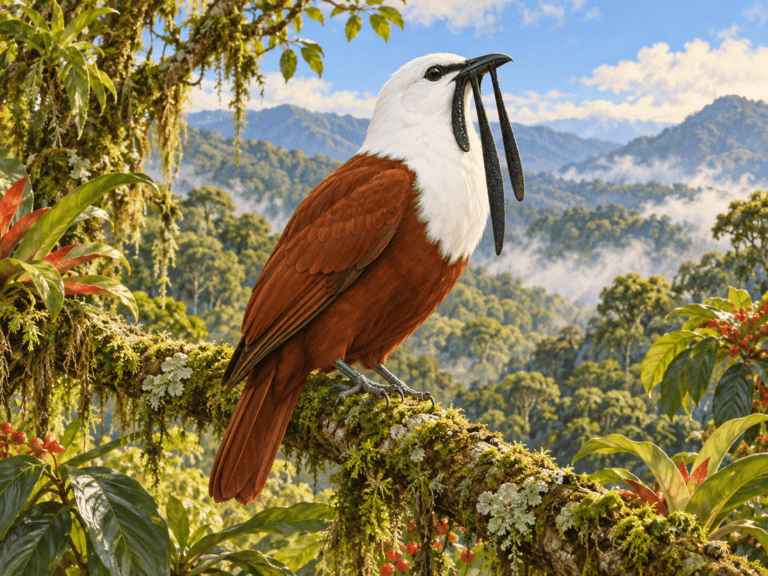
Key Features of the Three-wattled Bellbird

  • Adult male: white head, chestnut body and three hanging wattles.

  • Females lack the male’s conspicuous wattles.

  • A loud, distinctive call from high forest perches.

Habitat & range

Breeds in mountain forest and moves downslope seasonally. Guanacaste includes mountain habitats; South Pacific includes Talamanca slopes and the General Valley. Not a year-round lowland bird throughout these regions.

Seasonal Calendar

Seasonal presence

Monteverde / Tilarán mountains

Mar, Apr, May, Jun, Jul, Aug

Reported upland presence; not a guarantee of calling, nesting or sightings throughout each month.

Event source ↗

Breeding

Caribbean slope of the Tilarán mountains, east of Monteverde

Feb, Mar, Apr, May

Reported for the Monteverde population; a different area from its later Pacific-slope feeding habitat.

Event source ↗

Post-breeding feeding movement

Pacific slope around Monteverde

Jun, Jul, Aug

Reported movement into fruiting forest; some birds remain into September.

Event source ↗

Conservation & care

Stay on authorized trails or viewing routes. Give birds space, keep voices low and leave nests undisturbed. Observe without bait, feeding or recorded calls.

Threats & pressures

Loss of mature forest and breaks in habitat along seasonal movement routes can reduce feeding and breeding opportunities.

Conservation assessment

American Bird Conservancy reports Vulnerable. Source checked 7 October 2026. This is a global species category, not a count of birds in the tagged towns.

View full profile →

Nature Field Guide

Tiny Anole

Spanish name
Anolis microtus
Scientific name
Anolis microtus

What Do Pico & Tati Think?

Pico: “What helps this reptile fit into its habitat?”

Tati: “Let’s look at its shape, colors and surroundings while giving it plenty of space.”

Identification

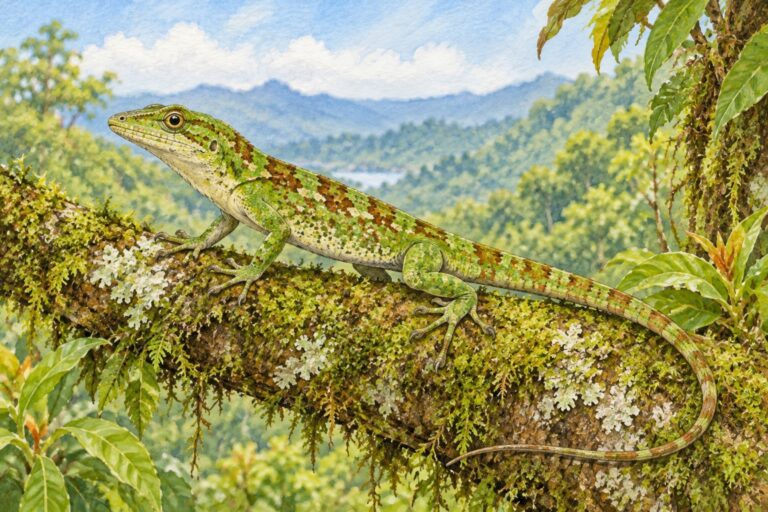
Key Features of the Tiny Anole

  • Large rather than tiny anole

  • Broad head and relatively short legs

  • Green-and-brown camouflage on a long-tailed body

Habitat & range

Premontane and lower montane forest in the Costa Rican highlands, particularly the Talamanca mountain system on both slopes.

Conservation & care

Observe with an adult from permitted paths. Do not touch, chase, catch or feed reptiles. Leave bark, logs, stones and leaf litter in place. Keep pets away and allow an open escape route.

Threats & pressures

Protect connected habitat and natural shelters. Avoid collection, unnecessary clearing and deliberate killing. Leave wildlife in place and support responsible observation.

View full profile →

Nature Field Guide

Violet Sabrewing

Spanish name
Ala de sable violáceo
Scientific name
Campylopterus hemileucurus

What Do Pico & Tati Think?

Pico: “It looked dark until it turned!”

Tati: “Iridescent feathers can change appearance as the light changes.”

Identification

Key Features of the Violet Sabrewing

  • Large hummingbird shape

  • Thick curved bill

  • White outer tail corners

Habitat & range

Humid mountain forest and forest edges on both slopes. Breeding is mainly at middle elevations, with seasonal descent into foothills. Guanacaste means humid mountain habitat, not dry beaches.

Conservation & care

Observe quietly from trails or established viewing areas. Give nests, roosts and feeding birds space. Do not handle, chase or lure birds with playback. Keep pets away from wildlife.

Threats & pressures

Protect native vegetation, reduce collision hazards around glass and keep cats away from birds. These are practical prevention priorities, not a claim of a measured decline at a specific Costa Rican site.

View full profile →

Nature Field Guide

White Anole

Spanish name
Anolis de vientre liso
Scientific name
Anolis laeviventris

What Do Pico & Tati Think?

Pico: “What can we learn from this reptile’s shape?”

Tati: “Let’s notice its markings and habitat while leaving it plenty of space.”

Identification

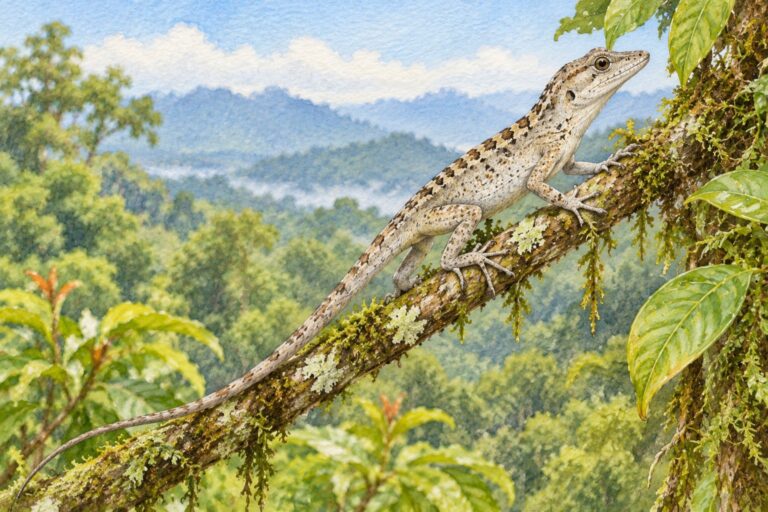
Key Features of the White Anole

  • Small gray-to-brown anole

  • Mottled twig-colored camouflage

  • Fine tapering tail

Habitat & range

Upland forest and edges in Costa Rica, including San Luis de Monteverde and central mountain areas.

Conservation & care

Observe from permitted paths with an adult. Do not touch, chase, catch or feed reptiles. Leave bark, stones, logs and leaf litter in place. Keep pets away and give animals an open escape route.

Threats & pressures

Protect natural shelters and connected habitat. Avoid collection, unnecessary clearing and deliberate killing. Leave wildlife in its habitat and support responsible observation.

View full profile →

Nature Field Guide

Wood’s Anole

Spanish name
Anolis de Wood
Scientific name
Anolis woodi

What Do Pico & Tati Think?

Pico: “What helps this reptile fit into its habitat?”

Tati: “Let’s look at its shape, colors and surroundings while giving it plenty of space.”

Identification

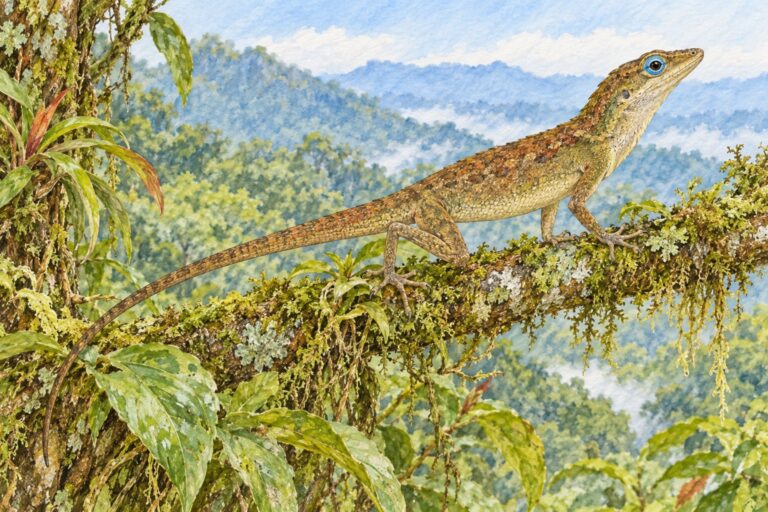
Key Features of the Wood’s Anole

  • Long legs and a narrow tail

  • Olive-to-brown body

  • Bluish eyes can be a useful supporting clue

Habitat & range

Humid mountain forests of the central volcanic range and Talamanca, including the Poás area and the San Vito/Las Cruces region in southern Puntarenas.

Conservation & care

Observe with an adult from permitted paths. Do not touch, chase, catch or feed reptiles. Leave bark, logs, stones and leaf litter in place. Keep pets away and allow an open escape route.

Threats & pressures

Protect connected habitat and natural shelters. Avoid collection, unnecessary clearing and deliberate killing. Leave wildlife in place and support responsible observation.

View full profile →

My Tico Explorer Experience

Save nature, towns, discoveries and learning adventures for your next experience.

Your list stays in this browser on this device.