Tico Explorers

Nature Field Guide

Sand & Mud Flats

Explore wildlife, plants and trees. Learn what to look for and where to find them.

All Nature

21 profiles

Nature Field Guide

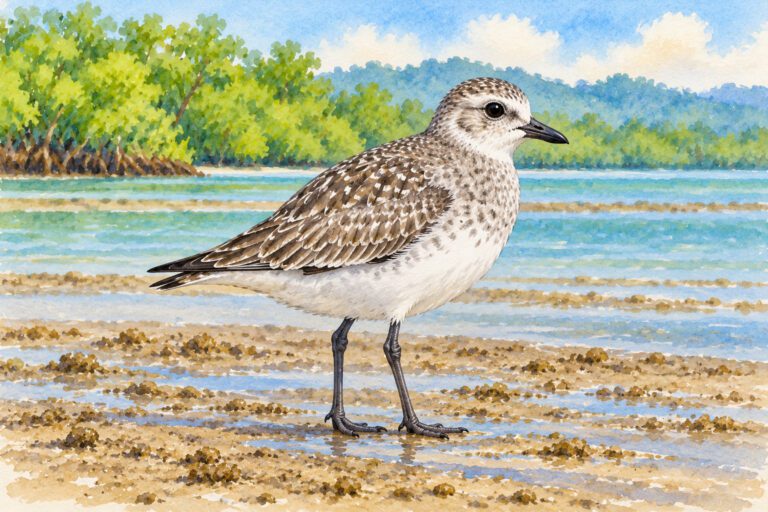
Black-bellied Plover

Spanish name
Chorlito gris
Scientific name
Pluvialis squatarola

What Do Pico & Tati Think?

Pico expects a black belly. Tati’s winter bird has a pale belly and a very different outfit.

Identification

Key Features of the Black-bellied Plover

  • Large round-headed plover

  • Short stout dark bill

  • Gray upperparts and pale nonbreeding belly

  • Dark armpit patch visible in natural flight

Habitat & range

Scan exposed shoreline feeding areas and nearby resting places with binoculars. The tide changes which flats are available; remain on a safe established route.

Conservation & care

Give feeding and resting birds space. If a bird stops feeding, repeatedly looks at you or moves away, increase your distance. Keep dogs away from flocks, avoid playback and feeding, and leave nests and natural shoreline debris undisturbed.

View full profile →

Nature Field Guide

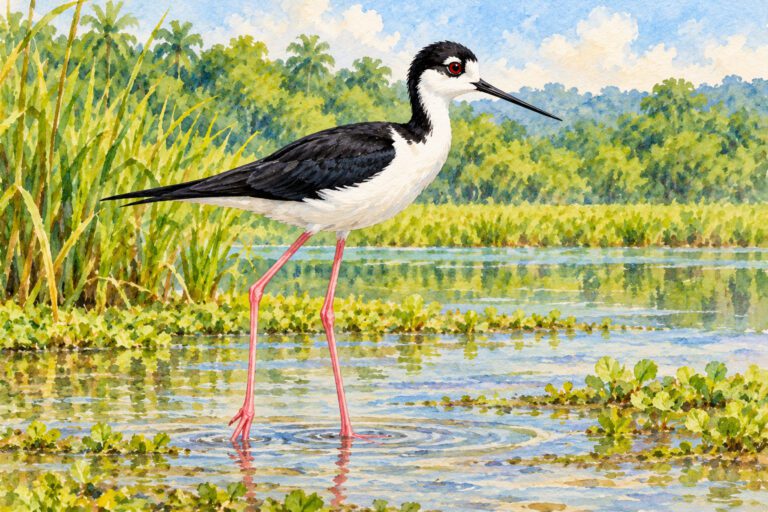
Black-necked Stilt

Spanish name
Cigüeñuela cuellinegra
Scientific name
Himantopus mexicanus

What Do Pico & Tati Think?

Those pink legs look almost too long for Pico’s page. Tati turns the journal upright to draw the whole bird.

Identification

Key Features of the Black-necked Stilt

  • Very long pink legs

  • Thin straight black bill

  • White underparts with dark back and hindneck

Habitat & range

Scan exposed shoreline feeding areas and nearby resting places with binoculars. The tide changes which flats are available; remain on a safe established route.

Conservation & care

Give feeding and resting birds space. If a bird stops feeding, repeatedly looks at you or moves away, increase your distance. Keep dogs away from flocks, avoid playback and feeding, and leave nests and natural shoreline debris undisturbed.

View full profile →

Nature Field Guide

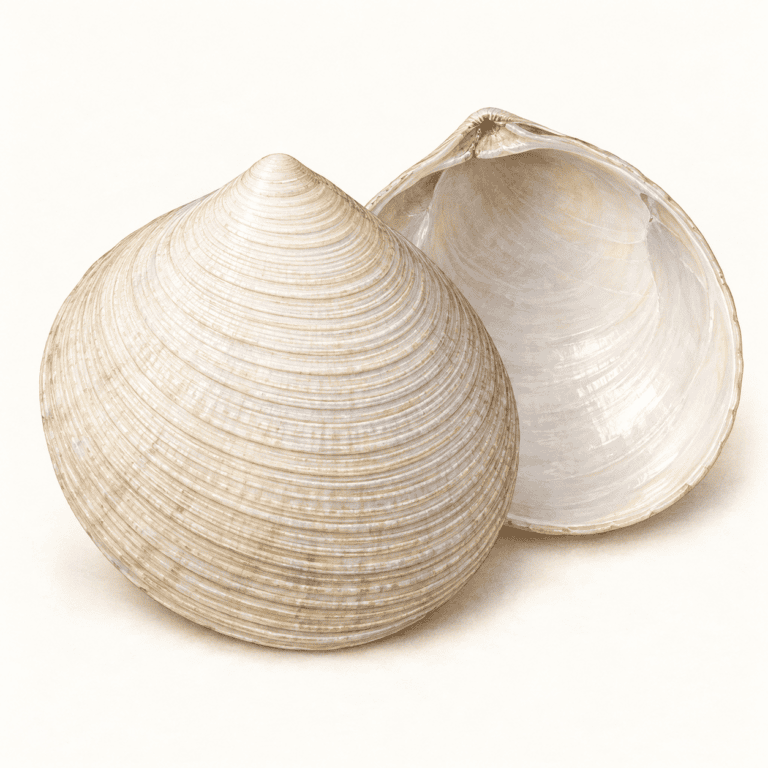
Dunker’s Dosinia

Spanish name
Almeja Dosinia
Scientific name
Dosinia dunkeri

What Do Pico & Tati Think?

A rounded clam shell rewards a closer look at fine surface lines.

Identification

Key Features of the Dunker’s Dosinia

  • Rounded, pale valves.

  • Fine concentric lines curve around the raised area near the hinge.

  • Confirm with hinge details and an identified reference.

Habitat & range

Coastal sand-mud habitat.

Conservation & care

Observe and photograph shells where they are. Leave living animals, occupied shells and empty shells in place. Do not pry animals from rocks, dig in mangroves or put fingers into shell openings. Explore with an adult or guide, follow site rules and stay clear of surf and slippery rocks.

View full profile →

Nature Field Guide

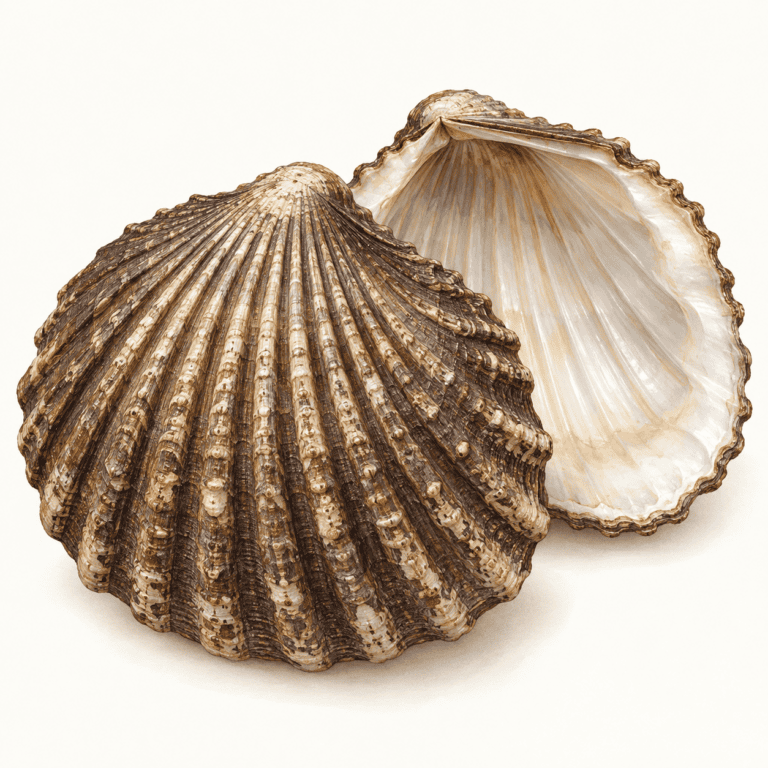
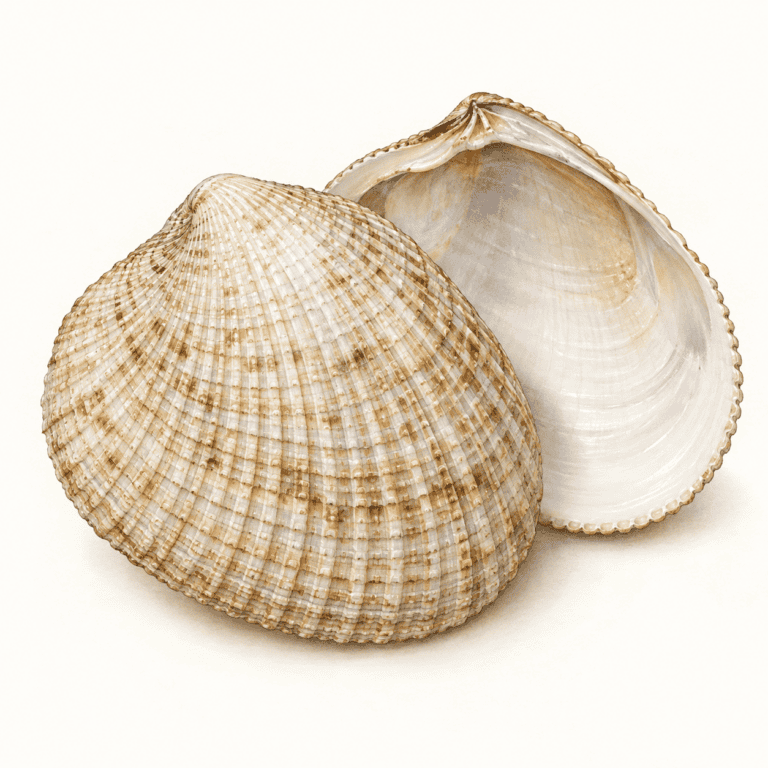
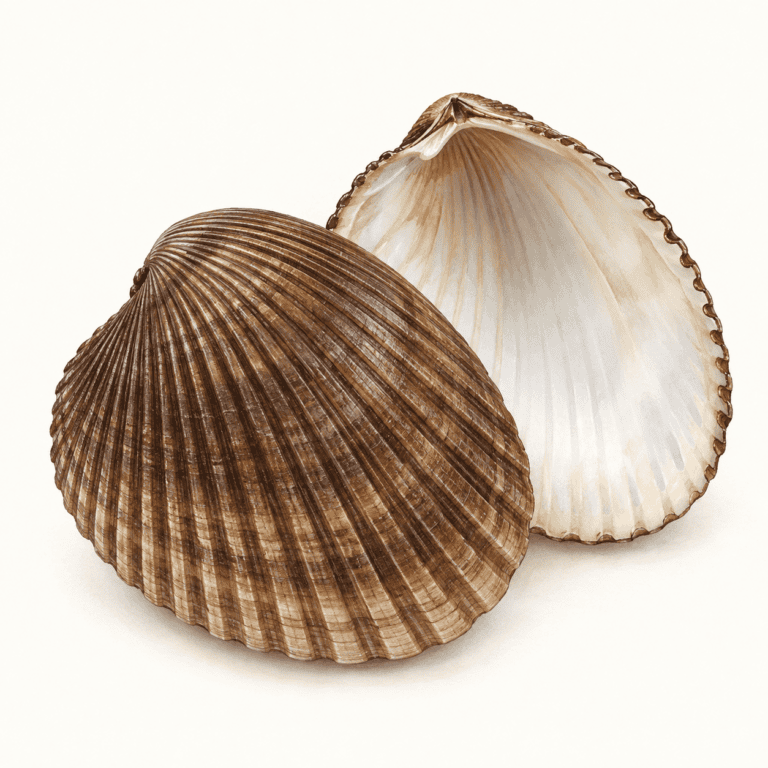
Giant Ark Clam

Spanish name
Chucheca
Scientific name
Larkinia grandis

What Do Pico & Tati Think?

A large ark shell has deep spaces between its strong ribs.

Identification

Key Features of the Giant Ark Clam

  • Broad, nearly square outline.

  • Strong ribs separated by deep grooves.

  • Prominent raised area near the hinge.

Habitat & range

Pacific estuarine and mangrove-associated coastal habitat.

Conservation & care

Observe and photograph shells where they are. Leave living animals, occupied shells and empty shells in place. Do not pry animals from rocks, dig in mangroves or put fingers into shell openings. Explore with an adult or guide, follow site rules and stay clear of surf and slippery rocks.

View full profile →

Nature Field Guide

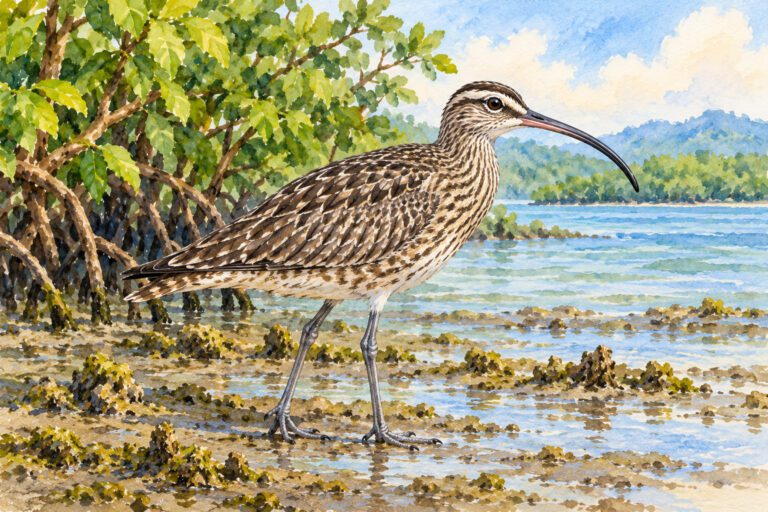
Hudsonian Whimbrel

Spanish name
Zarapito trinador
Scientific name
Numenius hudsonicus

What Do Pico & Tati Think?

Pico curves his pencil line to match the bill. Tati checks the striped head for another clue.

Identification

Key Features of the Hudsonian Whimbrel

  • Long downward-curved bill

  • Striped brown head with a pale central crown stripe

  • Brown patterned body and long legs

Habitat & range

Scan exposed shoreline feeding areas and nearby resting places with binoculars. The tide changes which flats are available; remain on a safe established route.

Conservation & care

Give feeding and resting birds space. If a bird stops feeding, repeatedly looks at you or moves away, increase your distance. Keep dogs away from flocks, avoid playback and feeding, and leave nests and natural shoreline debris undisturbed.

View full profile →

Nature Field Guide

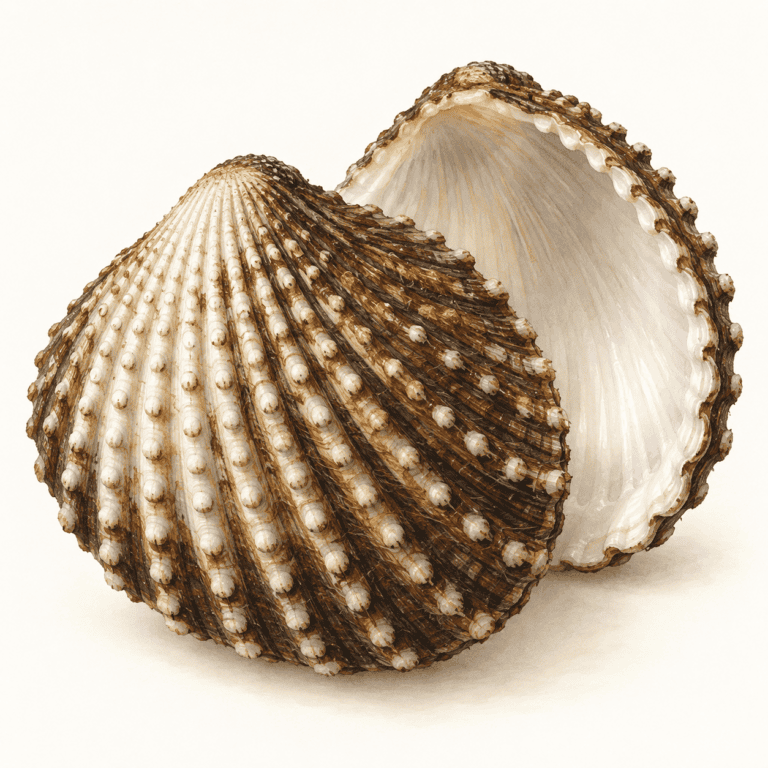
Knobby Mangrove Cockle

Spanish name
Piangua
Scientific name
Anadara tuberculosa

What Do Pico & Tati Think?

A ribbed mangrove shell has small bumps that help explain its name.

Identification

Key Features of the Knobby Mangrove Cockle

  • Thick, oval valves with raised ribs.

  • Small nodules occur along the ribs.

  • A dark, sometimes bristly outer covering may remain on fresh shells.

Habitat & range

Mangrove-associated muddy habitat.

Conservation & care

Observe and photograph shells where they are. Leave living animals, occupied shells and empty shells in place. Do not pry animals from rocks, dig in mangroves or put fingers into shell openings. Explore with an adult or guide, follow site rules and stay clear of surf and slippery rocks.

View full profile →

Nature Field Guide

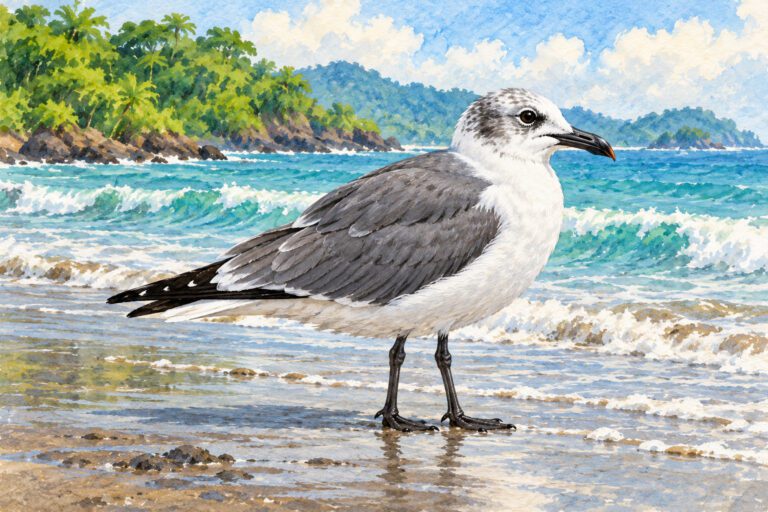
Laughing Gull

Spanish name
Gaviota reidora
Scientific name
Leucophaeus atricilla

What Do Pico & Tati Think?

Pico hears a call that sounds like laughter. Tati checks the season before expecting a black hood.

Identification

Key Features of the Laughing Gull

  • Dark gray back and pale body

  • Blackish wingtips

  • Breeding adults have a dark hood

  • Winter head is paler with gray smudges

Habitat & range

Scan coastal waters and undisturbed shoreline resting places from a safe public viewpoint. Keep boats and people away from nesting or resting colonies.

Conservation & care

Give feeding and resting birds space. If a bird stops feeding, repeatedly looks at you or moves away, increase your distance. Keep dogs away from flocks, avoid playback and feeding, and leave nests and natural shoreline debris undisturbed.

View full profile →

Nature Field Guide

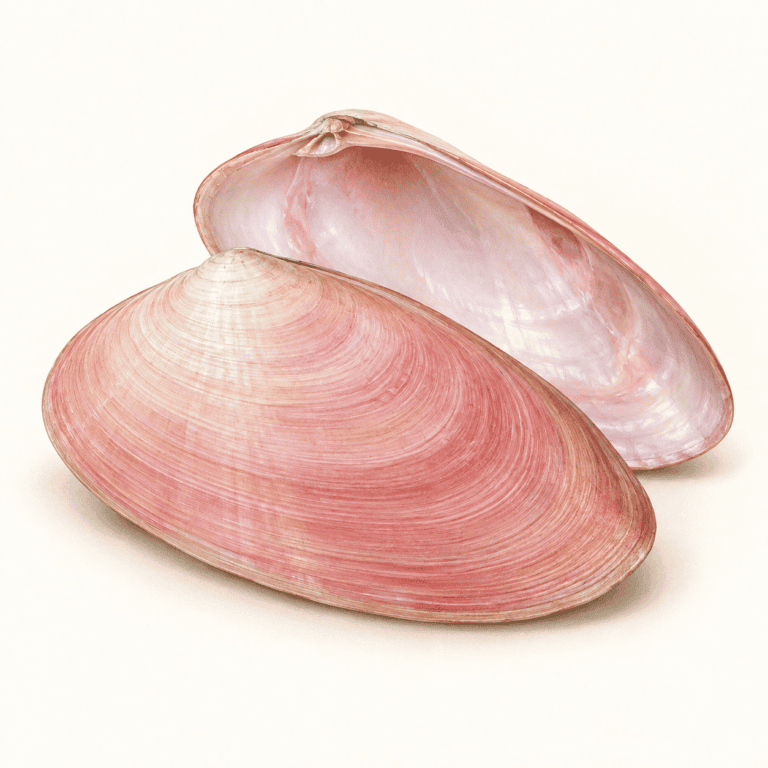
Pink Tellin

Spanish name
Almeja rosada
Scientific name
Eurytellina rubescens

What Do Pico & Tati Think?

A pink bivalve adds color to the story of Costa Rica’s tidal flats.

Identification

Key Features of the Pink Tellin

  • Two-valved clam shell with pink coloration when preserved.

  • Compare outline, hinge and both ends with an identified reference.

  • Older references use Tellina rubescens.

Habitat & range

Estuarine sand-mud flats.

Conservation & care

Observe and photograph shells where they are. Leave living animals, occupied shells and empty shells in place. Do not pry animals from rocks, dig in mangroves or put fingers into shell openings. Explore with an adult or guide, follow site rules and stay clear of surf and slippery rocks.

View full profile →

Nature Field Guide

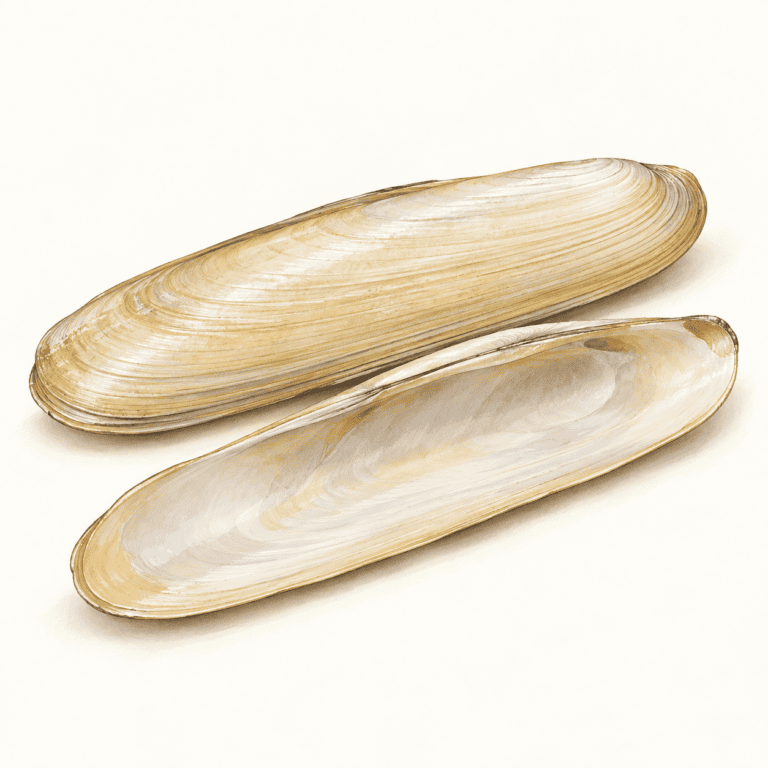
Polished Tagelus Clam

Spanish name
Almeja Tagelus
Scientific name
Tagelus politus

What Do Pico & Tati Think?

This tidal-flat clam demonstrates how a scientific name can be updated.

Identification

Key Features of the Polished Tagelus Clam

  • A bivalve rather than a coiled snail shell.

  • Record length, height and hinge position in a reference photograph.

  • Compare with Tagelus politus, including references labeled T. bourgeoisae.

Habitat & range

Estuarine sand-mud flats.

Conservation & care

Observe and photograph shells where they are. Leave living animals, occupied shells and empty shells in place. Do not pry animals from rocks, dig in mangroves or put fingers into shell openings. Explore with an adult or guide, follow site rules and stay clear of surf and slippery rocks.

View full profile →

Nature Field Guide

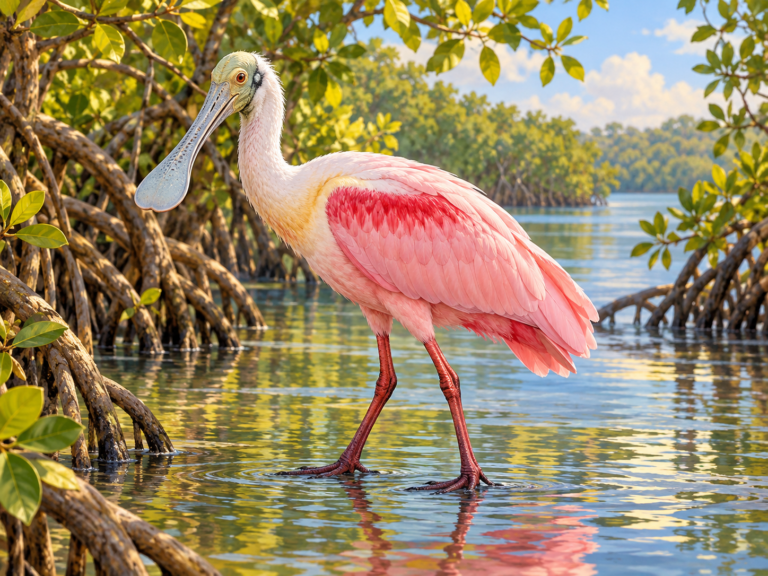
Roseate Spoonbill

Spanish name
Espátula rosada
Scientific name
Platalea ajaja

What Do Pico & Tati Think?

Pico: “Why does its bill widen at the end?”

Tati: “Let’s watch how it moves through the water.”

Identification

Key Features of the Roseate Spoonbill

  • Pink plumage, often paler in young birds.

  • Long bill with a broad, flattened spoon tip.

  • Side-to-side bill sweeping in shallow water.

Habitat & range

Shallow wetlands around Tempisque, Rio Frio and the Gulf of Nicoya, with smaller numbers elsewhere along the Pacific coast. Rare inland or Caribbean records are not used as core regional tags.

Conservation & care

Stay on authorized trails or viewing routes. Give birds space, keep voices low and leave nests undisturbed. Observe without bait, feeding or recorded calls.

Threats & pressures

Altered wetland water conditions can affect feeding habitat. Disturbance at nesting colonies can cause abandonment; keep boats and observers at a respectful distance.

View full profile →

Nature Field Guide

Rough Venus Clam

Spanish name
Almeja blanca
Scientific name
Leukoma asperrima

What Do Pico & Tati Think?

Fine crossing sculpture gives this small clam a textured surface.

Identification

Key Features of the Rough Venus Clam

  • Rounded to oval valves.

  • Radial ribs crossed by finer lines.

  • Compare intact shell sculpture and hinge with an identified reference.

Habitat & range

Documented on estuarine sand-mud flats at Punta Morales in the Gulf of Nicoya. The study supports the Puntarenas & the Gulf Islands browsing region; it does not establish a complete national range.

Conservation & care

Observe and photograph shells where they are. Leave living animals, occupied shells and empty shells in place. Do not pry animals from rocks, dig in mangroves or put fingers into shell openings. Explore with an adult or guide, follow site rules and stay clear of surf and slippery rocks.

View full profile →

Nature Field Guide

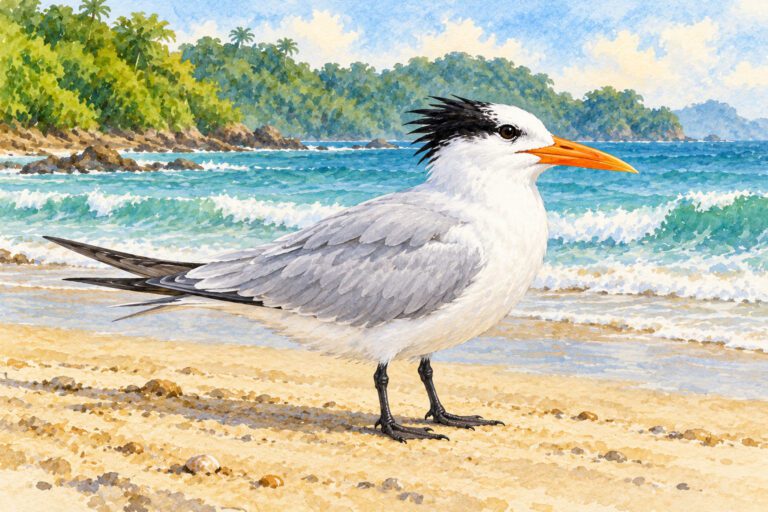
Royal Tern

Spanish name
Pagaza real
Scientific name
Thalasseus maximus

What Do Pico & Tati Think?

Pico notices an orange bill above the tideline. Tati sketches the crest before the tern returns to fishing.

Identification

Key Features of the Royal Tern

  • Large orange pointed bill

  • Pale gray back and white body

  • Black legs

  • Dark rear crest, with a white forehead outside breeding

Habitat & range

Scan coastal waters and undisturbed shoreline resting places from a safe public viewpoint. Keep boats and people away from nesting or resting colonies.

Conservation & care

Give feeding and resting birds space. If a bird stops feeding, repeatedly looks at you or moves away, increase your distance. Keep dogs away from flocks, avoid playback and feeding, and leave nests and natural shoreline debris undisturbed.

View full profile →

Nature Field Guide

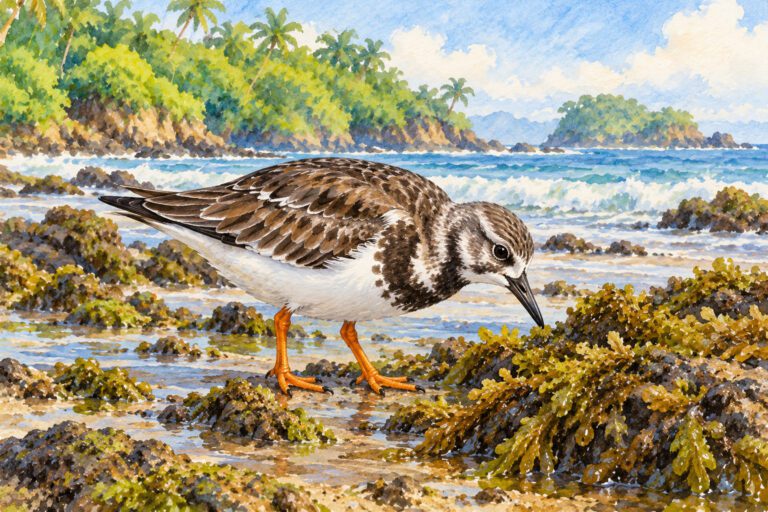
Ruddy Turnstone

Spanish name
Vuelvepiedras rojizo
Scientific name
Arenaria interpres

What Do Pico & Tati Think?

Pico watches a little bird investigate beach debris. Tati leaves the shells exactly where they belong.

Identification

Key Features of the Ruddy Turnstone

  • Short stout slightly upturned bill

  • Orange legs

  • Stocky body and dark breast patches

  • Nonbreeding back is brown rather than bright rusty

Habitat & range

Scan exposed shoreline feeding areas and nearby resting places with binoculars. The tide changes which flats are available; remain on a safe established route.

Conservation & care

Give feeding and resting birds space. If a bird stops feeding, repeatedly looks at you or moves away, increase your distance. Keep dogs away from flocks, avoid playback and feeding, and leave nests and natural shoreline debris undisturbed.

View full profile →

Nature Field Guide

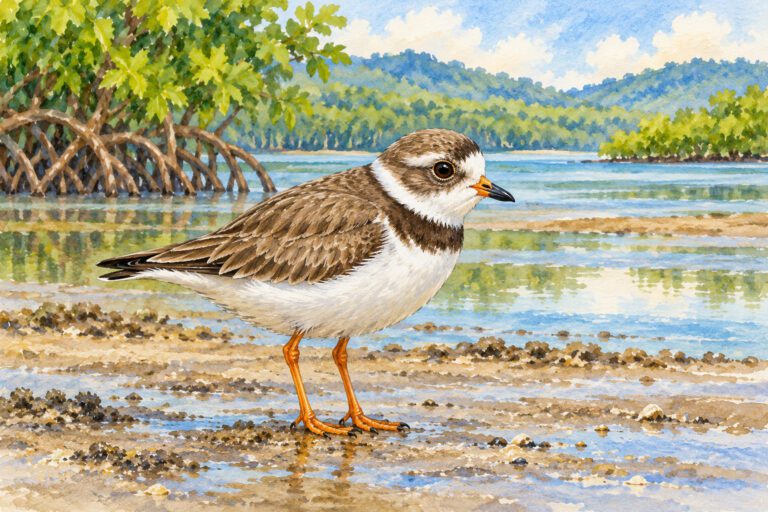
Semipalmated Plover

Spanish name
Chorlitejo semipalmado
Scientific name
Charadrius semipalmatus

What Do Pico & Tati Think?

Pico follows a run, then a stop. Tati notices one breast band on a small round shorebird.

Identification

Key Features of the Semipalmated Plover

  • Small compact brown-and-white body

  • One dark breast band

  • Short bill and orange legs

  • Run-and-pause feeding

Habitat & range

Scan exposed shoreline feeding areas and nearby resting places with binoculars. The tide changes which flats are available; remain on a safe established route.

Conservation & care

Give feeding and resting birds space. If a bird stops feeding, repeatedly looks at you or moves away, increase your distance. Keep dogs away from flocks, avoid playback and feeding, and leave nests and natural shoreline debris undisturbed.

View full profile →

Nature Field Guide

Smooth-ribbed Mangrove Cockle

Spanish name
Piangua o conchudo
Scientific name
Anadara similis

What Do Pico & Tati Think?

This mangrove cockle resembles its knobby relative, but details differ.

Identification

Key Features of the Smooth-ribbed Mangrove Cockle

  • Oval shell with many radial ribs.

  • Generally thinner shell and rounder upper outline than A. tuberculosa.

  • Compare rib structure and outer covering in identified photographs.

Habitat & range

Pacific mangrove-associated habitat.

Conservation & care

Observe and photograph shells where they are. Leave living animals, occupied shells and empty shells in place. Do not pry animals from rocks, dig in mangroves or put fingers into shell openings. Explore with an adult or guide, follow site rules and stay clear of surf and slippery rocks.

View full profile →

Nature Field Guide

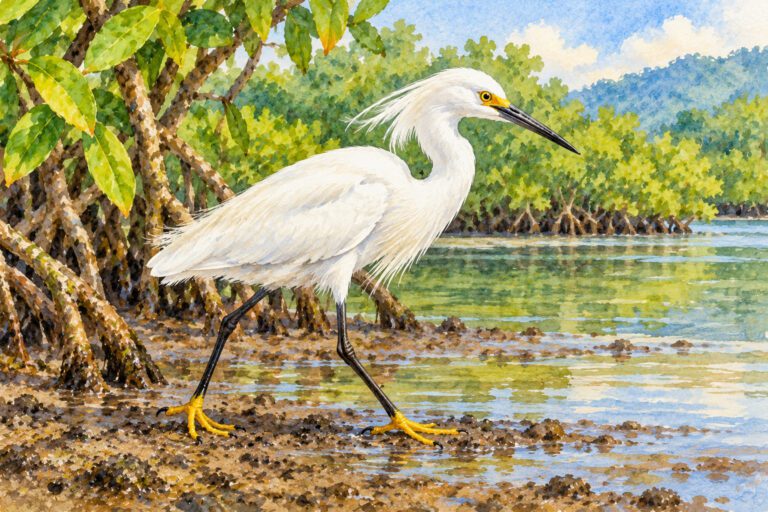
Snowy Egret

Spanish name
Garceta patiamarilla
Scientific name
Egretta thula

What Do Pico & Tati Think?

Those yellow feet catch Pico’s attention. Tati waits to see whether the bird uses them while feeding.

Identification

Key Features of the Snowy Egret

  • White body and slim black bill

  • Black legs with yellow feet

  • Often active in shallow water

Habitat & range

Scan shallow water, quiet mangrove channels and vegetated wetland margins from an established viewpoint. Follow a local guide’s directions around estuaries.

Conservation & care

Give feeding and resting birds space. If a bird stops feeding, repeatedly looks at you or moves away, increase your distance. Keep dogs away from flocks, avoid playback and feeding, and leave nests and natural shoreline debris undisturbed.

View full profile →

Nature Field Guide

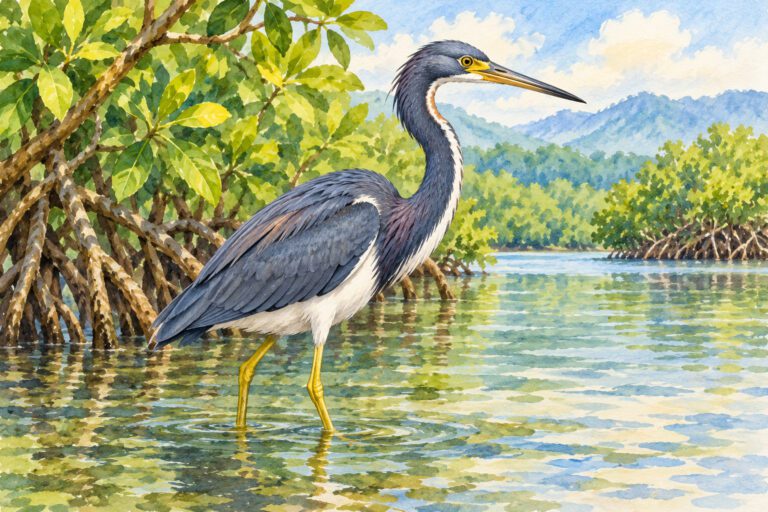
Tricolored Heron

Spanish name
Garceta tricolor
Scientific name
Egretta tricolor

What Do Pico & Tati Think?

Pico follows a quick turn in the shallows. Tati notices the white belly beneath the darker neck.

Identification

Key Features of the Tricolored Heron

  • Dark blue-gray upperparts

  • White belly and pale front-neck stripe

  • Long slim bill and lively feeding movements

Habitat & range

Scan shallow water, quiet mangrove channels and vegetated wetland margins from an established viewpoint. Follow a local guide’s directions around estuaries.

Conservation & care

Give feeding and resting birds space. If a bird stops feeding, repeatedly looks at you or moves away, increase your distance. Keep dogs away from flocks, avoid playback and feeding, and leave nests and natural shoreline debris undisturbed.

View full profile →

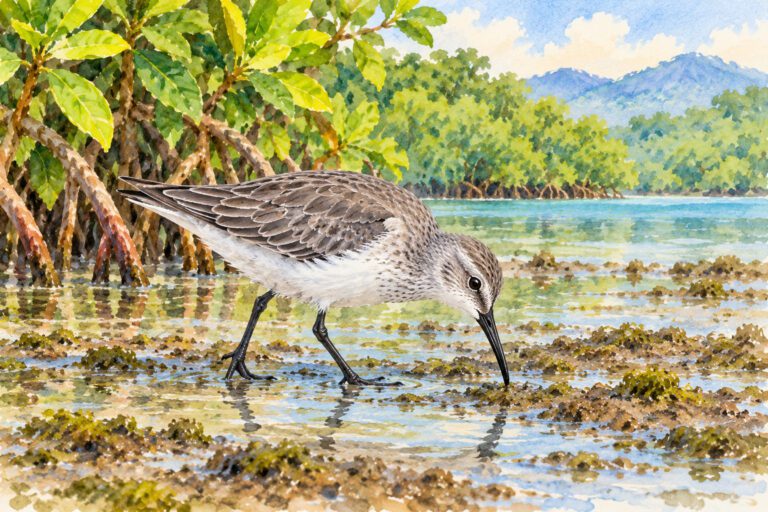
Nature Field Guide

Western Sandpiper

Spanish name
Correlimos occidental
Scientific name
Calidris mauri

What Do Pico & Tati Think?

A tiny gray bird makes Pico slow down. Tati learns that some identifications deserve a question mark.

Identification

Key Features of the Western Sandpiper

  • Very small gray-and-white nonbreeding bird

  • Fine dark bill often slightly downcurved

  • Dark legs

  • Compare carefully with other small sandpipers

Habitat & range

Scan exposed shoreline feeding areas and nearby resting places with binoculars. The tide changes which flats are available; remain on a safe established route.

Conservation & care

Give feeding and resting birds space. If a bird stops feeding, repeatedly looks at you or moves away, increase your distance. Keep dogs away from flocks, avoid playback and feeding, and leave nests and natural shoreline debris undisturbed.

View full profile →

Nature Field Guide

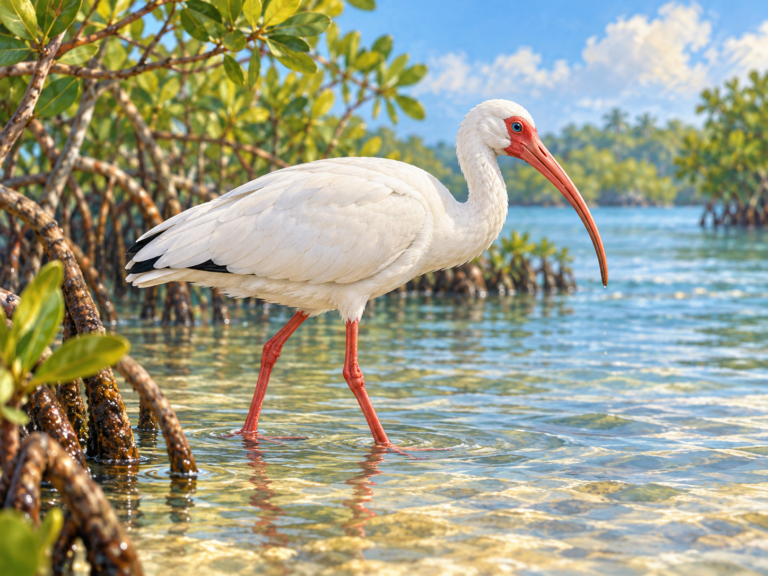
White Ibis

Spanish name
Ibis blanco
Scientific name
Eudocimus albus

What Do Pico & Tati Think?

Pico: “Its bill curves down like a little hook.”

Tati: “I wonder what we can learn by watching how it searches for food.”

Identification

Key Features of the White Ibis

  • A long, downward-curving bill.

  • Adults have white plumage with black wing tips.

  • Reddish legs and bill on adults; younger birds are brown and white.

Habitat & range

Strongest around the Tempisque basin and Gulf of Nicoya, with seasonal occurrence in Rio Frio and local Pacific wetlands. Rare scattered records elsewhere are not used to populate every region.

Conservation & care

Keep enough distance that birds continue their natural activity. Stay out of nesting and roosting areas.

View full profile →

Nature Field Guide

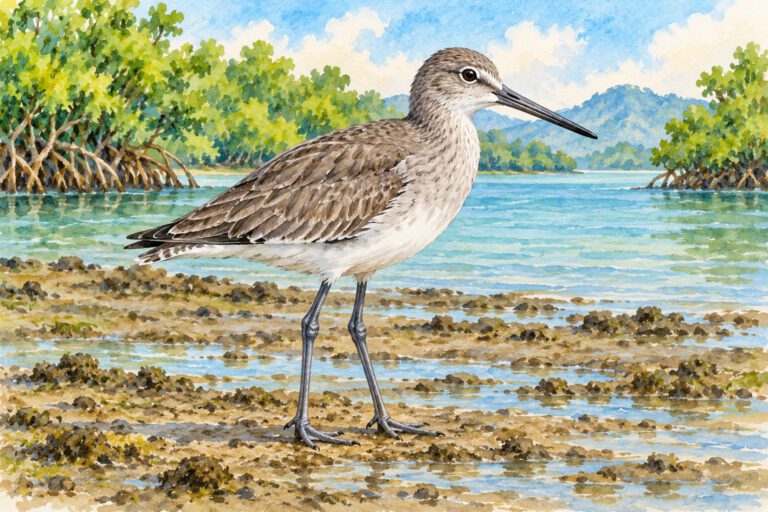
Willet

Spanish name
Pigüilo o playero aliblanco
Scientific name
Tringa semipalmata

What Do Pico & Tati Think?

Pico sees a plain gray shorebird. Tati learns that a bird can reveal a surprising pattern when it takes flight on its own.

Identification

Key Features of the Willet

  • Sturdy long straight bill

  • Long grayish legs

  • Plain gray nonbreeding body

  • Bold black-and-white wings in natural flight

Habitat & range

Scan exposed shoreline feeding areas and nearby resting places with binoculars. The tide changes which flats are available; remain on a safe established route.

Conservation & care

Give feeding and resting birds space. If a bird stops feeding, repeatedly looks at you or moves away, increase your distance. Keep dogs away from flocks, avoid playback and feeding, and leave nests and natural shoreline debris undisturbed.

View full profile →

Nature Field Guide

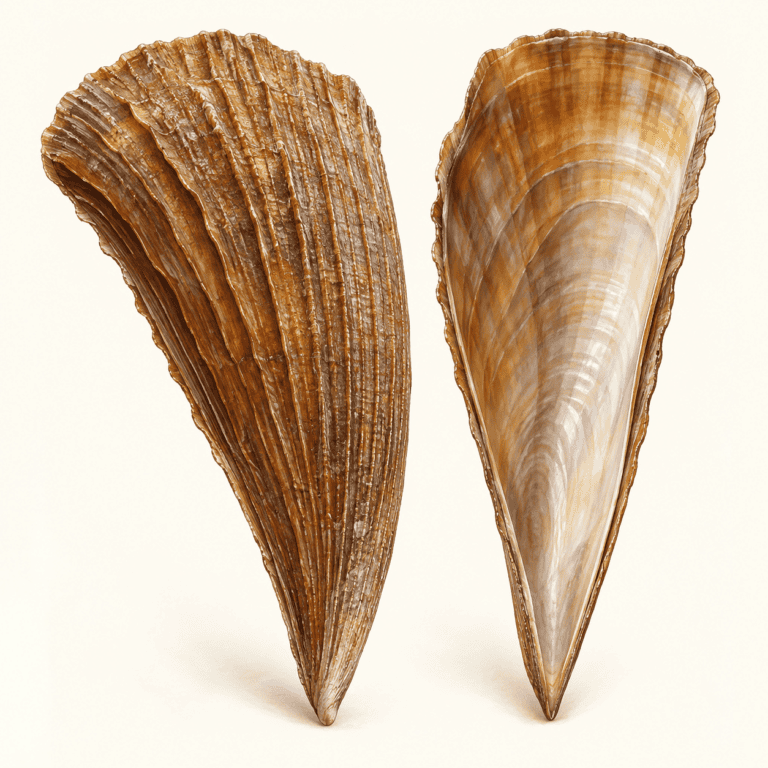
Wrinkled Penshell

Spanish name
Concha abanico
Scientific name
Pinna rugosa

What Do Pico & Tati Think?

A long, fan-like penshell lives partly buried in the bottom.

Identification

Key Features of the Wrinkled Penshell

  • Long shell that widens away from a pointed end.

  • Two valves make up the whole shell.

  • Wrinkled or ribbed surfaces should be compared with a reference.

Habitat & range

Muddy bay bottoms, including areas influenced by mangrove tidal flow.

Conservation & care

Observe and photograph shells where they are. Leave living animals, occupied shells and empty shells in place. Do not pry animals from rocks, dig in mangroves or put fingers into shell openings. Explore with an adult or guide, follow site rules and stay clear of surf and slippery rocks.

View full profile →

My Tico Explorer Experience

Save nature, towns, discoveries and learning adventures for your next experience.

Your list stays in this browser on this device.