Tico Explorers

Nature Field Guide

Open Woodland

Explore wildlife, plants and trees. Learn what to look for and where to find them.

All Nature

31 profiles

Nature Field Guide

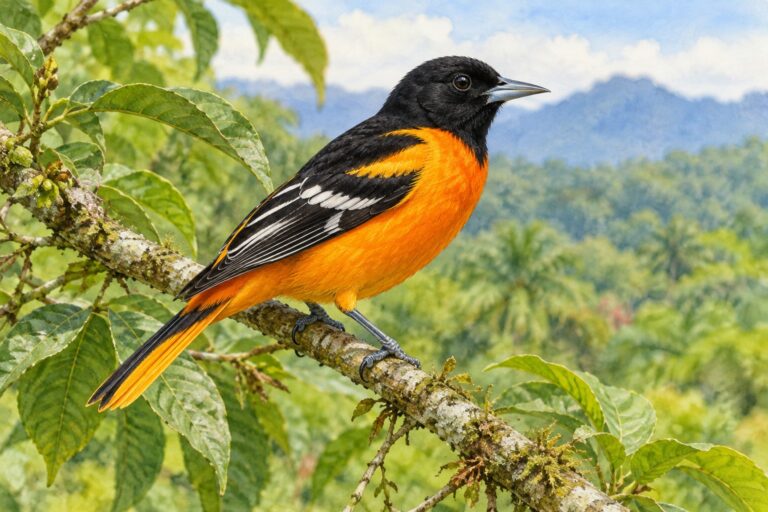
Baltimore Oriole

Spanish name
Bolsero norteño
Scientific name
Icterus galbula

What Do Pico & Tati Think?

Pico: “Did that bird travel here?”

Tati: “Baltimore orioles connect Costa Rica with places farther north.”

Identification

Key Features of the Baltimore Oriole

  • Male orange body and black head

  • White wingbar

  • Slender pointed bill

Habitat & range

A migrant and nonbreeding visitor, generally September to early May. Occurs on both slopes, especially the northern Pacific and Central Valley, in wooded gardens, edges and plantations.

Conservation & care

Observe quietly from trails or established viewing areas. Give nests, roosts and feeding birds space. Do not handle, chase or lure birds with playback. Keep pets away from wildlife.

Threats & pressures

Migrants depend on suitable habitat across their full annual journey. Protect native vegetation, reduce collision hazards around glass and keep cats away from birds. These are practical prevention priorities, not a claim of a measured decline at a specific Costa Rican site.

View full profile →

Nature Field Guide

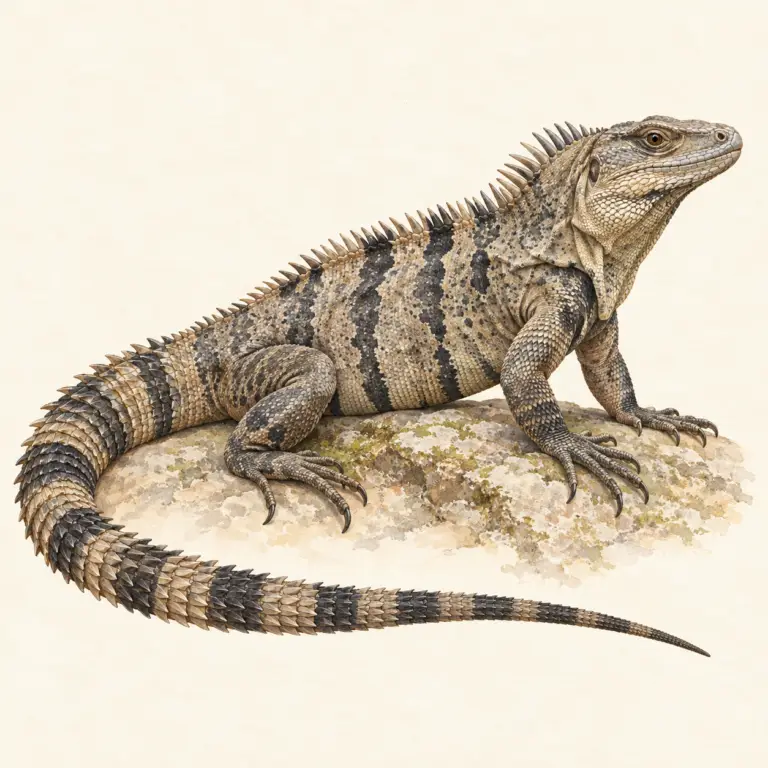
Black Spiny-tailed Iguana

Spanish name
Garrobo
Scientific name
Ctenosaura similis

What Do Pico & Tati Think?

Pico and Tati invite you to learn about the black spiny-tailed iguana. Use a photograph to compare this tail with the smooth-looking outline of a green iguana tail.

Identification

Key Features of the Black Spiny-tailed Iguana

  • Rings of pointed scales on the tail.

  • Gray or brown adults with dark body bands.

  • Raised scales along the back.

Habitat & range

Pacific-slope dry forest, rocky ground and open wooded areas.

Conservation & care

Watch wildlife with an adult from a safe path. Do not touch, feed, capture or move reptiles, and keep pets away. Leave eggs, shelters and vegetation undisturbed.

View full profile →

Nature Field Guide

Black Vulture

Spanish name
Zopilote negro
Scientific name
Coragyps atratus

What Do Pico & Tati Think?

Pico: “Which vulture is that one?”

Tati: “Look for the short tail and pale patches just at the wingtips.”

Identification

Key Features of the Black Vulture

  • Bare dark head

  • Short rounded tail

  • White patches at outer wingtips

Habitat & range

Widespread over towns and open landscapes from the coast into the mountains, becoming less frequent above about 2000 m. A regional tag does not identify a nesting site.

Conservation & care

Observe quietly from trails or established viewing areas. Give nests, roosts and feeding birds space. Do not handle, chase or lure birds with playback. Keep pets away from wildlife.

Threats & pressures

Protect native vegetation, reduce collision hazards around glass and keep cats away from birds. These are practical prevention priorities, not a claim of a measured decline at a specific Costa Rican site.

View full profile →

Nature Field Guide

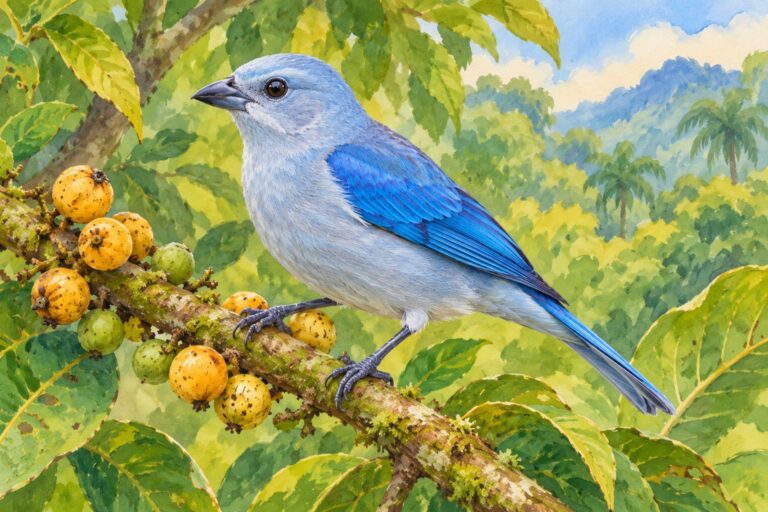
Blue-gray Tanager

Spanish name
Tangara azuleja
Scientific name
Thraupis episcopus

What Do Pico & Tati Think?

Pico: “It looks like a piece of the sky!”

Tati: “Let’s see where the blue is pale and where it is brighter.”

Identification

Key Features of the Blue-gray Tanager

  • Powder blue-gray body

  • Brighter blue wings and shoulder

  • Dark eye and stout bill

Habitat & range

Widespread in gardens, towns and semi-open wooded areas, mainly below about 2000 m. In the dry northwest it is less frequent and associated with moister sites near homes.

Conservation & care

Observe quietly from trails or established viewing areas. Give nests, roosts and feeding birds space. Do not handle, chase or lure birds with playback. Keep pets away from wildlife.

Threats & pressures

Protect native vegetation, reduce collision hazards around glass and keep cats away from birds. These are practical prevention priorities, not a claim of a measured decline at a specific Costa Rican site.

View full profile →

Nature Field Guide

Cenizaro Rain Tree

Spanish name
Cenízaro
Scientific name
Samanea saman

What Do Pico & Tati Think?

Pico: “An umbrella-shaped crown shelters a world beneath its branches.”

Tati: “Let’s notice the leaves, flowers and habitat without disturbing the plant.”

Identification

Key Features of the Cenizaro Rain Tree

  • Broad umbrella-shaped crown

  • Twice-divided compound leaves

  • Pink-and-white brushlike flowers and dark pods

Habitat & range

Pacific lowlands and open landscapes, also documented in the Northern Plains and around San Ramón.

Conservation & care

Explore with an adult on permitted paths. Observe and photograph without picking leaves, flowers or fruits. Do not taste plants or let pets chew them. Avoid climbing trees and disturbing roots, seedlings or visiting wildlife.

Threats & pressures

Protect suitable habitat, mature trees and natural regeneration. Avoid trampling, unauthorized clearing and collection.

View full profile →

Nature Field Guide

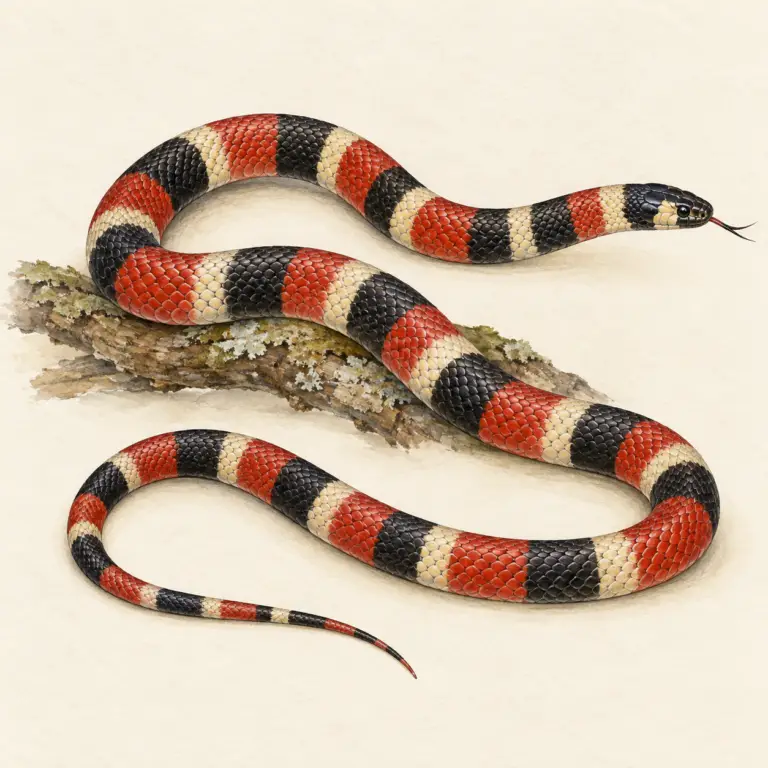
Central American Coral Snake

Spanish name
Coral macho
Scientific name
Micrurus nigrocinctus

What Do Pico & Tati Think?

Pico and Tati invite you to learn about the central american coral snake. Create a ring-pattern drawing from a verified photograph. Write the rule: observe snakes from a distance and tell an adult.

Identification

Key Features of the Central American Coral Snake

  • Red, pale and black rings encircling the body.

  • Relatively small head with little separation from the neck.

  • A slender-to-moderately robust cylindrical body.

Habitat & range

Pacific-slope lowlands and premontane areas, including parts of the Central Valley.

Conservation & care

Never approach, touch, catch or try to move any snake, even if it appears harmless or dead. Keep children and pets away, step back calmly and tell an adult or guide. Do not use colors, head shape or this card to judge safety.

View full profile →

Nature Field Guide

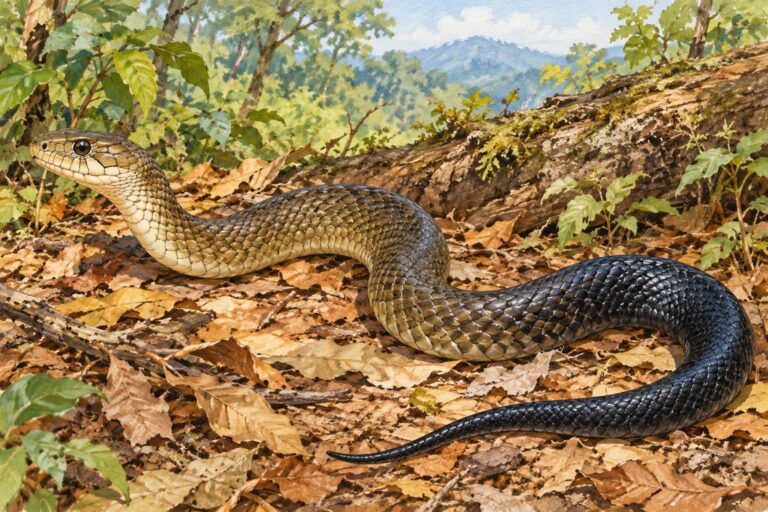
Central American Indigo Snake

Spanish name
Sabanera / Mica
Scientific name
Drymarchon melanurus

What Do Pico & Tati Think?

Pico: “What clues help us recognize this reptile?”

Tati: “Let’s notice its shape, markings and habitat from a respectful distance.”

Identification

Key Features of the Central American Indigo Snake

  • Large robust body

  • Smooth-looking scales

  • Color can become darker toward the tail

Habitat & range

Lowland woodland and open habitats, including Guanacaste and the Pacific slope.

Conservation & care

Observe only from a distance with an adult or qualified guide. Do not touch, catch, corner or attempt to move any snake. Step back and tell your adult; keep children and pets away. Do not use colors, head shape or pupil shape to decide a snake is safe.

Threats & pressures

Protect habitat connections and natural shelters. Avoid road mortality, collection and deliberate killing. Leave reptiles in their habitat rather than keeping or relocating them.

View full profile →

Nature Field Guide

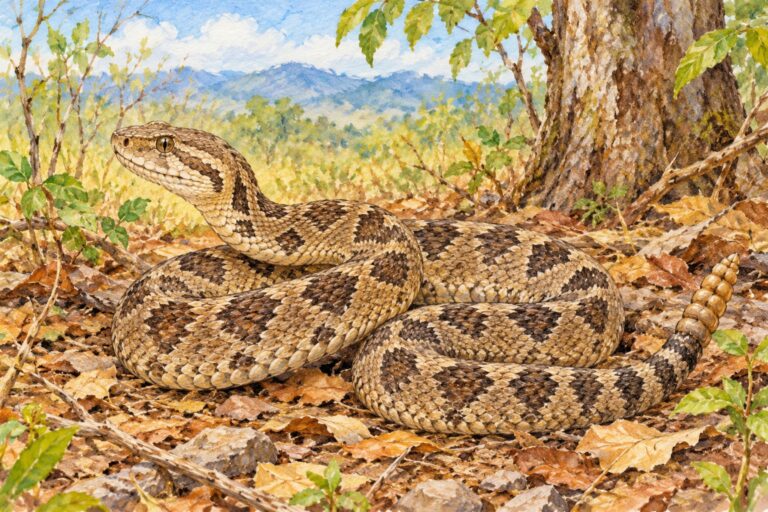
Central American Rattlesnake

Spanish name
Cascabel / Crótalo
Scientific name
Crotalus simus

What Do Pico & Tati Think?

Pico: “What clues help us recognize this reptile?”

Tati: “Let’s notice its shape, markings and habitat from a respectful distance.”

Identification

Key Features of the Central American Rattlesnake

  • Dark diamondlike back markings

  • Strongly keeled scales

  • Segmented rattle at the tail tip

Habitat & range

Dry lowlands of Guanacaste and northern Puntarenas, especially forest edges and less disturbed ground.

Conservation & care

VENOMOUS. Observe only at a distance with a qualified guide. Never approach, touch, catch or provoke this snake. Keep children and pets well away and do not reach into nearby vegetation or hiding places.

Threats & pressures

Protect habitat connections and natural shelters. Avoid road mortality, collection and deliberate killing. Leave reptiles in their habitat rather than keeping or relocating them.

View full profile →

Nature Field Guide

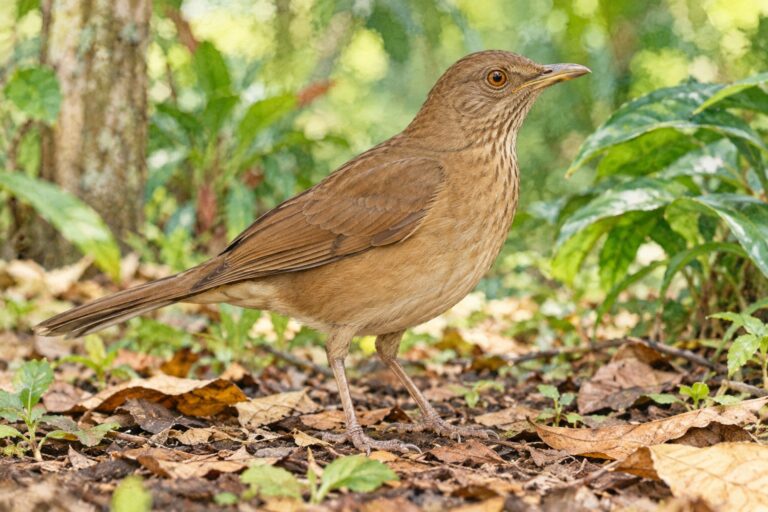
Clay-colored Thrush

Spanish name
Mirlo pardo / Yigüirro
Scientific name
Turdus grayi

What Do Pico & Tati Think?

Pico: “That brown bird has a beautiful song!”

Tati: “That is the yigüirro. We can learn its voice as well as its colors.”

Identification

Key Features of the Clay-colored Thrush

  • Warm brown plumage

  • Yellowish bill

  • Fine throat streaks and orange-brown eye

Habitat & range

Widespread across Costa Rica from lowlands to about 2450 m, in gardens, farms, secondary growth and wooded urban areas. Less numerous in the dry northwest and higher mountains.

Conservation & care

Observe quietly from trails or established viewing areas. Give nests, roosts and feeding birds space. Do not handle, chase or lure birds with playback. Keep pets away from wildlife.

Threats & pressures

Protect native vegetation, reduce collision hazards around glass and keep cats away from birds. These are practical prevention priorities, not a claim of a measured decline at a specific Costa Rican site.

View full profile →

Nature Field Guide

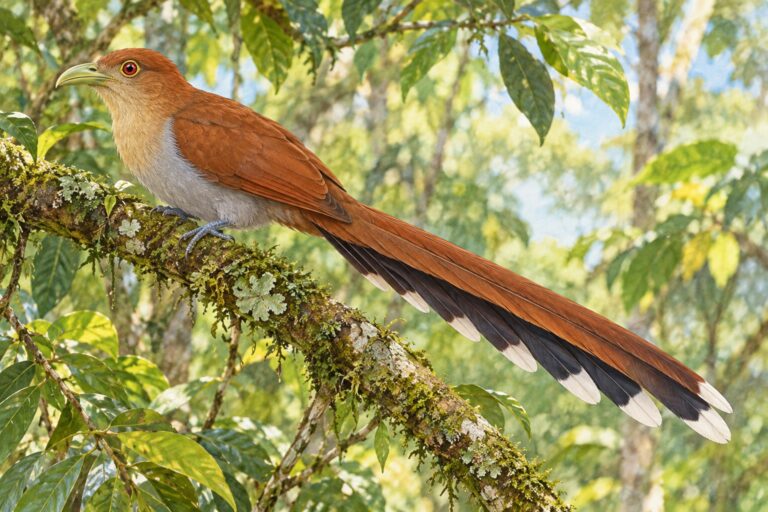
Common Squirrel-Cuckoo

Spanish name
Cuco ardilla
Scientific name
Piaya cayana

What Do Pico & Tati Think?

Pico: “That tail is longer than I expected!”

Tati: “Follow its movement through the branches without chasing it.”

Identification

Key Features of the Common Squirrel-Cuckoo

  • Rusty upperparts

  • Very long graduated white-tipped tail

  • Greenish-yellow bill

Habitat & range

Widespread in wooded habitats on both slopes, including forest canopy, secondary growth, plantations and tree-rich gardens. It can occur well above the lowlands where trees remain.

Conservation & care

Observe quietly from trails or established viewing areas. Give nests, roosts and feeding birds space. Do not handle, chase or lure birds with playback. Keep pets away from wildlife.

Threats & pressures

Protect native vegetation, reduce collision hazards around glass and keep cats away from birds. These are practical prevention priorities, not a claim of a measured decline at a specific Costa Rican site.

View full profile →

Nature Field Guide

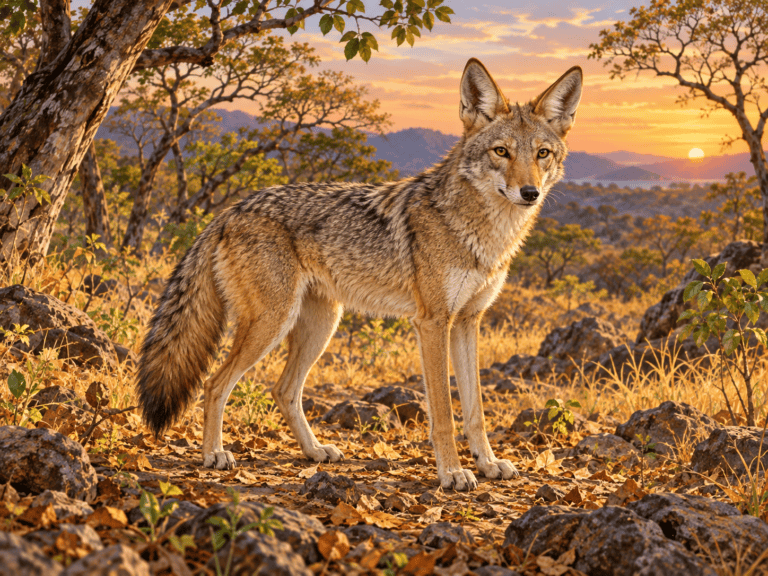
Coyote

Spanish name
Coyote
Scientific name
Canis latrans

What Do Pico & Tati Think?

Pico: “Its ears and bushy tail look different from a fox!”

Tati: “A wild animal should keep finding its own food.”

Identification

Key Features of the Coyote

  • Pointed muzzle and large upright ears.

  • Mixed gray-brown coat with paler underside.

  • Bushy tail usually carried low.

Habitat & range

Sierra Zapote’s forest-edge landscape in Las Juntas, Abangares, and other Guanacaste lowlands.

Conservation & care

Keep a respectful distance and leave an open route for the animal. Stay on authorized paths, secure food and rubbish, and observe without feeding, touching, baiting or chasing.

View full profile →

Nature Field Guide

Crested Caracara

Spanish name
Caracara cargahuesos
Scientific name
Caracara plancus

What Do Pico & Tati Think?

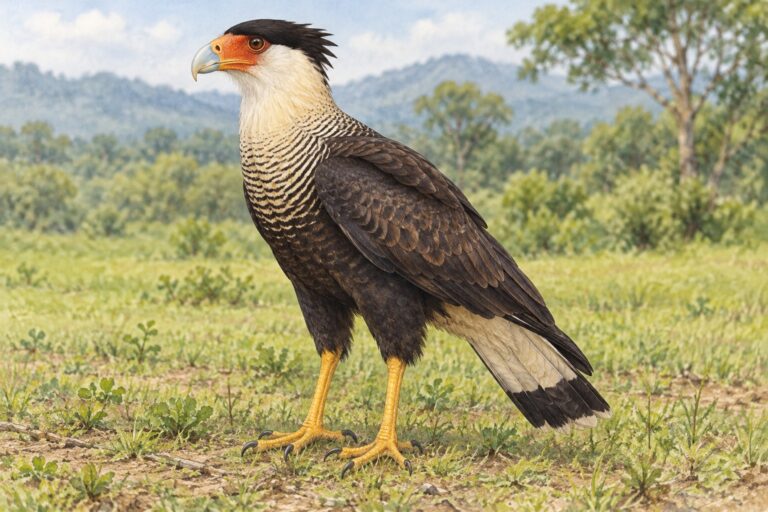
Pico: “That bird of prey is walking!”

Tati: “Caracaras often search on foot. Look at those long legs.”

Identification

Key Features of the Crested Caracara

  • Dark cap and pale neck

  • Orange-red bare face

  • Long legs and hooked bill

Habitat & range

Open northwestern landscapes, pasture, farmland and beaches, with local occurrence around Rio Frio and occasional movement into San Carlos. This conservative set omits occasional Central Valley wanderers.

Conservation & care

Observe quietly from trails or established viewing areas. Give nests, roosts and feeding birds space. Do not handle, chase or lure birds with playback. Keep pets away from wildlife.

Threats & pressures

Protect native vegetation, reduce collision hazards around glass and keep cats away from birds. These are practical prevention priorities, not a claim of a measured decline at a specific Costa Rican site.

View full profile →

Nature Field Guide

Great Kiskadee

Spanish name
Bienteveo grande
Scientific name
Pitangus sulphuratus

What Do Pico & Tati Think?

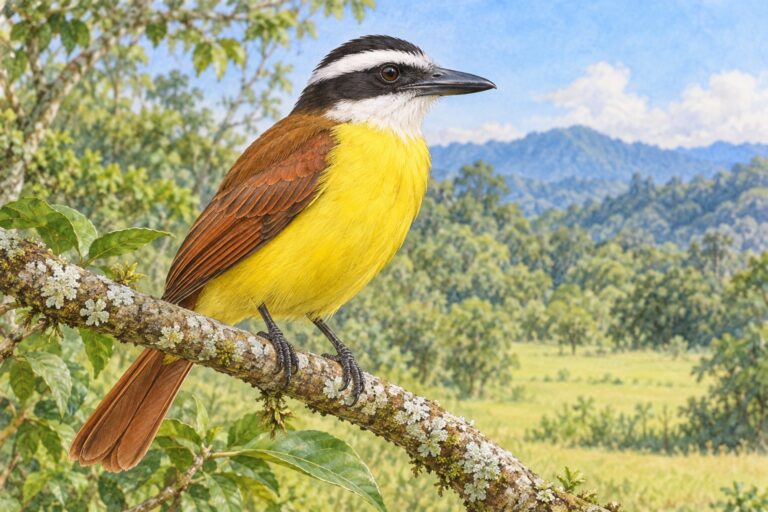
Pico: “It sounds like it is calling its own name!”

Tati: “Let’s also check its bold eyebrow and strong bill.”

Identification

Key Features of the Great Kiskadee

  • Black-and-white head pattern

  • Bright yellow belly

  • Heavy bill and reddish-brown wings

Habitat & range

Open wooded country and settled areas, often near water, on both slopes, mainly below about 1500 m. Less frequent in some southern Pacific areas; not a high-mountain specialist.

Conservation & care

Observe quietly from trails or established viewing areas. Give nests, roosts and feeding birds space. Do not handle, chase or lure birds with playback. Keep pets away from wildlife.

Threats & pressures

Protect native vegetation, reduce collision hazards around glass and keep cats away from birds. These are practical prevention priorities, not a claim of a measured decline at a specific Costa Rican site.

View full profile →

Nature Field Guide

Green Spiny Lizard

Spanish name
Lagartija espinosa verde
Scientific name
Sceloporus malachiticus

What Do Pico & Tati Think?

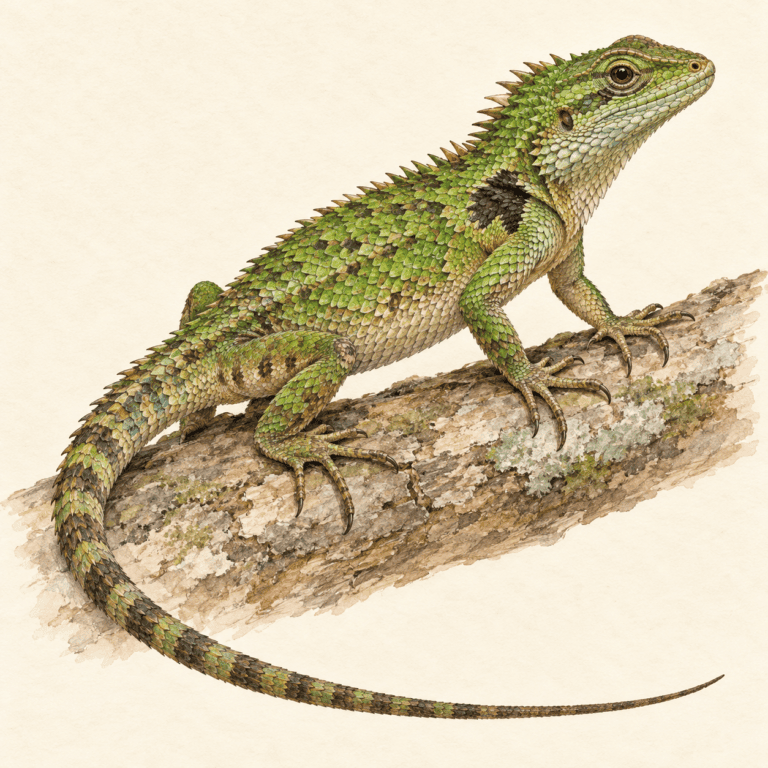
Pico and Tati invite you to learn about the green spiny lizard. Compare a photo of its rough scales with a smooth-looking anole. Describe texture without touching either animal.

Identification

Key Features of the Green Spiny Lizard

  • Pointed, strongly textured body scales.

  • A dark shoulder marking.

  • Adult males often show green coloration.

Habitat & range

Costa Rican uplands, including suitable forest edges and rocky or open perches.

Conservation & care

Watch wildlife with an adult from a safe path. Do not touch, feed, capture or move reptiles, and keep pets away. Leave eggs, shelters and vegetation undisturbed.

View full profile →

Nature Field Guide

Groove-billed Ani

Spanish name
Garrapatero piquiestriado / Tijo
Scientific name
Crotophaga sulcirostris

What Do Pico & Tati Think?

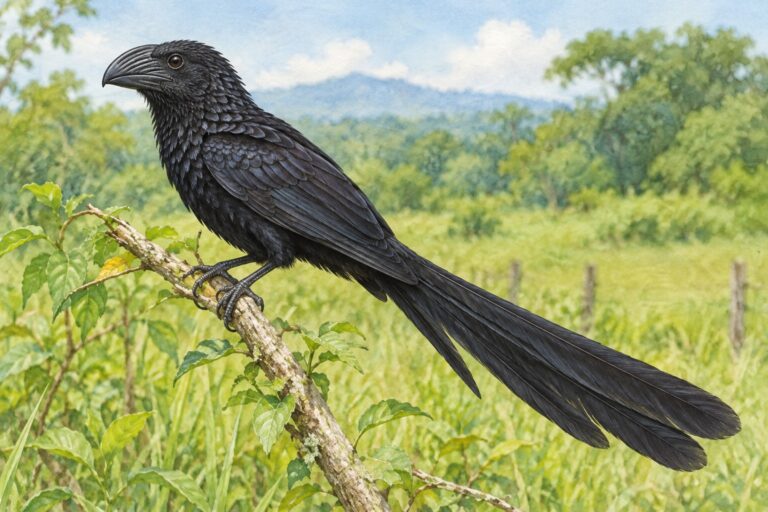
Pico: “Its beak has tiny lines!”

Tati: “Those grooves are helpful, but we need a clear view.”

Identification

Key Features of the Groove-billed Ani

  • All-black plumage

  • Long loosely held tail

  • Heavy upper bill with grooves

Habitat & range

Open and shrubby country, pasture margins and settled areas across Costa Rica, reaching middle elevations. It is less frequent in much of the southern Pacific, where Smooth-billed Ani predominates.

Conservation & care

Observe quietly from trails or established viewing areas. Give nests, roosts and feeding birds space. Do not handle, chase or lure birds with playback. Keep pets away from wildlife.

Threats & pressures

Protect native vegetation, reduce collision hazards around glass and keep cats away from birds. These are practical prevention priorities, not a claim of a measured decline at a specific Costa Rican site.

View full profile →

Nature Field Guide

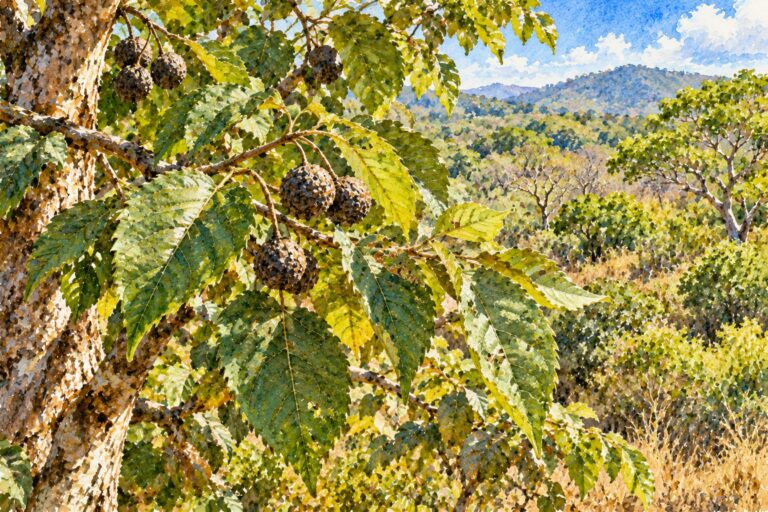
Guacimo

Spanish name
Guácimo / Guácimo ternero
Scientific name
Guazuma ulmifolia

What Do Pico & Tati Think?

Pico: “Bumpy dark fruits and toothed leaves offer clues to a familiar Pacific-slope tree.”

Tati: “Let’s notice the leaves, flowers and habitat without disturbing the plant.”

Identification

Key Features of the Guacimo

  • Simple alternate leaves with toothed edges

  • Dark round-to-oval woody fruits

  • Fruit surface covered in bumps

Habitat & range

Pacific-slope woodland, pastures and living fences, with strong documentation in Guanacaste and the northern Puntarenas area.

Conservation & care

Explore with an adult on permitted paths. Observe and photograph without picking leaves, flowers or fruits. Do not taste plants or let pets chew them. Avoid climbing trees and disturbing roots, seedlings or visiting wildlife.

Threats & pressures

Protect suitable habitat, mature trees and natural regeneration. Avoid trampling, unauthorized clearing and collection.

View full profile →

Nature Field Guide

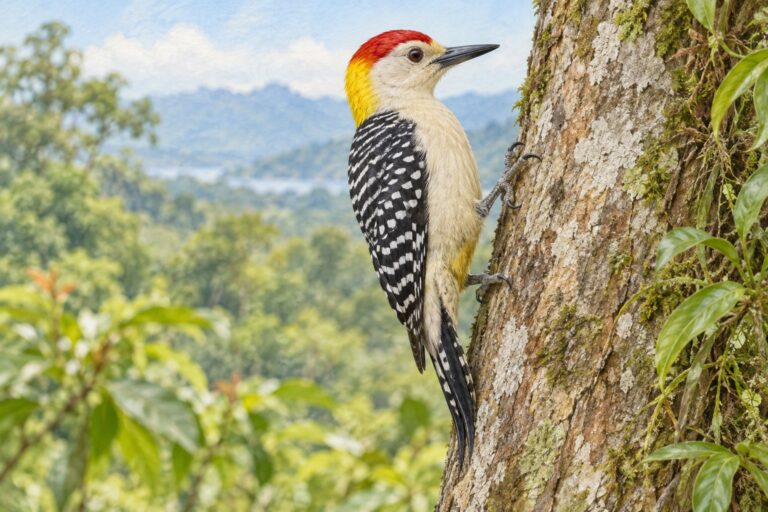
Hoffmann’s Woodpecker

Spanish name
Carpintero de Hoffmann
Scientific name
Melanerpes hoffmannii

What Do Pico & Tati Think?

Pico: “Its back looks like a striped pattern!”

Tati: “Look at the crown too. Males and females differ there.”

Identification

Key Features of the Hoffmann’s Woodpecker

  • Black-and-white barred back

  • Yellow nape

  • Male has a red crown

Habitat & range

Strongest in the northern Pacific and Central Valley, extending south toward Tarcoles and locally into Rio Frio. Occurs along parts of the Reventazon corridor; avoid treating all Caribbean rainforest as typical habitat.

Conservation & care

Observe quietly from trails or established viewing areas. Give nests, roosts and feeding birds space. Do not handle, chase or lure birds with playback. Keep pets away from wildlife.

Threats & pressures

Protect native vegetation, reduce collision hazards around glass and keep cats away from birds. These are practical prevention priorities, not a claim of a measured decline at a specific Costa Rican site.

View full profile →

Nature Field Guide

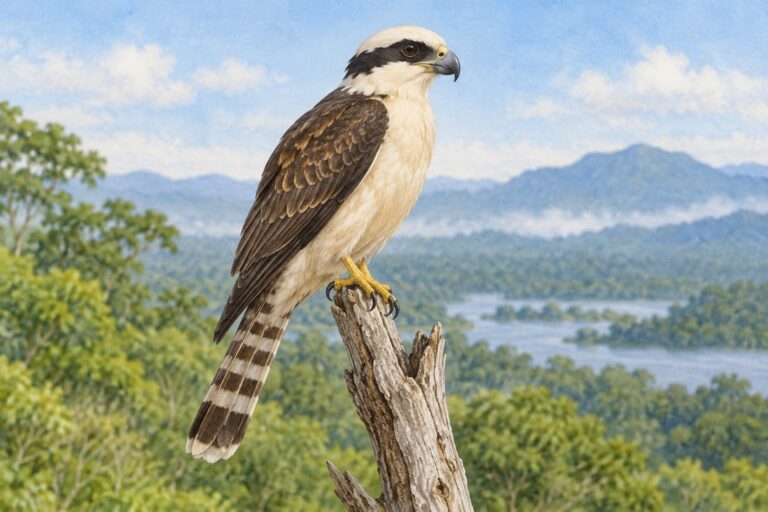
Laughing Falcon

Spanish name
Guaco
Scientific name
Herpetotheres cachinnans

What Do Pico & Tati Think?

Pico: “It sounds like a laugh!”

Tati: “That call explains its name. Its wide eye mask helps us recognize it too.”

Identification

Key Features of the Laughing Falcon

  • Creamy head and underparts

  • Broad black eye mask

  • Dark upperparts

Habitat & range

Lowland forest edges, secondary woodland and partly open country on both slopes. Occasional higher-elevation records do not make high mountain forest core habitat.

Conservation & care

Observe quietly from trails or established viewing areas. Give nests, roosts and feeding birds space. Do not handle, chase or lure birds with playback. Keep pets away from wildlife.

Threats & pressures

Protect native vegetation, reduce collision hazards around glass and keep cats away from birds. These are practical prevention priorities, not a claim of a measured decline at a specific Costa Rican site.

View full profile →

Nature Field Guide

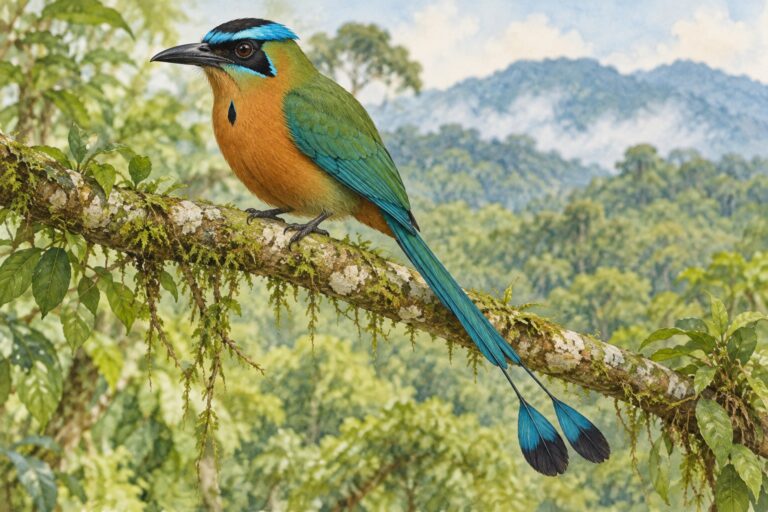
Lesson’s Motmot

Spanish name
Momoto coroniazul
Scientific name
Momotus lessonii

What Do Pico & Tati Think?

Pico: “Its tail has tiny paddles!”

Tati: “They are feather tips. Let’s compare the crown with our other motmot.”

Identification

Key Features of the Lesson’s Motmot

  • Blue crown with dark center

  • Dark eye mask

  • Long central tail feathers with racket tips

Habitat & range

Pacific lowlands and middle elevations, the Central Valley and locally northern areas. In the dry northwest it is associated especially with gallery forest. Most Caribbean lowlands are outside its usual range.

Conservation & care

Observe quietly from trails or established viewing areas. Give nests, roosts and feeding birds space. Do not handle, chase or lure birds with playback. Keep pets away from wildlife.

Threats & pressures

Protect native vegetation, reduce collision hazards around glass and keep cats away from birds. These are practical prevention priorities, not a claim of a measured decline at a specific Costa Rican site.

View full profile →

Nature Field Guide

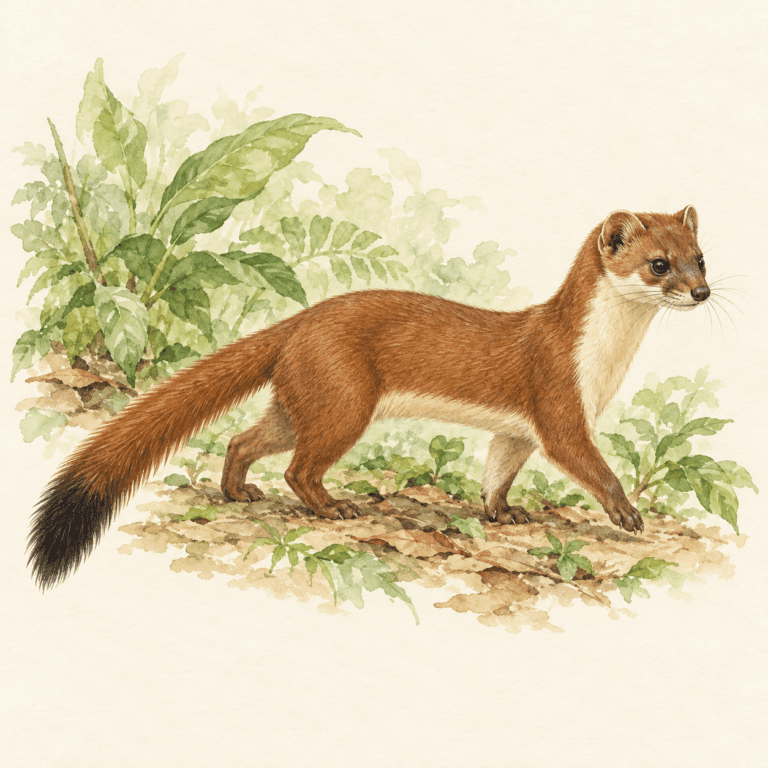
Long-tailed Weasel

Spanish name
Comadreja de cola larga
Scientific name
Neogale frenata

What Do Pico & Tati Think?

A long-tailed weasel has a narrow flexible body that helps it move through cover and investigate small spaces.

Identification

Key Features of the Long-tailed Weasel

  • Very slender body with short legs and a small head.

  • Brown upper coat and pale underside.

  • Long tail with a black tip.

Habitat & range

Wooded edges, scrub and other suitable partly open landscapes.

Conservation & care

Explore with an adult or local guide. Observe quietly from a distance, stay on established trails and leave shelter undisturbed. Do not feed, touch, capture or corner wildlife. Keep pets away.

View full profile →

Nature Field Guide

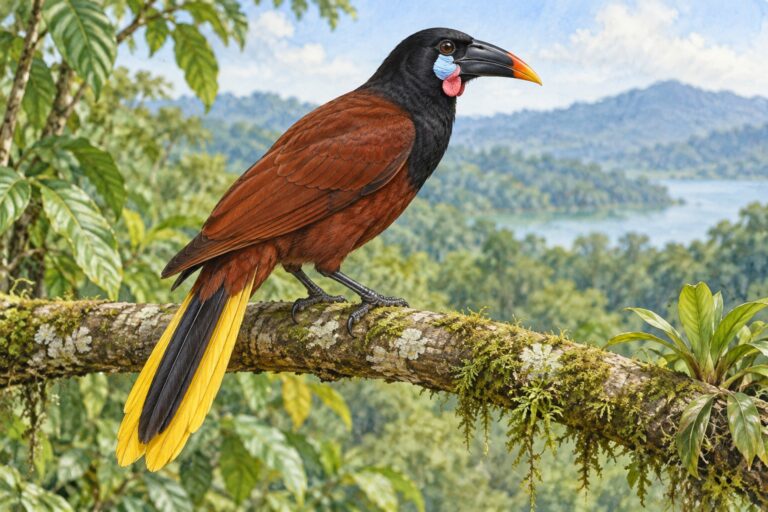
Montezuma Oropendola

Spanish name
Oropéndola de Moctezuma
Scientific name
Psarocolius montezuma

What Do Pico & Tati Think?

Pico: “Those nests hang like long baskets!”

Tati: “We can admire their shape from a distance and leave the colony quiet.”

Identification

Key Features of the Montezuma Oropendola

  • Black head and chestnut body

  • Yellow outer tail feathers

  • Large patterned bill and bare cheek area

Habitat & range

Most frequent in Caribbean lowlands, with distribution through the Reventazon basin and parts of the Central Valley. Local in the northwest, especially near mountain bases; not uniformly common across Guanacaste.

Conservation & care

Observe quietly from trails or established viewing areas. Give nests, roosts and feeding birds space. Do not handle, chase or lure birds with playback. Keep pets away from wildlife.

Threats & pressures

Protect native vegetation, reduce collision hazards around glass and keep cats away from birds. These are practical prevention priorities, not a claim of a measured decline at a specific Costa Rican site.

View full profile →

Nature Field Guide

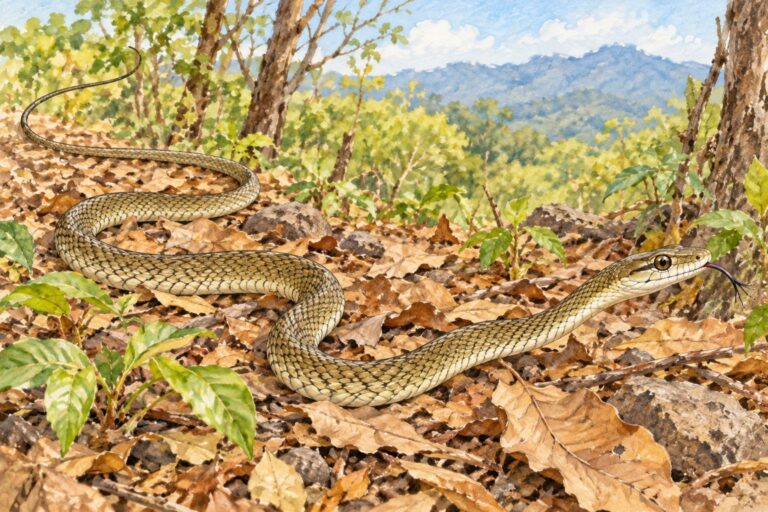
Neotropical Whipsnake

Spanish name
Sabanera / Corredora de sabana
Scientific name
Masticophis mentovarius

What Do Pico & Tati Think?

Pico: “What can we learn from this reptile’s shape?”

Tati: “Let’s notice its markings and habitat while leaving it plenty of space.”

Identification

Key Features of the Neotropical Whipsnake

  • Long slender body

  • Very long whiplike tail

  • Pale chin below a brown-to-olive head

Habitat & range

Northwestern and western Pacific-slope dry and open wooded habitats, including Guanacaste, western lowlands and suitable Central Valley areas.

Conservation & care

Observe only from a distance with an adult or qualified guide. Never touch, catch, feed, corner or move any snake. Keep children and pets away. Colors, head shape and pupil shape must never be used to decide a snake is safe.

Threats & pressures

Protect natural shelters and connected habitat. Avoid collection, unnecessary clearing and deliberate killing. Leave wildlife in its habitat and support responsible observation.

View full profile →

Nature Field Guide

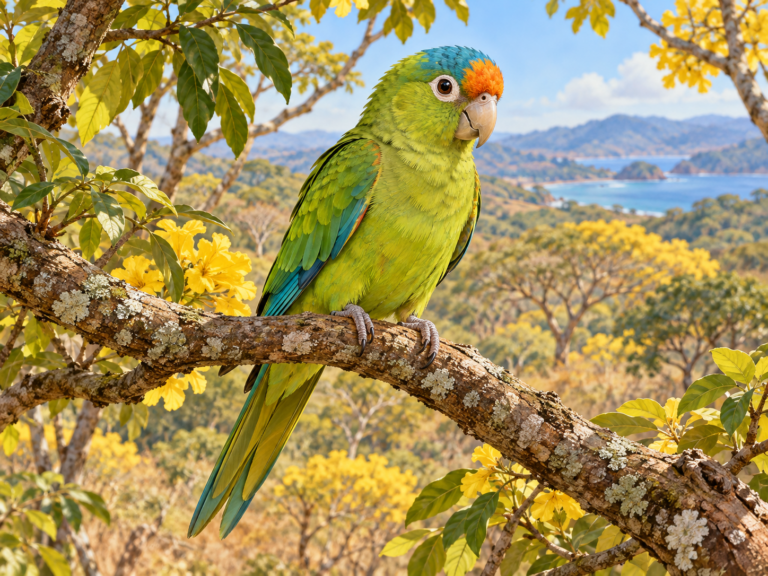
Orange-fronted Parakeet

Spanish name
Perico frentinaranja / Catano
Scientific name
Eupsittula canicularis

What Do Pico & Tati Think?

Pico: “That little flock turns so quickly!”

Tati: “Let’s look for orange above the bill when one lands.”

Identification

Key Features of the Orange-fronted Parakeet

  • Orange forehead above the bill.

  • Pale yellow eye ring and green body.

  • Long pointed tail; agile flock flight.

Habitat & range

Northern Pacific lowlands, Tilaran and Nicoya hills. Occurs locally in the western Central Valley. Regional tags do not imply abundance in every town.

Seasonal Calendar

Year-round presence

Santa Rosa, ACG

Year-round

Source describes presence in nearly any season; La Cruz is the gateway, not the observation site.

Event source ↗

Fledgling family activity

Santa Rosa / lowland ACG

May, Jun

Source describes begging fledglings in May and June; not a fixed date for every nest.

Event source ↗

Conservation & care

Stay on authorized trails or viewing routes. Give birds space, keep voices low and leave nests undisturbed. Observe without bait, feeding or recorded calls.

Threats & pressures

ACG documents capture of nestlings for the pet trade outside the protected area. Habitat and safe nesting sites also matter.

View full profile →

Nature Field Guide

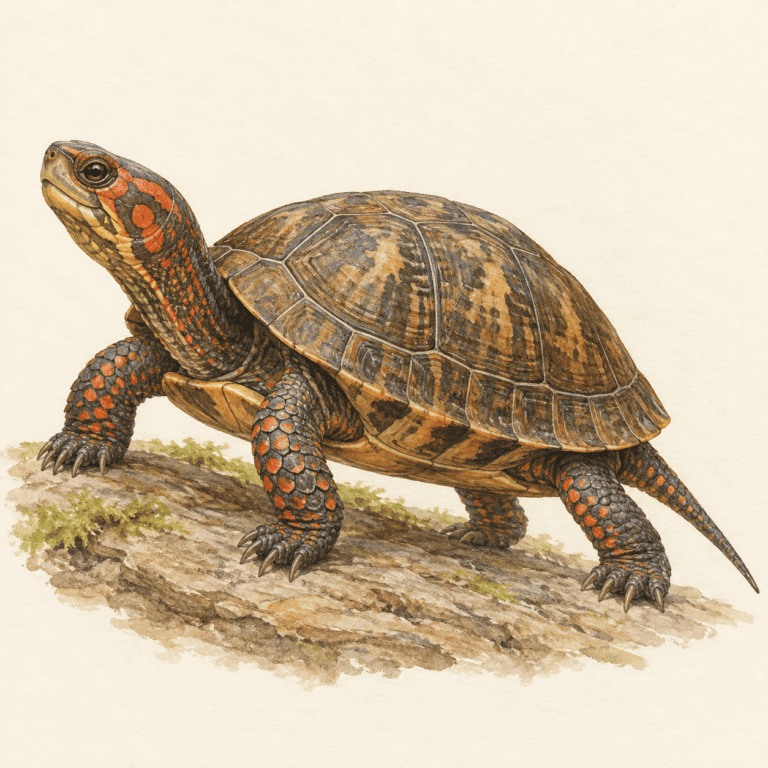
Painted Wood Turtle

Spanish name
Tortuga de bosque pintada
Scientific name
Rhinoclemmys pulcherrima

What Do Pico & Tati Think?

Pico and Tati invite you to learn about the painted wood turtle. Compare its walking feet with a sea turtle’s flippers using photographs. How does each shape suit its habitat?

Identification

Key Features of the Painted Wood Turtle

  • Domed brown shell with variable markings.

  • Red or orange markings around the head and limbs.

  • Walking feet rather than sea-turtle flippers.

Habitat & range

Northwestern Pacific Costa Rica, south toward the Tarcoles and Carara area. Uses seasonally dry woodland, scrub and moist gallery forest near streams. The reviewed natural-range sources do not support a general South Pacific assignment.

Conservation & care

Watch wildlife with an adult from a safe path. Do not touch, feed, capture or move reptiles, and keep pets away. Leave eggs, shelters and vegetation undisturbed.

View full profile →

Nature Field Guide

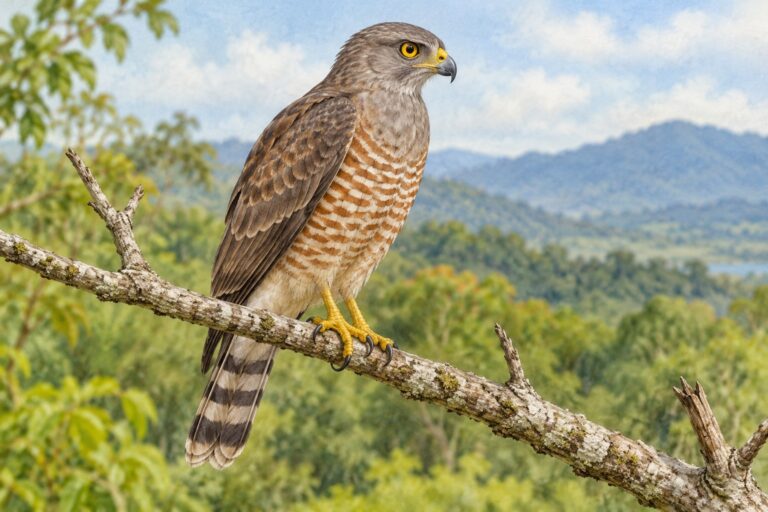
Roadside Hawk

Spanish name
Gavilán chapulinero
Scientific name
Rupornis magnirostris

What Do Pico & Tati Think?

Pico: “I can see stripes across its belly!”

Tati: “Those bars and its yellow eye help us check the identification.”

Identification

Key Features of the Roadside Hawk

  • Yellow eye

  • Rufous-and-white barred belly

  • Broad dark tail bands

Habitat & range

Lowland woodland edges, second growth and open country with trees on both slopes. More frequent in northern Pacific lowlands; local in the Central Valley and other areas.

Conservation & care

Observe quietly from trails or established viewing areas. Give nests, roosts and feeding birds space. Do not handle, chase or lure birds with playback. Keep pets away from wildlife.

Threats & pressures

Protect native vegetation, reduce collision hazards around glass and keep cats away from birds. These are practical prevention priorities, not a claim of a measured decline at a specific Costa Rican site.

View full profile →

Nature Field Guide

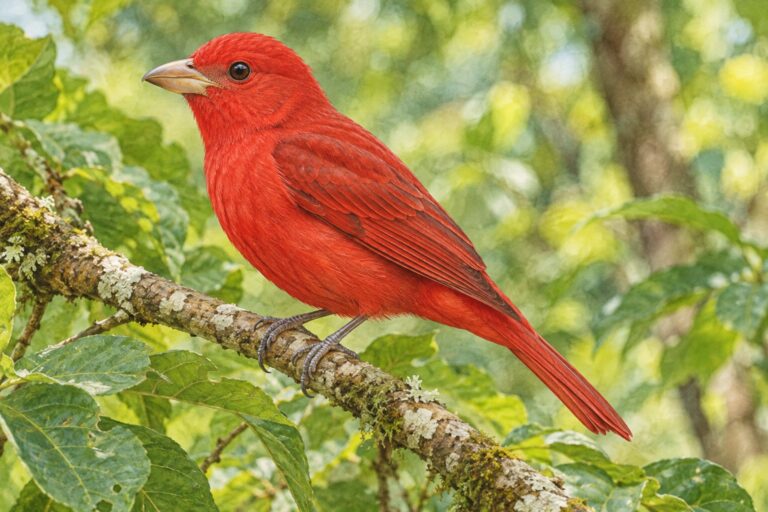
Summer Tanager

Spanish name
Tangara veranera
Scientific name
Piranga rubra

What Do Pico & Tati Think?

Pico: “Even its wings are red!”

Tati: “That helps us compare it with the scarlet tanager.”

Identification

Key Features of the Summer Tanager

  • Adult male entirely red

  • Hefty pale bill

  • Female yellowish and young males patchy

Habitat & range

A migrant and nonbreeding visitor, generally mid-September through April. Uses forest, edges and wooded gardens on both slopes, with fewer birds at higher elevations.

Conservation & care

Observe quietly from trails or established viewing areas. Give nests, roosts and feeding birds space. Do not handle, chase or lure birds with playback. Keep pets away from wildlife.

Threats & pressures

Migrants depend on suitable habitat across their full annual journey. Protect native vegetation, reduce collision hazards around glass and keep cats away from birds. These are practical prevention priorities, not a claim of a measured decline at a specific Costa Rican site.

View full profile →

Nature Field Guide

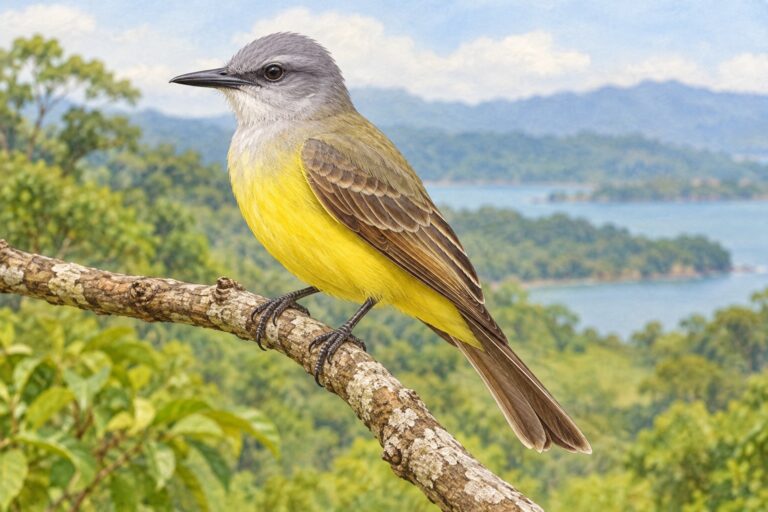
Tropical Kingbird

Spanish name
Tirano tropical
Scientific name
Tyrannus melancholicus

What Do Pico & Tati Think?

Pico: “That bird keeps returning to the same branch!”

Tati: “A perch gives a flycatcher a place to watch for food.”

Identification

Key Features of the Tropical Kingbird

  • Gray head without bold white eyebrow

  • Yellow underparts

  • Long dark bill and brown tail

Habitat & range

Widespread in open country, farms, towns and forest clearings, mainly below about 1850 m and less commonly higher. Regional tags apply only where suitable open habitat exists.

Conservation & care

Observe quietly from trails or established viewing areas. Give nests, roosts and feeding birds space. Do not handle, chase or lure birds with playback. Keep pets away from wildlife.

Threats & pressures

Protect native vegetation, reduce collision hazards around glass and keep cats away from birds. These are practical prevention priorities, not a claim of a measured decline at a specific Costa Rican site.

View full profile →

Nature Field Guide

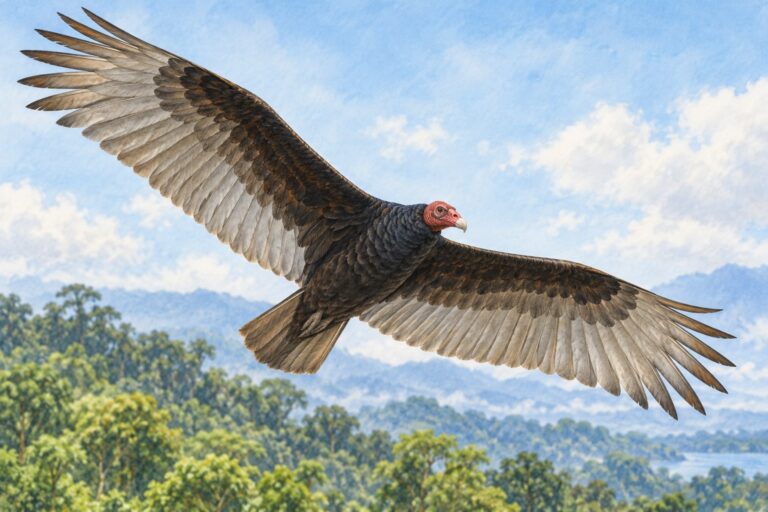
Turkey Vulture

Spanish name
Zopilote cabecirrojo
Scientific name
Cathartes aura

What Do Pico & Tati Think?

Pico: “Its wings look like a gentle V!”

Tati: “That posture and the pale flight feathers give us clues.”

Identification

Key Features of the Turkey Vulture

  • Red head in adults

  • Pale flight feathers beneath dark wings

  • Longer tail and shallow V in flight

Habitat & range

Widespread over open and wooded landscapes, less numerous at high elevations. Resident birds are joined by migrants, with especially conspicuous passage along Caribbean lowlands.

Conservation & care

Observe quietly from trails or established viewing areas. Give nests, roosts and feeding birds space. Do not handle, chase or lure birds with playback. Keep pets away from wildlife.

Threats & pressures

Protect native vegetation, reduce collision hazards around glass and keep cats away from birds. These are practical prevention priorities, not a claim of a measured decline at a specific Costa Rican site.

View full profile →

Nature Field Guide

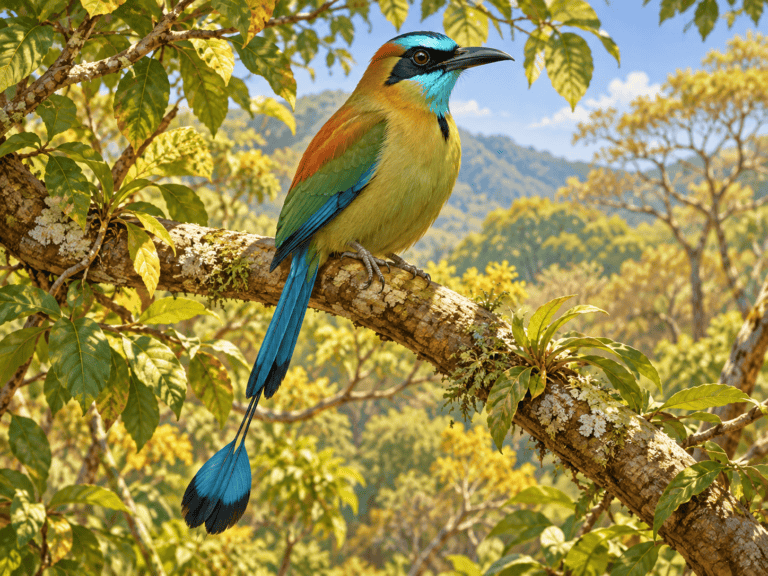
Turquoise-browed Motmot

Spanish name
Momoto cejiceleste / Bobo
Scientific name
Eumomota superciliosa

What Do Pico & Tati Think?

Pico: “The end of its tail looks like two tiny paddles!”

Tati: “The blue eyebrow gives us another clue.”

Identification

Key Features of the Turquoise-browed Motmot

  • Bright turquoise eyebrow above a dark mask.

  • Long central tail shafts with broad racket tips.

  • Compare head pattern and tail together.

Habitat & range

Dry and gallery woodland in the northern Pacific, south regularly toward Tarcoles. Rare Central Valley occurrences are not used as a core regional tag.

Conservation & care

Stay on authorized trails or viewing routes. Give birds space, keep voices low and leave nests undisturbed. Observe without bait, feeding or recorded calls.

View full profile →

Nature Field Guide

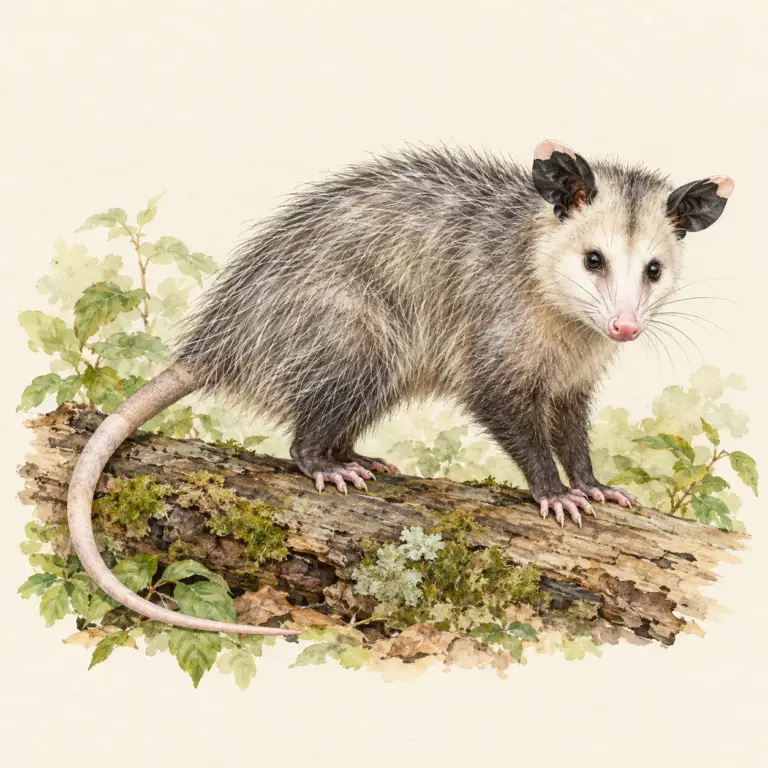
Virginia Opossum

Spanish name
Zorro pelón de Virginia
Scientific name
Didelphis virginiana

What Do Pico & Tati Think?

Despite its name, the Virginia opossum's native range reaches Costa Rica.

Identification

Key Features of the Virginia Opossum

  • Gray coat, pale face and pink nose.

  • Largely hairless ears, sometimes with pale tips.

  • Long bare tail; ear color alone is not a reliable species test.

Habitat & range

Suitable wooded and edge habitats within Costa Rica; local occurrence varies.

Conservation & care

Explore with an adult or local guide. Observe quietly from a distance, stay on established trails and leave shelter undisturbed. Do not feed, touch, capture or corner wildlife. Keep pets away.

View full profile →

Nature Field Guide

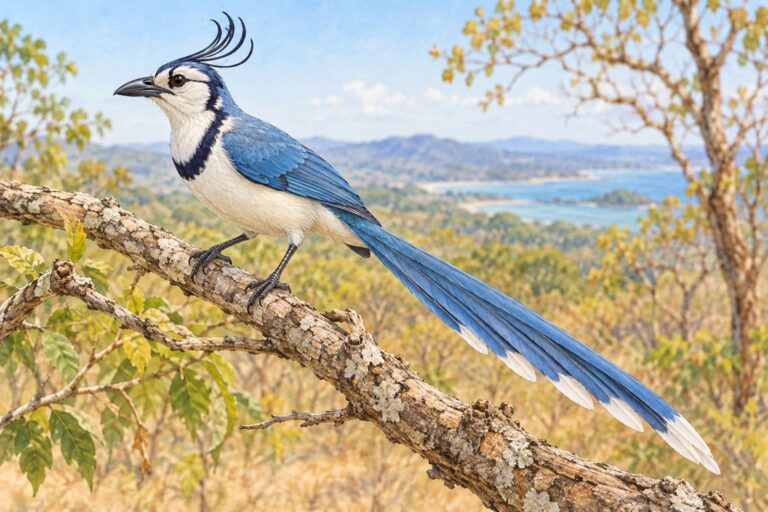
White-throated Magpie-Jay

Spanish name
Urraca copetona
Scientific name
Cyanocorax formosa

What Do Pico & Tati Think?

Pico: “Its crest curls like a little ribbon!”

Tati: “The blue tail and white throat are other good clues.”

Identification

Key Features of the White-throated Magpie-Jay

  • Long blue tail with pale tips

  • Tall curled crest

  • White throat with dark neck markings

Habitat & range

Northern Pacific dry and gallery woodland, extending toward Orotina and San Mateo. A documented Tamarindo photograph supports that local connection. The public scientific name is corrected to Cyanocorax formosa; the permanent import ID stays unchanged.

Conservation & care

Observe quietly from trails or established viewing areas. Give nests, roosts and feeding birds space. Do not handle, chase or lure birds with playback. Keep pets away from wildlife.

Threats & pressures

Protect native vegetation, reduce collision hazards around glass and keep cats away from birds. These are practical prevention priorities, not a claim of a measured decline at a specific Costa Rican site.

View full profile →

My Tico Explorer Experience

Save nature, towns, discoveries and learning adventures for your next experience.

Your list stays in this browser on this device.