Tico Explorers

Nature Field Guide

Trees

Explore wildlife, plants and trees. Learn what to look for and where to find them.

23 profiles

Nature Field Guide

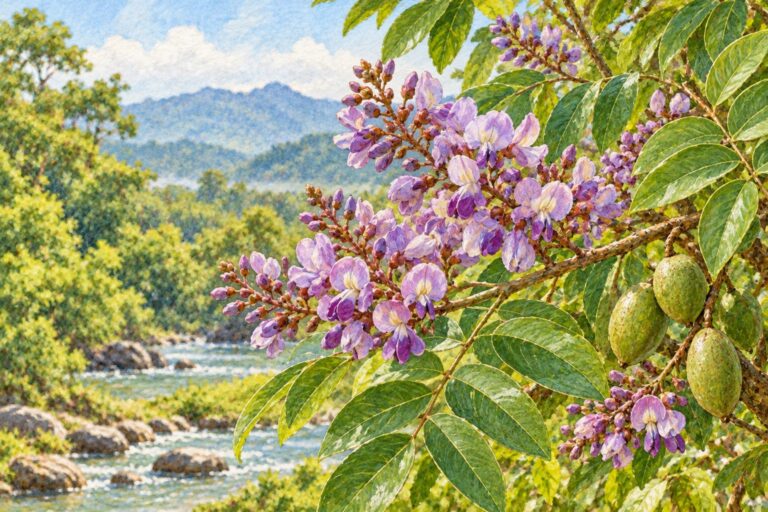
Almendro de Rio

Spanish name
Almendro de río / Almendro de montaña
Scientific name
Andira inermis

What Do Pico & Tati Think?

Pico: “Purple flower clusters stand out against a dense green crown.”

Tati: “Let’s notice the leaves, flowers and habitat without disturbing the plant.”

Identification

Key Features of the Almendro de Rio

  • Pinnate compound leaves

  • Clusters of lavender-purple flowers

  • Oval fruits and a dense leafy crown

Habitat & range

Dry and humid forests across both slopes, including Guanacaste, Nicoya, the Central Valley, Caribbean lowlands and Osa.

Conservation & care

Explore with an adult on permitted paths. Observe and photograph without picking leaves, flowers or fruits. Do not taste plants or let pets chew them. Avoid climbing trees and disturbing roots, seedlings or visiting wildlife.

Threats & pressures

Protect suitable habitat, mature trees and natural regeneration. Avoid trampling, unauthorized clearing and collection.

View full profile →

Nature Field Guide

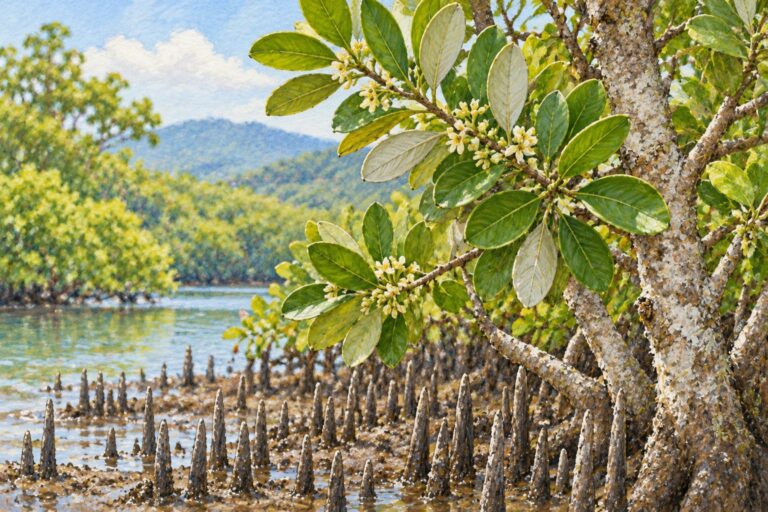
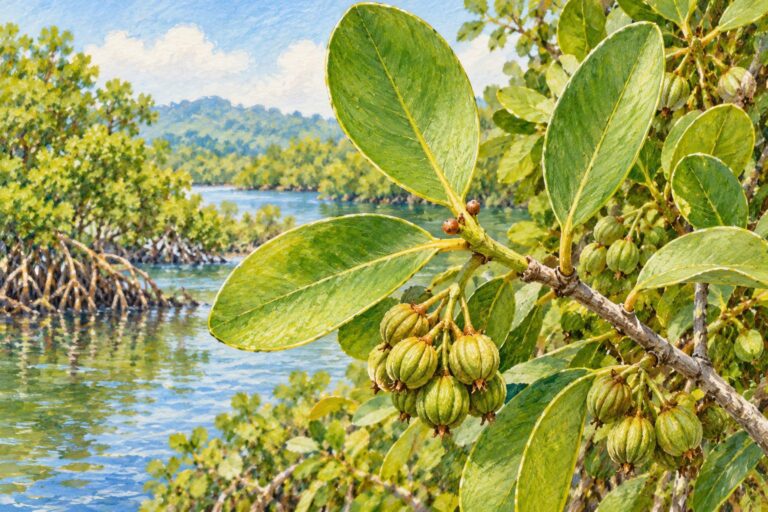
Black Mangrove

Spanish name
Mangle negro / Palo de sal
Scientific name
Avicennia germinans

What Do Pico & Tati Think?

Pico: “Pencil-shaped breathing roots rise from the mud around this mangrove.”

Tati: “Let’s notice the leaves, flowers and habitat without disturbing the plant.”

Identification

Key Features of the Black Mangrove

  • Opposite oval leaves with pale undersides

  • Upright pencil-shaped roots

  • Small pale flowers

Habitat & range

Coastal mangroves; Pacific documentation includes Guanacaste and Tivives near the Gulf of Nicoya. Gandoca provides a documented Caribbean example.

Conservation & care

Explore mangroves only with an adult on permitted paths or a guided route. Do not step on roots, collect seedlings or enter mud and tidal channels. Leave leaves and wildlife undisturbed.

Threats & pressures

Protect suitable habitat, mature trees and natural regeneration. Avoid trampling, unauthorized clearing and collection.

View full profile →

Nature Field Guide

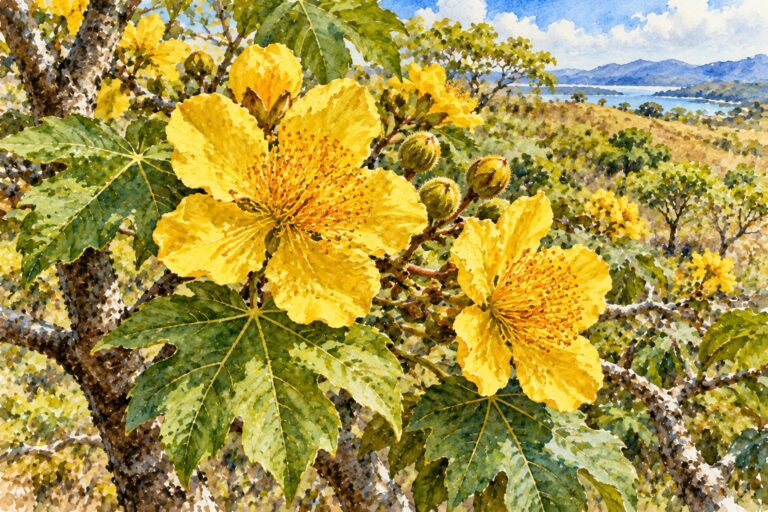
Buttercup Tree

Spanish name
Poro poro
Scientific name
Cochlospermum vitifolium

What Do Pico & Tati Think?

Pico wants to sketch the tree’s silhouette. Tati suggests looking for three clues before guessing its name. What would you notice first?

Identification

Key Features of the Buttercup Tree

  • Large open yellow flowers

  • Simple leaves with three to five lobes

  • Roundish capsules with fluffy seed fibers

Habitat & range

Seasonal woodland and open dry landscapes.

Conservation & care

Observe from paths and leave leaves, bark, flowers and fruits attached. Do not taste wild plants or offer them to pets. Ask a knowledgeable guide to confirm the species.

View full profile →

Nature Field Guide

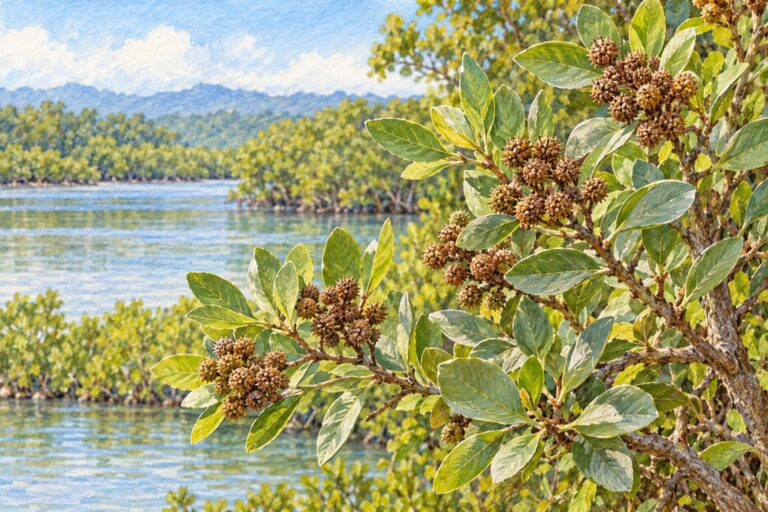
Buttonwood

Spanish name
Mangle botoncillo / Botoncillo
Scientific name
Conocarpus erectus

What Do Pico & Tati Think?

Pico: “Small buttonlike fruit heads help identify this coastal tree or shrub.”

Tati: “Let’s notice the leaves, flowers and habitat without disturbing the plant.”

Identification

Key Features of the Buttonwood

  • Simple alternate leaves

  • Round buttonlike fruit heads

  • Often at the landward mangrove edge

Habitat & range

Coastal margins, including documented mangrove-edge habitat at Tivives and the North Pacific. Gandoca provides a documented Caribbean example.

Conservation & care

Explore with an adult on permitted paths. Observe and photograph without picking leaves, flowers or fruits. Do not taste plants or let pets chew them. Avoid climbing trees and disturbing roots, seedlings or visiting wildlife.

Threats & pressures

Protect suitable habitat, mature trees and natural regeneration. Avoid trampling, unauthorized clearing and collection.

View full profile →

Nature Field Guide

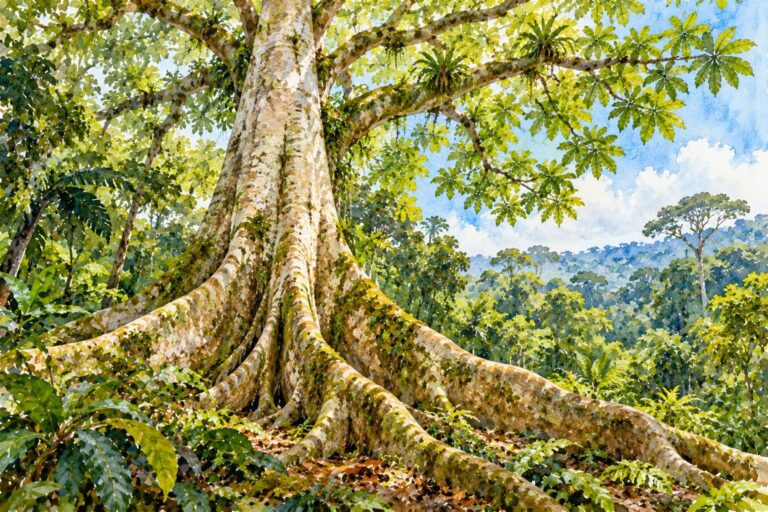
Ceiba Kapok Tree

Spanish name
Ceiba / Puri
Scientific name
Ceiba pentandra

What Do Pico & Tati Think?

Pico: “Huge buttress roots help make a mature ceiba unforgettable.”

Tati: “Let’s notice the leaves, flowers and habitat without disturbing the plant.”

Identification

Key Features of the Ceiba Kapok Tree

  • Large buttress roots on mature trees

  • Palmate leaves with several narrow leaflets

  • Seed capsules containing silky fibers

Habitat & range

Dry, humid and very wet lowland forests on both slopes, including Pacific, Caribbean and northern lowland landscapes.

Conservation & care

Explore with an adult on permitted paths. Observe and photograph without picking leaves, flowers or fruits. Do not taste plants or let pets chew them. Avoid climbing trees and disturbing roots, seedlings or visiting wildlife.

Threats & pressures

Protect suitable habitat, mature trees and natural regeneration. Avoid trampling, unauthorized clearing and collection.

View full profile →

Nature Field Guide

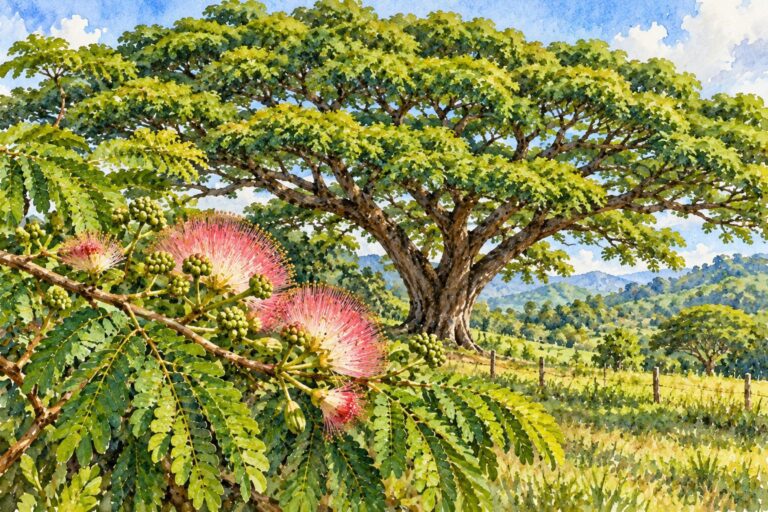
Cenizaro Rain Tree

Spanish name
Cenízaro
Scientific name
Samanea saman

What Do Pico & Tati Think?

Pico: “An umbrella-shaped crown shelters a world beneath its branches.”

Tati: “Let’s notice the leaves, flowers and habitat without disturbing the plant.”

Identification

Key Features of the Cenizaro Rain Tree

  • Broad umbrella-shaped crown

  • Twice-divided compound leaves

  • Pink-and-white brushlike flowers and dark pods

Habitat & range

Pacific lowlands and open landscapes, also documented in the Northern Plains and around San Ramón.

Conservation & care

Explore with an adult on permitted paths. Observe and photograph without picking leaves, flowers or fruits. Do not taste plants or let pets chew them. Avoid climbing trees and disturbing roots, seedlings or visiting wildlife.

Threats & pressures

Protect suitable habitat, mature trees and natural regeneration. Avoid trampling, unauthorized clearing and collection.

View full profile →

Nature Field Guide

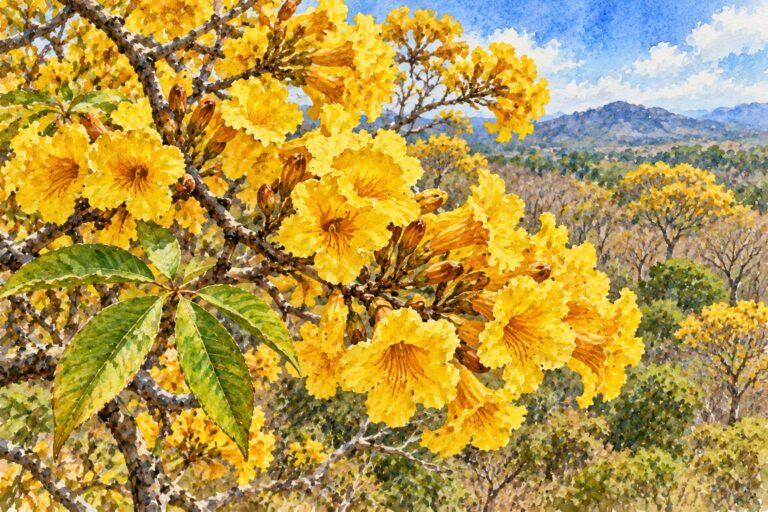
Cortez Amarillo

Spanish name
Cortés amarillo / Cortez amarillo
Scientific name
Handroanthus ochraceus

What Do Pico & Tati Think?

Pico: “Golden trumpet flowers can brighten the branches of an almost leafless tree.”

Tati: “Let’s notice the leaves, flowers and habitat without disturbing the plant.”

Identification

Key Features of the Cortez Amarillo

  • Yellow trumpet-shaped flowers

  • Palmately compound leaves

  • Flowering branches may be nearly leafless

Habitat & range

Seasonally dry Pacific forests and wooded edges, including Guanacaste, the Central Pacific and the Térraba valley.

Conservation & care

Explore with an adult on permitted paths. Observe and photograph without picking leaves, flowers or fruits. Do not taste plants or let pets chew them. Avoid climbing trees and disturbing roots, seedlings or visiting wildlife.

Threats & pressures

Protect suitable habitat, mature trees and natural regeneration. Avoid trampling, unauthorized clearing and collection.

View full profile →

Nature Field Guide

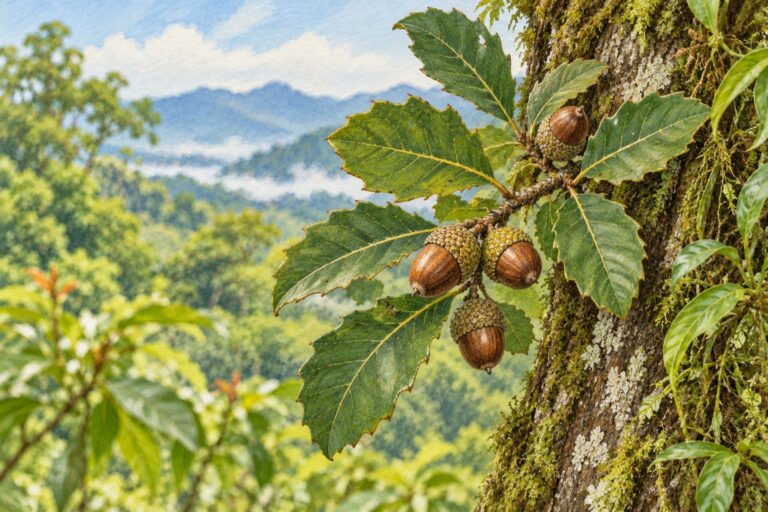
Costa Rican Oak

Spanish name
Roble / Encino
Scientific name
Quercus costaricensis

What Do Pico & Tati Think?

Pico: “Acorns and leathery leaves belong to this mountain-forest oak.”

Tati: “Let’s notice the leaves, flowers and habitat without disturbing the plant.”

Identification

Key Features of the Costa Rican Oak

  • Acorns in scaly cups

  • Simple leathery leaves

  • Mountain-forest habitat

Habitat & range

Highland forests of the Talamanca range, including Dota, Chirripó and adjoining mountain slopes.

Conservation & care

Explore with an adult on permitted paths. Observe and photograph without picking leaves, flowers or fruits. Do not taste plants or let pets chew them. Avoid climbing trees and disturbing roots, seedlings or visiting wildlife.

Threats & pressures

Protect suitable habitat, mature trees and natural regeneration. Avoid trampling, unauthorized clearing and collection.

View full profile →

Nature Field Guide

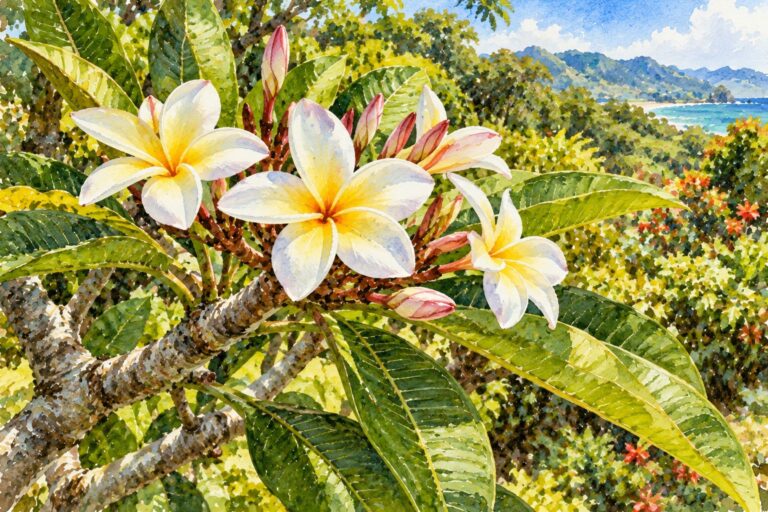
Frangipani

Spanish name
Flor blanca / Sacuanjoche
Scientific name
Plumeria rubra

What Do Pico & Tati Think?

Pico wants to sketch the tree’s silhouette. Tati suggests looking for three clues before guessing its name. What would you notice first?

Identification

Key Features of the Frangipani

  • Thick succulent-looking branches

  • Five-lobed flowers with yellow centers

  • Long simple leaves clustered near branch ends

Habitat & range

Sunny woodland edges, rocky coastal sites and gardens.

Conservation & care

Observe from paths and leave leaves, bark, flowers and fruits attached. Do not taste wild plants or offer them to pets. Ask a knowledgeable guide to confirm the species. Avoid contact with milky latex.

View full profile →

Nature Field Guide

Guacimo

Spanish name
Guácimo / Guácimo ternero
Scientific name
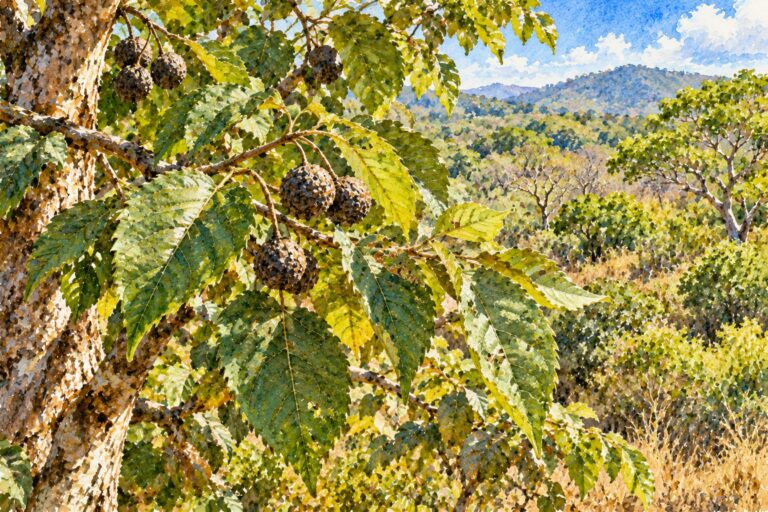
Guazuma ulmifolia

What Do Pico & Tati Think?

Pico: “Bumpy dark fruits and toothed leaves offer clues to a familiar Pacific-slope tree.”

Tati: “Let’s notice the leaves, flowers and habitat without disturbing the plant.”

Identification

Key Features of the Guacimo

  • Simple alternate leaves with toothed edges

  • Dark round-to-oval woody fruits

  • Fruit surface covered in bumps

Habitat & range

Pacific-slope woodland, pastures and living fences, with strong documentation in Guanacaste and the northern Puntarenas area.

Conservation & care

Explore with an adult on permitted paths. Observe and photograph without picking leaves, flowers or fruits. Do not taste plants or let pets chew them. Avoid climbing trees and disturbing roots, seedlings or visiting wildlife.

Threats & pressures

Protect suitable habitat, mature trees and natural regeneration. Avoid trampling, unauthorized clearing and collection.

View full profile →

Nature Field Guide

Guanacaste Tree

Spanish name
Guanacaste
Scientific name
Enterolobium cyclocarpum

What Do Pico & Tati Think?

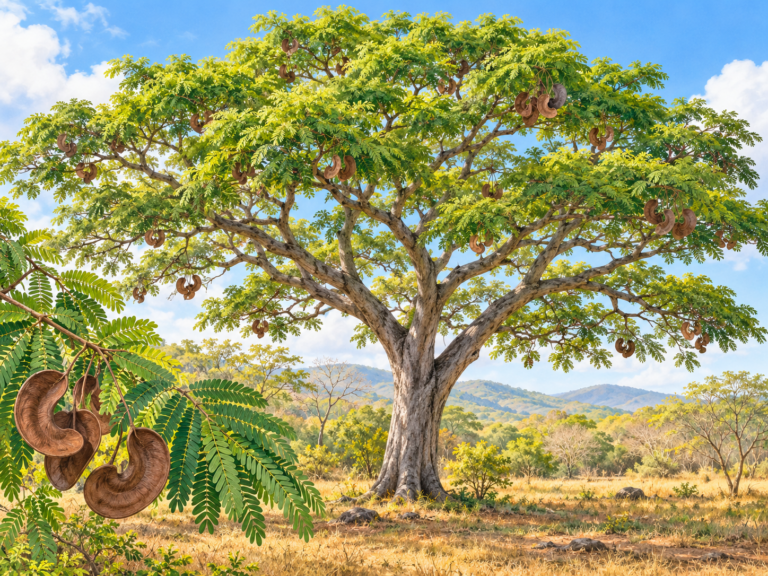
Identify the guanacaste tree by its small leaflets, pale flower clusters and distinctive curved seed pods. Observing several features together helps distinguish it from other trees.

What does Least Concern mean?

In the linked conservation assessment, this species does not qualify as threatened or near threatened with extinction. It still needs care: local populations and habitats can face problems even when the species has a lower extinction risk overall.

This label describes conservation status. It does not tell us whether a plant is safe for children or pets. Select the status button to read the assessment.

Identification

Key Features of the Guanacaste Tree

  • Leaves divided into many small leaflets.

  • Curved, ear-shaped pods that become brown as they mature.

  • Small flowers gathered into pale, rounded clusters.

Habitat & range

Dry and seasonally dry lowland Pacific forests and open areas. Ask a local guide to help identify an individual tree.

Seasonal Calendar

Flowering

Guanacaste dry forest

Feb, Mar, Apr

Guanacaste reference: February–April flowering, with variation among trees and locations. The tree remains present outside these flowering months.

Event source ↗

Conservation & care

Child Safety: Not verified. Observe with an adult. Do not taste leaves, seeds, fruit or other tree parts.

Pet Safety: Not verified. Keep pets from chewing or swallowing tree parts. Check with a veterinarian before treating this species as pet-safe.

Leave pods and branches where they belong. Notice the living things around the tree and give them space.

Conservation assessment

Global species assessment: Least Concern (IUCN Red List). Status checked on 7 October 2026. This category is not a guarantee that every local population or habitat is secure, and it is separate from legal protection in Costa Rica.

View full profile →

Nature Field Guide

Guapinol

Spanish name
Guapinol
Scientific name
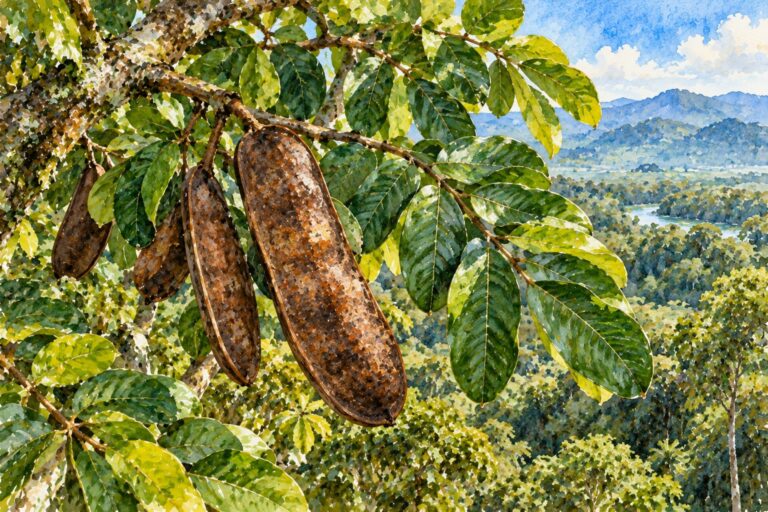
Hymenaea courbaril

What Do Pico & Tati Think?

Pico: “Paired leaflets and hard brown pods identify a forest tree with an important wildlife role.”

Tati: “Let’s notice the leaves, flowers and habitat without disturbing the plant.”

Identification

Key Features of the Guapinol

  • Two leaflets in each compound leaf

  • Thick brown woody pods

  • Large spreading forest-tree form

Habitat & range

Pacific lowlands and western Central Valley; Guanacaste dry forest is one documented setting.

Conservation & care

Explore with an adult on permitted paths. Observe and photograph without picking leaves, flowers or fruits. Do not taste plants or let pets chew them. Avoid climbing trees and disturbing roots, seedlings or visiting wildlife.

Threats & pressures

Protect suitable habitat, mature trees and natural regeneration. Avoid trampling, unauthorized clearing and collection.

View full profile →

Nature Field Guide

Ice Cream Bean

Spanish name
Guaba
Scientific name
Inga edulis

What Do Pico & Tati Think?

Pico wants to sketch the tree’s silhouette. Tati suggests looking for three clues before guessing its name. What would you notice first?

Identification

Key Features of the Ice Cream Bean

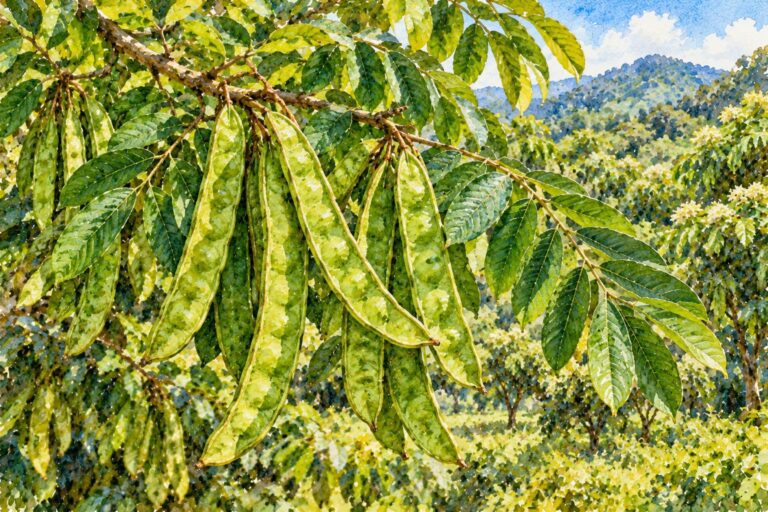
  • Very long ribbed pods

  • Paired leaflets

  • Winged central leaf stalk

Habitat & range

Moist forest margins, farms and planted orchards.

Conservation & care

Observe from paths and leave leaves, bark, flowers and fruits attached. Do not taste wild plants or offer them to pets. Ask a knowledgeable guide to confirm the species.

View full profile →

Nature Field Guide

Indio Desnudo

Spanish name
Indio desnudo
Scientific name
Bursera simaruba

What Do Pico & Tati Think?

Warm-colored bark is a useful starting point when identifying indio desnudo. Look at the trunk, leaves and fruits together, as its appearance changes with the seasons.

Indio Desnudo Copper Bark Tree in Costa RIca

What does Least Concern mean?

In the linked conservation assessment, this species does not qualify as threatened or near threatened with extinction. It still needs care: local populations and habitats can face problems even when the species has a lower extinction risk overall.

This label describes conservation status. It does not tell us whether a plant is safe for children or pets. Select the status button to read the assessment.

Identification

Key Features of the Indio Desnudo

  • Warm orange-toned bark is an important clue.

  • The tree may lose its leaves during the dry season.

  • Look for small fruits in clusters at the ends of branches when present.

Habitat & range

Dry forest and other wooded habitats. Use several clues together and ask a guide before naming an unfamiliar tree.

Seasonal Calendar

Flowering

Guanacaste dry forest

Apr, May

ACG dry-forest reference: flowers appear in late April and May. Leaf cover varies through the dry season.

Event source ↗

Conservation & care

Child Safety: Not verified. Observe with an adult. Do not taste leaves, seeds, fruit or other tree parts.

Pet Safety: Not verified. Keep pets from chewing or swallowing tree parts. Check with a veterinarian before treating this species as pet-safe.

Keep bark intact. Observe without peeling, scratching or removing bark.

Conservation assessment

Global species assessment: Least Concern (IUCN Red List). Status checked on 7 October 2026. This category is not a guarantee that every local population or habitat is secure, and it is separate from legal protection in Costa Rica.

View full profile →

Nature Field Guide

Lemonwood

Spanish name
Madroño
Scientific name
Calycophyllum candidissimum

What Do Pico & Tati Think?

Pico wants to sketch the tree’s silhouette. Tati suggests looking for three clues before guessing its name. What would you notice first?

Identification

Key Features of the Lemonwood

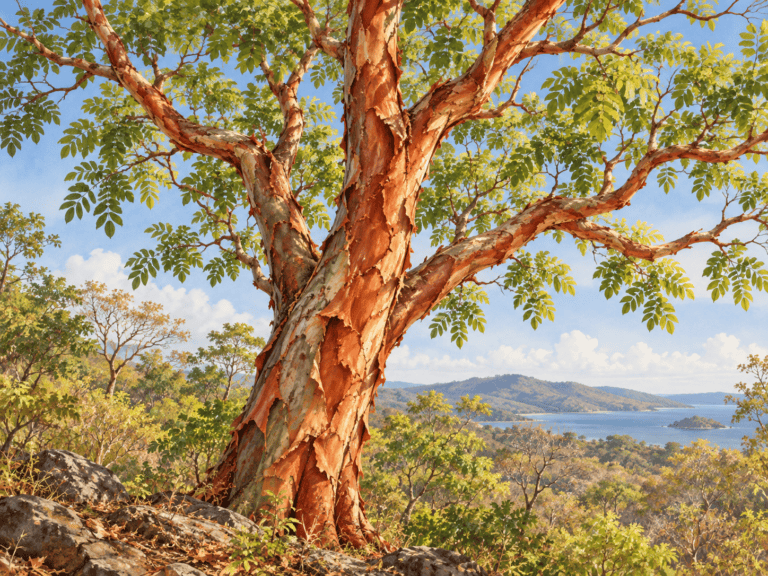
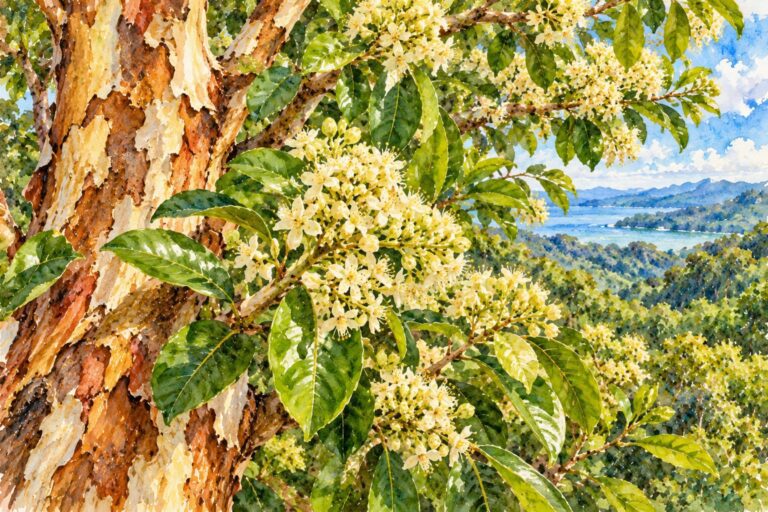
  • Reddish peeling bark

  • Opposite simple leaves

  • Dense pale flower clusters

Habitat & range

Lowland seasonal forest and wooded stream margins.

Conservation & care

Observe from paths and leave leaves, bark, flowers and fruits attached. Do not taste wild plants or offer them to pets. Ask a knowledgeable guide to confirm the species.

View full profile →

Nature Field Guide

Mountain Immortelle

Spanish name
Poró gigante
Scientific name
Erythrina poeppigiana

What Do Pico & Tati Think?

Pico wants to sketch the tree’s silhouette. Tati suggests looking for three clues before guessing its name. What would you notice first?

Identification

Key Features of the Mountain Immortelle

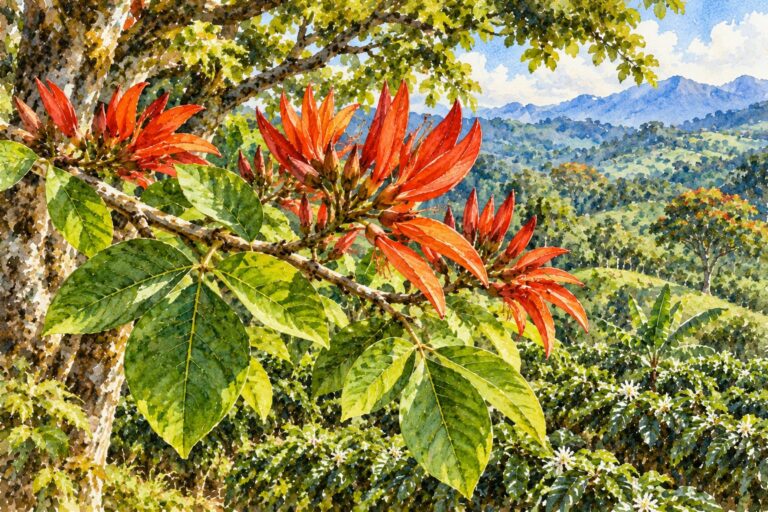
  • Orange flower clusters

  • Three leaflets per leaf

  • Large shade tree in farm landscapes

Habitat & range

Planted shade areas, farms and disturbed moist landscapes.

Conservation & care

Observe from paths and leave leaves, bark, flowers and fruits attached. Do not taste wild plants or offer them to pets. Ask a knowledgeable guide to confirm the species.

View full profile →

Nature Field Guide

Pink Shower Tree

Spanish name
Carao
Scientific name
Cassia grandis

What Do Pico & Tati Think?

Pico wants to sketch the tree’s silhouette. Tati suggests looking for three clues before guessing its name. What would you notice first?

Identification

Key Features of the Pink Shower Tree

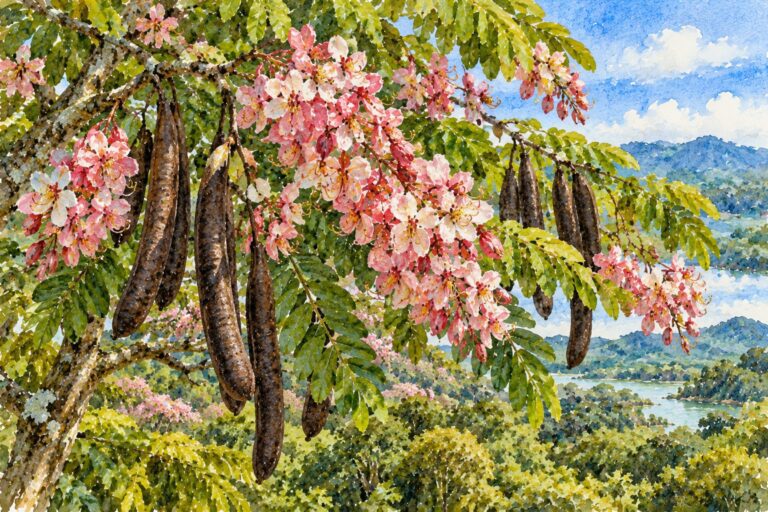
  • Pink flower clusters

  • Long thick dark pods

  • Many paired oval leaflets

Habitat & range

Seasonal woodland and open planted landscapes.

Conservation & care

Observe from paths and leave leaves, bark, flowers and fruits attached. Do not taste wild plants or offer them to pets. Ask a knowledgeable guide to confirm the species.

View full profile →

Nature Field Guide

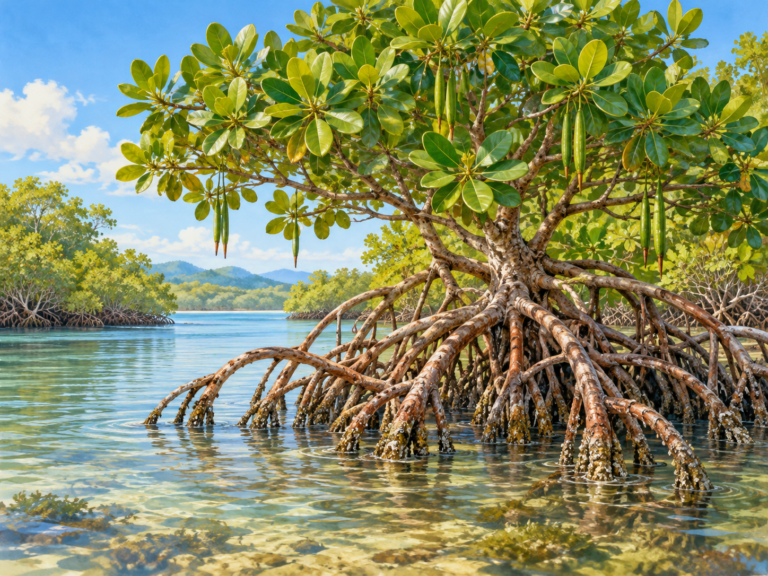
Red Mangrove

Spanish name
Mangle rojo
Scientific name
Rhizophora mangle

What Do Pico & Tati Think?

Red mangrove grows beside tidal water. Its arching prop roots and long propagules offer useful identification clues during a guided estuary visit.

What does Least Concern mean?

In the linked conservation assessment, this species does not qualify as threatened or near threatened with extinction. It still needs care: local populations and habitats can face problems even when the species has a lower extinction risk overall.

This label describes conservation status. It does not tell us whether a plant is safe for children or pets. Select the status button to read the assessment.

Identification

Key Features of the Red Mangrove

  • Arching prop roots extend from the trunk and branches.

  • Long, slender propagules may hang from the tree.

  • Look for the tree beside tidal or brackish water.

Habitat & range

Mangrove habitat beside tidal channels. Explore the Tamarindo estuary with a local guide who can confirm the species from several features.

Seasonal Calendar

Flowering

Panama reference population

Year-round

Panama reference: some flowers may occur at any time of year. This is general species biology, not a measured Tamarindo flowering calendar.

Event source ↗

Conservation & care

Child Safety: Not verified. Observe with an adult. Do not taste leaves, seeds, fruit or other tree parts.

Pet Safety: Not verified. Keep pets from chewing or swallowing tree parts. Check with a veterinarian before treating this species as pet-safe.

Stay in the boat or on authorized paths and follow your guide. Do not enter the water, climb on roots or collect propagules. Mangrove habitat is a shared home.

Conservation assessment

Global species assessment: Least Concern (IUCN Red List). Status checked on 7 October 2026. This category is not a guarantee that every local population or habitat is secure, and it is separate from legal protection in Costa Rica.

View full profile →

Nature Field Guide

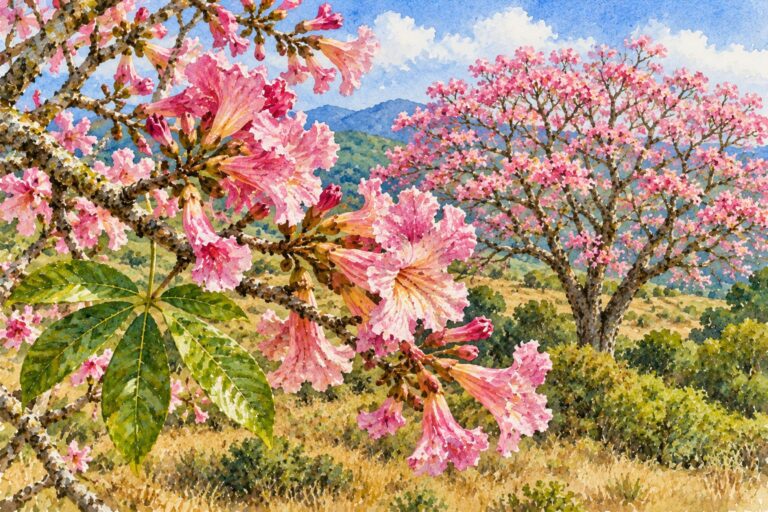
Roble de Sabana

Spanish name
Roble de sabana
Scientific name
Tabebuia rosea

What Do Pico & Tati Think?

Pico: “A native tree whose pink trumpet flowers brighten forest edges and open landscapes.”

Tati: “Let’s notice the leaves, flowers and habitat without disturbing the plant.”

Identification

Key Features of the Roble de Sabana

  • Pink or pale pink trumpet flowers

  • Five leaflets spreading from one point

  • Long narrow seed capsules

Habitat & range

Lowland forest and edges on both slopes; records include Guanacaste, the Central Pacific, Osa and the Caribbean lowlands.

Conservation & care

Explore with an adult on permitted paths. Observe and photograph without picking leaves, flowers or fruits. Do not taste plants or let pets chew them. Avoid climbing trees and disturbing roots, seedlings or visiting wildlife.

Threats & pressures

Protect suitable habitat, mature trees and natural regeneration. Avoid trampling, unauthorized clearing and collection.

View full profile →

Nature Field Guide

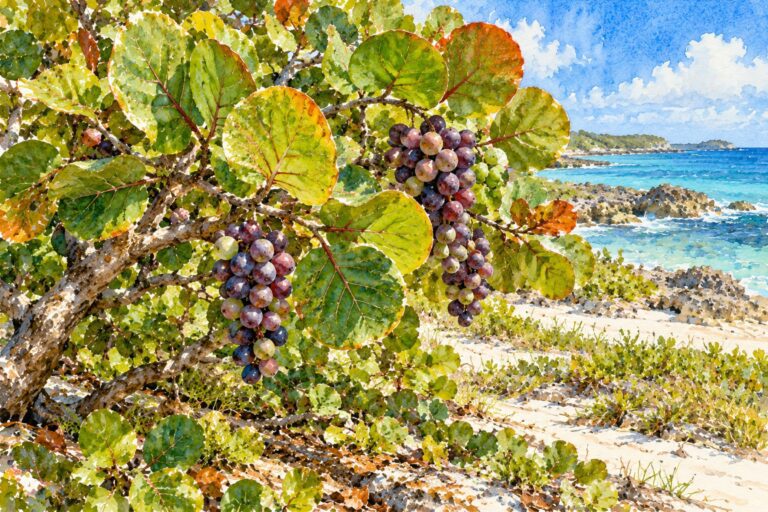
Sea Grape

Spanish name
Uva de playa
Scientific name
Coccoloba uvifera

What Do Pico & Tati Think?

Pico wants to sketch the tree’s silhouette. Tati suggests looking for three clues before guessing its name. What would you notice first?

Identification

Key Features of the Sea Grape

  • Large rounded leathery leaves

  • Often reddish leaf veins

  • Hanging clusters of rounded fruits

Habitat & range

Coastal vegetation behind sandy beaches.

Conservation & care

Observe from paths and leave leaves, bark, flowers and fruits attached. Do not taste wild plants or offer them to pets. Ask a knowledgeable guide to confirm the species.

View full profile →

Nature Field Guide

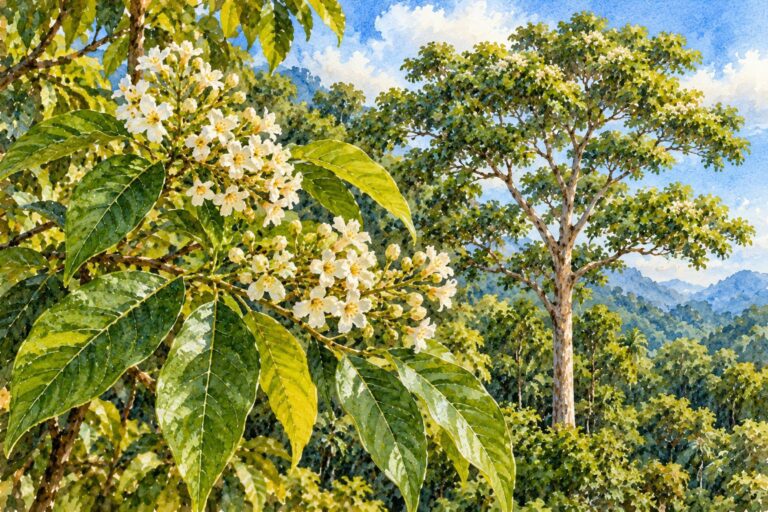
Spanish Elm

Spanish name
Laurel
Scientific name
Cordia alliodora

What Do Pico & Tati Think?

Pico wants to sketch the tree’s silhouette. Tati suggests looking for three clues before guessing its name. What would you notice first?

Identification

Key Features of the Spanish Elm

  • Clusters of small white flowers

  • Simple alternate pointed leaves

  • Swollen nodes along smaller branches

Habitat & range

Forest edges and secondary forest in dry to very wet climates.

Conservation & care

Observe from paths and leave leaves, bark, flowers and fruits attached. Do not taste wild plants or offer them to pets. Ask a knowledgeable guide to confirm the species.

View full profile →

Nature Field Guide

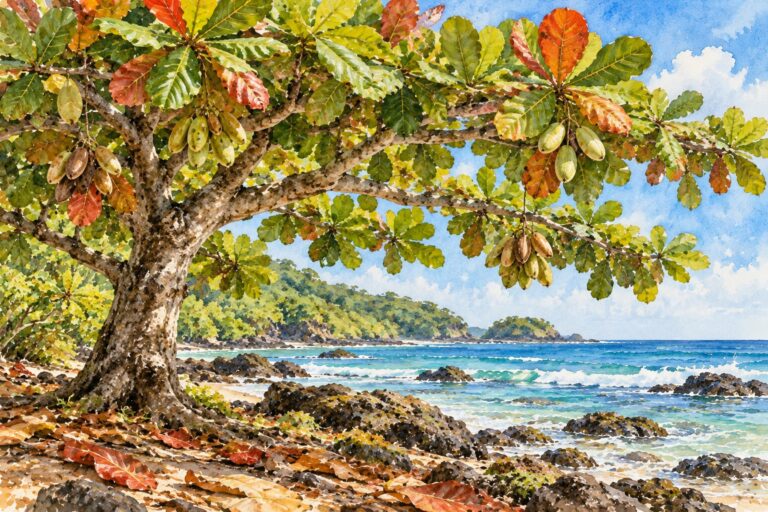
Tropical Almond

Spanish name
Almendro de playa
Scientific name
Terminalia catappa

What Do Pico & Tati Think?

Pico wants to sketch the tree’s silhouette. Tati suggests looking for three clues before guessing its name. What would you notice first?

Identification

Key Features of the Tropical Almond

  • Tiered horizontal branches

  • Large broad leaves narrowing toward the base

  • Flattened oval fruits

Habitat & range

Coastal strands and planted shade areas.

Conservation & care

Observe from paths and leave leaves, bark, flowers and fruits attached. Do not taste wild plants or offer them to pets. Ask a knowledgeable guide to confirm the species.

View full profile →

Nature Field Guide

White Mangrove

Spanish name
Mangle blanco
Scientific name
Laguncularia racemosa

What Do Pico & Tati Think?

Pico: “Rounded leaves and two tiny stalk glands are useful mangrove clues.”

Tati: “Let’s notice the leaves, flowers and habitat without disturbing the plant.”

Identification

Key Features of the White Mangrove

  • Opposite rounded leaves

  • Two small glands on the leaf stalk

  • Clusters of small ribbed fruits

Habitat & range

Coastal estuaries and mangrove margins; documented Pacific sites include Guanacaste and Tivives. Gandoca provides a documented Caribbean example.

Conservation & care

Stay on permitted paths or boardwalks with an adult. Do not break twigs, remove propagules or walk through mangrove roots and tidal mud.

Threats & pressures

Protect suitable habitat, mature trees and natural regeneration. Avoid trampling, unauthorized clearing and collection.

View full profile →

My Tico Explorer Experience

Save nature, towns, discoveries and learning adventures for your next experience.

Your list stays in this browser on this device.