Tico Explorers

Cartago — City

Explore Category

Location

Regions
Central Valley

Towns & nearby places
Cartago

explore cartago + nearby discoveriesFaith, History & Everyday Discoveries

Cartago invites families to slow down and look closely. Begin with a quiet moment at the Basilica, notice the stonework of the Santiago Apóstol ruins and leave room for the ordinary life unfolding around the city squares. These are places for questions about memory, faith and community.

Explore with Pico & Tati
Explore with Pico and Tati by choosing one landmark and one small observation game. Count a repeating window pattern, sketch an arch or ask what a building tells us about the people who cared for it. Gardens and mountain outings beyond the city can become separate adventures.

Cartago City Market

Notice ingredients, everyday trading and local food culture. Ask vendors before photographing them.

Casa de la Ciudad — Pirie Building

Notice a historic Cartago building associated with cultural activity. Check event or interior access directly.

Basílica de Nuestra Señora de los Ángeles

Discover Cartago’s pilgrimage landmark and its place in Costa Rican faith. Respect worshippers and services.

Lankester Botanical Garden

Look closely at orchids and other plants in this University of Costa Rica botanical garden.

Santiago Apóstol Ruins

Discover Cartago’s roofless church ruins, a distinctive landmark in the city’s historic center.

Cartago Municipal Museum

Explore local history and cultural heritage in a former military building adapted as a museum.

CARTAGO WEATHER

local life + insider tipsA Little Local Know-How

Start with a compact city walk rather than trying to include the mountains in the same outing. Give active churches priority as places of worship. For a garden visit or volcano excursion, plan transport separately and confirm current entry arrangements.

This page introduces the city in Cartago canton. The separate province page covers the wider area, including Orosi and Turrialba.

Plan a quiet, respectful visit. Observe posted guidance and give services, prayer and pilgrims space.

Choose a city landmark and a nearby public square. Keep the route flexible and leave time to notice details together.

No. Treat it as a separate outing toward Paraíso and arrange transport and entry directly.

They are separate destinations. Allow for road travel and choose a realistic number of stops.

Comfortable walking shoes, a light rain layer and water. Check the weather for each planned location.

things to doLittle Adventures Around Cartago

Visit the Basilica

Step inside the Basílica de Nuestra Señora de los Ángeles for a quiet moment. Notice its domes, stained glass and the pilgrims who come to pray. Let children choose one architectural detail to remember.

Explore the Santiago Ruins

Walk around the Santiago Apóstol ruins beside Plaza Mayor. Look for stone arches and unfinished walls, then imagine how the space might have looked. Turn the visit into a family sketch or history conversation.

Discover Orchids at Lankester

Take a separate outing toward Paraíso to visit Lankester Botanical Garden. Compare orchid shapes, follow garden paths and see how many different leaf patterns your family can find without picking or disturbing plants.

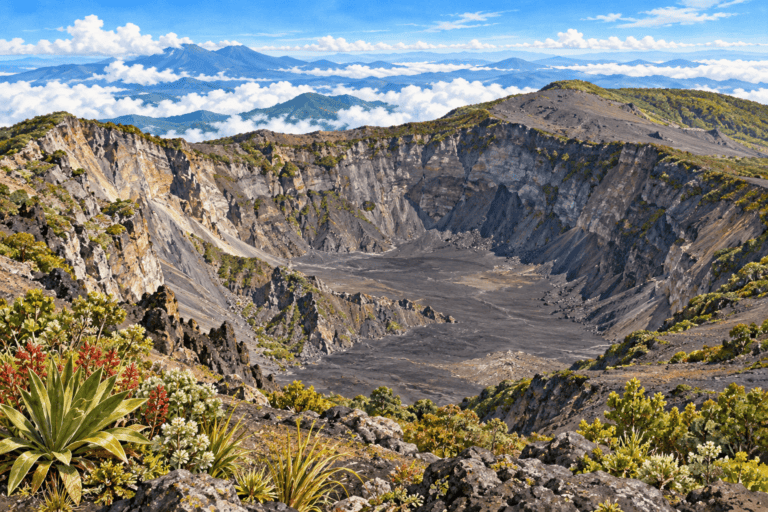
Look Across Irazú’s Craters

Plan a mountain excursion to Irazú Volcano National Park’s Craters Sector. From authorized viewpoints, compare volcanic textures and the changing cloud cover. Bring warm layers and confirm current park entry arrangements before travelling.

Follow a Forest Trail in Prusia

Choose a suitable walking route in the Prusia Sector of Irazú Volcano National Park. Listen for birds, compare bark textures and enjoy the forest atmosphere. Plan this separately from the crater visit and check trail conditions.

Taste the Local Market

Explore Cartago’s central market and look for unfamiliar fruits, vegetables and traditional foods. Ask a vendor a friendly question, choose something to try and talk about how local farms connect with everyday meals.

Uncover Stories at the City Museum

Visit Cartago Municipal Museum to explore local history and cultural heritage. Let each family member choose an exhibit or detail that sparks a question. Confirm the current opening schedule before making it your main stop.

Take an Orosi Valley Outing

Head beyond Cartago city for a separate visit to Orosi. Discover its historic church, green valley and rural scenery. Keep the day relaxed by choosing a few stops, with time for a meal and questions along the way.

Explore Nature Field Guide cards from this province and the surrounding travel regions named below. Habitats and species vary by locality.

Nature Field Guide

Nature Around Cartago

Explore wildlife, plants and trees. Learn what to look for and where to find them.

32 profiles
Nature Field Guide

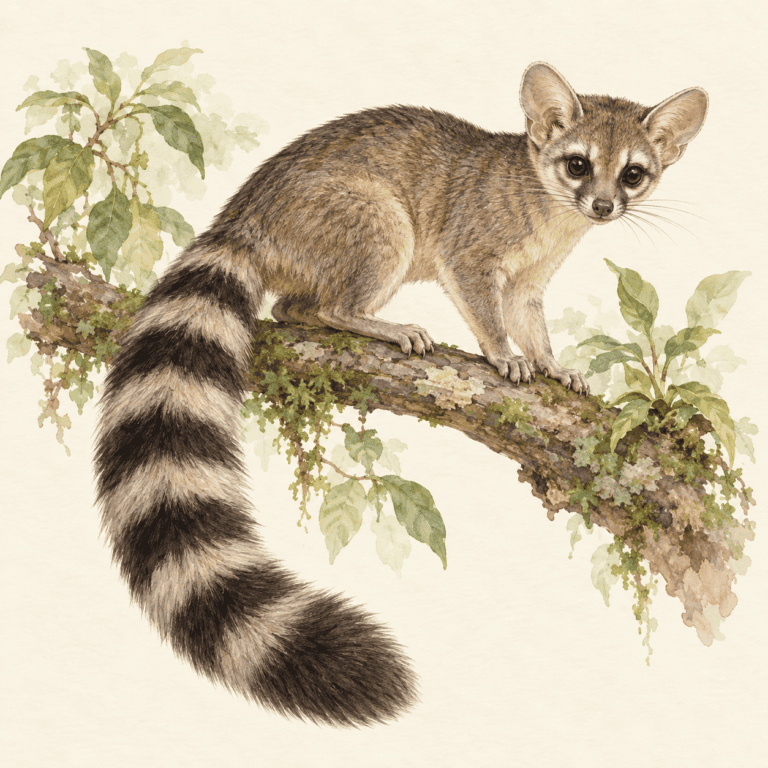
Cacomistle

Spanish name
Ostoche
Scientific name
Bassariscus sumichrasti

What Do Pico & Tati Think?

A cacomistle's long ringed tail is a memorable clue.

Identification

Key Features of the Cacomistle

  • Slender body, pointed face and relatively large ears.

  • Very long bushy tail with alternating pale and dark bands.

  • Usually associated with wooded habitat and climbing.

Habitat & range

Evergreen and mountain forests, with some use of seasonally dry forest.

Conservation & care

Explore with an adult or local guide. Observe quietly from a distance, stay on established trails and leave shelter undisturbed. Do not feed, touch, capture or corner wildlife. Keep pets away.

View full profile →

Nature Field Guide

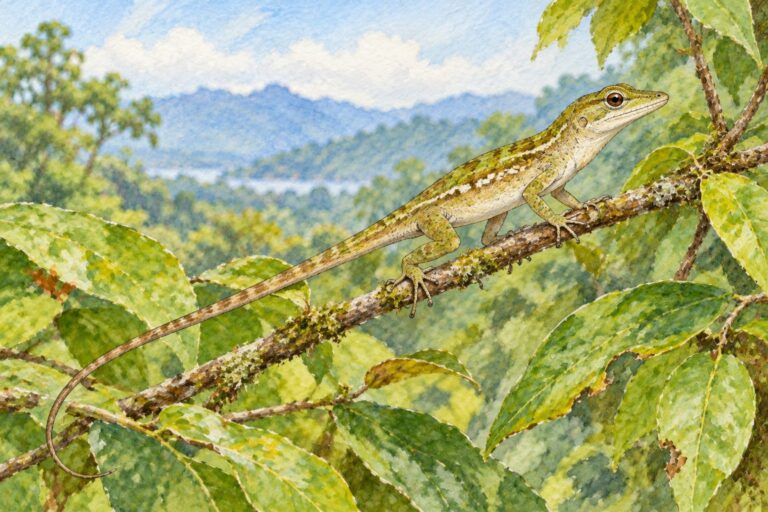
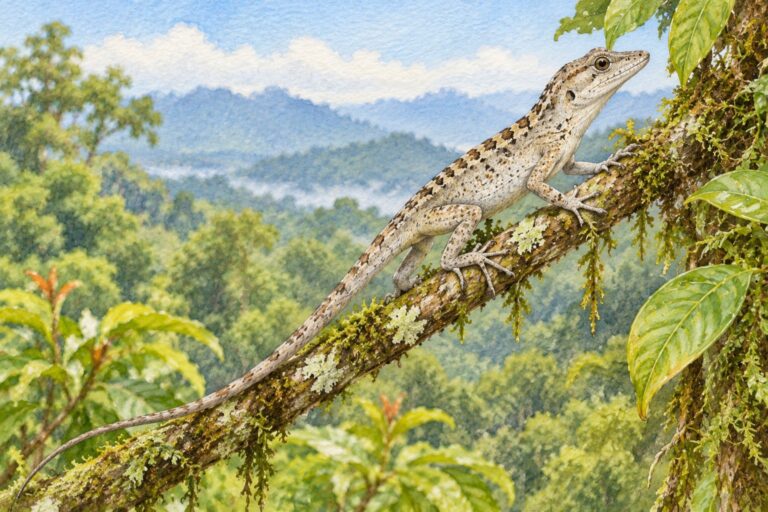
Carpenter’s Anole

Spanish name
Anolis de Carpenter
Scientific name
Anolis carpenteri

What Do Pico & Tati Think?

Pico: “What can we learn from this reptile’s shape?”

Tati: “Let’s notice its markings and habitat while leaving it plenty of space.”

Identification

Key Features of the Carpenter’s Anole

  • Small delicate greenish body

  • Relatively short limbs

  • Slender tail and narrow perch use

Habitat & range

Caribbean-slope humid forest and foothills, including the Reventazón valley and northern Caribbean lowlands.

Conservation & care

Observe from permitted paths with an adult. Do not touch, chase, catch or feed reptiles. Leave bark, stones, logs and leaf litter in place. Keep pets away and give animals an open escape route.

Threats & pressures

Protect natural shelters and connected habitat. Avoid collection, unnecessary clearing and deliberate killing. Leave wildlife in its habitat and support responsible observation.

View full profile →

Nature Field Guide

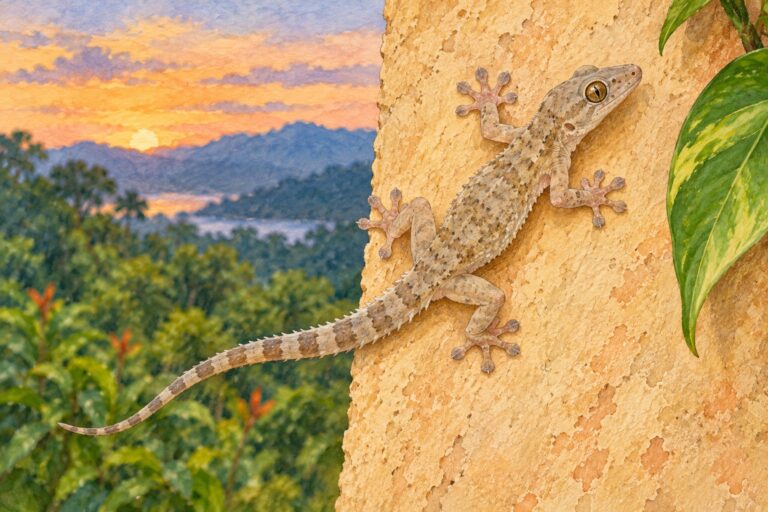
Common House Gecko

Spanish name
Geco casero común
Scientific name
Hemidactylus frenatus

What Do Pico & Tati Think?

Pico: “What helps this reptile fit into its habitat?”

Tati: “Let’s look at its shape, colors and surroundings while giving it plenty of space.”

Identification

Key Features of the Common House Gecko

  • Pale gray-to-beige coloration

  • Broad spreading toe pads

  • Often on walls near night lighting

Habitat & range

Buildings, gardens and disturbed habitats across much of Costa Rica, especially warm lowlands and settled areas. Documented at Tirimbina and San Luis de Monteverde.

Conservation & care

Observe with an adult from permitted paths. Do not touch, chase, catch or feed reptiles. Leave bark, logs, stones and leaf litter in place. Keep pets away and allow an open escape route.

Threats & pressures

Prevent accidental transport of introduced geckos and their eggs in belongings or plant materials. Protect native reptile habitats and avoid moving animals between places.

View full profile →

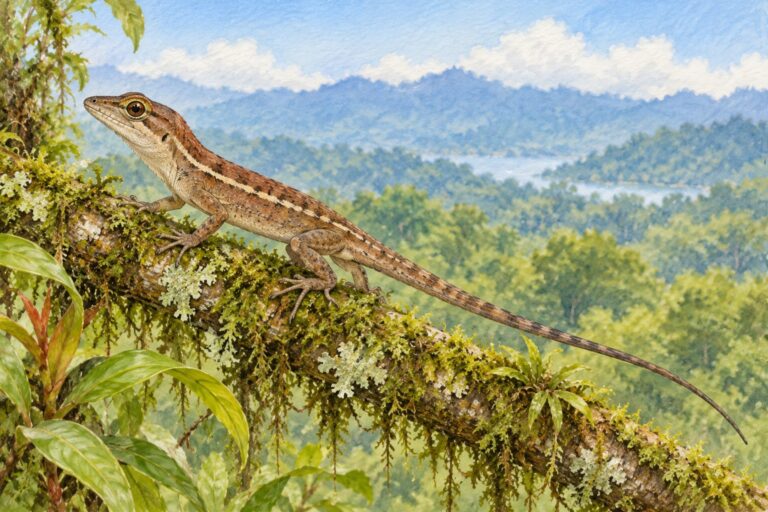
Nature Field Guide

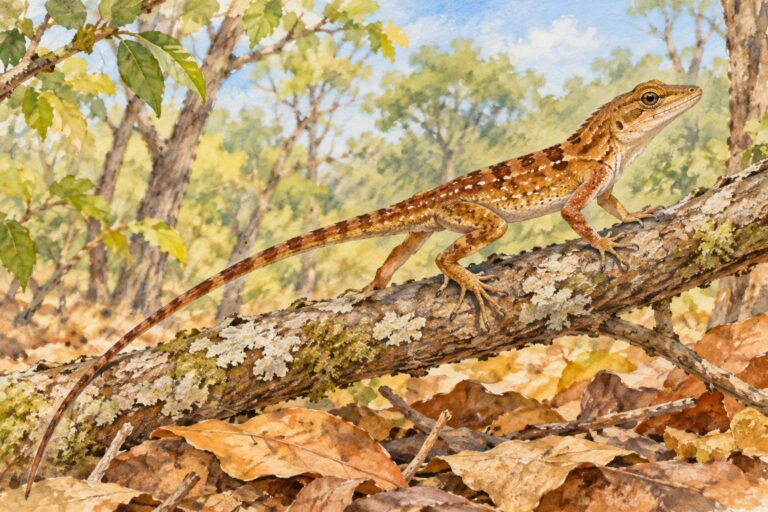
Copper Anole

Spanish name
Anolis cobrizo
Scientific name
Anolis cupreus

What Do Pico & Tati Think?

Pico: “What can we learn from this reptile’s shape?”

Tati: “Let’s notice its markings and habitat while leaving it plenty of space.”

Identification

Key Features of the Copper Anole

  • Tan-to-coppery brown body

  • Variable spots, bars or darker markings

  • Long tail and low-perching posture

Habitat & range

Northwestern and western Pacific slope, including Guanacaste, Monteverde and Quepos, with populations in the Central Valley.

Conservation & care

Observe from permitted paths with an adult. Do not touch, chase, catch or feed reptiles. Leave bark, stones, logs and leaf litter in place. Keep pets away and give animals an open escape route.

Threats & pressures

Protect natural shelters and connected habitat. Avoid collection, unnecessary clearing and deliberate killing. Leave wildlife in its habitat and support responsible observation.

View full profile →

Nature Field Guide

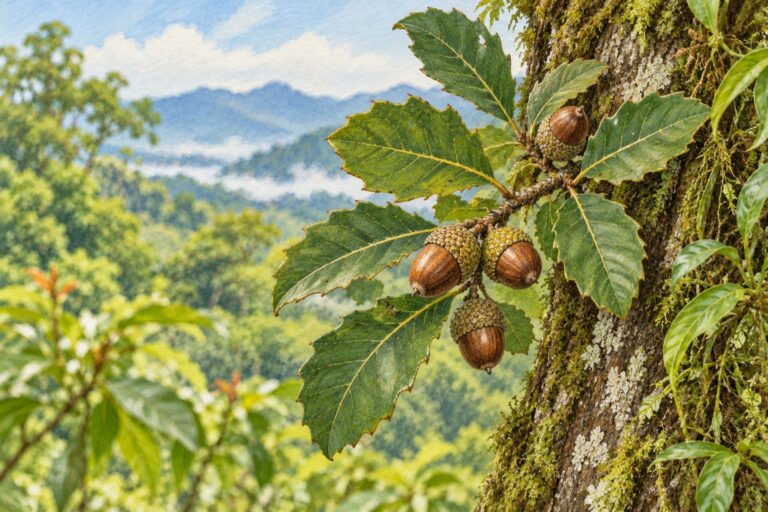
Costa Rican Oak

Spanish name
Roble / Encino
Scientific name
Quercus costaricensis

What Do Pico & Tati Think?

Pico: “Acorns and leathery leaves belong to this mountain-forest oak.”

Tati: “Let’s notice the leaves, flowers and habitat without disturbing the plant.”

Identification

Key Features of the Costa Rican Oak

  • Acorns in scaly cups

  • Simple leathery leaves

  • Mountain-forest habitat

Habitat & range

Highland forests of the Talamanca range, including Dota, Chirripó and adjoining mountain slopes.

Conservation & care

Explore with an adult on permitted paths. Observe and photograph without picking leaves, flowers or fruits. Do not taste plants or let pets chew them. Avoid climbing trees and disturbing roots, seedlings or visiting wildlife.

Threats & pressures

Protect suitable habitat, mature trees and natural regeneration. Avoid trampling, unauthorized clearing and collection.

View full profile →

Nature Field Guide

Decorated Anole

Spanish name
Anolis decorado / Lagartija gigante de bandas
Scientific name
Anolis insignis

What Do Pico & Tati Think?

Pico: “What helps this reptile fit into its habitat?”

Tati: “Let’s look at its shape, colors and surroundings while giving it plenty of space.”

Identification

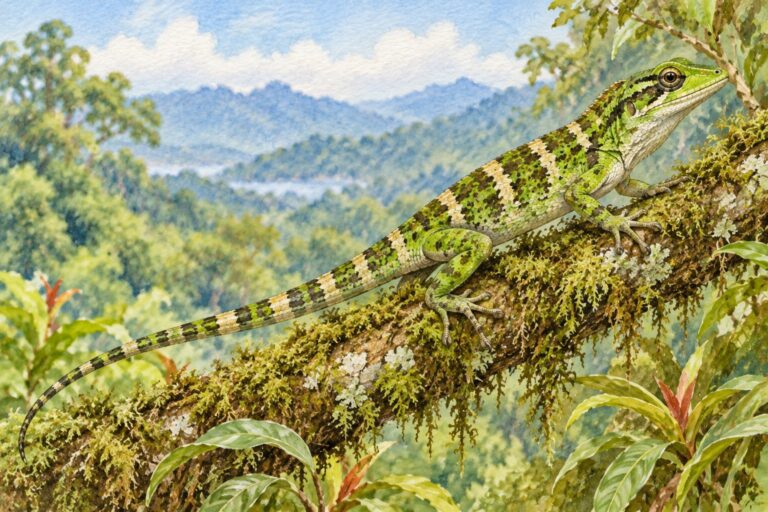
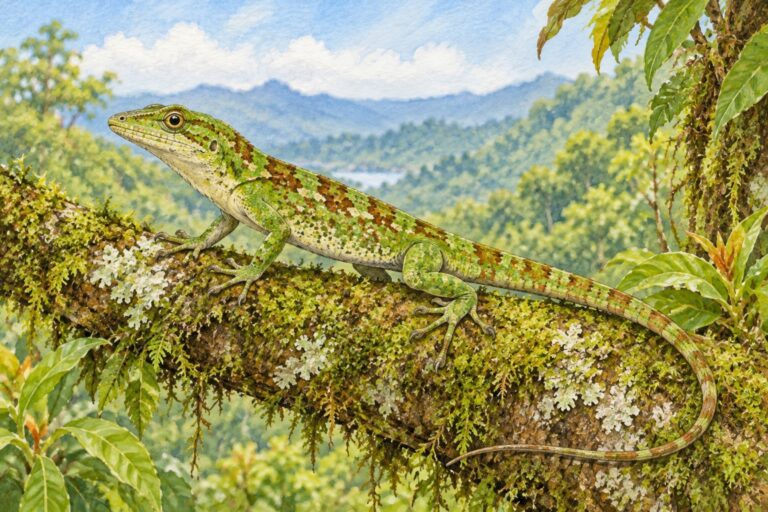
Key Features of the Decorated Anole

  • Large anole with a broad head

  • Green body with pale markings

  • Long tail and tree-perching posture

Habitat & range

Humid foothill and montane forests, including the Guanacaste volcanic range and the central mountains. Documented at San Gerardo Biological Station in Área de Conservación Guanacaste.

Conservation & care

Observe with an adult from permitted paths. Do not touch, chase, catch or feed reptiles. Leave bark, logs, stones and leaf litter in place. Keep pets away and allow an open escape route.

Threats & pressures

Protect connected habitat and natural shelters. Avoid collection, unnecessary clearing and deliberate killing. Leave wildlife in place and support responsible observation.

View full profile →

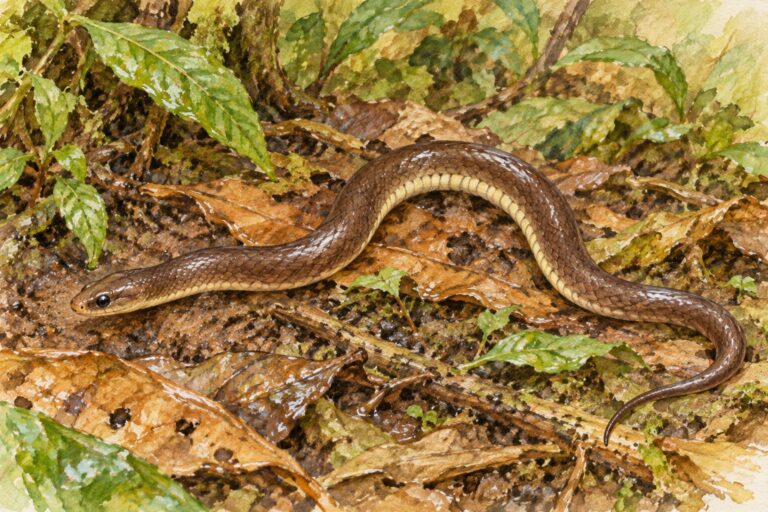
Nature Field Guide

Decorated Forest Snake

Spanish name
Hojarasquera rayada
Scientific name
Rhadinaea decorata

What Do Pico & Tati Think?

Pico: “What can we learn from this reptile’s shape?”

Tati: “Let’s notice its markings and habitat while leaving it plenty of space.”

Identification

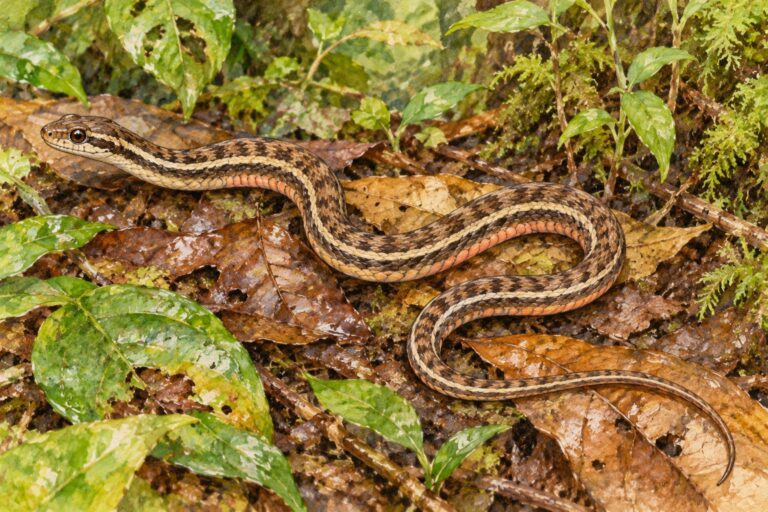
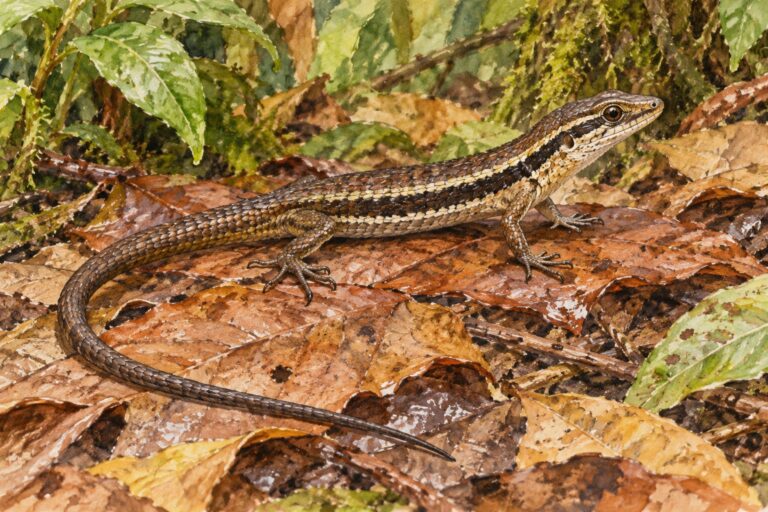
Key Features of the Decorated Forest Snake

  • Small slender brown body

  • Fine pale and dark lengthwise stripes

  • Forest-floor camouflage

Habitat & range

Humid Caribbean and Pacific forests and foothills, including northern lowlands and southwestern Costa Rica.

Conservation & care

Observe only from a distance with an adult or qualified guide. Never touch, catch, feed, corner or move any snake. Keep children and pets away. Colors, head shape and pupil shape must never be used to decide a snake is safe.

Threats & pressures

Protect natural shelters and connected habitat. Avoid collection, unnecessary clearing and deliberate killing. Leave wildlife in its habitat and support responsible observation.

View full profile →

Nature Field Guide

Dice’s Cottontail

Spanish name
Conejo de Dice
Scientific name
Sylvilagus dicei

What Do Pico & Tati Think?

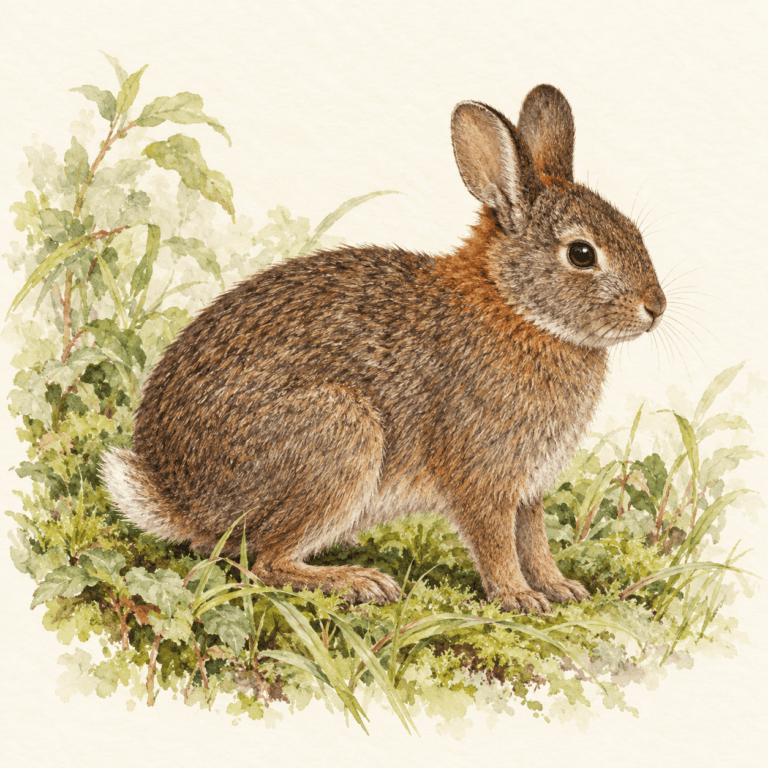
Dice's cottontail is a mountain rabbit found in Costa Rica and western Panama.

Identification

Key Features of the Dice’s Cottontail

  • Small brown rabbit with fairly short ears.

  • Often a darker or reddish area around the nape.

  • Highland locality is important; appearance alone may be insufficient.

Habitat & range

Costa Rican highlands, including the Talamanca mountain region.

Conservation & care

Explore with an adult or local guide. Observe quietly from a distance, stay on established trails and leave shelter undisturbed. Do not feed, touch, capture or corner wildlife. Keep pets away.

Conservation assessment

Global IUCN category reported by Mammal Diversity Database, checked October 2026. Vulnerable means assessed as facing a high risk of extinction in the wild; it does not mean every local population has the same condition.

View full profile →

Nature Field Guide

Ecuadorian Milksnake

Spanish name
Falsa coral / Serpiente de leche
Scientific name
Lampropeltis micropholis

What Do Pico & Tati Think?

Pico: “What can we learn from this reptile’s shape?”

Tati: “Let’s notice its markings and habitat while leaving it plenty of space.”

Identification

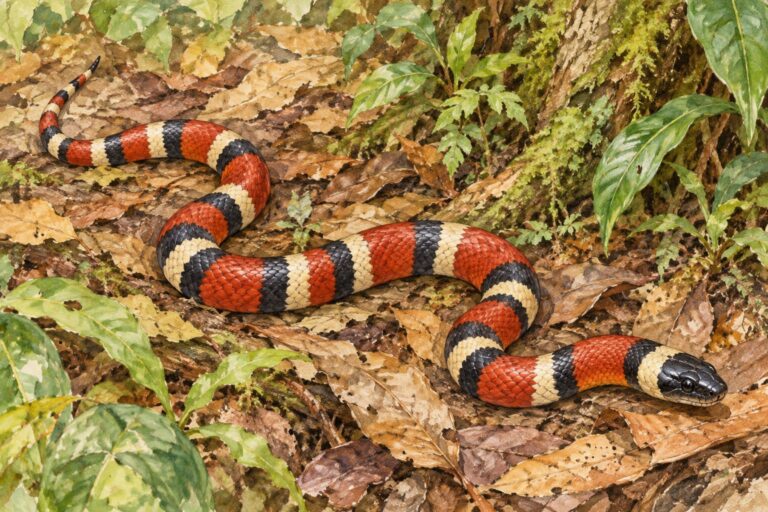
Key Features of the Ecuadorian Milksnake

  • Young animals may have red, pale and dark bands

  • Smooth-looking scales

  • Appearance can darken with age

Habitat & range

Eastern and southern Costa Rican forest landscapes and mountain slopes; province assignments refer to suitable habitat rather than all parts of each province.

Conservation & care

Observe only from a distance with an adult or qualified guide. Never touch, catch, feed, corner or move any snake. Keep children and pets away. Colors, head shape and pupil shape must never be used to decide a snake is safe.

Threats & pressures

Protect natural shelters and connected habitat. Avoid collection, unnecessary clearing and deliberate killing. Leave wildlife in its habitat and support responsible observation.

View full profile →

Nature Field Guide

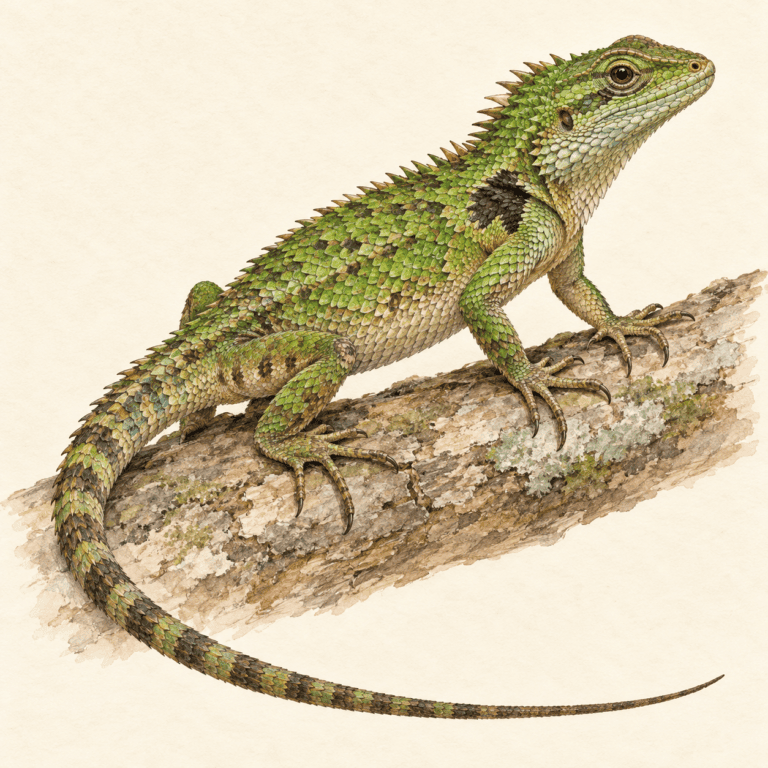
Green Spiny Lizard

Spanish name
Lagartija espinosa verde
Scientific name
Sceloporus malachiticus

What Do Pico & Tati Think?

Pico and Tati invite you to learn about the green spiny lizard. Compare a photo of its rough scales with a smooth-looking anole. Describe texture without touching either animal.

Identification

Key Features of the Green Spiny Lizard

  • Pointed, strongly textured body scales.

  • A dark shoulder marking.

  • Adult males often show green coloration.

Habitat & range

Costa Rican uplands, including suitable forest edges and rocky or open perches.

Conservation & care

Watch wildlife with an adult from a safe path. Do not touch, feed, capture or move reptiles, and keep pets away. Leave eggs, shelters and vegetation undisturbed.

View full profile →

Nature Field Guide

Heavy-footed Anole

Spanish name
Anolis de patas robustas
Scientific name
Anolis pachypus

What Do Pico & Tati Think?

Pico: “What can we learn from this reptile’s shape?”

Tati: “Let’s notice its markings and habitat while leaving it plenty of space.”

Identification

Key Features of the Heavy-footed Anole

  • Compact brown mountain anole

  • Stout-looking feet

  • Camouflaged body and long tapering tail

Habitat & range

Middle and upper elevations of the Talamanca mountain system in southern Costa Rica.

Conservation & care

Observe from permitted paths with an adult. Do not touch, chase, catch or feed reptiles. Leave bark, stones, logs and leaf litter in place. Keep pets away and give animals an open escape route.

Threats & pressures

Protect natural shelters and connected habitat. Avoid collection, unnecessary clearing and deliberate killing. Leave wildlife in its habitat and support responsible observation.

View full profile →

Nature Field Guide

High Anole

Spanish name
Anolis de altura
Scientific name
Anolis altae

What Do Pico & Tati Think?

Pico: “What can we learn from this reptile’s shape?”

Tati: “Let’s notice its markings and habitat while leaving it plenty of space.”

Identification

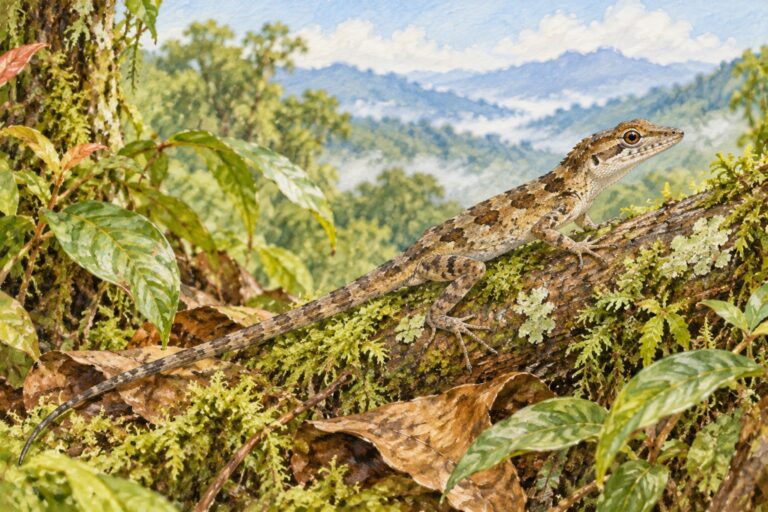
Key Features of the High Anole

  • Small slender brown body

  • Relatively short legs

  • Long tail and subtle camouflage

Habitat & range

Central volcanic highlands, including the Barva, Irazú and northern Alajuela mountain areas.

Conservation & care

Observe from permitted paths with an adult. Do not touch, chase, catch or feed reptiles. Leave bark, stones, logs and leaf litter in place. Keep pets away and give animals an open escape route.

Threats & pressures

Protect natural shelters and connected habitat. Avoid collection, unnecessary clearing and deliberate killing. Leave wildlife in its habitat and support responsible observation.

View full profile →

Nature Field Guide

Hoffmann’s Earth Snake

Spanish name
Culebra de tierra de Hoffmann
Scientific name
Geophis hoffmanni

What Do Pico & Tati Think?

Pico: “What can we learn from this reptile’s shape?”

Tati: “Let’s notice its markings and habitat while leaving it plenty of space.”

Identification

Key Features of the Hoffmann’s Earth Snake

  • Small head and dark slender body

  • Usually plain dark upper surfaces

  • Paler underside; young may have a pale neck mark

Habitat & range

Humid lowland and foothill habitats and central mountain slopes, including the Monteverde area.

Conservation & care

Observe only from a distance with an adult or qualified guide. Never touch, catch, feed, corner or move any snake. Keep children and pets away. Colors, head shape and pupil shape must never be used to decide a snake is safe.

Threats & pressures

Protect natural shelters and connected habitat. Avoid collection, unnecessary clearing and deliberate killing. Leave wildlife in its habitat and support responsible observation.

View full profile →

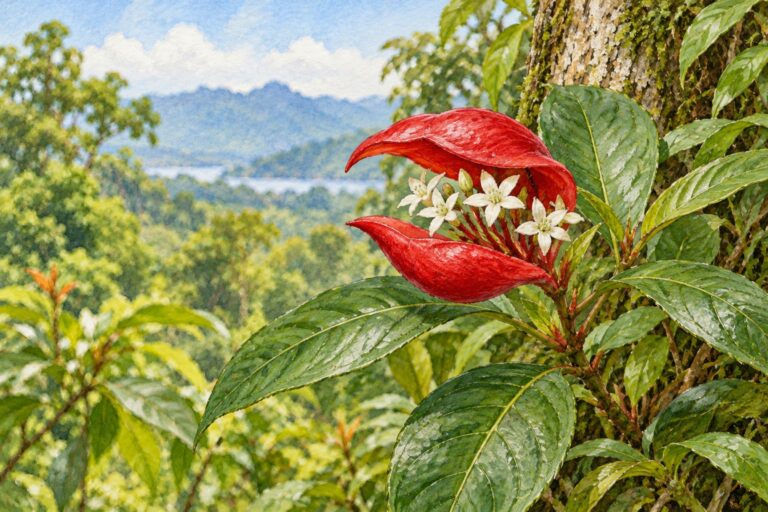
Nature Field Guide

Hot Lips Plant

Spanish name
Labios ardientes / Botón rojo
Scientific name
Palicourea elata

What Do Pico & Tati Think?

Pico: “Two bright red bracts surround tiny pale flowers in the forest understory.”

Tati: “Let’s notice the leaves, flowers and habitat without disturbing the plant.”

Identification

Key Features of the Hot Lips Plant

  • Two conspicuous red floral bracts

  • Small white or creamy flowers

  • Opposite glossy leaves

Habitat & range

Humid understory and forest edges on both slopes, with records from Guanacaste, Sarapiquí, Talamanca, Cartago and Osa.

Conservation & care

Explore with an adult on permitted paths. Observe and photograph without picking leaves, flowers or fruits. Do not taste plants or let pets chew them. Avoid climbing trees and disturbing roots, seedlings or visiting wildlife.

Threats & pressures

Protect suitable habitat, mature trees and natural regeneration. Avoid trampling, unauthorized clearing and collection.

View full profile →

Nature Field Guide

Irazú Volcano

Spanish name
Volcán Irazú
Scientific name

What Do Pico & Tati Think?

Join Pico and Tati to discover Volcán Irazú and learn how volcanoes help shape Costa Rica.

Identification

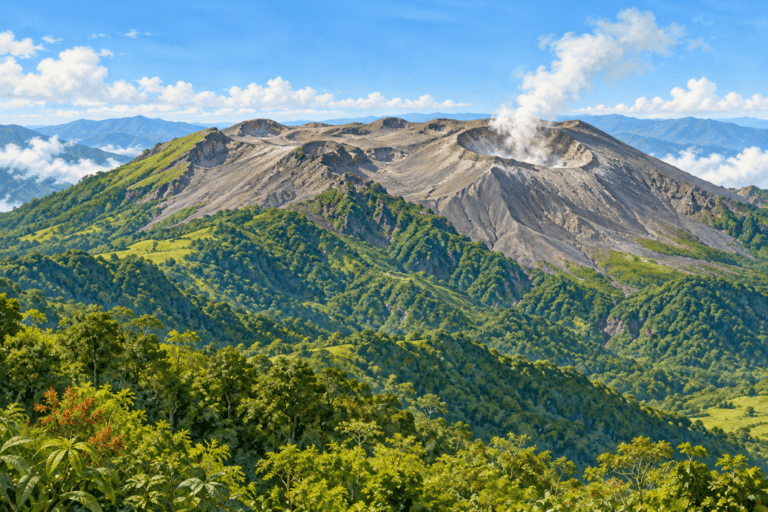
Key Features of the Irazú Volcano

  • Broad crater depressions.

  • Gray volcanic ground.

  • Low vegetation and mist at high elevation.

Habitat & range

Cartago province, in the Central Volcanic Mountain Range.

Conservation & care

Explore with an adult. Follow staff instructions, authorized trails, barriers and closures. Leave rocks, plants and wildlife in place and carry out litter. Bring suitable layers for the cold summit and remain behind crater barriers.

Plan Your Visit

Irazú Volcano National Park — Craters sector

Get Directions ↗

Getting There

From Cartago, follow the signed road toward Irazú and the Craters sector. Use the visitor parking and marked paths to the crater viewpoints.

Before You Go

Choose Sector Cráteres when reserving; Sector Prusia is a different forest visitor area. Check current admission arrangements with SINAC.
Visit information reviewed October 8, 2026. Confirm current access before travel.

View full profile →

Nature Field Guide

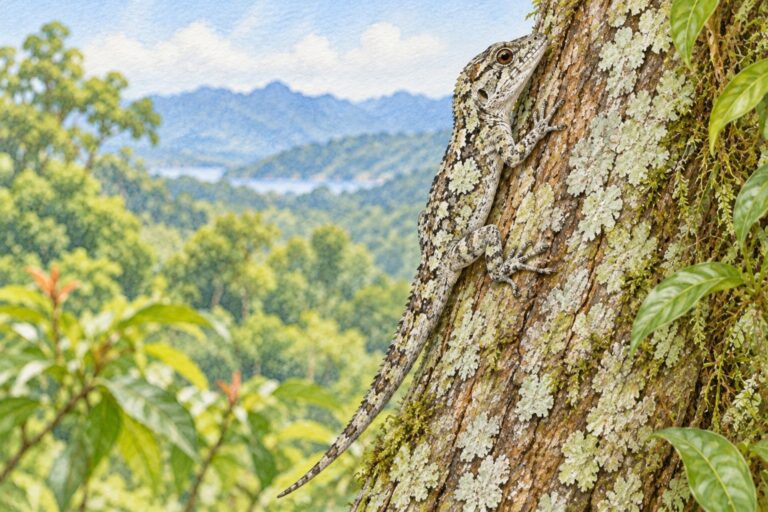
Lichen Anole

Spanish name
Anolis liquenoso
Scientific name
Anolis pentaprion

What Do Pico & Tati Think?

Pico: “What can we learn from this reptile’s shape?”

Tati: “Let’s notice its markings and habitat while leaving it plenty of space.”

Identification

Key Features of the Lichen Anole

  • Gray-and-cream bark camouflage

  • Short limbs

  • Relatively short tail with a serrated ridge

Habitat & range

Caribbean lowlands and northern humid lowlands, including the Los Chiles/Guatuso and Sarapiquí areas.

Conservation & care

Observe from permitted paths with an adult. Do not touch, chase, catch or feed reptiles. Leave bark, stones, logs and leaf litter in place. Keep pets away and give animals an open escape route.

Threats & pressures

Protect natural shelters and connected habitat. Avoid collection, unnecessary clearing and deliberate killing. Leave wildlife in its habitat and support responsible observation.

View full profile →

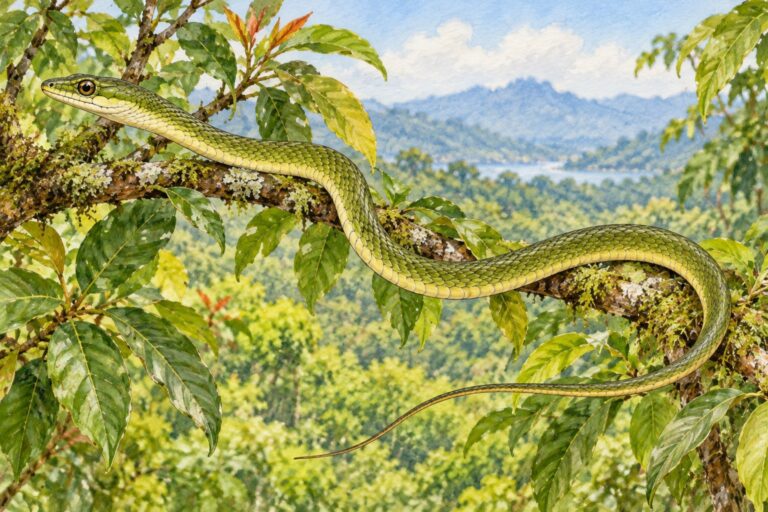
Nature Field Guide

Linnaeus’s Sipo

Spanish name
Bejuquilla verde de bosque
Scientific name
Chironius exoletus

What Do Pico & Tati Think?

Pico: “What can we learn from this reptile’s shape?”

Tati: “Let’s notice its markings and habitat while leaving it plenty of space.”

Identification

Key Features of the Linnaeus’s Sipo

  • Long green-to-olive body

  • Large eyes and elongated head

  • Very long tapering tail

Habitat & range

Humid Caribbean and Pacific forests and adjoining foothills in Costa Rica.

Conservation & care

Observe only from a distance with an adult or qualified guide. Never touch, catch, feed, corner or move any snake. Keep children and pets away. Colors, head shape and pupil shape must never be used to decide a snake is safe.

Threats & pressures

Protect natural shelters and connected habitat. Avoid collection, unnecessary clearing and deliberate killing. Leave wildlife in its habitat and support responsible observation.

View full profile →

Nature Field Guide

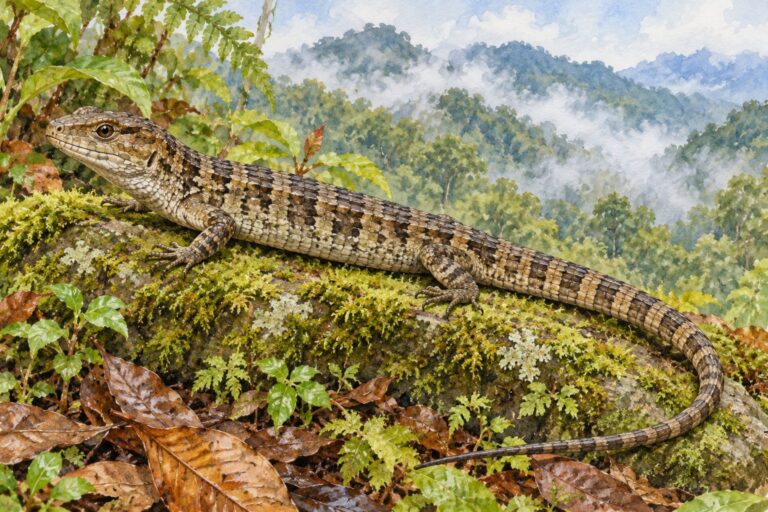
Mountain Alligator Lizard

Spanish name
Dragón de altura
Scientific name
Abronia monticola

What Do Pico & Tati Think?

Pico: “What clues help us recognize this reptile?”

Tati: “Let’s notice its shape, markings and habitat from a respectful distance.”

Identification

Key Features of the Mountain Alligator Lizard

  • Elongated body with short legs

  • Distinct rows of armored-looking scales

  • Brown-gray highland camouflage

Habitat & range

Cool highlands, including the Irazú region and the Talamanca mountain range.

Conservation & care

Observe with an adult from permitted paths. Do not catch, chase, touch or feed reptiles. Leave bark, logs, rocks and leaf litter in place. Keep pets away and allow animals an open escape route.

Threats & pressures

Protect habitat connections and natural shelters. Avoid road mortality, collection and deliberate killing. Leave reptiles in their habitat rather than keeping or relocating them.

View full profile →

Nature Field Guide

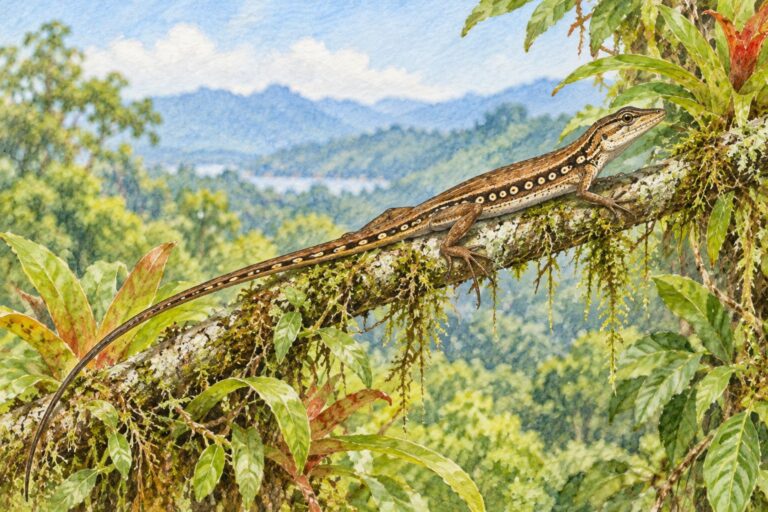
Ocellated Anadia

Spanish name
Anadia ocelada
Scientific name
Anadia ocellata

What Do Pico & Tati Think?

Pico: “What can we learn from this reptile’s shape?”

Tati: “Let’s notice its markings and habitat while leaving it plenty of space.”

Identification

Key Features of the Ocellated Anadia

  • Elongated body and short limbs

  • Long tapering tail

  • Small eyelike flank markings

Habitat & range

Forested foothill and upland habitats in Costa Rica, including Monteverde, the Aguacate mountains and humid mountain slopes.

Conservation & care

Observe from permitted paths with an adult. Do not touch, chase, catch or feed reptiles. Leave bark, stones, logs and leaf litter in place. Keep pets away and give animals an open escape route.

Threats & pressures

Protect natural shelters and connected habitat. Avoid collection, unnecessary clearing and deliberate killing. Leave wildlife in its habitat and support responsible observation.

View full profile →

Nature Field Guide

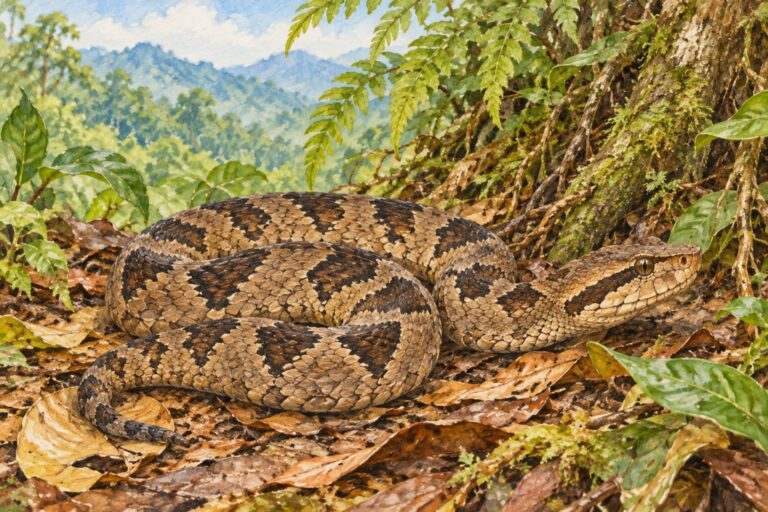
Picado’s Pitviper

Spanish name
Mano de piedra costarricense
Scientific name
Atropoides picadoi

What Do Pico & Tati Think?

Pico: “What helps this reptile fit into its habitat?”

Tati: “Let’s look at its shape, colors and surroundings while giving it plenty of space.”

Identification

Key Features of the Picado’s Pitviper

  • Very robust body

  • Broad head and rough-looking keeled scales

  • Dark angular blotches on a lighter background

Habitat & range

Wet Caribbean-slope forests, including northern foothills and the Central Volcanic and Talamanca mountain systems.

Conservation & care

VENOMOUS. Observe only from a distance with a qualified guide. Keep children and pets well away. Never approach, touch, catch or provoke this snake, and do not reach into nearby vegetation.

Threats & pressures

Protect connected habitat and natural shelters. Avoid collection, unnecessary clearing and deliberate killing. Leave wildlife in place and support responsible observation.

View full profile →

Nature Field Guide

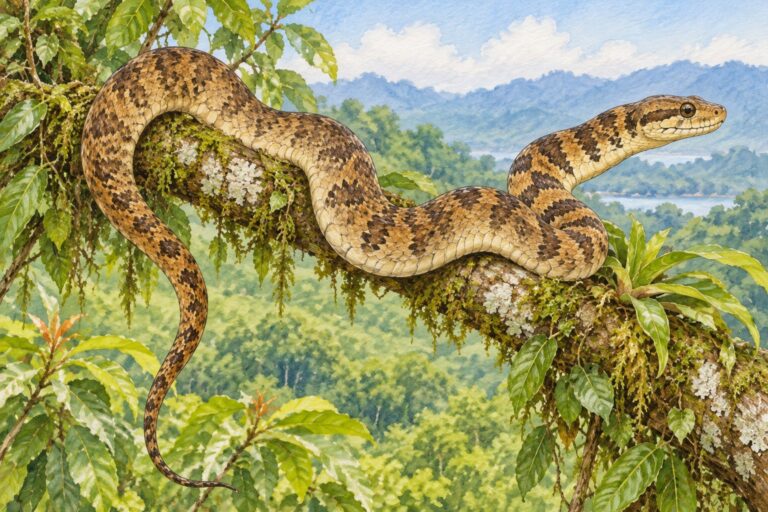
Puffing Snake

Spanish name
Pajarera / Culebra pajarera
Scientific name
Phrynonax poecilonotus

What Do Pico & Tati Think?

Pico: “What can we learn from this reptile’s shape?”

Tati: “Let’s notice its markings and habitat while leaving it plenty of space.”

Identification

Key Features of the Puffing Snake

  • Large elongated forest snake

  • Variable colors and darker markings

  • Distinct head and long climbing body

Habitat & range

Forests and wooded edges on both Costa Rican slopes, including lowlands and foothills; documented in the Monteverde area.

Conservation & care

Observe only from a distance with an adult or qualified guide. Never touch, catch, feed, corner or move any snake. Keep children and pets away. Colors, head shape and pupil shape must never be used to decide a snake is safe.

Threats & pressures

Protect natural shelters and connected habitat. Avoid collection, unnecessary clearing and deliberate killing. Leave wildlife in its habitat and support responsible observation.

View full profile →

Nature Field Guide

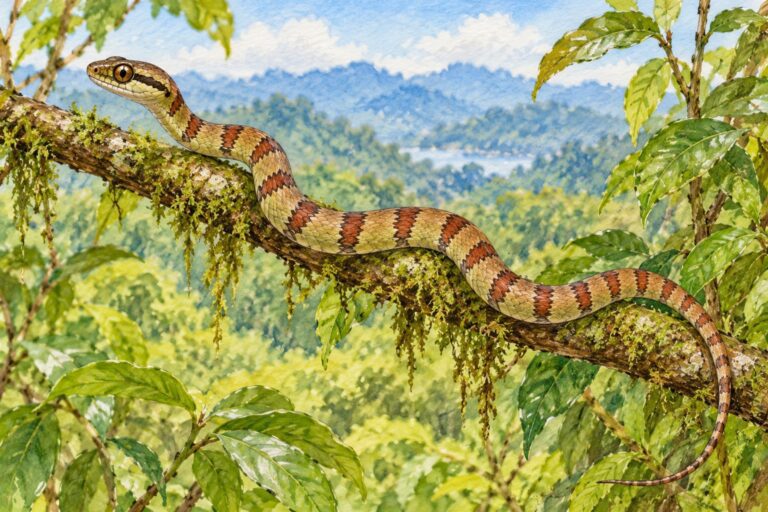
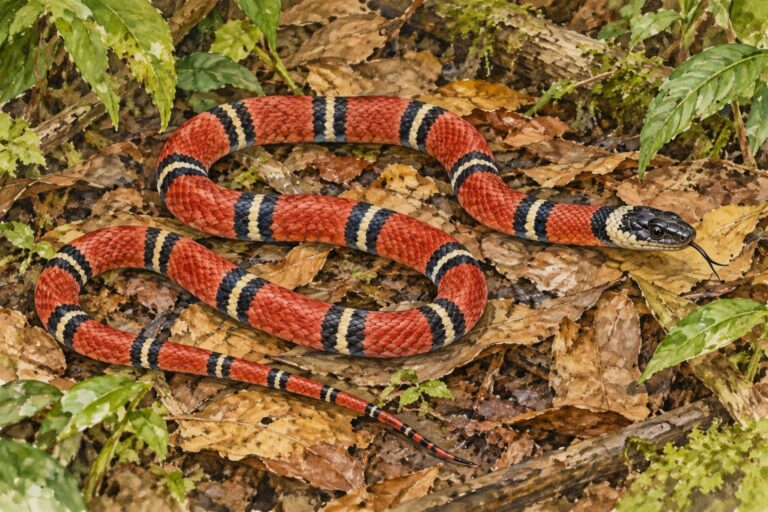
Ringed Snail-eating Snake

Spanish name
Caracolera anillada
Scientific name
Sibon annulatus

What Do Pico & Tati Think?

Pico: “What clues help us recognize this reptile?”

Tati: “Let’s notice its shape, markings and habitat from a respectful distance.”

Identification

Key Features of the Ringed Snail-eating Snake

  • Slender body with contrasting rings

  • Large eyes

  • Branch-climbing posture

Habitat & range

Humid Caribbean-slope forest and foothills, with records around Cartago and northern mountain forests.

Conservation & care

Observe only from a distance with an adult or qualified guide. Do not touch, catch, corner or attempt to move any snake. Step back and tell your adult; keep children and pets away. Do not use colors, head shape or pupil shape to decide a snake is safe.

Threats & pressures

Protect habitat connections and natural shelters. Avoid road mortality, collection and deliberate killing. Leave reptiles in their habitat rather than keeping or relocating them.

View full profile →

Nature Field Guide

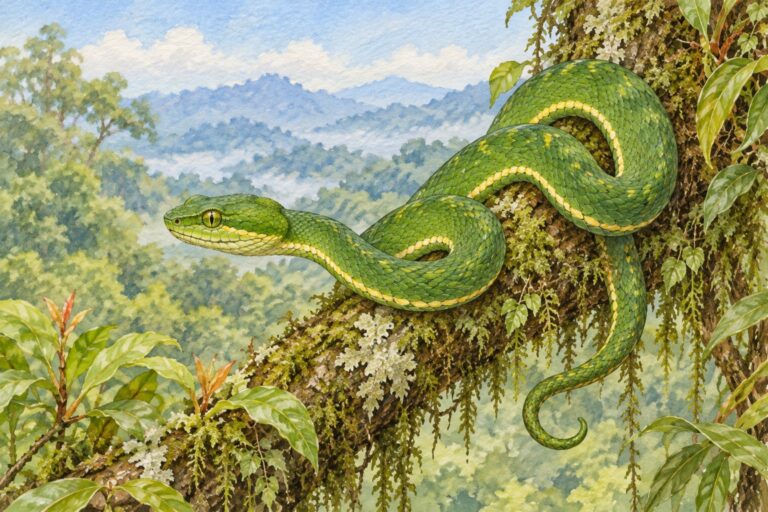
Side-striped Palm Pitviper

Spanish name
Lora venenosa
Scientific name
Bothriechis lateralis

What Do Pico & Tati Think?

Pico: “What helps this reptile fit into its habitat?”

Tati: “Let’s look at its shape, colors and surroundings while giving it plenty of space.”

Identification

Key Features of the Side-striped Palm Pitviper

  • Thin pale line along each side

  • Adults often green; juveniles may be brown

  • Climbing body with a gripping tail

Habitat & range

Mountain forests and wooded agricultural landscapes of Costa Rica, including Monteverde and the central and Talamanca ranges.

Conservation & care

VENOMOUS. Observe only from a distance with a qualified guide. Keep children and pets well away. Never approach, touch, catch or provoke this snake, and do not reach into nearby vegetation.

Threats & pressures

Protect connected habitat and natural shelters. Avoid collection, unnecessary clearing and deliberate killing. Leave wildlife in place and support responsible observation.

View full profile →

Nature Field Guide

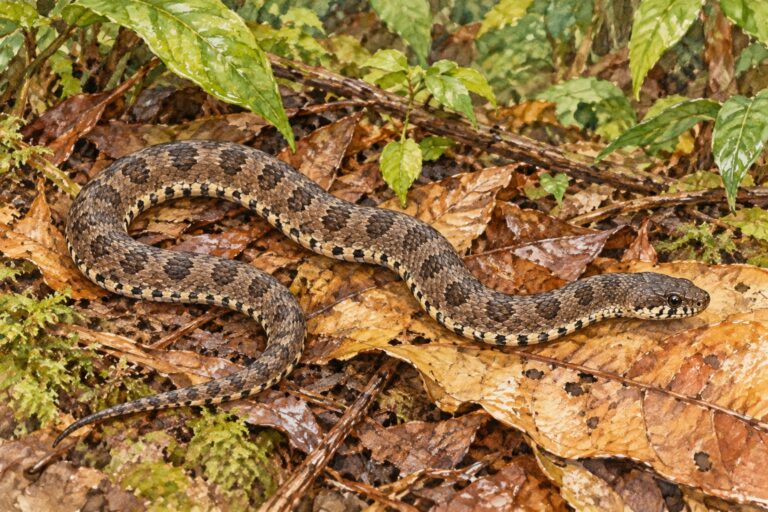
Spotted Coffee Snake

Spanish name
Culebra cafetalera manchada
Scientific name
Ninia maculata

What Do Pico & Tati Think?

Pico: “What can we learn from this reptile’s shape?”

Tati: “Let’s notice its markings and habitat while leaving it plenty of space.”

Identification

Key Features of the Spotted Coffee Snake

  • Small dark-headed snake

  • Keeled scales and dark crossmarks

  • Spotted underside studied from references only

Habitat & range

Humid forest and foothill habitats on both slopes, including Monteverde, central highland margins and southwestern Costa Rica.

Conservation & care

Observe only from a distance with an adult or qualified guide. Never touch, catch, feed, corner or move any snake. Keep children and pets away. Colors, head shape and pupil shape must never be used to decide a snake is safe.

Threats & pressures

Protect natural shelters and connected habitat. Avoid collection, unnecessary clearing and deliberate killing. Leave wildlife in its habitat and support responsible observation.

View full profile →

Nature Field Guide

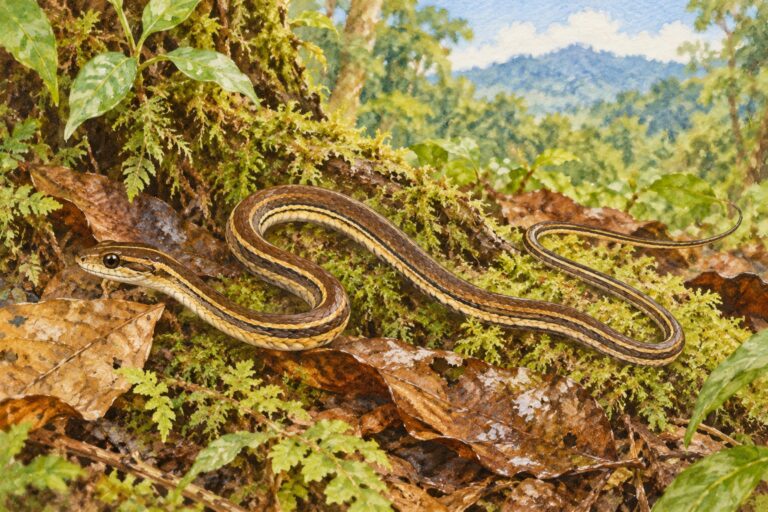
Striped Glasstail

Spanish name
Hojarasquera de cola frágil
Scientific name
Urotheca guentheri

What Do Pico & Tati Think?

Pico: “What can we learn from this reptile’s shape?”

Tati: “Let’s notice its markings and habitat while leaving it plenty of space.”

Identification

Key Features of the Striped Glasstail

  • Slender body with lengthwise stripes

  • Long delicate tail

  • Ground-dwelling forest posture

Habitat & range

Northern and Caribbean-facing wet forests, the Tilarán range on both slopes and southern Pacific-facing Talamanca. Documented near La Fortuna.

Conservation & care

Observe only from a distance with an adult or qualified guide. Never touch, catch, feed, corner or move any snake. Keep children and pets away. Colors, head shape and pupil shape must never be used to decide a snake is safe.

Threats & pressures

Protect natural shelters and connected habitat. Avoid collection, unnecessary clearing and deliberate killing. Leave wildlife in its habitat and support responsible observation.

View full profile →

Nature Field Guide

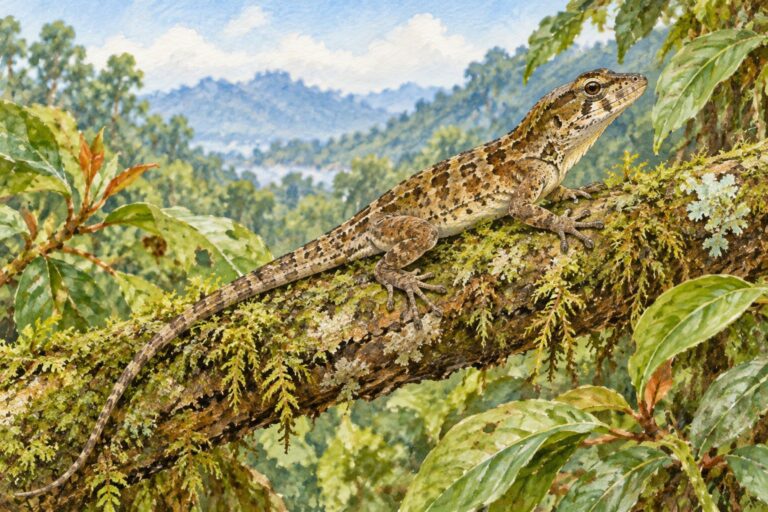
Swift Anole

Spanish name
Anolis de montaña
Scientific name
Anolis tropidolepis

What Do Pico & Tati Think?

Pico: “What helps this reptile fit into its habitat?”

Tati: “Let’s look at its shape, colors and surroundings while giving it plenty of space.”

Identification

Key Features of the Swift Anole

  • Small brown mountain anole

  • Long tail and slender limbs

  • Subtle darker markings on a camouflaged back

Habitat & range

High-elevation forest in the Costa Rican mountains, including Irazú, Monteverde and the Dota highlands.

Conservation & care

Observe with an adult from permitted paths. Do not touch, chase, catch or feed reptiles. Leave bark, logs, stones and leaf litter in place. Keep pets away and allow an open escape route.

Threats & pressures

Protect connected habitat and natural shelters. Avoid collection, unnecessary clearing and deliberate killing. Leave wildlife in place and support responsible observation.

View full profile →

Nature Field Guide

Taylor’s Leaf-litter Lizard

Spanish name
Lagartija de hojarasca de Taylor
Scientific name
Alopoglossus plicatus

What Do Pico & Tati Think?

Pico: “What can we learn from this reptile’s shape?”

Tati: “Let’s notice its markings and habitat while leaving it plenty of space.”

Identification

Key Features of the Taylor’s Leaf-litter Lizard

  • Elongated body with four short legs

  • Lengthwise flank markings

  • Long tail and overlapping scales

Habitat & range

Caribbean-slope wet forest and southwestern Pacific forest, including Turrialba, Limón and the San Vito region.

Conservation & care

Observe from permitted paths with an adult. Do not touch, chase, catch or feed reptiles. Leave bark, stones, logs and leaf litter in place. Keep pets away and give animals an open escape route.

Threats & pressures

Protect natural shelters and connected habitat. Avoid collection, unnecessary clearing and deliberate killing. Leave wildlife in its habitat and support responsible observation.

View full profile →

Nature Field Guide

Tiny Anole

Spanish name
Anolis microtus
Scientific name
Anolis microtus

What Do Pico & Tati Think?

Pico: “What helps this reptile fit into its habitat?”

Tati: “Let’s look at its shape, colors and surroundings while giving it plenty of space.”

Identification

Key Features of the Tiny Anole

  • Large rather than tiny anole

  • Broad head and relatively short legs

  • Green-and-brown camouflage on a long-tailed body

Habitat & range

Premontane and lower montane forest in the Costa Rican highlands, particularly the Talamanca mountain system on both slopes.

Conservation & care

Observe with an adult from permitted paths. Do not touch, chase, catch or feed reptiles. Leave bark, logs, stones and leaf litter in place. Keep pets away and allow an open escape route.

Threats & pressures

Protect connected habitat and natural shelters. Avoid collection, unnecessary clearing and deliberate killing. Leave wildlife in place and support responsible observation.

View full profile →

Nature Field Guide

Turrialba Volcano

Spanish name
Volcán Turrialba
Scientific name

What Do Pico & Tati Think?

Join Pico and Tati to discover Volcán Turrialba and learn how volcanoes help shape Costa Rica.

Identification

Key Features of the Turrialba Volcano

  • An elongated summit profile.

  • Several summit craters.

  • Exposed volcanic surfaces above vegetated slopes.

Habitat & range

Turrialba canton, Cartago province.

Conservation & care

Explore with an adult. Follow staff instructions, authorized trails, barriers and closures. Leave rocks, plants and wildlife in place and carry out litter. Use only authorized visitor routes and follow all guide, gas-monitoring and protective-equipment instructions.

Plan Your Visit

Turrialba Volcano — Finca Monte Calas / El Tapojo access

Get Directions ↗

Getting There

The official approach uses the El Tapojo sector on cantonal route 020 through Finca Monte Calas. Confirm the meeting point and road conditions with the authorized guide before driving.

Before You Go

Reservations are arranged through the park. An accredited, trained guide and protective equipment are required. This is a demanding hike; confirm suitability for children and current volcanic restrictions.
Visit information reviewed October 8, 2026. Confirm current access before travel.

View full profile →

Nature Field Guide

Two-banded False Coral Snake

Spanish name
Falsa coral de dos bandas
Scientific name
Erythrolamprus bizona

What Do Pico & Tati Think?

Pico: “What helps this reptile fit into its habitat?”

Tati: “Let’s look at its shape, colors and surroundings while giving it plenty of space.”

Identification

Key Features of the Two-banded False Coral Snake

  • Dark bands often arranged in pairs

  • Reddish body with narrow pale markings

  • Small head and slender build

Habitat & range

Forest and forest-edge habitats on both slopes; documented in San Luis de Monteverde.

Conservation & care

Observe from a distance with an adult or qualified guide. Do not touch, catch, corner, feed or move any snake. Keep children and pets away. Colors, head shape and pupil shape must never be used to decide a snake is safe.

Threats & pressures

Protect connected habitat and natural shelters. Avoid collection, unnecessary clearing and deliberate killing. Leave wildlife in place and support responsible observation.

View full profile →

Nature Field Guide

White Anole

Spanish name
Anolis de vientre liso
Scientific name
Anolis laeviventris

What Do Pico & Tati Think?

Pico: “What can we learn from this reptile’s shape?”

Tati: “Let’s notice its markings and habitat while leaving it plenty of space.”

Identification

Key Features of the White Anole

  • Small gray-to-brown anole

  • Mottled twig-colored camouflage

  • Fine tapering tail

Habitat & range

Upland forest and edges in Costa Rica, including San Luis de Monteverde and central mountain areas.

Conservation & care

Observe from permitted paths with an adult. Do not touch, chase, catch or feed reptiles. Leave bark, stones, logs and leaf litter in place. Keep pets away and give animals an open escape route.

Threats & pressures

Protect natural shelters and connected habitat. Avoid collection, unnecessary clearing and deliberate killing. Leave wildlife in its habitat and support responsible observation.

View full profile →

Nature Field Guide

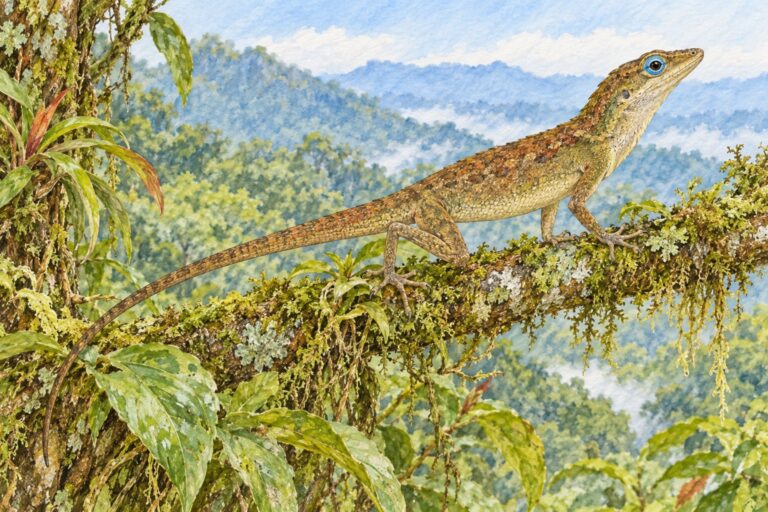
Wood’s Anole

Spanish name
Anolis de Wood
Scientific name
Anolis woodi

What Do Pico & Tati Think?

Pico: “What helps this reptile fit into its habitat?”

Tati: “Let’s look at its shape, colors and surroundings while giving it plenty of space.”

Identification

Key Features of the Wood’s Anole

  • Long legs and a narrow tail

  • Olive-to-brown body

  • Bluish eyes can be a useful supporting clue

Habitat & range

Humid mountain forests of the central volcanic range and Talamanca, including the Poás area and the San Vito/Las Cruces region in southern Puntarenas.

Conservation & care

Observe with an adult from permitted paths. Do not touch, chase, catch or feed reptiles. Leave bark, logs, stones and leaf litter in place. Keep pets away and allow an open escape route.

Threats & pressures

Protect connected habitat and natural shelters. Avoid collection, unnecessary clearing and deliberate killing. Leave wildlife in place and support responsible observation.

View full profile →

learning adventuresLet the Story Spark a New Adventure.

Keep exploring with Pico and Tati through activities and discoveries inspired by this story. Ask questions. Try something new. Find little ways to care for God’s creation.

My Tico Explorer Experience

Save nature, towns, discoveries and learning adventures for your next experience.

Your list stays in this browser on this device.