Tico Explorers

Nature Field Guide

Woodland Edges

Explore wildlife, plants and trees. Learn what to look for and where to find them.

All Nature

21 profiles

Nature Field Guide

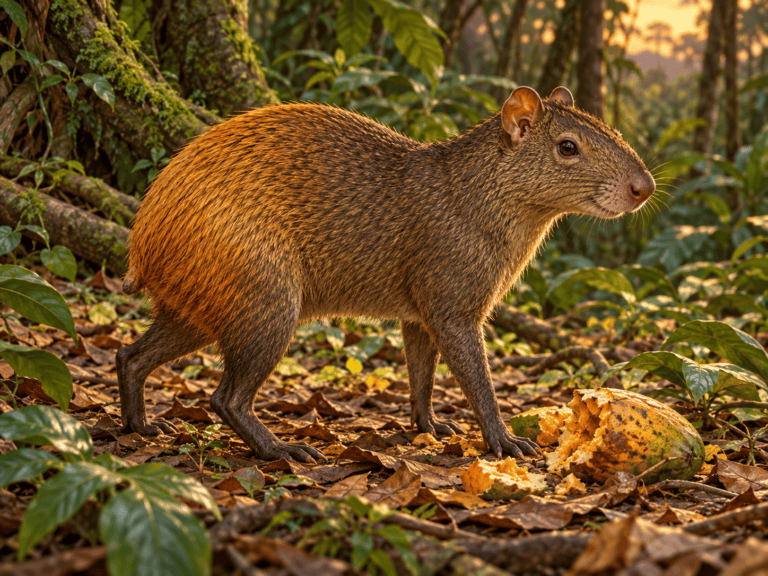
Central American Agouti

Spanish name
Guatusa / Guatuza
Scientific name
Dasyprocta punctata

What Do Pico & Tati Think?

Pico: “It is carrying something from the forest floor!”

Tati: “A stored seed might become a tree.”

Identification

Key Features of the Central American Agouti

  • Rounded back, long legs and almost invisible tail.

  • Warm orange-brown to dark brown fur.

  • Often handles food with the forepaws.

Habitat & range

Sierra Zapote’s forest floor in Las Juntas district, Abangares; dry and humid forests can both provide habitat.

Conservation & care

Keep a respectful distance and leave an open route for the animal. Stay on authorized paths, secure food and rubbish, and observe without feeding, touching, baiting or chasing.

View full profile →

Nature Field Guide

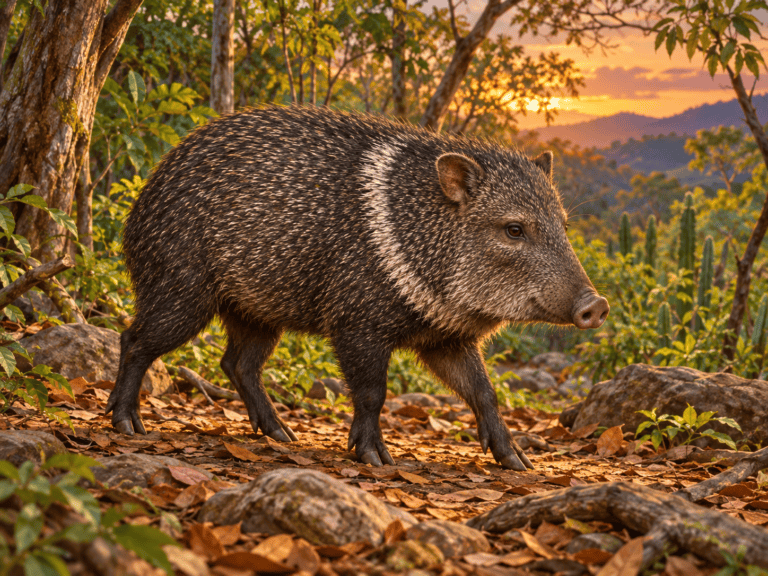
Collared Peccary

Spanish name
Saíno
Scientific name
Dicotyles tajacu

What Do Pico & Tati Think?

Pico: “I can see a pale band near its shoulders!”

Tati: “Let’s step back and leave space for the group.”

Identification

Key Features of the Collared Peccary

  • Pale collar around neck and shoulders.

  • Dark bristly coat and compact hoofed body.

  • Very short tail.

Habitat & range

Reserva Sierra Zapote in Las Juntas district and other dry or humid forest landscapes.

Seasonal Calendar

Breeding possible

Costa Rica; broad natural-history account

Year-round

Reproduction is not confined to a fixed season; local peaks vary with habitat and resources.

Event source ↗

Conservation & care

Keep a respectful distance and leave an open route for the animal. Stay on authorized paths, secure food and rubbish, and observe without feeding, touching, baiting or chasing.

Threats & pressures

Forest loss and fragmentation, hunting and conflict over crops are documented pressures.

View full profile →

Nature Field Guide

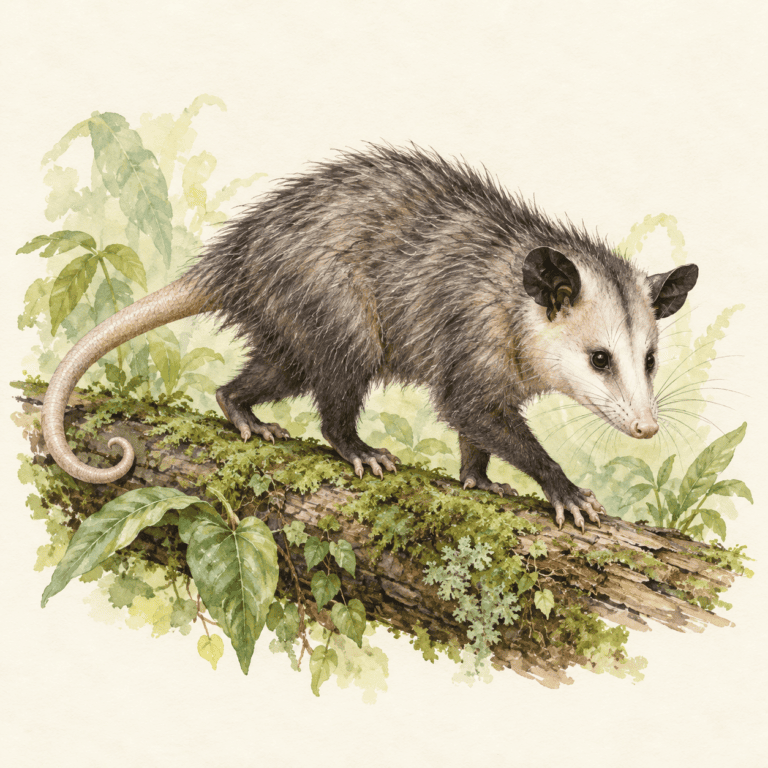
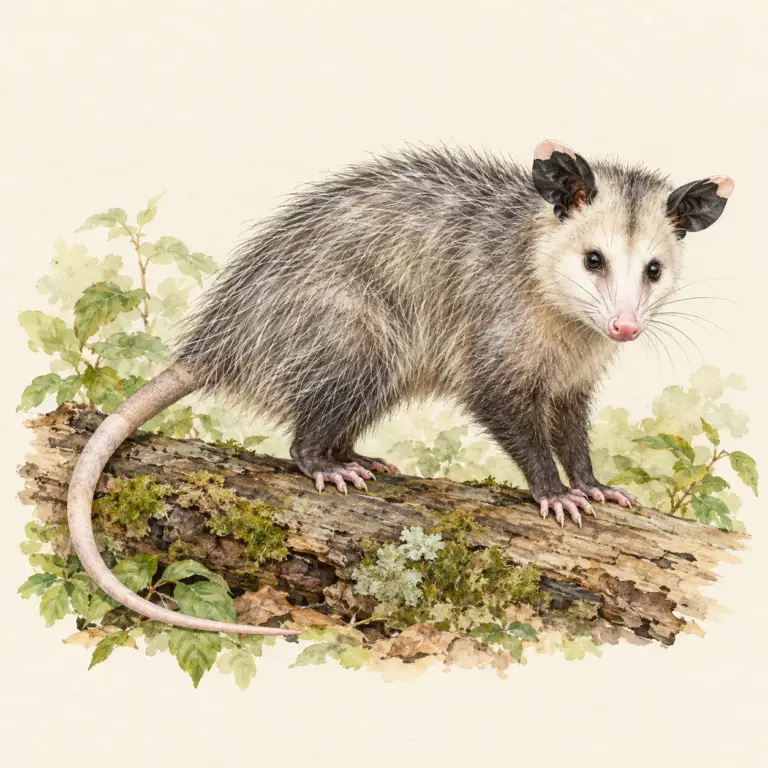
Common Opossum

Spanish name
Zorro pelón común
Scientific name
Didelphis marsupialis

What Do Pico & Tati Think?

The common opossum is a marsupial: its young complete an important part of their development attached to their mother's teats, protected in her pouch.

Identification

Key Features of the Common Opossum

  • Coarse gray to dark fur and a pale pointed face.

  • Dark, largely hairless ears and a pink nose.

  • Long mostly bare tail; other opossums can look similar.

Habitat & range

Forests, wooded edges and some human-modified landscapes.

Conservation & care

Explore with an adult or local guide. Observe quietly from a distance, stay on established trails and leave shelter undisturbed. Do not feed, touch, capture or corner wildlife. Keep pets away.

View full profile →

Nature Field Guide

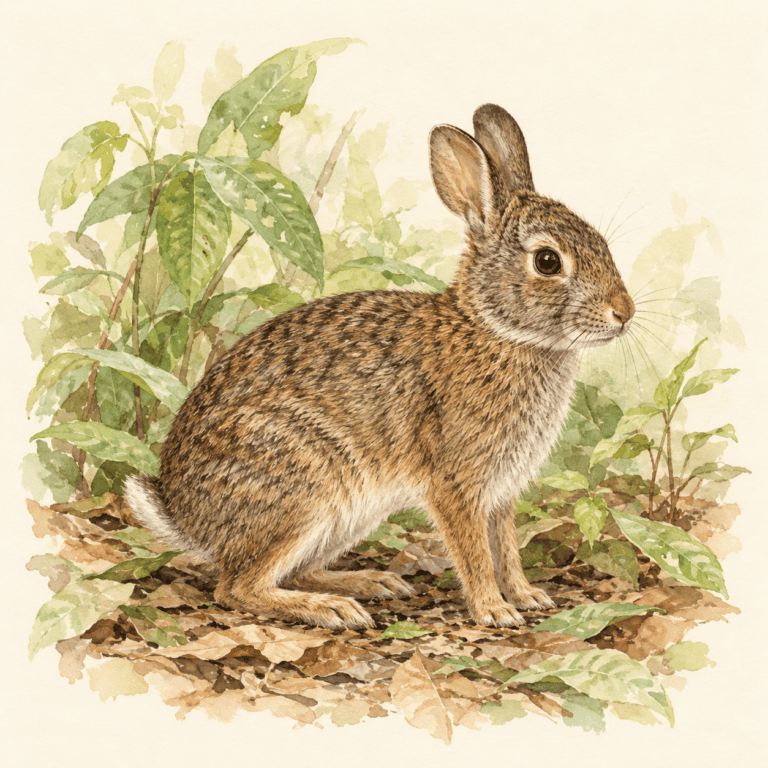
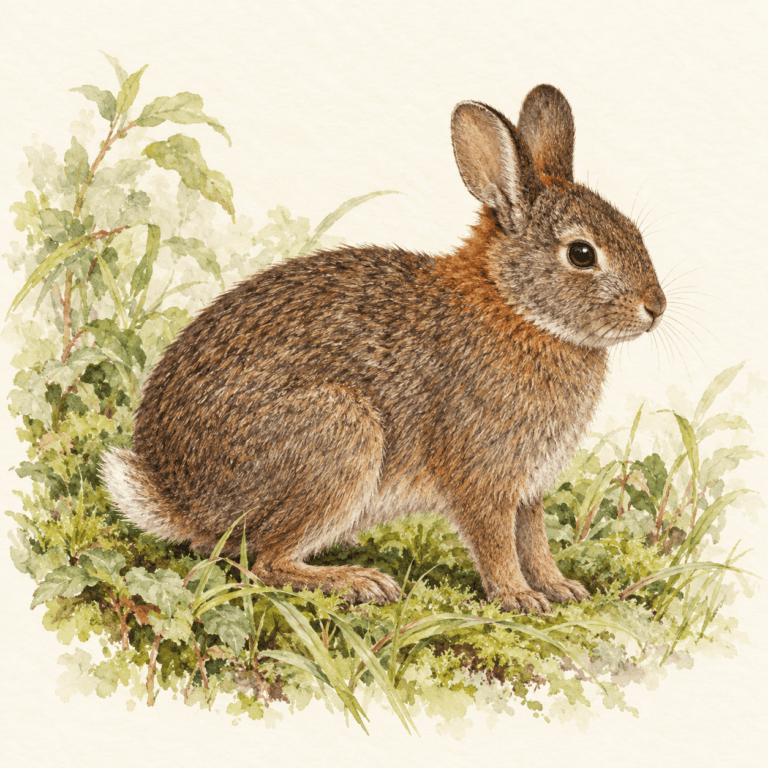
Costa Rica Forest Rabbit

Spanish name
Conejo de monte de Costa Rica
Scientific name
Sylvilagus gabbi

What Do Pico & Tati Think?

The Costa Rica forest rabbit is a native forest rabbit, not a domestic bunny living outdoors.

What does Least Concern mean?

In the linked conservation assessment, this species does not qualify as threatened or near threatened with extinction. It still needs care: local populations and habitats can face problems even when the species has a lower extinction risk overall.

This label describes conservation status. It does not tell us whether a plant is safe for children or pets. Select the status button to read the assessment.

Identification

Key Features of the Costa Rica Forest Rabbit

  • Small brown forest rabbit with a compact body.

  • Relatively short ears and an inconspicuous tail.

  • Use locality and expert advice to distinguish similar rabbits.

Habitat & range

Suitable wooded lowland landscapes and forest cover; local distribution varies.

Conservation & care

Explore with an adult or local guide. Observe quietly from a distance, stay on established trails and leave shelter undisturbed. Do not feed, touch, capture or corner wildlife. Keep pets away.

Conservation assessment

Global IUCN category reported by the linked specialist or Mammal Diversity Database account, checked October 2026. Least Concern does not mean there are no threats or that every local population is secure.

View full profile →

Nature Field Guide

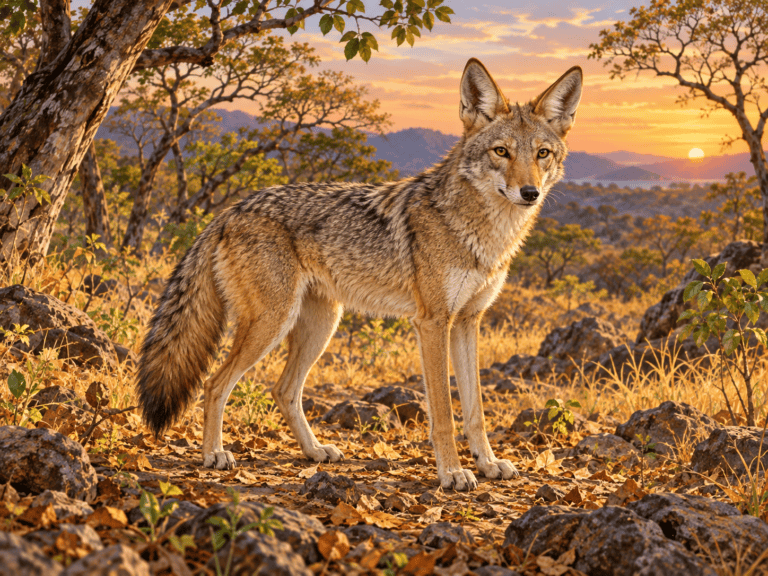
Coyote

Spanish name
Coyote
Scientific name
Canis latrans

What Do Pico & Tati Think?

Pico: “Its ears and bushy tail look different from a fox!”

Tati: “A wild animal should keep finding its own food.”

Identification

Key Features of the Coyote

  • Pointed muzzle and large upright ears.

  • Mixed gray-brown coat with paler underside.

  • Bushy tail usually carried low.

Habitat & range

Sierra Zapote’s forest-edge landscape in Las Juntas, Abangares, and other Guanacaste lowlands.

Conservation & care

Keep a respectful distance and leave an open route for the animal. Stay on authorized paths, secure food and rubbish, and observe without feeding, touching, baiting or chasing.

View full profile →

Nature Field Guide

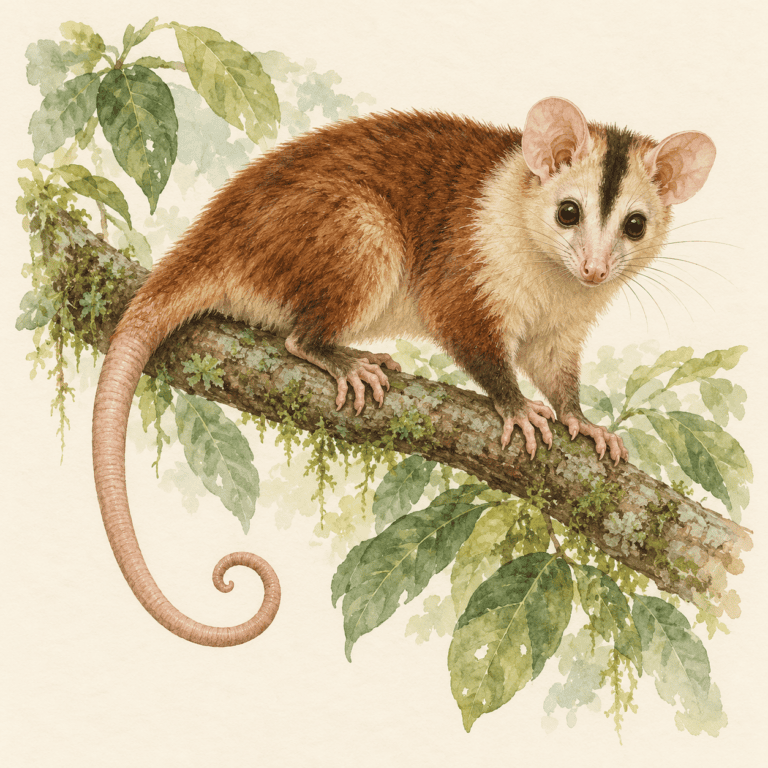
Derby’s Woolly Opossum

Spanish name
Zorro de balsa
Scientific name
Caluromys derbianus

What Do Pico & Tati Think?

Derby's woolly opossum is a tree-climbing marsupial with soft fur, large eyes and a dark stripe down its pale face.

Identification

Key Features of the Derby’s Woolly Opossum

  • Soft woolly coat, often reddish brown with pale patches.

  • Large eyes and a dark stripe down the center of a pale face.

  • Long gripping tail with a furred base and mostly bare outer portion.

Habitat & range

Humid forests, forest edges and other wooded habitats.

Conservation & care

Explore with an adult or local guide. Observe quietly from a distance, stay on established trails and leave shelter undisturbed. Do not feed, touch, capture or corner wildlife. Keep pets away.

View full profile →

Nature Field Guide

Dice’s Cottontail

Spanish name
Conejo de Dice
Scientific name
Sylvilagus dicei

What Do Pico & Tati Think?

Dice's cottontail is a mountain rabbit found in Costa Rica and western Panama.

Identification

Key Features of the Dice’s Cottontail

  • Small brown rabbit with fairly short ears.

  • Often a darker or reddish area around the nape.

  • Highland locality is important; appearance alone may be insufficient.

Habitat & range

Costa Rican highlands, including the Talamanca mountain region.

Conservation & care

Explore with an adult or local guide. Observe quietly from a distance, stay on established trails and leave shelter undisturbed. Do not feed, touch, capture or corner wildlife. Keep pets away.

Conservation assessment

Global IUCN category reported by Mammal Diversity Database, checked October 2026. Vulnerable means assessed as facing a high risk of extinction in the wild; it does not mean every local population has the same condition.

View full profile →

Nature Field Guide

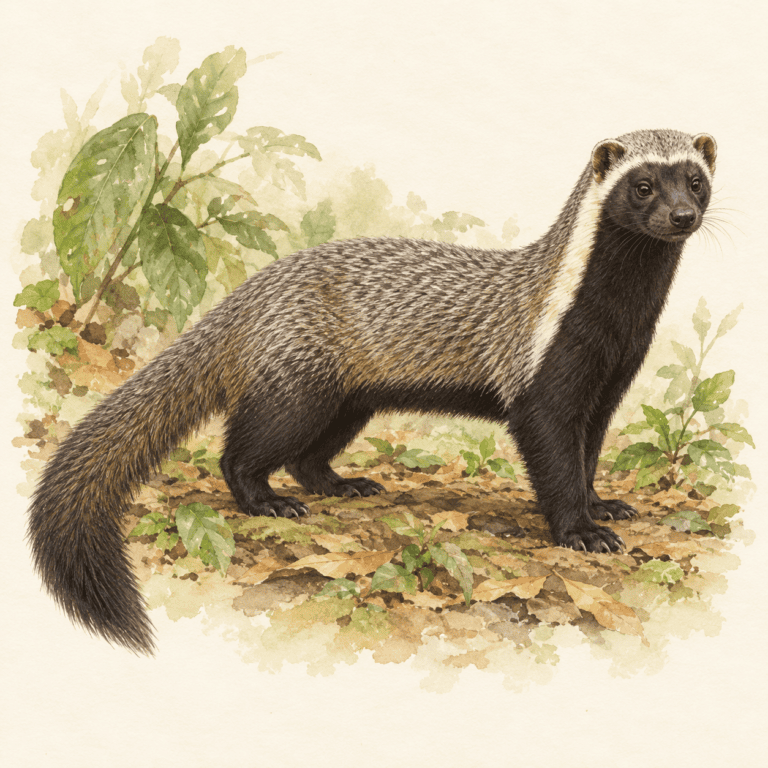
Greater Grison

Spanish name
Grisón
Scientific name
Galictis vittata

What Do Pico & Tati Think?

The greater grison has a long low body, short legs and a striking pale stripe separating its dark face and underside from its grizzled back.

Identification

Key Features of the Greater Grison

  • Long slim body carried on short legs.

  • Grizzled gray back with dark face, belly and legs.

  • Pale stripe across the forehead and down the sides of the shoulders.

Habitat & range

Forests, wooded edges and other suitable landscapes, often near freshwater.

Conservation & care

Explore with an adult or local guide. Observe quietly from a distance, stay on established trails and leave shelter undisturbed. Do not feed, touch, capture or corner wildlife. Keep pets away.

View full profile →

Nature Field Guide

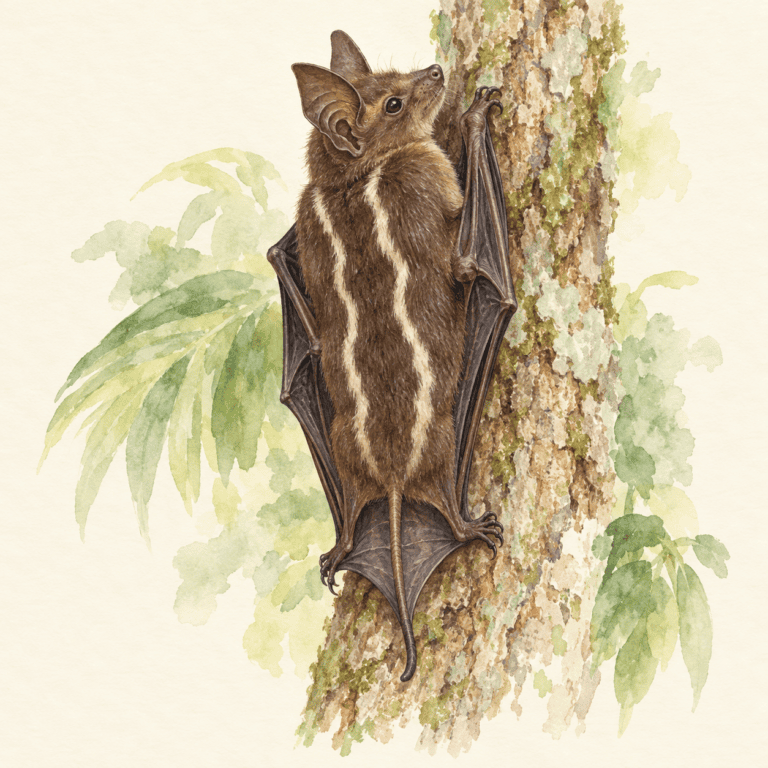
Greater Sac-winged Bat

Spanish name
Murciélago listado de sacos mayor
Scientific name
Saccopteryx bilineata

What Do Pico & Tati Think?

Two pale wavy stripes down a dark back are a starting clue for the greater sac-winged bat.

Identification

Key Features of the Greater Sac-winged Bat

  • Dark brown coat with two narrow pale wavy back stripes.

  • Small bat with pointed ears and dark membranous wings.

  • Similar species need expert comparison; never handle a bat to inspect wing sacs.

Habitat & range

Suitable tropical wooded habitat with undisturbed roosting surfaces.

Conservation & care

Observe bats from a distance with an adult or guide. Do not touch, feed or handle any bat, including one found on the ground. Leave roosts undisturbed, avoid direct flash and ask local wildlife professionals for help if an animal appears injured.

View full profile →

Nature Field Guide

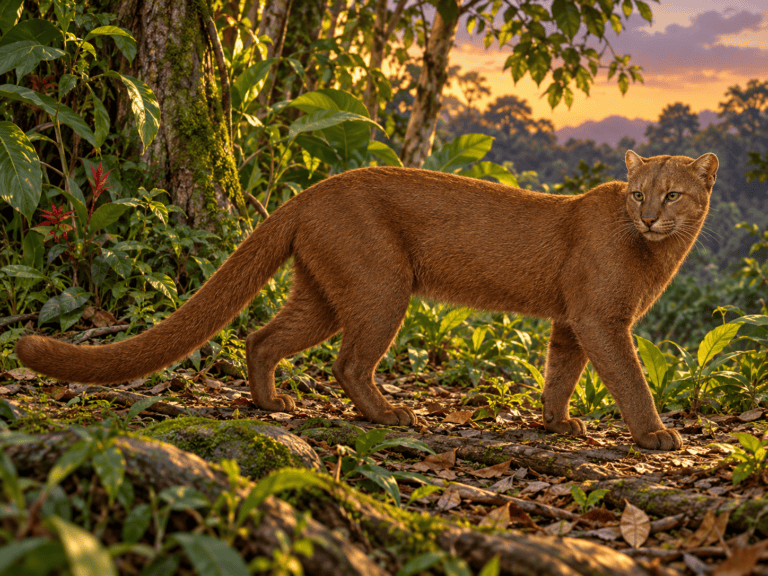
Jaguarundi

Spanish name
Yaguarundí / León breñero
Scientific name
Herpailurus yagouaroundi

What Do Pico & Tati Think?

Pico: “That outline is different from the spotted cats!”

Tati: “A brief view still needs careful identification.”

What does Least Concern mean?

In the linked conservation assessment, this species does not qualify as threatened or near threatened with extinction. It still needs care: local populations and habitats can face problems even when the species has a lower extinction risk overall.

This label describes conservation status. It does not tell us whether a plant is safe for children or pets. Select the status button to read the assessment.

Identification

Key Features of the Jaguarundi

  • Long low body and short legs.

  • Plain gray-brown or reddish coat, not rosettes.

  • Small rounded ears and long tail.

Habitat & range

Reserva Sierra Zapote in Las Juntas district, Abangares, Guanacaste.

Conservation & care

Keep a respectful distance and leave an open route for the animal. Stay on authorized paths, secure food and rubbish, and observe without feeding, touching, baiting or chasing.

Threats & pressures

Loss of suitable habitat and prey is a documented concern even where the global species category is Least Concern.

Protection & recovery

Costa Rica’s government wildlife guide explicitly identifies this species as protected nationally. This legal designation is separate from its global IUCN category.

Conservation assessment

Global IUCN category as reported by the linked source, checked 7 October 2026. The source does not give an assessment year here. National legal protection and local abundance are separate questions.

View full profile →

Nature Field Guide

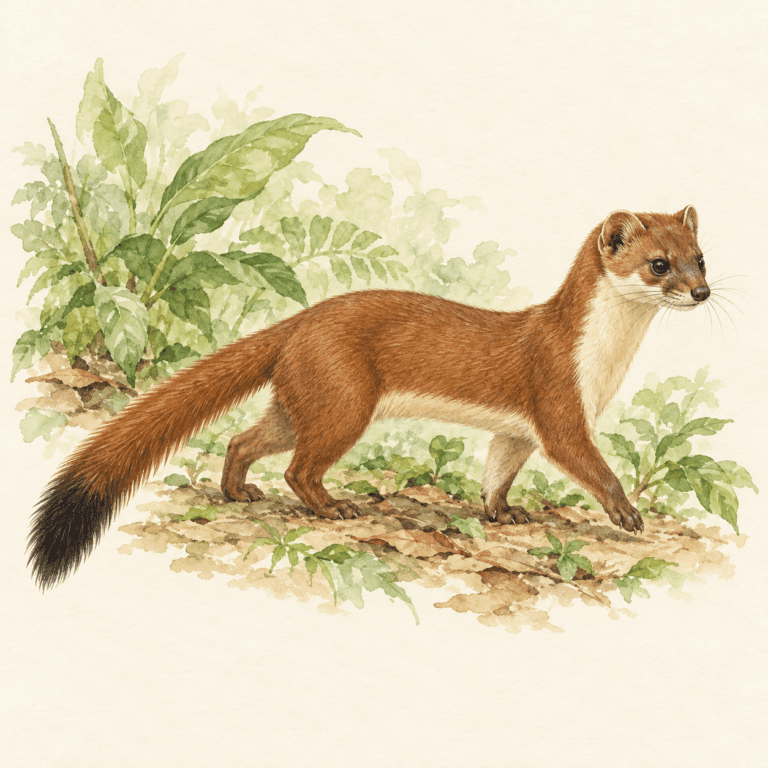
Long-tailed Weasel

Spanish name
Comadreja de cola larga
Scientific name
Neogale frenata

What Do Pico & Tati Think?

A long-tailed weasel has a narrow flexible body that helps it move through cover and investigate small spaces.

Identification

Key Features of the Long-tailed Weasel

  • Very slender body with short legs and a small head.

  • Brown upper coat and pale underside.

  • Long tail with a black tip.

Habitat & range

Wooded edges, scrub and other suitable partly open landscapes.

Conservation & care

Explore with an adult or local guide. Observe quietly from a distance, stay on established trails and leave shelter undisturbed. Do not feed, touch, capture or corner wildlife. Keep pets away.

View full profile →

Nature Field Guide

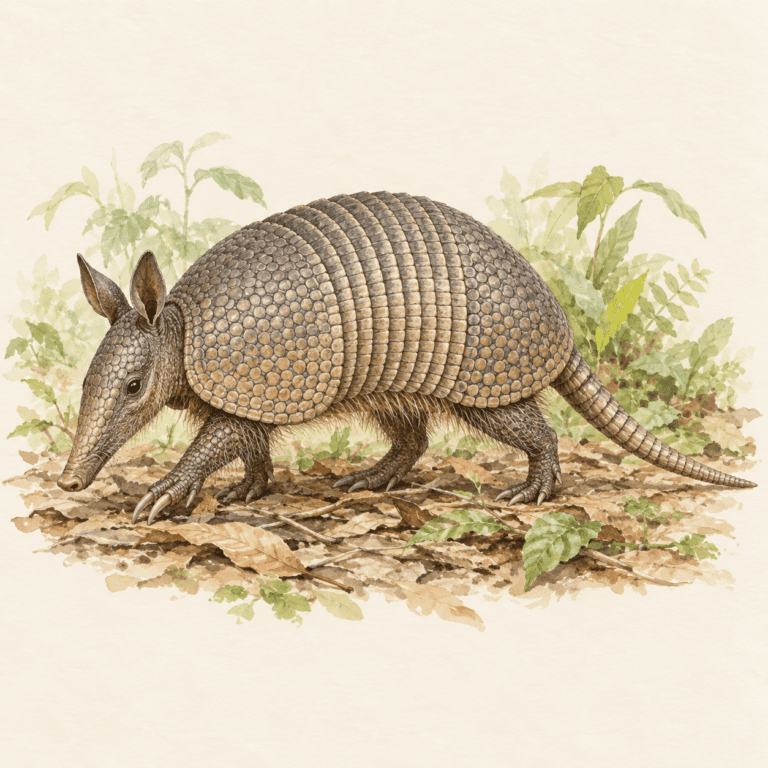
Mexican Long-nosed Armadillo

Spanish name
Armadillo de nueve bandas mexicano
Scientific name
Dasypus mexicanus

What Do Pico & Tati Think?

This armadillo wears a covering of bony plates, with flexible bands across its middle so it can bend while walking.

Identification

Key Features of the Mexican Long-nosed Armadillo

  • Long tapered snout and upright ears.

  • Flexible bands across the middle of the armored back.

  • Long tail covered with armor; this alone does not confirm the species.

Habitat & range

Forests, forest edges and other suitable wooded landscapes in Costa Rica.

Conservation & care

Explore with an adult or local guide. Observe quietly from a distance, stay on established trails and leave shelter undisturbed. Do not feed, touch, capture or corner wildlife. Keep pets away.

Conservation assessment

The Mammal Diversity Database lists this recently separated species as Not Evaluated, checked October 2026. An older assessment for Dasypus novemcinctus should not be applied automatically.

View full profile →

Nature Field Guide

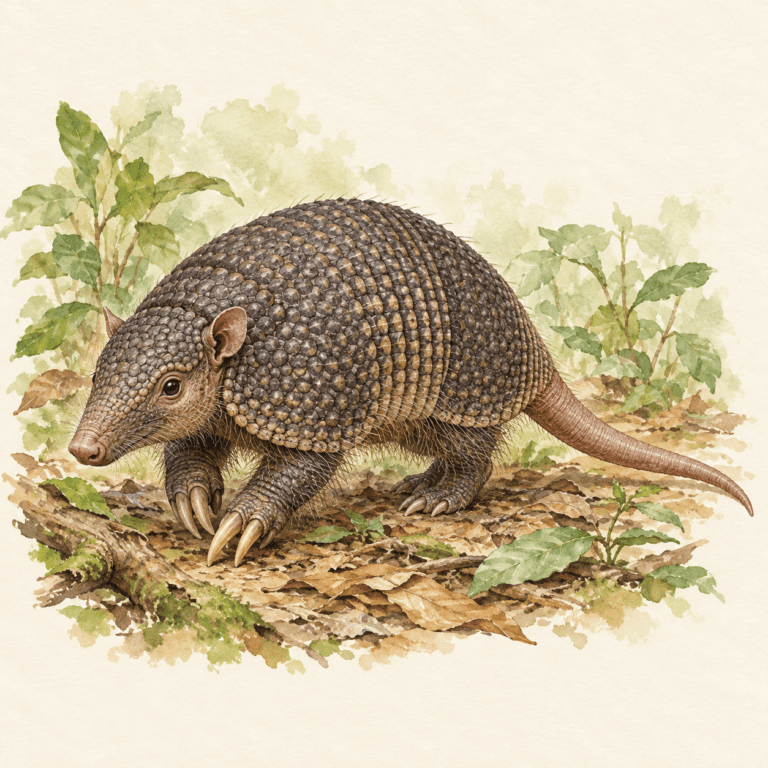
Northern Naked-tailed Armadillo

Spanish name
Armadillo de cola desnuda
Scientific name
Cabassous centralis

What Do Pico & Tati Think?

The northern naked-tailed armadillo is a digging specialist.

What does Least Concern mean?

In the linked conservation assessment, this species does not qualify as threatened or near threatened with extinction. It still needs care: local populations and habitats can face problems even when the species has a lower extinction risk overall.

This label describes conservation status. It does not tell us whether a plant is safe for children or pets. Select the status button to read the assessment.

Identification

Key Features of the Northern Naked-tailed Armadillo

  • Dark armored body with flexible bands.

  • Mostly unarmored tail with thin, widely spaced plates.

  • Large digging claws and a relatively broad head.

Habitat & range

Forests and wooded edges, including documented Costa Rican secondary-forest sites.

Conservation & care

Explore with an adult or local guide. Observe quietly from a distance, stay on established trails and leave shelter undisturbed. Do not feed, touch, capture or corner wildlife. Keep pets away.

Conservation assessment

IUCN specialist-group account reports Least Concern; checked October 2026. The account stresses limited population knowledge. Least Concern does not mean the animal faces no threats.

View full profile →

Nature Field Guide

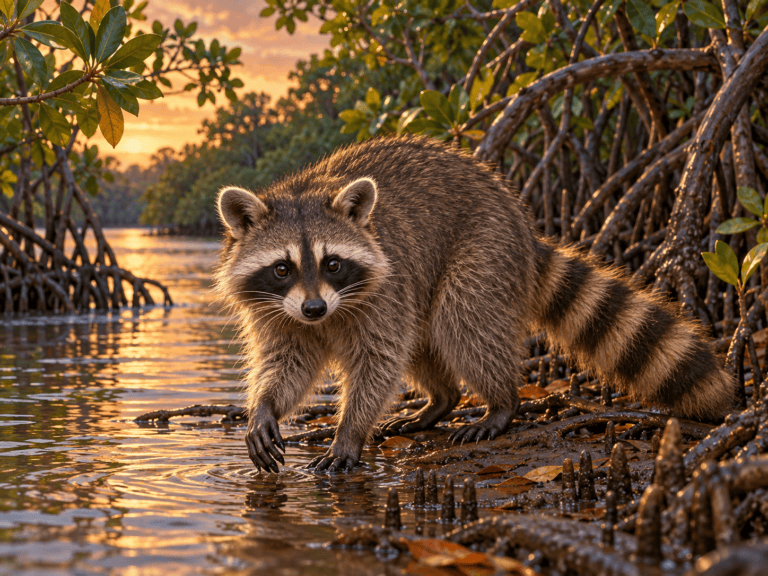
Northern Raccoon

Spanish name
Mapache
Scientific name
Procyon lotor

What Do Pico & Tati Think?

Pico: “The rings on its tail are easy to notice!”

Tati: “We keep the rubbish closed so it finds natural food.”

Identification

Key Features of the Northern Raccoon

  • Dark mask across the face.

  • Bold rings along the tail.

  • Rounded ears with pale edges.

Habitat & range

Reserva Sierra Zapote, Las Juntas / Abangares, and other suitable wooded water-edge habitats.

Conservation & care

Keep a respectful distance and leave an open route for the animal. Stay on authorized paths, secure food and rubbish, and observe without feeding, touching, baiting or chasing.

View full profile →

Nature Field Guide

Puma

Spanish name
Puma / León de montaña
Scientific name
Puma concolor

What Do Pico & Tati Think?

Pico: “This cat has no rosettes!”

Tati: “Its shape helps us tell it apart from a jaguar.”

Identification

Key Features of the Puma

  • Uniform tawny adult coat, without jaguar rosettes.

  • Long tail with a darker tip.

  • Relatively small head and long legs.

Habitat & range

Reserva Sierra Zapote, Las Juntas district, Abangares, and suitable forests elsewhere in Costa Rica.

Conservation & care

Keep a respectful distance and leave an open route for the animal. Stay on authorized paths, secure food and rubbish, and observe without feeding, touching, baiting or chasing.

Threats & pressures

Forest fragmentation and loss of prey are habitat-level pressures relevant to wide-ranging predators.

View full profile →

Nature Field Guide

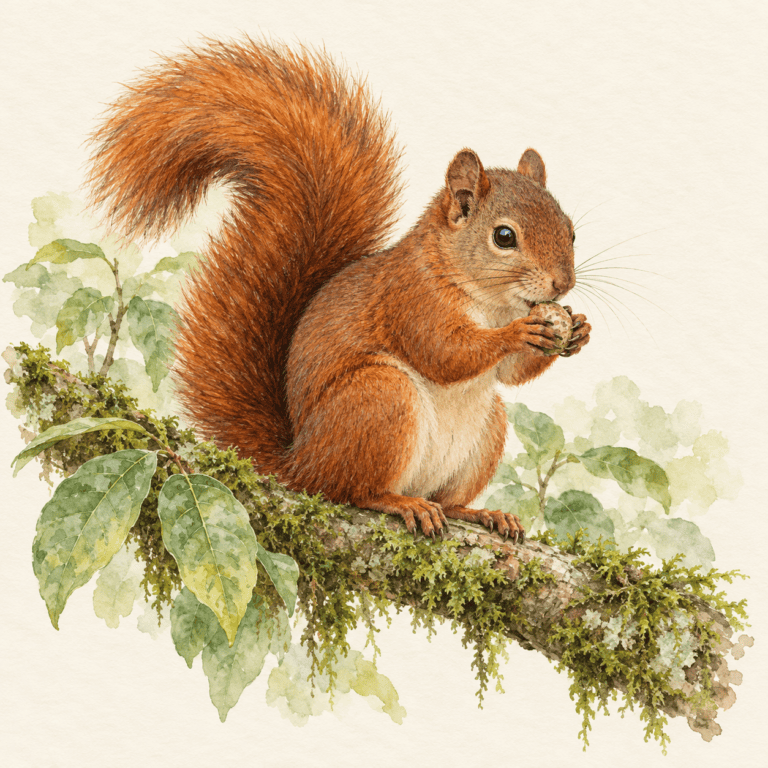
Red-tailed Squirrel

Spanish name
Ardilla de cola roja
Scientific name
Sciurus granatensis

What Do Pico & Tati Think?

Red-tailed squirrels are active during the day and move readily through trees.

What does Least Concern mean?

In the linked conservation assessment, this species does not qualify as threatened or near threatened with extinction. It still needs care: local populations and habitats can face problems even when the species has a lower extinction risk overall.

This label describes conservation status. It does not tell us whether a plant is safe for children or pets. Select the status button to read the assessment.

Identification

Key Features of the Red-tailed Squirrel

  • Bushy tail and a typical tree-squirrel body shape.

  • Coat and tail may have reddish, brown or darker tones.

  • Color varies; compare locality and multiple features with other squirrels.

Habitat & range

Forests and other suitably wooded habitats.

Conservation & care

Explore with an adult or local guide. Observe quietly from a distance, stay on established trails and leave shelter undisturbed. Do not feed, touch, capture or corner wildlife. Keep pets away.

Conservation assessment

Global IUCN category reported by the linked specialist or Mammal Diversity Database account, checked October 2026. Least Concern does not mean there are no threats or that every local population is secure.

View full profile →

Nature Field Guide

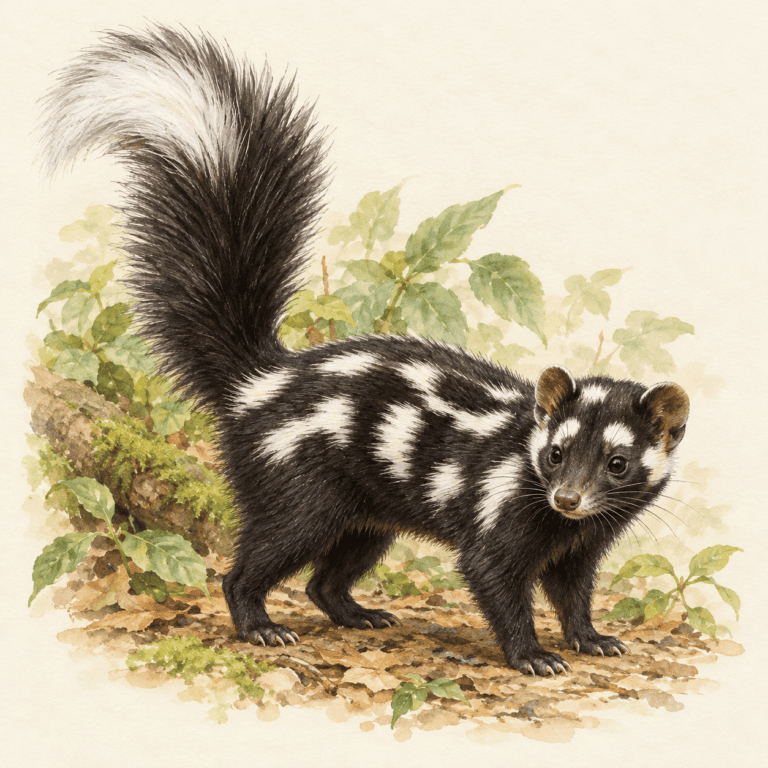
Southern Spotted Skunk

Spanish name
Zorro hediondo manchado
Scientific name
Spilogale angustifrons

What Do Pico & Tati Think?

This small skunk has a dark coat patterned with broken pale stripes and patches.

What does Least Concern mean?

In the linked conservation assessment, this species does not qualify as threatened or near threatened with extinction. It still needs care: local populations and habitats can face problems even when the species has a lower extinction risk overall.

This label describes conservation status. It does not tell us whether a plant is safe for children or pets. Select the status button to read the assessment.

Identification

Key Features of the Southern Spotted Skunk

  • Small slender skunk with contrasting black-and-white markings.

  • Broken pale stripes and patches rather than just two broad back stripes.

  • Bushy tail; markings can vary among individuals.

Habitat & range

Suitable dry-forest and edge habitats, with research records in Guanacaste.

Conservation & care

Explore with an adult or local guide. Observe quietly from a distance, stay on established trails and leave shelter undisturbed. Do not feed, touch, capture or corner wildlife. Keep pets away. If a skunk notices you, give it room and calmly move away.

Conservation assessment

Global IUCN category reported by Mammal Diversity Database, checked October 2026. A global Least Concern category does not replace Costa Rican national threat classifications.

View full profile →

Nature Field Guide

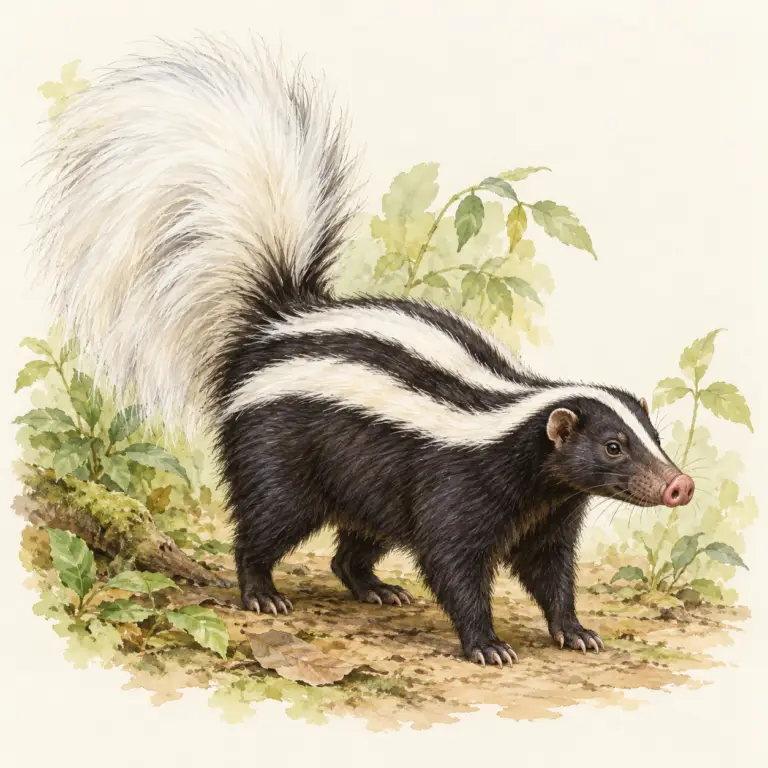
Striped Hog-nosed Skunk

Spanish name
Zorro hediondo de nariz de cerdo
Scientific name
Conepatus semistriatus

What Do Pico & Tati Think?

The striped hog-nosed skunk has a broad bare nose that helps distinguish it from other skunks.

Identification

Key Features of the Striped Hog-nosed Skunk

  • Broad bare hog-like nose on an extended muzzle.

  • Dark body with two broad pale back stripes.

  • Bushy tail, often mostly white.

Habitat & range

Seasonally dry forests, shrublands and suitable open woodland landscapes.

Conservation & care

Explore with an adult or local guide. Observe quietly from a distance, stay on established trails and leave shelter undisturbed. Do not feed, touch, capture or corner wildlife. Keep pets away. If a skunk notices you, give it room and calmly move away.

View full profile →

Nature Field Guide

Variegated Squirrel

Spanish name
Ardilla variada
Scientific name
Sciurus variegatoides

What Do Pico & Tati Think?

Pico: “This squirrel’s colors are different from the last one!”

Tati: “We should compare shape and tail markings too.”

What does Least Concern mean?

In the linked conservation assessment, this species does not qualify as threatened or near threatened with extinction. It still needs care: local populations and habitats can face problems even when the species has a lower extinction risk overall.

This label describes conservation status. It does not tell us whether a plant is safe for children or pets. Select the status button to read the assessment.

Identification

Key Features of the Variegated Squirrel

  • Long bushy tail, often with pale edging.

  • Contrasting ear patches and variable coat color.

  • Tree-dwelling daytime activity.

Habitat & range

The Arenal / La Fortuna landscape, including a documented photograph at Arenal Volcano Lodge.

Conservation & care

Keep a respectful distance and leave an open route for the animal. Stay on authorized paths, secure food and rubbish, and observe without feeding, touching, baiting or chasing.

Conservation assessment

Global IUCN category as reported by the linked source, checked 7 October 2026. The source does not give an assessment year here. National legal protection and local abundance are separate questions.

View full profile →

Nature Field Guide

Virginia Opossum

Spanish name
Zorro pelón de Virginia
Scientific name
Didelphis virginiana

What Do Pico & Tati Think?

Despite its name, the Virginia opossum's native range reaches Costa Rica.

Identification

Key Features of the Virginia Opossum

  • Gray coat, pale face and pink nose.

  • Largely hairless ears, sometimes with pale tips.

  • Long bare tail; ear color alone is not a reliable species test.

Habitat & range

Suitable wooded and edge habitats within Costa Rica; local occurrence varies.

Conservation & care

Explore with an adult or local guide. Observe quietly from a distance, stay on established trails and leave shelter undisturbed. Do not feed, touch, capture or corner wildlife. Keep pets away.

View full profile →

Nature Field Guide

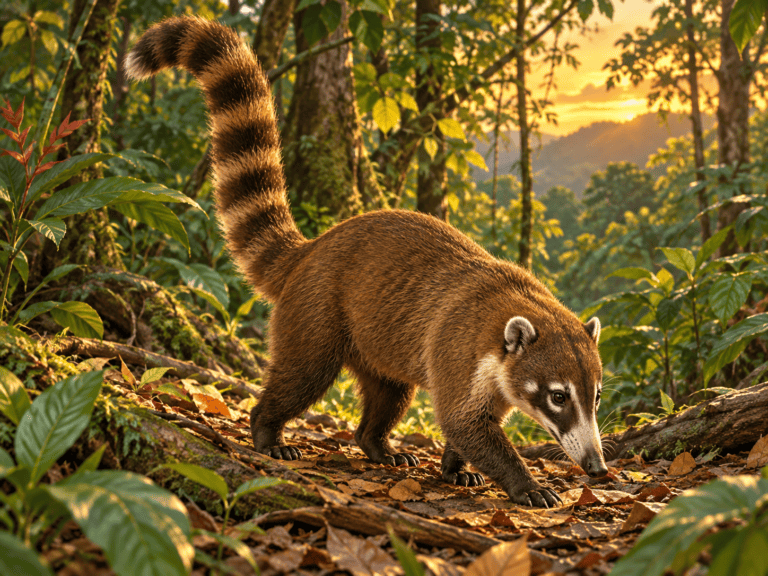
White-nosed Coati

Spanish name
Pizote
Scientific name
Nasua narica

What Do Pico & Tati Think?

Pico: “Those tails are pointing above the leaves!”

Tati: “Let’s let the group pass without offering food.”

Identification

Key Features of the White-nosed Coati

  • Long pointed, flexible snout.

  • Long tail often held upright.

  • Strong claws and brown-to-gray fur.

Habitat & range

Reserva Sierra Zapote, Las Juntas / Abangares; ACG also records coatis at Quica, Pitilla.

Conservation & care

Keep a respectful distance and leave an open route for the animal. Stay on authorized paths, secure food and rubbish, and observe without feeding, touching, baiting or chasing.

View full profile →

My Tico Explorer Experience

Save nature, towns, discoveries and learning adventures for your next experience.

Your list stays in this browser on this device.