Tico Explorers

Nature Field Guide

Agriculture & Crops

Explore wildlife, plants and trees. Learn what to look for and where to find them.

All Nature

12 profiles

Nature Field Guide

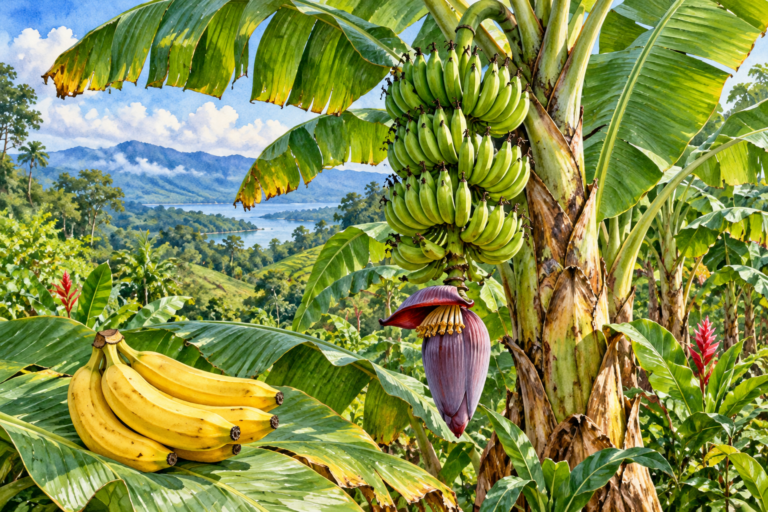
Banana

Spanish name
Banano
Scientific name
Musa spp. (dessert banana cultivars)

What Do Pico & Tati Think?

Pico: “That banana plant looks like a tree!”

Tati: “Its stem is made from layers of leaf bases.”

Identification

Key Features of the Banana

  • Very broad elongated leaves

  • A thick pseudostem made from leaf bases

  • Fruit arranged in hands within a hanging bunch

  • New shoots near the base

Habitat & range

Humid cultivated lowlands. CORBANA documents farms in the Caribbean, Sarapiquí and Parrita; these correspond to Caribbean, Northern Plains and Central Pacific tags.

Conservation & care

Visit farms only with permission and follow the host's instructions. Stay clear of machinery, chemical applications and working areas. Do not pick or taste plants without a responsible adult and the host's approval.

View full profile →

Nature Field Guide

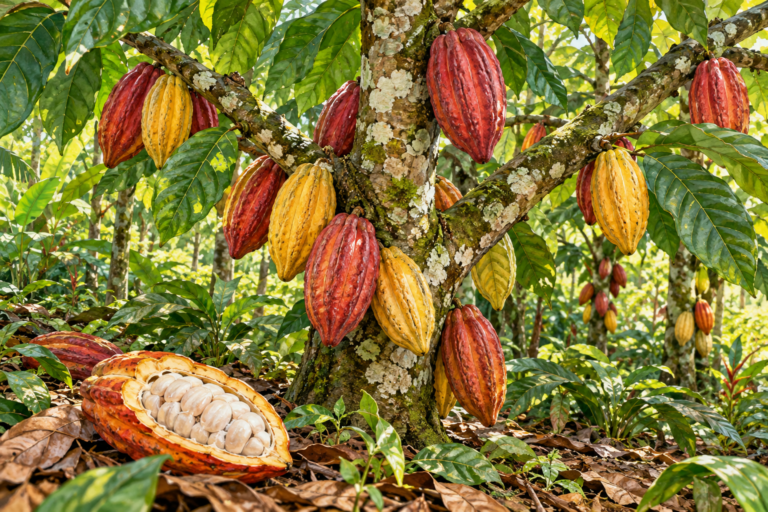
Cacao

Spanish name
Cacao
Scientific name
Theobroma cacao

What Do Pico & Tati Think?

Pico: “Chocolate starts with a tree!”

Tati: “Let's look for pods growing on the trunk.”

Identification

Key Features of the Cacao

  • Large oval leaves

  • Ribbed pods attached to trunk or large branches

  • Tiny flowers on woody parts of the tree

  • Opened pods reveal seeds surrounded by pale pulp

Habitat & range

Humid cacao farms in the Caribbean, Northern Plains and South Pacific. The national cacao plan identifies Talamanca, Upala and Limón among important production cantons.

Conservation & care

Visit farms only with permission and follow the host's instructions. Stay clear of machinery, chemical applications and working areas. Do not pick or taste plants without a responsible adult and the host's approval.

View full profile →

Nature Field Guide

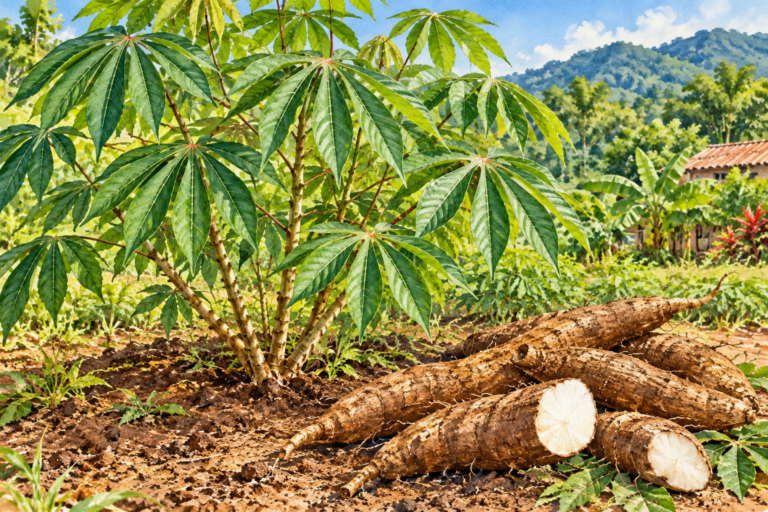
Cassava / Yuca

Spanish name
Yuca
Scientific name
Manihot esculenta

What Do Pico & Tati Think?

Pico: “Where is the yuca hiding?”

Tati: “Its storage roots grow beneath the soil.”

Identification

Key Features of the Cassava / Yuca

  • Leaves divided into several narrow lobes

  • Shrubby stems above the soil

  • Thick elongated storage roots below ground

  • Harvested roots have brown skin and pale flesh

Habitat & range

Cultivated farms in the Northern Plains, with documented production in the Caribbean and South Pacific.

Conservation & care

Do not taste raw yuca or its leaves. Preparation must be handled by a knowledgeable adult using appropriate food-processing guidance. Do not pull up farm plants.

Visit farms only with permission and follow the host's instructions. Stay clear of machinery, chemical applications and working areas. Do not pick or taste plants without a responsible adult and the host's approval.

View full profile →

Nature Field Guide

Coconut

Spanish name
Coco
Scientific name
Cocos nucifera

What Do Pico & Tati Think?

Pico: “Is coconut water the same as coconut milk?”

Tati: “They are different! Let's ask our host to show us.”

Identification

Key Features of the Coconut

  • Tall palm trunk with a crown of featherlike fronds

  • Fruit clusters near the crown

  • A thick fibrous outer husk

  • Hard inner shell around white flesh

Habitat & range

Cultivated palms in the Caribbean and Northern Plains. These tags focus on documented crop production, rather than every ornamental coconut palm on Costa Rica's coasts.

Conservation & care

Do not climb palms or stand beneath hanging coconuts. Let trained adults handle harvesting and opening fruit.

Visit farms only with permission and follow the host's instructions. Stay clear of machinery, chemical applications and working areas. Do not pick or taste plants without a responsible adult and the host's approval.

View full profile →

Nature Field Guide

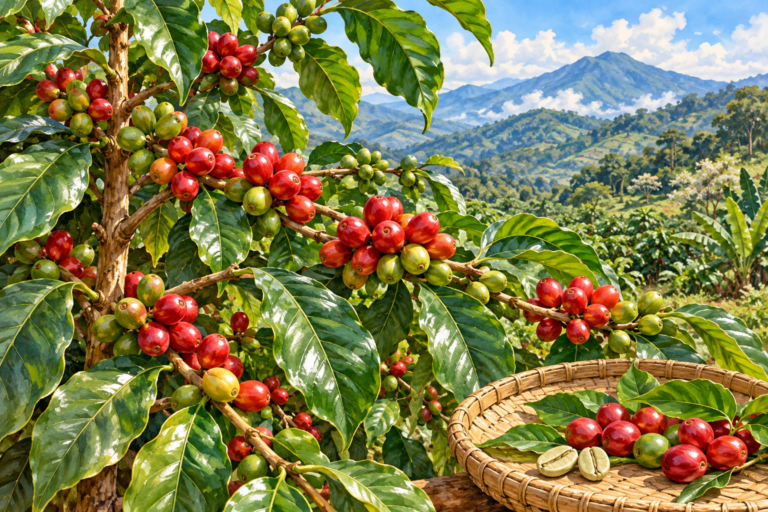
Coffee

Spanish name
Café
Scientific name
Coffea arabica

What Do Pico & Tati Think?

Pico: “The coffee bean starts inside a fruit!”

Tati: “Let's find the cherry before we think about the bean.”

Identification

Key Features of the Coffee

  • Glossy leaves arranged in pairs

  • Small fruits clustered along branches

  • Ripe cherries are often red, though some varieties ripen yellow

  • Small white flowers when flowering

Habitat & range

Cultivated farms in several Costa Rican coffee zones, including the Central and Western Valleys, Los Santos, Turrialba, Orosi, Tres Rios, Guanacaste and Brunca. ICAFE also documents production in San Carlos and Sarapiqui, mapped here to Northern Plains. Coffee requires suitable elevation and local growing conditions; a regional tag does not mean all climates within that region are suitable.

Conservation & care

Visit farms only with permission and follow the host's instructions. Stay clear of machinery, chemical applications and working areas. Do not pick or taste plants without a responsible adult and the host's approval.

View full profile →

Nature Field Guide

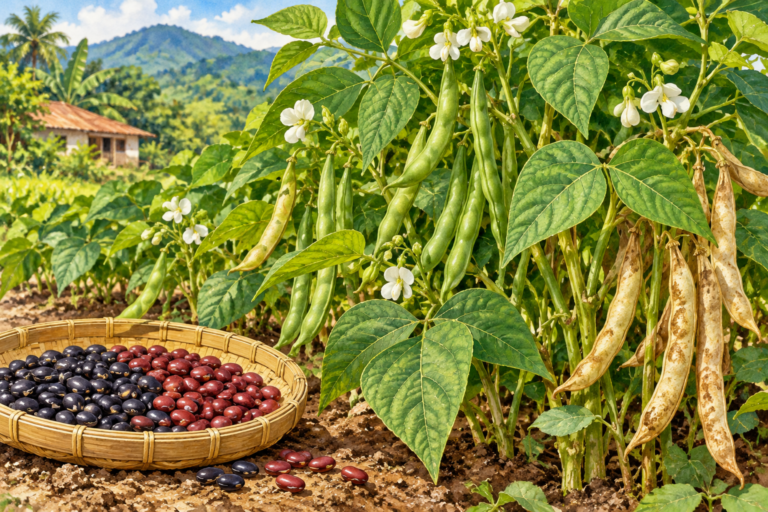
Common Beans

Spanish name
Frijoles
Scientific name
Phaseolus vulgaris

What Do Pico & Tati Think?

Pico: “The beans are inside a pod!”

Tati: “Let's count the seeds in a sample the farmer shares.”

Identification

Key Features of the Common Beans

  • Leaves made of three leaflets

  • Small flowers with a butterfly-like shape

  • Elongated pods containing seeds

  • Seed color and growth habit vary by variety

Habitat & range

Cultivated farms in the Northern Plains and South Pacific, with documented producer support in Santa Cecilia, La Cruz, Guanacaste. Household gardens and farms elsewhere may also grow beans; these tags are selected cultivation examples rather than a complete crop census.

Conservation & care

Do not eat raw or undercooked dry beans. Let an adult prepare food samples properly. Keep small seeds away from young children who may put them in their mouths.

Visit farms only with permission and follow the host's instructions. Stay clear of machinery, chemical applications and working areas. Do not pick or taste plants without a responsible adult and the host's approval.

View full profile →

Nature Field Guide

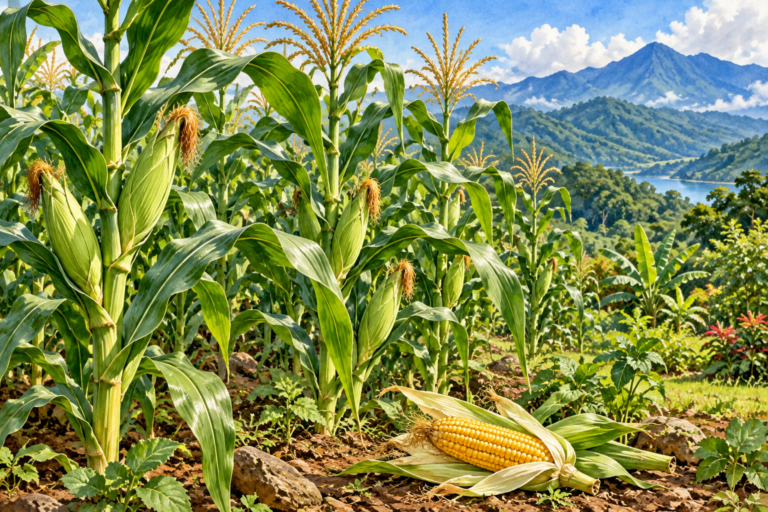
Corn

Spanish name
Maíz
Scientific name
Zea mays

What Do Pico & Tati Think?

Pico: “I can see tassels above the leaves!”

Tati: “And the ears grow lower down along the stem.”

Identification

Key Features of the Corn

  • Tall grass with broad leaves along the stem

  • Tassels at the top

  • Ears wrapped in husks along the stem

  • Silks emerging from developing ears

Habitat & range

Cultivated fields and family farms, including Guanacaste, Northern Plains and South Pacific.

Conservation & care

Visit farms only with permission and follow the host's instructions. Stay clear of machinery, chemical applications and working areas. Do not pick or taste plants without a responsible adult and the host's approval.

View full profile →

Nature Field Guide

Peach Palm / Pejibaye

Spanish name
Pejibaye
Scientific name
Bactris gasipaes

What Do Pico & Tati Think?

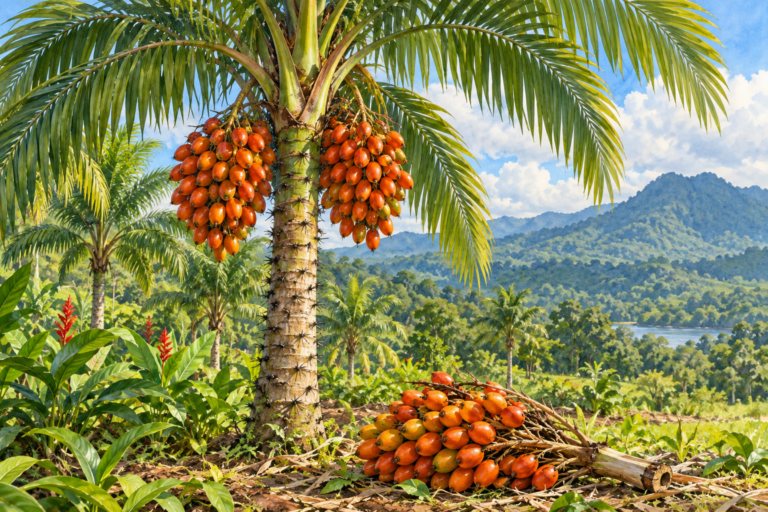
Pico: “These palm fruits are orange!”

Tati: “Let's learn why pejibaye is served cooked.”

Identification

Key Features of the Peach Palm / Pejibaye

  • Palm with featherlike fronds

  • Dense clusters of small colored fruits

  • Many forms have spines on the trunk

  • Cooked fruit has a firm, starchy interior

Habitat & range

Warm Caribbean-side settings and cultivated farms around Tucurrique, Cartago. The site's Central Valley tag represents the Cartago cultivation example, not a claim that all valley climates suit this palm.

Conservation & care

Avoid trunk spines, climbing and hanging fruit clusters. Taste only properly prepared fruit offered by a responsible adult or host.

Visit farms only with permission and follow the host's instructions. Stay clear of machinery, chemical applications and working areas. Do not pick or taste plants without a responsible adult and the host's approval.

View full profile →

Nature Field Guide

Pineapple

Spanish name
Piña
Scientific name
Ananas comosus

What Do Pico & Tati Think?

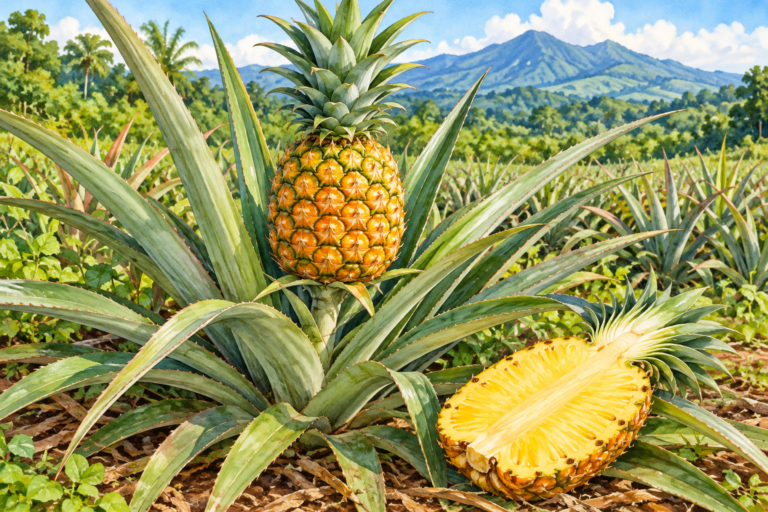
Pico: “The pineapple is growing near the ground!”

Tati: “Look at the leaves around it and its little crown.”

Identification

Key Features of the Pineapple

  • Low rosette of long pointed leaves

  • Fruit supported near the plant's center

  • A crown of small leaves on top of the fruit

  • Repeating scale-like pattern on the fruit surface

Habitat & range

Cultivated fields in the Northern Plains, Caribbean and South Pacific. View fields from permitted areas or an arranged farm visit.

Conservation & care

Avoid leaf edges and do not enter working fields without permission. Let an adult or host handle cutting and tasting.

Visit farms only with permission and follow the host's instructions. Stay clear of machinery, chemical applications and working areas. Do not pick or taste plants without a responsible adult and the host's approval.

View full profile →

Nature Field Guide

Plantain

Spanish name
Plátano
Scientific name
Musa spp. (plantain cultivars)

What Do Pico & Tati Think?

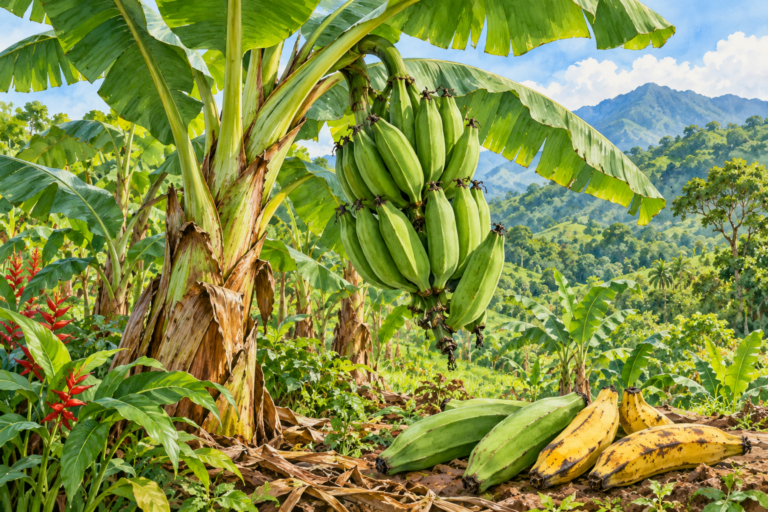
Pico: “These fruits look like big bananas!”

Tati: “Let's ask how plantains are used in the kitchen.”

Identification

Key Features of the Plantain

  • Broad elongated leaves

  • Layered pseudostem rather than a woody trunk

  • Large fruits grouped in hands

  • Green and ripe fruits look different

Habitat & range

Warm cultivated areas in the Caribbean, Northern Plains, South Pacific and Central Pacific.

Conservation & care

Visit farms only with permission and follow the host's instructions. Stay clear of machinery, chemical applications and working areas. Do not pick or taste plants without a responsible adult and the host's approval.

View full profile →

Nature Field Guide

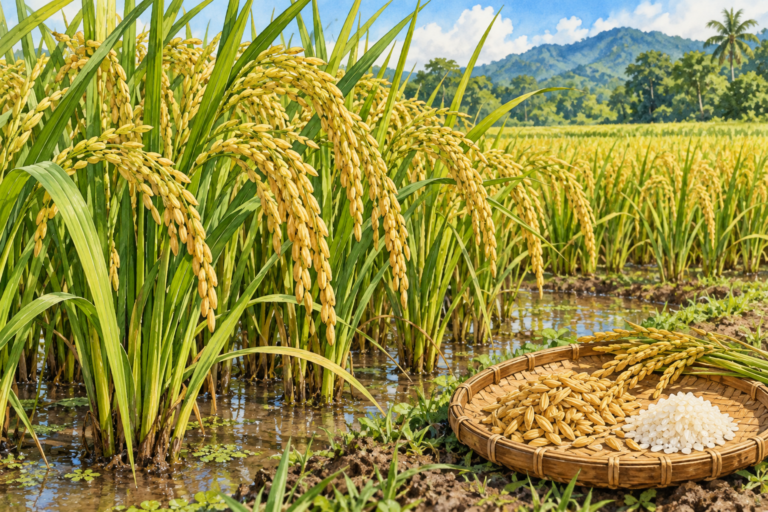
Rice

Spanish name
Arroz
Scientific name
Oryza sativa

What Do Pico & Tati Think?

Pico: “Those tiny grains become rice!”

Tati: “Let's compare the plant with the rice we see at home.”

Identification

Key Features of the Rice

  • Narrow grass leaves

  • Upright stems with joints

  • Branched clusters carrying many small grains

  • Grain heads can droop as they mature

Habitat & range

Cultivated lowland fields in Guanacaste, Central Pacific, South Pacific and the Northern Plains.

Conservation & care

Visit farms only with permission and follow the host's instructions. Stay clear of machinery, chemical applications and working areas. Do not pick or taste plants without a responsible adult and the host's approval.

View full profile →

Nature Field Guide

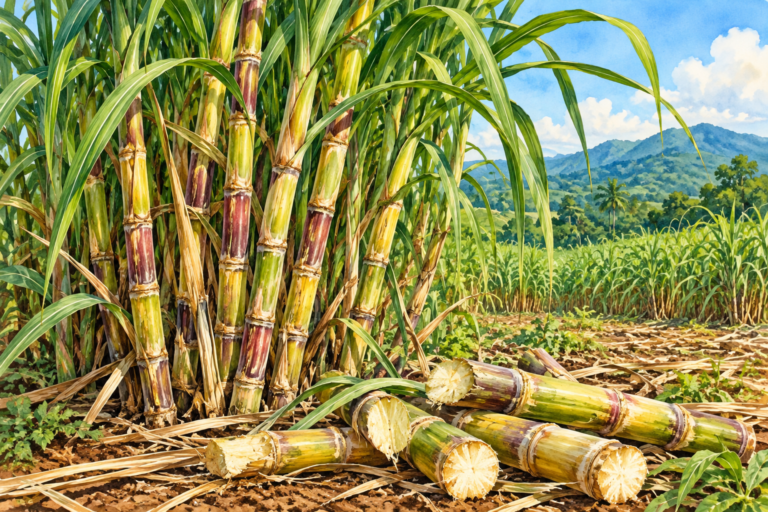
Sugar Cane

Spanish name
Caña de azúcar
Scientific name
Saccharum spp. (cultivated hybrids)

What Do Pico & Tati Think?

Pico: “This tall grass gives us something sweet!”

Tati: “The juice comes from the stalk, and a host can show us how it is processed.”

Identification

Key Features of the Sugar Cane

  • Tall stalks with distinct joints

  • Long narrow grass leaves

  • Many stems growing in a clump

  • Cut stalks show a fibrous interior

Habitat & range

Cultivated cane fields, including Guanacaste, the Northern Zone, Puntarenas, the Central Valley and southern Costa Rica. Traditional trapiches require permission or a hosted visit.

Conservation & care

Stay away from cutting tools, rollers, moving machinery and hot syrup. Let the host handle any cane samples.

Visit farms only with permission and follow the host's instructions. Stay clear of machinery, chemical applications and working areas. Do not pick or taste plants without a responsible adult and the host's approval.

View full profile →

My Tico Explorer Experience

Save nature, towns, discoveries and learning adventures for your next experience.

Your list stays in this browser on this device.