Tico Explorers

Nature Field Guide

Seashells

Explore wildlife, plants and trees. Learn what to look for and where to find them.

All Nature

21 profiles

Nature Field Guide

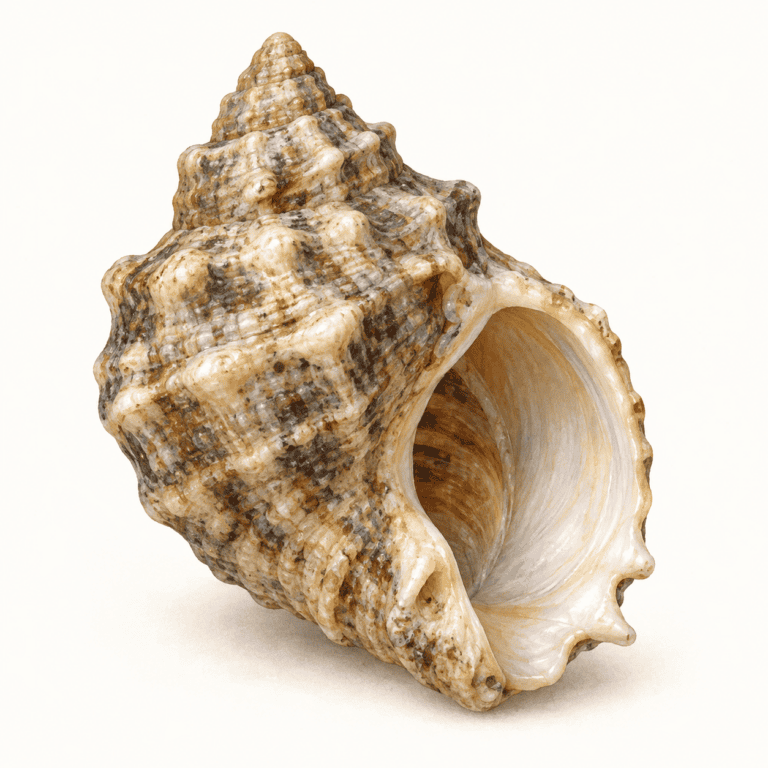
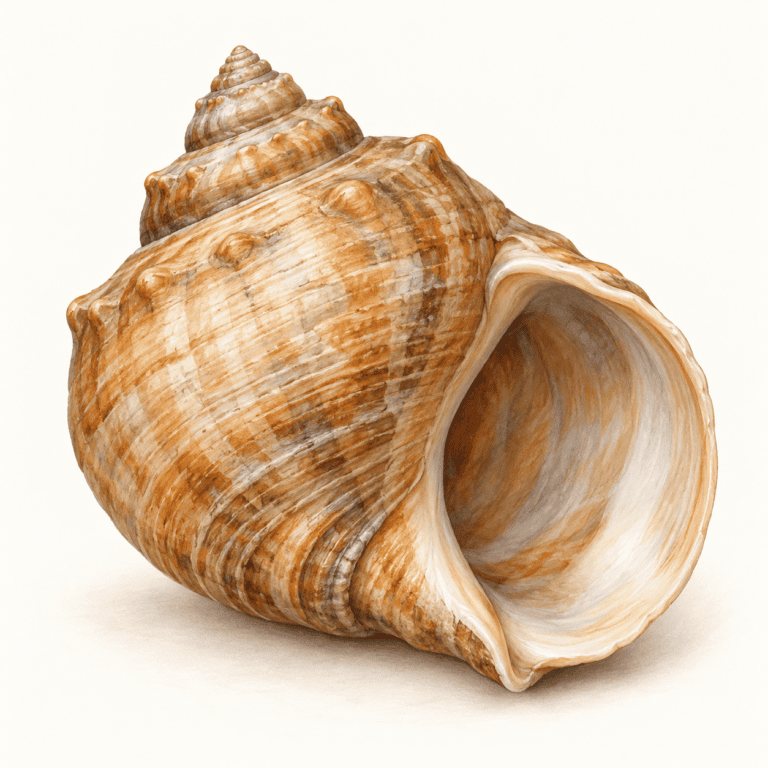
Apple Rocksnail

Spanish name
Caracol de roca
Scientific name
Vasula melones

What Do Pico & Tati Think?

An apple rocksnail lives among the rocks of the lower shore.

Identification

Key Features of the Apple Rocksnail

  • Coiled rocksnail shell.

  • Compare its broad outline, spire and opening with an identified reference.

  • Older labels may use the name Thais melones.

Habitat & range

Lower rocky intertidal zone.

Conservation & care

Observe and photograph shells where they are. Leave living animals, occupied shells and empty shells in place. Do not pry animals from rocks, dig in mangroves or put fingers into shell openings. Explore with an adult or guide, follow site rules and stay clear of surf and slippery rocks.

View full profile →

Nature Field Guide

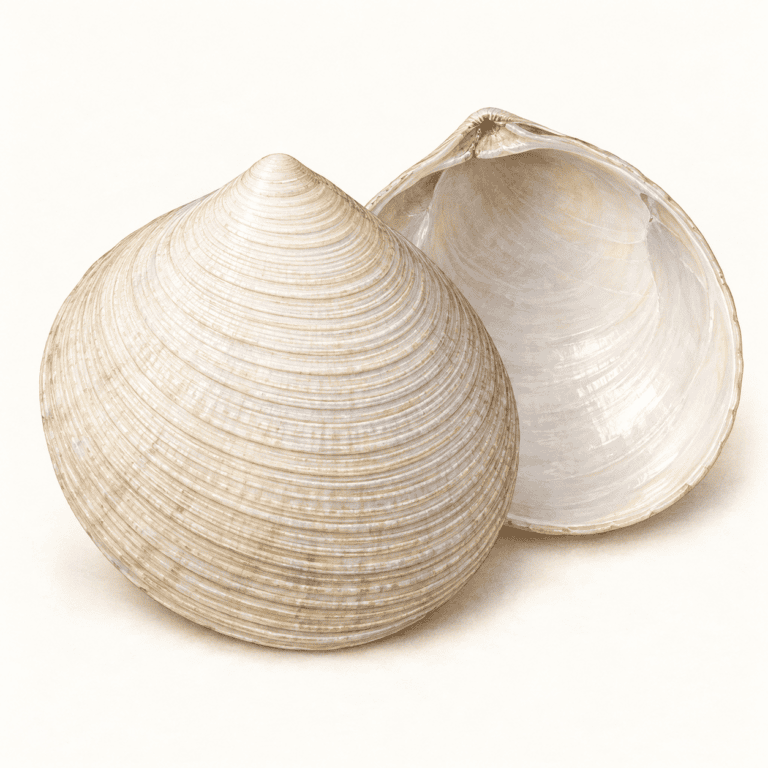
Dunker’s Dosinia

Spanish name
Almeja Dosinia
Scientific name
Dosinia dunkeri

What Do Pico & Tati Think?

A rounded clam shell rewards a closer look at fine surface lines.

Identification

Key Features of the Dunker’s Dosinia

  • Rounded, pale valves.

  • Fine concentric lines curve around the raised area near the hinge.

  • Confirm with hinge details and an identified reference.

Habitat & range

Coastal sand-mud habitat.

Conservation & care

Observe and photograph shells where they are. Leave living animals, occupied shells and empty shells in place. Do not pry animals from rocks, dig in mangroves or put fingers into shell openings. Explore with an adult or guide, follow site rules and stay clear of surf and slippery rocks.

View full profile →

Nature Field Guide

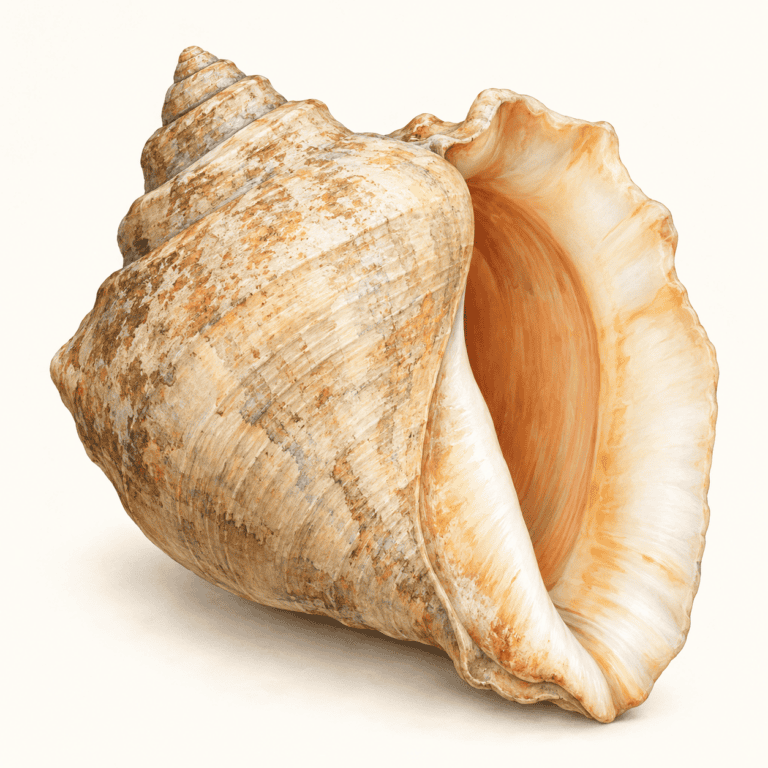
Eastern Pacific Giant Conch

Spanish name
Cambute del Pacífico
Scientific name
Titanostrombus galeatus

What Do Pico & Tati Think?

A large conch connects marine nature with Costa Rica’s cultural history.

Identification

Key Features of the Eastern Pacific Giant Conch

  • Large, thick shell.

  • Adult shells have an expanded outer lip and a short spire.

  • Look for older scientific names when comparing historical references.

Habitat & range

Pacific coastal marine habitat; local encounters require confirmation.

Conservation & care

Observe and photograph shells where they are. Leave living animals, occupied shells and empty shells in place. Do not pry animals from rocks, dig in mangroves or put fingers into shell openings. Explore with an adult or guide, follow site rules and stay clear of surf and slippery rocks.

View full profile →

Nature Field Guide

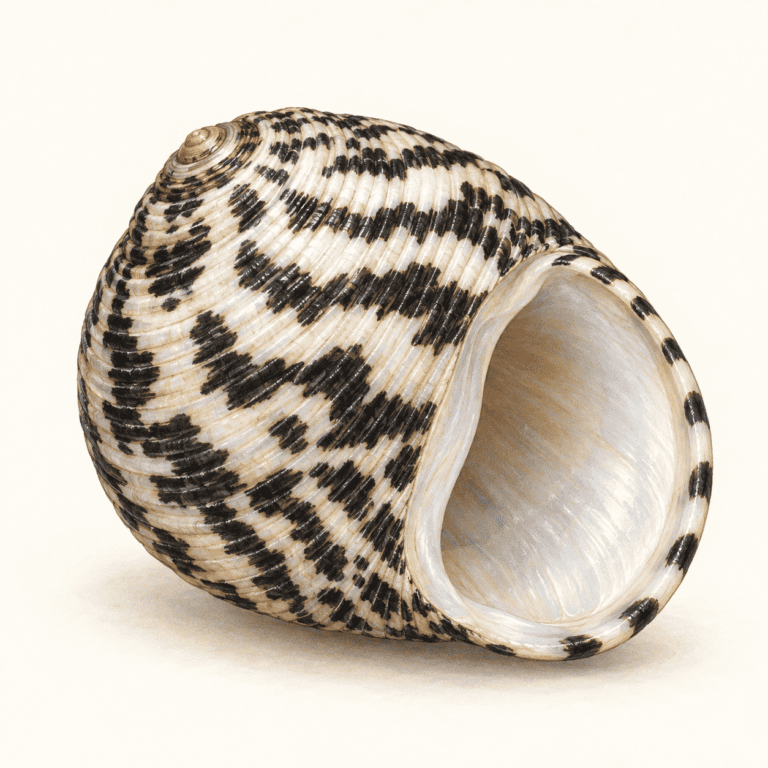
Funiculate Nerite

Spanish name
Nerita
Scientific name
Nerita funiculata

What Do Pico & Tati Think?

A small, rounded nerite invites a close look at its shell pattern.

Identification

Key Features of the Funiculate Nerite

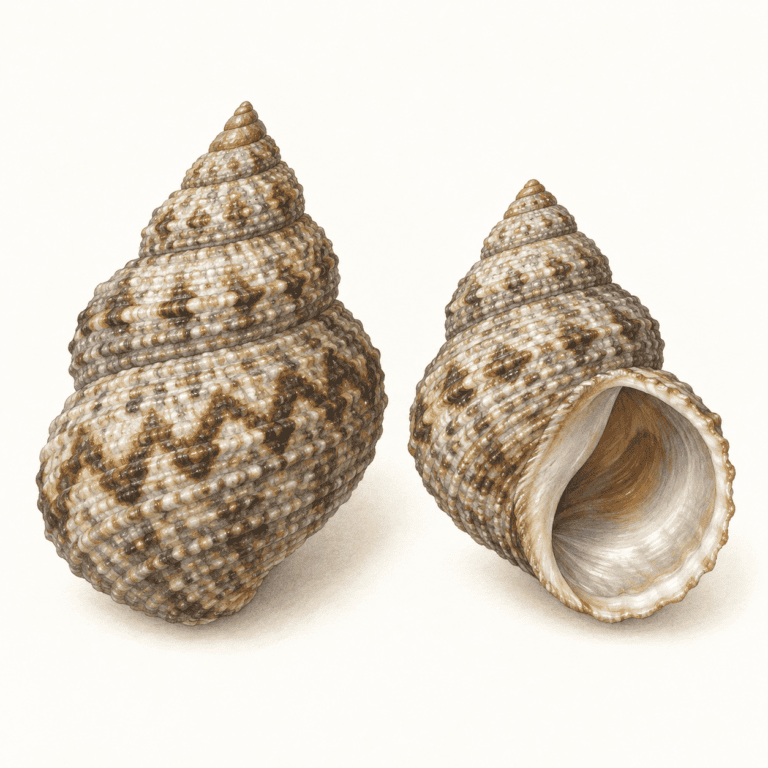
  • Small rounded shell.

  • Very low spire and a broad, D-shaped opening.

  • Fine ridges and dark-and-pale patterns may be visible.

Habitat & range

Rocky intertidal shore.

Conservation & care

Observe and photograph shells where they are. Leave living animals, occupied shells and empty shells in place. Do not pry animals from rocks, dig in mangroves or put fingers into shell openings. Explore with an adult or guide, follow site rules and stay clear of surf and slippery rocks.

View full profile →

Nature Field Guide

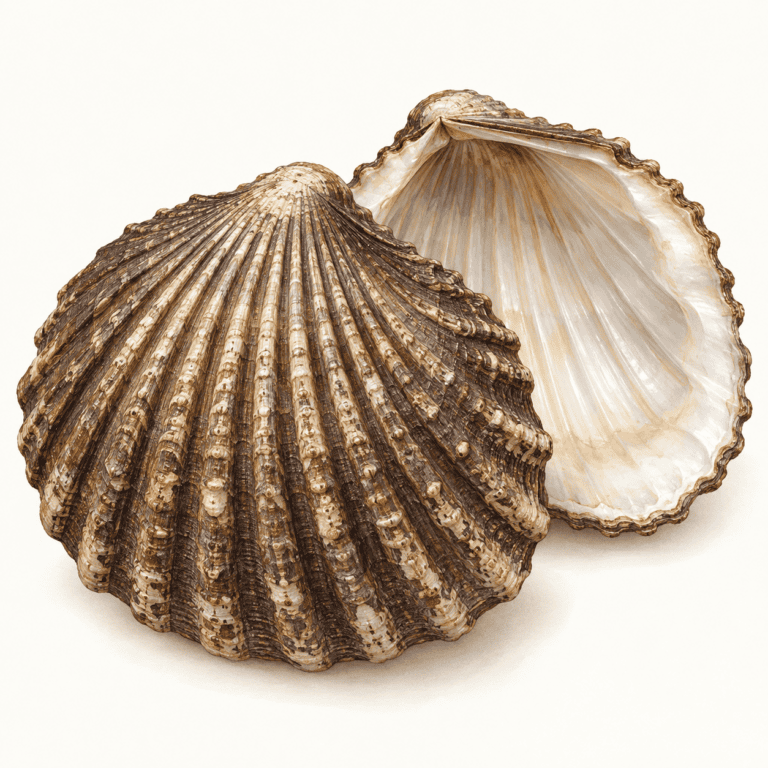
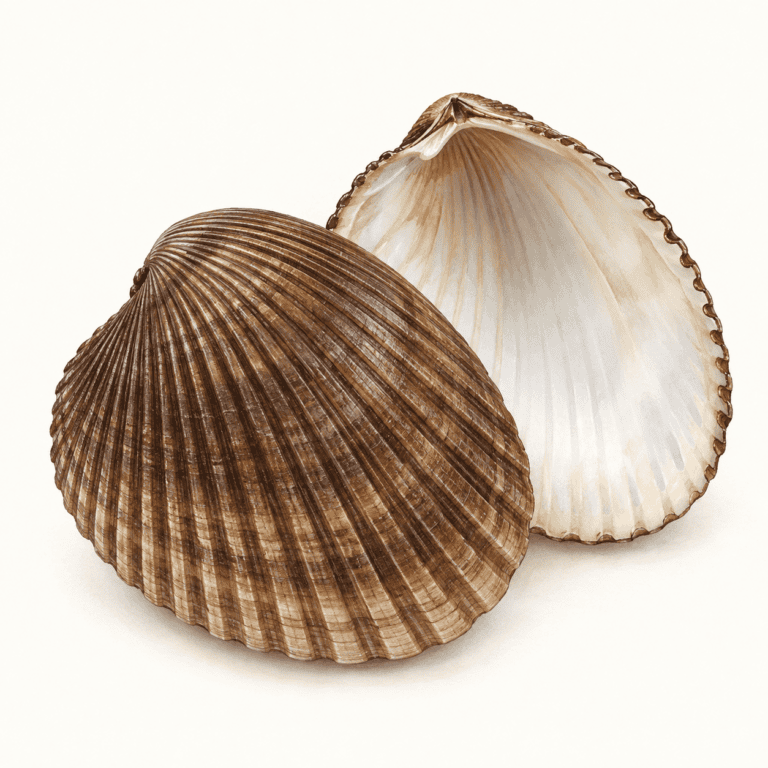
Giant Ark Clam

Spanish name
Chucheca
Scientific name
Larkinia grandis

What Do Pico & Tati Think?

A large ark shell has deep spaces between its strong ribs.

Identification

Key Features of the Giant Ark Clam

  • Broad, nearly square outline.

  • Strong ribs separated by deep grooves.

  • Prominent raised area near the hinge.

Habitat & range

Pacific estuarine and mangrove-associated coastal habitat.

Conservation & care

Observe and photograph shells where they are. Leave living animals, occupied shells and empty shells in place. Do not pry animals from rocks, dig in mangroves or put fingers into shell openings. Explore with an adult or guide, follow site rules and stay clear of surf and slippery rocks.

View full profile →

Nature Field Guide

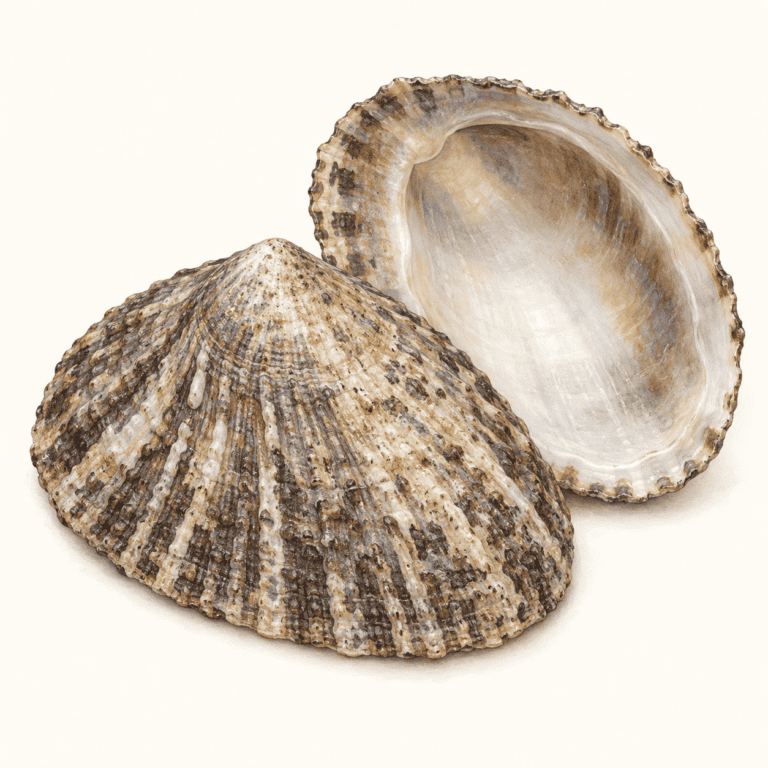
Giant False Limpet

Spanish name
Lapa
Scientific name
Siphonaria gigas

What Do Pico & Tati Think?

A cap-shaped shell shelters a snail on the rocky shore.

Identification

Key Features of the Giant False Limpet

  • Single cap-shaped shell rather than two hinged halves.

  • Look at the shell outline and raised top.

  • Compare with a keyhole limpet; a top opening is an important difference.

Habitat & range

Rocky intertidal habitat.

Conservation & care

Observe and photograph shells where they are. Leave living animals, occupied shells and empty shells in place. Do not pry animals from rocks, dig in mangroves or put fingers into shell openings. Explore with an adult or guide, follow site rules and stay clear of surf and slippery rocks.

View full profile →

Nature Field Guide

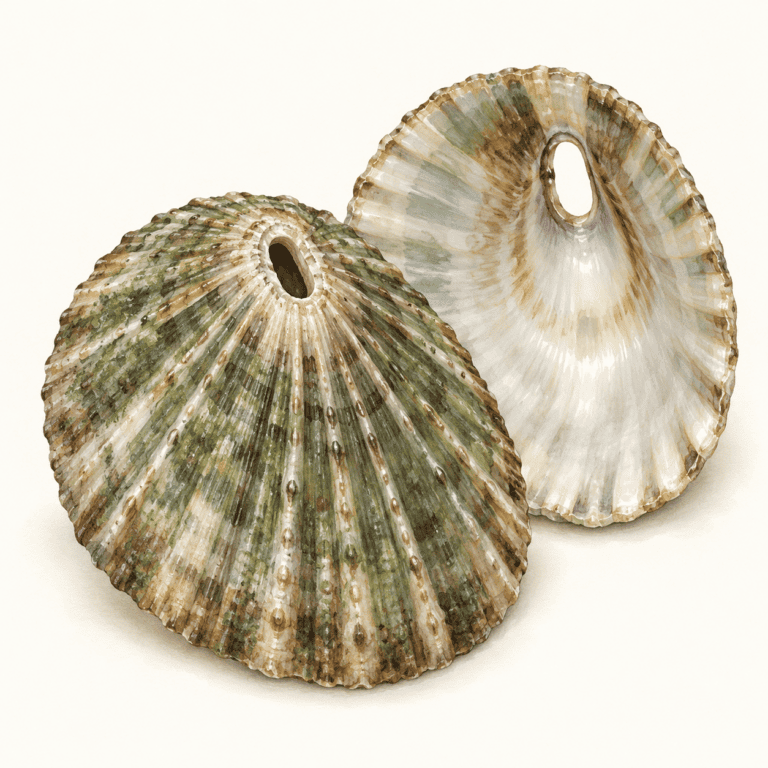
Greenish Keyhole Limpet

Spanish name
Lapa de agujero
Scientific name
Fissurella virescens

What Do Pico & Tati Think?

Look for the opening near the top of this cap-shaped shell.

Identification

Key Features of the Greenish Keyhole Limpet

  • Cap-shaped shell with an opening near the top.

  • Ribs radiate toward the edge.

  • An intact underside and species reference help with confirmation.

Habitat & range

Rocky coastal habitat.

Conservation & care

Observe and photograph shells where they are. Leave living animals, occupied shells and empty shells in place. Do not pry animals from rocks, dig in mangroves or put fingers into shell openings. Explore with an adult or guide, follow site rules and stay clear of surf and slippery rocks.

View full profile →

Nature Field Guide

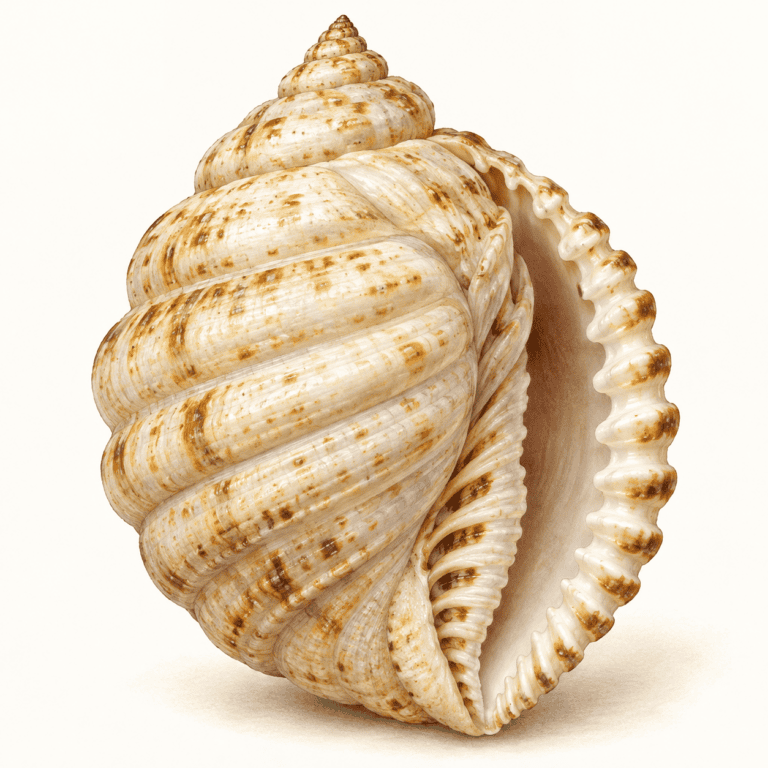
Grinning Tun

Spanish name
Cambute de lodo
Scientific name
Malea ringens

What Do Pico & Tati Think?

A rounded shell with a tooth-lined opening explains its memorable name.

Identification

Key Features of the Grinning Tun

  • Rounded, inflated shell.

  • Ribs run around the shell.

  • Strong ridges along the opening create a tooth-like appearance.

Habitat & range

Shallow coastal marine waters; a washed-up shell does not reveal its original depth.

Conservation & care

Observe and photograph shells where they are. Leave living animals, occupied shells and empty shells in place. Do not pry animals from rocks, dig in mangroves or put fingers into shell openings. Explore with an adult or guide, follow site rules and stay clear of surf and slippery rocks.

View full profile →

Nature Field Guide

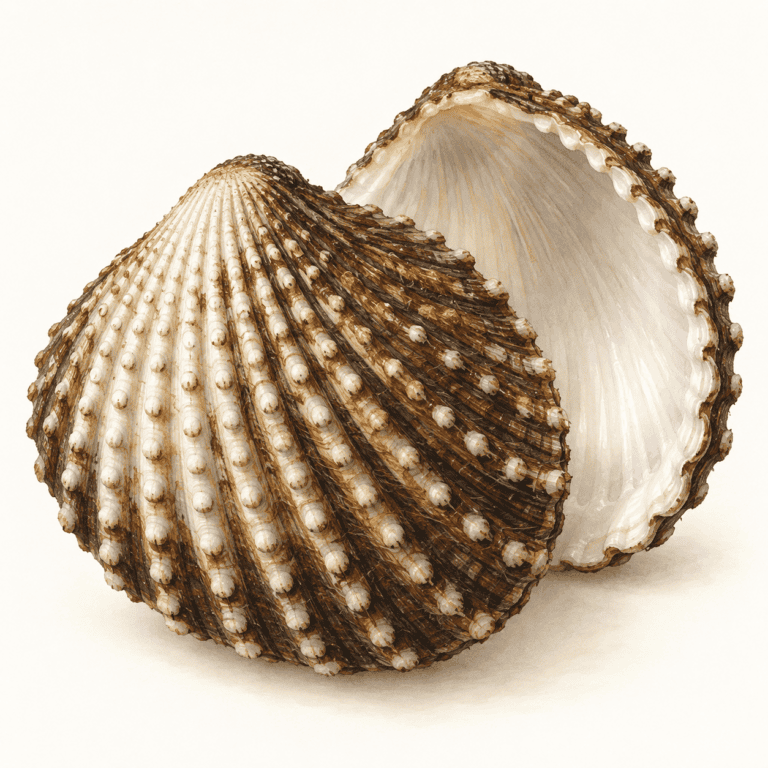
Knobby Mangrove Cockle

Spanish name
Piangua
Scientific name
Anadara tuberculosa

What Do Pico & Tati Think?

A ribbed mangrove shell has small bumps that help explain its name.

Identification

Key Features of the Knobby Mangrove Cockle

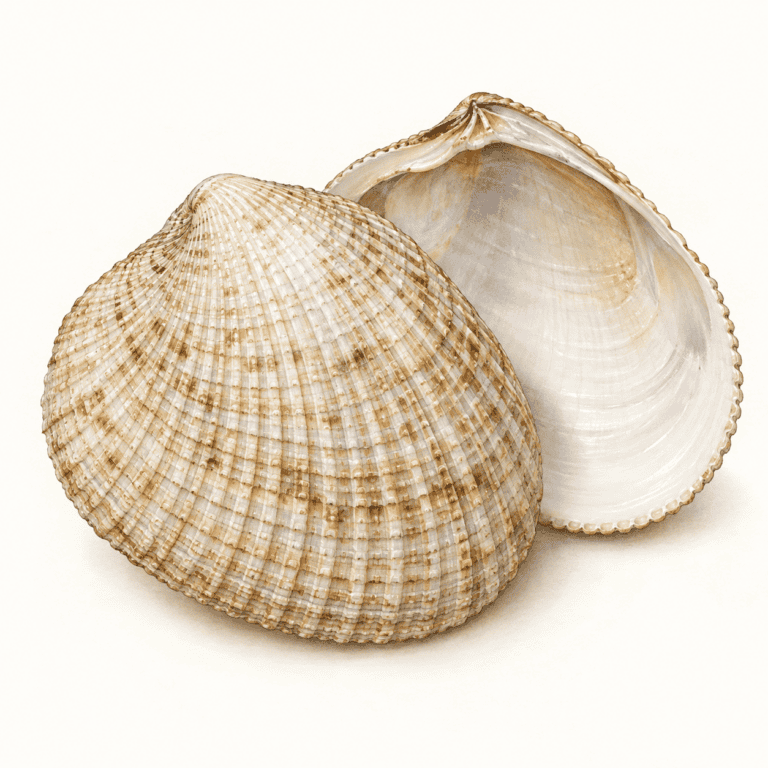
  • Thick, oval valves with raised ribs.

  • Small nodules occur along the ribs.

  • A dark, sometimes bristly outer covering may remain on fresh shells.

Habitat & range

Mangrove-associated muddy habitat.

Conservation & care

Observe and photograph shells where they are. Leave living animals, occupied shells and empty shells in place. Do not pry animals from rocks, dig in mangroves or put fingers into shell openings. Explore with an adult or guide, follow site rules and stay clear of surf and slippery rocks.

View full profile →

Nature Field Guide

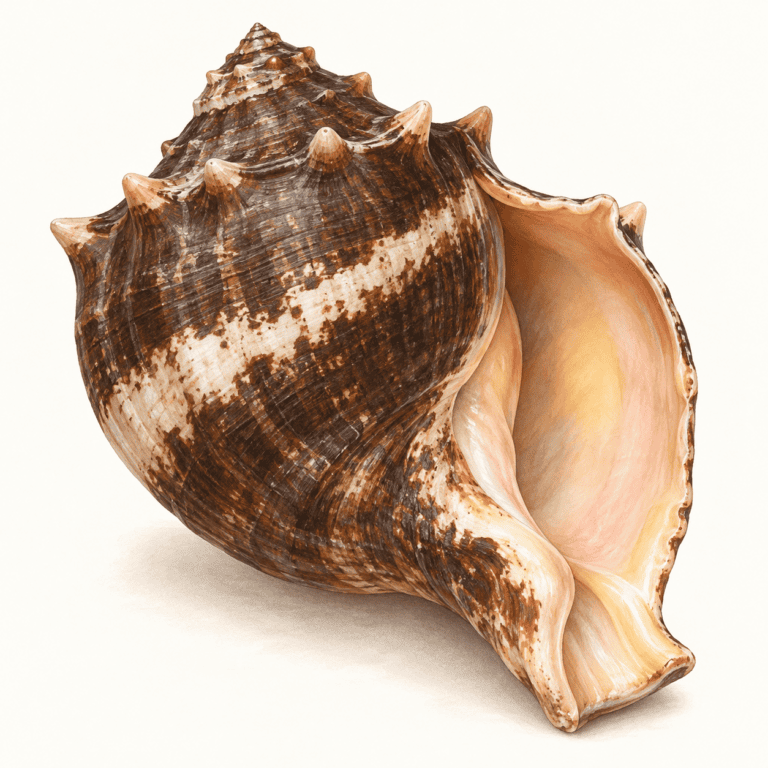
Pacific Crown Conch

Spanish name
Cambute negro
Scientific name
Melongena patula

What Do Pico & Tati Think?

A heavy shell may carry a row of short shoulder spines.

Identification

Key Features of the Pacific Crown Conch

  • Large pear-like shell with a low spire.

  • Short shoulder spines may be present or absent.

  • Broad opening and a short channel at its lower end.

Habitat & range

Coastal marine bottom habitat; confirm the exact local site with a guide.

Conservation & care

Observe and photograph shells where they are. Leave living animals, occupied shells and empty shells in place. Do not pry animals from rocks, dig in mangroves or put fingers into shell openings. Explore with an adult or guide, follow site rules and stay clear of surf and slippery rocks.

View full profile →

Nature Field Guide

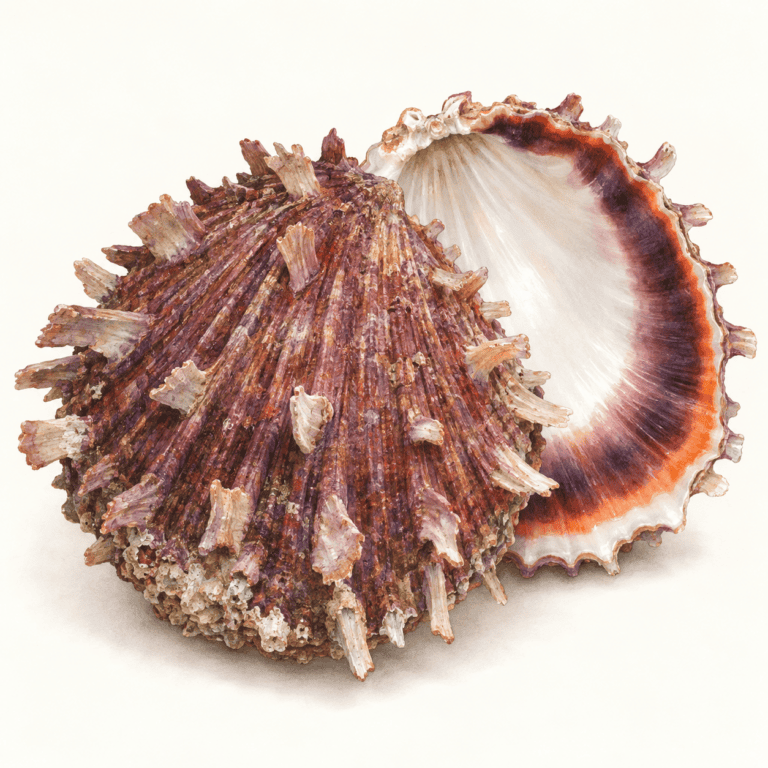
Pacific Spiny Oyster

Spanish name
Ostión vaca
Scientific name
Spondylus limbatus

What Do Pico & Tati Think?

Ribs, spines and an irregular outline help this shell stand out.

Identification

Key Features of the Pacific Spiny Oyster

  • Irregular rounded shell with strong radial ribs.

  • Spines may be short, worn or missing.

  • Compare the hinge, inner margin and attachment area in reference photographs.

Habitat & range

Shallow marine hard substrates, especially rocks.

Conservation & care

Observe and photograph shells where they are. Leave living animals, occupied shells and empty shells in place. Do not pry animals from rocks, dig in mangroves or put fingers into shell openings. Explore with an adult or guide, follow site rules and stay clear of surf and slippery rocks.

View full profile →

Nature Field Guide

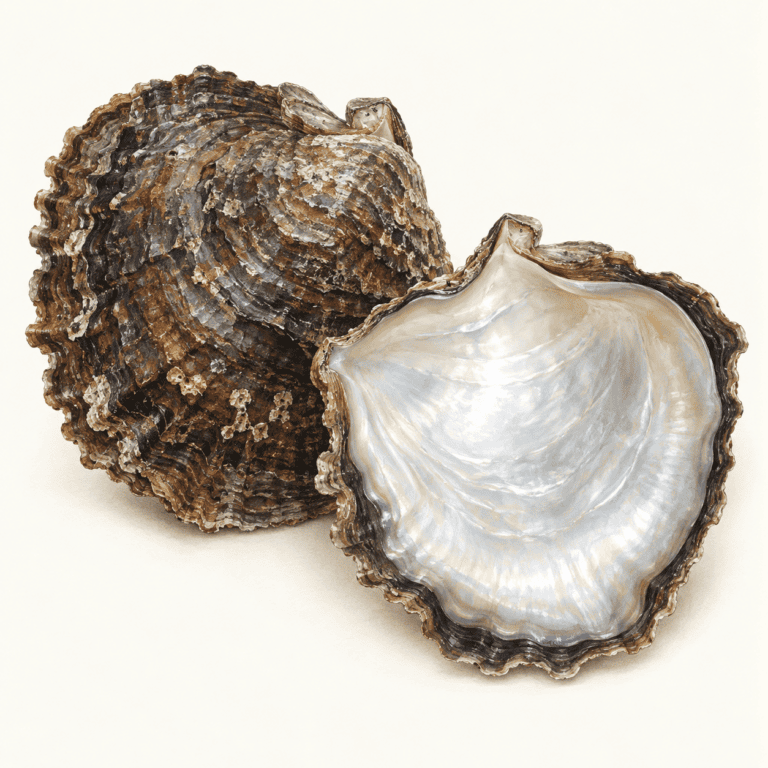
Panamanian Pearl Oyster

Spanish name
Concha perla
Scientific name
Pinctada mazatlanica

What Do Pico & Tati Think?

A pearl oyster is a two-part shell animal from Pacific coastal waters.

Identification

Key Features of the Panamanian Pearl Oyster

  • Two hinged valves in a living animal.

  • Compare the hinge and outline with a pearl-oyster reference.

  • An empty valve may show a pearly interior; do not open a live oyster.

Habitat & range

Shallow coastal waters, including rocky marine habitat.

Conservation & care

Observe and photograph shells where they are. Leave living animals, occupied shells and empty shells in place. Do not pry animals from rocks, dig in mangroves or put fingers into shell openings. Explore with an adult or guide, follow site rules and stay clear of surf and slippery rocks.

View full profile →

Nature Field Guide

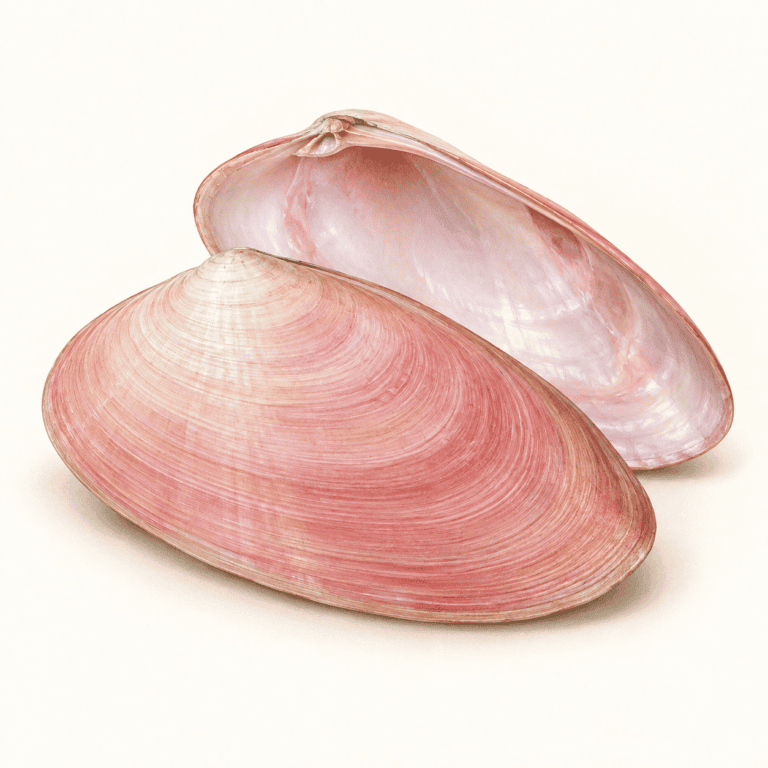
Pink Tellin

Spanish name
Almeja rosada
Scientific name
Eurytellina rubescens

What Do Pico & Tati Think?

A pink bivalve adds color to the story of Costa Rica’s tidal flats.

Identification

Key Features of the Pink Tellin

  • Two-valved clam shell with pink coloration when preserved.

  • Compare outline, hinge and both ends with an identified reference.

  • Older references use Tellina rubescens.

Habitat & range

Estuarine sand-mud flats.

Conservation & care

Observe and photograph shells where they are. Leave living animals, occupied shells and empty shells in place. Do not pry animals from rocks, dig in mangroves or put fingers into shell openings. Explore with an adult or guide, follow site rules and stay clear of surf and slippery rocks.

View full profile →

Nature Field Guide

Polished Tagelus Clam

Spanish name
Almeja Tagelus
Scientific name
Tagelus politus

What Do Pico & Tati Think?

This tidal-flat clam demonstrates how a scientific name can be updated.

Identification

Key Features of the Polished Tagelus Clam

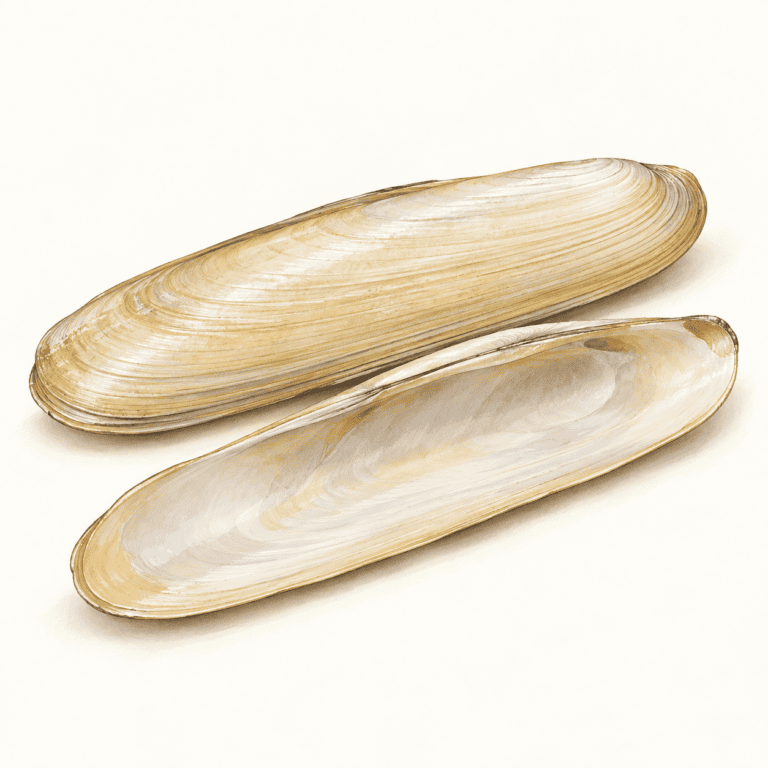
  • A bivalve rather than a coiled snail shell.

  • Record length, height and hinge position in a reference photograph.

  • Compare with Tagelus politus, including references labeled T. bourgeoisae.

Habitat & range

Estuarine sand-mud flats.

Conservation & care

Observe and photograph shells where they are. Leave living animals, occupied shells and empty shells in place. Do not pry animals from rocks, dig in mangroves or put fingers into shell openings. Explore with an adult or guide, follow site rules and stay clear of surf and slippery rocks.

View full profile →

Nature Field Guide

Rough Periwinkle

Spanish name
Caracol litoral
Scientific name
Echinolittorina aspera

What Do Pico & Tati Think?

A tiny pointed shell can be an excellent observation challenge.

Identification

Key Features of the Rough Periwinkle

  • Small coiled shell with a pointed spire.

  • A large final whorl gives a compact outline.

  • Color and surface texture vary; use several features together.

Habitat & range

Rocky intertidal shore.

Conservation & care

Observe and photograph shells where they are. Leave living animals, occupied shells and empty shells in place. Do not pry animals from rocks, dig in mangroves or put fingers into shell openings. Explore with an adult or guide, follow site rules and stay clear of surf and slippery rocks.

View full profile →

Nature Field Guide

Rough Venus Clam

Spanish name
Almeja blanca
Scientific name
Leukoma asperrima

What Do Pico & Tati Think?

Fine crossing sculpture gives this small clam a textured surface.

Identification

Key Features of the Rough Venus Clam

  • Rounded to oval valves.

  • Radial ribs crossed by finer lines.

  • Compare intact shell sculpture and hinge with an identified reference.

Habitat & range

Documented on estuarine sand-mud flats at Punta Morales in the Gulf of Nicoya. The study supports the Puntarenas & the Gulf Islands browsing region; it does not establish a complete national range.

Conservation & care

Observe and photograph shells where they are. Leave living animals, occupied shells and empty shells in place. Do not pry animals from rocks, dig in mangroves or put fingers into shell openings. Explore with an adult or guide, follow site rules and stay clear of surf and slippery rocks.

View full profile →

Nature Field Guide

Rough-ribbed Nerite

Spanish name
Burgado
Scientific name
Nerita scabricosta

What Do Pico & Tati Think?

A sturdy, dark shell with rough ridges belongs to this rocky-shore snail.

Identification

Key Features of the Rough-ribbed Nerite

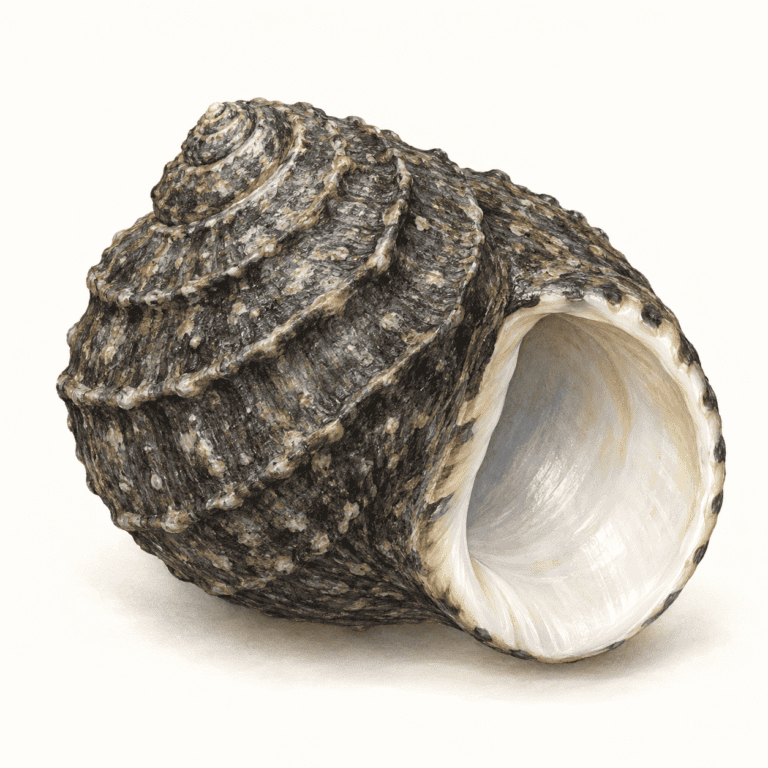
  • Rounded shell with a low spire.

  • Dark gray exterior and rough spiral ribs.

  • Check the opening and overall shape against an identified reference.

Habitat & range

Upper rocky intertidal shore.

Conservation & care

Observe and photograph shells where they are. Leave living animals, occupied shells and empty shells in place. Do not pry animals from rocks, dig in mangroves or put fingers into shell openings. Explore with an adult or guide, follow site rules and stay clear of surf and slippery rocks.

View full profile →

Nature Field Guide

Short-toothed Rocksnail

Spanish name
Caracol de roca
Scientific name
Acanthais brevidentata

What Do Pico & Tati Think?

This rocky-shore snail offers a chance to study the shell opening.

Identification

Key Features of the Short-toothed Rocksnail

  • A coiled shell belonging to the rocksnail family.

  • Record the shape of the spire and shell opening.

  • Use an identified Acanthais reference for species-level comparison.

Habitat & range

Rocky intertidal habitat.

Conservation & care

Observe and photograph shells where they are. Leave living animals, occupied shells and empty shells in place. Do not pry animals from rocks, dig in mangroves or put fingers into shell openings. Explore with an adult or guide, follow site rules and stay clear of surf and slippery rocks.

View full profile →

Nature Field Guide

Smooth-ribbed Mangrove Cockle

Spanish name
Piangua o conchudo
Scientific name
Anadara similis

What Do Pico & Tati Think?

This mangrove cockle resembles its knobby relative, but details differ.

Identification

Key Features of the Smooth-ribbed Mangrove Cockle

  • Oval shell with many radial ribs.

  • Generally thinner shell and rounder upper outline than A. tuberculosa.

  • Compare rib structure and outer covering in identified photographs.

Habitat & range

Pacific mangrove-associated habitat.

Conservation & care

Observe and photograph shells where they are. Leave living animals, occupied shells and empty shells in place. Do not pry animals from rocks, dig in mangroves or put fingers into shell openings. Explore with an adult or guide, follow site rules and stay clear of surf and slippery rocks.

View full profile →

Nature Field Guide

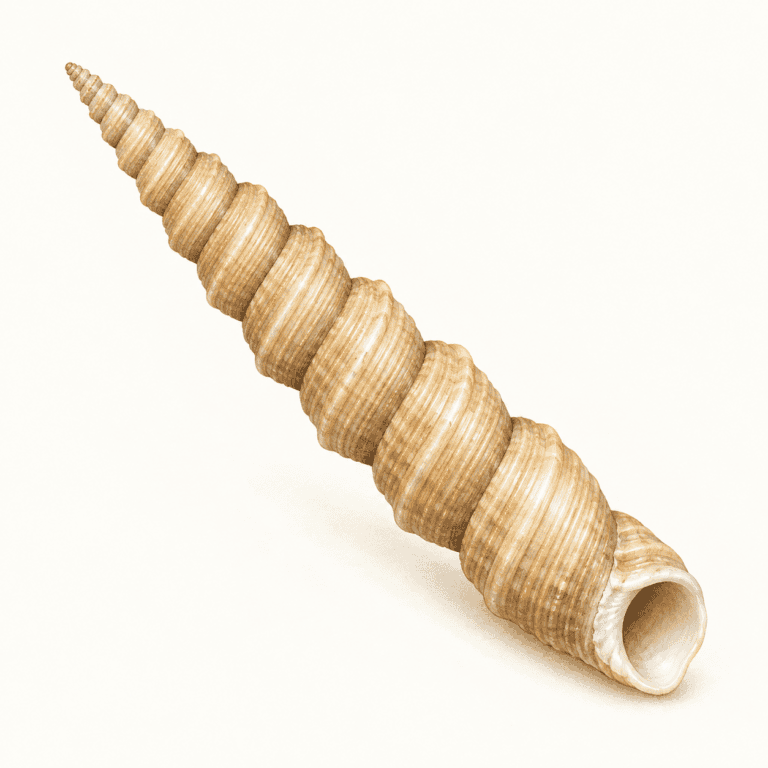
Turret Shell

Spanish name
Caracol torre
Scientific name
Turritellidae — provisional

What Do Pico & Tati Think?

Nature Field Guide

Wrinkled Penshell

Spanish name
Concha abanico
Scientific name
Pinna rugosa

What Do Pico & Tati Think?

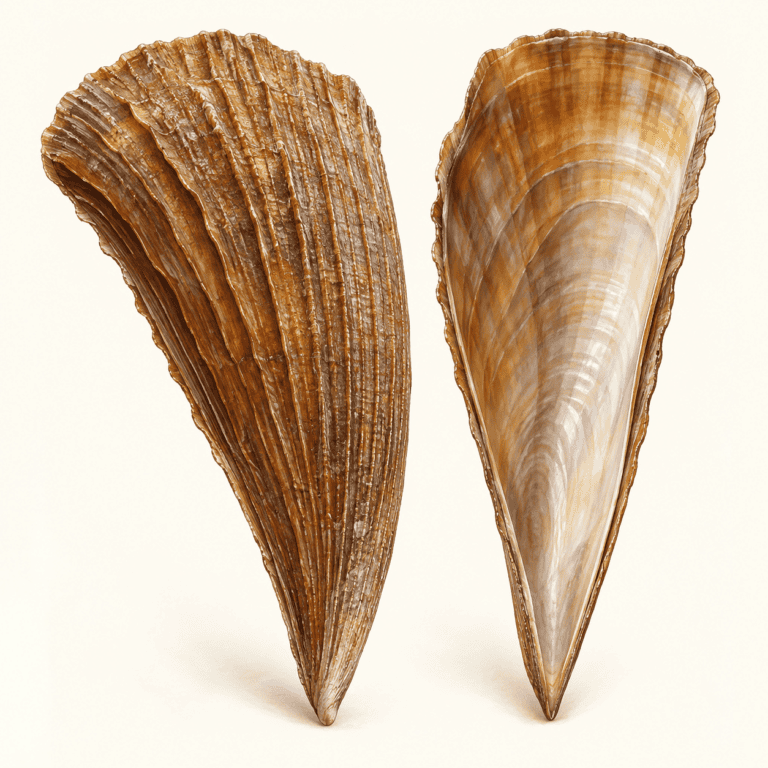
A long, fan-like penshell lives partly buried in the bottom.

Identification

Key Features of the Wrinkled Penshell

  • Long shell that widens away from a pointed end.

  • Two valves make up the whole shell.

  • Wrinkled or ribbed surfaces should be compared with a reference.

Habitat & range

Muddy bay bottoms, including areas influenced by mangrove tidal flow.

Conservation & care

Observe and photograph shells where they are. Leave living animals, occupied shells and empty shells in place. Do not pry animals from rocks, dig in mangroves or put fingers into shell openings. Explore with an adult or guide, follow site rules and stay clear of surf and slippery rocks.

View full profile →

My Tico Explorer Experience

Save nature, towns, discoveries and learning adventures for your next experience.

Your list stays in this browser on this device.