

Nature Field Guide
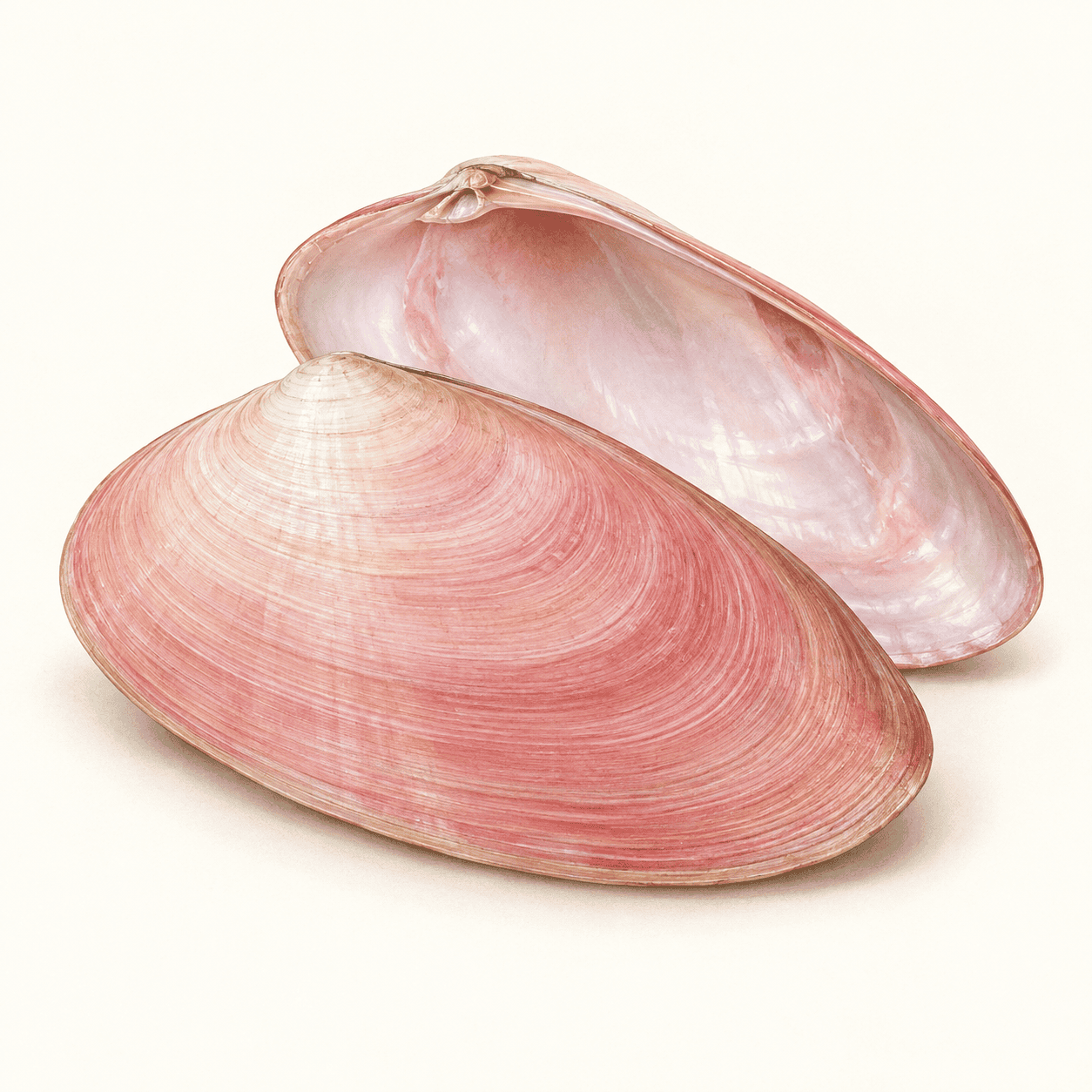
Pink Tellin
- Spanish name
- Almeja rosada
- Scientific name
- Eurytellina rubescens
What Do Pico & Tati Think?
A pink bivalve adds color to the story of Costa Rica’s tidal flats.
Species overview
About the Pink Tellin
Researchers recorded this pink, deposit-feeding clam in the Gulf of Nicoya. Older work calls it Tellina rubescens. Color is a starting clue, not a complete identification, particularly in weathered shell pieces.
Explorer activity: Sketch an identified reference shell and mark its two ends. On your own beach photograph, separate what you can actually see from what you are guessing.
Your discovery notes: Record the date, place and habitat, then add a sketch or photograph. If you cannot confirm the species, label it “unidentified shell” and keep your observations.
Identification
Key Features of the Pink Tellin
Two-valved clam shell with pink coloration when preserved.
Compare outline, hinge and both ends with an identified reference.
Older references use Tellina rubescens.
Habitat & range
Estuarine sand-mud flats.
Local observations
Pacific Costa Rica: Punta Morales, Gulf of Nicoya field study. This supports regional inclusion, not a confirmed Tamarindo Beach sighting.
When to observe
Tides and conditions affect visibility. Let an adult or local guide choose a safe observation time; this card does not promise a seasonal sighting.
Conservation & care
Observe and photograph shells where they are. Leave living animals, occupied shells and empty shells in place. Do not pry animals from rocks, dig in mangroves or put fingers into shell openings. Explore with an adult or guide, follow site rules and stay clear of surf and slippery rocks.
Observation activity
Sketch an identified reference shell and mark its two ends. On your own beach photograph, separate what you can actually see from what you are guessing.