

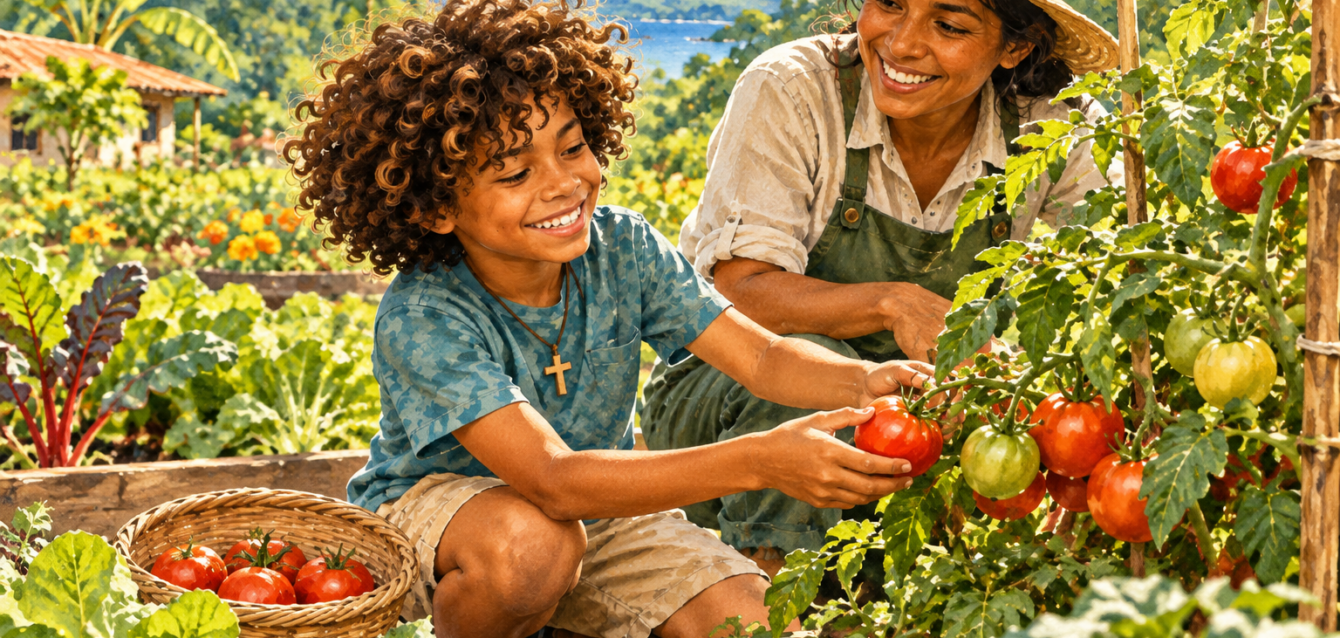
learning adventuresGarden to Table Explorers
Identify which parts of plants become familiar foods, then trace one ingredient from grower to plate.
Ages: 6–10 with an adult. Time: 30 minutes.
Your finished discovery: Complete a three-food sorting chart and a four-box food journey. Explain why a tomato can be a botanical fruit even when it appears in a savory meal.
Get Ready to Explore
Before you begin: Read the six steps together. Gather the materials below and choose a place where everyone can work comfortably. Younger explorers can draw or dictate while an adult writes.
Learning goal: Identify which parts of plants become familiar foods, then trace one ingredient from grower to plate.
What to Bring
- Three familiar plant foods or photographs: for example carrot, lettuce and tomato
- Paper, pencil and colored pencils
- A trusted adult who can identify the foods
- Optional: a seed packet with a labeled plant diagram
Follow the Clues
1. Choose Three Foods
2. Sketch the Whole Plant
3. Sort the Plant Parts
4. Find the Seeds
5. Trace One Ingredient
6. Meet the People Behind It
Discover the Facts
We eat different plant parts. Roots, stems, leaves, flowers, fruits and seeds can all be food, depending on the plant. The edible part of one species does not make the same part of another species safe.
A tomato is a fruit in botany. It develops from a flower’s ovary and contains seeds. In cooking, people often group tomatoes with vegetables. These are different ways of sorting food.
Roots and leaves do different jobs. Roots take up water and minerals. Leaves usually capture light to help the plant make sugars through photosynthesis.
Your Explorer Challenge
Complete a three-food sorting chart and a four-box food journey. Explain why a tomato can be a botanical fruit even when it appears in a savory meal.
Explore with Care
Use only foods your adult has identified as edible. Ask permission before entering gardens or handling plants. An adult handles knives, cooking and food preparation. Respect allergies and wash hands.
Bring the Discovery Home
Choose one ingredient at the next family meal. Tell someone which plant part it is and one person whose work helped bring it to the table.
For grown-ups: Read the background information.
bring the adventure homeThe story continues with you.
Read together. Color with imagination. Bring Pico and Tati’s world into your home with books that invite children to explore, learn and care for God’s creation.
Our Promise
At Tico Explorers, we encourage children to explore with curiosity, learn with kindness, and care for God’s creation.
Our adventures invite families to notice the world together, respect local communities, and leave the places they visit cared for.
Explore • Learn • Protect
-
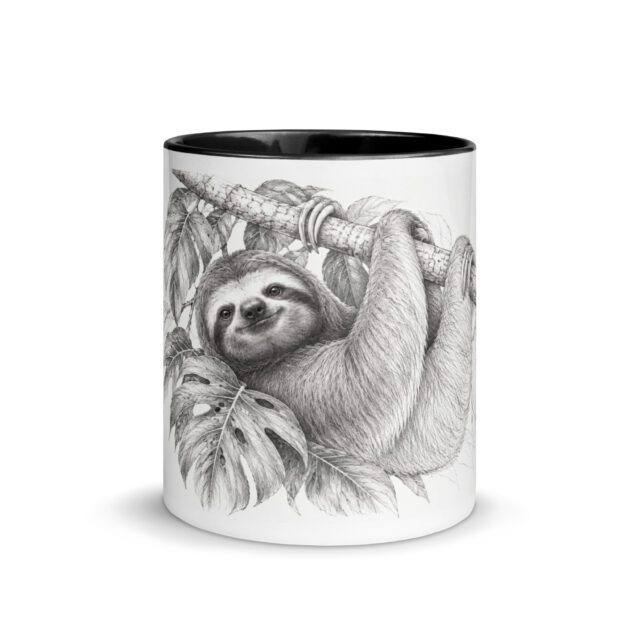 Select options This product has multiple variants. The options may be chosen on the product page
-
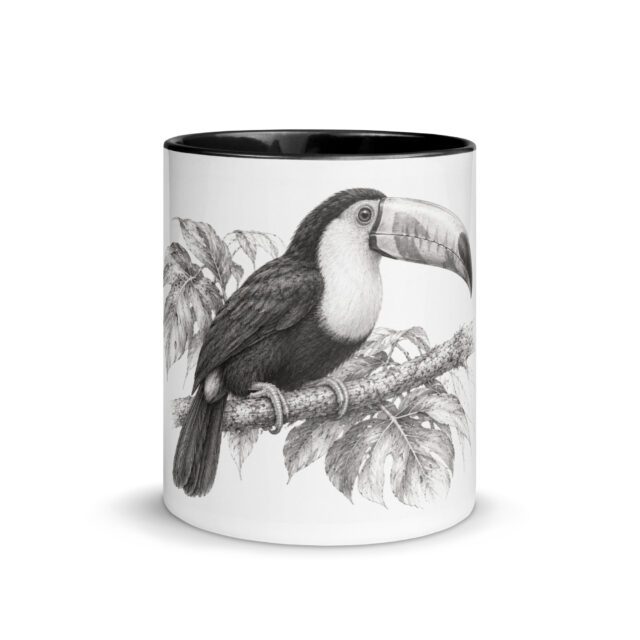 Select options This product has multiple variants. The options may be chosen on the product page
-
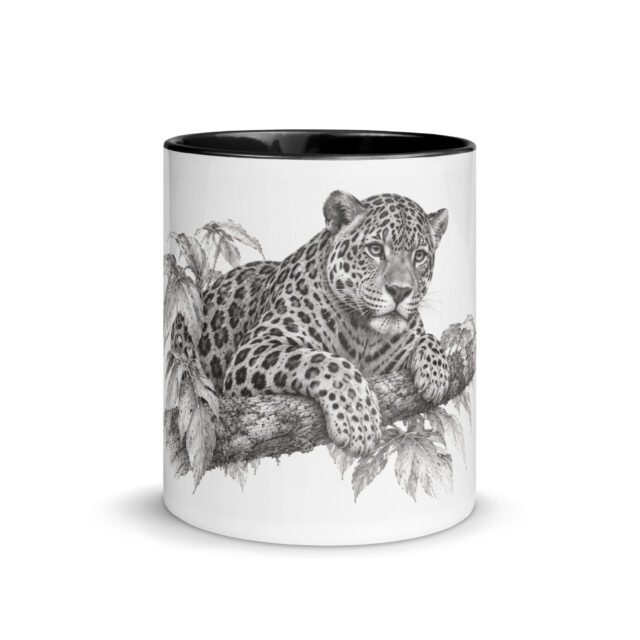 Select options This product has multiple variants. The options may be chosen on the product page
-
 Select options This product has multiple variants. The options may be chosen on the product page